
Clustering and conservation patterns of human micrornas
|
|
|
- George Owen Holt
- 10 years ago
- Views:
Transcription
1 Clustering and conservation patterns of human micrornas Nucleic Acids Research, 2005, Vol. 33, No doi: /nar/gki567 Yael Altuvia, Pablo Landgraf 1, Gila Lithwick, Naama Elefant, Sébastien Pfeffer 1, Alexei Aravin 1, Michael J. Brownstein 2, Thomas Tuschl 1 and Hanah Margalit* Department of Molecular Genetics and Biotechnology, Faculty of Medicine, The Hebrew University, PO Box 12272, Jerusalem 91120, Israel, 1 Laboratory of RNA Molecular Biology, The Rockefeller University, 1230 York Avenue, Box 186, New York, NY 10021, USA and 2 Laboratory of Genetics NIMH/NHGRI, National Institutes of Health, Building 36, Room 3D06 Bethesda, MD 20892, USA Received February 2, 2005; Revised and Accepted April 21, 2005 ABSTRACT MicroRNAs (mirnas) are 22 nt-long non-coding RNA molecules, believed to play important roles in gene regulation. We present a comprehensive analysis of the conservation and clustering patterns of known mirnas in human. We show that human mirna gene clustering is significantly higher than expected at random. A total of 37% of the known human mirna genes analyzed in this study appear in clusters of two or more with pairwise chromosomal distancesofatmost3000nt.comparisonofthemirna sequences with their homologs in four other organisms reveals a typical conservation pattern, persistent throughout the clusters. Furthermore, we show enrichment in the typical conservation patterns and other mirna-like properties in the vicinity of known mirna genes, compared with random genomic regions. This may imply that additional, yet unknown, mirnas reside in these regions, consistent with the current recognition that there are overlooked mirnas. Indeed, by comparing our predictions with cloning results and with identified mirna genes in other mammals, we corroborate the predictions of 18 additional human mirna genes in the vicinity of the previously known ones. Our study raises the proportion of clustered human mirnas that are <3000 nt apart to 42%. This suggests that the clustering of mirna genes is higher than currently acknowledged, alluding to its evolutionary and functional implications. INTRODUCTION MicroRNAs (mirnas) are very small (22 nt) singlestranded non-coding RNA (ncrna) molecules, processed from hairpin precursors of 70 nt (pre-mirna), extracted, in turn, from primary transcripts (pri-mirna) (1 3). MiRNAs have lately gained much interest, as recent genome-wide studies have shown that they are widespread in a variety of organisms and are conserved in evolution. In fact, they are now considered one of the largest gene families, and a growing number of biological processes involving mirnas are continuously discovered [for review see (4 6)]. MiRNAs in animals are found in diverse genomic locations. Most mirnas are encoded in intergenic regions, but there are also many mirnas that are hosted within the introns of premrnas or encoded within ncrna genes (7,8). Interestingly, it was observed that there are mirna genes, both hosted and non-hosted, which are clustered. In fact, the clustering propensity of mirna genes was noticed from the first days of the massive direct cloning of short ncrna molecules (9 12). Usually, there are between two to three mirna genes in a cluster. However, larger clusters were also identified, such as the human hsa-mir-17 cluster composed of six members (10,11), which is also conserved in other mammals (13), or the Drosophila melanogaster cluster of eight mirna genes (12). Recently, Seitz et al. (14) predicted a huge cluster of 40 mirna genes located in the 1 Mb human imprinted 14q32 domain, several of which were shown to be expressed. Clustered mirna genes may show high similarity in sequence, but they can also differ [(12), and reviewed in (5)]. Accumulating evidence suggests that clustered mirnas are transcribed as polycistrons and have similar expression patterns [(1,9,12,14 18), and reviewed in (2,5)]. Previous studies estimated the fraction of clustered mirna genes in D.melanogaster to be 50%, noting that the mirna genes in human are less clustered [reviewed in (5)]. Here, we conduct a comprehensive analysis of the genomic organization and conservation patterns of mirna genes in the human genome. We show that 37% of the known human mirna genes included in this study are highly clustered and have typical conservation patterns, persistent along the cluster. *To whom correspondence should be addressed. Tel: ; Fax: ; [email protected] ª The Author Published by Oxford University Press. All rights reserved. The online version of this article has been published under an open access model. Users are entitled to use, reproduce, disseminate, or display the open access version of this article for non-commercial purposes provided that: the original authorship is properly and fully attributed; the Journal and Oxford University Press are attributed as the original place of publication with the correct citation details given; if an article is subsequently reproduced or disseminated not in its entirety but only in part or as a derivative work this must be clearly indicated. For commercial re-use, please contact [email protected]

2 2698 Nucleic Acids Research, 2005, Vol. 33, No. 8 Furthermore, we show that conserved stem loop structures with mirna-like properties appear preferentially in the vicinity of previously known mirna genes, suggesting that these may be putative mirna genes clustered with the previously known ones. For 18 of our predictions, we found corroborations either by cloning results or by sequence similarity to experimentally verified mirnas in other mammals. Our results indicate that the clustering of mirna genes in the human genome is higher than previously recognized. Such clustering may be related to the evolutionary mechanisms responsible for the spreading of mirna genes in the human genome. It may also suggest that the expression of mirnas in a cluster is co-regulated, and that they play a role in a common molecular process. MATERIALS AND METHODS Database organization The human mirna precursors used in the analysis (207 in total), were derived from the mirna registry release 4.0 ( (19). Around 55% of these entries are supported by experimental evidence and 45% are considered human mirnas by sequence similarity to known mirnas in other mammals. For the general clustering analysis, we used all 207 human mirna precursors. For all other analyses, we divided the human mirna precursors into two separate sets based on their genomic locations. The genomic locations were derived from the UCSC July 2003 human genome assembly build 34, hg16 (20,21) ( edu). The first set included 71 mirna genes that reside within the introns or untranslated regions of same-strand proteincoding genes. These regions were extracted from the refgene and knowngene tables of the UCSC annotation database (21). This set was termed MH (pre-mrna-hosted). The second set included 132 mirna genes in intergenic regions that did not overlap any same-strand protein-coding gene. This set was termed NMH (non-pre-mrna-hosted). Three mirnas (hsa-mir-205, hsa-mir-125a and hsa-mir-133a-2) with ambiguous location definitions were excluded. In addition, hsa-mir-22 was excluded due to an ambiguous annotation at the time of the analysis. Evaluation of the general clustering of mirna genes Nearest neighbor distances between consecutive mirna genes were computed and the average distance was calculated across all chromosomes. To evaluate the statistical significance of the mirna clustering, the average of the nearest neighbor distances was compared to an equivalent average of the nearest neighbor distances of random positions. On each chromosome, we selected random positions whose number was equal to the number of mirna genes. We computed the nearest neighbor distances between consecutive random points and the average as described above, and checked whether the average nearest neighbor distance of the random group is lower than that of the mirnas. This procedure was repeated 1000 times. The fraction of times for which the random averages were smaller than the mirnas average provides the statistical significance for the mirna clustering. Extraction of the mirnas with their flanking regions For the mirna precursors in the NMH set, we extracted a fragment that included the mirna precursor flanked by 3000 nt on each side, or up to the nearest same-strand protein-coding gene if the latter was closer than 3000 nt. In cases where the distance between consecutive mirnas was <3000 nt, they were merged into a single fragment. Merging all neighboring mirnas resulted in a total of 103 regions with an average length of 5911 nt. As the MH mirnas reside within a defined genomic entity and since most of the hosted clusters of mirnas tend to reside in the same genomic entity (7), we extracted for MH mirnas the whole intron, rather than a flanking region of defined length. For alternative splicing variants, the largest annotated intron was used, and non-utr (untranslated region) introns were preferred over UTR introns. One mirna (hsa-mir-198) resided on a UTR/CDS exon. Only the UTR-exon region was extracted for this mirna. The final MH set included 55 fragments with an average length of nt and a median length of 4770 nt. Generation of random sets Pool of random fragments for comparison with the NMH mirnas. Same-direction protein-coding gene coordinates were extracted from the refgene and knowngene tables of the UCSC annotation database (21). Alternatively spliced variants and overlapping same-direction genes were merged into a single consecutive region, defining the boundaries of the intergenic regions. Two sets of intergenic regions were extracted, one for each strand. Regions that were annotated as gaps and the NMH set fragments themselves were excluded. We also excluded all the repeats and low complexity regions of length >200 nt. Pool of random fragments for comparison with the MH mirnas. Intronic regions were used to generate random datasets, one for each strand. These were based on the refgene and knowngene tables (21). Alternatively spliced and overlapping same-direction gene introns were merged, and intronic regions that overlapped same-direction exons were excluded. Twenty-five sets of 103 random sequences for the NMH set and 25 sets of 55 sequences for the MH set were generated. The random sequences used in the analysis maintained the same length distribution as the MH and NMH regions. Chromosomal distribution was not maintained, except for the exclusion of chromosome Y, which has no reported mirna genes. Conservation score assignments and extraction of conserved regions For the extraction of the conserved regions, we used the UCSC phastcons conservation scores, which are based on the multispecies alignments of Human (hg16), Chimp (pntro1), Mouse (mm3), Rat (rn3) and Chicken (galgal2) (22,23) ( genome.ucsc.edu). Regions containing at least 40 successive positions with a conservation score of at least 0.3 were defined as conserved. Within these regions, occurrences of up to two consecutive positions with conservation values <0.3 were also allowed.

3 Nucleic Acids Research, 2005, Vol. 33, No RNA folding procedure The entire conserved region was folded using the RNAfold program (with the d0 option) (24). Sub-regions that folded into a stem loop with at least 20 bp were then refolded independently to ensure that they maintain their stem loop structure. Statistical evaluation of the enrichment of mirna-like sequences in the mirna-flanking regions To test whether mirna-flanking regions are enriched in sequences with mirna-like properties, we compared the appearance of such sequences in the vicinity of known mirnas and in random genomic regions. The statistical significance of the difference between the occurrences in the vicinity of mirnas and in random sequences was determined by Fischer s exact test (with a=0.05). This comparison was repeated 25 times (for all random sets), and the number of tests that showed statistically significant enrichment was counted. The fraction of statistically significant tests out of the 25 tests was compared to that expected at random (0.05) by a binomial test, and this provided the statistical significance of the whole analysis. Total RNA isolation, cloning and annotation Small RNAs were isolated from mg of total RNA and cloned as described previously (25 27). The annotation was based on information from GenBank ( gov/genbank/), a dataset of human trna sequences ( lowelab.ucsc.edu/gtrnadb), a dataset of human sn/snorna sequences ( snorna-lbme-db at php and NONCODE v1 at the mirna registry release version 5.1, and the repeat element annotation of version 17 of the human genome assembly from UCSC ( Cell lines and tissues Pituitary gland was dissected 2 h postmortem following the written consent of the person s relatives. The identity of the person was obscured for privacy reasons. The human breast cancer cell lines MCF7 and SkBr3 were gifts of Dr Neal Rosen (Memorial Sloan-Kettering Cancer Center, NY), and were maintained in 1:1 mixture of DME:F12 medium supplemented with 100 U/ml penicillin, 100 mg/ml streptomycin, 4 mm glutamine and 10% heatinactivated fetal bovine serum, and incubated at 37 C in 5% CO 2. The human neuroblastoma cell line BE(2)-M17 (ATCC:CRL-2267) was maintained in 1:1 mixture of OptiMem:F12 medium supplemented with non-essential amino acids, 10% heat-inactivated fetal bovine serum, and incubated at 37 Cin5%CO 2. RESULTS Clustering of mirna genes in the human genome Short distances between consecutive genes on the chromosome imply that they are clustered. However, the definition of short distance is not obvious and depends to a great extent on the chromosome length. In the human genome, where the chromosomes consist of millions of nucleotides, distances of thousands of nucleotides may still be considered as relatively short, especially considering the considerable size of some genes. To analyze the distance distribution of mirna gene pairs, we computed the distances between same-strand consecutive mirna genes obtained from the mirna registry release 4.0 (19). The same-strand approach that was performed throughout this study was chosen since same-strand mirna clustering might imply that they are transcribed together [(1,9,12,14 18) and reviewed in (2,5)]. The cumulative distance distribution of the mirna gene pairs is presented in Figure 1. As can be seen, 10, 20 and 30% of the mirna gene pairs are separated by <100, 1000 and nt, respectively. Comparison of the mirna pair distances with random distances revealed that the mirna pair distances are statistically significantly smaller than expected at random (P < 0.001) (see Methods). Interestingly, the shortest distance found between two mirnas on opposite strands in our database was This suggests that indeed short-range clustering is strongly linked to same-strand clustering, which in turn is more likely to be linked to polycistronic transcription. We compared the clustering of the mirna genes to the clustering of other genes encoded in the human genome. As shown in Figure 1, at the very short distances the fractions of mirna genes are higher than those of other non-coding RNA genes (snorna, trna and snrna genes). trna gene pairs are found preferentially in the distance range of 10 4 to 10 6 nt while most snorna genes are highly clustered with a pairwise distance of <10 4. As to snrnas, although it has been noted that at least some of them tend to repeat in tandem [e.g. (28)], they seem to be the least clustered among the four RNA types Figure 1. Cumulative distance distribution of mirna genes and other types of human genomic functional elements. For each of the described elements, the distances (in nucleotides) between every two same-chromosome same-strand successive elements were calculated. Distance is drawn on a logarithmic scale. The different elements are marked: orange (exon of protein-coding genes), green (protein-coding gene), black (snorna), blue (trna), red (mirna) and cyan (snrna). The genomic coordinates were derived from the UCSC July 2003 human genome assembly build 34, hg16 (20,21) ( edu). Protein-coding genes and exons were based on the refgene and known- Gene tables. SnoRNA, trna and snrna pseudogenes were excluded.

4 2700 Nucleic Acids Research, 2005, Vol. 33, No. 8 studied. As expected, the highest clustering is exhibited by protein-coding exons, where 80% of the exon pairs are separated at distances of <10 4 nt. We next wished to examine the number of mirna genes per cluster. Such an analysis, however, requires a more precise definition of a cluster. As there are mirna genes that reside in intergenic regions and others that reside within the pre-mrna introns or untranslated regions, we treated these two groups separately (see Methods). For the 132 mirna genes in intergenic regions (termed NMH for non-pre-mrna-hosted), we defined 3000 nt as the maximal distance for two mirna genes to be considered as clustered (see Methods). The threshold of 3000 was determined because 27% of the pairwise distances were below 3000, and extending the threshold to 10 4 added relatively few mirna pairs. Furthermore, this rather small distance makes our analysis more stringent and should prevent overestimation of the number of clusters. By this definition, the mirna genes in intergenic regions were found to be organized in 22 clusters that included 17 pairs, four triplets and one group of five. For the 71 mirna genes hosted in premrna (termed MH for pre-mrna-hosted), we considered those encoded within the same non-coding element (intron or UTR-exon) as clustered, regardless of their pairwise distance. Nine such clusters were identified, including five pairs, three triplets and one group of six (Supplementary Table 1). Interestingly, 24 of the 25 clustered MH mirnas were also <3000 nt apart from their nearest clustered mirna, although this distance was not set as a requirement for the determination of MH mirnas as clustered. In total, 76 human mirnas, MH and NMH, were found to be included in 31 clusters (Supplementary Table 1), implying that 37.2% of the mirnas are clustered. Out of these, 75 mirnas (36.8%) were found to be clustered with pairwise chromosomal distances of at most 3000 nt. In a recent study, Weber reported a total of 37 human mirna gene clusters (8), which are in a good agreement with the clusters reported here. Eighty-nine percent of the clustered mirnas detected by the above analysis were also reported by Weber. About 20% of the clustered mirnas reported by Weber do not follow our more stringent definition of a cluster, mainly due to the strict distance limit we apply. Two additional clusters reported solely in our study comprised eight mirnas listed in the more recent Rfam version used in our analysis. Furthermore, in addition to the clusters based on the known mirnas included in Rfam 4.0, we report on the discovery of additional clusters and on the extension of known clusters (see below). Conservation patterns of mirnas Comparing the human mirna genes to their homologs in the genomes of mouse, rat, chicken and chimpanzee reveals a typical pattern of conservation. It is similar to the conservation pattern of Drosophila mirna genes based on the comparison of D.melanogaster and D.pseudoobscura (29), and to the conservation pattern that was very recently found for 10 primate species (30). This conservation pattern is especially impressive in the clusters, where typical peaks of high conservation are found in close proximity (Figure 2). The conservation peaks span the mirna and its precursor. Interestingly, in many cases there is a trough in the middle of the conservation peak, generating a saddle-like shape, which results from the lower conservation of the loop region in the secondary structure of the mirna precursor. Examination of the conservation patterns of the mirna gene sequences along with the conservation of the sequences in their vicinity, revealed a remarkable phenomenon: in quite a few cases, the typical patterns of conservation, each spanning similar length regions, were also observed in the mirna gene s flanking regions (Figure 2C E). This may suggest that overlooked mirna genes reside in these regions, and that the clustering of mirna genes along the genome is extensive. MiRNA-like properties of sequences in the vicinity of known mirna genes If indeed the conservation patterns in the vicinity of known mirna genes allude to possible additional mirna genes encoded in these regions, these sequences should show sequence features typical to mirnas and their precursors. To this end, we characterized the sequences in the flanking regions of known mirna genes, and then repeated the same characterization procedure for 25 random sets. For the MH set, sequences were extracted randomly from intronic regions of pre-mrnas. For the NMH set, sequences were extracted randomly from intergenic regions (see Methods). We then tested whether the regions adjacent to known mirnas were statistically significantly enriched with mirna-like properties compared to the random sets. This analysis was applied separately to the two sets of mirna genes, MH and NMH. We first tested whether sequences in the flanking regions of mirna genes show the conservation patterns and the typical stem loop structure more than expected at random. Conserved subsequences within these regions were identified and we examined their potential to fold into a stem loop structure (see Methods). Since only one of the mirna genes in our data overlapped a protein-coding exon on the complementary strand (mir-150), conserved stem loop regions overlapping exons on the opposite strand were excluded from all sets, including mir-150. As shown in Table 1, the number of conserved stem loops is >2-fold higher in the mirna regions than in random sequences. A total of 113 NMH mirna genes (86%) and 60 MH mirna genes (84%) adhere to both the conservation and folding potential criteria. As shown in Table 1, after subtracting the 113 NMH mirnas and 60 MH mirnas from the sequences that satisfy the two criteria, there are an additional 140 sequences in the vicinity of NMH mirnas and 62 sequences in the vicinity of MH mirnas that show mirnalike properties. When compared to random sequences, the enrichment of mirna-like sequences is statistically significant for the NMH group but not for the MH group (P < and P < 0.7, respectively). The relatively high frequency of conserved stem loop subsequences in the flanking regions of known NMH mirna genes supports the conjecture that additional mirna genes may reside in these regions. However, as was previously shown, conservation and stem loop folding potential are not sufficient to differentiate mirnas from random sequences (29,31), and additional features (mainly more refined structural and evolutionary characteristics of the mirna precursor) are needed [(29,32 36) and reviewed in (5)]. We therefore

5 Nucleic Acids Research, 2005, Vol. 33, No Figure 2. Conservation patterns of known and predicted human mirnas. The conservation patterns are based on the UCSC phastcons scores (22,23) ( genome.ucsc.edu). The chromosomal regions of the mirnas with an additional 3000 nt flanking on both sides are presented. The chromosomal coordinates follow the build 34 assembly (hg16) of the human genome from UCSC (20,21) ( For simplicity the x-axis displays the relative positions. Known mirnas are designated by their Rfam name omitting the hsa prefix (19). The predicted mirnas that were verified experimentally fall into two categories: (E)-verified experimentally in this study, and (S)-verified by similarity to a homologous mirna in another organism. The mirna orientation is marked by an arrow. (A) known large mirna cluster; (B) known mirna clustered pair; (C) example of a mirna prediction that extends a known pair cluster; (D) reveals a new multimember cluster; and (E) reveals a new clustered pair. The plots are not plotted to scale and, therefore, the conserved region width is a function of the length of the presented region; the longer the region, the narrower is the presented profile). tested whether conserved stem loops in the vicinity of known mirnas are indeed enriched in such properties. We used the 113 NMH mirnas that passed the conservation and folding criteria as a training set for defining mirna properties that could potentially filter out non-mirnas from the subsequences that fulfilled the initial criteria. Three attributes were tested, two are related to the predicted stem loop structure, and the third is related to the conservation pattern: (i) the free energy of the predicted fold; (ii) the fraction of paired bases out of the total length of the predicted fold; and

6 2702 Nucleic Acids Research, 2005, Vol. 33, No. 8 Table 1. Comparison of conservation and stem loop folding potential between mirna regions and random regions NMH a NMH random b MH c MH random d No. of conserved subsequences No. of conserved subsequences with predicted stem loop e 253 (48%) 109 (27%) 122 (47%) 47 (32%) No. of known mirnas included in the conserved stem loop regions f 113 (86%) 60 (84%) No. of mirna-neighboring sequences with conserved stem loops g a The NMH set includes a total of 103 fragments of 131 mirna sequences within intergenic regions and their flanking regions. b NMH random is comprised of 25 sets, each consisting of 103 random sequences in intergenic regions. This column shows the number of random fragments with a tested property, averaged over the 25 random sets. The percentage is also an average over the 25 sets. c The MH set includes a total of 55 fragments of 71 mirna gene sequences within pre-mrna non-coding sequences and their flanking regions. d MH random is comprised of 25 sets, each consisting of 55 sequence fragments, chosen randomly from pre-mrna intronic regions. The column contains information as in b. e As mirnas are rarely found to overlap exons on the opposite strand, such conserved stem loop regions were filtered out. The percentage is out of the conserved subsequences. f Percentage is out of the known mirna genes (131 for NMH and 71 for MH). g Subtraction of the third row from the second. Table 2. mirna-related properties in mirna genes and random data Free energy of folding (kcal/mole) No. of base-paired nucleotides/fold length Conserved region length (nucleotides) NMH training set NMH random set a Applied threshold X < 18.8 X > 0.31 X < 333 a Average number over the 25 random sets. Table 3. Identification of sequences with mirna-like properties Initial no. of sequences a No. of sequences that passed additional filters b NMH (training set) (96%) MH (test set) (100%) NMH random c (25%) MH random c (25%) Vicinity of NMH d (54%) Vicinity of MH d (34%) a Number of sequences that show the conservation pattern and folding potential. b Number of sequences that in addition to the conservation and folding potential show three other properties that regard the length of the conserved region and the properties of the folded structure (detailed in Table 2). c Average number and average percentage over the 25 random sets. d All predictions excluding the known mirnas. (iii) the length of the conserved region. Based on the differences in these parameters between the mirna sequences and random sequences, thresholds were set to optimally distinguish between the two sets (Table 2). To test the sensitivity of these thresholds, we applied them to the 60 MH mirna genes that were left out as a test set (Table 3): 100% of the 60 conserved stem loops that were related to known MH mirna genes passed these thresholds. This rate was even higher than the 96% success of the training set (Table 3). Interestingly, applying these thresholds to the random NMH sets filtered out 75% of the conserved stem loops. The fraction of paired bases and the length of the conserved region were the attributes that played the major role in the filtering. In the MH group, 66% of the conserved stem loops were filtered out. Surprisingly, all the predictions filtered by the conservation attribute were filtered also by the combination of the free energy and fraction of base-pairing attributes. This underlines the importance of evolutionary conservation of mirna genes on the one hand and of the specific attributes of mirna precursors on the other hand. Prediction of novel mirna genes We applied the criteria specified in Table 2 to all of the MH and NMH conserved stem loops that did not coincide with known mirna genes in our database (Table 3): 54% of the NMH conserved stem loops fulfilled the selection criteria, more than twice the fraction of such sequences in the random sets (P < ) (each one of the 25 random sets differed significantly from the NMH set). In the MH set, 34% of the conserved stem loops fulfilled the selection criteria, 1.36-fold higher than in the random sets. This difference, although statistically significant (P < 0.007), is not very substantial (only 5 of the 25 random sets differed significantly from the MH set). We compared the predicted sequences to cloning results from human tissues and cell lines, as well as to sequences of experimentally verified mirnas in other mammals. In applying similarity considerations, we followed Rfam, where >45% of the human entries are supported by similarity to mirnas in other mammals. Figure 2 demonstrates some of the verified predictions. Figure 2C shows the extension of the cluster of mir-200 to include an additional member that was verified by cloning from human tissues, located 1000 nt downstream to mir-200a (Tables 4 and 5). Figure 2D demonstrates the identification of three additional mirna genes in the vicinity of mir-369, one verified by cloning and two supported by sequence similarity to their mouse homolog (Tables 4 and 5). In the last example (Figure 2E), a new mirna gene, located 200 nt downstream to mir-144, was verified by cloning (Tables 4 and 5), generating a cluster of two genes. In total, in the MH group two predictions could be verified by our cloning data (Tables 4 and 5). In the NMH group, 11 predictions were confirmed by our cloning results, and five predictions were supported by sequence similarity to homologous mirnas (Tables 4 and 5). Many of the new predictions resided within the Dlk1-Gtl2 imprinted domain of chromosome 14, which is already known to contain clustered mirnas (14). Our analysis extends these clusters, as well as two other clusters in other chromosomes, and adds three more clusters. All 97 predictions (76 NMH and 21 MH), both verified and

7 Nucleic Acids Research, 2005, Vol. 33, No Table 4. Supporting evidence for the predicted mirna genes in the vicinity of known mirnas Coordinates of cluster-founding mirnas a Predicted mirna Supporting evidence precursor coordinates Cluster-founding mirnas Chromosome b Start End Start c End By cloning (this study) d By similarity e Predicted mirna genes supported by cloning mir-200b, mir-200a 1 (+) hsa-mir-429 (37) mir-429 (38) mir-191 (MH) 3 ( ) hsa-mir-425 3p,5p Rfam: hsa-mir-425 mir-127,mir (+) hsa-mir hsa-mir-433 mir-299,mir (+) hsa-mir-379 Rfam: hsa-mir hsa-mir-329 mir (+) hsa-mir-376a-3p Rfam:hsa-miR-376a mir (+) hsa-mir-382 Rfam: hsa-mir hsa-mir-453 mir (+) hsa-mir-377 Rfam: hsa-mir-377 mir (+) hsa-mir-409 3p,5p Rfam: mmu-mir-409 mir ( ) hsa-mir-451 cand919 (30) mir-224 (MH) X ( ) hsa-mir-452 Predicted mirna genes supported by similarity mir-92,mir-19b,mir-106a X ( ) cand343 (30) mir-299,mir (+) Rfam: hsa-mir-380 mir (+) Rfam: mmu-mir-376b mir (+) Rfam: mmu-mir Rfam: mmu-mir-410 a The precursorcoordinatesare listed.when the predictedmirna isin the vicinityof a previouslyknown mirnacluster, the coordinates of the wholecluster are listed, from the initial coordinate of the precursor of the first mirna to the end coordinate of the precursor of the last mirna. MiRNAs from the MH group are marked. The cluster-founding mirna sequences and their precursor sequences are listed in Supplementary Tables 4 and 5, respectively. b The chromosome number, strand and coordinates were taken from the UCSC July 2003 human genome assembly build 34 (hg16) ( c The coordinates of predicted mirnas are on the same chromosome and strand as the known cluster member/s. Coordinates in bold designate new predictions that were submitted to Rfam since their similarity to a known ortholog was very high. They were named hsa-mir-376b, hsa-mir-412 and hsa-mir-410 respective to their listed order. d Cloned mirnas were named following Rfam convention. mirna names in bold designate mirnas that were submitted to Rfam either as novel mirnas or as new human orthologs. Hsa-miR-429 was submitted to Rfam by (37) while this paper was submitted. Hsa-miR-376a, hsa-mir-379, hsa-mir-377, hsa-mir-382 and hsa-mir-425 were each listed in Rfam as a mirna confirmed by similarity. Here, we present experimental evidence for the existence of these mirnas. mirnas that were identified from both sides of the precursor stem and matched our predictions were designated with 3p and 5p. The cloned mirna sequences and their predicted precursor sequences are listed in Supplementary Tables 4 and 5, respectively. e There are three types of by similarity supporting evidence: (i) Similarity to mirnas in other mammals not recorded in Rfam (ii) Similarity to mirnas in other mammals where only non-human orthologs are recorded in Rfam. (iii) Similarity to mirnas in other mammals with a human ( hsa ) ortholog recorded in Rfam. All the hsa Rfam entries that are presented here as supporting the predictions were not included in our analysis as they are new entries of the mirna registry 5.1 (19). All these entries do not have direct experimental evidence in human and they are tagged in Rfam as not_experimental. However they are regarded as human mirnas by similarity. unverified, are listed in Supplementary Tables 2 and 3. We compared our predictions with mirna precursors predicted independently in two recent studies (30,37). Twenty-one of our predictions overlapped mirna precursors predicted in at least one of these studies: 10 that were verified by cloning, 3 that were verified by similarity and 8 that were not verified. This information is presented in Supplementary Table 2. It is conceivable that some of the experimentally unverified mirnas are false positive predictions. Around 25% of the sequences in the random sets passed our filters (Table 3), indicating that there may exist in both our MH and NMH sets sequences with mirna-like properties which are not actual mirnas. At the same time, the members of lowly expressed mirna clusters are cloned rarely and the clone numbers scatter too much to reveal any correlation with respect to co-expression. It is also conceivable that certain mirna sequences are more difficult to clone due to intrinsic secondary structures or sequence biases that interfere with their experimental detection. However, it is possible to detect low expressed mirnas by specifically amplifying the candidate mirnas from mirna cdna libraries known to express one of the members of a cluster (33). DISCUSSION The clustering propensity of mirnas and the enrichment of new mirnas in the vicinity of known mirna genes have been suggested previously (8,9,12,14,30,34), but have not been comprehensively studied in human. In this study, we systematically evaluated the clustering of mirna genes in the human genome, exploring different aspects of mirna clustering. We applied both computational and experimental approaches to rigorously define the clusters on the one hand, and to search for new mirnas in the vicinity of known ones on the other hand. In using the clustering property for predicting new mirnas in the vicinity of already known ones, we used the same clustering criteria that were used in the analysis of the known mirnas. A pairwise distance analysis of same-strand adjacent mir- NAs shows that the distances between the known mirna genes are smaller than expected at random. Figure 1 shows that for very small distances (up to 100 nt), the fraction of clustered mirna genes even exceeds that of exons, probably due to their very small size. Especially interesting is the comparison with other RNA genes, where mirnas are more clustered than all other non-coding RNAs in the very short

8 2704 Nucleic Acids Research, 2005, Vol. 33, No. 8 Table 5. Cloning frequencies of experimentally verified newly predicted human mirnas clustered with known human mirnas a Cluster-founding mirna b Cell line/tissue c mirnas b Pituitary gland MCF7 SkBr3 BE(2)-M17 mir-200b, mir mir-200a mir-200a mir-200a* 1 mir-200b mir-368 mir mir-376a-3p 3 mir-369 mir-409 5p 2 mir-409 3p 1 mir-369 5p 1 mir-369 3p 1 mir-144 mir mir-144 mir-224 mir mir mir-191 mir-425 5p mir-425 3p 3 mir mir-191* 1 mir-127, mir mir-136 mir mir mir mir-299, mir mir-323 mir mir-299 3p 1 mir-299 5p mir-323 mir-134 mir mir mir mir-154 mir mir Total mirna clones a Given are the absolute numbers of cloned sequences. The total number of mirna sequences in the library is indicated at the bottom. b The mirna sequencesand the precursor sequences are listed in Supplementary Tables 4 and 5, respectively. c MCF7 and SkBr3 are human breast cancer cell lines. BE(2)-M17 is a human neuroblastoma cell line. pairwise distances, but other RNA types, like snorna and trna exceed them in other distance ranges. By comparing the frequency of mirna-like sequences in the vicinity of previously known mirna genes to their frequency in random regions, we were able to demonstrate that there is a significant enrichment in mirna-like sequences in the flanking regions of NMH mirnas. Interestingly, the frequency of mirna-like conserved stem loops near MH mirnas, although statistically significantly higher than in random sequences, seems to be less substantial. We suggest that this difference between the NMH and MH sets results from the different cluster definitions we have used. Unlike the NMH mirna set, where the search region was limited to at most 3000 nt on each side, the search region for MH mirnas was defined to be their hosting intron or UTR, which could vary considerably in length. In fact, >40% of the MH regions exceed 10 4 nt. However, except for one MH mirna, all the known MH mirnas that were found to be clustered in this study had pairwise distances <3000 nt. This observation still holds for the two MH mirna predictions that could be verified experimentally: mir-452 that resides 969 nt upstream to mir-224 and mir-425 that resides 381 nt downstream to mir-191 (Tables 4 and 5). This implies that MH clustered mirnas tend to be closely clustered even within their introns, while the rest of the intron does not show statistically significant enrichment with mirna-like sequences. Thus, overall, we conclude that NMH and MH mirnas have similar clustering distance thresholds. The preference for relatively small distances of clustered mirnas within pre-mrnas implies that mirna clustering might be beneficial not only for shared transcription but also for other stages of mirna processing, such as cleavage or transport. The analysis scheme that we applied for the study of the mirna-like properties shares many of its features and methodologies with previously described methods for the prediction of new mirna genes [reviewed in (5)]. Still, there are several interesting insights that may have implications for the improvement of future algorithms, especially regarding the conservation pattern. As mirnas are highly conserved across different organisms, all previously reported algorithms for the prediction of animal mirnas relied on this trait (8,29,30,32 36). Most methods emphasize the importance of a multi-organism comparison [e.g. (29,30,32,33)]. However, this was usually performed by merging the results of several pairwise comparisons. In this study, we used the UCSC phastcons conservation scores (22,23) ( ucsc.edu), which were based on a multiple alignment of five organisms (human, mouse, rat, chimpanzee and chicken). Since these scores were calculated for each position along the human genome, we could easily derive the conservation patterns of known mirnas and their proximal regions. Interestingly, mirnas seem to have a typical conservation pattern which is mainly characterized by its relatively short width and high peak. We have also noticed that there is a symmetric saddle-like pattern, which stems from the more divergent nature of the loop in the structure. This type of pattern was previously observed in a pairwise alignment of two species of Drosophila (29), and very recently in a multiple alignment of 10 primates (30). In both cases, however, the compared organisms were closely related. We believe that the derivation of the pattern properties from multiple alignments of distant organisms filters out other conserved regions around the mirna, which may mask the typical conservation patterns. Indeed, the conservation patterns demonstrated in our study are more pronounced than those observed in the alignments of the 10 primates (30). Our analysis demonstrated that explicit incorporation of the pattern conservation property as a mirna-like attribute is very powerful in filtering out random intergenic sequences. This is supported by the findings of Berezikov et al. (30). Interestingly, the known mirnas that we failed to identify by our computational procedure were missed because they did not adhere to the conservation criterion. Among these, half had a longer middle gap than we allowed, suggesting that allowing a longer trough in the conservation pattern may improve the predictions. In this study, we focused on the characterization of clusters of same-strand mirna genes that are relatively close (or reside within the same genomic unit), using high resolution conservation scores derived from multiple-organism alignments, and

9 Nucleic Acids Research, 2005, Vol. 33, No explicitly including the conservation pattern attributes in the filtering process. Our results show that the extracted mirna-like features highly succeed in identifying the mirnas and in filtering noise. We were able to identify 100% of the MH mirna genes, which were excluded from the training set and kept as a test set. When applied to identification of mirna sequences in the vicinity of previously known mirna genes, selecting among the conserved regions the ones with folding potential reduced the predictions by >50% (Table 1), and application of the additional criteria narrowed down these remaining sequences by an additional 50% (Table 3). All in all, the various filters narrowed down the predictions in the vicinity of mirna genes by 80%, resulting in 97 predictions: 18 of these predictions could be supported either by cloning results or by sequence similarity. The 18 mirna predictions were all within <3000 nt apart from their nearest clustered member, raising to 42% the proportion of clustered human mirna genes with pairwise chromosomal distances of at most 3000 nt. The determination of 3000 nt as the distance threshold may lead to an underestimation of the number of mirna clusters in human. In a recent study, Baskerville and Bartel (18) demonstrated that proximal pairs of mirnas tend to coexpress, and that the correlation in expression dropped when the distance between the mirna pairs exceeded 50 kb. They suggested that clustered mirnas are expected to be found within this range, which is one order of magnitude larger than our threshold. Indeed, if we set the distance threshold to nt, the fraction of clustered mirna genes rises to 48%. Also, expressed sequence tag evidence indicates that distant mirnas may reside on the same transcript (e.g. mir-100, let-7 and mir-125). Thus, by adding transcript considerations to the definition of clusters, the number of clusters may further increase. Still, with the stringent definitions used here we demonstrate a strong phenomenon of mirna clustering. The validated mirnas encoded in the vicinity of previously known ones, together with neighboring sequences with mirna-like properties, revealed new mirna clusters and increased the number of known members of some of the previously identified clusters. The polycistronic organization of mirna genes may have important implications for the evolution of mirna sequences. SUPPLEMENTARY MATERIAL Supplementary Material is available at NAR Online. ACKNOWLEDGEMENTS We thank M. Zavolan, R. Sheridan and C. Sander for contributing to identification of mirnas in the cloning data. M. Chien, J.J. Russo and J. Ju from Columbia Genome Center are thanked for small RNA library sequencing, and R. Hershberg, E. Akiva and Y. Seldin are thanked for their useful comments. This study was supported by grants from the US Israel Bi-national Science Foundation (H.M. and T.T.), and by a grant from The Israeli Cancer Research Foundation (H.M.). S.P. is supported by the Lehman Brothers Foundation Fellowship through the Leukemia & Lymphoma Society, P.L. is supported by the Dr Mildred Scheel Stiftung für Krebsforschung of the Deutsche Krebshilfe (German Cancer Aid). Funding to pay the Open Access publication charges for this article was provided by The US-Israel Bi-National Science Foundation. Conflict of interest statement. None declared. REFERENCES 1. Lee,Y., Jeon,K., Lee,J.T., Kim,S. and Kim,V.N. (2002) MicroRNA maturation: stepwise processing and subcellular localization. EMBO J., 21, Cullen,B.R. (2004) Transcription and processing of human microrna precursors. Mol. Cell, 16, Tomari,Y. and Zamore,P.D. (2005) MicroRNA biogenesis: drosha can t cut it without a partner. Curr. Biol., 15, R61 R Ambros,V. (2004) The functions of animal micrornas. Nature, 431, Bartel,D.P. (2004) MicroRNAs: genomics, biogenesis, mechanism, and function. Cell, 116, He,L. and Hannon,G.J. (2004) MicroRNAs: small RNAs with a big role in gene regulation. Nature Rev. Genet., 5, Rodriguez,A., Griffiths-Jones,S., Ashurst,J.L. and Bradley,A. (2004) Identification of mammalian microrna host genes and transcription units. Genome Res., 14, Weber,M.J. (2005) New human and mouse microrna genes found by homology search. FEBS J., 272, Lau,N.C., Lim,L.P., Weinstein,E.G. and Bartel,D.P. (2001) An abundant class of tiny RNAs with probable regulatory roles in Caenorhabditis elegans. Science, 294, Lagos-Quintana,M., Rauhut,R., Lendeckel,W. and Tuschl,T. (2001) Identification of novel genes coding for small expressed RNAs. Science, 294, Mourelatos,Z., Dostie,J., Paushkin,S., Sharma,A., Charroux,B., Abel,L., Rappsilber,J., Mann,M. and Dreyfuss,G. (2002) mirnps: a novel class of ribonucleoproteins containing numerous micrornas. Genes Dev., 16, Aravin,A.A., Lagos-Quintana,M., Yalcin,A., Zavolan,M., Marks,D., Snyder,B., Gaasterland,T., Meyer,J. and Tuschl,T. (2003) The small RNA profile during Drosophila melanogaster development. Dev. Cell, 5, Tanzer,A. and Stadler,P.F. (2004) Molecular evolution of a microrna cluster. J. Mol. Biol., 339, Seitz,H., Royo,H., Bortolin,M.L., Lin,S.P., Ferguson-Smith,A.C. and Cavaille,J. (2004) A large imprinted microrna gene cluster at the mouse Dlk1-Gtl2 domain. Genome Res., 14, Houbaviy,H.B., Murray,M.F. and Sharp,P.A. (2003) Embryonic stem cell-specific MicroRNAs. Dev. Cell, 5, Bashirullah,A., Pasquinelli,A.E., Kiger,A.A., Perrimon,N., Ruvkun,G. and Thummel,C.S. (2003) Coordinate regulation of small temporal RNAs at the onset of Drosophila metamorphosis. Dev. Biol., 259, Sempere,L.F., Sokol,N.S., Dubrovsky,E.B., Berger,E.M. and Ambros,V. (2003) Temporal regulation of microrna expression in Drosophila melanogaster mediated by hormonal signals and broad-complex gene activity. Dev. Biol., 259, Baskerville,S. and Bartel,D.P. (2005) Microarray profiling of micrornas reveals frequent coexpression with neighboring mirnas and host genes. RNA, 11, Griffiths-Jones,S. (2004) The microrna Registry. Nucleic Acids Res., 32, D109 D Kent,W.J., Sugnet,C.W., Furey,T.S., Roskin,K.M., Pringle,T.H., Zahler,A.M. and Haussler,D. (2002) The human genome browser at UCSC. Genome Res., 12, Karolchik,D., Baertsch,R., Diekhans,M., Furey,T.S., Hinrichs,A., Lu,Y.T., Roskin,K.M., Schwartz,M., Sugnet,C.W., Thomas,D.J. et al. (2003) The UCSC Genome Browser Database. Nucleic Acids Res., 31, Siepel,A. and Haussler,D. (2004) Combining phylogenetic and hidden Markov models in biosequence analysis. J. Comput. Biol., 11, Siepel,A. and Haussler,D. Phylogenetic hidden Markov models. In Nielsen,R. (ed.), Statistical Methods in Molecular Evolution. Springer (in press).

10 2706 Nucleic Acids Research, 2005, Vol. 33, No Hofacker,I.L., Fontana,W., Stadler,P.F., Bonhoeffer,L.S., Tacker,M. and Schuster,P. (1994) Fast folding and comparison of RNA secondary structures. Monatsh. Chem., 125, Meister,G., Landthaler,M., Patkaniowska,A., Dorsett,Y., Teng,G. and Tuschl,T. (2004) Human Argonaute2 mediates RNA cleavage targeted by mirnas and sirnas. Mol. Cell, 15, Pfeffer,S., Lagos-Quintana,M. and Tuschl,T. (2003) Cloning of small RNA molecules. In Ausubel,F.M., Brent,R., Kingston,R.E., Moore,D.D., Seidman,J.G., Smith,J.A. and Struhl,K. (eds), Current Protocols in Molecular Biology. John Wiley and Sons, New York, pp Pfeffer,S., Zavolan,M., Grasser,F.A., Chien,M., Russo,J.J., Ju,J., John,B., Enright,A.J., Marks,D., Sander,C. et al. (2004) Identification of virus-encoded micrornas. Science, 304, Van Arsdell,S.W. and Weiner,A.M. (1984) Human genes for U2 small nuclear RNA are tandemly repeated. Mol. Cell. Biol., 4, Lai,E.C., Tomancak,P., Williams,R.W. and Rubin,G.M. (2003) Computational identification of Drosophila microrna genes. Genome Biol., 4, R Berezikov,E., Guryev,V., van de Belt,J., Wienholds,E., Plasterk,R.H. and Cuppen,E. (2005) Phylogenetic shadowing and computational identification of human microrna genes. Cell, 120, Ambros,V., Bartel,B., Bartel,D.P., Burge,C.B., Carrington,J.C., Chen,X., Dreyfuss,G., Eddy,S.R., Griffiths-Jones,S., Marshall,M. et al. (2003) A uniform system for microrna annotation. RNA, 9, Lim,L.P., Lau,N.C., Weinstein,E.G., Abdelhakim,A., Yekta,S., Rhoades,M.W., Burge,C.B. and Bartel,D.P. (2003) The micrornas of Caenorhabditis elegans. Genes Dev., 17, Lim,L.P., Glasner,M.E., Yekta,S., Burge,C.B. and Bartel,D.P. (2003) Vertebrate microrna genes. Science, 299, Ohler,U., Yekta,S., Lim,L.P., Bartel,D.P. and Burge,C.B. (2004) Patterns of flanking sequence conservation and a characteristic upstream motif for microrna gene identification. RNA, 10, Ambros,V., Lee,R.C., Lavanway,A., Williams,P.T. and Jewell,D. (2003) MicroRNAs and other tiny endogenous RNAs in C.elegans. Curr. Biol., 13, Legendre,M., Lambert,A. and Gautheret,D. (2005) Profile-based detection of microrna precursors in animal genomes. Bioinformatics, 21, Xie,X., Lu,J., Kulbokas,E.J., Golub,T.R., Mootha,V., Lindblad-Toh,K., Lander,E.S. and Kellis,M. (2005) Systematic discovery of regulatory motifs in human promoters and 3 0 UTRs by comparison of several mammals. Nature, 434, Watanabe,T., Takeda,A., Mise,K., Okuno,T., Suzuki,T., Minami,N. and Imai,H. (2005) Stage-specific expression of micrornas during Xenopus development. FEBS Lett., 579,

Systematic discovery of regulatory motifs in human promoters and 30 UTRs by comparison of several mammals
 Systematic discovery of regulatory motifs in human promoters and 30 UTRs by comparison of several mammals Xiaohui Xie 1, Jun Lu 1, E. J. Kulbokas 1, Todd R. Golub 1, Vamsi Mootha 1, Kerstin Lindblad-Toh
The world of non-coding RNA. Espen Enerly
 The world of non-coding RNA Espen Enerly ncrna in general Different groups Small RNAs Outline mirnas and sirnas Speculations Common for all ncrna Per def.: never translated Not spurious transcripts Always/often
Outline. MicroRNA Bioinformatics. microrna biogenesis. short non-coding RNAs not considered in this lecture. ! Introduction
 Outline MicroRNA Bioinformatics Rickard Sandberg Dept. of Cell and Molecular Biology (CMB) Karolinska Institutet! Introduction! microrna target site prediction! Useful resources 2 short non-coding RNAs
Just the Facts: A Basic Introduction to the Science Underlying NCBI Resources
 1 of 8 11/7/2004 11:00 AM National Center for Biotechnology Information About NCBI NCBI at a Glance A Science Primer Human Genome Resources Model Organisms Guide Outreach and Education Databases and Tools
RETRIEVING SEQUENCE INFORMATION. Nucleotide sequence databases. Database search. Sequence alignment and comparison
 RETRIEVING SEQUENCE INFORMATION Nucleotide sequence databases Database search Sequence alignment and comparison Biological sequence databases Originally just a storage place for sequences. Currently the
Searching Nucleotide Databases
 Searching Nucleotide Databases 1 When we search a nucleic acid databases, Mascot always performs a 6 frame translation on the fly. That is, 3 reading frames from the forward strand and 3 reading frames
mirnaselect pep-mir Cloning and Expression Vector
 Product Data Sheet mirnaselect pep-mir Cloning and Expression Vector CATALOG NUMBER: MIR-EXP-C STORAGE: -80ºC QUANTITY: 2 vectors; each contains 100 µl of bacterial glycerol stock Components 1. mirnaselect
Introduction to Genome Annotation
 Introduction to Genome Annotation AGCGTGGTAGCGCGAGTTTGCGAGCTAGCTAGGCTCCGGATGCGA CCAGCTTTGATAGATGAATATAGTGTGCGCGACTAGCTGTGTGTT GAATATATAGTGTGTCTCTCGATATGTAGTCTGGATCTAGTGTTG GTGTAGATGGAGATCGCGTAGCGTGGTAGCGCGAGTTTGCGAGCT
Micro RNAs: potentielle Biomarker für das. Blutspenderscreening
 Micro RNAs: potentielle Biomarker für das Blutspenderscreening micrornas - Background Types of RNA -Coding: messenger RNA (mrna) -Non-coding (examples): Ribosomal RNA (rrna) Transfer RNA (trna) Small nuclear
Human Genome Organization: An Update. Genome Organization: An Update
 Human Genome Organization: An Update Genome Organization: An Update Highlights of Human Genome Project Timetable Proposed in 1990 as 3 billion dollar joint venture between DOE and NIH with 15 year completion
FlipFlop: Fast Lasso-based Isoform Prediction as a Flow Problem
 FlipFlop: Fast Lasso-based Isoform Prediction as a Flow Problem Elsa Bernard Laurent Jacob Julien Mairal Jean-Philippe Vert September 24, 2013 Abstract FlipFlop implements a fast method for de novo transcript
Standards, Guidelines and Best Practices for RNA-Seq V1.0 (June 2011) The ENCODE Consortium
 Standards, Guidelines and Best Practices for RNA-Seq V1.0 (June 2011) The ENCODE Consortium I. Introduction: Sequence based assays of transcriptomes (RNA-seq) are in wide use because of their favorable
Profiling of non-coding RNA classes Gunter Meister
 Profiling of non-coding RNA classes Gunter Meister RNA Biology Regensburg University Universitätsstrasse 31 93053 Regensburg Overview Classes of non-coding RNAs Profiling strategies Validation Protein-RNA
13.4 Gene Regulation and Expression
 13.4 Gene Regulation and Expression Lesson Objectives Describe gene regulation in prokaryotes. Explain how most eukaryotic genes are regulated. Relate gene regulation to development in multicellular organisms.
When you install Mascot, it includes a copy of the Swiss-Prot protein database. However, it is almost certain that you and your colleagues will want
 1 When you install Mascot, it includes a copy of the Swiss-Prot protein database. However, it is almost certain that you and your colleagues will want to search other databases as well. There are very
MatureBayes: A Probabilistic Algorithm for Identifying the Mature mirna within Novel Precursors
 MatureBayes: A Probabilistic Algorithm for Identifying the Mature mirna within Novel Precursors Katerina Gkirtzou 1,2, Ioannis Tsamardinos 1,2, Panagiotis Tsakalides 1,2, Panayiota Poirazi 3 * 1 Computer
Introduction to transcriptome analysis using High Throughput Sequencing technologies (HTS)
 Introduction to transcriptome analysis using High Throughput Sequencing technologies (HTS) A typical RNA Seq experiment Library construction Protocol variations Fragmentation methods RNA: nebulization,
Basic Concepts of DNA, Proteins, Genes and Genomes
 Basic Concepts of DNA, Proteins, Genes and Genomes Kun-Mao Chao 1,2,3 1 Graduate Institute of Biomedical Electronics and Bioinformatics 2 Department of Computer Science and Information Engineering 3 Graduate
Frequently Asked Questions Next Generation Sequencing
 Frequently Asked Questions Next Generation Sequencing Import These Frequently Asked Questions for Next Generation Sequencing are some of the more common questions our customers ask. Questions are divided
BASIC STATISTICAL METHODS FOR GENOMIC DATA ANALYSIS
 BASIC STATISTICAL METHODS FOR GENOMIC DATA ANALYSIS SEEMA JAGGI Indian Agricultural Statistics Research Institute Library Avenue, New Delhi-110 012 [email protected] Genomics A genome is an organism s
Outline. interfering RNA - What is dat? Brief history of RNA interference. What does it do? How does it work?
 Outline Outline interfering RNA - What is dat? Brief history of RNA interference. What does it do? How does it work? What is RNA interference? Recently discovered regulatory level. Genome immune system.
Algorithms in Computational Biology (236522) spring 2007 Lecture #1
 Algorithms in Computational Biology (236522) spring 2007 Lecture #1 Lecturer: Shlomo Moran, Taub 639, tel 4363 Office hours: Tuesday 11:00-12:00/by appointment TA: Ilan Gronau, Taub 700, tel 4894 Office
Analyzing microrna Data and Integrating mirna with Gene Expression Data in Partek Genomics Suite 6.6
 Analyzing microrna Data and Integrating mirna with Gene Expression Data in Partek Genomics Suite 6.6 Overview This tutorial outlines how microrna data can be analyzed within Partek Genomics Suite. Additionally,
Bioinformatics Resources at a Glance
 Bioinformatics Resources at a Glance A Note about FASTA Format There are MANY free bioinformatics tools available online. Bioinformaticists have developed a standard format for nucleotide and protein sequences
CCR Biology - Chapter 9 Practice Test - Summer 2012
 Name: Class: Date: CCR Biology - Chapter 9 Practice Test - Summer 2012 Multiple Choice Identify the choice that best completes the statement or answers the question. 1. Genetic engineering is possible
Using Illumina BaseSpace Apps to Analyze RNA Sequencing Data
 Using Illumina BaseSpace Apps to Analyze RNA Sequencing Data The Illumina TopHat Alignment and Cufflinks Assembly and Differential Expression apps make RNA data analysis accessible to any user, regardless
Biological Sciences Initiative. Human Genome
 Biological Sciences Initiative HHMI Human Genome Introduction In 2000, researchers from around the world published a draft sequence of the entire genome. 20 labs from 6 countries worked on the sequence.
Functional RNAs; RNA catalysts, mirna,
 Functional RNAs; RNA catalysts, mirna, srna, RNAi... RNAs have many functions rrna (ribosomal RNA) trna (transfer RNA) mrna (Messenger RNA) snrna (including snorna) ) (Small nuclear RNA- splicing) Other
Translation Study Guide
 Translation Study Guide This study guide is a written version of the material you have seen presented in the replication unit. In translation, the cell uses the genetic information contained in mrna to
Protein Synthesis How Genes Become Constituent Molecules
 Protein Synthesis Protein Synthesis How Genes Become Constituent Molecules Mendel and The Idea of Gene What is a Chromosome? A chromosome is a molecule of DNA 50% 50% 1. True 2. False True False Protein
OriGene Technologies, Inc. MicroRNA analysis: Detection, Perturbation, and Target Validation
 OriGene Technologies, Inc. MicroRNA analysis: Detection, Perturbation, and Target Validation -Optimal strategies to a successful mirna research project Optimal strategies to a successful mirna research
Genetic information (DNA) determines structure of proteins DNA RNA proteins cell structure 3.11 3.15 enzymes control cell chemistry ( metabolism )
 Biology 1406 Exam 3 Notes Structure of DNA Ch. 10 Genetic information (DNA) determines structure of proteins DNA RNA proteins cell structure 3.11 3.15 enzymes control cell chemistry ( metabolism ) Proteins
DNA Replication & Protein Synthesis. This isn t a baaaaaaaddd chapter!!!
 DNA Replication & Protein Synthesis This isn t a baaaaaaaddd chapter!!! The Discovery of DNA s Structure Watson and Crick s discovery of DNA s structure was based on almost fifty years of research by other
Core Facility Genomics
 Core Facility Genomics versatile genome or transcriptome analyses based on quantifiable highthroughput data ascertainment 1 Topics Collaboration with Harald Binder and Clemens Kreutz Project: Microarray
Introduction To Real Time Quantitative PCR (qpcr)
 Introduction To Real Time Quantitative PCR (qpcr) SABiosciences, A QIAGEN Company www.sabiosciences.com The Seminar Topics The advantages of qpcr versus conventional PCR Work flow & applications Factors
MASCOT Search Results Interpretation
 The Mascot protein identification program (Matrix Science, Ltd.) uses statistical methods to assess the validity of a match. MS/MS data is not ideal. That is, there are unassignable peaks (noise) and usually
Current Motif Discovery Tools and their Limitations
 Current Motif Discovery Tools and their Limitations Philipp Bucher SIB / CIG Workshop 3 October 2006 Trendy Concepts and Hypotheses Transcription regulatory elements act in a context-dependent manner.
Discovery and Quantification of RNA with RNASeq Roderic Guigó Serra Centre de Regulació Genòmica (CRG) [email protected]
 Bioinformatique et Séquençage Haut Débit, Discovery and Quantification of RNA with RNASeq Roderic Guigó Serra Centre de Regulació Genòmica (CRG) [email protected] 1 RNA Transcription to RNA and subsequent
New Technologies for Sensitive, Low-Input RNA-Seq. Clontech Laboratories, Inc.
 New Technologies for Sensitive, Low-Input RNA-Seq Clontech Laboratories, Inc. Outline Introduction Single-Cell-Capable mrna-seq Using SMART Technology SMARTer Ultra Low RNA Kit for the Fluidigm C 1 System
Choices, choices, choices... Which sequence database? Which modifications? What mass tolerance?
 Optimization 1 Choices, choices, choices... Which sequence database? Which modifications? What mass tolerance? Where to begin? 2 Sequence Databases Swiss-prot MSDB, NCBI nr dbest Species specific ORFS
Focusing on results not data comprehensive data analysis for targeted next generation sequencing
 Focusing on results not data comprehensive data analysis for targeted next generation sequencing Daniel Swan, Jolyon Holdstock, Angela Matchan, Richard Stark, John Shovelton, Duarte Mohla and Simon Hughes
PART 3.3: MicroRNA and Cancer
 BIBM 2010 Tutorial: Epigenomics and Cancer PART 3.3: MicroRNA and Cancer Dec 18, 2010 Sun Kim at Indiana University Outline of Part 3.3 Background on microrna Role of microrna in cancer MicroRNA pathway
Control of Gene Expression
 Control of Gene Expression (Learning Objectives) Explain the role of gene expression is differentiation of function of cells which leads to the emergence of different tissues, organs, and organ systems
Transcription and Translation of DNA
 Transcription and Translation of DNA Genotype our genetic constitution ( makeup) is determined (controlled) by the sequence of bases in its genes Phenotype determined by the proteins synthesised when genes
Data Analysis for Ion Torrent Sequencing
 IFU022 v140202 Research Use Only Instructions For Use Part III Data Analysis for Ion Torrent Sequencing MANUFACTURER: Multiplicom N.V. Galileilaan 18 2845 Niel Belgium Revision date: August 21, 2014 Page
Human-Mouse Synteny in Functional Genomics Experiment
 Human-Mouse Synteny in Functional Genomics Experiment Ksenia Krasheninnikova University of the Russian Academy of Sciences, JetBrains [email protected] September 18, 2012 Ksenia Krasheninnikova
CRAC: An integrated approach to analyse RNA-seq reads Additional File 3 Results on simulated RNA-seq data.
 : An integrated approach to analyse RNA-seq reads Additional File 3 Results on simulated RNA-seq data. Nicolas Philippe and Mikael Salson and Thérèse Commes and Eric Rivals February 13, 2013 1 Results
Analysis of gene expression data. Ulf Leser and Philippe Thomas
 Analysis of gene expression data Ulf Leser and Philippe Thomas This Lecture Protein synthesis Microarray Idea Technologies Applications Problems Quality control Normalization Analysis next week! Ulf Leser:
AP Biology Essential Knowledge Student Diagnostic
 AP Biology Essential Knowledge Student Diagnostic Background The Essential Knowledge statements provided in the AP Biology Curriculum Framework are scientific claims describing phenomenon occurring in
Gene Expression Analysis
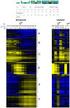 Gene Expression Analysis Jie Peng Department of Statistics University of California, Davis May 2012 RNA expression technologies High-throughput technologies to measure the expression levels of thousands
GenBank, Entrez, & FASTA
 GenBank, Entrez, & FASTA Nucleotide Sequence Databases First generation GenBank is a representative example started as sort of a museum to preserve knowledge of a sequence from first discovery great repositories,
Gene Expression Assays
 APPLICATION NOTE TaqMan Gene Expression Assays A mpl i fic ationef ficienc yof TaqMan Gene Expression Assays Assays tested extensively for qpcr efficiency Key factors that affect efficiency Efficiency
Microarray Data Analysis. A step by step analysis using BRB-Array Tools
 Microarray Data Analysis A step by step analysis using BRB-Array Tools 1 EXAMINATION OF DIFFERENTIAL GENE EXPRESSION (1) Objective: to find genes whose expression is changed before and after chemotherapy.
Control of Gene Expression
 Control of Gene Expression What is Gene Expression? Gene expression is the process by which informa9on from a gene is used in the synthesis of a func9onal gene product. What is Gene Expression? Figure
Next Generation Sequencing: Technology, Mapping, and Analysis
 Next Generation Sequencing: Technology, Mapping, and Analysis Gary Benson Computer Science, Biology, Bioinformatics Boston University [email protected] http://tandem.bu.edu/ The Human Genome Project took
17 July 2014 WEB-SERVER MANUAL. Contact: Michael Hackenberg ([email protected])
 WEB-SERVER MANUAL Contact: Michael Hackenberg ([email protected]) 1 1 Introduction srnabench is a free web-server tool and standalone application for processing small- RNA data obtained from next generation
DNA Insertions and Deletions in the Human Genome. Philipp W. Messer
 DNA Insertions and Deletions in the Human Genome Philipp W. Messer Genetic Variation CGACAATAGCGCTCTTACTACGTGTATCG : : CGACAATGGCGCT---ACTACGTGCATCG 1. Nucleotide mutations 2. Genomic rearrangements 3.
Lezioni Dipartimento di Oncologia Farmacologia Molecolare. RNA interference. Giovanna Damia 29 maggio 2006
 Lezioni Dipartimento di Oncologia Farmacologia Molecolare RNA interference Giovanna Damia 29 maggio 2006 RNA INTERFERENCE Sequence-specific gene suppression by dsrnas Gene silencing by dsrna: C. elegans
Multiple products from microrna transcripts
 850 Biochemical Society Transactions (2013) Volume 41, part 4 Multiple products from microrna transcripts Antonio Marco, Maria Ninova and Sam Griffiths-Jones 1 Faculty of Life Sciences, Michael Smith Building,
2. The number of different kinds of nucleotides present in any DNA molecule is A) four B) six C) two D) three
 Chem 121 Chapter 22. Nucleic Acids 1. Any given nucleotide in a nucleic acid contains A) two bases and a sugar. B) one sugar, two bases and one phosphate. C) two sugars and one phosphate. D) one sugar,
BIO 3350: ELEMENTS OF BIOINFORMATICS PARTIALLY ONLINE SYLLABUS
 BIO 3350: ELEMENTS OF BIOINFORMATICS PARTIALLY ONLINE SYLLABUS NEW YORK CITY COLLEGE OF TECHNOLOGY The City University Of New York School of Arts and Sciences Biological Sciences Department Course title:
Structure and Function of DNA
 Structure and Function of DNA DNA and RNA Structure DNA and RNA are nucleic acids. They consist of chemical units called nucleotides. The nucleotides are joined by a sugar-phosphate backbone. The four
DNA and the Cell. Version 2.3. English version. ELLS European Learning Laboratory for the Life Sciences
 DNA and the Cell Anastasios Koutsos Alexandra Manaia Julia Willingale-Theune Version 2.3 English version ELLS European Learning Laboratory for the Life Sciences Anastasios Koutsos, Alexandra Manaia and
Introduction to Bioinformatics 3. DNA editing and contig assembly
 Introduction to Bioinformatics 3. DNA editing and contig assembly Benjamin F. Matthews United States Department of Agriculture Soybean Genomics and Improvement Laboratory Beltsville, MD 20708 [email protected]
Final Project Report
 CPSC545 by Introduction to Data Mining Prof. Martin Schultz & Prof. Mark Gerstein Student Name: Yu Kor Hugo Lam Student ID : 904907866 Due Date : May 7, 2007 Introduction Final Project Report Pseudogenes
PROC. CAIRO INTERNATIONAL BIOMEDICAL ENGINEERING CONFERENCE 2006 1. E-mail: [email protected]
 BIOINFTool: Bioinformatics and sequence data analysis in molecular biology using Matlab Mai S. Mabrouk 1, Marwa Hamdy 2, Marwa Mamdouh 2, Marwa Aboelfotoh 2,Yasser M. Kadah 2 1 Biomedical Engineering Department,
Lecture Series 7. From DNA to Protein. Genotype to Phenotype. Reading Assignments. A. Genes and the Synthesis of Polypeptides
 Lecture Series 7 From DNA to Protein: Genotype to Phenotype Reading Assignments Read Chapter 7 From DNA to Protein A. Genes and the Synthesis of Polypeptides Genes are made up of DNA and are expressed
Mir-X mirna First-Strand Synthesis Kit User Manual
 User Manual Mir-X mirna First-Strand Synthesis Kit User Manual United States/Canada 800.662.2566 Asia Pacific +1.650.919.7300 Europe +33.(0)1.3904.6880 Japan +81.(0)77.543.6116 Clontech Laboratories, Inc.
The Human Genome Project
 The Human Genome Project Brief History of the Human Genome Project Physical Chromosome Maps Genetic (or Linkage) Maps DNA Markers Sequencing and Annotating Genomic DNA What Have We learned from the HGP?
Becker Muscular Dystrophy
 Muscular Dystrophy A Case Study of Positional Cloning Described by Benjamin Duchenne (1868) X-linked recessive disease causing severe muscular degeneration. 100 % penetrance X d Y affected male Frequency
Single-Cell Whole Genome Sequencing on the C1 System: a Performance Evaluation
 PN 100-9879 A1 TECHNICAL NOTE Single-Cell Whole Genome Sequencing on the C1 System: a Performance Evaluation Introduction Cancer is a dynamic evolutionary process of which intratumor genetic and phenotypic
Integrating DNA Motif Discovery and Genome-Wide Expression Analysis. Erin M. Conlon
 Integrating DNA Motif Discovery and Genome-Wide Expression Analysis Department of Mathematics and Statistics University of Massachusetts Amherst Statistics in Functional Genomics Workshop Ascona, Switzerland
Module 1. Sequence Formats and Retrieval. Charles Steward
 The Open Door Workshop Module 1 Sequence Formats and Retrieval Charles Steward 1 Aims Acquaint you with different file formats and associated annotations. Introduce different nucleotide and protein databases.
Chapter 5: Organization and Expression of Immunoglobulin Genes
 Chapter 5: Organization and Expression of Immunoglobulin Genes I. Genetic Model Compatible with Ig Structure A. Two models for Ab structure diversity 1. Germ-line theory: maintained that the genome contributed
Data Processing of Nextera Mate Pair Reads on Illumina Sequencing Platforms
 Data Processing of Nextera Mate Pair Reads on Illumina Sequencing Platforms Introduction Mate pair sequencing enables the generation of libraries with insert sizes in the range of several kilobases (Kb).
Yale Pseudogene Analysis as part of GENCODE Project
 Sanger Center 2009.01.20, 11:20-11:40 Mark B Gerstein Yale Illustra(on from Gerstein & Zheng (2006). Sci Am. (c) Mark Gerstein, 2002, (c) Yale, 1 1Lectures.GersteinLab.org 2007bioinfo.mbb.yale.edu Yale
Human Genome and Human Genome Project. Louxin Zhang
 Human Genome and Human Genome Project Louxin Zhang A Primer to Genomics Cells are the fundamental working units of every living systems. DNA is made of 4 nucleotide bases. The DNA sequence is the particular
INTERNATIONAL CONFERENCE ON HARMONISATION OF TECHNICAL REQUIREMENTS FOR REGISTRATION OF PHARMACEUTICALS FOR HUMAN USE Q5B
 INTERNATIONAL CONFERENCE ON HARMONISATION OF TECHNICAL REQUIREMENTS FOR REGISTRATION OF PHARMACEUTICALS FOR HUMAN USE ICH HARMONISED TRIPARTITE GUIDELINE QUALITY OF BIOTECHNOLOGICAL PRODUCTS: ANALYSIS
BIOL 3200 Spring 2015 DNA Subway and RNA-Seq Data Analysis
 BIOL 3200 Spring 2015 DNA Subway and RNA-Seq Data Analysis By the end of this lab students should be able to: Describe the uses for each line of the DNA subway program (Red/Yellow/Blue/Green) Describe
MicroRNA formation. 4th International Symposium on Non-Surgical Contraceptive Methods of Pet Population Control
 MicroRNA formation mirna s are processed from several precursor stages Mammalian genomes seem to have 100 s of mirna s Nucleotides in positions 2-8 of an mirna are considered the mirna seed 5 Methyl-G
Basic Analysis of Microarray Data
 Basic Analysis of Microarray Data A User Guide and Tutorial Scott A. Ness, Ph.D. Co-Director, Keck-UNM Genomics Resource and Dept. of Molecular Genetics and Microbiology University of New Mexico HSC Tel.
Appendix 2 Molecular Biology Core Curriculum. Websites and Other Resources
 Appendix 2 Molecular Biology Core Curriculum Websites and Other Resources Chapter 1 - The Molecular Basis of Cancer 1. Inside Cancer http://www.insidecancer.org/ From the Dolan DNA Learning Center Cold
mrna EDITING Watson et al., BIOLOGIA MOLECOLARE DEL GENE, Zanichelli editore S.p.A. Copyright 2005
 mrna EDITING mrna EDITING http://dbb.urmc.rochester.edu/labs/smith/research_2.htm The number of A to I sites in the human transcriptome >15;000 the vast majority of these sites occurring in Alu repeats
Genetomic Promototypes
 Genetomic Promototypes Mirkó Palla and Dana Pe er Department of Mechanical Engineering Clarkson University Potsdam, New York and Department of Genetics Harvard Medical School 77 Avenue Louis Pasteur Boston,
岑 祥 股 份 有 限 公 司 技 術 專 員 費 軫 尹 20100803
 技 術 專 員 費 軫 尹 20100803 Overview of presentation Basic Biology of RNA interference Application of sirna for gene function? How to study mirna? How to deliver sirna and mirna? New prospects on RNAi research