
Research Article Understanding Transcription Factor Regulation by Integrating Gene Expression and DNase I Hypersensitive Sites
|
|
|
- Lily Booth
- 9 years ago
- Views:
Transcription
1 BioMed Research International Volume 2015, Article ID , 7 pages Research Article Understanding Transcription Factor Regulation by Integrating Gene Expression and DNase I Hypersensitive Sites Guohua Wang, 1,2 Fang Wang, 1 Qian Huang, 1 Yu Li, 2,3 Yunlong Liu, 4,5 and Yadong Wang 1 1 School of Computer Science and Technology, Harbin Institute of Technology, Harbin, Heilongjiang , China 2 Instrument Science and Technology, Harbin Institute of Technology, Harbin, Heilongjiang , China 3 School of Life Science and Technology, Harbin Institute of Technology, Harbin, Heilongjiang , China 4 Department of Medical and Molecular Genetics, Indiana University School of Medicine, Indianapolis, IN 46202, USA 5 Center for Computational Biology and Bioinformatics, Indiana University School of Medicine, Indianapolis, IN 46202, USA Correspondence should be addressed to Guohua Wang; [email protected] and Yadong Wang; [email protected] Received 5 December 2014; Accepted 16 April 2015 Academic Editor: Jennifer Wu Copyright 2015 Guohua Wang et al. This is an open access article distributed under the Creative Commons Attribution License, which permits unrestricted use, distribution, and reproduction in any medium, provided the original work is properly cited. Transcription factors are proteins that bind to DNA sequences to regulate gene transcription. The transcription factor binding sites are short DNA sequences (5 20 bp long) specifically bound by one or more transcription factors. The identification of transcription factor binding sites and prediction of their function continue to be challenging problems in computational biology. In this study, by integrating the DNase I hypersensitive sites with known position weight matrices in the TRANSFAC database, the transcription factor binding sites in gene regulatory region are identified. Based on the global gene expression patterns in cervical cancer HeLaS3 cell and HelaS3-ifnα4h cell (interferon treatment on HeLaS3 cell for 4 hours), we present a model-based computational approach to predict a set of transcription factors that potentially cause such differential gene expression. Significantly, 6 out 10 predicted functional factors, including IRF, IRF-2, IRF-9, IRF-1 and IRF-3, ICSBP, belong to interferon regulatory factor family and upregulate the gene expression levels responding to the interferon treatment. Another factor, ISGF-3, is also a transcriptional activator induced by interferon alpha. Using the different transcription factor binding sites selected criteria, the prediction result of our model is consistent. Our model demonstrated the potential to computationally identify the functional transcription factors in gene regulation. 1. Introduction In molecular biology and genetics, transcription factors (TFs) are proteins that bind to DNA sequences specifically, thereby regulating the transcription of genetic information from DNA to messenger RNA [1]. Once bound to DNA, these proteins can promote or block the recruitment of RNA polymerase to specific genes, making genes more or less active. Transcription factors are essential for the regulation of gene expression. Under the effect of transcription factors, the various cells of the body can function differently though they have the same genome. Transcription factors bind to one or more sequence sites, which are called transcription factor binding sites (s), attaching to specific DNA sequences of the genes they regulate [2]. Transcription factor binding sites can be defined as short DNA sequences (5 20 bp long) specifically bound by one or more transcription factors [3]. The transcription regulation is carried out by the interplay between transcription factors and their binding sites in DNA sequences; thus the prediction of is a vital step to understand the mechanism of transcription regulation andconstructthenetworkoftranscriptionregulation.with the development of DNA microarrays and fast sequencing technique, many transcription factor binding sites have been identified by using experimental methods such as ChIPchip and ChIP-Seq [4 6]. Because these methods will consume many experiment materials and many TFs have no corresponding antibodies, biological experimental methods cannot identify all TFs in the genome. Hence, many different computational methods have been proposed to search for additional members of a known transcription factor binding motif or discover novel transcription factor binding motifs.

2 2 BioMed Research International In recent years, many computational methods such as regression based approaches have been proposed to discover transcription factor binding sites based on gene expression data. These methods can model the relationship between gene expression and transcription factor binding motifs in the promoter regions [7 9]. Bussemaker et al. proposed a simple linear model between gene expression and transcription factors using the s counts in the promoter region [10]. Basedonthismodel,insteadofthecountsofs,Conlon et al. used position weight matrices (PWMs) to identify the motif candidates on upstream of genes [11]. In these previous methods, the whole promoter regions were always used as transcriptional regulatory regions that include s. As we all know, promoter regions are much longer than s; therefore, it will be better for prediction if we can narrow down the potential transcription factor binding region. As early as the 1980s, the gene transcription was found to be related with the sensibility to DNase I (deoxyribonuclease I) of chromatin [12]. The sensibility to DNase I of chromatin which contains the actively transcribed genes is 100 times stronger than the one of the chromatin which does not contain the actively transcribed genes [13]. In 2013, Sheffield et al. [14] found that s were correlated with thednaseihypersensitive(dhs)sites.thestructureofthe chromatin that contains DHS sites is looser, so that gene regulatory proteins can bind to these regions preferentially to exert biological functions [15 18]. Within the DHS sites, theregionsarenotdigestedeasilyandprotectedbyspecific proteins which probably are gene regulatory proteins such as transcription factors. In this study, the DHS sites were combined with gene expression data to deduce the target genes,anditwasfoundthatapproximately71percentofdhs sites associated with at least one gene and some of these DHS sites associated with up to 44 genes, and among these genes the protein-coding genes were more than RNA genes. Using Encode ChIP-Seq data, the transcription factor binding sites were compared to the DHS sites, which showed highly overlapping percentage. Hence, the DHS sites in the promoter regioncanbeusedtoidentifys[19]. In our previous study, a model-based procedure has been developed to predict the functional s. The model utilized known position weight matrix to identify potential s in the gene promoter regions and built quantitative relationship between the s and gene expression levels. The transcriptional regulatory region was arbitrarily defined as the upstream region of transcription start site. In this study, we proposed a modified method that combined the DNase I hypersensitive sites with promoter regions to promote the accuracy of identification and recognize the regulatory function of transcription factors. 2. Methods 2.1. Biological Model System. The cervical cancer HeLaS3 cell, which is a clonal derivative of the parent HeLa cell, has been very useful in the clonal analysis of mammalian cell populations relating to chromosomal variation, cell nutrition, and plaque-forming ability. In recent years, as a tier of 2 cell types of ENCODE project, large sets of genome-wide study used the next generation sequencing technology to investigate gene expression, transcription factor binding sites, histone modification, and DNase I hypersensitive sites in HeLaS3 cell line. In this study, using genome-wide gene expression profile combined with DNase I hypersensitivity data, we developed a new method to predict the most important transcript factor in interferon alpha treated HeLaS3 cell line Gene Expression and DNase I Data Set. The gene expression profiles of HeLaS3 and HeLaS3 treated by interferon alpha for 4 hours were downloaded from Gene Expression Omnibus Database (GEO number: GSE15805), where Affymetrix Human Exon 1.0 ST Array was used to access the global gene expression patterns in 3 and 2 replicates. The DNase I data set of HeLaS3 used in this study was freely available for downloading from the uniform DNase I HS track of UCSC NCBI37/hg19 ENCODE ( encode/) Differential Expressed Gene Identification. Each gene expression array of 3 HeLaS3 replicates and 2 HelaS3- ifnα4h replicates has been done the RMA normalization used Affymetrix Power Tools (APT) and removed the batch effects using ComBat in the previous study [20]. We utilized the Quantile Normalization [21] to eliminate the difference among the parallel experiments and then used the Scaling Normalization [22] to eliminate the difference between two cell types. The genes not reliably detected in at least one of the two cells were removed and only the protein-coding geneswerepickedup.aftert-testcalculation,weselected197 probe sets by P < 0.05 and fold change > ±2; the expression levels of them were altered significantly. Removing the probe sets that were not reliably detected and that had absent annotation; finally, 181 differentially expressed genes [23] were left for analysis, in which 121 were upregulated and 60 were downregulated Prediction in DHS Sites. For the 181 differentially expressed genes, the DHS sites which located in the 1,000 bp upstream and 500 bp downstream of transcription start sites were picked up as transcriptional regulatory regions. Human RefSeq transcript annotation (hg19 genome assembly) and regulatory sequence were retrieved from the UCSC Genome Browser position weight matrices (PWMs) in the TRANSFAC database were used to predict the transcription factor target genes. For each TF-DHS pair, the similarity scores were calculated by scanning the PWM of the transcriptionfactoralongthesequenceofdhssiteandthe maximum score was selected as the binding affinity between the transcription factor and DHS site. For each PWM, we selected top 5000 DHS sites with highest similarity scores in genome-wide as potential The Prediction of Functional Transcription Factor. In order to describe the correlation between the genes expression levels and the binding affinity of transcription factors in
![proposed a simple linear model between gene expression and transcription factors using the s counts in the promoter region [10]. Basedonthismodel,insteadofthecountsofs,Conlon et al.](/docs-images/47/19986714/images/page_2.jpg "used position weight matrices (PWMs) to identify the motif candidates on upstream of genes [11].")
3 BioMed Research International 3 DHS sites, a simplified quantitative relationship is established using a linear model: g k = ( i T k m d [m, i]) x i, (1) where g k is the logarithmic ratio of mrna expression levels of the kth gene in the treatment group comparing to control group, d[m, i] is the matching score of ith PWM in the mth DHS sites within transcriptional regulatory region of the kth gene, T k isthenumberofalltheshavingoccurrencesin the regulatory region of the kth gene, and x i is the functional level of the ith PWM. The biological implication of this equation is that the measured gene expression level g k is modeled by the effect of transcription, controlled by 5 cisacting elements. Because the expression level of genes we used in this study was Log2 RMA expression value, g k was calculated according to the following formulation: g k =s k,treatment s k,control, (2) where S k,treatment is the logarithmic ratio of mrna expression levels of the kth gene in the treatmentgroup (HelaS3-ifnα4h) and S k,control is the logarithmic ratio of mrna expression levels of the kth gene in the control group (HelaS3). The linear model only described the quantitative relationship between gene expression levels and PWMs of one differentially expressed gene. Thus, the model can be rewritten in a matrix formulation: Z=(CD) X, X=([CD] T [CD]) 1 [CD] T Z, where Z = (g k ); X = (x i ) and C is the marking matrix recording whether the DHS sites are within the transcriptional regulatory regions of differentially expressed genes or not. If the jth DHS site is within the transcriptional regulatory region of the ith gene, C[i, j] = 1; otherwisec[i, j] = 0. D is the score matrix representing the maximum score of each motif candidate in each DHS site. The model error based on a given selection of TFs will be defined as the sum square of the differences between observed and predicted mrna expression levels: e= n k=1 (g k ( i T k m d [m, i]) x i ) 2 (3), (4) where e is the error of this model and n is the total number of differentially expressed genes. This equation can be rewritten in a matrix formulation: Err = Z (CD) X = Z (CD) ([CD]T [CD]) 1 [CD] T Z. (5) In this study, we iteratively computed the model error of each PWM for N p = 100,000,000 times. In each iteration, the program selected n t = 5 PWMcandidatesrandomly. The model error of each set of PWMs was calculated. Meanwhile, we assigned a score value, transcription factor s contribution value (TFCV), for each PWM candidate. The TFCV can be calculated by the following formulation: TFCV = N 1 Err 2, (6) where Err is the model error and N is the number of selected PWMcandidatesineachiteration.IfErrissmaller,namely, is higher, the transcriptional function of PWM corresponding transcription factor will be more significant. Meanwhile, the cumulative TFs functional levels (TFL) were calculated by the sum of x. The program of functional transcription factor prediction can be summarized as follows. (1) Calculate the matrix Z of expression levels of all the genes in the HelaS3-ifnα4h comparing to the HelaS3. (2) Extract the DNA sequences of DHS sites of HelaS3 and calculate the score matrix D using PWM. For eachpwm,thethresholdvalue(ts)issetasthe 5000th highest score. (3) Construct the matrix C by comparing the position of DHS site and gene s regulatory region coordinate in the genome. (4) Randomly pick n t PWMs from all 2188 PWM candidates. (5) Calculate the predicted model error Err. (6) Calculate the TFCV and TFL of each PWM which is randomly picked in this iteration. (7) Add the current transcriptional contribution score to the cumulative TFs contribution value (TFCV) and add the current function level to the cumulative TFs functional levels (TFL). (8) Repeat the program (4 7) N p times. 3. Results 3.1. Overlapping between DHS Sites and of HelaS3. The transcription factors ChIP-Seq data [16, 17] and DNase I hypersensitivity sites of HelaS3 cells were downloaded from the UCSC Genome Browser. After filtering out the ChIP- Seq experiments with poor quality, 42 profiles were considered the overlapping analysis with DHS sites in HelaS3 cells (Figure 1). Notably, we found that the binding sites of 26 transcription factors had more than 90% overlap and only 5 factors had less than 70% overlap with DHS sites. Among these 5 factors, CTCF which often acts as a chromatin insulator creates boundaries between topologically associating domains in chromosomes. Therefore, transcription factors tend to bind to the DHS sites and we can utilize the DHS sites to improve the accuracy of transcription factor binding sites prediction Functional Transcription Factor Identification. Potential PWMs which corresponded to the binding sequence of

4 4 BioMed Research International (%) (%) BRCA1 CEBPB CHD2 CTCF E2F1 E2F4 E2F6 ELK1 ELK4 EP300 FOS GABPA GTF2F1 IRF3 0 JUN JUND MAFK MAX MAZ MXI1 MYC NFYA NFYB NR2C2 NRF1 PRDM1 RAD21 RCORI (a) (b) (%) REST RFX5 RPC155 SMARCB1 SMC3 STAT1 STAT3 TAF1 TBP TCF7L2 TFAP2A TFAP2C USF2 ZNF143 Overlap No overlap (c) Figure 1: Overlapping between transcription factors binding regions and DHS sites. The blue bar and red bar represent the percentage of transcription factors that overlap and do not overlap with the DNase I hypersensitive sites, respectively. a specific transcription factor were selected based on the binding affinity within DHS sites in the gene promoter region, as detailed in the methods. In order to predict the transcription factor binding sites, we calculated the score matrix D which stored the maximum scores as the binding affinity between the transcription factors and DHS sites. For each PWM, we selected top 5,000 matching positions with the highest similarity scores in the DHS sites genome-wide as potential s. After calculating our model iteratively, potential PWMs were selected based on the TFCVs of all PWM candidates. The histogram of TFCVs score of PWMs candidates is shown in Figure 2. In these PWM candidates, not all of them are real functional transcription factor binding sites. According to the methods, if the TFCV scores of PWMs are higher, their contributions to the alteration of gene expression are more significant. We selected the top 10 PWMs with the highest TFCV scores. The TFCV scores and the TFL values of these 10 PWM candidates are shown in Table 1. Significantly, 6 out 10 PWMs, including IRF, IRF-2, IRF-9, IRF-1, and IRF-3, ICSBP, belong to interferon regulatory factor family and upregulate the gene expression levels responding to the interferon treatment. ISGF-3 is also a transcriptional activator induced by interferon alpha. Among 10 PWMs, 9 received positive TFL values. This implies the increased capability of the 5 -end promoters in initiating transcription after treatment with interferon alpha Comparison of the Different Selection. To verify the accuracy of our model, we repeatedly run our model by changing the number of s to top 1000, 2000, 3000, or Frequency M TFCV score Figure 2: The histogram of TFCV scores for 2182 known PWMs. The x-axis is TFCV score and the y-axis is the frequency of the occurrence of TFCV for all known PWM highest scores for each PWM. The TFCV profiles of each repeat computation are shown in Figure 3. We found that the distributions of TFCVs of all the PWM candidates in these 5 results were very similar. The Pearson correlation coefficient between the TFCV scores of each pair of predicted results was calculated. A heatmap corresponding to the Pearson correlation coefficient is shown in Figure 4. Obviously,

5 BioMed Research International 5 Table 1: Transcription factor s contribution value (TFCV) and estimated TFs functional levels (TFL) of top 10 selected PWMs. Index ID TF name PWM description TFCV TFL 1 M00772 IRF Interferon regulatory factor family M01882 IRF-2 Interferon regulatory factor M02771 IRF-9 Interferon regulatory factor M00258 ISGF-3 Interferon-stimulated response element M01881 IRF-1 Interferon regulatory factor M02767 IRF-3 Interferon regulatory factor M00699 ICSBP Interferon consensus sequence-binding protein M00248 Oct-1 Octamerfactor M01235 IPF1 Homeodomain-containing transactivator M01857 AP-2 alpha Activating enhancer binding protein 2 alpha Top 5000 Top 4000 (a) Top 3000 (b) Top 2000 (c) Top 1000 (d) (e) Figure 3: TFCV profile of 5 selected highest candidate models. The spectra of TFCV of all the PWMs while the threshold of potential is the 5000th, 4000th, 3000th, 2000th, or 1000th highest similarity score for each PWM. The x-axis corresponds to 2188 PWMs and they-axis corresponds to TFCV scores. the correlation between the prediction of top 1000 and top 5000 is the lowest (0.88), and the correlation between the prediction of top 4000 and top 5000 is the highest (0.96). The top 10 predicted PWMs with the highest TFCV score in all 5 calculations are shown in Table 2. Mostofthetop10PWMs are the same among these five prediction results, and most of them belong to interferon regulatory factor family. 4. Discussion In this study, we modified the previous procedure Modif- Modeler to identify functional transcription factors. In the previous procedure, the transcription factor binding regions were set as the promoter regions [24]. To improve the accuracy of the identification of transcription factor binding sites, we reduced the searching space of transcription factor Table 2: The top 10 transcription factors with the highest TFCV score in 5 selected highest candidate model. Index Top 1000 Top 2000 Top 3000 Top 4000 Top ICSBP IRF-9 IRF-2 IRF-2 IRF 2 IRF IRF IRF IRF IRF-2 3 IRF-3 ICSBP IRF-9 IRF-9 IRF-9 4 ISGF-3 IRF-3 IRF-1 ISGF-3 ISGF-3 5 IRF-9 IRF-2 IRF-3 IRF-1 IRF-1 6 IRF-1 ISGF-3 ISGF-3 IRF-3 IRF-3 7 IRF IRF-1 ICSBP ICSBP ICSBP 8 EAR2 IRF-7 EAR2 Oct-1 Oct-1 9 IRF-5 IRF-1 IRF-1 IPF1 IPF1 10 RREB-1 EWSR1-FLI1 Lim1 AP-2 alpha AP-2 alpha

6 6 BioMed Research International Figure 4: The cross-correlation coefficients of TFCV score among 5 selected highest candidate models. binding regions. We have known that transcription factors tended to bind to DNase I hypersensitive sites; thus we combined the DNase I hypersensitive sites with promoter regions to construct a new model. In our model, using DHS sites within transcriptional regulatory region of each differentially expressed gene to replace all promoter regions, the binding regions of transcription factors were shortened and the accuracy of predicting transcription factor binding sites was improved. In this study, our model predicted some transcription factor binding sites whose functions differed as a result of interferon-α treatment. Our modified model predicted that 9 of the top 10 transcription factors showed upregulatory effects on gene expression after interferon-α treatmentwhich was clearly shown in Table 1. These predicted top 10 transcription factors with the largest TFCVs made significant contribution to the alteration of gene expression after interferon treatment. After being treated by interferon, some mechanisms of HelaS3-ifnα4h have changed compared with HelaS3 and some transcription factors responding to the interferon treatment have shown significant contribution to the alteration of gene expression. Obviously, most of the predicted TFs belong to interferon regulatory factor family, such as IRF-1, IRF-2, IRF-3, and IRF- 9, ICSBP, and upregulate gene expression under interferon treatment [25 27]. Meanwhile a factor named interferonstimulated response element (ISGF-3) also contributes to the alteration of gene expression significantly. It also indicates that our modified model can identify transcription factors which induced the gene expression change. The identification of transcription factor binding sites is stillachallengingandmeaningfularea.inthefuture,the identification of transcription factor binding sites will be very important and helpful for the understanding of the gene regulation mechanism [28]. Gene expression is regulated by many different elements synthetically. To predict different regulatory elements and understand their function, we also need to modify our model to adapt to various gene regulatory elements, such as microrna and RNA binding proteins. In summary, focusing on the integration with DNase I hypersensitive sites allows high accuracy in our prediction procedure. As we all know, the identification of transcription factorbindingsitescanbeusedinclinictofindthechange of regulatory elements in damaged or diseased cells and then helpwiththetherapyofdiseaseinthegeneexpressionlevel [29]. We believe that our optimized method will contribute to an existing analytical network of gene expression. Conflict of Interests The authors declare that they have no competing interests. Authors Contribution Guohua Wang, Fang Wang, and Yadong Wang contributed to the design of the study. Guohua Wang, Yu Li, and Fang Wang designed and performed the computational modeling and drafted the paper. Qian Huang, Yu Li, and Yadong Wang participated in coordination, discussions related to result interpretation, and revision of the paper. All the authors read and approved the final paper. Acknowledgments This work was supported by grant from National High Technology Research and Development Program of China (2012AA020404), the National Natural Science Foundation of China ( ), China Postdoctoral Science Foundation Funded Project (2012T50358, , and 2014M551246), new century excellent talents support program from the Ministry of Education (NCET ), and the International Postdoctoral Exchange Fellowship Program 2013 ( ). References [1] G.A.Maston,S.K.Evans,andM.R.Green, Transcriptional regulatory elements in the human genome, Annual Review of Genomics and Human Genetics,vol.7,pp.29 59,2006. [2] A. Jolma, J. Yan, T. Whitington et al., DNA-binding specificities of human transcription factors, Cell, vol. 152, no. 1-2, pp , [3] G.Cuellar-Partida,F.A.Buske,R.C.McLeay,T.Whitington, W. S. Noble, and T. L. Bailey, Epigenetic priors for identifying active transcription factor binding sites, Bioinformatics, vol. 28, no. 1, pp , [4] B. Ren, F. Robert, J. J. Wyrick et al., Genome-wide location and function of DNA binding proteins, Science,vol.290,no.5500, pp , [5] P. V. Kharchenko, M. Y. Tolstorukov, and P. J. Park, Design and analysis of ChIP-seq experiments for DNA-binding proteins, Nature Biotechnology, vol. 26, no. 12, pp , [6] D. Park, Y. Lee, G. Bhupindersingh, and V. R. Iyer, Widespread misinterpretable ChIP-seq bias in yeast, PLoS ONE, vol.8,no. 12, Article ID e83506, [7] G.Wang,X.Wang,Y.Wangetal., Identificationoftranscription factor and microrna binding sites in responsible to fetal alcohol syndrome, BMC Genomics,vol.9,supplement1,article S19, [8] X. Dong, M. C. Greven, A. Kundaje et al., Modeling gene expression using chromatin features in various cellular contexts, Genome Biology, vol. 13,no. 9, articler53, 2012.

7 BioMed Research International 7 [9]B.C.Foat,A.V.Morozov,andH.J.Bussemaker, Statistical mechanical modeling of genome-wide transcription factor occupancydatabymatrixreduce, Bioinformatics,vol.22,no. 14, pp. e141 e149, [10] H. J. Bussemaker, H. Li, and E. D. Siggia, Regulatory element detection using correlation with expression, Nature Genetics, vol.27,no.2,pp ,2001. [11] E. M. Conlon, X. S. Liu, J. D. Lieb, and J. S. Liu, Integrating regulatory motif discovery and genome-wide expression analysis, Proceedings of the National Academy of Sciences of the United States of America, vol. 100, no. 6, pp , [12] Y. Kodama, S. Nagaya, A. Shinmyo, and K. Kato, Mapping and characterization of DNase I hypersensitive sites in Arabidopsis chromatin, Plant & Cell Physiology,vol.48,no.3,pp , [13]A.P.Boyle,S.Davis,H.P.Shulhaetal., High-resolution map-ping and characterization of open chromatin across the genome, Cell,vol.132,no.2, pp ,2008. [14]N.C.Sheffield,R.E.Thurman,L.Songetal., Patternsof regulatory activity across diverse human cell types predict tissue identity, transcription factor binding, and long-range interactions, Genome Research, vol. 23, no. 5, pp , [15] R. Ciarpica, J. Rosati, and I. G. Cesaren, Molecular recognition in helix-loop-helix leucine zipper domains, The Journal of Biological Chemistry,vol.278,pp ,2003. [16] T.C.Gebuhr,G.I.Kovalev,S.Bultman,V.Godfrey,L.Su,andT. Magnuson, The role of Brgl: a catalytic subunit of mammalian chromatin-remodeling complexes in T cell development, Journal of Experimental Medicine, vol.198,no.12,pp , [17] P. Blancafort, D. J. Segal, and C. F. Barbas III, Designing transcription factor architectures for drug discovery, Molecular Pharmacology,vol.66,no.6,pp ,2004. [18] P. N. Cockerill, Structure and function of active chromatin and DNase I hypersensitive sites, The FEBS Journal,vol.278,no.13, pp , [19] T.R.Mercer,S.L.Edwards,M.B.Clarketal., DNaseI-hypersensitive exons colocalize with promoters and distal regulatory elements, Nature Genetics, vol. 45, no. 8, pp , [20] T.-Y. Chang, Y.-Y. Li, C.-H. Jen et al., easyexon a Java-based GUI tool for processing and visualization of Affymetrix exon array data, BMC Bioinformatics,vol.9,article432, [21] B. M. Bolstad, R. A. Irizarry, M. Åstrand, and T. P. Speed, A comparison of normalization methods for high density oligonucleotide array data based on variance and bias, Bioinformatics, vol.19,no.2,pp ,2003. [22] M. D. Robinson and A. Oshlack, A scaling normalization method for differential expression analysis of RNA-seq data, Genome Biology, vol. 11, article R25, [23] A.Natarajan,G.G.Yardimci,N.C.Sheffield,G.E.Crawford, and U. Ohler, Predicting cell-type-specific gene expression from regions of open chromatin, Genome Research,vol.22,no. 9, pp , [24] J.-V.Turatsinze,M.Thomas-Chollier,M.Defrance,andJ.van Helden, Using RSAT to scan genome sequences for transcription factor binding sites and cis-regulatory modules, Nature Protocols,vol.3,no.10,pp ,2008. [25] B. J. Barnes, J. Richards, M. Mancl, S. Hanash, L. Beretta, and P. M. Pitha, Global and distinct targets of IRF-5 and IRF-7 during innate response to viral infection, Journal of Biological Chemistry,vol.279,no.43,pp ,2004. [26]W.Chen,S.S.Lam,H.Srinathetal., Insightsintointerferon regulatory factor activation from the crystal structure of dimeric IRF5, Nature Structural and Molecular Biology, vol. 15, no. 11, pp , [27] T. Taniguchi and A. Takaoka, The interferon-α/β system in antiviral responses: a multimodal machinery of gene regulation by the IRF family of transcription factors, Current Opinion in Immunology,vol.14,no.1,pp ,2002. [28] G. Gill, Regulation of the initiation of eukaryotic transcription, Essays in Biochemistry,vol.37,pp.33 43,2001. [29] D.-J. Kleinjan and P. Coutinho, Cis-ruption mechanisms: disruption of cis-regulatory control as a cause of human genetic disease, Briefings in Functional Genomics and Proteomics, vol. 8, no. 4, pp , 2009.

8 International Journal of Peptides BioMed Research International Advances in Stem Cells International Virolog y International Journal of Genomics Journal of Nucleic Acids Zoology International Journal of Submit your manuscripts at The Scientific World Journal Journal of Signal Transduction Genetics Research International Anatomy Research International Enzyme Research Archaea Biochemistry Research International International Journal of Microbiology International Journal of Evolutionary Biology Molecular Biology International Advances in Bioinformatics Journal of Marine Biology

Comparing Methods for Identifying Transcription Factor Target Genes
 Comparing Methods for Identifying Transcription Factor Target Genes Alena van Bömmel (R 3.3.73) Matthew Huska (R 3.3.18) Max Planck Institute for Molecular Genetics Folie 1 Transcriptional Regulation TF
RegulomeDB scores and functional assignments of 153 SCARB1
 Table S13. RegulomeDB scores and functional assignments of 153 SCARB1 variants. SNP Chr12 Name a SNP ID b Position c p972 rs181338950 125348548 p1048 insc (1048_ 1049) 125348472 Location Amino Acid Change
Analysis and Integration of Big Data from Next-Generation Genomics, Epigenomics, and Transcriptomics
 Analysis and Integration of Big Data from Next-Generation Genomics, Epigenomics, and Transcriptomics Christopher Benner, PhD Director, Integrative Genomics and Bioinformatics Core (IGC) idash Webinar,
Control of Gene Expression
 Control of Gene Expression What is Gene Expression? Gene expression is the process by which informa9on from a gene is used in the synthesis of a func9onal gene product. What is Gene Expression? Figure
Current Motif Discovery Tools and their Limitations
 Current Motif Discovery Tools and their Limitations Philipp Bucher SIB / CIG Workshop 3 October 2006 Trendy Concepts and Hypotheses Transcription regulatory elements act in a context-dependent manner.
Integrating DNA Motif Discovery and Genome-Wide Expression Analysis. Erin M. Conlon
 Integrating DNA Motif Discovery and Genome-Wide Expression Analysis Department of Mathematics and Statistics University of Massachusetts Amherst Statistics in Functional Genomics Workshop Ascona, Switzerland
Module 3 Questions. 7. Chemotaxis is an example of signal transduction. Explain, with the use of diagrams.
 Module 3 Questions Section 1. Essay and Short Answers. Use diagrams wherever possible 1. With the use of a diagram, provide an overview of the general regulation strategies available to a bacterial cell.
FlipFlop: Fast Lasso-based Isoform Prediction as a Flow Problem
 FlipFlop: Fast Lasso-based Isoform Prediction as a Flow Problem Elsa Bernard Laurent Jacob Julien Mairal Jean-Philippe Vert September 24, 2013 Abstract FlipFlop implements a fast method for de novo transcript
Systematic discovery of regulatory motifs in human promoters and 30 UTRs by comparison of several mammals
 Systematic discovery of regulatory motifs in human promoters and 30 UTRs by comparison of several mammals Xiaohui Xie 1, Jun Lu 1, E. J. Kulbokas 1, Todd R. Golub 1, Vamsi Mootha 1, Kerstin Lindblad-Toh
Structure and Function of DNA
 Structure and Function of DNA DNA and RNA Structure DNA and RNA are nucleic acids. They consist of chemical units called nucleotides. The nucleotides are joined by a sugar-phosphate backbone. The four
Name Class Date. Figure 13 1. 2. Which nucleotide in Figure 13 1 indicates the nucleic acid above is RNA? a. uracil c. cytosine b. guanine d.
 13 Multiple Choice RNA and Protein Synthesis Chapter Test A Write the letter that best answers the question or completes the statement on the line provided. 1. Which of the following are found in both
Lecture 1 MODULE 3 GENE EXPRESSION AND REGULATION OF GENE EXPRESSION. Professor Bharat Patel Office: Science 2, 2.36 Email: [email protected].
 Lecture 1 MODULE 3 GENE EXPRESSION AND REGULATION OF GENE EXPRESSION Professor Bharat Patel Office: Science 2, 2.36 Email: [email protected] What is Gene Expression & Gene Regulation? 1. Gene Expression
Gene Expression Assays
 APPLICATION NOTE TaqMan Gene Expression Assays A mpl i fic ationef ficienc yof TaqMan Gene Expression Assays Assays tested extensively for qpcr efficiency Key factors that affect efficiency Efficiency
Gene Expression Analysis
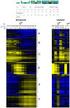 Gene Expression Analysis Jie Peng Department of Statistics University of California, Davis May 2012 RNA expression technologies High-throughput technologies to measure the expression levels of thousands
Just the Facts: A Basic Introduction to the Science Underlying NCBI Resources
 1 of 8 11/7/2004 11:00 AM National Center for Biotechnology Information About NCBI NCBI at a Glance A Science Primer Human Genome Resources Model Organisms Guide Outreach and Education Databases and Tools
Analysis of Illumina Gene Expression Microarray Data
 Analysis of Illumina Gene Expression Microarray Data Asta Laiho, Msc. Tech. Bioinformatics research engineer The Finnish DNA Microarray Centre Turku Centre for Biotechnology, Finland The Finnish DNA Microarray
Frequently Asked Questions Next Generation Sequencing
 Frequently Asked Questions Next Generation Sequencing Import These Frequently Asked Questions for Next Generation Sequencing are some of the more common questions our customers ask. Questions are divided
DNA Replication & Protein Synthesis. This isn t a baaaaaaaddd chapter!!!
 DNA Replication & Protein Synthesis This isn t a baaaaaaaddd chapter!!! The Discovery of DNA s Structure Watson and Crick s discovery of DNA s structure was based on almost fifty years of research by other
GENE REGULATION. Teacher Packet
 AP * BIOLOGY GENE REGULATION Teacher Packet AP* is a trademark of the College Entrance Examination Board. The College Entrance Examination Board was not involved in the production of this material. Pictures
How many of you have checked out the web site on protein-dna interactions?
 How many of you have checked out the web site on protein-dna interactions? Example of an approximately 40,000 probe spotted oligo microarray with enlarged inset to show detail. Find and be ready to discuss
RETRIEVING SEQUENCE INFORMATION. Nucleotide sequence databases. Database search. Sequence alignment and comparison
 RETRIEVING SEQUENCE INFORMATION Nucleotide sequence databases Database search Sequence alignment and comparison Biological sequence databases Originally just a storage place for sequences. Currently the
GenBank, Entrez, & FASTA
 GenBank, Entrez, & FASTA Nucleotide Sequence Databases First generation GenBank is a representative example started as sort of a museum to preserve knowledge of a sequence from first discovery great repositories,
Molecular Genetics: Challenges for Statistical Practice. J.K. Lindsey
 Molecular Genetics: Challenges for Statistical Practice J.K. Lindsey 1. What is a Microarray? 2. Design Questions 3. Modelling Questions 4. Longitudinal Data 5. Conclusions 1. What is a microarray? A microarray
Understanding West Nile Virus Infection
 Understanding West Nile Virus Infection The QIAGEN Bioinformatics Solution: Biomedical Genomics Workbench (BXWB) + Ingenuity Pathway Analysis (IPA) Functional Genomics & Predictive Medicine, May 21-22,
New Technologies for Sensitive, Low-Input RNA-Seq. Clontech Laboratories, Inc.
 New Technologies for Sensitive, Low-Input RNA-Seq Clontech Laboratories, Inc. Outline Introduction Single-Cell-Capable mrna-seq Using SMART Technology SMARTer Ultra Low RNA Kit for the Fluidigm C 1 System
Genetomic Promototypes
 Genetomic Promototypes Mirkó Palla and Dana Pe er Department of Mechanical Engineering Clarkson University Potsdam, New York and Department of Genetics Harvard Medical School 77 Avenue Louis Pasteur Boston,
Correlation of microarray and quantitative real-time PCR results. Elisa Wurmbach Mount Sinai School of Medicine New York
 Correlation of microarray and quantitative real-time PCR results Elisa Wurmbach Mount Sinai School of Medicine New York Microarray techniques Oligo-array: Affymetrix, Codelink, spotted oligo-arrays (60-70mers)
13.4 Gene Regulation and Expression
 13.4 Gene Regulation and Expression Lesson Objectives Describe gene regulation in prokaryotes. Explain how most eukaryotic genes are regulated. Relate gene regulation to development in multicellular organisms.
Analyzing microrna Data and Integrating mirna with Gene Expression Data in Partek Genomics Suite 6.6
 Analyzing microrna Data and Integrating mirna with Gene Expression Data in Partek Genomics Suite 6.6 Overview This tutorial outlines how microrna data can be analyzed within Partek Genomics Suite. Additionally,
Protein Protein Interaction Networks
 Functional Pattern Mining from Genome Scale Protein Protein Interaction Networks Young-Rae Cho, Ph.D. Assistant Professor Department of Computer Science Baylor University it My Definition of Bioinformatics
Activity 7.21 Transcription factors
 Purpose To consolidate understanding of protein synthesis. To explain the role of transcription factors and hormones in switching genes on and off. Play the transcription initiation complex game Regulation
Interaktionen von Nukleinsäuren und Proteinen
 Sonja Prohaska Computational EvoDevo Universitaet Leipzig June 9, 2015 DNA is never naked in a cell DNA is usually in association with proteins. In all domains of life there are small, basic chromosomal
GMQL Functional Comparison with BEDTools and BEDOPS
 GMQL Functional Comparison with BEDTools and BEDOPS Genomic Computing Group Dipartimento di Elettronica, Informazione e Bioingegneria Politecnico di Milano This document presents a functional comparison
FACULTY OF MEDICAL SCIENCE
 Doctor of Philosophy Program in Microbiology FACULTY OF MEDICAL SCIENCE Naresuan University 171 Doctor of Philosophy Program in Microbiology The time is critical now for graduate education and research
The world of non-coding RNA. Espen Enerly
 The world of non-coding RNA Espen Enerly ncrna in general Different groups Small RNAs Outline mirnas and sirnas Speculations Common for all ncrna Per def.: never translated Not spurious transcripts Always/often
Guide for Data Visualization and Analysis using ACSN
 Guide for Data Visualization and Analysis using ACSN ACSN contains the NaviCell tool box, the intuitive and user- friendly environment for data visualization and analysis. The tool is accessible from the
Software and Methods for the Analysis of Affymetrix GeneChip Data. Rafael A Irizarry Department of Biostatistics Johns Hopkins University
 Software and Methods for the Analysis of Affymetrix GeneChip Data Rafael A Irizarry Department of Biostatistics Johns Hopkins University Outline Overview Bioconductor Project Examples 1: Gene Annotation
AP Biology Essential Knowledge Student Diagnostic
 AP Biology Essential Knowledge Student Diagnostic Background The Essential Knowledge statements provided in the AP Biology Curriculum Framework are scientific claims describing phenomenon occurring in
The Segway annotation of ENCODE data
 The Segway annotation of ENCODE data Michael M. Hoffman Department of Genome Sciences University of Washington Overview 1. ENCODE Project 2. Semi-automated genomic annotation 3. Chromatin 4. RNA-seq Functional
A Primer of Genome Science THIRD
 A Primer of Genome Science THIRD EDITION GREG GIBSON-SPENCER V. MUSE North Carolina State University Sinauer Associates, Inc. Publishers Sunderland, Massachusetts USA Contents Preface xi 1 Genome Projects:
Identification of rheumatoid arthritis and osteoarthritis patients by transcriptome-based rule set generation
 Identification of rheumatoid arthritis and osterthritis patients by transcriptome-based rule set generation Bering Limited Report generated on September 19, 2014 Contents 1 Dataset summary 2 1.1 Project
Human Genome Organization: An Update. Genome Organization: An Update
 Human Genome Organization: An Update Genome Organization: An Update Highlights of Human Genome Project Timetable Proposed in 1990 as 3 billion dollar joint venture between DOE and NIH with 15 year completion
Translation Study Guide
 Translation Study Guide This study guide is a written version of the material you have seen presented in the replication unit. In translation, the cell uses the genetic information contained in mrna to
BIOINF 525 Winter 2016 Foundations of Bioinformatics and Systems Biology http://tinyurl.com/bioinf525-w16
 Course Director: Dr. Barry Grant (DCM&B, [email protected]) Description: This is a three module course covering (1) Foundations of Bioinformatics, (2) Statistics in Bioinformatics, and (3) Systems
SICKLE CELL ANEMIA & THE HEMOGLOBIN GENE TEACHER S GUIDE
 AP Biology Date SICKLE CELL ANEMIA & THE HEMOGLOBIN GENE TEACHER S GUIDE LEARNING OBJECTIVES Students will gain an appreciation of the physical effects of sickle cell anemia, its prevalence in the population,
INTERNATIONAL CONFERENCE ON HARMONISATION OF TECHNICAL REQUIREMENTS FOR REGISTRATION OF PHARMACEUTICALS FOR HUMAN USE Q5B
 INTERNATIONAL CONFERENCE ON HARMONISATION OF TECHNICAL REQUIREMENTS FOR REGISTRATION OF PHARMACEUTICALS FOR HUMAN USE ICH HARMONISED TRIPARTITE GUIDELINE QUALITY OF BIOTECHNOLOGICAL PRODUCTS: ANALYSIS
TECHNOLOGIES, PRODUCTS & SERVICES for MOLECULAR DIAGNOSTICS, MDx ABA 298
 DIAGNOSTICS BUSINESS ANALYSIS SERIES: TECHNOLOGIES, PRODUCTS & SERVICES for MOLECULAR DIAGNOSTICS, MDx ABA 298 By ADAMS BUSINESS ASSOCIATES MAY 2014. May 2014 ABA 298 1 Technologies, Products & Services
MORPHEUS. http://biodev.cea.fr/morpheus/ Prediction of Transcription Factors Binding Sites based on Position Weight Matrix.
 MORPHEUS http://biodev.cea.fr/morpheus/ Prediction of Transcription Factors Binding Sites based on Position Weight Matrix. Reference: MORPHEUS, a Webtool for Transcripton Factor Binding Analysis Using
ProteinQuest user guide
 ProteinQuest user guide 1. Introduction... 3 1.1 With ProteinQuest you can... 3 1.2 ProteinQuest basic version 4 1.3 ProteinQuest extended version... 5 2. ProteinQuest dictionaries... 6 3. Directions for
The Making of the Fittest: Evolving Switches, Evolving Bodies
 OVERVIEW MODELING THE REGULATORY SWITCHES OF THE PITX1 GENE IN STICKLEBACK FISH This hands-on activity supports the short film, The Making of the Fittest:, and aims to help students understand eukaryotic
GeneProf and the new GeneProf Web Services
 GeneProf and the new GeneProf Web Services Florian Halbritter [email protected] Stem Cell Bioinformatics Group (Simon R. Tomlinson) [email protected] December 10, 2012 Florian Halbritter
FACULTY OF MEDICAL SCIENCE
 Doctor of Philosophy in Biochemistry FACULTY OF MEDICAL SCIENCE Naresuan University 73 Doctor of Philosophy in Biochemistry The Biochemistry Department at Naresuan University is a leader in lower northern
PrimePCR Assay Validation Report
 Gene Information Gene Name Gene Symbol Organism Gene Summary Gene Aliases RefSeq Accession No. UniGene ID Ensembl Gene ID papillary renal cell carcinoma (translocation-associated) PRCC Human This gene
Transfection-Transfer of non-viral genetic material into eukaryotic cells. Infection/ Transduction- Transfer of viral genetic material into cells.
 Transfection Key words: Transient transfection, Stable transfection, transfection methods, vector, plasmid, origin of replication, reporter gene/ protein, cloning site, promoter and enhancer, signal peptide,
Plant Growth & Development. Growth Stages. Differences in the Developmental Mechanisms of Plants and Animals. Development
 Plant Growth & Development Plant body is unable to move. To survive and grow, plants must be able to alter its growth, development and physiology. Plants are able to produce complex, yet variable forms
Bioinformatics: Network Analysis
 Bioinformatics: Network Analysis Graph-theoretic Properties of Biological Networks COMP 572 (BIOS 572 / BIOE 564) - Fall 2013 Luay Nakhleh, Rice University 1 Outline Architectural features Motifs, modules,
Control of Gene Expression
 Control of Gene Expression (Learning Objectives) Explain the role of gene expression is differentiation of function of cells which leads to the emergence of different tissues, organs, and organ systems
Gene Models & Bed format: What they represent.
 GeneModels&Bedformat:Whattheyrepresent. Gene models are hypotheses about the structure of transcripts produced by a gene. Like all models, they may be correct, partly correct, or entirely wrong. Typically,
Replication Study Guide
 Replication Study Guide This study guide is a written version of the material you have seen presented in the replication unit. Self-reproduction is a function of life that human-engineered systems have
Shouguo Gao Ph. D Department of Physics and Comprehensive Diabetes Center
 Computational Challenges in Storage, Analysis and Interpretation of Next-Generation Sequencing Data Shouguo Gao Ph. D Department of Physics and Comprehensive Diabetes Center Next Generation Sequencing
Appendix 2 Molecular Biology Core Curriculum. Websites and Other Resources
 Appendix 2 Molecular Biology Core Curriculum Websites and Other Resources Chapter 1 - The Molecular Basis of Cancer 1. Inside Cancer http://www.insidecancer.org/ From the Dolan DNA Learning Center Cold
BIO 3352: BIOINFORMATICS II HYBRID COURSE SYLLABUS
 BIO 3352: BIOINFORMATICS II HYBRID COURSE SYLLABUS NEW YORK CITY COLLEGE OF TECHNOLOGY The City University Of New York School of Arts and Sciences Biological Sciences Department Course title: Bioinformatics
Consistent Assay Performance Across Universal Arrays and Scanners
 Technical Note: Illumina Systems and Software Consistent Assay Performance Across Universal Arrays and Scanners There are multiple Universal Array and scanner options for running Illumina DASL and GoldenGate
Discovery and Quantification of RNA with RNASeq Roderic Guigó Serra Centre de Regulació Genòmica (CRG) [email protected]
 Bioinformatique et Séquençage Haut Débit, Discovery and Quantification of RNA with RNASeq Roderic Guigó Serra Centre de Regulació Genòmica (CRG) [email protected] 1 RNA Transcription to RNA and subsequent
Microarray Data Analysis. A step by step analysis using BRB-Array Tools
 Microarray Data Analysis A step by step analysis using BRB-Array Tools 1 EXAMINATION OF DIFFERENTIAL GENE EXPRESSION (1) Objective: to find genes whose expression is changed before and after chemotherapy.
How To Understand How Gene Expression Is Regulated
 What makes cells different from each other? How do cells respond to information from environment? Regulation of: - Transcription - prokaryotes - eukaryotes - mrna splicing - mrna localisation and translation
BBSRC TECHNOLOGY STRATEGY: TECHNOLOGIES NEEDED BY RESEARCH KNOWLEDGE PROVIDERS
 BBSRC TECHNOLOGY STRATEGY: TECHNOLOGIES NEEDED BY RESEARCH KNOWLEDGE PROVIDERS 1. The Technology Strategy sets out six areas where technological developments are required to push the frontiers of knowledge
Interaktionen von RNAs und Proteinen
 Sonja Prohaska Computational EvoDevo Universitaet Leipzig June 9, 2015 Studying RNA-protein interactions Given: target protein known to bind to RNA problem: find binding partners and binding sites experimental
InSyBio BioNets: Utmost efficiency in gene expression data and biological networks analysis
 InSyBio BioNets: Utmost efficiency in gene expression data and biological networks analysis WHITE PAPER By InSyBio Ltd Konstantinos Theofilatos Bioinformatician, PhD InSyBio Technical Sales Manager August
The National Institute of Genomic Medicine (INMEGEN) was
 Genome is...... the complete set of genetic information contained within all of the chromosomes of an organism. It defines the particular phenotype of an individual. What is Genomics? The study of the
PrimePCR Assay Validation Report
 Gene Information Gene Name sorbin and SH3 domain containing 2 Gene Symbol Organism Gene Summary Gene Aliases RefSeq Accession No. UniGene ID Ensembl Gene ID SORBS2 Human Arg and c-abl represent the mammalian
Comparative genomic hybridization Because arrays are more than just a tool for expression analysis
 Microarray Data Analysis Workshop MedVetNet Workshop, DTU 2008 Comparative genomic hybridization Because arrays are more than just a tool for expression analysis Carsten Friis ( with several slides from
Analysis of ChIP-seq data in Galaxy
 Analysis of ChIP-seq data in Galaxy November, 2012 Local copy: https://galaxy.wi.mit.edu/ Joint project between BaRC and IT Main site: http://main.g2.bx.psu.edu/ 1 Font Conventions Bold and blue refers
Searching Nucleotide Databases
 Searching Nucleotide Databases 1 When we search a nucleic acid databases, Mascot always performs a 6 frame translation on the fly. That is, 3 reading frames from the forward strand and 3 reading frames
Analysis of gene expression data. Ulf Leser and Philippe Thomas
 Analysis of gene expression data Ulf Leser and Philippe Thomas This Lecture Protein synthesis Microarray Idea Technologies Applications Problems Quality control Normalization Analysis next week! Ulf Leser:
Cluster software and Java TreeView
 Cluster software and Java TreeView To download the software: http://bonsai.hgc.jp/~mdehoon/software/cluster/software.htm http://bonsai.hgc.jp/~mdehoon/software/cluster/manual/treeview.html Cluster 3.0
A Brief Introduction on DNase-Seq Data Aanalysis
 A Brief Introduction on DNase-Seq Data Aanalysis Hashem Koohy, Thomas Down, Mikhail Spivakov and Tim Hubbard Spivakov s and Fraser s Lab September 13, 2014 1 Introduction DNaseI is an enzyme which cuts
When you install Mascot, it includes a copy of the Swiss-Prot protein database. However, it is almost certain that you and your colleagues will want
 1 When you install Mascot, it includes a copy of the Swiss-Prot protein database. However, it is almost certain that you and your colleagues will want to search other databases as well. There are very
European Medicines Agency
 European Medicines Agency July 1996 CPMP/ICH/139/95 ICH Topic Q 5 B Quality of Biotechnological Products: Analysis of the Expression Construct in Cell Lines Used for Production of r-dna Derived Protein
Course Curriculum for Master Degree in Medical Laboratory Sciences/Clinical Biochemistry
 Course Curriculum for Master Degree in Medical Laboratory Sciences/Clinical Biochemistry The Master Degree in Medical Laboratory Sciences /Clinical Biochemistry, is awarded by the Faculty of Graduate Studies
Data, Measurements, Features
 Data, Measurements, Features Middle East Technical University Dep. of Computer Engineering 2009 compiled by V. Atalay What do you think of when someone says Data? We might abstract the idea that data are
Bio-DSGS: An Automated Bioinformatics Data Service Generation System
 Journal of Computational Information Systems 7: 8 (2011) 2989-2996 Available at http://www.jofcis.com Bio-DSGS: An Automated Bioinformatics Data Service Generation System Shuang QIU, Yadong WANG, Liang
Next Generation Sequencing: Adjusting to Big Data. Daniel Nicorici, Dr.Tech. Statistikot Suomen Lääketeollisuudessa 29.10.2013
 Next Generation Sequencing: Adjusting to Big Data Daniel Nicorici, Dr.Tech. Statistikot Suomen Lääketeollisuudessa 29.10.2013 Outline Human Genome Project Next-Generation Sequencing Personalized Medicine
Lecture Series 7. From DNA to Protein. Genotype to Phenotype. Reading Assignments. A. Genes and the Synthesis of Polypeptides
 Lecture Series 7 From DNA to Protein: Genotype to Phenotype Reading Assignments Read Chapter 7 From DNA to Protein A. Genes and the Synthesis of Polypeptides Genes are made up of DNA and are expressed
Real-time PCR: Understanding C t
 APPLICATION NOTE Real-Time PCR Real-time PCR: Understanding C t Real-time PCR, also called quantitative PCR or qpcr, can provide a simple and elegant method for determining the amount of a target sequence
Standards, Guidelines and Best Practices for RNA-Seq V1.0 (June 2011) The ENCODE Consortium
 Standards, Guidelines and Best Practices for RNA-Seq V1.0 (June 2011) The ENCODE Consortium I. Introduction: Sequence based assays of transcriptomes (RNA-seq) are in wide use because of their favorable
Basic Analysis of Microarray Data
 Basic Analysis of Microarray Data A User Guide and Tutorial Scott A. Ness, Ph.D. Co-Director, Keck-UNM Genomics Resource and Dept. of Molecular Genetics and Microbiology University of New Mexico HSC Tel.
Recombinant DNA and Biotechnology
 Recombinant DNA and Biotechnology Chapter 18 Lecture Objectives What Is Recombinant DNA? How Are New Genes Inserted into Cells? What Sources of DNA Are Used in Cloning? What Other Tools Are Used to Study
Bioinformatics Resources at a Glance
 Bioinformatics Resources at a Glance A Note about FASTA Format There are MANY free bioinformatics tools available online. Bioinformaticists have developed a standard format for nucleotide and protein sequences
Algorithms in Computational Biology (236522) spring 2007 Lecture #1
 Algorithms in Computational Biology (236522) spring 2007 Lecture #1 Lecturer: Shlomo Moran, Taub 639, tel 4363 Office hours: Tuesday 11:00-12:00/by appointment TA: Ilan Gronau, Taub 700, tel 4894 Office
BIO 3350: ELEMENTS OF BIOINFORMATICS PARTIALLY ONLINE SYLLABUS
 BIO 3350: ELEMENTS OF BIOINFORMATICS PARTIALLY ONLINE SYLLABUS NEW YORK CITY COLLEGE OF TECHNOLOGY The City University Of New York School of Arts and Sciences Biological Sciences Department Course title:
From DNA to Protein. Proteins. Chapter 13. Prokaryotes and Eukaryotes. The Path From Genes to Proteins. All proteins consist of polypeptide chains
 Proteins From DNA to Protein Chapter 13 All proteins consist of polypeptide chains A linear sequence of amino acids Each chain corresponds to the nucleotide base sequence of a gene The Path From Genes