
Viruses and Prokaryotes. Chapter 21 Part 1
|
|
|
- Jessie Sparks
- 9 years ago
- Views:
Transcription
1 Viruses and Prokaryotes Chapter 21 Part 1
2 Impacts, Issues The Effects of AIDS Some viruses and bacteria help us; others, such as the HIV virus that causes AIDS, can kill
3 21.1 Viral Characteristics and Diversity A virus consists of nucleic acid and protein A virus is smaller than any cell and has no metabolic machinery of its own
4 Viruses Viruses Noncellular infectious particles that multiply only inside living cells Consist of genetic material and a protein coat; some also have a lipid envelope Some viruses cause disease (pathogens); others control disease-causing organisms
5 Characteristics of a Virus
6 Examples of Viruses Viruses that infect plants (tobacco mosaic virus) Viruses that infect bacteria or archaeans (bacteriophages) Naked viruses (adenoviruses) Enveloped viruses (herpesviruses)
7 Examples of Viruses
8 RNA protein subunits of coat Fig. 21-2a, p. 334
9 DNA inside protein coat sheath tail fiber Fig. 21-2b, p. 334
10 Fig. 21-2c, p. 334
11 Fig. 21-2d, p. 334
12 viral DNA and enzymes lipid envelope with protein components protein coat inside envelope Fig. 21-2e (1), p. 334
13 lipid envelope with protein components protein coat inside envelope Fig. 21-2e (2), p. 334
14 Effects of Plant Viruses
15 Viral Origins and Evolution Viruses may have descended from cells that were parasites of other cells Viruses may be genetic elements that escaped from cells Viruses may represent a separate evolutionary branch
16 21.2 Viral Replication All viruses replicate only inside host cells, but the details of the process vary among viral groups
17 Steps in Viral Replication
18 Stepped Art Table 21-2, p. 336
19 Bacteriophage Replication Lytic pathway Under direction of viral genes, the host makes an enzyme that lyses and kills the cell Lysogenic pathway Virus enters a latent state Host replicates viral genes and passes them on to descendents before entering lytic pathway
20 Bacteriophage Replication
21 A Virus particle binds, injects genetic material. E Lysis of host cell lets new virus particles escape. Lytic Pathway A1 Viral DNA is inserted into host chromosome by viral enzyme action. Lysogenic Pathway A2 Chromosome and integrated viral DNA are replicated. D Accessory parts are attached to viral coat. C Viral proteins selfassemble into a coat around viral DNA. B Host replicates viral genetic material, builds viral proteins. A4 Viral enzyme excises viral DNA from chromosome. A3 Cell divides; recombinant DNA in each daughter cell. Fig. 21-4, p. 337


22 A Virus particle binds, injects genetic material. E Lysis of host cell lets new virus particles escape. Lytic Pathway A1 Viral DNA is inserted into host chromosome by viral enzyme action. Lysogenic Pathway A2 Chromosome and integrated viral DNA are replicated. D Accessory parts are attached to viral coat. C Viral proteins selfassemble into a coat around viral DNA. B Host replicates viral genetic material, builds viral proteins. A4 Viral enzyme excises viral DNA from chromosome. A3 Cell divides; recombinant DNA in each daughter cell. Stepped Art Fig. 21-4, p. 337
23 Animation: Bacteriophage multiplication cycles
24 Animation: Lytic pathway
25 Animation: Lysogenic pathway
26 Replication of an Enveloped DNA Virus Example: Herpes Viral envelope fuses with host membrane; viral DNA enters host cytoplasm Viral DNA enters nucleus, directs synthesis of new viral DNA and proteins New viral particles are assembled and enveloped in host nuclear membrane New viral particles exit cell by exocytosis
27 Replication of a Retrovirus Example: HIV Virus binds to receptors on certain white blood cells; viral envelope fuses with host membrane; viral RNA enters host cytoplasm Enzyme (reverse transcriptase) converts viral RNA to DNA, which integrates with host DNA Host cell produces viral RNA and proteins which assemble into new viral particles New viruses are enveloped in host plasma membrane and exit by exocytosis
28 HIV Replication
29 viral coat proteins one of two strands of viral RNA viral enzyme (reverse transcriptase) lipid envelope with proteins A Viral RNA and protein enter the host cell. B Viral reverse transcriptase uses viral RNA to make doublestranded viral DNA. C Viral DNA gets integrated into the host s chromosome. nucleus viral DNA D Viral DNA gets transcribed along with the host s genes. viral proteins viral RNA E Some RNA transcripts are new viral RNA. Others are translated into viral proteins. RNA and proteins assemble as new virus particles. F Viral particles bud from the infected cell. Fig. 21-5, p. 337
30 Animation: HIV replication cycle
31 21.3 Viroids and Prions Viroids and prions are infectious particles that are even simpler than viruses Viroid Infectious RNA, not surrounded by a protective protein coat Prion Proteins in the nervous system that can misfold, and cause other prions to misfold
32 Viroid Disease in Plants
33 Prion Diseases Scrapie: A prion disease that affects sheep Bovine spongiform encephalopathy (BSE or mad cow disease): Affects cattle that have eaten feed made with infected sheep Variant Creutzfeldt-Jacob disease (vcjd): Affects humans who have eaten infected beef
34 Prion Diseases
35 Key Concepts: Viruses and Other Noncellular Infectious Particles Viruses are noncellular particles made of protein and nucleic acid; they replicate by taking over the metabolic machinery of a host cell Viroids are short sequences of infectious RNA Prions are infectious misfolded versions of normal proteins
36 21.4 Prokaryotes Enduring, Abundant, and Diverse Prokaryotes Structurally simple cells that lack a nucleus Evolved before eukaryotes Prokaryotes still persist in enormous numbers and show great metabolic diversity
37 Evolutionary History and Classification Automated gene sequencing and comparative biochemistry helps classify species and subgroups (strains) of prokaryotes
38 to ancestors of eukaryotic cells DOMAIN BACTERIA DOMAIN ARCHAEA biochemical and molecular origin of life p. 339
39 Abundance and Metabolic Diversity Prokaryotes are Earth s most abundant organisms Metabolic diversity contributes to their success Example: Saprobes that break down wastes or remains are important decomposers All four forms of nutrition are used by prokaryotes
40 Prokaryotic Nutritional Modes
41 21.5 Prokaryotic Structure and Function Prokaryotic cells have many structural features that adapt them to their environment The typical prokaryote is a walled cell with ribosomes but no nucleus
42 Prokaryotic Cell Characteristics Prokaryotic structure Nucleoid region contains a single, circular chromosome Cell wall surrounds the plasma membrane, with a slime layer (capsule) outside the cell wall Flagella rotate like propellers Pili extend from the cell surface for adhesion or motion
43 Prokaryotic Cell Characteristics
44 Prokaryotic Body Plan
45 Prokaryotic Cell Size and Shape Prokaryotic cells are much smaller than eukaryotic cells (about the size of mitochondria) Prokaryotes have three typical shapes:
46 coccus bacillus spirillum Fig. 21-8a, p. 340
47 cytoplasm, with ribosomes DNA, in nucleoid region pilus bacterial flagellum outer capsule cell wall plasma membrane Fig. 21-8b, p. 340
48 Prokaryotic Reproduction Prokaryotic chromosome A circular, double-stranded DNA molecule Prokaryotic fission DNA replicates; parent cell divides in two
49 Prokaryotic Fission
50 A The bacterial chromosome is attached to the plasma membrane prior to DNA replication. C The DNA copy becomes attached at a membrane site near the attachment site of the parent DNA molecule. E Lipids, proteins, and carbohydrates are built for new membrane and new wall material. Both get inserted across the cell s midsection. B Replication starts and proceeds in two directions from a certain site in the bacterial chromosome. D Then the two DNA molecules are moved apart by membrane growth between the two attachment sites. F The ongoing, orderly deposition of membrane and wall material at the midsection cuts the cell in two. Fig , p. 341
51 A The bacterial chromosome is attached to the plasma membrane prior to DNA replication. C The DNA copy becomes attached at a membrane site near the attachment site of the parent DNA molecule. E Lipids, proteins, and carbohydrates are built for new membrane and new wall material. Both get inserted across the cell s midsection. B Replication starts and proceeds in two directions from a certain site in the bacterial chromosome. D Then the two DNA molecules are moved apart by membrane growth between the two attachment sites. F The ongoing, orderly deposition of membrane and wall material at the midsection cuts the cell in two. Stepped Art Fig , p. 341
52 Animation: Prokaryotic fission
53 Horizontal Gene Transfers Conjugation Transfer of a plasmid (non-chromosomal DNA) between prokaryotic cells via a sex pilus Transduction Transfer of prokaryotic genes via bacteriophages Transformation Prokaryotic genes acquired from the environment
54 Conjugation
55 sex pilus A Conjugation in E. coli begins when a cell with a specific type of plasmid extends a sex pilus to another E. coli cell that lacks this plasmid. The pilus attaches the cells to one another. When it shortens, the cells are drawn together. Fig a, p. 341
56 nicked plasmid conjugation tube B A conjugation tube forms, connecting the cytoplasm of the cells. An enzyme nicks the plasmid in the donor cell. C As a single strand of plasmid DNA moves into the recipient, each cell makes a complimentary DNA strand. D The cells separate and the plasmid resumes its circular shape. Fig (b-d), p. 341
57 sex pilus A Conjugation in E. coli begins when a cell with a specific type of plasmid extends a sex pilus to another E. coli cell that lacks this plasmid. The pilus attaches the cells to one another. When it shortens, the cells are drawn together. nicked plasmid conjugation tube B A conjugation tube forms, connecting the cytoplasm of the cells. An enzyme nicks the plasmid in the donor cell. C As a single strand of plasmid DNA moves into the recipient, each cell makes a complimentary DNA strand. D The cells separate and the plasmid resumes its circular shape. Stepped Art Fig , p. 341
58 Animation: Prokaryotic conjugation
59 Key Concepts Features of Prokaryotic Cells Prokaryotes are single-celled organisms that do not have a nucleus or the diverse cytoplasmic organelles found in most eukaryotic cells Collectively, prokaryotes show great metabolic diversity; they divide rapidly and exchange DNA by a variety of mechanisms
Structure and Function of DNA
 Structure and Function of DNA DNA and RNA Structure DNA and RNA are nucleic acids. They consist of chemical units called nucleotides. The nucleotides are joined by a sugar-phosphate backbone. The four
Recognition of a host cell Attachment is a specific process
 Viruses: The Ultimate Parasites Reading How many childhood diseases can you recall having: mumps, measles, German measles? A generation ago or so ago, these diseases attacked mainly children and were extremely
Viruses. Viral components: Capsid. Chapter 10: Viruses. Viral components: Nucleic Acid. Viral components: Envelope
 Viruses Chapter 10: Viruses Lecture Exam #3 Wednesday, November 22 nd (This lecture WILL be on Exam #3) Dr. Amy Rogers Office Hours: MW 9-10 AM Too small to see with a light microscope Visible with electron
KEY CONCEPT Organisms can be classified based on physical similarities. binomial nomenclature
 Section 17.1: The Linnaean System of Classification Unit 9 Study Guide KEY CONCEPT Organisms can be classified based on physical similarities. VOCABULARY taxonomy taxon binomial nomenclature genus MAIN
Quick Hit Activity Using UIL Science Contests For Formative and Summative Assessments of Pre-AP and AP Biology Students
 Quick Hit Activity Using UIL Science Contests For Formative and Summative Assessments of Pre-AP and AP Biology Students Activity Title: Quick Hit Goal of Activity: To perform formative and summative assessments
Chapter 4: A Tour of the Cell. 1. Cell Basics. Limits to Cell Size. 1. Cell Basics. 2. Prokaryotic Cells. 3. Eukaryotic Cells
 Chapter 4: A Tour of the Cell 1. Cell Basics 2. Prokaryotic Cells 3. Eukaryotic Cells 1. Cell Basics Limits to Cell Size There are 2 main reasons why cells are so small: If cells get too large: 1) there
Milestones of bacterial genetic research:
 Milestones of bacterial genetic research: 1944 Avery's pneumococcal transformation experiment shows that DNA is the hereditary material 1946 Lederberg & Tatum describes bacterial conjugation using biochemical
Gymnázium, Brno, Slovanské nám. 7, WORKBOOK - Biology WORKBOOK. http://agb.gymnaslo.cz
 WORKBOOK http://agb.gymnaslo.cz Biology Subject: Teacher: Iva Kubištová Student:.. School year:../ This material was prepared with using http://biologygmh.com/ Topics: 1. 2. 3. 4. 5. 6. Viruses and Bacteria
20.3 Diseases Caused by Bacteria and Viruses
 20.3 Diseases Caused by Bacteria and Viruses Lesson Objectives Explain how bacteria cause disease. Explain how viruses cause disease. Define emerging disease and explain why emerging diseases are a threat
VIRUSES. Basic virus structure. Obligate intracellular parasites. Enveloped Viruses. Classification of Viruses. Viruses. Heyer 1
 Viruses VIRUSES Viruses are small packages of genes Consist of protein coat around nucleic acids ( or RNA) Viruses measured in nanometers (nm). Require electron microscopy. Obligate intracellular parasites
Given these characteristics of life, which of the following objects is considered a living organism? W. X. Y. Z.
 Cell Structure and Organization 1. All living things must possess certain characteristics. They are all composed of one or more cells. They can grow, reproduce, and pass their genes on to their offspring.
Viral Infection: Receptors
 Viral Infection: Receptors Receptors: Identification of receptors has come from expressing the gene for the receptor in a cell to which a virus does not normally bind -OR- By blocking virus attachment
Name Class Date. Figure 13 1. 2. Which nucleotide in Figure 13 1 indicates the nucleic acid above is RNA? a. uracil c. cytosine b. guanine d.
 13 Multiple Choice RNA and Protein Synthesis Chapter Test A Write the letter that best answers the question or completes the statement on the line provided. 1. Which of the following are found in both
Compartmentalization of the Cell. Objectives. Recommended Reading. Professor Alfred Cuschieri. Department of Anatomy University of Malta
 Compartmentalization of the Cell Professor Alfred Cuschieri Department of Anatomy University of Malta Objectives By the end of this session the student should be able to: 1. Identify the different organelles
Lecture 4 Cell Membranes & Organelles
 Lecture 4 Cell Membranes & Organelles Structure of Animal Cells The Phospholipid Structure Phospholipid structure Encases all living cells Its basic structure is represented by the fluidmosaic model Phospholipid
cells - relatively simple cells - lack nuclear membrane and many organelles - bacteria and their relatives are all prokaryotic
 Cell Biology A cell is chemical system that is able to maintain its structure and reproduce. Cells are the fundamental unit of life. All living things are cells or composed of cells. 1 The interior contents
Chapter 3. Cellular Structure and Function Worksheets. 39 www.ck12.org
 Chapter 3 Cellular Structure and Function Worksheets (Opening image copyright by Sebastian Kaulitzki, 2010. Used under license from Shutterstock.com.) Lesson 3.1: Introduction to Cells Lesson 3.2: Cell
Cells & Cell Organelles
 Cells & Cell Organelles The Building Blocks of Life H Biology Types of cells bacteria cells Prokaryote - no organelles Eukaryotes - organelles animal cells plant cells Cell size comparison Animal cell
1 Mutation and Genetic Change
 CHAPTER 14 1 Mutation and Genetic Change SECTION Genes in Action KEY IDEAS As you read this section, keep these questions in mind: What is the origin of genetic differences among organisms? What kinds
Organization and Structure of Cells
 Organization and Structure of Cells All living things fall into one of the two categories: prokaryotes eukaryotes The distinction is based on whether or not a cell has a nucleus. Prokaryotic cells do not
Cells. Structure, Function and Homeostasis
 Cells Structure, Function and Homeostasis Characteristics of Cells Basic unit of life anything alive is made of cells Plasma membrane (skin) that separates them from the environment. Skeletonsfor protection
The general structure of bacteria
 The general structure of bacteria The uni-cellular organisms Viruses Herpes virus, HIV, influenza virus The procaryotic organisms Escherichia, Salmonella, Pseudomonas Streptococcus, Staphylococcus, Neisseria
Plant and Animal Cells
 Plant and Animal Cells a. Explain that cells take in nutrients in order to grow, divide and to make needed materials. S7L2a b. Relate cell structures (cell membrane, nucleus, cytoplasm, chloroplasts, and
Transfection-Transfer of non-viral genetic material into eukaryotic cells. Infection/ Transduction- Transfer of viral genetic material into cells.
 Transfection Key words: Transient transfection, Stable transfection, transfection methods, vector, plasmid, origin of replication, reporter gene/ protein, cloning site, promoter and enhancer, signal peptide,
Biology 101 Chapter 4 Cells as the Basic Unit of Life. The Cell Theory Major Contributors: Galileo = first observations made with a microscope
 Biology 101 Chapter 4 Cells as the Basic Unit of Life The Cell Theory Major Contributors: Galileo = first observations made with a microscope Robert Hooke = first to observe small compartments in dead
The Cell Interior and Function
 The Cell Interior and Function 5 5.0 CHAPTER PREVIEW Investigate and understand the organization and function of the cell interior. Define the differences between eukaryotic and prokaryotic cell structure.
4. DNA replication Pages: 979-984 Difficulty: 2 Ans: C Which one of the following statements about enzymes that interact with DNA is true?
 Chapter 25 DNA Metabolism Multiple Choice Questions 1. DNA replication Page: 977 Difficulty: 2 Ans: C The Meselson-Stahl experiment established that: A) DNA polymerase has a crucial role in DNA synthesis.
Cell Division Simulation: Bacteria Activity One
 Cell Division Simulation: Bacteria Activity One Introduction All living things are made of cells. Some living things, like plants and animals, are made of millions of cells. But some living things are
CHAPTER 6: RECOMBINANT DNA TECHNOLOGY YEAR III PHARM.D DR. V. CHITRA
 CHAPTER 6: RECOMBINANT DNA TECHNOLOGY YEAR III PHARM.D DR. V. CHITRA INTRODUCTION DNA : DNA is deoxyribose nucleic acid. It is made up of a base consisting of sugar, phosphate and one nitrogen base.the
C:\Documents and Settings\George H. Timm\My Documents\Microbiology Sept 08\Micro 260 Notes\Chapter 13 Virus\How do viruses differ.
 Virus C:\Documents and Settings\George H. Timm\My Documents\Microbiology Sept 08\Micro 260 Notes\Chapter 13 Virus\How do viruses differ.wpd How do viruses differ? 1) genetic material within a virus a.
Biotechnology and Recombinant DNA (Chapter 9) Lecture Materials for Amy Warenda Czura, Ph.D. Suffolk County Community College
 Biotechnology and Recombinant DNA (Chapter 9) Lecture Materials for Amy Warenda Czura, Ph.D. Suffolk County Community College Primary Source for figures and content: Eastern Campus Tortora, G.J. Microbiology
Organelles and Their Functions
 Organelles and Their Functions The study of cell organelles and their functions is a fascinating part of biology. The current article provides a brief description of the structure of organelles and their
Chapter 20: Antimicrobial Drugs
 Chapter 20: Antimicrobial Drugs 1. Overview of Antimicrobial Drugs 2. Antibacterial Drugs 3. Antiviral Drugs 4. Drugs for Eukaryotic Pathogens 1. Overview of Antimicrobial Drugs Antibiotics An antibiotic
Genetic information (DNA) determines structure of proteins DNA RNA proteins cell structure 3.11 3.15 enzymes control cell chemistry ( metabolism )
 Biology 1406 Exam 3 Notes Structure of DNA Ch. 10 Genetic information (DNA) determines structure of proteins DNA RNA proteins cell structure 3.11 3.15 enzymes control cell chemistry ( metabolism ) Proteins
7.2 Cell Structure. Lesson Objectives. Lesson Summary. Cell Organization Eukaryotic cells contain a nucleus and many specialized structures.
 7.2 Cell Structure Lesson Objectives Describe the structure and function of the cell nucleus. Describe the role of vacuoles, lysosomes, and the cytoskeleton. Identify the role of ribosomes, endoplasmic
Chapter 2: Cell Structure and Function pg. 70-107
 UNIT 1: Biochemistry Chapter 2: Cell Structure and Function pg. 70-107 Organelles are internal structures that carry out specialized functions, interacting and complementing each other. Animal and plant
Microscopes. Eukaryotes Eukaryotic cells are characterized by having: DNA in a nucleus that is bounded by a membranous nuclear envelope
 CH 6 The Cell Microscopy Scientists use microscopes to visualize cells too small to see with the naked eye. In a light microscope (LM), visible light is passed through a specimen and then through glass
Lecture 1 MODULE 3 GENE EXPRESSION AND REGULATION OF GENE EXPRESSION. Professor Bharat Patel Office: Science 2, 2.36 Email: [email protected].
 Lecture 1 MODULE 3 GENE EXPRESSION AND REGULATION OF GENE EXPRESSION Professor Bharat Patel Office: Science 2, 2.36 Email: [email protected] What is Gene Expression & Gene Regulation? 1. Gene Expression
PRESTWICK ACADEMY NATIONAL 5 BIOLOGY CELL BIOLOGY SUMMARY
 Name PRESTWICK ACADEMY NATIONAL 5 BIOLOGY CELL BIOLOGY SUMMARY Cell Structure Identify animal, plant, fungal and bacterial cell ultrastructure and know the structures functions. Plant cell Animal cell
Cell Structure & Function!
 Cell Structure & Function! Chapter 3! The most exciting phrase to hear in science, the one that heralds new discoveries, is not 'Eureka!' but 'That's funny.! -- Isaac Asimov Animal Cell Plant Cell Cell
Introduction to the Cell: Plant and Animal Cells
 Introduction to the Cell: Plant and Animal Cells Tissues, Organs, and Systems of Living Things Cells, Cell Division, and Animal Systems and Plant Systems Cell Specialization Human Systems All organisms
Name: Class: Date: Multiple Choice Identify the choice that best completes the statement or answers the question.
 Name: Class: Date: Chapter 17 Practice Multiple Choice Identify the choice that best completes the statement or answers the question. 1. The correct order for the levels of Linnaeus's classification system,
MCAS Biology. Review Packet
 MCAS Biology Review Packet 1 Name Class Date 1. Define organic. THE CHEMISTRY OF LIFE 2. All living things are made up of 6 essential elements: SPONCH. Name the six elements of life. S N P C O H 3. Elements
CHAPTER 6 GRIFFITH/HERSHEY/CHASE: DNA IS THE GENETIC MATERIAL IDENTIFICATION OF DNA DNA AND HEREDITY DNA CAN GENETICALLY TRANSFORM CELLS
 CHAPTER 6 GRIFFITH/HERSHEY/CHASE: DNA IS THE GENETIC MATERIAL In 1928, Frederick Griffith was able to transform harmless bacteria into virulent pathogens with an extract that Oswald Avery proved, in 1944,
The Cell: Organelle Diagrams
 The Cell: Organelle Diagrams Fig 7-4. A prokaryotic cell. Lacking a true nucleus and the other membrane-enclosed organelles of the eukaryotic cell, the prokaryotic cell is much simpler in structure. Only
Prokaryotic and Eukaryotic Cells
 Why? Prokaryotic and Eukaryotic Cells Do all cells have the same structure? An efficiency apartment is a one-room apartment. This one room is where you sleep, eat, shower, and entertain your guests. It
Biological cell membranes
 Unit 14: Cell biology. 14 2 Biological cell membranes The cell surface membrane surrounds the cell and acts as a barrier between the cell s contents and the environment. The cell membrane has multiple
Genetics Test Biology I
 Genetics Test Biology I Multiple Choice Identify the choice that best completes the statement or answers the question. 1. Avery s experiments showed that bacteria are transformed by a. RNA. c. proteins.
The Cell Teaching Notes and Answer Keys
 The Cell Teaching Notes and Answer Keys Subject area: Science / Biology Topic focus: The Cell: components, types of cells, organelles, levels of organization Learning Aims: describe similarities and differences
Various Viral Vectors Necessary for Gene Therapy Delivery Systems. Abstract
 Patibandla 1 Yamini Patibandla Dr. Rance LeFebvre COSMOS UC Davis Cluster 7 29 July 2013 Various Viral Vectors Necessary for Gene Therapy Delivery Systems Abstract A leading movement in today s times,
Keystone Review Practice Test Module A Cells and Cell Processes. 1. Which characteristic is shared by all prokaryotes and eukaryotes?
 Keystone Review Practice Test Module A Cells and Cell Processes 1. Which characteristic is shared by all prokaryotes and eukaryotes? a. Ability to store hereditary information b. Use of organelles to control
Honors Biology Course Summary Department: Science
 Honors Biology Course Summary Department: Science Semester 1 Learning Objective #1 - Ecology Students will understand how organisms interact with each other and the environment. Target(s) to Meet Learning
Review of the Cell and Its Organelles
 Biology Learning Centre Review of the Cell and Its Organelles Tips for most effective learning of this material: Memorize the names and structures over several days. This will help you retain what you
Bacterial (Prokaryotic) Cell. Common features of all cells. Tour of the Cell. Eukaryotic Cell. Plasma Membrane defines inside from outside
 www.denniskunkel.com Tour of the Cell www.denniskunkel.com Today s Topics Properties of all cells Prokaryotes and Eukaryotes Functions of Major Cellular Organelles Information, Synthesis&Transport,, Vesicles
Transmission of genetic variation: conjugation. Transmission of genetic variation: conjugation
 Transmission of genetic variation: conjugation Transmission of genetic variation: conjugation Bacterial Conjugation is genetic recombination in which there is a transfer of DNA from a living donor bacterium
Multiple Choice Questions
 Chapter 5 THE FUNDAMENTAL UNIT OF LIFE Multiple Choice Questions 1. Which of the following can be made into crystal? (a) A Bacterium (b) An Amoeba (c) A Virus (d) A Sperm 2. A cell will swell up if (a)
Name Date Period. 2. When a molecule of double-stranded DNA undergoes replication, it results in
 DNA, RNA, Protein Synthesis Keystone 1. During the process shown above, the two strands of one DNA molecule are unwound. Then, DNA polymerases add complementary nucleotides to each strand which results
Basic Biological Principles Module A Anchor 1
 Basic Biological Principles Module A Anchor 1 Key Concepts: - Living things are made of units called cells, are based on a universal genetic code, obtain and use materials and energy, grow and develop,
The Steps. 1. Transcription. 2. Transferal. 3. Translation
 Protein Synthesis Protein synthesis is simply the "making of proteins." Although the term itself is easy to understand, the multiple steps that a cell in a plant or animal must go through are not. In order
Lecture 8. Protein Trafficking/Targeting. Protein targeting is necessary for proteins that are destined to work outside the cytoplasm.
 Protein Trafficking/Targeting (8.1) Lecture 8 Protein Trafficking/Targeting Protein targeting is necessary for proteins that are destined to work outside the cytoplasm. Protein targeting is more complex
Viral Replication. Viral Replication: Basic Concepts
 Viral Replication Scott M. Hammer, M.D. Viral Replication: Basic Concepts Viruses are obligate intracellular parasites Viruses carry their genome (RNA or DNA) and sometimes functional proteins required
Medical Microbiology Culture Media :
 Lecture 3 Dr. Ismail I. Daood Medical Microbiology Culture Media : Culture media are used for recognition and identification (diagnosis) of microorganisms. The media are contained in plates (Petri dishes),
Bacterial Transformation and Plasmid Purification. Chapter 5: Background
 Bacterial Transformation and Plasmid Purification Chapter 5: Background History of Transformation and Plasmids Bacterial methods of DNA transfer Transformation: when bacteria take up DNA from their environment
Recombinant DNA and Biotechnology
 Recombinant DNA and Biotechnology Chapter 18 Lecture Objectives What Is Recombinant DNA? How Are New Genes Inserted into Cells? What Sources of DNA Are Used in Cloning? What Other Tools Are Used to Study
BME 42-620 Engineering Molecular Cell Biology. Lecture 02: Structural and Functional Organization of
 BME 42-620 Engineering Molecular Cell Biology Lecture 02: Structural and Functional Organization of Eukaryotic Cells BME42-620 Lecture 02, September 01, 2011 1 Outline A brief review of the previous lecture
Biology Chapter 7 Practice Test
 Biology Chapter 7 Practice Test Multiple Choice Write the letter that best answers the question or completes the statement on the line provided. 1. The work of Schleiden and Schwann can be summarized by
Student name ID # 2. (4 pts) What is the terminal electron acceptor in respiration? In photosynthesis? O2, NADP+
 1. Membrane transport. A. (4 pts) What ion couples primary and secondary active transport in animal cells? What ion serves the same function in plant cells? Na+, H+ 2. (4 pts) What is the terminal electron
10. T and B cells are types of a. endocrine cells. c. lymphocytes. b. platelets. d. complement cells.
 Virus and Immune System Review Directions: Write your answers on a separate piece of paper. 1. Why does a cut in the skin threaten the body s nonspecific defenses against disease? a. If a cut bleeds, disease-fighting
Recombinant DNA & Genetic Engineering. Tools for Genetic Manipulation
 Recombinant DNA & Genetic Engineering g Genetic Manipulation: Tools Kathleen Hill Associate Professor Department of Biology The University of Western Ontario Tools for Genetic Manipulation DNA, RNA, cdna
Organelle Speed Dating Game Instructions and answers for teachers
 Organelle Speed Dating Game Instructions and answers for teachers These instructions should accompany the OCR resources GCSE (9 1) Combined Science 21 st Century Science B Organelle Speed Dating Game learner
Make your own bacteria!
 Make your own bacteria! Bacteria: a single-celled microorganism with no membrane-bound nucleus. Bacteria are found everywhere from soil to acidic hot springs. You can make your own bacteria to take home
Cell and Membrane Practice. A. chromosome B. gene C. mitochondrion D. vacuole
 Name: ate: 1. Which structure is outside the nucleus of a cell and contains N?. chromosome. gene. mitochondrion. vacuole 2. potato core was placed in a beaker of water as shown in the figure below. Which
RNA and Protein Synthesis
 Name lass Date RN and Protein Synthesis Information and Heredity Q: How does information fl ow from DN to RN to direct the synthesis of proteins? 13.1 What is RN? WHT I KNOW SMPLE NSWER: RN is a nucleic
But what about the prokaryotic cells?
 Chapter 32: Page 318 In the past two chapters, you have explored the organelles that can be found in both plant and animal s. You have also learned that plant s contain an organelle that is not found in
Cellular Reproduction
 9 Cellular Reproduction section 1 Cellular Growth Before You Read Think about the life cycle of a human. On the lines below, write some of the stages that occur in the life cycle of a human. In this section,
Genetics Module B, Anchor 3
 Genetics Module B, Anchor 3 Key Concepts: - An individual s characteristics are determines by factors that are passed from one parental generation to the next. - During gamete formation, the alleles for
Sample Questions for Exam 3
 Sample Questions for Exam 3 1. All of the following occur during prometaphase of mitosis in animal cells except a. the centrioles move toward opposite poles. b. the nucleolus can no longer be seen. c.
Compiled and/or written by Amy B. Vento and David R. Gillum
 Fact Sheet Describing Recombinant DNA and Elements Utilizing Recombinant DNA Such as Plasmids and Viral Vectors, and the Application of Recombinant DNA Techniques in Molecular Biology Compiled and/or written
Molecular Genetics. RNA, Transcription, & Protein Synthesis
 Molecular Genetics RNA, Transcription, & Protein Synthesis Section 1 RNA AND TRANSCRIPTION Objectives Describe the primary functions of RNA Identify how RNA differs from DNA Describe the structure and
Name Class Date. binomial nomenclature. MAIN IDEA: Linnaeus developed the scientific naming system still used today.
 Section 1: The Linnaean System of Classification 17.1 Reading Guide KEY CONCEPT Organisms can be classified based on physical similarities. VOCABULARY taxonomy taxon binomial nomenclature genus MAIN IDEA:
3120-1 - Page 1. Name:
 Name: 1) Which series is arranged in correct order according to decreasing size of structures? A) DNA, nucleus, chromosome, nucleotide, nitrogenous base B) chromosome, nucleus, nitrogenous base, nucleotide,
Comparing Plant And Animal Cells
 Comparing Plant And Animal Cells http://khanacademy.org/video?v=hmwvj9x4gny Plant Cells shape - most plant cells are squarish or rectangular in shape. amyloplast (starch storage organelle)- an organelle
DNA Replication & Protein Synthesis. This isn t a baaaaaaaddd chapter!!!
 DNA Replication & Protein Synthesis This isn t a baaaaaaaddd chapter!!! The Discovery of DNA s Structure Watson and Crick s discovery of DNA s structure was based on almost fifty years of research by other
D.U.C. Assist. Lec. Faculty of Dentistry Medical Biology Ihsan Dhari. Kingdoms of life
 Kingdoms of life The earliest classification system recognized only two kingdoms : plants and animals but the use of microscope led to discovery of microorganisms, so the two kingdoms system was no longer
Plasma Membrane hydrophilic polar heads
 The Parts of the Cell 3 main parts in ALL cells: plasma membrane, cytoplasm, genetic material this is about the parts of a generic eukaryotic cell Plasma Membrane -is a fluid mosaic model membrane is fluid
13.2 Ribosomes & Protein Synthesis
 13.2 Ribosomes & Protein Synthesis Introduction: *A specific sequence of bases in DNA carries the directions for forming a polypeptide, a chain of amino acids (there are 20 different types of amino acid).
The Nucleus: DNA, Chromatin And Chromosomes
 The Nucleus: DNA, Chromatin And Chromosomes Professor Alfred Cuschieri Department of Anatomy, University of Malta. Objectives By the end of this unit the student should be able to: 1. List the major structural
Cytology. Living organisms are made up of cells. Either PROKARYOTIC or EUKARYOTIC cells.
 CYTOLOGY Cytology Living organisms are made up of cells. Either PROKARYOTIC or EUKARYOTIC cells. A. two major cell types B. distinguished by structural organization See table on handout for differences.
An Overview of Cells and Cell Research
 An Overview of Cells and Cell Research 1 An Overview of Cells and Cell Research Chapter Outline Model Species and Cell types Cell components Tools of Cell Biology Model Species E. Coli: simplest organism
Respiration occurs in the mitochondria in cells.
 B3 Question Which process occurs in the mitochondria in cells? Why do the liver and muscle cells have large number of mitochondria? What is the function of the ribosomes? Answer Respiration occurs in the
Visualizing Cell Processes
 Visualizing Cell Processes A Series of Five Programs produced by BioMEDIA ASSOCIATES Content Guide for Program 3 Photosynthesis and Cellular Respiration Copyright 2001, BioMEDIA ASSOCIATES www.ebiomedia.com
The Cell Grade Ten. Estimated Duration: Three hours
 Ohio Standards Connection: Life Sciences Benchmark A Explain that cells are the basic unit of structure and function of living organisms, that once life originated all cells come from pre-existing cells,
From DNA to Protein. Proteins. Chapter 13. Prokaryotes and Eukaryotes. The Path From Genes to Proteins. All proteins consist of polypeptide chains
 Proteins From DNA to Protein Chapter 13 All proteins consist of polypeptide chains A linear sequence of amino acids Each chain corresponds to the nucleotide base sequence of a gene The Path From Genes
Translation Study Guide
 Translation Study Guide This study guide is a written version of the material you have seen presented in the replication unit. In translation, the cell uses the genetic information contained in mrna to
Lecture Series 7. From DNA to Protein. Genotype to Phenotype. Reading Assignments. A. Genes and the Synthesis of Polypeptides
 Lecture Series 7 From DNA to Protein: Genotype to Phenotype Reading Assignments Read Chapter 7 From DNA to Protein A. Genes and the Synthesis of Polypeptides Genes are made up of DNA and are expressed
ISTEP+: Biology I End-of-Course Assessment Released Items and Scoring Notes
 ISTEP+: Biology I End-of-Course Assessment Released Items and Scoring Notes Page 1 of 22 Introduction Indiana students enrolled in Biology I participated in the ISTEP+: Biology I Graduation Examination
Localised Sex, Contingency and Mutator Genes. Bacterial Genetics as a Metaphor for Computing Systems
 Localised Sex, Contingency and Mutator Genes Bacterial Genetics as a Metaphor for Computing Systems Outline Living Systems as metaphors Evolutionary mechanisms Mutation Sex and Localized sex Contingent
Gene Cloning. Reference. T.A. Brown, Gene Cloning, Chapman and Hall. S.B. Primrose, Molecular Biotechnology, Blackwell
 Gene Cloning 2004 Seungwook Kim Chem. & Bio. Eng. Reference T.A. Brown, Gene Cloning, Chapman and Hall S.B. Primrose, Molecular Biotechnology, Blackwell Why Gene Cloning is Important? A century ago, Gregor
Cells, tissues and organs
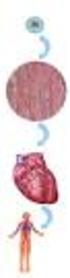 Chapter 8: Cells, tissues and organs Cells: building blocks of life Living things are made of cells. Many of the chemical reactions that keep organisms alive (metabolic functions) take place in cells.
Biotechnology: DNA Technology & Genomics
 Chapter 20. Biotechnology: DNA Technology & Genomics 2003-2004 The BIG Questions How can we use our knowledge of DNA to: diagnose disease or defect? cure disease or defect? change/improve organisms? What