
8. Study the cladogram underline the derived characteristics and circle the organisms that developed from them.
|
|
|
- Rodney Strickland
- 9 years ago
- Views:
Transcription
1 Seed Plants: Gymnosperms and Angiosperms Answer the questions as you go through the power point, there are also paragraphs to read where you will need to hi-lite or underline as you read. 1. What are the two divisions of seed plants? 2. What were the ancestors for land plants and where did they live? 3. Were the earliest land plants vascular or nonvascular? 4. What s the name of this group of plants? 5. How do they reproduce? 6. What was the first type of vascular plants and how do they reproduce? 7. What are the two main groups of vascular seeded plants? 8. Study the cladogram underline the derived characteristics and circle the organisms that developed from them. 9. List 6 characteristics of seed plants. 10.List 5 reasons seed plants were successful living on land. 11.Seeds contain a young developing. They will stay dormant until triggered to germinate. 12.Seeds are covered with a protective seed coat called a. 13.Inside the plant food is stored as so the young plant can use it to. This endosperm has been fertilized too but does not contain genetic material. It is now triploid (3n). 14.Seeds form from ripened after they are. 15.Another name for the primary root is the. 16.Seed plants can have 1 or 2 embryonic leaves called. 17.The becomes the shoot. 18.The stem like portion below the cotyledons is called the. 19.The stem like portion above the cotyledons is called the.

2 20.Draw and label the parts of the seed. 21.Draw and label the parts of a corn seed by using the above picture and following word bank to fill in the blanks: endosperm(3n), plumule, epicotyl, radical, hypocotyl, seed coat, cotyledon. 22. Seeds can lay dormant for many years. Explain why a seed coat is important for a seed. 23.Seeds need to be dispersed/scattered away from the parent plant to prevent competition between the same plants. Name 3 methods used to disperse seeds. Name an organism that uses that method. 24.Germination is the of a plant embryo. 25.What happens to cause a seed to begin to germinate? 26.Where does a germinating seed get the energy to begin growing? 27.When does a fruit form? 28.Name 3 types of fruit, how they form, and an example of each type. 29.These two types of tissue make up what is called the vascular cylinder. What are the 2 types of vascular tissue? 30. Water can travel up long distances in xylem due to adhesion when water sticks to the sides of the vascular vessels, and due to cohesion when water molecules stick to each other. These two types of attraction are part of capillary action. In the phloem, when nutrients are pumped into or removed from the phloem system, the change in concentration causes a movement of fluid in that same direction. So, phloem is able to move nutrients in either direction to meet the nutritional needs of the plant. (text, p. 602) **Hi-lite the structures in vascular tissue in the diagrams. Write a brief description of the function of each part.

3 Ground tissue are cells that lie between the dermal (skin) of the plant and the vascular tissue. There are three types parenchyma, collenchyma, and sclerenchyma. (text, p. 582) 31.List the 2 types of seed plants. Then list the classification phyla for each type. Give an example plant for each phyla. 32. In the sporophyte, the microsporangium produces which develop into which produces which produce. 33.In the sporophyte, the megasporangium produces which develop into which produces which produce. (SKIP SLIDES 23, 24, and 25.) GYMNOSPERMS 34.What does gymnosperm mean? 35.Gymnosperms are more advanced than what type of plants? 36.What do seeds of gymnosperms lack? 37.List examples of gymnosperms. The pine life cycle summary: Reproduction takes place in cones on the tree (sporophyte). There are two types a larger female (mega) seed cone and a smaller male (micro) pollen cone. The female has two ovules at the base of the scale in an archegonia. Meiosis has occurred to produce haploid cells that will become the gametophyte. This life cycle usually takes two years to complete. In spring male cones have produced pollen in the antheridia and release it. The pollen is carried by wind and is trapped by a sticky substance on the female cone. If the pollen lands near the ovary, a pollen tube will form which has two sperm nuclei. Once the tube reaches the ovule, one sperm will fertilize the ovule and the other breaks apart as it is not needed. More than one pollen may be growing a pollen tube to the same ovule but only one embryo will be formed. The new diploid embryo will develop into a seed. This seed can then leave the cone and be blown away in the wind. If it lands in soil it can germinate into a new pine tree (sporophyte). 38.Study and hi-lite/underline the stages of the diagram of the Pine Life Cycle. (see slides 28, 29, 109) View 1 View 2

4 39.In the gymnosperms, how many types of spores are produced? 40.Are gymnosperms heterosporous or homosporus? 41.List the 2 types of sporangium and describe what happens in each? 42.Cones produce a sticky substance that traps pollen when it falls on the scales of the cone. What is the most common method for pollination and seed dispersal in gymnosperms? 43.Gymnosperm have a very and vascular system. 44.Wood is produced by woody plants. Wood is the vascular tissue of the plant. is the wood of the tree where water and minerals are transported. is the bark of the tree where food is carried. 45.Primary growth is when the plant grows in height. Secondary growth is when the plant grows larger in circumference. Wood is formed by growth. 46.In what tissue does primary growth occur? What is the result? 47.In what tissue does secondary growth occur? What is the result? 48.The cambium forms secondary xylem and secondary phloem. W is secondary xylem in which the cells are dead at maturity and only the cell walls remain. Bark is secondary (conducts ). 49.How is the annual ring formed? 50.Describe the difference between early spring wood and late summer wood. (also slide 98) 51. Why don t tropical trees have annual rings? 52.Draw and label the layers of vascular tissue in a tree. 53.What is the most important group of gymnosperms? Why? 54.Where do they bear/produce their seeds? 55. What are the 2 types of cones called? Sketch each kind. 56.Do gymnosperms produce flowers or fruit? 57.What is the oldest living tree? What is its estimated age? 58.What is the largest type of tree? What is an example of its dimensions? 59.The tallest trees are. 60.Where are conifers adapted to grow? 61. They have leaves (needles) that help water. 62.They are covered by to help protect from &. 63. List several other gymnosperms and describe them. 64.List 3 reasons why gymnosperms are ecologically important.

5 65.List 4 reasons why gymnosperms are economically and commercially important. ANGIOSPERMS 66.What does angiosperm mean? 67.List 3 characteristics of angiosperms. 68.There are estimated to be species which makes up % of the plant kingdom. 69.Angiosperms are the most & plants on Earth. 70. & are adapted for dispersal. 71. fertilization of the occurs in the seed. Endosperm is used for food for the growing embryo plant. 72.Sometimes a flower has & sex structures. Sometimes they only have one type of sex structures in a flower so there have to be two types of flowers. 73.Name and describe the male sex structures. 74.Name and describe the female sex structures. 75.List 2 non-reproductive structures in flowers and describe them. 76.This flower has both male and female parts. Some flowers have only one type of sex structures. Hi-lite/underline parts of the flower. Write a short description of the function of each structure next to each part of the flower. (see slides 45, 46, 113, 114 too) 77.Angiosperms are sporus. They have type(s) of spores. Name them. 78.Describe the male spore. 79.Describe the female spore.

6 Angiosperm life cycle summary: Reproduction in angiosperms takes place in the flower on the sporophyte. Some flowers have both male and female parts, some only have one type. The male s pollen (male gametophyte) must reach the female s ovary for fertilization to occur. Pollen is most often moved by wind, insects, animals. The pollen (haploid) is formed by meiosis (makes 4 pollen grains) in the anther which is attached to the filament. Both of these make the stamen. When the pollen is released it must reach the stigma (landing platform). Once there the pollen (now contains 2 nuclei) will form a pollen tube which travels down the long, narrow style into the ovary. The stigma, style, and ovary all make up what is called the carpel. Inside the ovary are several ovules. Each ovule (female gametophyte) has gone through meiosis to make 1haploid cell and the other 3 will break apart. The 1 left will divide to create 8 nuclei within the one egg cell. The nucleus closest to the opening will become the embryo once fertilized by the pollen. Once fertilization occurs a seed will form around the new embryo. Inside the seed will be the embryo and endosperm protected by the seed coat. The seed may be a nut or fruit covered by a fleshy covering. These may be sweet (apple), sometimes not (tomato). The seed can then be dispersed/scattered from the parent plant and germinate to create a new (sporophyte) plant. 80. Hi-lite/underline the stages of the angiosperm life cycle.(see slides 44, 48, 116)Be able to describe what happens at each one. View 1 View 2 **Angiosperms are important for food, clothing, medicines, and more. 81.Flowering plants exhibit of. The large, flowering plant is the, while the stages are microscopic. 82.Angiosperm life cycles have a unique fertilization. What 2 things does this produce? 83.Explain the steps that occur in double fertilization. 84.A fertilized egg grows into a, which grows into a plant. 85. is stored food which the embryo uses to grow. 86.The mature becomes the and/or. 87.Angiosperms are divided into &. 88.As the grows into the, the first of the young develop and are called (seed leaves). 89.Monocots have cotyledon(s), such as,. 90.Dicits have cotyledon(s), such as,.

7 91.Fill in the table to compare monocots and dicots. Study slides and illustrate each of these features in the table. Monocot description Monocot Dicot Dicot FEATURE illustration description illustration Cotyledons Leaf venation (pattern in leaves) Root system Number of floral parts Vascular bundle position Stems-woody or herbaceous (SKIP SLIDES 60-87) LEAVES 92.Leaves come in many different &, such as pine, &. 93. Leaves capture the s for. 94. What does stoma mean? What is stomata? 95.The leaf is covered with a waxy cuticle to help protect it and prevent water loss. The leaf has an upper and lower layer of dermis (skin) cells. CO2 and O2 are gases that have to be exchanged. CO2 enters through stoma and O2 leave through them. This has to happen for photosynthesis to occur. Leaves contain two types of mesophyll cells (column like palisade and spongy).the air spaces in the spongy mesophyll allow for the gas exchange. Leaves are only a few cells thick. All cells in a leaf, except for the xylem and phloem in the veins, contain chlorophyll where photosynthesis occurs. The petiole is the small stem that attaches the leaf to the larger stem or branch. **Write a short description of the function next to each part of the leaf.

8 96.Fill in the blanks and make a small sketch to illustrate each statement. Dicot leaf veins are usually. Monocot leaf veins are usually. Leaflets of plamate leaves from a. Leaflets of pinnate leaves resemble, branching off a. The leaves of conifers have a shape that helps the plant. 97. Water travels in one direction in the xylem from the roots to the leaves. Water is pulled up in the plant by capillary action (adhesion/cohesion and by transpiration). Water is pushed into the plant by root pressure. Plants can lose water through which is the process of from leaves. Food can travel in any direction in the phloem. It travels from the leaves where it is made to the roots for storage or anywhere it needs to be used. 98. Too much evaporation and the plant & may. 99. Closing the helps transpiration. 100.The stoma are in the leaf. They are surrounded by two. Water leaves the guard cells and they. Water enters the guard cells and they. 101.The stoma are openings in the leaf that allow for CO2 to enter and O2 to leave. The CO2 is used in photosynthesis. Sketch and label a stoma with the guard cells. Vascular tissue is important for many reasons including transport of materials, and supporting the plant. The stem is where a majority of the vascular tissue is found. The stem also contains vascular cambium which has the lateral meristem tissue. Here there are cells that divide to increase a plant thickness or circumference. 102.Name three purposes of stems Apical meristems are the only parts in the plant where plants have cells dividing to create new cells which leads to an increase in length. There are apical meristems at the tips of roots and shoots. Label the parts of the plant. 104.List 2 types of stems. Describe them in one word each and give two examples of each. 105.What are the layers they both have?

9 106.List the layers a woody stem has that a herbaceous stem doesn t. Describe each layer Write a brief description of the function of each of the parts of a woody stem. ROOTS 108. List 2 main purposes of roots. 109.List and describe 2 main types of roots. 110.How does the root cap protect the growing root? 111.Why are root hairs important? 112. Roots develop by both &. As the & of cells increase, the root grows in &. Water moves into the root by osmosis. Plants need minerals such as nitrogen, phosphorus, potassium magnesium, and calcium to stay healthy. Minerals enter the root cells by active transport. A root pressure is created by active transport which pushes the water up into the plant. The movement into roots is one way once it reaches the vascular tissue because there is a waterproof barrier called the casparian strip which prevents water loss.

10 113. Write a brief description of the function of each of the parts of the root What do root hairs absorb? 115. Describe the 2 pathways (not methods) water and minerals move into the root. (slide 123) 116. Annuals complete their life cycle in, such as,,, Biennials complete their life cycles in, such as, Perrenials live for, such as & because their & survive the winter. Additional Notes:

Flowers; Seeds enclosed in fruit
 Name Class Date Chapter 22 Plant Diversity Section Review 22-1 Reviewing Key Concepts Short Answer On the lines provided, answer the following questions. 1. Describe the main characteristics of plants.
Section 24 1 Reproduction With Cones and Flowers (pages 609 616)
 Chapter 24 Reproduction of Seed Plants Section 24 1 Reproduction With Cones and Flowers (pages 609 616) This section describes the reproductive structures of gymnosperms and angiosperms. It also explains
Biology 172L General Biology Lab II Lab 03: Plant Life Cycles and Adaptations II: Gymnosperms and Angiosperms
 Biology 172L General Biology Lab II Lab 03: Plant Life Cycles and Adaptations II: Gymnosperms and Angiosperms Introduction Vascular seed-bearing plants, such as gymnosperms (cone-bearing plants) and angiosperms
10B Plant Systems Guided Practice
 10B Plant Systems Guided Practice Reproduction Station 1 1. Observe Plant A. Locate the following parts of the flower: stamen, stigma, style, ovary. 2. Draw and label the parts of a flower (listed above)
Section 24 1 Reproduction With Cones and Flowers (pages 609 616)
 Chapter 24 Reproduction of Seed Plants Section 24 1 Reproduction With Cones and Flowers (pages 609 616) Key Concepts What are the reproductive structures of gymnosperms and angiosperms? How does pollination
Plant Classification, Structure, Growth and Hormones
 Biology SAT II Review Sheet Plants Plant Classification, Structure, Growth and Hormones Multicellular autotrophs (organisms that use the energy of inorganic materials to produce organic materials) Utilize
Chapter 38: Angiosperm Reproduction and Biotechnology
 Name Period Concept 38.1 Flowers, double fertilization, and fruits are unique features of the angiosperm life cycle This may be a good time for you to go back to Chapter 29 and review alternation of generation
Unit 10- Plants /Study Guide KEY
 Plant Diversity Unit 10- Plants /Study Guide KEY Answer Key SECTION 20.1. ORIGINS OF PLANT LIFE 1. eukaryotic, photosynthetic, same types of chlorophyll, starch as storage product, cellulose in cell walls
And the Green Grass Grew All Around and Around, the Green Grass Grew All. Evolution of Plants
 And the Green Grass Grew All Around and Around, the Green Grass Grew All Around Evolution of Plants Adapting to Terrestrial Living Plants are complex multicellular organisms that are autotrophs they feed
Biology 213 Angiosperms. Introduction
 Biology 213 Angiosperms Introduction The flowering plants, the angiosperms, are the most recent plants to evolve and quickly became the dominant plant life on this planet. They are also the most diverse
Introduction to Plants
 Introduction to Plants Unity and Diversity of Life Q: What are the five main groups of plants, and how have four of these groups adapted to life on land? 22.1 What are of plants? WHAT I KNOW SAMPLE ANSWER:
Plants have organs composed of different tissues, which in turn are composed of different cell types
 Plant Structure, Growth, & Development Ch. 35 Plants have organs composed of different tissues, which in turn are composed of different cell types A tissue is a group of cells consisting of one or more
IGCSE and GCSE Biology. Answers to questions. Section 2. Flowering Plants. Chapters 6-9. Chapter 6 Plant structure and function
 1 IGCSE and GCSE Biology. Answers to questions Section 2. Flowering Plants. Chapters 6-9 Chapter 6 Plant structure and function Page 54 1. a Epidermis. Helps maintain shape, reduces evaporation, resists
Lecture 7: Plant Structure and Function. I. Background
 Lecture 7: Plant Structure and Function I. Background A. Challenges for terrestrial plants 1. Habitat is divided a. Air is the source of CO2 for photosynthesis i. Sunlight cannot penetrate soil b. Soil
PLANT EVOLUTION DISPLAY Handout
 PLANT EVOLUTION DISPLAY Handout Name: TA and Section time Welcome to UCSC Greenhouses. This sheet explains a few botanical facts about plant reproduction that will help you through the display and handout.
Plant Reproduction. 2. Evolutionarily, floral parts are modified A. stems B. leaves C. roots D. stolons E. suberins
 Plant Reproduction 1. Angiosperms use temporary reproductive structures that are not present in any other group of plants. These structures are called A. cones B. carpels C. receptacles D. flowers E. seeds
Plant Structure, Growth, and Development. Chapter 35
 Plant Structure, Growth, and Development Chapter 35 PLANTS developmental plasticity = ability of plant to alter form to respond to environment Biological heirarchy Cell basic unit of life Tissue group
Chapter 3. Biology of Flowering Plants: Reproduction. Gametophytes, Fruits, Seeds, and Embryos
 BOT 3015L (Sherdan/Outlaw/Aghoram); Page 1 of 13 Chapter 3 Biology of Flowering Plants: Reproduction Gametophytes, Fruits, Seeds, and Embryos Objectives Angiosperms. Understand alternation of generations.
Plant Structure and Function Notes
 For plants, when they made the transition from water to land, they had to make adaptations for obtaining water and prevent loss by desiccation (drying out) -water also needed for fertilization of eggs
4th GRADE MINIMUM CONTENTS-NATURAL SCIENCE UNIT 11: PLANTS
 PLANT BITS 4th GRADE MINIMUM CONTENTS-NATURAL SCIENCE UNIT 11: PLANTS There are four main parts to a plant. They are the root, stem, leaf and flower. Each part has an important task to do in the life of
Angiosperm Reproduction: Flowers, Fruits, and Seeds Overview Objectives bold Part I Floral Anatomy . calyx sepals corolla, petals, stamens, filament
 Angiosperm Reproduction: Flowers, Fruits, and Seeds Overview In this lab you will observe assorted flowers, fruits, and seeds to better understand the unique adaptations of and the life cycle of angiosperms.
Fungi and plants practice
 Name: Period: Date: Fungi and plants practice Multiple Choice Identify the choice that best completes the statement or answers the question. Indicate your answer choice with an UPPER CASE letter in the
Expt. How do flowering plants do it without flagella? The journey to find an egg. What causes pollen grain germination and tube growth?
 1 Expt. How do flowering plants do it without flagella? The journey to find an egg. What causes pollen grain germination and tube growth? File: F12-07_pollen Modified from E. Moctezuma & others for BSCI
Vascular Plants Bryophytes. Seedless Plants
 plant reproduction The Plants Vascular Plants Bryophytes Liverworts, Hornworts, Mosses lack roots and specialized tissues grow in moist, shady areas All have sieve cells and tracheids Seedless Plants Ferns
WHAT ARE THE DIFFERENCES BETWEEN VASCULAR AND NON- VASCULAR PLANTS?
 WHAT ARE THE DIFFERENCES BETWEEN VASCULAR AND NON- VASCULAR PLANTS? Let s take a closer look. What makes them different on the outside and inside? Learning Intentions To understand how vascular plant cells
Kingdom Plantae Plant Diversity II
 Kingdom Plantae Plant Diversity II Professor Andrea Garrison Biology 3A Illustrations 2014 Cengage Learning unless otherwise noted Text 2014 Andrea Garrison Plant Diversity II 2 Plant Classification Bryophytes
Plant Parts. Background Information
 Purpose The purpose of this lesson is for students to learn the six basic plant parts and their functions. Time Teacher Preparation: 30 minutes Student Activity: 60 minutes Materials For the teacher demonstration:
Anatomy and Physiology of Leaves
 I. Leaf Structure and Anatomy Anatomy and Physiology of Leaves A. Structural Features of the Leaf Question: How do plants respire? Plants must take in CO 2 from the atmosphere in order to photosynthesize.
Transpiration. C should equal D.BUT SOMETIMES. 1. Loss in mass is greater than volume of water added.
 Transpiration Transpiration is the loss of water by evaporation from the leaves through the stomata. The source of water for the plants is soil water. It is taken up by root hair cells by osmosis. Once
Transport in Plants. Lab Exercise 25. Introduction. Objectives
 Lab Exercise Transport in Plants Objectives - Become familiar and be able to recognize the different types of cells found in the plant s vascular tissue. - Be able to describe root pressure and transpiration
Seed plants are well adapted to the demands of life on land,
 24 1 Reproduction With Cones and Flowers Seed plants are well adapted to the demands of life on land, especially in how they reproduce. The gametes of seedless plants, such as ferns and mosses, need water
PLANT DIVERSITY. EVOLUTION OF LAND PLANTS KINGDOM: Plantae
 PLANT DIVERSITY 1 EVOLUTION OF LAND PLANTS KINGDOM: Plantae Spores Leaf Ancestral green algae Flagellated sperm for reproduction Plenty of water Nutrients and CO 2 diffuse into tissues Holdfast Flagellated
CELERY LAB - Structure and Function of a Plant
 CELERY LAB - Structure and Function of a Plant READ ALL INSTRUCTIONS BEFORE BEGINNING! YOU MAY WORK WITH A PARTNER ON THIS ACTIVITY, BUT YOU MUST COMPLETE YOUR OWN LAB SHEET! Look at the back of this paper
CELERY LAB - Structure and Function of a Plant
 CELERY LAB - Structure and Function of a Plant READ ALL INSTRUCTIONS BEFORE BEGINNING! YOU MAY WORK WITH A PARTNER ON THIS ACTIVITY, BUT YOU MUST COMPLETE YOUR OWN LAB SHEET! Plants are incredible organisms!
Germination is the process in which a
 The Germination Of a Bean Photographs and article By Lily C. Gerhardt [email protected] Germination is the process in which a seed, spore, or fungi sprouts, or begins growth. Seed germination can occur after
BIOL 1030 TOPIC 5 LECTURE NOTES TOPIC 5: SEEDLESS VASCULAR PLANTS (CH. 29)
 TOPIC 5: SEEDLESS VASCULAR PLANTS (CH. 29) I. Vascular Plants (overview) plants with xylem and phloem 7 or 9 living phyla, depending on who you talk to able to dominate most terrestrial habitats because
Leaf Structure and Transpiration
 10 LESSON Leaf Structure and Transpiration INTRODUCTION Have you wondered what happens to all that water that disappears from the reservoir of your growing system? Although some might have evaporated from
Double Fertilization and Post - Fertilization Events: Measuring
 WFP062298 Double Fertilization and Post - Fertilization Events: Measuring Concepts In plants fertilization is the event in sexual reproduction which follows pollination. In higher plants, two sperm are
Water movement in the xylem Water moves from roots to leaves through the xylem. But how? Hypotheses: 1. Capillary action - water will move upward in
 Transport in Plants Two Transport Processes Occur in Plants 1. Carbohydrates carried from leaves (or storage organs) to where they are needed (from sources to sinks) 2. Water transported from roots to
1. The leaf is the main photosynthetic factory (Fig. 36.1, p. 702)
 TRANSPORT IN PLANTS A. Introduction 1. The leaf is the main photosynthetic factory (Fig. 36.1, p. 702) a. This requires a transport system to move water and minerals from the roots to the leaf. This is
Chapter 36: Resource Acquisition & Transport in Vascular Plants
 Chapter 36: Resource Acquisition & Transport in Vascular Plants 1. Overview of Transport in Plants 2. Transport of Water & Minerals 3. Transport of Sugars 1. Overview of Transport in Plants H 2 O CO 2
Exchange and transport
 Exchange and transport Examples of things which need to be interchanged between an organism and its environment include: Respiratory gases Nutrients Excretory products Heat This exchange can take place
Pre-lab homework Lab 2: Reproduction in Protists, Fungi, Moss and Ferns
 Pre-lab homework Lab 2: Reproduction in Protists, Fungi, Moss and Ferns Lab Section: Name: 1. Last week in lab you looked at the reproductive cycle of the animals. This week s lab examines the cycles of
Flower Model: Teacher Instructions Sepals Anther Stamens (male) Filament Stigma Pistil Style (female) Ovary Petals sepals petals stamens pistil
 Flower Model: Teacher Instructions In order to better understand the reproductive cycle of a flower, take a look at some flowers and note the male and female parts. Most flowers are different; some have
Parts of a Flower and Pollination
 Science Unit: Lesson 3: Soils, Plants, and First Nations Parts of a Flower and Pollination School year: 2007/2008 Developed for: Britannia Elementary School, Vancouver School District Developed by: Catriona
2. Fill in the blank. The of a cell is like a leader, directing and telling the different parts of the cell what to do.
 1. Plant and animal cells have some similarities as well as differences. What is one thing that plant and animal cells have in common? A. cell wall B. chlorophyll C. nucleus D. chloroplasts 2. Fill in
Plant Growth & Development. Growth Stages. Differences in the Developmental Mechanisms of Plants and Animals. Development
 Plant Growth & Development Plant body is unable to move. To survive and grow, plants must be able to alter its growth, development and physiology. Plants are able to produce complex, yet variable forms
Laboratory. Leaves: Specialized Plant Organs
 Laboratory 5 Leaves: Specialized Plant Organs 1 Laboratory 1: Leaves OBJECTIVES After completing this lab you will be able to: 1. Describe and name leaf patterns 2. Identify the structural differences
3) Transpiration creates a force that pulls water upward in. xylem. 2) Water and minerals transported upward form roots to shoots in.
 3) Transpiration creates a force that pulls water upward in xylem Figure 36.1 An overview of transport in whole plants (Layer 1) Transport in plants 2) Water and minerals transported upward form roots
nucleus cytoplasm membrane wall A cell is the smallest unit that makes up living and nonliving things.
 1 In nature there are living things and nonliving things. Living things depend on three basic life processes: nutrition, sensitivity and reproduction. Living things are made up of cells. 1. Match the two
Dissect a Flower. Huntington Library, Art Collections, and Botanical Gardens
 Huntington Library, Art Collections, and Botanical Gardens Dissect a Flower Overview Students dissect an Alstroemeria or similar flower to familiarize themselves with the basic parts of a flower. They
Bio Factsheet January 2001 Number 82
 January 2001 Number 82 Transport in Flowering Plants This Factsheet covers the relevant AS syllabus content of the major examination boards. By studying this Factsheet candidates will gain a knowledge
Biology 3B Laboratory Land Plant Structure
 Biology 3B Laboratory Land Plant Structure Objectives Learn and recognize the basic tissues and structures of land plants Understand how these morphological features relate to plant structure and function
Laboratory. Plant Structure
 Laboratory 4 Plant Structure 2 Laboratory 4: Plant Structure OBJECTIVES After completing this lab you will be able to: 1. Differentiate between dicots and monocots within the following categories: a. root
Functional Biology of Plants
 Brochure More information from http://www.researchandmarkets.com/reports/2252012/ Functional Biology of Plants Description: Functional Biology of Plants provides students and researchers with a clearly
Photosynthesis. Chemical Energy (e.g. glucose) - They are the ultimate source of chemical energy for all living organisms: directly or indirectly.
 Photosynthesis Light Energy transduction Chemical Energy (e.g. glucose) - Only photosynthetic organisms can do this (e.g. plants) - They are the ultimate source of chemical energy for all living organisms:
2 nd Grade Science Unit B: Life Sciences Chapter 3: Plants and Animals in Their Environment Lesson 1: How are plants and animals like their parents?
 2 nd Grade Science Unit B: Life Sciences Chapter 3: Plants and Animals in Their Environment Lesson 1: How are plants and animals like their parents? offspring Offspring are young plants and animals. Offspring
Question Bank Seed : Structure, Types and Germination
 Question Bank Seed : Structure, Types and Germination 1. Describe the structure of a seed. Ans. A mature seed consists of two essential parts : (i) the seed coat, and (ii) the embryo The Seed coat : A
The Nonvascular Plants & Seedless Vascular Plants
 The Nonvascular Plants & Seedless Vascular Plants Laboratory 4 Introduction Members of kingdom Plantae are all multicellular organisms exhibiting cellulose cell walls, an alternation of generations life
Lab: Plant tissue systems and cell types
 Lab: Plant tissue systems and cell types In this lab we will become familiar with the main types of plant cells and tissues. You ll look at cells in the ground tissue, dermal tissue and vascular tissue.
LAB 24 Transpiration
 Name: AP Biology Lab 24 LAB 24 Transpiration Objectives: To understand how water moves from roots to leaves in terms of the physical/chemical properties of water and the forces provided by differences
What's in a Flower. Ages: 8 to 12. Contributor: Susan Jaquette, Cornell Plantations volunteer
 Ages: 8 to 12 What's in a Flower Contributor: Susan Jauette, Cornell Plantations volunteer Main idea: Flowers are composed of several distinct parts, each of which plays an important role in nature. Objective:
Cells, tissues and organs
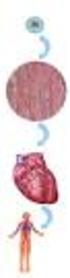 Chapter 8: Cells, tissues and organs Cells: building blocks of life Living things are made of cells. Many of the chemical reactions that keep organisms alive (metabolic functions) take place in cells.
Transport in Plants Notes AP Biology Mrs. Laux 3 levels of transport occur in plants: 1. Uptake of water and solutes by individual cells
 3 levels of transport occur in plants: 1. Uptake of water and solutes by individual cells -for photosynthesis and respiration -ex: absorption of H 2 O /minerals by root hairs 2. Short distance cell-to-cell
Pinus Life Cycle. Name
 Name Pinus Life Cycle You have observed some gymnosperm diversity last week; today you will observe the details of the life cycle of Pinus, one of the most common conifers (Coniferophyta). This life history
The content assessed by the examination papers and the type of questions are unchanged.
 www.xtremepapers.com Location Entry Codes From the June 2007 session, as part of CIE s continual commitment to maintaining best practice in assessment, CIE has begun to use different variants of some question
Science 10-Biology Activity 14 Worksheet on Sexual Reproduction
 Science 10-Biology Activity 14 Worksheet on Sexual Reproduction 10 Name Due Date Show Me NOTE: This worksheet is based on material from pages 367-372 in Science Probe. 1. Sexual reproduction requires parents,
Celery Challenge: Investigating Water Movement in Plants
 Celery Challenge: Investigating Water Movement in Plants Student s Guide In this module, you will think about transpiration, osmosis, and different cell types by trying to cause celery stalks to bend as
Plant Responses to Environmental Cues Tropisms, Photoperiodism, and Plant Hormones
 Plant Responses to Environmental Cues Tropisms, Photoperiodism, and Plant Hormones Plant Responses to Environmental Cues Phototropism - plant growth response to light shoots bend toward light - positive
Unit 1: What is Biology? Unit 2: Ecology Unit 3: The Life of a Cell Unit 4: Genetics Unit 5: Change Through Time Unit 6: Viruses, Bacteria, Protists,
 Unit 1: What is Biology? Unit 2: Ecology Unit 3: The Life of a Cell Unit 4: Genetics Unit 5: Change Through Time Unit 6: Viruses, Bacteria, Protists, and Fungi Unit 7: Plants Unit 8: Invertebrates Unit
Plant Parts and Their Function
 Science Unit: Lesson 6: Plants Plant Parts and Their Function School year: 2004/2005 Developed for: Developed by: Grade level: Duration of lesson: Queen Alexandra Elementary School, Vancouver School District
Can you see the difference between wind pollinated and insect pollinated flowers?
 Can you see the difference between wind pollinated and insect pollinated flowers? Age of Students 10 14 years Duration 1 hour Summary Pollination is a very effective factor in the evolution of plants and
Get It Right. Answers. Chapter 1: The Science of Life. A biologist studies all living things.
 Discover Biology 'N' Level Science Chapter 1 Chapter 1: The Science of Life A biologist studies all living things. In order to carry out the scientific method, we need to ask questions. Discover Biology
AS Biology Unit 2 Key Terms and Definitions. Make sure you use these terms when answering exam questions!
 AS Biology Unit 2 Key Terms and Definitions Make sure you use these terms when answering exam questions! Chapter 7 Variation 7.1 Random Sampling Sampling a population to eliminate bias e.g. grid square
Plants, like all other living organisms have basic needs: a source of nutrition (food),
 LEARNING FROM LEAVES: A LOOK AT LEAF SIZE Grades 3 6 I. Introduction Plants, like all other living organisms have basic needs: a source of nutrition (food), water, space in which to live, air, and optimal
Plants Scavenger Hunt Activity
 Name: Plants Activity Materials: Question worksheet (pages 2-3) 16 Fact Cards (pages 4-8) Tape, Scissors, Classroom Preparation: Print the fact cards on card stock or brightly-colored paper and cut them
Sexual Reproduction. and Meiosis. Sexual Reproduction
 Sexual Reproduction and Meiosis Describe the stages of meiosis and how sex cells are produced. Explain why meiosis is needed for sexual reproduction. Name the cells that are involved in fertilization.
DID YOU KNOW that the plants most important to
 Flower Anatomy DID YOU KNOW that the plants most important to agriculture all produce flowers? Every major food crop is a flowering plant. We do not think about the flowers of wheat, rice, corn, and soybeans.
Roots and Stems and Leaves, Oh My!
 Roots and Stems and Leaves, Oh My! Objectives 1. The student will be able to identify parts of a plant. 2. The student will understand the function of plant parts. Grade Level 1-3 4-6 TEKS: 1.6B, 2.6C;
Our American Trees by Robert C. Birkby
 North arolina Testing Program Our merican Trees by Robert. irkby The largest and oldest living things on earth are trees. Over a thousand kinds grow in the United States, and thousands more flourish in
Photosynthesis and (Aerobic) Respiration. Photosynthesis
 Photosynthesis and (Aerobic) Respiration These two processes have many things in common. 1. occur in organelles that seem to be descended from bacteria (endosymbiont theory): chloroplasts and mitochondria
How To Understand Plant Biology
 SECOND GRADE PLANT LIFE 2 weeks LESSON PLANS AND ACTIVITIES LIFE CYCLE OVERVIEW OF SECOND GRADE ORGANISMS WEEK 1. PRE: Distinguishing characteristics of vertebrates. LAB: Discovering characteristics of
UNIVERSITY OF CAMBRIDGE INTERNATIONAL EXAMINATIONS International General Certificate of Secondary Education
 *9282687787* UNIVERSITY OF CAMBRIDGE INTERNATIONAL EXAMINATIONS International General Certificate of Secondary Education BIOLOGY 0610/21 Paper 2 Core October/November 2012 1 hour 15 minutes Candidates
CHAPTER 2: BLOOD CIRCULATION AND TRANSPORT
 CHAPTER 2: BLOOD CIRCULATION AND TRANSPORT BLOOD CIRCULATION AND TRANSPORT HUMAN BEING PLANTS Function of heart Wilting Structure of heart Blood vessels: characteristics and functions Transpiration: function
MARK SCHEME for the May/June 2012 question paper for the guidance of teachers 5090 BIOLOGY. 5090/22 Paper 2 (Theory), maximum raw mark 80
 www.xtremepapers.com UNIVERSITY OF CAMBRIDGE INTERNATIONAL EXAMINATIONS GCE Ordinary Level MARK SCHEME for the May/June 2012 question paper for the guidance of teachers 5090 BIOLOGY 5090/22 Paper 2 (Theory),
Introducing the parts of a flower
 Parts of a flower Teacher Guidance Introducing the parts of a flower pollen petal stamen anther filament stigma style ovary carpel ovule sepal stem Figure 2. A half flower, showing the basic parts: sepal,
How Trees Grow in the Urban Environment 1
 CIR1093 1 Mary L. Duryea and Marlene M. Malavasi2 Background What happens to a birdhouse if you hang it on a tree and come back in two years? Will it be at the same height or out of your reach because
Tech Prep Articulation
 Tech Prep Articulation Agriculture & Natural Resources Tech Prep Education: Tech Prep education in Missouri is an articulated two-year secondary and two or more year post-secondary education program which:
B2 1 Cells, Tissues and Organs
 B2 Cells, Tissues and Organs 5 minutes 5 marks Page of 7 Q. The diagram shows a bacterium. On the drawing, name the structures labelled A, B, C and D. (Total 4 marks) Q2. (a) The diagrams show cells containing
Topic 3: Nutrition, Photosynthesis, and Respiration
 1. Base your answer to the following question on the chemical reaction represented below and on your knowledge of biology. If this reaction takes place in an organism that requires sunlight to produce
Mighty Oaks From Little Acorns
 Science Process: Observe and Measure / Life Science / Math: Measurement (Length), data Analysis (graphing) / reading: Sequencing / Listening / Writing / Visual Arts expression Background Buds are on the
GRADE 7: Life science 1. UNIT 7L.1 7 hours. Specialised cells. Resources. About this unit. Previous learning. Key vocabulary and technical terms
 GRADE 7: Life science 1 Specialised cells UNIT 7L.1 7 hours About this unit This unit is the first of six units on life science for Grade 7. This unit is designed to guide your planning and teaching of
Plant and Soil Science I
 Plant and Soil Science I Levels: Grades 9-12 Units of Credit: 1.00 CIP Code: 02.0411 Core Code: 30-02-00-00-080 Prerequisite: None Skill Test: # 140 COURSE DESCRIPTION Students will develop knowledge and
Question Bank Five Kingdom Classification
 Question Bank Five Kingdom Classification 1. Who proposed Five Kingdom Classification? Give the bases of classification. Ans. Whittaker in 1969 proposed five kingdom classification based on :- (i) Cell
Meiosis is a special form of cell division.
 Page 1 of 6 KEY CONCEPT Meiosis is a special form of cell division. BEFORE, you learned Mitosis produces two genetically identical cells In sexual reproduction, offspring inherit traits from both parents
Introduction to Plant Propagation. Glenn T. Sako Assistant County Extension Agent CTAHR, UHM
 Introduction to Plant Propagation Glenn T. Sako Assistant County Extension Agent CTAHR, UHM Purposes for Plant Propagation Multiply the number of a species Perpetuate a species Maintain the youthfulness
Kindergarten Science Unit B: Life Science Chapter 4: Plant and Animal Parts Lesson 1: What do plant parts do?
 Insert Photo or Graphic for Unit or Lesson Theme Kindergarten Science Unit B: Life Science Chapter 4: Plant and Animal Parts Lesson 1: What do plant parts do? Insert Photo/Graphic parts Insert Photo/Graphic
Plant Leaves: Holly Spines vs. Height
 Plant Leaves: Holly Spines vs. Height SC Academic Standards: 4.L.5A; 5.L.4A- B; 6.L.4A; 6.L.5B; 7.L.3B; 7.EC.5B; H.B.2B; H.B.6A NGSS DCI: 4- LS1.A; 5- LS2.A- B; MS- LS1- A- C; MS- LS2.A- C; MS- PS3.D;
BIOLOGICAL SCIENCE FUNDAMENTALS AND SYSTEMATICS Vol. I Cell and Tissue Structure in Animals and Plants - M.K. Richardson, L.
 CELL AND TISSUE STRUCTURE IN ANIMALS AND PLANTS M.K. Richardson Institute of Evolutionary and Ecological Sciences, Leiden University, Kaiserstraat 63, Postbus 9516, 2300 RA Leiden, The Netherlands L. Goosen-de