
Gateways to Science SAMPLE. STAAR Edition. Teacher Edition
|
|
|
- Hilary Carroll
- 9 years ago
- Views:
Transcription
1 Gateways to Science STAAR Edition Grade 7 Teacher Edition

2 What Are My Traits? Gateways to Science, STAAR Edition, Grade 7 Page 1 of 2 INTRODUCTION to Gateways Gateways to Science Features Safety Alert Icon reminds teacher and students of safe lab practices. ROT ON ROTATION Lab Rotation Icon signals students to prepare for lab station activities. Stations 1 Nectar Station Descriptors summarize for students lab activities by station. Advance Preparation allows for preplanning to ensure lesson goes smoothly. xx Materials For teacher marker For student groups RM 33 large manila envelope 4 small envelopes tape UNIT 4: Structure and Function of Organisms, Part 1 RM 33 Lesson 5: Inherited Traits Learning Goal provides a brief outlook of lesson purpose. UNIT 4: Structure and Function of Organisms, Part 1 Lesson 2: Plant and Animal Cells Learning Goal Determine how inherited traits are governed by genetic material found in the chromosomes and are passed from parent to offspring through reproduction.. Engage Advance Preparation Copy, laminate, and cut out RM 33: What Are My Traits? for each student group. Divide the cards into stacks of four, making sure each group receives at least one plant and one animal card. It is best if adjacent groups receive different cards. Place one card into each smaller envelope. Use the marker to label the envelopes Player 1, Player 2, Player 3, and Player 4. Place the four labeled envelopes into the manila envelope. Teacher Instruction Place students in groups of four. Teacher Note A time limit may be set for playing the game. Post the time limit and use a timer displayed for class view. Distribute a manila envelope containing four secret trait card envelopes to each group. Review game rules with students. Model the rules of the game by having students tape a card to your back. Ask students yes or no questions to determine the identity of the organism. Players are limited to five questions per card. Remind students to rotate roles until all group members have a turn to be the player. When the game concludes, instruct students to place the trait cards back in the envelopes, place the envelopes in the manila envelope, and place the manila envelope in the middle of the table. Briefly conduct a class discussion about the game and its results. Materials List aids in lesson preparation. 5 Es are clearly labeled to help keep track of lesson progress. Teacher Note provides helpful tips and information. xx

3 100 Sheets 200 Pages Wide Ruled 9 3/4 x 7 1/2 in x 19.0 cm Assessment Inherited Traits Choose the best answer for each question. 1 A twisted ladder is sometimes used to describe the shape of the genetic material called A nucleus B DNA C traits D chromosomes 2 All of the following are traits that are inherited from an offspring s parents except F hair color G color blindness H earlobe length J body scars 3 The passage of genetic information from one generation to the next is called A genetics B heredity C DNA D reproduction Gateways to Science, STAAR Edition, Grade 7 Page 1 of 2 Gateways to Science Features UNIT 4: Structure and Function of Organisms, Part 1 Lesson 5: Inherited Traits Science Evaluate Teacher Instruction Lesson 5: Inherited Traits Instruct students to complete RM 39: Assessment Inherited Traits. RM.39 Answer Key 1. B 2. J 3. B In your science notebook, create a vocabulary table similar to the one below. Make your table with seven rows. Use Table 4.1 to predict the meaning of each of the following words. Record your prediction in the middle column. Vocabulary Term Prediction Actual Definition genetics chromosome gene Facilitation Questions Did any of the children inherit a trait from a grandparent? Yes, all traits inherited by the children were also traits of the grandparents, but no child s traits were identical to all of the traits of one grandparent or parent. Did any of the children lack one of the grandparents traits? It is very possible that the offspring lack one of the grandparent s traits. The offspring are diverse because the traits were chosen at random. How does this compare to traits that you have inherited from your parents or grandparents? This was a simplified study of how traits can be tracked through a family tree, but humans, as well as other organisms, have many more traits. Some of our traits are inherited from our fathers and some of our traits are inherited from our mothers. Preview the questions in Genetics and Heredity. Study the diagram and read the passage. With a partner, discuss the main ideas of each paragraph and your answers to the questions in the passage. Materials For each student RM 39 UNIT 4: Structure and Function of Organisms, Part 1 RM 39 Lesson 5: Inherited Traits Science Notebook Icon quickly indicates the need for students to use a science notebook. Student Pages are embedded in all lessons for ease of use and include answers to student edition. Facilitation Questions assist in guiding and scaffolding instruction. Reproducible Master (RM) Snapshots and Answer Keys offer an at-a-glance view. RM Answer Keys are placed in lesson to reduce the amount of printed materials. 4. H 5. A xxi

4 UNIT 5: Structure and Function of Organisms, Part 2 Lesson 1: Physical and Chemical Changes in Digestion Learning Goal Identify physical and chemical changes in matter in the digestive system. Materials For each student 2 unsalted crackers timer or access to clock Materials For teacher knife For student groups gelatin Petri dish or portion cups with lids fresh (not canned) pineapple Engage Teacher Instruction Instruct students to chew the crackers without swallowing for 2 minutes. Students should notice that the crackers become sweeter. This is due to the release of an enzyme in the saliva that breaks down carbohydrates into glucose, a simple sugar. Engage Science 100 Sheets 200 Pages Wide Ruled 9 3/4 x 7 1/2 in x 19.0 cm Eat a Cracker 1. Your teacher will give you two unsalted crackers. 2. Chew the crackers in your mouth for 2 minutes without swallowing. Page Record your observations, including the initial taste of the crackers and their taste after 2 minutes. Why do we chew our food before swallowing? We chew food to break it into smaller pieces and increase the surface area of the food so it can break down faster. We also chew food in order to swallow it easier. Explore Teacher Note Many meat tenderizers use enzymes from plants. Bromelain, the enzyme in pineapple, and papain, the enzyme in papaya, break down proteins. Other fruits such as kiwi and figs also contain enzymes that break down proteins. Gelatin is made from protein. Proteins are broken down into amino acids. This represents a chemical change. Canned pineapple slices will not work because the canning process destroys the enzyme in pineapples. 310

5 Lesson 1: Physical and Chemical Changes in Digestion Advance Preparation Prepare the gelatin mix according to box directions and pour into Petri dishes or portion cups prior to class. Place in refrigerator to aid in hardening the gelatin. Cut the pineapple into small pieces, approximately 3 cm x 3 cm. Teacher Instruction Ask students to hypothesize what will happen prior to placing the pineapple on the gelatin. Instruct students to complete the science notebook entry. Explore Science 100 Sheets 200 Pages Wide Ruled 9 3/4 x 7 1/2 in x 19.0 cm Procedure Page Write a hypothesis of what will happen when pineapple is placed on gelatin. Record your hypothesis in your science notebook. 2. Place the small piece of pineapple in the middle of the Petri dish containing gelatin. 3. Over several minutes, record your observations. 4. Dispose of all materials according to your teacher s directions. Leave your area clean and organized. Conclusion 1. Do your results support your hypothesis? Student answers will vary. Accept all appropriate answers. Unit 5: Structure and Function of Organisms, Part 2 2. Did a chemical change occur? A chemical change did occur. If yes, what evidence do you have? It appears that a new substance was formed. The gelatin, in contact with the pineapple, was broken down. 311

6 UNIT 5: Structure and Function of Organisms, Part 2 Lesson 1: Physical and Chemical Changes in Digestion Materials For teacher small marble 50 cm of clear, large aquarium tubing measuring tape large trash bag popcorn 10 sandwichsize resealable plastic bags For each student RM 1 RM 2 colored pencils UNIT 5: Structure and Function of Organisms, Part 2 RM 1 Lesson 1: Physical and Chemical Changes in Digestion Digestive System Gateways to Science, STAAR Edition, Grade 7 UNIT 5: Structure and Function of Organisms, Part 2 RM 2 Lesson 1: Physical and Chemical Changes in Digestion Excretory System Gateways to Science, STAAR Edition, Grade 7 Explain Advance Preparation Teacher Note Dangerous metabolic by-products, such as hydrogen peroxide, are also chemically changed into harmless substances by enzymes. Teacher Note The diagram of the excretory system on RM 2 includes the heart as a location reference only. Remind students that the heart is not part of the excretory system. Prepare a floor-size model of the digestive system: Set up the classroom so the middle of the room has two parallel pieces of masking tape down the length of the room. Depending on available space, the tapeline should be 2 4 feet apart. Prepare a large ball of food by placing popcorn in 10 plastic sandwich bags. Put the popcorn-filled bags into a large plastic bag to make a food ball. Teacher Instruction Debrief the Explore activity. Students should observe that the gelatin area liquefies when it comes in contact with the pineapple. Read and discuss Physical and Chemical Changes using the following activities and facilitation questions. Ask students to predict if swallowing food is impossible while standing on your head. Refer to the digestive system diagram and ask students how food travels around all the curves in the digestive organs. Provide time for students to observe a demonstration of a marble being squeezed down a large piece of aquarium tubing to simulate how peristalsis squeezes food through the narrow tubelike esophagus. Instruct students to model a food ball pushed through the digestive tract during peristalsis. Ask students to stand on either side of the floor-size model of the digestive system and move the large plastic bag, keeping it between the tape lines. Instruct students to complete the science notebook entry, relating the physical and chemical changes that occur during digestion. Review the science notebook entry with students. 312

7 Lesson 1: Physical and Chemical Changes in Digestion Read and discuss The Excretory System. Guide students to complete the activity for creating a Human Body Book that includes a title for each diagram (RM 1: Digestive System and RM 2: Excretory System), description of the function of each system, and labeled and colored organs as specified in the student edition. Book entries will continue for the next several lessons. Explain Physical and Chemical Changes Pages Physical changes occur when a substance has a change in one of its physical properties, such as density, size, smell, or luster. Physical changes do not alter the chemical makeup of the substance. Examples of a physical change include tearing paper, adding food color to water, or chewing food to break it into smaller pieces. If a substance has a change in its chemical properties, a chemical change occurs. New substances form during a chemical change. Examples of a chemical change include paper burning, organic material decomposing, and vinegar reacting with baking soda. Photosynthesis is an example of a chemical change that occurs in plants. Physical and chemical changes occur during digestion in humans. Unit 5: Structure and Function of Organisms, Part 2 The Digestive System Our cells need energy and nutrients from food to survive and grow. Food that we eat must be broken down into molecules that can be used by our cells. Large molecules of carbohydrates, proteins, and fat are broken into even smaller molecules during digestion. 313

8 UNIT 5: Structure and Function of Organisms, Part 2 Lesson 1: Physical and Chemical Changes in Digestion Digestion begins in the mouth. Chewing food Figure 5.1. The Digestive System physically breaks it into smaller pieces. The act of chewing also releases saliva from glands in the mouth. Saliva contains an enzyme that begins breaking down food molecules. Complex carbohydrates like starches are broken down into smaller simple sugars. The cracker tastes sweet because the complex starch is being broken down into glucose, a simple sugar. The tongue moves the food particles around to shape it into a ball, called a bolus. The bolus is swallowed, moves down the esophagus by a squeezing action, and enters the stomach. The muscles of the stomach physically mix the bolus and gastric juices, which include hydrochloric acid and enzymes. The acid and enzymes continue to chemically break down the food into even smaller pieces to form a smooth paste called chyme. DID YOU KNOW? Hydrochloric acid breaks down food and also kills bacteria and viruses that are ingested with the food. The chyme moves into the small intestine, and different digestive enzymes from the liver and pancreas continue breaking the molecules down. Approximately 6 8 hours after the food enters the mouth, it has been physically and chemically broken down into simple molecules that are easily absorbed into the blood through the small intestine s villi. The circulatory system then transports the digested food to the cells of the body. Villi increase the surface area in the intestines for nutrient absorption. 314

9 Lesson 1: Physical and Chemical Changes in Digestion Dangerous metabolic by-products such as hydrogen peroxide are chemically changed into less harmful substances by enzymes. Indigestible parts of chyme are moved along to the large intestine, where usable water and minerals are absorbed. Unusable waste material is expelled from the anus. Science 100 Sheets 200 Pages Wide Ruled 9 3/4 x 7 1/2 in x 19.0 cm Create a table similar to the one below that describes whether physical changes, chemical changes, or both physical and chemical changes occur in each organ. Organ mouth esophagus stomach Physical, Chemical, or Physical and Chemical Changes physical (chewing); chemical (enzymes) physical (food is squeezed and changes shape) physical (mixing); chemical (digestion by HCl and enzymes) small intestine chemical (enzymes break down molecules) large intestine The Excretory System physical (water is removed) The daily activities of cells include chemical reactions that require energy from food. Chemical waste products are formed as a result of these activities and are moved out of the cells and into the blood. In order to maintain a balance in the body, the blood must be cleaned of these waste products. The kidneys are the main organs of the excretory system. Figure 5.2. The Excretory System kidney Unit 5: Structure and Function of Organisms, Part 2 ureter urinary bladder urethra 315

10 UNIT 5: Structure and Function of Organisms, Part 2 Lesson 1: Physical and Chemical Changes in Digestion The kidneys are bean-shaped organs that act as the main blood filters of the body. More than a quart of blood is cleaned every minute as blood passes through the filtering structures of the kidneys. Tiny tubelike structures called nephrons filter out waste materials and extra fluid from the blood. This liquid is sent to the bladder to be stored until it is released as urine. Figure 5.3. The Kidney renal artery renal vein Human Body Book nephrons Following your teacher s instructions, create a book about the functions of the human body. Title each diagram. Describe in your book the functions of the system. On the diagrams provided by your teacher, label and color the following: mouth red esophagus blue stomach orange small intestine brown liver green large intestine yellow kidneys brown urinary bladder yellow 316

11 Lesson 1: Physical and Chemical Changes in Digestion Facilitation Questions Describe the physical and chemical changes that occur during digestion. Physical changes occur when food is broken into smaller pieces, mixed with other substances, or when water is removed from wastes in the large intestine. Chemical changes occur when food material is broken down by a variety of enzymes and acids into smaller molecules usable by cells. Describe how food moves through the digestive system. The walls of the organs of the tubelike digestive system squeeze the food down, like squeezing a marble through a tube. Where does digestion start? Digestion begins in the mouth, where teeth tear and grind food into smaller pieces as saliva is added to help form the food into a ball called a bolus. What happens to food in the stomach? The chemical digestive and gastric juices, along with the physical churning of the stomach, break the food into a smooth paste called chyme. What is the main function of the small intestine? The small intestine continues to break down food. Absorption of nutrients into the blood also occurs here. How does the body rid itself of indigestible food? The large intestine removes extra water. The waste then passes to the rectum and is expelled through the anus. Elaborate Teacher Instruction Ask: Do you know someone who has had kidney dialysis treatments? Why are these treatments necessary? To clean the blood of its wastes if the kidneys are not functioning properly Ask: Why does blood need to be filtered, or cleaned? Waste materials from cellular respiration are transferred into the bloodstream; it is the way the cells get rid of their dangerous waste products. Set out the materials for the kidney model design in a central location. Instruct students to design and explain a filter system to clean muddy water, which represents blood. Allow students to participate in a gallery walk to view the different models. Ask each group to describe their kidney model and show a sample of the water filtered by their model. Review questions with students and utilize the facilitation questions. Materials For student groups spaghetti strainers tea strainers coffee filters muddy water dialysis tubing additional materials at student request Unit 5: Structure and Function of Organisms, Part 2 317

12 UNIT 5: Structure and Function of Organisms, Part 2 Lesson 1: Physical and Chemical Changes in Digestion Elaborate Page 198 Using the materials provided by your teacher, design a filter to model how kidneys filter waste from the blood. The blood to be cleaned is muddy water. In your science notebook, draw and label the filter and describe the efficiency of the filter. Keep a small amount of muddy water to use as a control for comparisons. Participate in a gallery walk to observe filters created by other groups. Science 100 Sheets 200 Pages Wide Ruled 9 3/4 x 7 1/2 in x 19.0 cm Questions 1. Compare the water before and after filtering through each one of the filters. Which one cleaned the water most efficiently? Student answers will vary. Accept all appropriate answers. 2. Which of the filters is most like the kidneys? Why? Student answers will vary. Accept all appropriate answers The function of the kidneys is much more complex than your model. There is a delicate chemical balance that must be maintained in the body. The kidneys are chemists in that they measure amounts of chemicals your body needs, such as sodium, phosphorus, and potassium, and they make sure there is the correct amount in the blood for your body to function. Facilitation Questions What was the shape and structure of the most effective filter? Answers will vary, but a funnel shape that has several layers of filter paper is likely the most effective. The kidney is the main organ of the excretory system. How are the filtering units, called nephrons, like the filtering models made by you? Both filter the blood to remove wastes. How are they different? The nephrons filter wastes out of the blood, while our models filtered the dirt materials out of the water. 318

13 Lesson 1: Physical and Chemical Changes in Digestion Evaluate Teacher Instruction Instruct student groups to use the chart paper and markers to create a concept map showing physical and chemical changes that occur during digestion. Provide time for students to present their concept maps to the class using a gallery walk or other strategy. Instruct students to complete RM 3: Assessment Physical and Chemical Changes in Digestion. Concept Map Answer Key Student concept maps will vary. Accept all appropriate maps. in the mouth tearing and grinding food into smaller pieces physically in the stomach mixing of bolus and gastric juices Digestion in the body occurs in the large intestine removal of water in the mouth enzymes in saliva chemically in the stomach enzymes, hydrochloric acid, and other gastric juices in the small intestine enzymes from pancreas and liver Materials Gateways to Science, STAAR Edition, Grade 7 For each student RM 3 For student groups chart paper markers UNIT 5: Structure and Function of Organisms, Part 2 RM 3 Lesson 1: Physical and Chemical Changes in Digestion Assessment Physical and Chemical Changes in Digestion Choose the best answer for each question. 1 All of the following are examples of a chemical change except A photosynthesis B C D chewing food into smaller pieces vinegar reacting with baking soda enzymes breaking starches into sugars 2 Which type of changes occurs in the mouth during digestion? F Physical changes G H J Chemical changes Physical and chemical changes No changes occur 3 Which of the following is the major function of the digestive system? A Filter waste from the blood B C D Transport nutrients to the cells Reabsorb water from the large intestine Break larger molecules into smaller molecules Page 1 of 2 Unit 5: Structure and Function of Organisms, Part 2 RM 3 Answer Key 1. B 2. H 3. D 4. G 5. A 6. F 319

14 Gateways to Science STAAR Edition Grade 7 Student Edition

15 UNIT 5: Structure and Function of Organisms, Part 2 Introduction Energy, movement, reproduction, and exchange of gases are functions of every living organism. The structure of a cell, tissue, organ, organ system, and/or organism is directly related to its function. In nature, structure complements function at all levels. In this unit, we will model and discover the functions of the body s organs and systems, relate responses of organisms to stimuli, and investigate adaptations. By the end of this unit, you will Know these concepts: Functions of human organs and organ systems Organic compounds Physical and chemical changes that occur during digestion Large molecules such as carbohydrates break down into smaller molecules such as sugars Energy transformation within an organism Work Functions at different levels of organization How organisms maintain balance in response to stimuli How structural adaptations allow for specific functions Accommodations that allow for human space travel Do these things: Demonstrate safe practices. Make wise choices in use of materials. Make connections to prior learning. Collect and organize data. Design, construct, and analyze models and evaluate their limitations. Use problem-solving skills. Draw conclusions based on evidence. Represent information through visuals. Design an investigation using variables and constants. 192

16 Introduction Use these tools: disposable gloves Petri dish triple beam balance beakers apron hot plate safety goggles timing device inclined plane spring scale thermometer heat lamp graduated cylinders hand lens test tubes test tube rack ph probe science models metric ruler stereoscope 193

17 Science UNIT 5: Structure and Function of Organisms, Part 2 Lesson 1: Physical and Chemical Changes in Digestion Engage 100 Sheets 200 Pages Wide Ruled 9 3/4 x 7 1/2 in x 19.0 cm Eat a Cracker 1. Your teacher will give you two unsalted crackers. 2. Chew the crackers in your mouth for 2 minutes without swallowing. 3. Record your observations, including the initial taste of the crackers and their taste after 2 minutes. Why do we chew our food before swallowing? Explore Science 100 Sheets 200 Pages Wide Ruled 9 3/4 x 7 1/2 in x 19.0 cm Procedure 1. Write a hypothesis of what will happen when pineapple is placed on gelatin. Record your hypothesis in your science notebook. 2. Place the small piece of pineapple in the middle of the Petri dish containing gelatin. 3. Over several minutes, record your observations. 4. Dispose of all materials according to your teacher s directions. Leave your area clean and organized. Conclusion 1. Do your results support your hypothesis? 2. Did a chemical change occur? If yes, what evidence do you have? 194

18 Lesson 1: Physical and Chemical Changes in Digestion Explain Physical and Chemical Changes Physical changes occur when a substance has a change in one of its physical properties, such as density, size, smell, or luster. Physical changes do not alter the chemical makeup of the substance. Examples of a physical change include tearing paper, adding food color to water, or chewing food to break it into smaller pieces. If a substance has a change in its chemical properties, a chemical change occurs. New substances form during a chemical change. Examples of a chemical change include paper burning, organic material decomposing, and vinegar reacting with baking soda. Photosynthesis is an example of a chemical change that occurs in plants. Physical and chemical changes occur during digestion in humans. The Digestive System Our cells need energy and nutrients from food to survive and grow. Food that we eat must be broken down into molecules that can be used by our cells. Large molecules of carbohydrates, proteins, and fat are broken down into even smaller molecules during digestion. Digestion begins in the mouth. Chewing food physically breaks it into smaller pieces. The act of chewing also releases saliva from glands in the mouth. Saliva contains an enzyme that begins breaking down food molecules. Complex carbohydrates like starches are broken down into smaller simple sugars. The cracker tastes sweet because the complex starch is being broken down into glucose, a simple sugar. The tongue moves the food particles around to shape it into a ball, called a bolus. The bolus is swallowed, moves down the esophagus by a squeezing action, and enters the stomach. The muscles of the stomach physically mix the bolus and gastric juices, which include hydrochloric acid and enzymes. The acid and enzymes continue to chemically break down the food into even smaller pieces to form a smooth paste called chyme. Figure 5.1. The Digestive System 195

19 UNIT 5: Structure and Function of Organisms, Part 2 Lesson 1: Physical and Chemical Changes in Digestion DID YOU KNOW? Hydrochloric acid breaks down food and also kills bacteria and viruses that are ingested with the food. The chyme moves into the small intestine, and different digestive enzymes from the liver and pancreas continue breaking the molecules down. Approximately 6 8 hours after the food enters the mouth, it has been physically and chemically broken down into simple molecules that are easily absorbed into the blood through the small intestine s villi. The circulatory system then transports the digested food to the cells of the body. Villi increase the surface area in the intestines for nutrient absorption. Dangerous metabolic by-products such as hydrogen peroxide are chemically changed into less harmful substances by enzymes. Indigestible parts of chyme are moved along to the large intestine, where usable water and minerals are absorbed. Unusable waste material is expelled from the anus. Science 100 Sheets 200 Pages Wide Ruled 9 3/4 x 7 1/2 in x 19.0 cm Create a table similar to the one below that describes whether physical changes, chemical changes, or both physical and chemical changes occur in each organ. Organ mouth esophagus stomach small intestine large intestine Physical, Chemical, or Physical and Chemical Changes 196

20 Lesson 1: Physical and Chemical Changes in Digestion The Excretory System The daily activities of cells include chemical reactions that require energy from food. Chemical waste products are formed as a result of these activities and are moved out of the cells and into the blood. In order to maintain a balance in the body, the blood must be cleaned of these waste products. The kidneys are the main organs of the excretory system. Figure 5.2. The Excretory System urethra ureter kidney urinary bladder The kidneys are bean-shaped organs that act as the main blood filters of the body. More than a quart of blood is cleaned every minute as blood passes through the filtering structures of the kidneys. Tiny tubelike structures called nephrons filter out waste materials and extra fluid from the blood. This liquid is sent to the bladder to be stored until it is released as urine. Figure 5.3. The Kidney nephrons renal artery renal vein 197

21 UNIT 5: Structure and Function of Organisms, Part 2 Lesson 1: Physical and Chemical Changes in Digestion Human Body Book Following your teacher's instructions, create a book about the functions of the human body. Title each diagram. Describe in your book the functions of the system. On the diagrams provided by your teacher, label and color the following: mouth red esophagus blue stomach orange small intestine brown liver green large intestine yellow kidneys brown urinary bladder yellow Elaborate Using the materials provided by your teacher, design a filter to model how kidneys filter waste from the blood. The blood to be cleaned is muddy water. In your science notebook, draw and label the filter and describe the efficiency of the filter. Keep a small amount of muddy water to use as a control for comparisons. Participate in a gallery walk to observe filters created by other groups. Science 100 Sheets 200 Pages Wide Ruled 9 3/4 x 7 1/2 in x 19.0 cm Questions 1. Compare the water before and after filtering through each one of the filters. Which one cleaned the water most efficiently? 2. Which of the filters is most like the kidneys? Why? The function of the kidneys is much more complex than your model. There is a delicate chemical balance that must be maintained in the body. The kidneys are chemists in that they measure amounts of chemicals your body needs, such as sodium, phosphorus, and potassium, and they make sure there is the correct amount in the blood for your body to function. 198
22 Lesson 1: Physical and Chemical Changes in Digestion Evaluate Part 1 Create a concept map showing the chemical and physical changes that occur during digestion. Part 2 Use your knowledge of physical and chemical changes in digestion to complete the assessment. 199
Topic 3.0 Healthy human function depends on a variety of interacting and reacting systems
 Topic 3.0 Healthy human function depends on a variety of interacting and reacting systems Organ Systems Organ systems must have the ability to to changes within and outside of your body to maintain life
Digestive System Why is digestion important? How is food digested? Physical Digestion and Movement
 Digestive System The digestive system is made up of the digestive tract a series of hollow organs joined in a long, twisting tube from the mouth to the anus and other organs that help the body break down
2) Digestion the breakdown of. There are two types of digestion: Mechanical and Chemical. 3) Absorption when the nutrients enter into the blood.
 The Digestive System Video on the digestive system (5 min) The digestive system is responsible for the breakdown of the we eat so that it can be absorbed into the. There are four main stages of the digestive
Topic 4: Digestion and Nutrition
 Topic 4: Digestion and Nutrition THE CONTENTS OF FOOD Food contains nutrients: Nutrients include: 1. 2. 3. 4. 5. Nutrients must be small enough to enter our cells. If they are too large they must be digested
The Digestive System. You are what you eat!
 The Digestive System You are what you eat! Try to label the diagram (PENCIL!!) What is Digestion? Digestion: the breakdown of large macromolecules (proteins, fats, carbohydrates) into smaller molecules
The Digestive System
 The Digestive System What do you know?? quiz-digestive-health Digestion Videos The Digestive System Inside-Dr-Ozs-Digestive-System-Video Now it is your turn to recreate the digestive system. How is food
Magic School Bus Digestive System Brainpop Digestive System
 The Digestive System Magic School Bus Digestive System Brainpop Digestive System 1 Functions of the Digestive System: 1. Break up food into smaller pieces 2. Absorbing nutrients into the blood 3. Excreting
Chapter 48. Nutrients in Food. Carbohydrates, Proteins, and Lipids. Carbohydrates, Proteins, and Lipids, continued
 Carbohydrates, Proteins, and Lipids The three nutrients needed by the body in the greatest amounts are carbohydrates, proteins, and lipids. Nutrients in Food All of these nutrients are called organic compounds,
The Excretory and Digestive Systems
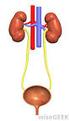 The Excretory and Digestive Systems 38.2 The Process of Digestion Organs of the Digestive System The digestive system includes the: Mouth Pharynx Esophagus Stomach Small and large intestine. Other structures
The Digestive System Grade 5
 TEACHING LEARNING COLLABORATIVE (TLC) LIFE SCIENCE The Digestive System Grade 5 Created by: Shelly Bell (Kelseyville Elementary School), Bart Pontoni (Riviera Elementary School), Shane Lee (Pomo Elementary
10.2 The Human Digestive System pg. 411
 10.2 The Human Digestive System pg. 411 The human digestive system is made up of a group of organs working together. The digestive tract is made up of the mouth, esophagus, stomach, small intestine, and
By Casey Schmidt and Wendy Ford
 By Casey Schmidt and Wendy Ford Body systems Digestive System Circulatory System Respiratory System Excretory System Immune System Reproductive System Nervous System Muscular System Skeletal System Endocrine
Digestive System Lecture 5 Winter 2014
 Digestive System Lecture 5 Winter 2014 This lecture tells the story of the Flow of Matter from Food to Cells. The pictures are only there to help you visualize structures don t worry about names of structures
Medical Physiology Z.H.Al-Zubaydi
 Lec.13 Medical Physiology Z.H.Al-Zubaydi Functions of the Digestive System The major functions of the digestive tract include the following six processes, summarized in Figure 1: 1. Ingestion Food must
THE DIGESTIVE SYSTEM
 THE DIGESTIVE SYSTEM What is digestion? Digestion is the process of breaking down food so that it's small enough to be absorbed and used by the body for energy or in other bodily functions. Digestion involves
Digestive System Notes
 Digestive System Notes Structure Function Relation Mouth cavity Mechanical digestion by teeth; chemical digestion of starch by saliva. Salivary glands Three pairs of glands which secrete saliva containing
Absorption and Transport of Nutrients
 Page1 Digestion Food travels from mouth esophagus stomach small intestine colon rectum anus. Food mixes with digestive juices, moving it through the digestive tract Large molecules of food are broken into
The Digestive System. The large intestine, or colon, holds waste products until elimination can occur. Its main function is to absorb.
 The Digestive System By: Joyce Green About the Digestive System The digestive system is responsible for the processing and uptake of nutrition. Every cell in an organism needs energy and an array of nutrients
The Human Digestive System
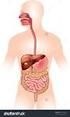 The Human Digestive System Name: Section: Date: Page 1 of 10 Page 2 of 10 Page 3 of 10 Page 4 of 10 Page 5 of 10 Page 6 of 10 Putting it All Together Digestive Enzymes Page 7 of 10 Page 8 of 10 Page 9
Getting Energy from Food Your Digestive System
 9 Getting Energy from Food Your Digestive System The Digestive System You know how your body gets the oxygen it needs. But how do your body s cells get the nutrients they need? Nutrients come from the
The Digestive System: Where does food go? Teacher Version
 The Digestive System: Where does food go? Teacher Version In this lab you will learn about your digestive system. We will use everyday objects like yarn and a ziplock bag to understand how long our digestive
Unit B Understanding Animal Body Systems. Lesson 1 Understanding Animal Digestion
 Unit B Understanding Animal Body Systems Lesson 1 Understanding Animal Digestion 1 Terms Absorption Amino acids Anus Avian Bile Cecum Chyme Crop Cud Digestion Digestive system Enzymes Eructated Feces Gizzard
Eating, pooping, and peeing THE DIGESTIVE SYSTEM
 THE DIGESTIVE SYSTEM Ingested food is not technically in the body until it is absorbed so it needs to be: Mechanically and chemically reduced Transported by the blood to the cells Large portions are not
Digestive System. Gross Anatomy and Physiology
 Digestive System Gross Anatomy and Physiology I. Introduction A. Base Function: Working with the circulatory system the digestive system provides the body with fuel. B. Main players: 1. Digestive tract:
Digestive System Functions
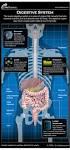 Digestive System Functions A. Gastrointestinal Processes 1. Ingestion: placing food in mouth (voluntary) 2. Propulsion: moving food through GI tract a. Peristalsis: alternating waves of contraction and
Lesson 2: Digestion of fats, proteins, and carbohydrates
 Lesson 2: Digestion of fats, proteins, and carbohydrates Inquiry Focus: How does the body get energy from food? Student Learning Objectives: By the end of the lesson, students will be able to do the following:
[DIGESTIVE SYSTEM] [Grade 3-5]
![[DIGESTIVE SYSTEM] [Grade 3-5]](/thumbs/40/20967878.jpg "[DIGESTIVE SYSTEM] [Grade 3-5]") [DIGESTIVE SYSTEM] [Grade 3-5] BACKGROUND Tissue is the building block of body organs. Organs perform specialized functions in the body. Organs that work together to perform a particular function in the
[DIGESTIVE SYSTEM] [Grade 3-5] BACKGROUND Tissue is the building block of body organs. Organs perform specialized functions in the body. Organs that work together to perform a particular function in the
Biopharmaceuticals and Biotechnology Unit 2 Student Handout. DNA Biotechnology and Enzymes
 DNA Biotechnology and Enzymes 35 Background Unit 2~ Lesson 1 The Biotechnology Industry Biotechnology is a process (or a technology) that is used to create products like medicines by using micro-organisms,
Engage: Brainstorming Body Systems. Record the structures and function of each body system in the table below.
 Engage: Brainstorming Body s Record the structures and function of each body system in the table below. Body Nervous Circulatory Excretory Immune Digestive Respiratory Skeletal Muscular Endocrine Integumentary
Pre-requisites: Successful completion of 4th grade science and the 4th grade science assessment.
 Throughout each unit, assessments are incorporated into lessons. These assessments are activities that occur within the context of each lesson providing the guidelines for assessing students' progress.
NAME: DATE: Home Economics: The parts of the digestive system and their functions. Home Economics
 Home Economics The parts of the digestive system and their functions It is not necessary to carry out all the activities contained in this unit. Please see Teachers Notes for explanations, additional activities,
DIGESTION is the physical and
 Digestion DIGESTION is the physical and chemical breakdown of feeds as they pass through the gastrointestinal tract. The structures of the gastrointestinal tract include the mouth, the esophagus, the stomach,
Digestive system Review
 Digestive system Review 1. Distinguish between chemical digestion and mechanical digestion. The physical breakdown of food begins in the mouth with two types of processes. The mouth is a complex structure
Chapter 49 - Nutrients and the Digestive System I. Nutrients (chemical substances necessary for organisms to grow and function properly)
 Chapter 49 - Nutrients and the Digestive System I. Nutrients (chemical substances necessary for organisms to grow and function properly) 6 basic nutrients - 4 food groups (milk, meat, fruit and vegetable,
Digestion, Absorption. How & where?
 Digestion, Absorption How & where? What happens to food? Three processes Digestion Absorption Elimination Where do they occur? GI tract Overview of Digestion GI tract Gastrointestinal (GI) tract: series
Elements of Chemistry Acids and Bases Teacher s Guide
 Teacher s Guide oneone oee Grade Level: 9 12 Curriculum Focus: Physical Science Lesson Duration: Two class periods Program Description Explore the chemistry of acids and bases to see how fundamental they
From ead to oe. Developed and Published by. 2010 AIMS Education Foundation
 TM From H T ead to oe Developed and Published by AIMS Education Foundation This book contains materials developed by the AIMS Education Foundation. AIMS (Activities Integrating Mathematics and Science)
1. Give the name and functions of the structure labeled A on the diagram. 2. Give the name and functions of the structure labeled B on the diagram.
 2013 ANATOMY & PHYSIOLOGY Sample Tournament Station A: Use the diagram in answering Questions 1-5. 1. Give the name and functions of the structure labeled A on the diagram. 2. Give the name and functions
30.3 The Digestive System
 30.3 The Digestive System Lesson Objectives Describe the organs of the digestive system and explain their functions. Explain what happens during digestion. Describe how nutrients are absorbed into the
Note Taking Guide. Topic # 3024 Comparative Digestive Systems
 Note Taking Guide Topic # 3024 Comparative Digestive Systems Digestive Systems Overview 1. Digestion Digestion: Food enters the mouth and goes through mechanical and chemical changes as it passes through
Material AICLE. 5º de Primaria.: Food and nutrition (Solucionario)
 Material AICLE. 5º de Primaria.: Food and nutrition (Solucionario) 3 SOLUTIONS Activity 3. Listen to the following audio and complete this chart. Then, check your answers using the information in activity
1. Essay: The Digestive and Absorption Processes of Macronutrients
 Jenny Kim Professor Rosario Nutrition: Macronutrients Project June 26, 2014 1. Essay: The Digestive and Absorption Processes of Macronutrients Whenever we eat, the foods we ingest in our bodies undergo
1. Which substances in the small intestine of humans serve to increase the surface area for absorption?
 Digestion Review 1. Which substances in the small intestine of humans serve to increase the surface area for absorption? (a.) intestinal glands (b.) villi (c.) pseudopodia (d.) cilia (e.) flagella 2. The
Lesson Title: Nutrient Wise
 Standards This lesson aligns with the OSPI Health and Fitness Standards. This lesson will address GLE 1.5.1 Applies nutrition goals based on dietary guidelines and individual activity needs. GLE 1.5.4
I. The basic function of the digestive system is
 Chapter 15, Digestive System - ANATOMY OF THE DIGESTIVE SYSTEM I. The basic function of the digestive system is. This process is called. II. List 2 other names for the digestive tract: A. B. III. The digestive
tissues are made of cells that work together, organs are )
 Study Guide Cells Unit Test Matching. Write the letter of the correct response on the line. You may use the responses more than once. A. proteins B. simple carbohydrates C. complex carbohydrates D. lipids
Endocrine System: Practice Questions #1
 Endocrine System: Practice Questions #1 1. Removing part of gland D would most likely result in A. a decrease in the secretions of other glands B. a decrease in the blood calcium level C. an increase in
6023-1 - Page 1. Name: 4) The diagram below represents a beaker containing a solution of various molecules involved in digestion.
 Name: 6023-1 - Page 1 1) Which one of the following situations indicates a serious organ system malfunction? A) Mitochondria stop functioning in a unicellular organism exposed to pollutants. B) White blood
How To Understand The Human Body
 Introduction to Biology and Chemistry Outline I. Introduction to biology A. Definition of biology - Biology is the study of life. B. Characteristics of Life 1. Form and size are characteristic. e.g. A
Get It Right. Answers. Chapter 1: The Science of Life. A biologist studies all living things.
 Discover Biology 'N' Level Science Chapter 1 Chapter 1: The Science of Life A biologist studies all living things. In order to carry out the scientific method, we need to ask questions. Discover Biology
1. The diagram below represents a biological process
 1. The diagram below represents a biological process 5. The chart below indicates the elements contained in four different molecules and the number of atoms of each element in those molecules. Which set
The chemical reactions inside cells are controlled by enzymes. Cells may be specialised to carry out a particular function.
 12.1 What are animals and plants built from? All living things are made up of cells. The structures of different types of cells are related to their functions. to relate the structure of different types
Outline Digestive System
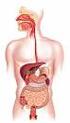 Outline Digestive System The Digestive System Digestive System Lecture Packet 19 Chapter 15 I. Function II. Layers of the GI tract III. Major parts: mouth, pharynx, esophagus, stomach, small intestine,
From Cells to Systems Grade Level: Second Grade Presented by: Jan Polzin and Mary Ann Mahoney Length of Unit: 10 Lessons
 From Cells to Systems Grade Level: Second Grade Presented by: Jan Polzin and Mary Ann Mahoney Length of Unit: 10 Lessons I. ABSTRACT This second grade science unit begins with the concept of cells as the
Presentation Notes Maintaining a Healthy Digestive System
 Slide 1 Maintaining a Healthy Digestive System 1 Slide 2 Copyright Copyright Texas Education Agency, 2011. These Materials are copyrighted and trademarked as the property of the Texas Education Agency
The Digestive System. Chapter 16. Introduction. Histological Organization. Overview of Digestive System. Movement and Mixing of Digestive Materials
 The Digestive System Chapter 16 Introduction Structure of the digestive system A tube that extends from mouth to anus Accessory organs are attached Functions include Ingestion Movement Digestion Absorption
10-ml Graduated cylinder 40 ml 3% Hydrogen peroxide solution (found in stores) Straight-edged razor blade Scissors and Forceps (tweezers)
 Name: Class: Date: Objectives * Measure the effects of changes in temperature, ph, and enzyme concentration on reaction rates of an enzyme catalyzed reaction in a controlled experiment. * Explain how environmental
Digestion, Absorption. How & where?
 Digestion, Absorption How & where? What happens to food? Three processes Digestion Absorption Elimination Where do they occur? GI tract Overview of Digestion GI tract Gastrointestinal (GI) tract: series
Overview... 1 What is the Outreach Program?... 1 Concepts... 2 Objectives... 3 Arizona Science Standards... 3 College and Career Ready ELA
 Overview... 1 What is the Outreach Program?... 1 Concepts... 2 Objectives... 3 Arizona Science Standards... 3 College and Career Ready ELA Standards... 4 Next Generation Science Standards... 4 Learning
Introduction to the Cell: Plant and Animal Cells
 Introduction to the Cell: Plant and Animal Cells Tissues, Organs, and Systems of Living Things Cells, Cell Division, and Animal Systems and Plant Systems Cell Specialization Human Systems All organisms
Chapter 2. The Chemistry of Life Worksheets
 Chapter 2 The Chemistry of Life Worksheets (Opening image courtesy of David Iberri, http://en.wikipedia.org/wiki/file:camkii.png, and under the Creative Commons license CC-BY-SA 3.0.) Lesson 2.1: Matter
BIO 137: CHAPTER 1 OBJECTIVES
 BIO 137: CHAPTER 1 OBJECTIVES 1. Define the terms anatomy and physiology, and explain their relationship using an example of a human structure with its corresponding function. A. ANATOMY = the study of
10.1 The function of Digestion pg. 402
 10.1 The function of Digestion pg. 402 Macromolecules and Living Systems The body is made up of more than 60 % water. The water is found in the cells cytoplasm, the interstitial fluid and the blood (5
Enzymes: Practice Questions #1
 Enzymes: Practice Questions #1 1. Compound X increases the rate of the reaction below. Compound X is most likely A. an enzyme B. a lipid molecule C. an indicator D. an ADP molecule 2. The equation below
Digestive System Grou p & lndividual Activity checklist
 Digestive System Grou p & lndividual Activity checklist oup Activitv: Each person in your group must research the following organs involved in the digestive process. They are listed below in sections (1-5).
Learning Objectives. Introduction to Medical Careers. Vocabulary: Chapter 16 FACTS. Functions. Organs. Digestive System Chapter 16
 Learning Objectives Introduction to Medical Careers Digestive System Chapter 16 Define at least 10 terms relating to the digestive Describe the four functions of the digestive Identify different structures
Catalase Enzyme Lab. Background information
 Catalase Enzyme Lab Background information Liver and other living tissues contain the enzyme catalase. This enzyme breaks down hydrogen peroxide, which is a harmful by-product of the process of cellular
The Respiratory System
 Human Anatomy III: Respiratory, Urinary & Digestive Systems The Respiratory System Major functions include: Obtaining oxygen Removing carbon dioxide Maintenance of ph balance Respiration may be accomplished
called a cell wall. The cell wall protects against mechanical stress and keeps the cell from becoming over-filled with water.
 What are Cells? By: Byron Norelius About Cells A cell is the basic unit of life. All living organisms are composed of one (unicellular) or more (multicellular) cells. In unicellular organisms, like many
Cells, tissues and organs
 Chapter 8: Cells, tissues and organs Cells: building blocks of life Living things are made of cells. Many of the chemical reactions that keep organisms alive (metabolic functions) take place in cells.
Name Date Period. Keystone Review Enzymes
 Name Date Period Keystone Review Enzymes 1. In order for cells to function properly, the enzymes that they contain must also function properly. What can be inferred using the above information? A. Cells
Enzymes. A. a lipid B. a protein C. a carbohydrate D. a mineral
 Enzymes 1. All cells in multicellular organisms contain thousands of different kinds of enzymes that are specialized to catalyze different chemical reactions. Given this information, which of the following
Human Body Systems Project By Eva McLanahan
 Human Body Systems Project By Eva McLanahan Students will work in groups to research one of the eleven body systems as found in Holt, Rinehart, and Winston Modern Biology (2002). Research will focus on
Each gland has at least one duct that takes saliva to the oral cavity.
 kufa university Physiology College of Nursing first year student Ass. Lect :- Hisham Qassem M. Lecture No :-3 The Digestive System Digestive system consists of: 1. Gastrointestinal Tract (GIT). 2. Accessory
The 6 th International Junior Science Olympiad Training Programme
 The 6 th International Junior Science Olympiad Training Programme KEEPING HEALTHY SECTION 2: DIGESTIVE SYSTEM Notes to Teachers Learning Objectives: Processes of nutrition in human (0.25 hr) General plan
5. Secretion: release of water, acids. Enzymes, buffers by digestive tract.
 Digestive System CH-16 Lecture topics Functions of the digestive system: p. 488. 1. Ingestion: Taking food in 2. Propulsion: movement of food thru alimentary canal p.490. voluntary: swalloing : skeletal
Year 2 Science: The Human Body Resource Pack
 Year 2 Science: The Human Body Resource Pack Body Systems II Body Systems Digestion our bodies break down food and use Skeletal system the skeleton is made up of bones that support our the nutrients to
Cells & Cell Organelles
 Cells & Cell Organelles The Building Blocks of Life H Biology Types of cells bacteria cells Prokaryote - no organelles Eukaryotes - organelles animal cells plant cells Cell size comparison Animal cell
THE DIGESTIVE SYSTEM from The Human Body Systems Series
 from The Human Body Systems Series Teacher's Guide 1 The Digestive System from The Human Body Systems Series catalog # 3206 Published & Distributed by AGC/UNITED LEARNING 1560 Sherman Avenue Suite 100
Digestive System AKA. GI System. Overview. GI Process Process Includes. G-I Tract Alimentary Canal
 Digestive System AKA G-I Tract Alimentary Canal Overview GI System Consists of Mouth, pharynx, esophagus, stomach, small intestine, large intestine, anus About 30 in length Accessory Organs Teeth, tongue,
Activity Sheets Enzymes and Their Functions
 Name: Date: Activity Sheets Enzymes and Their Functions amylase What are Enzymes? starch glucose Enzymes are compounds that assist chemical reactions by increasing the rate at which they occur. For example,
Macromolecules in my food!!
 Macromolecules in my food!! Name Notes/Background Information Food is fuel: All living things need to obtain fuel from something. Whether it is self- made through the process of photosynthesis, or by ingesting
Enzyme Lab. DEFINITIONS: 1. Enzyme: 2. Catalase: 3. Catalyze: 4. Hydrolysis: 5. Monomer: 6. Digestion: BACKGROUND INFORMATION
 Enzyme Lab DEFINITIONS: 1. Enzyme: 2. Catalase: 3. Catalyze: 4. Hydrolysis: 5. Monomer: 6. Digestion: BACKGROUND INFORMATION Many living tissues contain the enzyme catalase. This enzyme breaks down hydrogen
Biology 13A Lab #13: Nutrition and Digestion
 Biology 13A Lab #13: Nutrition and Digestion Lab #13 Table of Contents: Expected Learning Outcomes.... 102 Introduction...... 103 Food Chemistry & Nutrition.... 104 Activity 1: Testing for the Presence
Plant and Animal Cells
 Plant and Animal Cells a. Explain that cells take in nutrients in order to grow, divide and to make needed materials. S7L2a b. Relate cell structures (cell membrane, nucleus, cytoplasm, chloroplasts, and
CLEANING WATER. Student Section
 National Aeronautics and Space Administration CLEANING WATER Student Section Student Name This lesson challenges you to create and test a water filtration system. During this lesson, you will design and
Digestive System Simulation
 Digestive System Simulation Lesson Concept Link The digestive system consists of the mouth/teeth, esophagus, stomach, small and large intestine, colon, rectum/anus. (Teacher Note: The pancreas, liver,
stomach this The Digestive System in American Sign Language and English with Paul Buttenhoff and Cara Barnett Click here to see ASL version of title
 t stomach this The Digestive System in American Sign Language and English with Paul Buttenhoff and Cara Barnett Click here to see ASL version of title Click here to go to Table of Contents This project
H.W. 1 Bio 101 Prof. Fournier
 H.W. 1 Bio 101 Prof. Fournier 1. What is a similarity between all bacteria and plants? A) They both have a nucleus B) They are both composed of cells C) They both have chloroplasts D) They both lack a
THE HUMAN BODY SYSTEMS
 Name Period Date THE HUMAN BODY SYSTEMS System Function Diagram Major Organs Digestive 1. take in food (ingestion) 2. digest food into smaller molecules and absorb nutrients 3. remove undigestable food
SMALL AND LARGE INTESTINE SECRETIONS
 SMALL AND LARGE INTESTINE SECRETIONS Objectives At the end of lecture student should be able to know, Digestive system Digestive system secretions Small intestine Component of small intestine Intestinal
The Digestive System. Chapter 14. The Digestive System and Body Metabolism. Metabolism. Organs of the Digestive System. Digestion.
 Chapter 14 The Digestive System The Digestive System and Body Metabolism Digestion of ingested food of nutrients into the blood Metabolism Production of Constructive and degradative cellular activities
B2 1 Cells, Tissues and Organs
 B2 Cells, Tissues and Organs 5 minutes 5 marks Page of 7 Q. The diagram shows a bacterium. On the drawing, name the structures labelled A, B, C and D. (Total 4 marks) Q2. (a) The diagrams show cells containing
Investigation 2- ENZYME ACTIVITY BACKGROUND catalase Learning Objectives
 Investigation 2-13 ENZYME ACTIVITY How do abiotic or biotic factors influence the rates of enzymatic reactions? BACKGROUND Enzymes are the catalysts of biological systems. They speed up chemical reactions
Enzymes. Chapter 3. 3.1 Enzymes and catalysts. Vital mistake. What is an enzyme?
 Chapter 3 Enzymes Vital mistake We may not be able to see them, but enzymes are absolutely crucial to the lives of ourselves and all other living organisms. The Quarter Horse (Figure 3.1) is a breed of
CHAPTER 9 BODY ORGANIZATION
 CHAPTER 9 BODY ORGANIZATION Objectives Identify the meaning of 10 or more terms relating to the organization of the body Describe the properties of life Describe the function for the structures of the
Surface Area and Absorption
 7 LESSON Surface Area and Absorption INTRODUCTION Have you ever built a campfire? Did you start with logs or twigs? Even though you will eventually need logs to keep the fire burning, you have to use twigs
Chemical Reactions & Electricity
 THE TEAK PROJECT: TRAVELING ENGINEERING ACTIVITY KITS Chemical Reactions & Electricity Partial support for this project was provided by the National Science Foundation's Course, Curriculum, and Laboratory