
The Digestive System Grade 5
|
|
|
- Erika Joseph
- 10 years ago
- Views:
Transcription
1 TEACHING LEARNING COLLABORATIVE (TLC) LIFE SCIENCE The Digestive System Grade 5 Created by: Shelly Bell (Kelseyville Elementary School), Bart Pontoni (Riviera Elementary School), Shane Lee (Pomo Elementary School), and Heather Koehler (Burns Valley Elementary) Science Content Standards: Grade 5, 2c Students know the sequential steps of digestion and the roles of teeth and the mouth, esophagus, stomach, small intestine, large intestine, and colon in the function of the digestive system. Lesson Concept: Different organs and structures perform different functions in the digestion of food. Conceptual Flow: The digestive system breaks down food so the body can use it for energy. Different organs and structures perform different functions in food digestion. a) In the mouth, teeth break and grind the food into smaller parts; saliva contains chemicals that are important in breaking down food. b) The esophagus moves the food from the mouth to the stomach. c) In the stomach, acids break the food down into parts that can be absorbed into the blood supply. d) In the small intestine, food is neutralized and processed into molecules that can be absorbed into the blood stream. e) The large intestine recovers water from the food. f) The colon collects fecal waste (indigestible parts of food). Once food is broken down into usable energy, it is transported via the circulatory system to all the cells in the body. Teacher Background: Digestion starts in the mouth, where chewing breaks down food into smaller pieces that can be easily swallowed and digested. Saliva contains chemicals that are also important in breaking down food. The esophagus is a tube that moves food from the mouth to the stomach after swallowing. In the stomach, the food is mixed with stomach acids that help to break down the food into parts that can be absorbed. Once food reaches the small intestine, it is neutralized and processed into molecules that can be absorbed into the blood supply. The large intestine recovers water from food, and the colon collects fecal waste (indigestible parts of food) and stores it prior to elimination from the body. Adapted and excerpted from the Science Framework for California Public Schools: Kindergarten Through Grade Twelve

2 The Digestive System (GRADE 5, LIFE SCIENCE) page 2 Chemicals in saliva help to break down food in our mouths. Saliva contains an enzyme, amylase, which begins the chemical process of digestion. Enzymes are molecules that catalyze (bring about) chemical reactions. Each enzyme is specific to a certain chemical reaction. Amylase catalyzes the breakdown of starch into sugar. A catalyst is a substance that enables a chemical reaction to proceed at a faster rate than otherwise possible. Foods that contain much starch but little sugar, such as rice and potato, taste slightly sweet as they are chewed because amylase turns some of their starch into sugar in the mouth. In this lesson, amylase (an enzyme), which is commonly found in saliva, will be added to cause the break down of the starch (in the cracker). As the reaction progresses, less starch will be present and more sugar (maltose) will be formed. The reaction of amylase will be observed by using iodine, which reacts with starch to form a dark brown/purple/blue/black color (color intensity may vary based on the concentration of the iodine and the amount of starch present). Usually iodine has a red-brown color. But when it contacts starch, iodine will turn a dark purple. In this lesson iodine will be diluted (mixed with water) to form a lighter brown color. As amylase breaks down starch, less and less starch will be present to react with the iodine and the color of the iodine solution will not darken to purple (because sugar molecules do not react with iodine). Note: Iodine stains (clothing, skin, etc.). Accountable Talk In Accountable Talk, students are able to discuss with a partner or in groups, a topic they are studying. The stems help students to focus their discussions and may be selected by the teacher; but the students should carry on the discussion with minimal interference from the teacher. Students will need to practice to listen to each other. Accountable Talk sharpens students thinking by reinforcing their ability to build and use their knowledge. Teachers create norms and skills of Accountable Talk in their classrooms by modeling appropriate forms of discussion and by questioning, probing, and leading conservations. (from K-12 Alliance/WestEd Accountable Talk) Accountable Talk Stems useful for this lesson: I think this goes with because. I disagree because. I agree because. I notice.

3 The Digestive System (GRADE 5, LIFE SCIENCE) page 3 Materials Needed for the Lesson: For Engage Teacher Preparation Copy the Parts of the Digestive System Cards. Make copies for groups of six and cut cards apart. Place each of the 6 sets of Digestive System Organ/Structure Cards into a zip-lock bag and label (Structure). These will be distributed to students first. Place each set of Digestive System Function Cards into a zip-lock bags and label (Function). These will be distributed to students after they place the Structure cards in order. Student Handout Parts of the Digestive System Cards (For a group of six students: A set of Structure Cards and a set of Function Cards) For Explore #1: The Mouth Teacher Preparation Gather the following materials: Saltine crackers (1 per student) Paper towel (1 per student) Iodine solution (can use tincture of iodine purchased at a pharmacy); make an iodine solution 1 part tincture of iodine to 4-8 parts water. Dilute iodine to a color of light brown and check how well that works to identify a starch. Pour the iodine solution into dropper bottle. You will need about 2 drops per student. This solution is light sensitive, so keep away from light if made ahead of time. Amylase solution (since saliva contains amylase you could collect about 4 teaspoons of your own saliva or get some from a student volunteer); pour into dropper bottle (you will need about 5 drops per student) Test the iodine solution and the amylase solution ahead of time. Adjust ratio of tincture of iodine to water or number of drops used on cracker to make the experiment work. Usually iodine has a red-brown color and when it contacts starch, the iodine will turn a dark purple. You will be using a diluted iodine solution. The starch in the cracker should react with iodine to form a dark color. When the starch is almost all broken down by the amylase, the iodine solution will stay the original color. Some saliva has a very low or high concentration of amylase. You may need to obtain saliva for a different person to make the experiment work well. Student Hands-on Materials For each pair of students: 2 crackers, 1 paper towel, 2 drops of iodine solution, 5 drops of amylase solution (number of drops may change based on teacher s tests) Colored pencils

4 The Digestive System (GRADE 5, LIFE SCIENCE) page 4 Student Handout Use science notebooks For Explore #2 Teacher Preparation Gather the following materials and keep a set to demonstrate: Long, thin balloons (but not too thin or students won t be able to place the bread into the balloon and move it down the balloon) (1 for each pair of students) Cooking oil (1 tsp per pair of students) White bread (1/4 slice for each pair of students) Student Hands-on Materials For each pair of students 1 long balloon, 1 tsp of cooking oil, ¼ slice of white bread Student Handout Use science notebooks For Explore #3 Teacher Preparation Gather the following materials: Unfrosted animal crackers (2 for each student) Zip-lock baggies (1 for each pair of students) ¼ cup of water (1 for each pair of students) Student Hands-on Materials For each pair of students 4 unfrosted animal crackers 1 zip-lock baggie ¼ cup of water Student Handout Use science notebooks

5 The Digestive System (GRADE 5, LIFE SCIENCE) page 5 5E Lesson: The Digestive System Teacher Does Student Does Concept ENGAGE: Remind students that they have been learning about systems of the human body. What are some systems we have learned about? Write on the board: What do you know about the digestive system? Have students think, pair, and share. Place students in groups of 6. Distribute a set of Digestive System Organ/Structure Cards to each group. Ask students to place these cards in order that food would travel through the digestive system, starting with the mouth. After students have placed the cards in an order they think is correct, have them share the order. Write the correct order on the board. Distribute the set of Digestive System Function Cards to each group. Ask students to work in their groups to match the functions that go with each organ/structure of the digestive system. Write Accountable Talk Stems (ATS) on the board for students to use for their discussion: I think this goes with because. I disagree because. I agree because. How did your group determine which function went with each organ? Ask each group to share one match, then write their match on the board; check to see whether any group(s) disagrees and have them give reasoning. Expected Student Response (ESR): The respiratory system; the circulatory system ESR: It turns food into poop ; stomach acid dissolves food. Place cards in order, then check with the list on the board; make any necessary adjustments on the order: Teeth/mouth Esophagus Stomach Small intestine Large intestine Colon Determine which functions go with each organ/structure of the digestive system. Use the following AT stems for discussion: I think this goes with because. I disagree because. I agree because. ESR: By reading the description, we matched the ones that seemed to go together first, then what was left we could tell by what we already knew. Different organs and structures perform different functions in food digestion.

6 The Digestive System (GRADE 5, LIFE SCIENCE) page 6 Teacher Does Student Does Concept Finalize the list of organs and functions of the digestive system. EXPLORE: Ask: How might the digestive system change food into a form that can be used by the body? Tell students that today s investigation will model some of the processes of the digestive system. Explore #1: The Mouth Show a saltine cracker and explain that when the cracker enters the mouth, the teeth grind and break up the cracker. The more one chews the more the cracker is broken up into smaller pieces. Breaking up the cracker into smaller pieces is a physical change because it is still a cracker. But there is saliva in the mouth. How can saliva be helpful in digestion? The investigation we are going to do will help us understand how saliva helps with the process of digestion. Explain that saltine crackers are a starch (potatoes and rice are also starches). Iodine is used as an indicator for starch, meaning iodine reacts when it comes into contact with starches. What does reacts mean? (If students haven t had reactions in science yet, or they don t remember about reactions, then explain what a reaction is.) Distribute 2 saltine crackers and a paper towel to each pair of students. Ask students to place the 2 crackers about 3 inches apart on a paper towel and to label on the paper towel below the crackers: #1 & #2. Explain that amylase is a chemical that is found in human saliva where it begins the chemical process of digestion. Provide amylase solution and have students use a dropper to place 5 drops of amylase ESR: The teeth chop up the food; stomach acids break down the food ESR: The cracker is dry and so is a lot of food; saliva makes the food wet and makes it easier to swallow so you don t choke. ESR: When something reacts with something, it changes, so if the iodine reacts with a starch, something happens like maybe a color change, a temperature change, a gas formed; something like that. In the mouth, teeth break the food into smaller parts; saliva contains compounds that are important in breaking down of food.

7 The Digestive System (GRADE 5, LIFE SCIENCE) page 7 Teacher Does Student Does Concept solution on cracker #1. Wait 5 min. While waiting have students draw the chart on the right in their science notebooks. Encourage students to use the following AT Stems for discussion with their partners: I notice. Provide colored pencils to students. Place 2 drops of iodine solution on each cracker. Observe the change that occurs; record observations on chart. Use colored pencils to record observations. Go to Explain #1. Record observations of both crackers. After 5 minutes After adding iodine solution Cracker #1 With amylase Cracker #2 Without amylase Use the following AT Stem for discussion: I notice. Use colored pencils to record observations of cracker #1. Explore #2: The Esophagus From the mouth, where does the food enter? The esophagus is a long muscular tube that leads to the stomach. Food doesn t travel by gravity; rather it is pushed by a wavelike contraction of muscles known as peristalsis. The esophagus makes quick work of this job. It can squeeze food to the stomach in 7 seconds. The next activity will simulate how the esophagus works. Model and have students follow along: 1) Cut the end off the balloon so that it makes a long, flexible tube. 2) Pour 1 teaspoon (5 ml) of cooking oil into the balloon. 3) Take the ¼ piece of bread and make it into a ball about the size of a marble. 4) Stick the bread into one end of the balloon. 5) Squeeze the balloon behind the ball of bread with one hand. Keeping that hand in place, cross your other hand over the first hand, continue squeezing to move the bread down the balloon. This activity simulates peristalsis the ESR: Food enters the esophagus. Working with partner, follow along with the teacher. The esophagus moves the food from the mouth to the stomach.

8 The Digestive System (GRADE 5, LIFE SCIENCE) page 8 Teacher Does Student Does Concept rhythmic, wavelike contractions of the muscles that line the digestive tract. Explore #3: The Stomach Distribute materials to each pair of students: 4 unfrosted animal crackers, zip-lock bag, and ¼ cup of water. Tell students to place broken cookies and water into the zip-lock bag and squeeze the bag many times. Go to Explain #3. EXPLAIN: Explain #1 What color did the cracker without amylase turn when you added the iodine? If you add iodine to a substance and the color of the iodine turns dark purple, what can we infer about what the substance contains? Did the cracker with amylase turn dark blue/purple with iodine? What inference can we make about amylase? In your science journals, write a sentence that contains the following words: saliva, amylase, starches, sugars. Go to Explore #2. Explain #3: Food moves from the mouth to the esophagus, then through the esophagus. What do you think the baggie represents? Cookie represents? Water represents? What does the squeezing represent? (Note: provide students with proper answer the squeezing of the stomach muscles mixes the food and acid that further digests the food.) EVALUATE: Distribute Student Handout Digesting Food. Make a diagram of the first three phases of the digestive system and explain each. Follow along with teacher. ESR: Dark blue/purple ESR: Starch ESR: No it did not. ESR: It gets rid of the starch; it changes the starch into something else. ESR: Saliva contains amylase which breaks down starches into sugars. ESR: The baggie represents the stomach, the cookies represent the food, and the water represents stomach acid. ESR: The stomach digesting the food. ESR: In the mouth, food is broken into smaller pieces and the saliva breaks down starches into sugars. The esophagus moves the food In the stomach, stomach acids break food down into parts that can be absorbed into the blood stream. Saliva contains compounds that are important in breaking down food. In the stomach, acids break the food down into parts that can be absorbed into the blood supply.

9 The Digestive System (GRADE 5, LIFE SCIENCE) page 9 Teacher Does Student Does Concept EXTEND: Some saliva has a very low or high concentration of amylase. Have students design an experiment to test different saliva. The design should keep the importance of hygiene in mind. down to the stomach by squeezing. The stomach squeezes and squishes food and along with stomach acid continues breaking down the food How Amylase Works amylasework.pdf Kid s Health Digestive System body_basics/digestive.html Based on what they learned in the lesson, have your students rewrite or add to some of the Digestive Function Cards. Conduct an activity that connects the digestive systems to the circulatory system (see Blood Circulation Simulation lesson on this website: Grade5_Blood_Circulation_Simulation_ TLC2010.doc The digestive system breaks down food into molecules that can be used as energy for the body. The circulatory system carries oxygen and nutrients to various body parts through blood. Input Question: Match the functions that go with each organ/structure of the digestive system. (Engage) Process Question: How might the digestive system change food into a form that can be used by the body? (Explore) Output Question: What does the squeezing represent? (Explain #3)

10 The Digestive System (GRADE 5, LIFE SCIENCE) page 10 FOR ENGAGE Parts of the Digestive System Make six copies of this page. Cut apart cards. Place each set of the Digestive System Organ/Structure Cards into one set of baggies and Digestive System Function Cards into another set of baggies. Digestive System Organ/Structure Cards Digestive System Function Cards

11 The Digestive System Name: STUDENT ASSESSMENT Digesting Food Make a diagram of the first three phases of the digestive system and explain what happens in each (mouth, esophagus, stomach).

Topic 3.0 Healthy human function depends on a variety of interacting and reacting systems
 Topic 3.0 Healthy human function depends on a variety of interacting and reacting systems Organ Systems Organ systems must have the ability to to changes within and outside of your body to maintain life
Magic School Bus Digestive System Brainpop Digestive System
 The Digestive System Magic School Bus Digestive System Brainpop Digestive System 1 Functions of the Digestive System: 1. Break up food into smaller pieces 2. Absorbing nutrients into the blood 3. Excreting
Digestive System Why is digestion important? How is food digested? Physical Digestion and Movement
 Digestive System The digestive system is made up of the digestive tract a series of hollow organs joined in a long, twisting tube from the mouth to the anus and other organs that help the body break down
The Digestive System
 The Digestive System What do you know?? quiz-digestive-health Digestion Videos The Digestive System Inside-Dr-Ozs-Digestive-System-Video Now it is your turn to recreate the digestive system. How is food
Absorption and Transport of Nutrients
 Page1 Digestion Food travels from mouth esophagus stomach small intestine colon rectum anus. Food mixes with digestive juices, moving it through the digestive tract Large molecules of food are broken into
Digestive System Lecture 5 Winter 2014
 Digestive System Lecture 5 Winter 2014 This lecture tells the story of the Flow of Matter from Food to Cells. The pictures are only there to help you visualize structures don t worry about names of structures
The Digestive System. The large intestine, or colon, holds waste products until elimination can occur. Its main function is to absorb.
 The Digestive System By: Joyce Green About the Digestive System The digestive system is responsible for the processing and uptake of nutrition. Every cell in an organism needs energy and an array of nutrients
The Digestive System: Where does food go? Teacher Version
 The Digestive System: Where does food go? Teacher Version In this lab you will learn about your digestive system. We will use everyday objects like yarn and a ziplock bag to understand how long our digestive
Topic 4: Digestion and Nutrition
 Topic 4: Digestion and Nutrition THE CONTENTS OF FOOD Food contains nutrients: Nutrients include: 1. 2. 3. 4. 5. Nutrients must be small enough to enter our cells. If they are too large they must be digested
The Huntington Library, Art Collections, and Botanical Gardens. How Sweet It Is: Enzyme Action in Seed Germination
 The Huntington Library, Art Collections, and Botanical Gardens How Sweet It Is: Enzyme Action in Seed Germination Overview This experiment is intended to familiarize students with the macromolecule starch,
2) Digestion the breakdown of. There are two types of digestion: Mechanical and Chemical. 3) Absorption when the nutrients enter into the blood.
 The Digestive System Video on the digestive system (5 min) The digestive system is responsible for the breakdown of the we eat so that it can be absorbed into the. There are four main stages of the digestive
The Digestive System. You are what you eat!
 The Digestive System You are what you eat! Try to label the diagram (PENCIL!!) What is Digestion? Digestion: the breakdown of large macromolecules (proteins, fats, carbohydrates) into smaller molecules
THE DIGESTIVE SYSTEM
 THE DIGESTIVE SYSTEM What is digestion? Digestion is the process of breaking down food so that it's small enough to be absorbed and used by the body for energy or in other bodily functions. Digestion involves
Gateways to Science SAMPLE. STAAR Edition. Teacher Edition
 Gateways to Science STAAR Edition Grade 7 Teacher Edition What Are My Traits? Gateways to Science, STAAR Edition, Grade 7 Page 1 of 2 INTRODUCTION to Gateways Gateways to Science Features Safety Alert
The Excretory and Digestive Systems
 The Excretory and Digestive Systems 38.2 The Process of Digestion Organs of the Digestive System The digestive system includes the: Mouth Pharynx Esophagus Stomach Small and large intestine. Other structures
Digestive System Simulation
 Digestive System Simulation Lesson Concept Link The digestive system consists of the mouth/teeth, esophagus, stomach, small and large intestine, colon, rectum/anus. (Teacher Note: The pancreas, liver,
10.2 The Human Digestive System pg. 411
 10.2 The Human Digestive System pg. 411 The human digestive system is made up of a group of organs working together. The digestive tract is made up of the mouth, esophagus, stomach, small intestine, and
[DIGESTIVE SYSTEM] [Grade 3-5]
![[DIGESTIVE SYSTEM] [Grade 3-5]](/thumbs/40/20967878.jpg "[DIGESTIVE SYSTEM] [Grade 3-5]") [DIGESTIVE SYSTEM] [Grade 3-5] BACKGROUND Tissue is the building block of body organs. Organs perform specialized functions in the body. Organs that work together to perform a particular function in the
[DIGESTIVE SYSTEM] [Grade 3-5] BACKGROUND Tissue is the building block of body organs. Organs perform specialized functions in the body. Organs that work together to perform a particular function in the
Name. Lab 3: ENZYMES. In this lab, you ll investigate some of the properties of enzymes.
 Name Lab 3: ENZYMES In this lab, you ll investigate some of the properties of enzymes. So what are enzymes? Enzymes are large protein molecules (macromolecules) They catalyze or speed up chemical reactions
I. The basic function of the digestive system is
 Chapter 15, Digestive System - ANATOMY OF THE DIGESTIVE SYSTEM I. The basic function of the digestive system is. This process is called. II. List 2 other names for the digestive tract: A. B. III. The digestive
Lesson 2: Digestion of fats, proteins, and carbohydrates
 Lesson 2: Digestion of fats, proteins, and carbohydrates Inquiry Focus: How does the body get energy from food? Student Learning Objectives: By the end of the lesson, students will be able to do the following:
Lesson Title: Nutrient Wise
 Standards This lesson aligns with the OSPI Health and Fitness Standards. This lesson will address GLE 1.5.1 Applies nutrition goals based on dietary guidelines and individual activity needs. GLE 1.5.4
Year 2 Science: The Human Body Resource Pack
 Year 2 Science: The Human Body Resource Pack Body Systems II Body Systems Digestion our bodies break down food and use Skeletal system the skeleton is made up of bones that support our the nutrients to
Chapter 48. Nutrients in Food. Carbohydrates, Proteins, and Lipids. Carbohydrates, Proteins, and Lipids, continued
 Carbohydrates, Proteins, and Lipids The three nutrients needed by the body in the greatest amounts are carbohydrates, proteins, and lipids. Nutrients in Food All of these nutrients are called organic compounds,
Human Physiology Lab (Biol 236L) Digestive Physiology: Amylase hydrolysis of starch
 Human Physiology Lab (Biol 236L) Digestive Physiology: Amylase hydrolysis of starch Introduction Enzymes are proteins composed of amino acid building blocks. Enzymes catalyze or increase the rate of metabolic
Material AICLE. 5º de Primaria.: Food and nutrition (Solucionario)
 Material AICLE. 5º de Primaria.: Food and nutrition (Solucionario) 3 SOLUTIONS Activity 3. Listen to the following audio and complete this chart. Then, check your answers using the information in activity
By Casey Schmidt and Wendy Ford
 By Casey Schmidt and Wendy Ford Body systems Digestive System Circulatory System Respiratory System Excretory System Immune System Reproductive System Nervous System Muscular System Skeletal System Endocrine
Who took Jerell s ipod? -- An organic compound mystery 1
 Who took Jerell s ipod? -- An organic compound mystery 1 Jerell is a 10 th grade student who works at McDonald s on the weekends. While on break, Jerell was studying for his biology test and listening
Physical and Chemical Changes
 Physical and Chemical Changes Jana Barrow West Point Jr. High 2775 W 550 N 801-402-8100 West Point, UT 84015 [email protected] Eighth Grade Integrated Science Standard I: Students will understand the
Getting Energy from Food Your Digestive System
 9 Getting Energy from Food Your Digestive System The Digestive System You know how your body gets the oxygen it needs. But how do your body s cells get the nutrients they need? Nutrients come from the
Note Taking Guide. Topic # 3024 Comparative Digestive Systems
 Note Taking Guide Topic # 3024 Comparative Digestive Systems Digestive Systems Overview 1. Digestion Digestion: Food enters the mouth and goes through mechanical and chemical changes as it passes through
tissues are made of cells that work together, organs are )
 Study Guide Cells Unit Test Matching. Write the letter of the correct response on the line. You may use the responses more than once. A. proteins B. simple carbohydrates C. complex carbohydrates D. lipids
Medical Physiology Z.H.Al-Zubaydi
 Lec.13 Medical Physiology Z.H.Al-Zubaydi Functions of the Digestive System The major functions of the digestive tract include the following six processes, summarized in Figure 1: 1. Ingestion Food must
6023-1 - Page 1. Name: 4) The diagram below represents a beaker containing a solution of various molecules involved in digestion.
 Name: 6023-1 - Page 1 1) Which one of the following situations indicates a serious organ system malfunction? A) Mitochondria stop functioning in a unicellular organism exposed to pollutants. B) White blood
Breathing and Holding Your Breath copyright, 2005, Dr. Ingrid Waldron and Jennifer Doherty, Department of Biology, University of Pennsylvania 1
 Breathing and Holding Your Breath copyright, 2005, Dr. Ingrid Waldron and Jennifer Doherty, Department of Biology, University of Pennsylvania 1 Introduction Everybody breathes all day, every day. Why?
Pre-requisites: Successful completion of 4th grade science and the 4th grade science assessment.
 Throughout each unit, assessments are incorporated into lessons. These assessments are activities that occur within the context of each lesson providing the guidelines for assessing students' progress.
Determination of Specific Nutrients in Various Foods. Abstract. Humans need to consume food compounds such as carbohydrates, proteins, fats,
 Determination of Specific Nutrients in Various Foods Abstract Humans need to consume food compounds such as carbohydrates, proteins, fats, and vitamins to meet their energy requirements. In this lab, reagents
TEACHING Body Systems
 TEACHING GUIDE TEACHING Body Systems 3rd Grade Reading Level ISBN: 978-0-8225-2324-6 Green 2 TEACHING BODY SYSTEMS Standards Health Language Arts Writing Language Arts Reading Science Visual Arts Knows
Experiment 10 Enzymes
 Experiment 10 Enzymes Enzymes are proteins that act as catalysts for biological reactions. Enzymes, like all catalysts, speed up reactions without being used up themselves. They do this by lowering the
Animal & Plant Cell Slides
 Animal & Plant Cell Slides Category: Biology Type: Class Experiment, 60 min class Materials: 2 Glass Slides 2 Cover Slips 1 Bottle of methylene blue (optional) 1 Plastic tray 1 Bottle of iodine 1 Plastic
The Human Digestive System
 The Human Digestive System Name: Section: Date: Page 1 of 10 Page 2 of 10 Page 3 of 10 Page 4 of 10 Page 5 of 10 Page 6 of 10 Putting it All Together Digestive Enzymes Page 7 of 10 Page 8 of 10 Page 9
From ead to oe. Developed and Published by. 2010 AIMS Education Foundation
 TM From H T ead to oe Developed and Published by AIMS Education Foundation This book contains materials developed by the AIMS Education Foundation. AIMS (Activities Integrating Mathematics and Science)
Unit B Understanding Animal Body Systems. Lesson 1 Understanding Animal Digestion
 Unit B Understanding Animal Body Systems Lesson 1 Understanding Animal Digestion 1 Terms Absorption Amino acids Anus Avian Bile Cecum Chyme Crop Cud Digestion Digestive system Enzymes Eructated Feces Gizzard
LAB 3: DIGESTION OF ORGANIC MACROMOLECULES
 LAB 3: DIGESTION OF ORGANIC MACROMOLECULES INTRODUCTION Enzymes are a special class of proteins that lower the activation energy of biological reactions. These biological catalysts change the rate of chemical
Acids and Bases. AND a widemouth container of the following solids:
 Acids and Bases GOAL To introduce students to acids and bases. MATERIALS: 3 10oz clear plastic cups 1 4 oz. bottle white vinegar - labeled Acid 1 4 oz. bottle of water - labeled Water 1 4 oz. bottle of
From Cells to Systems Grade Level: Second Grade Presented by: Jan Polzin and Mary Ann Mahoney Length of Unit: 10 Lessons
 From Cells to Systems Grade Level: Second Grade Presented by: Jan Polzin and Mary Ann Mahoney Length of Unit: 10 Lessons I. ABSTRACT This second grade science unit begins with the concept of cells as the
Digestive system Review
 Digestive system Review 1. Distinguish between chemical digestion and mechanical digestion. The physical breakdown of food begins in the mouth with two types of processes. The mouth is a complex structure
DIGESTION is the physical and
 Digestion DIGESTION is the physical and chemical breakdown of feeds as they pass through the gastrointestinal tract. The structures of the gastrointestinal tract include the mouth, the esophagus, the stomach,
ACIDS AND BASES SAFETY PRECAUTIONS
 ACIDS AND BASES Mild acids and bases are used in cooking (their reaction makes biscuits and bread rise). Acids such as those in our stomachs eat away at food or digest it. Strong acids and bases are used
Chapter 49 - Nutrients and the Digestive System I. Nutrients (chemical substances necessary for organisms to grow and function properly)
 Chapter 49 - Nutrients and the Digestive System I. Nutrients (chemical substances necessary for organisms to grow and function properly) 6 basic nutrients - 4 food groups (milk, meat, fruit and vegetable,
Digestive System Functions
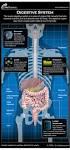 Digestive System Functions A. Gastrointestinal Processes 1. Ingestion: placing food in mouth (voluntary) 2. Propulsion: moving food through GI tract a. Peristalsis: alternating waves of contraction and
Chemical Reactions & Electricity
 THE TEAK PROJECT: TRAVELING ENGINEERING ACTIVITY KITS Chemical Reactions & Electricity Partial support for this project was provided by the National Science Foundation's Course, Curriculum, and Laboratory
What are the similarities between this equation for burning glucose and the equation for cellular respiration of glucose when oxygen is available?
 Cellular Respiration in Yeast Adapted from Alcoholic Fermentation in Yeast Investigation in the School District of Philadelphia Biology Core Curriculum 2009 by Dr. Jennifer Doherty and Dr. Ingrid Waldron,
Investigating cells. Cells are the basic units of living things (this means that all living things are made up of one or more cells).
 SG Biology Summary notes Investigating cells Sub-topic a: Investigating living cells Cells are the basic units of living things (this means that all living things are made up of one or more cells). Cells
Name Date Period. Keystone Review Enzymes
 Name Date Period Keystone Review Enzymes 1. In order for cells to function properly, the enzymes that they contain must also function properly. What can be inferred using the above information? A. Cells
Engage: Brainstorming Body Systems. Record the structures and function of each body system in the table below.
 Engage: Brainstorming Body s Record the structures and function of each body system in the table below. Body Nervous Circulatory Excretory Immune Digestive Respiratory Skeletal Muscular Endocrine Integumentary
Enzymes. A. a lipid B. a protein C. a carbohydrate D. a mineral
 Enzymes 1. All cells in multicellular organisms contain thousands of different kinds of enzymes that are specialized to catalyze different chemical reactions. Given this information, which of the following
Digestive System Grou p & lndividual Activity checklist
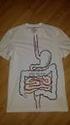 Digestive System Grou p & lndividual Activity checklist oup Activitv: Each person in your group must research the following organs involved in the digestive process. They are listed below in sections (1-5).
1. The diagram below represents a biological process
 1. The diagram below represents a biological process 5. The chart below indicates the elements contained in four different molecules and the number of atoms of each element in those molecules. Which set
ANSWER KEY. Acids, Bases, and Solutions. Chapter Project Worksheet 1 1. Answers will vary. Sample: cherries, blueberries,
 Chapter Project Worksheet 1 1. Answers will vary. Sample: cherries, blueberries, and grass 2. Answers will vary. Sample: Cut 5 g of cherries into small pieces and place in blender. Blend for two minutes,
Enzyme Pre-Lab. Using the Enzyme worksheet and Enzyme lab handout answer the Pre-Lab questions the pre-lab must be complete before beginning the lab.
 Enzyme Pre-Lab Using the Enzyme worksheet and Enzyme lab handout answer the Pre-Lab questions the pre-lab must be complete before beginning the lab. Background: In this investigation, you will study several
LESSONS: 1. Students will listen to It Takes Guts and complete a lyric note- sheet.
 It Takes Guts: A Multimedia Digestive System Journey Teacher Lesson Plan and Student activity package Learning Objectives: 1. Students will listen to It Takes Guts and complete a lyric note- sheet. 2.
The Amazing Elephant Toothpaste! Lesson Overview
 The Amazing Elephant Toothpaste! Lesson Overview Students will investigate chemical change. Suggested Grade Levels: 3-8 Standards for Lesson Content Standard A: Science as Inquiry Content Standard B: Physical
Digestive System Notes
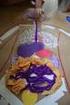 Digestive System Notes Structure Function Relation Mouth cavity Mechanical digestion by teeth; chemical digestion of starch by saliva. Salivary glands Three pairs of glands which secrete saliva containing
Enzymes: Practice Questions #1
 Enzymes: Practice Questions #1 1. Compound X increases the rate of the reaction below. Compound X is most likely A. an enzyme B. a lipid molecule C. an indicator D. an ADP molecule 2. The equation below
Care and Problems of the Digestive System. Chapter 18 Lesson 2
 Care and Problems of the Digestive System Chapter 18 Lesson 2 Care of the Digestive System Good eating habits are the best way to avoid or minimize digestive system problems. Eat a variety of foods Avoid
Eating, pooping, and peeing THE DIGESTIVE SYSTEM
 THE DIGESTIVE SYSTEM Ingested food is not technically in the body until it is absorbed so it needs to be: Mechanically and chemically reduced Transported by the blood to the cells Large portions are not
Nutrients: Carbohydrates, Proteins, and Fats. Chapter 5 Lesson 2
 Nutrients: Carbohydrates, Proteins, and Fats Chapter 5 Lesson 2 Carbohydrates Definition- the starches and sugars found in foods. Carbohydrates are the body s preferred source of energy providing four
NAME: DATE: Home Economics: The parts of the digestive system and their functions. Home Economics
 Home Economics The parts of the digestive system and their functions It is not necessary to carry out all the activities contained in this unit. Please see Teachers Notes for explanations, additional activities,
Weight-Loss Surgery for Adults With Diabetes or Prediabetes Who Are at the Lower Levels of Obesity
 Weight-Loss Surgery for Adults With Diabetes or Prediabetes Who Are at the Lower Levels of Obesity A Review of the Research for Adults With a BMI Between 30 and 35 Is This Information Right for Me? If
Elements of Chemistry Acids and Bases Teacher s Guide
 Teacher s Guide oneone oee Grade Level: 9 12 Curriculum Focus: Physical Science Lesson Duration: Two class periods Program Description Explore the chemistry of acids and bases to see how fundamental they
1. Essay: The Digestive and Absorption Processes of Macronutrients
 Jenny Kim Professor Rosario Nutrition: Macronutrients Project June 26, 2014 1. Essay: The Digestive and Absorption Processes of Macronutrients Whenever we eat, the foods we ingest in our bodies undergo
Mini Medical School Lesson
 Mini Medical School Lesson The American Osteopathic Association s (AOA) Mini Medical School Lesson is designed to help educators teach children about health and fitness. This lesson is aimed towards elementary
1. Which substances in the small intestine of humans serve to increase the surface area for absorption?
 Digestion Review 1. Which substances in the small intestine of humans serve to increase the surface area for absorption? (a.) intestinal glands (b.) villi (c.) pseudopodia (d.) cilia (e.) flagella 2. The
Chemical Processes of Digestion
 Chemical Processes of Digestion Objective: To explain in short essays or diagrams how carbohydrates, proteins, and fats are digested into end products that can be absorbed into the blood, at the level
2. Provide the scoring guide/rubric for the culminating task (summative assessment).
 2. Provide the scoring guide/rubric for the culminating task (summative assessment). Criteria Oral Presentation- Group project Poster Presentation display/ visual aids 1 - Attempts the standard use the
THE ACTIVITY OF LACTASE
 THE ACTIVITY OF LACTASE Lab VIS-8 From Juniata College Science in Motion Enzymes are protein molecules which act to catalyze the chemical reactions in living things. These chemical reactions make up the
PHYSICAL AND CHEMICAL PROPERTIES AND CHANGES
 PHYSICAL AND CHEMICAL PROPERTIES AND CHANGES Name Key PHYSICAL PROPERTY CHEMICAL PROPERTY 1. observed with senses 1. indicates how a substance 2. determined without destroying matter reacts with something
SNEAK PEAK inside ACTIVITY. ADVANCE PREPARATION see next page for more details Dilute alcohol with water Set out plastic cups, etc.
 Reaction: Yes or No? Learning Objectives: Students will list and identify three characteristics of chemical reactions. GRADE LEVEL 3 8 SCIENCE TOPICS Solutions and Mixtures Chemical Reactions PROCESS SKILLS
Enzymes. Chapter 3. 3.1 Enzymes and catalysts. Vital mistake. What is an enzyme?
 Chapter 3 Enzymes Vital mistake We may not be able to see them, but enzymes are absolutely crucial to the lives of ourselves and all other living organisms. The Quarter Horse (Figure 3.1) is a breed of
III. BACKGROUND KNOWLEDGE
 Chemical Bonds and Reactions (Water) Grade Level: 7 (Applied Technology) Presented by: James Rubright, Three Oaks Middle School, Fort Myers, Florida Length of Unit: Ten Daily Lessons and Activities I.
Hypnotic. Gastric Band. Paul McKenna
 Hypnotic Gastric Band Paul McKenna Hypnotic Gastric Band The Amazing Truth About A Hypnotic Gastric Band A Gastric Band is a radical, surgical operation that reduces the available space in your stomach
10.1 The function of Digestion pg. 402
 10.1 The function of Digestion pg. 402 Macromolecules and Living Systems The body is made up of more than 60 % water. The water is found in the cells cytoplasm, the interstitial fluid and the blood (5
Macromolecules in my food!!
 Macromolecules in my food!! Name Notes/Background Information Food is fuel: All living things need to obtain fuel from something. Whether it is self- made through the process of photosynthesis, or by ingesting
The Body Systems Lesson Plan
 The Body Systems Lesson Plan Science Standards Addressed (From the Colorado Department of Education) http://www2.cde.state.co.us/scripts/allstandards/costandards.asp?stid=7&stid2=0&glid2=0 Standard 2-Life
Chapter 4, Lesson 4: Energy Levels, Electrons, and Covalent Bonding
 Chapter 4, Lesson 4: Energy Levels, Electrons, and Covalent Bonding Key Concepts The electrons on the outermost energy level of the atom are called valence electrons. The valence electrons are involved
OSMOSIS AND DIALYSIS 2003 BY Wendy Weeks-Galindo with modifications by David A. Katz
 OSMOSIS AND DIALYSIS 2003 BY Wendy Weeks-Galindo with modifications by David A. Katz OSMOSIS Osmosis is the reason that a fresh water fish placed in the ocean desiccates and dies. Osmosis is the reason
Lab 4: Osmosis and Diffusion
 Lab 4: Osmosis and Diffusion The plasma membrane enclosing every cell is the boundary that separates the cell from its external environment. It is not an impermeable barrier, but like all biological membranes,
The digestive system, also called the gastrointestinal
 exercise 8 Chemical and Physical Processes of Digestion Objectives 1. To define digestive tract, accessory glands, digestion, hydrolases, salivary amylase, carbohydrates, proteins, lipids, bile salts,
Investigating the Human Body On-site student activities: Years 7-8 Investigating the Human Body On-site student activities Years 7 8
 Investigating the Human Body On-site student activities Years 7 8 Student activity (and record) sheets have been developed with alternative themes for students to use as guides and focus material during
DIFFUSION (HYPERTONIC, HYPOTONIC, & ISOTONIC SOLUTIONS) THE GUMMY BEAR LAB PASS
 DIFFUSION (HYPERTONIC, HYPOTONIC, & ISOTONIC SOLUTIONS) THE GUMMY BEAR LAB PASS Have you ever wondered why your fingers have wrinkles after soaking in a bath tub? Your students have probably wondered the
Food and digestion. Background. Suggested teaching sequence. A pupil working at:
 1 of 5 Food and digestion Background A pupil working at: Level 4 can use scientific names for the main organs of the digestive system and can accurately locate them; can use scientific names for food groups.
Activity Sheets Enzymes and Their Functions
 Name: Date: Activity Sheets Enzymes and Their Functions amylase What are Enzymes? starch glucose Enzymes are compounds that assist chemical reactions by increasing the rate at which they occur. For example,
Solids, Liquids, and Gases
 Solids, Liquids, and Gases nd Intended for Grade: 2 Grade Subject: Science Description: Activities to help students understand solids, liquids, gases, and the changes between these states. Objective: The
Fluoride Strengthens Teeth
 Fluoride Strengthens Teeth Two hard-boiled eggs Fluoride gel or solution, 4 to 6 oz. (from dental office) Three clean plastic containers Several cans of dark soda Water 1. Place a hard-boiled egg in one
Diabetes and Your Circulatory System: The story of the lost limbs.
 Diabetes and Your Circulatory System: The story of the lost limbs. Dr. Falak Almiladi William H Brown Math and Science Academy IIT Research Mentor: Dr. Eric Brey This material is based upon work supported