
Absorption and Transport of Nutrients
|
|
|
- Zoe Howard
- 9 years ago
- Views:
Transcription
1 Page1 Digestion Food travels from mouth esophagus stomach small intestine colon rectum anus. Food mixes with digestive juices, moving it through the digestive tract Large molecules of food are broken into smaller molecules. Digestion begins in the mouth and is completed in the small intestine. Digestive juices are first produced by the salivary gland in the mouth. -The saliva contains amylase that begins to digest starch. -In the stomach lining, acid and pepsin break down proteins -In the small intestine, the pancreas produces trypsin, chymotrypsin and pancreatic amylase and lipase to further digest protein, carbohydrates and fat. The intestinal wall produces peptidases to break peptides to amino acids. -The liver produces bile and is stored in the gallbladder between meals. The bile mixes with fat in the intestine and forms in micelles where it can be digested by lipase.

2 Absorption and Transport of Nutrients Nutrients, along with water and minerals, are absorbed through the small intestines. The many folds of the mucosa are covered with villi which creates a large surface area through which the nutrients are absorbed. Nutrients are passively or actively transport through the mucosa of the small intestine to the blood where they are transported to other parts of the body. Carbohydrates Starch + sugar + amylase from saliva and pancreas maltose + maltase from intestinal lining glucose blood stream liver Protein Protein + pepsin from the stomach + acid small intestine, peptides + pancreatic juices +peptidases from the intestinal wall amino acid intestinal epithelial cells hepatic portal vein Fat Fat + bile in the small intestine + lipase fatty acid + glycerol Fatty acid + proteins + phospholipid + cholesterol chylomicrons lymphatics blood stream Page2

3 The experiment will explore the digestion of carbohydrate, protein and fat by digestive enzyme and examine the role of ph in digestion and activity of the digestive enzymes. Start with Part C because this part requires longer incubation time. Label all test tubes clearly with your initial. Use either permanent pens or wax pencil. Labeling tapes peel of during extended incubation in the water bath. Water baths are set up. Do not pick up other students test tubes. When the instruction calls to measure more than 2mL use a graduated cylinder. For measurement less than 2 ml count drops 20 drops per ml. Do not put any dropper into reagents. If a reagent is not in dropper bottle, pour into your own container (test tube or beaker) and use the dropper from your container. Never return excess chemicals in the reagent bottle. Page3

4 Procedure: Part A Hydrolysis of Starch with Salivary Amylase Only the saliva donor will handle it and clean the glassware that contained saliva. The Benedicts test confirms the presence of reducing sugar. Amylase catalyzes the breakdown of starch to maltose, a reducing sugar. Reaction When iodine solution is added to starch, it forms a blue-black complex, the confirmation test for starch. Type correction: Part A #6: Part 2 B. Part B #4: Test tubes 4 and 5 should be 2 & 4 Part B Hydrolysis of Starch with Pancreatic Amylase The pancreas produces digestive enzymes that include amylase. Amylase is contained in Page4

5 pancreatin which a combination of enzymes that also includes lipase and protease. The optimum ph for pancreatin activity will be determine. Both the presence of starch and its breakdown product, maltose will be tested using the iodine solution and Benedicts test. The Benedicts test requires heating in boiling water. Get a head start by heating your water first. What is the significance if both the iodine test and Benedict test prove positive? Part C Protein Digestion The enzymatic activity of pepsin, an enzyme produced in the stomach, will be observed in neutral, basic and acidic ph. Because the digestion of albumen, protein found in egg white, requires 1 hour incubation, this part should be done first. Use a very small portion of egg white-as big as the bullet point. Look for a change in the color of the liquid and also the change in texture of the albumin. Page5

6 Page6 Part D Digestion of Triglycerides Bile salt, sodium choleate, and pancreatin containing lipase will be added to triglyceride. Universal indicator will also be added. When triglyceride is hydrolyzed, the products are 3 molecules of fatty acid and glycerol. Because the fatty acid is a weak acid, a ph change will occur if hydrolysis occurred. The ph change can observed with the change in color of the universal indicator but ph is more accurate when using the ph paper. To compare the change in ph, the starting ph must be determined. Add a row in the data sheet to record the ph before incubation. The role of the sodium choleate (bile salts) is to form an emulsion increasing the surface for lipase to react. Observe if emulsion occurs in any of the test tubes. Mix the reactant on the vortex mixer. Type correction: Introduction, second to last sentence of the paragraph. will be added to triglycerides

7 Lab report: The data here is best presented using the data table provided. The data table can be incorporated into the lab report or referred to on the Data section. Data Table correction Part C: cross out 12 Part D: Test tube should be 12, 13, 14 Add another row: ph before incubation. When discussing the results, it is a common mistake to refer to test tube # which decreases the readability of report because the reader has to refer to the data table. It is best to state what is in the test tube rather than using test tube #. Refer to the syllabus if you need to review the format of the lab report. Page7

LAB 3: DIGESTION OF ORGANIC MACROMOLECULES
 LAB 3: DIGESTION OF ORGANIC MACROMOLECULES INTRODUCTION Enzymes are a special class of proteins that lower the activation energy of biological reactions. These biological catalysts change the rate of chemical
Digestive System Why is digestion important? How is food digested? Physical Digestion and Movement
 Digestive System The digestive system is made up of the digestive tract a series of hollow organs joined in a long, twisting tube from the mouth to the anus and other organs that help the body break down
Chemical Processes of Digestion
 Chemical Processes of Digestion Objective: To explain in short essays or diagrams how carbohydrates, proteins, and fats are digested into end products that can be absorbed into the blood, at the level
The Digestive System. You are what you eat!
 The Digestive System You are what you eat! Try to label the diagram (PENCIL!!) What is Digestion? Digestion: the breakdown of large macromolecules (proteins, fats, carbohydrates) into smaller molecules
10.2 The Human Digestive System pg. 411
 10.2 The Human Digestive System pg. 411 The human digestive system is made up of a group of organs working together. The digestive tract is made up of the mouth, esophagus, stomach, small intestine, and
The Excretory and Digestive Systems
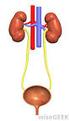 The Excretory and Digestive Systems 38.2 The Process of Digestion Organs of the Digestive System The digestive system includes the: Mouth Pharynx Esophagus Stomach Small and large intestine. Other structures
1. Essay: The Digestive and Absorption Processes of Macronutrients
 Jenny Kim Professor Rosario Nutrition: Macronutrients Project June 26, 2014 1. Essay: The Digestive and Absorption Processes of Macronutrients Whenever we eat, the foods we ingest in our bodies undergo
Digestive System Lecture 5 Winter 2014
 Digestive System Lecture 5 Winter 2014 This lecture tells the story of the Flow of Matter from Food to Cells. The pictures are only there to help you visualize structures don t worry about names of structures
2) Digestion the breakdown of. There are two types of digestion: Mechanical and Chemical. 3) Absorption when the nutrients enter into the blood.
 The Digestive System Video on the digestive system (5 min) The digestive system is responsible for the breakdown of the we eat so that it can be absorbed into the. There are four main stages of the digestive
Digestive System Module 7: Chemical Digestion and Absorption: A Closer Look
 OpenStax-CNX module: m49457 1 Digestive System Module 7: Chemical Digestion and Absorption: A Closer Look Donna Browne Based on Chemical Digestion and Absorption: A Closer Look by OpenStax This work is
I. The basic function of the digestive system is
 Chapter 15, Digestive System - ANATOMY OF THE DIGESTIVE SYSTEM I. The basic function of the digestive system is. This process is called. II. List 2 other names for the digestive tract: A. B. III. The digestive
The Human Digestive System
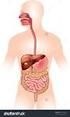 The Human Digestive System Name: Section: Date: Page 1 of 10 Page 2 of 10 Page 3 of 10 Page 4 of 10 Page 5 of 10 Page 6 of 10 Putting it All Together Digestive Enzymes Page 7 of 10 Page 8 of 10 Page 9
The digestive system, also called the gastrointestinal
 exercise 8 Chemical and Physical Processes of Digestion Objectives 1. To define digestive tract, accessory glands, digestion, hydrolases, salivary amylase, carbohydrates, proteins, lipids, bile salts,
Topic 3.0 Healthy human function depends on a variety of interacting and reacting systems
 Topic 3.0 Healthy human function depends on a variety of interacting and reacting systems Organ Systems Organ systems must have the ability to to changes within and outside of your body to maintain life
Digestive system Review
 Digestive system Review 1. Distinguish between chemical digestion and mechanical digestion. The physical breakdown of food begins in the mouth with two types of processes. The mouth is a complex structure
Topic 4: Digestion and Nutrition
 Topic 4: Digestion and Nutrition THE CONTENTS OF FOOD Food contains nutrients: Nutrients include: 1. 2. 3. 4. 5. Nutrients must be small enough to enter our cells. If they are too large they must be digested
Medical Physiology Z.H.Al-Zubaydi
 Lec.13 Medical Physiology Z.H.Al-Zubaydi Functions of the Digestive System The major functions of the digestive tract include the following six processes, summarized in Figure 1: 1. Ingestion Food must
Digestive System Functions
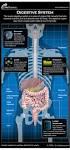 Digestive System Functions A. Gastrointestinal Processes 1. Ingestion: placing food in mouth (voluntary) 2. Propulsion: moving food through GI tract a. Peristalsis: alternating waves of contraction and
The Digestive System
 The Digestive System What do you know?? quiz-digestive-health Digestion Videos The Digestive System Inside-Dr-Ozs-Digestive-System-Video Now it is your turn to recreate the digestive system. How is food
Outline Digestive System
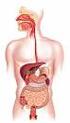 Outline Digestive System The Digestive System Digestive System Lecture Packet 19 Chapter 15 I. Function II. Layers of the GI tract III. Major parts: mouth, pharynx, esophagus, stomach, small intestine,
Digestion. What we ll cover. Main stages of digestion. Digestion: A Closer Look. A Tour of the Human Digestive System. Mechanical digestion
 Digestion What we ll cover What are the digestive system structures and their functions? Where does carbohydrate, protein and fat digestion and absorption occur? What are the 3 accessory organs of digestion?
Digestive System Notes
 Digestive System Notes Structure Function Relation Mouth cavity Mechanical digestion by teeth; chemical digestion of starch by saliva. Salivary glands Three pairs of glands which secrete saliva containing
1. The diagram below represents a biological process
 1. The diagram below represents a biological process 5. The chart below indicates the elements contained in four different molecules and the number of atoms of each element in those molecules. Which set
Chapter 49 - Nutrients and the Digestive System I. Nutrients (chemical substances necessary for organisms to grow and function properly)
 Chapter 49 - Nutrients and the Digestive System I. Nutrients (chemical substances necessary for organisms to grow and function properly) 6 basic nutrients - 4 food groups (milk, meat, fruit and vegetable,
Unit B Understanding Animal Body Systems. Lesson 1 Understanding Animal Digestion
 Unit B Understanding Animal Body Systems Lesson 1 Understanding Animal Digestion 1 Terms Absorption Amino acids Anus Avian Bile Cecum Chyme Crop Cud Digestion Digestive system Enzymes Eructated Feces Gizzard
SMALL AND LARGE INTESTINE SECRETIONS
 SMALL AND LARGE INTESTINE SECRETIONS Objectives At the end of lecture student should be able to know, Digestive system Digestive system secretions Small intestine Component of small intestine Intestinal
Chapter 17 Digestive System. Alimentary Canal. Movements of the Tube
 Chapter 17 Digestive System Functions of Digestive System ingestion mechanical digestion chemical digestion propulsion absorption defecation Consists of the alimentary canal and accessory organs 1 Alimentary
Special organ structures and functions conduct these tasks through the successive parts of the overall system.
 Chapter 5 Digestion, Absorption, and Metabolism Chapter 5 Lesson 5.1 Key Concepts Through a balanced system of mechanical and chemical digestion, food is broken down into smaller substances and the nutrients
The Vertebrate (mostly human) Digestive System
 The Vertebrate (mostly human) Digestive System Mouth - mastication, lubrication, digestion Pharynx and Esophagus - swallowing Stomach - some digestion Small intestine - most digestion and absorption Large
THE DIGESTIVE SYSTEM
 THE DIGESTIVE SYSTEM What is digestion? Digestion is the process of breaking down food so that it's small enough to be absorbed and used by the body for energy or in other bodily functions. Digestion involves
Experiment 10 Enzymes
 Experiment 10 Enzymes Enzymes are proteins that act as catalysts for biological reactions. Enzymes, like all catalysts, speed up reactions without being used up themselves. They do this by lowering the
Chapter 48. Nutrients in Food. Carbohydrates, Proteins, and Lipids. Carbohydrates, Proteins, and Lipids, continued
 Carbohydrates, Proteins, and Lipids The three nutrients needed by the body in the greatest amounts are carbohydrates, proteins, and lipids. Nutrients in Food All of these nutrients are called organic compounds,
Digestion, Absorption. How & where?
 Digestion, Absorption How & where? What happens to food? Three processes Digestion Absorption Elimination Where do they occur? GI tract Overview of Digestion GI tract Gastrointestinal (GI) tract: series
Do not put any wastes down the sink! All materials will be collected as-is at the end of class.
 Chemical and Physical Processes of Digestion Exercise 39A / 39 (begins page 597 in 9 th &10 th eds, page 595 in 11 th edition, page 599 in 12 th edition) Lab 7 Objectives Read lab Exercise 39A / 39 Do
Digestive System Grou p & lndividual Activity checklist
 Digestive System Grou p & lndividual Activity checklist oup Activitv: Each person in your group must research the following organs involved in the digestive process. They are listed below in sections (1-5).
Chapter 2 Digestion and Absorption Chapter Outline
 Chapter 2 Digestion and Absorption Chapter Outline I. Anatomy of the Digestive Tract A. The Digestive Organs 1. Mouth to the Esophagus 2. Esophagus to the Stomach 3. The Small Intestine 4. The Large Intestine
Biology 13A Lab #13: Nutrition and Digestion
 Biology 13A Lab #13: Nutrition and Digestion Lab #13 Table of Contents: Expected Learning Outcomes.... 102 Introduction...... 103 Food Chemistry & Nutrition.... 104 Activity 1: Testing for the Presence
Chapter 15 Digestive System.
 Chapter 15 Digestive System. I. The Gastrointestinal Tract. a. The digestive system mechanically and chemically breaks down food into molecules that can be absorbed into the bloodstream or lymph. Residues
5. Secretion: release of water, acids. Enzymes, buffers by digestive tract.
 Digestive System CH-16 Lecture topics Functions of the digestive system: p. 488. 1. Ingestion: Taking food in 2. Propulsion: movement of food thru alimentary canal p.490. voluntary: swalloing : skeletal
The Huntington Library, Art Collections, and Botanical Gardens. How Sweet It Is: Enzyme Action in Seed Germination
 The Huntington Library, Art Collections, and Botanical Gardens How Sweet It Is: Enzyme Action in Seed Germination Overview This experiment is intended to familiarize students with the macromolecule starch,
Note Taking Guide. Topic # 3024 Comparative Digestive Systems
 Note Taking Guide Topic # 3024 Comparative Digestive Systems Digestive Systems Overview 1. Digestion Digestion: Food enters the mouth and goes through mechanical and chemical changes as it passes through
Functions of the GI Tract. Chapter 18. Functions of the GI Tract (continued)
 Functions of the GI Tract Chapter 18 The Digestive System Motility: Movement of of food through the GI tract. Ingestion: Taking food into the mouth. Mastication: Chewing the food and mixing it with saliva.
Overview... 1 What is the Outreach Program?... 1 Concepts... 2 Objectives... 3 Arizona Science Standards... 3 College and Career Ready ELA
 Overview... 1 What is the Outreach Program?... 1 Concepts... 2 Objectives... 3 Arizona Science Standards... 3 College and Career Ready ELA Standards... 4 Next Generation Science Standards... 4 Learning
1. Which substances in the small intestine of humans serve to increase the surface area for absorption?
 Digestion Review 1. Which substances in the small intestine of humans serve to increase the surface area for absorption? (a.) intestinal glands (b.) villi (c.) pseudopodia (d.) cilia (e.) flagella 2. The
Magic School Bus Digestive System Brainpop Digestive System
 The Digestive System Magic School Bus Digestive System Brainpop Digestive System 1 Functions of the Digestive System: 1. Break up food into smaller pieces 2. Absorbing nutrients into the blood 3. Excreting
GI TRACT ORGANS ACCESSORY ORGANS
 Digestive System GI TRACT ORGANS Oral cavity Oropharynx Esophagus Stomach Small intestine Large Intestine Anus ACCESSORY ORGANS Salivary glands Pancreas Liver Gall bladder GI TRACT LAYERS Mucosa Submucosa
8. Be able to label a diagram of an earthworm. Know the function of each of the major parts of the earthworm.
 Review for Unit Test: The Digestive System 1. Know the meaning of these terms: heterotrophs digestion peristalsis microvilli autotrophs chemical digestion chyme lacteal intracellular digestion mechanical
Digestion, Absorption. How & where?
 Digestion, Absorption How & where? What happens to food? Three processes Digestion Absorption Elimination Where do they occur? GI tract Overview of Digestion GI tract Gastrointestinal (GI) tract: series
The Digestive System
 The Digestive System Digestive Structures Mouth including teeth and tongue Esophagus Stomach Small intestine Large intestine Accessory structures - salivary glands, liver, gallbladder, & pancreas Digestive
Lesson 2: Digestion of fats, proteins, and carbohydrates
 Lesson 2: Digestion of fats, proteins, and carbohydrates Inquiry Focus: How does the body get energy from food? Student Learning Objectives: By the end of the lesson, students will be able to do the following:
30.3 The Digestive System
 30.3 The Digestive System Lesson Objectives Describe the organs of the digestive system and explain their functions. Explain what happens during digestion. Describe how nutrients are absorbed into the
Human Physiology Lab (Biol 236L) Digestive Physiology: Amylase hydrolysis of starch
 Human Physiology Lab (Biol 236L) Digestive Physiology: Amylase hydrolysis of starch Introduction Enzymes are proteins composed of amino acid building blocks. Enzymes catalyze or increase the rate of metabolic
The Digestive System. Chapter 16. Introduction. Histological Organization. Overview of Digestive System. Movement and Mixing of Digestive Materials
 The Digestive System Chapter 16 Introduction Structure of the digestive system A tube that extends from mouth to anus Accessory organs are attached Functions include Ingestion Movement Digestion Absorption
The 6 th International Junior Science Olympiad Training Programme
 The 6 th International Junior Science Olympiad Training Programme KEEPING HEALTHY SECTION 2: DIGESTIVE SYSTEM Notes to Teachers Learning Objectives: Processes of nutrition in human (0.25 hr) General plan
ANSWERS AND MARK SCHEMES. (a) 5 correct plots with bars labelled;;; (-1 each incorrect plot) 3
 QUESTIONSHEET 1 (a) 5 correct plots with bars labelled;;; (-1 each incorrect plot) 3 (b) 200 grams of beans contains 2 x 3.6 = 7.2 grams of fibre. 2/3s of 7.2 = 4.8 grams;; (correct answer scores 2. Allow
Chapter 15 Digestion and Nutrition
 Chapter 15 Digestion and Nutrition Digestive System: Digestion refers to the mechanical and chemical breakdown of foods so that nutrients can be absorbed by cells. Consists of the canal which is all of
Chapter 24: DIGESTIVE SYSTEM
 Chapter 24: DIGESTIVE SYSTEM I. OVERVIEW A. Gross anatomy (Fig. 24.1) and functions (Table 24.1) B. "You are what you eat." 1. The problem: Ingestion (eating) is not the same as absorption. 2. The solution:
Name Date Period. Keystone Review Enzymes
 Name Date Period Keystone Review Enzymes 1. In order for cells to function properly, the enzymes that they contain must also function properly. What can be inferred using the above information? A. Cells
Enzymes. A. a lipid B. a protein C. a carbohydrate D. a mineral
 Enzymes 1. All cells in multicellular organisms contain thousands of different kinds of enzymes that are specialized to catalyze different chemical reactions. Given this information, which of the following
Effect of temperature and ph on the enzymatic activity of salivary amylase
 Effect of temperature and ph on the enzymatic activity of salivary amylase Gae Khalil Rodillas, Nonia Carla Ysabel Samson, Raphael Jaime Santos* and Brylle Tabora Department of Biological Sciences, College
The Digestive System Grade 5
 TEACHING LEARNING COLLABORATIVE (TLC) LIFE SCIENCE The Digestive System Grade 5 Created by: Shelly Bell (Kelseyville Elementary School), Bart Pontoni (Riviera Elementary School), Shane Lee (Pomo Elementary
NAME: DATE: Home Economics: The parts of the digestive system and their functions. Home Economics
 Home Economics The parts of the digestive system and their functions It is not necessary to carry out all the activities contained in this unit. Please see Teachers Notes for explanations, additional activities,
The Digestive System. The large intestine, or colon, holds waste products until elimination can occur. Its main function is to absorb.
 The Digestive System By: Joyce Green About the Digestive System The digestive system is responsible for the processing and uptake of nutrition. Every cell in an organism needs energy and an array of nutrients
10.1 The function of Digestion pg. 402
 10.1 The function of Digestion pg. 402 Macromolecules and Living Systems The body is made up of more than 60 % water. The water is found in the cells cytoplasm, the interstitial fluid and the blood (5
AP Biology. What do animals need to live? Animal Nutrition. Nutritional requirements. How do animals get their food? Different diets; different lives
 Animal Nutrition What do animals need to live? Animals make energy using: food food oxygen Animals build bodies using: food for raw materials amino acids, sugars, fats, nucleotides O 2 ATP energy for synthesis
Activity Sheets Enzymes and Their Functions
 Name: Date: Activity Sheets Enzymes and Their Functions amylase What are Enzymes? starch glucose Enzymes are compounds that assist chemical reactions by increasing the rate at which they occur. For example,
Digestive System AKA. GI System. Overview. GI Process Process Includes. G-I Tract Alimentary Canal
 Digestive System AKA G-I Tract Alimentary Canal Overview GI System Consists of Mouth, pharynx, esophagus, stomach, small intestine, large intestine, anus About 30 in length Accessory Organs Teeth, tongue,
Digestion in the small and Large Intestines
 9.5 Digestion in the small and Large Intestines Do some foods keep you feeling full for a long time? Do you ever feel that after eating certain foods, you are hungry again in a short time? Some foods stay
Digestive System. Gross Anatomy and Physiology
 Digestive System Gross Anatomy and Physiology I. Introduction A. Base Function: Working with the circulatory system the digestive system provides the body with fuel. B. Main players: 1. Digestive tract:
Working With Enzymes. a world of learning. Introduction. How Enzymes Work. Types and Sources of Enzymes
 Working With Enzymes a world of learning Presented by Peter J Ball, Southern Biological. For further information, please contact the author by phone (03) 9877-4597 or by email [email protected].
Weds 5/20/15. Membranes - finish last lecture outline. Digestive System Nutrition Types of digestion & digestive systems Vertebrate digestive system
 Membranes - finish last lecture outline Weds 5/20/15 Digestive System Nutrition Types of digestion & digestive systems Vertebrate digestive system structures and functions // accessory organs mechanism
McMush. Testing for the Presence of Biomolecules
 Biology McMush Testing for the Presence of Biomolecules MATERIALS AND RESOURCES EACH GROUP aprons beaker, 250 ml 2 clamps, test tube goggles graduated cylinder, 50 ml paper towels test tube brush test
By Casey Schmidt and Wendy Ford
 By Casey Schmidt and Wendy Ford Body systems Digestive System Circulatory System Respiratory System Excretory System Immune System Reproductive System Nervous System Muscular System Skeletal System Endocrine
Horse Science: The Digestive System of the Horse Page 3
 Horse Science: The Digestive System of the Horse Page 3 The digestive system of the horse is different from that Mastication (chewing) is the mechanical reduction of of the other farm animals. Although
Get It Right. Answers. Chapter 1: The Science of Life. A biologist studies all living things.
 Discover Biology 'N' Level Science Chapter 1 Chapter 1: The Science of Life A biologist studies all living things. In order to carry out the scientific method, we need to ask questions. Discover Biology
Physiology of Digestive system II
 Small Intestine Physiology of Digestive system II Motility of small intestine: Distention of the Small Intestine Elicits Mixing Contractions Called Segmentation Contractions. These are concentric contractions
Chapter 25: Metabolism and Nutrition
 Chapter 25: Metabolism and Nutrition Chapter Objectives INTRODUCTION 1. Generalize the way in which nutrients are processed through the three major metabolic fates in order to perform various energetic
Lipid Metabolism. Dr. Howaida Nounou Biochemistry department Sciences college
 Lipid Metabolism Dr. Howaida Nounou Biochemistry department Sciences college Lipids - Heterogenous group of biomolecules - Water insoluble (hydrophobic) - Soluble in organic and non-polar solvents acetone,
Enzymes: Practice Questions #1
 Enzymes: Practice Questions #1 1. Compound X increases the rate of the reaction below. Compound X is most likely A. an enzyme B. a lipid molecule C. an indicator D. an ADP molecule 2. The equation below
Recognizing Organic Molecules: Carbohydrates, Lipids and Proteins
 Recognizing Organic Molecules: Carbohydrates, Lipids and Proteins Oct 15 8:05 PM What is an Organic Molecule? An Organic Molecule is a molecule that contains carbon and hydrogen and oxygen Carbon is found
The Digestive System. Chapter 15
 The Digestive System Chapter 15 Introduction Digestion refers to the mechanical and chemical breakdown of food so the nutrients can be absorbed by cells Carried out by the digestive system Consists of
A comparison of the different livestock systems. By: Kristy Baird
 A comparison of the different livestock systems By: Kristy Baird Describe the basic function of the primary components of the digestive system. Compare the function and location of the digestive organs
OVERVIEW OF LIPID METABOLISM
 VERVIEW F LIPID METABLISM Date: September 20, 2005 * Time: 8:00 am 8:50 am * Room: G202 Biomolecular Building Lecturer: Steve Chaney 515A Mary Ellen Jones Building [email protected] 9663286 *Please
Eating, pooping, and peeing THE DIGESTIVE SYSTEM
 THE DIGESTIVE SYSTEM Ingested food is not technically in the body until it is absorbed so it needs to be: Mechanically and chemically reduced Transported by the blood to the cells Large portions are not
The Digestive System. Chapter 14. The Digestive System and Body Metabolism. Metabolism. Organs of the Digestive System. Digestion.
 Chapter 14 The Digestive System The Digestive System and Body Metabolism Digestion of ingested food of nutrients into the blood Metabolism Production of Constructive and degradative cellular activities
Mammalian Physiology. Gastrointestinal System: Digestion and Absorption
 Mammalian Physiology Gastrointestinal System: Digestion and Absorption 1UNLV UNIVERSITY OF NEVADA LAS VEGAS PHYSIOLOGY, Chapter 33 Berne, Levy, Koeppen, Stanton Objectives Describe the digestive secretions
Determination of Specific Nutrients in Various Foods. Abstract. Humans need to consume food compounds such as carbohydrates, proteins, fats,
 Determination of Specific Nutrients in Various Foods Abstract Humans need to consume food compounds such as carbohydrates, proteins, fats, and vitamins to meet their energy requirements. In this lab, reagents
THE DIGESTIVE SYSTEM Secretion Graphics are used with permission of: Pearson Education Inc., publishing as Benjamin Cummings (http://www.aw-bc.
 THE DIGESTIVE SYSTEM Secretion Graphics are used with permission of: Pearson Education Inc., publishing as Benjamin Cummings (http://www.aw-bc.com) Page 1: Title Page Digestive system secretion involves
Level 3. Applying the Principles of Nutrition to a Physical Activity Programme Level 3
 MULTIPLE CHOICE QUESTION PAPER Paper number APNU3.0 Please insert this reference number in the appropriate boxes on your candidate answer sheet Title MOCK PAPER Time allocation 50 minutes Level 3 Applying
Pre-requisites: Successful completion of 4th grade science and the 4th grade science assessment.
 Throughout each unit, assessments are incorporated into lessons. These assessments are activities that occur within the context of each lesson providing the guidelines for assessing students' progress.
Enzyme Pre-Lab. Using the Enzyme worksheet and Enzyme lab handout answer the Pre-Lab questions the pre-lab must be complete before beginning the lab.
 Enzyme Pre-Lab Using the Enzyme worksheet and Enzyme lab handout answer the Pre-Lab questions the pre-lab must be complete before beginning the lab. Background: In this investigation, you will study several
DIGESTION is the physical and
 Digestion DIGESTION is the physical and chemical breakdown of feeds as they pass through the gastrointestinal tract. The structures of the gastrointestinal tract include the mouth, the esophagus, the stomach,
B2 Revision. Subject Module Date Biology B2 13 TH May (am)
 B2 Revision Subject Module Date Biology B2 13 TH May (am) Useful websites www.aqa.org.uk This website contains the specifications that we follow and also has a large number of past papers and mark schemes
The Chemistry of Carbohydrates
 The Chemistry of Carbohydrates Experiment #5 Objective: To determine the carbohydrate class of an unknown by carrying out a series of chemical reactions with the unknown and known compounds in each class
Additional Science. Biology BL2FP. (Jun15BL2FP01) General Certificate of Secondary Education Foundation Tier June 2015.
 Centre Number Surname Candidate Number For Examiner s Use Other Names Candidate Signature Examiner s Initials Question Mark Additional Science Unit Biology B2 Biology Unit Biology B2 General Certificate
Material AICLE. 5º de Primaria.: Food and nutrition (Solucionario)
 Material AICLE. 5º de Primaria.: Food and nutrition (Solucionario) 3 SOLUTIONS Activity 3. Listen to the following audio and complete this chart. Then, check your answers using the information in activity
Lab 3 Organic Molecules of Biological Importance
 Name Biology 3 ID Number Lab 3 Organic Molecules of Biological Importance Section 1 - Organic Molecules Section 2 - Functional Groups Section 3 - From Building Blocks to Macromolecules Section 4 - Carbohydrates
The Gastrointestinal System It consists of: The digestive tract Mouth Pharynx Oesophagus Stomach Small intestine Large intestine
 The Gastrointestinal System It consists of: The digestive tract Mouth Pharynx Oesophagus Stomach Small intestine Large intestine The digestive organs Teeth Tongue Salivary glands Liver Gall bladder Pancreas
Enzymes. Chapter 3. 3.1 Enzymes and catalysts. Vital mistake. What is an enzyme?
 Chapter 3 Enzymes Vital mistake We may not be able to see them, but enzymes are absolutely crucial to the lives of ourselves and all other living organisms. The Quarter Horse (Figure 3.1) is a breed of