
SMALL AND LARGE INTESTINE SECRETIONS
|
|
|
- Suzanna Garrett
- 9 years ago
- Views:
Transcription
1 SMALL AND LARGE INTESTINE SECRETIONS Objectives At the end of lecture student should be able to know, Digestive system Digestive system secretions Small intestine Component of small intestine Intestinal secretions Large intestine secretion & functions Neural control of digestive system Integration of neural & hormonal control THE DIGESTIVE SYSTEM Body cells require a continuous supply of nutrients that come from ingested food. Food molecules are too large to pass directly into blood and must be broken into smaller molecules. Digestion of food & absorption of nutrients are the major functions of the digestive system.
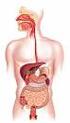
2 The Digestive System Is a long tube from the mouth to the anus DIGESTIVE SYSTEM STRUCTURE Consist of a long tube & accessory organs associated with it. The shape of each part is modified according to its function. Parts: - mouth, pharynx, esophagus, stomach, small intestine, large intestine and anus. Accessory organs: - teeth, salivary glands, liver and pancreas. Secretions of Digestion The five organs which produce secretions during digestion: Salivary glands Stomach Pancreas Liver (via gallbladder) Small intestine
3 Small Intestine Connects the stomach with the large intestine It is the major site of digestion It is also the major site of absorption Specialized structures (villi, microvilli) increase the surface area of the small intestine, aiding absorption. The small intestine has three parts (duodenum, jejunum, and ileum) The bile duct (from liver) and pancreatic duct (digestive juices) empty into the duodenum. The Small Intestine Most digestion and absorption happens here About 5-7 meters Duodenum ~10 inches in length Primary site of digestion Jejunum ~4 feet in length Some digestion Ileum ~5 feet in length Little digestion
4 Small Intestine Composed of 3 segments (proximal to distal) Duodenum Releases bile and pancreatic secretions Active site of digestion Jejunum Active site of nutrient absorption Ileum Active site of nutrient absorption Most water, vitamins & minerals Some bacterial presence Fermentation The ph of the small intestine increases towards 7.0 as food moves from the duodenum to the ileum The Small Intestine Folded walls with villi projections Absorptive cells are located on the villi Increases intestinal surface area 600x Rapid cell turnover
5 Intestinal Epithelial Cell Specialized Cells Lining Villi Absorptive epithelial cell Contain brush border on lumen/apical side Brush border: Enzymes Nutrient transport molecules Goblet cell Secretes mucus

6 Intestinal Mucosa Absorptive cells Produced in crypts Migration and maturation from the crypts to the tips of the villi Degradation of cells at the tips of the villi by digestive enzymes Newly formed cells constantly migrate to replace dying ones (< 6 days) High turnover causes the cells to deteriorate during nutrient deficiency Secretions Entering SI Intestinal mucus Brush border enzymes Pancreatic juices Produced & stored in pancreas Bile Produced in liver Stored in gallbladder Intestinal Secretions A-Mucus most likely serves a protective role preventing HCL and chyme from damaging the intestinal wall. Acts as lubricant and buffer to protect duodenal wall. Mucus is secreted by : 1-Brunner's glands, which are located within the duodenum 2-Goblet cells located along the length of intestinal epithelium and in the intestinal crypts, called the crypts of Lieberkuhn
7 Intestinal Secretions B-Enzymes: Enterokinase Digestive enzymes not secreted, but present on brush border of enterocytes includes peptidases, monosaccharidases (sucrase, maltase, isomaltase, lactase), & lipases Capable of breaking down small peptides and disaccharides are associated with the microvilli of the epithelial cells lining the intestine. Although these enzymes are not secreted into the intestine, they are able to digest small peptides and disaccharide during the absorptive process. Function : Completing the digestion of peptides, carbohydrates & fats. C-Water & Electrolytes: are secreted by all the epithelial cells of the intestine. 1- The watery secretion provides a solvent into which the products of digestion are dissolved. 2- If excessive amounts of fluid are produced, potentially life threatening watery diarrhea can result. In the Small Intestine Bile acid from the liver via the gallbladder Bicarbonate ions from the pancreas Muscle contractions to mix the food with digestive juices Food remains 3-10 hours in the small intestine ~95% of digestion takes place here
8 Duodenum Receive juices from pancreas, liver and its own wall Secretion from the duodenum: They finish off the last step of digestion. Peptidases (or dipeptidases) break off the bond between dipeptides to free 2 amino acids Disaccharidase (maltase, sucrase, lactase) break off disaccharides into 2 monosaccharides (mostly glucose) Intestinal lipase breaks off diglycerides into monoglycerides and fatty acids. Nutrients are completely degraded into forms that can be absorbed by cell Jejunum-Ileum Nutrients will be reabsorbed along the jejunum-ileum Brush border contains villi which increase the surface of absorption The villi are structured for nutrient absorption
9 Gastrointestinal Hormones Gastrin Origin: Stomach Stimulus: Food in stomach Function: stimulate gastric glands secretion. Stimulates HCl & pepsinogen secretion, increases stomach motility Secretin Origin: Duodenum Stimulus: Acid Function: Inhibit gastric glands secretion & stimulate pancreatic juice secretion. Slows stomach motility and acid production Cholecystokinin (CCK) Origin: Duodenum Stimulus: Fat & protein in duodenum Function: inhibit gastric glands secretion, stimulate pancreatic secretion & gallbladder contraction. Also Stimulates bile secretions regulates appetite and feed intake Gastric Inhibitory Protein (GIP) Origin: Duodenum Stimulus: Fats and bile Function: Inhibit stomach motility and secretion of acid and enzymes
10 Hormones (Motilin) Released from stomach and small and large intestine in presence of biliary and pancreatic secretions; promotes gastric emptying and increases GI motility motilin secreted from the upper portions of small intestine by specialized cells. Vasoactive Intestinal Peptide (VIP) Secretion: Enteroendocrine cells in the small intestine mucosa Crypts of Lieberkuhn Stimulus: Chyme entering the small intestine. Actions: Stimulates buffer secretion Inhibits gastric secretion Dilates intestinal capillaries SMALL INTESTINE ENZYMES MALTASE digest maltose to glucose SUCRASE digest sucrose to glucose and fructose. LACTASE digest lactose to glucose and galactose. LIPASE digest fats to fatty acids. PEPTIDASE digest small peptides to single amino acids.
11 Neurotransmitters Alpha- aminobutyric acid: relaxes LES Nor epinephrine: decreases motility, increases contractions of sphincters, inhibits secretions Acetylcholine: increases motility, relaxes sphincters, stimulates secretions Neurotensin: inhibits release of gastric emptying and acid secretion Neuropeptide -Y: stimulates feeding behavior THE LARGE INTESTINE Last portion of the digestive tract. Extend from the ileum to the anus and is made of three segments:- CECUM COLON RECTUM. FUNCTION for absorption of water, minerals and vitamins. ENTRANCE guarded by the ileocecal sphincter while the anal exist is guarded by internal and external anal sphincters. Large Intestine No digestion occurs in the large intestine. In the large intestine, there is absorption of water (about 1 liter/day) and salts from feces (undigested, unabsorbed food). Bacteria produce vitamin K, B vitamins. Secretion of mucus (lubrication of feces) Contractions move feces along large intestine and rectum, to be expelled out of the anal canal.
12 Large intestine Mucus secretion Large intestine have crypts of Lieberkuhn with lots of goblet cells, secreting lot of mucus with moderate amount of bicarbonate ions. It act as an adherent medium for holding fecal matter together. Colon Reabsorb water from food and digestive juices Rectum Muscular area of large intestine used for storage of feces and ultimately for defecation Feces includes sloughed cells, undigested food and microbial matter THE RECTUM & ANAL CANAL
13 Accessory Organs Salivary glands Pancreas Gallbladder Liver Neural Control of Digestion Neural control of digestion is largely by the parasympathetic nervous system, and local (enteric) reflexes. Activation of the parasympathetic system results in secretion of digestive juices, increased motility of the stomach, and slowing down movement of food from the stomach to small intestine. Stimuli: Thought, sight, taste of smell of food; distension of GI tract; chemoreceptors detecting nutrients, ph.

14 Integration of Neural and Endocrine Functions: Central Effects CNS: Thoughts, taste, smell of food; chewing activates parasympathetic nervous system (neurotransmitter: acetylcholine). ACh acts directly on parietal cells to increase acid secretion. Ach increases gastrin release, inhibits somatostatin release (increased gastric secretion and motility). Sympathetic input (activity, stress): increased somatostatin release (inhibiting gastrin secretion decreased gastric secretion and motility) Integration of Neural and Endocrine Functions
15 Integration of Neural and Endocrine Functions Mechanoreceptors in the walls of the GI tract detect movement of food into an organ Example: In the stomach distension causes activation of the parasympathetic system, increasing gastrin secretion and acid release, and decreasing somatostatin secretion. Chemoreceptors detect nutrients and ph. Example: Presence of amino acids, alcohol, or caffeine in the stomach increases gastrin release. Presence of fatty acids in the duodenum causes release of CCK. Control pathways Both hormonal and neural Short pathways: involves automatic regulation within the enteric system itself Long pathways: involves the CNS (somatic and autonomic)
16
GI TRACT ORGANS ACCESSORY ORGANS
 Digestive System GI TRACT ORGANS Oral cavity Oropharynx Esophagus Stomach Small intestine Large Intestine Anus ACCESSORY ORGANS Salivary glands Pancreas Liver Gall bladder GI TRACT LAYERS Mucosa Submucosa
Digestive System Functions
 Digestive System Functions A. Gastrointestinal Processes 1. Ingestion: placing food in mouth (voluntary) 2. Propulsion: moving food through GI tract a. Peristalsis: alternating waves of contraction and
The Digestive System. You are what you eat!
 The Digestive System You are what you eat! Try to label the diagram (PENCIL!!) What is Digestion? Digestion: the breakdown of large macromolecules (proteins, fats, carbohydrates) into smaller molecules
Functions of the GI Tract. Chapter 18. Functions of the GI Tract (continued)
 Functions of the GI Tract Chapter 18 The Digestive System Motility: Movement of of food through the GI tract. Ingestion: Taking food into the mouth. Mastication: Chewing the food and mixing it with saliva.
Medical Physiology Z.H.Al-Zubaydi
 Lec.13 Medical Physiology Z.H.Al-Zubaydi Functions of the Digestive System The major functions of the digestive tract include the following six processes, summarized in Figure 1: 1. Ingestion Food must
Digestion, Absorption. How & where?
 Digestion, Absorption How & where? What happens to food? Three processes Digestion Absorption Elimination Where do they occur? GI tract Overview of Digestion GI tract Gastrointestinal (GI) tract: series
Chapter 24: DIGESTIVE SYSTEM
 Chapter 24: DIGESTIVE SYSTEM I. OVERVIEW A. Gross anatomy (Fig. 24.1) and functions (Table 24.1) B. "You are what you eat." 1. The problem: Ingestion (eating) is not the same as absorption. 2. The solution:
The Digestive System
 The Digestive System Digestive Structures Mouth including teeth and tongue Esophagus Stomach Small intestine Large intestine Accessory structures - salivary glands, liver, gallbladder, & pancreas Digestive
THE DIGESTIVE SYSTEM Secretion Graphics are used with permission of: Pearson Education Inc., publishing as Benjamin Cummings (http://www.aw-bc.
 THE DIGESTIVE SYSTEM Secretion Graphics are used with permission of: Pearson Education Inc., publishing as Benjamin Cummings (http://www.aw-bc.com) Page 1: Title Page Digestive system secretion involves
Digestion, Absorption. How & where?
 Digestion, Absorption How & where? What happens to food? Three processes Digestion Absorption Elimination Where do they occur? GI tract Overview of Digestion GI tract Gastrointestinal (GI) tract: series
Chapter 17 Digestive System. Alimentary Canal. Movements of the Tube
 Chapter 17 Digestive System Functions of Digestive System ingestion mechanical digestion chemical digestion propulsion absorption defecation Consists of the alimentary canal and accessory organs 1 Alimentary
The Vertebrate (mostly human) Digestive System
 The Vertebrate (mostly human) Digestive System Mouth - mastication, lubrication, digestion Pharynx and Esophagus - swallowing Stomach - some digestion Small intestine - most digestion and absorption Large
The Human Digestive System
 The Human Digestive System Name: Section: Date: Page 1 of 10 Page 2 of 10 Page 3 of 10 Page 4 of 10 Page 5 of 10 Page 6 of 10 Putting it All Together Digestive Enzymes Page 7 of 10 Page 8 of 10 Page 9
10.2 The Human Digestive System pg. 411
 10.2 The Human Digestive System pg. 411 The human digestive system is made up of a group of organs working together. The digestive tract is made up of the mouth, esophagus, stomach, small intestine, and
Chapter 15 Digestive System.
 Chapter 15 Digestive System. I. The Gastrointestinal Tract. a. The digestive system mechanically and chemically breaks down food into molecules that can be absorbed into the bloodstream or lymph. Residues
Special organ structures and functions conduct these tasks through the successive parts of the overall system.
 Chapter 5 Digestion, Absorption, and Metabolism Chapter 5 Lesson 5.1 Key Concepts Through a balanced system of mechanical and chemical digestion, food is broken down into smaller substances and the nutrients
Chapter 49 - Nutrients and the Digestive System I. Nutrients (chemical substances necessary for organisms to grow and function properly)
 Chapter 49 - Nutrients and the Digestive System I. Nutrients (chemical substances necessary for organisms to grow and function properly) 6 basic nutrients - 4 food groups (milk, meat, fruit and vegetable,
Outline Digestive System
 Outline Digestive System The Digestive System Digestive System Lecture Packet 19 Chapter 15 I. Function II. Layers of the GI tract III. Major parts: mouth, pharynx, esophagus, stomach, small intestine,
5. Secretion: release of water, acids. Enzymes, buffers by digestive tract.
 Digestive System CH-16 Lecture topics Functions of the digestive system: p. 488. 1. Ingestion: Taking food in 2. Propulsion: movement of food thru alimentary canal p.490. voluntary: swalloing : skeletal
The Digestive System. Chapter 16. Introduction. Histological Organization. Overview of Digestive System. Movement and Mixing of Digestive Materials
 The Digestive System Chapter 16 Introduction Structure of the digestive system A tube that extends from mouth to anus Accessory organs are attached Functions include Ingestion Movement Digestion Absorption
Digestive system Review
 Digestive system Review 1. Distinguish between chemical digestion and mechanical digestion. The physical breakdown of food begins in the mouth with two types of processes. The mouth is a complex structure
Physiology of Digestive system II
 Small Intestine Physiology of Digestive system II Motility of small intestine: Distention of the Small Intestine Elicits Mixing Contractions Called Segmentation Contractions. These are concentric contractions
The Excretory and Digestive Systems
 The Excretory and Digestive Systems 38.2 The Process of Digestion Organs of the Digestive System The digestive system includes the: Mouth Pharynx Esophagus Stomach Small and large intestine. Other structures
Digestion. What we ll cover. Main stages of digestion. Digestion: A Closer Look. A Tour of the Human Digestive System. Mechanical digestion
 Digestion What we ll cover What are the digestive system structures and their functions? Where does carbohydrate, protein and fat digestion and absorption occur? What are the 3 accessory organs of digestion?
Digestive System Notes
 Digestive System Notes Structure Function Relation Mouth cavity Mechanical digestion by teeth; chemical digestion of starch by saliva. Salivary glands Three pairs of glands which secrete saliva containing
I. The basic function of the digestive system is
 Chapter 15, Digestive System - ANATOMY OF THE DIGESTIVE SYSTEM I. The basic function of the digestive system is. This process is called. II. List 2 other names for the digestive tract: A. B. III. The digestive
Digestive System Why is digestion important? How is food digested? Physical Digestion and Movement
 Digestive System The digestive system is made up of the digestive tract a series of hollow organs joined in a long, twisting tube from the mouth to the anus and other organs that help the body break down
The Digestive System. Chapter 14. The Digestive System and Body Metabolism. Metabolism. Organs of the Digestive System. Digestion.
 Chapter 14 The Digestive System The Digestive System and Body Metabolism Digestion of ingested food of nutrients into the blood Metabolism Production of Constructive and degradative cellular activities
Digestive System. Gross Anatomy and Physiology
 Digestive System Gross Anatomy and Physiology I. Introduction A. Base Function: Working with the circulatory system the digestive system provides the body with fuel. B. Main players: 1. Digestive tract:
Digestive System Module 7: Chemical Digestion and Absorption: A Closer Look
 OpenStax-CNX module: m49457 1 Digestive System Module 7: Chemical Digestion and Absorption: A Closer Look Donna Browne Based on Chemical Digestion and Absorption: A Closer Look by OpenStax This work is
Chapter 48. Nutrients in Food. Carbohydrates, Proteins, and Lipids. Carbohydrates, Proteins, and Lipids, continued
 Carbohydrates, Proteins, and Lipids The three nutrients needed by the body in the greatest amounts are carbohydrates, proteins, and lipids. Nutrients in Food All of these nutrients are called organic compounds,
Digestive system. Dr. Carmen E. Rexach Physiology Mt San Antonio College
 Digestive system Dr. Carmen E. Rexach Physiology Mt San Antonio College Functions Motility ingestion mastication deglutition peristalsis Secretion exocrine endocrine Digestion Absorption Tunics Innervation
2) Digestion the breakdown of. There are two types of digestion: Mechanical and Chemical. 3) Absorption when the nutrients enter into the blood.
 The Digestive System Video on the digestive system (5 min) The digestive system is responsible for the breakdown of the we eat so that it can be absorbed into the. There are four main stages of the digestive
The Gastrointestinal System It consists of: The digestive tract Mouth Pharynx Oesophagus Stomach Small intestine Large intestine
 The Gastrointestinal System It consists of: The digestive tract Mouth Pharynx Oesophagus Stomach Small intestine Large intestine The digestive organs Teeth Tongue Salivary glands Liver Gall bladder Pancreas
The Digestive System. Chapter 15
 The Digestive System Chapter 15 Introduction Digestion refers to the mechanical and chemical breakdown of food so the nutrients can be absorbed by cells Carried out by the digestive system Consists of
Unit B Understanding Animal Body Systems. Lesson 1 Understanding Animal Digestion
 Unit B Understanding Animal Body Systems Lesson 1 Understanding Animal Digestion 1 Terms Absorption Amino acids Anus Avian Bile Cecum Chyme Crop Cud Digestion Digestive system Enzymes Eructated Feces Gizzard
Chapter 15 Digestion and Nutrition
 Chapter 15 Digestion and Nutrition Digestive System: Digestion refers to the mechanical and chemical breakdown of foods so that nutrients can be absorbed by cells. Consists of the canal which is all of
Horse Science: The Digestive System of the Horse Page 3
 Horse Science: The Digestive System of the Horse Page 3 The digestive system of the horse is different from that Mastication (chewing) is the mechanical reduction of of the other farm animals. Although
Digestive System AKA. GI System. Overview. GI Process Process Includes. G-I Tract Alimentary Canal
 Digestive System AKA G-I Tract Alimentary Canal Overview GI System Consists of Mouth, pharynx, esophagus, stomach, small intestine, large intestine, anus About 30 in length Accessory Organs Teeth, tongue,
23.4 Digestive System
 23.4 Digestive System The Pancreas & Pancreatic Regulation Regulation of Bile Secretions The Small Intestine The Large Intestine Pancreas Location Mostly retroperitoneal Deep to greater curvature of stomach
Each gland has at least one duct that takes saliva to the oral cavity.
 kufa university Physiology College of Nursing first year student Ass. Lect :- Hisham Qassem M. Lecture No :-3 The Digestive System Digestive system consists of: 1. Gastrointestinal Tract (GIT). 2. Accessory
THE GI TRACT IS A CONTINUOUS MULTILAYERED TUBE EXTENDING FROM THE MOUTH TO THE ANUS THAT IS SUPPORTED AND PARTIALLY COVERED BY THE PERITONEUM.
 THE GI TRACT IS A CONTINUOUS MULTILAYERED TUBE EXTENDING FROM THE MOUTH TO THE ANUS THAT IS SUPPORTED AND PARTIALLY COVERED BY THE PERITONEUM. OVERVIEW OF THE DIGESTIVE SYSTEM Two groups of organs compose
The Digestive System
 The Digestive System Objectives Name and locate the digestive organs and the accessory organs of digestion. List the general function of the digestive system and the function of each organ. Define mechanical
The Digestive System
 The Digestive System What do you know?? quiz-digestive-health Digestion Videos The Digestive System Inside-Dr-Ozs-Digestive-System-Video Now it is your turn to recreate the digestive system. How is food
Eating, pooping, and peeing THE DIGESTIVE SYSTEM
 THE DIGESTIVE SYSTEM Ingested food is not technically in the body until it is absorbed so it needs to be: Mechanically and chemically reduced Transported by the blood to the cells Large portions are not
Digestion in the small and Large Intestines
 9.5 Digestion in the small and Large Intestines Do some foods keep you feeling full for a long time? Do you ever feel that after eating certain foods, you are hungry again in a short time? Some foods stay
Small & Large Intestines
 Small & Large Intestines Small Intestine: principal site for digestion of food and absorption of the products of digestion Large Intestine: reabsorption of water and elimination of undigested food and
Topic 3.0 Healthy human function depends on a variety of interacting and reacting systems
 Topic 3.0 Healthy human function depends on a variety of interacting and reacting systems Organ Systems Organ systems must have the ability to to changes within and outside of your body to maintain life
DIGESTIVE SYSTEM Five Basic Processes The Gastrointestinal tract (alimentary canal)
 DIGESTIVE SYSTEM Five Basic Processes 1. Ingestion - eating 2. Movement of the food along the G.I. tract. 3. Digestion- chemical and mechanical breakdown of food. 4. Absorption of the breakdown products
Biology 2402 Anatomy &Physiology II - Digestive system notes - Ch. 15
 Biology 2402 Anatomy &Physiology II - Digestive system notes - Ch. 15 Digestive system processes the food used as fuel and nutrients for the body. Composed of a tube through the body (digestive tract,
Integumentary System Digestive System. Outline. Integumentary System 11/4/2008. Week 11 BA & BP November 4, 2008 Nadia Arora, ND
 Integumentary System Digestive System Week 11 BA & BP November 4, 2008 Nadia Arora, ND Outline Integumentary system and body membranes Types of body membranes and their function General structure and main
Learning Objectives. Introduction to Medical Careers. Vocabulary: Chapter 16 FACTS. Functions. Organs. Digestive System Chapter 16
 Learning Objectives Introduction to Medical Careers Digestive System Chapter 16 Define at least 10 terms relating to the digestive Describe the four functions of the digestive Identify different structures
Absorption and Transport of Nutrients
 Page1 Digestion Food travels from mouth esophagus stomach small intestine colon rectum anus. Food mixes with digestive juices, moving it through the digestive tract Large molecules of food are broken into
Continuing Education Independent Study Series
 Continuing Education Independent Study Series Professional Development Manager Association of Surgical Technologists Englewood, Colorado Association of Surgical Technologists Publication made possible
Chapter 2 Digestion and Absorption Chapter Outline
 Chapter 2 Digestion and Absorption Chapter Outline I. Anatomy of the Digestive Tract A. The Digestive Organs 1. Mouth to the Esophagus 2. Esophagus to the Stomach 3. The Small Intestine 4. The Large Intestine
26. Digestive System
 26. Digestive System Your body needs food for two primary purposes: growth and maintenance. Molecules and atoms in the food you eat are generally used to either build new molecules in your body or to provide
The Digestive System 24-1
 The Digestive System 24-1 Overview of GI tract Functions Mouth---bite, chew, swallow Pharynx and esophagus---- transport Stomach----mechanical disruption; absorption of water & alcohol Small intestine--chemical
Mechanical digestion: physical breaking of food chewing by teeth churning by stomach segmentation by intestines (= mixing food) p.611/ Fig. 22.
 The Digestive System 1. Describe the general functions of the digestive system Ingestion: Taking food in Propulsion: movement of food thru alimentary canal voluntary: swalloing involuntary: peristalsis
17. The Digestion and Absorption of Food. Regulation of Gastrointestinal Processes
 chapter C H A P T E R 17 _ The Digestion and Overview: of the Gastrointestinal Organs Structure of the Gastrointestinal Tract Wall Digestion and Absorption Carbohydrate Protein Fat Vitamins Water and Minerals
Divisions of Digestive System. Organs of the Alimentary Canal. Anatomy of the Digestive System: Organs of the Alimentary Canal. CHAPTER 14 p.
 Divisions of Digestive System Anatomy of the Digestive System: Organs of the Alimentary Canal CHAPTER 14 p. 412-423 1. Alimentary Canal or Gastrointestinal Tract (GI)-digests and absorbs food coiled hollow
SEER Training Modules
 http://training.seer.cancer.gov/anatomy/digestive/ WiRED International wishes to thank the National Cancer Institute for use of this information. SEER Training Modules Introduction to the Digestive System
Topic 4: Digestion and Nutrition
 Topic 4: Digestion and Nutrition THE CONTENTS OF FOOD Food contains nutrients: Nutrients include: 1. 2. 3. 4. 5. Nutrients must be small enough to enter our cells. If they are too large they must be digested
General Structure and Function of the Digestive System
 General Structure and Function of the Digestive System Do Now Why does food have to be digested before cells can use it? What are the typical four layers of the digestive tract wall? What is the name of
THE DIGESTIVE SYSTEM
 THE DIGESTIVE SYSTEM What is digestion? Digestion is the process of breaking down food so that it's small enough to be absorbed and used by the body for energy or in other bodily functions. Digestion involves
ii. Palatine tonsils - located between glossopalatine arch and pharyngopalatine arch iii. Function: guide food and air to laryngopharynx III.
 Digestive System I. Introduction I. Tube from mouth to anus, 30 ft. long II. Greatest portion below diaphragm III. Function: digestion and absorption II. Cross section through the coelom (body cavity)
Introduction. Digestive System. Physiology. Anatomy. Physiology. Alimentary Canal. Chapter 21
 Chapter 21 Digestive System Susan G. Salvo Introduction Digestive process is a disassembly line Digestive system provides processes in which proteins, carbohydrates, and fats are broken down and used a
1. Essay: The Digestive and Absorption Processes of Macronutrients
 Jenny Kim Professor Rosario Nutrition: Macronutrients Project June 26, 2014 1. Essay: The Digestive and Absorption Processes of Macronutrients Whenever we eat, the foods we ingest in our bodies undergo
Alimentary canal (gastrointestinal or GI tract) continuous coiled hollow tube
 The Digestive System and Body Metabolism Gross Anatomy Function The Digestive System Functions Ingestion taking in food Digestion breaking food down both physically and chemically Absorption movement of
CHAPTER 17: DIGESTIVE SYSTEM. 2. Distinguish between mechanical digestion and chemical digestion.
 CHAPTER 17: SYSTEM OBJECTIVES 1. Define the term digestion and explain its significance. 2. Distinguish between mechanical digestion and chemical digestion. 3. Discuss the five digestive processes that
1. gustatory cells: Surface cells in the throat and on the taste buds in the mouth that transmit
 Chapter 3 Digestion and Absorption Key Terms 1. gustatory cells: Surface cells in the throat and on the taste buds in the mouth that transmit taste information. 2. absorption: The movement of substances
AP Biology. What do animals need to live? Animal Nutrition. Nutritional requirements. How do animals get their food? Different diets; different lives
 Animal Nutrition What do animals need to live? Animals make energy using: food food oxygen Animals build bodies using: food for raw materials amino acids, sugars, fats, nucleotides O 2 ATP energy for synthesis
The digestive system, also called the gastrointestinal
 exercise 8 Chemical and Physical Processes of Digestion Objectives 1. To define digestive tract, accessory glands, digestion, hydrolases, salivary amylase, carbohydrates, proteins, lipids, bile salts,
8. Be able to label a diagram of an earthworm. Know the function of each of the major parts of the earthworm.
 Review for Unit Test: The Digestive System 1. Know the meaning of these terms: heterotrophs digestion peristalsis microvilli autotrophs chemical digestion chyme lacteal intracellular digestion mechanical
Weds 5/20/15. Membranes - finish last lecture outline. Digestive System Nutrition Types of digestion & digestive systems Vertebrate digestive system
 Membranes - finish last lecture outline Weds 5/20/15 Digestive System Nutrition Types of digestion & digestive systems Vertebrate digestive system structures and functions // accessory organs mechanism
II. General Characteristics of the Alimentary Canal
 Human Anatomy & Physiology 17 Be sure to watch the Video: The Digestive System. Digestive System URLs http://www.emc.maricopa.edu/faculty/farabee/biobk/ BioBookDIGEST.html http://yahooligans.yahoo.com/reference/gray/244.html
The Digestive System. - teeth, tongue, gall bladder, and glands (salivary glands, liver, pancreas).
 The Digestive System I. Overview A. Organs of the digestive system. 1. Alimentary canal (GI Tract): - continuous muscular tube, open at both ends. - digests food, absorbs digested fragments. 2. Accessory
Note Taking Guide. Topic # 3024 Comparative Digestive Systems
 Note Taking Guide Topic # 3024 Comparative Digestive Systems Digestive Systems Overview 1. Digestion Digestion: Food enters the mouth and goes through mechanical and chemical changes as it passes through
30.3 The Digestive System
 30.3 The Digestive System Lesson Objectives Describe the organs of the digestive system and explain their functions. Explain what happens during digestion. Describe how nutrients are absorbed into the
Ruminant Digestive System
 Ruminant Digestive System Complex structure with four compartments Source: Animal Feeding and Nutrition (Jurgens) Ruminant Characteristics Primarily herbivores Cattle, sheep, goats, deer, elk Camelids
Digestive System Module 5: The Small and Large Intestines
 OpenStax-CNX module: m49292 1 Digestive System Module 5: The Small and Large Intestines Donna Browne Based on The Small and Large Intestines by OpenStax College This work is produced by OpenStax-CNX and
Digestive system Is a disassemble line to break nutrients down into forms that can be used by the body
 Digestive system Is a disassemble line to break nutrients down into forms that can be used by the body for cells to perform metabolic reactions the cells need oxygen and organic molecules that can be broken
Digestive System Grou p & lndividual Activity checklist
 Digestive System Grou p & lndividual Activity checklist oup Activitv: Each person in your group must research the following organs involved in the digestive process. They are listed below in sections (1-5).
The Digestive System
 16 The Digestive System FOCUS: The function of the digestive system is to take in food, break it down into smaller compounds, and absorb those compounds so that the body can use them. This process provides
Digestion. Processing of food Types. Mechanical (physical) Chemical. Chew Tear Grind Mash Mix. Catabolic reactions Enzymatic hydrolysis
 Digestive System Digestion Processing of food Types Mechanical (physical) Chew Tear Grind Mash Mix Chemical Catabolic reactions Enzymatic hydrolysis Carbohydrate Protein Lipid 2 Digestion Phases Ingestion
Digestive System. Student Learning Objectives: Structures to be studied: Introduction
 Digestive System Student Learning Objectives: Identify the primary structures of the digestive system. Describe the use of various important nutrient materials in the body. Structures to be studied: Oral
stomach this The Digestive System in American Sign Language and English with Paul Buttenhoff and Cara Barnett Click here to see ASL version of title
 t stomach this The Digestive System in American Sign Language and English with Paul Buttenhoff and Cara Barnett Click here to see ASL version of title Click here to go to Table of Contents This project
Functions of the digestive system
 Digestive system Functions of the digestive system Digestion-mechanical and chemical breakdown of material Motility-movement of material from the oral cavity to the anus-swallowing / peristalsis Secretion-exocrine
DIGESTION is the physical and
 Digestion DIGESTION is the physical and chemical breakdown of feeds as they pass through the gastrointestinal tract. The structures of the gastrointestinal tract include the mouth, the esophagus, the stomach,
CHAPTER 23 DIGESTIVE
 CHAPTER 23 DIGESTIVE nutrition requires : getting nutrients digesting nutrients transporting nutrients Digestive System musculo-skeletal digestive circulatory Digestive System alimentary canal ~ gastrointestinal
Mammalian Physiology. Gastrointestinal System: Digestion and Absorption
 Mammalian Physiology Gastrointestinal System: Digestion and Absorption 1UNLV UNIVERSITY OF NEVADA LAS VEGAS PHYSIOLOGY, Chapter 33 Berne, Levy, Koeppen, Stanton Objectives Describe the digestive secretions
Digestive System Lecture 5 Winter 2014
 Digestive System Lecture 5 Winter 2014 This lecture tells the story of the Flow of Matter from Food to Cells. The pictures are only there to help you visualize structures don t worry about names of structures
A comparison of the different livestock systems. By: Kristy Baird
 A comparison of the different livestock systems By: Kristy Baird Describe the basic function of the primary components of the digestive system. Compare the function and location of the digestive organs
1. Which substances in the small intestine of humans serve to increase the surface area for absorption?
 Digestion Review 1. Which substances in the small intestine of humans serve to increase the surface area for absorption? (a.) intestinal glands (b.) villi (c.) pseudopodia (d.) cilia (e.) flagella 2. The
Upper Gastrointestinal Tract KNH 406
 Upper Gastrointestinal Tract KNH 406 Upper GI A&P GI tract long tube ~ 15 ft. Upper GI mouth, pharynx, esophagus, stomach Accessory organs pancreas, biliary system, liver Four basic functions: motility,