
PROTEINS: THREE-DIMENSIONAL STRUCTURE
|
|
|
- Silvester Boyd
- 10 years ago
- Views:
Transcription
1 HAPTER 6 The atomic structure of myoglobin, an oxygen binding protein, is drawn here as a stick model. The overall conformation of a protein such as myoglobin is a function of its amino acid sequence. How do noncovalent forces act on a polypeptide chain to stabilize its unique three-dimensional arrangement of atoms? [Figure copyrighted by Irving Geis.] PRTEIN: THREE-DIMENINAL TRUTURE 1. ENDARY TRUTURE A. The Peptide Group B. Regular econdary tructure: The Helix and the heet. Fibrous Proteins D. Nonrepetitive Protein tructure 2. TERTIARY TRUTURE A. Determining Protein tructure B. Motifs (upersecondary tructures) and Domains. Protein Families QUATERNARY TRUTURE AND YMMETRY 4. PRTEIN FLDING AND TABILITY A. Forces That tabilize Protein tructure B. Protein Denaturation and Renaturation. Protein Folding Pathways D. Protein Dynamics

2 ection 6-1. econdary tructure 125 For many years, it was thought that proteins were colloids of random structure and that the enzymatic activities of certain crystallized proteins were due to unknown entities associated with an inert protein carrier. In 1934, J.D. Bernal and Dorothy rowfoot Hodgkin showed that a crystal of the protein pepsin yielded a discrete diffraction pattern when placed in an X-ray beam. This result provided the first evidence that pepsin was not a random colloid but an ordered array of atoms organized into a large yet uniquely structured molecule. Even relatively small proteins contain thousands of atoms, almost all of which occupy definite positions in space. The first X-ray structure of a protein, that of sperm whale myoglobin, was reported in 1958 by John Kendrew and co-workers. At the time only 5 years after James Watson and Francis rick had elucidated the simple and elegant structure of DNA (ection 3-2B) protein chemists were chagrined by the complexity and apparent lack of regularity in the structure of myoglobin. In retrospect, such irregularity seems essential for proteins to fulfill their diverse biological roles. However, comparisons of the 7000 protein structures now known have revealed that proteins actually exhibit a remarkable degree of structural regularity. As we saw in ection 5-1, the primary structure of a protein is its linear sequence of amino acids. In discussing protein structure, three further levels of structural complexity are customarily invoked: econdary structure is the local spatial arrangement of a polypeptide s backbone atoms without regard to the conformations of its side chains. Tertiary structure refers to the three-dimensional structure of an entire polypeptide. Many proteins are composed of two or more polypeptide chains, loosely referred to as subunits. A protein s quaternary structure refers to the spatial arrangement of its subunits. The four levels of protein structure are summarized in Fig (a) (b) ± Lys ± Ala ± His ± Gly ± Lys ± Lys ± Val ± Leu ± Gly - Ala ± Primary structure (amino acid sequence in a polypeptide chain) Figure 6-1. Levels of protein structure. (a) Primary structure, (b) secondary structure, (c) tertiary structure, and (d) quaternary structure. [Figure copyrighted by Irving Geis.] (c) (d) β2 β1 β α2 α1 econdary structure (helix) Tertiary structure: one complete protein chain ( β chain of hemoglobin) Quaternary structure: the four separate chains of hemoglobin assembled into an oligomeric protein

3 126 hapter 6. Proteins: Three-Dimensional tructure In this chapter, we explore secondary through quaternary structure, including examples of proteins that illustrate each of these levels. We also introduce methods for determining three-dimensional molecular structure and discuss the forces that stabilize folded proteins. 1. ENDARY TRUTURE Protein secondary structure includes the regular polypeptide folding patterns such as helices, sheets, and turns. However, before we discuss these basic structural elements, we must consider the geometric properties of peptide groups, which underlie all higher order structures. A. The Peptide Group In the 1930s and 1940s, Linus Pauling and Robert orey determined the X-ray structures of several amino acids and dipeptides in an effort to elucidate the conformational constraints on a polypeptide chain. These studies indicated that the peptide group has a rigid, planar structure as a consequence of resonance interactions that give the peptide bond 40% double-bond character: R α H Peptide bond Amide plane α 111 Figure 6-2. The trans peptide group. The bond lengths (in angstroms) and angles (in degrees) are derived from X-ray crystal structures. [After Marsh, R.E. and Donohue, J., Adv. Protein hem. 22, 249 (1967).] ee Kinemage Exercise 3-1. N H H R N H This explanation is supported by the observations that a peptide group s N bond is 0.13 Å shorter than its N single bond and that its P bond is 0.02 Å longer than that of aldehydes and ketones. The planar conformation maximizes -bonding overlap, which accounts for the peptide group s rigidity. Peptide groups, with few exceptions, assume the trans conformation, in which successive atoms are on opposite sides of the peptide bond joining them (Fig. 6-2). The cis conformation, in which successive atoms are on the same side of the peptide bond, is 8 kj mol 1 less stable than the trans conformation because of steric interference between neighboring side chains. However, this steric interference is reduced in peptide bonds to Pro residues, so 10% of the Pro residues in proteins follow a cis peptide bond. + N H Torsion Angles between Peptide Groups Describe Polypeptide hain onformations The backbone or main chain of a protein refers to the atoms that participate in peptide bonds, ignoring the side chains of the amino acid Main chain ide chain Figure 6-3. Extended conformation of a polypeptide. The backbone is shown as a series of planar peptide groups. [Figure copyrighted by Irving Geis.]

4 ection 6-1. econdary tructure 127 Figure 6-4. Torsion angles of the polypeptide backbone. Two planar peptide groups are shown. The only reasonably free movements are rotations around the N bond (measured as ) and the bond (measured as ). By convention, both and are 180 in the conformation shown and increase, as indicated, in the clockwise direction when viewed from. [Figure copyrighted by Irving Geis.] ee Kinemage Exercise 3-1. residues. The backbone can be drawn as a linked sequence of rigid planar peptide groups (Fig. 6-3). The conformation of the backbone can therefore be described by the torsion angles (also called dihedral angles or rotation angles) around the N bond ( ) and the bond ( ) of each residue (Fig. 6-4). These angles, and, are both defined as 180 when the polypeptide chain is in its fully extended conformation and increase clockwise when viewed from. The conformational freedom and therefore the torsion angles of a polypeptide backbone are sterically constrained. Rotation around the N and bonds to form certain combinations of and angles may cause the amide hydrogen, the carbonyl oxygen, or the substituents of of adjacent residues to collide (e.g., Fig. 6-5). ertain conformations of longer polypeptides can similarly produce collisions between residues that are far apart in sequence. Figure 6-5. teric interference between adjacent peptide groups. Rotation can result in a conformation in which the amide hydrogen of one residue and the carbonyl oxygen of the next are closer than their van der Waals distance. [Figure copyrighted by Irving Geis.]
![By convention, both and are 180 in the conformation shown and increase, as indicated, in the clockwise direction when viewed from. [Figure copyrighted by Irving Geis.] ee Kinemage Exercise 3-1.](/docs-images/41/5655186/images/page_4.jpg "residues. The backbone can be drawn as a linked sequence of rigid planar peptide groups (Fig. 6-3).")
5 128 hapter 6. Proteins: Three-Dimensional tructure α L ψ (deg) 0 α φ (deg) Figure 6-6. A Ramachandran diagram. The green-shaded regions indicate the sterically allowed and angles for all residues except Gly and Pro. The orange circles represent conformational angles of several secondary structures:, righthanded helix; hh, parallel sheet; hg, antiparallel sheet;, collagen helix; L, left-handed helix. The Ramachandran Diagram Indicates Allowed onformations of Polypeptides The sterically allowed values of and can be calculated. terically forbidden conformations, such as the one shown in Fig. 6-5, have and values that would bring atoms closer than the corresponding van der Waals distance (the distance of closest contact between nonbonded atoms). uch information is summarized in a Ramachandran diagram (Fig. 6-6), which is named after its inventor, G. N. Ramachandran. Most areas of the Ramachandran diagram (most combinations of and ) represent forbidden conformations of a polypeptide chain. nly three small regions of the diagram are physically accessible to most residues. The observed and values of accurately determined structures nearly always fall within these allowed regions of the Ramachandran plot. There are, however, some notable exceptions: 1. The cyclic side chain of Pro limits its range of values to angles of around 60, making it, not surprisingly, the most conformationally restricted amino acid residue. 2. Gly, the only residue without a atom, is much less sterically hindered than the other amino acid residues. Hence, its permissible range of and covers a larger area of the Ramachandran diagram. At Gly residues, polypeptide chains often assume conformations that are forbidden to other residues. B. Regular econdary tructure: The Helix and the heet A few elements of protein secondary structure are so widespread that they are immediately recognizable in proteins with widely differing amino acid sequences. Both the helix and the sheet are such elements; they are

6 ection 6-1. econdary tructure 129 Figure 6-7. Key to tructure. The helix. This right-handed helical conformation has 3.6 residues per turn. Dashed lines indicate hydrogen bonds between P groups and NH groups that are four residues farther along the polypeptide chain. [Figure copyrighted by Irving Geis.] ee Kinemage Exercise 3-2. called regular secondary structures because they are composed of sequences of residues with repeating and values. The Helix nly one polypeptide helix has both a favorable hydrogen bonding pattern and and values that fall within the fully allowed regions of the Ramachandran diagram: the helix. Its discovery by Linus Pauling in 1951, through model building, ranks as one of the landmarks of structural biochemistry. The helix (Fig. 6-7) is right-handed; that is, it turns in the direction that the fingers of a right hand curl when its thumb points in the direction that the helix rises (see Fig. 3-10). The helix has 3.6 residues per turn and a pitch (the distance the helix rises along its axis per turn) of 5.4 Å. The helices of proteins have an average length of 12 residues, which corresponds to over three helical turns, and a length of 18 Å. In the helix, the backbone hydrogen bonds are arranged such that the peptide P bond of the nth residue points along the helix axis toward the peptide NH group of the (n 4)th residue. This results in a strong hydrogen bond that has the nearly optimum NZ distance of 2.8 Å. Amino acid side chains project outward and downward from the helix (Fig. 6-8), thereby avoiding steric interference with the polypeptide backbone and with each other. The core of the helix is tightly packed; that is, its atoms are in van der Waals contact. Figure 6-8. pace-filling model of an helix. The backbone atoms are colored with carbon atoms green, nitrogen atoms blue, oxygen atoms red, and hydrogen atoms white. The side chains (yellow) project away from the helix. This helix is a segment of sperm whale myoglobin.

7 130 hapter 6. Proteins: Three-Dimensional tructure heets In 1951, the same year Pauling proposed the helix, Pauling and orey postulated the existence of a different polypeptide secondary structure, the sheet. Like the helix, the sheet uses the full hydrogen-bonding capacity of the polypeptide backbone. In sheets, however, hydrogen bonding occurs between neighboring polypeptide chains rather than within one as in an helix. heets come in two varieties: 1. The antiparallel sheet, in which neighboring hydrogen-bonded polypeptide chains run in opposite directions (Fig. 6-9a). 2. The parallel sheet, in which the hydrogen-bonded chains extend in the same direction (Fig. 6-9b). The conformations in which these structures are optimally hydrogen bonded vary somewhat from that of the fully extended polypeptide shown in Fig They therefore have a rippled or pleated edge-on appearance (Fig. 6-10) and for that reason are sometimes called pleated sheets. uccessive side chains of a polypeptide chain in a sheet extend to opposite sides of the sheet with a two-residue repeat distance of 7.0 Å. (a) Antiparallel N N (b) Parallel N N Figure 6-9. Key to tructure. heets. Dashed lines indicate hydrogen bonds between polypeptide strands. ide chains are omitted for clarity. (a) An antiparallel sheet. (b) A parallel sheet. [Figure copyrighted by Irving Geis.] ee Kinemage Exercise 2-3.

8 ection 6-1. econdary tructure 131 Figure Pleated appearance of a sheet. Dashed lines indicate hydrogen bonds. The R groups (purple) on each polypeptide chain alternately extend to opposite sides of the sheet and are in register on adjacent chains. [Figure copyrighted by Irving Geis.] 7.0A o heets in proteins contain 2 to 12 polypeptide strands, with an average of 6 strands. Each strand may contain up to 15 residues, the average being 6 residues. A six-stranded antiparallel sheet is shown in Fig Figure pace-filling model of a sheet. The backbone atoms are colored with carbon atoms green, nitrogen atoms blue, oxygen atoms red, and hydrogen atoms white. The R groups are represented by large purple spheres. This sixstranded sheet is from the jack bean protein concanavalin A.

9 132 hapter 6. Proteins: Three-Dimensional tructure Figure Diagram of a sheet in bovine carboxypeptidase A. The polypeptide backbone is represented by a ribbon with helices drawn as coils and strands of the sheet drawn as arrows pointing toward the -terminus. ide chains are not shown. The eight-stranded sheet forms a saddle-shaped curved surface with a right-handed twist. [After a drawing by Jane Richardson, Duke University.] Parallel sheets containing fewer than five strands are rare. This observation suggests that parallel sheets are less stable than antiparallel sheets, possibly because the hydrogen bonds of parallel sheets are distorted compared to those of the antiparallel sheets (Fig. 6-9). heets containing mixtures of parallel and antiparallel strands frequently occur. heets almost invariably exhibit a pronounced right-handed twist when viewed along their polypeptide strands (Fig. 6-12). onformational energy calculations indicate that the twist is a consequence of interactions between chiral L-amino acid residues in the extended polypeptide chains. The twist actually distorts and weakens the sheet s interchain hydrogen bonds. The geometry of a particular sheet is thus a compromise between optimizing the conformational energies of its polypeptide chains and preserving its hydrogen bonding. The topology (connectivity) of the polypeptide strands in a sheet can be quite complex. The connection between two antiparallel strands may be just a small loop (Fig. 6-13a), but the link between tandem parallel strands must be a crossover connection that is out of the plane of the sheet (Fig. 6-13b). The connecting link in either case can be extensive, often containing helices (e.g., Fig. 6-12). (a) Figure onnections between adjacent strands in sheets. (a) Antiparallel strands may be connected by a small loop. (b) Parallel strands require a more extensive cross-over connection. [After Richardson, J.., Adv. Protein hem. 34, 196 (1981).] (b). Fibrous Proteins Proteins have historically been classified as either fibrous or globular, depending on their overall morphology. This dichotomy predates methods for determining protein structure on an atomic scale and does not do justice to proteins that contain both stiff, elongated, fibrous regions as well as more compact, highly folded, globular regions. Nevertheless, the division helps emphasize the properties of fibrous proteins, which often have a protective, connective, or supportive role in living organisms. The three well-characterized fibrous proteins we discuss here keratin, silk fibroin, and collagen are highly elongated molecules whose shapes are dominated by a single type of secondary structure. They are therefore useful examples of these structural elements. Keratin A oiled oil Keratin is a mechanically durable and chemically unreactive protein that occurs in all higher vertebrates. It is the principal component of their horny outer epidermal layer and its related appendages such as hair, horn, nails, and feathers. Keratins have been classified as either keratins, which occur in mammals, or keratins, which occur in birds and reptiles. Mammals each have about 30 keratin variants that are expressed in a tissue-specific manner. The X-ray diffraction pattern of keratin resembles that expected for an helix (hence the name keratin). However, keratin exhibits a 5.1- Å spacing rather than the 5.4-Å distance corresponding to the pitch of the

10 ection 6-1. econdary tructure 133 helix. This discrepancy is the result of two keratin (a) polypeptides, each of which forms an helix, twisting around c each other to form a left-handed coil. The normal 5.4-Å repeat distance of each helix in the pair is thereby tilted relative to the axis of this assembly, yielding the observed 5.1- f Å spacing. The assembly is said to have a coiled coil structure because each helix itself follows a helical path. The conformation of keratin s coiled coil is a consequence of its primary structure: The central 310-residue segment of each polypeptide chain has a 7-residue pseudorepeat, b a-b-c-d-e-f-g, with nonpolar residues predominating at positions a and d. ince an helix has 3.6 residues per turn, keratin s a and d residues line up along one side of each helix (Fig. 6-14a). The hydrophobic strip along one helix associates with the hydrophobic strip on another helix. Because the 3.5-residue repeat in keratin is slightly smaller than the 3.6 residues per turn of a standard helix, the two keratin helices are inclined about 18 relative to one another, resulting in the coiled coil arrangement. This conformation allows the contacting side chains to interdigitate (Fig. 6-14b). The higher order structure of keratin is not well understood. The N- and -terminal domains of each polypeptide facilitate the assembly of coiled coils (dimers) into protofilaments, two of which constitute a protofibril (Fig. 6-15). Four protofibrils constitute a microfibril, which associates with other microfibrils to form a macrofibril. A single mammalian hair consists of layers of dead cells, each of which is packed with parallel macrofibrils. (b) g e d a a d g e c b f N-terminal heads oiled coil rod -terminal tails (a) Dimer ~450A (b) Protofilament (c) Microfibril Protofibril Figure The coiled coil of keratin. (a) View down the coil axis showing the alignment of nonpolar residues along one side of each helix. The helices have the pseudorepeating sequence a-b-c-d-e-f-g in which residues a and d are predominately nonpolar. [After McLachlan, A.D. and tewart, M., J. Mol. Biol. 98, 295 (1975).] (b) ide view of the polypeptide backbone in skeletal (left) and space-filling (right) forms. Note that the contacting side chains (red spheres in the spacefilling model) interlock. [ourtesy of arolyn ohen, Brandeis University.] ee Kinemage Exercises 4-1 and 4-2. Figure Higher order keratin structure. (a) Two keratin polypeptides form a dimeric coiled coil. (b) Protofilaments are formed from two staggered rows of head-to-tail associated coiled coils. (c) Protofilaments dimerize to form a protofibril, four of which form a microfibril. The structures of the latter assemblies are poorly characterized.

11 134 hapter 6. Proteins: Three-Dimensional tructure Keratin is rich in ys residues, which form disulfide bonds that crosslink adjacent polypeptide chains. The keratins are classified as hard or soft according to whether they have a high or low sulfur content. Hard keratins, such as those of hair, horn, and nail, are less pliable than soft keratins, such as those of skin and callus, because the disulfide bonds resist deformation. The disulfide bonds can be reductively cleaved with mercaptans (ection 5-3A). Hair so treated can be curled and set in a permanent wave by applying an oxidizing agent that reestablishes the disulfide bonds in the new curled conformation. onversely, curly hair can be straightened by the same process. The springiness of hair and wool fibers is a consequence of the coiled coil s tendency to recover its original conformation after being untwisted by stretching. If some of its disulfide bonds have been cleaved, however, an keratin fiber can be stretched to over twice its original length. At this point, the polypeptide chains assume a sheet conformation. Keratin, such as that in feathers, exhibits a -like pattern in its native state. ilk Fibroin A heet Insects and arachnids (spiders) produce various silks to fabricate structures such as cocoons, webs, nests, and egg stalks. ilk fibroin, the fibrous protein from the cultivated larvae (silkworms) of the moth Bombyx mori, consists of antiparallel sheets whose chains extend parallel to the fiber axis. equence studies have shown that long stretches of silk fibroin contain a six-residue repeat: (-Gly-er-Gly-Ala-Gly-Ala-) n Ala Gly 3.5 Å 5.7 Å 3.5 Å 5.7 Å Figure chematic side view of silk fibroin sheets. Alternating Gly and Ala (or er) residues extend to opposite sides of each strand so that the Gly side chains (purple) from one sheet nestle efficiently between those of the neighboring sheet and likewise for the er and Ala side chains (brown). The intersheet spacings consequently have the alternating values of 3.5 and 5.7 Å. [Figure copyrighted by Irving Geis.] ince the side chains from successive residues of a strand extend to opposite sides of the sheet (Fig. 6-10), silk s Gly side chains project from one surface of a sheet and its er and Ala side chains project from the opposite surface. The sheets stack to form a microcrystalline array in which layers of contacting Gly side chains from neighboring sheets alternate with layers of contacting er and Ala side chains (Fig. 6-16). The sheet structure of silk accounts for its mechanical properties. ilk, which is among the strongest of fibers, is only slightly extensible because appreciable stretching would require breaking the covalent bonds of its nearly fully extended polypeptide chains. Yet silk is flexible because neighboring sheets associate only through relatively weak van der Waals forces. ollagen A Triple Helix ollagen, which occurs in all multicellular animals, is the most abundant vertebrate protein. Its strong, insoluble fibers are the major stress-bearing components of connective tissues such as bone, teeth, cartilage, tendon, and the fibrous matrices of skin and blood vessels. A single collagen molecule consists of three polypeptide chains. Mammals have about 30 genetically distinct chains that are assembled into at least 19 collagen varieties found in different tissues in the same individual. ne of the most common collagens, called Type I, consists of two 1 (I) chains and one 2 (I) chain. It has a molecular mass of 285 kd, a width of 14 Å, and a length of 3000 Å. ollagen has a distinctive amino acid composition: Nearly one-third of its residues are Gly; another 15 to 30% of its residues are Pro and 4- hydroxyprolyl (Hyp). 3-Hydroxyprolyl and 5-hydroxylysyl (Hyl) residues also occur in collagen, but in smaller amounts.

12 ection 6-1. econdary tructure 135 N H H 2 H 2 4 H H N H H 2 4 H 2 H H NH H 2 1 H 2 3 H 2 4 H H 5 H NH 3 4-Hydroxyprolyl residue (Hyp) 3-Hydroxyprolyl residue 5-Hydroxylysyl residue (Hyl) These nonstandard residues are formed after the collagen polypeptides are synthesized. For example, Pro residues are converted to Hyp in a reaction catalyzed by prolyl hydroxylase. This enzyme requires ascorbic acid (vitamin ) to maintain its activity. H H H 2 H H H Ascorbic acid (vitamin ) The disease scurvy results from the dietary deficiency of vitamin (see Box 6-1). Box 6-1 BIHEMITRY IN HEALTH AND DIEAE ollagen Diseases ome collagen diseases have dietary causes. In scurvy (caused by vitamin deficiency), Hyp production decreases because prolyl hydroxylase requires vitamin. Thus, in the absence of vitamin, newly synthesized collagen cannot form fibers properly, resulting in skin lesions, fragile blood vessels, poor wound healing, and, ultimately, death. curvy was common in sailors on long voyages whose diets were devoid of fresh foods. The introduction of limes to the diet of the British navy by the renowned explorer apt. James ook alleviated scurvy and led to the nickname limey for the British sailor. The disease lathyrism is caused by regular ingestion of the seeds from the sweet pea Lathyrus odoratus, which contain a compound that specifically inactivates lysyl oxidase. The resulting reduced cross-linking of collagen fibers produces serious abnormalities of the bones, joints, and large blood vessels. everal rare heritable disorders of collagen are known. Mutations of Type I collagen, which constitutes the major structural protein in most human tissues, usually result in osteogenesis imperfecta (brittle bone disease). The severity of this disease varies with the nature and position of the mutation: Even a single amino acid change can have lethal consequences. For example, the central Gly n Ala substitution in the model polypeptide shown in Fig. 6-18b locally distorts the already internally crowded collagen helix. This ruptures the hydrogen bond from the backbone NH of each Ala (normally Gly) to the carbonyl group of the adjacent Pro in a neighboring chain, thereby reducing the stability of the collagen structure. Mutations may affect the structure of the collagen molecule or how it forms fibrils. These mutations tend to be dominant because they affect either the folding of the triple helix or fibril formation even when normal chains are also involved. Many collagen disorders are characterized by deficiencies in the amount of a particular collagen type synthesized, or by abnormal activities of collagen-processing enzymes such as lysyl hydroxylase and lysyl oxidase. ne group of at least 10 different collagen deficiency diseases, the Ehlers Danlos syndromes, are all characterized by the hyperextensibility of the joints and skin. The India-rubber man of circus fame had an Ehlers Danlos syndrome.

13 136 hapter 6. Proteins: Three-Dimensional tructure Figure The collagen triple helix. Lefthanded polypeptide helices are twisted together to form a right-handed superhelical structure. [Figure copyrighted by Irving Geis.] The amino acid sequence of a typical collagen polypeptide consists of monotonously repeating triplets of sequence Gly-X-Y over a segment of 1000 residues, where X is often Pro, and Y is often Hyp. Hyl sometimes appears at the Y position. ollagen s Pro residues prevent it from forming an helix (Pro residues cannot assume the -helical backbone conformation and lack the backbone NH groups that form the intrahelical hydrogen bonds shown in Fig. 6-7). Instead, the collagen polypeptide assumes a left-handed helical conformation with about three residues per turn. Three parallel chains wind around each other with a gentle, right-handed, ropelike twist to form the triple-helical structure of a collagen molecule (Fig. 6-17). Every third residue of each polypeptide chain passes through the center of the triple helix, which is so crowded that only a Gly side chain can fit there. This crowding explains the absolute requirement for a Gly at every third position of a collagen polypeptide chain. The three polypeptide chains are staggered so that Gly, X, and Y residues from each of the three chains occur at the same level along the helix axis. The peptide groups are oriented such that the NH of each Gly makes a strong hydrogen bond with the carbonyl oxygen of an X residue on a neighboring chain (Fig. 6-18a). The bulky and relatively inflexible Pro and Hyp residues confer rigidity on the entire assembly. This model of the collagen structure has been confirmed by Barbara Brodsky and Helen Berman, who determined the X-ray crystal structure of the collagenlike polypeptide (Pro-Hyp-Gly) 4 -(Pro-Hyp-Ala)-(Pro-Hyp- Gly) 5. Three of these polypeptides associate to form a triple-helical structure that closely resembles the above model (Fig. 6-18b). The X- ray structure further reveals that the 87-Å-long cylindrical molecule is surrounded by a sheath of ordered water molecules that apparently stabilizes the collagen structure. These water mol- Figure Molecular interactions in collagen. (a) Hydrogen bonding in the collagen triple helix. This view down the helix axis shows one trand b Gly and two Pro residues (X and Y) in each Pro chain. The residues are staggered so that one Gly, X, and Y occur at every level along the axis. The dashed lines represent hydrogen bonds between each Gly NH group and the oxygen of the Pro Pro succeeding Pro residue on a neighboring chain. trand a Every third residue on each chain must be Gly Gly because no other residue can fit near the helix axis. The bulky Pro side chains are on the Gly Pro periphery of the helix, where they are sterically unhindered. [After Yonath, A. and Traub, W., J. Gly Mol. Biol. 43, 461 (1969).] (b) pace-filling model of a collagenlike peptide. The three parallel polypeptide chains (blue, purple, and green) are Pro staggered by one residue. Ala residues (yellow), which replace the normally occurring Gly residue Pro in each chain cause a significant distortion of the trand c normal collagen structure. [ourtesy of Helen Berman, Rutgers University.] ee Kinemage Exercises 4-3 and 4-4. (a) (b)
![] The amino acid sequence of a typical collagen polypeptide consists of monotonously repeating triplets of sequence Gly-X-Y over a segment of 1000 residues, where X is often Pro, and Y is often Hyp.](/docs-images/41/5655186/images/page_13.jpg "Hyl sometimes appears at the Y position.")
14 ection 6-1. econdary tructure 137 ecules form a hydrogen-bonded network that is anchored to the polypeptides in large part through hydrogen bonds to the 4-H group of Hyp. ollagen s well-packed, rigid, triple-helical structure is responsible for its characteristic tensile strength. The twist in the helix cannot be pulled out under tension because its component polypeptide chains are twisted in the opposite direction (Fig. 6-17). uccessive levels of fiber bundles in high-quality ropes and cables, as well as in other proteins such as keratin (Fig. 6-14), H are likewise oppositely twisted. NH everal types of collagen molecules assemble to form loose networks or thick fibrils arranged in bundles or sheets, depending on the tissue. The collagen molecules in fibrils are organized in staggered arrays that are stabilized by hydrophobic interactions resulting from the close packing of triple-helical units. ollagen is also covalently cross-linked, which accounts for its poor solubility. The cross-links cannot be disulfide bonds, as in keratin, because collagen is almost devoid of ys residues. Instead, the cross-links are derived from Lys and His side chains in reactions such as those shown in Fig Lysyl oxidase, the enzyme that converts Lys residues to those of the aldehyde allysine, is the only enzyme implicated in this cross-linking process. Up to four side chains can be covalently bonded to each other. The cross-links do not form at random but tend to occur near the N- and -termini of the collagen molecules. The degree of cross-linking in a particular tissue increases with age. This is why meat from older animals is tougher than meat from younger animals. D. Nonrepetitive Protein tructure The majority of proteins are globular proteins that, unlike the fibrous proteins discussed in the preceding section, may contain several types of regular secondary structure, including helices, sheets, and other recognizable elements. A significant portion of a protein s structure may also be irregular or unique. Irregular tructures egments of polypeptide chains whose successive residues do not have similar and values are sometimes called coils. However, you should not confuse this term with the appellation random coil, which refers to the totally disordered and rapidly fluctuating conformations assumed by denatured (fully unfolded) proteins in solution. In native (folded) proteins, nonrepetitive structures are no less ordered than are helices or sheets; they are simply irregular and hence more difficult to describe. Lys (H 2 ) 3 Allysine H NH lysyl oxidase H (H 2 ) 2 NH H NH H (H 2 ) 2 H H 2 Allysine aldol H (H 2 ) 2 H 2 (H 2 ) 3 H H N N H Aldol-His NH H H His N Lys Allysine (H 2 ) 3 H 2 H (H 2 ) 2 N lysyl oxidase (H 2 ) 3 H NH H NH 5-Hydroxy-Lys H NH N H 2 H NH Figure A reaction pathway for cross-linking side chains in collagen. The first step is the lysyl oxidase catalyzed oxidative deamination of Lys to form the aldehyde allysine. Two allysines then undergo an aldol condensation to form allysine aldol. This product can react with His to form aldol histidine, which can in turn react with 5-hydroxylysine to form a chiff base (an imine bond), thereby cross-linking four side chains. NH H NH H 2 (H 2 ) 3 H Histidinodehydrohydroxymerodesmosine

15 138 hapter 6. Proteins: Three-Dimensional tructure Box 6-2 BIHEMITRY IN NTEXT Protein tructure Prediction and Protein Design Hundreds of thousands of protein sequences are known either through direct protein sequencing (ection 5-3) or, more commonly, through nucleic acid sequencing (ection 3-4). Yet the structures of only 7000 of these proteins have as yet been determined by X-ray crystallography or NMR techniques. Determining the function of a newly discovered protein often requires knowledge of its three-dimensional structure. There are currently several major approaches to protein structure prediction. The simplest and most reliable approach, homology modeling, aligns the sequence of interest with the sequence of a homologous protein of known structure compensating for amino acid substitutions, insertions, and deletions through modeling and energy minimization calculations. This method yields reliable models for proteins that have as little as 25% sequence identity with a protein of known structure, although, of course, the accuracy of the model increases with the degree of sequence identity. Distantly related proteins may be structurally similar even though they have diverged to such an extent that their sequences show no obvious resemblance. Threading is a computational technique that attempts to determine the unknown structure of a protein by ascertaining whether it is consistent with a known protein structure. It does so by placing (threading) the residues of the unknown protein along the backbone of a known protein structure and then determining whether the amino acid side chains of the unknown protein are stable in that arrangement. This method is not yet reliable, although it has yielded encouraging results. Empirical methods based on experimentally determined statistical information such as the helix and sheet propensities deduced by hou and Fasman (Table 6-1) have been moderately successful in predicting the secondary structures of proteins. Their advantage is their simplicity (they don t require a computer). ince the native structure of a protein depends only on its amino acid sequence, it should be possible, in principle, to predict the structure of a protein based only on its chemical and physical properties (e.g., the hydrophobicity, size, hydrogen-bonding propensity, and charge of each of its amino acid residues). uch ab initio (from the beginning) methods are still in their infancy. They are moderately successful in predicting simple structures such as a single helix but have failed miserably when tested with larger polypeptides whose structures have been experimentally determined. Nevertheless, a recently developed algorithm that simulates the hierarchical protein folding pathway has yielded structural models that are surprisingly similar to those of the corresponding observed protein structures. Protein design, the experimental inverse of protein structure prediction, has provided insights into protein folding and stability. Protein design begins with a target structure such as a simple sandwich of sheets or a bundle of four helices. It attempts to construct an amino acid sequence that will form that structure. The designed polypeptide is then chemically or biologically synthesized, and its structure is determined. Fortunately, protein folding seems to be governed more by extended sequences of amino acids than by individual residues, which allows some room for error in designing polypeptides. Experimental results suggest that the greatest challenge of protein design may lie not in getting the polypeptide to fold to the desired conformation but in preventing it from folding into other, unwanted conformations. In this respect, science lags far behind nature. However, the recent successful design, using computationally based techniques, of a 28-residue polypeptide that stably folds to the desired structure (the smallest known polypeptide that is capable of folding into a unique structure without the aid of disulfide bonds, metal ions, or other subunits) indicates that significant progress in our understanding of protein folding has been made. Variations in tandard econdary tructure Variations in amino acid sequence as well as the overall structure of the folded protein can distort the regular conformations of secondary structural elements. For example, the helix frequently deviates from its ideal conformation in its initial and final turns of the helix. imilarly, a strand of polypeptide in a sheet may contain an extra residue that is not hydrogen bonded to a neighboring strand, producing a distortion known as a bulge. Many of the limits on amino acid composition and sequence (ection 5-1) may be due in part to conformational constraints in the threedimensional structure of proteins. For example, a Pro residue produces a kink in an helix or sheet. imilarly, steric clashes between several

16 ection 6-1. econdary tructure 139 sequential amino acid residues with large branched side chains (e.g., Ile and Tyr) can destabilize helices. Analysis of known protein structures by Peter hou and Gerald Fasman revealed the propensity P of a residue to occur in an helix or a sheet (Table 6-1). hou and Fasman also discovered that certain residues not only have a high propensity for a particular secondary structure but they tend to disrupt or break other secondary structures. uch data are useful for predicting the secondary structures of proteins with known amino acid sequences (see Box 6-2). The presence of certain residues outside of helices or sheets may also be nonrandom. For example, helices are often flanked by residues such as Asn and Gln, whose side chains can fold back to form hydrogen bonds with one of the four terminal residues of the helix, a phenomenon termed helix capping. Recall that the four residues at each end of an helix are not fully hydrogen bonded to neighboring backbone segments (Fig. 6-7). Turns and Loops egments with regular secondary structure such as helices or strands of sheets are typically joined by stretches of polypeptide that abruptly change direction. uch reverse turns or bends (so named because they often connect successive strands of antiparallel sheets) almost always occur at protein surfaces. Most reverse turns involve four successive amino acid residues more or less arranged in one of two ways, Type I and Type II, that differ by a 180 flip of the peptide unit linking residues 2 and 3 (Fig. 6-20). Both types of turns are stabilized by a hydrogen bond, although deviations from these ideal conformations often disrupt this hydrogen bond. In Type II turns, the oxygen atom of residue 2 crowds the atom of residue 3, which is therefore usually Gly. Residue 2 of either type of turn is often Pro since it can assume the required conformation. Almost all proteins with more than 60 residues contain one or more loops of 6 to 16 residues, called loops. These loops, which have the Table 6-1. Propensities of Amino Acid Residues for Helical and heet onformations Residue P P Ala Arg Asn Asp ys Gln Glu Gly His Ile Leu Lys Met Phe Pro er Thr Trp Tyr Val ource: hou, P.Y. and Fasman, G.D., Annu. Rev. Biochem. 47, 258 (1978). (a) Type I (b) Type II Figure Reverse turns in polypeptide 1 1 chains. Dashed lines represent hydrogen bonds. (a) Type I. (b) Type II. [Figure copyrighted by Irving Geis.] ee Kinemage Exercise 3-4.

17 140 hapter 6. Proteins: Three-Dimensional tructure necked-in shape of the Greek uppercase letter omega (Fig. 6-21), are compact globular entities because their side chains tend to fill in their internal cavities. ince loops are almost invariably located on the protein surface, they may have important roles in biological recognition processes. 2. TERTIARY TRUTURE Figure pace-filling model of an loop. nly backbone atoms are shown; the side chains would fill the loop. This structure is residues 40 to 54 from cytochrome c. [ourtesy of George Rose, The Johns Hopkins University.] The tertiary structure of a protein describes the folding of its secondary structural elements and specifies the positions of each atom in the protein, including those of its side chains. The known protein structures have come to light through X-ray crystallographic or nuclear magnetic resonance (NMR) studies. The atomic coordinates of most of these structures are deposited in a database known as the Protein Data Bank (PDB). These data are readily available via the Internet ( which allows the tertiary structures of a variety of proteins to be analyzed and compared. The common features of protein tertiary structure reveal much about the biological functions of the proteins and their evolutionary origins. A. Determining Protein tructure X-Ray crystallography is one of the most powerful methods for studying macromolecular structure. According to optical principles, the uncertainty in locating an object is approximately equal to the wavelength of the radiation used to observe it. X-Rays can directly image a molecule because X-ray wavelengths are comparable to covalent bond distances ( 1.5 Å; individual molecules cannot be seen in a light microscope because visible light has a minimum wavelength of 4000 Å). When a crystal of the molecule to be visualized is exposed to a collimated (parallel) beam of X-rays, the atoms in the molecule scatter the X- rays, with the scattered rays canceling or reinforcing each other in a process known as diffraction. The resulting diffraction pattern is recorded on photographic film (Fig. 6-22) or by a radiation counter. The intensities of the Figure An X-ray diffraction photograph of a crystal of sperm whale myoglobin. The intensity of each diffraction maximum (the darkness of each spot) is a function of the crystal s electron density. [ourtesy of John Kendrew, ambridge University, U.K.]

18 ection 6-2. Tertiary tructure 141 diffraction maxima (darkness of the spots on the film) are then used to mathematically construct the three-dimensional image of the crystal structure. The photograph in Fig represents only a small portion of the total diffraction information available from a crystal of myoglobin, a small globular protein. In contrast, fibrous proteins do not crystallize but, instead, can be drawn into fibers whose X-ray diffraction patterns contain only a few spots and thus contain comparatively little structural information. Likewise, the diffraction pattern of a DNA fiber (Fig. 3-8) is relatively simple. X-Rays interact almost exclusively with the electrons in matter, not the atomic nuclei. An X-ray structure is therefore an image of the electron density of the object under study. This information can be shown as a threedimensional contour map (Fig. 6-23). Hydrogen atoms, which have only one electron, are not visible in macromolecular X-ray structures. The X-ray structures of small organic molecules can be determined with a resolution on the order of 1 Å. Few protein crystals have this degree of organization. Furthermore, not all proteins can be coaxed to crystallize, that is, to precipitate in ordered three-dimensional arrays. The protein crystals that do form (Fig. 6-24) differ from those of most small organic molecules in being highly hydrated; protein crystals are typically 40 to 60% water by volume. The large solvent content gives protein crystals a soft, jellylike consistency so that the molecules are typically disordered by a few angstroms. This limits their resolution to about 2 to 3.5 Å, although a few protein crystals are better ordered (have higher resolution). A resolution of a few angstroms is too coarse to clearly reveal the positions of individual atoms, but the distinctive shape of the polypeptide backbone can usually be traced. The positions and orientations of its side chains can therefore be deduced. However, since many side chains have similar sizes and shapes, knowledge of the protein s primary structure is required to fit the sequence of amino acids to its electron density map. Mathematical techniques can then refine the atomic positions to within 0.1 Å in highresolution structures. Figure An electron density map. The three-dimensional outline of the electron density (orange) is shown with a superimposed atomic model of the corresponding polypeptide segment (white). This structure is a portion of human rhinovirus (the cause of the common cold). [ourtesy of Michael Rossmann, Purdue University.] (a) (d) (b) (e) (c) (f) Figure Protein crystals. (a) Azurin from Pseudomonas aeruginosa, (b) flavodoxin from Desulfovibrio vulgaris, (c) rubredoxin from lostridium pasteurianum, (d) azidomet myohemerythrin from the marine worm iphonosoma funafuti, (e) lamprey hemoglobin, and ( f ) bacteriochlorophyll a protein from Prosthecochloris aestuarii. These crystals are colored because the proteins contain light-absorbing groups; proteins are colorless in the absence of such groups. [Parts a c courtesy of Larry iecker, University of Washington; parts d and e courtesy of Wayne Hendrikson, olumbia University; and part f courtesy of John lsen, Brookhaven National Laboratories, and Brian Matthews, University of regon.]

19 142 hapter 6. Proteins: Three-Dimensional tructure Box 6-3 BIHEMITRY IN FU Protein tructure Determination by NMR The determination of the three-dimensional structures of small proteins ( 250 residues) in aqueous solution has become possible since the mid-1980s, through the development of two-dimensional (2D) NMR spectroscopy (and, more recently, of 3D and 4D techniques), in large part by Kurt Wüthrich. A sample is placed in a magnetic field so that the spins of its protons are aligned. When radiofrequency pulses are applied, the protons are excited and then emit signals whose frequency depends on the molecular environment of the protons. Proteins contain so many atoms that their standard (one-dimensional) NMR spectra consist almost entirely of overlapping signals that are impossible to interpret. In 2D NMR, the characteristics of the applied signal are varied in order to obtain additional information from interactions between protons that are 5 Å apart in space or are covalently connected by only one or two other atoms. The resulting set of distances, together with known geometric constraints such as covalent bond distances and angles, group planarity, chirality, and van der Waals radii, are used to compute the protein s three-dimensional structure. However, since interproton distance measurements are imprecise, they are insufficient to imply a unique structure. For this reason, the NMR structure of a protein (or any other macromolecule [Figure courtesy of tuart chreiber, Harvard University.] with a well-defined structure) is often presented as an ensemble of closely related structures. The above NMR structure of a 64-residue polypeptide is presented as 20 superimposed traces (white), each of which is consistent with the NMR data and geometric constraints. A few side chains (red, yellow, and blue) are also shown. Another consequence of the large solvent content of protein crystals is that crystalline proteins maintain their native conformations and therefore their functions. Indeed, the degree of hydration of proteins in crystals is similar to that in cells. Thus, the X-ray crystal structures of proteins often provide a basis for understanding their biological activities. rystal structures have been used as starting points for designing drugs that can interact specifically with target proteins under physiological conditions. Recent advances in NMR spectroscopy have permitted the determination of the structures of proteins and nucleic acids in solution (but limited to a size of 30 kd). Thus, NMR techniques can be used to elucidate the structures of proteins and other macromolecules that fail to crystallize (see Box 6-3). In the several instances in which both the X-ray and NMR structures of a particular protein were determined, the two structures had few, if any, significant differences. Visualizing Proteins The huge number of atoms in proteins makes it difficult to visualize them using the same sorts of models employed for small organic molecules. Balland-stick representations showing all or most atoms in a protein (as in Figs. 6-7 and 6-10) are exceedingly cluttered, and space-filling models (as in Figs. 6-8 and 6-11) obscure the internal details of the protein. Accordingly, computer-generated or artistic renditions (e.g., Fig. 6-12) are often more useful for representing protein structures. The course of the polypeptide chain can be followed by tracing the positions of its atoms or by representing helices as helical ribbons or cylinders, and sheets as sets of flat arrows pointing from the N- to the -termini.

20 ection 6-2. Tertiary tructure 143 B. Motifs (upersecondary tructures) and Domains In the years since Kendrew solved the structure of myoglobin, nearly 7000 protein structures have been reported. No two are exactly alike, but they exhibit remarkable consistencies. ide hain Location Varies with Polarity The primary structures of globular proteins generally lack the repeating sequences that support the regular conformations seen in fibrous proteins. However, the amino acid side chains in globular proteins are spatially distributed according to their polarities: 1. The nonpolar residues Val, Leu, Ile, Met, and Phe occur mostly in the interior of a protein, out of contact with the aqueous solvent. The hydrophobic effects that promote this distribution are largely responsible for the three-dimensional structure of native proteins. 2. The charged polar residues Arg, His, Lys, Asp, and Glu are usually located on the surface of a protein in contact with the aqueous solvent. This is because immersing an ion in the virtually anhydrous interior of a protein is energetically unfavorable. 3. The uncharged polar groups er, Thr, Asn, Gln, and Tyr are usually on the protein surface but also occur in the interior of the molecule. When buried in the protein, these residues are almost always hydrogen bonded to other groups; in a sense, the formation of a hydrogen bond neutralizes their polarity. This is also the case with the polypeptide backbone. These general principles of side chain distribution are evident in individual elements of secondary structure (Fig. 6-25) as well as in whole proteins (a) (b) Figure ide chain locations in an helix and a sheet. In these space-filling models, the main chain is white, nonpolar side chains are yellow or brown, and polar side chains are purple. (a) An helix from sperm whale myoglobin. Note that the nonpolar residues are primarily on one side of the helix. (b) An antiparallel sheet from concanavalin A (side view). The protein interior is to the right and the exterior is to the left.

21 144 hapter 6. Proteins: Three-Dimensional tructure (a) Figure ide chain distribution in horse heart cytochrome c. In these paintings, based on the X-ray structure determined by Richard Dickerson, the protein is illuminated by its single iron atom centered in a heme group. Hydrogen atoms are not (b) shown. In (a) the hydrophilic side chains are green, and in (b) the hydrophobic side chains are orange. [Figures copyrighted by Irving Geis.] ee Kinemage Exercise 5. (Fig. 6-26). Polar side chains tend to extend toward and thereby help form the protein s surface, whereas nonpolar side chains largely extend toward and thereby occupy its interior. Most proteins are quite compact, with their interior atoms packed together even more efficiently than the atoms in a crystal of small organic molecules. Nevertheless, the atoms of protein side chains almost invariably have low-energy arrangements. Evidently, interior side chains adopt relaxed conformations despite the profusion of intramolecular interactions. losely packed protein interiors generally exclude water. When water molecules are present, they often occupy specific positions where they can form hydrogen bonds, sometimes acting as a bridge between two hydrogen-bonding protein groups. Helices and heets an Be ombined in Various Ways The major types of secondary structural elements, helices and sheets, occur in globular proteins in varying proportions and combinations. ome proteins, such as hemoglobin subunits, consist only of helices spanned by short connecting links (Fig. 6-27a). thers, such as concanavalin A, have a large proportion of sheets and are devoid of helices (Fig. 6-27b). Most proteins, such as triose phosphate isomerase (Fig. 6-27c) and carboxypeptidase A (Fig. 6-12), have significant amounts of both types of secondary structure (on average, 31% helix and 28% sheet).
22 ection 6-2. Tertiary tructure 145 (a) (a) (b) (c) Figure Examples of globular proteins. Different proteins contain different proportions and arrangements of secondary structural elements. In these models, helices are drawn as helical ribbons, and strands of sheets are drawn as flat arrows pointing toward the -terminus. (a) A hemoglobin subunit, with its heme group shown as a skeletal model. ee Kinemage Exercise 6-2. (b) Jack bean concanavalin A. The spheres represent metal ions. (c) Triose phosphate isomerase from chicken muscle. [After drawings by Jane Richardson, Duke University.] ee Kinemage Exercise ertain groupings of secondary structural elements, called supersecondary structures or motifs, occur in many unrelated globular proteins: 1. The most common form of supersecondary structure is the motif, in which an helix connects two parallel strands of a sheet (Fig. 6-28a). 2. Another common supersecondary structure, the hairpin motif, consists of antiparallel strands connected by relatively tight reverse turns (Fig. 6-28b). 3. In an motif, two successive antiparallel helices pack against each other with their axes inclined. This permits energetically favorable Figure Protein motifs. (a) A motif, (b) a hairpin, (c) an motif, and (d) barrels. The barrel composed of overlapping units ( far right) is known as an / barrel. It is shown in top view in Fig. 6-27c. (a) (b) (c) (d)
23 146 hapter 6. Proteins: Three-Dimensional tructure N βb β αf βf βe αe βd βa αb α αd intermeshing of their contacting side chains (Fig. 6-28c). uch associations stabilize the coiled coil conformation of keratin (ection 6-1). 4. Extended sheets often roll up to form barrels. Three different types of barrels are shown in Fig. 6-28d. Motifs may have functional as well as structural significance. For example, Michael Rossmann showed that a unit, in which the strands form a parallel sheet with helical connections, often acts as a nucleotidebinding site. In most proteins that bind dinucleotides (such as nicotinamide adenine dinucleotide, NAD ; ection 3-1), two such units combine to form a motif known as a dinucleotide-binding fold, or Rossmann fold (Fig. 6-29). Figure An idealized dinucleotide-binding (Rossmann) fold. The two structurally similar units (yellow and blue) can each bind a nucleotide portion of the dinucleotide NAD (not shown). [After Rossmann, M.G., Liljas, A., Bränden,.-I., and Banaszak, L.J., in Boyer, P.D. (Ed.), The Enzymes, Vol. 11 (3rd ed.), p. 68, Academic Press (1975).] ee Kinemage Exercise NAD + Figure The two-domain protein glyceraldehyde-3-phosphate dehydrogenase. The first domain (red) binds NAD (black), and the second domain (green) binds glyceraldehyde-3- phosphate (not shown). [After Biesecker, G., Harris, J.I., Thierry, J.., Walker, J.E., and Wonacott, A., Nature 266, 331 (1977).] Large Polypeptides Form Domains Polypeptide chains containing more than 200 residues usually fold into two or more globular clusters known as domains, which give these proteins a bi- or multilobal appearance. Most domains consist of 100 to 200 amino acid residues and have an average diameter of 25 Å. Each subunit of the enzyme glyceraldehyde-3-phosphate dehydrogenase, for example, has two distinct domains (Fig. 6-30). A polypeptide chain wanders back and forth within a domain, but neighboring domains are usually connected by only one or two polypeptide segments. onsequently, many domains are structurally independent units that have the characteristics of small globular proteins. Nevertheless, the domain structure of a protein is not necessarily obvious since its domains may make such extensive contacts with each other that the protein appears to be a single globular entity. An inspection of the various protein structures diagrammed in this chapter reveals that domains consist of two or more layers of secondary structural elements. The reason for this is clear: At least two such layers are required to seal off a domain s hydrophobic core from its aqueous environment. Domains often have a specific function such as the binding of a small molecule. In Fig. 6-30, for example, NAD binds to the first domain of glyceraldehyde-3-phosphate dehydrogenase (note its dinucleotide-binding fold). In multidomain proteins, binding sites often occupy the clefts between domains; that is, the small molecules are bound by groups from two domains. In such cases, the relatively pliant covalent connection between the domains allows flexible interactions between the protein and the small molecule.. Protein Families The thousands of known protein structures, comprising an even greater number of separate domains, can be grouped into families by examining the overall paths followed by their polypeptide chains. When folding patterns are compared without regard to the amino acid sequence or the presence of surface loops, the number of unique structural domains drops to only a few hundred. (Although not all protein structures are known, estimates place an upper limit of about 1000 on the total number of unique protein domains in nature.) urprisingly, a few dozen folding patterns account for about half of all known protein structures. There are several possible reasons for the limited number of known domain structures. The numbers may reflect database bias; that is, the collection of known protein structures may not be a representative sample of all protein structures. However, the rapidly increasing number of proteins whose structures have been determined makes this possibility less and less
24 ection 6-3. Quaternary tructure and ymmetry 147 Figure Three-dimensional structures of c-type cytochromes. The polypeptide backbones (blue) are shown in analogous orientations such that their heme groups (red) are viewed edge-on. The ys, Met, and His side chains that covalently link the heme to the protein are also shown. (a) ytochrome c 550 from Paracoccus denitrificans (134 residues), (b) cytochrome c 2 from Rhodospirillum rubrum (112 residues), (c) cytochrome c from tuna (103 residues), and (d) cytochrome c 555 from hlorobium thiosulfatophilum (86 residues). [Figures copyrighted by Irving Geis.] ee Kinemage Exercise 5. plausible. More likely, the common protein structures may be evolutionary sinks domains that arose and persisted because of their ability (1) to form stable folding patterns; (2) to tolerate amino acid deletions, substitutions, and insertions, thereby making them more likely to survive evolutionary changes; and (3) to support essential biological functions. Polypeptides with similar sequences tend to adopt similar backbone conformations. This is certainly true for evolutionarily related proteins that carry out similar functions. For example, the cytochromes c of different species are highly conserved proteins with closely similar sequences (see Table 5-6) and three-dimensional structures. ytochrome c occurs only in eukaryotes, but prokaryotes contain proteins known as c-type cytochromes, which perform the same general function (that of an electron carrier). The c-type cytochromes from different species exhibit only low degrees of sequence similarity to each other and to eukaryotic cytochromes c. Yet their X-ray structures are clearly similar, particularly in polypeptide chain folding and side chain packing in the protein interior (Fig. 6-31). The major structural differences among c-type cytochromes lie in the various polypeptide loops on their surfaces. The sequences of the c-type cytochromes have diverged so far from one another that, in the absence of their X-ray structures, they can be properly aligned only through the use of recently developed and mathematically sophisticated computer programs. Thus, it appears that the essential structural and functional elements of proteins, rather than their amino acid residues, are conserved during evolution. tructural similarities in proteins with only distantly related functions are commonly observed. For example, many NAD -binding enzymes that participate in widely different metabolic pathways contain similar dinucleotide-binding folds (see Fig. 6-30) coupled to diverse domains that carry out specific enzymatic reactions. 3. QUATERNARY TRUTURE AND YMMETRY Most proteins, particularly those with molecular masses 100 kd, consist of more than one polypeptide chain. These polypeptide subunits associate with a specific geometry. The spatial arrangement of these subunits is known as a protein s quaternary structure.
25 148 hapter 6. Proteins: Three-Dimensional tructure Figure Quaternary structure of hemoglobin. In this space-filling model, the 1, 2, 1, and 2 subunits are colored yellow, green, cyan, and blue, respectively. Heme groups are red. There are several reasons why multisubunit proteins are so common. In large assemblies of proteins, such as collagen fibrils, the advantages of subunit construction over the synthesis of one huge polypeptide chain are analogous to those of using prefabricated components in constructing a building: Defects can be repaired by simply replacing the flawed subunit; the site of subunit manufacture can be different from the site of assembly into the final product; and the only genetic information necessary to specify the entire edifice is the information specifying its few different self-assembling subunits. In the case of enzymes, increasing a protein s size tends to better fix the three-dimensional positions of its reacting groups. Increasing the size of an enzyme through the association of identical subunits is more efficient than increasing the length of its polypeptide chain since each subunit has an active site. More importantly, the subunit construction of many enzymes provides the structural basis for the regulation of their activities (ections 7-2E and 12-3). ubunits Usually Associate Noncovalently A multisubunit protein may consist of identical or nonidentical polypeptide chains. Hemoglobin, for example, has the subunit composition 2 2 (Fig. 6-32). Proteins with more than one subunit are called oligomers, and their identical units are called protomers. A protomer may therefore consist of one polypeptide chain or several unlike polypeptide chains. In this sense, hemoglobin is a dimer of protomers. The contact regions between subunits closely resemble the interior of a single-subunit protein. They contain closely packed nonpolar side chains, hydrogen bonds involving the polypeptide backbones and their side chains, and, in some cases, interchain disulfide bonds. ubunits Are ymmetrically Arranged In the vast majority of oligomeric proteins, the protomers are symmetrically arranged; that is, each protomer occupies a geometrically equivalent position in the oligomer. Proteins cannot have inversion or mirror symmetry, however, because bringing the protomers into coincidence would require converting chiral L residues to D residues. Thus, proteins can have only rotational symmetry. In the simplest type of rotational symmetry, cyclic symmetry, protomers are related by a single axis of rotation (Fig. 6-33a). bjects with two-, three-, or n-fold rotational axes are said to have 2, 3, or n symmetry, respectively. 2 symmetry is the most common; higher cyclic symmetries are relatively rare. Dihedral symmetry (D n ), a more complicated type of rotational symmetry, is generated when an n-fold rotation axis intersects a two-fold rotation axis at right angles (Fig. 6-33b). An oligomer with D n symmetry consists of 2n protomers. D 2 symmetry is the most common type of dihedral symmetry in proteins. ther possible types of rotational symmetry are those of a tetrahedron, cube, and icosahedron (Fig. 6-33c). ome multienzyme complexes and spherical viruses are built on these geometric plans. 4. PRTEIN FLDING AND TABILITY Incredible as it may seem, thermodynamic measurements indicate that native proteins are only marginally stable under physiological conditions. The free energy required to denature them is 0.4 kj mol 1 per amino acid residue, so a fully folded 100-residue protein is only about 40 kj mol 1
26 ection 6-4. Protein Folding and tability (a) yclic symmetries 3 5 D 2 (b) Dihedral symmetries D 4 D 3 (c) T I ctahedral (cubic) symmetry Tetrahedral symmetry Icosahedral symmetry Figure ome symmetries for oligomeric proteins. The oval, the triangle, the square, and the pentagon at the ends of the dashed green lines indicate, respectively, the unique two-fold, three-fold, four-fold, and five-fold rotational axes of the objects shown. (a) Assemblies with cyclic () symmetry. (b) Assemblies with dihedral (D) symmetry. In these objects, a 2-fold axis is perpendicular to another rotational axis. (c) Assemblies with the rotational symmetries of a tetrahedron (T), a cube or octahedron (), and an icosahedron (I). [Figure copyrighted by Irving Geis.] more stable than its unfolded form (for comparison, the energy required to break a typical hydrogen bond is 20 kj mol 1 ). The various noncovalent influences on proteins hydrophobic effects, electrostatic interactions, and hydrogen bonding each have energies that may total thousands of kilojoules per mole over an entire protein molecule. onsequently, a protein structure is the result of a delicate balance among powerful countervailing forces. In this section, we discuss the forces that stabilize proteins and the processes by which proteins achieve their most stable folded state. A. Forces That tabilize Protein tructure Protein structures are governed primarily by hydrophobic effects and, to a lesser extent, by interactions between polar residues and other types of bonds. The Hydrophobic Effect The hydrophobic effect, which causes nonpolar substances to minimize their contacts with water (ection 2-1), is the major determinant of native protein structure. The aggregation of nonpolar side chains in the interior of
27 150 hapter 6. Proteins: Three-Dimensional tructure Table 6-2. Hydropathy cale for Amino Acid ide hains ide hain Hydropathy Ile 4.5 Val 4.2 Leu 3.8 Phe 2.8 ys 2.5 Met 1.9 Ala 1.8 Gly 0.4 Thr 0.7 er 0.8 Trp 0.9 Tyr 1.3 Pro 1.6 His 3.2 Glu 3.5 Gln 3.5 Asp 3.5 Asn 3.5 Lys 3.9 Arg 4.5 ource: Kyte, J. and Doolittle, R.F., J. Mol. Biol. 157, 110 (1982). a protein is favored by the increase in entropy of the water molecules that would otherwise form ordered cages around the hydrophobic groups. The combined hydrophobic and hydrophilic tendencies of individual amino acid residues in proteins can be expressed as hydropathies (Table 6-2). The greater a side chain s hydropathy, the more likely it is to occupy the interior of a protein and vice versa. Hydropathies are good predictors of which portions of a polypeptide chain are inside a protein, out of contact with the aqueous solvent, and which portions are outside (Fig. 6-34). ite-directed mutagenesis experiments in which individual interior residues have been replaced by a number of others suggest that the factors that affect stability are, in order, the hydrophobicity of the substituted residue, its steric compatibility, and, last, the volume of its side chain. Electrostatic Interactions In the closely packed interiors of native proteins, van der Waals forces, which are relatively weak (ection 2-1A), are nevertheless an important stabilizing influence. This is because these forces act over only short distances and hence are lost when the protein is unfolded. Perhaps surprisingly, hydrogen bonds, which are central features of protein structures, make only minor contributions to protein stability. This is because hydrogen-bonding groups in an unfolded protein form energetically equivalent hydrogen bonds with water molecules. Nevertheless, hydrogen bonds are important determinants of native protein structures, because if a protein folded in a way that prevented a hydrogen bond from forming, the stabilizing energy of that hydrogen bond would be lost. Hydrogen bonding therefore fine-tunes tertiary structure by selecting the unique native structure of a protein from among a relatively small number of hydrophobically stabilized conformations. The association of two ionic protein groups of opposite charge (e.g., Lys and Asp) is known as an ion pair or salt bridge. About 75% of the charged residues in proteins are members of ion pairs that are located mostly on the protein surface. Despite the strong electrostatic attraction between the 40 Hydrophobic Hydropathic index Hydrophilic Residue number Figure A hydropathic index plot for bovine chymotrypsinogen. The sum of the hydropathies of nine consecutive residues is plotted versus residue sequence number. A large positive hydropathic index indicates a hydrophobic region of the polypeptide, whereas a large negative value indicates a hydrophilic region. The upper bars denote the protein s interior regions, as determined by X-ray crystallography, and the lower bars denote the protein s exterior regions. [After Kyte, J. and Doolittle, R.F., J. Mol. Biol. 157, 111 (1982).]
28 ection 6-4. Protein Folding and tability 151 oppositely charged members of an ion pair, these interactions contribute little to the stability of a native protein. This is because the free energy of an ion pair s charge charge interactions usually fails to compensate for the loss of entropy of the side chains and the loss of solvation free energy when the charged groups form an ion pair. This accounts for the observation that ion pairs are poorly conserved among homologous proteins. hemical ross-links Disulfide bonds (Fig. 4-6) within and between polypeptide chains form as a protein folds to its native conformation. ome polypeptides whose ys residues have been derivatized to prevent disulfide bond formation can still assume their fully active conformations, suggesting that disulfide bonds are not essential stabilizing forces. They may, however, be important for locking in a particular backbone folding pattern as the protein proceeds from its fully extended state to its mature form. Disulfide bonds are rare in intracellular proteins because the cytoplasm is a reducing environment. Most disulfide bonds occur in proteins that are secreted from the cell into the more oxidizing extracellular environment. The relatively hostile extracellular world (e.g., uncontrolled temperature and ph) apparently requires the additional structural constraints conferred by disulfide bonds. Metal ions may also function to internally cross-link proteins. For example, at least ten motifs collectively known as zinc fingers have been described in nucleic acid binding proteins. These structures contain about residues arranged around one or two Zn 2 ions that are tetrahedrally coordinated by the side chains of ys, His, and occasionally Asp or Glu (Fig. 6-35). The Zn 2 allows relatively short stretches of polypeptide chain to fold into stable units that can interact with nucleic acids. Zinc fingers are too small to be stable in the absence of Zn 2. Zinc is ideally suited to its structural role in intracellular proteins: Its filled d electron shell permits it to interact strongly with a variety of ligands (e.g., sulfur, nitrogen, or oxygen) from different amino acid residues. In addition, zinc has only one stable oxidation state (unlike, for example, copper and iron), so it does not undergo oxidation reduction reactions in the cell. N Figure A zinc finger motif. This structure, from the DNA-binding protein Zif268, is known as a ys 2 His 2 zinc finger because the zinc atom (silver) is coordinated by two ys residues (yellow) and two His residues (cyan). [Based on an X-ray structure by arl Pabo, MIT.] B. Protein Denaturation and Renaturation The low conformational stabilities of native proteins make them easily susceptible to denaturation by altering the balance of the weak nonbonding forces that maintain the native conformation. Proteins can be denatured by a variety of conditions and substances: 1. Heating causes a protein s conformationally sensitive properties, such as optical rotation (ection 4-2), viscosity, and UV absorption, to change abruptly over a narrow temperature range. uch a sharp transition indicates that the entire polypeptide unfolds or melts cooperatively, that is, nearly simultaneously. Most proteins have melting points well below 100. Among the exceptions are the proteins of thermophilic bacteria, organisms that inhabit hot springs or submarine volcanic vents with temperatures near 100. Amazingly, the X-ray structures of these heat-stable proteins are only subtly different from those of their low-temperature homologs. 2. ph variations alter the ionization states of amino acid side chains, thereby changing protein charge distributions and hydrogen bonding requirements.
29 152 hapter 6. Proteins: Three-Dimensional tructure 3. Detergents associate with the nonpolar residues of a protein, thereby interfering with the hydrophobic interactions responsible for the protein s native structure. 4. The chaotropic agents guanidinium ion and urea, NH 2 H 2 N NH 2 H 2 N NH 2 Guanidinium ion in concentrations in the range 5 to 10 M, are the most commonly used protein denaturants. haotropic agents are ions or small organic molecules that increase the solubility of nonpolar substances in water. Their effectiveness as denaturants stems from their ability to disrupt hydrophobic interactions, although their mechanism of action is not well understood. Denatured Proteins an Be Renatured In 1957, the elegant experiments of hristian Anfinsen on ribonuclease A (RNase A) showed that proteins can be denatured reversibly. RNase A, a 124-residue single-chain protein, is completely unfolded and its four disulfide bonds reductively cleaved in an 8 M urea solution containing 2-mercaptoethanol (Fig. 6-36). Dialyzing away the urea and reductant and exposing the resulting solution to 2 at ph 8 (which oxidizes the H groups to form disulfides) yields a protein that is virtually 100% enzymatically active and physically indistinguishable from native RNase A. The protein must therefore renature spontaneously. The renaturation of RNase A demands that its four disulfide bonds reform. The probability of one of the eight ys residues randomly forming a disulfide bond with its proper mate among the other seven ys residues is 1/7; that one of the remaining six ys residues then randomly forming its proper disulfide bond is 1/5; etc. The overall probability of RNase A reforming its four native disulfide links at random is Urea 1 RNase A native molecule Figure The reductive denaturation and oxidative renaturation of RNase A. [Figure copyrighted by Irving Geis.] xidation with 2 at ph 8 (renaturing conditions) 1 Reduction with HH 2 H 2 H (denaturing conditions) H H H H 72 H 40 H H 95 H Reduced denatured molecule 110
30 ection 6-4. Protein Folding and tability 153 learly, the disulfide bonds do not randomly re-form under renaturing conditions, since, if they did, only 1% of the refolded protein would be catalytically active. Indeed, if the RNase A is reoxidized in 8 M urea so that its disulfide bonds re-form while the polypeptide chain is a random coil, then after removal of the urea, the RNase A is, as expected, only 1% active. This scrambled protein can be made fully active by exposing it to a trace of 2-mercaptoethanol, which breaks the improper disulfide bonds and allows the proper bonds to form. Anfinsen s work demonstrated that proteins can fold spontaneously into their native conformations under physiological conditions. This implies that a protein s primary structure dictates its three-dimensional structure.. Protein Folding Pathways tudies of protein stability and renaturation suggest that protein folding is directed largely by the residues that occupy the interior of the folded protein. But how does a protein fold to its native conformation? ne might guess that this process occurs through the protein s random exploration of all the conformations available to it until it eventually stumbles onto the correct one. A simple calculation first made by yrus Levinthal, however, convincingly demonstrates that this cannot possibly be the case: Assume that an n-residue protein s 2 n torsion angles, and, each have three stable conformations. This yields 3 2n 10 n possible conformations for the protein (a gross underestimate because we have completely neglected its side chains). Then, if the protein could explore a new conformation every s (the rate at which single bonds reorient), the time t, in seconds, required for the protein to explore all the conformations available to it is n 10 t For a small protein of 100 residues, t s, which is immensely greater than the apparent age of the universe (20 billion years, or s). In fact, many proteins fold to their native conformations in less than a few seconds. This is because proteins fold to their native conformations via directed pathways rather than stumbling on them through random conformational searches. Thus, as a protein folds, its conformational stability increases sharply (i.e., its free energy decreases sharply), which makes folding a one-way process. A hypothetical folding pathway is diagrammed in Fig Experimental observations indicate that protein folding begins with the formation of local segments of secondary structure ( helices and sheets). This early stage of protein folding is extremely rapid, with much of the native secondary structure in small proteins appearing within 5 ms of the initiation of folding. ince native proteins contain compact hydrophobic cores, it is likely that the driving force in protein folding is what has been termed a hydrophobic collapse. The collapsed state is known as a molten globule, a species that has much of the secondary structure of the native protein but little of its tertiary structure. ver the next 5 to 1000 ms, the secondary structure becomes stabilized and tertiary structure begins to form. During this intermediate stage, the nativelike elements are thought to take the form of subdomains that are not yet properly docked to form domains. In the final stage of folding, which for small single-domain proteins occurs over the next few seconds, the protein undergoes a series of complex motions in which it attains its relatively rigid internal side chain packing and hydrogen bonding while it expels the remaining water molecules from its hydrophobic core. Figure Hypothetical protein folding pathway. This example shows a linear pathway for folding a two-domain protein. [After Goldberg, M.E., Trends Biochem. ci. 10, 389 (1985).]
31 154 hapter 6. Proteins: Three-Dimensional tructure Energy Entropy Native structure Figure Energy entropy diagram for protein folding. The width of the diagram represents entropy, and the depth, the energy. The unfolded polypeptide proceeds from a high-entropy, disordered state (wide) to a single low-entropy (narrow), low-energy native conformation. [After nuchic, J.N., Wolynes, P.G., Luthey-chulten, Z., and occi, N.D., Proc. Natl. Acad. ci. 92, 3626 (1995).] In multidomain and multisubunit proteins, the respective units then assemble in a similar manner, with a few slight conformational adjustments required to produce the protein s native tertiary or quaternary structure. Thus, proteins appear to fold in a hierarchical manner, with small local elements of structure forming and then coalescing to yield larger elements, which coalesce with other such elements to form yet larger elements, etc. Folding, like denaturation, appears to be a cooperative process, with small elements of structure accelerating the formation of additional structures. A folding protein must proceed from a high-energy, high-entropy state to a low-energy, low-entropy state. This energy entropy relationship is diagrammed in Fig An unfolded polypeptide has many possible conformations (high entropy). As it folds into an ever-decreasing number of possible conformations, its entropy and free energy decrease. The energy entropy diagram is not a smooth valley but a jagged landscape. Minor clefts and gullies represent conformations that are temporarily trapped until, through random thermal activation, they overcome a slight uphill free energy barrier and can then proceed to a lower energy conformation. Evidently, proteins have evolved to have efficient folding pathways as well as stable native conformations. Nevertheless, misfolded proteins do occur in nature, and their accumulation is believed to be the cause of a variety of neurological diseases (see Box 6-4). Protein Disulfide Isomerase Even under optimal experimental conditions, proteins often fold more slowly in vitro than they fold in vivo. ne reason is that folding proteins often form disulfide bonds not present in the native proteins, which then slowly form native disulfide bonds through the process of disulfide interchange. Protein disulfide isomerase (PDI) catalyzes this process. Indeed, the observation that RNase A folds so much faster in vivo than in vitro led Anfinsen to discover this enzyme. PDI binds to a wide variety of unfolded polypeptides via a hydrophobic patch on its surface. A ys H group on PDI reacts with a disulfide group on the polypeptide to form a mixed disulfide and a ys H group on the polypeptide (Fig. 6-39a). Another disulfide group on the polypeptide, brought into proximity by the spontaneous folding of the polypeptide, is attacked by this ys H group. The newly liberated ys H group then repeats this process with another disulfide bond, and so on, ultimately yielding the polypeptide containing only native disulfide bonds, along with regenerated PDI. xidized (disulfide-containing) PDI also catalyzes the initial formation of a polypeptide s disulfide bonds by a similar mechanism (Fig. 6-39b). In this case, the reduced PDI reaction product must be reoxidized by cellular oxidizing agents in order to repeat the process. Molecular haperones Proteins begin to fold as they are being synthesized, so the renaturation of a denatured protein in vitro may not mimic the folding of a protein in vivo. In addition, proteins fold in vivo in the presence of extremely high concentrations of other proteins with which they can potentially interact. Molecular chaperones are essential proteins that bind to unfolded and partially folded polypeptide chains to prevent the improper association of exposed hydrophobic segments that might lead to non-native folding as well as polypeptide aggregation and precipitation. This is especially important for multidomain and multisubunit proteins, whose components must fold fully before they can properly associate with each other. Molecular chap-
32 ection 6-4. Protein Folding and tability 155 (a) Reduced PDI H PDI.. H 1 2 H PDI 1.. H 2 4 H PDI.. H 1 PDI 4 H H Non-native bonds Mixed disulfide Native bonds (b) xidized PDI PDI.. H H PDI H.. H PDI H H Reduced PDI Reduced protein Mixed disulfide Figure Mechanism of protein disulfide isomerase. (a) Reduced (H-containing) PDI catalyzes the rearrangement of a polypeptide s non-native disulfide bonds via disulfide interchange reactions to yield native disulfide bonds. (b) xidized xidized (native) protein (disulfide-containing) PDI catalyzes the initial formation of a polypeptide s disulfide bonds through the formation of a mixed disulfide. Reduced PDI can then react with a cellular oxidizing agent to regenerate oxidized PDI. erones also allow misfolded proteins to refold into their native conformations. Many molecular chaperones were first described as heat shock proteins (Hsp) because their rate of synthesis is increased at elevated temperatures. Presumably, the additional chaperones are required to recover heat-denatured proteins or to prevent misfolding under conditions of environmental stress. There are two major classes of molecular chaperones in both prokaryotes and eukaryotes: the Hsp70 family of 70-kD proteins and the chaperonins, which are large multisubunit proteins. An Hsp70 protein binds to a newly synthesized polypeptide, possibly as soon as the first 30 amino acids have been polymerized at the ribosome. The Hsp70 chaperone probably helps prevent premature folding. haperonins consist of two types of proteins: 1. The Hsp60 proteins (GroEL in E. coli), which are composed of 14 identical 60-kD subunits arranged in two stacked rings of 7 subunits
33 156 hapter 6. Proteins: Three-Dimensional tructure Box 6-4 BIHEMITRY IN HEALTH AND DIEAE Diseases Related to Protein Folding A number of neurological diseases are characterized by insoluble protein aggregates, called amyloid deposits, in brain and other tissues. These diseases, including the most common, Alzheimer s disease, result from the precipitation of a single kind of protein. Protein chemists are familiar with partially folded polypeptides that precipitate indiscriminately in vitro, probably due to exposure of hydrophobic patches. It is somewhat surprising that in vivo, in the presence of high concentrations of many other proteins, partially folded protein molecules aggregate only with other molecules of the same protein. What is even more surprising is that the molecules that precipitate are apparently misfolded versions of molecules that are normally present in the same tissues. The amyloid protein that forms the fibrous deposits, or plaques, in the brains of Alzheimer s patients is a 40-residue segment that is cleaved from a larger precursor protein. Its normal function is not known. ome mutations in the precursor increase amyloid production. The increased concentration of the peptide apparently increases the likelihood that a misfolded peptide will initiate the aggregation that eventually produces an amyloid plaque. Plaques appear to be the primary cause, not a side effect, of the neurological deterioration in the disease. Abnormal protein folding is almost certainly a factor in a group of infectious disorders that include bovine spongiform encephalopathy ( mad cow disease ), scrapie in sheep, and several rare fatal human diseases including reutzfeldt Jakob disease. According to a hypothesis advanced by tanley Pruisner, these diseases are caused by a protein known as a prion. The prion protein is present in normal brain tissue, where it apparently has a mostly helical conformation (the structural model on the left, which was derived using structure-prediction techniques). [Figure adapted from Fred ohen, University of alifornia at an Francisco.] In diseased brains, the same protein now apparently a mixture of sheet and helices (model on the right) forms insoluble fibrous aggregates that damage brain cells. The infectious nature of prions is believed to result from the ability of an abnormally folded prion protein to catalyze the misfolding of normal prion proteins that then aggregate. each, thereby forming a hollow cylinder with D 7 symmetry (ection 6-3). 2. The Hsp10 proteins (GroE in E. coli), which consist of 7 identical 10-kD subunits arranged with 7-fold rotational ( 7 ) symmetry to form a dome-shaped complex. The X-ray structure of the GroEL GroE complex determined by Paul igler shows, in agreement with previous electron microscopy studies, that one open end of the GroEL cylinder is capped by a GroE complex (Fig. 6-40). The interior of the cylinder provides a protected environment in which a protein can fold without aggregating with other partially folded proteins. The interior of the GroEL cylinder contains hydrophobic patches that bind the exposed groups of its enclosed and improperly folded protein. The GroEL subunits bind ATP and catalyze its hydrolysis to ADP and inorganic phosphate (P i ), a process that motivates a conformational change that masks the hydrophobic patches. The bound protein is thereby released and stimulated to continue folding. The binding and release, in effect, frees the partially folded protein from its entrapment in a local free energy minimum, such as those in Fig. 6-38, which permits the folding protein to con-


34 ection 6-4. Protein Folding and tability 157 (a) (b) (c) Figure The X-ray structure of the GroEL GroE (ADP) 7 chaperonin complex. Two seven-membered rings of GroEL subunits stack to form a hollow cylinder that is capped at one end by a seven-membered ring of GroE subunits. (a) A space-filling representation of the complex as viewed down its 7-fold axis of rotation. The GroE ring is gold, its adjacent GroEL ring is green, and the adjoining GroEL ring is red. (b) As in a but viewed perpendicularly to the 7-fold axis. Note the different conformations of the two GroEL rings. (c) The backbones of the complex as viewed perpendicularly to the 7-fold axis and cut away in the plane containing this axis. The ADPs, which are bound to the lower portion of each subunit in the upper GroEL ring, are shown in space-filling form. Note the large cavity formed by the GroE cap and the upper GroEL ring in which a polypeptide can fold in isolation. [ourtesy of Paul igler, Yale University.] tinue its descent down its funnel toward the native state. In the protected environment inside the hollow GroEL GroE (Hsp60 Hsp10) barrel, a 70-kD protein can fold out of contact with other proteins with which it otherwise might aggregate. This cycle of ATP-driven binding, release, and refolding is repeated until the protein achieves its native conformation. The Hsp70 proteins are thought to follow a similar pathway of binding and ATPdriven release of a folding protein. D. Protein Dynamics The precision with which protein structures are determined may leave the false impression that proteins have fixed and rigid structures. In fact, proteins are flexible and rapidly fluctuating molecules whose structural mobilities are functionally significant. Groups ranging in size from individual side chains to entire domains or subunits may be displaced by up to several angstroms through random intramolecular movements or in response to a trigger such as the binding of a small molecule. Extended side chains, such as Lys, and the N- and -termini of polypeptide chains are especially prone to wave around in solution because there are few forces holding them in place. Theoretical calculations by Martin Karplus indicate that a protein s native structure probably consists of a large collection of rapidly interconverting conformations that have essentially equal stabilities (Fig. 6-41). onformational flexibility, or breathing, with structural displacement of up to 2 Å, allows small molecules to diffuse in and out of the interior of certain proteins. Figure Molecular dynamics of myoglobin. everal snapshots of the protein calculated at intervals of s are superimposed. The backbone is blue, the heme group is yellow, and the His side chain linking the heme to the protein is orange. [ourtesy of Martin Karplus, Harvard University.]
35 158 hapter 6. Proteins: Three-Dimensional tructure UMMARY 1. Four levels of structural complexity are used to describe the three-dimensional shapes of proteins. 2. The conformational flexibility of the peptide group is described by its and torsion angles. 3. The helix is a regular secondary structure in which hydrogen bonds form between backbone groups four residues apart. In the sheet, hydrogen bonds form between the backbones of separate polypeptide strands. 4. Fibrous proteins are characterized by a single type of secondary structure: keratin is a left-handed coil of two helices; silk fibroin is an array of stacked sheets; and collagen is a left-handed triple helix with three residues per turn. 5. Nonrepetitive structures include variations in regular secondary structures, turns, and loops. 6. The tertiary structures of proteins, which can be determined by X-ray crystallography or NMR techniques, may contain motifs (supersecondary structures) and domains. 7. The nonpolar side chains of a globular protein tend to occupy the protein s interior, whereas the polar side chains tend to define its surface. 8. Protein structures can be grouped into families according to their folding patterns. tructural elements are more likely to be evolutionarily conserved than are amino acid sequences. 9. The individual units of multisubunit proteins are usually symmetrically arranged. 10. Native protein structures are only slightly more stable than their denatured forms. The hydrophobic effect is the primary determinant of protein stability. Hydrogen bonding and ion pairing contribute relatively little to a protein s stability. 11. tudies of protein denaturation and renaturation indicate that the primary structure of a protein determines its threedimensional structure. 12. Proteins fold to their native conformations via directed pathways in which small elements of structure coalesce into larger structures. 13. Protein disulfide isomerase and molecular chaperones facilitate protein folding in vivo. 14. Proteins have some conformational flexibility that results in small molecular motions. REFERENE General Branden,. and Tooze, J., Introduction to Protein tructure, Garland Publishing (1991). hothia,. and Finkelstein, A.V., The classification and origins of protein folding patterns, Annu. Rev. Biochem. 59, (1990). reighton, T.E., Proteins (2nd ed.), hapters 4 6, Freeman (1993). Darby, N.J. and reighton, T.E., Protein tructure, IRL Press (1993). Holm, L. and ander,., Mapping the protein universe, cience 273, (1996). [Discusses the limited numbers of structural domains.] Kyte, J., tructure in Protein hemistry, Garland Publishing (1995). pecific Proteins Baldwin, M.A., ohen, F.E., and Pruisner,.B., Prion protein isoforms, a convergence of biological and structural investigations, J. Biol. hem. 270, (1995). Bella, J., Eaton, M., Brodsky, B., and Berman, H.M., rystal and molecular structure of a collagen-like peptide at 1.9 Å resolution, cience 266, (1994). Kaplan, D., Adams, W.W., Farmer, B., and Viney,., ilk Polymers, American hemical ociety (1994). Prokop, D.J. and Kivirikko, K.I., ollagens: biology, disease, and potentials for therapy, Annu. Rev. Biochem. 64, (1995). Techniques Karplus, M. and Petsko, G.A., Molecular dynamics simulations in biology, Nature 347, (1990). Rhodes, G., rystallography Made rystal lear, Academic Press (1993). Wagner, G., Hyberts,.G., and Havel, T.F., NMR structure determination in solution. A critique and comparison with X-ray crystallography, Annu. Rev. Biophys. Biomol. truct. 21, (1992). Folding and tabilization Aurora, R. and Rose, G.D., Helix capping, Protein ci. 7, (1998). Bardwell, J..A. and Beckwith, J., The bonds that tie: catalyzed disulfide bond formation, ell 74, (1993). Bukau, B. and Horwich, A.L., The Hsp70 and Hsp60 chaperone machines, ell 92, (1998). ordes, M.H.J., Davidson, A.R., and auer, R.T., equence space, folding and protein design, urr. pin. truct. Biol. 6, 3 10 (1996). Dahiyat, B. and Mayo,.L., De novo protein design: Fully automated sequence selection, cience 278, (1997). Dill, K.A. and han, H.., From Levinthal pathways to funnels, Nature truct. Biol. 4, (1997). [A highly readable review of modern theories of protein folding.] Frydman, J. and Hartl, F.U., Principles of chaperone-assisted protein folding: differences between in vitro and in vivo mechanisms, cience 272, (1996).
36 Problems 159 Honig, B. and Yang, A.-., Free energy balance in protein folding, Adv. Prot. hem. 46, (1995). Matthews, B.W., tructural and genetic analysis of protein stability, Annu. Rev. Biochem. 62, (1993). Rost, B. and ander,., Bridging the protein-sequence structure gap by structure predictions, Annu. Rev. Biophys. Biomol. truct. 25, (1996). chwabe, J.W.R. and Klug, A., Zinc mining for protein domains, Nature truct. Biol. 1, (1994). tickle, D.F., Presta, L.G., Dill, K.A., and Rose, G.D., Hydrogen bonding in globular proteins, J. Mol. Biol. 226, (1992). KEY TERM secondary structure tertiary structure quaternary structure trans conformation cis conformation backbone torsion (dihedral) angle Ramachandran diagram helix pitch parallel sheet antiparallel sheet topology fibrous protein globular protein coiled coil denatured native bulge helix capping reverse turn ( bend) loop X-ray crystallography NMR diffraction pattern contour map supersecondary structure (motif) motif hairpin motif barrel dinucleotide-binding (Rossmann) fold domain oligomer protomer rotational symmetry cyclic symmetry dihedral symmetry hydropathy ion pair (salt bridge) zinc finger renaturation cooperativity chaotropic agent hydrophobic collapse molten globule molecular chaperone heat shock protein breathing TUDY EXERIE 1. Explain why the conformational freedom of peptide bonds is limited. 2. What distinguishes regular and irregular secondary structures? 3. Describe the hydrogen bonding pattern of an helix. 4. Why are sheets pleated? 5. What properties do fibrous proteins confer on substances such as hair, horns, bones, and tendons? 6. Why do turns and loops most often occur on the protein surface? 7. Which side chains usually occur in a protein s interior? n its surface? 8. Give some reasons why the number of possible protein structures is much less than the number of amino acid sequences. 9. List the advantages of multiple subunits in proteins. 10. Why can t proteins have mirror symmetry? 11. Describe the forces that stabilize proteins. 12. Describe the energy and entropy changes that occur during protein folding. 13. How does protein renaturation in vitro differ from protein folding in vivo? PRBLEM 1. Draw a cis peptide bond and identify the groups that experience steric interference. 2. Helices can be described by the notation n m where n is the number of residues per helical turn and m is the number of atoms, including H, in the ring that is closed by the hydrogen bond. (a) What is this notation for the helix? (b) Is the 3 10 helix steeper or shallower than the helix? 3. alculate the length in angstroms of a 100-residue segment of the keratin coiled coil. 4. Is it possible for a native protein to be entirely irregular, that is, without helices, sheets, or other repetitive secondary structure? 5. (a) Is Trp or Gln more likely to be on a protein s surface? (b) Is er or Val less likely to be in the protein s interior? (c) Is Leu or Ile less likely to be found in the middle of an helix? (d) Is ys or er more likely to be in a sheet? 6. Describe the structure of glyceraldehyde-3-phosphate dehydrogenase (Fig. 6-30) as a linear sequence of helix ( ) and strands of sheet ( ) starting from the N-terminus. The N-terminal domain is red. 7. What types of rotational symmetry are possible for a protein with (a) four or (b) six identical subunits? 8. Given enough time, can all denatured proteins spontaneously renature?
37 160 hapter 6. Proteins: Three-Dimensional tructure 9. Describe the intra- and intermolecular bonds/interactions that are broken or retained when collagen is heated to produce gelatin. 10. Under physiological conditions, polylysine assumes a random coil conformation. Under what conditions might it form an helix? 11. It is often stated that proteins are quite large compared to the molecules they bind. However, what constitutes a large number depends on your point of view. alculate the ratio of the volume of a hemoglobin molecule (65 kd) to that of the four 2 molecules that it binds and the ratio of the volume of a typical office (4 4 3 m) to that of the typical (70 kg) office worker that occupies it. Assume that the molecular volumes of hemoglobin and 2 are in equal proportions to their molecular masses and that the office worker has a density of 1.0 g/cm 3. ompare these ratios. Is this the result you expected? 12. Which of the following polypeptides is most likely to form an helix? Which is least likely to form a strand? a. RAGNRKIVLETY b. EDNFGAPKILW c. QKAVEMAVRNG [Problem by Bruce Wightman, Muhlenberg ollege.]
Peptide bonds: resonance structure. Properties of proteins: Peptide bonds and side chains. Dihedral angles. Peptide bond. Protein physics, Lecture 5
 Protein physics, Lecture 5 Peptide bonds: resonance structure Properties of proteins: Peptide bonds and side chains Proteins are linear polymers However, the peptide binds and side chains restrict conformational
Helices From Readily in Biological Structures
 The α Helix and the β Sheet Are Common Folding Patterns Although the overall conformation each protein is unique, there are only two different folding patterns are present in all proteins, which are α
The peptide bond is rigid and planar
 Level Description Bonds Primary Sequence of amino acids in proteins Covalent (peptide bonds) Secondary Structural motifs in proteins: α- helix and β-sheet Hydrogen bonds (between NH and CO groups in backbone)
18.2 Protein Structure and Function: An Overview
 18.2 Protein Structure and Function: An Overview Protein: A large biological molecule made of many amino acids linked together through peptide bonds. Alpha-amino acid: Compound with an amino group bonded
Disulfide Bonds at the Hair Salon
 Disulfide Bonds at the Hair Salon Three Alpha Helices Stabilized By Disulfide Bonds! In order for hair to grow 6 inches in one year, 9 1/2 turns of α helix must be produced every second!!! In some proteins,
Recap. Lecture 2. Protein conformation. Proteins. 8 types of protein function 10/21/10. Proteins.. > 50% dry weight of a cell
 Lecture 2 Protein conformation ecap Proteins.. > 50% dry weight of a cell ell s building blocks and molecular tools. More important than genes A large variety of functions http://www.tcd.ie/biochemistry/courses/jf_lectures.php
Advanced Medicinal & Pharmaceutical Chemistry CHEM 5412 Dept. of Chemistry, TAMUK
 Advanced Medicinal & Pharmaceutical Chemistry CHEM 5412 Dept. of Chemistry, TAMUK Dai Lu, Ph.D. [email protected] Tel: 361-221-0745 Office: RCOP, Room 307 Drug Discovery and Development Drug Molecules Medicinal
Amino Acids. Amino acids are the building blocks of proteins. All AA s have the same basic structure: Side Chain. Alpha Carbon. Carboxyl. Group.
 Protein Structure Amino Acids Amino acids are the building blocks of proteins. All AA s have the same basic structure: Side Chain Alpha Carbon Amino Group Carboxyl Group Amino Acid Properties There are
Chapter 12 - Proteins
 Roles of Biomolecules Carbohydrates Lipids Proteins 1) Catalytic 2) Transport 3) Regulatory 4) Structural 5) Contractile 6) Protective 7) Storage Nucleic Acids 12.1 -Amino Acids Chapter 12 - Proteins Amino
Built from 20 kinds of amino acids
 Built from 20 kinds of amino acids Each Protein has a three dimensional structure. Majority of proteins are compact. Highly convoluted molecules. Proteins are folded polypeptides. There are four levels
Peptide Bonds: Structure
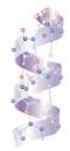 Peptide Bonds: Structure Peptide primary structure The amino acid sequence, from - to C-terminus, determines the primary structure of a peptide or protein. The amino acids are linked through amide or peptide
IV. -Amino Acids: carboxyl and amino groups bonded to -Carbon. V. Polypeptides and Proteins
 IV. -Amino Acids: carboxyl and amino groups bonded to -Carbon A. Acid/Base properties 1. carboxyl group is proton donor! weak acid 2. amino group is proton acceptor! weak base 3. At physiological ph: H
The peptide bond Peptides and proteins are linear polymers of amino acids. The amino acids are
 Introduction to Protein Structure Proteins are large heteropolymers usually comprised of 50 2500 monomer units, although larger proteins are observed 7. The monomer units of proteins are amino acids. The
Structure of proteins
 Structure of proteins Primary structure: is amino acids sequence or the covalent structure (50-2500) amino acids M.Wt. of amino acid=110 Dalton (56 110=5610 Dalton). Single chain or more than one polypeptide
http://faculty.sau.edu.sa/h.alshehri
 http://faculty.sau.edu.sa/h.alshehri Definition: Proteins are macromolecules with a backbone formed by polymerization of amino acids. Proteins carry out a number of functions in living organisms: - They
This class deals with the fundamental structural features of proteins, which one can understand from the structure of amino acids, and how they are
 This class deals with the fundamental structural features of proteins, which one can understand from the structure of amino acids, and how they are put together. 1 A more detailed view of a single protein
A. A peptide with 12 amino acids has the following amino acid composition: 2 Met, 1 Tyr, 1 Trp, 2 Glu, 1 Lys, 1 Arg, 1 Thr, 1 Asn, 1 Ile, 1 Cys
 Questions- Proteins & Enzymes A. A peptide with 12 amino acids has the following amino acid composition: 2 Met, 1 Tyr, 1 Trp, 2 Glu, 1 Lys, 1 Arg, 1 Thr, 1 Asn, 1 Ile, 1 Cys Reaction of the intact peptide
(c) How would your answers to problem (a) change if the molecular weight of the protein was 100,000 Dalton?
 Problem 1. (12 points total, 4 points each) The molecular weight of an unspecified protein, at physiological conditions, is 70,000 Dalton, as determined by sedimentation equilibrium measurements and by
Proteins the primary biological macromolecules of living organisms
 Proteins the primary biological macromolecules of living organisms Protein structure and folding Primary Secondary Tertiary Quaternary structure of proteins Structure of Proteins Protein molecules adopt
Combinatorial Biochemistry and Phage Display
 Combinatorial Biochemistry and Phage Display Prof. Valery A. Petrenko Director - Valery Petrenko Instructors Galina Kouzmitcheva and I-Hsuan Chen Auburn 2006, Spring semester COMBINATORIAL BIOCHEMISTRY
Conformational Properties of Polypeptide Chains
 Conformational Properties of Polypeptide Chains Levels of Organization Primary structure Amino acid sequence of the protein Secondary structure H bonds in the peptide chain backbone α helix and β sheets
Part A: Amino Acids and Peptides (Is the peptide IAG the same as the peptide GAI?)
 ChemActivity 46 Amino Acids, Polypeptides and Proteins 1 ChemActivity 46 Part A: Amino Acids and Peptides (Is the peptide IAG the same as the peptide GAI?) Model 1: The 20 Amino Acids at Biological p See
Protein Physics. A. V. Finkelstein & O. B. Ptitsyn LECTURE 1
 Protein Physics A. V. Finkelstein & O. B. Ptitsyn LECTURE 1 PROTEINS Functions in a Cell MOLECULAR MACHINES BUILDING BLOCKS of a CELL ARMS of a CELL ENZYMES - enzymatic catalysis of biochemical reactions
Invariant residue-a residue that is always conserved. It is assumed that these residues are essential to the structure or function of the protein.
 Chapter 6 The amino acid side chains have polar and nonpolar properties, and the relative hydrophobicity of the amino acid side chains is critical for the folding and stability of a protein. The more hydrophobic
Pipe Cleaner Proteins. Essential question: How does the structure of proteins relate to their function in the cell?
 Pipe Cleaner Proteins GPS: SB1 Students will analyze the nature of the relationships between structures and functions in living cells. Essential question: How does the structure of proteins relate to their
Introduction to Protein Folding
 Introduction to Protein Folding Chapter 4 Proteins: Three Dimensional Structure and Function Conformation - three dimensional shape Native conformation - each protein folds into a single stable shape (physiological
Hydrogen Bonds The electrostatic nature of hydrogen bonds
 Hydrogen Bonds Hydrogen bonds have played an incredibly important role in the history of structural biology. Both the structure of DNA and of protein a-helices and b-sheets were predicted based largely
Biological Molecules
 Biological Molecules I won t lie. This is probably the most boring topic you have ever done in any science. It s pretty much as simple as this: learn the material deal with it. Enjoy don t say I didn t
CSC 2427: Algorithms for Molecular Biology Spring 2006. Lecture 16 March 10
 CSC 2427: Algorithms for Molecular Biology Spring 2006 Lecture 16 March 10 Lecturer: Michael Brudno Scribe: Jim Huang 16.1 Overview of proteins Proteins are long chains of amino acids (AA) which are produced
4. Which carbohydrate would you find as part of a molecule of RNA? a. Galactose b. Deoxyribose c. Ribose d. Glucose
 1. How is a polymer formed from multiple monomers? a. From the growth of the chain of carbon atoms b. By the removal of an OH group and a hydrogen atom c. By the addition of an OH group and a hydrogen
PROTEINS THE PEPTIDE BOND. The peptide bond, shown above enclosed in the blue curves, generates the basic structural unit for proteins.
 Ca 2+ The contents of this module were developed under grant award # P116B-001338 from the Fund for the Improvement of Postsecondary Education (FIPSE), United States Department of Education. However, those
Disaccharides consist of two monosaccharide monomers covalently linked by a glycosidic bond. They function in sugar transport.
 1. The fundamental life processes of plants and animals depend on a variety of chemical reactions that occur in specialized areas of the organism s cells. As a basis for understanding this concept: 1.
Nafith Abu Tarboush DDS, MSc, PhD [email protected] www.facebook.com/natarboush
 Nafith Abu Tarboush DDS, MSc, PhD [email protected] www.facebook.com/natarboush α-keratins, bundles of α- helices Contain polypeptide chains organized approximately parallel along a single axis: Consist
FTIR Analysis of Protein Structure
 FTIR Analysis of Protein Structure Warren Gallagher A. Introduction to protein structure The first structures of proteins at an atomic resolution were determined in the late 1950 s. 1 From that time to
Lecture 19: Proteins, Primary Struture
 CPS260/BGT204.1 Algorithms in Computational Biology November 04, 2003 Lecture 19: Proteins, Primary Struture Lecturer: Pankaj K. Agarwal Scribe: Qiuhua Liu 19.1 The Building Blocks of Protein [1] Proteins
Shu-Ping Lin, Ph.D. E-mail: [email protected]
 Amino Acids & Proteins Shu-Ping Lin, Ph.D. Institute te of Biomedical Engineering ing E-mail: [email protected] Website: http://web.nchu.edu.tw/pweb/users/splin/ edu tw/pweb/users/splin/ Date: 10.13.2010
Structure Determination
 5 Structure Determination Most of the protein structures described and discussed in this book have been determined either by X-ray crystallography or by nuclear magnetic resonance (NMR) spectroscopy. Although
Myoglobin and Hemoglobin
 Myoglobin and Hemoglobin Myoglobin and hemoglobin are hemeproteins whose physiological importance is principally related to their ability to bind molecular oxygen. Myoglobin (Mb) The oxygen storage protein
INTRODUCTION TO PROTEIN STRUCTURE
 Name Class: Partner, if any: INTRODUCTION TO PROTEIN STRUCTURE PRIMARY STRUCTURE: 1. Write the complete structural formula of the tripeptide shown (frame 10). Circle and label the three sidechains which
Amino Acids, Proteins, and Enzymes. Primary and Secondary Structure Tertiary and Quaternary Structure Protein Hydrolysis and Denaturation
 Amino Acids, Proteins, and Enzymes Primary and Secondary Structure Tertiary and Quaternary Structure Protein Hydrolysis and Denaturation 1 Primary Structure of Proteins H 3 N The particular sequence of
Communicated March 31, 1951 CHR CHR CHR. *H* zz '" *H _ 0.-...H / k C,.. CHR CNR CHR CHR CHR *HN/' N 'H_N/' H_./ - H-(H.
 VOL. 37, 1951 CHEMISTR Y: PA ULING AND COREY 251 THE PLEATED SHEET, A NEW LAYER CONFIGURATION OF POL YPEPTIDE CHAINS BY LINUS PAULING AND ROBERT B. COREY GATES AND CRELLIN LABORATORIES OF CHEMISTRY,* CALIFORNIA
Role of Hydrogen Bonding on Protein Secondary Structure Introduction
 Role of Hydrogen Bonding on Protein Secondary Structure Introduction The function and chemical properties of proteins are determined by its three-dimensional structure. The final architecture of the protein
Carbohydrates, proteins and lipids
 Carbohydrates, proteins and lipids Chapter 3 MACROMOLECULES Macromolecules: polymers with molecular weights >1,000 Functional groups THE FOUR MACROMOLECULES IN LIFE Molecules in living organisms: proteins,
The Organic Chemistry of Amino Acids, Peptides, and Proteins
 Essential rganic Chemistry Chapter 16 The rganic Chemistry of Amino Acids, Peptides, and Proteins Amino Acids a-amino carboxylic acids. The building blocks from which proteins are made. H 2 N C 2 H Note:
Paper: 6 Chemistry 2.130 University I Chemistry: Models Page: 2 of 7. 4. Which of the following weak acids would make the best buffer at ph = 5.0?
 Paper: 6 Chemistry 2.130 University I Chemistry: Models Page: 2 of 7 4. Which of the following weak acids would make the best buffer at ph = 5.0? A) Acetic acid (Ka = 1.74 x 10⁻⁵ ) B) H 2 PO - 4 (Ka =
Lecture 13-14 Conformation of proteins Conformation of a protein three-dimensional structure native state. native condition
 Lecture 13-14 Conformation of proteins Conformation of a protein refers to the three-dimensional structure in its native state. There are many different possible conformations for a molecule as large as
A disaccharide is formed when a dehydration reaction joins two monosaccharides. This covalent bond is called a glycosidic linkage.
 CH 5 Structure & Function of Large Molecules: Macromolecules Molecules of Life All living things are made up of four classes of large biological molecules: carbohydrates, lipids, proteins, and nucleic
Covalent bonds are the strongest chemical bonds contributing to the protein structure A peptide bond is formed between with of the following?
 MCAT Question Covalent bonds are the strongest chemical bonds contributing to the protein structure A peptide bond is formed between with of the following? A. Carboxylic group and amino group B. Two carboxylic
Chapter 16 Amino Acids, Proteins, and Enzymes
 Chapter 16 Amino Acids, Proteins, and Enzymes 1 Functions of Proteins Proteins in the body are polymers made from 20 different amino acids differ in characteristics and functions that depend on the order
Lecture Overview. Hydrogen Bonds. Special Properties of Water Molecules. Universal Solvent. ph Scale Illustrated. special properties of water
 Lecture Overview special properties of water > water as a solvent > ph molecules of the cell > properties of carbon > carbohydrates > lipids > proteins > nucleic acids Hydrogen Bonds polarity of water
The Molecules of Cells
 The Molecules of Cells I. Introduction A. Most of the world s population cannot digest milk-based foods. 1. These people are lactose intolerant because they lack the enzyme lactase. 2. This illustrates
Chemical Bonds and Groups - Part 1
 hemical Bonds and Groups - Part 1 ARB SKELETS arbon has a unique role in the cell because of its ability to form strong covalent bonds with other carbon atoms. Thus carbon atoms can join to form chains.
Structure and properties of proteins. Vladimíra Kvasnicová
 Structure and properties of proteins Vladimíra Kvasnicová Chemical nature of proteins biopolymers of amino acids macromolecules (M r > 10 000) Classification of proteins 1) by localization in an organism
Proteins. Proteins. Amino Acids. Most diverse and most important molecule in. Functions: Functions (cont d)
 Proteins Proteins Most diverse and most important molecule in living i organisms Functions: 1. Structural (keratin in hair, collagen in ligaments) 2. Storage (casein in mother s milk) 3. Transport (HAEMOGLOBIN!)
Chapter 3 Molecules of Cells
 Bio 100 Molecules of cells 1 Chapter 3 Molecules of Cells Compounds containing carbon are called organic compounds Molecules such as methane that are only composed of carbon and hydrogen are called hydrocarbons
Polypeptides and Proteins
 Polypeptides and Proteins These molecules are composed, at least in part, of chains of amino acids. Each amino acid is joined to the next one through an amide or peptide bond from the carbonyl carbon of
--not necessarily a protein! (all proteins are polypeptides, but the converse is not true)
 00Note Set 5b 1 PEPTIDE BONDS AND POLYPEPTIDES OLIGOPEPTIDE: --chain containing only a few amino acids (see tetrapaptide, Fig 5.9) POLYPEPTIDE CHAINS: --many amino acids joined together --not necessarily
Exam 4 Outline CH 105 Spring 2012
 Exam 4 Outline CH 105 Spring 2012 You need to bring a pencil and your ACT card. Chapter 24: Lipids 1. Describe the properties and types of lipids a. All are hydrophobic b. Fatty acid-based typically contain
Amino Acids and Proteins
 Amino Acids and Proteins Proteins are composed of amino acids. There are 20 amino acids commonly found in proteins. All have: N2 C α R COO Amino acids at neutral p are dipolar ions (zwitterions) because
Peptide Bond Amino acids are linked together by peptide bonds to form polypepetide chain.
 Peptide Bond Peptide Bond Amino acids are linked together by peptide bonds to form polypepetide chain. + H 2 O 2 Peptide bonds are strong and not broken by conditions that denature proteins, such as heating.
Amino Acids, Peptides, Proteins
 Amino Acids, Peptides, Proteins Functions of proteins: Enzymes Transport and Storage Motion, muscle contraction Hormones Mechanical support Immune protection (Antibodies) Generate and transmit nerve impulses
Ionization of amino acids
 Amino Acids 20 common amino acids there are others found naturally but much less frequently Common structure for amino acid COOH, -NH 2, H and R functional groups all attached to the a carbon Ionization
Structure and Function of DNA
 Structure and Function of DNA DNA and RNA Structure DNA and RNA are nucleic acids. They consist of chemical units called nucleotides. The nucleotides are joined by a sugar-phosphate backbone. The four
Papers listed: Cell2. This weeks papers. Chapt 4. Protein structure and function
 Papers listed: Cell2 During the semester I will speak of information from several papers. For many of them you will not be required to read these papers, however, you can do so for the fun of it (and it
CHAPTER 29 AMINO ACIDS, POLYPEPTIDES, AND PROTEINS SOLUTIONS TO REVIEW QUESTIONS
 APTER 29 AMI AIDS, PLYPEPTIDES, AD PRTEIS SLUTIS T REVIEW QUESTIS 1. The designation, α, means that the amine group in common amino acids is connected to the carbon immediately adjacent to the carboxylic
Worksheet 13.1. Chapter 13: Human biochemistry glossary
 Worksheet 13.1 Chapter 13: Human biochemistry glossary α-helix Refers to a secondary structure of a protein where the chain is twisted to form a regular helix, held by hydrogen bonds between peptide bonds
Chapter 05 The Three-Dimensional Structure of Proteins
 Chapter 05 The Three-Dimensional Structure of Proteins The covalent backbone of a typical protein contains hundreds of individual bonds. Because free rotation is possible around many of these bonds, the
2007 7.013 Problem Set 1 KEY
 2007 7.013 Problem Set 1 KEY Due before 5 PM on FRIDAY, February 16, 2007. Turn answers in to the box outside of 68-120. PLEASE WRITE YOUR ANSWERS ON THIS PRINTOUT. 1. Where in a eukaryotic cell do you
Chapter 5: The Structure and Function of Large Biological Molecules
 Name Period Concept 5.1 Macromolecules are polymers, built from monomers 1. The large molecules of all living things fall into just four main classes. Name them. 2. Circle the three classes that are called
Section I Using Jmol as a Computer Visualization Tool
 Section I Using Jmol as a Computer Visualization Tool Jmol is a free open source molecular visualization program used by students, teachers, professors, and scientists to explore protein structures. Section
Amino Acids as Acids, Bases and Buffers:
 Amino Acids as Acids, Bases and Buffers: - Amino acids are weak acids - All have at least 2 titratable protons (shown below as fully protonated species) and therefore have 2 pka s o α-carboxyl (-COOH)
Proteins and Nucleic Acids
 Proteins and Nucleic Acids Chapter 5 Macromolecules: Proteins Proteins Most structurally & functionally diverse group of biomolecules. : o Involved in almost everything o Enzymes o Structure (keratin,
8/20/2012 H C OH H R. Proteins
 Proteins Rubisco monomer = amino acids 20 different amino acids polymer = polypeptide protein can be one or more polypeptide chains folded & bonded together large & complex 3-D shape hemoglobin Amino acids
Structures of Proteins. Primary structure - amino acid sequence
 Structures of Proteins Primary structure - amino acid sequence Secondary structure chain of covalently linked amino acids folds into regularly repeating structures. Secondary structure is the result of
PROTEINS STRUCTURE AND FUNCTION (DR. TRAISH)
 Introduction to Proteins - Proteins are abundant and functionally diverse molecules - They participate in cell regulation at all levels - They share a common structural feature: all are linear polymers
Refinement of a pdb-structure and Convert
 Refinement of a pdb-structure and Convert A. Search for a pdb with the closest sequence to your protein of interest. B. Choose the most suitable entry (or several entries). C. Convert and resolve errors
How To Understand The Chemistry Of Organic Molecules
 CHAPTER 3 THE CHEMISTRY OF ORGANIC MOLECULES 3.1 Organic Molecules The chemistry of carbon accounts for the diversity of organic molecules found in living things. Carbon has six electrons, four of which
Molecular Models Experiment #1
 Molecular Models Experiment #1 Objective: To become familiar with the 3-dimensional structure of organic molecules, especially the tetrahedral structure of alkyl carbon atoms and the planar structure of
Acidic amino acids: Those whose side chains can carry a negative charge at certain ph values. Typically aspartic acid, glutamic acid.
 A Acidic amino acids: Those whose side chains can carry a negative charge at certain ph values. Typically aspartic acid, glutamic acid. Active site: Usually applied to catalytic site of an enzyme or where
K'NEX DNA Models. Developed by Dr. Gary Benson Department of Biomathematical Sciences Mount Sinai School of Medicine
 KNEX DNA Models Introduction Page 1 of 11 All photos by Kevin Kelliher. To download an Acrobat pdf version of this website Click here. K'NEX DNA Models Developed by Dr. Gary Benson Department of Biomathematical
Chapter 5. The Structure and Function of Macromolecule s
 Chapter 5 The Structure and Function of Macromolecule s Most Macromolecules are polymers: Polymer: (poly: many; mer: part) Large molecules consisting of many identical or similar subunits connected together.
Steffen Lindert, René Staritzbichler, Nils Wötzel, Mert Karakaş, Phoebe L. Stewart, and Jens Meiler
 Structure 17 Supplemental Data EM-Fold: De Novo Folding of α-helical Proteins Guided by Intermediate-Resolution Electron Microscopy Density Maps Steffen Lindert, René Staritzbichler, Nils Wötzel, Mert
In addition to being shorter than a single bond, the double bonds in ethylene don t twist the way single bonds do. In other words, the other atoms
 In addition to being shorter than a single bond, the double bonds in ethylene don t twist the way single bonds do. In other words, the other atoms attached to the carbons (hydrogens in this case) can no
Structural Bioinformatics (C3210) Experimental Methods for Macromolecular Structure Determination
 Structural Bioinformatics (C3210) Experimental Methods for Macromolecular Structure Determination Introduction Knowing the exact 3D-structure of bio-molecules is essential for any attempt to understand
Lectures 2 & 3. If the base pair is imbedded in a helix, then there are several more angular attributes of the base pair that we must consider:
 Lectures 2 & 3 Patterns of base-base hydrogen bonds-characteristics of the base pairs How are double helices assembled?? Figure 13 Let us first examine the angular characteristics of base pairs. Figure
AP BIOLOGY 2008 SCORING GUIDELINES
 AP BIOLOGY 2008 SCORING GUIDELINES Question 1 1. The physical structure of a protein often reflects and affects its function. (a) Describe THREE types of chemical bonds/interactions found in proteins.
I N V E S T I C E D O R O Z V O J E V Z D Ě L Á V Á N Í
 I V E S T I E D Z V J E V Z D Ě L Á V Á Í AMIAIDS PEPTIDES AMIAIDS = substitutional/functional derivatives of carboxylic acids = basic units of proteins (2-aminoacids) General formula of 2-aminoacids (α-aminoacids):
Chemistry 110. Bettelheim, Brown, Campbell & Farrell. Introduction to General, Organic and Biochemistry Chapter 22 Proteins
 hemistry 110 Bettelheim, Brown, ampbell & Farrell Ninth Edition Introduction to General, rganic and Biochemistry hapter 22 Proteins Step-growth polyamide (polypeptide) polymers or oligomers of L-α-aminoacids.
1 The water molecule and hydrogen bonds in water
 The Physics and Chemistry of Water 1 The water molecule and hydrogen bonds in water Stoichiometric composition H 2 O the average lifetime of a molecule is 1 ms due to proton exchange (catalysed by acids
Phase determination methods in macromolecular X- ray Crystallography
 Phase determination methods in macromolecular X- ray Crystallography Importance of protein structure determination: Proteins are the life machinery and are very essential for the various functions in the
Chemical Basis of Life Module A Anchor 2
 Chemical Basis of Life Module A Anchor 2 Key Concepts: - Water is a polar molecule. Therefore, it is able to form multiple hydrogen bonds, which account for many of its special properties. - Water s polarity
1 Peptide bond rotation
 1 Peptide bond rotation We now consider an application of data mining that has yielded a result that links the quantum scale with the continnum level electrostatic field. In other cases, we have considered
NO CALCULATORS OR CELL PHONES ALLOWED
 Biol 205 Exam 1 TEST FORM A Spring 2008 NAME Fill out both sides of the Scantron Sheet. On Side 2 be sure to indicate that you have TEST FORM A The answers to Part I should be placed on the SCANTRON SHEET.
Structure Check. Authors: Eduard Schreiner Leonardo G. Trabuco. February 7, 2012
 University of Illinois at Urbana-Champaign NIH Resource for Macromolecular Modeling and Bioinformatics Beckman Institute Computational Biophysics Workshop Structure Check Authors: Eduard Schreiner Leonardo
Sickle cell anemia: Altered beta chain Single AA change (#6 Glu to Val) Consequence: Protein polymerizes Change in RBC shape ---> phenotypes
 Protein Structure Polypeptide: Protein: Therefore: Example: Single chain of amino acids 1 or more polypeptide chains All polypeptides are proteins Some proteins contain >1 polypeptide Hemoglobin (O 2 binding
H H N - C - C 2 R. Three possible forms (not counting R group) depending on ph
 Amino acids - 0 common amino acids there are others found naturally but much less frequently - Common structure for amino acid - C, -N, and functional groups all attached to the alpha carbon N - C - C
PHYSIOLOGY AND MAINTENANCE Vol. II - On The Determination of Enzyme Structure, Function, and Mechanism - Glumoff T.
 ON THE DETERMINATION OF ENZYME STRUCTURE, FUNCTION, AND MECHANISM University of Oulu, Finland Keywords: enzymes, protein structure, X-ray crystallography, bioinformatics Contents 1. Introduction 2. Structure
Biochemistry 462a Hemoglobin Structure and Function Reading - Chapter 7 Practice problems - Chapter 7: 1-6; Proteins extra problems
 Biochemistry 462a Hemoglobin Structure and Function Reading - Chapter 7 Practice problems - Chapter 7: 1-6; Proteins extra problems Myoglobin and Hemoglobin Oxygen is required for oxidative metabolism
Lecture 26: Overview of deoxyribonucleic acid (DNA) and ribonucleic acid (RNA) structure
 Lecture 26: Overview of deoxyribonucleic acid (DNA) and ribonucleic acid (RNA) structure Nucleic acids play an important role in the storage and expression of genetic information. They are divided into