
Decay Process of a Cadaver
|
|
|
- Hilary Goodman
- 10 years ago
- Views:
Transcription
1 Decay Process of a Cadaver 85 Chapter 5 Decay Process of a Cadaver João Pinheiro Summary Because forensic anthropologists and pathologists can be confronted in their professional practices with bodies or mortal remains in different states of preservation and/or decay, it is essential for this book to have a chapter that fully documents the pathway of a body from its death until disintegration. The different ways a corpse can progress from putrefaction directly (or not) to skeletonization, passing through conservation processes such as saponification or mummification are presented here, always taking into account the forensic relevance of each stage, the time and conditions needed, as well as the duration. Full, illustrated examples of cases that have contributed to solve forensic questions are provided. Factors that might influence the speed of putrefaction and the interrelations through chemical reactions between these processes are also debated. Key Words: Decay; decomposition; putrefaction; saponification; adipocere; mummification; skeletonization; disarticulation; forensic; autopsies. 1. INTRODUCTION It is common for forensic anthropologists and pathologists to be confronted in their professional practice with bodies or human remains states of preservation and/or decay that are not entirely to their liking, such states being outside their knowledge and experience. The forensic pathologist generally feels more at ease with a fresh body, whereas the forensic anthropologist would certainly prefer to work with dry bones. Ideally, the forensic anthropologist From Forensic Anthropology and Medicine: Complementary Sciences From Recovery to Cause of Death Edited by: A. Schmitt, E. Cunha, and J. Pinheiro Humana Press Inc., Totowa, NJ 85

2 86 Pinheiro should always be called whenever a body appears whose morphological characteristics do not permit any identification. Such cases are usually in an advanced state of decay: with adipocere, mummified, carbonized, skeletonized, or with a mixture of all of these. Indeed, the same cadaver may reveal various states of preservation at the same time. This fact is closely connected to the different transformations that may take place in a body from the moment of death to skeletonization, upon the action of various extrinsic and intrinsic factors, which are analyzed here. For this reason, it is fundamental that the pathologist has prior knowledge of the various alterations that take place postmortem (the object of the study of forensics called taphonomy). These alterations particularly affect the soft tissues, and are decisive not only for the time taken for skeletonization to occur, but also for the state of preservation of the cadaver (1). Between a fresh cadaver and a heap of loose bones, there are a series of stages of decomposition and/or preservation that may occur when the environmental conditions are right. Various authors have drawn attention to the need to understand this process (2,3), whereas some of the definitions of forensic anthropology itself, such as the one of Bass (4), presuppose the existence of cases other than those skeletonized: the science that focuses principally on the identification of remains that are more or less skeletonized, in the legal context. This journey along the taphonomic process will certainly be useful in its earlier stages for anthropologists that are not used to working with almostfresh cadavers, and in the final phase (skeletonization) for pathologists, who are normally not too fond of working with bones. 2. DECOMPOSITION The process by means of which a cadaver becomes a skeleton, through the destruction of the soft tissue, is quite complex. In discussing the decomposition process, it is important to remember that, as with everything in biology, the exception is the rule, or rather, that there are no two individuals alike, nor any two decomposition processes alike. This is why this stage can be difficult. The decomposition of a body is a mixed process that varies from cellular autolysis by endogenous chemical destruction to tissue autolysis, by either the release of enzymes or external processes, resulting from the bacteria and fungus in the intestines or from outside (5). Predators, ranging from insects to mammals, participate in the process and may accelerate it. It can therefore be said, with Di Maio (6), that decomposition involves autolysis (the destruction of cells and organs by an aseptic chemical process) and putrefaction (because

3 Decay Process of a Cadaver 87 of bacteria and fermentation). Thus, whereas common sense understands decomposition to be synonymous with putrefaction, in the forensic context, it has a much broader meaning, covering all stages from the moment of death to the dissolution of all body parts. It is a process that varies greatly from body to body, environment to environment, according to whether the body is clothed or naked, the circumstances of the death and the place where the body is found, the climate, and so forth. For example, it is known that putrefaction occurs much faster in bodies that are left in the open air than those immersed in water, whereas buried bodies decay at a much slower rate (7 9). In these cases, factors such as the length of time before the body was buried (thus allowing putrefaction to begin), the temperature at the site, the presence or absence of oxygen, the depth of the body, topography of the soil (rather than its composition), and the type of coffin used, considerably affect the speed of decomposition (6). However, whereas many exhumations have little to offer to certain investigations, this should not devalue their importance. Indeed, this can never be anticipated, because there are cases in which bodies are in truly surprising states of conservation. In an autopsy performed by the author, it was possible, some months after the burial, to undertake a detailed examination, entirely unexpectedly, of a spontaneous brain hemorrhage in a body that had been buried in winter in an area of harsh climate (atmospheric temperatures between 3 and 10 C). Decomposition may also vary within the same cadaver, with some parts of the body showing adipocere, other parts mummified, and still others only putrefied (Fig. 1). This will depend on the different microenvironments that develop around them, in accordance with the place where they are found. There are also various possible interconnections between these states, which makes it difficult to estimate the date of death. The calculation of the postmortem interval (PMI), one of the most controversial and difficult problems in legal medicine, becomes more acute in cases of decomposition. Excluding the precious assistance provided by forensic entomology (a separate discipline that is not dealt with here), various methods have been used to calculate this interval, while of course taking into account the subjective nature of the individual assessment. Prieto (9) lists the evaluation of biomarkers like lipids, nitrogen, amino acid content, neurotransmitters, decompositional byproducts, persistence of blood remnants in bone tissue; extent of DNA deterioration; changes sustained by microanatomical skeletal structure; and carbon 14. Others have tried to study the variations of factors that influence decomposition in certain cases, either prospectively (through the formation of adipocere [10,11]) or retrospectively (by analyzing cases that have already been solved in order to study particularly extrinsic factors that affect it [9,12]).

4 88 Pinheiro Fig. 1. Coexistence of three states of decomposition in the same body: skeletonization of the head, adipocere in the trunk organs, and mummification of the limbs. Note skin s leathery appearance. The body belongs to a 93-yr-old woman found facedown in the countryside, whose positive identification was achieved. Cause of death was ascertained. In all cases, and despite the relevance of some of these methods, the establishment of PMI continues, for most pathologists, to be based on individual analysis and experience obtained in similar cases. And, whereas it is legitimate to suggest a date for past populations with some margin of variation, it is always very difficult to risk a prognosis in forensic cases, because there are so many factors involved, and the range of variation is so broad. This is supported by a number of authors (8,10 13), who, because of the multiplicity of factors involved, find it impossible to attribute a credible time interval for each of the stages of decomposition.

5 Decay Process of a Cadaver 89 Fig. 2. Steps of body decomposition. (Adapted from ref. 5.) What can be done, of course, when required for a particular decomposition process, is to indicate the time suggested in the literature and validated by experience as necessary for each of the processes to take place, and from this, it is possible to get an idea of the PMI. After death, most bodies that have not been embalmed will start putrefying quickly and will liquefy in some time, leaving only the skeleton (Fig. 2). Others, however, may pass through some of the preservation processes mentioned previously (mummification, saponification), interchangeable among themselves, which will lead eventually to skeletonization. A skeletonized body will tend to disintegrate, or alternatively, to fossilize, a process that may take millions of years. Figure 2 shows this process of decomposition, which will be discussed, as far as disaggregation or fossilization is concerned Putrefaction Putrefaction is usually the first stage of decomposition, although it is not always found, and consists of the gradual dissolution of the tissues to gases,

6 90 Pinheiro liquids, and salts (7). Not only is it the subject of numerous publications, it is also covered in any book about legal medicine and forensic pathology. Many authors distinguish phases and stages in the putrefaction process, some of which are based on the study of the decomposition of animal carcasses. For example, Shean et al. (14) distinguish 4 phases (decomposition of the soft tissue, exposure of bone, remains only with connective tissue, and bone only) that are broken down into 15 stages, whereas Galloway et al. (15) distinguish 5 phases and 21 stages, to cite only some. Others describe these stages with great temporal precision, which, although revealing great erudition and being very successful in lessons or lectures, are inadequate for practical application given the enormous variability of the development of this process. These discrepancies between suggested periods and phases of decomposition, along with the study of animals, naturally limit the value of these findings. In the author s opinion, what is much more important than knowing the stage of putrefaction, or how long it has taken to get there, is the ability to recognize the elements that characterize clearly and objectively the stage of putrefaction, and the artifacts that this may induce, and to know its potential and limits in terms of thanatological research. Therefore, described here chronologically are the alterations undergone by a body after the death, in a place with temperate weather. It should be emphasized that the times mentioned are merely indications and in no way exact because some of the characteristics described may appear considerably earlier or later than suggested FIRST WEEK One of the earliest signs of putrefaction is the discoloration of the lower abdominal wall in the right iliac fossa because of the proximity of the cecum to the surface. Intestinal bacteria break down the hemoglobin into sulfohemoglobin and other colored pigments (the green abdominal stain, as it is known in some countries), which extends from the right iliac fossa to the whole of the abdomen and thorax (Fig. 3). These bacteria are also responsible for the formation of gases, provoking edema of the face and neck. The gases released in this process (sulfuretted hydrogen, phosphoretted hydrogen, methane, carbon dioxide, ammonia and hydrogen (7), and some mercaptans) are responsible for the unpleasant odor that is characteristic of these bodies. Other effects produced by gases include a marked increase in the volume of the abdomen, which is under tension, and of the scrotum and penis, which may gain extraordinary dimensions. The face and neck also increase greatly, with protrusion of the eyes and tongue, making identification difficult.

7 Decay Process of a Cadaver 91 Fig. 3. The colors of putrefaction: abdominal green, which had begun in the right inguinal region; red marbling, typically on the lateral part of the trunk, shoulders, and upper limbs; reddish, purplish of the putrefactive phlyctenae. Note the skin slippage. (See ebook for color version of this figure.) The phenomenon known as marbling in Anglo-Saxon literature (or Brouardel s posthumous circulation, as it is better known in the Latin countries), which results from the colonization of the venous system by intestinal bacteria that hemolyze the blood, is very characteristically found at this time. It appears on the thighs and sidewalls of the abdomen, chest, and shoulders (see Fig. 3), first with a reddish color and, later, green. Skin blisters containing reddish purplish serous liquid erupt in the sloping regions (see Figs. 3 and 9). These should be distinguished from the phlyctenae that result from burns; phlyctenae containing a serous liquid are of course characteristic of second-degree burns, but they are usually surrounded by an erythematous ring, something that is not found in putrefactive blisters. The epidermis becomes fragile and tears easily, which means that it may come off in large areas, leaving the red dermis visible, similar to what happens with first- and second-degree burns (Fig. 4). Such patches may also be caused by the bursting of the phlyctenae, when these are large and contain liquid under pressure. The skin may also come off on the fingertips, which, of course, hinders the taking of fingerprints.

8 92 Pinheiro Fig. 4. Skin slippage, leaving the dermis visible. For the inexperienced, this can be confused with second-degree burns. On both hands and feet, and like burns or drowning, the skin can be removed like a glove. Fingerprints will then be difficult to obtain. In hairy areas, hairs will come off at the slightest pressure. This phase of putrefaction may also provide some curious aspects, such as the gloves made of skin on the hands (see Fig. 4), or the use of the hair by birds for nest building (6) SECOND AND THIRD WEEKS The increase of pressure on the abdomen produced by putrefactive gases leads to the ejection of feces and urine, and there have been cases described of uterine prolapse, and even of a postmortem birth (5,7). This pressure also leads to the expulsion of liquids from any orifice, particularly in the early stages, from the mouth and nostrils. As this liquid is often bloody, it can lead to complications for differential diagnosis because inexperienced pathologists may confuse these cases with cases of violent death (Fig. 5). Tracheobronchial foam may also be produced by the same mechanism that creates a mixture of air with the tracheobronchial liquids. Internally, small gas bubbles are frequently found in the soft viscera, giving these organs a foamy appearance.

9 Decay Process of a Cadaver 93 Fig. 5. Purging of a bloody liquid from nostrils because of the gaseous dilatation of the abdomen. Note the abrasions under the breasts, which could be erroneously considered antemortem, but were produced, in fact, by skin pressure with postmortem exsiccation FOLLOWING WEEKS The green color gradually darkens to black, making identification even more difficult. The association of this with edema and the formation of gas in the head lead to an increase in its size and the flattening of anatomical prominences, causing an africanization of features, known in some places as blackman s head (Fig. 6). This phenomenon may arise, however, much earlier. The swelling of the face, in fact, begins immediately in the first week, depending on environmental conditions, and is accompanied by protrusion of the tongue between the dental arches.

10 94 Pinheiro Fig. 6. Stage of advanced putrefaction with gaseous bloating and larval infestation, causing obvious problems in the identification of the victims. The cadaver in this state gives the impression of being a very heavy individual. However, this is a false impression because it is effectively the volume that is increased and not the weight, which may even be reduced because of the presence of the gases (6). This phase coincides with infestation by maggots, which dig holes and pathways in the skin and tissues, opening up routes for other bacteria from the environment (Fig. 7). The combined action of the proteolytic enzymes of the maggots and the voracious appetite of other predators greatly accelerates putrefaction at this stage Organs Internal decomposition takes place at a slower pace, and it is sometimes surprising how many diagnostic elements may be collected from a cadaver whose state of putrefaction appears to have little to reveal. It is commonplace to say that putrefaction is the greatest enemy of the pathologist. However, this unquestionable truth is often counteracted by fortunate exceptions, which justifies using all the rigor and detail normally demanded by a standard autopsy for these cadavers as well. The frequently given excuse that there is no point in taking the necropsy or dissection much further because the putrefied

11 Decay Process of a Cadaver 95 Fig. 7. Maggots digging holes and sinuses via proteolytic enzymes, opening the access to external bacteria that will speed up the putrefaction process. body has little forensic value, is largely the result of the chronic laziness of some professionals. The proliferation of microbes leads the internal organs and internal vessels to acquire a winey purplish hue, although some organs, such as the liver or stomach, may more commonly be a dark brownish green. Putrefaction takes place at this level at different speeds: 1. The intestines, suprarenal glands, and spleen may putrefy in hours. 2. The encephalon discolors, becoming grayish pink and liquefies in about 1 mo (Fig. 8); signs of brain disease disappear (e.g., meningeal hemorrhages, tumors). 3. The heart is moderately resistant. The coronary arteries remain visible for many months, allowing the diagnosis of valve and coronary disorders, and coronary thromboses in necropsies that seem doomed to failure, a circumstance that is well known among pathologists that work daily in the autopsy rooms. 4. Kidneys, lungs, and bladder are also resistant (Fig. 8). 5. The prostate and uterus are the least vulnerable. The capsules of the kidney, spleen, and liver resist putrefaction more than their respective parenchymas, and these organs transform into sacs

12 96 Pinheiro Fig. 8. Encephalon (from another case) discolors (grayish) and liquefies in 15 d to 1 mo, depending on the conditions involved. However, heart, lungs, and (especially) kidneys moderately resist putrefaction. These belong to the body of a girl in adipocere, buried in soil for approx 2.5 mo (the same as in Fig. 11). containing a pasty liquid, winey red in color, which will later burst, making it then impossible to recognize the organs. These different rates of decay of the organs may be proportional to the amount of muscular and conjunctive tissue they contain, according to some authors, cited by Gordon et al. (7).

13 Decay Process of a Cadaver LATER ALTERATIONS (MONTHS) The viscera and soft tissues disintegrate, whereas organs such as the uterus, heart, and prostate last longer, as do tendon tissues and ligaments attached to the bones. The body will then finally enter into the phase of skeletonization, depending on the place where it is found and the season of the year. Some fragments of skin, protected by clothing or that come between the body and the support surface, may remain preserved, mummified, or with adipocere (see Fig. 1) PUTREFACTION OF A BODY EXPOSED TO THE AIR The rate at which a body decomposes is extremely variable. In the author s experience, for the bodies of patients who have died in the hospital in the summer and are not refrigerated (Portugal has a temperate, Mediterranean climate), a single afternoon is enough for the process to start. In fact, the earlier it starts, the faster it will be. Various factors influence the speed of putrefaction: the atmospheric temperature and humidity level (10), the movement of air, state of hydration of the tissues and nutritional state of the victim, age, and respective cause of death (5,7). Thus, low temperatures, which inhibit the growth of bacteria, retard the process considerably. The optimum temperature for the activation of bacteria responsible for putrefaction is 37.5 C (7). In a simultaneous double homicide autopsied by the author, the effect of temperature on the rate of putrefaction in each of the corpses found at home was clearly perceptible (Fig. 9). Exposure to warm humid air, and the movement of this, also accelerates putrefaction (7). In tissues that are greatly hydrated, with a higher liquid content, such as occurs in cases of deaths through chronic congestive heart failure, putrefaction is faster. Victims who are dehydrated or who had suffered from vomiting and diarrhea resist much longer. The process is faster in children than in adults and also in more obese people than in thinner individuals (6,7). However, newborn infants show some resistance to the start of the process. Di Maio (7) claims that bodies wearing heavy clothes putrefy more quickly than those that are more lightly dressed, whereas other authors stress that a clothed body decomposes less quickly than a naked one (15). It is also necessary to take into account the kind of fiber that is used in the clothing, whether natural or synthetic. Of course, someone who dies of septicemia or from some acute infection will already contain a proliferation of bacteria, which means that the

14 98 Pinheiro Fig. 9. Different stages of putrefaction observed in two bodies, both shot at home and recovered 3 d after the crime, on a moderate winter day. The man on the top had a heater working near him; the girl lay on the floor of her bedroom, without any source of heating. process will be significantly accelerated. This acceleration will be greater in the trunk than in the limbs, certainly for the same reason (that is, the absence of bacteria in the muscular tissue of the limbs, as opposed to the abundance in the organs of the trunk, especially the abdomen). The presence of traumatic lesions caused by a blunt instrument or firearm may also affect the speed of decomposition (15), in that they open up holes through which air and insects may enter. Flies, however, tend to prefer the natural openings.

15 Decay Process of a Cadaver 99 Fig. 10. Decomposition in water showing the first signs of adipocere in a victim drowned in the central Atlantic Ocean for 8 d: a white, waxy appearance, complete slippage, without hair. Note the little injuries on the posterior head, without bloody infiltration, meaning a postmortem lesion by teeth of marine predators. The detail shows the colonization of the larynx by known comestible marine predators: mussels, goose barnacles, crabs DECOMPOSITION OF AN IMMERSED BODY As has already been mentioned, decomposition is slower in water than for a body exposed to the air, because of both the lower temperatures and degree of protection that the water offers from insects and predatory mammals. However, one should not forget that there are also sea and bird predators whose action, in exposing areas of adipose tissue to the water, also promotes adipocere (Fig. 10). Normally, a body floats head down because the head does not develop gas formation as easily as the abdomen or thorax, which causes fluids to gravitate to the head. This means that putrefaction is more visible on the face and front of the neck, making identification more difficult. The appearance is also significantly different from a putrefied body because it is frequently associated with saponification, with a general peeling of the skin, and accentuated white coloring (see Fig. 10). Bodies acquire a waxy white

16 100 Pinheiro Fig. 11. Buried corpses decay at much slower rate than immersed or air exposed bodies. Observe the excellent preservation of the body of a girl, after 2.5 mo of burying, conserved in adipocere. Note the unexpected detail of the toes. hue, and the appearance of the head without hair makes it difficult to identify; indeed, some professionals have been ill advisedly led to believe that such cases had been subjected to oncological therapies. Because of the putrefactive process, the bodies float continuously, even when they have been attached with stones for example, to make them sink to the bottom (see Fig. 12). Putrefaction is also faster in warmer stagnant waters that contain decomposing organic matter, such as industrial effluents, and so forth. It is also faster in fresh water than in saltwater (7). Some authors (5,8) contest this last point, however, on the grounds that bacterial colonization results much more from bacteria in the digestive tract and airways of the victim than from the aquatic flora. Finally, as soon as the body has been removed from the water, putrefaction accelerates considerably DECOMPOSITION AFTER BURIAL It has been demonstrated that this is the process in which putrefaction advances least, in relation to bodies left in the open air or in the water (Fig. 11). For this reason, in some Brazilian states with scarce resources where there are no conditions of refrigeration, the medicolegal services bury the bodies in order to prevent them from decaying, exhuming them some days

17 Decay Process of a Cadaver 101 later when the autopsy may be carried out. Thus, the soil functions as a kind of primitive refrigeration chamber. This slower rate of decomposition is for obvious reasons: the absence of air, inaccessibility to predators, and low temperature. The time taken before burial also affects the whole process. If putrefaction had not yet begun, the body will remain in a better state of preservation than if the process had already gotten underway. The kind of soil and depth at which a body is buried are also factors to be taken into account. The process is faster in damp, porous soils and in bodies that are buried near the surface (5,7,8). The topography of the land is, however, more important than the type of terrain. If the body is buried in a valley or below the water table, the action of water will also be felt (5,8). Bodies buried deeply in coffins decompose more slowly that when they are in shallow graves the temperatures are lower, there is less air, and they are less affected by water (5,7,8). The type of coffin also influences the decomposition process. Laminated wooden coffins rot quickly, whereas those made of zinc or lead offer better protection Adipocere The formation of adipocere is a natural preservation process that has been known for centuries. Its name, attributed to Fourcroy in 1789, comes from the combination of the Latin adipo- (fat) and cera (wax) (5). This process, which some wrongly consider as a part of putrefaction (6,7), is known as saponification. It is a variable and irregular process, only occasionally involving the whole body, which results from the hydrolysis and hydrogenation of the adipose tissue. This produces a waxy, fatty substance that is brittle; in color, it is yellowish off-white (see Figs. 11 and 12), although when stained by decayed matter or blood, may acquire reddish, grayish, or gray-green tones (see Fig. 10). It also gives off a characteristic earthy, cheesy, and ammoniacal odor, which may be recognized by dogs trained to discover human remains (11). Despite some points that are controversial and unclear, the biochemical sequence of the formation of adipocere is, today, largely well established. The process begins immediately after death (10,11), with the hydrolysis (mediated by enzymes) of the triglycerides, which cleave the fatty acids from the glycerol molecules, giving rise to a mixture of unsaturated (palmitoleic acid, oleic acid, linoleic acid) and saturated (myristic acid, palmitic acid, stearic acid) fatty acids (16). As the process advances, the quantity of fatty acids increases, and the triglycerides diminish until they disappear completely (11). When there are sufficient enzymes and water, decomposition will continue

18 102 Pinheiro Fig. 12. Saponified body of a woman (both women and children are more likely to saponify) attached to stones to sink in a domestic well (suicide). Note the discoloration and the fat appearance of the skin. with the hydrogenization of unsaturated fatty acids into saturated, after which the process is considered complete and stable. However, during hydrolysis and hydrogenization, some other products are formed. Free fatty acids may attach to sodium and potassium ions of the interstitial liquid and cellular water, and later, to calcium ions, forming fatty acid salts. The subsequent action of some microorganisms leads to the formation of 10-hydroxy fatty acids the most common of which is 10-hydroxy stearic (11,16,17) and, according to Takatori (17) of 10-oxo fatty acids. This author has shown that bacteria, such as Pseudomonas, Staphylococcus aureus, and Clostridium perfringens, produce 10-hydroxystearic acid from oleic acid, whereas Micrococcus luteus produces oxo fatty acids (17). These acids, and their respective soaps, as well as participating in the formation of adipocere, also help to stabilize it. This stability may be attributed to the action of ionic, covalent, hydrogen bonds between the carboxyl terminal of the fatty acids and the hydroxyl groups (16). These substances and glycerol form a matrix with fiber residues, nerves, and muscles, which gives a degree of solidity to the saponified mixture (5). At the moment of death, the body s fatty acid content is 1%, but with adipocere, in the first month, it goes up to 20%, and at 3 mo is 70% (5). It is thought that the process is only superficial and therefore does not involve the viscera (7). However, whereas subcutaneous fat is the most affected, internal structures containing adipose tissue, such as the mesentery, epiploon (omentum), perirenal fat, or organs with pathological processes involving a lipidic metabolism, may also be involved.

19 Decay Process of a Cadaver CONDITIONS Saponification requires some heat, necessary for the development of the microbes referred to in the previous subheading, as well as water, which may be exogenous or from the organism itself (1,5). For this reason, it generally appears in damp environments (5) in bodies immersed in cold water with a low oxygen content (1,10). Pfeiffer (16) associates the persistence of adipocere to the presence of Gram-negative microorganisms, which are known to develop in anaerobic environments. However, saponification is also found much more often than is thought in tombs, crypts, and graves, even dry ones, in a few days; the water from the organism is enough to set in motion the chemical transformations necessary for the process. Adipocere benefits from a process of self-promotion, because it inhibits putrefaction, increasing acidity and dehydration, thus reducing the growth and spread of putrefactive organisms. Women (see Fig. 8) and children are much more likely to undergo this preservation process because they have a greater fat content. For the same reasons, the parts of the body that tend most to saponification are the cheeks, eye sockets, chest, abdominal wall, and buttocks CHRONOLOGY Adipocere may last for decades, even centuries. It can form between 3 and 12 mo (5 7,11,10,18), although this is variable; the first signs may be visible as early as the third week after death (5,11,10,19) or even earlier (8 d), as was the case of a victim of drowning in the central Atlantic Ocean (Portuguese coast) autopsied by the author, * where atmospheric temperatures ranged from 16 to 30 C (average of 20 C), and the average of sea water temperature was 18 C (see Fig. 10). Studies carried out in the area of marine taphonomy cited by Kahana (12) consider that, in cold waters (4 C), some mo are required for saponification, whereas in waters of between 15 and 22 C, only 2 3 mo are needed; very high temperatures are necessary for the process to be evident in 1 3 wk. However, other reports are highly contradictory. The same author reports bodies recovered from a wreck of a Belgian ship in the China Sea, saponified at 38 d in water temperatures of between 10 and 12 C, among other discrepancies. It should be emphasized that in the same sample, three bodies were * During the period this body was submersed, weather was similar, with the exception of a day when meteorological conditions had suffered a sudden change, with an increase of both atmospheric temperature (to 35 C) and the temperature of the sea water, which ranged from 19 to 36 C.

20 104 Pinheiro found later (after 433 d) with adipocere, but with some parts skeletonized. Studies of controlled decomposition in samples of pig carcasses (11) in shallow graves have shown that there is no correlation between stages of saponification and the period of decomposition, which once more confirms the variability of the whole process and the probable intervention of other factors as yet unstudied, such as temperature, humidity, ph, clothing, and soil type. These findings reinforce the idea that has been argued consistently in this text as to the lack of confidence in estimates of PMI based on states of decomposition of the body. The decay of the adipocere is not completely clarified because it has been alleged that soil microbiota including bacteria, fungus, and algae may play a role in this decomposition. Pfeiffer (16) suggests that the maintenance of adipocere is associated with the development of Gram-negatives in a slightly anaerobic environment, and that its decay has to do with exposure to conditions of aerobiosis and to the presence of Gram-positive bacteria. This fact has been confirmed for many by practical experience, because a saponified body that has been removed from its environment for autopsy starts to decay much more rapidly than it did before its removal FORENSIC VALUE The medicolegal interest of saponification lies not only in the possibilities it offers for identification because it conserves some bodily forms, but also in determining the cause of death. It is, however, rare for a body conserved only through adipocere to be recognized by the face, given the physiognomic distortions that are common despite preservation (see Fig. 10). In Portugal, an eminently maritime country, it is curious to note that the majority of saponified bodies come from domestic wells because of either suicide (a very common method in the elderly rural population) (see Fig. 12) or accidental falls. This state of conservation of the body often permits medicolegal determination of the cause of death. For this purpose, saponification may be very important, particularly in situations of death by firearm because the preserved fatty organs may reveal the bullet s trajectory (Fig. 13). The author performed an autopsy on a victim of the Balkan War of the 1990s in Kosovo, where it was possible to reconstruct approximately the paths of two projectiles in a body that was completely saponified, but where the organs were difficult to distinguish. Lakes, rivers, seas, and wells are also often used to hide murder victims, for which reason great attention should be paid to bodies recovered from water; one should not, as so many experts unfortunately do, leap to the easy conclusion of death by drowning. A body recovered from the water may have died of

21 Decay Process of a Cadaver 105 Fig. 13. A saponified head of a homicide victim, found closed inside the back of his car, sunk in a lake to hide the body. The author could recover the four bullets and determine its pathway. Two of the shots penetrated the body through the same hole seen on the face (arrow). Another entrance hole can be noted below the ear (circle). Note the preserved aspect of the face that could lead, but with some difficulty, to a positive identification. (See Fig. 3, Chapter 7 to observe the X-ray.) anything, even drowning. Among many examples present in the literature, Dix (19) tells of four separate cases of homicides, accidentally collected from Lake Missouri, all saponified Mummification This is a process of natural or artificial conservation, which consists of the dehydration and exsiccation (the process of drying up) of tissues. It may be partial and coexist with other forms of conservation and/or putrefaction (see Fig. 1). It extends more easily to the whole body than other processes, such as saponification (8). It is characterized by dryness and brittle, torn skin on the prominences (cheeks, forehead, sides of the back, and hips), generally brown in color, though coexisting with white, green, or black zones because of colonization by fungus (see Fig. 1), just as leather jackets look after they have been left for some time in a musty wardrobe and start to become mildewed. As for the internal organs, the process varies in relation to the time since death, and they may be partially mummified, putrefied, with adipocere, or
22 106 Pinheiro even absent. Radanov et al. (20) describe an extreme and unique case of the natural mummification of a brain, which was surprising, taking into account the softness of brain tissue, as well its fatty composition. The body had come from a mass grave with 39 other bodies and had been buried for yr, at a shallow depth in a stony terrain, exposed to sunlight. It is common for there to be slight adipocere in mummified bodies. Indeed, there is a close interconnection between these two processes; the use of the water from the body for hydrolysis of fats contributes also to the exsiccation of tissues (5,8). This relationship is extendable to the biochemical level, as has been demonstrated by Makristathis et al. (21), who detected in mummies the same constituents of saponification: palmitic, oleic, and 10-hydroxystearic acid, among other substances CONDITIONS As is to be expected, mummification is found in dry, ventilated environments (1,5) and generally, though not always, in warm places where the body loses fluids through evaporation (5,6): closed rooms, attics, wardrobes and pantries, barns, stairwells, and so on. More extensive and complete mummification occurs in desert environments; indeed, this preservation process was practiced by the ancient Egyptians, who added spices and herbs to the heat (1,5,8). Mummification also takes place in icy environments, not only because of the dryness of the air, but also because of the low growth of bacteria at such temperatures. A frozen mummy approx 5000 yr old (known as the Tyrolean Iceman) discovered in the Alps in 1991 has become famous as a veritable star of anthropology, like others from Peru that are also thousands of years old (21). The former, however, raises the question of knowing whether mummification, which is by definition related to exposure to dry air, may take place in the snow. Ambach and Ambach (22) justify this from a physical point of view, given that evaporation may occur from a frozen body through a superficial covering of snow (porous and air-permeable), if the weather conditions establish a water vapor pressure gradient between the snow layers. Makristathis et al. (21) compared the composition of the fat of mummified bodies from different parts of the world: the Tyrolean Iceman; two bodies found in alpine glaciers near to this; a body that had been immersed for 50 yr in an Austrian mountain lake; two bodies buried in the permafrost of Siberia; two Peruvian mummies, one from the Andes (500 yr old) and one from the Peruvian desert (1000 yr old); and three fresh bodies as a control. The composition of fatty acids was very similar between the samples of fresh bodies and those from the dry mummification of Peru, in which no significant concentrations of 10-hydroxystearic acid were found, with oleic acid predominating. These were
23 Decay Process of a Cadaver 107 also the best preserved bodies. In addition, all those conserved in ice or in contact with water showed a high concentration of 10-hydroxystearic acid, suggesting the association of this acid with conditions of conservation in water. The Tyrolean Iceman was situated somewhere between the mummies conserved dry and those from the ice, and was in a much better state of preservation than many more recent bodies, only tens of years old, also from glaciers. This can be explained by the rapid initial desiccation caused by the cold mountain winds, followed by a burial in ice with periods in water. Dehydration before death may also favor this process. Indeed, this is similar to an ancient Japanese practice of natural self-mummification, according to which bonzes (Buddhist monks), nearing the end of their lives, would progressively reduce their solid food intake, then the liquid, so that they were practically desiccated at the moment of death. They were buried, and then exhumed 3 yr later, when they were found to be already mummified, without any other kind of intervention (23) CHRONOLOGY The time necessary for mummification to take place is not well documented because of the long periods that usually occur before the body is discovered. It certainly takes some weeks (5,7,8) and, in the early stages, is mixed with putrefactive alterations, especially in the internal organs. In the deserts of Arizona, corpses exposed to the air require between 11 d and 1 mo to mummify (15). After they are dry, they may last years, even centuries (5,7,8). The action of predators (see Fig. 2) in this phase may accelerate the disintegration of the exsiccated tissues, which are fragile and brittle; fragments of parchment-like skin, tendons, and ligaments attached to the bones may remain for much longer, however FORENSIC VALUE Mummification can have significant medicolegal relevance for the two great objectives of forensic anthropology, identification of the body and establishing cause of death. Concerning the former, mummies are often found in a surprising state of preservation (Fig. 14), and it is usually much easier to investigate the victim s identity in these situations than with adipocere. Concerning the latter, large lesions may be preserved. However, the detection of ecchymosis or wounds may be made difficult or impossible because of discoloration, artifacts, and the action of fungus. Cadavers in this state are sometimes the victims of homicides that have been left in a place propitious to mummification. It can also be found in cases of natural death of people that live alone. It is a very common process in
24 108 Pinheiro Fig. 14. The hands of a clerical mummified in a crypt (18th century). The perfection of the details is surprising. fetuses or newborn infants, who mummify much more rapidly and completely, often because of the types of graves or ventilated domestic locations where they are deposited (Fig. 15). Autopsies in these cases require particular dexterity because the skin, which is brittle and disintegrates easily, is difficult to dissect. Some methods of softening the tissues to permit better observation and histological study (5) have been described; one of these involves the use of a solution of 20% polyethylene glycol, with controlled ph of 8.0 and the addition of 1% Stericol to inhibit the growth of bacteria and fungus (24) Skeletonization As the name suggests, this consists of the removal of all soft tissue from the bone, and is the field par excellence of the forensic anthropologist. A body that has been reduced merely to its bones may be, however, present in its totality, thus constituting a complete skeleton (Fig. 16). Different states of preservation may nonetheless coexist, as mentioned previously, of which one may be skeletonization, which will be, in this case, partial. When this happens, the classic scenario is skeletonization of the cranium (which has the least soft tissues), mummification of the extremities, and saponification of the back (see Fig. 1). The natural and most frequent tendency, if conditions are propitious, is for complete skeletonization. In the certain (and very frequent) case of a group of bones (Fig. 17) sometimes already eroded, found in a church cemetery, obviously in a phase subsequent to skeletonization, when the bones are completely disarticulated and fragmented it seems incorrect to designate this as a skeleton or body in
25 Decay Process of a Cadaver 109 Fig. 15. A mummified fetus of approx 28 wk found in a crypt after rebuilding a cemetery. The attachment of the umbilical cord suggests a probable live-born infant. Fig. 16. A complete skeletonized body at the autopsy room after the inventory.
26 110 Pinheiro Fig. 17. Ossuary (and not a skeletonized body) containing more than one individual. skeletonization. The term ossuary, frequently used in forensic practice, would seem to be more suitable. It should be noted that these piles may include bones that have been disturbed and mixed up, and therefore belong to different individuals; this naturally requires specific methods of analysis (25) CONDITIONS The time required for a body to become a skeleton is very variable because skeletonization is a complex phenomenon involving the intervention of multiple factors. Many studies have been carried out (often based on the decomposition of animals) to assess the influence of each of the taphonomic variables (26) on the preservation of the body and to quantify the average time taken for each phase of decomposition of the cadaver (15,27,28). Recall that the higher the temperature and humidity, the greater the rate of decomposition and skeletonization, and that it is also important whether or not the body is buried, among many other factors already described in relation to general decomposition. Clark et al. (1) point out that a body buried in a warm environment may skeletonize as quickly as a body exposed to the air in a temperate environment, always depending on factors like the depth at which it is found, soil type, and so on.
27 Decay Process of a Cadaver 111 As was mentioned with regard to mummification, the ligaments and some tendons are the soft tissues that most resist leaving the bone. Skin, soft tissues, and organs are lost much earlier. Disarticulation consists in the disappearance of the soft tissues, which, in living beings, hold bones together within a joint (3). Thus, even when each bone is in the right place, the skeleton is considered disarticulated whenever the soft tissues do not join the bones together. Disarticulation is very common in skeletonization and, in unburied bodies, takes place in a cephalic caudal direction, and from the center to the periphery, that is to say, the head (without the jaw) usually separates first from the spine and then, the other limbs (29). Dirkmaat and Sienickis (30) have proposed the following sequence for human disarticulation in bodies exposed to the air: first the head, because of the accessibility of its cavities to insects, followed by the sternum and clavicle; the upper limbs decompose much faster than the lower ones; the pelvis separates much later than the trunk, and the ribs do so in different degrees; the feet, often in socks and shoes, last much longer than the rest. The vertebral column, although exposed early, is one of the last to break up because of the strong costovertebral and intervertebral ligaments. Unprotected hands and feet are, however, the first to disarticulate, sometimes even before the head separates (3). For bodies that have come out of water, Haglund (31) established that the areas that lose their soft tissues first, leaving the bones visible, are those covered by soft layers of tissue like the head, hands, and front of legs. Disarticulation begins with the bones of the hand and wrists, bones of the feet and ankles, jaw, and cranium. Finally, the legs and arms separate CHRONOLOGY The skeletonization process varies greatly in accordance with the place where the body is found (in the open air, it is much faster than in an enclosed environment) and the season of the year (the autumn conserves better than the peak of summer). Various authors (6,27,32) have documented that, in a warm, damp environment, complete skeletonization may occur between 1 and 2 wk. The author performed an autopsy on a homicide victim that had skeletonized completely in 15 d at home (33). The most extreme case is reported by Clark et al. (1), in which skeletonization occurred in 3 d in a very humid environment where there was great insect activity; at the other extreme, there are cases of freezing that may take thousands of years. Knight (5) estimates, however, that in temperate climates, a period of mo is normal for skeletonization with tendons, periosteum, and ligaments present, and around 3 yr for a clean skeleton.
28 112 Pinheiro Fig. 18. Blunt trauma of the head on a skeletonized body of a murder victim, hidden in a ditch for 5 yr. With only the bones, the forensic pathologist and anthropologist arrive to the presumable cause of death. The bone gradually wears away in the meantime, with fractures, decalcification, and dissolution because of the combined action of various factors, such as acidic soils and water, in a process that begins, for some authors (15), after 9 mo of exposure. After the complete separation of the bony parts, this disaggregation accelerates markedly, until the body may even disappear completely FORENSIC VALUE Despite being the most impoverished stage of decomposition from the point of view of legal medicine, skeletonization is undoubtedly an important, and sometimes unique, source of information for determination of violent death by firearms, or blunt or sharp instruments. Furthermore, there are a number of examples that demonstrate the relevance of skeletons for the identification process. The author s experience includes the case of a skeletonized body found in a ditch at the person s home, after being hidden 5 yr, killed with a blunt instrument (Fig. 18). In another situation in which the author participated concerning a multiple murder in an African country, it was possible, based on
29 Decay Process of a Cadaver 113 a multidisciplinary study of the mostly skeletonized remains, to solve questions of identification and to determine the cause of death, which the case had raised (34). Finally, it is in this state of skeletonization that most victims of political genocide and/or crimes against humanity across the world are found, such as in the Balkans, East Timor, Latin America, Africa, and Iraq. The International Criminal Tribunal for the former Yugoslavia, in the trial at The Hague of those presumed responsible for the abuse of human rights in the Balkan conflicts, made use of this kind of expertise in decomposed bodies. The investigations were carried out by multidisciplinary teams under the auspices of the United Nations, which included forensic pathologists and anthropologists from around the world, some from organizations like the Equipo Argentino de Antropologia Forense or Physicians for Human Rights, which have proven essential for the demonstration of these crimes. These missions have truly galvanized this common adventure of forensic pathology and forensic anthropology well documented in an article by Steadman (2) which has not only efficiently resolved questions that were raised, but has also established some highly stimulating challenges for the future, permitting a more effective administration of justice and thus, the pacific cohabitation of peoples in a happier, healthier, and less violent world. 3. CONCLUSION At the end of this chapter, the hope is to have given a perspective of the main alterations a human body might suffer until it is found or even completely disappears. Forensic anthropologists as well as forensic pathologists must be familiarized with these processes in order to be prepared to get involved as experts in cases for which they are called. Nobody ever knows in which state a cadaver will be presented. Thus, it is good practice that immediate and midputrefaction is not an unknown matter for forensic anthropologists. In the same way, forensic pathologists should also know how to deal with bare bones. Interdisciplinarity is then essential. Referred everywhere (2,33,35 37) and permanently requested, it will be the issue of Chapter 7, and mentioned often in other chapters of this book. This type of multidisciplinary experience has been conducted in Portugal in the last 5 yr, using the knowledge of these concepts and processes, with significant success both in terms of civil purposes and even for the administration of the justice regarding the penal law. An example of the first is, among some cases of successful identification and distinction between more than an
30 114 Pinheiro individual in cemeteries graves, the identification of an old female (who disappeared after a family quarrel and was found decapitated in a river) partially by personal belongings, but confirmed trough exuberant pathological vascular disorders of the leg bones (38). Concerning criminal justice, the author and forensic anthropologist Eugénia Cunha (two coeditors of this book) performed some successful cases on victims of homicides already presented (33,34). This spirit, embodied by the whole philosophy of this book, must be kept and developed, not only in the international situations in which forensic professionals can be asked to participate, but also in routine cases in each country, as is shown, in Chapter 7. REFERENCES 1. Clark, M. A., Worrell, M. B., Pless, J. E. Postmortem changes in soft tissues. In: Haglund, W. D., Sorg, M. H., eds., Forensic Taphonomy: the Postmortem Fate of Human Remains. CRC Press, Boca Raton, FL, pp , Steadman, D. W., Haglund, W. D. The SCOPE of anthropological contributions to human rights investigations. J. Forensic Sci. 50:1 8, Rocksandic, M. Position of skeletal remains as a key to understanding mortuary behavior. In: Haglund, W. D., Sorg, M. H., eds., Advances in Forensic Taphonomy: Method, Theory and Archaeological Perspectives. CRC, Boca Raton, FL, pp , Bass, W. M. Anthropology. In: Siegel, J. A., Saukko, P. J., Knupfer, G. C., eds., Encyclopedia of Forensic Sciences, Vol. 1. Academic, San Diego, CA, pp , Knight, B. Forensic Pathology, 2nd Ed. Arnold, London, pp , Di Maio, V. J., Di Maio, D. Forensic Pathology, 2nd Ed. CRC Press, Boca Raton, FL, pp , Gordon, I., Shapiro, H. A., Berson, S. D. Forensic Medicine: a Guide to Principles, 3rd Ed. Churchill Livingstone, Edinburgh, pp. 1 62, Saukko, P., Knight, B. Knight s Forensic Pathology, 3rd Ed. Arnold, London, pp , Prieto, J. L., Magaña, C., Ubelaker, D. H. Interpretation of postmortem change in cadavers in Spain. J. Forensic Sci. 49: , Yan, F., McNally, R., Kontanis, E. J., Sadik, O. A. Preliminary quantitative investigation of postmortem adipocere formation. J. Forensic Sci. 46: , Forbes, S. L., Stuart, B. H., Dadour, I. R., Dent, B. B. A preliminary investigation of the stages of adipocere formation. J. Forensic Sci. 49:1 9, Kahana, T., Almog, J., Levy, J., Shmeltzer, E., Spier, Y., Hiss, J. Marine taphonomy: adipocere formation in a series of bodies recovered from a single shipwreck. J. Forensic Sci. 44: , Micozzi, M. S. Postmortem Change in Human and Animal Remains: a Systematic Approach. Charles C. Thomas, Springfield, IL, 1991.
31 Decay Process of a Cadaver Shean, B. S., Messinger, L., Papworth, M. Observations of differential decomposition on sun exposed v. shaded pig carrion in coastal Washington State. J. Forensic Sci. 38: , Galloway, A., Birkby, W. H., Jones, A. M., Henry, T. E., Parks, B. O. Decay rates of human remains in an arid environment. J. Forensic Sci. 34: , Pfeiffer, S., Milne, S., Stevenson, R. M. The natural decomposition of adipocere. J. Forensic Sci. 43: , Takatory, T. Investigations on the mechanism of adipocere formation and its relation to other biochemical reactions. Forensic Sci. Int. 80:49 61, Mellen, P. F. M., Lowry, M. A., Micozzi, M. S. Experimental observations on adipocere formation. J. Forensic Sci. 38:91 93, Dix, J. D. Missouri s lakes and the disposal of homicide victims. J. Forensic Sci. 32: , Radanov, S., Stoev, S., Davidov, M., Nachev, S., Stanchev, N., Kirova, E. A unique case of naturally occurring mummification of human brain tissue. Int. J. Legal Med. 105: , Makristathis, A., Scharzmeier, J., Mader, R. M., et al. Fatty acid composition and preservation of the Tyrolean Iceman and other mummies. J. Lipid Res. 43: , Ambach E, Ambach W. Is mummification possible in snow? Forensic Sci. Int. 54: , Hedouin, V., Laurier, E., Courtin, P., Gosset, D., Muller, P. H. Un cas de momification naturelle [in French]. J. Med. Legale Droit Med. 19:43 45, Garrett, G., Green, M. A., Murray, L. A. Technical method rapid softening of adipocerous bodies. Med. Sci. Law 28:98 99, Ubelaker D. Approaches to the study of commingling in human skeletal remains. In: Haglund, W. D., Sorg, M. H., eds., Advances in Forensic Taphonomy: Method, Theory and Archaeological Perspectives. CRC Press, Boca Raton, FL, pp , Henderson, J. Factors determining the state of preservation of human remains. In: Boddington, A., Garland, A. N., Janaway, R. C., eds., Death, Decay and Reconstruction: Approaches to Archaeology and Forensic Science. Manchester University Press, Manchester, pp , Mann, R. W., Bass, W. M., Meadows, L. Time since death and decomposition of the human body: variables and observations in case and experimental field studies. J. Forensic Sci. 35: , Sledzik P. Forensic taphonomy: postmortem decomposition and decay. In: Reichs, K, ed., Forensic Osteology: Advances in the Identification of Human Remains. Charles C. Thomas, Springfield IL, pp , Rodriguez, W. C., Bass, W. M. Decomposition of buried bodies and methods that may aid in their location. J. Forensic Sci. 30: , Dirkmaat, D. C., Sienicki, L. A. Taphonomy in the northeast woodlands: four cases from western Pennsylvania. Proceedings of the 47th Annual Meeting of the American Academy of Forensic Sciences, Seattle, Washington. 1:10, 1998.
32 116 Pinheiro 31. Haglund, W. D. Disappearance of soft tissue and the disarticulation of human remains from aqueous environments. J. Forensic Sci. 38: , Galloway, A. The process of decomposition: a model from Arizona-Sonoran Desert. In: Haglund, W. D., Sorg, M. H., eds., Forensic Taphonomy: the Postmortem Fate of Human Remains. CRC Press, Boca Raton, FL, pp , Cunha, E., Pinheiro, J., Corte Real, F. Two Portuguese homicide cases: the importance of interdisciplinarity in forensic anthropology. ERES (Arqueología y Bioantropología) 15:65 72, Cunha, E., Pinheiro, J., Ribeiro, I. P., Soares, J., Vieira, D. N. Severe traumatic injuries: report of a complex multiple homicide case. Forensic Sci. Int. 136: , Symes, S. A., Woytash, J. J., Kroman, A. M., Wilson, A. C. Perimortem bone fracture distinguished from postmortem fire trauma: a case study with mixed signals. Proceedings of the 54th American Academy of Forensic Sciences, Vol. 11. New Orleans, LA, 300, Verano, J. Serial murder with dismemberment of victims in an attempt to hinder identification: a case resolved trough multidisciplinary collaboration. Proceedings of the 54th American Academy of Forensic Sciences, Vol. 11. New Orleans, LA, 329, Pinheiro, J., Cunha, E., Cordeiro, C., Vieira, D. N. Bridging the gap between forensic anthropology and osteoarchaeology a case of vascular pathology. Int. J. Osteoarchaeol. 14: , 2004.
Body of Evidence Using clues from a decomposing body to solve a mystery
 Objectives Students will analyze forensic clues in a story to infer the identity of a decomposing body. Students will interpret histogram plots to deduce the correct missing person. Students will understand
FUNCTIONS OF THE SKIN
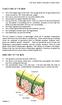 FUNCTIONS OF THE SKIN Skin is the largest organ of the body. The average adult has 18 square feet of skin which account for 16% of the total body weight. Skin acts as a physical barrier for you to the
Multiple Myeloma. This reference summary will help you understand multiple myeloma and its treatment options.
 Multiple Myeloma Introduction Multiple myeloma is a type of cancer that affects white blood cells. Each year, thousands of people find out that they have multiple myeloma. This reference summary will help
CHAPTER 9 BODY ORGANIZATION
 CHAPTER 9 BODY ORGANIZATION Objectives Identify the meaning of 10 or more terms relating to the organization of the body Describe the properties of life Describe the function for the structures of the
Chetek-Weyerhaeuser High School
 Chetek-Weyerhaeuser High School Anatomy and Physiology Units and Anatomy and Physiology A Unit 1 Introduction to Human Anatomy and Physiology (6 days) Essential Question: How do the systems of the human
1. PUBLIC HEALTH STATEMENT
 1 This Statement was prepared to give you information about fuel oils and to emphasize the human health effects that may result from exposure to them. The Environmental Protection Agency (EPA) has identified
Heat Illnesses. Common Heat Rash Sites
 Heat Illnesses Introduction Heat illnesses happen when the body becomes too hot and cannot cool itself. There are several different types of heat-related illnesses. This includes heat cramps, heat exhaustion,
Human Body Vocabulary Words Week 1
 Vocabulary Words Week 1 1. arteries Any of the blood vessels that carry blood away from the heart to all parts of the body 2. heart The muscular organ inside the chest that pumps blood through the body
SECOND GRADE 1 WEEK LESSON PLANS AND ACTIVITIES
 SECOND GRADE 1 WEEK LESSON PLANS AND ACTIVITIES WATER CYCLE OVERVIEW OF SECOND GRADE WATER WEEK 1. PRE: Exploring the properties of water. LAB: Experimenting with different soap mixtures. POST: Analyzing
A discussion of condensate removal systems for clarifier and thickener drives for water and wastewater facilities.
 A discussion of condensate removal systems for clarifier and thickener drives for water and wastewater facilities. Richard L. Dornfeld, BSME, P.E. Staff Engineer September 25, 2014 Moisture can be a problem
Forensic Anthropology. Introduction
 Forensic Anthropology Introduction Introduction This course is Biological Anthropology We have covered many themes Primates Evolution Paleoanthropology Genetics Disease Life Cycle Variation Forensics We
BIO 137: CHAPTER 1 OBJECTIVES
 BIO 137: CHAPTER 1 OBJECTIVES 1. Define the terms anatomy and physiology, and explain their relationship using an example of a human structure with its corresponding function. A. ANATOMY = the study of
Forensic Anthropology Introduction. Human Biology/Forensics B.M.C. Durfee High School
 Forensic Anthropology Introduction Human Biology/Forensics B.M.C. Durfee High School Objectives Describe Forensic Anthropology Describe the history of Forensic Anthropology Identify the three fields of
Understand nurse aide skills needed to promote skin integrity.
 Unit B Resident Care Skills Essential Standard NA5.00 Understand nurse aide s role in providing residents hygiene, grooming, and skin care. Indicator Understand nurse aide skills needed to promote skin
Human Growth and Reproduction
 Human Growth and Reproduction Sperm reach ovum and cluster around it Only one sperm is allowed to penetrate egg When the sperm penetrates the egg, the egg immediately releases a chemical creating a hard
POST MORTEM INTERVAL. (TIME OF DEATH) http://library.thinkquest.org/04oct/00206/text_index.htm (The Autopsy)
 POST MORTEM INTERVAL (TIME OF DEATH) http://library.thinkquest.org/04oct/00206/text_index.htm (The Autopsy) Chemical change in the muscles after death, causing the limbs of the corpse to become stiff
X-Plain Chemotherapy for Breast Cancer - Adriamycin, Cytoxan, and Tamoxifen Reference Summary
 X-Plain Chemotherapy for Breast Cancer - Adriamycin, Cytoxan, and Tamoxifen Reference Summary Introduction Breast cancer is a common condition that affects one out of every 11 women. Your doctor has recommended
ANATOMY & PHYSIOLOGY ONLINE COURSE - SESSION 2 ORGANIZATION OF THE BODY
 ANATOMY & PHYSIOLOGY ONLINE COURSE - SESSION 2 ORGANIZATION OF THE BODY Human beings are arguably the most complex organisms on this planet. Imagine billions of microscopic parts, each with its own identity,
Forensic Anthropology
 Grade Level: Middle and High School Purpose: The purpose of this lesson is to give students the opportunity to explore the field of forensic anthropology, the science used to investigate the Lassen/Clapper
Neck Injuries and Disorders
 Neck Injuries and Disorders Introduction Any part of your neck can be affected by neck problems. These affect the muscles, bones, joints, tendons, ligaments or nerves in the neck. There are many common
1. The diagram below represents a biological process
 1. The diagram below represents a biological process 5. The chart below indicates the elements contained in four different molecules and the number of atoms of each element in those molecules. Which set
Tired, Aching Legs? Swollen Ankles? Varicose Veins?
 Tired, Aching Legs? Swollen Ankles? Varicose Veins? Healthy Legs 2006 http://healthylegs.com Page 1 Venous disorders are widespread Leg problems are widespread throughout the world, but what most people
North Bergen School District Benchmarks
 Grade: 10,11, and 12 Subject: Anatomy and Physiology First Marking Period Define anatomy and physiology, and describe various subspecialties of each discipline. Describe the five basic functions of living
NUTRITION OF THE BODY
 5 Training Objectives:! Knowledge of the most important function of nutrients! Description of both, mechanism and function of gluconeogenesis! Knowledge of the difference between essential and conditionally
Posterior Cervical Decompression
 Posterior Cervical Decompression Spinal Unit Tel: 01473 702032 or 702097 Issue 2: January 2009 Following your recent MRI scan and consultation with your spinal surgeon, you have been diagnosed with a
Chapter 16: Circulation
 Section 1 (The Body s Transport System) Chapter 16: Circulation 7 th Grade Cardiovascular system (the circulatory system) includes the heart, blood vessels, and blood carries needed substances to the cells
Chemical Basis of Life Module A Anchor 2
 Chemical Basis of Life Module A Anchor 2 Key Concepts: - Water is a polar molecule. Therefore, it is able to form multiple hydrogen bonds, which account for many of its special properties. - Water s polarity
Pre-requisites: Successful completion of 4th grade science and the 4th grade science assessment.
 Throughout each unit, assessments are incorporated into lessons. These assessments are activities that occur within the context of each lesson providing the guidelines for assessing students' progress.
MEDICAL MALPRACTICE CASE RESULTS
 CASE RESULTS INFORMATION Please note that every case is different and these verdicts and settlements, while accurate, do not represent what we may obtain for you in your case. Nor does it mean that we
Closed Automobile Insurance Third Party Liability Bodily Injury Claim Study in Ontario
 Page 1 Closed Automobile Insurance Third Party Liability Bodily Injury Claim Study in Ontario Injury Descriptions Developed from Newfoundland claim study injury definitions No injury Death Psychological
Organic Chemistry Lab Experiment 4 Preparation and Properties of Soap
 Organic Chemistry Lab Experiment 4 Preparation and Properties of Soap Introduction A soap is the sodium or potassium salt of a long-chain fatty acid. The fatty acid usually contains 12 to 18 carbon atoms.
How To Manage A Catastrophic Injury
 Report #14 CATASTROPHIC INJURIES: Paralysis, Amputation, Burns Overview: A catastrophic injury or illness usually occurs suddenly and without warning. Injuries may be considered catastrophic when they
Year 2 Science: The Human Body Resource Pack
 Year 2 Science: The Human Body Resource Pack Body Systems II Body Systems Digestion our bodies break down food and use Skeletal system the skeleton is made up of bones that support our the nutrients to
Sports Injury Treatment
 Sports Injury Treatment Participating in a variety of sports is fun and healthy for children and adults. However, it's critical that before you participate in any sport, you are aware of the precautions
Patient Information. Posterior Cervical Surgery. Here to help. Respond Deliver & Enable
 Here to help Our Health Information Centre (HIC) provides advice and information on a wide range of health-related topics. We also offer: Services for people with disabilities. Information in large print,
Reavis High School Anatomy and Physiology Curriculum Snapshot
 Reavis High School Anatomy and Physiology Curriculum Snapshot Unit 1: Introduction to the Human Body 10 days As part of this unit, students will define anatomy, physiology, and pathology. They will identify
Role of Forensic Pathologists and Anthropologists Forensic Science
 Role of Forensic Pathologists and Anthropologists Forensic Science Copyright and Terms of Service Copyright Texas Education Agency, 2011. These materials are copyrighted and trademarked as the property
Peritoneal Carcinosis
 Peritoneal Carcinosis What is it and how to cure it Peritoneum Peritoneum is a thin and transparent membrane that covers the internal part of the abdominal and pelvic cavity and all the viscera contained
Chapter 2. The Chemistry of Life Worksheets
 Chapter 2 The Chemistry of Life Worksheets (Opening image courtesy of David Iberri, http://en.wikipedia.org/wiki/file:camkii.png, and under the Creative Commons license CC-BY-SA 3.0.) Lesson 2.1: Matter
BREATHE BETTER SWIM FASTER
 BREATHE BETTER SWIM FASTER Breath control is fundamental to efficient swimming. Like singers, swimmers need to train their breathing for effective performance. Controlled breathing is the main factor contributing
How To Understand The Human Body
 Introduction to Biology and Chemistry Outline I. Introduction to biology A. Definition of biology - Biology is the study of life. B. Characteristics of Life 1. Form and size are characteristic. e.g. A
Chapter 12. Temperature Regulation. Temperature Regulation. Heat Balance. An Overview of Heat Balance. Temperature Regulation. Temperature Regulation
 Chapter 12 Body core temperature regulation Critical for: Cellular structures Metabolic pathways Too high Protein structure of cells destroyed Too low Slowed metabolism Cardiac arrhythmias Homeothermic
MEDICATION GUIDE POMALYST (POM-uh-list) (pomalidomide) capsules. What is the most important information I should know about POMALYST?
 MEDICATION GUIDE POMALYST (POM-uh-list) (pomalidomide) capsules What is the most important information I should know about POMALYST? Before you begin taking POMALYST, you must read and agree to all of
Bile Duct Diseases and Problems
 Bile Duct Diseases and Problems Introduction A bile duct is a tube that carries bile between the liver and gallbladder and the intestine. Bile is a substance made by the liver that helps with digestion.
Section B: Epithelial Tissue 1. Where are epithelial tissues found within the body? 2. What are the functions of the epithelial tissues?
 Tissue worksheet Name Section A: Intro to Histology Cells are the smallest units of life. In complex organisms, cells group together with one another based on similar structure and function to form tissues.
X-Plain Inguinal Hernia Repair Reference Summary
 X-Plain Inguinal Hernia Repair Reference Summary Introduction Hernias are common conditions that affect men and women of all ages. Your doctor may recommend a hernia operation. The decision whether or
Human Anatomy & Physiology General
 Human Anatomy & Physiology General Biology is the study of life but, what exactly is life? how are living things different from nonliving things eg. a human from a rock eg. a a human from a robot eg. a
Divisions of the Skeletal System
 OpenStax-CNX module: m46344 1 Divisions of the Skeletal System OpenStax College This work is produced by OpenStax-CNX and licensed under the Creative Commons Attribution License 3.0 By the end of this
Introduction to A&P (Chapter 1) Lecture Materials for Amy Warenda Czura, Ph.D. Suffolk County Community College. Eastern Campus
 Introduction to A&P (Chapter 1) Lecture Materials for Amy Warenda Czura, Ph.D. Suffolk County Community College Primary Sources for figures and content: Eastern Campus Marieb, E. N. Human Anatomy & Physiology
FORENSIC ANTHROPOLOGY NOTES
 FORENSIC ANTHROPOLOGY NOTES Forensic Anthropology = the examinations of human skeletal remains for law enforcement agencies to determine the identity of unidentified bones. Questions asked: 1. Are the
1. G ENERAL ASSESSMENT OF SCENE. LAB AND MORTUARY INVESTIGATIONS
 FORENSIC ANTHROPOLOGY CURRICULUM 1. G ENERAL ASSESSMENT OF SCENE. LAB AND MORTUARY INVESTIGATIONS Candidates for examinations at FAI and II are expected to have knowledge and practical experience of working
Better Breathing with COPD
 Better Breathing with COPD People with Chronic Obstructive Pulmonary Disease (COPD) often benefit from learning different breathing techniques. Pursed Lip Breathing Pursed Lip Breathing (PLB) can be very
Role of Forensic Pathologists and Anthropologists Forensic Science
 Role of Forensic Pathologists and Anthropologists Forensic Science Definition: Pathologist vs. Forensic Pathologist Pathologist A physician who examines and analyzes tissue samples to identify irregularities
Y O U R S U R G E O N S. choice of. implants F O R Y O U R S U R G E R Y
 Y O U R S U R G E O N S choice of implants F O R Y O U R S U R G E R Y Y O U R S U R G E O N S choice of implants F O R Y O U R S U R G E R Y Your Surgeon Has Chosen the C 2 a-taper Acetabular System The
Biology 141 Anatomy and Physiology I
 Fall 2016 Biology 141 Anatomy and Physiology I COURSE OUTLINE Faculty Name: Enter Faculty Name Here Program Head: Enter Program Head Here Dean s Review: Dean s Signature: Date Reviewed: / / Revised: Fall
Lung Cancer. This reference summary will help you better understand lung cancer and the treatment options that are available.
 Lung Cancer Introduction Lung cancer is the number one cancer killer of men and women. Over 165,000 people die of lung cancer every year in the United States. Most cases of lung cancer are related to cigarette
TRICHLOROACETIC ACID SOLUTION Department of Pharmacy Duke University Medical Center Box 3089 Durham, NC 27710 919-684-5125
 Page 1 of 5 1. IDENTIFICATION OF SUBSTANCE Name: Manufacturer: TRICHLOROACETIC ACID SOLUTION Department of Pharmacy Duke University Medical Center Box 3089 Durham, NC 27710 919-684-5125 Information Department:
Lesson 7: Respiratory and Skeletal Systems and Tuberculosis
 Glossary 1. asthma: when the airways of the lungs narrow, making breathing difficult 2. bacteria: tiny living creatures that can only be seen with a microscope; some bacteria help the human body, and other
By Casey Schmidt and Wendy Ford
 By Casey Schmidt and Wendy Ford Body systems Digestive System Circulatory System Respiratory System Excretory System Immune System Reproductive System Nervous System Muscular System Skeletal System Endocrine
Laboratory 1 Anatomical Planes and Regions
 Laboratory 1 Anatomical Planes and Regions Goals: Define the anatomical position, including the application of the terms right and left. List and correctly use the major directional terms used in anatomy.
THE SKELETAL SYSTEM FUNCTIONS OF THE SKELETAL SYSTEM
 THE SKELETAL SYSTEM The skeleton is the body s bony framework which consists of 206 bones. The bones are made up of water(45%), calcium and phosphorous(35%) and other organic materials(20%). The calcium
Quality Measures for Long-stay Residents Percent of residents whose need for help with daily activities has increased.
 Quality Measures for Long-stay Residents Percent of residents whose need for help with daily activities has increased. This graph shows the percent of residents whose need for help doing basic daily tasks
Chapter 48. Nutrients in Food. Carbohydrates, Proteins, and Lipids. Carbohydrates, Proteins, and Lipids, continued
 Carbohydrates, Proteins, and Lipids The three nutrients needed by the body in the greatest amounts are carbohydrates, proteins, and lipids. Nutrients in Food All of these nutrients are called organic compounds,
Radiation Therapy for Prostate Cancer
 Radiation Therapy for Prostate Cancer Introduction Cancer of the prostate is the most common form of cancer that affects men. About 240,000 American men are diagnosed with prostate cancer every year. Your
ORTHOPAEDIC SPINE PAIN QUESTIONNAIRE
 ORTHOPAEDIC SPINE PAIN QUESTIONNAIRE NAME: DATE: ADDRESS: AGE: TELEPHONE#: RELIGION: OCCUPATION: REFERRED BY WHOM: NEAREST FRIEND/RELATIVE: TELEPHONE#: ADDRESS: PLEASE EXPLAIN WHY YOU HAVE COME TO SEE
Fundamentals of Anatomy & Physiology Course Outline, Objectives and Accreditation Information
 201 Webster Building 3411 Silverside Road Wilmington, DE 19810 Phone: 1-888-658-6641 Fax: 1-302-477-9744 [email protected] www.corexcel.com Course Outline, Objectives and Accreditation Information Chapter
Form ### Transgender Hormone Therapy - Estrogen Informed Consent SAMPLE
 What are the different medications that can help to feminize me? Estrogen - Different types of the hormone estrogen can help you appear more feminine. Estrogen is the female sex hormone. Androgen blocker
Lecture Overview. Hydrogen Bonds. Special Properties of Water Molecules. Universal Solvent. ph Scale Illustrated. special properties of water
 Lecture Overview special properties of water > water as a solvent > ph molecules of the cell > properties of carbon > carbohydrates > lipids > proteins > nucleic acids Hydrogen Bonds polarity of water
Eating, pooping, and peeing THE DIGESTIVE SYSTEM
 THE DIGESTIVE SYSTEM Ingested food is not technically in the body until it is absorbed so it needs to be: Mechanically and chemically reduced Transported by the blood to the cells Large portions are not
Department of Surgery
 Thoracic Surgery After Your Lung Surgery Patient Education Discharge Information You have just had lung surgery. The following are definitions of terms you may hear in connection with your surgery: THORACOTOMY
Laparoscopic Cholecystectomy
 Laparoscopic Cholecystectomy Removal of Gall Bladder Page 12 Patient Information Further Information We endeavour to provide an excellent service at all times, but should you have any concerns please,
Animal Systems: The Musculoskeletal System
 Animal Systems: The Musculoskeletal System Tissues, Organs, and Systems of Living Things Cells, Cell Division, and Animal Systems and Plant Systems Cell Specialization Human Systems The Digestive The Circulatory
Melanoma The Skin Understanding Cancer
 Melanoma A form of cancer that begins in melanocytes (cells that make the pigment melanin). It may begin in a mole (skin melanoma), but can also begin in other pigmented tissues, such as in the eye or
2. What kind of energy is stored in food? A. chemical energy B. heat energy C. kinetic energy D. light energy
 Assessment Bank Matter and Energy in Living Things SC.8.L.18.4 1. What is energy? A. anything that takes up space B. anything that has mass C. the ability to conduct current D. the ability to do work 2.
The effect of the burial environment on adipocere formation
 Forensic Science International 154 (2005) 24 34 www.elsevier.com/locate/forsciint The effect of the burial environment on adipocere formation Shari L. Forbes a, *, Barbara H. Stuart b, Boyd B. Dent c a
The Family Library. Understanding Diabetes
 The Family Library Understanding Diabetes What is Diabetes? Diabetes is caused when the body has a problem in making or using insulin. Insulin is a hormone secreted by the pancreas and is needed for the
The chemical reactions inside cells are controlled by enzymes. Cells may be specialised to carry out a particular function.
 12.1 What are animals and plants built from? All living things are made up of cells. The structures of different types of cells are related to their functions. to relate the structure of different types
Key Facts about Influenza (Flu) & Flu Vaccine
 Key Facts about Influenza (Flu) & Flu Vaccine mouths or noses of people who are nearby. Less often, a person might also get flu by touching a surface or object that has flu virus on it and then touching
HOW TO CARE FOR A PATIENT WITH DIABETES
 HOW TO CARE FOR A PATIENT WITH DIABETES INTRODUCTION Diabetes is one of the most common diseases in the United States, and diabetes is a disease that affects the way the body handles blood sugar. Approximately
10.2 The Human Digestive System pg. 411
 10.2 The Human Digestive System pg. 411 The human digestive system is made up of a group of organs working together. The digestive tract is made up of the mouth, esophagus, stomach, small intestine, and
Temperature affects water in the air.
 KEY CONCEPT Most clouds form as air rises and cools. BEFORE, you learned Water vapor circulates from Earth to the atmosphere Warm air is less dense than cool air and tends to rise NOW, you will learn How
Position Statement: Pressure Ulcer Staging
 Position Statement: Pressure Ulcer Staging Statement of Position The Wound, Ostomy and Continence Nurses (WOCN) Society supports the use of the National Pressure Ulcer Advisory Panel Staging System (NPUAP).
X-Plain Pediatric Tuberculosis Reference Summary
 X-Plain Pediatric Tuberculosis Reference Summary Introduction Tuberculosis, or TB, is a bacterial infection that causes more deaths in the world than any other infectious disease. When a child gets TB,
The Respiratory System
 Human Anatomy III: Respiratory, Urinary & Digestive Systems The Respiratory System Major functions include: Obtaining oxygen Removing carbon dioxide Maintenance of ph balance Respiration may be accomplished
Slips, Trips and Falls. Awareness Month. February 2005. Slips, Trips and Falls
 THE SCHOOL DISTRICT OF PITTSBURGH Slips, Trips and Falls Awareness Month Joint Labor / Management Safety Committee Please open the attachment for additional information that will answer safety questions
Thyroid Eye Disease. Anatomy: There are 6 muscles that move your eye.
 Thyroid Eye Disease Your doctor thinks you have thyroid orbitopathy. This is an autoimmune condition where your body's immune system is producing factors that stimulate enlargement of the muscles that
Introduction to Animals
 Introduction to Animals Unity and Diversity of Life Q: What characteristics and traits define animals? 25.1 What is an animal? WHAT I KNOW SAMPLE ANSWER: Animals are different from other living things
95% of childhood kidney cancer cases are Wilms tumours. Childhood kidney cancer is extremely rare, with only 90 cases a year in
 James Whale Fund for Kidney Cancer Childhood kidney cancer factsheet Kidney cancer rarely afflicts children and about 90 paediatric cases are diagnosed in the UK each year. About 75% of childhood kidney
C. difficile Infections
 C. difficile Infections Introduction C. difficile is a type of bacteria that can cause diarrhea and infection of the colon. This bacterium is more likely to infect patients at hospitals and other healthcare
Name Class Date Laboratory Investigation 24A Chapter 24A: Human Skin
 Name Class Date Laboratory Investigation 24A Chapter 24A: Human Skin Human Anatomy & Physiology: Integumentary System You may refer to pages 386-394 in your textbook for a general discussion of the integumentary
tissues are made of cells that work together, organs are )
 Study Guide Cells Unit Test Matching. Write the letter of the correct response on the line. You may use the responses more than once. A. proteins B. simple carbohydrates C. complex carbohydrates D. lipids
ANGEL DENTAL CARE Implant Consent
 This information is to help you make an informed decision about having implant treatment. You should take as much time as you wish to make the decision in relation to signing the following consent form.
Anatomy and Physiology
 Learning Activities It is important that you do not lecture all of the time. If you employ a variety of teaching styles, your students will stay focused better and they will find it easier to process the
Classical Swine Fever and Look-a-like Diseases of Pigs. Pat Blanchard
 Classical Swine Fever and Look-a-like Diseases of Pigs Pat Blanchard California Animal Health and Food Safety Laboratory, Tulare branch [email protected] Classical Swine Fever CSF is a viral disease
Recognizing and Understanding Pain
 Because multiple myeloma is a cancer involving the bone marrow, a common myeloma symptom is bone pain. But the good news is that most pain can be managed. This resource can help you better understand pain
THE SPINAL CORD AND THE INFLUENCE OF ITS DAMAGE ON THE HUMAN BODY
 THE SPINAL CORD AND THE INFLUENCE OF ITS DAMAGE ON THE HUMAN BODY THE SPINAL CORD. A part of the Central Nervous System The nervous system is a vast network of cells, which carry information in the form
7/11/2011. Pressure Ulcers. Moisture-NOT Pressure. Wounds NOT Caused by Pressure
 Assessment and Documentation of Pressure Ulcers Jeri Ann Lundgren, RN, BSN, PHN, CWS, CWCN Pathway Health Services July 19, 2011 Training Objectives Describe etiologies of pressure ulcers Discuss how to
Scene Detection and Processing
 Scientific Working Group for Forensic Anthropology (SWGANTH) Scene Detection and Processing Issue Date: 01/23/2013 Revision: 0 Scene Detection and Processing 1.0 Principle, Spirit, and Intent A scene is
SKIN CONDITIONS IN PIGS
 DEPARTMENT: AGRICULTURE SKIN CONDITIONS IN PIGS Jenny Turton 2001 Compiled by Directorate Communication, Department of Agriculture in cooperation with the ARC-Onderstepoort Veterinary Institute Printed