
Unit 11 Study Guide. Human Systems. Answer Key
|
|
|
- Ami Ryan
- 9 years ago
- Views:
Transcription
1 Unit 11 Study Guide Answer Key Human Systems SECTION LEVELS OF ORGANIZATION 1. Stem cells go through two processes to become specialized cells. 2. Determination stem cells commit to becoming only one type of cell. Examples: muscle, nerve, skeletal cells 3. Differentiation committed cells acquire the structures and functions of specialized cells. Examples: muscle cells become cardiac, smooth, or skeletal muscle cells 4. Stem cells contain all the genes for a complete organism, and they can become any one of the more than 200 different types of cells in the body. 5. Examples: bundled muscle cells that can extend and contract, bundled epithelial cells with cilia that line intestinal organs, sperm with whip-like tails, porous bone cells 6. Examples: sperm tails allow sperm to move; long extensions of nerve cells allow them to communicate with other cells; bone cells are porous to allow nutrients to reach bones; epithelial cells are closely packed to provide more surface area; smooth and skeletal muscle cells are bundled together and elongated, which allows for stretching and contracting 7. specialized cells the smallest units of life with specialized structures and functions; tissues groups of similar cells that work together to perform a specialized function; organ different types of tissues that function together; organ system two or more organs working in a coordinated way; organism life form made up of different organ systems functioning in a coordinated way to maintain life 8. Determin- = the cells determine to be of one particular type of cell Different- = the cells acquire their different structures and functions SECTION MECHANISMS OF HOMEOSTASIS 1. The sensors may continue to send a signal, but homeostasis could not be maintained. 2. sensors gather information on internal/external conditions. control center receives information from sensors, compares to set points; sends messages. communication system nerves and hormones carry signals to targets. targets organs, tissues respond to messages to restore homeostasis 3. The sensors may continue to send a signal, but homeostasis could not be maintained. 4. Diagram A negative feedback; diagram shows change away from a set value is counteracted. Diagram B positive feedback; diagram shows change away from a set point is increased, then returns to normal 5. Negative it is counteracting a change away from a set point for internal body temperature by releasing fluid from the sweat glands to cool the body. 6. As activity increases, sensors send messages to the brain. The brain detects low oxygen levels and sends messages to the heart and lungs to work harder and bring more oxygen into the body. 7. negative feedback loops counteract any change away from set points; positive feedback loops increase change away from set points until a certain result is achieved 8. Sample answers: pilot or navigator on plane keeping it on course; thermostat on furnace or air conditioner; guidance system on a space craft; building sprinklers turning on when a fire starts SECTION INTERACTIONS AMONG SYSTEMS

2 1. Sample answers: members of a sports team, or an orchestra, or a touring rock band, or a construction crew, or a movie production working together; each individual has a job to do, but all must work together for the enterprise to succeed 2. Skin absorbs UV light to make an inactive form of vitamin D; Liver changes inactive form of vitamin D into another compound; Kidneys converts compound into active vitamin D 3. Hypothalamus acts as a control center that receives data about body temperature and sends messages to target organs in the skin, respiratory, and circulatory systems. 4. Any of the following: external or internal conditions change too rapidly, serious injuries overwhelm homeostatic mechanisms, sensors fail to detect internal or external changes, wrong messages are sent or targets fail to respond, viruses or bacteria change the body s internal chemistry 5. Long-term disruptions over time affect more and more organs and organ systems, resulting in greater damage to the body. 6. short term 7. little lasting damage 8. common cold 9. long term 10. diabetes 11. Sample answer: a thermostat or closed circuit or a balance tray that is returned to a center point. Respiratory and Circulatory Systems SECTION RESPIRATORY AND CIRCULATORY FUNCTIONS 1. transports blood and other materials; carries away wastes from cells; separates oxygen-rich blood from oxygenpoor blood 2. brings in oxygen and expels carbon dioxide and water vapor; exchanges gases in blood with gases in atmosphere 3. it moves down the trachea, into the bronchi and the lungs, then into the bronchioles, and finally to the alveoli 4. to absorb enough oxygen to supply the body and to expel excess carbon dioxide and water vapor 5. rib cage muscles relax and the rib cage becomes smaller, the diaphragm relaxes and rises, and air flows out 6. Heart: muscular pump that keeps blood moving to all parts of the body. Arteries: blood vessels that move blood away from the heart. Veins: blood vessels that move blood to the heart from the rest of the body. Capillaries: tiny blood vessels that transport blood to and from the cells 7. Hot weather The heart pumps harder and blood vessels dilate to bring excess heat to the skin. Cold weather blood vessels constrict to conserve heat 8. The diaphragm is a dome-like muscle located in the midriff of the body. 9. Samples answers: river and streams network, major and smaller highway network, communications networks

3 SECTION RESPIRATION AND GAS EXCHANGE 1. Oxygen and carbon dioxide are carried by the blood; gases move by diffusion; the alveoli lining must be moist to help gases diffuse. 2. They provide a huge surface area to bring in enough oxygen to meet the body s needs. Diagram A capillary and alveolus walls Oxygen diffuses from alveolus into the capillary; Capillary oxygen binds to hemoglobin in the blood and is carried to the cells. Diagram B alveolus carbon dioxide and water vapor separate and are exhaled; capillary walls and alveolus carbon dioxide and water vapor diffuse into alveolus. 3. each molecule of hemoglobin binds with four oxygen molecules 4. Sensors send information to the brainstem, which sends messages to the muscles of the rib cage and to the diaphragm to work harder 5. Smoking: Chemicals in smoking cause mutations that may lead to lung cancer and damage the alveoli so that gas exchange is impaired. Emphysema: The alveoli are so damaged or destroyed that the lungs can no longer bring enough oxygen into the body; eventually the lungs fail. Asthma: Muscle spasms cause bronchioles to constrict, reducing air flow and gas exchange. Cystic Fibrosis: Lungs produce thick, sticky mucus that can block airways and lead to lung infections. 6. In an asthma attack, airways are restricted and people literally pant for air. 7. It is an iron-based protein that binds with oxygen molecules; iron gives blood its reddish color. SECTION THE HEART AND CIRCULATION 1. pulmonary: to carry oxygen-poor blood to the lungs, pick up oxygen and release CO 2 and water vapor, then bring oxygen-rich blood back to the heart. Systemic: to carry oxygen-rich blood to the rest of the body and bring oxygen-poor blood back to the heart. 3. blood first enters the heart through the atrium; in the heartbeat, the atrium is the first to contract 4. Students might make a table showing word origins and the definitions of the two types of circulation or draw a diagram of the two circulations and use the word origins in the labels. SECTION BLOOD VESSELS AND TRANSPORT Y Diagram: Arteries carry oxygen-rich blood away from heart; made of 3 layers with thick muscle, elastic fibers; smaller arteries called arterioles connect to capillaries; Veins carry oxygen-poor blood back to heart; made of 3 layers, larger diameter, thinner walls; valves and skeletal muscles keep blood moving; smaller veins called venules connect to capillaries; Both carry blood throughout the entire body; made of same three layers of tissues; have smaller vessels that connect to capillaries 1. capillaries are much smaller than veins and arteries and have only one layer; walls are one cell thick; materials diffuse easily into and out of them; form dense networks

4 SECTION BLOOD 1. red blood cells 2. white blood cells 3. platelets 4. plasma 5. 90% water 6. minerals 7. proteins 8. albumin 9. fibrinogen 10. immune proteins 11. plasma proteins help stabilize blood volume, control bleeding, fight pathogens; concentrations of molecules dissolved in water as plasma control which substances diffuse into and out of the blood 12. RBC structure: round with concave center, no nucleus or organelles, contains hemoglobin; protein markers for blood type; Functions: transport oxygen, waste products, and nutrients to and from the cells. WBC structure: contains no hemoglobin; Functions: fight infection, remove foreign matter and dead cells; also part of immune system. Platelets structure: cell fragments that can change their shape; Functions: help to repair torn or injured blood vessels, control bleeding 13. The person s immune system will attack the foreign protein, and the blood will start to clump, which can block blood vessels and cause death. 14. They form spiky extensions that weave into a complex net at the wound; they release clotting factors that form another net and trap platelets and white blood cells that form a clot. 15. Clots can block blood vessels to cause a heart attack or stroke; the inability to form clots means a person might bleed to death from even a minor cut. 16. A group of four different blood types A, B, AB, O produced by the most common proteins markers, A and B, on red blood cells Nutrient Absorption and Waste SECTION NUTRIENTS AND HOMEOSTASIS 1. water fluid balance, chemical reactions 2. carbohydrates, simple and complex energy 3. proteins growth, repair, enzymes, hormones 4. fats, saturated and unsaturated energy, used in many structures 5. minerals homeostasis, building, repair tissues 6. vitamins, water and fat-soluble regulate cell functions, growth, development 7. you lose about this much each day through sweat, urine, and respiration 8. vegans must combine plant foods such as beans and rice to obtain all eight essential amino acids 9. saturated fats are solid at room temperature; unsaturated fats are liquid at room temperature 10. carbohydrates and fats 11. vitamins are necessary to support the many life functions of cells, the smallest unit of life
5 SECTION DIGESTIVE SYSTEM 1. to break down large complex molecules in food into smaller molecules that can be used by the body 2. mechanical digestion: chewing food, smooth muscles churning and mixing food; chemical digestion: enzymes breaking down food, stomach acid digesting protein, or other chemicals such as bile breaking down fats 3. smooth muscles contract and relax to keep food moving, and sphincters prevent food from backing up. 4. nutrients are absorbed and distributed to the cells; undigested materials are eliminated as liquid and solid wastes 5. salivary amylase, amylase: break down starches into simpler sugars; pepsin, peptides: break down proteins; lipase: breaks down fats Process Diagram: Mouth salivary amylase break down starches into simple sugars; Stomach HCl and pepsin break down proteins; chyme forms; Small Intestine pancreas helps finish digestion of sugars and break down fats; liver and gallbladder release bile to digest fats 6. Pepsin is active only when there is food in the stomach; a layer of mucus keeps stomach acids from digesting the lining 7. esophagus carries food from the mouth to the stomach 8. Examples: two hands squeezing dough out of a plastic tubing; squeezing toothpaste out of a tube SECTION MUSCULAR SYSTEM 1. bones; bones; voluntary, some involuntary 2. digestive organs, blood vessels; moves food/changes the size of the organ; involuntary 3. heart; blood; involuntary SECTION ABSORPTION OF NUTRIENTS 1. Absorption is the process by which nutrients move out of the digestive system and into the circulatory and lymphatic system. Without absorption, nutrients cannot reach the cells. 2. lining of the small intestine, villi, microvilli 3. the lining is ridged and folded, thousands of villi cover the lining, and thousands of microvilli cover each villi, greatly increasing surface area 4. to allow more time for nutrients to be absorbed 5. Materials absorbed simple sugars, amino acids, minerals; Distribution circulatory and lymphatic systems Part of intestine: jejunum; Materials absorbed: glucose, amino acids, vitamin C, B vitamins, some water Part of intestine: ileum; Distribution: circulatory and lymphatic systems 6. Enzymes use some of the nutrients to build more complex molecules that cells need; the liver stores some nutrients for future use. 7. by absorbing some water and salts 8. undigested plant fiber, bile pigments, dead bacteria, traces of undigested fat and protein 9. helpful some bacteria synthesize vitamins K and B 12 ; harmful if some harmless bacteria overgrow other bacteria, they can reduce water absorption and cause severe diarrhea 10. the rectum stores the feces; feces pass out of the body through the anus. 11. they can help students remember that the microvilli are very tiny, hairlike projections on the villi. 12. Sample answers: Students might sketch a paper towel absorbing a spill or think of clothes absorbing liquids spilled on them, paper absorbing ink, or chemicals absorbing oil spilled on a beach

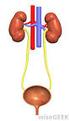
6 SECTION EXCRETORY SYSTEM 1. lungs, skin, kidneys, ureters, urinary bladder, urethra 2. through sweat, urine, and exhalation 3. carbon dioxide and water vapor 4. the cortex, medulla, nephron, renal artery and renal vein 5. They remove waste products from the blood and help to maintain electrolyte, ph, and fluid balances 6. to filter the blood and remove smaller molecules, which produces the filtrate Process Diagram: answer given most materials in filtrate are reabsorbed into the capillaries urine moves into loop of Henle; water is reabsorbed; urine moves into collecting duct 7. They can damage the capillary walls in the glomerulus, making them more porous. As a result, the nephrons lose their ability to filter the blood. 8. The blood circulates through the dialysis machinery, which cleans and chemically balances the blood just as the kidneys do. 9. excrete excretory; urinate ureter 10. dialysis breaks apart the blood by separating smaller molecules from the blood to filter and clean it before returning the blood to the body. Regulation SECTION HOW ORGAN SYSTEMS COMMUNICATE 1. Homeostasis is the maintenance of a stable internal environment. 2. Communication systems allow the body to detect and respond to stimuli. Comic Strip: Students drawings should show the body sensing a stimuli and producing a response. Y diagram: Nervous system students answers might include any of the following: quick rate of reaction; connected tissues; central nervous system; peripheral nervous system; brain; spinal cord; nerves; electrical signal; chemical signal. Endocrine system students answers might include any of the following: slow reaction rate; isolated organs; chemical signals; longer-term processes. Both students answers might include any of the following: communication system; stimulates other tissues; produces responses to stimuli. 3. stimulus 4. endocrine system 5. peripheral nervous system 6. nervous system SECTION NEURONS 1. motor neuron 2. sensory neuron 3. interneuron 4. produces responses 5. detects stimuli 6. passes signals between sensory and motor neurons 7. dendrite receives impulses; axon transmits impulses 8. It maintains Na+ and K+ concentration gradients. 9. Students answers will vary. 10. An action potential is generated. 11. neurotransmitter 12. synapse 13. terminal 14. action potential

7 SECTION CENTRAL AND PERIPHERAL NERVOUS SYSTEMS 1. brain and spinal cord 2. motor neurons and sensory neurons Cause and Effect Diagram stimuli; the spinal cord; the spinal cord; brain; brain; produces a response 3. to process information relating to the senses 4. cerebrum, cerebellum, brain stem 5. Somatic: voluntary; muscles. Autonomic: involuntary; digestive organs, glands, heart, blood vessels. Sympathetic: involuntary; heart, brain, lungs, muscles. Parasympathetic: involuntary; heart, lungs, arteries. 6. A reflex arc is a pathway that moves in the shape of an arch from the sensory neuron, through the spinal cord, and out a motor neuron. 7. Functions controlled by the autonomic nervous system are those that are automatic, involuntary, and occur without thinking about it. 8. The cerebral cortex is the outer most layer of the cerebrum. 9. The sympathetic nervous system is favorable for maintaining homeostasis. SECTION THE ENDOCRINE SYSTEM AND HORMONES 1. by traveling through the bloodstream 2. the receptors on and in the cell 3. Steroid hormones enter the cell, but nonsteroidal hormones do not. 4. brain; growth, stimulates reproductive maturity 5. pituitary; growth, water balance in the blood 6. thyroid; neck 7. thymus; maturation of white blood cells 8. adrenal glands; above the kidneys/abdomen 9. pancreas; between the intestines and stomach/abdomen 10. reproductive development and functions 11. TRH and TSH 12. increase in body temperature 13. When the body warms, TRH and TSH will stop being released. Without these releasing hormones, the thyroid will not be stimulated. 14. Hormones are sent to the bloodstream throughout the body. If a gland produces too much or too little hormone, it will over-stimulate the target cell, causing illness.

8 Defense SECTION IMMUNE SYSTEM 1. The body system that protects the body from infection 2. skin physically blocks pathogens from entering; mucus membrane traps pathogens so they cannot enter through the nose or mouth; circulatory system transports white blood cells to the infection site 3. Basophil cells release chemicals that attract phagocytes to the infection site. 4. They fight infection by causing pathogens to clump, by making them ineffective, or by activating complement proteins. 5. passive immunity 6. DNA 7. genetic immunity 8. mother s milk 9. inherited immunity 10. active immunity 11. a pathogen enters the body 12. getting sick by the same pathogen 13. Students answers will vary. 14. A phagocyte is a cell that eats other cells. 15. Interferons interfere with viral reproduction. SECTION IMMUNE RESPONSES 1. Specific responses are unique for every pathogen. Nonspecific responses are the same for every pathogen. 2. redness, swelling, itching, burning; causes leaky blood vessels which allow white blood cells to squeeze out of the circulatory system and toward the infection site 3. increased body temperature; causes white blood cells to mature faster 4. The immune system detects antigens. 5. Memory cells are the cells that respond quickly when a pathogen invades a second time. Y Diagram: Humoral Immunity students answers may include: T cells destroy infected cell; memory T cells produced; phagocyte activates T cell. Cellular Immunity students answers may include: antibodies; T cells activate B cells; memory B cells produced. Both Students answers may include: memory cells produced; T cells important; phagocytes important; produces active immunity. 6. few 7. weaken 8. antigen on pathogens that have invaded previously 9. Rejection means refusal to accept. When the body rejects a tissue, it will not accept it. 10. Antigens are proteins on a pathogen, and pathogens destroy living cells. SECTION DISEASES THAT WEAKEN THE IMMUNE SYSTEM Leukemia: abnormal white blood cells cannot mature producing other blood cells fight off pathogens 1. sharing needles, sexual intercourse, from a mother to her unborn baby through the umbilical cord HIV Infection: T cells reproduce HIV; start dying replace the dying T cells infect the body AIDS 2. human immunodeficiency virus; the immune system has a deficiency 3. acquired immune deficiency syndrome; a syndrome is a condition or a disease 4. A pathogen that causes an opportunistic infection causes disease whenever there is an opportunity, in this case, a weak immune system.

9 SECTION LYMPHATIC SYSTEM 1. To collect excess fluid that leaks out of the blood vessels, clean and filter the fluid, and return it to the circulatory system 2. skeletal muscles squeeze the vessels to keep lymph moving forward; valves in the vessels prevent lymph from flowing backwards. Cycle Diagram: blood leaves the heart and circulates to the rest of the body (filled in) excess fluid leaks out of the capillaries into areas between the cells (filled in) interstitial fluid enters lymphatic vessels and becomes lymph lymph enters nodes, where it is filtered and cleaned lymph vessels carry cleaned lymph out of the nodes lymph vessels return lymph to the circulatory system and to heart 3. fluid would be trapped in the tissues and begin to build up, resulting in swelling in that area 4. Tonsils filter bacteria and viruses that escape the body s outer defenses. Lymphocytes develop in the thymus. The spleen filters and cleans the lymph, contains lymphocytes and other white blood cells that destroy pathogens 5. a type of cell found in the lymphatic system 6. an inflammation of the lymph glands ; it indicates that your body is fighting an infection Reproduction SECTION REPRODUCTIVE PROCESSES 1. Female: meiosis I and II; Male: meiosis I and II 2. Female: before birth; Male: at puberty 3. Female: FSH, LH, estrogen; Male: FSH, LH, testosterone 4. monthly changes in the female reproductive system that includes producing and releasing an egg and preparing the uterus to receive an egg 5. Flow phase, the endometrium detaches and is expelled from the uterus; follicular and luteal phases, it thickens again. 6. When one sperm penetrates the membrane, the egg changes so that no other sperm can enter. 7. the 23 chromosomes of the sperm unite with the 23 chromosomes of the egg 8. Identical twins are genetically the same, developing from the same zygote; fraternal twins develop from two different zygotes. 9. Any of the following three answers: too narrow a vas deferens, low sperm count; damaged reproductive organs due to injury or disease; defective eggs 10. It must be passed from person to person through sexual contact. 11. Bacterial Infection: Examples chlamydia, syphilis, gonorrhea; Effects attacks reproductive organs causing infertility; Treatment antibiotics cure infections Viral Infections: Examples hepatitis B, genital herpes, HPV, HIV; Effects attacks body cells; Treatment medications control symptoms; no cures available 12. Menopause is when a female stops menstruating. 13. Transmitted means to pass, and an STD is a disease that is passed through sexual contact. 14. Fertile means can reproduce. If a person is infertile, he or she cannot reproduce

2161-1 - Page 1. Name: 1) Choose the disease that is most closely related to the given phrase. Questions 10 and 11 refer to the following:
 Name: 2161-1 - Page 1 1) Choose the disease that is most closely related to the given phrase. a disease of the bone marrow characterized by uncontrolled production of white blood cells A) meningitis B)
ORGAN SYSTEMS OF THE BODY
 ORGAN SYSTEMS OF THE BODY DEFINITIONS AND CONCEPTS A. Organ a structure made up of two or more kinds of tissues organized in such a way that they can together perform a more complex function that can any
Engage: Brainstorming Body Systems. Record the structures and function of each body system in the table below.
 Engage: Brainstorming Body s Record the structures and function of each body system in the table below. Body Nervous Circulatory Excretory Immune Digestive Respiratory Skeletal Muscular Endocrine Integumentary
THE HUMAN BODY SYSTEMS
 Name Period Date THE HUMAN BODY SYSTEMS System Function Diagram Major Organs Digestive 1. take in food (ingestion) 2. digest food into smaller molecules and absorb nutrients 3. remove undigestable food
Chapter 48. Nutrients in Food. Carbohydrates, Proteins, and Lipids. Carbohydrates, Proteins, and Lipids, continued
 Carbohydrates, Proteins, and Lipids The three nutrients needed by the body in the greatest amounts are carbohydrates, proteins, and lipids. Nutrients in Food All of these nutrients are called organic compounds,
Chapter 16: Circulation
 Section 1 (The Body s Transport System) Chapter 16: Circulation 7 th Grade Cardiovascular system (the circulatory system) includes the heart, blood vessels, and blood carries needed substances to the cells
UNIT 3 : MAINTAINING DYNAMIC EQUILIBRIUM
 BIOLOGY - 2201 UNIT 3 : MAINTAINING DYNAMIC EQUILIBRIUM What happens to your body as you run? Breathing, heart rate, temperature, muscle pain, thirsty... Homeotasis Homeostasis is the process of maintaining
Functions of Blood System. Blood Cells
 Functions of Blood System Transport: to and from tissue cells Nutrients to cells: amino acids, glucose, vitamins, minerals, lipids (as lipoproteins). Oxygen: by red blood corpuscles (oxyhaemoglobin - 4
By Casey Schmidt and Wendy Ford
 By Casey Schmidt and Wendy Ford Body systems Digestive System Circulatory System Respiratory System Excretory System Immune System Reproductive System Nervous System Muscular System Skeletal System Endocrine
Human Body Systems Project By Eva McLanahan
 Human Body Systems Project By Eva McLanahan Students will work in groups to research one of the eleven body systems as found in Holt, Rinehart, and Winston Modern Biology (2002). Research will focus on
Introduction to Animal Systems
 Human Body Systems Introduction to Animal Systems Recurring Themes in Biology 1. Correlation between structure and function( seen at many levels) 2. Life is organized at many levels from Smallest ----
37 2 Blood and the Lymphatic System Slide 1 of 34
 1 of 34 Blood is a connective tissue that contains both dissolved substances and specialized cells. 2 of 34 The functions of blood include: collecting oxygen from the lungs, nutrients from the digestive
Digestive System Why is digestion important? How is food digested? Physical Digestion and Movement
 Digestive System The digestive system is made up of the digestive tract a series of hollow organs joined in a long, twisting tube from the mouth to the anus and other organs that help the body break down
Functions of Blood. Collects O 2 from lungs, nutrients from digestive tract, and waste products from tissues Helps maintain homeostasis
 Blood Objectives Describe the functions of blood Describe blood plasma Explain the functions of red blood cells, white blood cells, and platelets Summarize the process of blood clotting What is Blood?
BIO 137: CHAPTER 1 OBJECTIVES
 BIO 137: CHAPTER 1 OBJECTIVES 1. Define the terms anatomy and physiology, and explain their relationship using an example of a human structure with its corresponding function. A. ANATOMY = the study of
Endocrine System: Practice Questions #1
 Endocrine System: Practice Questions #1 1. Removing part of gland D would most likely result in A. a decrease in the secretions of other glands B. a decrease in the blood calcium level C. an increase in
Reproductive System & Development: Practice Questions #1
 Reproductive System & Development: Practice Questions #1 1. Which two glands in the diagram produce gametes? A. glands A and B B. glands B and E C. glands C and F D. glands E and F 2. Base your answer
67 The Human Skeleton
 67 The Human Skeleton Skull SCIENCE EXPLORER Focus on Life Science Prentice-Hall, Inc. Clavicle (collarbone) Scapula (shoulder blade) Carpals Metacarpals Phalanges Femur Tibia Humerus Ulna Sternum (breastbone)
10.2 The Human Digestive System pg. 411
 10.2 The Human Digestive System pg. 411 The human digestive system is made up of a group of organs working together. The digestive tract is made up of the mouth, esophagus, stomach, small intestine, and
The Circulatory System. Chapter 17 Lesson 1
 The Circulatory System Chapter 17 Lesson 1 Functions of the Circulatory System Your circulatory system maintains an internal environment in which all the cells in your body are nourished. As your heart
10. T and B cells are types of a. endocrine cells. c. lymphocytes. b. platelets. d. complement cells.
 Virus and Immune System Review Directions: Write your answers on a separate piece of paper. 1. Why does a cut in the skin threaten the body s nonspecific defenses against disease? a. If a cut bleeds, disease-fighting
Digestion, Absorption. How & where?
 Digestion, Absorption How & where? What happens to food? Three processes Digestion Absorption Elimination Where do they occur? GI tract Overview of Digestion GI tract Gastrointestinal (GI) tract: series
33.1 The Circulatory System
 33.1 The Circulatory System Lesson Objectives Identify the functions of the human circulatory system. Describe the structure of the heart and explain how it pumps blood through the body. Name three types
North Bergen School District Benchmarks
 Grade: 10,11, and 12 Subject: Anatomy and Physiology First Marking Period Define anatomy and physiology, and describe various subspecialties of each discipline. Describe the five basic functions of living
Chapter 19 Ci C r i cula l t a i t o i n
 Chapter 19 Circulation A closed system Circulatory System Consisting of Heart, Arteries, Veins, Capillaries, Blood & the Lymphatic system Blood Make up The blood is made up of Plasma and three main types
30.3 The Digestive System
 30.3 The Digestive System Lesson Objectives Describe the organs of the digestive system and explain their functions. Explain what happens during digestion. Describe how nutrients are absorbed into the
Investigating the Human Body On-site student activities: Years 7-8 Investigating the Human Body On-site student activities Years 7 8
 Investigating the Human Body On-site student activities Years 7 8 Student activity (and record) sheets have been developed with alternative themes for students to use as guides and focus material during
CHAPTER 1: THE LUNGS AND RESPIRATORY SYSTEM
 CHAPTER 1: THE LUNGS AND RESPIRATORY SYSTEM INTRODUCTION Lung cancer affects a life-sustaining system of the body, the respiratory system. The respiratory system is responsible for one of the essential
Paramedic Program Anatomy and Physiology Study Guide
 Paramedic Program Anatomy and Physiology Study Guide Define the terms anatomy and physiology. List and discuss in order of increasing complexity, the body from the cell to the whole organism. Define the
Genetic material of all living organisms. Biology - 100
 Genetic material of all living organisms. Biology - 100 This antibiotic is made from a fungus that was first discovered growing on an orange and it became the first antibiotic to treat infection. Biology
12.1: The Function of Circulation page 478
 12.1: The Function of Circulation page 478 Key Terms: Circulatory system, heart, blood vessel, blood, open circulatory system, closed circulatory system, pulmonary artery, pulmonary vein, aorta, atrioventricular
Name Class Date Laboratory Investigation 24A Chapter 24A: Human Skin
 Name Class Date Laboratory Investigation 24A Chapter 24A: Human Skin Human Anatomy & Physiology: Integumentary System You may refer to pages 386-394 in your textbook for a general discussion of the integumentary
Essentials of Human Anatomy & Physiology. 7 th edition Marieb, Elaine, 2003. Chapters 10-11. Lab Manual, 2 nd edition and coloring book, 7 th edition
 Topic/Unit: Anatomy & Physiology Circulatory System Curricular Goals/ Learning Outcomes: Students will be able to identify the composition of blood and its function. Students will be able to differentiate
7 TH GRADE FINAL EXAM PRACTICE TEST. Part I: Cells. 1. The cell grows to its mature size during. a. mitosis b. prophase c. telophase d.
 7 TH GRADE FINAL EXAM PRACTICE TEST Part I: Cells 1. The cell grows to its mature size during a. mitosis b. prophase c. telophase d. interphase 2. The final stage of the cell cycle is called a. interphase
The Respiratory System
 Human Anatomy III: Respiratory, Urinary & Digestive Systems The Respiratory System Major functions include: Obtaining oxygen Removing carbon dioxide Maintenance of ph balance Respiration may be accomplished
Circulatory System Review
 Circulatory System Review 1. Draw a table to describe the similarities and differences between arteries and veins? Anatomy Direction of blood flow: Oxygen concentration: Arteries Thick, elastic smooth
Pre-requisites: Successful completion of 4th grade science and the 4th grade science assessment.
 Throughout each unit, assessments are incorporated into lessons. These assessments are activities that occur within the context of each lesson providing the guidelines for assessing students' progress.
Cells, tissues and organs
 Chapter 8: Cells, tissues and organs Cells: building blocks of life Living things are made of cells. Many of the chemical reactions that keep organisms alive (metabolic functions) take place in cells.
BLOOD-Chp. Chp.. 6 What are the functions of blood? What is the composition of blood? 3 major types of plasma proteins
 6.1 Blood: An overview BLOOD-Chp Chp.. 6 What are the functions of blood? Transportation: oxygen, nutrients, wastes, carbon dioxide and hormones Defense: against invasion by pathogens Regulatory functions:
The digestive system eliminated waste from the digestive tract. But we also need a way to eliminate waste from the rest of the body.
 Outline Urinary System Urinary System and Excretion Bio105 Lecture 20 Chapter 16 I. Function II. Organs of the urinary system A. Kidneys 1. Function 2. Structure III. Disorders of the urinary system 1
HUMAN ANATOMY & PHYSIOLOGY MAINTENANCE 30
 Curriculum Development In the Fairfield Public Schools FAIRFIELD PUBLIC SCHOOLS FAIRFIELD, CONNECTICUT HUMAN ANATOMY & PHYSIOLOGY MAINTENANCE 30 Board of Education Approved 05/22/2007 HUMAN ANATOMY & PHYSIOLOGY
Questions on The Nervous System and Gas Exchange
 Name: Questions on The Nervous System and Gas Exchange Directions: The following questions are taken from previous IB Final Papers on Topics 6.4 (Gas Exchange) and 6.5 (Nerves, hormones and homeostasis).
REVIEW for BIOLOGY UNIT TEST
 REVIEW for BIOLOGY UNIT TEST NOTE: The Unit Test will cover everything we have learned in the Biology Unit, starting from cell structures, cell division, various organ systems, disorders, organ donation,
Eating, pooping, and peeing THE DIGESTIVE SYSTEM
 THE DIGESTIVE SYSTEM Ingested food is not technically in the body until it is absorbed so it needs to be: Mechanically and chemically reduced Transported by the blood to the cells Large portions are not
Medical Physiology Z.H.Al-Zubaydi
 Lec.13 Medical Physiology Z.H.Al-Zubaydi Functions of the Digestive System The major functions of the digestive tract include the following six processes, summarized in Figure 1: 1. Ingestion Food must
Nerve Tissue. Muscle Tissue. Connective Tissue
 Human Body Tissues Levels of Organization 1. Cells 2. = groups of similar cells that perform a 3. Organ = 4. = group of organs Four Major Tissues 1. 2. 3. 4. Epithelial Tissue Nerve Tissue Muscle Tissue
Anatomy and Physiology
 Anatomy and Physiology UNIT I: Introduction to Anatomy and Physiology The student will demonstrate an understanding of the anatomic and physiological basis of life and the ability to explain the interdependence
Topic 4: Digestion and Nutrition
 Topic 4: Digestion and Nutrition THE CONTENTS OF FOOD Food contains nutrients: Nutrients include: 1. 2. 3. 4. 5. Nutrients must be small enough to enter our cells. If they are too large they must be digested
Chetek-Weyerhaeuser High School
 Chetek-Weyerhaeuser High School Anatomy and Physiology Units and Anatomy and Physiology A Unit 1 Introduction to Human Anatomy and Physiology (6 days) Essential Question: How do the systems of the human
The Immune System. 2 Types of Defense Mechanisms. Lines of Defense. Line of Defense. Lines of Defense
 The Immune System 2 Types of Defense Mechanisms Immune System the system that fights infection by producing cells to inactivate foreign substances to avoid infection and disease. Immunity the body s ability
Water Homeostasis. Graphics are used with permission of: Pearson Education Inc., publishing as Benjamin Cummings (http://www.aw-bc.
 Water Homeostasis Graphics are used with permission of: Pearson Education Inc., publishing as Benjamin Cummings (http://www.aw-bc.com) 1. Water Homeostasis The body maintains a balance of water intake
Chapter 20: Tissues & Organ Systems
 Chapter 20: Tissues & Organ Systems The Importance of Homeostasis The maintenance of a relatively constant internal environment, i.e., homeostasis, is essential for life. Cellular conditions that need
The Digestive System. You are what you eat!
 The Digestive System You are what you eat! Try to label the diagram (PENCIL!!) What is Digestion? Digestion: the breakdown of large macromolecules (proteins, fats, carbohydrates) into smaller molecules
Digestive system Review
 Digestive system Review 1. Distinguish between chemical digestion and mechanical digestion. The physical breakdown of food begins in the mouth with two types of processes. The mouth is a complex structure
Biology 12 June 2003 Provincial Examination
 Biology 12 June 2003 rovincial Examination ANWER KEY / CORING GUIDE CURRICULUM: Organizers 1. Cell Biology 2. Cell rocesses and Applications 3. Human Biology ub-organizers A, B, C, D E, F, G, H I, J, K,
Nervous System: PNS and CNS
 Nervous System: PNS and CNS Biology 105 Lecture 10 Chapter 8 Outline I. Central Nervous System vs Peripheral Nervous System II. Peripheral Nervous System A. Somatic Nervous System B. Autonomic Nervous
Fundamentals of Anatomy & Physiology Course Outline, Objectives and Accreditation Information
 201 Webster Building 3411 Silverside Road Wilmington, DE 19810 Phone: 1-888-658-6641 Fax: 1-302-477-9744 [email protected] www.corexcel.com Course Outline, Objectives and Accreditation Information Chapter
The Excretory and Digestive Systems
 The Excretory and Digestive Systems 38.2 The Process of Digestion Organs of the Digestive System The digestive system includes the: Mouth Pharynx Esophagus Stomach Small and large intestine. Other structures
Anatomy & Physiology Bio 2401 Lecture. Instructor: Daryl Beatty Day 1 Intro to Lecture 1
 Anatomy & Physiology Bio 2401 Lecture Instructor: Daryl Beatty Day 1 Intro to Lecture 1 Introduction: Daryl Beatty M.S. Microbiology 28 Years Dow, Research & TS&D. Family BC since 2007 More importantly:
The Body s Transport System
 Circulation Name Date Class The Body s Transport System This section describes how the heart, blood vessels, and blood work together to carry materials throughout the body. Use Target Reading Skills As
One of the more complex systems we re looking at. An immune response (a response to a pathogen) can be of two types:
 Immune system. One of the more complex systems we re looking at. An immune response (a response to a pathogen) can be of two types: (pathogen - disease causing organism) 1) Non specific. Anything foreign
Essentials of Human Anatomy & Physiology. Chapter 15. The Urinary System. Slides 15.1 15.20. Lecture Slides in PowerPoint by Jerry L.
 Essentials of Human Anatomy & Physiology Elaine N. Marieb Seventh Edition Chapter 15 The Urinary System Slides 15.1 15.20 Lecture Slides in PowerPoint by Jerry L. Cook Functions of the Urinary System Elimination
The chemical reactions inside cells are controlled by enzymes. Cells may be specialised to carry out a particular function.
 12.1 What are animals and plants built from? All living things are made up of cells. The structures of different types of cells are related to their functions. to relate the structure of different types
Immunity. Humans have three types of immunity innate, adaptive, and passive: Innate Immunity
 Immunity Humans have three types of immunity innate, adaptive, and passive: Innate Immunity Everyone is born with innate (or natural) immunity, a type of general protection. Many of the germs that affect
CHAPTER 2: BLOOD CIRCULATION AND TRANSPORT
 CHAPTER 2: BLOOD CIRCULATION AND TRANSPORT BLOOD CIRCULATION AND TRANSPORT HUMAN BEING PLANTS Function of heart Wilting Structure of heart Blood vessels: characteristics and functions Transpiration: function
Diagram showing Systemic and Portal Circulation
 Diagram showing Systemic and Portal Circulation The Lymphatic System The Lymphatic System comprises of lymphatic capillaries, lymphatic vessels, nodes and ducts. Lymph fluid is not blood plasma, it contains
1. Give the name and functions of the structure labeled A on the diagram. 2. Give the name and functions of the structure labeled B on the diagram.
 2013 ANATOMY & PHYSIOLOGY Sample Tournament Station A: Use the diagram in answering Questions 1-5. 1. Give the name and functions of the structure labeled A on the diagram. 2. Give the name and functions
BIOL 1108 Vertebrate Anatomy Lab
 BIOL 1108 Vertebrate Anatomy Lab This lab explores major organs associated with the circulatory, excretory, and nervous systems of mammals. Circulatory System Vertebrates are among the organisms that have
Magic School Bus Digestive System Brainpop Digestive System
 The Digestive System Magic School Bus Digestive System Brainpop Digestive System 1 Functions of the Digestive System: 1. Break up food into smaller pieces 2. Absorbing nutrients into the blood 3. Excreting
Digestive System Notes
 Digestive System Notes Structure Function Relation Mouth cavity Mechanical digestion by teeth; chemical digestion of starch by saliva. Salivary glands Three pairs of glands which secrete saliva containing
2) Digestion the breakdown of. There are two types of digestion: Mechanical and Chemical. 3) Absorption when the nutrients enter into the blood.
 The Digestive System Video on the digestive system (5 min) The digestive system is responsible for the breakdown of the we eat so that it can be absorbed into the. There are four main stages of the digestive
Special organ structures and functions conduct these tasks through the successive parts of the overall system.
 Chapter 5 Digestion, Absorption, and Metabolism Chapter 5 Lesson 5.1 Key Concepts Through a balanced system of mechanical and chemical digestion, food is broken down into smaller substances and the nutrients
Lesson Aim To explain the human body at a microscopic level, including the structure and function of cells, tissues and membranes.
 LESSON 1. CELLS & TISSUES Lesson Aim To explain the human body at a microscopic level, including the structure and function of cells, tissues and membranes. THE CELL All living matter is composed of functional
Chapter 49 - Nutrients and the Digestive System I. Nutrients (chemical substances necessary for organisms to grow and function properly)
 Chapter 49 - Nutrients and the Digestive System I. Nutrients (chemical substances necessary for organisms to grow and function properly) 6 basic nutrients - 4 food groups (milk, meat, fruit and vegetable,
Digestive System Functions
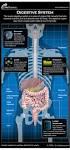 Digestive System Functions A. Gastrointestinal Processes 1. Ingestion: placing food in mouth (voluntary) 2. Propulsion: moving food through GI tract a. Peristalsis: alternating waves of contraction and
Reavis High School Anatomy and Physiology Curriculum Snapshot
 Reavis High School Anatomy and Physiology Curriculum Snapshot Unit 1: Introduction to the Human Body 10 days As part of this unit, students will define anatomy, physiology, and pathology. They will identify
The Human Immune System
 The Human Immune System What is the immune system? The body s defense against disease causing organisms, malfunctioning cells, and foreign particles The First Line of Defense Skin The dead, outer layer
31.1 The Neuron. BUILD Vocabulary. Lesson Objectives
 Name Class Date 31.1 The Neuron Lesson Objectives Identify the functions of the nervous system. Describe the function of neurons. Describe how a nerve impulse is transmitted. BUILD Vocabulary A. The chart
Section B: Epithelial Tissue 1. Where are epithelial tissues found within the body? 2. What are the functions of the epithelial tissues?
 Tissue worksheet Name Section A: Intro to Histology Cells are the smallest units of life. In complex organisms, cells group together with one another based on similar structure and function to form tissues.
Digestion, Absorption. How & where?
 Digestion, Absorption How & where? What happens to food? Three processes Digestion Absorption Elimination Where do they occur? GI tract Overview of Digestion GI tract Gastrointestinal (GI) tract: series
The Human Digestive System
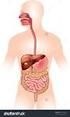 The Human Digestive System Name: Section: Date: Page 1 of 10 Page 2 of 10 Page 3 of 10 Page 4 of 10 Page 5 of 10 Page 6 of 10 Putting it All Together Digestive Enzymes Page 7 of 10 Page 8 of 10 Page 9
The Vertebrate (mostly human) Digestive System
 The Vertebrate (mostly human) Digestive System Mouth - mastication, lubrication, digestion Pharynx and Esophagus - swallowing Stomach - some digestion Small intestine - most digestion and absorption Large
Class 10 NCERT Science Text Book Chapter 7 Control and Coordination
 Class 10 NCERT Science Text Book Chapter 7 Control and Coordination Question 1: What is the difference between a reflex action and walking? A reflex action is a rapid, automatic response to a stimulus.
The Immune System and Disease
 Chapter 40 The Immune System and Disease Section 40 1 Infectious Disease (pages 1029 1033) This section describes the causes of disease and explains how infectious diseases are transmitted Introduction
Human Body Vocabulary Words Week 1
 Vocabulary Words Week 1 1. arteries Any of the blood vessels that carry blood away from the heart to all parts of the body 2. heart The muscular organ inside the chest that pumps blood through the body
Regulating the Internal Environment Water Balance & Nitrogenous Waste Removal
 Regulating the Internal Environment Water Balance & Nitrogenous Waste Removal 2006-2007 Animal systems evolved to support multicellular life CH CHO O 2 O 2 NH 3 CH CHO O 2 CO 2 NH NH 3 O 2 3 NH 3 intracellular
1. Which substances in the small intestine of humans serve to increase the surface area for absorption?
 Digestion Review 1. Which substances in the small intestine of humans serve to increase the surface area for absorption? (a.) intestinal glands (b.) villi (c.) pseudopodia (d.) cilia (e.) flagella 2. The
Human Anatomy & Physiology I with Dr. Hubley. Practice Exam 1
 Human Anatomy & Physiology I with Dr. Hubley Practice Exam 1 1. Which definition is the best definition of the term gross anatomy? a. The study of cells. b. The study of tissues. c. The study of structures
U N IT 10 NE RVOUS SYS TE M REVIEW 1. Which of the following is controlled by the somatic nervous system? A. rate of heartbeat B.
 U N IT 10 NE RVOUS SYS TE M REVIEW 1. Which of the following is controlled by the somatic nervous system? A. rate of heartbeat B. contraction of skeletal muscles C. increased blood flow to muscle tissue
Our Human Body On-site student activities Years 5 6
 Our Human Body On-site student activities Years 5 6 Our Human Body On-site student activities: Years 5-6 Student activity (and record) sheets have been developed with alternative themes for students to
Your Body's Systems Literacy Foundations Science: Biology
 Version 01 Your Body's Systems Literacy Foundations Science: Biology 2012 by Open School BC This work is licensed under the Creative Commons Attribution-NonCommercial 4.0 International License. To view
Vascular System The heart can be thought of 2 separate pumps from the right ventricle, blood is pumped at a low pressure to the lungs and then back
 Vascular System The heart can be thought of 2 separate pumps from the right ventricle, blood is pumped at a low pressure to the lungs and then back to the left atria from the left ventricle, blood is pumped
H.W. 1 Bio 101 Prof. Fournier
 H.W. 1 Bio 101 Prof. Fournier 1. What is a similarity between all bacteria and plants? A) They both have a nucleus B) They are both composed of cells C) They both have chloroplasts D) They both lack a
Histology. Epithelial Tissue
 Histology Epithelial Tissue Epithelial Tissue Lines internal and external body surfaces Forms glands Epithelial Tissue Little extracellular matrix Attached on one side Avascular Basement membrane Apical
6023-1 - Page 1. Name: 4) The diagram below represents a beaker containing a solution of various molecules involved in digestion.
 Name: 6023-1 - Page 1 1) Which one of the following situations indicates a serious organ system malfunction? A) Mitochondria stop functioning in a unicellular organism exposed to pollutants. B) White blood
Bio 20 Chapter 11 Workbook Blood and the Immune System Ms. Nyboer
 Bio 20 Chapter 11 Workbook Blood and the Immune System Ms. Nyboer Name: Part A: Components of Blood 1. List the 3 plasma proteins and describe the function of each Albumins osmotic balance Globulins antibodies,
SMALL AND LARGE INTESTINE SECRETIONS
 SMALL AND LARGE INTESTINE SECRETIONS Objectives At the end of lecture student should be able to know, Digestive system Digestive system secretions Small intestine Component of small intestine Intestinal
Cells and Systems Unit 2 Test
 Cells and Systems Unit 2 Test Student Name Class 1. Characteristics of living organisms include all of the following, EXCEPT... A. they need energy and produce wastes B. they reproduce and grow C. they
5. Secretion: release of water, acids. Enzymes, buffers by digestive tract.
 Digestive System CH-16 Lecture topics Functions of the digestive system: p. 488. 1. Ingestion: Taking food in 2. Propulsion: movement of food thru alimentary canal p.490. voluntary: swalloing : skeletal
Anatomy and Physiology: Understanding the Importance of CPR
 Anatomy and Physiology: Understanding the Importance of CPR Overview This document gives you more information about the body s structure (anatomy) and function (physiology). This information will help