
27 1 /2 to 50 Ton - 60 Hz Voyager Commercial
|
|
|
- Bethanie Burns
- 9 years ago
- Views:
Transcription
1 RT-DS-9 May 1998 First Printing July 1998 Packaged Rooftop Air Conditioners RT-DS /2 to 50 Ton - 60 Hz Voyager Commercial

2 Features and Benefits SM Over the years the Voyager product line has developed into the most complete line of commercial packaged units available. We were first with the Micro when we developed microelectronic unit controls and we move ahead again with Voyager Commercial products. The Voyager Commercial line of package units begins with 27 1 /2 and includes 30, 35, 40, and 50 ton units. Five new sizes meet the needs of the changing commercial rooftop marketplace. Our customers demand units that will have exceptional reliability, meet stringent performance requirements, and be competitively priced. These same requirements drove the design of the original light commercial Voyager and have been carried forward into Voyager Commercial. Voyager Commercial s features and benefits are comprised of cutting edge technologies like the reliable 3-D Scroll compressor, Trane engineered microprocessor controls, computeraided run testing, and Integrated Comfort Systems. So, whether you re the contractor, the engineer, or the owner you can be certain that when you ve chosen Voyager Commercial, you ve chosen Simply the best value! American Standard Inc

3 Features and Benefits Contents Standard Features Factory installed and commissioned microelectronic controls Trane 3-D Scroll Compressors Dedicated downflow or horizontal configuration CV or VAV control FROSTAT coil frost protection on all units Supply air overpressurization protection on VAV units Supply airflow proving Emergency stop input Compressor lead-lag Occupied-Unoccupied switching Timed override activation FC supply fans UL and CSA listing on standard options Two inch standard efficiency filters Finish exceeds salt spray requirements of ASTM B117 Sloped condensate drain pans Optional Features Electric heat Natural gas heat LP gas heat (kit only) Power Exhaust Barometric Relief High Efficiency 2 Throwaway Filters High Efficiency 4 Throwaway Filters High Efficiency supply fan motors Manual fresh air damper Economizer with dry bulb control Economizer with reference enthalpy control Economizer with differential (comparative) enthalpy control Inlet guide vanes on VAV units Variable frequency drives on VAV units (with or without bypass) Service Valves Through-the-base electrical provision Factory mounted disconnect with external handle (non-fused) Factory powered 15A GFI convenience outlet Field powered 15A GFI convenience outlet Integrated Comfort System Control Option Ventilation Override Hinged Service Access Factory installed Condenser Coil Guards Features and Benefits 2 Model Number Description 9 General Data 10 Application Considerations 13 Selection Procedure 15 Performance Adjustment Factors 17 Performance Data 18 Electrical Data 26 Controls 28 Dimensional Data 31 Weights 34 Field Installed Sensors 35 Mechanical Specifications 38 3

4 Features and Benefits Trane 3-D Scroll Compressor Simple Design with 70% Fewer Parts Fewer parts than an equal capacity reciprocating compressor means significant reliability and efficiency benefits. The single orbiting scroll eliminates the need for pistons, connecting rods, wrist pins and valves. Fewer parts lead to increased reliability. Fewer moving parts, less rotating mass and less internal friction means greater efficiency than reciprocating compressors. The Trane 3-D Scroll provides important reliability and efficiency benefits. The 3-D Scroll allows the orbiting scrolls to touch in all three dimensions, forming a completely enclosed compression chamber which leads to increased efficiency. In addition, the orbiting scrolls only touch with enough force to create a seal; there is no wear between the scroll plates. The fixed and orbiting scrolls are made of high strength cast iron which results in less thermal distortion, less leakage, and higher efficiencies. The most outstanding feature of the 3-D Scroll compressor is that slugging will not cause failure. In a reciprocating compressor, however, the liquid or dirt can cause serious damage. Low Torque Variation The 3-D Scroll compressor has a very smooth compression cycle with torque variations that are only 30 percent of that produced by a reciprocating compressor. This means the scroll compressor imposes very little stress on the motor for greater reliability. Low torque variation means reduced noise and vibration. Suction Gas Cooled Motor Compressor motor efficiency and reliability is further optimized with this design. Cool suction gas keeps the motor cooler for longer life and better efficiency. Proven Design Through Testing and Research With over twenty years of development and testing, Trane 3-D Scroll compressors have undergone more than 400,000 hours of laboratory testing and field operation. This work combined with over 25 patents makes Trane the worldwide leader in air conditioning scroll compressor technology. One of two matched scroll plates the distinguishing feature of the scroll compressor. Chart illustrates low torque variation of 3-D Scroll compressors reciprocating compressor. 4

5 Features and Benefits Quality and Reliability Forced Combustion Blower Negative Pressure Gas Valve Hot Surface Ignitor Drum and Tube Heat Exchanger Micro Controls For over 10 years Trane has been working with micro-processor controls in the applied equipment markets. These designs have provided the technology that has been applied to the Voyager units. The Micro provides unit control for heating, cooling and ventilating utilizing input from sensors that measure outdoor and indoor temperature. The Micro improves quality and reliability through the use of time-tested micro-processor controls and logic. The Micro: prevents the unit from short cycling, considerably improving compressor life. ensures that the compressor will run for a specific amount of time which allows oil to return for better lubrication, enhancing the reliability of the commercial compressor. The Voyager with the Micro reduces the number of components required to operate the unit, thereby reducing possibilities for component failure. Drum and Tube Heat Exchanger The drum and tube heat exchanger is designed for increased efficiency and reliability and has utilized improved technology incorporated in the large roof top commercial units for almost 20 years. The heat exchanger is manufactured using aluminized steel with stainless steel components for maximum durability. The requirement for cycle testing of heat exchangers is 10,000 cycles by ANSI Z This is the standard required by both UL and AGA for cycle test requirements. Trane requires the design to be tested to 2 1 /2 times this current standard. The drum and tube design has been tested and passed over 150,000 cycles which is over 15 times the current ANSI cycling requirements. The negative pressure gas valve will not allow gas flow unless the combustion blower is operating. This is one of our unique safety features. The forced combustion blower supplies pre-mixed fuel through a single stainless steel burner screen into a sealed drum where ignition takes place. It is more reliable to operate and maintain than a multiple burner system. The hot surface ignitor is a gas ignition device which doubles as a safety device utilizing a continuous test to prove the flame. The design is cycle tested at the factory for quality and reliability. All the gas/electric rooftops exceed all California seasonal efficiency requirements. They also perform better than required to meet the California NOx emission requirements. 5

6 Features and Benefits Excellent Part-Load Efficiency The Scroll compressor s unique design allows it to be applied in a passive parallel manifolded piping scheme, something that a recip just doesn t do very well. When the unit begins stage back at part load it still has the full area and circuitry of its evaporator and condenser coils available to transfer heat. In simple terms this means superior part-load efficiencies (IPLV) and lower unit operating costs. FC Fans with Inlet Guide Vanes Trane s forward-curved fans with inlet guide vanes pre-rotate the air in the direction of the fan wheel, decreasing static pressure and horsepower, essentially unloading the fan wheel. The unloading characteristics of a Trane FC fan with inlet guide vanes result in superior part load performance. Rigorous Testing All of Voyager s designs were rigorously rain tested at the factory to ensure water integrity. Actual shipping tests are performed to determine packaging requirements. Units are test shipped around the country. Factory shake and drop tested as part of the package design process to help assure that the unit will arrive at your job site in top condition. Rigging tests include lifting a unit into the air and letting it drop one foot, assuring that the lifting lugs and rails hold up under stress. We perform a 100% coil leak test at the factory. The evaporator and condenser coils are leak tested at 200 psig and pressure tested to 450 psig. All parts are inspected at the point of final assembly. Sub-standard parts are identified and rejected immediately. Every unit receives a 100% unit run test before leaving the production line to make sure it lives up to rigorous Trane requirements. Ease of Installation Contractors look for lower installation (jobsite) costs. Voyager s conversionless units provide many time and money saving features. Conversionless Units The dedicated design units (either downflow or horizontal) require no panel removal or alteration time to convert in the field a major cost savings during installation. Improved Airflow U-shaped airflow allows for improved static capabilities. The need for high static motor conversion is minimized and time isn t spent changing to high static oversized motors. Single Point Power A single electrical connection powers the unit. Micro The function of the Micro replaces the need for field installed anti-shortcycle timer and time delay relays. The Micro ensures that these controls are integral to the unit. The contractor no longer has to purchase these controls as options and pay to install them. The wiring of the low voltage connections to the unit and the zone sensors is as easy as 1-1, 2-2, and 3-3. This simplified system makes it easier for the installer to wire. 6

7 Features and Benefits Serviceability Today s owners are more conscious of the cost of service and maintenance. Voyager was designed with input from service contractors. Their information helped us design a unit that would get the serviceman off the job quicker and save the owner money. Here is why Voyager can save money in service. Voyager s Simpler Design The Voyager design uses fewer parts than previous units. Since it is simpler in design, it is easier to diagnose. Micro The Micro requires no special tools to run the Voyager unit through its paces. Simply place a jumper between Test 1 and Test 2 terminals on the Low Voltage Terminal Board and the unit will walk through its operational steps automatically. The unit automatically returns control to the zone sensor after stepping through the test mode a single time, even if the jumper is left on the unit. As long as the unit has power and the system on LED is lit, the Micro is operational. The light indicates that the Micro is functioning properly. The Micro features expanded diagnostic capabilities when utilized with Trane s Integrated Comfort Systems. Some Zone Sensor options have central control panel lights which indicate the mode the unit is in and possible diagnostic information (dirty filters for example). Easy Access Low Voltage Terminal Board Voyager s Low Voltage Terminal Board is external to the electrical control cabinet. It is extremely easy to locate and attach the thermostat wire. This is another cost and time-saving installation feature. Value Low Ambient Cooling All Voyager Commercial units have cooling capabilities down to 0 F as standard. Power Exhaust Option Provides exhaust of the return air when using an economizer to maintain proper building pressurization. Great for relieving most building overpressurization problems. Micro Benefits The Micro in the Voyager units has builtin anti-short-cycle timer, time delay relay and minimum on time controls. These controls are functions of the Micro and are factory tested to assure proper operation. The Micro softens electrical spikes by staging on fans, compressors and heaters. Intelligent Fallback is a benefit to the building occupant. If a component goes astray, the unit will continue to operate at predetermined temperature setpoint. Intelligent Anticipation is a standard feature of the Micro. It functions constantly as the Micro and zone sensor work together in harmony to provide tighter comfort control than conventional electro-mechanical thermostats. Horizontal Discharge with Power Exhaust Option 7

8 Features and Benefits TM VariTrac VariTrac Trane s changeover VAV System for light commercial applications is also available. Coupled with Voyager Commercial, it provides the latest in technological advances for comfort management systems and can allow thermostat control in every zone served by VariTrac. Downflow and Horizontal Economizers The economizers come with three control options dry bulb, enthalpy and differential enthalpy. (Photo above shows the three fresh air hoods on the Horizontal Discharge Configuration). Trane Communication Interface or TCI is available factory or field installed. This module when applied with the Micro easily interfaces with Trane s Integrated Comfort System. Trane factory built roof curbs are available for all units. One of Our Finest Assets: Trane Commercial Sales Engineers are a support group that can assist you with: Product Application Service Training Special Applications Specifications Computer Programs and more 8

9 Model Number Description YC D 480 A 4 H A 1 A 4 F D 1 A Digit 1, 2 Unit Function TC = DX Cooling, No Heat TE = DX Cooling, Electric Heat YC = DX Cooling, Natural Gas Heat Digit 3 Unit Airflow Design D = Downflow Configuration H = Horizontal Configuration Digit 4, 5, 6 Nominal Cooling Capacity 330 = 27.5 Tons 360 = 30 Tons 420 = 35 Tons 480 = 40 Tons 600 = 50 Tons Digit 7 Major Development Sequence A = First Digit 8 Power Supply (See Note 1) E = 208/60/3 F = 230/60/3 4 = 460/60/3 5 = 575/60/3 Digit 9 Heating Capacity (See Note 4) 0 = No Heat (TC only) L = Low Heat (YC only) H = High Heat (YC only) Note: When second digit is E for Electric Heat, the following values apply in the ninth digit. A = 36 KW B = 54 KW C = 72 KW D = 90 KW E = 108 KW Digit 10 Design Sequence A = First Digit 11 Exhaust 0 = None 1 = Barometric Relief (Available w/economizer only) 2 = Power Exhaust Fan (Available w/economizer only) Digit 12 Filter A = Standard 2 Throwaway Filters B = High Efficiency 2 Throwaway Filters C = High Efficiency 4 Throwaway Filters Digit 13 Supply Fan Motor, HP 1 = 7.5 Hp Std. Eff. 2 = 10 Hp Std. Eff. 3 = 15 Hp Std. Eff. 4 = 20 Hp Std. Eff. 5 = 7.5 Hp Hi. Eff. 6 = 10 Hp Hi. Eff. 7 = 15 Hp Hi. Eff. 8 = 20 Hp Hi. Eff. Digit 14 Supply Air Fan Drive Selections (See Note 3) A = 550 RPM H = 500 RPM B = 600 RPM J = 525 RPM C = 650 RPM K = 575 RPM D = 700 RPM L = 625 RPM E = 750 RPM M = 675 RPM F = 790 RPM N = 725 RPM G = 800 RPM Digit 15 Fresh Air Selection A = No Fresh Air B = 0-25% Manual Damper C = 0-100% Economizer, Dry Bulb Control D = 0-100% Economizer, Reference Enthalpy Control E = 0-100% Economizer, Differential Enthalpy Control F = C Option and Low Leak Fresh Air Damper G = D Option and Low Leak Fresh Air Damper H = E Option and Low Leak Fresh Air Damper Digit 16 System Control 1 = Constant Volume 2 = VAV Supply Air Temperature Control w/o Inlet Guide Vanes 3 = VAV Supply Air Temperature Control w/inlet Guide Vanes 4 = VAV Supply Air Temperature Control w/variable Frequency Drive w/o Bypass 5 = VAV Supply Air Temperature Control w/variable Frequency Drive and Bypass Note: Zone sensors are not included with option and must be ordered as a separate accessory. Digit 17+ Miscellaneous A = Service Valves (See Note 2) B = Through the Base Electrical Provision C = Non-Fused Disconnect Switch with External Handle D = Factory-Powered 15A GFI Convenience Outlet and Non-Fused Disconnect Switch with External Handle E = Field-Powered 15A GFI Convenience Outlet F = ICS Control Option Trane Communication Interface, Supply Air Sensing and Clogged Filter Switch G = Ventilation Override H = Hinged Service Access J = Condenser Coil Guards Note: 1. All voltages are across the line starting only. 2. Option includes Liquid, Discharge, Suction Valves. 3. Supply air fan drives A thru G are used with ton units only and drives H thru N are used with 40 & 50 ton units only. 4. Electric Heat KW ratings are based upon voltage ratings of 240/480/600 V. Voltage offerings are as follows (see table 21-2 for additional information): KW Tons Voltage to x x 480 x x x x 600 x x x 40 and x 480 x x x x 600 x x x x 9

10 General Data Table 10-1 General Data Tons 27.5 Ton 30 Ton Cooling Performance 1 Nominal Gross Capacity 330, ,000 Natural Gas Heat 2 Low High Low High Heating Input (BTUH) 350, , , ,000 First Stage 250, , , ,000 Heating Output (BTUH) 283, , , ,000 First Stage 202, , , ,500 Steady State Efficiency (%) No. Burners No. Stages Gas Connection Pipe Size (in.) 3 /4 1 3 /4 1 Electric Heat KW Range Capacity Steps: 2 2 Compressor Number/Type 2/Scroll 2/Scroll Size (Nominal) 10/15 15 Unit Capacity Steps (%) 100/40 100/50 Motor RPM Outdoor Coil Type Lanced Lanced Tube Size (in.) OD 3 /8 3 /8 Face Area (sq ft) Rows/Fins Per Inch 2/16 2/16 Indoor Coil Type Hi-Performance Hi-Performance Tube Size (in.) OD 1 /2 1 /2 Face Area Rows/Fins Per Inch 2/14 2/14 Refrigerant Control TXV TXV No. of Circuits 1 1 Drain Connection No./Size (in) 1/1.25 1/1.25 Type PVC PVC Outdoor Fan Type Propeller Propeller No. Used/Diameter 3/ /28.00 Drive Type/No. Speeds Direct/1 Direct/1 CFM 24,800 24,800 No. Motors/HP/RPM 3/1.10/1125 3/1.10/1125 Indoor Fan Type FC FC No. Used 1 1 Diameter/Width (in) 22.38/ /22.00 Drive Type/No. Speeds Belt/1 Belt/1 No. Motors/HP 1/7.50/ /7.50/10.00 Motor RPM Motor Frame Size 213/215T 213/215T Exhaust Fan Type Propeller Propeller No. Used/Diameter (in) 2/ /26.00 Drive Type/No. Speeds/Motors Direct/2/2 Direct/2/2 Motor HP/RPM 1.0/ /1075 Motor Frame Size Filters Type Furnished Throwaway Throwaway No./ Recommended Size (in) 6 16/16 x 20 x 2 16/16 x 20 x 2 Refrigerant Charge (Lbs of R-22) Minimum Outside Air Temperature For Mechanical Cooling 0 F 0 F Notes: 1. Cooling Performance is rated at 95 F ambient, 80 F entering dry bulb, 67 F entering wet bulb. Gross capacity does not include the effect of fan motor heat. Tested in accordance with ARI Standard Heating Performance limit settings and rating data were established and approved under laboratory test conditions using American National Standards Institute standards. Ratings shown are for elevations up to 4,500 feet. 3. Steady State Efficiency is rated in accordance with DOE test procedures. 4. Refrigerant charge is an approximate value. For a more precise value, see unit nameplate and service instructions. 5. Maximum 208V = 240V = Filter dimensions listed are nominal. For actual filter and rack sizes see the Unit Installation, Operation, Maintenance Guide. 10

11 General Data Table 11-1 General Data Ton 35 Ton 40 Ton Cooling Performance 1 Nominal Gross Capacity 420, ,000 Natural Gas Heat 2 Low High Low High Heating Input (BTUH) 350, , , ,000 First Stage 250, , , ,000 Heating Output (BTUH) 283, , , ,000 First Stage 202, , , ,000 Steady State Efficiency (%) No. Burners No. Stages Gas Connection Pipe Size (in.) 3 /4 1 3 /4 1 Electric Heat KW Range Capacity Steps: 2 2 Compressor Number/Type 2/Scroll 3/Scroll Size (nominal) 15 15/15/10 Unit Capacity Steps (%) 100/50 100/60/40 Motor RPM Outdoor Coil Type Lanced Lanced Tube Size (in.) OD 3 /8 3 /8 Face Area Rows/Fins Per Inch 2/16 2/16 Indoor Coil Type Hi-Performance Hi-Performance Tube Size (in.) OD 1 /2 1 /2 Face Area (sq. ft.) Rows/Fins Per Inch 3/15 2/14 Refrigerant Control TXV TXV No. of Circuits 1 2 Drain Connection No./Size (in) 1/1.25 1/1.25 Type PVC PVC Outdoor Fan Type Propeller Propeller No. Used/Diameter 3/ /28.00 Drive Type/No. Speeds Direct/1 Direct/1 CFM 24,800 31,700 No. Motors/HP/RPM 3/1.10/1125 4/1.10/1125 Indoor Fan Type FC FC No. Used 1 1 Diameter/Width (in) 22.38/ /25.00 Drive Type/No. Speeds Belt/1 Belt/1 No. Motors/HP 1/7.50/10.00/ /10.00/15.00 Motor RPM Motor Frame Size 213/215/254T 215/254T Exhaust Fan Type Propeller Propeller No. Used/Diameter (in) 2/ /26.00 Drive Type/No. Speeds/Motors Direct/2/2 Direct/2/2 Motor HP/RPM 1.0/ /1075 Motor Frame Size Filters Type Furnished Throwaway Throwaway No./Recommended Size (in) 6 16/16 x 20 x 2 17/16 x 20 x 2 Refrigerant Charge (Lbs of R-22) /42.50 per circuit Minimum Outside Air Temperature For Mechanical Cooling 0 F 0 F Notes: 1. Cooling Performance is rated at 95 F ambient, 80 F entering dry bulb, 67 F entering wet bulb. Gross capacity does not include the effect of fan motor heat. Tested in accordance with ARI Standard Heating Performance limit settings and rating data were established and approved under laboratory test conditions using American National Standards Institute standards. Ratings shown are for elevations up to 4,500 feet. 3. Steady State Efficiency is rated in accordance with DOE test procedures. 4. Refrigerant charge is an approximate value. For a more precise value, see unit nameplate and service instructions. 5. Maximum 208V = 240V = Filter dimensions listed are nominal. For actual filter and rack sizes see the Unit Installation, Operation, Maintenance Guide. 11

12 General Data Table 12-1 General Data 50-Ton 50 Ton Cooling Performance 1 Nominal Gross Capacity 587,000 Natural Gas Heat 2 Low High Heating Input (BTUH) 400, ,000 First Stage 300, ,000 Heating Output (BTUH) 324, ,000 First Stage 243, ,000 Steady State Efficiency (%) No. Burners 1 2 No. Stages 2 2 Gas Connection Pipe Size (in.) 3 /4 1 Electric Heat KW Range Capacity Steps: 2 Compressor Number/Type 3/Scroll Size (nominal) 15 Unit Capacity Steps (%) 100/67/33 Motor RPM 3450 Outdoor Coil Type Lanced Tube Size (in.) OD 3 /8 Face Area (sq. ft.) Rows/Fins Per Inch 2/16 Indoor Coil Type Hi-Performance Tube Size (in.) OD 1 /2 Face Area Rows/Fins Per Inch 3/13 Refrigerant Control TXV No. of Circuits 2 Drain Connection No./Size (in) 1/1.25 Type PVC Outdoor Fan Type Propeller No. Used/Diameter 4/28.00 Drive Type/No. Speeds Direct/1 CFM 31,700 No. Motors/HP/RPM 4/1.10/1125 Indoor Fan Type FC No. Used 1 Diameter/Width (in) 25.00/25.00 Drive Type/No. Speeds Belt/1 No. Motors/HP 1/10.00/15.00/20.00 Motor RPM 1760 Motor Frame Size 215/254/256T Exhaust Fan Type Propeller No. Used/Diameter (in) 2/26.00 Drive Type/No. Speeds/Motors Direct/2/2 Motor HP/RPM 1.0/1075 Motor Frame Size 48 Filters Type Furnished Throwaway No./Recommended Size (in) 6 17/16 x 20 x 2 Refrigerant Charge (Lbs of R-22) /49.50 per circuit Minimum Outside Air Temperature For Mechanical Cooling 0 F Notes: 1. Cooling Performance is rated at 95 F ambient, 80 F entering dry bulb, 67 F entering wet bulb. Gross capacity does not include the effect of fan motor heat. Tested in accordance with ARI Standard Heating Performance limit settings and rating data were established and approved under laboratory test conditions using American National Standards Institute standards. Ratings shown are for elevations up to 4,500 feet. 3. Steady State Efficiency is rated in accordance with DOE test procedures. 4. Refrigerant charge is an approximate value. For a more precise value, see unit nameplate and service instructions. 5. Maximum 208V = 240V = Filter dimensions listed are nominal. For actual filter and rack sizes see the Unit Installation, Operation, Maintenance Guide. 12

13 General Data Table 13-1 Economizer Outdoor Air Damper Leakage (Of Rated Airflow) P Across Dampers (In. WC) 0.5 (In.) 1.0 (In.) Standard 1.5 % 2.5 % Optional Low Leak 0.5 % 1.0 % Note: Above data based on tests completed in accordance with AMCA Standard 575. Application Considerations Exhaust Air Options When is it necessary to provide building exhaust? Whenever an outdoor air economizer is used, a building generally requires an exhaust system. The purpose of the exhaust system is to exhaust the proper amount of air to prevent over or underpressurization of the building. A building may have all or part of its exhaust system in the rooftop unit. Often, a building provides exhaust external to the air conditioning equipment. This external exhaust must be considered when selecting the rooftop exhaust system. Voyager Commercial rooftop units offer two types of exhaust systems: 1 Power exhaust fan. 2 Barometric relief dampers. Application Recommendations Power Exhaust Fan The exhaust fan option is a dual, nonmodulating exhaust fan with approximately half the air-moving capabilities of the supply fan system. The experience of The Trane Company is that a non-modulating exhaust fan selected for 40 to 50 percent of nominal supply cfm can be applied successfully. The power exhaust fan generally should not be selected for more than 40 to 50 percent of design supply airflow. Since it is an on/off nonmodulating fan, it does not vary exhaust cfm with the amount of outside air entering the building. Therefore, if selected for more than 40 to 50 percent of supply airflow, the building may become underpressurized when economizer operation is allowing lesser amounts of outdoor air into the building. If, however, building pressure is not of a critical nature, the nonmodulating exhaust fan may be sized for more than 50 percent of design supply airflow. Consult Table 25-2 for specific exhaust fan capabilities with Voyager Commercial units. Barometric Relief Dampers Barometric relief dampers consist of gravity dampers which open with increased building pressure. As the building pressure increases, the pressure in the unit return section also increases, opening the dampers and relieving air. Barometric relief may be used to provide relief for single story buildings with no return ductwork and exhaust requirements less than 25 percent. Altitude Corrections The rooftop performance tables and curves of this catalog are based on standard air (.075 lbs/ft). If the rooftop airflow requirements are at other than standard conditions (sea level), an air density correction is needed to project accurate unit performance. Figure 17-1 shows the air density ratio at various temperatures and elevations. Trane rooftops are designed to operate between 40 and 90 degrees Fahrenheit leaving air temperature. The procedure to use when selecting a supply or exhaust fan on a rooftop for elevations and temperatures other than standard is as follows: 1 First, determine the air density ratio using Figure Divide the static pressure at the nonstandard condition by the air density ratio to obtain the corrected static pressure. 3 Use the actual cfm and the corrected static pressure to determine the fan rpm and bhp from the rooftop performance tables or curves. 4 The fan rpm is correct as selected. 5 Bhp must be multiplied by the air density ratio to obtain the actual operating bhp. In order to better illustrate this procedure, the following example is used: Consider a 30-ton rooftop unit that is to deliver 11,000 actual cfm at 1.50 inches total static pressure (tsp), 55 F leaving air temperature, at an elevation of 5,000 ft. 1 From Figure 17-1, the air density ratio is Tsp=1.50 inches/0.86=1.74 inches tsp. 3 From the performance tables: a 30-ton rooftop will deliver 11,000 cfm at 1.74 inches tsp at 668 rpm and 6.93 bhp. 4 The rpm is correct as selected 668 rpm. 5 Bhp = 6.93 x 0.86 = Compressor MBh, SHR, and kw should be calculated at standard and then converted to actual using the correction factors in Table Apply these factors to the capacities selected at standard cfm so as to correct for the reduced mass flow rate across the condenser. 13

14 Application Considerations Heat selections other than gas heat will not be affected by altitude. Nominal gas capacity (output) should be multiplied by the factors given in Table 17-3 before calculating the heating supply air temperature. Acoustical Considerations Proper placement of rooftops is critical to reducing transmitted sound levels to the building. The ideal time to make provisions to reduce sound transmissions is during the design phase. And the most economical means of avoiding an acoustical problem is to place the rooftop(s) away from acoustically critical areas. If possible, rooftops should not be located directly above areas such as: offices, conference rooms, executive office areas and classrooms. Instead, ideal locations might be over corridors, utility rooms, toilets or other areas where higher sound levels directly below the unit(s) are acceptable. Several basic guidelines for unit placement should be followed to minimize sound transmission through the building structure: 1 Never cantilever the compressor end of the unit. A structural cross member must support this end of the unit. 2 Locate the unit s center of gravity close to or over column or main support beam. 3 If the roof structure is very light, roof joists must be replaced by a structural shape in the critical areas described above. 4 If several units are to be placed on one span, they should be staggered to reduce deflection over that span. It is impossible to totally quantify the effect of building structure on sound transmission, since this depends on the response of the roof and building members to the sound and vibration of the unit components. However, the guidelines listed above are experienceproven guidelines which will help reduce sound transmissions. Clearance Requirements The recommended clearances identified with unit dimensions should be maintained to assure adequate serviceability, maximum capacity and peak operating efficiency. A reduction in unit clearance could result in condenser coil starvation or warm condenser air recirculation. If the clearances shown are not possible on a particular job, consider the following: Do the clearances available allow for major service work such as changing compressors or coils? Do the clearances available allow for proper outside air intake, exhaust air removal and condenser airflow? If screening around the unit is being used, is there a possibility of air recirculation from the exhaust to the outside air intake or from condenser exhaust to condenser intake? Actual clearances which appear inadequate should be reviewed with a local Trane sales engineer. When two or more units are to be placed side by side, the distance between the units should be increased to 150 percent of the recommended single unit clearance. The units should also be staggered for two reasons: 1 To reduce span deflection if more than one unit is placed on a single span. Reducing deflection discourages sound transmission. 2 To assure proper diffusion of exhaust air before contact with the outside air intake of adjacent unit. Duct Design It is important to note that the rated capacities of the rooftop can be met only if the rooftop is properly installed in the field. A well designed duct system is essential in meeting these capacities. The satisfactory distribution of air throughout the system requires that there be an unrestricted and uniform airflow from the rooftop discharge duct. This discharge section should be straight for at least several duct diameters to allow the conversion of fan energy from velocity pressure to static pressure. However, when job conditions dictate elbows be installed near the rooftop outlet, the loss of capacity and static pressure may be reduced through the use of guide vanes and proper direction of the bend in the elbow. The high velocity side of the rooftop outlet should be directed at the outside radius of the elbow rather than the inside. 14

15 Selection Procedure Selection of Trane commercial air conditioners is divided into five basic areas: 1 Cooling capacity 2 Heating capacity 3 Air delivery 4 Unit electrical requirements 5 Unit designation Factors Used In Unit Cooling Selection: 1 Summer design conditions 95 DB/ 76 WB, 95 F entering air to condenser. 2 Summer room design conditions 76 DB/66 WB. 3 Total peak cooling load 321 MBh (27.75 tons). 4 Total peak supply cfm 12,000 cfm. 5 External static pressure 1.0 inches. 6 Return air temperatures 80 DB/ 66 WB. 7 Return air cfm 4250 cfm. 8 Outside air ventilation cfm and load 1200 cfm and MBh (1.52 tons). 9 Unit accessories include: a Aluminized heat exchanger high heat module. b 2 Hi-efficiency throwaway filters. c Exhaust fan. d Economizer cycle. Step 1 A summation of the peak cooling load and the outside air ventilation load shows: tons tons = required unit capacity. From Table 18-2, 30-ton unit capacity at 80 DB/67 WB, 95 F entering the condenser and 12,000 total peak supply cfm, is 30.0 tons. Thus, a nominal 30-ton unit is selected. Step 2 Having selected a nominal 30-ton unit, the supply fan and exhaust fan motor bhp must be determined. Supply Air Fan: Determine unit static pressure at design supply cfm: External static pressure 1.20 inches Heat exchanger (Table 24-1).14 inches High efficiency filter 2 (Table 24-1).09 inches Economizer (Table 24-1).076 inches Unit total static pressure 1.50 inches Using total cfm of 12,000 and total static pressure of 1.50 inches, enter Table Table 22-1 shows 7.27 bhp with 652 rpm. Step 3 Determine evaporator coil entering air conditions. Mixed air dry bulb temperature determination. Using the minimum percent of OA (1,200 cfm 12,000 cfm = 10 percent), determine the mixture dry bulb to the evaporator. RADB + %OA (OADB - RADB) = 80 + (0.10) (95-80) = = 81.5F Approximate wet bulb mixture temperature: RAWB + OA (OAWB - RAWB) = 66 + (0.10) (76-66) = = 67 F. A psychrometric chart can be used to more accurately determine the mixture temperature to the evaporator coil. Step 4 Determine total required unit cooling capacity: Required capacity = total peak load + O.A. load + supply air fan motor heat. From Figure 16-1, the supply air fan motor heat for 7.27 bhp = 20.6 MBh. Capacity = = MBh (30 tons) Step 5 Determine unit capacity: From Table 18-2 unit capacity at 81.5 DB. 67 WB entering the evaporator, supply air cfm, 95 F entering the condenser is 361 MBh (30.1 tons) 279 sensible MBh. Step 6 Determine leaving air temperature: Unit sensible heat capacity, corrected for supply air fan motor heat = MBh. Supply air dry bulb temperature difference = MBh (1.085 x 12,000 cfm) = 19.8 F. Supply air dry bulb: = Unit enthalpy difference = 361 (4.5 x 12,000) = 6.7 Btu/lb leaving enthalpy = h (ent WB) = Leaving enthalpy = Btu/lb Btu/lb = 24.9 Btu/lb. From Table 17-1, the leaving air wet bulb temperature corresponding to an enthalpy of 24.9 Btu/lb = Leaving air temperatures = 61.7 DB/57.5 WB 15

16 Selection Procedure Heating capacity selection: 1 Winter outdoor design conditions 5 F. 2 Total return air temperature 72 F. 3 Winter outside air minimum ventilation load and cfm 1,200 cfm and 87.2 MBh. 4 Peak heating load 225 MBh. Utilizing unit selection in the cooling capacity procedure. Mixed air temperature = RADB + %O.A. (OADB - RADB) = 72 + (0.10) (0-72) = 64.8 F. Supply air fan motor heat temperature rise = 20,600 BTU (1.085 x 12,000) cfm = 1.6 F. Mixed air temperature entering heat module = = 66.4 F. Total winter heating load = peak heating + ventilation load - total fan motor heat = = MBh. Electric Heating System Unit operating on 480/60/3 power supply. From Table 21-1, kw may be selected for a nominal 30-ton unit operating on 480-volt power. The high heat module 90 KW or 307 MBh will satisfy the winter heating load of MBh. Table 21-1 also shows an air temperature rise of 23.6 F for 12,000 cfm through the 90 kw heat module. Unit supply temperature at design heating conditions = mixed air temperature + air temperature rise = = 90 F. Natural Gas Heating System Assume natural gas supply 1000 Btu/ft 3. From Table 21-3, select the high heat module (486 MBh output) to satisfy at unit cfm. Table 21-3 also shows air temperature rise of 37.3 F for 12,000 cfm through heating module. Unit supply temperature design heating conditions = mixed air temperature + air temperature rise = = F. Air Delivery Procedure Supply air fan bhp and rpm selection. Unit supply air fan performance shown in Table 22-1 includes pressure drops for dampers and casing losses. Static pressure drops of accessory components such as heating systems, and filters if used, must be added to external unit static pressure for total static pressure determination. The supply air fan motor selected in the previous cooling capacity determination example was 7.27 bhp with 652 rpm. Thus, the supply fan motor selected is 7.5 hp. To select the drive, enter Table 25-1 for a 30-ton unit. Select the appropriate drive for the applicable rpm range. Drive selection letter C with a range of 650 rpm, is required for 652 rpm. Where altitude is significantly above sea level, use Table 17-2 and 17-3, and Figure 17-1 for applicable correction factors. Unit Electrical Requirements Selection procedures for electrical requirements for wire sizing amps, maximum fuse sizing and dual element fuses are given in the electrical service selection of this catalog. Unit Designation After determining specific unit characteristics utilizing the selection procedure and additional job information, the complete unit model number can be developed. Use the model number nomenclature on page 9. Figure 16-1 Fan Motor Heat FAN MOTOR HEAT - MBH STANDARD MOTOR HIGH EFFICIENCY MOTOR MOTOR BRAKE HORSE POWER NOTES: 1. Fan motor heat (MBh) includes 1.1 correction factor for motor efficiency. 2. Capacities shown. Table 12-1 are gross values; heat gain from evaporator fan motor must be included in unit capacity determination. 16

17 Performance Adjustment Factors Table 17-1 Enthalpy of Saturated AIR Wet Bulb Temperature Btu Per Lb Figure 17-1 Air Density Ratios Air Density Ratio (Density at New Air Density) Condition/Std. Altitude/Temperature Correction Rooftop Leaving Air Temperature (degrees F) Table 17-2 Cooling Capacity Altitude Correction Factors Altitude (Ft.) Sea Level Cooling Capacity Multiplier KW Correction Multiplier (Compressors) SHR Correction Multiplier Maximum Condenser Ambient 115 F 114 F 113 F 112 F 111 F 110 F 109 F 108 F Note: SHR = Sensible Heat Ratio Table 17-3 Gas Heating Capacity Altitude Correction Factors Altitude (Ft.) Sea Level To 2000 To 2500 To 3500 To 4500 To 5500 To 6500 To 7500 Capacity Multiplier Note: Correction factors are per AGA Std , Part VI, Local codes may supersede. 17

18 Performance Data Table Ton Gross Cooling Capacities (MBh) Ambient Temperature Deg F Ent Entering Wet Bulb Temperature Deg F DB CFM (F) TGC SHC TGC SHC TGC SHC TGC SHC TGC SHC TGC SHC TGC SHC TGC SHC TGC SHC TGC SHC TGC SHC TGC SHC Notes: 1. All capacities shown are gross and have not considered indoor fan heat. To obtain net cooling, subtract indoor fan heat. 2. TGC = Total gross capacity. 3. SHC = Sensible heat capacity. Table Ton Gross Cooling Capacities (Mbh) Ambient Temperature Deg F Ent Entering Wet Bulb Temperature Deg F DB CFM (F) TGC SHC TGC SHC TGC SHC TGC SHC TGC SHC TGC SHC TGC SHC TGC SHC TGC SHC TGC SHC TGC SHC TGC SHC Notes: 1. All capacities shown are gross and have not considered indoor fan heat. To obtain net cooling, subtract indoor fan heat. 2. TGC = Total gross capacity. 3. SHC = Sensible heat capacity. 18

19 Performance Data Table Ton Gross Cooling Capacities (Mbh) Ambient Temperature Deg F Ent Entering Wet Bulb Temperature Deg F DB CFM (F) TGC SHC TGC SHC TGC SHC TGC SHC TGC SHC TGC SHC TGC SHC TGC SHC TGC SHC TGC SHC TGC SHC TGC SHC Notes: 1. All capacities shown are gross and have not considered indoor fan heat. To obtain net cooling, subtract indoor fan heat. 2. TGC = Total gross capacity. 3. SHC = Sensible heat capacity. Table Ton Gross Cooling Capacities (Mbh) Ambient Temperature Deg F Ent Entering Wet Bulb Temperature Deg F DB CFM (F) TGC SHC TGC SHC TGC SHC TGC SHC TGC SHC TGC SHC TGC SHC TGC SHC TGC SHC TGC SHC TGC SHC TGC SHC Notes: 1. All capacities shown are gross and have not considered indoor fan heat. To obtain net cooling, subtract indoor fan heat. 2. TGC = Total gross capacity. 3. SHC = Sensible heat capacity. 19

20 Performance Data Table Ton Gross Cooling Capacities (MBh) Ambient Temperature Deg F Ent Entering Wet Bulb Temperature Deg F DB CFM (F) TGC SHC TGC SHC TGC SHC TGC SHC TGC SHC TGC SHC TGC SHC TGC SHC TGC SHC TGC SHC TGC SHC TGC SHC Notes: 1. All capacities shown are gross and have not considered indoor fan heat. To obtain net cooling, subtract indoor fan heat. 2. TGC = Total gross capacity. 3. SHC = Sensible heat capacity. 20

21 Performance Data Table 21-1 Electric Heat Air Temperature Rise KW Total Cfm Input MBH Notes: 1. Air temperature rise = (KW x 3413)/(scfm x 1.085). 2. All heaters on constant volume units provide 2 increments of capacity. All VAV units provide 1 step of heating capacity. 3. Air temperature rise in this table are based on heater operating at 240, 480 or 600 volts. Table 21-2 Available Electric Heat KW Ranges Nominal Nominal Voltage Unit Size Tons Notes: 1. KW ranges in this table are based on heater operating at 208, 240, 480, and 600 volts. 2. For other than rated voltage, KW = ( Applied Voltage ) 2 x Rated KW. Rated Voltage 3. Electric heaters up to 54 KW are single element heaters, those above 54 KW are dual element heaters. Table 21-3 Natural Gas Heating Capacities Heat Input MBH Heating Output MBH Tons Unit Model No. (See Note 1) (See Note 1) Air Temp. Rise, F YCD/YCH330**L YCD/YCH360**L 350,000/250, ,500/202, YCD/YCH420**L YCD/YCH330**H YCD/YCH360**H 600,000/425, ,000/344, YCD/YCH420**H YCD/YCH480**L YCD/YCH600**L 400,000/300, ,000/243, YCD/YCH480**H YCD/YCH600**H 800,000/600, ,000/486, Note: 1. Second stage is total heating capacity. Second Stage/First Stage. 21
22 Performance Data Table 22-1 Supply Fan Performance Ton Static Pressure (in. wg) SCFM RPM BHP RPM BHP RPM BHP RPM BHP RPM BHP RPM BHP RPM BHP RPM BHP RPM BHP Notes: 1. Fan performance table includes internal resistances of cabinet, and 2 standard filters. For other components refer to component static pressure drop table. Add the pressure drops from any additional components to the duct (external) static pressure, enter the table, and select motor bhp. 2. The pressure drop from the supply fan to the space cannot exceed Maximum air flow for 27.5 ton 12,100 cfm, 30 ton 13,200 cfm, 35 ton 14,400 cfm. 4. Maximum motor horsepower for 27.5 ton 10 hp, 30 ton 10 hp, 35 ton 15 hp. Figure rpm 0% wocfm 3.8 STATIC PRESSURE, in. H2O rpm 700 rpm 650 rpm 600 rpm 550 rpm 500 rpm 450 rpm 400 rpm 3 HP 5 HP 10 HP 7.5 HP 15 HP 50% wocfm 60% wocfm 70% wocfm 80% wocfm 90% wocfm CFM 22
23 Performance Data Table 23-1 Supply Fan Performance 40 and 50 Ton Static Pressure (in. wg) SCFM RPM BHP RPM BHP RPM BHP RPM BHP RPM BHP RPM BHP RPM BHP RPM BHP RPM BHP RPM BHP Notes: 1. Fan performance table includes internal resistances of cabinet, and 2 standard filters. For other components refer to component static pressure drop table. Add the pressure drops from any additional components to the duct (external) static pressure, enter the table, and select motor bhp. 2. The pressure drop from the supply fan to the space cannot exceed Maximum air flow for 40 ton 17,600 cfm, 50 ton 20,000 cfm. 4. Maximum motor horsepower for 40 ton 15 hp, 50 ton 20 hp. Figure HP 10 HP 15 HP 0% wocfm 20 HP 50% wocfm 850 rpm 900 rpm 60% wocfm rpm 750 rpm 3.0 STATIC PRESSURE, in. H2O rpm 650 rpm 600 rpm 550 rpm 500 rpm 450 rpm 400 rpm 70% wocfm 80% wocfm % wocfm CFM 23
24 Performance Data Table 24-1 Component Static Pressure Drops (in. W.G.) 1 Heating System Filters 2 Nominal CFM Gas Heat Electric Heat 3 ID Coil High Eff. Filters Inlet Guide Tons Std Air Low High 1 Element 2 Element Adder 2 4 Vanes Economizer Notes: 1. Static pressure drops of accessory components must be added to external static pressure to enter fan selection tables. 2. Throwaway filter option limited to 300 ft/min face velocity. 3. Electric Heaters KW contain 1 element; KW 2 elements. 24
25 Performance Data Table 25-1 Supply Air Fan Drive Selections 7.5 HP 10 HP 15 HP 20 HP Nominal Drive Drive Drive Drive Tons RPM No RPM No RPM No RPM No 550 A 600 B 27.5T 650 C D * E 550 A 600 B 30T 650 C D E 600 B C 35T D ** F * G H J K 40T L M N J K 50T L M N Note: *For YC gas/electrics only. **For TC and TE Cooling only and with electric heat units only. Table 25-2 Power Exhaust Fan Performance Exhaust External Static Pressure Inches of Water Airflow High Speed Med Speed Low Speed (Cfm) ESP ESP ESP Notes: 1. Performance in table is with both motors operating. 2. High speed = both motors on high speed. Medium speed is one motor on high speed and one on low speed. Low speed is both motors on low speed. 3. Power Exhaust option is not to be applied on systems that have more return air static pressure drop than the maximum shown in the table for each motor speed tap. 25
26 Electrical Data Electrical Service Sizing To correctly size electrical service wiring for your unit, find the appropriate calculations listed below. Each type of unit has its own set of calculations for MCA (Minimum Circuit Ampacity), MOP (Maximum Overcurrent Protection), and RDE (Recommended Dual Element fuse size). Read the load definitions that follow and then find the appropriate set of calculations based on your unit type. Set 1 is for cooling only and cooling with gas heat units, and set 2 is for cooling with electric heat units. Load Definitions LOAD1 = CURRENT OF THE LARGEST MOTOR (COMPRESSOR OR FAN MOTOR) LOAD2 = SUM OF THE CURRENTS OF ALL REMAINING MOTORS LOAD3 = CURRENT OF ELECTRIC HEATERS LOAD4 = ANY OTHER LOAD RATED AT 1 AMP OR MORE Set 1. Cooling Only Rooftop Units and Cooling with Gas Heat Rooftop Units MCA = (1.25 x LOAD1) + LOAD2 + LOAD4 MOP = (2.25 x LOAD1) + LOAD2 + LOAD4 Select a fuse rating equal to the MOP value. If the MOP value does not equal a standard fuse size as listed in NEC 240-6, select the next lower standard fuse rating. NOTE: If selected MOP is less than the MCA, then reselect the lowest standard maximum fuse size which is equal to or larger than the MCA, provided the reselected fuse size does not exceed 800 amps. RDE = (1.5 x LOAD1) + LOAD2 + LOAD4 Select a fuse rating equal to the RDE value. If the RDE value does not equal a standard fuse size as listed in NEC 240-6, select the next higher standard fuse rating. NOTE: If the selected RDE is greater than the selected MOP value, then reselect the RDE value to equal the MOP value. DSS = 1.15 x (LOAD1 + LOAD2 + LOAD4) Select a disconnect switch size equal to or larger than the DSS value calculated. Set 2. Rooftop units with Electric Heat To arrive at the correct MCA, MOP, and RDE values for these units, you must perform two sets of calculations. First calculate the MCA, MOP, and RDE values as if the unit was in cooling mode (use the equations given in Set 1). Then calculate the MCA, MOP, and RDE values as if the unit were in the heating mode as follows. (Keep in mind when determining LOADS that the compressors and condenser fans don t run while the unit is in the heating mode). For units using heaters less than 50 kw. MCA = 1.25 x (LOAD1 + LOAD2 + LOAD4) + (1.25 x LOAD3) For units using heaters equal to or greater than 50 kw. MCA = 1.25 x (LOAD1 + LOAD2 + LOAD4) + LOAD3 The nameplate MCA value will be the larger of the cooling mode MCA value or the heating mode MCA value calculated above. MOP = (2.25 x LOAD1) + LOAD2 + LOAD3 + LOAD4 The selection MOP value will be the larger of the cooling mode MOP value or the heating mode MOP value calculated above. Select a fuse rating equal to the MOP value. If the MOP value does not equal a standard fuse size as listed in NEC 240-6, select the next lower standard fuse rating. NOTE: If selected MOP is less than the MCA, then reselect the lowest standard maximum fuse size which is equal to or larger than the MCA, provided the reselected fuse size does not exceed 800 amps. RDE = (1.5 x LOAD1) + LOAD2 + LOAD3 + LOAD4 The selection RDE value will be the larger of the cooling mode RDE value or the heating mode RDE value calculated above. Select a fuse rating equal to the RDE value. If the RDE value does not equal a standard fuse size as listed in NEC 240-6, select the next higher standard fuse rating. NOTE: If the selected RDE is greater than the selected MOP value, then reselect the RDE value to equal the MOP value. DSS = 1.15 x (LOAD1 + LOAD2 + LOAD3 + LOAD4) NOTE: Keep in mind when determining LOADS that the compressors and condenser fans don t run while the unit is in the heating mode. The selection DSS value will be the larger of the cooling mode DSS or the heating mode DSS calculated above. Select a disconnect switch size equal to or larger than the DSS value calculated. 26
27 Electrical Data Table Ton Electrical Service Sizing Data 1 Fan Motors Compressor Supply Condenser Exhaust Allowable Standard/ Electrical Voltage RLA LRA Hi-Efficiency FLA FLA Model Characteristics Range No/Ton (Ea.) (Ea.) HP FLA No. HP (Ea.) No. HP (Ea.) TC/TE/YC* /60/ /10,1/ / / / / /60/ / / / / /60/ / / / / /60/ / / / /10.1 TC/TE/YC* /60/ / / / /60/ / / /60/ / / /60/ / /10.1 TC/TE/YC* /60/ / / / / /60/ / / / /60/ / / / /60/ / / /14.5 TC/TE/YC* /60/ /15,1/ /62.8/ /409/ / / /60/ /62.8/ /376/ / / /60/ /27.3/ /142/ / / /60/ /21.8/ /114/ / /14.5 TC/TE/YC* /60/ / / / / /60/ / / / /60/ / / / /60/ / / /19.6 Notes: 1. All customer wiring and devices must be installed in accordance with local and national electrical codes. Table Ton Electrical Service Sizing Data Electric Heat Module (Electric Heat Units Only) Models: TED/TEH 330 thru 600 Electric Heat FLA Nominal Nominal Unit Size Unit KW Heater (Tons) Voltage FLA FLA FLA FLA FLA Notes: 1. All FLA in this table are based on heater operating at 208, 240, 480, and 600 volts. 27
28 Controls VAV Units Only Sequence of Operation 1 Supply Air Pressure Control Inlet Guide Vane Control Inlet guide vanes are driven by a modulating 2-10 vdc signal from the VAV Module. A pressure transducer measures duct static pressure, and the inlet guide vanes are modulated to maintain the supply air static pressure within an adjustable user-defined range. The range is determined by the supply air pressure setpoint and supply air pressure deadband, which are set through a unit mounted potentiometer. Inlet guide vane assemblies installed on the supply fan inlets regulate fan capacity and limit horsepower at lower system air requirements. When in any position other than full open, the vanes pre-spin intake air in the same direction as supply fan rotation. As the vanes approach the full-closed position, the amount of spin induced by the vanes increases at the same time that intake airflow and fan horsepower diminish. The inlet guide vanes will close when the supply fan is shut down. Supply Air Static Pressure Limit The opening of the inlet guide vanes and VAV boxes are coordinated, with respect to time, during unit start up and transition to/from Occupied/Unoccupied modes to prevent overpressurization of the supply air ductwork. However, if for any reason the supply air pressure exceeds the fixed supply air static pressure limit of 3.5 W.C., the supply fan is shut down and the inlet guide vanes are closed. The unit is then allowed to restart four times. If the overpressurization condition occurs on the fifth time, the unit is shut down and a manual reset diagnostic is set and displayed at any of the remote panels with LED status lights or communicated to the Integrated Comfort system. Variable Frequency Drives (VFD) Control Variable frequency drives are driven by a modulating 0-10 vdc signal from the VAV module. A pressure transducer measures duct static pressure, and the VFD is modulated to maintain the supply air static pressure within an adjustable user-defined range. The range is determined by the supply air pressure setpoint and supply air pressure deadband, which are set through a unit mounted potentiometer. Variable frequency drives provide supply fan motor speed modulation. The drive will accelerate or decelerate as required to maintain the supply static pressure setpoint. When subjected to high ambient return conditions the VFD shall reduce its output frequency to maintain operation. Bypass control is offered to provide full nominal airflow in the event of drive failure. 2 Supply Air Temperature Controls Cooling/Economizer During occupied cooling mode of operation, the economizer (if available) and primary cooling are used to control the supply air temperature. The supply air temperature setpoint is user-defined at the unit mounted VAV Setpoint Panel or at the remote panel. If the enthalpy of the outside air is appropriate to use free cooling, the economizer will be used first to attempt to satisfy the supply setpoint. On units with economizer, a call for cooling will modulate the fresh air dampers open. The rate of economizer modulation is based on deviation of the discharge temperature from setpoint, i.e., the further away from setpoint, the faster the fresh air damper will open. Note that the economizer is only allowed to function freely if ambient conditions are below the enthalpy control setting or below the return air enthalpy if unit has comparative enthalpy installed. If outside air is not suitable for economizing, the fresh air dampers drive to the minimum open position. A field adjustable potentiometer on the Unitary Economizer Module, Tracer, or a remote potentiometer can provide the input to establish the minimum damper position. At outdoor air conditions above the enthalpy control setting, primary cooling only is used and the fresh air dampers remain at minimum position. If the unit does not include an economizer, primary cooling only is used to satisfy cooling requirements. Supply Air Setpoint Reset Supply air reset can be used to adjust the supply air temperature setpoint on the basis of a zone temperature, return air temperature, or on outdoor air temperature. Supply air reset adjustment is available on the unit mounted VAV Setpoint Panel for supply air cooling control. a reset based on outdoor air temperature Outdoor air cooling reset is sometimes used in applications where the outdoor temperature has a large effect on building load. When the outside air temperature is low and the building cooling load is low, the supply air setpoint can be raised, thereby preventing subcooling of critical zones. This reset can lower usage of primary cooling and result in a reduction in primary cooling energy usage. There are two user-defined parameters that are adjustable through the VAV Setpoint Panel: reset temperature setpoint and reset amount. The amount of reset applied is dependent upon how far the outdoor air temperature is below the supply air reset setpoint. The amount is zero where they are equal and increases linearly toward the value set at the reset amount input. The maximum value is 20 F. If the outdoor air temperature is more than 20 F below the reset temperature setpoint the amount of reset is equal to the reset amount setpoint. b reset based on zone or return temperature Zone or return reset is applied to the zone(s) in a building that tend to overcool or overheat. The supply air temperature setpoint is adjusted based on the temperature of the critical zone(s) or the return air temperature. This can have the effect of improving comfort and/or lowering energy usage. The user-defined parameters are the same as for outdoor air reset. Logic for zone or return reset control is the same except that the origins of the temperature inputs are the zone sensor or return sensor respectively. The amount of reset applied is dependent upon how far the zone or return air temperature is below the supply air reset setpoint. The amount is zero where they are equal and increases linearly toward the value set at the reset amount potentiometer on the VAV Setpoint panel. The maximum value is 3 F. If the return or zone temperature is more than 3 F below the reset temperature setpoint the amount of reset is equal to the reset amount setpoint. 28
29 Controls 3 Zone Temperature Control Unoccupied Zone Heating and Cooling During Unoccupied mode, the unit is operated as a CV unit. Inlet guide vanes and VAV boxes are driven full open. The unit controls zone temperature to the Unoccupied zone cooling and heating (heating units only) setpoints. Daytime Warm-up During occupied mode, if the zone temperature falls to a temperature three degrees below the Morning Warm-up setpoint, Daytime Warm-up is initiated. The system changes to CV heating (full unit airflow), the VAV boxes are fully opened and the CV heating algorithm is in control until the Morning Warm-up setpoint is reached. The unit is then returned to VAV cooling mode. The Morning Warm-up setpoint is set at the unit mounted VAV Setpoint panel or at a remote panel. Morning Warm-up (MWU) Morning warm-up control (MWU) is activated whenever the unit switches from unoccupied to occupied and the zone temperature is at least 1.5 F below the MWU setpoint. When MWU is activated the VAV box output will be energized for at least 6 minutes to drive all boxes open, the inlet guide vanes are driven full open, and all stages of heat (gas or electric) are energized. When MWU is activated the economizer damper is driven fully closed. When the zone temperature meets or exceeds the MWU setpoint minus 1.5 F, the heat will be staged down. When the zone temperature meets or exceeds the MWU setpoint then MWU will be terminated and the unit will switch over to VAV cooling. CV Units Only Sequence of Operation 1 Occupied Zone Temperature Control Cooling/Economizer During occupied cooling mode, the economizer (if provided) and primary cooling are used to control zone temperature. If the enthalpy of outside air is appropriate to use free cooling, the economizer will be used first to attempt to satisfy the cooling zone temperature setpoint; then primary cooling will be staged up as necessary. On units with economizer, a call for cooling will modulate the fresh air dampers open. The rate of economizer modulation is based on deviation of the zone temperature from setpoint, i.e., the further away from setpoint, the faster the fresh air damper will open. First stage of cooling will be allowed to start after the economizer reaches full open. Note that the economizer is allowed to function freely only if ambient conditions are below the enthalpy control setting or below the return air enthalpy if unit has comparative enthalpy. If outside air is not suitable for economizing, the fresh air dampers drive to the minimum open position. A field adjustable potentiometer on the Unitary Economizer Module (UEM), Tracer or a remote potentiometer can provide the input to establish the minimum damper position. At outdoor air temperatures above the enthalpy control setting, primary cooling only is used and the outdoor air dampers remain at minimum position. If the unit does not include an economizer, primary cooling only is used to satisfy cooling requirements. Heating Gas Heating When heating is required the UCP initiates the heating cycle by energizing the K5 relay, heating relay(s), and the ignition control module(s). The K5 relay brings on the combustion fan motor. The ignition control module(s) begin the ignition process by preheating the hot surface ignitor(s). After the hot surface ignitor is preheated the gas valve is opened to ignite first stage. If ignition does not take place the ignition control module(s) will attempt to ignite 2 more times before locking out. When ignition does occur the hot surface ignitor is deenergized and then functions as a flame sensor. The UCP will energize the supply fan contactor 45 seconds after the initiation of the heat cycle. If more capacity is needed to satisfy the heating setpoint, the UCP will call for the second stage of heat by driving the combustion blower motor to high speed. When the space temperature rises above the heating setpoint, the UCP deenergizes the K5 relay, the heating relays, and the ignition control module, terminating the heat cycle. 29 Electric Heating When heat is required, the UCP initiates first stage heating by energizing the first stage electric heat contactor. The first stage electric heater bank(s) will be energized if the appropriate limits are closed. The UCP will cycle first stage heat on and off as required to maintain zone temperature. If first stage cannot satisfy the requirement, the UCP will energize the second stage electric heat contactor(s) if the appropriate limits are closed. The UCP will cycle second stage on and off as required while keeping stage one energized. The supply fan is energized approximately 1 second before the electric heat contactors. When the space temperature rises above the heating setpoint, the UCP deenergizes the supply fan and all electric heat contactors. Supply Air Tempering This feature is available only with TRACER or with systems using programmable zone sensors (CV only with economizer). For gas and electric heat units in the Heat mode but not actively heating, if the supply air temperature drops to 10 F below the occupied zone heating temperature setpoint, one stage of heat will be brought on to maintain a minimum supply air temperature. The heat stage is dropped if the supply air temperature rises to 10 F above the occupied zone heating temperature setpoint. Auto Changeover When the System Mode is Auto, the mode will change to cooling or heating as necessary to satisfy the zone cooling and heating setpoints. The zone cooling and heating setpoints can be as close as 2 F apart. Unoccupied Zone Temperature Control Cooling and Heating Both cooling or heating modes can be selected to maintain Unoccupied zone temperature setpoints. For Unoccupied periods, heating or primary cooling operation can be selectively locked out at the remote panels or TRACER. Conventional Thermostat Interface An interface is required to use a conventional thermostat instead of a zone sensor module with the UCP. The Conventional Thermostat Interface (CTI) is connected between conventional thermostat and the UCP and will allow only two steps of heating or cooling. The CTI provides zone temperature control only and is mutually exclusive of the Trane Communications Interface.
30 Controls Control Sequences of Operation Common to Both VAV and CV Units Ventilation override (VOM) Ventilation override allows an external system to assume control of the unit for the purpose of exhaust or pressurization. There are two inputs associated with ventilation override, the initiate input and the select input. When the UCP senses a continuous closed condition on the initiate input at the low voltage terminal board the unit will begin ventilation override depending on the condition of the select input. The default condition of the select input is exhaust (input open). A closed select input will yield pressurization. The component state matrix for ventilation override is as follows: System Component Exhaust Pressurization Heat/Cool off off IGV closed open Supply Fan off on Exhaust Fan on off Outside Air Damper closed open Return Air Damper open closed VAV Boxes n/a open Coil Freeze Protection FROSTAT The FROSTAT system eliminates the need for hot gas bypass and adds a suction line surface temperature sensor to determine if the coil is in a condition of impending frost. If impending frost is detected primary cooling capacity is shed as necessary to prevent icing. All compressors are turned off after they have met their minimum 3 minute on times. The supply fan is forced on until the FROSTAT device no longer senses a frosting condition or for 60 seconds after the last compressor is shut off, whichever is longer. Occupied/Unoccupied Switching There are 3 ways to switch Occupied/ Unoccupied: 1 NSB Panel 2 Electronic time clock or field-supplied contact closure 3 TRACER Night Setback Sensors Trane s night setback sensors are programmable with a time clock function that provides communication to the rooftop unit through a 2-wire communications link. The desired transition times are programmed at the night setback sensor and communicated to the unit. Night setback (unoccupied mode) is operated through the time clock provided in the sensors with night setback. When the time clock switches to night setback operation, the outdoor air dampers close and heating/cooling can be enabled or disabled. As the building load changes, the night setback sensor communicates the need for the rooftop heating/cooling (if enabled) function and the evaporator fan. The rooftop unit will cycle through the evening as heating/cooling (if enabled) is required in the space. When the time clock switches from night setback to occupied mode, all heating/cooling functions begin normal operation. When using the night setback options with a VAV heating/cooling rooftop, airflow must be maintained through the rooftop unit. This can be accomplished by electrically tying the VAV boxes to the VAV heat relay contacts on the Low voltage terminal board or by using changeover thermostats. Either of these methods will assure adequate airflow through the unit and satisfactory temperature control of the building. Timed override Activation ICS When this function is initiated by pushing the override button on the ICS sensor, TRACER will switch the unit to the occupied mode. Unit operation (occupied mode) during timed override is terminated by a signal from TRACER. Timed override Activation Non-lCS When this function is initiated by the push of an override button on the programmable zone sensor, the unit will switch to the occupied mode. Automatic Cancellation of the Timed override Mode occurs after three hours of operation. Comparative Enthalpy Control of Economizer The Unitary Economizer Module (UEM) receives inputs from optional return air humidity and temperature sensors and determines whether or not it is feasible to economize. If the outdoor air enthalpy is greater than the return air enthalpy then it is not feasible to economize and the economizer damper will not open past its minimum position. Fan Failure Switch The fan failure switch will disable all unit functions and flash the Service LED on the zone sensor. Emergency Stop Input A binary input is provided on the UCP for installation of field provided switch or contacts for immediate shutdown of all unit functions. The binary input is brought out to Low Voltage Terminal Board One (LTB1). 30
31 Dimensional Data Figure Tons (TC, TE, YC Low Heat) NOTES: 1. ALL DIMENSIONS INCHES. 2. THRU-BASE ELECTRICAL LOCATIONS ARE PRESENT ONLY WHEN OPTION IS ORDERED. 31 NOTE: The Two Horizontal Power Exhaust Hoods and the three Horizontal Fresh Air Hoods are located side by side. The Fresh Air Hoods (not shown) extend only 23 15/16 from the end of the unit.
32 Dimensional Data Figure Tons (YC High Heat) NOTES: 1. ALL DIMENSIONS INCHES. 2. THRU-BASE ELECTRICAL LOCATIONS ARE PRESENT ONLY WHEN OPTION IS ORDERED. 32 NOTE: The Two Horizontal Power Exhaust Hoods and the three Horizontal Fresh Air Hoods are located side by side. The Fresh Air Hoods (not shown) only extend 23 15/16 from the end of the unit.
33 Dimensional Data Figure Tons (TC, TE, YC Low & High Heat) NOTES: 1. ALL DIMENSIONS INCHES. 2. THRU-BASE ELECTRICAL LOCATIONS ARE PRESENT ONLY WHEN OPTION IS ORDERED. 33 NOTE: The Two Horizontal Power Exhaust Hoods and the three Horizontal Fresh Air Hoods are located side by side. The Fresh Air Hoods (not shown) only extend 23 15/16 from the end of the unit.
34 Weights Table 34-1 Approximate Operating Weights Lbs. 2 Basic Unit Weights (1) Unit YC YC TC TE Model Low Heat High Heat **D **H **D **H **D **H **D **H **D **H Notes: 1. Basic unit weight includes minimum HP Supply Fan motor. 2. Optional high static and high efficiency motor weights are in addition to the standard motor weight included in the basic unit weight. Table 34-2 Point Loading Percentage of Total Unit Weight 1 POINT LOADING - % OF TOTAL UNIT WEIGHT A B C D E F Point Loading is identified with corner A being the corner with the compressors. As you move clockwise around the unit as viewed from the top, mid-point B, corner C, corner D, mid-point E and corner F. D E F TOP VIEW OF UNIT COMPRS C B A Table 34-3 Component Weights Weights of Optional Components Hi-Static/ Variable Factory Roof Hi-Eff 0-25% Inlet Frequency Thru-the Non-Fused GFI with Curb Unit Barometric Power Supply Fan Manual Guide Drives (VFD s) Service Base Disconnect Disconnect Weights Model Relief Exhaust Motors (2) Damper Econo Vanes W/O Bypass With Bypass Valves Electric Switch Switch Lo Hi **D **H **D **H **D **H **D **H **D **H Table 34-4 Minimum Operating Clearances for Unit Installation Condenser Coil 2 Service Side Econo/Exhaust End End / Side Access Single Unit 1 6 Feet 8 Feet / 4 Feet 4 Feet Multiple Unit 1,3 12 Feet 16 Feet / 8 Feet 8 Feet Notes: 1. Horizontal and Downflow Units, all sizes. 2. Condenser coil is located at the end and side of the unit. 3. Clearances on multiple unit installations are distances between units. 34
35 Field Installed Sensors Variable Air Volume SINGLE SETPOINT SENSOR WITH SYSTEM FUNCTION LIGHTS (BAYSENS021*) PROGRAMMABLE NIGHT-SETBACK SENSOR (BAYSENS020*) NOTE: Remote sensors are available for use with all zone sensors to provide remote sensing capabilities. 35
36 Field Installed Sensors Constant Volume DUAL SETPOINT, MANUAL/AUTOMATIC CHANGEOVER SENSOR WITH SYSTEM FUNCTION LIGHTS (BAYSENS010*) WITHOUT LED STATUS INDICATORS (BAYSENS008*) SINGLE SETPOINT WITHOUT LED STATUS INDICATORS (BAYSENS006*) PROGRAMMABLE NIGHT-SETBACK SENSOR (BAYSENS019*) NOTE: Remote sensors are available for use with all zone sensors to provide remote sensing capabilities. 36
37 Field Installed Sensors Constant and Variable Air Volume Integrated Comfort System Sensors ZONE TEMPERATURE SENSOR W/TIMED OVERRIDE BUTTON AND LOCAL SETPOINT ADJUSTMENT (BAYSENS014*) ZONE TEMPERATURE SENSOR W/TIMED OVERRIDE BUTTONS (BAYSENS013*) ALSO AVAILABLE SENSOR ONLY (BAYSENS017*) TEMPERATURE SENSOR (BAYSENS016*) REMOTE MINIMUM POSITION POTENTIOMETER CONTROL (BAYSTAT023) NOTE: Remote sensors are available for use with all zone sensors to provide remote sensing capabilities. 37
38 Mechanical Specifications General The units shall be dedicated downflow or horizontal airflow. The operating range shall be between 115 F and 0 F in cooling as standard from the factory for all units. Cooling performance shall be rated in accordance with ARI testing procedures. All units shall be factory assembled, internally wired, fully charged with HCFC-22 and 100% run tested to check cooling operation, fan and blower rotation and control sequence before leaving the factory. Wiring internal to the unit shall be numbered for simplified identification. Units shall be UL listed and labeled, classified in accordance to UL 1995/ CAN/CSA No. 236-M90 for Central Cooling Air Conditioners. Canadian units shall be CSA Certified. Casing Unit casing shall be constructed of zinc coated, heavy gauge, galvanized steel. All components shall be mounted in a weather resistant steel cabinet with a painted exterior. Where top cover seams exist, they shall be double hemmed and gasket sealed to prevent water leakage. Cabinet construction shall allow for all maintenance on one side of the unit. Service panels shall have handles and shall be removable while providing a water and air tight seal. Control box access shall be hinged. The indoor air section shall be completely insulated with fire resistant, permanent, odorless glass fiber material. The base of the unit shall have provisions for crane lifting. Filters Two inch, throwaway filters shall be standard on all size units. Two inch high efficiency, and four inch high efficiency filters shall be optional. Compressors Trane 3-D Scroll compressors have simple mechanical design with only three major moving parts. Scroll type compression provides inherently low vibration. The 3-D Scroll provides a completely enclosed compression chamber which leads to increased efficiency. Exhaustive testing on the 3- D Scroll, including start up with the shell full of liquid, has proven that slugging does not fail involutes. Direct-drive, 3600 rpm, suction gas-cooled hermetic motor. Trane 3-D Scroll compressor includes centrifugal oil pump, oil level sightglass and oil charging valve. Refrigerant Circuits Each refrigerant circuit shall have independent thermostatic expansion devices, service pressure ports and refrigerant line filter driers factoryinstalled as standard. An area shall be provided for replacement suction line driers. Evaporator and Condenser Coils Condenser coils shall have 3 /8 copper tubes mechanically bonded to lanced aluminum plate fins. Evaporator coils shall be 1 /2 internally finned copper tubes mechanically bonded to high performance aluminum plate fins. All coils shall be leak tested at the factory to ensure pressure integrity. All coils shall be leak tested to 200 psig and pressure tested to 450 psig. All dual circuit evaporator coils shall be of intermingled configuration. Outdoor Fans The outdoor fan shall be direct-drive, statically and dynamically balanced, draw through in the vertical discharge position. The fan motor(s) shall be permanently lubricated and have built-in thermal overload protection. Indoor Fan Units shall have belt driven, FC, centrifugal fans with fixed motor sheaves. All motors shall be circuit breaker protected. All indoor fan motors meet the U.S. Energy Policy Act of 1992 (EPACT). Electric Heaters Electric heat shall be available for factory installation within basic unit. Electric heater elements shall be constructed of heavy-duty nickel chromium elements internally delta connected for 240 volt, wye connected for 480 and 600 volt. Staging shall be achieved through the unitary control processor (UCP). Each heater package shall have automatically reset high limit control operating through heating element contactors. All heaters shall be individually fused from factory, where required, and meet all NEC and CEC requirements. Power assemblies shall provide single-point connection. Electric heat shall be UL listed or CSA certified. Gas Heating Section The heating section shall have a drum and tube heat exchanger(s) design using corrosion resistant steel components. A forced combustion blower shall supply premixed fuel to a single burner ignited by a pilotless hot surface ignition system. In order to 38 provide reliable operation, a negative pressure gas valve shall be used that requires blower operation to initiate gas flow. On an initial call for heat, the combustion blower shall purge the heat exchanger(s) 45 seconds before ignition. After three unsuccessful ignition attempts, the entire heating system shall be locked out until manually reset at the thermostat. Units shall be suitable for use with natural gas or propane (field installed kit) and also comply with California requirements for low NOx emissions. All units shall have two stage heating. Controls Unit shall be completely factory wired with necessary controls and terminal block for power wiring. Units shall provide an external location for mounting fused disconnect device. Microprocessor controls shall be provided for all 24 volt control functions. The resident control algorithms shall make all heating, cooling and/or ventilating decisions in response to electronic signals from sensors measuring indoor and outdoor temperatures. The control algorithm maintains accurate temperature control, minimizes drift from set point and provides better building comfort. A centralized microprocessor shall provide anti-short cycle timing and time delay between compressors to provide a higher level of machine protection. Control Options Inlet Guide Vanes shall be installed on each fan inlet to regulate capacity and limit horsepower at lower system requirements. When in any position other than full open they shall pre-spin intake air in the same direction as fan rotation. The inlet guide vanes shall close when supply fan is off, except in night setback. The inlet guide vane actuator motor shall be driven by a modulating dc signal from the unit microprocessor. A pressure transducer shall measure duct static pressure and modulate the inlet guide vanes to maintain the required supply air static pressure within a predetermined range. Variable Frequency Drives (VFDs) shall be factory installed and tested to provide supply fan motor speed modulation. The VFD shall receive a 2-10 VDC signal from the unit microprocessor based upon supply static pressure and shall cause the drive to accelerate or decelerate as required to maintain the supply static
39 Mechanical Specifications pressure setpoint. When subjected to high ambient return conditions the VFD shall reduce its output frequency to maintain operation. Bypass control to provide full nominal air flow in the event of drive failure shall be optional. Ventilation Override shall allow a binary input from the fire/life safety panel to cause the unit to override standard operation and assume one of two factory preset ventilation sequences, exhaust or pressurization. The two sequences shall be selectable based open a binary select input. Outside Air Manual Outside Air A manually controllable outside air damper shall be adjustable for up to 25 percent outside air. Manual damper is set at desired position at unit start up. Economizer shall be factory installed. The assembly includes: fully modulating percent motor and dampers, minimum position setting, preset linkage, wiring harness, and fixed dry bulb control. Solid state enthalpy and differential enthalpy control shall be a factory or field installed option. Exhaust Air Barometric Relief The barometric relief damper shall be optional with the economizer. Option shall provide a pressure operated damper for the purpose of space pressure equalization and be gravity closing to prohibit entrance of outside air during the equipment off cycle. Power Exhaust Fan Power exhaust shall be available on all units and shall be factory installed. It shall assist the barometric relief damper in maintaining building pressurization. Unit Options Service Valves Service valves shall be provided factory installed and include suction, liquid, and discharge 3-way shutoff valves. Through-The-Base Electrical Provision An electrical service entrance shall be provided which allows access to route all high and low voltage electrical wiring inside the curb, through the bottom of the outdoor section of the unit and into the control box area. Non-Fused Disconnect Switch A factory installed non-fused disconnect switch with external handle shall be provided and shall satisfy NEC requirements for a service disconnect. The non-fused disconnect shall be mounted inside the unit control box. GFI Convenience Outlet (Factory Powered) A 15A, 115V Ground Fault Interrupter convenience outlet shall be factory installed. It shall be wired and powered from a factory mounted transformer. Unit mounted non-fused disconnect with external handle shall be furnished with factory powered outlet. GFI Convenience Outlet (Field Powered) A 15A, 115V Ground Fault Interrupter convenience outlet shall be factory installed and shall be powered by customer provided 115V circuit. Hinged Service Access Filter access panel and supply fan access panel shall be hinged for ease of unit service. Condenser Coil Guards Factory installed condenser vinyl coated wire mesh coil guards shall be available to provide full area protection against debris and vandalism. Accessories Roof Curb The roof curb shall be designed to mate with the unit and provide support and a water tight installation when installed properly. The roof curb design shall allow field-fabricated rectangular supply/return ductwork to be connected directly to the curb when used with downflow units. Curb design shall comply with NRCA requirements. Curb shall ship knocked down for field assembly and include wood nailer strips. Trane Communication Interface (TCI) Shall be provided to interface with the Trane Integrated Comfort System and shall be available factory installed. The TCI shall allow control and monitoring of the rooftop unit via a twowire communication link. The following alarm and diagnostic information shall be available: UCP Originated Data Unit operating mode Unit failure status Cooling failure Heating failure Emergency service stop indication Supply fan proving Timed override activation High temperature thermostat status Zone temperature Supply air temperature Cooling status (all stages) Stage activated or not Stage locked out by UCP HPC status for that stage Compressor disable inputs Heating status Number of stages activated High temperature limit status Economizer status Enthalpy favorability status Requested minimum position Damper position Dry bulb/enthalpy input status Outside air temperature Outside relative humidity Sensor Failure Humidity sensor OAT sensor SAT sensor RAT sensor Zone temperature sensor Mode input Cooling/heating setpoints from sensors Static pressure transducer Unit mounted potentiometer SAT from potentiometer Air reset setpoint from potentiometer Unit Configuration data Gas or electric heat Economizer present High temp input status Local setpoint Local mode setting Inlet Guide Vane position Tracer Originated Data Command operating mode Host controllable functions: Supply fan Economizer Cooling stages enabled Heating stages enabled Emergency shutdown Minimum damper position Heating setpoint Cooling setpoint Supply air tempering enable/disable Slave mode (CV only) Tracer/Local operation SAT setpoint Reset setpoint Reset amount MWU setpoint MWU enable/disable SAT Reset type select Static pressure setpoint Static pressure deadband Daytime warm-up enable/disable Power exhaust setpoint 39
40 Mechanical Specifications Zone Sensors Shall be provided to interface with the Micro unit controls and shall be available in either manual, automatic programmable with night setback, with system malfunction lights or remote sensor options. Conventional Thermostat Interface (CTI) This field installed circuit board shall provide interface with electromechanical thermostats or automation systems. Not available with VAV system control. Differential Pressure Switches This field installed option allows dirty filter indication. The dirty filter switch will light the Service LED on the zone sensor and will allow continued unit operation. Electronic Time Clock This field installed accessory allows up to 4 units night set-back and unoccupied functions when using a standard (Dual Setpoint) zone sensor module. Remote Potentiometer A remote potentiometer shall be available to remotely adjust the unit economizer minimum position. High Temperature Thermostats Field installed, manually resettable high temperature thermostats shall provide input to the unit controls to shut down the system if the temperature sensed at the return is 135 F or at the discharge 240 F. Reference Enthalpy Kit Field installed enthalpy kit shall provide inputs for economizer control based upon comparison of the outside air stream to a definable enthalpy reference point. May also be factory installed. Comparative Enthalpy Kit Field installed enthalpy kit shall provide inputs for economizer control based upon comparison of the enthalpies of the return and outdoor air streams. Also available factory installed. LP Conversion Kit Field installed conversion kit shall provide orifice(s) for simplified conversion to liquefied propane gas. No change of gas valve shall be required. BAYSENS006* Zone Sensor has one temperature setpoint lever, heat, off or cool system switch, fan auto or fan on switch. Manual changeover. These sensors are for CV units only. BAYSENS008* Zone Sensor has two temperature setpoint levers, heat, auto, off, or cool system switch, fan auto or fan on switch. Auto changeover. These sensors are used with CV units. BAYSENS010* Zone Sensor has two temperature set point levers, heat, auto, off, or cool system switch, fan auto or fan on switch. Status indication LED lights, System on, Heat, Cool, and Service are provided. These sensors are used with CV units. BAYSENS013* Zone temperature sensor with timed override buttons used with Tracer Integrated Comfort system. BAYSENS014* Zone temperature sensor with local temperature adjustment control and timed override buttons used with Tracer Integrated Comfort system. May also be used for Morning Warm-up setpoint and sensor. BAYSENS016* Temperature Sensor is a bullet or pencil type sensor that could be used for temperature input such as return air duct temperature. BAYSENS017* Remote Sensor can be used for remote zone temperature sensing capabilities when zone sensors are used as remote panels or as a morning warm-up sensor for use with VAV units or as a zone sensor with Tracer Integrated Comfort system. BAYSENS019* & BAYSENS020* Electronic programmable sensors with auto or manual changeover with seven day programming. Keyboard selection of heat, cool, auto fan or on. All programmable sensors have System on, Heat, Cool, Service LED/LCD indicators as standard. Night setback sensors have two occupied, and two unoccupied programs per day. Sensors are available for CV zone temperature control and VAV zone temperature control. BAYSENS021* Zone Sensor with supply air single temperature setpoint and AUTO/OFF system switch. Status indication LED lights, System ON, Heat, Cool, and Service are provided. Sensors are available to be used with VAV units. BAYSTAT023* Remote Minimum Position Potentiometer is used to remotely specify the minimum economizer position. The Trane Company 2701 Wilma Rudolph Blvd. Clarksville, TN An American Standard Company Since The Trane Company has a policy of continuous product improvement, it reserves the right to change design and specification without notice. Library Product Literature Product Section Unitary Product Rooftop Model 000 Literature Type Data Sales Catalog Sequence 9 Date May 1998 File No. PL-UN-RT-000-DS Supersedes February 1997 Ordering No. RT-DS-9 40
Packaged Cooling with Electric Heat Rooftop Units
 Packaged Cooling with Electric Heat Rooftop Units Voyager 12½ - 25 Tons - 60 Hz December 2003 RT-PRC002-EN Introduction Voyager TM... a proven performer built to provide ultimate indoor comfort. Voyager
Packaged Gas/Electric Rooftop Units
 Packaged Gas/Electric Rooftop Units Voyager 12½ 25 Tons 60 Hz December 2003 Introduction Voyager TM... a proven performer built to provide ultimate indoor comfort. Voyager continues to provide the highest
SECTION 23 81 03 - PACKAGED ROOFTOP AIR CONDITIONING UNITS NON-CUSTOM
 SECTION 23 81 03 - PACKAGED ROOFTOP AIR CONDITIONING UNITS NON-CUSTOM PART 1 - GENERAL 1.1 SUMMARY A. Section Includes: 1. Packaged rooftop air conditioning unit (5 tons and smaller). 2. Roof curb. 1.2
Packaged Gas/Electric Rooftop Units
 Packaged Gas/Electric Rooftop Units Precedent 3-10 Tons 60 Hz October 2004 Introduction Packaged Rooftop Air Conditioners Through the years, Trane has designed and developed the most complete line of Packaged
48/50EJ,EK,EW,EY038, 044, 048 SINGLE-PACKAGE COOLING UNITS VARIABLE VOLUME CONSTANT VOLUME FACTORY-INSTALLED OPTIONAL HEAT
 48/50E-4SB 48/50EJ,EK,EW,EY038, 044, 048 SINGLE-PACKAGE COOLING UNITS VARIABLE VOLUME CONSTANT VOLUME FACTORY-INSTALLED OPTIONAL HEAT GAS HEAT ELECTRIC HEAT PERFORMANCE DATA CERTIFIED DIMENSION PRINT CERTIFIED
TWE+TTA TWE+TWA 6.25-20 T.R.
 TWE+TTA TWE+TWA 6.25-20 T.R. Main features : TWE indoor unit : Convertible cabinet, vertical or horizontal. Adjustable speed pulley-belt drive centrifugal fan motor. Aluminium fin coil with copper-tubes.
NEBB STANDARDS SECTION-8 AIR SYSTEM TAB PROCEDURES
 NEBB STANDARDS SECTION-8 AIR SYSTEM TAB PROCEDURES 8.1 INTRODUCTION Testing, adjusting, and balancing of HVAC systems can best be accomplished by following a series of systematic procedures. The NEBB TAB
M7RL Series TECHNICAL SPECIFICATIONS. FEATURES and BENEFITS. High Efficiency / Direct Vent Condensing Downflow Gas Furnace
 TECHNICAL SPECIFICATIONS M7RL Series High Efficiency / Direct Vent Condensing Downflow Gas Furnace Induced Draft - 9%+ AFUE Input 4,000 thru 7,000 Btuh The high efficiency downflow gas furnace is especially
CE6500 Energy Recovery Ventilator
 ADVANCED COMMERCIAL Energy Recovery Ventilator PRODUCT SPECIFICATIONS & TECHNICAL DATA Features NOMINAL CAPACITY 5500-7000 CFM CASING Double-wall cabinet White exterior paint, -gauge galvanized steel -gauge
Air-Cooled Condensers
 Air-Cooled Condensers 20 to 120 Tons April 2001 Introduction Air-Cooled Condensers Built for Every Need Trane has the right condenser...if you are designing a new system or replacing an existing air-cooled
Why and How we Use Capacity Control
 Why and How we Use Capacity Control On refrigeration and air conditioning applications where the load may vary over a wide range, due to lighting, occupancy, product loading, ambient weather variations,
HIGH EFFICIENCY RTU. www.reznorhvac.com HIGH EFFICIENCY, PACKAGED SPACE CONDITIONING. DX System IEER> 13.2 Gas Heat Efficiency > 92% Capacities Tons
 Capacities 10-25 Tons 100-400 MBH HIGH EFFICIENCY, PACKAGED SPACE CONDITIONING DX System IEER> 13.2 Gas Heat Efficiency > 92% HIGH EFFICIENCY RTU 30-120 kw 3,000-11,550 CFM Comfort Comfort is determined
Bring the fresh in. Dedicated Outside Air Systems
 Bring the fresh in. Dedicated Outside Air Systems The inside story on outside air. On average, we breathe in 3,400 gallons of air each day. Ambient indoor air pollution is a major problem, affecting health
Gas Unit Heaters Duct Furnaces Horizontal - 60 HZ Form No. LF24-100-400 (10/2011) LF24 Standard
 LF Standard Features Horizontal unit heaters are compact in design and easy to install. Steady State Efficiencies of up to 80.%. Ideal for economical commercial heating systems. Shipped completely assembled
Cooling Capacity CFM range @.5 in. w.c. (125 Pa)
 N8MXL Product Specifications 80% ECM Single Stage Heating Furnace EASIER TO SELL 80% AFUE Flame roll out sensors standard Category I venting Blocked vent switch 24 VAC humidifier terminal Electronic air
USER S, MAINTENANCE and SERVICE INFORMATION MANUAL
 CONTENTS SAFETY INFORMATION................ 2 FOR YOUR SAFETY....................... 2 SYSTEM OPERATION.................. 2 THERMOSTATS........................... 2 INTERMITTENT IGNITION DEVICE...........
Johnson Air-Rotation Systems
 AR Series TM Johnson Air-Rotation Systems Solution TM D Series TM FF Series TM 80/20 PR Series TM Johnson Air-Rotation systems announces a major addition to its product line, completing its line of high
SECTION 15750 PACKAGED ROOFTOP AIR CONDITIONING UNITS
 SECTION 15750 PART 1 - GENERAL 1.01 DESCRIPTION A. Section includes requirements for roof mounted, self-contained units, with electric cooling, and electric or reverse refrigeration cycle (heat pump) heating
GCS16 GCS20 WARNING CAUTION
 Service Literature Corp. 0110 L6 Revised 12 2004 GCS16/GCS20 SERIES UNITS GCS16 GCS20 2 to 5 Ton GCS16/20 series units in the 2 to 5 ton (7.0 to 17.0 kw) cooling size are packaged combination gas heat
Centrifugal Fans and Pumps are sized to meet the maximum
 Fans and Pumps are sized to meet the maximum flow rate required by the system. System conditions frequently require reducing the flow rate. Throttling and bypass devices dampers and valves are installed
Lower Energy Costs with Rooftop Air-Conditioning Package Units
 Lower Energy Costs with Rooftop Air-Conditioning Package Units Sponsored by Mike West, PhD, PE Advantek Consulting, Inc Package Unit Efficiency Factors Sensible and latent performance ratings Unit efficiency
MAC-120HE-01 Air-Cooled Chiller
 MAC-120HE-01 Air-Cooled Chiller 10 Ton / 120,000 BTUH Air-Cooled Chiller 208/230-1-50/60 1 HVAC Guide Specifications Air-Cooled Liquid Chiller Nominal Size: 10 Tons Multiaqua Model Number: MAC-120HE-01
Cooling/Heat Pump Convertible Air Handlers
 Cooling/Heat Pump Convertible Air Handlers 2/4TEC3F18-60A1000A 1½ 5 Ton PUB. NO. 22-1774-01-0905 (EN) Features and Benefits 13.0 SEER Ships horizontal converts to vertical by standing unit on end. Six-way
Installation Manual. Rental Services. Air Handling Units CHS-SVN01A-EN. July 2008
 Installation Manual Rental Services Air Handling Units July 2008 CHS-SVN01A-EN Copyright 2008 Trane All rights reserved This document and the information in it are the property of Trane and may not be
M SERIES REFRIGERANT COIL MODULE REFRIGERANT COILS for R-22, R-407C, R-410A
 Bulletin 20-20.2 / July 2012 M SERIES REFRIGERANT COIL MODULE REFRIGERANT COILS for R-22, R-407C, R-410A ➀ ➁ ➂ Model Number Key M 2430 C L 1 - A - ➀ Unit Type M=Modular Nominal Capacity 2430=24000 to 30000
ModPac II 1 to 5-Ton Vertical Wall Mount Air Conditioners Models AVPA12-20-24-30-36-42-48-60
 ModPac II 1 to 5-Ton Vertical Wall Mount Air Conditioners Models AVPA12-20-24-30-36-42-48-60 General Description The Marvair ModPac II air conditioner is a vertical, wall mounted, cost effective air conditioner
HVAC Systems: Overview
 HVAC Systems: Overview Michael J. Brandemuehl, Ph.D, P.E. University of Colorado Boulder, CO, USA Overview System Description Secondary HVAC Systems Air distribution Room diffusers and air terminals Duct
INSTRUCTIONS FOR HOW TO PROPERLY SELECT A FAN OR BLOWER
 INSTRUCTIONS FOR HOW TO PROPERLY SELECT A FAN OR BLOWER The instructions that follow are to assist you in completing the information required when making a fan or blower selection. If you need additional
Element D Services Heating, Ventilating, and Air Conditioning
 PART 1 - GENERAL 1.01 OVERVIEW A. This section supplements Design Guideline Element D3041 on air handling distribution with specific criteria for projects involving design of a Data Center spaces B. Refer
TECHNICAL GUIDE 95.5% SINGLE STAGE GAS-FIRED RESIDENTIAL MULTI-POSITION GAS FURNACES MODELS: TG9S DESCRIPTION FEATURES
 TECHNICAL GUIDE 95.5% SINGLE STAGE GAS-FIRED RESIDENTIAL MULTI-POSITION GAS FURNACES MODELS: TG9S NATURAL GAS 40-130 MBH INPUT Due to continuous product improvement, specifications are subject to change
Commercial Gas Furnace Upflow
 Commercial Gas Furnace Upflow Model G24-200 80% A.F.U.E. 200,000 Btuh Input Heating Cap. 7.5 or 10 Tons Nominal Add-On Cooling GUK FEATURES Certified by A.G.A./C.G.A. Laboratories. Heavy gauge painted
HVAC Basic Science - System Capacity
 HVAC Basic Science - System Capacity Btu/hour, btu/h, b/h, btuh. btu?? 1 MBH = 1000 btu/hour 1 KBH = 1000 btu/hour 1 ton of cooling= 12,000 btu/hour 1 watt = 3.414 btu/hour 1 kilowatt = 1000 watts = 3,414
SECTION 15732 AIR CONDITIONING UNIT
 SECTION 15732 AIR CONDITIONING UNIT PART 1 GENERAL 1.01 SUMMARY A. Section includes: 1. Packaged, split system air conditioning unit No. 1. 1.02 REFERENCES A. Air-Conditioning, Heating, and Refrigeration
Data Realty Colocation Data Center Ignition Park, South Bend, IN. Owner: Data Realty Engineer: ESD Architect: BSA LifeStructures
 Data Realty Colocation Data Center Ignition Park, South Bend, IN Owner: Data Realty Engineer: ESD Architect: BSA LifeStructures Project Overview Data Realty is a data center service provider for middle
Mechanical Rooftop Custom Capabilities
 Mechanical Rooftop Custom Capabilities Mechanical Construction Capabilities Price manufactures a wide range of custom gas heat and DX cooled units to meet your new construction and retrofit needs. In addition
VertiCool Space Saver 2 to 15 tons Water-Cooled and Chilled Water
 2 to 15 tons Water-Cooled and Chilled Water Unique Solutions for Challenging HVAC Projects Your Choice for Limited Space Applications Water-Cooled Chilled Water The VertiCool Space Saver allows installation
Packaged Rooftop Air Conditioners
 Packaged Rooftop Air Conditioners IntelliPak Rooftops with Evaporative-Cooled Condensers 24-116 Tons 60 Hz June 2006 Introduction IntelliPak Rooftops with Evaporative-Cooled Condensers Why Choose IntelliPak
XV80 UPFLOW/HORIZONTAL 2-STAGE, VARIABLE SPEED GAS-FIRED FURNACE
 UPF/HORIZONTAL 2-, VARIABLE SPEED GAS-FIRED FURNACE XV80 MODELS TUD2B060A9V3VB, TUD2B080A9V3VB TUD2C080A9V4VB, TUD2C080B9V4VB TUD2B00A9V3VB, TUD2C00A9V5VB TUD2C00B9V5VB, TUD2DA9V5VB TUD2DB9V5VB, TUD2DA9V5VB
UNIVERSITY OF MISSOURI 23 0000 - Heating Ventilating and Air-Conditioning (HVAC) March 2015.01
 GENERAL: This section provides general standards for overall sizing and design of Heating, Ventilating, and Air Conditioning (HVAC) systems. Other sections contain specific standards for each system per
NAVIEN AMERICA INC. 17855 FITCH AVENUE
 Navien America Inc. Specification Details for the Navien models: CC-240 CC-240A For Potable Water Heating and Space Heating NAVIEN AMERICA INC. 17855 FITCH AVENUE IRVINE, CALIFORNIA, USA 92614 Toll Free:
Characteristics of Evaporators
 Characteristics of Evaporators Roger D. Holder, CM, MSME 10-28-2003 Heat or Energy In this paper, we will discuss the characteristics of an evaporator coil. The variance of the operational condenses of
Fan Applications & System Guide
 Fan Applications & System Guide Airflow for general ventilation can be calculated by; Area Method Air Change Method Occupancy Method Ventilation Calculation Methods Area Method Derives the ventilation
Fans and Air Handling Units. Will Rea and Paul Pilutti February 16 th, 2011
 Fans and Air Handling Units Will Rea and Paul Pilutti February 16 th, 2011 HTS Lunch and Learns Available Online Visit www.htseng.com Engineering Tools Resource Center Contents Fans Fan Curves Fan Laws
Dr. Michael K. West, PE 1 Dr. Richard S. Combes, PE 2 Advantek Consulting / Melbourne, Florida
 Optimizing 100% Outside Air Systems with Heat Pipes Dr. Michael K. West, PE 1 Dr. Richard S. Combes, PE 2 Advantek Consulting / Melbourne, Florida Introduction To meet increasingly rigorous building codes
Glossary of Heating, Ventilation and Air Conditioning Terms
 Glossary of Heating, Ventilation and Air Conditioning Terms Air Change: Unlike re-circulated air, this is the total air required to completely replace the air in a room or building. Air Conditioner: Equipment
AIR-COOLED CONDENSERS Technical Guide
 BN-ACCTB0306 March, 2006 AIR-COOLED CONDENSERS Technical Guide Monarch and Ambassador Series TABLE OF CONTENTS Overview... 2, 3 Features & Options... 3, 4 Three Solutions...5 Nomenclature...6 Condenser
Aluminum Cased Cooling Coils 2-5 Ton 4CXC PUB. NO. 22-1839-03
 Aluminum Cased Cooling Coils 2-5 Ton 4CXC PUB. NO. 22-1839-03 Aluminum Cooling Coil Nomenclature 4 C X C B 0 3 6 C C 3 C U A A Refrigerant Type 4 - R410A Product Family T-Premium (Heat Pump or Convertible
Table V. Troubleshooting Checklist for Refrigeration Systems. Air or non-condensable gas in system. Inlet water warm.
 Table V Troubleshooting Checklist for Refrigeration Systems TROUBLE POSSIBLE CAUSE CORRECTIVE MEASURE High condensing pressure. Low condensing pressure. Air or non-condensable gas in system. Inlet water
SECTION 23 81 43 HEAT PUMPS
 SECTION 23 81 43 HEAT PUMPS PART 1 GENERAL 1.1 SUMMARY A. Section Includes: 1. Packaged rooftop heat pumps. 1.2 REFERENCES A. American Society of Heating, Refrigerating and Air-Conditioning Engineers:
HEATER, AIR CONDITIONING AND VENTILATION
 55-1 GROUP 55 HEATER, AIR CONDITIONING AND VENTILATION CONTENTS GENERAL DESCRIPTION 55-2 HEATER AND AIR CONDITIONING SYSTEM 55-4 HEATER CONTROL 55-6 A/C-ECU 55-7 A/C COMPRESSOR 55-9 CONDENSER 55-9 DUCT
Evaluate, Clean, and Tune Guidance
 Evaluate, Clean, and Tune Guidance The Evaluate, Clean and Tune (ECT) process serves three essential purposes in the Weatherization Assistance Program (WAP). The first is to evaluate the existing system
K-Series Rooftop Units 60 HZ ASHRAE 90.1 COMPLIANT
 PRODUCT SPECIFICATIONS PACKAGED GAS ELECTRIC KG K-Series Rooftop Units 60 HZ Bulletin No. KGA-092-50 (3/206) ASHRAE 90. COMPLIANT 7.5 to 2.5 Tons Net Cooling Capacity 86,000 to 38,000 Btuh Gas Input Heat
T 3 Series VAV Diffusers Analog Diffuser Steel Square Panel Horizontal Pattern Model: T 3 SQ
 TSQ--0 7-7-07 T Series VAV Diffusers Analog Diffuser Steel Square Panel Horizontal Pattern Model: T SQ Model Configuration T SQ- Heating / Cooling Border Type (Lay-In) Full Face Nominal Round Duct Size
Chapter 3.5: Fans and Blowers
 Part I: Objective type questions and answers Chapter 3.5: Fans and Blowers 1. The parameter used by ASME to define fans, blowers and compressors is a) Fan ration b) Specific ratio c) Blade ratio d) Twist
Variable Capacity Compressors, a new dimension for refrigeration engineers to explore
 Variable Capacity Compressors, a new dimension for refrigeration engineers to explore By: Marcos G. Schwarz, VCC Group Leader Corporate Research & Development, EMBRACO SA Abstract: This paper presents
INSTALLATION INSTRUCTIONS Fan Coil Replacement Coil Kit EBX & EBXX
 Fan Coil Replacement Coil Kit EBX & EBXX These instructions must be read and understood completely before attempting installation. These instructions covers the installation of replacement coil kit into
SECTION 11 78 13 MORTUARY REFRIGERATORS
 PART 1 - GENERAL 1.1 DESCRIPTION SECTION 11 78 13 MORTUARY REFRIGERATORS SPEC WRITER NOTE: Delete between //---// if not applicable to project. Also delete any other item or paragraph not applicable in
TECHNICAL MANUAL GDS8 & GHS8
 TECHNICAL MANUAL AL GDS8 & GHS8 33-3/8" 80% Gas Furnace Units Refer to Service Manual RS6610004 for installation, operation, and troubleshooting information. All safety information must be followed as
The formula for finding CFM is: CFM = BTUH OUTPUT_ Temp Rise (ACF)* *Altitude correction factor below 1000ft = 1.08
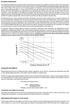 Air Volume Requirement Air conditioning systems are engineered with a specific amount of indoor air passing across the surface of the evaporator coil. The amount of air is measured in cubic feet per minute.
GCS16-024-030-036-048-060
 Packaged Unit & Gas Heat 2-5 Ton Capacity 50,000-120,000 Btuh Input Heating Capacity GCS16-024-030-036-048-060 FEATURES Designed for outdoor rooftop or ground level installations Down-flow or horizontal
Cooling Capacity CFM range @.5 in. w.c. (125 Pa)
 96% AFUE, Two Stage ECM Gas Furnace EASIER TO SELL 96% AFUE, all models, all positions Two stage heating operation Xtra SEER ECM blower motor Supports two stage cooling units Dehumidification feature in
T CLASS ROOFTOP UNITS 60 HZ Bulletin No. 210392 August 2007 Supersedes May 2007
 E N G I N E E R I N G D A T A P A C K A G E D G A S / E L E C T R I C TG T CLASS ROOFTOP UNITS 60 HZ Bulletin No. 210392 August 2007 Supersedes May 2007 MODEL NUMBER IDENTIFICATION ASHRAE 90.1 COMPLIANT
HVAC Efficiency Definitions
 HVAC Efficiency Definitions Term page EER - 2 SEER - 3 COP - 4 HSPF - 5 IPLV - 6 John Mix May 2006 Carrier Corporation 1 Energy Efficiency Ratio (EER) The energy efficiency ratio is used to evaluate the
SWIMMING POOL HEAT PUMP
 SWIMMING POOL HEAT PUMP Installation & User Manual Model HP40B HP50B HP65B Hayward Pool Products Canada, Inc. T: 1-888-238-7665 www.haywardpool.ca CONTENT I. Application 4 II. Features 4 III. Technical
ROOFTOP - HEAT PUMP UNIT. This document applies when installing into an air handler or as part of an air handling system.
 ROOFTOP - HEAT PUMP UNIT Technical data Applies to Model YNRA R410A This document applies when installing into an air handler or as part of an air handling system. CONTENTS 1. General description... 2
G26 Corp. 9721-L11 Revised 07-2001 LENNOXOEMPARTS.COM. Service Literature G26 SERIES UNITS
 Service Literature G26 SERIES UNITS G26 series units are high-efficiency upflow gas furnaces manufactured with DuralokPlust aluminized steel clamshell-type heat exchangers. G26 units are available in heating
INSTALLATION INSTRUCTIONS WALL MOUNTED PACKAGE AIR CONDITIONERS
 INSTALLATION INSTRUCTIONS WALL MOUNTED PACKAGE AIR CONDITIONERS MODEL: WA121 Bard Manufacturing Company Bryan, Ohio 43506 Since 1914...Moving ahead, just as planned. Manual : 2100-234 E Supersedes: 2100-234
RPV - RP - RA air handling units
 APPLICATIONS Heating, ventilation, cooling >> FACTORIES >> WAREHOUSES >> HALLS >> DISTRIBUTION CENTRES >> COMMERCIAL PREMISES >> PLACES OF WORSHIP RPV - RP - RA air handling units www.reznor.eu RPV - RP
High Altitude HVAC. Silvertip Integrated Engineering Consultants [email protected] www.silvertipconsultants.com
 Presentation to: Rocky Mountain ASHRAE 2013 Tech Conference April 19, 2013 High Altitude HVAC Design Considerations by: Michael D. Haughey, PE, HBDP, CEM, LEED TM AP 2013 Silvertip Integrated Engineering
XV 95. Upflow/ Horizontal Left, Downflow/ Horizontal Right Variable Speed Two Stage Condensing Gas-Fired Furnace PUB. NO.
 Upflow/ Horizontal Left, Downflow/ Horizontal Right Speed Two Stage Condensing Gas-Fired Furnace XV 95 TUH2B060A9V3VB TUH2B080A9V3VB TUH2B080A9V4VB TUH2C100A9V4VB TUH2C100A9V5VB TUH2D120A9V5VB Direct Vent
Heating, Ventilation, Air Conditioning and Refrigeration (HVACR)
 Heating, Ventilation, Air Conditioning and Refrigeration (HVACR) I. Demonstrate safety skills in typical HVACR work situations to NATE Core Installer Knowledge Areas for Technician Excellence for Safety
It will be available soon as an 8.5 X 11 paperback. For easier navigation through the e book, use the table of contents.
 The System Evaluation Manual and Chiller Evaluation Manual have been revised and combined into this new book; the Air Conditioning and Refrigeration System Evaluation Guide. It will be available soon as
Cooling Capacity CFM range @.5 in. w.c. (125 Pa)
 96% AFUE, Single Stage, ECM Gas Furnace EASIER TO SELL 96% AFUE, all models all positions Xtra SEER ECM blower motor Supports two stage cooling units Dehumidification feature in cooling California NOx
- White Paper - Data Centre Cooling. Best Practice
 - White Paper - Data Centre Cooling Best Practice Release 2, April 2008 Contents INTRODUCTION... 3 1. AIR FLOW LEAKAGE... 3 2. PERFORATED TILES: NUMBER AND OPENING FACTOR... 4 3. PERFORATED TILES: WITH
APPLICATION GUIDE. Comparison of Latent Cooling Performance of Various HVAC systems in a Classroom Application
 APPLICATION GUIDE Comparison of Latent Cooling Performance of Various HVAC systems in a Classroom Application Section Comparison of Latent Cooling Performance of Introduction Most commercial HVAC systems
Split System Cooling Product Data
 Split System Cooling Product XL16i 1½ 5 Tons PUB. NO. 22-1890-01 Features and Benefits Climatuff compressor Efficiency up to 16.0 SEER and 9.0 HSPF All aluminum Spine Fin coil WeatherGuard fasteners Quick-Sess
New Deluxe Wall Mounted Heat Pump Series EXTERIOS
 New Deluxe Wall Mounted Heat Pump Series EXTERIOS May 2013 New Deluxe Wall Mounted Heat Pump Series Panasonic Adding New Air Conditioner Lineup Setting Another Mile Stone in the US Ductless Split History
PRE-ASSEMBLED REMOTE REFRIGERATION SYSTEMS
 NOR-LAKE, INCORPORATED 727 Second Street P.O. Box 248 Hudson, Wisconsin 54016 800-955-5253 715-386-2323 866-961-5253 Parts 800-388-5253 Service 715-386-4291 FAX www.norlake.com Split-Pak Pre-Assembled
HVAC INDOOR MAKE-UP AIR HANDLERS
 GIAC-7 HVAC INDOOR MAKE-UP AIR HANDLERS Application Manual PACKAGED INDOOR ARRANGEMENTS FOR MAKE-UP AIR, HEATING AND COOLING Contents 2 PAGE GENERAL INFORMATION 2, 3 MODEL NUMBER DESCRIPTION 4 INDOOR DUCT
Presentation Outline. Common Terms / Concepts HVAC Building Blocks. Links. Plant Level Building Blocks. Air Distribution Building Blocks
 Presentation Outline Common Terms / Concepts HVAC Building Blocks Plant Level Building Blocks Description / Application Data Green opportunities Selection Criteria Air Distribution Building Blocks same
INSTALLATION INSTRUCTIONS HOT GAS BYPASS SYSTEM DESIGN MANUAL
 INSTALLATION INSTRUCTIONS HOT GAS BYPASS SYSTEM DESIGN MANUAL MODELS: WA/WL44H WA/WLH WA/WL70*H NOTE: Electrical data presented in this manual supersedes any other data f the above listed models. Bard
Dehumidification Frequently Asked Questions
 Dehumidification Basics Why do you want to keep indoor Rh between 30-60%? ASHRAE recommends keeping the relative humidity in a home between 30-60% to limit the effects of many unwanted conditions and harmful
Chilled Water HVAC Systems
 Chilled Water HVAC Systems By Ron Prager, Brinco Mechanical Services, Inc. Types of water based systems: There are three types of HVAC systems that utilize water as a heat transfer medium. The first system,
PACKAGE COOLING, PACKAGE HEAT PUMP & PACKAGE GAS UNITS
 PACKAGE COOLING, PACKAGE HEAT PUMP & PACKAGE GAS UNITS SERVICE INSTRUCTIONS AMANA REFRIGERATION, INC., AMANA, IOWA 52204 MANUFACTURING NUMBERS COVERED IN THIS MANUAL SEE MODEL AND MANUFACTURING NUMBERS
FTQ. Daikin Inverter Ducted Heat Pump
 FTQ Daikin Inverter Ducted Heat Pump A TRADITIONAL CENTRAL AIR SYSTEM MADE BETTER WITH DAIKIN CONSTANT COMFORT INVERTER TECHNOLOGY. The Daikin Inverter Ducted Heat Pump line is a cost effective alternative
ENERGY EFFICIENT HVAC DESIGN FOR WARM-HUMID CLIMATE CLIMATE
 ENERGY EFFICIENT HVAC DESIGN FOR WARM-HUMID CLIMATE CLIMATE Overview of Design Conditions: Air conditioning system consumes most of the energy that a building needs in its operation. In order to reduce
SPLIT-SYSTEM CONDENSING UNITS. 10.00 SEER HRA018 thru 060 (1.5 thru 5 Nominal Tons) DESCRIPTION FEATURES
 550.46 -TG1Y (196) SPLIT-SYSTEM CONDENSING S 0 SEER HRA018 thru 060 (1.5 thru 5 Nominal Tons) DESCRIPTION The HRA Series condensing unit is the outdoor part of a versatile system of air conditioning. It
HP switch LP switch Discharge thermo Comp. Surface thermo
 1 Specifications Zubadan Model Name PUHZ-SHW80VHA PUHZ-SHW11VHA PUHZ-SHW11YHA Power supply (phase, cycle, voltage) 1φ, V, Hz 1φ, V, Hz 3φ, 0V, Hz Max. current A 9.5 35.0 13.0 Breaker size A 3 16 Outer
Installation Instructions
 05,06 Single Package, Displacement Ventilation or Single Zone Variable Airflow Rooftop Units Electric Cooling with PURONr (R---410A) Refrigerant and COMFORTLinkt Controls Installation Instructions IMPORTANT:
Commercial Refrigeration Temperature and Defrost Controls
 Commercial Refrigeration Temperature and Defrost Controls UNI-LINE PRODUCT KNOWLEDGE 2010 Invensys. All Rights Reserved. The names, logos, and taglines identifying the products and services of Invensys
catalog Single Package Vertical Air Conditioners and Heat Pumps
 catalog Single Package Vertical Air Conditioners and Heat Pumps Catalog: SK145.00-EG1 (1008) TABLE OF CONTENTS Single Package Vertical Units Introduction...............................................................................
180, 210, AND 240 MODELS LCA PACKAGED COOLING & ELECTRIC HEAT LGA PACKAGED COOLING & GAS HEAT LHA PACKAGED HEAT PUMP
 ENGINEERING DATA 180, 210, AND 240 MODELS LCA PACKAGED COOLING & ELECTRIC HEAT LGA PACKAGED COOLING & GAS HEAT LHA PACKAGED HEAT PUMP PACKAGED L SERIES 50hz 15, 17.5 & 20 Ton (52.8, 61.5 & 70.3 ) *Net
Product Data. Split System Cooling 22-1904-1F-EN. March 2015
 Product Data Split System Cooling 4TTR4018L1000A 4TTR4024L1000A 4TTR4025L1000A 4TTR4030L1000A 4TTR4031L1000A 4TTR4036L1000A 4TTR4037L1000A 4TTR4042L1000A 4TTR4043L1000A 4TTR4048L1000A 4TTR4060L1000A Note:
F9MXE. Product Specifications
 96% AFUE, Single Stage, ECM Gas Furnace EASIER TO SELL 96% AFUE, all models all positions Select models earn the ENERGY STAR (See below, indicated with check mark.) Xtra SEER ECM blower motor Supports
Low Profile Unit Cooler
 Super-Flo Now available with EC Motors High Efficiency / High Reliability Low Profile Unit Cooler Publication No. 411.4 November, 2008 S A N I T A T I O N F O U N D A T I O N A L N A T I O N Air Defrost
AABC Specifications for Testing and Balancing HVAC Systems
 AABC Specifications for Testing and Balancing HVAC Systems The Associated Air Balance Council (AABC) Total System Balancing Specifications for HVAC Testing, Balancing and Performance Verification TOTAL
APC APPLICATION NOTE #112
 #112 Best Practices for Deploying the InfraStruXure InRow SC By David Roden Abstract The InfraStruXure InRow SC (ACSC100 and ACSC101) is a self-contained air conditioner for server rooms and wiring closets.
1932 Lexington Houston, Texas 77098-4220 (713) 524-4877. Recommendations for installation of cooling systems
 1932 Lexington Houston, Texas 77098-4220 (713) 524-4877 The purpose for this information is to provide a better understanding of the HVAC equipment, components, designs, and installations, of HVAC system
Commissioning - Construction Documents (Page 1 of 6)
 Commissioning - Construction Documents (Page 1 of 6) A. General Information Climate Zone: Building Type: Conditioned Area (sf): Reviewer's Name: Reviewer's Agency: Note: Design Review for each system/subsystem
How To Design A Building In New Delhi
 ENERGY EFFICIENT HVAC DESIGN FOR COMPOSITE CLIMATE Overview of Design Conditions: Air conditioning system consumes most of the energy that a building needs in its operation. In order to reduce energy consumption