
Study Partner/Essential Study Partner (ESP):
|
|
|
- Kenneth Morgan
- 10 years ago
- Views:
Transcription
1 Course: Anatomy and Physiology Honors Course Number: Title: Hole s Human Anatomy and Physiology, 10 th Edition Authors: Shier, Butler, Lewis Publisher: Glencoe/McGraw-Hill Copyright: 2004 Online Resources used in Correlations These resources are made available the instructor and/or student and are referenced within the correlation. They are available via the Online Learning Center (OLC): User Name: rvwholeshuman10 Password: glencoe PowerWeb Anatomy and Physiology: Study Partner/Essential Study Partner (): Online Learning Center Chapter Resources/OLC: Lab Exercises: Animations: 1

2 CORRELATION SUNSHINE STATE STANDARDS & GRADE LEVEL EXPECTATIONS SUBJECT/COURSE: Anatomy and Physiology Honors COURSE CODE NUMBER: SUBMISSION TITLE: Hole s Human Anatomy and Physiology, 10 th Edition by Shier, Butler, Lewis 2004 PUBLISHER: Glencoe/McGraw-Hill GRADE: 9-12 INTENDED OUTCOME: 1. Demonstrate Effective Implementation of Scientific Habits of Mind STRAND: No strand STANDARD: No standard BENCHMARK WHERE TAUGHT in Major Tool- I/M* FOR FOCUS LESSONS ASSESSMENTS ENRICHMENTS TUTORIALS No Benchmark LM 1-8 (I) *In depth/mentioned 2

3 CORRELATION SUNSHINE STATE STANDARDS & GRADE LEVEL EXPECTATIONS SUBJECT/COURSE: Anatomy and Physiology Honors COURSE CODE NUMBER: SUBMISSION TITLE: Hole s Human Anatomy and Physiology, 10 th Edition by Shier, Butler, Lewis 2004 PUBLISHER: Glencoe/McGraw-Hill GRADE: 9-12 INTENDED OUTCOME: 2. Apply knowledge of the nature of science, scientific methodology, and historical context to solve problems, and employ safe and effective use of laboratory technologies. STRAND: H. The Nature of Science STANDARD: 1. The student uses the scientific processes and habits of mind to solve problems. BENCHMARK SC.H know that investigations are conducted to explore new phenomena, to check on previous results, to test how well a theory predicts, WHERE TAUGHT in Major Tool- I/M* FOR FOCUS LESSONS LM 1-8 (M) UNIT 1 Articles 1, 2, 4, 5 ASSESSMENTS UNIT 1 Articles 1, 2, 4, 5 ENRICHMENTS UNIT 1 Articles 1, 2, 4, 5 TUTORIALS 3

4 and to compare different theories. SC.H know that from time to time, major shifts occur in the scientific view of how the world works, but that more often the changes that take place in the body of scientific knowledge are small modifications of prior knowledge. SC.H understand that no matter how well one theory fits observations, a new theory might fit them as well or better, or might fit a wider range of observations, because in science, the testing, revising, and occasional discarding of theories, new and old, never ends and leads to an increasingly better understanding of how things work in the world, but not to absolute truth. SC.H know that scientists in any one research group tend to see LM 254 (M) UNIT 1 Articles 1, 2, 4, 5 LM 1-8 (M) UNIT 2- Article 8 UNIT 1 Articles 1, 2, 4, 5 UNIT 2- Article 8 LM 1 (M) UNIT 1 Articles 1, 2, 4, 5 UNIT 1 Articles 1, 2, 4, 5 UNIT 2- Article 8 UNIT 1 Articles 1, 2, 4, 5 UNIT 2- Article 8 UNIT 1 Articles 1, 2, 4, 5 UNIT 1 Articles 1, 2, 4, 5 UNIT 2- Article 8 UNIT 1 Articles 1, 2, 4, 5 UNIT 2- Article 8 UNIT 1 Articles 1, 2, 4, 5 4

5 things alike and that theree scientific teams are expected to seek out the possible sources of bias in the design of their investigations and in their data analysis. SC.H understand that new ideas in science are limited by the context in which they are conceived, are often rejected by the scientific establishment, sometimes spring from unexpected findings, and usually grow slowly from many contributors. SC.H understand that, in the short run, new ideas that do not mesh well with mainstream ideas in science often encounter vigorous criticism and that, in the long run, theories are judged by how they fit with other theories, the range of observations they explain, how well they explain observations, and how effective they are in predicting new findings. LM 1 (M) 432 (M) (I) UNIT 2- Article 8 UNIT 2- Article 8 UNIT 1 Articles 1, 2, 4, 5 UNIT 2- Article (M) UNIT 1 Articles 1, 2, 4, 5 UNIT 2- Article 8 UNIT 1 Articles 1, 2, 4, 5 UNIT 2- Article 8 UNIT 1 Articles 1, 2, 4, 5 UNIT 2- Article 8 UNIT 2- Article 8 UNIT 1 Articles 1, 2, 4, 5 UNIT 2- Article 8 UNIT 1 Articles 1, 2, 4, 5 UNIT 2- Article 8 5

6 SC.H understand the importance of a sense of responsibility, a commitment to peer review, truthful reporting of the methods and outcomes of investigations, and making the public aware of the findings LM 1 (M) 6

7 CORRELATION SUNSHINE STATE STANDARDS & GRADE LEVEL EXPECTATIONS SUBJECT/COURSE: Anatomy and Physiology Honors COURSE CODE NUMBER: SUBMISSION TITLE: Hole s Human Anatomy and Physiology, 10 th Edition by Shier, Butler, Lewis 2004 PUBLISHER: Glencoe/McGraw-Hill GRADE: 9-12 INTENDED OUTCOME: 2. Apply knowledge of the nature of science, scientific methodology, and historical context to solve problems, and employ safe and effective use of laboratory technologies. STRAND: H. The Nature of Science STANDARD: 2. The student understands that most natural events occur in comprehensible, consistent patterns. BENCHMARK SC.H know that scientists assume that the universe is a vast system in which basic rules exist that may range from very simple to extremely complex, but that scientists operate on the belief that WHERE TAUGHT in Major Tool- I/M* FOR FOCUS LESSONS LM (I) UNIT 1 Articles 1, 2, 4, 5 ASSESSMENTS UNIT 1 Articles 1, 2, 4, 5 ENRICHMENTS UNIT 1 Articles 1, 2, 4, 5 TUTORIALS 7

8 the rules can be discovered by careful, systemic study. SC.H know that scientists control conditions in order to obtain evidence, but when that is not possible practical or ethical reasons, they try to observe a wide range of natural occurrences to discern patterns. LM (I) 8

9 CORRELATION SUNSHINE STATE STANDARDS & GRADE LEVEL EXPECTATIONS SUBJECT/COURSE: Anatomy and Physiology Honors COURSE CODE NUMBER: SUBMISSION TITLE: Hole s Human Anatomy and Physiology, 10 th Edition by Shier, Butler, Lewis 2004 PUBLISHER: Glencoe/McGraw-Hill GRADE: 9-12 INTENDED OUTCOME: 3. Demonstrate use of correct anatomic terminology body regions, planes, and directions STRAND: No strand STANDARD: No standard BENCHMARK No benchmark. References to intended outcome. WHERE TAUGHT in Major Tool- I/M* 12 15, 21 25, (M) LM 9-20 (I) FOR FOCUS LESSONS organization introduction ASSESSMENTS organization introduction - ENRICHMENTS TUTORIALS organization introduction Topic 9

10 Anatomy Animation Anatomy OLC Chapter 1 labeling, flashcards *In depth/mentioned 10

11 CORRELATION SUNSHINE STATE STANDARDS & GRADE LEVEL EXPECTATIONS SUBJECT/COURSE: Anatomy and Physiology Honors COURSE CODE NUMBER: SUBMISSION TITLE: Hole s Human Anatomy and Physiology, 10 th Edition by Shier, Butler, Lewis 2004 PUBLISHER: Glencoe/McGraw-Hill GRADE: 9-12 INTENDED OUTCOME: 4. Demonstrate understanding of cell function and structure in healthy and diseased tissue. STRAND: F. Processes of Life STANDARD: 1. The student describes patterns of structure and function in living things. BENCHMARK References to intended outcome, strand, standard. WHERE TAUGHT in Major Tool- I/M* Ch. 3 (62 99 ) Chaps 5 23 ( ) (I) FOR FOCUS LESSONS Level of organization introduction; cell structure; cell function; cell division ASSESSMENTS Level of organization introduction; cell structure; cell function; cell division ENRICHMENTS 5 UNIT 3 12, 13 TUTORIALS Level of organization introduction; cell structure; cell function; cell division 11

12 Biological molecules, cells - Animation 5 UNIT 3 12, 13 UNIT 4 22, 25, 26, 32, 36 - Biological molecules, cells UNIT 3 12, 13 - UNIT 4 22, 25, 26, 32, 36 - UNIT 4 22, 25, 26, 32, 36 Topic LAB EXERCISES cell size, active transport, cell-cell interactions, mitosis OLC Chapters 3, 4 flashcards SC.F know that membranes are sites chemical synthesis and essential energy conversions (I), (M) organization-- molecules of life; membrane functions, cell functions, cell division ANIMATION Biological molecules, cells Animation organization-- molecules of life; membrane functions, cell functions, cell division ANIMATION Biological molecules, cells 5 UNIT 3 12, 13 UNIT 4 22, 25, 26, 32, 36 organization-- molecules of life; membrane functions, cell functions, cell division Topic LAB EXERCISES cell size, active transport, cell-cell 12

13 5 UNIT 3 12, 13 UNIT 4 22, 25, 26, 32, UNIT 3 12, 13 - UNIT 4 22, 25, 26, 32, 36 - interaction, mitosis, thermodynamics, enzymes, oxid respiration, meiosis, constructing genetic map, DNA fingerprinting, reading DNA, gene regulation, restriction map OLC Chapters 3, 4-- flashcards SC.F know that complex interactions among the different kinds of molecules in the cell cause distinct cycles of activity governed by proteins (I) (M) Ch. 4 (74-89) (I) organization-- molecules of life; membrane functions, cell functions, cell division Biological molecules, cells - Animation organization-- molecules of life; membrane functions, cell functions, cell division - Biological molecules, cells - 5 UNIT 3 12, 13 UNIT 4 22, 25, 26, 32, 36 organization molecules of life; membrane functions, cell functions, cell division Topic LAB EXERCISES cell size, active transport, cell-cell interaction, mitosis, 13

14 5 UNIT 3 12, 13 UNIT 4 22, 25, 26, 32, UNIT 3 12, 13 - UNIT 4 22, 25, 26, 32, 36 - thermodynamics, enzymes, oxid respiration, meiosis, constructing genetic map, DNA fingerprinting, reading DNA, gene regulation, restriction map OLC Chapters 3, 4--flash cards 14

15 CORRELATION SUNSHINE STATE STANDARDS & GRADE LEVEL EXPECTATIONS SUBJECT/COURSE: Anatomy and Physiology Honors COURSE CODE NUMBER: SUBMISSION TITLE: Hole s Human Anatomy and Physiology, 10 th Edition by Shier, Butler, Lewis 2004 PUBLISHER: Glencoe/McGraw-Hill GRADE: 9-12 INTENDED OUTCOME: 5. Demonstrate Understanding of Homeostasis STRAND: F. Processes of Life STANDARD: 1. The student describes patterns of structure and function in living things. BENCHMARK References to intended outcome, strand, standard. WHERE TAUGHT in Major Tool- I/M* 9-12 (I) 26(M) 170 (I) (M) 189,-190 (I) 234(M) Ch. 13 ( ), 514, , (I) 604(M), FOR FOCUS LESSONS Support & movement skeletal system coordination endocrine system ASSESSMENTS Support & movement skeletal system coordination endocrine system ENRICHMENTS 21, 22, 23, 24, 25, 28, 29 UNIT 5 Articles 40, 43, 46 UNIT 6 Articles TUTORIALS Support & movement skeletal system Topic coordination endocrine system 15

16 , , Ch. 21 ( ), , (I) Transport blood, cardiovascular, blood vessels excretion Reproduction ANIMATION Circulatory system, endocrine system, reproduction Animation 21, 22, 23, 24, 25, 28, 29 UNIT 5 Articles 40, 43, 46 Transport blood, cardiovascular, blood vessels excretion Reproduction ANIMATION Circulatory system, endocrine system, reproduction 47, 48, 49, 51 Topic Transport blood, cardiovascular, blood vessels Topic excretion Topic Reproduction Topic LAB EXERCISES thermodynamics, hemoglobin, evolution of heart UNIT 6 Articles 47, 48, 49, 51 21, 22, 23, 24, 25, 28, 29 OLC Chapters 1, 6, 7, 13, 19, 21, 22 flashcards UNIT 5 Articles 40, 43, 46 16

17 UNIT 6 Articles 47, 48, 49, 51 SC.F know that the body processes involve specific biochemical reactions governed by biochemical principles. Ch. 2 (38-55), 59-60, Ch. 4 ( ) (I) (M) , , , Ch. 18 ( ) (I) organization chemistry; molecules of life excretion Biological molecules, cells Animation 5 UNIT 3 Articles 12, 13 22, 25, 26, 32, 36 organization chemistry; molecules of life excretion Biological molecules, cells 5 UNIT 3 Articles 12, 13 5 UNIT 3 Articles 12, 13 22, 25, 26, 32, 36 organization chemistry; molecules of life Topic excretion Topic LAB EXERCISES cell size, active transport, cell-cell interaction, mitosis, enzymes, oxidative respiration OLC Chapters 2, 4, 8, 17, 18 flashcards 17

18 22, 25, 26, 32, 36 SC.F understand that biological systems obey the same laws of conservation as physical systems , , (I) organization chemistry; molecules of life; membrane functions Chemistry, biological molecules, cells Animation 5 UNIT 3 Articles 12, 13 organization chemistry; molecules of life; membrane functions - Chemistry, biological molecules, cells 5 UNIT 3 Articles 12, 13 5 UNIT 3 Articles 12, 13 22, 25, 26, 32, 36 organization chemistry; molecules of life; membrane functions Topic LAB EXERCISES cell size, active transport, cell-cell interaction, mitosis, enzymes, oxidative respiration, OLC Chapters 2, 3, 4 flashcards 22, 25, 26, 32, 36 22, 25, 26, 32, 36 18

19 CORRELATION SUNSHINE STATE STANDARDS & GRADE LEVEL EXPECTATIONS SUBJECT/COURSE: Anatomy and Physiology Honors COURSE CODE NUMBER: SUBMISSION TITLE: Hole s Human Anatomy and Physiology, 10 th Edition by Shier, Butler, Lewis 2004 PUBLISHER: Glencoe/McGraw-Hill GRADE: 9-12 INTENDED OUTCOME: 6. Demonstrate knowledge of genetics, development, growth, and maturation of the human body and its systems. STRAND: F. Processes of Life STANDARD: 2. The student understands the process and importance of genetic diversity. BENCHMARK References to intended outcome, strand, standard. WHERE TAUGHT in Major Tool- I/M* (I) 27(M) (I) (M) , , , (I) 234, 236 (M) (I) FOR FOCUS LESSONS Reproduction ANIMATION Biological molecules, reproduction Animation ASSESSMENTS Reproduction - ANIMATION Biological molecules, reproduction ENRICHMENTS 5 UNIT 5 Articles 40, 43, 45, 46 UNIT 6 Articles TUTORIALS Reproduction Topic LAB EXERCISES meiosis, genetic mapping, heredity, 19

20 SC.F know that every cell contains a blueprint coded in DNA molecules that specify how proteins are assembled to regulate cells. 275 (M) 325 (I) 329, 348 (M) , 416, (I) 422 (M) 462 (I) 465(M) 502 (I) 506(M) , (I) 605, 634, 639, 686, 690, 724, 728, (M) 764 (I) 768(M), 800 (I) 804(M) , , , , , (I) (M), Ch. 23 ( ) (I) 90-93, (I) , 166(M) , (I) (M), Ch. 24 ( ) (I) 5 UNIT 5 Articles 40, 43, 45, 46 UNIT 6 Articles 47, 49, 51, 52, 53, 54, 55 Level of organization--cell functions; cell division Reproduction ANIMATION 5 - UNIT 5 Articles 40, 43, 45, 46 - UNIT 6 Articles 47, 49, 51, 52, 53, 54, 55 - Level of organization--cell functions; cell division - Reproduction - ANIMATION 47, 49, 51, 52, 53, 54, 55 5 UNIT 5 Articles 40, 43, 45, 46 UNIT 6 Articles 47, 49, 51, 52, 53, 54, 55 gene segregation, DNA fingerprinting, reading DNA, gene regulation, restriction map OLC Chapter 23 flashcards Level of organization--cell functions; cell division Topic Reproduction Topic 20

21 Biological molecules, cells, reproduction Animation 5 UNIT 5 Articles 40, 43, 45, 46 UNIT 6 Articles 47, 49, 51, 52, 53, 54, 55 Biological molecules, cells, reproduction 5 - UNIT 5 Articles 40, 43, 45, 46 - UNIT 6 Articles 47, 49, 51, 52, 53, 54, 55 - LAB EXERCISES meiosis, genetic mapping, heredity, gene segregation, DNA fingerprinting, reading DNA, gene regulation, restriction map OLC Chapter 24-- flashcards *In depth/mentioned 21
22 CORRELATION SUNSHINE STATE STANDARDS & GRADE LEVEL EXPECTATIONS SUBJECT/COURSE: Anatomy and Physiology Honors COURSE CODE NUMBER: SUBMISSION TITLE: Hole s Human Anatomy and Physiology, 10 th Edition by Shier, Butler, Lewis 2004 PUBLISHER: Glencoe/McGraw-Hill GRADE: 9-12 INTENDED OUTCOME: 7. Demonstrate understanding of the composition, active chemical compounds, structure, function, and dysfunction of the human body. STRAND: F. Processes of Life STANDARD: 1. The student describes patterns of structure and function in living things. BENCHMARK References to intended outcome, strand, standard. WHERE TAUGHT in Major Tool- I/M* Entire text FOR FOCUS LESSONS organization Support & movement ASSESSMENTS organization - Support & movement - ENRICHMENTS UNITS All articles TUTORIALS organization Topic Support & 22
23 coordination Transport excretion Reproduction Chemistry, biological molecules, cells, human systems, anatomy, circulatory system, lymphatic system, digestive system, respiratory system, olfaction, taste, ear function, vision, nervous system, brain function, endocrine system, renal system, reproduction system Animation coordination - Transport - excretion - Reproduction - Chemistry, biological molecules, cells, human systems, anatomy, circulatory system, lymphatic system, digestive system, respiratory system, olfaction, taste, ear function, vision, nervous system, brain function, endocrine system, renal system, reproduction system movement Topic coordination Topic Transport Topic excretion Topic Reproduction Topic LAB EXERCISES all OLC Chapters all flashcards 23
24 UNITS All articles UNITS 1-6 All articles - organization organization - UNITS All articles organization Support & movement Support & movement - Support & movement SC.F know that body structures are uniquely designed and adapted their function. 8, 26-27(M), Chaps ( )(I) LM (laboratory exercises 8-49) (I) coordination Transport excretion coordination - Transport - excretion - coordination Transport excretion Reproduction Reproduction - Reproduction Chemistry, biological molecules, cells, human systems, Chemistry, biological molecules, cells, human systems, anatomy, circulatory LABEXERCISES - all OLC 24
25 anatomy, circulatory system, lymphatic system, digestive system, respiratory system, olfaction, taste, ear function, vision, nervous system, brain function, endocrine system, renal system, reproduction system Animation system, lymphatic system, digestive system, respiratory system, olfaction, taste, ear function, vision, nervous system, brain function, endocrine system, renal system, reproduction system Chapters flashcards UNITS 1-6 All articles UNITS All articles - SC.F know that separate parts of the body communicate with each other using electrical and/or chemical signals , 169, , 234(M), Ch. 10 ( ), Ch. 11 ( ), Ch. 12 ( ), Ch. 13 ( ) (I) coordination excretion coordination excretion UNIT 1 Article 2 UNIT 3 Articles , 30, 33, 34, 35 coordination Topic excretion Topic Biological molecules, Biological molecules, UNIT 5 Article 43 25
26 cells, nervous & endocrine system Animation cells, nervous & endocrine system LAB EXERCISES active transport, cellcell interaction, enzymes/kinetics, thermodynamics UNIT 1 Article 2 UNIT 3 Articles , 30, 33, 34, 35 UNIT 5 Article 43 UNIT 1 Article 2 - UNIT 3 Articles , 30, 33, 34, 35 - OLC Chapters flashcards UNIT 5 Article 43 - SC.F know that organisms respond to internal and external stimuli (I) (M) 190, 194, 283, 293, Ch. 10 ( ), Ch. 11 ( ), Ch. 12 ( ), Ch. 13 ( ) (I) 527(M) , , (I) (M) coordination excretion ANIMATION Olfaction, taste, ear coordination - excretion - ANIMATION Olfaction, taste, ear UNIT 1 Article 5 UNIT 3 Articles , 30, 33, 34, 35 UNIT 5 Article 43 coordination Topic excretion Topic 26
27 (I) LM (laboratory exercises 24-32) (I) functions, vision, Nervous system, endocrine system Animation UNIT 1 Article 5 UNIT 3 Articles functions, vision, Nervous system, endocrine system UNIT 1 Article 5 - UNIT 3 Articles LAB EXERCISES active transport, cellcell interaction, enzymes/kinetics, thermodynamics OLC Chapters flashcards 22, 30, 33, 34, 35 UNIT 5 Article 43 22, 30, 33, 34, 35 - UNIT 5 Article 43-27
28 CORRELATION SUNSHINE STATE STANDARDS & GRADE LEVEL EXPECTATIONS SUBJECT/COURSE: Anatomy and Physiology Honors COURSE CODE NUMBER: SUBMISSION TITLE: Hole s Human Anatomy and Physiology, 10 th Edition by Shier, Butler, Lewis 2004 PUBLISHER: Glencoe/McGraw-Hill GRADE: 9-12 INTENDED OUTCOME: 8. Demonstrate understanding of conditions that cause change in normal body functions (e.g., injury, infection, mutation, metabolic disorder) and the response of the body to those conditions (e.g., inflammatory response, clotting, immune response). STRAND: F. Processes of Life STANDARD: 1. The student describes patterns of structure and function in living things. BENCHMARK References to intended outcome, strand, standard. WHERE TAUGHT in Major Tool- I/M* 68-69, 75, , 158, 161, 162, 163, 164, 169, 172, , (I) FOR FOCUS LESSONS Transport lymphatic ASSESSMENTS Transport lymphatic - ENRICHMENTS UNIT 4 - Articles TUTORIALS Transport lymphatic Topic 28
29 179,184(M) , 195 (I) 202, 216, 254, , 275, 278, 282,284, 300, 340, 343, 368(M), 380, 388, , 408 (I) 437(M), 443, 482 (I) 489, 490 (M) 496, 499, 522 (I) 531, 551(M) , 571, 578, , 600, , 635, 649, 653 (I) 656(M), 665(M), 670, 672 (I) 677(M) , , 735, 745, 752, 759, 772 (I) 773(M), 776, 780, 789 (I) 793(M), 808, (I) 817(M) 818, , 830, 840, , 861, , , 936 (I) coordination senses, endocrine system excretion Reproduction Lymphatic system, digestive system, endocrine system, reproduction - Animation UNIT 4 - Articles UNIT 5 Articles UNIT 6 Articles coordination senses, endocrine system - excretion - Reproduction - Lymphatic system, digestive system, endocrine system, reproduction - UNIT 4 - Articles UNIT 5 Articles UNIT 6 Articles UNIT 5 Articles UNIT 6 Articles coordination senses, endocrine system Topic excretion Topic Reproduction Topic LAB EXERCISES enzymes/kinetics, meiosis, cystic fibrosis, evolution of heart OLC Chapters all flashcards 29
30 SC.F know that cell behavior can be affected by molecules from other parts of the organism or even from other organisms , 87, 88 (I) 89, 133(M) 158, 161, 162, 196, 283, 284, Ch. 13 ( ), , 635, , , , , , (I) Level of organization molecules of life, membrane function, cell functions, cell division coordination endocrine system Transport lymphatic excretion Reproduction Lymphatic system, digestive system, endocrine system, reproduction Animation Level of organization molecules of life, membrane function, cell functions, cell division - coordination endocrine system - Transport lymphatic - excretion - Reproduction - Lymphatic system, digestive system, endocrine system, reproduction 5 22, 24, 30, 31, 32, 33, 34, 35, 36 UNIT 5 Article 41 UNIT 6 Articles Level of organization molecules of life, membrane function, cell functions, cell division Topic coordination endocrine system Topic Transport lymphatic Topic excretion Topic Reproduction Topic LAB EXERCISES active transport, cellcell interaction, enzymes, oxidative repair, meiosis, 30
31 5 22, 24, 30, 31, 32, 33, 34, 35, 36 UNIT 5 Article 41 UNIT 6 Articles , 24, 30, 31, 32, 33, 34, 35, 36 - UNIT 5 Article 41 - UNIT 6 Articles genetic map, heredity, gene segregation, DNA fingerprinting, reading DNA, gene regulation, restriction map OLC Chapters 3, 4, 6, 8, 13, 16, 22, 23 flashcards 31
32 CORRELATION SUNSHINE STATE STANDARDS & GRADE LEVEL EXPECTATIONS SUBJECT/COURSE: Anatomy and Physiology Honors COURSE CODE NUMBER: SUBMISSION TITLE: Hole s Human Anatomy and Physiology, 10 th Edition by Shier, Butler, Lewis 2004 PUBLISHER: Glencoe/McGraw-Hill GRADE: 9-12 INTENDED OUTCOME: 9. Demonstrate knowledge of the connections of anatomy, physiology, and medicine with technology, society, and the environment. STRAND: H. The Nature of Science STANDARD: 3. The student understands that science, technology, and society are interwoven and interdependent. BENCHMARK Reference to intended outcome, strand, standard. WHERE TAUGHT in Major Tool- I/M* 533 (I) FOR FOCUS LESSONS UNIT 4 Article 32 ASSESSMENTS UNIT 4 Article 32 ENRICHMENTS TUTORIALS LAB EXERCISES genetic mapping, DNA fingerprinting, meiosis OLC Chapter 24 flashcard 32
33 SC.H know that permance testing is often conducted using small-scale models, computer simulations, or analogous systems to reduce the chance of system failure , 510, 669 (I) UNIT 4 Article 32 UNIT 4 Article 32 LAB EXERCISES genetic mapping, DNA fingerprinting OLC Chapter 24 flashcard SC.H know that technological problems often create a demand new scientific knowledge and that new technologies make it possible scientists to extend their research in a way that advances science. 6 7, 41, (I) UNIT 4 Article 32 UNIT 4 Article 32 LAB EXERCISES genetic mapping, DNA fingerprinting, meiosis OLC Chapter 24 flashcard 33
34 SC.H know that scientists can bring inmation, insights, and analytical skills to matters of public concern and help people understand the possible causes and effects of events. 45, 118, 127 (I) UNIT 2 Article 9 UNIT 3 Articles 14, 16, 18, 19 25, 26, 30, 32, 36 UNIT 5 Article 41 UNIT 6 Articles 50, 54 UNIT 2 Article 9 - UNIT 3 Articles 14, 16, 18, 19-25, 26, 30, 32, 36 - UNIT 5 Article 41 - UNIT 2 Article 9 UNIT 3 Articles 14, 16, 18, 19 25, 26, 30, 32, 36 UNIT 5 Article 41 UNIT 6 Articles 50, 54 LAB EXERCISES genetic mapping, DNA fingerprinting, meiosis OLC Chapter 24 flashcard SC.H know that funds science research come from federal government agencies, industry, and private foundations and that this funding often influences the areas of discovery. SC.H know that the value of a technology may differ different people and at different times (M), (M), (M) 98-99, 118, 532, , (I) Reproduction UNIT 3 Articles UNIT 6 Articles 50, 54 - Reproduction UNIT 3 Articles 12, 18, 19 - UNIT 3 Articles 12, 18, 19 30, 32, 33, 34, 35 Reproduction Topic LAB EXERCISES 34
35 12, 18, 19 30, 32, 33, 34, 35 UNIT 5 Article 41 UNIT 6 Articles 50, 54 Reproduction 30, 32, 33, 34, 35 - UNIT 5 Article 41 - UNIT 6 Articles 50, 54 - Reproduction UNIT 5 Article 41 UNIT 6 Articles 50, 54 UNIT 3 Articles 12, 18, 19 genetic mapping, DNA fingerprinting, meiosis OLC Chapter 24 flashcard Reproduction Topic SC.H know that scientific knowledge is used by those who engage in design and technology to solve practical problems, taking human values and limitations into account. 6-7, 41, 45, 56-57, 118, 132, 153, 267, 269, 338, 371, 533, 542, 556, (I) 707(M) , , 920, (I) UNIT 3 Articles 12, 18, 19 30, 32, 33, 34, 35 UNIT 5 Article 41 UNIT 6 Articles 50, 54 UNIT 3 Articles 12, 18, 19-30, 32, 33, 34, 35 - UNIT 5 Article 41 - UNIT 6 Articles 50, 54-30, 32, 33, 34, 35 UNIT 5 Article 41 UNIT 6 Articles 50, 54 LAB EXERCISES genetic mapping, DNA fingerprinting, meiosis OLC Chapter 24 flashcard 35
Essential Study Partner/ ESP: http://highered.mcgraw-hill.com/sites/0072970480/student_view0/essential_study_partner.html
 Course: Environmental Science Course Number: 2001340 Title: Environmental Science: A Study of Interrelationships, 10 th edition Authors: Enger, Smith Publisher: Glencoe/McGraw-Hill Copyright: 2006 Online
A CONTENT STANDARD IS NOT MET UNLESS APPLICABLE CHARACTERISTICS OF SCIENCE ARE ALSO ADDRESSED AT THE SAME TIME.
 Anatomy and Physiology of Human Body Curriculum The Georgia Performance Standards are designed to provide students with the knowledge and skills for proficiency in science. The Project 2061 s Benchmarks
Essentials of Human Anatomy & Physiology 11 th Edition, 2015 Marieb
 A Correlation of Essentials of Human Anatomy Marieb To the Next Generation Science Standards Life A Correlation of, HS-LS1 From Molecules to Organisms: Structures and Processes HS-LS1-1. Construct an explanation
Anatomy and Physiology (ANPY) CTY Course Syllabus
 Anatomy and Physiology (ANPY) CTY Course Syllabus When Key Points / Objectives Content Day 1 INTRODUCTION HOMEOSTASIS LEVELS OF ORGANIZATION Day 2 CELLULAR AND MOLECULAR BIOLOGY GENETICS Day 3 INTEGUMENTARY
Anatomy and Physiology (ANPY) CTY: Academic Explorations Grades 7 and 8
 Anatomy and Physiology (ANPY) CTY: Academic Explorations Grades 7 and 8 Text: Mader s Understanding Human Anatomy & Physiology; 7 th Edition. TOPIC/OBJECTIVES HOW 1 Welcome and Introduction Ice Breaker
Ranger College Syllabus
 Ranger College Syllabus Course number and title: Biology 2402 Anatomy and Physiology II Credit Hours: 4 hours/week (lecture 4 hours/week, lab 3 hours/week) Name of Instructor (title): Gretchin Geye Office
CORE MEDICAL TERMINOLOGY Course Syllabus
 Course Syllabus Course Number: HLTH-0342 OHLAP Credit: No OCAS Code: None Course Length: 45 Hours Career Cluster: Health Science Career Pathway: Therapeutic Services Career Major(s): Pre-requisite(s):
A: Nursing Knowledge. Alberta Licensed Practical Nurses Competency Profile 1
 A: Nursing Knowledge Alberta Licensed Practical Nurses Competency Profile 1 Competency: A-1 Anatomy and Physiology A-1-1 A-1-2 A-1-3 A-1-4 A-1-5 A-1-6 A-1-7 A-1-8 Identify the normal structures and functions
STATE UNIVERSITY OF NEW YORK COLLEGE OF TECHNOLOGY CANTON, NEW YORK COURSE OUTLINE. BIOL 101 Introduction to Biology
 STATE UNIVERSITY OF NEW YORK COLLEGE OF TECHNOLOGY CANTON, NEW YORK COURSE OUTLINE BIOL 101 Introduction to Biology Prepared By: W. David Barnes SCHOOL OF SCIENCE, HEALTH & PROFESSIONAL STUDIES SCIENCE
Midlands Technical College BIO 112 Basic Anatomy and Physiology Science Department
 Midlands Technical College BIO 112 Basic Anatomy and Physiology Science Department Catalog Course Description: This course is a basic integrated study of the structure and function of the human body. Lecture
Certificate in School of Applied Physiology
 Certificate in School of Applied Physiology The certificate program, as outlined below, satisfies the institutional requirement for 12 semester hours, with at least 9 being at the 3000 level or above.
Unit I: Introduction To Scientific Processes
 Unit I: Introduction To Scientific Processes This unit is an introduction to the scientific process. This unit consists of a laboratory exercise where students go through the QPOE2 process step by step
Johnson State College External Degree Program. BIO-1210-JY01 Introduction to Biology Syllabus Spring 2015
 Instructor: Barbara Pratt [email protected] Dates: Jan 19 to May 10 (no class Apr 6 to 12) Johnson State College External Degree Program BIO-1210-JY01 Introduction to Biology Syllabus Spring 2015 Location:
Evergreen Valley College Spring - 2016
 Evergreen Valley College Spring - 2016 B i o l o g y 2 0 - H u m a n B i o l o g y Sections 201 / 202 Registration ID 79200 / 79201 Mon.-Wed. Instructor: Mr. Gene Dorsa Lab. 9:00 12:05 a.m. S127 Office:
Lecture Time: Online + Saturdays June 13 th to August 8 th from 1PM to 3PM Lab Time: Saturdays June 13 th to August 8 th from 3PM to 5PM:
 BIOL 170: Human Physiology Instructor: Jerome Garcia Lecture Time: Online + Saturdays June 13 th to August 8 th from 1PM to 3PM Lab Time: Saturdays June 13 th to August 8 th from 3PM to 5PM: Course Syllabus
HACIENDA LA PUENTE UNIFIED SCHOOL DISTRICT Division of Adult Education Associate of Arts/Associate of Science Program
 HACIENDA LA PUENTE UNIFIED SCHOOL DISTRICT Division of Adult Education Associate of Arts/Associate of Science Program Biology 105 (3 Units) - Spring 2015 Instructor: Harry Gunther Class Location: Room
ANATOMY AND PHYSIOLOGY I (BIO 2311) SYLLABUS
 ANATOMY AND PHYSIOLOGY I (BIO 2311) SYLLABUS NEW YORK CITY COLLEGE OF TECHNOLOGY The City University Of New York School of Arts and Sciences Department of Biological Sciences Course Information Course
Master Curriculum Topic Study: Human Body Systems
 Master Curriculum Topic Study: Human Body Systems Session C Section I: Culminating Ideas for Adult Literacy 1. The fundamental building block of organisms is cells. a. Cells combine to form tissues, which
Scope and Sequence Interactive Science grades 6-8
 Science and Technology Chapter 1. What Is Science? 1. Science and the Natural World 2.Thinking Like a Scientist 3. Scientific Inquiry Scope and Sequence Interactive Science grades 6-8 Chapter 2. Science,
North Bergen School District Benchmarks
 Grade: 10,11, and 12 Subject: Anatomy and Physiology First Marking Period Define anatomy and physiology, and describe various subspecialties of each discipline. Describe the five basic functions of living
Medical Billing & Coding Catalog Course Description
 Medical Billing & Coding Catalog Course Description Effective 6/10/2011 Medical Billing & Coding Course Description Educational Objectives: American School of Technology s Medical Billing and Coding program
Comprehensive Lab Kits & Digital Curriculum for Online Learners
 Allied Health Anatomy and Physiology Biology Chemistry Environmental Science Geology Microbiology Pharm Tech Physical Science Physics Comprehensive Lab Kits & Digital Curriculum for Online Learners supports
CURRICULUM MAP (Revised 6.15.07)
 (Revised 6.15.07) Below is an outline of the Living Environment course that uses the Glencoe NY State Living Environment textbook. Please note that there is more depth in the book than is needed for the
Froedtert Hospital School of Radiology Curriculum Analysis Grid. Clinical Practice
 Professional Curriculum Clinical Practice Procedural Performance Clinical Competency Basic Principles of Digital Radiography Image Acquisition Image Acquisition Errors Fundamental Principles of Exposure
Paramedic Program Anatomy and Physiology Study Guide
 Paramedic Program Anatomy and Physiology Study Guide Define the terms anatomy and physiology. List and discuss in order of increasing complexity, the body from the cell to the whole organism. Define the
Johns Hopkins University School of Nursing
 Johns Hopkins University School of Nursing COURSE NUMBER AND TITLE: CREDITS: PRE- AND CO-REQUISITES: NR.110.205 Physiology with Lab 4 Credits None COURSE DESCRIPTION: This course will introduce the functions
How To Complete A Medical Assisting Course
 Medical Assisting Catalog Course Description Effective 8/1/2014 Medical Assisting Course Description EDUCATIONAL OBJECTIVES The educational objective of this program is to provide the graduate with the
Anatomy PHL 212. By Dr Tajdar Husain Khan
 Anatomy PHL 212 By Dr Tajdar Husain Khan Overview of Anatomy Anatomy(from the Greek word anatome,"dissection") is a branch of natural science dealing with the structural organization of living things The
Human Anatomy & Physiology General
 Human Anatomy & Physiology General Biology is the study of life but, what exactly is life? how are living things different from nonliving things eg. a human from a rock eg. a a human from a robot eg. a
MCAS Biology. Review Packet
 MCAS Biology Review Packet 1 Name Class Date 1. Define organic. THE CHEMISTRY OF LIFE 2. All living things are made up of 6 essential elements: SPONCH. Name the six elements of life. S N P C O H 3. Elements
INSTRUCTIONAL MATERIALS ADOPTION Score Sheet I. Generic Evaluation Criteria II. Instructional Content Analysis III. Specific Science Criteria
 GRADE: 9-12 VENDOR: Prentice Hall COURSE: Advanced Biology TITLE: Biology (Miller/Levine) COPYRIGHT DATE: 2006 SE ISBN: 0-13-166255-4 (SE) TE ISBN: 0-13-166288-0 (TE) INSTRUCTIONAL MATERIALS ADOPTION Score
Biotechnical Engineering (BE) Course Description
 Biotechnical Engineering (BE) Course Description The major focus of the Biotechnical Engineering TM (BE) course is to expose students to the diverse fields of biotechnology including biomedical engineering,
A Correlation of Miller & Levine Biology 2014
 A Correlation of Miller & Levine Biology To Ohio s New Learning Standards for Science, 2011 Biology, High School Science Inquiry and Application Course Content A Correlation of, to Introduction This document
SCIENCE. The Wayzata School District requires students to take 8 credits in science.
 Course offerings are designed to appeal to a wide range of interests and skills. All courses involve laboratory work. Some courses require advanced reading and math skills; these usually have a challenge
Fundamentals of Anatomy & Physiology Course Outline, Objectives and Accreditation Information
 201 Webster Building 3411 Silverside Road Wilmington, DE 19810 Phone: 1-888-658-6641 Fax: 1-302-477-9744 [email protected] www.corexcel.com Course Outline, Objectives and Accreditation Information Chapter
Endocrine System: Practice Questions #1
 Endocrine System: Practice Questions #1 1. Removing part of gland D would most likely result in A. a decrease in the secretions of other glands B. a decrease in the blood calcium level C. an increase in
Cells, tissues and organs
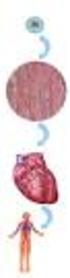 Chapter 8: Cells, tissues and organs Cells: building blocks of life Living things are made of cells. Many of the chemical reactions that keep organisms alive (metabolic functions) take place in cells.
A CONTENT STANDARD IS NOT MET UNLESS APPLICABLE CHARACTERISTICS OF SCIENCE ARE ALSO ADDRESSED AT THE SAME TIME.
 Biology Curriculum The Georgia Performance Standards are designed to provide students with the knowledge and skills for proficiency in science. The Project 2061 s Benchmarks for Science Literacy is used
How To Understand The Human Body
 Introduction to Biology and Chemistry Outline I. Introduction to biology A. Definition of biology - Biology is the study of life. B. Characteristics of Life 1. Form and size are characteristic. e.g. A
BIOLOGY 101 COURSE SYLLABUS FOR FALL 2015
 BIOLOGY 101 COURSE SYLLABUS FOR FALL 2015 Course Description Instructor Biology 101 is the first of a two-semester introductory course sequence designed primarily for science majors. It covers some central
Student Text and E-Book ISBN: 0-8053-6624-5
 Course Syllabus Advanced Biology A Syllabus Required Student Text: Campbell Biology (6 th edition) Student Text and E-Book ISBN: 0-8053-6624-5 Developer: Judith S. Nuno Email: [email protected] Course
Essentials of Human Anatomy & Physiology. 7 th edition Marieb, Elaine, 2003. Chapters 10-11. Lab Manual, 2 nd edition and coloring book, 7 th edition
 Topic/Unit: Anatomy & Physiology Circulatory System Curricular Goals/ Learning Outcomes: Students will be able to identify the composition of blood and its function. Students will be able to differentiate
Respiration occurs in the mitochondria in cells.
 B3 Question Which process occurs in the mitochondria in cells? Why do the liver and muscle cells have large number of mitochondria? What is the function of the ribosomes? Answer Respiration occurs in the
Human Anatomy & Physiology
 Human Anatomy & Physiology John Wojciakowski email: [email protected] phone ext: 28351 Room #1245 TEXTS: Text The Human Body Book author- Steve Parker copyright- 2007 Course Overview: Anatomy is a
Zoology 142 Human Anatomy and Physiology II ONLINE COURSE CRN 63187
 Zoology 142 Human Anatomy and Physiology II ONLINE COURSE CRN 63187 INSTRUCTOR: Ross Langston, PhD OFFICE: Hale Imiloa 104 OFFICE HOURS: Online- By appointment EMAIL: [email protected] TELEPHONE: 236-9119
David S. Watt, Ph.D., Chair Academic Council for the Medical Center Deans, Department Chairs and Members of the University Senate
 February 19, 2004 MEMORANDUM TO: FROM: RE: David S. Watt, Ph.D., Chair Academic Council for the Medical Center Deans, Department Chairs and Members of the University Senate Emery A. Wilson, M.D. Dean and
Medical Clinical Assistant
 Medical Clinical Assistant Pennsylvania CIP 51.0801 This document describes the correlation between curriculum, supplied by Applied Educational Systems, and the Medical Clinical Assistant standard, published
ANATOMY & PHYSIOLOGY MODULE 2015/16
 ANATOMY & PHYSIOLOGY MODULE 2015/16 STUDENT INFORMATION MODULE CO-ORDINATOR: Email: [email protected] DEPARTMENT OF PHYSIOLOGY, BIOMEDICAL SCIENCES INSTITUTE, TRINITY COLLEGE, PEARSE STREET, DUBLIN 2. Module
ANATOMY AND PHYSIOLOGY II (BIO 2312) SYLLABUS
 ANATOMY AND PHYSIOLOGY II (BIO 2312) SYLLABUS NEW YORK CITY COLLEGE OF TECHNOLOGY The City University Of New York School of Arts and Sciences Department of Biological Sciences Course Information Course
Get Your Students Excited About Anatomy/Physiology. Julie Combes, B.S., M.ED Lamesa High School Lamesa, Texas jcombes@lamesaisd..
 Get Your Students Excited About Anatomy/Physiology Julie Combes, B.S., M.ED Lamesa High School Lamesa, Texas [email protected] Disclamer I am not promoting any one product or company. When I mention
RARITAN VALLEY COMMUNITY COLLEGE ACADEMIC COURSE OUTLINE. BIOL 125 - Human Anatomy and Physiology II
 RARITAN VALLEY COMMUNITY COLLEGE ACADEMIC COURSE OUTLINE BIOL 125 - Human Anatomy and Physiology II I. Basic Course Information A. Course Number and Title: BIOL 125 Human Anatomy and Physiology II B. New
12.1 The Role of DNA in Heredity
 12.1 The Role of DNA in Heredity Only in the last 50 years have scientists understood the role of DNA in heredity. That understanding began with the discovery of DNA s structure. In 1952, Rosalind Franklin
AP Biology. The four big ideas are:
 AP Biology Course Overview: This course is an intensive study in biological concepts that emphasizes inquiry based learning. It is structured around the four Big Ideas and the Enduring Understandings that
BIOSCIENCES COURSE TITLE AWARD
 COURSE TITLE AWARD BIOSCIENCES As a Biosciences undergraduate student at the University of Westminster, you will benefit from some of the best teaching and facilities available. Our courses combine lecture,
ANATOMY & PHYSIOLOGY II (BIOL 244 -- 4 Credit Hours) Fall Semester 2015
 ANATOMY & PHYSIOLOGY II (BIOL 244 -- 4 Credit Hours) Fall Semester 2015 Instructor: Office: Norris L. O Dell, DMD, PhD Room 111D -- [email protected] Lecture Room: Science Bldg. Room 327 Laboratory: Science
Central High School DC Angelo State University BIO 1481 Principles of Biology I Spring 2016
 Central High School DC Angelo State University BIO 1481 Principles of Biology I Spring 2016 INSTRUCTOR CONTACT INFORMATION: Shamone Minzenmayer Office: Tucker 117 Email: [email protected] Phone: 325-659-3400
Program of Study: Bachelor of Science in Athletic Training
 Program of Study: Bachelor of Science Training Program Description Athletic training, as defined by the National Athletic Trainer s Association, is practiced by athletic trainers, health care professionals
BIO 137: CHAPTER 1 OBJECTIVES
 BIO 137: CHAPTER 1 OBJECTIVES 1. Define the terms anatomy and physiology, and explain their relationship using an example of a human structure with its corresponding function. A. ANATOMY = the study of
Bio 182 - A Journey through the Human Body (Part II)
 Instructor: Dr. Ayanna Alexander-Street Office hours: Wednesday 12-1, Monday-Friday by appointment Office Location: Davis 113 E-mail: [email protected] Course Description: BIO 182:
Human Body Systems Project By Eva McLanahan
 Human Body Systems Project By Eva McLanahan Students will work in groups to research one of the eleven body systems as found in Holt, Rinehart, and Winston Modern Biology (2002). Research will focus on
JOHN A. LOGAN COLLEGE M. Tavakoli SP 15. BIO 206 HUMAN ANATOMY & PHYSIOLOGY II 4 cr. (3-2)
 JOHN A. LOGAN COLLEGE M. Tavakoli SP 15 BIO 206 HUMAN ANATOMY & PHYSIOLOGY II 4 cr. (3-2) COURSE DESCRIPTION: A study of the structure, function, and homeostatic mechanisms of the endocrine, circulatory,
High school graduate, asset exam, and acceptance into program.
 Syllabus Instructor Information Name: Edith Cheatom, RN, BSN, MBA, CNOR Email: Office hours: Course Information Course Title: [email protected] On line 5pm 7pm Thursday Anatomy and Physiology I &
Biology 2652 Human Anatomy and Physiology II Summer Semester 2015
 Biology 2652 Human Anatomy and Physiology II Summer Semester 2015 Instructor: Dr. Teresa H. Doscher Office: Bailey Science Building 1098 Office Hours: Monday and Wednesday 11:00 11:30 am or by appointment
Provo College Catalog Addendum
 Provo College Catalog Addendum July, 2015 Catalog Page 7: Bachelor of Science in Nursing (BSN) Program The BSN Program has additional requirements for consideration for admission: Submission of a completed
Biology AP Edition - Campbell & Reece (8th Edition)
 AP biology syllabus ~ 2016-2017 Instructor s Information Course: Advance Placement Biology (A/B) Instructor: Mrs. R. R. Wingerden Phone: (805) 937-2051 x2121 E-mail: [email protected] Website: http://www.rwingerden.com/apbio/
PHYSIOLOGY. THE STUDY OF LIFE, and how genes, cells, tissues, and organisms function.
 PHYSIOLOGY THE STUDY OF LIFE, and how genes, cells, tissues, and organisms function. What is PHYSIOLOGY? Physiologists teach and mentor students in both the classroom and laboratory. Physiologists apply
CHAPTER 9 BODY ORGANIZATION
 CHAPTER 9 BODY ORGANIZATION Objectives Identify the meaning of 10 or more terms relating to the organization of the body Describe the properties of life Describe the function for the structures of the
Anatomy and Physiology
 Anatomy and Physiology UNIT I: Introduction to Anatomy and Physiology The student will demonstrate an understanding of the anatomic and physiological basis of life and the ability to explain the interdependence
Fifth Grade Cells: Structures and Processes Assessment
 Fifth Grade Cells: Structures and Processes Assessment 1a. All living things are made up of. a. cells b. tissues c. organisms d. systems 1b. All living things are made up of. 1c. Explain what cells are
Engage: Brainstorming Body Systems. Record the structures and function of each body system in the table below.
 Engage: Brainstorming Body s Record the structures and function of each body system in the table below. Body Nervous Circulatory Excretory Immune Digestive Respiratory Skeletal Muscular Endocrine Integumentary
Biochemistry. Entrance Requirements. Requirements for Honours Programs. 148 Bishop s University 2015/2016
 148 Bishop s University 2015/2016 Biochemistry The Biochemistry program at Bishop s is coordinated through an interdisciplinary committee of chemists, biochemists and biologists, providing students with
Department of Medical Laboratory Technology. Orange County Community College
 Orange County 1. 1. Where Where does does the the Medical Laboratory Technician Work Work? 2. 2. Why Why you you should should become a Med. Med. Lab. Lab. Tech. Tech. 3. 3. Overview of of Core Core Courses
COURSE SYLLABUS BIOL 2020 Human Anatomy and Physiology II (4)
 COURSE SYLLABUS BIOL 2020 Human Anatomy and Physiology II (4) COURSE DESCRIPTION: A continuation of BIOL 2010 including the cardiovascular system, lympathic system, immunity, respiratory system, digestive
Graduate Certificate Pre-Med Program Course Descriptions For Year 2015-2016 FALL
 Graduate Certificate Pre-Med Program Course Descriptions For Year 2015-2016 FALL COURSE TITLE: BIOCHEMISTRY COURSE NUMBER: 5104 This course emphasizes biochemical compounds, processes and systems, designed
PGY 206 ELEMENTARY PHYSIOLOGY. (3) An introductory survey course in basic human physiology. Prereq: One semester of college biology.
 206 ELEMENTARY PHYSIOLOGY. (3) An introductory survey course in basic human physiology. Prereq: One semester of college biology. 207 CASE STUDIES IN PHYSIOLOGY. (1) Group discussions of clinical cases
Medical Coding and Billing Specialist Course Description
 Medical Coding and Billing Specialist Course Description EDUCATIONAL OBJECTIVES American School of Technology s Medical Coding and Billing Specialist program is an academic program that prepares graduates
Course Syllabus BIOD 152 Essential Lab Human Anatomy & Physiology II 4 credits
 Course Syllabus BIOD 152 Essential Lab Human Anatomy & Physiology II 4 credits Prerequisites: BIOD 151 Essential Lab Human Anatomy & Physiology I or equivalent Instructor: Facilitators: Contact Info: Renee
PVAMU Course Syllabi Biology 1054 Anatomy and Physiology I
 PVAMU Course Syllabi Biology 1054 Anatomy and Physiology I Department of Biology College of Arts and Sciences Instructor Name: Dr. Cleveland O. Lane, Jr. Office Location: E.E. Obanion Science Building,
Course Description (0607103) General Chemistry (0609101) Biology (0501316) Microbiology (0501232) Biochemistry for Nurses
 Course Description (0607103) General Chemistry Measurements and significant figures, chemical reactions; stoichiometry; the gaseous state, thermo chemistry; electronic structure and periodicity; chemical
Pharmacy Technician Diploma (Part Time) - SC232
 Pharmacy Technician Diploma (Part Time) - SC232 1. Special Note The Programme is designed to be a professional course, like the Diploma/BSc (Hons) Biomedical Sciences and the Diploma/BSc (Hons) Occupational
Republic Polytechnic. Continuing Education & Training. Course Structure: Anatomy & Physiology
 Republic Polytechnic Continuing Education & Training Course Structure: Anatomy & Physiology Module Anatomy and Physiology Description This module introduces the basic human anatomical organization, tissue
Chetek-Weyerhaeuser High School
 Chetek-Weyerhaeuser High School Anatomy and Physiology Units and Anatomy and Physiology A Unit 1 Introduction to Human Anatomy and Physiology (6 days) Essential Question: How do the systems of the human
AP Biology Syllabus 2012-2013
 n AP Biology, an emphasis is on students making connections between the big ideas within the AP Biology Curriculum Framework. he two main goals of AP Biology are to help students develop a conceptual framework
7th Grade Body Systems Review
 7th Grade Free PDF ebook Download: 7th Grade Download or Read Online ebook 7th grade body systems review in PDF Format From The Best User Guide Database Human Exam 1. Integumentary, Skeletal, & Muscular.
Stem Cell Quick Guide: Stem Cell Basics
 Stem Cell Quick Guide: Stem Cell Basics What is a Stem Cell? Stem cells are the starting point from which the rest of the body grows. The adult human body is made up of hundreds of millions of different
Master of Physician Assistant Studies Course Descriptions for Year I
 FALL TERM COURSES: Master of Physician Assistant Studies Course Descriptions for Year I PHAC 7230 Fundamentals in Pharmacology for Health Care I Credit Hrs: 3 This course will build on foundational knowledge
Course outline. Code: HLT100 Title: Anatomy and Physiology
 Course outline Code: HLT100 Title: Anatomy and Physiology Faculty of: Science, Health, Education and Engineering Teaching Session: Semester 2 Year: 2015 Course Coordinator: Dr. Praphaporn Ton Stewart Email:
Given these characteristics of life, which of the following objects is considered a living organism? W. X. Y. Z.
 Cell Structure and Organization 1. All living things must possess certain characteristics. They are all composed of one or more cells. They can grow, reproduce, and pass their genes on to their offspring.
AP Biology Essential Knowledge Student Diagnostic
 AP Biology Essential Knowledge Student Diagnostic Background The Essential Knowledge statements provided in the AP Biology Curriculum Framework are scientific claims describing phenomenon occurring in
Integumentary System Answer Key
 Answer Key Free PDF ebook Download: Answer Key Download or Read Online ebook integumentary system answer key in PDF Format From The Best User Guide Database the major organs and functions of the integumentary
Hole s Human Anatomy and Physiology Eleventh Edition. Mrs. Hummer Hanover Area Jr./Sr. High School. Chapter 1 Introduction to Anatomy and Physiology
 Hole s Human Anatomy and Physiology Eleventh Edition Mrs. Hummer Hanover Area Jr./Sr. High School Chapter 1 Introduction to Anatomy and Physiology 1 Chapter 1 Introduction to Human Anatomy and Physiology
Animal Anatomy and Physiology
 The Further Education and Training Awards Council (FETAC) was set up as a statutory body on 11 June 001 by the Minister for Education and Science. Under the Qualifications (Education & Training) Act, 1999,
BIO-156 General Biology for Allied Health
 BIO-156 General Biology for Allied Health INSTRUCTOR: TASNEEM ASHRAF http://skywalker.cochise.edu/ashraft/web/index.html CLASS HOURS: Lecture / laboratory / Time: Tuesday @ 9:15 noon CONTACT: 515 5340
SCIENCE CLASSES AT HAYS HIGH
 SCIENCE CLASSES AT HAYS HIGH REQUIRED CORE CLASSES PHYSICS I HONORS PHYSICS I BIOLOGY HONORS BIOLOGY CHEMISTRY HONORS CHEMISTRY I ELECTIVES PROJECT SCIENCE ENVIRONMENTAL SCIENCE ADVANCED FIELD BIOLOGY
Pre-requisites: Successful completion of 4th grade science and the 4th grade science assessment.
 Throughout each unit, assessments are incorporated into lessons. These assessments are activities that occur within the context of each lesson providing the guidelines for assessing students' progress.
South Texas College Biology Department Section Outline
 Essential minimum information required by STC South Texas College Biology Department Section Outline Biology 1406.P15 (majors) (Face-to-face Web-enhanced class) General Biology I Spring 2015 Instructor
Instructor Information. Instructor: Email: Table of Contents. Course Description (Catalog) Table of Contents. Course Scope
 School: Science and Technology Course Number: BIOL133 Course Name: General Biology I Credit Hours: 4 Length of Course: 16 Weeks Prerequisite: MATH 110/125 Instructor Information Course Description Course