
THE RESPIRATORY SYSTEM
|
|
|
- Felix Norris
- 9 years ago
- Views:
Transcription
1 ANIMAL SCIENCE 8646-B THE RESPIRATORY SYSTEM INTRODUCTION Respiration* is a physical process by which living organisms inhale oxygen from the surrounding atmosphere and then exhale carbon dioxide. The respiratory system is made up of organs that deliver oxygen to the circulatory system for transport to the cells in the animal s body. The most critical requirement of life support to an animal is oxygen. An animal may be able to survive several weeks without food or several days without water, but when it comes to trying to survive without oxygen, the period is measured in several minutes. The major functions of the respiratory system are providing oxygen to tissues and cells and removing carbon dioxide from the body. Other important functions include controlling body temperature, eliminating water (as vapor), and aiding in voice production. The respiratory system of animals includes the lungs and the passages that provide transportation of air into the lungs. These passages include the nostrils, nasal cavity (chamber), pharynx, larynx, trachea, and bronchial tubes. ANATOMY OF THE RESPIRATORY SYSTEM The organs of the respiratory system extend from the nasal opening (nose) to the lungs. They are divided into two parts - the upper and lower respiratory tracts. The upper respiratory tract consists of the nostrils, nasal cavity, and pharynx, whereas the lower respiratory tract contains the larynx, trachea, bronchial tubes, and lungs. * Underlined words are defined in the Glossary of Terms

2 The muzzle of most domesticated animals is made up of the nose and lips. It holds the nostrils, the external openings of the respiratory tract that lead into the nasal cavity. The shape and size of the nostrils vary in most animals. The soft expandable nostrils and muzzle of the horse allow it to inhale and exhale large quantities of air when needed and is quite sensitive to the touch. It contains many oil glands as well as sweat glands. The snout of swine is much more rigid and does not contain any oil glands. The muzzle of cattle and sheep also do not contain oil glands, however, they do contain many sweat glands. If cattle have dry muzzles, they are often feverish. The nasal cavity is separated from the mouth by a hard and soft palate. It is divided into two halves by a central structure of cartilage. The front of the nasal cavity is an extension of the nostrils. The rear portion of the nasal cavity is connected to the pharynx. The nasal passages are lined with a membrane composed primarily of one layer of epithelial cells. Each epithelial cell is lined with thousands of microscopic cilia (finger-like extensions). The nasal passages also contain cells that produce mucus to coat the epithelial cells and cilia. After the animal takes a breath and the air comes into the nasal cavities, the cilia and mucus filter the air to remove potential disease-causing particles. The mucus-coated cells and cilia also moisten and warm the air to protect other structures within the respiratory system. In addition to their role in the respiratory system, the nasal passages house cells (called olfactory receptors) involved with the sense of smell. These olfactory receptors are found in the turbinate bones, which are located toward the rear of the nasal cavity. The sinuses are air-filled cavities in the bones of the animal s forehead. They are connected to the nasal cavities. The sinuses in domestic animals include the maxillary, frontal, sphenoidal, and palatine sinuses. They are contained in the respective bones of the same name. Cattle and sheep have an additional pair of sinuses (called lacrimal sinuses) located in the lacrimal bones. When mature cattle are dehorned, the frontal sinuses may be opened to the atmosphere. This is because the frontal sinus cavities extend into the horn cores. Foreign materials falling into these openings may cause sinus infections

3 As air leaves the nasal passages and flows further into the respiratory tract, it passes through the pharynx. The pharynx is a short, funnel-shaped tube that transports air into the larynx. The pharynx serves as a common passageway for air and food. However, air and food cannot pass through the pharynx at the same time. The epiglottis keeps this from happening. The epiglottis is a valve-like flap of tissue above the trachea that prevents food from entering the trachea and lungs. The epiglottis closes the air passage when the animal is swallowing feed. Several structures empty into the pharynx. These include the two rear openings of the nasal cavity, the mouth, the two eustachian tubes from the middle ear, the esophagus, and the larynx. Similar to the nasal passages, the pharynx is lined with a mucous membrane and ciliated cells that remove more impurities from the air. The larynx (voice box) of animals is essential for voice production and is located in the middle of the animal s neck. The larynx also controls breathing and prevents the inhalation of foreign objects into the lungs. In cattle and horses, five large structures composed of cartilage form the larynx. The body of one of the five cartilages, the thyroid cartilage, is commonly called the Adam s apple. Two of the other cartilages, called the arytenoid cartilages, assist in closing the epiglottis. These two cartilages also tighten or loosen the vocal chords, thus controlling the pitch of the voice. The cricoid cartilage helps maintain the shape of the larynx and provides attachment for many of the muscles in the larynx. The continuation of the larynx is the trachea (windpipe). The trachea consists of a series of adjacent cartilage rings, similar to the flexible hose of a vacuum cleaner. These cartilage rings are rigid and prevent collapse of the trachea. The trachea enters the chest cavity as a single tube. It extends to a level above the base of the heart where it divides into two branches called primary bronchi. Each of the bronchi passes into one of the lungs. Inside the lungs, the bronchi branch out even further into branches that are called bronchioles. The trachea, bronchi, and the first few bronchioles contribute to the cleansing function of the respiratory system, as they are lined with mucous membranes and ciliated cells. The bronchioles also divide many more times into smaller branches called intralobular bronchioles, terminal bronchioles, and respiratory bronchioles. The respiratory bronchioles dead-end into tiny air sacs called alveoli (the smallest and final air passageways of the respiratory system). The alveolar walls are the closest air passages to the capillaries of the pulmonary circulatory system. Oxygen is diffused from the alveoli into the bloodstream where it is attached to the red blood cells. Carbon dioxide is diffused from the bloodstream into the alveoli so it can be exhaled out of the body. The exchange of oxygen and carbon dioxide between the bloodstream and body cells is also accomplished by diffusion. The lungs in mammals consist of elastic, spongy material that greatly expands when filled with air. When the lungs are expanded to total capacity, they completely fill the thoracic or chest cavity. The lungs are cone-shaped and may be incompletely divided into several lobes by deep fissures on the bottom side. In cattle, sheep, and swine, the left lung is divided into three lobes, the apical, cardiac, and diaphragmatic lobes. The right lung has an additional lobe called the intermediate lobe. Lungs in horses have only the intermediate lobe on the right side. The bronchi, pulmonary artery, and nerves enter the lungs at the same location. The pulmonary veins and lymph vessels also connect to the lungs in this area. Once an animal has taken its first breath, the lungs will never completely collapse and will float in water. Therefore, if the lungs of a newborn sink in water, the newborn was born dead. A smooth membrane, called the pleura, aids movement of the lungs within the rib cage. The pleura consists of a single layer of mesothelial cells, which are on top of a layer of connective tissue that surrounds each lung. The two sacs that enclose the lungs join to form a double layer of pleura called the mediastinum. The cavity between the two lungs is called the mediastinal space

4 The pleura is classified into three types, the parietal pleura, the visceral pleura, and the mediastinal pleura. The parietal pleura lines the thorax, the visceral pleura covers the lungs, and the mediastinal pleural forms the mediastinal space. The space between the three types of pleura, called the pleural cavity, contains nothing but a small amount of fluid. This fluid is used for lubrication of the structures in the chest cavity. Birds differ from mammals in that their lungs are relatively nonexpandable. Furthermore, birds have accessory air sacs that aid in respiration and add to their ability to float on water. Chickens have nine accessory air sacs and perforations in their long bones (forearms). PHYSIOLOGY OF THE RESPIRATORY SYSTEM Exchange of gases with the atmosphere is the primary function of the lungs. The gas absorbed by the capillaries from the alveoli during inhalation is oxygen. The gas absorbed from the capillaries by the alveoli during exhalation is carbon dioxide. This is called external respiration because it involves an exchange of gases from outside of the animal s body. The thin walls of the alveoli and capillaries in the lungs allow for this exchange. Internal respiration refers to the removal of carbon dioxide wastes from body cells to the capillaries. It also includes the absorption of oxygen by the body cells from the capillaries

5 Inspiration, or inhaling of air, is accomplished by the contraction of the diaphragm muscles and the enlargement of the thoracic cavity, creating a vacuum. Because of this action, the lungs expand and draw in air. The diaphragm is a dome-shaped structure with the convex side extending into the thorax. When contracted, it expands the thorax to satisfy the need of quiet respiration. This type of respiration, called abdominal or diaphragmatic respiration, causes visible movement of the abdomen. When contracted, the smooth muscles of the diaphragm push the abdominal contents to the rear of the animal. This process creates more thoracic space. A partial vacuum normally exists in the pleural cavity of the thorax. The vacuum is destroyed if the cavity is punctured, resulting in collapse of the lungs. During labored inspiration, contraction of the muscles connecting the ribs to the front segments of the animal s body causes the ribs to rotate out and forward. This action increases the capacity of the thorax. The respiratory system is controlled primarily by striated, voluntary muscles. However, the exceptions are the smooth muscles in the walls of blood vessels and the walls of air passages. Respiration, to a degree, is under conscious control, that is, an animal can hold its breath. However, respiration is usually a reflex or automatic process. If carbon monoxide is inhaled, it will unite with the iron of hemoglobin and prevent the carrying of oxygen. This condition will result in death, caused by lack of oxygen (suffocation). Other chemicals that interfere with respiration include nitrates, chlorates, cyanide, and prussic acid. Artificial respiration, accomplished by rhythmic pressing on the chest cavity, may be helpful when breathing ceases. This may be true in the case of newborns, animals struck by lightning, or animals receiving an overdose of anesthetics or tranquilizers. Expiration, or exhaling of air, is accomplished by relaxation of the diaphragm muscles and contraction of the chest muscles. Retraction of alveolar elastic fibers also aids in expiration. The abdominal muscles contract forcing the viscera against the diaphragm. This causes the diaphragm to be pushed into the thoracic cavity, thus reducing the size of the cavity. This decreases the capacity of the thorax and helps force air out of the lungs. The elastic tissue of the alveoli naturally returns to its shape, also forcing air out of the lungs. A strong expiratory effort made with the epiglottis closed assists the animal in defecation, urination, or the birth of young. Differences in respiratory rates of animals are controlled by nerve cells in a portion of the brain called the medulla. This region of the brain, which controls the rate at which air is inhaled and exhaled, is commonly called the respiratory center. There are at least three groups of bilateral nerves that control the respiratory system. These include inspiratory nerves, expiratory nerves, and pneumotaxic nerves. When stimulated, the expiratory center causes contraction of the inspiratory muscles and, therefore, it causes inspiration. The expiratory center causes inspiration to stop and, therefore, it causes expiration or exhaling to occur. The pneumotaxic center is located in the pons of the lower brain and is connected to the inspiratory center. It also inhibits the inhaling of air. The pneumotaxic center is stimulated by the inspiratory center during inspiration. Consequently, it stimulates the expiratory center resulting in expiration. The rate at which the brain stimulates breathing is influenced by several factors. These include the carbon dioxide content of the blood, body temperature, and messages from other parts of the brain. Increased body temperature increases the breathing rate in animals. Increased acidity in the blood, caused by greater concentrations of carbon dioxide, also results in an increased respiratory rate

6 Acknowledgements Kristy Corley, Graduate Technician, Department of Agricultural Education, Texas A&M University, revised this topic. Larry Ermis, Curriculum Specialist, Instructional Materials Service, Texas A&M University, reviewed this topic. Vickie Marriott, Office Software Associate, Instructional Materials Service, Texas A&M University, prepared the layout and design for this topic. Christine Stetter, Artist, Instructional Materials Service, Texas A&M University, prepared the illustrations for this topic. REFERENCES Campbell, John R. and John F. Lasley. The Science of Animals That Serve Humanity. St. Louis, MO: McGraw Hill Book Company, Frandson, R. D. Anatomy and Physiology of Animals. Philadelphia, PA: Lea & Fibiger, Respiratory System. [On-line]. Available: search.asp?search=respiration&submit1=go. [2001, September]. Stufflebeam, Charles E. Principles of Animal Agriculture. Englewood Cliffs, NJ: Prentice Hall, Inc., Bilateral Affecting two sides of a body. GLOSSARY OF TERMS Convex Outward (such as the outer surface of a sphere). Defecation Elimination of fecal material from the rectum of animals. Diffusion Intermingling of the molecules of two or more substances. Hemoglobin Red pigment in red blood cells of animals that carries oxygen from the lungs to other body parts. Mesothelial cells Cellular membrane tissue that lines most body cavities. Respiration Act or process of inhaling and exhaling; breathing. Viscera Internal organs of an animal s body usually are referring to organs in the chest cavity or abdomen (e.g., the heart, lungs, stomach, and intestines)

7 SELECTED STUDENT ACTIVITIES SHORT ANSWER/LISTING: Answer the following questions or statements in the space provided or on additional paper. 1. Name four functions of the respiratory system. a. c. b. d. 2. Name the seven major parts of the respiratory system. a. e. b. f. c. g. d. 3. What is the purpose of the mucous membranes and cilia inside the nasal passages? MATCHING: Match the term in the left column with its definition in the right column. 4. alveoli a. consists of elastic, spongy material that is expandable 5. sinuses b. final air passageway whose walls allow exchange of oxygen for carbon dioxide with the blood vessels of the lungs 6. nasal cavity c. voice box that controls breathing and prevents inhalation of foreign objects into the lungs 7. primary bronchi d. contains structures that warm the inhaled air 8. larynx e. the smaller branches of the bronchi 9. trachea f. air-filled cavities in the bones of the animal s forehead 10. nostrils g. short, funnel-shaped tube that serves as a common passageway for air and food 11. bronchioles h. two large air passageways that branch from the trachea and extend to the lungs 12. pharynx i. external openings of the respiratory system 13. lungs j. valve-like tissue that closes the respiratory tract when the animal is swallowing feed 14. epiglottis k. the windpipe and is given form by a series of rings of cartilage to prevent it from collapsing SHORT ANSWER: Answer the following questions or statements in the space provided or on additional paper. 15. How can a recently dehorned, mature cow get a sinus infection? - 7 -

8 16. How do birds respiratory systems differ from those of mammals? 17. What is the primary function of the lungs? 18. Define the process of inspiration and explain how it is accomplished. 19. Define the process of expiration and explain how it is accomplished. 20. What controls the respiratory rate of an animal? ADVANCED ACTIVITIES 1. Research the respiratory system in other available information resources for an animal species (e.g., search the Internet for respiratory system AND poultry ). Then, in your own words, explain the respiratory system s function for the animal species. Explain the relationship between the respiratory system and other body organ systems of the animal species. 2. In this topic, you learned that carbon dioxide and oxygen are exchanged in the bloodstream and body cells by the process of diffusion. Conduct further research to determine specifically how diffusion occurs. ALL RIGHTS RESERVED Reproduction prohibited without written permission. Instructional Materials Service Texas A&M University 2588 TAMUS College Station, Texas

Human Anatomy and Physiology The Respiratory System
 Human Anatomy and Physiology The Respiratory System Basic functions of the respiratory system: as a Gas exchange supply oxygen to aerobic tissues in the body and remove carbon dioxide waste product. in-
Chapter 2 - Anatomy & Physiology of the Respiratory System
 Chapter 2 - Anatomy & Physiology of the Respiratory System Written by - AH Kendrick & C Newall 2.1 Introduction 2.2 Gross Anatomy of the Lungs, 2.3 Anatomy of the Thorax, 2.4 Anatomy and Histology of the
CHAPTER 1: THE LUNGS AND RESPIRATORY SYSTEM
 CHAPTER 1: THE LUNGS AND RESPIRATORY SYSTEM INTRODUCTION Lung cancer affects a life-sustaining system of the body, the respiratory system. The respiratory system is responsible for one of the essential
Respiratory System. Chapter 21
 Respiratory System Chapter 21 Structural Anatomy Upper respiratory system Lower respiratory system throat windpipe voice box Function of Respiratory System Gas exchange Contains receptors for sense of
A. function: supplies body with oxygen and removes carbon dioxide. a. O2 diffuses from air into pulmonary capillary blood
 A. function: supplies body with oxygen and removes carbon dioxide 1. ventilation = movement of air into and out of lungs 2. diffusion: B. organization a. O2 diffuses from air into pulmonary capillary blood
2.06 Understand the functions and disorders of the respiratory system
 2.06 Understand the functions and disorders of the respiratory system 2.06 Understand the functions and disorders of the respiratory system Essential questions What are the functions of the respiratory
2161-1 - Page 1. Name: 1) Choose the disease that is most closely related to the given phrase. Questions 10 and 11 refer to the following:
 Name: 2161-1 - Page 1 1) Choose the disease that is most closely related to the given phrase. a disease of the bone marrow characterized by uncontrolled production of white blood cells A) meningitis B)
CHAPTER 5 - BREATHING "THE RESPIRATORY SYSTEM"
 CHAPTER 5 - BREATHING "THE RESPIRATORY SYSTEM" You have read how the blood transports oxygen from the lungs to cells and carries carbon dioxide from the cells to the lungs. It is the function of the respiratory
By Casey Schmidt and Wendy Ford
 By Casey Schmidt and Wendy Ford Body systems Digestive System Circulatory System Respiratory System Excretory System Immune System Reproductive System Nervous System Muscular System Skeletal System Endocrine
CHAPTER 19: RESPIRATORY SYSTEM
 OBJECTIVES: 1. Fully explain the process (5 parts of) respiration. 2. Describe the significance of oxygen and carbon dioxide in human cells. 3. Explain the structure and function of mucous membranes that
Human Body Vocabulary Words Week 1
 Vocabulary Words Week 1 1. arteries Any of the blood vessels that carry blood away from the heart to all parts of the body 2. heart The muscular organ inside the chest that pumps blood through the body
Anatomy of the Respiratory System. The Respiratory System. Respiratory system functions mainly as gas exchange system for O 2 andco 2.
 The Respiratory System Respiratory system functions mainly as gas exchange system for O 2 andco 2! cellular respiration (energy production) closely tied to circulatory system General Functions of Respiratory
Fourth Grade The Human Body: The Respiratory System Assessment
 Fourth Grade The Human Body: The Respiratory System Assessment 1a. The brings air in and out of the body. a. respiratory system b. circulatory system 1b. The system is the part of the body responsible
BIO 137: CHAPTER 1 OBJECTIVES
 BIO 137: CHAPTER 1 OBJECTIVES 1. Define the terms anatomy and physiology, and explain their relationship using an example of a human structure with its corresponding function. A. ANATOMY = the study of
ORGAN SYSTEMS OF THE BODY
 ORGAN SYSTEMS OF THE BODY DEFINITIONS AND CONCEPTS A. Organ a structure made up of two or more kinds of tissues organized in such a way that they can together perform a more complex function that can any
HUMAN ANATOMY AND PHYSIOLOGY KNR 182
 Human Anatomy and Physiology Notes (KNR 182) ; Page 92 HUMAN ANATOMY AND PHYSIOLOGY KNR 182 Lecture Packet for Unit V Respiratory System Professor: Dale D. Brown, Ph.D. 5120 Dept of KNR Horton Fieldhouse
Your Lungs and COPD. Patient Education Pulmonary Rehabilitation. A guide to how your lungs work and how COPD affects your lungs
 Patient Education Your Lungs and COPD A guide to how your lungs work and how COPD affects your lungs Your lungs are organs that process every breath you take. They provide oxygen (O 2 ) to the blood and
Name Class Date Laboratory Investigation 24A Chapter 24A: Human Skin
 Name Class Date Laboratory Investigation 24A Chapter 24A: Human Skin Human Anatomy & Physiology: Integumentary System You may refer to pages 386-394 in your textbook for a general discussion of the integumentary
33.1 The Circulatory System
 33.1 The Circulatory System Lesson Objectives Identify the functions of the human circulatory system. Describe the structure of the heart and explain how it pumps blood through the body. Name three types
Anatomy and Physiology: Understanding the Importance of CPR
 Anatomy and Physiology: Understanding the Importance of CPR Overview This document gives you more information about the body s structure (anatomy) and function (physiology). This information will help
The Respiratory System
 Human Anatomy III: Respiratory, Urinary & Digestive Systems The Respiratory System Major functions include: Obtaining oxygen Removing carbon dioxide Maintenance of ph balance Respiration may be accomplished
Biology 2402 A&P II - Lymphatic System and Immunity Ch. 14
 Biology 2402 A&P II - Lymphatic System and Immunity Ch. 14 Functions: Fluid balance by returning excess tissue fluid to the blood; returning solutes (especially plasma proteins) to the blood; filter body
ANATOMY & PHYSIOLOGY ONLINE COURSE - SESSION 2 ORGANIZATION OF THE BODY
 ANATOMY & PHYSIOLOGY ONLINE COURSE - SESSION 2 ORGANIZATION OF THE BODY Human beings are arguably the most complex organisms on this planet. Imagine billions of microscopic parts, each with its own identity,
THE HUMAN BODY SYSTEMS
 Name Period Date THE HUMAN BODY SYSTEMS System Function Diagram Major Organs Digestive 1. take in food (ingestion) 2. digest food into smaller molecules and absorb nutrients 3. remove undigestable food
Animal Tissues. I. Epithelial Tissue
 Animal Tissues There are four types of tissues found in animals: epithelial tissue, connective tissue, muscle tissue, and nervous tissue. In this lab you will learn the major characteristics of each tissue
North Bergen School District Benchmarks
 Grade: 10,11, and 12 Subject: Anatomy and Physiology First Marking Period Define anatomy and physiology, and describe various subspecialties of each discipline. Describe the five basic functions of living
1. Our lungs are, essentially, a network of connected that bring
 The Respiratory System Webquest http://science.nationalgeographic.com/science/health-and-human-body/human-body/lungs-article/ The Breath of Life-National Geographic 1. Our lungs are, essentially, a network
Section B: Epithelial Tissue 1. Where are epithelial tissues found within the body? 2. What are the functions of the epithelial tissues?
 Tissue worksheet Name Section A: Intro to Histology Cells are the smallest units of life. In complex organisms, cells group together with one another based on similar structure and function to form tissues.
REVIEW for BIOLOGY UNIT TEST
 REVIEW for BIOLOGY UNIT TEST NOTE: The Unit Test will cover everything we have learned in the Biology Unit, starting from cell structures, cell division, various organ systems, disorders, organ donation,
Human Digestive System Anatomy
 Human Digestive System Anatomy Biology 104 Objectives: 1. Learn the anatomy of the digestive system. You should be able to find all terms in bold on the human torso models. 2. Relate structure of the system
CHAPTER 9 BODY ORGANIZATION
 CHAPTER 9 BODY ORGANIZATION Objectives Identify the meaning of 10 or more terms relating to the organization of the body Describe the properties of life Describe the function for the structures of the
Investigating the Human Body On-site student activities: Years 7-8 Investigating the Human Body On-site student activities Years 7 8
 Investigating the Human Body On-site student activities Years 7 8 Student activity (and record) sheets have been developed with alternative themes for students to use as guides and focus material during
10.2 The Human Digestive System pg. 411
 10.2 The Human Digestive System pg. 411 The human digestive system is made up of a group of organs working together. The digestive tract is made up of the mouth, esophagus, stomach, small intestine, and
Engage: Brainstorming Body Systems. Record the structures and function of each body system in the table below.
 Engage: Brainstorming Body s Record the structures and function of each body system in the table below. Body Nervous Circulatory Excretory Immune Digestive Respiratory Skeletal Muscular Endocrine Integumentary
Pulmonary Ventilation
 Pulmonary Ventilation Graphics are used with permission of: Pearson Education Inc., publishing as Benjamin Cummings (http://www.aw-bc.com) Page 1. Introduction Pulmonary ventilation, or breathing, is the
Lung Cancer. This reference summary will help you better understand lung cancer and the treatment options that are available.
 Lung Cancer Introduction Lung cancer is the number one cancer killer of men and women. Over 165,000 people die of lung cancer every year in the United States. Most cases of lung cancer are related to cigarette
BIOL 1108 Vertebrate Anatomy Lab
 BIOL 1108 Vertebrate Anatomy Lab This lab explores major organs associated with the circulatory, excretory, and nervous systems of mammals. Circulatory System Vertebrates are among the organisms that have
Welcome to Anatomy & Physiology
 Welcome to Anatomy & Physiology Chapter 1 -Human Organization What do you need to do to pass this class? MEMORIZE! The Scope of Human Anatomy Human anatomy is the study of the structure of the human body.
RESPIRATORY VENTILATION Page 1
 Page 1 VENTILATION PARAMETERS A. Lung Volumes 1. Basic volumes: elements a. Tidal Volume (V T, TV): volume of gas exchanged each breath; can change as ventilation pattern changes b. Inspiratory Reserve
Chapter 48. Nutrients in Food. Carbohydrates, Proteins, and Lipids. Carbohydrates, Proteins, and Lipids, continued
 Carbohydrates, Proteins, and Lipids The three nutrients needed by the body in the greatest amounts are carbohydrates, proteins, and lipids. Nutrients in Food All of these nutrients are called organic compounds,
Essentials of Human Anatomy & Physiology. 7 th edition Marieb, Elaine, 2003. Chapters 10-11. Lab Manual, 2 nd edition and coloring book, 7 th edition
 Topic/Unit: Anatomy & Physiology Circulatory System Curricular Goals/ Learning Outcomes: Students will be able to identify the composition of blood and its function. Students will be able to differentiate
Gas Exchange and Respiratory Systems
 Gas Exchange and Respiratory Systems Modified from: Biology in the laboratory. 3 rd edition. Helms, Helms, Kosinski and Cummings. Helms, Helms, Kosinski, Cummings. Biology in the Laboratory, 3 rd edition.
General Information About Non-Small Cell Lung Cancer
 General Information About Non-Small Cell Lung Cancer Non-small cell lung cancer is a disease in which malignant (cancer) cells form in the tissues of the lung. The lungs are a pair of cone-shaped breathing
Chetek-Weyerhaeuser High School
 Chetek-Weyerhaeuser High School Anatomy and Physiology Units and Anatomy and Physiology A Unit 1 Introduction to Human Anatomy and Physiology (6 days) Essential Question: How do the systems of the human
Human Body Systems Project By Eva McLanahan
 Human Body Systems Project By Eva McLanahan Students will work in groups to research one of the eleven body systems as found in Holt, Rinehart, and Winston Modern Biology (2002). Research will focus on
Digestive System AKA. GI System. Overview. GI Process Process Includes. G-I Tract Alimentary Canal
 Digestive System AKA G-I Tract Alimentary Canal Overview GI System Consists of Mouth, pharynx, esophagus, stomach, small intestine, large intestine, anus About 30 in length Accessory Organs Teeth, tongue,
An Introduction to Anatomy and Physiology
 An Introduction to Anatomy and Physiology Objectives Define anatomy and physiology Identify the levels of organization in organisms from simplest to most complex Identify the organ systems of the human
Divisions of Digestive System. Organs of the Alimentary Canal. Anatomy of the Digestive System: Organs of the Alimentary Canal. CHAPTER 14 p.
 Divisions of Digestive System Anatomy of the Digestive System: Organs of the Alimentary Canal CHAPTER 14 p. 412-423 1. Alimentary Canal or Gastrointestinal Tract (GI)-digests and absorbs food coiled hollow
Fundamentals of Anatomy & Physiology Course Outline, Objectives and Accreditation Information
 201 Webster Building 3411 Silverside Road Wilmington, DE 19810 Phone: 1-888-658-6641 Fax: 1-302-477-9744 [email protected] www.corexcel.com Course Outline, Objectives and Accreditation Information Chapter
About lung cancer. Contents. The lungs
 This information is an extract from the booklet Understanding lung cancer. You may find the full booklet helpful. We can send you a free copy see page 7. The lungs Contents The lungs Types of lung cancer
ANSWERS AND MARK SCHEMES. (a) 5 correct plots;;; (-1 mark each incorrect plot) 3
 QUESTIONSHEET 1 5 correct plots;;; (-1 mark each incorrect plot) 3 (b) 1600/4; = 400 kj; (i mark for correct working if answer incorrect) 2 (c) the more vigorous the activity the more energy used; 1 (d)
67 The Human Skeleton
 67 The Human Skeleton Skull SCIENCE EXPLORER Focus on Life Science Prentice-Hall, Inc. Clavicle (collarbone) Scapula (shoulder blade) Carpals Metacarpals Phalanges Femur Tibia Humerus Ulna Sternum (breastbone)
Pre-lab homework Lab 6: Respiration and Gas exchange
 Lab Section: Pre-lab homework Lab 6: Respiration and Gas exchange Name: 1. Name the organs used for gas exchange in each of the following organisms: Humans Fish Insects 2. What are three features common
Our Human Body On-site student activities Years 5 6
 Our Human Body On-site student activities Years 5 6 Our Human Body On-site student activities: Years 5-6 Student activity (and record) sheets have been developed with alternative themes for students to
Digestion, Absorption. How & where?
 Digestion, Absorption How & where? What happens to food? Three processes Digestion Absorption Elimination Where do they occur? GI tract Overview of Digestion GI tract Gastrointestinal (GI) tract: series
Gas Exchange. Graphics are used with permission of: Pearson Education Inc., publishing as Benjamin Cummings (http://www.aw-bc.com)
 Gas Exchange Graphics are used with permission of: Pearson Education Inc., publishing as Benjamin Cummings (http://www.aw-bc.com) Page 1. Introduction Oxygen and carbon dioxide diffuse between the alveoli
Gas Exchange Graphics are used with permission of: adam.com (http://www.adam.com/) Benjamin Cummings Publishing Co (http://www.awl.
 Gas Exchange Graphics are used with permission of: adam.com (http://www.adam.com/) Benjamin Cummings Publishing Co (http://www.awl.com/bc) Page 1. Introduction Oxygen and carbon dioxide diffuse between
The Digestive System. Chapter 15
 The Digestive System Chapter 15 Introduction Digestion refers to the mechanical and chemical breakdown of food so the nutrients can be absorbed by cells Carried out by the digestive system Consists of
Animal Systems: The Musculoskeletal System
 Animal Systems: The Musculoskeletal System Tissues, Organs, and Systems of Living Things Cells, Cell Division, and Animal Systems and Plant Systems Cell Specialization Human Systems The Digestive The Circulatory
Your Body's Systems Literacy Foundations Science: Biology
 Version 01 Your Body's Systems Literacy Foundations Science: Biology 2012 by Open School BC This work is licensed under the Creative Commons Attribution-NonCommercial 4.0 International License. To view
Chapter 16: Circulation
 Section 1 (The Body s Transport System) Chapter 16: Circulation 7 th Grade Cardiovascular system (the circulatory system) includes the heart, blood vessels, and blood carries needed substances to the cells
Histology. Epithelial Tissue
 Histology Epithelial Tissue Epithelial Tissue Lines internal and external body surfaces Forms glands Epithelial Tissue Little extracellular matrix Attached on one side Avascular Basement membrane Apical
Respiratory Gaseous Exchange and Elimination of Body Wastes
 : 204 : Respiratory Gaseous Exchange and Elimination of Body Wastes 27 Respiratory Gaseous Exchange and Elimination of Body Wastes We can live without food for several days but we cannot live without breathing
A. All cells need oxygen and release carbon dioxide why?
 I. Introduction: Describe how the cardiovascular and respiratory systems interact to supply O 2 and eliminate CO 2. A. All cells need oxygen and release carbon dioxide why? B. Two systems that help to
7 TH GRADE FINAL EXAM PRACTICE TEST. Part I: Cells. 1. The cell grows to its mature size during. a. mitosis b. prophase c. telophase d.
 7 TH GRADE FINAL EXAM PRACTICE TEST Part I: Cells 1. The cell grows to its mature size during a. mitosis b. prophase c. telophase d. interphase 2. The final stage of the cell cycle is called a. interphase
The Human Digestive System
 The Human Digestive System Name: Section: Date: Page 1 of 10 Page 2 of 10 Page 3 of 10 Page 4 of 10 Page 5 of 10 Page 6 of 10 Putting it All Together Digestive Enzymes Page 7 of 10 Page 8 of 10 Page 9
I. The basic function of the digestive system is
 Chapter 15, Digestive System - ANATOMY OF THE DIGESTIVE SYSTEM I. The basic function of the digestive system is. This process is called. II. List 2 other names for the digestive tract: A. B. III. The digestive
What, roughly, is the dividing line between the upper and lower respiratory tract? The larynx. What s the difference between the conducting zone and
 What, roughly, is the dividing line between the upper and lower respiratory tract? The larynx. What s the difference between the conducting zone and the respiratory zone? Conducting zone is passageways
HEALTH EFFECTS. Inhalation
 Health Effects HEALTH EFFECTS Asbestos can kill you. You must take extra precautions when you work with asbestos. Just because you do not notice any problems while you are working with asbestos, it still
Oxygenation. Chapter 21. Anatomy and Physiology of Breathing. Anatomy and Physiology of Breathing*
 Oxygenation Chapter 21 Anatomy and Physiology of Breathing Inspiration ~ breathing in Expiration ~ breathing out Ventilation ~ Movement of air in & out of the lungs Respiration ~ exchange of O2 & carbon
Questions on The Nervous System and Gas Exchange
 Name: Questions on The Nervous System and Gas Exchange Directions: The following questions are taken from previous IB Final Papers on Topics 6.4 (Gas Exchange) and 6.5 (Nerves, hormones and homeostasis).
OUTCOMES BASED LEARNING MATRIX
 OUTCOMES BASED LEARNING MATRIX Course: BIOL 206 Vertebrate Anatomy and Physiology II Department: Biology Course Description: This is the second part of an introductory course sequence in the comparative
KIDNEY Locate the following structures on the sheep kidney and human kidney models:
 Laboratory Handouts 163 Lab 11: Urinary System Anatomy and Physiology, Reproductive System Anatomy Unit 15: Urinary System Unit 16: Reproductive Systems Cat Dissection: Photo Atlas, Chapter 19 Ex. 15-1:
Breathing and Holding Your Breath copyright, 2005, Dr. Ingrid Waldron and Jennifer Doherty, Department of Biology, University of Pennsylvania 1
 Breathing and Holding Your Breath copyright, 2005, Dr. Ingrid Waldron and Jennifer Doherty, Department of Biology, University of Pennsylvania 1 Introduction Everybody breathes all day, every day. Why?
Functions of Blood System. Blood Cells
 Functions of Blood System Transport: to and from tissue cells Nutrients to cells: amino acids, glucose, vitamins, minerals, lipids (as lipoproteins). Oxygen: by red blood corpuscles (oxyhaemoglobin - 4
Human Anatomy & Physiology I with Dr. Hubley. Practice Exam 1
 Human Anatomy & Physiology I with Dr. Hubley Practice Exam 1 1. Which definition is the best definition of the term gross anatomy? a. The study of cells. b. The study of tissues. c. The study of structures
Magic School Bus Digestive System Brainpop Digestive System
 The Digestive System Magic School Bus Digestive System Brainpop Digestive System 1 Functions of the Digestive System: 1. Break up food into smaller pieces 2. Absorbing nutrients into the blood 3. Excreting
The EMT Instructional Guidelines in this section include all the topics and material at the EMR level PLUS the following material:
 Airway Management, Respiration and Artificial Ventilation EMR Applies knowledge (fundamental depth, foundational breadth) of general anatomy and physiology to assure a patent airway, adequate mechanical
Digestive System. Gross Anatomy and Physiology
 Digestive System Gross Anatomy and Physiology I. Introduction A. Base Function: Working with the circulatory system the digestive system provides the body with fuel. B. Main players: 1. Digestive tract:
What role does the nucleolus have in cell functioning? Glial cells
 Nervous System Lab The nervous system of vertebrates can be divided into the central nervous system, which consists of the brain and spinal cord, and the peripheral nervous system, which contains nerves,
Introduction to Animal Systems
 Human Body Systems Introduction to Animal Systems Recurring Themes in Biology 1. Correlation between structure and function( seen at many levels) 2. Life is organized at many levels from Smallest ----
Chapter 15. Autonomic Nervous System (ANS) and Visceral Reflexes. general properties Anatomy. Autonomic effects on target organs
 Chapter 15 Autonomic Nervous System (ANS) and Visceral Reflexes general properties Anatomy Autonomic effects on target organs Central control of autonomic function 15-1 Copyright (c) The McGraw-Hill Companies,
Eating, pooping, and peeing THE DIGESTIVE SYSTEM
 THE DIGESTIVE SYSTEM Ingested food is not technically in the body until it is absorbed so it needs to be: Mechanically and chemically reduced Transported by the blood to the cells Large portions are not
The Circulatory System. Chapter 17 Lesson 1
 The Circulatory System Chapter 17 Lesson 1 Functions of the Circulatory System Your circulatory system maintains an internal environment in which all the cells in your body are nourished. As your heart
Respiratory System Questions
 1. Which of the following bones does NOT contain a paranasal sinus? a. Sphenoid b. Maxillary c. Ethmoid d. Nasal e. Frontal 2. Which of the following muscles contracts during quiet expiration? a. Diaphragm
Paramedic Program Anatomy and Physiology Study Guide
 Paramedic Program Anatomy and Physiology Study Guide Define the terms anatomy and physiology. List and discuss in order of increasing complexity, the body from the cell to the whole organism. Define the
Whooping Cough. The Lungs Whooping cough is an infection of the lungs and breathing tubes, both of which are parts of the respiratory system.
 Whooping Cough Introduction Whooping cough is a serious bacterial infection of the lungs and breathing tubes. It is also called pertussis. About 16 million cases of whooping cough happen worldwide each
Anatomy & Physiology Bio 2401 Lecture. Instructor: Daryl Beatty Day 1 Intro to Lecture 1
 Anatomy & Physiology Bio 2401 Lecture Instructor: Daryl Beatty Day 1 Intro to Lecture 1 Introduction: Daryl Beatty M.S. Microbiology 28 Years Dow, Research & TS&D. Family BC since 2007 More importantly:
The Lymphatic System
 The Lymphatic System network of tissues, organs and vessels that help to maintain the body s fluid balance & protect it from pathogens lymphatic vessels, lymph nodes, spleen, thymus, tonsils, etc without
CHRONIC OBSTRUCTIVE PULMONARY DISEASE. Includes: Bronchitis (chronic and acute) Emphysema
 THE BASICS OF BREATHING: Assessment & Treatment Approaches for the Patient with COPD Jocelyn Alexander, MA CCC-SLP Director of Program Development Therapy Partners of Ohio LEARNER OBJECTIVES: Identify
Circulatory System Review
 Circulatory System Review 1. Draw a table to describe the similarities and differences between arteries and veins? Anatomy Direction of blood flow: Oxygen concentration: Arteries Thick, elastic smooth
CPI Links Content Guide & Five Items Resource
 CPI Links Content Guide & Five Items Resource Introduction The following information should be used as a companion to the CPI Links. It provides clarifications concerning the content and skills contained
12.1: The Function of Circulation page 478
 12.1: The Function of Circulation page 478 Key Terms: Circulatory system, heart, blood vessel, blood, open circulatory system, closed circulatory system, pulmonary artery, pulmonary vein, aorta, atrioventricular
Digestive System Functions
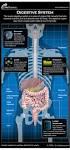 Digestive System Functions A. Gastrointestinal Processes 1. Ingestion: placing food in mouth (voluntary) 2. Propulsion: moving food through GI tract a. Peristalsis: alternating waves of contraction and
GRADE 11F: Biology 3. UNIT 11FB.3 9 hours. Human gas exchange system and health. Resources. About this unit. Previous learning.
 GRADE 11F: Biology 3 Human gas exchange system and health UNIT 11FB.3 9 hours About this unit This unit is the third of six units on biology for Grade 11 foundation. The unit is designed to guide your
Frog Dissection. Procedure
 Name Class Date Skills Practice Lab Frog Dissection Amphibians, such as frogs, are examples of animals that have structural adaptations for living in or near water and for living on land. As tadpoles,
THIRD GRADE HUMAN BIOLOGY
 THIRD GRADE HUMAN BIOLOGY 2 WEEKS LESSON PLANS AND ACTIVITIES LIFE CYCLE OVERVIEW OF THIRD GRADE ORGANISMS WEEK 1. PRE: Comparing and contrasting invertebrates and vertebrates. LAB: Learning about different