
This is a preview copy of CKLA Skills materials.
|
|
|
- Morris Blankenship
- 9 years ago
- Views:
Transcription
1 This is a preview copy of CKLA Skills materials. Pages are missing from this preview copy. Like what you see? Download CKLA for free here.

2 How Does Your Body Work? Unit 3 Reader Skills Strand Grade 3 Core Knowledge Language Arts

3 Creative Commons Licensing This work is licensed under a Creative Commons Attribution- NonCommercial-ShareAlike 3.0 Unported License. You are free: to Share to copy, distribute and transmit the work to Remix to adapt the work Under the following conditions: Attribution You must attribute the work in the following manner: This work is based on an original work of the Core Knowledge Foundation made available through licensing under a Creative Commons Attribution- NonCommercial-ShareAlike 3.0 Unported License. This does not in any way imply that the Core Knowledge Foundation endorses this work. Noncommercial You may not use this work for commercial purposes. Share Alike If you alter, transform, or build upon this work, you may distribute the resulting work only under the same or similar license to this one. With the understanding that: For any reuse or distribution, you must make clear to others the license terms of this work. The best way to do this is with a link to this web page: Copyright 2013 Core Knowledge Foundation All Rights Reserved. Core Knowledge Language Arts, Listening & Learning, and Tell It Again! are trademarks of the Core Knowledge Foundation. Trademarks and trade names are shown in this book strictly for illustrative and educational purposes and are the property of their respective owners. References herein should not be regarded as affecting the validity of said trademarks and trade names.

4 Table of Contents How Does Your Body Work? Unit 3 Reader Chapter 1: The Skeletal System Chapter 2: All About Bones Chapter 3: The Muscular System Chapter 4: Joints and Muscles Chapter 5: The Nervous System Chapter 6: The Spinal Cord and Brain Chapter 7: Eyes and Vision Chapter 8: Vision Problems, Vision Solutions Chapter 9: Ears and Hearing Pausing Point (Additional Chapters for Enrichment) Chapter 10: Overcoming Disabilities, Part I Chapter 11: Overcoming Disabilities, Part II Chapter 12: The Skeletal System: Reader s Theater Appendix: Dr. Welbody s Rhymes for the Human Body Systems Glossary for How Does Your Body Work?

5

6

7 Chapter 1 The Skeletal System Hello! My name is Dr. Welbody. Some of you may remember me. I visited your school once before. You were in first grade then. We learned about some of the systems that keep your body working. I told you to eat healthy food so you would grow up to be big and strong. It looks like you listened to me, too! I see that you have grown a lot since then! You are getting big and tall! I am here today to help you learn more about the body and its systems. In the next few days we will learn about three systems: the skeletal system, the muscular system, and the nervous system. 6 How Does Your Body Work?

8 Dr. Welbody presents a slide showing two views of a human skeleton. How Does Your Body Work? 7

9 I d like to begin with the skeletal system. The skeletal system is made up of bones that give your body shape. I have a slideshow here on my computer. The first slide shows the skeletal system. The picture on the right shows what the skeletal system looks like from the front. The one on the left shows what it looks like from the side. There are more than 200 bones in your body. When I went to medical school to learn to be a doctor, I had to learn the name of every bone in the body. I had to study very hard! You kids don t need to be able to name every bone in the body. But you should know the names of some of the more important bones. So let s get started! 8 How Does Your Body Work?

10 The skeletal system seen from the side and from the front How Does Your Body Work? 9

11 Let s start at the top, with the skull. Doctors call this set of bones the cranium. The skull, or cranium, has a very important job. It protects your brain. You might think the skull is all one big bone. But that s not the case. In fact, a human skull is a set of 22 bones. 10 How Does Your Body Work?

12 Human skull, or cranium How Does Your Body Work? 11

13 Rub the back of your neck. Can you feel the bone that s right at the base of your neck? That s one of the bones in your spine, or spinal column. The spine is a chain of bones that runs down through your neck and back. It runs from the base of the skull all the way down to your hips (or pelvis). The spinal column is made up of more than thirty smaller bones, stacked one on top of another. These smaller bones are called vertebrae. The vertebrae protect a bundle of nerves called the spinal cord. The spinal cord delivers nerve signals to and from the brain. You may remember learning that animals with spines, or backbones, are called vertebrates. That s because their spines are made up of vertebrae. 12 How Does Your Body Work?

14 Human spinal column How Does Your Body Work? 13

15 My next slide shows the bones inside your chest. If you tap on your chest, right in the middle, you can feel your breastbone. It s also known as the sternum. If you tap a bit to the left or the right, you may be able to feel some of your ribs. The ribs protect inner organs like the heart and lungs. If you look at the slide, you can see why people sometimes talk about the rib cage. The rib bones look like the bars of a cage. Do you see the two large bones behind the rib cage? They are shaped like triangles. There s one on each side. These are your shoulder blades. The medical name for the shoulder blade is the scapula. 14 How Does Your Body Work?

16 STERNUM SCAPULA RIBS Front view of the rib cage with scapulae (in back) How Does Your Body Work? 15

17 The last two bones I want to tell you about are leg bones. They are called the tibia and the fibula. These are the two bones in the lower part of your leg. The tibia is the larger of the two. Okay, that s a lot of bones and a lot of names. Let s play Simon Says and see if you can remember the names. I ll be Simon. Are you ready? 16 How Does Your Body Work?

18 TIBIA FIBULA Human leg bones How Does Your Body Work? 17

19 Simon says, tap your skull. Simon says, now tap your cranium. Ha! The cranium is the same thing as the skull. Did I trick any of you? Simon says, flex your vertebrae by bending over and touching your tibia. Simon says, take a deep breath and feel your rib cage expand. Simon says put your pelvis to work and sit down. Now, reach back and see if you can touch one of your scapulae, or shoulder blades. Wait! I didn t say Simon says! Did I catch anyone? 18 How Does Your Body Work?

20 Dr. Welbody plays Simon Says with students. How Does Your Body Work? 19

21 Chapter 2 All About Bones Last time, we learned the names of some of the bones in the body. Today, I d like to tell you a little more about bones. The bone I m pointing to is the human fibula bone. The fibula, you may recall, is one of the bones in your leg. The outer part of a bone is hard. It is made up of the same stuff as a seashell you might find at the beach. That stuff is called calcium. Do you like milk? Milk and other dairy products like cheese have lots of calcium in them. They are good for your bones. One way to take good care of your bones is to eat a healthy diet with dairy products. Exercise is also good for your bones. 20 How Does Your Body Work?
22 Dr. Welbody points to the fibula. How Does Your Body Work? 21
23 If you could look inside a bone, you d see something called bone marrow. Since you can t see inside this bone, I ll show you a slide. This slide shows bone marrow cells. I think you may already know a little about cells. Is that right? If you look at things with a strong microscope, you can see that many things are made up of tiny cells. Your skin is made of cells. So are your bones. Here you can see some bone marrow cells. There are millions of cells like these inside your bones. The bone marrow cells have an important job. They are like little factories. They pump out red blood cells. Then, the red blood cells carry oxygen all around the body. 22 How Does Your Body Work?
24 A view of bone marrow cells through a microscope How Does Your Body Work? 23
25 As you get older and taller, your bones grow with you. Bones are strong. They can support a great deal of weight. However, if we put too much pressure on them, or if the pressure comes from the wrong direction, bones can break. This next slide shows a broken bone. This is a special kind of picture called an x-ray. X-rays are part of the invisible light spectrum. When you aim x-ray light at your body, some parts of the body absorb a lot of x-rays and some do not. Your bones are hard. They absorb a lot of the x-ray light. The soft tissue around your bones absorbs less x-ray light. That is why doctors like x-rays. We can aim x-rays at a part of your body and get a picture of the inside of your body. We can use x-rays to find out if any bones are broken. You will learn much more about x-rays in a later unit about light and sound. 24 How Does Your Body Work?
26 An x-ray image of a broken bone do you see exactly where the bone is broken? How Does Your Body Work? 25
27 Have any of you ever broken a bone? I fix lots of broken bones each year. Would you like to know how I do it? I start by taking x-rays. That s how I find out if the bone is really broken. If the x-rays show that a bone is broken, then I set the bone. That means I put the bone pieces back in the right place. Once the bones are in the right place, I put on a cast. One of the remarkable things about the bones in your body is that they are able to heal themselves. Once a broken bone has been set, it grows back just like it was before it was broken. Here s a boy I fixed up last summer. He broke one of the bones in his arm. I put the cast on to hold the bones in the right place so they would heal. He had to wear the cast for two months while the bones healed. Then, I cut the cast off for him. He s just fine now. His bone has healed and his arm is as good as new. 26 How Does Your Body Work?
28 The cast helps the boy s broken arm heal. How Does Your Body Work? 27
29 This is a preview copy of CKLA Skills materials. Pages are missing from this preview copy. Like what you see? Download CKLA for free here.
30 Chapter The Skeletal System 12 Reader s Theater Cast Dr. Welbody Student 6 Student 1 Student 7 Student 2 Everyone (the whole class) Student 3 Mrs. Bones, teacher Student 4 Narrator Student How Does Your Body Work?
31 Narrator Welcome to the Human Body Network. Today, we are visiting Mrs. Bones third-grade class as they learn about the skeletal system. Mrs. Bones Good morning, everyone. We have a special visitor today named Dr. Welbody. Some of you may remember her. She visited your classroom when you were in first grade. Dr. Welbody Hello! My name is Dr. Welbody. I visited your school a few years ago. We learned about some of the systems that keep your body working. Everyone Hello! Hello! How Does Your Body Work? 119
32 Dr. Welbody Well, let s begin. The skeletal system is made up of bones. There are more than 200 bones in your body. You kids don t need to be able to name every bone in the body. But you should know the names of some of the most important bones. So let s get started! Student 1 (tapping her head) What is the name of the bone that makes up my head? Dr. Welbody Good question! Your skull is made up of more than one bone. Doctors call this set of bones the cranium. Student 2 The cranium? That s a funny name. How will I remember that name? Dr. Welbody Try this: The cranium protects your brain, right? 120 How Does Your Body Work?
33 Student 3 I guess so. Dr. Welbody And the word cranium sounds like the word brain. The CRAN-ium protects your BRAIN-ium! Everyone (giggling) The CRAN-ium protects your BRAIN-ium. Narrator Dr. Welbody and Mrs. Bones are great teachers. The class is learning a lot today! Dr. Welbody That was easy! Student 4 (tapping his chest) What about this bone right here in the middle of my chest? What is its name? How Does Your Body Work? 121
34 Dr. Welbody The sternum. Say it with me sternum. Student 5 That s a hard word to remember. Do you have a trick to help us? Dr. Welbody Try this poem: Be glad your sternum s on the inside, That really is the best. For if it were on the outside, You d have a bony chest! Everyone (giggling) Say it again, say it again! 122 How Does Your Body Work?
35 Dr. Welbody and students Be glad your sternum s on the inside, That really is the best. For if it were on the outside, You d have a bony chest! Narrator I wish I were a third grader today! Student 6 What about the bones in my legs? What are they called? Dr. Welbody The two bones in your lower leg are called the tibia and the fibula. The tibia is the larger of the two. Student 7 I bet you have a trick for us to help us remember, don t you? How Does Your Body Work? 123
36 Dr. Welbody (chuckling) Yes, I do! You see in your reader that one of the bones is larger than the other. Well, here goes a fib is a little lie and the fibula is the little leg bone. How about that? Everyone We loved your visit! Hooray for Dr. Welbody s tricks and for Mrs. Bones bones! Narrator Thanks for tuning into the Human Body Network today. We hope you learned a lot about bones. Tune in again soon! 124 How Does Your Body Work?
37 Body Appendix: Dr. Welbody s Rhymes for the Human Body Systems Everybody has a body, and that body is made of cells. Cells build tissues, organs, and systems to keep your body running well. How Does Your Body Work? 125
38 Skeletal Without my hidden skeleton I could not stand up tall, And so, Hurray for bones, I say, Two hundred six in all! 126 How Does Your Body Work?
39 Muscular I m glad that I have muscles. They help me to have fun, To jump and kick a soccer ball, To smile and speak and run. I m glad that I have muscles, And glad that you do, too, So our hearts can beat and stomachs work Without having anything to do! How Does Your Body Work? 127
40 Nervous Without a brain Where would I be? I could not move or think or see, Or write my name or count to three, In fact I just would not be me! Let s not forget the important nerves In every part of my body That send the messages to my brain. So I can be carefree! We humans are really lucky I am sure that you agree! 128 How Does Your Body Work?
41 Digestive Chew and swallow, down it goes, First esophagus, next the stomach, where it slows, Squeeze and churn, along it flows, To the small and large intestines rows. It is clear without a question, That the mission is digestion! How Does Your Body Work? 129
42 Excretory By way of the kidneys, your blood passes through Cleaning out waste without ballyhoo. Skin and sweat glands help out, too To make sure there are no toxins in you! 130 How Does Your Body Work?
43 Circulatory My heart is always working It s busy night and day It s pumping while I m sleeping And while I work and play Let s give a cheer for hearts now, For hearts: HIP, HIP, HOORAY! How Does Your Body Work? 131
44 Respiratory Breathe in, breathe out Inhale, exhale My lungs expand and contract. It truly is a wonder that respiration Is as simple as that. 132 How Does Your Body Work?
45 Glossary for How Does Your Body Work? A Achilles a hero of the Trojan War in Greek mythology; He could only be killed by a wound just above his heel. Achilles tendon the strong tendon joining the muscles in the calf of the leg to the bone of the heel active busy American Sign Language a kind of sign language used in the United States and Canada anvil a small bone in the ear that looks like an anvil and vibrates when sound waves hit the eardrum auditory nerve the nerve that sends signals from your ears to your brain about what you hear automatically done without thinking about it B blind unable to see How Does Your Body Work? 133
46 Braille a system of raised bumps that blind people feel with their fingers and use to read and write breakthrough a sudden, important change that allows for progress C calcium what your bones are made of cartilage a flexible tissue that cushions the joints where your bones meet cast a hard covering that holds a broken bone in place while it heals cell body the center of a cell cell the tiniest living part of the human body (cells) cerebellum a part of the brain located under the cerebrum, divided into two halves; It helps with voluntary movement of muscle groups and balance. cerebral cortex the gray matter of the cerebrum that processes sensory information and controls muscle function cerebrum the largest part of the brain, divided into two halves; It sits on top of the cerebellum and controls thoughts, emotions, and all the senses. 134 How Does Your Body Work?
47 challenge a difficult task or problem that requires extra effort (challenges) cochlea a fluid-filled coil in the inner ear that is lined with hairs that vibrate when sound waves hit the eardrum; The nerves connected to the hairs send messages to the brain that tell you what you are hearing. coil spiral college degree the official document given to someone who has successfully completed a set of classes at a college concussion brain injury connective linking contact lens a thin, plastic disc placed directly on the cornea of the eye to correct vision problems (contact lenses) cope live with effectively cornea a thin, clear tissue that covers the iris, protects the eye from dirt and germs, and focuses light courage bravery cranium skull cushion to protect with something soft (cushioned, cushions) How Does Your Body Work? 135
48 D dairy made with milk deaf unable to hear (deafness) decade ten years (decades) dendrite a path along which nerves send messages to the brain (dendrites) determined reached a firm decision to do something digest to break down food in the stomach so it can be used by your body (digesting) disability something that prevents a person from moving easily or acting or thinking in a typical way (disabilities) E ear canal ear tube eardrum a thin membrane inside the ear that vibrates when sound hits it eventually after some time has passed exist to be real (existed) expand to get bigger 136 How Does Your Body Work?
49 F farsighted able to see things clearly if they are far away; Things that are closer look blurry. fiber it forms tissue fibula the small, outside bone in the lower part of your leg flexible bendable flinch to draw back suddenly, which is an example of a reflex fluid liquid frame structure G gesture a movement of a body part to communicate gland an organ in the body that makes natural chemicals (glands) Grammy Awards awards for achievement in the music industry guide dog a seeing eye dog (guide dogs) How Does Your Body Work? 137
50 H hammer a small bone in the ear that looks like a hammer and vibrates when sound waves hit the eardrum hemisphere one half of a round object (hemispheres) hollow empty inside I imitate to copy inner ear the innermost part of the ear that contains the cochlea and auditory nerve insert to put in involuntary automatic; Your heart is an example of an involuntary muscle. invulnerable safe or protected; opposite of vulnerable iris eye color (irises) J joint a connection between two bones in your body (joints) 138 How Does Your Body Work?
51 L laser beam an intense beam of light that can be used for many things including surgery and cutting things LASIK surgery an operation during which the doctor uses a laser beam to change the shape of the cornea of the eye to help it focus light better lens the clear part at the front of the eye that focuses light on the retina (lenses) ligament a tissue connecting bones to bones (ligaments) M marrow spongy inside medulla brain stem membrane a thin sheet or layer that covers something middle ear the part of the ear that is between the outer and inner ear; It has three small bones that vibrate when struck by sound waves which then pass the vibrations to the inner ear. model smaller copy How Does Your Body Work? 139
52 muscle a tissue that makes it possible for your body to move (muscles) muscular system your muscles N nearsighted able to see things clearly if they are close by; Things that are farther away look blurry. nervous system your nerves O optic nerve the nerve that sends messages from your eyes to your brain about what you see optician a person who examines eyes, makes glasses, and sells contact lenses optometrist a doctor who specializes in caring for eyes and treating vision problems organ a part of your body made of cells and tissues that performs a specific job (organs) outer ear the part of the ear that is visible on the side of the head; Its job is to catch sounds and guide them into the middle ear. overcoming defeating or successfully dealing with 140 How Does Your Body Work?
53 P palm the inside part of a hand between the base of the fingers and the wrist paralyzed unable to act, move, or feel a part or parts of the body pelvis hip bones PET scan body or brain x-ray (PET scans) politics the art or science of government; activities and discussions involving government prescription an order for medicine pupil eye center (pupils) R realistic real, accurate, or true reflex reaction (reflexes) retina the lining at the back of the eye that is very sensitive to light; The nerves in the retina send messages to the brain. rods and cones special cells that line the retina and send signals to the brain through the optic nerve How Does Your Body Work? 141
54 S scapula shoulder blade (scapulae) search to look carefully and thoroughly for (searched) seemed to click made sense or worked out sensitive responsive shoulder blade scapula; You have two of these triangle-shaped bones at the top of your back. (shoulder blades) skeletal system your bones skull head spout a pipe that liquid flows out of sternum breastbone stirrup a small bone in the ear that looks like a stirrup and vibrates when sound waves hit the eardrum stomach belly 142 How Does Your Body Work?
55 T temper tantrum an angry, uncontrolled outburst by a child or by someone acting childish (temper tantrums) tendon a tissue connecting muscles to bones (tendons) tibia shinbone tissue a group or layer of cells that work together as a part or organ in your body tribute something done to show honor or respect Trojan a person born or living in the ancient city of Troy V vertebra a small bone that is part of the spinal column or backbone (vertebrae) vibrate to move back and forth rapidly (vibration, vibrations) vision the sense of sight, the act of seeing How Does Your Body Work? 143
56 voluntary on purpose, not by accident; opposite of involuntary; Moving your hand to write with a pencil is an example of voluntary muscle action. vulnerable weak or in danger W warrior soldier well a deep hole dug in the ground to reach water X x-ray a powerful, invisible ray of light that can pass through objects to show the inside, such as the inside of the human body (x-rays)
57
58
59 Core Knowledge Language Arts Series Editor-in-Chief E. D. Hirsch, Jr. President Linda Bevilacqua Editorial Staff Carolyn Gosse, Senior Editor - Preschool Khara Turnbull, Materials Development Manager Michelle L. Warner, Senior Editor - Listening & Learning Mick Anderson Robin Blackshire Maggie Buchanan Paula Coyner Sue Fulton Sara Hunt Erin Kist Robin Luecke Rosie McCormick Cynthia Peng Liz Pettit Ellen Sadler Deborah Samley Diane Auger Smith Sarah Zelinke Design and Graphics Staff Scott Ritchie, Creative Director Kim Berrall Michael Donegan Liza Greene Matt Leech Bridget Moriarty Lauren Pack Consulting Project Management Services ScribeConcepts.com Additional Consulting Services Ang Blanchette Dorrit Green Carolyn Pinkerton Acknowledgments These materials are the result of the work, advice, and encouragement of numerous individuals over many years. Some of those singled out here already know the depth of our gratitude; others may be surprised to find themselves thanked publicly for help they gave quietly and generously for the sake of the enterprise alone. To helpers named and unnamed we are deeply grateful. Contributors to Earlier Versions of these Materials Susan B. Albaugh, Kazuko Ashizawa, Nancy Braier, Kathryn M. Cummings, Michelle De Groot, Diana Espinal, Mary E. Forbes, Michael L. Ford, Ted Hirsch, Danielle Knecht, James K. Lee, Diane Henry Leipzig, Martha G. Mack, Liana Mahoney, Isabel McLean, Steve Morrison, Juliane K. Munson, Elizabeth B. Rasmussen, Laura Tortorelli, Rachael L. Shaw, Sivan B. Sherman, Miriam E. Vidaver, Catherine S. Whittington, Jeannette A. Williams We would like to extend special recognition to Program Directors Matthew Davis and Souzanne Wright who were instrumental to the early development of this program. Schools We are truly grateful to the teachers, students, and administrators of the following schools for their willingness to field test these materials and for their invaluable advice: Capitol View Elementary, Challenge Foundation Academy (IN), Community Academy Public Charter School, Lake Lure Classical Academy, Lepanto Elementary School, New Holland Core Knowledge Academy, Paramount School of Excellence, Pioneer Challenge Foundation Academy, New York City PS 26R (The Carteret School), PS 30X (Wilton School), PS 50X (Clara Barton School), PS 96Q, PS 102X (Joseph O. Loretan), PS 104Q (The Bays Water), PS 214K (Michael Friedsam), PS 223Q (Lyndon B. Johnson School), PS 308K (Clara Cardwell), PS 333Q (Goldie Maple Academy), Sequoyah Elementary School, South Shore Charter Public School, Spartanburg Charter School, Steed Elementary School, Thomas Jefferson Classical Academy, Three Oaks Elementary, West Manor Elementary. And a special thanks to the CKLA Pilot Coordinators Anita Henderson, Yasmin Lugo-Hernandez, and Susan Smith, whose suggestions and day-to-day support to teachers using these materials in their classrooms was critical.
60 Credits Every effort has been taken to trace and acknowledge copyrights. The editors tender their apologies for any accidental infringement where copyright has proved untraceable. They would be pleased to insert the appropriate acknowledgment in any subsequent edition of this publication. Trademarks and trade names are shown in this publication for illustrative purposes only and are the property of their respective owners. The references to trademarks and trade names given herein do not affect their validity. All photographs are used under license from Shutterstock, Inc. unless otherwise noted. Expert Reviewer Craig Hanke Writers Matt Davis, Fritz Knapp Illustrators Katy Cummings 113, 115 James Johnson 111 Apryl Stott Cover, Pages 7, 19, 21, 29, 39, 49, 73, 91, 93, 101
61 This is a preview copy of CKLA Skills materials. Pages are missing from this preview copy. Like what you see? Download CKLA for free here.
Important People in American History
 Important People in American History Image Cards New York Edition Creative Commons Licensing This work is licensed under a Creative Commons Attribution- NonCommercial-ShareAlike 3.0 Unported License. Credits
Kings and Queens. Tell It Again! Flip Book. Kindergarten Core Knowledge Language Arts New York Edition Listening & Learning Strand
 Kings and Queens Tell It Again! Flip Book Kindergarten Core Knowledge Language Arts New York Edition Listening & Learning Strand Tell It Again! Flip Book Introduction This Tell It Again! Flip Book contains
Human Body Vocabulary Words Week 1
 Vocabulary Words Week 1 1. arteries Any of the blood vessels that carry blood away from the heart to all parts of the body 2. heart The muscular organ inside the chest that pumps blood through the body
The Take-Apart Human Body
 The Take-Apart Human Body As any teacher knows, children are naturally curious about their bodies. Their questions are endless, and present a tremendous educational opportunity: How do my ears work? Where
THE SKELETAL SYSTEM FUNCTIONS OF THE SKELETAL SYSTEM
 THE SKELETAL SYSTEM The skeleton is the body s bony framework which consists of 206 bones. The bones are made up of water(45%), calcium and phosphorous(35%) and other organic materials(20%). The calcium
Year 2 Science: The Human Body Resource Pack
 Year 2 Science: The Human Body Resource Pack Body Systems II Body Systems Digestion our bodies break down food and use Skeletal system the skeleton is made up of bones that support our the nutrients to
67 The Human Skeleton
 67 The Human Skeleton Skull SCIENCE EXPLORER Focus on Life Science Prentice-Hall, Inc. Clavicle (collarbone) Scapula (shoulder blade) Carpals Metacarpals Phalanges Femur Tibia Humerus Ulna Sternum (breastbone)
Mini Medical School Lesson
 Mini Medical School Lesson The American Osteopathic Association s (AOA) Mini Medical School Lesson is designed to help educators teach children about health and fitness. This lesson is aimed towards elementary
Unit 3L.4: Body Parts and Functions
 Unit 3L.4: Organs in the Human body Keeping Healthy The Skeleton Science skills: Classification Observing Making models Data collection By the end of this unit you should: Compare the structure of humans
Human Bones BROWARD COUNTY ELEMENTARY SCIENCE BENCHMARK PLAN ACTIVITY ASSESSMENT OPPORTUNITIES. Grade 4 Quarter 3 Activity 21
 activity 21 Human Bones BROWARD COUNTY ELEMENTARY SCIENCE BENCHMARK PLAN Grade 4 Quarter 3 Activity 21 SC.F.1.2.1 The student knows that the human body is made of systems with structures and functions
Reader s Theater. I AM the Most Important. (A Script about the human body systems. By Amy Bowden) Characters
 Reader s Theater I AM the Most Important (A Script about the human body systems By Amy Bowden) Characters Judge (narrator) Digestive System Circulatory System Muscular System Respiratory System Nervous
Lesson 7: Respiratory and Skeletal Systems and Tuberculosis
 Glossary 1. asthma: when the airways of the lungs narrow, making breathing difficult 2. bacteria: tiny living creatures that can only be seen with a microscope; some bacteria help the human body, and other
Animal Systems: The Musculoskeletal System
 Animal Systems: The Musculoskeletal System Tissues, Organs, and Systems of Living Things Cells, Cell Division, and Animal Systems and Plant Systems Cell Specialization Human Systems The Digestive The Circulatory
Our Human Body On-site student activities Years 5 6
 Our Human Body On-site student activities Years 5 6 Our Human Body On-site student activities: Years 5-6 Student activity (and record) sheets have been developed with alternative themes for students to
UNIT 5: FITNESS BASIC ANATOMY & PROPER STRETCHING TECHNIQUE BASIC ANATOMY MAJOR MUSCLE GROUPS & BONES PROPER STRETCHING TECHNIQUE
 UNIT 5: FITNESS BASIC ANATOMY & PROPER STRETCHING TECHNIQUE TOPIC 1: TOPIC 2: BASIC ANATOMY MAJOR MUSCLE GROUPS & BONES PROPER STRETCHING TECHNIQUE GRADES 6-7 UNIT 5 FITNESS BASIC ANATOMY & GRADES PROPER
SKELETON AND JOINTS G.C.S.E. PHYSICAL EDUCATION. Unit 1. Factors Affecting Participation and Performance. G.C.S.E. P.E. Teacher:.
 G.C.S.E. PHYSICAL EDUCATION Unit 1 Factors Affecting Participation and Performance SKELETON AND JOINTS Name: G.C.S.E. P.E. Teacher:. By the end of this booklet you should be able to: Understand what the
BIOL 1108 Vertebrate Anatomy Lab
 BIOL 1108 Vertebrate Anatomy Lab This lab explores major organs associated with the circulatory, excretory, and nervous systems of mammals. Circulatory System Vertebrates are among the organisms that have
II. 2003 Core Knowledge National Conference, Amazing Body System, Grade 1 1
 Amazing Body Systems Grade Level or Special Area: First grade Technology, Science, Reading, and Writing Written by: Debbie DeFrancesco and Ivette Orama Length of Unit: 5 lessons + 12 days of Culminating
Name Class Date Laboratory Investigation 24A Chapter 24A: Human Skin
 Name Class Date Laboratory Investigation 24A Chapter 24A: Human Skin Human Anatomy & Physiology: Integumentary System You may refer to pages 386-394 in your textbook for a general discussion of the integumentary
III. BACKGROUND KNOWLEDGE
 Top Five Body Shop Grade Level: Grade 1 Presented by: Linda Bruestle, Valleyview Elementary, Lakeland, FL Length of Unit: Eight days I. ABSTRACT This unit will take first graders on a journey through the
Investigating the Human Body On-site student activities: Years 7-8 Investigating the Human Body On-site student activities Years 7 8
 Investigating the Human Body On-site student activities Years 7 8 Student activity (and record) sheets have been developed with alternative themes for students to use as guides and focus material during
What role does the nucleolus have in cell functioning? Glial cells
 Nervous System Lab The nervous system of vertebrates can be divided into the central nervous system, which consists of the brain and spinal cord, and the peripheral nervous system, which contains nerves,
Help maintain homeostasis by capturing stimuli from the external environment and relaying them to the brain for processing.
 The Sense Organs... (page 409) Help maintain homeostasis by capturing stimuli from the external environment and relaying them to the brain for processing. Ex. Eye structure - protected by bony ridges and
Divisions of the Skeletal System
 OpenStax-CNX module: m46344 1 Divisions of the Skeletal System OpenStax College This work is produced by OpenStax-CNX and licensed under the Creative Commons Attribution License 3.0 By the end of this
Section B: Epithelial Tissue 1. Where are epithelial tissues found within the body? 2. What are the functions of the epithelial tissues?
 Tissue worksheet Name Section A: Intro to Histology Cells are the smallest units of life. In complex organisms, cells group together with one another based on similar structure and function to form tissues.
II. 2005 Core Knowledge National Conference, Muscles and Bones: Framework and Movement, 3 rd Grade 1
 Muscles and Bones: Framework and Movement Grade Level or Special Area: 3 rd Grade Written by: Anita Gimple, Lincoln Academy Charter School, Arvada, Colorado Length of Unit: Nine lessons and culminating
Thoracic Spine Anatomy
 A Patient s Guide to Thoracic Spine Anatomy 228 West Main, Suite C Missoula, MT 59802 Phone: [email protected] DISCLAIMER: The information in this booklet is compiled from a variety of sources.
Review Vocabulary spectrum: a range of values or properties
 Standards 7.3.19: Explain that human eyes respond to a narrow range of wavelengths of the electromagnetic spectrum. 7.3.20: Describe that something can be seen when light waves emitted or reflected by
31.1 The Neuron. BUILD Vocabulary. Lesson Objectives
 Name Class Date 31.1 The Neuron Lesson Objectives Identify the functions of the nervous system. Describe the function of neurons. Describe how a nerve impulse is transmitted. BUILD Vocabulary A. The chart
First Grade The Human Body Assessment
 First Grade The Human Body Assessment 1a. When we talk about the skeletal system we are talking about what part of our body? a. stomach b. bones 1b. How many bones in your skeleton? a. more than two hundred
Nervous System. from the Human Body Systems Series. catalog # 2890. Published & Distributed by AGC/UNITED LEARNING
 Nervous System from the Human Body Systems Series catalog # 2890 Published & Distributed by AGC/UNITED LEARNING 1560 Sherman Avenue Suite 100 Evanston, IL 60201 1-800-323-9084 24-Hour Fax No. 847-328-6706
COW S EYE dissection. Dissecting a Cow s Eye Step-by-Step Instructions. Safety first!
 COW S EYE dissection Dissecting a Cow s Eye Step-by-Step Instructions One way to figure out how something works is to look inside it. To learn about how your eyes work, you can dissect, or take apart,
Basic Brain Information
 Basic Brain Information Brain facts Your brain weighs about 3lbs, or just under 1.5Kg It has the texture of blancmange Your brain is connected to your spinal cord by the brain stem Behind your brain stem
Nervous System: PNS and CNS
 Nervous System: PNS and CNS Biology 105 Lecture 10 Chapter 8 Outline I. Central Nervous System vs Peripheral Nervous System II. Peripheral Nervous System A. Somatic Nervous System B. Autonomic Nervous
Lumbar Spine Anatomy. eorthopod.com 228 West Main St., Suite D Missoula, MT 59802-4345 Phone: 406-721-3072 Fax: 406-721-2619 info@eorthopod.
 A Patient s Guide to Lumbar Spine Anatomy 228 West Main St., Suite D Missoula, MT 59802-4345 Phone: 406-721-3072 Fax: 406-721-2619 [email protected] DISCLAIMER: The information in this booklet is compiled
TEACHING Body Systems
 TEACHING GUIDE TEACHING Body Systems 3rd Grade Reading Level ISBN: 978-0-8225-2324-6 Green 2 TEACHING BODY SYSTEMS Standards Health Language Arts Writing Language Arts Reading Science Visual Arts Knows
Parts of the Brain. Chapter 1
 Chapter 1 Parts of the Brain Living creatures are made up of cells. Groups of cells, similar in appearance and with the same function, form tissue. The brain is a soft mass of supportive tissues and nerve
Engage: Brainstorming Body Systems. Record the structures and function of each body system in the table below.
 Engage: Brainstorming Body s Record the structures and function of each body system in the table below. Body Nervous Circulatory Excretory Immune Digestive Respiratory Skeletal Muscular Endocrine Integumentary
Muscular System Grades 3-5 BACKGROUND
 Muscular System Grades 3-5 BACKGROUND The Muscular System Muscle makes up most of everything underneath the skin. This is the tissue that makes up the heart, body organs, and skeletal muscles. Muscle accounts
A Patient s Guide to Diffuse Idiopathic Skeletal Hyperostosis (DISH)
 A Patient s Guide to Diffuse Idiopathic Skeletal Hyperostosis (DISH) Introduction Diffuse Idiopathic Skeletal Hyperostosis (DISH) is a phenomenon that more commonly affects older males. It is associated
A diagram of the ear s structure. The outer ear includes the portion of the ear that we see the pinna/auricle and the ear canal.
 A diagram of the ear s structure THE OUTER EAR The outer ear includes the portion of the ear that we see the pinna/auricle and the ear canal. The pinna or auricle is a concave cartilaginous structure,
Human Growth and Reproduction
 Human Growth and Reproduction Sperm reach ovum and cluster around it Only one sperm is allowed to penetrate egg When the sperm penetrates the egg, the egg immediately releases a chemical creating a hard
Biology 141 Anatomy and Physiology I
 Fall 2016 Biology 141 Anatomy and Physiology I COURSE OUTLINE Faculty Name: Enter Faculty Name Here Program Head: Enter Program Head Here Dean s Review: Dean s Signature: Date Reviewed: / / Revised: Fall
Amazing AmMy Brain! DID YOU KNOW..
 My Amazing Brain! DID YOU KNOW... 3 Your Amazing Brain 4-5 How your Amazing Brain Works 6 7 Left Brain, Right Brain 8 Brain Facts 9 Senses 10 Look after your Brain 11 What Does a Brain Scientist Do? MY
SKELETAL SYSTEM GRADE 3-6 BACKGROUND
 SKELETAL SYSTEM GRADE 3-6 BACKGROUND The Skeletal System is made up of the bones of the body and the joints between the bones, as well as certain connective tissue (cartilage and ligaments.) This lesson
Included in this download are printable puzzles to help you learn and label the main parts of the human body. Human Anatomy Magnetic Puzzle:
 Included in this download are printable puzzles to help you learn and label the main parts of the human body. Human Anatomy Magnetic Puzzle: Print out pages 3-7 on cardstock, then laminate with regular
Systems of the Human Body
 . s^^-^^. 0^^- B «*-^.^^^--"'- s»'"-^w.^*"' Systems of the Human Body The body is made up of an amazing group of systems. The systems of the body all work together and need each other to keep the body
SHEEP EYE DISSECTION PROCEDURES
 SHEEP EYE DISSECTION PROCEDURES The anatomy of the human eye can be better shown and understood by the actual dissection of an eye. One eye of choice for dissection, that closely resembles the human eye,
Lapbooking through the Human Body
 Lapbooking through the Human Body 2 Lapbooking through the Human Body Second Edition 2014 Copyright @ Elemental Science, Inc. Email: [email protected] Digital Edition Cover Design by Paige Hudson
I Miss My Pet: A workbook for children about pet loss
 I Miss My Pet. Unpublished workbook, Katie Nurmi 2002 1/30 I Miss My Pet: A workbook for children about pet loss Illustration by Joseph, age 6, The Solid Foundation Association, State College, PA. Developed
Cerebral Palsy and Visual Impairment
 CP Factsheet Cerebral Palsy and Visual Impairment Although cerebral palsy mainly causes difficulty with movement, other conditions may also occur. This is because other parts of the brain may also be affected
California Treasures High-Frequency Words Scope and Sequence K-3
 California Treasures High-Frequency Words Scope and Sequence K-3 Words were selected using the following established frequency lists: (1) Dolch 220 (2) Fry 100 (3) American Heritage Top 150 Words in English
Human Neuroanatomy. Grades 9-12. Driving Question: How did the evolution of the human brain impact the structure and function it has today?
 Human Neuroanatomy Grades 9-12 Driving Question: How did the evolution of the human brain impact the structure and function it has today? Objectives: Students will be able to Describe the basic parts and
Your Hearing ILLUMINATED
 Your Hearing ILLUMINATED INFORMATION FROM YOUR HEARING CARE PROFESSIONAL REDISCOVER your hearing and reconnect 1 with the important things you might have been missing. Your sense of hearing is a vital
Part 1: Introduction Tell the name of your organ system and describe the major functions.
 Team Members: System: Your team s job is prepare a presentation to educate your classmates about one of the body systems that makes up the human body. Your presentation must include the following requirements:
Nervous System Divisions of the Nervous system
 Nervous System Divisions of the Nervous system Central Nervous System relays messages, processes information, and analyzes information; Consists of brain and spinal cord Meninges connective tissue around
Activity: Build Your Own Lung
 Activity: Build Your Own Lung Supplies per group: 2 liter pop bottle Scissors 2 straws 2 balloons 3 rubber bands clay piece of clear wrap paper binder clip Directions: 1. Carefully, cut the bottom off
Muscles and Bones. Lesson aim. Lesson objectives. Lesson Outcomes. Curriculum links. Suggested age group suitability.
 Muscles and Bones Lesson aim To familiarise students with the function of the skeleton and how muscles attached to the skeleton allow us to move. Lesson objectives Students will be expected to: Work effectively
Lower Back Pain An Educational Guide
 Lower Back Pain An Educational Guide A publication from the Center of Pain Medicine and Physiatric Rehabilitation 2002 Medical Parkway Ste 150 1630 Main St Ste 215 Annapolis, MD 21401 Chester, MD 21619
Surgery for Conductive Hearing Loss
 Surgery for Conductive Hearing Loss What is conductive hearing loss Conductive hearing loss is a form of hearing loss due to abnormalities in mobile portions of the ear. Theses are the movable parts (including
Get the Facts About Tuberculosis Disease
 TB Get the Facts About Tuberculosis Disease What s Inside: Read this brochure today to learn how to protect your family and friends from TB. Then share it with people in your life. 2 Contents Get the facts,
Changes to Your Baby and Your Body During Pregnancy
 Changes to and Your Body During Pregnancy 1st Trimester: Conception to Week 16 Your baby s traits and sex are set when the sperm meets the egg. During this time: The brain, nerves, heart, lungs and bones
The Body Systems Lesson Plan
 The Body Systems Lesson Plan Science Standards Addressed (From the Colorado Department of Education) http://www2.cde.state.co.us/scripts/allstandards/costandards.asp?stid=7&stid2=0&glid2=0 Standard 2-Life
Cells and Systems Unit 2 Test
 Cells and Systems Unit 2 Test Student Name Class 1. Characteristics of living organisms include all of the following, EXCEPT... A. they need energy and produce wastes B. they reproduce and grow C. they
Grade 2 Lesson 3: Refusing Bullying. Getting Started
 Getting Started Lesson Concepts You can refuse to let bullying happen to you or to others. Being assertive is one way to refuse bullying. Key Words Refuse, assertive Objectives Students will be able to:
Kriya for Negative Mind
 Kriya for Negative Mind Bron: The Ten Light Bodies of Conciousness van Nirvair Singh Khalsa So So So So Hung Hung Hung Hung 3 MINUTES. Let s start with this pranayam. It s going to be a 4:4 breathing pattern.
Human Body Scavenger Hunt Activity
 Name: Activity Materials: Question worksheet (pages 2-3) 16 Fact Cards (pages 4-8) Tape, Scissors, Classroom Preparation: Print the fact cards on card stock or brightly-colored paper and cut them out.
ALIGNMENT WITH THE HIGHER SELF & MEETING SPIRIT GUIDES
 ALIGNMENT WITH THE HIGHER SELF & MEETING SPIRIT GUIDES Experiencing Spiritual Connection This becomes more and more obvious to you with practice you will get a distinct feeling and knowing when you are
The Search for the Missing Bones
 The Magic School Bus A Science Chapter Book #2 The Search for the Missing Bones Lapbook by Amy Yee. Yee Shall Know http:///www.yeeshallknow.com Lapbook Basics Follow the instructions in the following page(s)
II. Third Grade, Human Body 2004 Colorado Summer Writing Institute 1
 HUMAN BODY Grade Level or Special Area: Third Grade Written by: Vicki Menefee, Louisville Elementary School, Louisville, CO Length of Unit: Seven lessons (seven days, one day = 45 minutes) not including
Session 1. Body Systems and Structures. Teacher Notes. Body Systems and Organs: Descriptions and Functions. Intermediate ENGLISH FOR YOUR HEALTH
 Session 1 Body Systems and Structures Teacher Notes Body Systems and Organs: Descriptions and Functions Heart The heart is a muscle that pumps blood to all parts of the body by contracting and releasing
7 TH GRADE FINAL EXAM PRACTICE TEST. Part I: Cells. 1. The cell grows to its mature size during. a. mitosis b. prophase c. telophase d.
 7 TH GRADE FINAL EXAM PRACTICE TEST Part I: Cells 1. The cell grows to its mature size during a. mitosis b. prophase c. telophase d. interphase 2. The final stage of the cell cycle is called a. interphase
Recognizing and Understanding Pain
 Because multiple myeloma is a cancer involving the bone marrow, a common myeloma symptom is bone pain. But the good news is that most pain can be managed. This resource can help you better understand pain
Homework Help Stroke
 The Brain & Strokes Your brain is the most complex organ in your body. It is the command centre for everything you do, think, sense and say! It has over 100 billion special nerve cells called neurons.
Bones! Bones! Bones! Exploring the Skeletal System Grade Level: Presented by: Length of Unit: Abstract II. Overview
 Bones! Bones! Bones! Exploring the Skeletal System Grade Level: Third Presented by: Amy Jacobs, Hawthorne Elementary, San Antonio, TX Length of Unit: Seven lessons I. Abstract During this ten to twelve
Heel pain and Plantar fasciitis
 A patient s guide Heel pain and Plantar fasciitis Fred Robinson BSc FRCS FRCS(orth) Consultant Trauma & Orthopaedic Surgeon Alex Wee BSc FRCS(orth) Consultant Trauma & Orthopaedic Surgeon. What causes
Therefore, the first step to successfully managing anxiety is to learn to understand and recognize it. Self-awareness is essential. The Facts!
 WHAT IS ANXIETY? Why is it important to learn about anxiety? Most people do not recognize their anxiety for what it is, and instead think there is something wrong with them. Some people are preoccupied
The Functions of the Skeletal System
 OpenStax-CNX module: m46341 1 The Functions of the Skeletal System OpenStax College This work is produced by OpenStax-CNX and licensed under the Creative Commons Attribution License 3.0 By the end of this
Module 1: The Brain and the Central Nervous System (CNS)
 Module 1: The Brain and the Central Nervous System (CNS) By the end of this unit, the learner will be able to: Describe the anatomy of the brain and the central nervous system Identify regions of the brain
AP Psychology ~ Ms. Justice
 AP Psychology ~ Ms. Justice 8: What are the characteristics of air pressure waves that we hear as sound? Audition Audition, or hearing, is highly adaptive. We hear a wide range of sounds, but we hear best
North Bergen School District Benchmarks
 Grade: 10,11, and 12 Subject: Anatomy and Physiology First Marking Period Define anatomy and physiology, and describe various subspecialties of each discipline. Describe the five basic functions of living
BIOLOGY STUDY PACKET THE BRAIN
 BIOLOGY STUDY PACKET THE BRAIN SC.912.L.14.26 AA Spring 2012 The intent of this packet is to supplement regular classroom instruction, not to replace it. This also supposes that the students have access
Contact your Doctor or Nurse for more information.
 A spinal cord injury is damage to your spinal cord that affects your movement, feeling, or the way your organs work. The injury can happen by cutting, stretching, or swelling of the spinal cord. Injury
Anatomy and Physiology: Understanding the Importance of CPR
 Anatomy and Physiology: Understanding the Importance of CPR Overview This document gives you more information about the body s structure (anatomy) and function (physiology). This information will help
PUSD High Frequency Word List
 PUSD High Frequency Word List For Reading and Spelling Grades K-5 High Frequency or instant words are important because: 1. You can t read a sentence or a paragraph without knowing at least the most common.
ANSWER KEY. Bones, Muscles, and Skin
 Bones, Muscles, and Skin Chapter Project Worksheet 1 1. It must be able to grasp, lift, and release; it must be activated by a pulled cord or string; it must spring back when the cord is released. 2. The
Songwriting. Geniuses. for. 25 Tips for the Genius in Everyone. By Gene Burnett
 Songwriting for Geniuses 25 Tips for the Genius in Everyone By Gene Burnett Songwriting for Geniuses iii Introduction This little book is entitled Songwriting For Geniuses and is comprised of various tips
Do you have a. of what you want to be when you grow up? Do you look at your teacher and think you might want to have that job
 DREAM BIG Do you look at your teacher and think you might want to have that job when you are bigger, or have you passed the fire station and thought about helping others as a firefighter? What about a
Skeletal, Muscular, and Integumentary Systems
 Chapter 36 Skeletal, Muscular, and Integumentary Systems Section 36 1 The Skeletal System (pages 921 925) This section describes the skeletal system and its functions. Introduction (page 921) 1. What forms
Many people with non-hodgkin lymphoma have found an educational support group helpful. Support
 Track 2: Treatment Options [Narrator] Many people with non-hodgkin lymphoma have found an educational support group helpful. Support groups take many forms: some meet the needs of people with all kinds
What does compassion look like?
 Lesson One: What does compassion look like? Learning Objectives: Students will: Demonstrate an understanding of the concept compassion. Identify elements of compassion shown in various images. Begin to
STAGE 5: Interacting Systems
 Stage 5: In this stage, students will explore how systems interact with each other to maintain healthy and optimal body functioning, including how the body responds to changes in the environment such as
Research: Stem Cells. What are Stem Cells?
 What are Stem Cells? Have you ever thought about where you come from? How you were made? How did you grow from two tiny cells from your mother and father into a human mass of cells all performing independent
How babies' senses develop
 B2 There is much growth and change that must occur in your baby s body. For babies born full-term (37-40 weeks), this growth and change occurred within the warm, dark, watery womb. For the premature baby,
Imagine It! ICEBREAKER:
 ICEBREAKER: Imagine It! FOCUS: To develop creativity and increase participants comfort with acting in front of a group PURPOSE: To help participants relax before working on their public presentation skills
Plantar Fascia Release
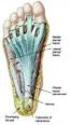 Plantar Fascia Release Introduction Plantar fasciitis is a common condition that causes pain around the heel. It may be severe enough to affect regular activities. If other treatments are unsuccessful,
Web Quest. the Bone. Student Pages. Full educational standards available online at www.sepa.duq.edu/education 125
 Web Quest the Bone Student Pages Full educational standards available online at www.sepa.duq.edu/education 125 Hello! My name is Dr. Allevable and welcome to my lab! Make yourself comfortable and explore
CPI Links Content Guide & Five Items Resource
 CPI Links Content Guide & Five Items Resource Introduction The following information should be used as a companion to the CPI Links. It provides clarifications concerning the content and skills contained