
THE DIGESTIVE SYSTEM
|
|
|
- Reynold Ellis
- 9 years ago
- Views:
Transcription
1 THE DIGESTIVE SYSTEM I. Overview II. Esphagus and Stmach III. Small Intestine IV. Large Intestine V. Liver, Gallbladder and Pancreas VI. Regulatin f the Digestive System I. Overview The majr parts f the digestive system: Salivary glands Pharynx Esphagus Stmach Small Intestine Large Intestine Rectum Accessry digestive rgans: liver, gallbladder, pancreas The majr layers f the gastrintestinal tract: Mucsa: inner layer lines the gastrintestinal tract simple clumnar epithelilium Submucsa: bld vessels glands nerve plexuses (Meissner s plexus) Muscularis: peristalsis nerve plexus (Myenteric plexus) Sersa: Outer layer f cnnective tissue

2 Functins f the GI system Mtility: mvement thrugh the GI tract Digestin: breakdwn f fd r chime Secretin and absrptin: acrss and epithelial layer either int the GI tract (secretin) r int bld (absrptin) Strage and eliminatin: II. Esphagus and Stmach Esphagus Frm pharynx t stmach Salivary glands release mucus fr lubricatin, antimicrbial agents, and amylase t digest starch. epiglttis cvers respiratry tract during swallwing At end f esphagus is the lwer esphageal sphincter (LES) Prpulsin f fd ccurs thrugh peristalsis: cntractin ccurs behind the blus f fd and relaxatin ccurs ahead f the blus f fd. Stmach Functins: 1. stre fd 2. initiate digestin f prteins 3. kill bacteria with the strng acidity (lw ph f the gastric juice) 4. make chyme Parts f the stmach: a. Fundus b. bdy c. pylric regin (pylric sphincter) material passed frm the stmach t the small intestine is called the chyme. The gastric glands f the stmach cntain several types f cells:

3 Cell Type Parietal cells Chief cells Gblet cells Enterchrmaffinlike (ECL) cells D cells G cells Secretins HCl; intrinsic factr pepsingen mucus histamine;sertnin Smatstatin Gastrin ph f gastric juice is 2. The lw ph f gastric juice: 1. denatures ingested prteins 2. ptimum ph fr pepsin activity is at ph 2.0, weak pepsingen enzymes digest each ther t frm pepsin The stmach digests nly prteins, but nt fats and carbhydrates There is basically n absprtin in the stmach Acid secretin by parietal cell: H + transprt 1. H + is cnverted t CO 2 (bld) 2. CO 2 diffused int parietal cell 3. CO 2 is cnverted back t H + 4. H + is transprted int the GI lumen by a H + -K + -ATpase Cl - transprt 1. Cl - is transprted int the parietal by a Cl - /HCO 3 - transprter 2. Cl - diffused int the GI lumen via a Cl - channel

4 III. Small Intestine small intestine is frm the pylric sphincter t the ilececal valve 12ft in length, small in diameter cmpared t large intestine regins f the small intestine dudenum: absprtin f carbhydrates, lipids, amin acids, Ca 2+, irn jejuneum: abspritn f carbhydrates, lipids, amin acids, Ca 2+, irn ileum: absrptin f bile salts, vitamin B 12, water electrlytes. Clumnar epithelial cells Villi/ micrvilli: increases surface area fr absrptin Cre f villus bld capillaries: absrptin f mnsaccharides, amin acids lymphatic vessels (central lacteal): absrptin f fats Brush brder enzymes: dissacharidase, peptidase, phsphatase. Absrptin in the Small Intestine Calric cntent f fd is derived mainly frm: carbhydrates (50%) prteins (11-14%) lipids (36%-39%) Carbhydrates Begins as starch (plysaccharide) and then eventually digested int mnsacharides fr absrptin. Amylase: Starch digestin begins in the muth (salivary amylase), and then cntinues in the dudenum (pancreatic amylase). Amylase digestin f starch prduces maltse (disaccharide) and maltrise (trisaccharide) and lisaccharides. Brush brder enzymes: hydrlyze maltse, maltrise, and ligsaccharides, sucrse, lactse t mnsaccharides fr absrptin. The three absrbable mnsaccharides are glucse, galactse, and fructse. Transprt acrss epithelial layer 1. Lumen side: Na + ctransprter with mnsaccharides 2. Bld side: passive diffusin via a transprter

5 Prteins Stmach: Smewhat digested t shrt-chain plypeptides by pepsin Dudenum, jejunum: Digested t amin acids, di-peptides, tri-peptides by pancreatic juice enyzmes Transprt acrss epithelial layer Fats 1. Lumen side: Na + c-transprter with amin acids, di-peptides, tri-peptides 2. Bld side: passive diffusin via a transprter Absrptin f fats takes place in the dudenum and are transprted int the lymphatic system. 1. Fat drplets, mainly cmprised f triglycerides are first emulsified by bile salts (see later sectin fr discussin f bile salts). Emulsificatin makes the fat drplets smaller, making them mre easily digested enzymatically. 2. Pancreatic lipase digests the smaller, emulsified fat drplets int free fatty acids and mnglycerides. 3. The free fatty acids and mnglycerides frm micelles which migrate twards the brush brder membrane. The micelles cntain bile salts, lecithin, chlesterl and 4. The free fatty acids and mnglycerides leave the micelle and enter the epithelial cell. 5. Inside the epithelial cell the free fatty acids and mnglycerides cmbine with prtein t frm chylmicrns (lipid + prteins). 6. The chylmicrns are secreted int the lymphatic system. III. Large Intestine large intestine is frm the ilececal valve t the anus parts f the large intestine: ascending cln, transverse cln, descending cln, sigmid cln, rectum, anal canal clumnar epithelial cells, gblet cells, scattered lymphcytes, lympathic ndules cntains n villi invlved in absrptin f water, electrlytes, vitamins. Cntains bacteria which serve a number f functins absrptin f vitamins (B and K) prduce small fatty acids used as energy by GI epithelial cells help breakdwn indigestible mlecules final water cntent f feces is abut 200 ml

6 Summary f Water transprt in GI tract Small Intestine Amunt f water entering Ingestin: 1.5 liters secretins: 7-9 liters Ttal: liters Amunt reasbrbed liters Large Intestine Rectum liters liters 200 ml Diarrhea is caused by many prblems. The end result in a decrease in water absrptin, s the stls are very watery. This can lead t severe dehydratin. Chlera: Na + secretin int GI lumen Celiac Sprue: damage t GI wall Lactse intlerance: smlarity f the GI lumen Defecatin reflex: pening f the external anal sphincter due t pressure in the rectum. III. Liver, Gallbladder and Pancreas A. Liver and Gallbladder Anatmy Cnnected t gallbladder via bile duct and then t small intestine Cntains sinusidal capillaries which are permeable t mst substances Unusual vasculature: G.I. capillaries Liver vena cava. This allws filtratin f ingested substances. Enterhepatic circulatin: frm liver via bile duct t small intestine and then frm small intestine back thrugh prtal vein t liver Majr functins 1. prductin and secretin f bile 2. detxicatin f bld 3. secretin and strage f glucse 4. prductin f albumin

7 Liver clears substances via the bile duct in a similar manner t the way the kidney clears substances int the nephrn. Prductin and secretin f bile Cmpnents f bile: bile pigment r bilirubin: remves hemglbin breakdwn prducts bile salts: adds in fat absrptin phshphlipids, chlesterl, inrganic ins. Gallbladder stres bile. Bile entering gallbladder is cntrlled by the sphincter f Odii. B. Pancreas Endcrine versus excrine functin: endcrine: invlves secretin int bld (inside the bdy, end): insulin and glucagns (endcrine functin nt discussed in lecture) excrine: invlves secretin int GI system (utside the bdy, ex). Pancreatic juice cntains: water: H 2 O bicarbnate: HCO 3 - amylase: digests starch trypsin: digests prtein lipase: digests fatty acids I. Cntrl f the Digestive System Digestive system is cntrlled by: autmatic activity autnmic nerves hrmnes Innervatin f the gastrintestinal tract parasympathetic: rest and digest sympathetic: fight and flight enteric nervus system: intrinsic nervus system in GI system

8 Autnmic Branch parasympathetic sympathetic Effect n GI system mtility, pen valves mtility, clse valves Three Phases in Cntrl f Gasric Functin A. Cephalic Phase B. Gastric Phase C. Intestinal Phase A. Cephalic Phase: Regulatin by the vagus nerve: lasts apprximately 30 minutes. The vagus nerve is activated by sight, smell, taste f fd. Activatin f the vagus nerve: 1. indirectly causes the parietal cells t secrete HCl 2. directly stimulates chief cells t secreate pepsingen t digest prteins A. Gastric Phase Stimulated by 1. distensin f the stmach (i.e. amunt f chyme) 2. chemical nature f the chyme The gal f this phase is t release acid and prtelytic enzymes int the stmach. Feedback lps A psitive feedback lp ccurs in which peptides cause acid and pepsingen t be released and this in turn causes mre peptides in the stmach, which causes acid and pepsingen t be released, etc.. A negative feedback lp ccurs in which the lw ph f the stmach inhibits gastrin secretin by the G cells which results in less acid secretin. Stimulatin f HCl secretin: 1. Vagus nerve and amin acids in the stmach lumen stimulate gastrin release by G-cells 2. Gastrin stimulates histamine release by ECL cells

9 3. Histamine stimulates HCl secretin by parietal cells. Stimulus fr gastric phase peptides (particularly phenylalanine and tyrptphan) stimulate pepsingen and acid secretin glucse and fats d nt stimulate acid secretin. A. Intestinal phase Inhibitin f gastric activity due t: neural reflex: stretch f the dudenum inhibits gastric mtility and secretin hrmne: fat in the chyme stimulates an inhibitry hrmne. It is nt clear what this hrmne is. Ptential candidates include gastric inhibitry peptide, smatstatin, chlecystkinin, glucagn-like. Cntrl f Intestine Chyme in dudenum stimulates 1. gastric inhibitin 2. pancreatic secretin 3. bile secretin Pancreatic juice secretin is cntrlled by secretin and chlecystkinin (CCK). Secretin: stimulated by a drp in dudenal ph results in HCO 3 - secretin by pancreas and bile secretin Chlecystkinin: stimulated by fats and prteins in dudenum results in pancreatic secretin f enzymes and bile secretin.

HUMAN NUTRITION DIGESTION DISSECTION 28 MAY 2014
 HUMAN NUTRITION DIGESTION DISSECTION 28 MAY 2014 In this lessn, we: Lessn Descriptin Study the structure f the digestive system f animal by ding a dissectin Summary Structure f the Digestive System The
Functions of the GI Tract. Chapter 18. Functions of the GI Tract (continued)
 Functions of the GI Tract Chapter 18 The Digestive System Motility: Movement of of food through the GI tract. Ingestion: Taking food into the mouth. Mastication: Chewing the food and mixing it with saliva.
Digestive System Functions
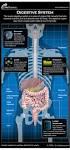 Digestive System Functions A. Gastrointestinal Processes 1. Ingestion: placing food in mouth (voluntary) 2. Propulsion: moving food through GI tract a. Peristalsis: alternating waves of contraction and
Medical Physiology Z.H.Al-Zubaydi
 Lec.13 Medical Physiology Z.H.Al-Zubaydi Functions of the Digestive System The major functions of the digestive tract include the following six processes, summarized in Figure 1: 1. Ingestion Food must
Digestion, Absorption. How & where?
 Digestion, Absorption How & where? What happens to food? Three processes Digestion Absorption Elimination Where do they occur? GI tract Overview of Digestion GI tract Gastrointestinal (GI) tract: series
SMALL AND LARGE INTESTINE SECRETIONS
 SMALL AND LARGE INTESTINE SECRETIONS Objectives At the end of lecture student should be able to know, Digestive system Digestive system secretions Small intestine Component of small intestine Intestinal
THE DIGESTIVE SYSTEM Secretion Graphics are used with permission of: Pearson Education Inc., publishing as Benjamin Cummings (http://www.aw-bc.
 THE DIGESTIVE SYSTEM Secretion Graphics are used with permission of: Pearson Education Inc., publishing as Benjamin Cummings (http://www.aw-bc.com) Page 1: Title Page Digestive system secretion involves
GI TRACT ORGANS ACCESSORY ORGANS
 Digestive System GI TRACT ORGANS Oral cavity Oropharynx Esophagus Stomach Small intestine Large Intestine Anus ACCESSORY ORGANS Salivary glands Pancreas Liver Gall bladder GI TRACT LAYERS Mucosa Submucosa
The Digestive System
 The Digestive System Digestive Structures Mouth including teeth and tongue Esophagus Stomach Small intestine Large intestine Accessory structures - salivary glands, liver, gallbladder, & pancreas Digestive
Digestion, Absorption. How & where?
 Digestion, Absorption How & where? What happens to food? Three processes Digestion Absorption Elimination Where do they occur? GI tract Overview of Digestion GI tract Gastrointestinal (GI) tract: series
The Digestive System. You are what you eat!
 The Digestive System You are what you eat! Try to label the diagram (PENCIL!!) What is Digestion? Digestion: the breakdown of large macromolecules (proteins, fats, carbohydrates) into smaller molecules
The Vertebrate (mostly human) Digestive System
 The Vertebrate (mostly human) Digestive System Mouth - mastication, lubrication, digestion Pharynx and Esophagus - swallowing Stomach - some digestion Small intestine - most digestion and absorption Large
Outline Digestive System
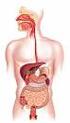 Outline Digestive System The Digestive System Digestive System Lecture Packet 19 Chapter 15 I. Function II. Layers of the GI tract III. Major parts: mouth, pharynx, esophagus, stomach, small intestine,
Chapter 24: DIGESTIVE SYSTEM
 Chapter 24: DIGESTIVE SYSTEM I. OVERVIEW A. Gross anatomy (Fig. 24.1) and functions (Table 24.1) B. "You are what you eat." 1. The problem: Ingestion (eating) is not the same as absorption. 2. The solution:
10.2 The Human Digestive System pg. 411
 10.2 The Human Digestive System pg. 411 The human digestive system is made up of a group of organs working together. The digestive tract is made up of the mouth, esophagus, stomach, small intestine, and
Chapter 15 Digestive System.
 Chapter 15 Digestive System. I. The Gastrointestinal Tract. a. The digestive system mechanically and chemically breaks down food into molecules that can be absorbed into the bloodstream or lymph. Residues
The Human Digestive System
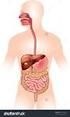 The Human Digestive System Name: Section: Date: Page 1 of 10 Page 2 of 10 Page 3 of 10 Page 4 of 10 Page 5 of 10 Page 6 of 10 Putting it All Together Digestive Enzymes Page 7 of 10 Page 8 of 10 Page 9
Chapter 49 - Nutrients and the Digestive System I. Nutrients (chemical substances necessary for organisms to grow and function properly)
 Chapter 49 - Nutrients and the Digestive System I. Nutrients (chemical substances necessary for organisms to grow and function properly) 6 basic nutrients - 4 food groups (milk, meat, fruit and vegetable,
Digestive system Review
 Digestive system Review 1. Distinguish between chemical digestion and mechanical digestion. The physical breakdown of food begins in the mouth with two types of processes. The mouth is a complex structure
Each gland has at least one duct that takes saliva to the oral cavity.
 kufa university Physiology College of Nursing first year student Ass. Lect :- Hisham Qassem M. Lecture No :-3 The Digestive System Digestive system consists of: 1. Gastrointestinal Tract (GIT). 2. Accessory
Digestive System Notes
 Digestive System Notes Structure Function Relation Mouth cavity Mechanical digestion by teeth; chemical digestion of starch by saliva. Salivary glands Three pairs of glands which secrete saliva containing
The Digestive System. Chapter 14. The Digestive System and Body Metabolism. Metabolism. Organs of the Digestive System. Digestion.
 Chapter 14 The Digestive System The Digestive System and Body Metabolism Digestion of ingested food of nutrients into the blood Metabolism Production of Constructive and degradative cellular activities
Digestion in the small and Large Intestines
 9.5 Digestion in the small and Large Intestines Do some foods keep you feeling full for a long time? Do you ever feel that after eating certain foods, you are hungry again in a short time? Some foods stay
Digestive System. Gross Anatomy and Physiology
 Digestive System Gross Anatomy and Physiology I. Introduction A. Base Function: Working with the circulatory system the digestive system provides the body with fuel. B. Main players: 1. Digestive tract:
5. Secretion: release of water, acids. Enzymes, buffers by digestive tract.
 Digestive System CH-16 Lecture topics Functions of the digestive system: p. 488. 1. Ingestion: Taking food in 2. Propulsion: movement of food thru alimentary canal p.490. voluntary: swalloing : skeletal
Digestion. What we ll cover. Main stages of digestion. Digestion: A Closer Look. A Tour of the Human Digestive System. Mechanical digestion
 Digestion What we ll cover What are the digestive system structures and their functions? Where does carbohydrate, protein and fat digestion and absorption occur? What are the 3 accessory organs of digestion?
Absorption and Transport of Nutrients
 Page1 Digestion Food travels from mouth esophagus stomach small intestine colon rectum anus. Food mixes with digestive juices, moving it through the digestive tract Large molecules of food are broken into
The Digestive System. Chapter 15
 The Digestive System Chapter 15 Introduction Digestion refers to the mechanical and chemical breakdown of food so the nutrients can be absorbed by cells Carried out by the digestive system Consists of
Digestive system. Dr. Carmen E. Rexach Physiology Mt San Antonio College
 Digestive system Dr. Carmen E. Rexach Physiology Mt San Antonio College Functions Motility ingestion mastication deglutition peristalsis Secretion exocrine endocrine Digestion Absorption Tunics Innervation
Biology 2402 Anatomy &Physiology II - Digestive system notes - Ch. 15
 Biology 2402 Anatomy &Physiology II - Digestive system notes - Ch. 15 Digestive system processes the food used as fuel and nutrients for the body. Composed of a tube through the body (digestive tract,
Digestive System Module 7: Chemical Digestion and Absorption: A Closer Look
 OpenStax-CNX module: m49457 1 Digestive System Module 7: Chemical Digestion and Absorption: A Closer Look Donna Browne Based on Chemical Digestion and Absorption: A Closer Look by OpenStax This work is
Digestive System AKA. GI System. Overview. GI Process Process Includes. G-I Tract Alimentary Canal
 Digestive System AKA G-I Tract Alimentary Canal Overview GI System Consists of Mouth, pharynx, esophagus, stomach, small intestine, large intestine, anus About 30 in length Accessory Organs Teeth, tongue,
The Digestive System. Chapter 16. Introduction. Histological Organization. Overview of Digestive System. Movement and Mixing of Digestive Materials
 The Digestive System Chapter 16 Introduction Structure of the digestive system A tube that extends from mouth to anus Accessory organs are attached Functions include Ingestion Movement Digestion Absorption
Special organ structures and functions conduct these tasks through the successive parts of the overall system.
 Chapter 5 Digestion, Absorption, and Metabolism Chapter 5 Lesson 5.1 Key Concepts Through a balanced system of mechanical and chemical digestion, food is broken down into smaller substances and the nutrients
Chapter 17 Digestive System. Alimentary Canal. Movements of the Tube
 Chapter 17 Digestive System Functions of Digestive System ingestion mechanical digestion chemical digestion propulsion absorption defecation Consists of the alimentary canal and accessory organs 1 Alimentary
THE GI TRACT IS A CONTINUOUS MULTILAYERED TUBE EXTENDING FROM THE MOUTH TO THE ANUS THAT IS SUPPORTED AND PARTIALLY COVERED BY THE PERITONEUM.
 THE GI TRACT IS A CONTINUOUS MULTILAYERED TUBE EXTENDING FROM THE MOUTH TO THE ANUS THAT IS SUPPORTED AND PARTIALLY COVERED BY THE PERITONEUM. OVERVIEW OF THE DIGESTIVE SYSTEM Two groups of organs compose
26. Digestive System
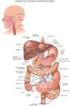 26. Digestive System Your body needs food for two primary purposes: growth and maintenance. Molecules and atoms in the food you eat are generally used to either build new molecules in your body or to provide
2) Digestion the breakdown of. There are two types of digestion: Mechanical and Chemical. 3) Absorption when the nutrients enter into the blood.
 The Digestive System Video on the digestive system (5 min) The digestive system is responsible for the breakdown of the we eat so that it can be absorbed into the. There are four main stages of the digestive
1. gustatory cells: Surface cells in the throat and on the taste buds in the mouth that transmit
 Chapter 3 Digestion and Absorption Key Terms 1. gustatory cells: Surface cells in the throat and on the taste buds in the mouth that transmit taste information. 2. absorption: The movement of substances
Divisions of Digestive System. Organs of the Alimentary Canal. Anatomy of the Digestive System: Organs of the Alimentary Canal. CHAPTER 14 p.
 Divisions of Digestive System Anatomy of the Digestive System: Organs of the Alimentary Canal CHAPTER 14 p. 412-423 1. Alimentary Canal or Gastrointestinal Tract (GI)-digests and absorbs food coiled hollow
Chapter 48. Nutrients in Food. Carbohydrates, Proteins, and Lipids. Carbohydrates, Proteins, and Lipids, continued
 Carbohydrates, Proteins, and Lipids The three nutrients needed by the body in the greatest amounts are carbohydrates, proteins, and lipids. Nutrients in Food All of these nutrients are called organic compounds,
Digestive System Why is digestion important? How is food digested? Physical Digestion and Movement
 Digestive System The digestive system is made up of the digestive tract a series of hollow organs joined in a long, twisting tube from the mouth to the anus and other organs that help the body break down
Chapter 15 Digestion and Nutrition
 Chapter 15 Digestion and Nutrition Digestive System: Digestion refers to the mechanical and chemical breakdown of foods so that nutrients can be absorbed by cells. Consists of the canal which is all of
Chapter 25. The Stomach Microscopic Anatomy and Gastric Function
 Chapter 25 The Stomach Microscopic Anatomy and Gastric Function Gross Anatomy of Stomach Diaphragm Lesser omentum Lesser curvature Pyloric region: Antrum Pyloric canal Pylorus Pyloric sphincter Fundic
Alimentary canal (gastrointestinal or GI tract) continuous coiled hollow tube
 The Digestive System and Body Metabolism Gross Anatomy Function The Digestive System Functions Ingestion taking in food Digestion breaking food down both physically and chemically Absorption movement of
Mechanical digestion: physical breaking of food chewing by teeth churning by stomach segmentation by intestines (= mixing food) p.611/ Fig. 22.
 The Digestive System 1. Describe the general functions of the digestive system Ingestion: Taking food in Propulsion: movement of food thru alimentary canal voluntary: swalloing involuntary: peristalsis
Integumentary System Digestive System. Outline. Integumentary System 11/4/2008. Week 11 BA & BP November 4, 2008 Nadia Arora, ND
 Integumentary System Digestive System Week 11 BA & BP November 4, 2008 Nadia Arora, ND Outline Integumentary system and body membranes Types of body membranes and their function General structure and main
The Excretory and Digestive Systems
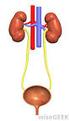 The Excretory and Digestive Systems 38.2 The Process of Digestion Organs of the Digestive System The digestive system includes the: Mouth Pharynx Esophagus Stomach Small and large intestine. Other structures
DIGESTIVE SYSTEM Five Basic Processes The Gastrointestinal tract (alimentary canal)
 DIGESTIVE SYSTEM Five Basic Processes 1. Ingestion - eating 2. Movement of the food along the G.I. tract. 3. Digestion- chemical and mechanical breakdown of food. 4. Absorption of the breakdown products
Topic 4: Digestion and Nutrition
 Topic 4: Digestion and Nutrition THE CONTENTS OF FOOD Food contains nutrients: Nutrients include: 1. 2. 3. 4. 5. Nutrients must be small enough to enter our cells. If they are too large they must be digested
23.4 Digestive System
 23.4 Digestive System The Pancreas & Pancreatic Regulation Regulation of Bile Secretions The Small Intestine The Large Intestine Pancreas Location Mostly retroperitoneal Deep to greater curvature of stomach
Weds 5/20/15. Membranes - finish last lecture outline. Digestive System Nutrition Types of digestion & digestive systems Vertebrate digestive system
 Membranes - finish last lecture outline Weds 5/20/15 Digestive System Nutrition Types of digestion & digestive systems Vertebrate digestive system structures and functions // accessory organs mechanism
I. The basic function of the digestive system is
 Chapter 15, Digestive System - ANATOMY OF THE DIGESTIVE SYSTEM I. The basic function of the digestive system is. This process is called. II. List 2 other names for the digestive tract: A. B. III. The digestive
Functions of the digestive system
 Digestive system Functions of the digestive system Digestion-mechanical and chemical breakdown of material Motility-movement of material from the oral cavity to the anus-swallowing / peristalsis Secretion-exocrine
Physiology of Digestive system II
 Small Intestine Physiology of Digestive system II Motility of small intestine: Distention of the Small Intestine Elicits Mixing Contractions Called Segmentation Contractions. These are concentric contractions
THE DIGESTIVE SYSTEM
 THE DIGESTIVE SYSTEM What is digestion? Digestion is the process of breaking down food so that it's small enough to be absorbed and used by the body for energy or in other bodily functions. Digestion involves
The Digestive System. - teeth, tongue, gall bladder, and glands (salivary glands, liver, pancreas).
 The Digestive System I. Overview A. Organs of the digestive system. 1. Alimentary canal (GI Tract): - continuous muscular tube, open at both ends. - digests food, absorbs digested fragments. 2. Accessory
The 6 th International Junior Science Olympiad Training Programme
 The 6 th International Junior Science Olympiad Training Programme KEEPING HEALTHY SECTION 2: DIGESTIVE SYSTEM Notes to Teachers Learning Objectives: Processes of nutrition in human (0.25 hr) General plan
1. Essay: The Digestive and Absorption Processes of Macronutrients
 Jenny Kim Professor Rosario Nutrition: Macronutrients Project June 26, 2014 1. Essay: The Digestive and Absorption Processes of Macronutrients Whenever we eat, the foods we ingest in our bodies undergo
SEER Training Modules
 http://training.seer.cancer.gov/anatomy/digestive/ WiRED International wishes to thank the National Cancer Institute for use of this information. SEER Training Modules Introduction to the Digestive System
Digestive System Digestive Tract
 Digestive System Digestive Tract Dept. of Histology and Embryology 周 莉 教 授 Introduction of digestive system * a long tube extending from the mouth to the anus, and associated with glands. * its main function:
CHAPTER 23 DIGESTIVE
 CHAPTER 23 DIGESTIVE nutrition requires : getting nutrients digesting nutrients transporting nutrients Digestive System musculo-skeletal digestive circulatory Digestive System alimentary canal ~ gastrointestinal
Chapter 2 Digestion and Absorption Chapter Outline
 Chapter 2 Digestion and Absorption Chapter Outline I. Anatomy of the Digestive Tract A. The Digestive Organs 1. Mouth to the Esophagus 2. Esophagus to the Stomach 3. The Small Intestine 4. The Large Intestine
17. The Digestion and Absorption of Food. Regulation of Gastrointestinal Processes
 chapter C H A P T E R 17 _ The Digestion and Overview: of the Gastrointestinal Organs Structure of the Gastrointestinal Tract Wall Digestion and Absorption Carbohydrate Protein Fat Vitamins Water and Minerals
The Gastrointestinal System It consists of: The digestive tract Mouth Pharynx Oesophagus Stomach Small intestine Large intestine
 The Gastrointestinal System It consists of: The digestive tract Mouth Pharynx Oesophagus Stomach Small intestine Large intestine The digestive organs Teeth Tongue Salivary glands Liver Gall bladder Pancreas
Introduction. Digestive System. Physiology. Anatomy. Physiology. Alimentary Canal. Chapter 21
 Chapter 21 Digestive System Susan G. Salvo Introduction Digestive process is a disassembly line Digestive system provides processes in which proteins, carbohydrates, and fats are broken down and used a
The Digestive System
 The Digestive System Objectives Name and locate the digestive organs and the accessory organs of digestion. List the general function of the digestive system and the function of each organ. Define mechanical
LAB 3: DIGESTION OF ORGANIC MACROMOLECULES
 LAB 3: DIGESTION OF ORGANIC MACROMOLECULES INTRODUCTION Enzymes are a special class of proteins that lower the activation energy of biological reactions. These biological catalysts change the rate of chemical
8. Be able to label a diagram of an earthworm. Know the function of each of the major parts of the earthworm.
 Review for Unit Test: The Digestive System 1. Know the meaning of these terms: heterotrophs digestion peristalsis microvilli autotrophs chemical digestion chyme lacteal intracellular digestion mechanical
Digestion. Processing of food Types. Mechanical (physical) Chemical. Chew Tear Grind Mash Mix. Catabolic reactions Enzymatic hydrolysis
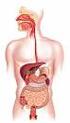 Digestive System Digestion Processing of food Types Mechanical (physical) Chew Tear Grind Mash Mix Chemical Catabolic reactions Enzymatic hydrolysis Carbohydrate Protein Lipid 2 Digestion Phases Ingestion
CHAPTER 17: DIGESTIVE SYSTEM. 2. Distinguish between mechanical digestion and chemical digestion.
 CHAPTER 17: SYSTEM OBJECTIVES 1. Define the term digestion and explain its significance. 2. Distinguish between mechanical digestion and chemical digestion. 3. Discuss the five digestive processes that
Mammalian Physiology. Gastrointestinal System: Digestion and Absorption
 Mammalian Physiology Gastrointestinal System: Digestion and Absorption 1UNLV UNIVERSITY OF NEVADA LAS VEGAS PHYSIOLOGY, Chapter 33 Berne, Levy, Koeppen, Stanton Objectives Describe the digestive secretions
Chapter 5. Maintenance of the Human Body. Digestive System and Nutrition. Chapter Concepts
 P A R T II Maintenance of the Human Body 5 Digestive System and Nutrition 77 6 Composition and Function of the Blood 105 7 Cardiovascular System 121 8 Respiratory System 143 9 Urinary System and Excretion
II. General Characteristics of the Alimentary Canal
 Human Anatomy & Physiology 17 Be sure to watch the Video: The Digestive System. Digestive System URLs http://www.emc.maricopa.edu/faculty/farabee/biobk/ BioBookDIGEST.html http://yahooligans.yahoo.com/reference/gray/244.html
AP Biology. What do animals need to live? Animal Nutrition. Nutritional requirements. How do animals get their food? Different diets; different lives
 Animal Nutrition What do animals need to live? Animals make energy using: food food oxygen Animals build bodies using: food for raw materials amino acids, sugars, fats, nucleotides O 2 ATP energy for synthesis
1. Which substances in the small intestine of humans serve to increase the surface area for absorption?
 Digestion Review 1. Which substances in the small intestine of humans serve to increase the surface area for absorption? (a.) intestinal glands (b.) villi (c.) pseudopodia (d.) cilia (e.) flagella 2. The
The Digestive System 24-1
 The Digestive System 24-1 Overview of GI tract Functions Mouth---bite, chew, swallow Pharynx and esophagus---- transport Stomach----mechanical disruption; absorption of water & alcohol Small intestine--chemical
The digestive system, also called the gastrointestinal
 exercise 8 Chemical and Physical Processes of Digestion Objectives 1. To define digestive tract, accessory glands, digestion, hydrolases, salivary amylase, carbohydrates, proteins, lipids, bile salts,
Topic 3.0 Healthy human function depends on a variety of interacting and reacting systems
 Topic 3.0 Healthy human function depends on a variety of interacting and reacting systems Organ Systems Organ systems must have the ability to to changes within and outside of your body to maintain life
Continuing Education Independent Study Series
 Continuing Education Independent Study Series Professional Development Manager Association of Surgical Technologists Englewood, Colorado Association of Surgical Technologists Publication made possible
Digestive system Is a disassemble line to break nutrients down into forms that can be used by the body
 Digestive system Is a disassemble line to break nutrients down into forms that can be used by the body for cells to perform metabolic reactions the cells need oxygen and organic molecules that can be broken
Chapter 22: Digestive System
 Chapter 22: Digestive System Converts food into raw materials necessary for cell maintenance and growth Digestive System: Main Divisions of Digestive System: 1) Alimentary Canal (gastrointestinal tract)
Welcome back. Today, we embark on Lesson 6 where we ll study the human digestive system.
 Basic Human Anatomy Lesson 6: The Human Digestive System Welcome back. Today, we embark on Lesson 6 where we ll study the human digestive system. After completing this lesson, you should be able to define
30.3 The Digestive System
 30.3 The Digestive System Lesson Objectives Describe the organs of the digestive system and explain their functions. Explain what happens during digestion. Describe how nutrients are absorbed into the
General Structure and Function of the Digestive System
 General Structure and Function of the Digestive System Do Now Why does food have to be digested before cells can use it? What are the typical four layers of the digestive tract wall? What is the name of
Unit B Understanding Animal Body Systems. Lesson 1 Understanding Animal Digestion
 Unit B Understanding Animal Body Systems Lesson 1 Understanding Animal Digestion 1 Terms Absorption Amino acids Anus Avian Bile Cecum Chyme Crop Cud Digestion Digestive system Enzymes Eructated Feces Gizzard
Digestive System Grou p & lndividual Activity checklist
 Digestive System Grou p & lndividual Activity checklist oup Activitv: Each person in your group must research the following organs involved in the digestive process. They are listed below in sections (1-5).
Digestive System. Digestive System. Digestive tract. Accessory organs. Digestive System Overview
 Digestive System Digestive System The process of chemically and physically breaking down foods into simpler forms that can be absorbed is called digestion. The digestive system can be divided into two
Horse Science: The Digestive System of the Horse Page 3
 Horse Science: The Digestive System of the Horse Page 3 The digestive system of the horse is different from that Mastication (chewing) is the mechanical reduction of of the other farm animals. Although
The Digestive System
 16 The Digestive System FOCUS: The function of the digestive system is to take in food, break it down into smaller compounds, and absorb those compounds so that the body can use them. This process provides
Eating, pooping, and peeing THE DIGESTIVE SYSTEM
 THE DIGESTIVE SYSTEM Ingested food is not technically in the body until it is absorbed so it needs to be: Mechanically and chemically reduced Transported by the blood to the cells Large portions are not
The Digestive System
 The Digestive System What do you know?? quiz-digestive-health Digestion Videos The Digestive System Inside-Dr-Ozs-Digestive-System-Video Now it is your turn to recreate the digestive system. How is food
Small & Large Intestines
 Small & Large Intestines Small Intestine: principal site for digestion of food and absorption of the products of digestion Large Intestine: reabsorption of water and elimination of undigested food and