
CHAPTER 23 DIGESTIVE
|
|
|
- Adam Blake
- 9 years ago
- Views:
Transcription
1 CHAPTER 23 DIGESTIVE nutrition requires : getting nutrients digesting nutrients transporting nutrients Digestive System musculo-skeletal digestive circulatory Digestive System alimentary canal ~ gastrointestinal tract (GI) accessory organs FUNCTIONS: alimentary canal mouth pharynx esophagus stomach small intestine large intestine rectum hollow organs mouth to anus move food digest food absorb food Digestive system accessory organs teeth tongue salivary glands liver gallbladder pancreas aid digestion move food ingestion = stuffing your mouth propulsion swallowing peristalsis egestion digest food mechanical digestion moving food thru tract defecation of wastes physically breaking food digestive processes chemical digestion absorption defectation chemically breaking food get nutrients into the body egestion of wastes

2 parietal peritoneum visceral peritoneum peritoneal cavity, fluid space in between Peritoneum retroperitoneal lesser omentum posterior to peritoneum peritoneal folds greater omentum mesentery proper mesocolon falciform ligament mouth strat. squamous epithelium labial frenulum connects lip to gum soft palate uvula tongue intrinsic skeletal muscles mastication initiates swallowing sensory epithelium lingual frenulum connects to floor of mouth primary dentition = deciduous (milk) teeth 20 permanent dentition = adult teeth 32 dentin bone + collagen crown exposed area enamel mineral crystals root within bones root canal + pulp cavity blood vessels ; nerves periodontal ligament anchors into bone gingiva = gums saliva mostly water protection defensins lysozyme bicarbonate buffer digestive enzyme salivary amylase parotid gland sublingual gland submandibular gland oral cavity = buccal cavity teeth salivary glands

3 ( nasopharynx not part of alimentary canal ) oropharynx tonsils laryngopharynx swallowing = deglutition pharyngeal constrictor muscles reflex CN IX, X, XII stratified squamous epith. muscle skeletal muscle smooth muscle peristalsis upper esophageal sphincter esophageal hiatus cardiac orifice gastroesophageal sphincter = cardiac sphincter GERD Hiatal Hernia cardia cardiac orifice cardiac sphincter fundus body pyloric region pyloric sphincter greater curvature lesser curvature rugae pharynx esophagus Stomach - anatomy ~ 8-13 feet long small intestine chemical digestion produces enzymes receives enzymes from pancreas and liver most absorption 3 parts duodenum 1 st 10 in. most digestion and absorption jejunum proximal ½ ileum distal ½ small intestine - gross anatomy

4 hepatopancreatic ampulla duodenal papilla ileocecal valve from pancreas and bile ducts gross anatomy connect to large intestine (cecum) plicae circulares circular folds of entire wall to increase absorption villi smaller folds of plicae lined with absorptive cells capillaries lacteals microvilli folds of cell membrane = brush border = colon functions : absorb H 2 O absorb vitamins normal flora (e.coli) produce Vit K, Vit B s large intestine general features teniae coli 3 longitudinal strips of thick muscle haustra several sac along length of colon cecum ileocecal valve appendix ascending colon right colic (hepatic) flexure transverse colon left colic (splenic) flexure descending colon sigmoid colon feces undigested food water dead epithelia bacteria internal anal sphincter external anal sphincter anal canal defecation reflex stim = stretch of rectum wall relaxes internal anal sphincter large intestine anatomy rectum and anal canal

5 4 lobes right and left lobe quadrate lobe caudate lobe Liver digestive function produces bile salts emulsify fats cholic acid + bilirubin porta hepatis area where vessels connect hepatic portal vein hepatic artery hepatic ducts remove bile Liver falciform ligament ligamentum teres stores and concentrates bile divides R & L lobe remnant of umbilical vein Gall bladder and Biliary tree Biliary tree common hepatic duct from liver cystic duct from gall bladder common bile duct exocrine functions pancreatic juices enzymes pancreatic amylase lipase trypsin buffer sodium bicarbonate main pancreatic duct accessory pancreatic duct to hepatopancreatic duct to duodenum Pancreas What tissue? If we want to contact an opening? if we want protection from that opening if we want to secrete and absorb If we have epithelia, we should also have If we need defense? If we need stretch and recoil? If we want to move stuff through the tract? If we want to hold it all together? If we want to transport the absorbed stuff? histology

6 4 layers of hollow organs - alimentary canal mucosa submucosa muscularis externa outer covering organ = the wall histology epithelium esophagus, rectum tissue?? stomach, intestines tissue?? lamina propria contact lumen support epithelium tissue?? capillaries and lymph (lacteals) MALT muscularis mucosae smooth muscle submucosa areolar ; elastic c.t. blood, lymph vessels nerves muscularis externa peristalsis nerves outer covering serosa adventitia mucosa - mucous membrane other layers : nerve plexuses ANS myenteric nerve plexus in muscularis externa to smooth muscle submucosal nerve plexus in submucosa to digestive glands enteric nervous system reflex arcs within alimentary wall peristalsis and gland secretions stomach lining gastric pits surface epithelium simple columnar secrete bicarbonate mucus neck cells secrete mucous gastric glands muscularis externa serosa 3 layers

7 gastric glands parietal cells chief cells stomach gastric glands G cells small intestine histology mucosa simple columnar absorption produce enzymes goblet cells mucus enteroendocrine cells produce hormones lamina propria areolar ct capillaries lacteals Peyer s patches small intestine histology submucosa duodenal glands secrete bicarbonate muscularis and serosa same as elsewhere simple columnar epithelium many Goblet cells no villi large intestine histology lymph tissue Liver - microanatomy liver lobules hepatocytes perform most functions sinusoids Kupffer cells central vein portal triad hepatic artery hepatic portal vein bile duct destroy bacteria and toxins exocrine functions pancreatic juices acinus exocrine glands secrete into ducts to the duodenum Pancreas pancreatic islets = islets of Langerhans endocrine cells

Divisions of Digestive System. Organs of the Alimentary Canal. Anatomy of the Digestive System: Organs of the Alimentary Canal. CHAPTER 14 p.
 Divisions of Digestive System Anatomy of the Digestive System: Organs of the Alimentary Canal CHAPTER 14 p. 412-423 1. Alimentary Canal or Gastrointestinal Tract (GI)-digests and absorbs food coiled hollow
5. Secretion: release of water, acids. Enzymes, buffers by digestive tract.
 Digestive System CH-16 Lecture topics Functions of the digestive system: p. 488. 1. Ingestion: Taking food in 2. Propulsion: movement of food thru alimentary canal p.490. voluntary: swalloing : skeletal
Digestive System AKA. GI System. Overview. GI Process Process Includes. G-I Tract Alimentary Canal
 Digestive System AKA G-I Tract Alimentary Canal Overview GI System Consists of Mouth, pharynx, esophagus, stomach, small intestine, large intestine, anus About 30 in length Accessory Organs Teeth, tongue,
The Digestive System. Chapter 16. Introduction. Histological Organization. Overview of Digestive System. Movement and Mixing of Digestive Materials
 The Digestive System Chapter 16 Introduction Structure of the digestive system A tube that extends from mouth to anus Accessory organs are attached Functions include Ingestion Movement Digestion Absorption
Alimentary canal (gastrointestinal or GI tract) continuous coiled hollow tube
 The Digestive System and Body Metabolism Gross Anatomy Function The Digestive System Functions Ingestion taking in food Digestion breaking food down both physically and chemically Absorption movement of
The Digestive System. Chapter 14. The Digestive System and Body Metabolism. Metabolism. Organs of the Digestive System. Digestion.
 Chapter 14 The Digestive System The Digestive System and Body Metabolism Digestion of ingested food of nutrients into the blood Metabolism Production of Constructive and degradative cellular activities
Mechanical digestion: physical breaking of food chewing by teeth churning by stomach segmentation by intestines (= mixing food) p.611/ Fig. 22.
 The Digestive System 1. Describe the general functions of the digestive system Ingestion: Taking food in Propulsion: movement of food thru alimentary canal voluntary: swalloing involuntary: peristalsis
26. Digestive System
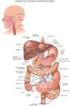 26. Digestive System Your body needs food for two primary purposes: growth and maintenance. Molecules and atoms in the food you eat are generally used to either build new molecules in your body or to provide
Biology 2402 Anatomy &Physiology II - Digestive system notes - Ch. 15
 Biology 2402 Anatomy &Physiology II - Digestive system notes - Ch. 15 Digestive system processes the food used as fuel and nutrients for the body. Composed of a tube through the body (digestive tract,
The Gastrointestinal System It consists of: The digestive tract Mouth Pharynx Oesophagus Stomach Small intestine Large intestine
 The Gastrointestinal System It consists of: The digestive tract Mouth Pharynx Oesophagus Stomach Small intestine Large intestine The digestive organs Teeth Tongue Salivary glands Liver Gall bladder Pancreas
Digestive System. Gross Anatomy and Physiology
 Digestive System Gross Anatomy and Physiology I. Introduction A. Base Function: Working with the circulatory system the digestive system provides the body with fuel. B. Main players: 1. Digestive tract:
The Digestive System. Chapter 15
 The Digestive System Chapter 15 Introduction Digestion refers to the mechanical and chemical breakdown of food so the nutrients can be absorbed by cells Carried out by the digestive system Consists of
The Digestive System
 The Digestive System Digestive Structures Mouth including teeth and tongue Esophagus Stomach Small intestine Large intestine Accessory structures - salivary glands, liver, gallbladder, & pancreas Digestive
Outline Digestive System
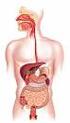 Outline Digestive System The Digestive System Digestive System Lecture Packet 19 Chapter 15 I. Function II. Layers of the GI tract III. Major parts: mouth, pharynx, esophagus, stomach, small intestine,
Continuing Education Independent Study Series
 Continuing Education Independent Study Series Professional Development Manager Association of Surgical Technologists Englewood, Colorado Association of Surgical Technologists Publication made possible
THE GI TRACT IS A CONTINUOUS MULTILAYERED TUBE EXTENDING FROM THE MOUTH TO THE ANUS THAT IS SUPPORTED AND PARTIALLY COVERED BY THE PERITONEUM.
 THE GI TRACT IS A CONTINUOUS MULTILAYERED TUBE EXTENDING FROM THE MOUTH TO THE ANUS THAT IS SUPPORTED AND PARTIALLY COVERED BY THE PERITONEUM. OVERVIEW OF THE DIGESTIVE SYSTEM Two groups of organs compose
SEER Training Modules
 http://training.seer.cancer.gov/anatomy/digestive/ WiRED International wishes to thank the National Cancer Institute for use of this information. SEER Training Modules Introduction to the Digestive System
The digestive system is made up of a tubular system and its accessory organs and is referred to as the alimentary canal or gastrointestinal tract (GI)
 Digestive System The digestive system is made up of a tubular system and its accessory organs and is referred to as the alimentary canal or gastrointestinal tract (GI) I. A tube traveling through the body
Digestive System. Digestive System. Digestive tract. Accessory organs. Digestive System Overview
 Digestive System Digestive System The process of chemically and physically breaking down foods into simpler forms that can be absorbed is called digestion. The digestive system can be divided into two
Classifications of animals: ruminant vs non-ruminant carnivore: meat-eating herbivore: plant-eating omnivore: both meat and plant-eating
 Digestion and Metabolism Digestive tract one long, continuous tube starting at the mouth and ending at the anus Functions Ingestion Grinding Digestion/absorption of food Elimination of solid wastes Classifications
Functions of the GI Tract. Chapter 18. Functions of the GI Tract (continued)
 Functions of the GI Tract Chapter 18 The Digestive System Motility: Movement of of food through the GI tract. Ingestion: Taking food into the mouth. Mastication: Chewing the food and mixing it with saliva.
Functions of the digestive system
 Digestive system Functions of the digestive system Digestion-mechanical and chemical breakdown of material Motility-movement of material from the oral cavity to the anus-swallowing / peristalsis Secretion-exocrine
DIGESTIVE SYSTEM Five Basic Processes The Gastrointestinal tract (alimentary canal)
 DIGESTIVE SYSTEM Five Basic Processes 1. Ingestion - eating 2. Movement of the food along the G.I. tract. 3. Digestion- chemical and mechanical breakdown of food. 4. Absorption of the breakdown products
Human Anatomy & Physiology II with Dr. Hubley
 Human Anatomy & Physiology II with Dr. Hubley Practice Exam III Name: Instructions This exam consists of 50 questions. You may write on the exam itself, but be sure to answer all your questions on a Scantron
Digestive System Digestive Tract
 Digestive System Digestive Tract Dept. of Histology and Embryology 周 莉 教 授 Introduction of digestive system * a long tube extending from the mouth to the anus, and associated with glands. * its main function:
General Structure and Function of the Digestive System
 General Structure and Function of the Digestive System Do Now Why does food have to be digested before cells can use it? What are the typical four layers of the digestive tract wall? What is the name of
The Digestive System. You are what you eat!
 The Digestive System You are what you eat! Try to label the diagram (PENCIL!!) What is Digestion? Digestion: the breakdown of large macromolecules (proteins, fats, carbohydrates) into smaller molecules
Medical Physiology Z.H.Al-Zubaydi
 Lec.13 Medical Physiology Z.H.Al-Zubaydi Functions of the Digestive System The major functions of the digestive tract include the following six processes, summarized in Figure 1: 1. Ingestion Food must
ii. Palatine tonsils - located between glossopalatine arch and pharyngopalatine arch iii. Function: guide food and air to laryngopharynx III.
 Digestive System I. Introduction I. Tube from mouth to anus, 30 ft. long II. Greatest portion below diaphragm III. Function: digestion and absorption II. Cross section through the coelom (body cavity)
Integumentary System Digestive System. Outline. Integumentary System 11/4/2008. Week 11 BA & BP November 4, 2008 Nadia Arora, ND
 Integumentary System Digestive System Week 11 BA & BP November 4, 2008 Nadia Arora, ND Outline Integumentary system and body membranes Types of body membranes and their function General structure and main
Digestive System Functions
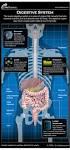 Digestive System Functions A. Gastrointestinal Processes 1. Ingestion: placing food in mouth (voluntary) 2. Propulsion: moving food through GI tract a. Peristalsis: alternating waves of contraction and
DIGESTIVE SYSTEM Liver, pancreas, esophagus, stomach fundus, small intestine, large intestine, appendix; preparations B9, 10, 12, 15, 16, 17, 18, (19)
 DIGESTIVE SYSTEM Liver, pancreas, esophagus, stomach fundus, small intestine, large intestine, appendix; preparations B9, 10, 12, 15, 16, 17, 18, (19) Institute of Histology and Embryology RNDr. Lucie
I. The basic function of the digestive system is
 Chapter 15, Digestive System - ANATOMY OF THE DIGESTIVE SYSTEM I. The basic function of the digestive system is. This process is called. II. List 2 other names for the digestive tract: A. B. III. The digestive
Each gland has at least one duct that takes saliva to the oral cavity.
 kufa university Physiology College of Nursing first year student Ass. Lect :- Hisham Qassem M. Lecture No :-3 The Digestive System Digestive system consists of: 1. Gastrointestinal Tract (GIT). 2. Accessory
Chapter 24: DIGESTIVE SYSTEM
 Chapter 24: DIGESTIVE SYSTEM I. OVERVIEW A. Gross anatomy (Fig. 24.1) and functions (Table 24.1) B. "You are what you eat." 1. The problem: Ingestion (eating) is not the same as absorption. 2. The solution:
The Vertebrate (mostly human) Digestive System
 The Vertebrate (mostly human) Digestive System Mouth - mastication, lubrication, digestion Pharynx and Esophagus - swallowing Stomach - some digestion Small intestine - most digestion and absorption Large
The Digestive System
 16 The Digestive System FOCUS: The function of the digestive system is to take in food, break it down into smaller compounds, and absorb those compounds so that the body can use them. This process provides
The Digestive System. - teeth, tongue, gall bladder, and glands (salivary glands, liver, pancreas).
 The Digestive System I. Overview A. Organs of the digestive system. 1. Alimentary canal (GI Tract): - continuous muscular tube, open at both ends. - digests food, absorbs digested fragments. 2. Accessory
Chapter 15 Digestive System.
 Chapter 15 Digestive System. I. The Gastrointestinal Tract. a. The digestive system mechanically and chemically breaks down food into molecules that can be absorbed into the bloodstream or lymph. Residues
GI TRACT ORGANS ACCESSORY ORGANS
 Digestive System GI TRACT ORGANS Oral cavity Oropharynx Esophagus Stomach Small intestine Large Intestine Anus ACCESSORY ORGANS Salivary glands Pancreas Liver Gall bladder GI TRACT LAYERS Mucosa Submucosa
CH 23 THE DIGESTIVE SYSTEM
 CH 23 THE DIGESTIVE SYSTEM This system is responsible for processing nutrients, which are required in order to produce energy and chemical building blocks via cellular respiration for cellular growth,
Eating, pooping, and peeing THE DIGESTIVE SYSTEM
 THE DIGESTIVE SYSTEM Ingested food is not technically in the body until it is absorbed so it needs to be: Mechanically and chemically reduced Transported by the blood to the cells Large portions are not
Digestion. Processing of food Types. Mechanical (physical) Chemical. Chew Tear Grind Mash Mix. Catabolic reactions Enzymatic hydrolysis
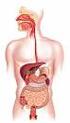 Digestive System Digestion Processing of food Types Mechanical (physical) Chew Tear Grind Mash Mix Chemical Catabolic reactions Enzymatic hydrolysis Carbohydrate Protein Lipid 2 Digestion Phases Ingestion
Introduction. Digestive System. Physiology. Anatomy. Physiology. Alimentary Canal. Chapter 21
 Chapter 21 Digestive System Susan G. Salvo Introduction Digestive process is a disassembly line Digestive system provides processes in which proteins, carbohydrates, and fats are broken down and used a
Name Digestive System and Body Metabolism Notes Ch 14
 Name Digestive System and Body Metabolism Notes Ch 14 Digestion Breakdown of ingested food Absorption of nutrients into the blood Metabolism Production of cellular energy ( ) Constructive and degradative
23.4 Digestive System
 23.4 Digestive System The Pancreas & Pancreatic Regulation Regulation of Bile Secretions The Small Intestine The Large Intestine Pancreas Location Mostly retroperitoneal Deep to greater curvature of stomach
Small & Large Intestines
 Small & Large Intestines Small Intestine: principal site for digestion of food and absorption of the products of digestion Large Intestine: reabsorption of water and elimination of undigested food and
SMALL AND LARGE INTESTINE SECRETIONS
 SMALL AND LARGE INTESTINE SECRETIONS Objectives At the end of lecture student should be able to know, Digestive system Digestive system secretions Small intestine Component of small intestine Intestinal
II. General Characteristics of the Alimentary Canal
 Human Anatomy & Physiology 17 Be sure to watch the Video: The Digestive System. Digestive System URLs http://www.emc.maricopa.edu/faculty/farabee/biobk/ BioBookDIGEST.html http://yahooligans.yahoo.com/reference/gray/244.html
Welcome back. Today, we embark on Lesson 6 where we ll study the human digestive system.
 Basic Human Anatomy Lesson 6: The Human Digestive System Welcome back. Today, we embark on Lesson 6 where we ll study the human digestive system. After completing this lesson, you should be able to define
Chapter 49 - Nutrients and the Digestive System I. Nutrients (chemical substances necessary for organisms to grow and function properly)
 Chapter 49 - Nutrients and the Digestive System I. Nutrients (chemical substances necessary for organisms to grow and function properly) 6 basic nutrients - 4 food groups (milk, meat, fruit and vegetable,
2) Digestion the breakdown of. There are two types of digestion: Mechanical and Chemical. 3) Absorption when the nutrients enter into the blood.
 The Digestive System Video on the digestive system (5 min) The digestive system is responsible for the breakdown of the we eat so that it can be absorbed into the. There are four main stages of the digestive
Digestion. What we ll cover. Main stages of digestion. Digestion: A Closer Look. A Tour of the Human Digestive System. Mechanical digestion
 Digestion What we ll cover What are the digestive system structures and their functions? Where does carbohydrate, protein and fat digestion and absorption occur? What are the 3 accessory organs of digestion?
Chapter 15 Digestion and Nutrition
 Chapter 15 Digestion and Nutrition Digestive System: Digestion refers to the mechanical and chemical breakdown of foods so that nutrients can be absorbed by cells. Consists of the canal which is all of
Digestive System (Chapter 24) Lecture Materials for Amy Warenda Czura, Ph.D. Suffolk County Community College Eastern Campus
 Digestive System (Chapter 24) Lecture Materials for Amy Warenda Czura, Ph.D. Suffolk County Community College Eastern Campus Digestive System Responsible for providing raw materials to support life: -food
Digestive system Review
 Digestive system Review 1. Distinguish between chemical digestion and mechanical digestion. The physical breakdown of food begins in the mouth with two types of processes. The mouth is a complex structure
The Human Digestive System
 The Human Digestive System Name: Section: Date: Page 1 of 10 Page 2 of 10 Page 3 of 10 Page 4 of 10 Page 5 of 10 Page 6 of 10 Putting it All Together Digestive Enzymes Page 7 of 10 Page 8 of 10 Page 9
Lecture Notes on the Digestive System
 Lecture Notes on the Digestive System Function The function of the digestive system is to digest and absorb food. It consists of a tubular gastrointestinal tract and accessory organs that aid in digestion
Digestive System. Student Learning Objectives: Structures to be studied: Introduction
 Digestive System Student Learning Objectives: Identify the primary structures of the digestive system. Describe the use of various important nutrient materials in the body. Structures to be studied: Oral
Chapter 22: Digestive System
 Chapter 22: Digestive System Converts food into raw materials necessary for cell maintenance and growth Digestive System: Main Divisions of Digestive System: 1) Alimentary Canal (gastrointestinal tract)
Digestion, Absorption. How & where?
 Digestion, Absorption How & where? What happens to food? Three processes Digestion Absorption Elimination Where do they occur? GI tract Overview of Digestion GI tract Gastrointestinal (GI) tract: series
Chapter 17 Digestive System. Alimentary Canal. Movements of the Tube
 Chapter 17 Digestive System Functions of Digestive System ingestion mechanical digestion chemical digestion propulsion absorption defecation Consists of the alimentary canal and accessory organs 1 Alimentary
Study Guide Digestive System
 Study Guide Digestive System 1. Digestion is breakdown of complex food molecules like starch into smaller molecules like glucose that can pass through the cell membranes of intestine and get absorbed into
THE DIGESTIVE SYSTEM Secretion Graphics are used with permission of: Pearson Education Inc., publishing as Benjamin Cummings (http://www.aw-bc.
 THE DIGESTIVE SYSTEM Secretion Graphics are used with permission of: Pearson Education Inc., publishing as Benjamin Cummings (http://www.aw-bc.com) Page 1: Title Page Digestive system secretion involves
CHAPTER 17: DIGESTIVE SYSTEM. 2. Distinguish between mechanical digestion and chemical digestion.
 CHAPTER 17: SYSTEM OBJECTIVES 1. Define the term digestion and explain its significance. 2. Distinguish between mechanical digestion and chemical digestion. 3. Discuss the five digestive processes that
10.2 The Human Digestive System pg. 411
 10.2 The Human Digestive System pg. 411 The human digestive system is made up of a group of organs working together. The digestive tract is made up of the mouth, esophagus, stomach, small intestine, and
h. Large intestine 3
 (1) General features (a) Large intestine is last organ of digestive tract proper divided into 3 or 4 regions cecum appendix in humans colon rectum 1 b) No villi lumenal epithelium has microvilli This brush
Digestive System Module 5: The Small and Large Intestines
 OpenStax-CNX module: m49292 1 Digestive System Module 5: The Small and Large Intestines Donna Browne Based on The Small and Large Intestines by OpenStax College This work is produced by OpenStax-CNX and
Chapter 48. Nutrients in Food. Carbohydrates, Proteins, and Lipids. Carbohydrates, Proteins, and Lipids, continued
 Carbohydrates, Proteins, and Lipids The three nutrients needed by the body in the greatest amounts are carbohydrates, proteins, and lipids. Nutrients in Food All of these nutrients are called organic compounds,
Digestive System Notes
 Digestive System Notes Structure Function Relation Mouth cavity Mechanical digestion by teeth; chemical digestion of starch by saliva. Salivary glands Three pairs of glands which secrete saliva containing
Chapter 24: The Digestive System. The Digestive System: An Overview, p. 863
 Chapter 24: The Digestive System The Digestive System: An Overview, p. 863 Objectives 1. Identify the organs of the digestive system and list their major functions. 2. Describe the functional histology
Overview of the Digestive System
 OpenStax-CNX module: m46506 1 Overview of the Digestive System OpenStax College This work is produced by OpenStax-CNX and licensed under the Creative Commons Attribution License 3.0 By the end of this
Functional Human Morphology (2040) & Functional Anatomy of the Head, Neck and Trunk (2130)
 Functional Human Morphology (2040) & Functional Anatomy of the Head, Neck and Trunk (2130) Gastrointestinal & Urogenital Systems Recommended Text: TEXTBOOK OF ANATOMY: ROGERS Published by Churchill Livingstone
Functions of Digestive System. The Digestive System. Digestive Processes. Anatomy. Digestive System. Melissa Gonzales McNeal 1. Layers of the GI tract
 The Digestive System Gastroenterology: study of digestive tract Heptologists study the liver General surgeons operate on most parts of the GI tract 1 Functions of Digestive System Protection Corrosive
The Digestive System
 The Digestive System What do you know?? quiz-digestive-health Digestion Videos The Digestive System Inside-Dr-Ozs-Digestive-System-Video Now it is your turn to recreate the digestive system. How is food
The Excretory and Digestive Systems
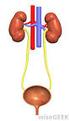 The Excretory and Digestive Systems 38.2 The Process of Digestion Organs of the Digestive System The digestive system includes the: Mouth Pharynx Esophagus Stomach Small and large intestine. Other structures
Accessory Organs in Digestion: The Liver, Pancreas, and Gallbladder
 OpenStax-CNX module: m46496 1 Accessory Organs in Digestion: The Liver, Pancreas, and Gallbladder OpenStax College This work is produced by OpenStax-CNX and licensed under the Creative Commons Attribution
PCB 4023 Cell Biology. Lab 8: Organology II Digestive tract and accessory organs
 PCB 4023 Cell Biology Lab 8: Organology II Digestive tract and accessory organs Name: Name: SSN: SSN: N.B. Since this document is in pdf format, the URLs (web addresses) cannot be linked. To use them,
Digestive System Why is digestion important? How is food digested? Physical Digestion and Movement
 Digestive System The digestive system is made up of the digestive tract a series of hollow organs joined in a long, twisting tube from the mouth to the anus and other organs that help the body break down
Digestive System. Part 4 Regulations and Maintenance
 Digestive System C H A P T E R Colorized SEM of the interior surface of the small intestine showing villi. 24 Every cell of the body needs nourishment, yet most cells cannot leave their position in the
Digestion, Absorption. How & where?
 Digestion, Absorption How & where? What happens to food? Three processes Digestion Absorption Elimination Where do they occur? GI tract Overview of Digestion GI tract Gastrointestinal (GI) tract: series
Digestion in the small and Large Intestines
 9.5 Digestion in the small and Large Intestines Do some foods keep you feeling full for a long time? Do you ever feel that after eating certain foods, you are hungry again in a short time? Some foods stay
Lab 18 The Digestive System
 Lab 18 The Digestive System Laboratory Objectives Identify on a diagram, model or cadaver the parts of the digestive system and accessory organs. Describe the general histology of the digestive system.
Human Digestive System Anatomy
 Human Digestive System Anatomy Biology 104 Objectives: 1. Learn the anatomy of the digestive system. You should be able to find all terms in bold on the human torso models. 2. Relate structure of the system
Learning Objectives. Introduction to Medical Careers. Vocabulary: Chapter 16 FACTS. Functions. Organs. Digestive System Chapter 16
 Learning Objectives Introduction to Medical Careers Digestive System Chapter 16 Define at least 10 terms relating to the digestive Describe the four functions of the digestive Identify different structures
The 6 th International Junior Science Olympiad Training Programme
 The 6 th International Junior Science Olympiad Training Programme KEEPING HEALTHY SECTION 2: DIGESTIVE SYSTEM Notes to Teachers Learning Objectives: Processes of nutrition in human (0.25 hr) General plan
It s time to feed your hunger for knowledge about how nutrients fuel the whole package
 Chapter 9 Fueling the Functions: The Digestive System In This Chapter Getting down and dirty with digestion basics Examining the mouth Spending time in the stomach Passing through the intestines and other
The Digestive System 24-1
 The Digestive System 24-1 Overview of GI tract Functions Mouth---bite, chew, swallow Pharynx and esophagus---- transport Stomach----mechanical disruption; absorption of water & alcohol Small intestine--chemical
Physiology of Digestive system II
 Small Intestine Physiology of Digestive system II Motility of small intestine: Distention of the Small Intestine Elicits Mixing Contractions Called Segmentation Contractions. These are concentric contractions
Chapter 2 Digestion and Absorption Chapter Outline
 Chapter 2 Digestion and Absorption Chapter Outline I. Anatomy of the Digestive Tract A. The Digestive Organs 1. Mouth to the Esophagus 2. Esophagus to the Stomach 3. The Small Intestine 4. The Large Intestine
Horse Science: The Digestive System of the Horse Page 3
 Horse Science: The Digestive System of the Horse Page 3 The digestive system of the horse is different from that Mastication (chewing) is the mechanical reduction of of the other farm animals. Although
By Casey Schmidt and Wendy Ford
 By Casey Schmidt and Wendy Ford Body systems Digestive System Circulatory System Respiratory System Excretory System Immune System Reproductive System Nervous System Muscular System Skeletal System Endocrine
1. gustatory cells: Surface cells in the throat and on the taste buds in the mouth that transmit
 Chapter 3 Digestion and Absorption Key Terms 1. gustatory cells: Surface cells in the throat and on the taste buds in the mouth that transmit taste information. 2. absorption: The movement of substances
Topic 4: Digestion and Nutrition
 Topic 4: Digestion and Nutrition THE CONTENTS OF FOOD Food contains nutrients: Nutrients include: 1. 2. 3. 4. 5. Nutrients must be small enough to enter our cells. If they are too large they must be digested
THE DIGESTIVE SYSTEM
 THE DIGESTIVE SYSTEM What is digestion? Digestion is the process of breaking down food so that it's small enough to be absorbed and used by the body for energy or in other bodily functions. Digestion involves