
Digestive System Module 5: The Small and Large Intestines
|
|
|
- Verity Beasley
- 9 years ago
- Views:
Transcription
1 OpenStax-CNX module: m Digestive System Module 5: The Small and Large Intestines Donna Browne Based on The Small and Large Intestines by OpenStax College This work is produced by OpenStax-CNX and licensed under the Creative Commons Attribution License 3.0 By the end of this section, you will be able to: Abstract Compare and contrast the location and gross anatomy of the small and large intestines Identify three main adaptations of the small intestine wall that increase its absorptive capacity Describe the mechanical and chemical digestion of chyme upon its release into the small intestine List three features unique to the wall of the large intestine and identify their contributions to its function Identify the benecial roles of the bacterial ora in digestive system functioning Trace the pathway of food waste from its point of entry into the large intestine through its exit from the body as feces The word intestine is derived from a Latin root meaning internal, and indeed, the two organs together nearly ll the interior of the abdominal cavity. In addition, called the small and large bowel, or colloquially the guts, they constitute the greatest mass and length of the alimentary canal and, with the exception of ingestion, perform all digestive system functions. 1 The Small Intestine Chyme released from the stomach enters the small intestine, which is the primary digestive organ in the body. Not only is this where most digestion occurs, it is also where practically all absorption occurs. The longest part of the alimentary canal, the small intestine is about 10 feet long in a living person. Since this makes it about ve times longer than the large intestine, you might wonder why it is called small. In fact, its name derives from its relatively smaller diameter of only about 1 inch, compared with 3 inch for the large intestine. As we'll see shortly, in addition to its length, the folds and projections of the lining of the small intestine work to give it an enormous surface area, which is approximately 200 m 2, more than 100 times the surface area of your skin. This large surface area is necessary for complex processes of digestion and absorption that occur within it. Version 1.1: Feb 19, :39 pm

2 OpenStax-CNX module: m Structure The coiled tube of the small intestine is subdivided into three regions. From the stomach to large intestine, these are the duodenum, jejunum, and ileum (Figure 1 (Small Intestine )). The shortest region is the 10 inch duodenum, which begins at the pyloric sphincter. Just past the pyloric sphincter is the duodenal papilla. Located in the duodenal wall, it is where the bile duct (through which bile passes from the liver) and the main pancreatic duct (through which pancreatic juice passes from the pancreas) join the duodenum. The sphincter of Oddi regulates the ow of both bile and pancreatic juice from the papilla into the duodenum. The second part of the small intestine, the jejunum is about 3 feet long and runs from the duodenum to the ileum. The ileum is the longest part of the small intestine, measuring about 6 feet in length. The ileum joins the cecum, the rst portion of the large intestine, at the ileocecal sphincter (or valve). The large intestine frames these three parts of the small intestine. Small Intestine Figure 1: The three regions of the small intestine are the duodenum, jejunum, and ileum. 1.2 Histology The wall of the small intestine is composed of the same four layers typically present in the alimentary system. However, three features of the mucosa and submucosa are unique. These features, which increase the absorptive surface area of the small intestine more than 600-fold, include circular folds, villi, and microvilli

3 OpenStax-CNX module: m (Figure 2 (Histology of the Small Intestine )). These adaptations are most abundant in the rst two-thirds of the small intestine, where the majority of absorption occurs. Histology of the Small Intestine Figure 2: (a) The absorptive surface of the small intestine is vastly enlarged by the presence of circular folds, villi, and microvilli. (b) Micrograph of the circular folds. (c) Micrograph of the villi. (d) Electron micrograph of the microvilli. From left to right, LM x 56, LM x 508, EM x 196,000. (credit b-d: Micrograph provided by the Regents of University of Michigan Medical School 2012) Adaptations to Increase Surface Area There are three structural adaptations to the small intestine that increase the amount of area for food to be absorbed. A circular fold is a deep ridge in the mucosa and submucosa. Beginning near the rst part of the duodenum and ending near the middle of the ileum, these folds increase absorption. Their shape causes the chyme to spiral, rather than move in a straight line, through the small intestine. Spiraling slows the movement of chyme and provides the time needed for nutrients to be fully absorbed. Within the circular folds are small (0.51 mm long) hairlike projections called villi (singular = villus) that give the mucosa

4 OpenStax-CNX module: m a furry texture. There are about 20 to 40 villi per square millimeter, increasing the surface area of the epithelium tremendously. Microvilli (singular = microvillus) are much smaller (1 µm) than villi. They are surface extensions of the plasma membrane of the mucosa's epithelial cells. Although their small size makes it dicult to see each microvillus, their combined microscopic appearance suggests a mass of bristles, which is termed the brush border. There are an estimated 200 million microvilli per square millimeter of small intestine, greatly expanding the surface area of the plasma membrane and thus greatly enhancing absorption. 1.3 Mechanical Digestion in the Small Intestine The movement of intestinal smooth muscles includes both segmentation and a form of peristalsis called migrating motility complexes. The kind of peristaltic mixing waves seen in the stomach are not observed here. The smooth muscle layer of the small intestine is responsible for segmentation.if you could see into the small intestine when it was going through segmentation, it would look as if the contents were being shoved incrementally back and forth. It combines the chyme with digestive juices and pushes food particles against the intestinal wall to be absorbed. Segmentation Figure 3: Segmentation separates chyme and then pushes it back together, mixing it and providing time for digestion and absorption.

5 OpenStax-CNX module: m Chemical Digestion in the Small Intestine The digestion of proteins and carbohydrates, which partially occurs in the stomach, is completed in the small intestine with the aid of intestinal and pancreatic juices. Lipids arrive in the intestine largely undigested, so much of the focus here is on lipid digestion, which is facilitated by bile. Moreover, intestinal juice combines with pancreatic juice to provide a liquid medium that facilitates absorption. The intestine is also where most water is absorbed, via osmosis. The small intestine's absorptive cells also produce digestive enzymes. 2 The Large Intestine The large intestine is the terminal part of the alimentary canal. The primary function of this organ is to nish absorption of nutrients and water, synthesize certain vitamins, form feces, and eliminate feces from the body. 2.1 Structure The large intestine runs from the appendix to the anus. It frames the small intestine on three sides. Despite its being about one-half as long as the small intestine, it is called large because it is more than twice the diameter of the small intestine, about 3 inches. The large intestine is subdivided into four main regions: the cecum, the colon, the rectum, and the anus. The ileocecal valve, located at the opening between the ileum and the large intestine, controls the ow of chyme from the small intestine to the large intestine. 2.2 Subdivisions Cecum The rst part of the large intestine is the cecum, a sac-like structure that is suspended inferior to the ileocecal valve. It is about 2.4 inches long, receives the contents of the ileum, and continues the absorption of water and salts. The appendix is a winding tube that attaches to the cecum. Although the 3-inch long appendix contains lymphoid tissue, suggesting an immune function, this organ is generally considered vestigial (no longer useful). However, at least one recent report suggests a survival advantage provided by the appendix: In illness, the appendix may serve as a bacterial reservoir to repopulate the bacteria after the illness Colon The cecum blends seamlessly with the colon. Upon entering the colon, the food residue rst travels up the ascending colon on the right side of the abdomen. At the inferior surface of the liver, the colon bends to form the right colic exure (hepatic exure) and becomes the transverse colon. Food residue passing through the transverse colon travels across to the left side of the abdomen, where the colon angles sharply immediately inferior to the spleen, at the left colic exure (splenic exure). From there, food residue passes through the descending colon, which runs down the left side of the abdominal wall. After entering the pelvis it becomes the s-shaped sigmoid colon.

6 OpenStax-CNX module: m Large Intestine Figure 4: The large intestine includes the cecum, colon, and rectum Rectum and Anal Canal Food residue leaving the sigmoid colon enters the rectum in the pelvis. The nal 8 inches of the alimentary canal, the rectum extends to the sacrum and coccyx. The rectum stores formed feces until the body is ready to expel the waste. Finally, food residue reaches the last part of the large intestine, the anal canal which opens to the exterior of the body at the anus. The anal canal includes two sphincters. The internal anal sphincter is made of smooth muscle, and its contractions are involuntary. The external anal sphincter is made of skeletal muscle, which is under voluntary control. Except when defecating, both usually remain closed. 2.3 Histology There are several notable dierences between the walls of the large and small intestines (Figure 5 (Histology of the large Intestine )). For example, few enzyme-secreting cells are found in the wall of the large intestine, and there are no circular folds or villi. There is an increased number of mucus producing goblet cells. These goblet cells secrete mucus that eases the movement of feces and protects the intestine.

7 OpenStax-CNX module: m Histology of the large Intestine Figure 5: (a) The histologies of the large intestine and small intestine (not shown) are adapted for the digestive functions of each organ. (b) This micrograph shows the colon's simple columnar epithelium and goblet cells. LM x 464. (credit b: Micrograph provided by the Regents of University of Michigan Medical School 2012) 2.4 Anatomy Three features are unique to the large intestine: teniae coli, haustra, and epiploic appendages (Figure 6 (Teniae Coli, Haustra, and Epiploic Appendages )). The teniae coli are three bands of smooth muscle that make up the longitudinal muscle layer of the muscularis of the large intestine, except at its terminal end. Tonic contractions of the teniae coli bunch up the colon into a succession of pouches called haustra (singular = hostrum), which are responsible for the wrinkled appearance of the colon. Attached to the teniae coli are small, fat-lled sacs of visceral peritoneum called epiploic appendages. The purpose of these is unknown.

8 OpenStax-CNX module: m Although the rectum and anal canal have neither teniae coli nor haustra, they do have well-developed layers of muscularis that create the strong contractions needed for defecation. Teniae Coli, Haustra, and Epiploic Appendages Figure Bacterial Flora Most bacteria that enter the alimentary canal are killed by lysozyme, HCl, or protein-digesting enzymes. However, trillions of bacteria live within the large intestine and are referred to as the bacterial ora. Most of the more than 700 species of these bacteria cause no harm as long as they stay in the gut lumen. In fact, many facilitate chemical digestion and absorption.

9 OpenStax-CNX module: m Digestive Functions of the Large Intestine The residue of chyme that enters the large intestine contains few nutrients except water, which is reabsorbed as the residue lingers in the large intestine, typically for 12 to 24 hours. Thus, it may not surprise you that the large intestine can be completely removed without signicantly aecting digestive functioning. For example, in severe cases of inammatory bowel disease, the large intestine can be removed by a procedure known as a colectomy. Often, a new fecal pouch can be crafted from the small intestine and sutured to the anus, but if not, an ileostomy can be created by bringing the distal ileum through the abdominal wall, allowing the watery chyme to be collected in a bag-like adhesive appliance. 2.7 Absorption, Feces Formation, and Defecation The small intestine absorbs about 90 percent of the water you ingest (either as liquid or within solid food). The large intestine absorbs most of the remaining water, a process that converts the liquid chyme residue into semisolid feces (stool). Feces is composed of undigested food residues, unabsorbed digested substances, millions of bacteria, old epithelial cells from the GI mucosa, inorganic salts, and enough water to let it pass smoothly out of the body. Of every 500 ml (17 ounces) of food residue that enters the cecum each day, about 150 ml (5 ounces) become feces. Feces are eliminated through contractions of the rectal muscles. You help this process by a voluntary procedure called Valsalva's maneuver, in which you increase intra-abdominal pressure by contracting your diaphragm and abdominal wall muscles, and closing your glottis. If defecation is delayed for an extended time, additional water is absorbed, making the feces rmer and potentially leading to constipation. On the other hand, if the waste matter moves too quickly through the intestines, not enough water is absorbed, and diarrhea can result. This can be caused by the ingestion of foodborne pathogens. In general, diet, health, and stress determine the frequency of bowel movements. The number of bowel movements varies greatly between individuals, ranging from two or three per day to three or four per week. 3 Chapter Review The three main regions of the small intestine are the duodenum, the jejunum, and the ileum. The small intestine is where digestion is completed and virtually all absorption occurs. These two activities are facilitated by structural adaptations that increase the mucosal surface area by 600-fold, including circular folds, villi, and microvilli. There are around 200 million microvilli per square millimeter of small intestine, which contain brush border enzymes that complete the digestion of carbohydrates and proteins. Combined with pancreatic juice, intestinal juice provides the liquid medium needed to further digest and absorb substances from chyme. The small intestine is also the site of unique mechanical digestive movements. Segmentation moves the chyme back and forth, increasing mixing and opportunities for absorption. Migrating motility complexes propel the residual chyme toward the large intestine. The main regions of the large intestine are the cecum, the colon, and the rectum. The large intestine absorbs water and forms feces, and is responsible for defecation. Bacterial ora break down additional carbohydrate residue, and synthesize certain vitamins. The mucosa of the large intestinal wall is generously endowed with goblet cells, which secrete mucus that eases the passage of feces. The entry of feces into the rectum activates the defecation reex. 4 References American Cancer Society (US). Cancer facts and gures: colorectal cancer: [Internet]. c2013 [cited 2013 Apr 3]. Available from:

10 OpenStax-CNX module: m The Nutrition Source. Fiber and colon cancer: following the scientic trail [Internet]. Boston (MA): Harvard School of Public Health; c2012 [cited 2013 Apr 3]. Available from: news/ber-and-colon-cancer/index.html 2. Centers for Disease Control and Prevention (US). Morbidity and mortality weekly report: notiable diseases and mortality tables [Internet]. Atlanta (GA); [cited 2013 Apr 3]. Available from: Glossary Denition 1: anal canal nal segment of the large intestine Denition 2: anal column long fold of mucosa in the anal canal Denition 3: anal sinus recess between anal columns Denition 4: appendix (vermiform appendix) coiled tube attached to the cecum Denition 5: ascending colon rst region of the colon Denition 6: bacterial ora bacteria in the large intestine Denition 7: brush border fuzzy appearance of the small intestinal mucosa created by microvilli Denition 8: cecum pouch forming the beginning of the large intestine Denition 9: circular fold (also, plica circulare) deep fold in the mucosa and submucosa of the small intestine Denition 10: colon part of the large intestine between the cecum and the rectum Denition 11: descending colon part of the colon between the transverse colon and the sigmoid colon Denition 12: duodenal gland (also, Brunner's gland) mucous-secreting gland in the duodenal submucosa Denition 13: duodenum rst part of the small intestine, which starts at the pyloric sphincter and ends at the jejunum Denition 14: epiploic appendage small sac of fat-lled visceral peritoneum attached to teniae coli Denition 15: external anal sphincter voluntary skeletal muscle sphincter in the anal canal Denition 16: feces semisolid waste product of digestion Denition 17: atus gas in the intestine
![Morbidity and mortality weekly report: notiable diseases and mortality tables [Internet]. Atlanta (GA); [cited 2013 Apr 3]. Available from: http://www.cdc.gov/mmwr/preview/m.](/docs-images/49/16350878/images/page_10.jpg "Glossary Denition 1: anal canal nal segment of the large intestine Denition 2: anal column long fold of mucosa in the anal canal Denition 3: anal sinus recess between anal columns Denition 4:")
11 OpenStax-CNX module: m Denition 18: gastrocolic reex propulsive movement in the colon activated by the presence of food in the stomach Denition 19: gastroileal reex long reex that increases the strength of segmentation in the ileum Denition 20: haustrum small pouch in the colon created by tonic contractions of teniae coli Denition 21: haustral contraction slow segmentation in the large intestine Denition 22: hepatopancreatic ampulla (also, ampulla of Vater) bulb-like point in the wall of the duodenum where the bile duct and main pancreatic duct unite Denition 23: hepatopancreatic sphincter (also, sphincter of Oddi) sphincter regulating the ow of bile and pancreatic juice into the duodenum Denition 24: ileocecal sphincter sphincter located where the small intestine joins with the large intestine Denition 25: ileum end of the small intestine between the jejunum and the large intestine Denition 26: internal anal sphincter involuntary smooth muscle sphincter in the anal canal Denition 27: intestinal gland (also, crypt of Lieberkühn) gland in the small intestinal mucosa that secretes intestinal juice Denition 28: intestinal juice mixture of water and mucus that helps absorb nutrients from chyme Denition 29: jejunum middle part of the small intestine between the duodenum and the ileum Denition 30: lacteal lymphatic capillary in the villi Denition 31: large intestine terminal portion of the alimentary canal Denition 32: left colic exure (also, splenic exure) point where the transverse colon curves below the inferior end of the spleen Denition 33: main pancreatic duct (also, duct of Wirsung) duct through which pancreatic juice drains from the pancreas Denition 34: major duodenal papilla point at which the hepatopancreatic ampulla opens into the duodenum Denition 35: mass movement long, slow, peristaltic wave in the large intestine Denition 36: mesoappendix mesentery of the appendix Denition 37: microvillus small projection of the plasma membrane of the absorptive cells of the small intestinal mucosa Denition 38: migrating motility complex form of peristalsis in the small intestine Denition 39: motilin hormone that initiates migrating motility complexes

12 OpenStax-CNX module: m Denition 40: pectinate line horizontal line that runs like a ring, perpendicular to the inferior margins of the anal sinuses Denition 41: rectal valve one of three transverse folds in the rectum where feces is separated from atus Denition 42: rectum part of the large intestine between the sigmoid colon and anal canal Denition 43: right colic exure (also, hepatic exure) point, at the inferior surface of the liver, where the ascending colon turns abruptly to the left Denition 44: saccharolytic fermentation anaerobic decomposition of carbohydrates Denition 45: sigmoid colon end portion of the colon, which terminates at the rectum Denition 46: small intestine section of the alimentary canal where most digestion and absorption occurs Denition 47: tenia coli one of three smooth muscle bands that make up the longitudinal muscle layer of the muscularis in all of the large intestine except the terminal end Denition 48: transverse colon part of the colon between the ascending colon and the descending colon Denition 49: Valsalva's maneuver voluntary contraction of the diaphragm and abdominal wall muscles and closing of the glottis, which increases intra-abdominal pressure and facilitates defecation Denition 50: villus projection of the mucosa of the small intestine

5. Secretion: release of water, acids. Enzymes, buffers by digestive tract.
 Digestive System CH-16 Lecture topics Functions of the digestive system: p. 488. 1. Ingestion: Taking food in 2. Propulsion: movement of food thru alimentary canal p.490. voluntary: swalloing : skeletal
Divisions of Digestive System. Organs of the Alimentary Canal. Anatomy of the Digestive System: Organs of the Alimentary Canal. CHAPTER 14 p.
 Divisions of Digestive System Anatomy of the Digestive System: Organs of the Alimentary Canal CHAPTER 14 p. 412-423 1. Alimentary Canal or Gastrointestinal Tract (GI)-digests and absorbs food coiled hollow
The Digestive System. Chapter 16. Introduction. Histological Organization. Overview of Digestive System. Movement and Mixing of Digestive Materials
 The Digestive System Chapter 16 Introduction Structure of the digestive system A tube that extends from mouth to anus Accessory organs are attached Functions include Ingestion Movement Digestion Absorption
Mechanical digestion: physical breaking of food chewing by teeth churning by stomach segmentation by intestines (= mixing food) p.611/ Fig. 22.
 The Digestive System 1. Describe the general functions of the digestive system Ingestion: Taking food in Propulsion: movement of food thru alimentary canal voluntary: swalloing involuntary: peristalsis
23.4 Digestive System
 23.4 Digestive System The Pancreas & Pancreatic Regulation Regulation of Bile Secretions The Small Intestine The Large Intestine Pancreas Location Mostly retroperitoneal Deep to greater curvature of stomach
The Digestive System. Chapter 14. The Digestive System and Body Metabolism. Metabolism. Organs of the Digestive System. Digestion.
 Chapter 14 The Digestive System The Digestive System and Body Metabolism Digestion of ingested food of nutrients into the blood Metabolism Production of Constructive and degradative cellular activities
Medical Physiology Z.H.Al-Zubaydi
 Lec.13 Medical Physiology Z.H.Al-Zubaydi Functions of the Digestive System The major functions of the digestive tract include the following six processes, summarized in Figure 1: 1. Ingestion Food must
Digestive System AKA. GI System. Overview. GI Process Process Includes. G-I Tract Alimentary Canal
 Digestive System AKA G-I Tract Alimentary Canal Overview GI System Consists of Mouth, pharynx, esophagus, stomach, small intestine, large intestine, anus About 30 in length Accessory Organs Teeth, tongue,
Digestive System. Gross Anatomy and Physiology
 Digestive System Gross Anatomy and Physiology I. Introduction A. Base Function: Working with the circulatory system the digestive system provides the body with fuel. B. Main players: 1. Digestive tract:
Alimentary canal (gastrointestinal or GI tract) continuous coiled hollow tube
 The Digestive System and Body Metabolism Gross Anatomy Function The Digestive System Functions Ingestion taking in food Digestion breaking food down both physically and chemically Absorption movement of
SMALL AND LARGE INTESTINE SECRETIONS
 SMALL AND LARGE INTESTINE SECRETIONS Objectives At the end of lecture student should be able to know, Digestive system Digestive system secretions Small intestine Component of small intestine Intestinal
Functions of the GI Tract. Chapter 18. Functions of the GI Tract (continued)
 Functions of the GI Tract Chapter 18 The Digestive System Motility: Movement of of food through the GI tract. Ingestion: Taking food into the mouth. Mastication: Chewing the food and mixing it with saliva.
The Digestive System. Chapter 15
 The Digestive System Chapter 15 Introduction Digestion refers to the mechanical and chemical breakdown of food so the nutrients can be absorbed by cells Carried out by the digestive system Consists of
h. Large intestine 3
 (1) General features (a) Large intestine is last organ of digestive tract proper divided into 3 or 4 regions cecum appendix in humans colon rectum 1 b) No villi lumenal epithelium has microvilli This brush
The Gastrointestinal System It consists of: The digestive tract Mouth Pharynx Oesophagus Stomach Small intestine Large intestine
 The Gastrointestinal System It consists of: The digestive tract Mouth Pharynx Oesophagus Stomach Small intestine Large intestine The digestive organs Teeth Tongue Salivary glands Liver Gall bladder Pancreas
General Structure and Function of the Digestive System
 General Structure and Function of the Digestive System Do Now Why does food have to be digested before cells can use it? What are the typical four layers of the digestive tract wall? What is the name of
Digestive System Functions
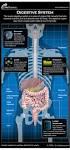 Digestive System Functions A. Gastrointestinal Processes 1. Ingestion: placing food in mouth (voluntary) 2. Propulsion: moving food through GI tract a. Peristalsis: alternating waves of contraction and
CHAPTER 23 DIGESTIVE
 CHAPTER 23 DIGESTIVE nutrition requires : getting nutrients digesting nutrients transporting nutrients Digestive System musculo-skeletal digestive circulatory Digestive System alimentary canal ~ gastrointestinal
Welcome back. Today, we embark on Lesson 6 where we ll study the human digestive system.
 Basic Human Anatomy Lesson 6: The Human Digestive System Welcome back. Today, we embark on Lesson 6 where we ll study the human digestive system. After completing this lesson, you should be able to define
Digestion in the small and Large Intestines
 9.5 Digestion in the small and Large Intestines Do some foods keep you feeling full for a long time? Do you ever feel that after eating certain foods, you are hungry again in a short time? Some foods stay
The Human Digestive System
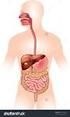 The Human Digestive System Name: Section: Date: Page 1 of 10 Page 2 of 10 Page 3 of 10 Page 4 of 10 Page 5 of 10 Page 6 of 10 Putting it All Together Digestive Enzymes Page 7 of 10 Page 8 of 10 Page 9
2) Digestion the breakdown of. There are two types of digestion: Mechanical and Chemical. 3) Absorption when the nutrients enter into the blood.
 The Digestive System Video on the digestive system (5 min) The digestive system is responsible for the breakdown of the we eat so that it can be absorbed into the. There are four main stages of the digestive
The Digestive System. You are what you eat!
 The Digestive System You are what you eat! Try to label the diagram (PENCIL!!) What is Digestion? Digestion: the breakdown of large macromolecules (proteins, fats, carbohydrates) into smaller molecules
Digestive System Notes
 Digestive System Notes Structure Function Relation Mouth cavity Mechanical digestion by teeth; chemical digestion of starch by saliva. Salivary glands Three pairs of glands which secrete saliva containing
THE GI TRACT IS A CONTINUOUS MULTILAYERED TUBE EXTENDING FROM THE MOUTH TO THE ANUS THAT IS SUPPORTED AND PARTIALLY COVERED BY THE PERITONEUM.
 THE GI TRACT IS A CONTINUOUS MULTILAYERED TUBE EXTENDING FROM THE MOUTH TO THE ANUS THAT IS SUPPORTED AND PARTIALLY COVERED BY THE PERITONEUM. OVERVIEW OF THE DIGESTIVE SYSTEM Two groups of organs compose
The Digestive System
 The Digestive System Digestive Structures Mouth including teeth and tongue Esophagus Stomach Small intestine Large intestine Accessory structures - salivary glands, liver, gallbladder, & pancreas Digestive
Integumentary System Digestive System. Outline. Integumentary System 11/4/2008. Week 11 BA & BP November 4, 2008 Nadia Arora, ND
 Integumentary System Digestive System Week 11 BA & BP November 4, 2008 Nadia Arora, ND Outline Integumentary system and body membranes Types of body membranes and their function General structure and main
Eating, pooping, and peeing THE DIGESTIVE SYSTEM
 THE DIGESTIVE SYSTEM Ingested food is not technically in the body until it is absorbed so it needs to be: Mechanically and chemically reduced Transported by the blood to the cells Large portions are not
Small & Large Intestines
 Small & Large Intestines Small Intestine: principal site for digestion of food and absorption of the products of digestion Large Intestine: reabsorption of water and elimination of undigested food and
Outline Digestive System
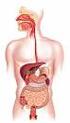 Outline Digestive System The Digestive System Digestive System Lecture Packet 19 Chapter 15 I. Function II. Layers of the GI tract III. Major parts: mouth, pharynx, esophagus, stomach, small intestine,
Digestive system Review
 Digestive system Review 1. Distinguish between chemical digestion and mechanical digestion. The physical breakdown of food begins in the mouth with two types of processes. The mouth is a complex structure
Biology 2402 Anatomy &Physiology II - Digestive system notes - Ch. 15
 Biology 2402 Anatomy &Physiology II - Digestive system notes - Ch. 15 Digestive system processes the food used as fuel and nutrients for the body. Composed of a tube through the body (digestive tract,
Learning Objectives. Introduction to Medical Careers. Vocabulary: Chapter 16 FACTS. Functions. Organs. Digestive System Chapter 16
 Learning Objectives Introduction to Medical Careers Digestive System Chapter 16 Define at least 10 terms relating to the digestive Describe the four functions of the digestive Identify different structures
Introduction. Digestive System. Physiology. Anatomy. Physiology. Alimentary Canal. Chapter 21
 Chapter 21 Digestive System Susan G. Salvo Introduction Digestive process is a disassembly line Digestive system provides processes in which proteins, carbohydrates, and fats are broken down and used a
10.2 The Human Digestive System pg. 411
 10.2 The Human Digestive System pg. 411 The human digestive system is made up of a group of organs working together. The digestive tract is made up of the mouth, esophagus, stomach, small intestine, and
Digestive System. Digestive System. Digestive tract. Accessory organs. Digestive System Overview
 Digestive System Digestive System The process of chemically and physically breaking down foods into simpler forms that can be absorbed is called digestion. The digestive system can be divided into two
Digestive System Digestive Tract
 Digestive System Digestive Tract Dept. of Histology and Embryology 周 莉 教 授 Introduction of digestive system * a long tube extending from the mouth to the anus, and associated with glands. * its main function:
Digestive System Why is digestion important? How is food digested? Physical Digestion and Movement
 Digestive System The digestive system is made up of the digestive tract a series of hollow organs joined in a long, twisting tube from the mouth to the anus and other organs that help the body break down
Chapter 15 Digestion and Nutrition
 Chapter 15 Digestion and Nutrition Digestive System: Digestion refers to the mechanical and chemical breakdown of foods so that nutrients can be absorbed by cells. Consists of the canal which is all of
I. The basic function of the digestive system is
 Chapter 15, Digestive System - ANATOMY OF THE DIGESTIVE SYSTEM I. The basic function of the digestive system is. This process is called. II. List 2 other names for the digestive tract: A. B. III. The digestive
The Vertebrate (mostly human) Digestive System
 The Vertebrate (mostly human) Digestive System Mouth - mastication, lubrication, digestion Pharynx and Esophagus - swallowing Stomach - some digestion Small intestine - most digestion and absorption Large
SEER Training Modules
 http://training.seer.cancer.gov/anatomy/digestive/ WiRED International wishes to thank the National Cancer Institute for use of this information. SEER Training Modules Introduction to the Digestive System
Continuing Education Independent Study Series
 Continuing Education Independent Study Series Professional Development Manager Association of Surgical Technologists Englewood, Colorado Association of Surgical Technologists Publication made possible
26. Digestive System
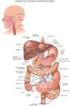 26. Digestive System Your body needs food for two primary purposes: growth and maintenance. Molecules and atoms in the food you eat are generally used to either build new molecules in your body or to provide
Digestion. Processing of food Types. Mechanical (physical) Chemical. Chew Tear Grind Mash Mix. Catabolic reactions Enzymatic hydrolysis
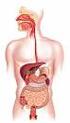 Digestive System Digestion Processing of food Types Mechanical (physical) Chew Tear Grind Mash Mix Chemical Catabolic reactions Enzymatic hydrolysis Carbohydrate Protein Lipid 2 Digestion Phases Ingestion
Chapter 49 - Nutrients and the Digestive System I. Nutrients (chemical substances necessary for organisms to grow and function properly)
 Chapter 49 - Nutrients and the Digestive System I. Nutrients (chemical substances necessary for organisms to grow and function properly) 6 basic nutrients - 4 food groups (milk, meat, fruit and vegetable,
Physiology of Digestive system II
 Small Intestine Physiology of Digestive system II Motility of small intestine: Distention of the Small Intestine Elicits Mixing Contractions Called Segmentation Contractions. These are concentric contractions
1. gustatory cells: Surface cells in the throat and on the taste buds in the mouth that transmit
 Chapter 3 Digestion and Absorption Key Terms 1. gustatory cells: Surface cells in the throat and on the taste buds in the mouth that transmit taste information. 2. absorption: The movement of substances
The Excretory and Digestive Systems
 The Excretory and Digestive Systems 38.2 The Process of Digestion Organs of the Digestive System The digestive system includes the: Mouth Pharynx Esophagus Stomach Small and large intestine. Other structures
Chapter 48. Nutrients in Food. Carbohydrates, Proteins, and Lipids. Carbohydrates, Proteins, and Lipids, continued
 Carbohydrates, Proteins, and Lipids The three nutrients needed by the body in the greatest amounts are carbohydrates, proteins, and lipids. Nutrients in Food All of these nutrients are called organic compounds,
Chapter 15 Digestive System.
 Chapter 15 Digestive System. I. The Gastrointestinal Tract. a. The digestive system mechanically and chemically breaks down food into molecules that can be absorbed into the bloodstream or lymph. Residues
The Digestive System
 School of Social Work The Digestive System Undergraduate researcher: Nancy D. Bergerson (2010). 1 The Digestive System breaks down and absorbs food. When food is eaten, it is not in a form the body can
Functions of the digestive system
 Digestive system Functions of the digestive system Digestion-mechanical and chemical breakdown of material Motility-movement of material from the oral cavity to the anus-swallowing / peristalsis Secretion-exocrine
Digestive System Module 7: Chemical Digestion and Absorption: A Closer Look
 OpenStax-CNX module: m49457 1 Digestive System Module 7: Chemical Digestion and Absorption: A Closer Look Donna Browne Based on Chemical Digestion and Absorption: A Closer Look by OpenStax This work is
Digestion, Absorption. How & where?
 Digestion, Absorption How & where? What happens to food? Three processes Digestion Absorption Elimination Where do they occur? GI tract Overview of Digestion GI tract Gastrointestinal (GI) tract: series
GI TRACT ORGANS ACCESSORY ORGANS
 Digestive System GI TRACT ORGANS Oral cavity Oropharynx Esophagus Stomach Small intestine Large Intestine Anus ACCESSORY ORGANS Salivary glands Pancreas Liver Gall bladder GI TRACT LAYERS Mucosa Submucosa
Topic 4: Digestion and Nutrition
 Topic 4: Digestion and Nutrition THE CONTENTS OF FOOD Food contains nutrients: Nutrients include: 1. 2. 3. 4. 5. Nutrients must be small enough to enter our cells. If they are too large they must be digested
The Digestive System
 The Digestive System What do you know?? quiz-digestive-health Digestion Videos The Digestive System Inside-Dr-Ozs-Digestive-System-Video Now it is your turn to recreate the digestive system. How is food
DIGESTIVE SYSTEM Five Basic Processes The Gastrointestinal tract (alimentary canal)
 DIGESTIVE SYSTEM Five Basic Processes 1. Ingestion - eating 2. Movement of the food along the G.I. tract. 3. Digestion- chemical and mechanical breakdown of food. 4. Absorption of the breakdown products
The Digestive System. - teeth, tongue, gall bladder, and glands (salivary glands, liver, pancreas).
 The Digestive System I. Overview A. Organs of the digestive system. 1. Alimentary canal (GI Tract): - continuous muscular tube, open at both ends. - digests food, absorbs digested fragments. 2. Accessory
Topic 3.0 Healthy human function depends on a variety of interacting and reacting systems
 Topic 3.0 Healthy human function depends on a variety of interacting and reacting systems Organ Systems Organ systems must have the ability to to changes within and outside of your body to maintain life
Chapter 22: Digestive System
 Chapter 22: Digestive System Converts food into raw materials necessary for cell maintenance and growth Digestive System: Main Divisions of Digestive System: 1) Alimentary Canal (gastrointestinal tract)
ii. Palatine tonsils - located between glossopalatine arch and pharyngopalatine arch iii. Function: guide food and air to laryngopharynx III.
 Digestive System I. Introduction I. Tube from mouth to anus, 30 ft. long II. Greatest portion below diaphragm III. Function: digestion and absorption II. Cross section through the coelom (body cavity)
Functional Human Morphology (2040) & Functional Anatomy of the Head, Neck and Trunk (2130)
 Functional Human Morphology (2040) & Functional Anatomy of the Head, Neck and Trunk (2130) Gastrointestinal & Urogenital Systems Recommended Text: TEXTBOOK OF ANATOMY: ROGERS Published by Churchill Livingstone
Overview of the Digestive System
 OpenStax-CNX module: m46506 1 Overview of the Digestive System OpenStax College This work is produced by OpenStax-CNX and licensed under the Creative Commons Attribution License 3.0 By the end of this
Classifications of animals: ruminant vs non-ruminant carnivore: meat-eating herbivore: plant-eating omnivore: both meat and plant-eating
 Digestion and Metabolism Digestive tract one long, continuous tube starting at the mouth and ending at the anus Functions Ingestion Grinding Digestion/absorption of food Elimination of solid wastes Classifications
The 6 th International Junior Science Olympiad Training Programme
 The 6 th International Junior Science Olympiad Training Programme KEEPING HEALTHY SECTION 2: DIGESTIVE SYSTEM Notes to Teachers Learning Objectives: Processes of nutrition in human (0.25 hr) General plan
Each gland has at least one duct that takes saliva to the oral cavity.
 kufa university Physiology College of Nursing first year student Ass. Lect :- Hisham Qassem M. Lecture No :-3 The Digestive System Digestive system consists of: 1. Gastrointestinal Tract (GIT). 2. Accessory
stomach this The Digestive System in American Sign Language and English with Paul Buttenhoff and Cara Barnett Click here to see ASL version of title
 t stomach this The Digestive System in American Sign Language and English with Paul Buttenhoff and Cara Barnett Click here to see ASL version of title Click here to go to Table of Contents This project
Human Digestive System Anatomy
 Human Digestive System Anatomy Biology 104 Objectives: 1. Learn the anatomy of the digestive system. You should be able to find all terms in bold on the human torso models. 2. Relate structure of the system
THE DIGESTIVE SYSTEM
 THE DIGESTIVE SYSTEM What is digestion? Digestion is the process of breaking down food so that it's small enough to be absorbed and used by the body for energy or in other bodily functions. Digestion involves
Chapter 24: DIGESTIVE SYSTEM
 Chapter 24: DIGESTIVE SYSTEM I. OVERVIEW A. Gross anatomy (Fig. 24.1) and functions (Table 24.1) B. "You are what you eat." 1. The problem: Ingestion (eating) is not the same as absorption. 2. The solution:
Digestion. What we ll cover. Main stages of digestion. Digestion: A Closer Look. A Tour of the Human Digestive System. Mechanical digestion
 Digestion What we ll cover What are the digestive system structures and their functions? Where does carbohydrate, protein and fat digestion and absorption occur? What are the 3 accessory organs of digestion?
Digestive System. Student Learning Objectives: Structures to be studied: Introduction
 Digestive System Student Learning Objectives: Identify the primary structures of the digestive system. Describe the use of various important nutrient materials in the body. Structures to be studied: Oral
Lab 18 The Digestive System
 Lab 18 The Digestive System Laboratory Objectives Identify on a diagram, model or cadaver the parts of the digestive system and accessory organs. Describe the general histology of the digestive system.
Chapter 17 Digestive System. Alimentary Canal. Movements of the Tube
 Chapter 17 Digestive System Functions of Digestive System ingestion mechanical digestion chemical digestion propulsion absorption defecation Consists of the alimentary canal and accessory organs 1 Alimentary
Name Digestive System and Body Metabolism Notes Ch 14
 Name Digestive System and Body Metabolism Notes Ch 14 Digestion Breakdown of ingested food Absorption of nutrients into the blood Metabolism Production of cellular energy ( ) Constructive and degradative
Horse Science: The Digestive System of the Horse Page 3
 Horse Science: The Digestive System of the Horse Page 3 The digestive system of the horse is different from that Mastication (chewing) is the mechanical reduction of of the other farm animals. Although
The digestive system is made up of a tubular system and its accessory organs and is referred to as the alimentary canal or gastrointestinal tract (GI)
 Digestive System The digestive system is made up of a tubular system and its accessory organs and is referred to as the alimentary canal or gastrointestinal tract (GI) I. A tube traveling through the body
The Digestive System 24-1
 The Digestive System 24-1 Overview of GI tract Functions Mouth---bite, chew, swallow Pharynx and esophagus---- transport Stomach----mechanical disruption; absorption of water & alcohol Small intestine--chemical
1. Which substances in the small intestine of humans serve to increase the surface area for absorption?
 Digestion Review 1. Which substances in the small intestine of humans serve to increase the surface area for absorption? (a.) intestinal glands (b.) villi (c.) pseudopodia (d.) cilia (e.) flagella 2. The
DIGESTION is the physical and
 Digestion DIGESTION is the physical and chemical breakdown of feeds as they pass through the gastrointestinal tract. The structures of the gastrointestinal tract include the mouth, the esophagus, the stomach,
Digestion, Absorption. How & where?
 Digestion, Absorption How & where? What happens to food? Three processes Digestion Absorption Elimination Where do they occur? GI tract Overview of Digestion GI tract Gastrointestinal (GI) tract: series
By Casey Schmidt and Wendy Ford
 By Casey Schmidt and Wendy Ford Body systems Digestive System Circulatory System Respiratory System Excretory System Immune System Reproductive System Nervous System Muscular System Skeletal System Endocrine
II. General Characteristics of the Alimentary Canal
 Human Anatomy & Physiology 17 Be sure to watch the Video: The Digestive System. Digestive System URLs http://www.emc.maricopa.edu/faculty/farabee/biobk/ BioBookDIGEST.html http://yahooligans.yahoo.com/reference/gray/244.html
The intestine, consisting of the small and large intestines, is a very long tubular organ. The small intestine is divided, from oral to anal,
 The intestine, consisting of the small and large intestines, is a very long tubular organ. The small intestine is divided, from oral to anal, duodenum, jejunum and ileum. The duodenum continues with stomach
Digestive System Grou p & lndividual Activity checklist
 Digestive System Grou p & lndividual Activity checklist oup Activitv: Each person in your group must research the following organs involved in the digestive process. They are listed below in sections (1-5).
Digestive System (Chapter 24) Lecture Materials for Amy Warenda Czura, Ph.D. Suffolk County Community College Eastern Campus
 Digestive System (Chapter 24) Lecture Materials for Amy Warenda Czura, Ph.D. Suffolk County Community College Eastern Campus Digestive System Responsible for providing raw materials to support life: -food
AP Biology. What do animals need to live? Animal Nutrition. Nutritional requirements. How do animals get their food? Different diets; different lives
 Animal Nutrition What do animals need to live? Animals make energy using: food food oxygen Animals build bodies using: food for raw materials amino acids, sugars, fats, nucleotides O 2 ATP energy for synthesis
THE DIGESTIVE SYSTEM Secretion Graphics are used with permission of: Pearson Education Inc., publishing as Benjamin Cummings (http://www.aw-bc.
 THE DIGESTIVE SYSTEM Secretion Graphics are used with permission of: Pearson Education Inc., publishing as Benjamin Cummings (http://www.aw-bc.com) Page 1: Title Page Digestive system secretion involves
Special organ structures and functions conduct these tasks through the successive parts of the overall system.
 Chapter 5 Digestion, Absorption, and Metabolism Chapter 5 Lesson 5.1 Key Concepts Through a balanced system of mechanical and chemical digestion, food is broken down into smaller substances and the nutrients