
Inferior Retrotympanum Revisited: An Endoscopic Anatomic Study
|
|
|
- Barnard Lawrence
- 9 years ago
- Views:
Transcription
1 The Laryngoscope VC 2010 The American Laryngological, Rhinological and Otological Society, Inc. Inferior Retrotympanum Revisited: An Endoscopic Anatomic Study Daniele Marchioni, MD; Matteo Alicandri-Ciufelli, MD; Alessia Piccinini, MD; Elisabetta Genovese, MD; Livio Presutti, MD Objectives/Hypothesis: To describe the inferior retrotympanic anatomy from an endoscopic perspective. Study Design: This was an anatomic study on a retrospective case series. Methods: During November 2009 and December 2009, videos from endoscopic middle ear procedures carried out between June 2007 and November 2009 and stored in our database were retrospectively reviewed. Surgeries in which the inferior retrotympanic region was visualized were included in the study. Accurate descriptions of the anatomic findings were made for each ear included in the study group. Results: The final study group consisted of 25 videos from 25 ear procedures. In 14/25 subjects, a bony ridge connecting the inferior portion of the styloid prominence to the anterior and inferior lip of the round window niche (Proctor s sustentaculum promontory) was identified and renamed the finiculus (from the Latin finis, -is: borderline), representing the ideal limit between the inferior retrotympanum and hypotympanum. In 14/25 patients, a complete sinus subtympanicus could be identified, lying between the subiculum and finiculus. Conclusions: Endoscopic exploration of the middle ear might guarantee a very good exposure of the inferior retrotympanum, allowing detailed anatomic descriptions of this hidden area. Improvement in our knowledge of its anatomy might decrease the possibility of residual disease during cholesteatoma surgery. Key Words: Finiculus, sinus subtympanicus, endoscopic approach, retrotympanum, middle ear anatomy, hypotympanum. Level of Evidence: 4 Laryngoscope, 120: , 2010 From the Department of Otolaryngology Head and Neck Surgery, University Hospital of Modena, Modena, Italy. Editor s Note: This Manuscript was accepted for publication March 17, The authors have no funding, financial relationships, or conflicts of interest to disclose. Send correspondence to Alessia Piccinini, MD, Otolaryngology Head and Neck Surgery Department, University Hospital of Modena, Via del Pozzo 71, Modena, Italy. alessiapiccinini@hotmail. com DOI: /lary INTRODUCTION In the recent literature, the present authors have already studied the anatomy of the retrotympanum, describing the variation in shape of the sinus tympani, ponticulus, and pyramidal eminence. 1,2 However, until now few studies have focused on anatomic description of the retrotympanic region lying inferiorly to the subiculum. 3 6 We will define that space as the inferior retrotympanum, representing the border between the retrotympanum itself and the hypotympanum. In the English literature, Proctor was the first to describe in detail the anatomy of the inferior retrotympanum, 3 and in an article focused on the anatomy of the round window niche, he refined his former description of the structures around this area. 4 He observed that during embryogenesis in the 4-month-old embryo, ossification has started in the otic capsule, and the round window niche is surrounded by a thickened ring of cartilage. This circular structure prevents closure of the niche during ossification of the otic capsule and ultimately forms the posterior pillar of the niche (or postis posterior) representing the superoposterior edge of the round window niche entrance, the tegmen fossula fenestra rotunda, formed by the oblique dorsolateral edge of the promontory that forms a convex edge superiorly, and the anterior pillar of the niche (or postis anterior) consisting of the thinner column in the anterior aspect of the niche entrance. Proctor 3 also pointed out that between the oval and round window niches lies the subiculum, the bony ridge going from the styloid eminence posterolaterally to the promontory medially and merging with the posterior pillar of the round niche. Moreover, in the relationship with the anterior pillar of the round niche he described a ridge of bone connecting the basal helix of the cochlea to the jugular wall of the tympanum, and called this structure the sustentaculum promontorii. He also observed the presence of an anatomic area between the subiculum posteriorly and superiorly, the sustentaculum promontory anteriorly and inferiorly, lying laterally and inferiorly to the round window niche. He called this space the area concamerata, defining it as a sort of antechamber to the round window niche. 4 He also defined the fustis, the bony column of the area concamerata lying under the round window niche and forming its floor (Fig. 1).
2 All of the studies mentioned were performed in temporal bone specimens, under microscopic view, and after extensive removal of petrous bone tissue so as to obtain adequate access to these areas. From our 6-year experience in endoscopic ear surgery, we believe that most of these inaccessible spaces could be easily visualized by endoscopeassisted surgery. For instance, when treating cholesteatomas surgically, we found ourselves chasing residual disease in small spaces that we would probably not have been able to explore with a microscope. So we have been observing the anatomic conformation of the retrotympanum and of the hypotympanum in many endoscopic procedures, allowing us to better understand the complex anatomy of the posterior and inferior aspects of the tympanic cavity. The aim of our study was to analyze and revisit the morphology and the anatomic variations of the inferior retrotympanum from an endoscopic point of view, trying to simplify some concepts so as to make them useful for routine surgical practice. The present authors consider that these descriptions could be of interest to ear surgeons, because being a hidden space it could be one of the possible sites of residual disease during cholesteatoma surgery. Fig. 1. Representation of right round window niche in 1-year-old child from Proctor et al. 4 Right side. fn ¼ facial nerve; ow ¼ oval window; p ¼ ponticulus; st ¼ sinus tympani; su ¼ subiculum; pr ¼ promontory; te ¼ tegmen of round window niche; pp ¼ posterior pillar; rw ¼ round window; ap ¼ anterior pillar; co ¼ sinus concameratus; fu ¼ fustis; sp ¼ sustentaculum promontorii. [Color figure can be viewed in the online In 1987, Savic and Djeric, studying the surgical anatomy of the hypotympanum, defined the sinus lying between the hypotympanum and posterior tympanic wall as the sinus hypotympanicus. 5 It is very difficult to understand from the pictures and drawings in that study whether by that term the authors meant Proctor s area concamerata or if they were referring to a separate structure. Dealing with almost the same subject in their work published in 1982, Garcia et al. 6 focused their attention on the styloid prominence and the inferior wall of the tympanic cavity (separating the jugular bulb from the tympanic cavity). They pointed out that the styloid prominence juts out from the transition point between the jugular and mastoid walls, and that the styloid prominence and jugular bulb, depending on their level of development, establish an important relationship with the sinus tympani and round window niche area, modifying the anatomy of the retrotympanum. 6 As readers will notice from studying the articles mentioned above, it can be very difficult to understand the anatomy of the inferior retrotympanum. This is due to the intrinsic difficulties of the subject, to the different perspectives with which every author has treated that topic in the past, to the different nomenclatures employed in some cases, and to the obvious limits of the images available at that time. MATERIALS AND METHODS During November and December 2009, videos from endoscopic middle ear procedures carried out between June 2007 and November 2009 and stored in our database were retrospectively reviewed. Endoscopic procedures were myringoplasties and surgeries performed for middle ear cholesteatoma and retraction pockets. A three-chip high-resolution monitor and camera (Karl Storz, Tuttlingen, Germany) was used for all of the procedures. Surgeries in which the inferior retrotympanic region was visualized were included in the study regardless of the stage of the procedure or the pathology treated. Accurate description of the anatomic findings were made for each ear included in the study group. Endoscopic Approach to the Retrotympanum and Hypotympanum For patients in whom the retrotympanic and hypotympanic anatomy was explored, 3-mm diameter, 15-cm length, 45 endoscopes (Karl Storz) were used. The endoscopes were introduced during surgery through the external meatal canal to obtain adequate visualization of the retrotympanum and hypotympanum, and a position described in an earlier paper 1 was adopted. During the endoscopic approach, the surgeon stood on the opposite side with respect to the affected middle ear using the 45 endoscope with the left hand and surgical instruments with the right hand. This particular position allowed the surgeon a good view of the medial boundary of the sinus tympani, round window niche, the junction between the styloid eminence and jugular bulb, and all of the inferior retrotympanum and hypotympanum. During endoscopic approaches to this region, at first the promontory was visualized, limited superiorly and posteriorly by the oval window, and inferiorly and posteriorly by the entrance of the round window niche. Then the endoscope was rotated posteriorly and inferiorly to visualize the retrotympanum and hypotympanum. RESULTS The final study group consisted of 25 videos from 25 ear procedures. Out of these 25 subjects, 21 were affected 1881
3 Fig. 2. Summary drawing of the anatomy of retrotympanum and hypotympanum. Finiculus appears as a ridge of bone arising from the anterior and inferior lip of the round window separating inferior retrotympanum from hypotympanum. Subiculum separates superior from inferior retrotympanum. Right side. fn ¼ facial nerve; pe ¼ pyramidal space; ow ¼ oval window; cp ¼ chocleariform process; st ¼ sinus tympani; p ¼ ponticulus; su ¼ subiculum; pp ¼ posterior pillar; te ¼ tegmen of round window niche; pr ¼ promontory; et ¼ eustachian tube; rw ¼ round window; sty ¼ styloid complex; ss ¼ sinus subtympanicus; ap ¼ anterior pillar; f ¼ finiculus; jb ¼ jugular bulb. [Color figure can be viewed in the online by cholesteatoma and four subjects were affected by a retraction pocket of the tympanic membrane. A summary drawing of the anatomy of the inferior retrotympanum is presented in Fig. 2. Endoscopic Anatomic Findings In 14/25 subjects, a bony ridge (Proctor s sustentaculum promontory) was found arising from the inferior portion of the styloid prominence and connected to the anterior and inferior lip of the round window niche. We renamed this bony ridge the finiculus (from the Latin finis, -is: borderline) because it separated the retrotympanum, lying superiorly and posteriorly, from the hypotympanum, lying inferiorly and anteriorly (Fig. 2). Some variations in morphology of the finiculus were also noticed. In 12/14 subjects (Fig. 3A) the finiculus was like a ridge of bone, in 2/14 subjects (Fig. 3B and Fig. 4) the finiculus was like a bridge of bone. Eleven out of 25 patients presented with no finiculus or with an incomplete one (Fig. 3C). Two different morphologies of the subiculum were found. Nineteen out of 25 patients presented a classic morphology of the subiculum (Fig. 5A). In these patients, the subiculum was completely formed, and it was a ridge of bone extending from the styloid complex to the posterior and superior lip of the round window niche. This structure represented the inferior limit of the sinus tympani, and the superior limit of the inferior retrotympanum. In 2/25 patients the subiculum was like a bridge of bone (Fig. 5B). On the other hand, 4/25 patients presented with no subiculum (Fig. 5C). In 14/25 patients we found the presence of a very well-defined sinus lying inferiorly to the sinus tympani, forming a delimited space between the subiculum superiorly and posteriorly and the finiculus inferiorly and anteriorly, the styloid prominence posteriorly and laterally, and the otic capsule posteriorly and medially. We called this space the sinus subtympanicus; this anatomic region was open anteriorly and medially toward the round window niche (Fig. 6). Of the 11/25 patients in which the finiculus could not be identified, four had a high jugular bulb reaching the round window niche. In these four patients the inferior limit of the sinus subtympanicus could be considered to be the junction between the jugular bulb and the styloid eminence. In the remaining seven patients in whom the finiculus could not be identified, the sinus subtympanicus was also not well defined (Fig. 7). For the subjects in whom this sinus subtympanicus was identifiable, the shape was triangular with the base Fig. 3. Anatomical variations of the finiculus. Right side. (A) Ridge finiculus. (B). Bridge finiculus. (C) Absent finiculus. fn ¼ facial nerve; pe ¼ pyramidal space; ow ¼ oval window; cp ¼ chocleariform process; st ¼ sinus tympani; p ¼ ponticulus; su ¼ subiculum; rw ¼ round window; pr ¼ promontory; et ¼ eustachian tube; sty ¼ styloid complex; ss ¼ sinus subtympanicus; f ¼ finiculus; jb ¼ jugular bulb. [Color figure can be viewed in the online 1882
4 Fig. 4. A communication space (indicated by the arrow) between the sinus subtympanicus and the hypotympanum is present under a bridge finiculus. Left side. fn ¼ facial nerve; pe ¼ pyramidal space; ow ¼ oval window; st ¼ sinus tympani; ch ¼ cholesteatoma fragments; su ¼ subiculum; sty ¼ styloid complex; rw ¼ round window; ss ¼ sinus subtympanicus; pr ¼ promontory; f ¼ finiculus; jb ¼ jugular bulb. [Color figure can be viewed in the online issue, which is available at wileyonlinelibrary. com.] lying laterally and posteriorly on the styloid eminence and the apex confluent medially and anteriorly on the round window niche area. The depth of this space appeared variable, depending on the pneumatization of the retrotympanic spaces and on the development of the jugular bulb. In 2/14 patients (Fig. 8), a deep sinus subtympanicus was observed extending posteriorly with respect to the third portion of the facial nerve. In these cases, the posterior portion of the sinus subtympanicus was like a recess delimited by the styloid prominence and the third portion of the facial nerve laterally and the bony labyrinth medially. In the 4/25 patients who presented with no subiculum, the sinus tympani and the sinus subtympanicus were confluent. In three of these patients (Fig. 5C) the finiculus was absent, and a single cavity was noted confluent anteriorly and inferiorly toward the jugular bulb and hypotympanum. In the patient in whom the subiculum was absent but a finiculus was present, a confluent cavity was formed by the sinus tympani and the sinus subtympanicus, separated by the finiculus itself from the hypotympanum (Fig. 9). Pathology In 21 patients affected by middle ear cholesteatoma, one presented a fragment of cholesteatoma under the bridge subiculum, and three subjects presented a small fragment of cholesteatoma lying in the sinus subtympanicus. We removed the pathologic tissue under Fig. 5. Anatomical variations of the subiculum. (A) Ridge subiculum. (B) Bridge subiculum. (C). Absent subiculum, sinus subtympanicus confluent to the sinus tympani. Right side. fn ¼ facial nerve; pe ¼ pyramidal space; ow ¼ oval window; cp ¼ chocleariform process; st ¼ sinus tympani; p ¼ ponticulus; su ¼ subiculum; pr ¼ promontory; ss ¼ sinus subtympanicus; rw ¼ round window; et ¼ eustachian tube; sty ¼ styloid complex; jb ¼ jugular bulb. [Color figure can be viewed in the online 1883
5 Fig. 6. Completely defined sinus subtympanicus. Right side. pe ¼ pyramidal space; fn ¼ facial nerve; st ¼ sinus tympani; p ¼ ponticulus; ow ¼ oval window; su ¼ subiculum; rw ¼ round window; cp ¼ chocleariform process; sty ¼ styloid complex; ss ¼ sinus subtympanicus; f ¼ finiculus; jb ¼ jugular bulb. [Color figure can be viewed in the online endoscopic control with an appropriately angled surgical instrument. DISCUSSION Although in the past, some authors 3 6 have already studied the anatomy of the inferior retrotympanum, a region that has been quite neglected in the literature, which is probably due to the low accessibility of that space during conventional microscopic procedures. In fact, in his studies, Proctor 3,4 had already identified almost all of the structures in that region based on several temporal bone dissections. As already mentioned Fig. 7. Incompletely defined sinus subtympanicus. Limits cannot be clearly identified. Right side. cp ¼ chocleariform process; pr ¼ promontory; st ¼ sinus tympani; rw ¼ round window; su ¼ subiculum; jb ¼ jugular bulb; sty ¼ styloid complex; pe ¼ pyramidal space; et ¼ eustachian tube; ap ¼ anterior pillar; pp ¼ posterior pillar. [Color figure can be viewed in the online 1884
6 Fig. 8. Deep sinus subtympanicus. Arrows indicate the posterior extension of sinus subtympanicus and sinus tympani. Right side. fn ¼ facial nerve; pe ¼ pyramidal space; ow ¼ oval window; st ¼ sinus tympani; s ¼ stapes; su ¼ subiculum; sty ¼ styloid complex; ss ¼ sinus subtympanicus; rw ¼ round window; pr ¼ promontory; f ¼ finiculus; jb ¼ jugular bulb. [Color figure can be viewed in the online in the Introduction, he identified a quite constant structure, a ridge of bone connecting the basal helix of the cochlea to the jugular wall of the tympanum, in relation to the anterior pillar of the round window niche, called the sustentaculum promontorii. He called it the sustentaculum (from the Latin sustentaculum, -i: support) because he thought that it sustained the inferior tympanic artery, enveloping it during the development of the middle ear. The present authors confirmed the presence of that structure in relation to the anterior pillar of the round niche and identified two variants, a ridge shape and a bridge shape. We decided to rename the sustentaculum promontorii the finiculus for several reasons. First of all, we deem it quite unlikely that the inferior tympanic artery constantly lies in this structure, particularly in the case of the bridge shape, as readers will notice from our intraoperative images (Fig. 4), because it could be a very thin structure in some cases. Moreover, we wanted to identify a clear borderline between the retrotympanum and the hypotympanum, and for this we chose the name finiculus (from the Latin finis, -is: borderline). Proctor also defined a bony structure, representing a kind of floor of the retrotympanic region, that he called the area concamerata. Although the pars media of the area concamerata (Proctor s fustis), a smooth bony column mainly forming the floor of the round window niche, could be easily identified in some of our ears, the Fig. 9. (A) Transcanal endoscopic approach to the tympanic cavity. (B) Round window niche identification. (C, D) Exploration of sinus subtympanicus in a subject without subiculum and sinus subtympanicus confluent to the sinus tympani. Right side. in ¼ incus; pr ¼ promontory; tm ¼ tympanic membrane; s ¼ stapes; ma ¼ malleus; pe ¼ pyramidal eminence; p ¼ ponticulus; st ¼ sinus tympani; rw ¼ round window; sty ¼ styloid complex; ss ¼ sinus subtympanicus; et ¼ eustachian tube; pp ¼ posterior pillar; ap ¼ anterior pillar; jb ¼ jugular bulb. [Color figure can be viewed in the online 1885
7 other parts of the area concamerata appeared to the present authors somewhat difficult to identify. In fact, during the operations, we noticed that in several patients, a sinus lying inferiorly to the sinus tympani could be identified, forming a well-delimited space between the subiculum superiorly and posteriorly and the finiculus inferiorly and anteriorly, limited posteriorly and laterally by the styloid eminence and posteriorly and medially by otic capsule, and open anteriorly and medially to the round window niche. We called this space the sinus subtympanicus. This structure was probably already identified by Savic and Djeric in 1987 studying the surgical anatomy of the hypotympanum, and who defined the sinus lying between the hypotympanum and the posterior tympanic wall as the sinus hypotympanicus. 5 We also chose in this case to rename this sinus, because owing to the retrotympanic spaces, the term sinus hypotympanicus used by Savic and Djeric could have been quite misleading. In our study, out of 21 patients operated on for cholesteatoma, we found some residual pathology in the sinus subtympanicus in three of these, and we had to remove this endoscopically with appropriately angled instruments. Moreover, in two subjects, as reported in the Results section, we observed a deep sinus subtympanicus extending posteriorly with respect to the third portion of the facial nerve. In these cases, the posterior portion of the sinus subtympanicus was like a recess delimited by the styloid prominence and the third portion of the facial nerve laterally and the otic capsule medially. These characteristics have some analogies with variations of the sinus tympani, already described by our team in an earlier article 1 and could have some consequences for the risk of residual disease after surgical treatment of cholesteatoma, particularly when these sinuses are deep. In 1982, Garcia et al. 6 also studied the anatomy of the inferior retrotympanum, focusing their attention on the styloid prominence. In their dissection study they observed that the styloid prominence had a morphological variability, and this prominence was found to jut out from the transition point between the jugular and mastoid walls. Depending on its level of development, this styloid prominence established an important relationship with the sinus tympani, round window, and the whole retrotympanum. Garcia observed a well-developed styloid prominence in 35.7% of cases, ill-developed in 25.7%, and not observed in 38.6% of cases. The vertical portion of the facial nerve was located close to the root of the styloid prominence and tended to move away from it as it advanced toward the stylomastoid foramen. The present authors are convinced that the introduction of the endoscope to middle ear surgery gives the surgeon improved intraoperative anatomic knowledge of the retrotympanum, and this can have important consequences in surgery. In particular, the use of the endoscope in cholesteatoma surgery can provide many advantages. In an earlier study, 7 we documented that the endoscope might improve eradication of residual cholesteatoma from hidden areas not completely visualized by the microscope. In particular, we found that the sinus subtympanicus was the most common site of residual cholesteatoma. In another work, we described the anatomic variations of the pyramidal space 2 and their relationship with the structures lying beside it, such as the sinus tympani and the posterior tympanic sinus. In particular, we found an anatomic recess that we named the subpyramidal space, which can be a further site in which the cholesteatoma could remain hidden during middle ear surgery. So the present authors would suggest that to prevent residual disease, thorough knowledge and the systematic endoscopic exploration of these least-accessible sites are important during cholesteatoma surgery, looking for possible residual pathology. Eventually it should be underlined that our case series was obtained from pathologic ears regardless the stage of the procedure. Based on that we would not be able to strictly define our results as normal anatomy, but it is the present authors belief that cholesteatoma or inflammatory pathology could have given some rather false negative findings, eroding the structures described. Therefore, finiculus and sinus subtympanicus could be even more represented in nonpathologic ears. CONCLUSION The inferior retrotympanum can be intraoperatively visualized by endoscopic techniques. Some anatomic variations can be found in this space. The finiculus can be defined as the bony ridge lying between the styloid eminence and the anterior lip of the round window niche. The sinus subtympanicus can be defined as the anatomic area limited superiorly and posteriorly by the subiculum, anteriorly and inferiorly by the finiculus, posteriorly and laterally by the styloid eminence, posteriorly and medially by the otic capsule, and confluent anteriorly and medially into the round window niche. This space can even form a deep recess in the posterior and inferior aspect of the tympanic cavity, which cannot be completely visualized with a microscope. The present authors would recommend the systematic endoscopic exploration of the inferior retrotympanic areas during cholesteatoma surgery looking for possible residual disease. BIBLIOGRAPHY 1. Marchioni D, Mattioli F, Alicandri-Ciufelli M, Presutti L. Transcanal endoscopic approach to the sinus tympani: a clinical report. Otol Neurotol 2009;30: Marchioni D, Alicandri-Ciufelli M, Grammatica A, Mattioli F, Presutti L. Pyramidal eminence and subpyramidal space: an endoscopic anatomical study. Laryngoscope 2010;120: Proctor B. Surgical anatomy of the posterior tympanum. Ann Otol Rhinol Laryngol 1969;78: Proctor B, Bollobas B, Niparko JK. Anatomy of the round window niche. Ann Otol Rhinol Laryngol 1986;95: Savic D, Djeric D. Surgical anatomy of the hypotympanum. J Laryngol Otol 1987;101: Garcia PJ, Tamega OJ, Soares JC, Piffer CR, Zorzetto NL. Contribution to the study of the styloid prominence in the posterior tympanic cavity. Anat Anz 1982;151: Presutti L, Marchioni D, Mattioli F, Villari D, Alicandri-Ciufelli M. Endoscopic management of acquired cholesteatoma: our experience. J Otolaryngol Head Neck Surg 2008;4:
Image. 3.11.3 SW Review the anatomy of the EAC and how this plays a role in the spread of tumors.
 Neoplasms of the Ear and Lateral Skull Base Image 3.11.1 SW What are the three most common neoplasms of the auricle? 3.11.2 SW What are the four most common neoplasms of the external auditory canal (EAC)
Tympanic Atelectasis and Retraction Pockets
 Tympanic Atelectasis and Retraction Pockets Héctor Rondón Cardoso Introduction Tympanic atelectasis and retraction pockets are frequently encountered otologic problems, which may vary from small retractions
Objectives AXIAL SKELETON. 1. Frontal Bone. 2. Parietal Bones. 3. Temporal Bones. CRANIAL BONES (8 total flat bones w/ 2 paired)
 Objectives AXIAL SKELETON SKULL 1. On a skull or diagram, identify and name the bones of the skull 2. Identify the structure and function of the bones of the skull 3. Describe how a fetal skull differs
The Axial Skeleton Eighty bones segregated into three regions
 The Axial Skeleton Eighty bones segregated into three regions Skull Vertebral column Bony thorax Bones of the Axial Skeleton Figure 7.1 The Skull The skull, the body s most complex bony structure, is formed
MYRINGOPLASTY AND TYMPANOPLASTY
 CHAPTER 3 MYRINGOPLASTY AND TYMPANOPLASTY Charles D. Bluestone, MD In this chapter, I describe operative procedures for repairing a perforation or a retraction pocket of the tympanic membrane with myringoplasty
DEVELOPMENT AND GROWTH OF THE MANDIBLE
 2012-2013 ORAL BIOLOGY DEVELOPMENT AND GROWTH OF THE MANDIBLE Ass. Prof. Dr. Heba M. Elsabaa Development and Growth of the Mandible DEVELOPMENT OF THE MANDIBLE The Mandible Is the largest and strongest
Minimally Invasive Spine Surgery
 Chapter 1 Minimally Invasive Spine Surgery 1 H.M. Mayer Primum non nocere First do no harm In the long history of surgery it always has been a basic principle to restrict the iatrogenic trauma done to
Auditory System. Chaos Healthcare
 Medical Coding Auditory System Chaos Healthcare AUDITORY SYSTEM: Anatomy AUDITORY SYSTEM: Physiology AUDITORY SYSTEM MYRINGOPLASTY: Myringoplasty is an operative procedure used in the reconstruction of
Maxillary Sinus. (Antrum of Higmore)
 Maxillary Sinus (Antrum of Higmore) The maxillary sinus is a pneumatic space. It is the largest bilateral air sinus located in the body of the maxilla and opens in the middle nasal meatus of the nasal
Sonographic Demonstration of Couinaud s Liver Segments
 PICTORIL ESSY Sonographic Demonstration of Couinaud s Liver Segments Dean Smith, MD, FRCPC, Donal Downey, M, Ch, FRCPC, lison Spouge, MD, FRCPC, Sue Soney, RT, RDMS, RCMS The segmental localization of
Diseases of the middle ear
 Diseases of the middle ear Acute Suppurative Otitis Media: Acute suppurative otitis media may be viral or bacterial and is accompanied by signs of pain, pressure sensation, diminished hearing and occasional
IV. DEFINITION OF LYMPH NODE GROUPS (FIGURE 1) Level IA: Submental Group
 IV. DEFINITION OF LYMPH NODE GROUPS (FIGURE 1) Fig. 1 The level system is used for describing the location of lymph nodes in the neck: Level I, submental and submandibular group; Level II, upper jugular
Human Anatomy & Physiology
 PowerPoint Lecture Slides prepared by Barbara Heard, Atlantic Cape Community College Ninth Edition Human Anatomy & Physiology C H A P T E R 7 The Skeleton: Part B Annie Leibovitz/Contact Press Images Vertebral
Upper Limb QUESTIONS UPPER LIMB: QUESTIONS
 1 Upper Limb QUESTIONS 1.1 Which of the following statements best describes the scapula? a. It usually overlies the 2nd to 9th ribs. b. The spine continues laterally as the coracoid process. c. The suprascapular
OSSICULOPLASTY CHAPTER 4. James S. Batti, MD Charles D. Bluestone, MD
 CHAPTER 4 OSSICULOPLASTY James S. Batti, MD Charles D. Bluestone, MD This chapter reviews methods for reconstructing the ossicular chain from tympanic membrane to oval window, with emphasis on specific
Double Bone Plug Meniscus Reconstruction Surgical Technique
 Double Bone Plug Meniscus Reconstruction Surgical Technique Double Bone Plug Meniscus Low Profile Reamer 2-0 FiberWire Meniscus Repair Needles Collared Pin & Coring Reamer Set RetroConstruction Drill Guide
The Anatomy of the Greater Occipital Nerve: Implications for the Etiology of Migraine Headaches
 Cosmetic The Anatomy of the Greater Occipital Nerve: Implications for the Etiology of Migraine Headaches Scott W. Mosser, M.D., Bahman Guyuron, M.D., Jeffrey E. Janis, M.D., and Rod J. Rohrich, M.D. Cleveland,
Unilateral Nasal Polyps
 Unilateral Nasal Polyps This tutorial follows on from the rhinosinusitis tutorial but only concerns itself with the unilateral nasal polyp. The majority of unilateral nasal polyps form in the same way
Integra. Subtalar MBA and bioblock Implant SURGICAL TECHNIQUE
 Integra Subtalar MBA and bioblock Implant SURGICAL TECHNIQUE Table of contents Introduction Description... 2 Indications... 2 Contraindications... 2 Surgical Technique Step 1: Incision and Dissection...3
Ear, Nose, Throat, Teeth and the Jaw
 Many people suffer from ear related problems, such as ear pain, a feeling of pressure or fullness of the ear, or ringing of the ear. If you suffer from any of these symptoms, it may surprise you to learn
A diagram of the ear s structure. The outer ear includes the portion of the ear that we see the pinna/auricle and the ear canal.
 A diagram of the ear s structure THE OUTER EAR The outer ear includes the portion of the ear that we see the pinna/auricle and the ear canal. The pinna or auricle is a concave cartilaginous structure,
Surgery for Conductive Hearing Loss
 Surgery for Conductive Hearing Loss What is conductive hearing loss Conductive hearing loss is a form of hearing loss due to abnormalities in mobile portions of the ear. Theses are the movable parts (including
Practical class 3 THE HEART
 Practical class 3 THE HEART OBJECTIVES By the time you have completed this assignment and any necessary further reading or study you should be able to:- 1. Describe the fibrous pericardium and serous pericardium,
Clarification of Terms
 Shoulder Girdle Clarification of Terms Shoulder girdle = scapula and clavicle Shoulder joint (glenohumeral joint) = scapula and humerus What is the purpose (or function) of the shoulder and entire upper
What role does the nucleolus have in cell functioning? Glial cells
 Nervous System Lab The nervous system of vertebrates can be divided into the central nervous system, which consists of the brain and spinal cord, and the peripheral nervous system, which contains nerves,
Highlights 2016. 2016 Edition, Quarter 3. Navigation
 Highlights 2016 2016 Edition, Quarter 3 Navigation NAV1 electromagnetic Easy and safe navigation with KARL STORZ High precision thanks to sensors in the instrument tips Compact design for easy integration
The heart walls and coronary circulation
 CHAPTER 1 The heart walls and coronary circulation The heart is located in the central-left part of the thorax (lying on the diaphragm) and is oriented anteriorly, with the apex directed forward, downward,
Treatment of Maxillary Sinusitis Using the SinuSys Vent-Os Sinus Dilation System
 White PAPer Treatment of Maxillary Sinusitis Using the SinuSys Vent-Os Sinus Dilation System Jerome Hester, MD Chief Medical Officer SinuSys Corporation Palo Alto, California USA introduction Establishment
Chapter 4 The Shoulder Girdle
 Chapter 4 The Shoulder Girdle Key Manubrium Clavicle Coracoidprocess Acromionprocess bony landmarks Glenoid fossa Bones Lateral Inferior Medial border angle McGraw-Hill Higher Education. All rights reserved.
VENDREDI 25 NOVEMBRE / FRIDAY, NOVEMBER 25th
 VENDREDI 25 NOVEMBRE / FRIDAY, NOVEMBER 25th 8h30 Session RHINOLOGIE / RHINOLOGY session Modérateur : Ph. Eloy 8h40 Prise en charge chirurgicale des pathologies du sinus frontal (Ph Herman) Approach to
Carotid Endarterectomy. Mark Shikhman, MD, Ph.D., CSA Andrea Scott, CST
 Carotid Endarterectomy Mark Shikhman, MD, Ph.D., CSA Andrea Scott, CST This lecture presents one of the most often vascular surgical procedures carotid endarterectomy. This type of surgery is performed
NEUROANATOMY 6 Limbic System
 NEUROANATOMY 6 Limbic System The Limbic System The part of the brain involved with learning, memory and emotion. It is affected in many neuropsychiatric diseases including schizophrenia, Alzheimer s disease
How To Fix A Radial Head Plate
 Mayo Clinic CoNGRUENT RADIAL HEAD PLATE Since 1988 Acumed has been designing solutions to the demanding situations facing orthopedic surgeons, hospitals and their patients. Our strategy has been to know
Tissue Reinforcement with Strattice Reconstructive Tissue Matrix following Correction of Severe Breast Deformity
 Tissue Reinforcement with Strattice Reconstructive Tissue Matrix following Correction of Severe Breast Deformity Robert Cohen, MD, FACS* Paradise Valley, AZ Case summary A 41-year old woman with a history
GONCA SENNAROĞLU PhD LEVENT SENNAROĞLU MD. Department of Otolaryngology Hacettepe University ANKARA, TURKEY
 GONCA SENNAROĞLU PhD LEVENT SENNAROĞLU MD Department of Otolaryngology Hacettepe University ANKARA, TURKEY To present the audiological findings and rehabilitative outcomes of CI in children with cochlear
Coding Endoscopic Sinus Surgery
 Coding Endoscopic Sinus Surgery Audio Seminar/Webinar July 31, 2008 Practical Tools for Seminar Learning Copyright 2008 American Health Information Management Association. All rights reserved. Disclaimer
Welcome to Anatomy & Physiology
 Welcome to Anatomy & Physiology Chapter 1 -Human Organization What do you need to do to pass this class? MEMORIZE! The Scope of Human Anatomy Human anatomy is the study of the structure of the human body.
Structure of the Kidney Laboratory Exercise 56
 Structure of the Kidney Laboratory Exercise 56 Background The two kidneys are the primary organs of the urinary system. They are located in the upper quadrants of the abdominal cavity, against the posterior
LUMBAR LAMINECTOMY AND DISCECTOMY. Basic Anatomical Landmarks: Posterior View Lumbar Spine
 Lumbar Relating to the loins or the section of the back and sides between the ribs and the pelvis. In the spinal column, the last five vertebrae (from superior to inferior, L1-L5) Laminectomy Surgical
Definition: A joint or articulation is a place in the body where two bones come together.
 Definition: A joint or articulation is a place in the body where two bones come together. CLASSES OF JOINTS. 1. Joints are classified according to how the bones are held together. 2. The three types of
Chapter 5. The Shoulder Joint. The Shoulder Joint. Bones. Bones. Bones
 Copyright The McGraw-Hill Companies, Inc. Reprinted by permission. Chapter 5 The Shoulder Joint Structural Kinesiology R.T. Floyd, Ed.D, ATC, CSCS Structural Kinesiology The Shoulder Joint 5-1 The Shoulder
Anatomic Percutaneous Ankle Reconstruction of Lateral Ligaments (A Percutaneous Anti ROLL)
 Anatomic Percutaneous Ankle Reconstruction of Lateral Ligaments (A Percutaneous Anti ROLL) Mark Glazebrook James Stone Masato Takao Stephane Guillo Introduction Ankle stabilization is required when a patient
Key words maxillary sinus, posterior teeth roots. Introduction. Tikrit Journal for Dental Sciences 1(2012)81-88
 Tikrit Journal for Dental Sciences 1(2012)81-88 The Relation of Maxillary Posterior Teeth Roots to the Maxillary Sinus Floor Using Panoramic and Computed Tomography Imaging in a Sample of Kurdish People
Anatomy and Terminology of the Spine. Bones of the Spine (Vertebrae)
 Anatomy and Terminology of the Spine The spine, also called the spinal column, vertebral column or backbone, consists of bones, intervertebral discs, ligaments, and joints. In addition, the spine serves
Surgical Art. Formulaic Drawing Method. DRAWING WORKSHOP Learning to sketch for patient notes
 DRAWING WORKSHOP Learning to sketch for patient notes Surgical Art Formulaic Drawing Method Formulaic figure drawing systems involve using abstract rhythms and interlocking shapes to construct the human
ORTHODONTIC MINI IMPLANTS Clinical procedure for positioning. Orthodontics and Implantology
 ORTHODONTIC MINI IMPLANTS Clinical procedure for positioning Orthodontics and Implantology 2 All rights are reserved. Any reproduction of the present publication is prohibited in whole or in part and by
Thyroid Eye Disease. Anatomy: There are 6 muscles that move your eye.
 Thyroid Eye Disease Your doctor thinks you have thyroid orbitopathy. This is an autoimmune condition where your body's immune system is producing factors that stimulate enlargement of the muscles that
X-Plain Sinus Surgery Reference Summary
 X-Plain Sinus Surgery Reference Summary Introduction Sinus surgery is a very common and safe operation. Your doctor may recommend that you have sinus surgery. The decision whether or not to have sinus
Lab 5 Overview of the Skeleton: Classification and Structure of Bones and Cartilages Exercise 9 The Axial Skeleton Exercise 10
 Lab 5 Overview of the Skeleton: Classification and Structure of Bones and Cartilages Exercise 9 The Axial Skeleton Exercise 10 Overview of the Skeleton Locate the important cartilages in the human skeleton
RACE I Rapid Assessment by Cardiac Echo. Intensive Care Training Program Radboud University Medical Centre NIjmegen
 RACE I Rapid Assessment by Cardiac Echo Intensive Care Training Program Radboud University Medical Centre NIjmegen RACE Goal-directed study with specific questions Excludes Doppler ultrasound Perform 50
Hearing Loss Resulting in Malpractice Litigation: What Physicians Need to Know
 The Laryngoscope VC 2012 The American Laryngological, Rhinological and Otological Society, Inc. Hearing Loss Resulting in Malpractice Litigation: What Physicians Need to Know Brian K. Reilly, MD; Gayle
www.ghadialisurgery.com
 P R E S E N T S Dr. Mufa T. Ghadiali is skilled in all aspects of General Surgery. His General Surgery Services include: General Surgery Advanced Laparoscopic Surgery Surgical Oncology Gastrointestinal
Middle ear conditions
 Middle ear conditions Middle ear conditions This factsheet is part of our Ears and ear problems range. It is written for people who have been diagnosed with a condition that affects the middle ear. Read
Differential Diagnosis of Temporal Bone and Skull Base Lesions
 Differential Diagnosis of Temporal Bone and Skull Base Lesions Russell D. Briggs, M.D. Faculty Advisor: Arun K. Gadre, M.D. The University of Texas Medical Branch Department of Otolaryngology Grand Rounds
ANTERIOR CERVICAL DISCECTOMY AND FUSION. Basic Anatomical Landmarks: Anterior Cervical Spine
 Anterior In the human anatomy, referring to the front surface of the body or position of one structure relative to another Cervical Relating to the neck, in the spine relating to the first seven vertebrae
Lecture 4: Jan 12, 2005
 EE516 Computer Speech Processing Winter 2005 Lecture 4: Jan 12, 2005 Lecturer: Prof: J. Bilmes University of Washington Dept. of Electrical Engineering Scribe: Scott Philips
BIOL 1108 Vertebrate Anatomy Lab
 BIOL 1108 Vertebrate Anatomy Lab This lab explores major organs associated with the circulatory, excretory, and nervous systems of mammals. Circulatory System Vertebrates are among the organisms that have
Skeletal System. Axial Skeleton: Vertebral Column and Ribs
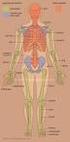 Skeletal System Axial Skeleton: Vertebral Column and Ribs Functions Regions Cervical Thoracic Lumbar Sacral Primary & secondary curvatures There are three major functions of the vertebral column. First,
Problems. Knowing. back of the
 Introduction Welcome to BodyZone Physiotherapy patient resource about Cervical Spine Problems. Knowing the main parts of your neck and how these parts work is important as you learn to care for your neck
Lesions, and Masses, and Tumors Oh My!!
 Lesions, and Masses, and Tumors Oh My!! Presented by: Susan Ward, CPC, CPC-H, CPC-I, CPCD, CEMC, CPRC 1 1 CPT GUIDELINES Agenda CPT DEFINITIONS OP REPORT CASES 2 Definitions Cyst - a closed sac having
ANTERIOR LUMBAR INTERBODY FUSION (ALIF) Basic Anatomical Landmarks: Anterior Lumbar Spine
 (ALIF) Anterior In human anatomy, referring to the front surface of the body or the position of one structure relative to another Lumbar Relating to the loins or the section of the back and sides between
Minimally Invasive Hip Replacement through the Direct Lateral Approach
 Surgical Technique INNOVATIONS IN MINIMALLY INVASIVE JOINT SURGERY Minimally Invasive Hip Replacement through the Direct Lateral Approach *smith&nephew Introduction Prosthetic replacement of the hip joint
Help maintain homeostasis by capturing stimuli from the external environment and relaying them to the brain for processing.
 The Sense Organs... (page 409) Help maintain homeostasis by capturing stimuli from the external environment and relaying them to the brain for processing. Ex. Eye structure - protected by bony ridges and
X-Plain Perforated Ear Drum Reference Summary
 X-Plain Perforated Ear Drum Reference Summary Introduction Perforated eardrum is a common condition. The eardrum is a thin layer of tissue at the end of the ear canal inside the ear. Eardrum perforations
Lip Cancer: Treatment & Reconstruction
 Lip Cancer: Treatment & Reconstruction GBMC - Head & Neck Cancer Grand Rounds Elizabeth E. Redd, M.D. With the assistance of Ira Papel, M.D. Patrick Byrne, M.D. Lip Cancer: Treatment & Reconstruction Anatomic
The Ureter, Ureterovesical Junction, and Vesical Trigone
 The Ureter, Ureterovesical Junction, and Vesical Trigone RUSSELL T. WOODBURNE Department of Anatomy, The University of Michigan, Ann Arbor, Michigan ABSTRACT The musculature of the ureter has a layered
Surgical Procedures and Clinical Results of Endoscopic Decompression for Lumbar Canal Stenosis
 Surgical Procedures and Clinical Results of Endoscopic Decompression for Lumbar Canal Stenosis Munehito Yoshida, Akitaka Ueyoshi, Kazuhiro Maio, Masaki Kawai, and Yukihiro Nakagawa Summary. The purpose
Biol 111 Comparative & Human Anatomy Lab 9: Circulatory System of the Cat Spring 2014
 Biol 111 Comparative & Human Anatomy Lab 9: Circulatory System of the Cat Spring 2014 Philip J. Bergmann Lab Objectives 1. To learn how blood flows through a dual circuit circulation with lungs. 2. To
Autonomic Nervous System of the Neck. Adam Koleśnik, MD Department of Descriptive and Clinical Anatomy Center of Biostructure Research, MUW
 Autonomic Nervous System of the Neck Adam Koleśnik, MD Department of Descriptive and Clinical Anatomy Center of Biostructure Research, MUW Autonomic nervous system sympathetic parasympathetic enteric Autonomic
What is the microbiology of acute otitis media for different age groups? Recommended therapy?
 Number Complications of Otitis Media 3.7.1 Matt What is the microbiology of acute otitis media for different age groups? Recommended therapy? 3.7.2 Matt What are the routes of spread of infection from
Lectures of Human Anatomy
 Lectures of Human Anatomy Vertebral Column-I By DR. ABDEL-MONEM AWAD HEGAZY M.B. with honor 1983, Dipl."Gynecology and Obstetrics "1989, Master "Anatomy and Embryology" 1994, M.D. "Anatomy and Embryology"
THE SKELETAL SYSTEM - THE AXIAL SKELETON
 THE SKELETAL SYSTEM - THE AXIAL SKELETON Chapter 7 Anatomy and Physiology Lecture 1 THE SKELETAL SYSTEM THE AXIAL SKELETON Skeletal System forms the framework of the body. TYPES OF BONES: FOUR PRINCIPAL
1 Cornea 6 Macula 2 Lens 7 Vitreous humor 3 Iris 8 Optic disc 4 Conjunctiva 9 Ciliary muscles 5 Sclera 10 Choroid
 Anatomy and Physiology Quiz 1 Sample Question Answers Use the following table to answer Questions 1 2. 1 Cornea 6 Macula 2 Lens 7 Vitreous humor 3 Iris 8 Optic disc 4 Conjunctiva 9 Ciliary muscles 5 Sclera
Selection & Use of Surgical Needles
 Selection & Use of Surgical Needles EThALLOy * INTELLIGENT GEOMETRy ADVANCED NEEDLE COATING The Selection & Use of Surgical Needles EThICON Products needles are manufactured in a wide range of types, shapes,
Cranial Nerve I Name: Foramen: Fiber Type: Function: Branches: Embryo:
 Cranial Nerve I Olfactory nerve Cribiform plate Special sensory Olfactory bulbs, Smell Olfactory filaments CNS (ectoderm) cribiform plate sensory = Cranial Nerve II Other: Optic nerve Optic canal Special
13 Adductor Muscle Group Excision
 Malawer Chapter 13 21/02/2001 15:36 Page 243 13 Adductor Muscle Group Excision Martin Malawer and Paul Sugarbaker OVERVIEW The adductor muscle group is the second most common site for high- and low-grade
MEDICAID DENTAL PROGRAMS CODING, POLICY AND RELATED FEE REVISION INFORMATION
 MEDICAID DENTAL PROGRAMS CODING, POLICY AND RELATED FEE REVISION INFORMATION Effective for dates of service on and after November 1, 2005, the following dental coding, policy and related fee revisions
www.ghadialisurgery.com
 P R E S E N T S Dr. Mufa T. Ghadiali is skilled in all aspects of General Surgery. His General Surgery Services include: General Surgery Advanced Laparoscopic Surgery Surgical Oncology Gastrointestinal
Thoracic Spine Anatomy
 A Patient s Guide to Thoracic Spine Anatomy 228 West Main, Suite C Missoula, MT 59802 Phone: [email protected] DISCLAIMER: The information in this booklet is compiled from a variety of sources.
Dental Radiography collimator Ionising radiation image radiolucent area radiopaque area controlled zone scatter radiation intraoral
 Dental Radiography X-rays for dental radiography are produced by high voltages of electricity within an x-ray head and come out through a metal tube called a collimator. This ensures the x-rays only come
IVALON Ophthalmic. IVALON Ophthalmic Products
 IVALON Ophthalmic IVALON Ophthalmic Products IVALON Ophthalmic products are constructed using a highly absorbent, unique hydroxylated polyvinyl acetal (PVAc) sponge. Several densities of sponge are available
Distance Learning Program Anatomy of the Human Heart/Pig Heart Dissection Middle School/ High School
 Distance Learning Program Anatomy of the Human Heart/Pig Heart Dissection Middle School/ High School This guide is for middle and high school students participating in AIMS Anatomy of the Human Heart and
OPEN ACCESS ATLAS OF OTOLARYNGOLOGY, HEAD & NECK OPERATIVE SURGERY
 OPEN ACCESS ATLAS OF OTOLARYNGOLOGY, HEAD & NECK OPERATIVE SURGERY SEPTOPLASTY FOR DEVIATION OF THE NASAL SEPTUM Ahmad Sedaghat, Benjamin Bleier Septoplasty refers to surgical manipulation and/or removal
Malleolar fractures Anna Ekman, Lena Brauer
 Malleolar fractures Anna Ekman, Lena Brauer How to use this handout? The left column is the information as given during the lecture. The column at the right gives you space to make personal notes. Learning
 Cataract Surgery in Small Eyes Richard S. Hoffman, MD Clinical Associate Professor of Ophthalmology Oregon Health & Science University No Financial Interests Anatomic Classification Short AC depth with
Ear Disorders and Problems
 Ear Disorders and Problems Introduction Your ear has three main parts: outer, middle and inner. You use all of them to hear. There are many disorders and problems that can affect the ear. The symptoms
Musculoskeletal Ultrasound Technical Guidelines. I. Shoulder
 European Society of MusculoSkeletal Radiology Musculoskeletal Ultrasound Technical Guidelines I. Shoulder Ian Beggs, UK Stefano Bianchi, Switzerland Angel Bueno, Spain Michel Cohen, France Michel Court-Payen,
CHAPTER 10 RESTS AND PREPARATIONS. 4. Serve as a reference point for evaluating the fit of the framework to the teeth.
 CHAPTER 10 RESTS AND DEFINITIONS A REST is any rigid part of an RPD framework which contacts a properly prepared surface of a tooth. A REST PREPARATION or REST SEAT is any portion of a tooth or restoration
Intraoperative Nerve Monitoring Coding Guide. March 1, 2010
 Intraoperative Nerve Monitoring Coding Guide March 1, 2010 Please direct any questions to: Kim Brew Manager Reimbursement and Therapy Access Medtronic ENT (904) 279-7569 Rev 9/10 KB TO OUR PARTNERS IN
Soft Tissue Neck CT Anatomy
 Soft Tissue Neck CT Anatomy Kris Cummings, M.D. Axial CT Unlabeled Labeled Deep s/lymph Node Chains s/lymph Nodes Temporalis Muscle Occipitalis Muscle s/lymph Nodes s/lymph Nodes s/lymph Nodes s/lymph
Real-Time 3-Dimensional Transesophageal Echocardiography in the Evaluation of Post-Operative Mitral Annuloplasty Ring and Prosthetic Valve Dehiscence
 Journal of the American College of Cardiology Vol. 53, No. 17, 2009 2009 by the American College of Cardiology Foundation ISSN 0735-1097/09/$36.00 Published by Elsevier Inc. doi:10.1016/j.jacc.2008.12.059
Surgery of the Frontal Sinus
 Surgery of the Frontal Sinus Steven D. Pletcher MD Assistant Professor Department of Otolaryngology Head and Neck Surgery University of California, San Francisco Disclosures Co-author patent application
Study to Compare and Evaluate Traditional vs. Endoscopic Septoplasty Shrestha I, Pokharel M, Dhakal A, Amatya RCM
 Original Article VOL. 13 NO. 2 ISSUE 50 APRIL-JUNE 2015 Study to Compare and Evaluate Traditional vs. Endoscopic Septoplasty Shrestha I, Pokharel M, Dhakal A, Amatya RCM ABSTRACT Background Department
VERSYS HERITAGE CDH HIP PROSTHESIS. Surgical Technique for CDH Hip Arthroplasty
 VERSYS HERITAGE CDH HIP PROSTHESIS Surgical Technique for CDH Hip Arthroplasty SURGICAL TECHNIQUE FOR VERSYS HERITAGE CDH HIP PROSTHESIS CONTENTS ANATOMICAL CONSIDERATIONS....... 2 PREOPERATIVE PLANNING............
Lumbar Spine Anatomy. eorthopod.com 228 West Main St., Suite D Missoula, MT 59802-4345 Phone: 406-721-3072 Fax: 406-721-2619 info@eorthopod.
 A Patient s Guide to Lumbar Spine Anatomy 228 West Main St., Suite D Missoula, MT 59802-4345 Phone: 406-721-3072 Fax: 406-721-2619 [email protected] DISCLAIMER: The information in this booklet is compiled