
Chapter 1 Structure of Living Things... 1 Chapter 2 Plant Structures and Functions Chapter 3 Human Body Systems... 41
|
|
|
- Christian Hensley
- 10 years ago
- Views:
Transcription
1

2 Contents Life Science Chapter 1 Structure of Living Things Chapter 2 Plant Structures and Functions Chapter 3 Human Body Systems Earth Science Chapter 4 Earth s Water Chapter 5 Earth s Weather Chapter 6 The Solar System Physical Science Chapter 7 Types of Matter Chapter 8 Changes in Matter Cover: Gary Bell/oceanwideimages.com. A Published by Macmillan/McGraw-Hill, of McGraw-Hill Education, a division of The McGraw-Hill Companies, Inc., Two Penn Plaza, New York, New York Copyright by Macmillan/McGraw-Hill. All rights reserved. No part of this publication may be reproduced or disbributed in any form or by any means, or stored in a database or retrieval system, without the prior written consent of The McGraw-Hill Companies, Inc., including, but not limited to, network storage or transmission, or broadcast for distance learning. Printed in the United States of America
3 Contents LIFE SCIENCE CHAPTER 1 Structure of Living Things Chapter Concept Map Chapter Literature Lesson 1 Lesson Outline Lesson Vocabulary Cloze Test Lesson 2 Lesson Outline Lesson Vocabulary Cloze Test Lesson 3 Lesson Outline Lesson Vocabulary Cloze Test Chapter 1 Vocabulary CHAPTER 2 Plant Structures and Functions Chapter Concept Map Chapter Literature Lesson 1 Lesson Outline Lesson Vocabulary Cloze Test Lesson 2 Lesson Outline Lesson Vocabulary Cloze Test Lesson 3 Lesson Outline Lesson Vocabulary Cloze Test Chapter 2 Vocabulary iii

4 Contents CHAPTER 3 Human Body Systems Chapter Concept Map Chapter Literature Lesson 1 Lesson Outline Lesson Vocabulary Cloze Test Lesson 2 Lesson Outline Lesson Vocabulary Cloze Test Lesson 3 Lesson Outline Lesson Vocabulary Cloze Test Lesson 4 Lesson Outline Lesson Vocabulary Cloze Test Lesson 5 Lesson Outline Lesson Vocabulary Cloze Test Chapter 3 Vocabulary iv

5 Contents EARTH SCIENCE CHAPTER 4 Earth s Water Chapter Concept Map Chapter Literature Lesson 1 Lesson Outline Lesson Vocabulary Cloze Test Lesson 2 Lesson Outline Lesson Vocabulary Cloze Test Lesson 3 Lesson Outline Lesson Vocabulary Cloze Test Lesson 4 Lesson Outline Lesson Vocabulary Cloze Test Chapter 4 Vocabulary CHAPTER 5 Earth s Weather Chapter Concept Map Chapter Literature Lesson 1 Lesson Outline Lesson Vocabulary Cloze Test Lesson 2 Lesson Outline Lesson Vocabulary Cloze Test v

6 Contents Lesson 3 Lesson Outline Lesson Vocabulary Cloze Test Lesson 4 Lesson Outline Lesson Vocabulary Cloze Test Lesson 5 Lesson Outline Lesson Vocabulary Cloze Test Chapter 5 Vocabulary CHAPTER 6 The Solar System Chapter Concept Map Chapter Literature Lesson 1 Lesson Outline Lesson Vocabulary Cloze Test Lesson 2 Lesson Outline Lesson Vocabulary Cloze Test Lesson 3 Lesson Outline Lesson Vocabulary Cloze Test Chapter 6 Vocabulary vi

7 Contents PHYSICAL SCIENCE CHAPTER 7 Types of Matter Chapter Concept Map Chapter Literature Lesson 1 Lesson Outline Lesson Vocabulary Cloze Test Lesson 2 Lesson Outline Lesson Vocabulary Cloze Test Lesson 3 Lesson Outline Lesson Vocabulary Cloze Test Lesson 4 Lesson Outline Lesson Vocabulary Cloze Test Lesson 5 Lesson Outline Lesson Vocabulary Cloze Test Chapter 7 Vocabulary vii

8 Contents CHAPTER 8 Changes in Matter Chapter Concept Map Chapter Literature Lesson 1 Lesson Outline Lesson Vocabulary Cloze Test Lesson 2 Lesson Outline Lesson Vocabulary Cloze Test Lesson 3 Lesson Outline Lesson Vocabulary Cloze Test Chapter 8 Vocabulary viii

9 Name CHAPTER LEVEL Concept Map Structure of Living Things Complete the concept map with the information you learned about the structure of living things. Chapter 1 Structure of Living Things Use with Chapter 1 1

10 CHAPTER LEVEL Literature Name Cancer-Sniffing Canines Read the Literature feature in your textbook. Write About It Response to Literature In this article, you learned that dogs are being used to detect cancer. Write a letter to the editor of your local newspaper. State your position about using dogs for research. Include convincing evidence that backs up your position. 2 Chapter 1 Structure of Living Things Use with Chapter 1

11 Name Outline Cells Use your textbook to help you fill in the blanks. What are plants and animals made of? 1. Plants, animals, and all living things are made of. 2. A cell is the of a living thing that can carry out the basic processes of life. 3. The cells of are not the same as animal cells. 4. Plants need something in their cells to provide. 5. Plant leaf cells produce for the plant. 6. Animals have to eat other living things to get What are the organelles in animal cells?. 7. The is a layer around the outside of the cell. 8. Cytoplasm supports all of the inside the cell. 9. The controls all of the activity in the cell. 10. Mitochondria turn food into for the cell to use. 11. The store water, food, and wastes. Chapter 1 Structure of Living Things Use with Lesson 1 Cells 3

12 Outline Name What are the organelles in plant cells? 12. The is an additional layer around the outside of plant cells. 13. The large central vacuoles of plant cells provide support by. 14. Organelles in plant cells that turn energy from sunlight into food are called. 15. A green chemical called makes chloroplasts green. How can cells be seen? 16. A(n) must be used to see cells. Summarize the Main Idea 17. What are both plants and animals made of? 4 Chapter 1 Structure of Living Things Use with Lesson 1 Cells

13 Name Cells Vocabulary a. cell d. nucleus g. cell wall b. cell membrane e. mitochrondria h. chloroplasts c. cytoplasm f. vacuoles i. microscope Fill in the blank. 1. A(n) organelle that controls all of the activity of the cell. 2. Organelles that store water, food, and wastes. 3. An instrument that magnifies objects. 4. The smallest unit of a living thing that can carry out the basic processes of life. 5. An additional layer around plant cells that provides extra support. 6. Organelles that break down food and turn it into energy for the cell to use. 7. A layer around the outside of the cell. 8. Green organelles in plant cells that turn energy from sunlight into food. 9. A gel-like substance that supports all of the organelles inside the cell membrane. Chapter 1 Structure of Living Things Use with Lesson 1 Cells 5

14 Cloze Test Cells Name cells chlorophyll microscope sunlight cell membrane chloroplasts mitochondria vacuoles cell wall cytoplasm nucleus Fill in the blanks. Plants and animals are living things. All plants and animals are made of. The is a layer around the outside of all cells. Plant cells have an additional layer called the that provides extra support. is a gel-like substance inside the cell membrane. All activity in the cell is controlled by the. break down food and turn it into energy for the cell to use. Water, food, and wastes are stored in the of the cell. A green chemical called is in the cells. Plant cells turn energy from of plant into food. People didn t know that cells existed until they could see them under a. 6 Chapter 1 Structure of Living Things Use with Lesson 1 Cells

15 Name Outline From Cells to Organisms Use your textbook to help you fill in the blanks. How are living things organized? 1. An individual living thing is called a(n). 2. organisms have only one cell. 3. organisms have many different kinds of cells. 4. In multicellular organisms, the cells to take care of different functions of the organism. How do cells work together? 5. A group of similar cells called a(n) work together to do the same job in an organism. 6. Muscle tissue can be found in a(n) body. 7. The flesh of fruits is an example of tissue found in 8. Different tissues working together form a(n) 9. The lungs, heart, and stomach are examples of organs found in... Chapter 1 Structure of Living Things Use with Lesson 2 From Cells to Organisms 7

16 Outline Name What are some plant and animal organ systems? 10. The are the main organ in the root system. 11. Plants also have systems for materials. 12. The salamander has an organ system that breaks down food for. 13. The, muscles, and brain are part of the organ systems that control movement and responses. 14. The heart is part of the organ system that Summarize the Main Idea blood and other materials. 15. How are cells organized in multicellular organisms? 8 Chapter 1 Structure of Living Things Use with Lesson 2 From Cells to Organisms

17 Name Vocabulary From Cells to Organisms a. unicellular c. multicellular e. organ b. organism d. tissue f. organ system Fill in the blank. 1. A group of organs that work together to do a certain job. 2. A group of similar cells that do the same job in an organism. 3. One-celled organisms that can carry out all of the processes of life. 4. Made up of tissues of different kinds that come together to do a particular job. 5. Organisms that are made of many different kinds of cells. 6. An individual living thing. Chapter 1 Structure of Living Things Use with Lesson 2 From Cells to Organisms 9

18 Cloze Test Name From Cells to Organisms organisms multicellular cells growth organ respiration tissue organ system response unicellular Fill in the blanks. Individual living things are called. are the smallest units that can carry out basic life processes. processes within a single cell. In organisms carry out all of the life organisms, different kinds of cells work together to carry out its life processes. The ability to increase in size is a life process called. is the ability to react to changes in surroundings. The ability to use oxygen to break down food into energy is called. A(n) consists of a group of similar cells that do the same job. Tissues combine to make up a(n). A(n) is a group of organs that work together to do a certain job. Organ systems in the body include the muscular, skeletal, and nervous systems. 10 Chapter 1 Structure of Living Things Use with Lesson 2 From Cells to Organisms

19 Name Outline Diversity of Organisms Use your textbook to help you fill in the blanks. How are living things grouped together? 1. Classifying organisms shows which organisms are most to one another. 2. In one classification system, the broadest group into which organisms are classifed is the. 3. A kingdom is divided into smaller groups. Organisms in smaller groups are. What do animals have in common? 4. All animals (1) have to get energy from eating other things and (2) are. 5. An animal that has a backbone is called a(n). What do plants have in common? 6. All of the organisms in the plant kingdom produce their own. 7. The two major groups of the plant kingdom are vascular and plants. What are fungi? 8. A fungus absorbs food from decaying or dead organisms in its environment because it cannot. Chapter 1 Structure of Living Things Use with Lesson 3 Diversity of Organisms 11

20 Outline Name What are bacteria? 9. are simple, tiny unicellular organisms that do not have a distinct nucleus. 10. Bacteria are classified into two kingdoms called ancient bacteria and. What are protists? 11. All protists have a distinct in their cells and they lack. Plant-like Protists 12. Plant-like protists contain colored chemicals that they use to produce their own. 13. An example of a plant-like protist is. Animal-like Protists 14. Animal-like protists eat food by absorbing it into their cells through their. Fungi-like Protists 15. These protists act like fungi and get their food by breaking down. Summarize the Main Idea 16. How are classification systems used to group living things? 12 Chapter 1 Structure of Living Things Use with Lesson 3 Diversity of Organisms

21 Name Diversity of Organisms Vocabulary a. vertebrate d. protist g. invertebrate b. nonvascular e. bacteria h. vascular c. fungus f. kingdom Fill in the blank. 1. The broadest group of classification. 2. An animal that has a backbone. 3. An animal without a backbone. 4. Plants with tubes that transport food and water. 5. Plants that transport water and other substances directly from the ground into their cells. 6. A unicellular or multicellular organism that absorbs food from dead or decaying organisms in its environment. 7. Simple, tiny unicellular organisms with cell membranes and cytoplasm but no distinct nuclei. 8. A unicellular or multicellular organism with a distinct nucleus that does not have specialized tissues. Chapter 1 Structure of Living Things Use with Lesson 3 Diversity of Organisms 13
22 Cloze Test Name Diversity of Organisms bacteria kingdom similarities food nonvascular vascular invertebrates protists vertebrates Fill in the blanks. Scientists have created classification systems that put organisms into groups. When scientists classify organisms, they put them into groups based on shared. In one widely used classification system, the broadest group is a(n). In the animal kingdom, have backbones, but do not. The plant kingdom also divides into two groups. These are and. Fungi cannot make, so they absorb it from dead or decaying organisms in the environment. Ancient are the oldest living organisms on earth. can be plant-like, animal-like, or fungi-like. Most of these organisms live in the water. 14 Chapter 1 Structure of Living Things Use with Lesson 3 Diversity of Organisms
23 Name Reading Meet Angelique Corthals Read the Reading in Science feature in your textbook. Write About It Summarize Make a chart that tells the steps for preserving cells. Use your chart to write a summary of the process Angelique uses to freeze cells from organisms. 1. Steps for Preserving Cells Chapter 1 Structure of Living Things Use with Lesson 3 Diversity of Organisms 15
24 Reading Name Now summarize, in your own words, what the reading detailed about the steps Angelique uses to preserve cells. 16 Chapter 1 Structure of Living Things Use with Lesson 3 Diversity of Organisms
25 Name A Tale of Two Animals Writing Read the Writing in Science feature in your textbook. Write About It Fictional Writing Choose two other organisms that are very different from each other. Write a fictional narrative in which these two organisms are in conflict. Planning and Organization Cyndi started her story by introducing one of her two main characters: Gila Monster. Here are five sentences that she wrote. Put them in chronological order. Write 1 by the event that comes first, 2 by the event that comes second, and so on. The last event should be numbered Then Gila Monster seized a small jackrabbit. 2. Gila Monster stuck out his long, sensitive tongue to sense for prey. 3. Now that warm weather had come, Gila Monster spent his nights searching for small mammals, birds, and prey. 4. Gila Monster sunk his teeth into the rabbit and started to chew, sending his poisonous venom into the rabbit. 5. During the winter, Gila Monster did not need to find much food, because of all the fat stored in his tail. Getting Ideas Cyndi chose to center the plot for her story on a conflict between Gila Monster and Tarantula. Think about the similarities and differences of your two characters. How do they bring the characters into conflict? What events might occur that will resolve this conflict? Use the chart on the following page to plan your story. Chapter 1 Structure of Living Things Use with Lesson 3 Diversity of Organisms 17
26 Writing Name Characters/Setting Conflict Event 1 Event 2 Event 3/Resolution Now write your short story on a separate sheet of paper. Describe the setting, introduce the characters, set up the conflict, and show the events that lead to the resolution. Revising and Proofreading Cyndi chose to use dialogue in her story. Here is a passage from her story. Proofread it. Correct any punctuation and capitalization problems. After eating, Gila Monster said I think I will curl up and sleep by that big rock. He added then I ll hunt again when night falls. Who s invading my home hissed Tarantula from under the rock? He said to himself doesn t everyone know that I like to live alone? Then the three-inch spider crept out from under the rock, saw the two-foot-long lizard, and said well I guess I won t be able to wrap him in a ball of silk and save him for a later meal! Now revise and proofread your own story. Ask yourself: Have I created two characters that are very different from each other? Have I provided a sequence of events that leads to a believable resolution of the conflict? Have I corrected any grammar problems? Have I corrected any errors in spelling, punctuation, and capitalization? 18 Chapter 1 Structure of Living Things Use with Lesson 3 Diversity of Organisms
27 Name CHAPTER LEVEL Vocabulary Structure of Living Things Choose the letter of the best answer. 1. One widely accepted classification system divides living things into six a. cells. b. kingdoms. c. organs. d. vertebrates. 2. The part of a cell that controls all of its activity is the a. cell wall. b. cytoplasm. c. nucleus. d. vacuole. 3. Structures in plant cells that turn energy from sunlight into food are called a. chloroplasts. b. cell walls. c. cytoplasm. d. mitochondria. 4. An individual living thing is a(n) a. nucleus. b. invertebrate. c. organism. d. vertebrate. 5. An animal that has a backbone is called a(n) a. bacterium. b. invertebrate. c. protist. d. vertebrate. 6. The smallest unit of a living thing that carries out basic life processes is a(n) a. cell. c. cell wall. b. cell membrane. d. chloroplast. 7. In living things, tissues of different kinds come together to make up a(n) a. organ. b. organism. c. organ system. d. tissue. 8. The outside layer that controls what moves in and out of the cell is its a. cell membrane c. cytoplasm b. tissue d. nucleus Chapter 1 Structure of Living Things Use with Chapter 1 19
28 CHAPTER LEVEL Vocabulary Name Choose the letter of the best answer. 9. What cell parts break down food and turn it into energy for the cell to use? a. cytoplasm c. nucleus b. mitochondria d. vacuole 10. Structures in cells that store water, food, and wastes are called a. chloroplasts. b. cytoplasm. c. mitochondria. d. vacuoles. 11. Organisms that are made of many different kinds of cells are called a. invertebrate. b. multicellular. c. unicellular. d. vertebrate. 12. Unicellular organisms that have cytoplasm, but no distinct nucleus are a. bacteria. b. fungi. c. plants. d. protists. 13. The gel-like substance in a cell that supports all of the cell structures is the a. cell wall. b. chloroplast. c. cytoplasm. d. mitochondria. 14. A one-celled organism is a. monocellular. b. multicellular. c. single cellular. d. unicellular. 15. Plants that do not have tubes to transport water and food are a. multivascular. b. invascular. c. nonvascular. d. vascular. 16. A group of organs that work together to do a certain job are a(n) a. organ. b. organ system. c. structure. d. tissue. 17. An animal without a backbone is called a(n) a. invertebrate. c. unicellular. b. nonvascular. d. vertebrate. 20 Chapter 1 Structure of Living Things Use with Chapter 1
29 Name CHAPTER LEVEL Concept Map Plant Structures and Functions Complete the concept map with the information you learned about plant structures and functions. Leaves Xylem Phloem Trunk/Stem Roots Chapter 2 Plant Structures and Functions Use with Chapter 2 21
30 CHAPTER LEVEL Literature Name Branches Read the Literature feature in your textbook. Write About It Response to Literature The poet creates a vivid impression of a leaf collecting light and water. Do print and online research to find out what happens as a plant grows new leaves. Then write an explanation of this sequence of events. 22 Chapter 2 Plant Structures and Functions Use with Chapter 2
31 Name Outline Vascular Plants Use your textbook to help you fill in the blanks. How are vascular plants classified? 1. Vascular plants have that work together to transport water, food, and waste to all parts of the plant. 2. Scientists separate vascular plants into seedless plants and. 3. Scientists then divide plants with seeds into plants that produce flowers and. How are seedless and seed plants different? 4. A seed contains an and stored food used to develop and grow into a new plant. 5. This new plant shares the of the two plants that produced the seed. 6. Some vascular plants do not, or grow from them, they grow from spores. 7. A is a single cell that can develop into new plant that is exactly like the plant that produced it. Seed plants 8. Angiosperms are seed plants that. 9., and almost all nuts come from angiosperms. 10. Gymnosperms are seed plants that. 11. produce seeds inside a cone. 12. Most gymnosperms are, trees that lose only a few leaves at one time and constantly replace the leaves they have lost. Chapter 2 Plant Structures and Functions Use with Lesson 1 Vascular Plants 23
32 Outline Name What do flowers do? 13. Flowers, the reproductive organ of angiosperms, usually have both parts. 14. Pollen grains are transferred from a flower s to the female part of the flower, the pistil, or to another flower s pistil. 15. This transfer is called. 16. During fertilization, the pollen and egg cell join, and. 17. As the seed develops, the ovary enlarges until it becomes a, which protects the seeds inside it. 18. Many flowers smell sweet, while other flowers can imitate the smell of to attract beetles and flies. Summarize the Main Idea 19. What are two ways scientists divide vascular plants? 24 Chapter 2 Plant Structures and Functions Use with Lesson 1 Vascular Plants
33 Name Vascular Plants Vocabulary a. angiosperms d. gymnosperms g. spore b. capsule e. nonvascular h. vascular c. evergreens f. seed Fill in the blanks. 1. Seed plants that do not produce flowers. 2. Seed plants that produce flowers. 3. Filled with thousands of tiny spores. 4. A single cell that can develop into a plant that is exactly like the plant that produced it. 5. Contains an undeveloped plant and stored food. 6. Plants that have specialized cells which work together to transport water, food, and waste. 7. Plants such as mosses, hornworts, and liverworts also grow from spores. 8. Trees that lose only a few leaves at one time and constantly replace the leaves they have lost. Chapter 2 Plant Structures and Functions Use with Lesson 1 Vascular Plants 25
34 Cloze Test Name Vascular Plants angiosperms produce spores flowers seedless undeveloped gymnosperms specialized cells vascular Fill in the blanks. Many different kinds of plants grace our planet, and we have to be able to identify special features in them. For example, plants that have which work together to transport water, food, and waste to all parts of the plant, are called plants. Scientists have separated vascular plants into two categories: plants, and plants with seeds. Most common plants such as fruits, vegetables, and herbs, seeds. Seeds contain an plant and stored food. Some vascular plants, such as horsetails, club mosses, spike mosses, and ferns, do not produce seeds or grow from them. Instead, these plants grow from. Some plants with seeds produce and some do not. are seed plants that produce flowers. Flowers are the reproductive organ of angiosperms. are seed plants that do not produce flowers. These plants produce seeds inside a cone. 26 Chapter 2 Plant Structures and Functions Use with Lesson 1 Vascular Plants
35 Name Outline Plant Transport Systems Use your textbook to help you fill in the blanks. How do plants move materials? 1. move up from the roots into the leaves. 2. Sugar is transported from the to the roots or other parts of the plant. 3. A root is the part of a plant that absorbs water and minerals, stores food, and. 4. A stem is the main stalk of a plant. The stem develops and usually grows above the ground. 5. Inside the stem, materials up and down through the transport system. 6. The leaf uses water and carbon dioxide to, which the transport system moves throughout the plant so other plant cells can use it as food. What is the transport system made of? 7. Under a microscope, you can see the that form the transport system. 8. Xylem moves water and minerals. 9. Phloem moves food from the plant s to its other parts. 10. Many woody stems have a layer of cells called the cambium that separates the from the. 11. Bark is a tough outer covering that serves as a for the tree. Chapter 2 Plant Structures and Functions Use with Lesson 2 Plant Transport Systems 27
36 Outline Name 12. Each year, a new layer of xylem forms an How are roots different?. 13. Taproots have one large root with a. 14. are made up of thin, branching roots. 15. Prop roots grow like fingers out of the. 16. Some plants have, or roots that never touch the ground. Summarize the Main Idea 17. Describe the transport system in vascular plants. 28 Chapter 2 Plant Structures and Functions Use with Lesson 2 Plant Transport Systems
37 Name Vocabulary Plant Transport Systems a. cambium d. roots g. veins b. leaf e. stem h. xylem c. phloem f. vascular plants Fill in the blanks. 1. Plants that constantly move materials through the specialized cells in their transport system. 2. Part of a plant that absorbs water and minerals, stores food, and holds the plant in place. 3. The main stalk of a plant. 4. Uses water and carbon dioxide to produce sugar. 5. Transports minerals throughout the leaves. 6. Moves water and minerals up from the roots. 7. Moves food from the plant s leaves to its other parts. 8. Where new xylem and phloem are produced. Chapter 2 Plant Structures and Functions Use with Lesson 2 Plant Transport Systems 29
38 Cloze Test Name Plant Transport Systems cambium roots transport system leaf sugar vacuoles microscope tissue water and minerals Fill in the blanks. How does a vascular plant eat and grow? Vascular plants are constantly moving materials through the specialized cells in their. The absorb water and minerals from the soil. Then, travel up through the stem and into the leaves. When sunlight hits a, it uses photosynthesis to make sugar from water and carbon dioxide. Then, the leaf sends to the rest of the plant for nutrition. When you cut a thin slice of a plant stem or root, and look at it under a, you can see the tissues that form the transport system. As water moves up the plant, some of it is stored in the, or spaces, of the xylem tissue cells. The other transport system phloem. It moves food from the plant s leaves to its other parts. Many woody stems have a layer of cells that separate the xylem from the phloem, called the. is 30 Chapter 2 Plant Structures and Functions Use with Lesson 2 Plant Transport Systems
39 Name Outline Photosynthesis and Respiration Use your textbook to help you fill in the blanks. What do leaves do? 1. Leaves use energy from the Sun to make food from water and carbon dioxide in a process called. 2. Photosynthesis is carried out in the of the cells that are underneath the epidermis. 3. Chloroplasts contain chlorophyll, which is the chemical that absorbs and stores the. 4. Tiny pores, called stomata, in the bottom of leaves take in from the air. 5. When a plant has enough water, the swell and pull open the stomata so the plant can breathe. What is photosynthesis? 6. Photosynthesis means. 7. Scientists express what happens during photosynthesis using this chemical equation:. 8. During photosynthesis, plants produce, a compound made from carbon, hydrogen, and oxygen. 9. Cellulose, the main substance that makes up the in plants, is a carbohydrate. 10. When plants store sugar, they store it as starch, a molecule made up of. 11. When you eat a vegetable, your body from the carbohydrates stored in the plant. Chapter 2 Plant Structures and Functions Use with Lesson 3 Photosynthesis and Respiration 31
40 Outline Name Where does respiration happen? 12. When the plant needs energy to grow or repair itself, starches and sugars are broken down in a process called. 13. The chemical equation for cellular respiration is: C 6 H 12 O 6 + O 2 = 6CO 2 + 6H 2 O + energy, which means sugar + oxygen =. 14. Cellular respiration takes place in the. 15. Photosynthesis produces food that stores energy, while Summarize the Main Idea releases energy. 16. How do plants make and use energy? 32 Chapter 2 Plant Structures and Functions Use with Lesson 3 Photosynthesis and Respiration
41 Name Vocabulary Photosynthesis and Respiration a. CO 2 + energy (sun) + H 2 O = sugar + O 2 f. chloroplasts b. carbohydrate d. cellulose g. photosynthesis c. cellular respiration e. chlorophyll h. stomata Fill in the blanks. 1. The process that uses energy from the Sun to make food from water and carbon dioxide. 2. Photosynthesis is carried out in these, which are located in the cells that are underneath the epidermis. 3. The chemical that absorbs and stores the energy of sunlight. 4. Tiny pores in the bottom of leaves take in carbon dioxide from the air. 5. A compound made from carbon, hydrogen, and oxygen. 6. The main substance that makes up the cell wall in plants. 7. Starches and sugars are broken down in the cells in this process. 8. Scientists express what happens during photosynthesis using this chemical equation. Chapter 2 Plant Structures and Functions Use with Lesson 3 Photosynthesis and Respiration 33
42 Cloze Test Name Photosynthesis and Respiration carbohydrate chloroplasts starch cellular respiration energy stomata chlorophyll photosynthesis water Fill in the blanks. How does the Sun give you the energy you need to do your school work? When a plant gets enough water, the guard cells in the leaf swell and pull open the so its leaves can make food from dioxide. This process is called. The Sun shines on the plant and carbon, which means putting together by light. Photosynthesis takes place in the of the cells underneath the epidermis, or skin of the leaf. Chloroplasts contain, a green chemical that absorbs and stores the energy of sunlight. Sugar is a made from carbon, hydrogen, and oxygen. Plants store sugar as a. When the plant needs energy to grow or repair itself, it breaks down starches and sugars in a process called. When you eat a vegetable, or when you eat meat from an animal that eats plants, your body gets from the sugars and carbohydrates stored in the plant. 34 Chapter 2 Plant Structures and Functions Use with Lesson 3 Photosynthesis and Respiration
43 Name Reading A Year in the Life of a Forest Did you know that forests breathe? Scientists can measure the gases in the forest air to gather data about the photosynthesis and respiration of the trees, animals, and other organisms that live there. Take a look at the carbon dioxide data that scientists measured in the air from Howland Forest, a deciduous forest in Maine. Howland Forest has cold and snowy winters and hot and humid summers. How do these changes in seasons affect the amount of carbon dioxide in the air? Spring As the days become longer and warmer, activity in the forest grows. This increased activity results in higher levels of respiration, so the amount of carbon dioxide measured in the air starts to rise. The trees sprout new leaves and begin to photosynthesize. Summer Summer days are the longest and warmest of the year. Because the forest is so active, a lot of photosynthesis and respiration occurs. During the day, the amount of carbon dioxide is low. That s because the trees are transforming the carbon dioxide into food to store in their roots. During the night, the amount of carbon dioxide is high. That s because all of the life forms in the forest are still respiring, and the trees are not photosynthesizing. These two processes together result in the different day and night carbon dioxide levels you see in the graph. Fall Shorter days mean fewer hours of sunlight. Trees begin to lose their leaves and the forest becomes less active. The forest is photosynthesizing and respiring less. Day and night carbon dioxide levels become more similar. Winter Winter days are the shortest and coldest of the year. The forest is much less active. Most of the trees have lost their leaves, and there is no photosynthesis. Day and night carbon dioxide levels are very similar as all the life forms continue to respire. Chapter 2 Plant Structures and Functions Use with Lesson 3 Photosynthesis and Respiration 35
44 Reading Name Sequence of Events The sequence of events is the order in which events happen in time. Look for the event that happens first, then fill in what happens next and last. Write About It Sequence Create a sequence of events timeline based on the information in the article. Tell what happens first, next, and last as the seasons change in Howland Forest. Then use your timeline and the chart from the article to summarize the data collected from Howland Forest. 36 Chapter 2 Plant Structures and Functions Use with Lesson 3 Photosynthesis and Respiration
45 Name Writing Saving Water the Yucca Plant Way Read the Writing in Science feature in your textbook. Write About It Explanatory Writing Write an article for young gardeners. Explain the process of CAM photosynthesis. Research facts and details for your article. Planning and Organizing Help Ray create an outline for his article. Here are some topics he wants to cover. Place them in the outline form below. What happens during the day in CAM photosynthesis? What is the purpose of CAM photosynthesis? What is photosynthesis? What happens at night during CAM photosynthesis? How does the process of CAM photosynthesis work? I. II. III. A. B. IV. Why is the yucca plant special? Now create an outline for your own article on a separate sheet of paper. Make it as detailed as possible. Add A, B, C points and subpoints (1, 2, 3) under these as necessary. Chapter 2 Plant Structures and Functions Use with Lesson 3 Photosynthesis and Respiration 37
46 Writing Name Now use a separate sheet of paper to write the first draft of your article. Revising and Proofreading Here is part of the report that Ray wrote. Help him combine his sentences. Use the transition word in parentheses. Make sure you punctuate the new sentence correctly. 1. In CAM photosynthesis, the stomates open at night. The air is cooler and the humidity is higher. (when) 2. It needs to avoid losing water. The yucca plant closes its stomates during the day. (because) 3. CAM photosynthesis is effective. It results in more efficient water use. (since) Now revise and proofread your article. Ask yourself: Have I introduced my main idea about photosynthesis in yuccas? Have I included facts and details to show how this process works? Have I used examples and language appropriate for my audience? Have I used transition words and phrases to connect ideas? Have I ended with a strong conclusion about why yucca plants are special? Have I corrected all grammar errors? Have I corrected all problems in spelling, punctuation, and capitalization? 38 Chapter 2 Plant Structures and Functions Use with Lesson 3 Photosynthesis and Respiration
47 Name CHAPTER LEVEL Vocabulary Plant Structures and Functions Choose the letter of the best answer. 1. What food do plants produce during photosynthesis? a. carbohydrates c. spores b. seeds d. starch 2. Seed plants that produce flowers are a. angiosperms. c. gymnosperms. b. cambium. d. phloem. 3. What tissue moves food from a plant s leaves to its other parts? a. cambium b. phloem c. vein d. xylem 4. An undeveloped plant and stored food is contained in a(n) a. angiosperm. c. seed. b. gymnosperm. d. spore. 5. Energy stored during photosynthesis is released during a process called a. carbohydrate. b. cellular inspiration. c. cellular perspiration. d. cellular respiration. 6. New xylem and phloem are produced in the a. cambium. c. seed. b. photosynthesis. d. spore. Chapter 2 Plant Structures and Functions Use with Chapter 2 39
48 CHAPTER LEVEL Vocabulary Name Choose the letter of the best answer. 7. When plants store sugar, they store it as a. carbohydrates. b. seeds. c. spores. d. starch. 8. Seed plants that do not produce flowers are a. angiosperms. c. phloem. b. gymnosperms. d. xylem. 9. Leaves use energy from the Sun to make food for a plant during the process of a. cellular inspiration. c. photogenesis. b. cellular respiration. d. photosynthesis. 10. A single cell that can develop into a new plant exactly like the old plant is a(n) a. capsule. b. seed. c. spore. d. unicell. 11. What tissue moves water up from a plant s roots? a. cambium b. phloem c. vein d. xylem 40 Chapter 2 Plant Structures and Functions Use with Chapter 2
49 Name CHAPTER LEVEL Concept Map Human Body Systems Complete the concept map with the information you learned about human body systems. Muscular System Nervous System Circulatory System Systems Respiratory System Excretory System Digestive System Skeletal System Chapter 3 Human Body Systems Use with Chapter 3 41
50 CHAPTER LEVEL Literature Name Bigger Muscles or a Stronger Heart? Read the Literature feature in your textbook. Write About It Response to Literature In this article, you learned about the difference between aerobic and anaerobic exercise. Write a summary. Start by telling the main idea of the article. Then include important facts and details. Reach a conclusion at the end. 42 Chapter 3 Human Body Systems Use with Chapter 3
51 Name The Human Body Outline Use your textbook to help you fill in the blanks. How is the human body organized to carry out life processes? 1. A group of similar cells that work together to carry out a function make up a(n). 2. Different tissues are organized into various 3. The organs then work together as part of a(n) or.. to perform specific activities Which organ systems are involved in protecting the body? 4. The system includes skin and hair that cover your body and act as a barrier to protect it. 5. The helps your body to heal and prevents it from getting sick. Which organ systems are involved in controlling the body? 6. The carries messages from one part of the body to another and controls your senses. 7. The system controls the body s growth and responses. Which organ systems are involved with supporting and moving the body? 8. The system tightens and releases to move body parts. 9. The gives the body its shape, protects organs, and works with muscles to move the body. Chapter 3 Human Body Systems Use with Lesson 1 The Human Body 43
52 Outline Name Which organ systems are involved in moving necessary materials into, through, and out of the body? 10. The carries oxygen into the lungs where it is transferred to the blood. 11. The moves oxygen and nutrients to the cells, and takes carbon dioxide and waste from the cells. 12. The system moves waste materials out of the body. 13. The turns the food you eat into nutrients that are suitable for use by the body s cells. Which of the body s organ systems are activated during these activities? 14. The system is activated when you are suddenly frightened; it gives you the ability to run away fast. 15. The is activated when you eat an apple; it breaks down the food for use by your cells. 16. The is activated when you sweat; it carries waste from your body. 17. The is activated when you respond to catch a ball; it sends messages to your muscles telling you to move your hands. Summarize the Main Idea 18. How is the body organized to carry out life processes? 44 Chapter 3 Human Body Systems Use with Lesson 1 The Human Body
53 Name The Human Body Vocabulary Unscramble the words using the hints, then solve the puzzle. 1. The respiratory system brings in oxygen and takes out dioxide. 2. The system moves nutrients into cells and waste out of cells. 3. The system turns food into nutrients for the cells. 4. A person with a strong system does not catch many colds. 5. The body s integumentary system includes its skin and. It works like a well-oiled machine when all its systems work together. It s the Chapter 3 Human Body Systems Use with Lesson 1 The Human Body 45
54 Cloze Test Name The Human Body cells excretory system organs circulatory system nervous system organ system digestive system immune system respiratory system endocrine system integumentary system Fill in the blanks. The human body is well equipped to carry out all the necessary processes of life. The body has similar, which work together and make up a tissue. Different tissues are organized into. A complex activity, such as the breakdown of food for use by the cells, requires a(n) specific function is performed by the. This. Other organ systems are involved in the transport of materials into, through, and out of the body. These systems are the, the systems that control the body s activities are the, and the. Two organ and the. Two other organ systems that protect the body are the and the. To do all the wonderful things that humans do, it is necessary that all the body s organ systems work together. 46 Chapter 3 Human Body Systems Use with Lesson 1 The Human Body
55 Name Outline The Digestive System Use your textbook to help you fill in the blanks. Where do cells get energy to do work? 1. Your cells get energy from the you eat. 2. breaks down big food into simple substances so that tiny can use it. 3. The body breaks down food both physically and. 4. The body s produce chemicals to help break down food. Where does digestion begin? 5. When you bite into food, your teeth tear and grind the food into a small ball called a(n). 6. Your, attached to the back of your mouth, has many taste sweet, salty, sour, and bitter things. that allow you to 7. When the bolus is moved to the or throat, it is finally swallowed into the, the long muscular tube that connects to the stomach. What are the special functions of various teeth in breaking down food? 8. The teeth used for biting food are found in the front of the mouth and are called. 9. The, the flat teeth in the back of your mouth, are used for crushing and grinding food. Chapter 3 Human Body Systems Use with Lesson 2 The Digestive System 47
56 Outline Name What happens to food once it is swallowed and goes into the esophagus? 10. The esophagus is lined with, which makes the inside slippery. 11. Muscles in the esophagus squeeze the food and move it along to the. 12. After 4 to 6 hours in the stomach, the food is released into the. 13. Finally the nutrients are absorbed inside the small intestine, which has hairy finger-like bumps called. What happens to the food that is not absorbed? 14. Food that could not be digested moves along to the. 15. The is the widest part of the large intestine. Summarize the Main Idea 16. What are the basic steps of the digestion process? 48 Chapter 3 Human Body Systems Use with Lesson 2 The Digestive System
57 Name The Digestive System Vocabulary Use the following hints to fill in the crossword puzzle. Across 1. the process that breaks down food into simple substances 4. pointy teeth used for cutting and tearing food 6. flat back teeth used for crushing and grinding food 7. has muscles that squeeze and mix food, as well as acids that break it down 8. another name for throat 9. found in the mouth, it starts softening food, breaking it down chemically 10. an organ that has villi to absorb the nutrients Down 2. front teeth used for biting food 3. the widest part of the large intestine 5. a muscular tube that connects your mouth to your stomach Chapter 3 Human Body Systems Use with Lesson 2 The Digestive System 49
58 Cloze Test Name The Digestive System bile colon large intestine small intestine bolus energy molars stomach canines esophagus rectum villi chemically incisors saliva Fill in the blanks. The function of the digestive system is to break food down so that the cells can use it. Food supplies to the cells. Digestion begins in the mouth with the teeth where bite the food, and cut and tear it. grind and crush the food into a small ball called., a liquid found in the mouth, softens the bolus and starts breaking it down. Swallowed food moves down the to the. In the stomach the liver adds and the pancreas adds other digestive juices that break food down into a soupy liquid. Then the food moves to the where it can be absorbed into the body through. The leftover food that could not be digested moves to the, which has the as its widest part. The last part of the large intestine is the. 50 Chapter 3 Human Body Systems Use with Lesson 2 The Digestive System
59 Name Reading Meet George Barrowclough When most people think of predators, they picture long, sharp teeth that can rip into flesh. But did you know that some predators, like owls, have no teeth at all? An owl is a predator, an animal that hunts other animals, that eat and digest their food in an interesting way. George Barrowclough is an ornithologist at the American Museum of Natural History. An ornithologist is a scientist who studies birds. He investigates a bird called the Northern spotted owl, found only in California, Oregon, Washington, and parts of Canada. Northern spotted owls are excellent hunters. They catch mostly rodents, including flying squirrels, woodrats, and mice. Owl Pellets When you eat, you chew first to break the food apart before swallowing it down to your stomach. Most of the time, when an owl eats a mouse, it swallows it whole. Then it relies on a part of its stomach called the gizzard to break the food down. The gizzard has digestive fluids that dissolve all of the soft tissue of the mouse. The skeleton, teeth, fur, and claws don t have a lot of nutrients and are very hard for the owls to digest. So instead they are squeezed into a tight ball in the gizzard. Several hours later, the owl closes its eyes, coughs it up, and spits it out. This mass of mixed-up fur and bones is called a pellet. Owl pellets may look gross to some people, but scientists like George find them fascinating. That s because scientists get a lot of information from owl pellets. They can find out what kinds of animals the owls prey on and how they hunt. This information is especially important because the Northern Spotted Owl is an endangered species of bird. The more we learn about these owls and what they need to survive, the better we are able to protect them. Chapter 3 Human Body Systems Use with Lesson 2 The Digestive System 51
60 Reading Name Main Idea and Details Look for the central point of a selection to find the main idea. Details are important parts of the selection that support the main idea. Write About It Main Idea Think about the article you just read. Look for the main topic or central idea of the article. Write the main idea of the article and give one detail from the article that supports the main idea. 52 Chapter 3 Human Body Systems Use with Lesson 2 The Digestive System
61 Name Outline The Respiratory System Use your textbook to help you fill in the blanks. What does your respiratory system do? 1. Your cells use to break down nutrients and get energy. 2. Nutrients enter the blood through your digestive system, but oxygen enters through your system. 3. When you breathe out,, a gas waste product, is pushed out of the body. How does the respiratory system exchange carbon dioxide and oxygen in the blood? 4. In your lungs, air is drawn down through a series of tubes surrounded by, or tiny blood vessels. 5. Oxygen enters the capillaries and from the capillaries passes into the lungs. 6. When you, the lungs empty of air, which contains the carbon dioxide. 7. The, a large flat sheet of muscle, controls movement of air in and out of the lungs. What are the main steps in respiration? 8. Air flows in through your nose and enters your mouth. It passes through your, or throat, and over your, or voice box. 9. A flap of tissue that closes when you swallow to prevent food from entering the airway is called the. Chapter 3 Human Body Systems Use with Lesson 3 The Respiratory System 53
62 Outline Name 10. After passing the larynx, air enters the, or windpipe, a strong tube that divides into two branches. 11. In the lungs, the branches of the trachea continue to divide into smaller and smaller branches called. 12. At the end of the smallest bronchi are tiny, thin sacs called, where the gas exchange takes place. 13. The walls of the alveoli are so thin that gases like oxygen and carbon dioxide can pass through them by a process called. What is cell respiration? 14. Oxygen in the bloodstream flows into the cell s. 15. In the mitochondria, glucose and oxygen react to produce carbon dioxide, water and. 16. Energy is stored within a cell in a substance called. 17. is the breaking down of glucose to release energy for the cell. Summarize the Main Idea 18. What does the respiratory system do? 54 Chapter 3 Human Body Systems Use with Lesson 3 The Respiratory System
63 Name Vocabulary The Respiratory System Unscramble the words using the hints, then solve the puzzle. 1. The large flat muscle that controls your breathing is called the. 2. The flap of tissue that closes when you swallow to protect you from choking is the. 3. The passage of oxygen or carbon dioxide through a cell membrane is a process called. 4. Cellular respiration occurs when cells down nutrients to get energy. 5. and oxygen react inside a cell s mitochondria to produce carbon dioxide, water, and energy. The best advice for keeping a healthy respiratory system is:! Chapter 3 Human Body Systems Use with Lesson 3 The Respiratory System 55
64 Cloze Test Name The Respiratory System alveoli diaphragm glucose mitochondria bronchi diffusion inhale respiratory system carbon dioxide exhale lungs trachea Fill in the blanks. Your cells need oxygen to break down food for energy. Oxygen enters the body through your. When you, air passes through your nose and mouth and enters your into your right and left, or windpipe. The trachea lets air. The lungs expand as air flows into smaller branched tubes called end of the bronchi are tiny sacs called. At the. Here oxygen flows through the alveoli s walls into the blood cells in a process called. The blood carries a waste product called from the blood to the tubes of the lungs. Carbon dioxide is pushed out of the body when the lungs. The muscle that controls the movement of gases through the lungs is called the. Oxygen in the blood can flow into a cell s, where it reacts with a type of sugar called. This reaction releases energy to the cell. 56 Chapter 3 Human Body Systems Use with Lesson 3 The Respiratory System
65 Name Outline The Circulatory System Use your textbook to help you fill in the blanks. What does your circulatory system do? 1. The circulatory system is a transport system that brings materials to and from your body s organs, tissues, and. 2. The circulatory system is made up of the,, and. 3. Blood from the heart is pumped into, which carry the blood mixed with oxygen from the heart to the body. 4. Oxygen and nutrients pass from the blood to the body s tissues through the thin walls of the. 5. The take the blood that carries carbon dioxide back from the body to the heart. How does carbon dioxide leave the blood and how does oxygen enter? 6. The blood is pumped to the, where carbon dioxide is exhaled, and oxygen is inhaled. What are the parts of the heart and what are their functions? 7. The heart, a fist-sized muscle, is located behind a bone called the in the center of your chest. 8., a protective sac of tissue, surrounds the heart. 9. Each side has two chambers; the upper chamber, or, and the lower chamber, or. Chapter 3 Human Body Systems Use with Lesson 4 The Circulatory System 57
66 Outline Name 10. Blood coming from the body is poor and rich. 11. The heart pumps the blood to the lungs through the. 12. Blood comes back from the lungs to the left side of the heart through the. 13. Blood leaves the heart through the, an artery, and is pumped to the body. 14. The heart has that automatically close to stop blood from flowing in the wrong direction. What are the parts of the blood and what are their functions? 15. carry oxygen and carbon dioxide to and from the lungs and the rest of the body. 16. are large blood cells that fight germs entering the body; they also break down dead cells. 17. are cell fragments that prevent blood from leaking through capillaries. Summarize the Main Idea 18. What does the circulatory system do? 58 Chapter 3 Human Body Systems Use with Lesson 4 The Circulatory System
67 Name The Circulatory System Vocabulary Unscramble the words using the hints, then solve the puzzle. 1. The upper chamber of the heart is called the 2. The lower chamber of the heart is called the.. 3. Blood is poor coming into the right side of the heart from the body. 4. are part of the blood formed of small cell fragments. They form clots to stop bleeding. 5. are thick-walled blood vessels that carry blood away from the heart. 6. are tiny blood vessels that have walls thin enough for carbon dioxide and oxygen to be exchanged. A strong cardiovascular system is developed through regular. Chapter 3 Human Body Systems Use with Lesson 4 The Circulatory System 59
68 Cloze Test Name The Circulatory System arteries capillaries platelets white atrium carbon dioxide red blood heart veins blood vessels oxygen ventricle Fill in the blanks. The circulatory system carries needed supplies like food and oxygen to various organs and tissues, and it takes away wastes. The circulatory system consists of the, and. The heart itself is divided into four chambers the upper left and right and right vessels: the the body, the the body and the and lower left. There are three types of blood that carry blood to the heart from that carry blood from the heart to that connect the two. An important station in the blood s trip through the body is the lung where blood cells get and leave. The blood s cells fight germs and break down dead cells. keep blood from leaking through the thin walls of the capillaries. They also form scabs that stop cuts from bleeding. 60 Chapter 3 Human Body Systems Use with Lesson 4 The Circulatory System
69 Name Reading Meet Adriana Aquino Water covers about two-thirds of the Earth s surface, and fish live in almost every corner of it. In tropical seas where coral reefs are found, the water is warm. In oceans near the poles, the water is below freezing. How do fish survive in these different conditions? Adriana Aquino is a scientist at the American Museum of Natural History. She s studied several fish species from around the world. The fish she studies are from many different environments. Adriana specializes in their body structure and form. Some of the fish she is interested in have developed amazing adaptations to their circulatory systems that allow them to live in these different environments. One of these adaptations allows fish to live in some of the coldest places on Earth, like the icy cold waters of the Arctic and Antarctic oceans. You might think that the fish swimming in water below 0 C would freeze solid, but they do not. What stops them from freezing? These fish have a special protein in their blood. This antifreeze protein in the circulatory systems of these fish stops the blood from freezing. Even a single ice crystal can be deadly to a fish. Once one crystal grows, others can cluster around it, eventually freezing the blood. If the blood freezes, the circulatory system fails. The frozen blood stops circulating and no longer carries oxygen and nutrients to cells. The antifreeze proteins stop this from happening by surrounding any ice crystals and binding to their sides. This stops the crystals from clustering. And that s how these fish can survive in the coldest waters of the world. Chapter 3 Human Body Systems Use with Lesson 4 The Circulatory System 61
70 Reading Name Main Idea and Details Look for the central point of a selection to find the main idea. Details are important parts of the selection that support the main idea. Write About It Main Idea Tell how the fish that live in the Arctic and Antarctic oceans are able to keep from freezing. Explain what would happen if a fish did not have this adaptation to the cold water. Research and explain other adaptations fish in cold environments use to survive. 62 Chapter 3 Human Body Systems Use with Lesson 4 The Circulatory System
71 Name Outline The Excretory System Use your textbook to help you fill in the blanks. What does the excretory system do? 1. The excretory system removes from your body. 2. Solid waste leaves the body through the system. Carbon dioxide leaves the body through the system. Urine leaves through the the system, and sweat leaves through system. 3. The urinary system includes the, the What organs filter your blood?, and the. 4. Before blood moves into the, it must pass through the liver, which helps the body break down food by producing. 5. The liver removes unnecessary or even substances from the blood and converts the food parts it cannot break down into. 6. When blood leaves the liver, it contains wastes that need to be or separated out. 7. The kidneys are organs that substances from the blood that the body does not need, and they also substances to the blood that the body does need. Chapter 3 Human Body Systems Use with Lesson 5 The Excretory System 63
72 Outline Name How does the kidney filter blood? 8. are individual, tiny filters in the kidneys that separate waste from the useful materials in the blood. 9. Each nephron has a tube that has a membrane. 10. As this membrane allows some things to pass but stops others, it gathers all of the unusable waste in a collecting 11. The collected wastes are and other unusable products, which the kidneys later turn into The is the tube that carries urine from the bladder to the outside of the body. What does sweat do? 13. Sweat helps the body get rid of wastes and by pushing sweat collected in sweat glands up into the pores and then onto the surface of the skin. Summarize the Main Idea 14. Briefly explain the basic jobs of the kidneys, the nephrons, the bladder, and the urethra. 64 Chapter 3 Human Body Systems Use with Lesson 5 The Excretory System
73 Name Vocabulary The Excretory System K B Q C J B U D Y K I S L Z A R M R B I L N G A E E O X Q D Z Z Q T D T R C U N B F H Y E D O U C E J R G R V D E Z G Y A P C R D S N R H S I X N E P H R O N S E Y R A N I R U J D A R W H V R V Z H A Use the clues below to help you find the words hidden in the puzzle. 1. An organ that temporarily stores urine and stretches from the size of a plum to the size of a grapefruit depending on how full it is. 2. The system that removes waste products from the body. 3. Bean-shaped organs that filter wastes out of the blood, send useful particles back to the blood, and produce urine. 4. Individual, tiny filters that separate wastes from useful materials in the blood, and number more than 1 million in each kidney. 5. What the parts of food that the liver cannot break down are converted into. 6. The tube that carries urine from the bladder to the outside of the body. 7. The system that includes the kidneys, bladder, and urinary tract. Chapter 3 Human Body Systems Use with Lesson 5 The Excretory System 65
74 Cloze Test Name The Excretory System artery kidneys returned ureters bile nephrons sweat useful ducts pores tubes Fill in the blanks. The job of the excretory system is to get rid of wastes. In the integumentary system, sweat glands push that contains wastes to the surface of the skin through. In the urinary system, waste products are filtered, and useful products are to the blood. The process of the urinary system starts when the liver produces to break down food. Whatever broken-down food the body cannot use leaves the liver as urea. Next, the blood containing urea flows into the bean-shaped through a(n) blood reaches the will be separated so that and then to capillaries. Once the, or individual, tiny filters, it materials are sent back to the blood. Wastes will get caught up in with semipermeable membranes and then will be held in collecting. The urea and other wastes reach the bladder through tubes called. A signal goes to the brain to indicate that the bladder needs to be emptied. 66 Chapter 3 Human Body Systems Use with Lesson 5 The Excretory System
75 Name Dr. Kolff Great Inventor Writing Read the Writing in Science feature in your textbook. Write About It Persuasive Writing Suppose your school wants to give someone an award. Write a letter that persuades your principal to give the award to Dr. Kolff. Use convincing facts and details to back up your arguments. Planning and Organizing Gloria plans to include her opinions or arguments about Dr. Kolff, and then back them up with facts. Here are five sentences that she wrote. Write O by each sentence that gives her opinion. Write F by each statement that gives a fact. 1. Dr. Kolff is a dedicated humanitarian whose life demonstrates his concern for human welfare. 2. In the midst of the horrors of World War II, Dr. Kolff started the first blood bank on the continent of Europe. 3. After the war, he sent free dialysis machines to England, Canada, and the United States. 4. Dr. Kolff s two life-saving machines are among the most important inventions ever. 5. Working with Dr. Robert Jarvik and Dr. Don Olsen, he developed the mechanical heart. Now write an opinion you could use in your editorial. Then, write two facts that back it up. 1. Opinion: 2. Fact: 3. Fact: Chapter 3 Human Body Systems Use with Lesson 5 The Excretory System 67
76 Writing Name Now write the first draft of your editorial on a separate sheet of paper. Begin by clearly stating your position. Present the facts and evidence in a logical order. End with your strongest reason. Revising and Proofreading Read this passage from Gloria s report. There are eleven errors. Proofread this passage and correct the errors. When willem kolff was a young boy growing up in the netherlands he decided he didnt want to be a doctor because doctors have to see people dye every day. However, he did become a doctor, studing at the university of leiden. As a result of his invention of the artificial kidney machine and the artificial heart many people now live longer lifes. Now revise and proofread your editorial. Ask yourself: Have I clearly stated why Dr. Kolff should receive a lifetime achievement award? Have I supported my arguments or opinions with convincing facts and reasons? Have I included evidence from research on the subject? Have I presented evidence in logical order? Have I shown that I understand the purpose and format of an editorial? Have I corrected all grammar errors? Have I corrected all errors in spelling, punctuation, and capitalization? 68 Chapter 3 Human Body Systems Use with Lesson 5 The Excretory System
77 Name Human Body Systems Choose the letter of the best answer. CHAPTER LEVEL Vocabulary 1. Your skin and hair are parts of your a. endocrine system. c. immune system. b. excretory system. d. integumentary system. 2. What organ(s) filter waste from the blood? a. bladder c. small intestine b. kidneys d. urethra 3. The body system you use for movement is the a. muscular system. c. respiratory system. b. nervous system. d. urinary system. 4. The system that removes waste from your body is the a. digestive system. c. excretory system. b. endocrine system. d. integumentary system. 5. The system that controls your body s growth and responses is the a. endocrine system. c. immune system. b. excretory system. d. integumentary system. 6. The body system that helps you heal is the a. circulatory system. c. integumentary system. b. immune system. d. respiratory system. 7. Blood cells carrying carbon dioxide return to the heart through a. arteries. b. capillaries. c. veins. d. lungs. Chapter 3 Human Body Systems Use with Chapter 3 69
78 CHAPTER LEVEL Vocabulary Name Choose the letter of the best answer. 8. What is another name for the throat? a. esophagus b. larynx c. pharynx d. trachea 9. What body system includes the kidneys and bladder? a. circulatory system c. reproductive system b. digestive system d. urinary system 10. Oxygen and carbon dioxide move in and out of blood through the walls of the a. arteries. b. capillaries. c. veins. d. vessels. 11. Food is broken down to supply energy for your body in the a. digestive system. c. excretory system. b. endocrine system. d. reproductive system. 12. Flat teeth in the back of your mouth that crush and grind food are a. canines. b. fangs. c. incisors. d. molars. 13. The muscular organ that pumps blood throughout your body is your a. diaphragm. b. heart. c. larynx. d. pharynx. 14. Digested food is absorbed in the a. colon. c. small intestine. b. large intestine. d. stomach. 15. What system brings in oxygen for your cells to use? a. reproductive system c. endocrine system b. digestive system d. respiratory system 70 Chapter 3 Human Body Systems Use with Chapter 3
79 Name CHAPTER LEVEL Concept Map Earth s Water Complete the concept map with the information you learned about Earth s water. Watersheds Aquaducts Reservoirs Dams built to create reservoirs Chapter 4 Earth s Water Use with Chapter 4 71
80 CHAPTER LEVEL Literature Name Mono Lake Read the Literature feature in your textbook. Write About It Response to Literature The Mono Basin Aqueduct was built to help solve the water crisis in Los Angeles in Write a personal narrative. Tell about an experience that showed you how important water is to our everyday lives. 72 Chapter 4 Earth s Water Use with Chapter 4
81 Name Outline Earth: The Blue Planet Use your textbook to help you fill in the blanks. How much of Earth s surface is covered by water? 1. A large body of salt water is called a(n). 2. About of the surface of Earth is covered by oceans. 3. People use different natural from the ocean for food, energy, and recreation. What makes the ocean salty? 4. As runs downhill, it picks up salt from dirt and rocks. 5. Rivers carry this into the ocean. 6. provides heat that evaporates fresh water from the ocean. 7. pound on rocks and sand, and undersea the ocean. erupt, adding salt to 8. The concentration of salt in the ocean is about taste salty., which causes ocean water to Chapter 4 Earth s Water Use with Lesson 1 Earth: The Blue Planet 73
82 Outline Name Where is Earth s fresh water found on Earth s surface? 9. Frozen ice sheets contain most of the on Earth. 10. Greenland and have the only ice sheets in the world. 11. Some fresh water is frozen in, which are large bodies of ice that move slowly over land. 12. Fresh water flows across Earth s surface in. 13. Most are small to medium-sized bodies of water that are surrounded by land and hold fresh water. Summarize the Main Idea 14. Describe the two kinds of water that cover three-fourths of Earth s surface. 74 Chapter 4 Earth s Water Use with Lesson 1 Earth: The Blue Planet
83 Name Earth: The Blue Planet Vocabulary a. ocean c. evaporation e. ice sheet b. fresh water d. water vapor f. glacier Match the correct letter with the description. 1. Tiny droplets of water. 2. A large body of salt water. 3. A slowly moving ice sheet. 4. The process of a liquid turning into a gas. 5. A huge slab of ice and snow covering a large area of land. 6. Water that contains little or no dissolved salts. Chapter 4 Earth s Water Use with Lesson 1 Earth: The Blue Planet 75
84 Cloze Test Name Earth: The Blue Planet concentration fresh water ocean volcanoes evaporates natural resources salt Fill in the blanks. Oceans cover most of Earth s surface. A(n) is a large body of salty water. People use different from the ocean for food, energy, and recreation. contains little or no dissolved salts and covers only a small fraction of Earth s surface. Rain dissolves from soil and rocks, then streams and rivers carry it to the ocean. Heat from sunlight Undersea Over millions of years, the ocean water, leaving salt behind. erupt and also add salt to the ocean. of salt in the ocean has increased to about 3.5 percent. Water with this amount of salt is called salt water. 76 Chapter 4 Earth s Water Use with Lesson 1 Earth: The Blue Planet
85 Name Outline The Water Cycle Use your textbook to help you fill in the blanks. What makes water change form? 1. The three forms of water are,, and. 2. When heat is taken away from liquid water, it changes into a(n). 3. Evaporation happens when liquid water turns into a(n). What happens to water after it evaporates? 4. Moving air is called a(n) or 5. Cold air is more than warm air. How do clouds form?. 6. form high in the sky, usually from ice crystals. Chapter 4 Earth s Water Use with Lesson 2 The Water Cycle 77
86 Outline Name Will it rain? 7. Drops of liquid water in are pulled down by their weight. 8. If the temperature is freezing, drops of water become solid, forming sleet, hail, or snow. 9. Snowflakes are formed when water vapor turns directly into solid. How is water recycled? 10. The is the continuous movement of water between Earth s surface and the air. Summarize the Main Idea 11. Describe the three steps that cause water to change during the water cycle. 78 Chapter 4 Earth s Water Use with Lesson 2 The Water Cycle
87 Name The Water Cycle Vocabulary a. sea breeze c. land breeze e. precipitation b. condensation d. fog f. water cycle Match the correct letter with the description. 1. The continuous movement of water between Earth s surface and the air. 2. The movement of air from the water to the land. 3. The movement of air from the land to the water. 4. Water that falls from the air to the ground as rain, sleet, hail, or snow. 5. When water changes from vapor to liquid form. 6. A cloud that forms near the ground. Chapter 4 Earth s Water Use with Lesson 2 The Water Cycle 79
88 Cloze Test Name The Water Cycle condensation evaporation precipitation rises droplets hail rain temperature Fill in the blanks. Water on Earth is never lost. Water changes from a liquid to a gas during. Then the water vapor in the air. As water vapor moves higher, it turns into tiny water is called. This change from gas to liquid. When water droplets get heavy enough, they fall to the ground in the form of. This can be in liquid form as or, or frozen as snow. The type of precipitation depends on the. When water returns to Earth s surface, the water cycle begins again. 80 Chapter 4 Earth s Water Use with Lesson 2 The Water Cycle
89 Name Outline Freshwater Resources Use your textbook to help you fill in the blanks. Where is Earth s usable fresh water found? 1. Much of Earth s usable freshwater resources are obtained from,, and 2. People build across rivers to form reservoirs. 3. Layers of rock and soil that allow water to flow through are called. 4. Some of the fresh water used by people comes from., or man-made lakes. 5. If people live far away from streams, rivers, and lakes, they can get their water from. What is a watershed? 6. A(n) is the name for an area of land from which water into a specific river. 7. As flows through a watershed, it replaces water that rivers, lakes, and oceans lose through evaporation. 8. help control the flow of water through a watershed. 9. A(n) occurs when water pours over the banks of a body of water. Chapter 4 Earth s Water Use with Lesson 3 Freshwater Resources 81
90 Outline Name What causes polluted water? 10. or polluted water contains substances that can be harmful. 11. Governments have passed to control water pollution. How are freshwater resources cleaned? 12. is added to water to kill harmful bacteria. Summarize the Main Idea 13. Why is usable fresh water considered a limited resource? 82 Chapter 4 Earth s Water Use with Lesson 3 Freshwater Resources
91 Name Freshwater Resources Vocabulary a. aquifer d. flood g. watershed b. contaminate e. pollute h. groundwater c. dam f. reservoir Fill in the blanks. 1. When water runs over the banks of a body of water. 2. An area of land where water drains into a specific body of water. 3. To dirty, or pollute, a material such as fresh water. 4. A barrier built across a stream or a river. 5. A man-made lake that is used to store water. 6. Underground layers of rock and soil that absorb water. 7. To dirty, or contaminate, a material such as fresh water. 8. Source of water reached by drilling or digging wells. Chapter 4 Earth s Water Use with Lesson 3 Freshwater Resources 83
92 Cloze Test Name Freshwater Resources aquifers dams precipitation chlorine flood reservoirs contaminated pollution watersheds Fill in the blanks. Fresh water is a precious resource. People build across rivers to create of fresh water. Forms of such a rain and snow fall onto areas of land that drain into rivers. These areas are called. Water also flows through underground. If too much rain comes too fast, water overflows, causing a(n). Fresh water can become. This makes the water unsafe to use. Water treatment facilities use to kill bacteria in drinking water, making it safe. Governments also pass laws to prevent water. These actions help keep fresh water safe for everyone. 84 Chapter 4 Earth s Water Use with Lesson 3 Freshwater Resources
93 Name Writing Water Resources in California Read the Writing in Science feature in your textbook. Write About It Persuasive Write a letter to the mayor of your town. Explain a need that the students in your community have and why people should help. State your position clearly and support it with relevant facts and evidence organized in a logical way. Planning and Organizing Write three sentences you could use in your letter. The sentences should explain the students need and persuade people to help Chapter 4 Earth s Water Use with Lesson 3 Freshwater Resources 85
94 Writing Name Drafting Now use the guidelines below to write your persuasive letter. Use the business-letter format. 1. Write your complete address and the date. 2. Write the name of the person to whom you are writing, the organization, and the address. 3. Write the salutation, or greeting. Put a colon at the end of it. 4. Write the body of the letter. First explain why you are writing and state your position. Then provide facts and evidence that back up your opinion. Finally tell what you want to happen. 5. Write the closing. Use words such as Sincerely or Yours truly. Put a comma after these words and sign your name. (1) (2) (3) (4) (5) 86 Chapter 4 Earth s Water Use with Lesson 3 Freshwater Resources
95 Name Outline California s Water Supply Use your textbook to help you fill in the blanks. Where does California s fresh water come from? 1. Most of California s people live in the part of the state. 2. However, most of California s falls in the northern part of the state. 3. A(n) is a long period of dry weather. 4. Some of the fresh water Californians use comes from water, or recycled water. 5. supply about 30 percent of California s fresh water. How is fresh water supplied to Californians? 6. For more than a hundred years, local, state, and federal governments have built different ways to and store fresh water in California. 7. People build water channels called to move water from place to place. 8. Los Angeles gets water from and. 9. Californians have to make about the best uses of their water. Chapter 4 Earth s Water Use with Lesson 4 California s Water Supply 87
96 Outline Name How can California save water? 10. Since their water supply is limited, Californians have focused on water. 11. Think of water conservation as a way to keep from water. 12. Watering lawns uses of a household s water. Summarize the Main Idea 13. Where does California s water supply come from? 88 Chapter 4 Earth s Water Use with Lesson 4 California s Water Supply
97 Name Vocabulary California s Water Supply a. aqueduct c. drought b. conservation d. reclamation Match the correct letter with the description. 1. A channel where water travels from place to place. 2. A long period of dry weather. 3. Preventing the wasting of water. 4. Recycling used water. Chapter 4 Earth s Water Use with Lesson 4 California s Water Supply 89
98 Cloze Test Name California s Water Supply reclamation recycle southern aqueducts northern drought reservoirs Fill in the blanks. Californians get most of their fresh water from running water., standing water, and underground water. Most of California s rain falls in the the part of the state, while most people live in part of the state. Dams on rivers form of water for people to use. Then water is transported through to where people live. However, the water supply may not be enough, especially during a(n). Californians also use water from projects. These projects water so it can be used again. Californians have learned to conserve water because they cannot afford to waste it. 90 Chapter 4 Earth s Water Use with Lesson 4 California s Water Supply
99 Name Reading Getting the Salt Out Why does California have water shortages when it is right next to the Pacific Ocean? People cannot drink ocean water because of the salts that are dissolved in it. The island of Santa Catalina lies off the coast of Southern California. It is completely surrounded by the Pacific Ocean. However, people on the island use water from the ocean all the time to water crops, to take showers, and even to drink. How can they drink and use the salty ocean water? The water is transformed from salty to fresh at the Santa Catalina desalination plant. Desalination means to take the salt out. At the desalination plant, ocean water is taken from an ocean water well. Once it is moved into the plant, salt and other impurities are removed from the water. The fresh water that is produced can now be used by people. The Santa Catalina plant is one of the few desalination plants in the United States that produces water for public use. Desalination is an expensive process that uses a lot of energy. Despite its costs, there are desalination plant projects all over the world, including places like Saudi Arabia and Japan. Desalination is generally used when a community has so little access to fresh water that they are willing to pay a high price to get it. Scientists continue to research cheaper and more efficient ways to produce fresh water from ocean water. Chapter 4 Earth s Water Use with Lesson 4 California s Water Supply 91
100 Reading Name Problem and Solution Identify the problem by looking for a conflict or an issue that needs to be resolved. Think about how the conflict or issue is resolved. Write About It Problem and Solution 1. Why can t the people of Santa Catalina island drink and use water directly from the ocean? 2. How do the people of Santa Catalina get fresh water? 92 Chapter 4 Earth s Water Use with Lesson 4 California s Water Supply
101 Name Earth s Water Choose the letter of the best answer. CHAPTER LEVEL Vocabulary 1. Layers of rock or soil that allow water to flow through are called a. aquifers. b. lakes. c. reservoirs. d. watersheds. 2. Water that travels across land may pick up substances and become a. filtered. b. fresh. c. polluted. d. precipitated. 3. A sheet of ice that moves slowly over land is a(n) a. glacier. b. iceberg. c. ice cap. d. ice sheet. 4. The continuous movement of water from the Earth s surface to the air and back again is called the a. water evaporation. c. water sequence. b. water cycle. d. water rotation. 5. When water turns into a gas, the water is called a. condensation. c. steam. b. fresh water. d. water vapor. 6. A large body of salty water is called a(n) a. estuary. b. lake. c. ocean. d. pond. 7. A huge slab of ice and snow that covers a very large area of land is called a(n) a. glacier. b. iceberg. c. watershed. d. blizzard. 8. What do we call the area of land that drains into a specific river? a. rain drain c. water drain b. island d. watershed Chapter 4 Earth s Water Use with Chapter 4 93
102 CHAPTER LEVEL Vocabulary Name Choose the letter of the best answer. 9. A medium-sized body of fresh water surround by land is a(n) a. bay. b. lake. c. pond. d. stream. 10. When water vapor changes to liquid water, it a. condenses. b. evaporates. c. freezes. d. precipitates. 11. Water that contains little or no dissolved salt is a. filtered water. c. pure water. b. fresh water. d. salt water. 12. Water from a flowing river may build up behind a dam to form a(n) a. ocean. b. pond. c. reservoir. d. stream. 13. A large, flowing body of water is called a a. lake. b. stream. c. rill. d. river. 14. A barrier built across a river is a a. berm. b. dam. c. dike. d. wall. 15. Water that falls from the air to the ground as rain, snow, or sleet is a. condensation. c. evaporation. b. consternation. d. precipitation. 16. To dirty or pollute is to a. contaminate. b. evaporate. c. precipitate. d. soil. 17. What kind of water has a salt concentration of about 3.5%? a. filtered water c. pure water b. fresh water d. salt water 94 Chapter 4 Earth s Water Use with Chapter 4
103 Name CHAPTER LEVEL Concept Map Earth s Weather Complete the concept map with the information you learned about Earth s weather. Weather Balloon shows daily weather for where you live Weather Prediction Instruments Less accurate as time passes. contains data for temperatures, rainfall, and wind speed Chapter 5 Earth s Weather Use with Chapter 5 95
104 CHAPTER LEVEL Literature Name Strong Storms Read the Literature feature in your textbook. Write About It Response to Literature This article describes the damage caused by severe rainstorms in Los Angeles. Research additional information about damage caused by severe rainstorms. Write a report about the effects of severe rainstorms. Include facts and details from this article and from your research. 96 Chapter 5 Earth s Weather Use with Chapter 5
105 Name Outline Earth s Atmosphere Use your textbook to help you fill in the blanks. Why does air take up space? 1. Air is made of a such as and. 2. The force of attraction between an object and Earth is called. 3. The layers of gases that form around Earth are called the. 4. The layer of gas closest to Earth s surface is called the. 5. All of life on Earth exists in the. 6. Weather occurs in the because of water vapor. 7. The force put on a given area by the weight of the air above it is called. What variables can change air pressure? 8. Factors that affect air pressure are height,,, and. 9. Air pressure is lower at the top of a mountain than at sea level because above a mountain is shorter than above sea level. 10. A measure of height above Earth s surface is called. Chapter 5 Earth s Weather Use with Lesson 1 Earth s Atmosphere 97
106 Outline Name 11. How much space something takes up is called. 12. When a sealed bag is compressed, more space is available in the bag, but the air pressure. 13. When air is heated, the gases speed up and. 14. When air is heated and fewer gases are in it, the air weighs and the pressure. 15. Dry air exerts pressure than air that has. 16. Water vapor weighs than most of the gases in air. How can atmospheric pressure be measured? 17. An instrument used to measure atmospheric pressure is called a(n). 18. Scientists use two different kinds of barometers: and. 19. Pilots use barometers to tell the of their plane. Summarize the Main Idea 20. How does air affect Earth s atmosphere? 98 Chapter 5 Earth s Weather Use with Lesson 1 Earth s Atmosphere
107 Name Earth s Atmosphere Vocabulary a. air pressure d. barometer g. troposphere b. altitude e. gravity h. volume c. atmosphere f. temperature i. water vapor Match the correct letter with the description. 1. An instrument used to measure air pressure. 2. Layers of gases that form around Earth. 3. The force of attraction between an object and Earth. 4. A measure of height above Earth s surface. 5. The layer of gas closest to Earth. 6. The force put on a given area by the weight of the air above it. Choose three words from the word box above that complete the sentence Variables that can change air pressure are height,,, and. Chapter 5 Earth s Weather Use with Lesson 1 Earth s Atmosphere 99
108 Cloze Test Name Earth s Atmosphere air pressure gases troposphere volume altitude mercury temperature water vapor aneroid nitrogen all life on Earth Earth oxygen Fill in the blanks. Air has weight, takes up space, and exerts pressure. Air is made up of a mixture of gases that includes and. Gravity attracts in the air and forms layers around. The layer of gases closest to Earth s surface is called the. This layer is where exists and where is found. When the gravity of Earth gives these gases weight, it causes the gases to push against other objects. This weight of air is called or atmospheric pressure. Air pressure can change because of four variables:,,, and the amount of water vapor. Two instruments used to measure atmospheric pressure are the and the barometers. These barometers are useful tools for weather forecasters to measure atmospheric pressure and for pilots to measure altitude. 100 Chapter 5 Earth s Weather Use with Lesson 1 Earth s Atmosphere
109 Name Outline Air Currents and Wind Use your textbook to help you fill in the blanks. Why are temperatures different around the world? 1. The Sun heats Earth s atmosphere and surface. 2. That is because the shape of Earth looks like a or ball. 3. Sunlight strikes Earth in a circle at. 4. Sunlight strikes Earth above or below the equator in the shape of a(n). 5. Areas farther north or south of the equator receive from sunlight. 6. Areas closer to the equator receive and. What makes air move? 7. Air moves from where the pressure is to where the pressure is. 8. During the day, heats up faster than. 9. When air moves from land to water, it is called a(n). 10. When air moves from water toward land, it is called a(n). Chapter 5 Earth s Weather Use with Lesson 2 Air Currents and Wind 101
110 Outline Name 11. Land and water temperature changes cause differences in. 12. The flow of air in a loop caused by differences in temperature and pressure is called a(n). How are winds that flow around the world produced? 13. When ships sailed from Europe to the Americas, they took advantage of winds that blew from to. 14. Captains learned that these winds were found in bands between the and. 15. Winds between 30 N latitude and 30 S latitude became known as. 16. Latitude is a measure of how far or a place is from the equator. 17. Trade winds are part of a system of winds called. 18. Air does not move straight north or south because of. Summarize the Main Idea 19. How do the shape and rotation of Earth cause uneven heating? 102 Chapter 5 Earth s Weather Use with Lesson 2 Air Currents and Wind
111 Name Air Currents and Wind Vocabulary a. air pressure d. global winds g. sea breeze b. convection current e. land breeze h. sphere c. equator f. latitude i. trade winds Match the correct letter with the description. 1. Winds that cover the world. 2. Winds between 30 N latitude and 30 S latitude. 3. Cool air that moves from land to water. 4. Flow of air in a loop. 5. A three-dimensional shape that looks like a ball. 6. The force put on a given area by the weight of the air above it. 7. A measure used north or south of the equator. 8. Air that moves over water toward land. 9. An imaginary line that runs around Earth s middle. Chapter 5 Earth s Weather Use with Lesson 2 Air Currents and Wind 103
112 Cloze Test Name Air Currents and Wind at the equator higher lower convection current differences in air pressure in curved paths less heat from sunlight Fill in the blanks. The Sun warms the surface of Earth and the air above it. Sunlight strikes Earth most directly. Because Earth s surface is curved, the surface north or south of the equator receives. Throughout the day, land and water temperature change causing pressure is. Air moves from where to where the pressure is. The flow of air in a loop caused by differences in temperature and pressure is called a(n). It takes the form of a wind or a breeze. Winds move around the world, not straight north or south. These global winds are predictable, blow steadily, and blow over long distances. 104 Chapter 5 Earth s Weather Use with Lesson 2 Air Currents and Wind
113 Name Outline Oceans and Air Temperature Use your textbook to help you fill in the blanks. How do oceans affect temperature on land? 1. In the summer, the air temperature over the does not change significantly, while the air temperature over very rapidly. warms 2. In the winter, the air temperature over the will be warmer than the air temperature over the. 3. The average weather conditions of a place or region throughout the year is called its. 4. In addition to average temperatures and average rainfall, climate includes and. How do the oceans move heat from one place to another? 5. An ongoing movement of ocean water is called a(n). 6. Two examples of ocean currents are the and the. 7. Currents affect the and the of the land in their paths. 8. Weather in the form of rain, snow, hail, or sleet is called. Chapter 5 Earth s Weather Use with Lesson 3 Oceans and Air Temperature 105
114 Outline Name 9. When water takes in heat, it. 10. The opposite of evaporation is. 11. Because condensation releases heat, the land under the air gets. 12. A cold ocean current means less in the air and less. How does ocean temperature affect weather? 13. Winds off the coast of South America near the equator normally blow. 14. An abnormal, warmer current of water off the coast of Peru that happens every 2 7 years is called. 15. ENSO is an acronym for. 16. Another word for a movement back and forth is called. 17. During an El Niño, winds drag ocean water causing,, and South America. along the west coasts of North and Summarize the Main Idea 18. What determines the weather conditions and climate of land? 106 Chapter 5 Earth s Weather Use with Lesson 3 Oceans and Air Temperature
115 Name Vocabulary Oceans and Air Temperature a. climate d. Labrador Current g. humidity b. condensation e. ENSO h. oscillation c. current f. evaporation i. precipitation Match the correct letter with the description. 1. Current of water moving from the North Pole toward the equator. 2. Weather in the form of rain, snow, sleet, or hail. 3. An acronym for El Niño/Southern Oscillation. 4. The process of water releasing heat. 5. A movement back and forth. 6. The average weather conditions of a region throughout the year. 7. The process of changing water into vapor or gas. 8. Moisture in the air. 9. An ongoing movement of ocean water. Chapter 5 Earth s Weather Use with Lesson 3 Oceans and Air Temperature 107
116 Cloze Test Name Oceans and Air Temperature currents Labrador Current oceans El Niño loses heat precipitation Gulf Stream moderate Fill in the blanks. The ocean water influences weather and weather patterns of nearby land. Water absorbs heat more slowly than land does; it also more slowly than land does. Oceans keep temperatures. Differences between temperatures near the equator and temperatures near the poles would be much greater if Earth had no heat from one place to another by. Oceans move. One ocean current that circulates warm water along the Atlantic coast is the. A cold ocean current along the eastern coast of Canada is the amount of. Ocean currents affect the, or rain and snow, in an area. in the Pacific Ocean is a good example of the way that ocean temperature affects weather. As a result of El Niño, California experienced heavy rains and storms, and Australia and Southwest Asia experienced very dry weather conditions in Chapter 5 Earth s Weather Use with Lesson 3 Oceans and Air Temperature
117 Name Outline Severe Weather Use your textbook to help you fill in the blanks. What causes severe weather? 1. A large region of air that has a similar temperature and amount of moisture is called a(n). 2. Changes in weather occur when one air mass meets. 3. The boundary marking the edge of the oncoming air mass is called a(n). 4. A cold front brings and air, while a warm front usually brings warm air and. What causes thunderstorms? 5. The spark caused when the electricity in a thunderhead discharges is called. 6. The sound of thunder is caused by the heat of a lightning bolt making the air violently. What causes tornadoes? 7. When warm air moves upward in a thunderhead, it creates a zone of. 8. When an area of low pressure air is surrounded by high pressure air, it is called a(n). 9. When the tip of the funnel cloud touches the ground, it becomes a(n). Chapter 5 Earth s Weather Use with Lesson 4 Severe Weather 109
118 Outline Name 10. The area with the worst and most frequent tornadoes is known as. 11. Ideal weather conditions for tornadoes are in places where cold, dry air from meets warm, moist air from. What are hurricanes? 12. A large, swirling storm with low pressure at its center is called a(n). 13. In the northern hemisphere, the air in a hurricane spins 14. The rotation of hurricanes is related to the From space, a hurricane looks like a spiral of clouds with a hole in its middle, also known as the. 16. Hurricanes create huge waves and a bulge of water in the ocean called a(n). 17. Both and are types of cyclones because they are storms with a low pressure closure that make. Summarize the Main Idea 18. What causes unsettled weather and storms to brew? 110 Chapter 5 Earth s Weather Use with Lesson 4 Severe Weather
119 Name Severe Weather Vocabulary a. air mass d. front g. monsoon i. thunderstorm b. cyclone e. hurricane h. storm surge j. tornado c. drought f. low pressure closure Match the correct letter with the description. 1. A long period without rain, or very little rain. 2. A funnel-shaped low pressure closure. 3. The boundary that marks air masses with different temperatures and moisture. 4. Any storm with a circular wind pattern and a low pressure closure. 5. A rainstorm that produces lightning and thunder. 6. A large region of air that has a similar temperature and amount of moisture. 7. A large swirling storm with low pressure in its center and wind gusts of more than 75 miles per hour. 8. A storm with heavy rains that may cause flooding, mudslides, or landslides. 9. A bulge of water created by large waves in the ocean. 10. An area of low pressure that is surrounded by higher air pressure. Chapter 5 Earth s Weather Use with Lesson 4 Severe Weather 111
120 Cloze Test Name Severe Weather cold fronts thunderstorms drought hurricanes tornadoes eye monsoon warm Fill in the blanks. Storms and severe weather occur when air masses collide. Air masses can be and moist, or and dry. Unsettled weather and storms form at the boundaries of air masses called lightning are called. Rainstorms with thunder and. Given the right weather conditions, thunderstorms can turn into. Thunderstorms with wind speeds over 75 miles per hour can turn into over the Atlantic Ocean. The fastest winds and heaviest rains are near the center of the storm called the of the hurricane. Another type of severe weather that can bring heavy rains with flooding and mudslides is called a(n). The opposite of too much rain is too little or no rain, which causes a(n). Even fog can cause severe weather, especially when it interferes with safety at airports and on highways. 112 Chapter 5 Earth s Weather Use with Lesson 4 Severe Weather
121 Name Severe Weather Writing Read the Writing in Science feature in your textbook. Write About It Narrative Writing Write a personal narrative about a storm, mudslide, or other severe weather condition that you have experienced. Use a clear sequence of events to tell what happened and what you did. Planning and Organizing Chronological order, or time order, is the order in which events occur from first to last. It s a good way to organize a personal narrative. Help Cody organize her narrative. Number her sentences to show time order. Write 1 by the sentence that should come first, 2 by the sentence that should come next, and so on. The last sentence should be numbered Next the clouds seemed to open and heavy snow began falling. 2. The blowing snow combined with the falling snow to create a ferocious storm. 3. Then, the sky began to darken as heavy clouds formed. 4. At first, it seemed a beautiful day on the mountain. Now write five sentences you could use in your own personal narrative. Arrange them in chronological order Chapter 5 Earth s Weather Use with Lesson 4 Severe Weather 113
122 Writing Name Now write your first draft on a separate sheet of paper. Tell the events in chronological order. Use the details to describe the setting and bring the events alive for the reader. End with a satisfying conclusion. Revising and Proofreading Here are sentences from Cody s personal narrative. She used too many short, choppy sentences. Combine them to make her writing stronger. 1. During a blizzard, there are high winds. There is also driving snow. 2. Often, you can t see anything for up to a quarter of a mile. This condition can last for over three hours. 3. The sky began to darken. The winds began to blow. It all happened suddenly. Now revise and proofread your own narrative. Ask yourself: Have I used the "I" point of view throughout? Have I used adjectives or verbs that make my description of the setting vivid? Have I organized my sentences in time order? Have I combined any short, choppy sentences? Have I corrected any grammar problems? Have I corrected any spelling, capitalization, and punctuation problems? 114 Chapter 5 Earth s Weather Use with Lesson 4 Severe Weather
123 Name Outline Predicting the Weather Use your textbook to help you fill in the blanks. Who needs to know what the weather will be? 1. To is to make your best prediction before the event happens. 2. Variables such as and help weather forecasters improve the accuracy of their predictions. 3. A meteorologist is a scientist who specializes in the study of Earth s Why do meteorologists use weather maps? and. 4. A weather map shows the weather in a specific at a specific. 5. on a weather map may show you wind speed, cloud cover, air temperature, and precipitation for a specific area. What do highs and lows tell you? 6. Winds in a low-pressure system turn in a direction in the northern hemisphere. 7. A high-pressure system is a large mass of air with the highest air pressure in the, with winds blowing 8. High-pressure winds also turn to the because of the rotation of Earth. from the center. Chapter 5 Earth s Weather Use with Lesson 5 Predicting the Weather 115
124 Outline Name 9. Wind in a high-pressure system turns in a direction. 10. Low-pressure systems usually bring and weather. 11. Moisture held in a low pressure air mass and cools as it rises bringing precipitation. What do weather fronts tell you? 12. Warm and cold fronts are the leading edges of and can tell you what the weather is going to be like in the. 13. Jet stream winds can reach speeds of kilometers, or and higher. miles per hour 14. Jet streams blow from to, so almost all weather fronts in North America move in the same direction. How do weather forecasters collect data? 15. Meteorologists use on Earth s surface, in the sky, and in space to forecast the weather. Summarize the Main Idea 16. Briefly explain why weather maps are important and what resources are used to forecast the weather. 116 Chapter 5 Earth s Weather Use with Lesson 5 Predicting the Weather
125 Name Vocabulary Predicting the Weather Use the clues below to help you fill in the crossword puzzle. forecast high low meteorologist weather map Across 5. A scientist who specializes in the study of Earth s atmosphere and weather. Down 1. To make your best prediction before the event happens. 2. This item shows the weather in a specific area at a specific point in time. 3. Air pressure where the air moves in a clockwise direction. 4. Air pressure where the air moves in a counterclockwise direction. Chapter 5 Earth s Weather Use with Lesson 5 Predicting the Weather 117
126 Cloze Test Name Predicting the Weather forecasts reliable space weather maps pilots sky surface Fill in the blanks. Meteorologists do not use crystal balls to predict the weather s future. Instead, they make using instruments on Earth s, in the, and in to gather data about changes in Earth s atmosphere. Weather forecasts help take off and land their planes safely. Most 12- to 24-hour forecasts are more than long-term forecasts. show the weather in a specific area at a specific point in time. Weather fronts lead air masses such as high- and low-pressure systems and help meteorologists predict the weather. 118 Chapter 5 Earth s Weather Use with Lesson 5 Predicting the Weather
127 Name Reading Museum Mail Call Scientists at the American Museum of Natural History study the natural world and the people who live in it. They collect stories and objects from people around the world. Read these letters to find out how weather affects children in different countries at the same time of the year. June 13 Dear Museum Scientists, Hola! (That s hello in Spanish.) It s the dry season here in Palmdale right now and it s muy caliente very hot! We haven t had rain in weeks. It s usually hot and dry here from May to November. We don t have a lot of water, so it has to be piped in from other areas. People have to watch how much water they use. Restaurants only serve water to people who ask for it. Some people plant cacti and shrubs around their home. These plants need a lot less water than a thick, green lawn. I planted jalapeño peppers with mi hermana, my sister. We water the plants in the evening. That way the hot sun won t dry up all of the water. Carlos June 23 Dear Museum Scientists, The gío múa, or monsoons, have brought wet weather to our land. Everything here is soaked! Our monsoon season lasts from May to October. Many inches of rain can fall during heavy storms. But the storms only last for about an hour each day. It s very hot, so we don t mind getting wet. It s actually a lot of fun, and we dry off right away. Our farm is near the Mekong River. Water floods our rice fields and helps the rice grow. It s hard work walking through the swampy ground. We carry the rice with quang ganh. These are baskets that we balance on the end of a pole. People here are used to a lot of water. We build our homes on stilts so the water won t get in. We ride boats down the river and sell our rice on a floating market. Some years, there is more water than we expect! Vang Chapter 5 Earth s Weather Use with Lesson 5 Predicting the Weather 119
128 Reading Name Compare and Contrast To compare, look for similarities, or things that are the same. To contrast, look for differences, or things that are not the same. Write About It Compare and Contrast 1. How is the weather in Palmdale compared to the weather near the MeKong River? 2. What activity do both Carlos and Vang do? 120 Chapter 5 Earth s Weather Use with Lesson 5 Predicting the Weather
129 Name Earth s Weather Choose the letter of the best answer. CHAPTER LEVEL Vocabulary 1. A rotating funnel-shaped cloud is a(n) a. dust devil b. hurricane c. tornado d. water spout 2. A long period with little or no rain is a(n) a. cyclone b. drought c. heat wave d. monsoon 3. What instrument is used to measure atmospheric pressure? a. anemometer b. barometer c. psychrometer d. wind vane 4. A large region of air with a similar temperature and amount of moisture is a(n) a. air mass b. air pressure c. atmosphere d. front 5. Winds which blow in bands between 30 N latitude and 30 S latitude are the a. banded winds c. trade winds b. east winds d. west winds 6. An ongoing movement of ocean water is a(n) a. current b. swell c. tide d. wave 7. Intense seasonal winds that can bring a lot of rain are a. cyclones c. monsoons b. hurricanes d. thunderstorms 8. Layers of gases around Earth make up the a. atmosphere c. stratosphere b. climate d. troposphere Chapter 5 Earth s Weather Use with Chapter 5 121
130 CHAPTER LEVEL Vocabulary Name Choose the letter of the best answer. 9. A storm with a low-pressure closure that forms a circular wind pattern is a(n) a. current b. cyclone c. monsoon d. thunderstorm 10. What contains data that is used to predict weather? a. barometer b. meteorologist c. front d. weather map 11. What is the force put on a given area by the air above? a. air pressure b. atmosphere c. trade wind d. troposphere 12. The boundary between air masses with different temperatures and pressures is called a(n) a. atmosphere c. forecast b. convection current d. front 13. What do we call the average weather conditions of a place throughout the year? a. average weather c. current b. climate d. meteorology 14. A large, swirling storm that forms over the Atlantic Ocean is a(n) a. convection current c. hurricane b. thunderstorm d. tornado 15. A weather prediction before it happens is a(n) a. forecast b. guess c. hypothesis d. meteorologist 16. What do we call a measure of height above Earth s surface? a. altitude b. attitude c. latitude d. longitude 122 Chapter 5 Earth s Weather Use with Chapter 5
131 Name CHAPTER LEVEL Concept Map The Solar System Complete the concept map with the information you learned about the Solar System. balanced by Earth s tides are caused by the motion. gravity. Force of attraction or Amount depends on total mass and distance of objects centers. Larger mass = path. Chapter 6 The Solar System Use with Chapter 6 123
132 CHAPTER LEVEL Literature Name Stopping By a Planet on a Snowy Evening Read the Literature feature in your textbook. Write About It Response to Literature The space traveler in this poem cannot tell where he or she is. Write a fictional narrative as if you were the space traveler in this poem and were landing on this planet. 124 Chapter 6 The Solar System Use with Chapter 6
133 Name Outline The Sun Use your textbook to help you fill in the blanks. What is the Sun? 1. A is an object that produces its own light energy. 2. If the Sun were a hollow ball, more than a Earths could fit in it. 3. The mass of the Sun can be calculated if we know the it takes a planet to make one trip around the Sun and the planet and the Sun. between the What are the parts of the Sun? 4. The Sun is made up of two very light gases, and helium. 5. A is a burst of heat and energy that stretches from the surface of the Sun into space. 6. Dark spots that appear on the surface of the Sun are called. How does the Sun produce energy? 7. Einstein s equation for mass and energy is. 8. Einstein s equation tells us that a little bit of mass can be changed into a lot of. 9. The smashing together of atoms is called. Chapter 6 The Solar System Use with Lesson 1 The Sun 125
134 Outline Name What are asteroids and comets? 10. A(n) is a rock that revolves around the Sun. 11. A(n) is a mixture of ice, dust, and rock that circles the Sun. 12. The glowing ball of gases and dust that form around a comet is called a. 13. The Sun s shapes the comet into a shimmering tail that can stretch out millions of kilometers. What are meteoroids, meteors, and meteorites? 14. Particles outside Earth s atmosphere are called 15. The particles that enter Earth s atmosphere are called 16. When a meteor reaches Earth s surface, it is called a(n) Summarize the Main Idea 17. How does Einstein s theory, E = mc 2, explain the relationship between energy and mass? Chapter 6 The Solar System Use with Lesson 1 The Sun
135 Name The Sun Vocabulary a. asteroid d. fusion g. meteors j. sunspots b. comet e. meteorites h. solar flare c. Einstein f. meteoroids i. star Match the correct letter with the description 1. Burst of heat and energy that stretches from the surface of the Sun into space. 2. A rock that revolves around the Sun. 3. Scientist that discovered an equation between energy and mass. 4. Particles in Earth s atmosphere that streak through the sky. 5. Dark spots that appear occasionally on the surface of the Sun. 6. The smashing together of atoms. 7. A mixture of ice, dust, and rock that circles around the Sun. 8. Particles outside of Earth s atmosphere. 9. An object that produces its own heat and light energy. 10. Shooting stars that reach Earth s surface. Chapter 6 The Solar System Use with Lesson 1 The Sun 127
136 Cloze Test The Sun Name asteroid E = mc 2 heat light aurora borealis energy helium mass comet fusion hydrogen Fill in the blanks. The Sun is the largest object in the solar system. The Sun is a star, meaning that it produces its own and energy. It is a large sphere made up of mostly two gases, and. Solar flares release energy into space that produces lights in Earth s sky called. Einstein discovered the equation to show the relationship between energy and. The equation tells us that a little bit of mass can be changed into a lot of smash together causing atom, helium. An. Inside the Sun, hydrogen atoms. This makes the larger is a rock that revolves around the sun. A circles the Sun. The Sun is an amazing star! is a mixture of ice, dust, and rock that 128 Chapter 6 The Solar System Use with Lesson 1 The Sun
137 Name Outline The Structure of the Solar System Use your textbook to help you fill in the blanks. How is the solar system organized? 1. The is a system of objects around the Sun. 2. The first four planets nearest to the Sun,,,, and have rocky surfaces. 3. The next four planets are called. How do we learn about the solar system? 4. A is a device that uses lenses to focus light in a certain way so distant objects can be seen. 5. Scientists on Earth build telescopes on top of with what they can see. so the atmosphere doesn t interfere 6. have walked on Earth s Moon. What are the moons of the solar system? 7. A moon is an object that another planet. 8. A moon is also called a. 9. When objects in space collide, the impact forms a or hole. Chapter 6 The Solar System Use with Lesson 2 The Structure of the Solar System 129
138 Outline Name 10. The rock on the surface of the Moon is than the rock underneath. 11. Earth s burns up most objects before they can land on Earth s surface. 12. There is no or water on the Moon to wear away the edges of the craters. Summarize the Main Idea 13. Why can we see the craters of the Moon so clearly from Earth? 130 Chapter 6 The Solar System Use with Lesson 2 The Structure of the Solar System
139 Name Vocabulary The Structure of the Solar System a. artificial satellites d. Earth g. solar b. astronauts e. Galileo h. solar system c. crater f. satellite i. telescope 1. the system of objects around the Sun 2. the only planet that can support life 3. the scientist who discovered moons circling around Jupiter 4. people who travel in a spacecraft 5. a hole formed when two objects in space collide 6. means of the sun 7. a device that uses lenses to focus light so distant objects can be seen 8. a man-made object that circles Earth and provides weather information and is part of a communication system 9. any object in space that circles another object Chapter 6 The Solar System Use with Lesson 2 The Structure of the Solar System 131
140 Cloze Test Name The Structure of the Solar System 9 hydrogen solar 140 moon telescope Earth revolve rocky Fill in the blanks. The Sun is the center of our solar system. The word means of the Sun. Our solar system includes The first four planets have planets and moons. surfaces. The next four planets are called gas giants because they are mostly made up of and helium gases. is the only planet that can support life. In 1610, Galileo used a to discover moons circling around Jupiter. Galileo s theory showed that everything in the solar system did not around the Earth but the Sun instead. A is an object that circles around a planet. Jupiter has at least sixty-three moons! 132 Chapter 6 The Solar System Use with Lesson 2 The Structure of the Solar System
141 Name Outline Gravity and Orbit Use your textbook to help you fill in the blanks. What is gravity? 1. Gravity is a, or pull, between any two objects due to their mass. 2. Mass is a measure of the in an object. 3. Gravity acts over. 4. The pull of gravity between Earth and the Sun acts across What affects the force of gravity? kilometers of space. 5. As the of an object increases, the force of gravity increases. 6. As the distance between two objects increases, the force of gravity between them. 7. A truck weighs more than a car because the truck s What keeps objects in orbit? 8. Planets are held in their orbits by the between them. is greater than the car s. 9. As a planet orbits the Sun, it tends to toward the Sun, but at the same time, its the Sun. tends to make it move away from Chapter 6 The Solar System Use with Lesson 3 Gravity and Orbit 133
142 Outline Name 10. The effect of these two motions makes the planets move in a called an ellipse. What causes the tides? 11. The pull of gravity from the Sun and the Moon cause a or bump in the surface of the Earth. 12. Gravitational pull of the Sun and Moon causes the surface., or the rise and fall of the ocean s 13. When the Sun and Moon line up and pull in the same direction, higher high tides and lower low tides, called result. 14. Smaller tides, or come when the Sun and Moon pull in different directions and their pulls partly cancel each other. Summarize the Main Idea 15. What is gravity, and how does it affect planets and oceans? 134 Chapter 6 The Solar System Use with Lesson 3 Gravity and Orbit
143 Name Gravity and Orbit Vocabulary a. ellipse d. mass g. spring tides b. forward speed e. neap tides h. tide c. gravity f. orbit Fill in the blanks. 1. The force of attraction, or pull, between any two objects due to their mass. 2. A measure of the amount of matter in an object. 3. Tends to make a planet move away from the Sun. 4. A closed curve that is shaped something like a chicken egg. 5. The path an object takes around another object, as planets do around the Sun and moons do around their planets. 6. The rise and fall of the ocean s surface. 7. Higher high tides and lower low tides. 8. The tides with the smallest range, more moderate tides. Chapter 6 The Solar System Use with Lesson 3 Gravity and Orbit 135
144 Cloze Test Name Gravity and Orbit decreases increases orbit distance mass tides gravity more Fill in the blanks. The force that keeps people from floating off into space also helps keep planets in their orbits, and causes oceans to rise and fall. is the force of attraction, or pull, between any two objects that have mass. Two things determine the strength of gravity between two objects: their total apart they are. A person weighs and how far on Earth than on the Moon because Earth has a greater mass than the Moon. As the total mass increases, the force of gravity. That same person would weigh more on Earth than in a spaceship 1000 miles above Earth because of the greater from Earth s center. As the distance between objects increases, the force of gravity between them. The massive gravity of the Sun pulls planets toward it. However, the forward speed of planets tend to make them move away from the Sun. Those two effects make planets in a curved path. The gravitational effect of the Sun and the Moon causes the to rise and fall. 136 Chapter 6 The Solar System Use with Lesson 3 Gravity and Orbit
145 Name Reading Voyager Discoveries In 1977, NASA launched the Voyager Interstellar Mission to explore Jupiter, Saturn, Uranus, Neptune, and their moons. The trip had to be very precisely planned. Speeds and distances had to be accurately calculated. The two Voyager spacecraft had to be close enough to each planet to collect data and to get a pull from that planet s gravity in order to be propelled toward their next destination. At the same time, the spacecraft had to be far enough away from the planets that they would not go into orbit around them. All of NASA s careful planning worked. The Voyager mission has provided scientists with new and closer looks at our farthest neighbors. Voyager Spacecraft Travel Jupiter 1979: Images show Jupiter s rings. Volcanic activity is observed on Io, one of Jupiter s moons. Saturn : Scientists get a close look at Saturn s rings. They contain structures that look like spokes or braids. Scientists observed that Titon, one of Saturn s moons, has a thin atmosphere and active geyser-like landforms. Uranus 1986: Scientists discover the dark rings around Uranus. They also see 10 new moons, bringing Uranus s total to 15 moons. Voyager sends back detailed images and data on the planet, its moons, and dark rings. Neptune 1989: Large storms are seen on the planet. One of these storms is Neptune s Great Dark Spot. Neptune was originally thought to be too cold to support this kind of weather. After observing these planets, the Voyager spacecraft keep traveling. They are the first human-made objects to go beyond the heliosphere. The heliosphere is the region of space reached by the energy of our Sun. It extends far beyond the most distant planets in the Solar System. Chapter 6 The Solar System Use with Lesson 3 Gravity and Orbit 137
146 Reading Name Cause and Effect Look for the reason why something happens to find a cause. An effect is what happens as a result of a cause. Write About It Cause and Effect 1. What would cause the Voyager spacecraft to be propelled toward their next destination? 2. What was an effect of the Voyager mission? 138 Chapter 6 The Solar System Use with Lesson 3 Gravity and Orbit
147 Name Writing What would happen if gravity went away? Read the Writing in Science feature in your textbook. Write About It Explanatory Writing You know that the pull of gravity keeps everything on Earth from floating off into space. Look at the picture on page 326 of your textbook. Explain what would happen if gravity suddenly stopped working. Planning and Organizing Explanatory writing requires you to organize your ideas in chronological or time order. When Luis planned to make a mobile to represent the solar system, he needed to list the steps in sequence. Here are some steps that he wrote, number them from 1 to 5 with 1 being the first step. 1. Next, cut out the circles. Punch a hole at the top. 2. Then, thread the string through the hole in each circle. Attach it to a coat hanger. Finally, paste a cutout of the Sun onto the coathanger. 3. First, look at the sizes of the planets in comparison to each other. 4. After that, use string to represent how far each planet is from the Sun. 5. Then, use a compass to draw circles on cardboard to represent each planet. Make sure each circle represents the relative size of each planet. Color each planet and write its name. Chapter 6 The Solar System Use with Lesson 3 Gravity and Orbit 139
148 Writing Name Now write the first draft of your composition. Begin with a paragraph that establishes your topic and briefly describes the important ideas. Then describe the events that occur in chronological order. End with a short summary of the events and how they relate to your topic. Now revise and proofread your instructions. Ask yourself: Have I explained the topic and described the important ideas? Have I described the events in time order? Have I provided clear descriptions of the events? Have I corrected all grammar errors? Have I corrected all errors in spelling, punctuation, and capitalization? 140 Chapter 6 The Solar System Use with Lesson 3 Gravity and Orbit
149 Name The Solar System Choose the letter of the best answer. CHAPTER LEVEL Vocabulary 1. Any object in space that circles another object is a(n) a. asteroid. b. comet. c. planet. d. satellite. 2. The rise and fall of the ocean s surface is a(n) a. ellipse. b. fusion. c. tide. d. trembler. 3. The system of objects around the Sun is the a. galaxy. c. solar system. b. planets. d. universe. 4. What are bursts of heat and light energy that extend from the surface of the Sun? a. solar bursts. c. solar radiation. b. solar flares. d. solar winds. 5. A device that uses lenses to focus light so that distant objects can be seen is a(n) a. magnifying lens. c. telegraph. b. microscope. d. telescope. 6. A closed, curved orbit shaped something like an egg is a(n) a. ellipse. b. circle. c. revolution. d. rotation. Chapter 6 The Solar System Use with Chapter 6 141
150 CHAPTER LEVEL Vocabulary Name Choose the letter of the best answer. 7. A mixture of ice, dust, and rock that circles the Sun is a(n) a. asteroid. b. comet. c. meteorite. d. meteoroid. 8. What do we call an object that produces its own heat and light energy? a. asteroid b. comet c. planet d. star 9. The force of attraction between two objects due to their mass is a. fission. b. fusion. c. gravity. d. magnetism. 10. What do we call the smashing together of atoms in the Sun? a. fission b. fusion c. solar flare d. solar wind 11. A rock that orbits the Sun, and lies in a belt between Mars and Jupiter is a(n) a. artificial satellite. b. comet. c. meteorite. d. asteroid. 12. Meteoroids that are caught by Earth s gravity and fall through its atmosphere are called a. meteors. b. stars. c. comets. d. rocks. 142 Chapter 6 The Solar System Use with Chapter 6
151 Name CHAPTER LEVEL Concept Map Types of Matter Complete the concept map with the information you learned about the types of matter. particles vibrate in fixed position Solids has mass and takes up space made of: elements atoms Liquids Gases Chapter 7 Types of Matter Use with Chapter 7 143
152 CHAPTER LEVEL Literature Name Metamorphosis Read the Literature feature in your textbook. Write About It Response to Literature The famous poet Carl Sandburg is using water and ice to talk about changes in life and our ability to remember them. Why do you think he does this? Now it s your turn. What other changes in matter do you know about? Write about other changes in matter the poet could have used in his poem. 144 Chapter 7 Types of Matter Use with Chapter 7
153 Name Outline Properties of Matter Use your textbook to help you fill in the blanks. How can you measure amounts of matter? 1. is the measure of how much space an object takes up. 2. An object sinking in water pushes an volume out of the way. 3. is anything that has mass and takes up space. 4. The amount of matter in an object is called its. How can mass be felt? 5. Weight is how strongly pulls on an object. 6. Weight and are not the same thing. 7. Volume, mass, and weight can be measured with balances, scales, or. What are the states of matter? 8. Solid,, and gas are the three states of matter. 9. Particles in a vibrate back and forth but stay in a relatively fixed position. 10. Particles in a liquid move than those in a solid, but they stay close together. 11. Particles in a gas are in motion and have lots of empty space between them. Chapter 7 Types of Matter Use with Lesson 1 Properties of Matter 145
154 Outline Name How do substances change from one state to another? 12. When a substance changes from one state of matter to another, it is called a. 13. The is the temperature at which a substance changes from a solid to a liquid. 14. Substances also have a, which is the temperature at which a liquid changes to a gas. 15. A substance can also reach its, which is when a liquid changes to a solid. 16. occurs when a substance changes from liquid to a gas. 17. Evaporation occurs at all temperatures, but boiling only occurs at particular temperature. 18. Changes of state are changes since new substances are not created. How tightly packed are solids, liquids, and gases? 19. An object that floats in a liquid must be dense than the liquid. Summarize the Main Idea 20. What are the differences in solid, liquid, and gaseous states of matter? 146 Chapter 7 Types of Matter Use with Lesson 1 Properties of Matter
155 Name Properties of Matter Vocabulary boiling freezing melting sublimation density mass phase volume evaporation matter states weight Fill in the crossword puzzle using the clues below. Down 1. The point at which a substance changes from a liquid to a solid 2. How strongly gravity pulls on an object 3. The amount of mass for each milliliter of a substance 4. A change occurs when a substance changes forms. 5. The measure of how much matter is in an object 6. The point at which a substance changes from a liquid to a gas Across 5. Anything that has mass and takes up space 7. A direct change from liquid to gas 8. Solid, liquid, and gas are the of matter. 9. A direct change from a solid to a gas 10. The amount of space an object takes up 11. Process by which a substance changes from a solid to a liquid Chapter 7 Types of Matter Use with Lesson 1 Properties of Matter 147
156 Cloze Test Name Properties of Matter density gravity phase change weight freezing mass physical volume gases motion solid Fill in the blanks. Matter is anything that has mass and takes up space.,, and mass are examples of the physical properties of matter. The amount of matter in an object is called its object s weight, which is the pull of object. The states of matter are. Mass can be felt through an on the, liquid, and gas. The of the particles within matter is different. For example, particles in solids stay in place, but particles in move rapidly. When matter changes from one form to another, we call it a. Melting, boiling,, sublimation, and evaporation are methods by which matter changes into another form. Changes of state do not make new substances, so they are changes. shows how tightly packed solids, liquids, and gases are. The density of an object determines if it will sink or float in a liquid. 148 Chapter 7 Types of Matter Use with Lesson 1 Properties of Matter
157 Name Outline Elements Use your textbook to help you fill in the blanks. What is matter made of? 1. All matter is made of that combine to form molecules. 2. An atom is the part of an element, with the same chemical properties as the element. 3. Matter is composed of basic building blocks called 4. When matter is broken down into its simplest parts, it forms. elements. 5. Each known element be broken down into any simpler substances. What are the most common elements on Earth? 6. The most common elements on Earth are oxygen, silicon, aluminum, iron, calcium, sodium,, and magnesium. 7. These elements make up 98% of Earth s crust. 8. The remaining 2% are hydrogen, titanium,, and phosphorus. 9. However, Earth s atmosphere has a different than its crust. Chapter 7 Types of Matter Use with Lesson 2 Elements 149
158 Outline Name 10. Only elements make up nearly 100% of the air. They are nitrogen, oxygen, and argon. 11. Water is just a part of our atmosphere. What are the most common elements in living things? 12., hydrogen, and oxygen are the most common elements in plants and animals. 13. Animal bodies contain a great deal of. 14. of human body weight is water. 15. Water is where much of the oxygen and come from in our bodies. Summarize the Main Idea 16. What are elements, and where can they be found? 150 Chapter 7 Types of Matter Use with Lesson 2 Elements
159 Name Vocabulary Elements Fill in the blank with the correct word. 1. is anything that has mass and takes up space. 2. An is the smallest part of an element. atom element matter 3. An is the basic building block of matter. Fill in the chart with the correct elements. The Earth s Crust The Earth s Atmosphere Plants and Animals Use the chart to answer the question. 4. What one common element do all three share? Chapter 7 Types of Matter Use with Lesson 2 Elements 151
160 Cloze Test Elements Name animals carbon elements atmosphere common oxygen atom eight Fill in the blanks. All matter is made from atoms, which combine to form molecules. Matter is composed of basic building blocks called. Each element is made of only one kind of. Earth s crust is made up of elements. However, the elements in Earth s are different than those in the crust. The atmosphere is mostly made up of three elements nitrogen, argon, and. Plants and are also full of elements. Plants and animals have elements in., hydrogen, and oxygen are the three main elements shared by all living things. Elements can be found everywhere. 152 Chapter 7 Types of Matter Use with Lesson 2 Elements
161 Name Outline Classifying Elements Use your textbook to help you fill in the blanks. What are atoms and molecules? 1. are made up of atoms. 2. Protons, neutrons, and electrons are in an. 3. and neutrons are in the nucleus of an atom. 4. are outside the nucleus of an atom. 5. All atoms have the number of protons and electrons. 6. The identity of an atom is determined by its number of, and this is called the atomic number. 7. The of an element is a measure of the mass of its atoms. What are the properties of elements? 8. Most elements are. 9. Metals are shiny when polished, can be shaped without breaking, and conduct heat and. 10. An example of a metal element is. 11. are poor conductors of heat and electricity. 12. are elements with properties of both metals and nonmetals. Chapter 7 Types of Matter Use with Lesson 3 Classifying Elements 153
162 Outline Name What is the Periodic Table of Elements? 13. Dimitri Mendeleev created the in means occurring in cycles. 15. The periodic table arranges the elements in a chart of rows and columns of atomic numbers. 16. The in the periodic table are called groups or families. 17. The in the periodic table are called periods. How can we see atoms? 18. Atoms are too small to see with your. 19. The replaces the electron and field ion microscopes. 20. The one-angstrom microscope allows scientists to see the atoms. 21. Scientists can place atoms in precise locations by tunneling microscope. them with the tip of a scanning Summarize the Main Idea 22. Why is the periodic table such an important tool? 154 Chapter 7 Types of Matter Use with Lesson 3 Classifying Elements
163 Name Classifying Elements Vocabulary a. atom e. metalloids i. noble gases b. atomic number f. metals j. nonmetals c. atomic weight g. molecule k. periodic table d. field ion microscope h. one-angstrom microscope Fill in the blanks with the correct letter. 1. Elements that are shiny and conduct heat 2. One of the most powerful new microscopes 3. Elements are composed of these 4. The number of protons in the nucleus of an atom 5. Elements with properties of both metals and nonmetals 6. A chart listing the different elements and their properties 7. Elements that are poor conductors of heat, such as bromine 8. A microscope used to create the first image of an atom 9. The mass of an atom 10. A special family of elements that rarely takes part in chemical reactions 11. Two or more atoms combined create this Chapter 7 Types of Matter Use with Lesson 3 Classifying Elements 155
164 Cloze Test Name Classifying Elements atomic number increasing neutrons electrons metalloids nucleus elements microscopes periodic table Fill in the blanks. All matter is made of atoms, which may combine to form molecules. Atoms contain small particles called protons,, and electrons. Protons and neutrons are in the, but electrons are not. All atoms have the same number of protons and. The number of protons is the. Elements can be classified as metals, nonmetals, and the. Dimitri Mendeleev created in The elements are arranged in atomic numbers. The periodic table also shows how with the eye, so special are grouped. Atoms are too small to see are used to study them. The one-angstrom microscope is one of the most powerful microscopes, and may lead to amazing discoveries in the future. 156 Chapter 7 Types of Matter Use with Lesson 3 Classifying Elements
165 Name Reading Element Discovery When Mendeleev shuffled his element cards to create the periodic table in 1869, he suspected he wasn t playing with a full deck. Many of the elements had already been discovered, but he believed others would come later Hydrogen The most abundant atom in nature is discovered by Henry Cavendish. In 1766, Cavendish is experimenting with materials in his lab when he isolates a gas that is flammable. He realizes that this gas might be a new element and calls it flammable air. The element later gets its name from the Greek words meaning water forming, when another scientist discovers that water is made of hydrogen and oxygen Oxygen Scientists Joseph Priestley and Carl Wilhelm Scheele independently discover that when they heat certain compounds, a new kind of air or gas is given off. The new gas makes substances burn five times faster than ordinary air. The new gas is named oxygen from the Greek words meaning acid former. That s because when oxygen combines with other elements, the compounds are usually acidic Helium Joseph Lockyer discovers helium in 1868 by studying the Sun s spectrum with a spectroscope during a solar eclipse. He finds color lines that no element at the time was known to produce. He infers the lines must be due to a new element found only in the Sun. The element is named helium, after Helios, the Greek god of the Sun. In 1895, helium is finally found on Earth in uranium minerals Plutonium Scientists in Berkeley, California, create a new element by bombarding uranium with particles of deuterium, a special form of hydrogen. They name the element after the recently discovered planetary body Pluto Einsteinium A team of scientists find this element while studying the radioactive debris created when a hydrogen bomb explodes. They name it in honor of scientist Albert Einstein. Only a small amount of einsteinium has ever been produced, and it exists for a short time before it transforms itself into other elements. The periodic table isn t finished. Elements are still being added to it. In the past 75 years, 26 new elements have been added to the table. That s about one element every three years! If you found a new element, what would you name it? Chapter 7 Types of Matter Use with Lesson 3 Classifying Elements 157
166 Reading Name Make Inferences Review the information to make inferences about information not stated explicitly. List the details that support the inferences you make. Write About It Make Inferences Look at the timeline. When was hydrogen discovered? When was oxygen discovered? What can you infer about the discovery of the composition of water? Read about the discoveries of hydrogen and oxygen to find the clues you need to make an inference. 158 Chapter 7 Types of Matter Use with Lesson 3 Classifying Elements
167 Name Outline Mixtures Use your textbook to help you fill in the blanks. What is a mixture? 1. A is a physical combination of two or more substances blended together to form new substances. 2. Mixtures are combined, not chemically combined. 3. In a mixture, the parts can be mixed using amounts. 4. For example, Trail Mix has the same parts, but each handful is a different of those parts. 5. The of a mixture are a blend of the properties from its individual parts. 6. Examples of this are iron-enriched and muddy water. What are the different types of mixtures? 7. Mixtures are by comparing the sizes of particles in them. 8. In mixtures, particles are big enough for us to see with our eyes. Potting soil is an example. 9. A suspension mixture may look creamy or cloudy at first, but then its parts settle into. 10. Salad oil and vinegar and dusty air are examples of mixtures. Chapter 7 Types of Matter Use with Lesson 4 Mixtures 159
168 Outline Name What if all the particles are very small? 11. A is a special type of mixture in which the particles of one material are scattered through another and block the passage of light without settling into layers. 12. Liquid-liquid colloids like mayonnaise are called. 13. A mixture is called a if the particles are the size of atoms, or when one substance dissolves in another. 14. All solutions are, which means they have the same makeup throughout. How much solute can dissolve? 15. is the greatest amount of solute that a given solvent can dissolve. What are the parts of a solution? 16. A does the dissolving. 17. A gets dissolved. How can you take mixtures apart? 18. Since mixtures are physical combinations of different substances, they can be. Summarize the Main Idea 19. How can you tell the difference among types of mixtures? 160 Chapter 7 Types of Matter Use with Lesson 4 Mixtures
169 Name Mixtures Vocabulary colloid homogeneous solute solvent emulsion mixture solution heterogeneous solubility suspension Fill in the blanks with the correct word. 1. A is a physical combination of two or more substances. 2. means consisting of parts that are not the same. 3. means consisting of parts that are the same. 4. A is a mixture where one substance has dissolved into another substance. 5. A mixture in which the layers are too small to be seen, like whipped cream, is called a(n). 6. A liquid-liquid colloid is an. 7. is the greatest amount of a solute that a solvent can dissolve. 8. A does the dissolving. 9. A gets dissolved. 10. The particles in a mixture can easily be seen. Chapter 7 Types of Matter Use with Lesson 4 Mixtures 161
170 Cloze Test Mixtures Name amount separated solute mixture size solutions physical solubility solvent Fill in the blanks. Mixtures are just about everywhere you look. A is a physical combination of two or more substances blended together to form a new substance. A mixture is a change, not a chemical change. The individual parts of a mixture vary in. Mixtures are classified by the of the particles in them. Heterogeneous mixtures, suspensions, colloids, emulsions, and are types of mixtures. A solution has a the dissolving and a that gets dissolved. A that does certain amount of solvent can only dissolve so much solute, and this amount is called the different substances.. Mixtures can be since they are physical combinations of 162 Chapter 7 Types of Matter Use with Lesson 4 Mixtures
171 Name What s in this mixture? Writing Read the Writing in Science feature in your textbook. Write About It Narrative Writing Do some research to write a report about how prospectors panned for gold during the California Gold Rush. What mixtures did prospectors have to separate? Give the steps of the process in order. Planning and Organizing Denise wrote the following sentences for her report. Read each group of sentences. Write MI by the sentence that states the main idea. Write SD by the sentence that contains facts, details, or examples that support the main idea. 1. Some miners came from as far away as the Sandwich Islands. 2. Every new gold strike drew hundreds of miners, coming from all over to stake their claim. 3. Others came from places up and down the West Coast. Now write a main idea sentence for your report and four supporting detail sentences. MI SD SD SD SD Chapter 7 Types of Matter Use with Lesson 4 Mixtures 163
172 Writing Name Now write the first draft of your report on a separate sheet of paper. Introduce the main idea about your topic in your first paragraph. Provide facts and details to back it up. Explain the process of panning for gold in sequence. End with a concluding paragraph that summarizes your important points. Revising and Proofreading Here is a passage Denise wrote for her report about the California Gold Rush. Add a time-order word or phrase in each blank below to help her improve the transition., there was so much gold that miners could pick up nuggets by hand in streams and rivers. They also used the dry-digging method, scratching the gold out of ravines and gulches. the situation changed. Miners had to turn to wet digging, or panning, to find gold. miners wet dug, or panned, they used a pan to scoop up sand and gravel from the bottom of streams and rivers. they held the pan under a running stream for a few minutes or swirled water around in it. Now revise and proofread your report. Ask yourself: Have I shown sufficient research on the topic of prospecting for gold in California? Have I presented a main idea? Have I supported my main idea with sufficient facts, details, and examples about panning for gold? Have I adequately described the process of panning for gold? Have I used time-order words effectively to connect ideas? Have I corrected all grammar errors? Have I corrected all errors in spelling, capitalization, and punctuation? 164 Chapter 7 Types of Matter Use with Lesson 4 Mixtures
173 Name Outline Compounds Use your textbook to help you fill in the blanks. What changes produce new and different substances? 1. A occurs when new compounds are formed. 2. The new compounds have different from the original substances forming them. 3. In a chemical change, the combination of changes. What happens when different elements combine chemically? 4. are formed by a combination of two or more elements. 5. Compounds are only formed and broken apart by. 6. The compositions of mixtures vary, but compounds have a How are compounds represented? composition. 7. name compounds and give them a chemical formula. 8. A uses symbols to show what elements have combined to form a compound. 9. The formula contains numbers called. 10. The subscripts indicate the of which atoms have combined. Chapter 7 Types of Matter Use with Lesson 5 Compounds 165
174 Outline Name How can you identify compounds and elements? 11. Changes in the way atoms are together occur when compounds form. 12. Every compound has a unique set of properties that it. 13. Scientists use and other instruments to identify compounds and their elements. 14. Elements in the compound are heated until they. 15. The of the flame identifies the elements in the compound. How can compounds be put to use? 16. that make our lives easier are produced from compounds. 17. Products from are examples of this. 18. Compounds made from hydrogen and carbon are called. 19. are hydrocarbons that have been chemically changed into familiar plastic and rubber materials. Summarize the Main Idea 20. Explain how a compound is different from a mixture. 166 Chapter 7 Types of Matter Use with Lesson 5 Compounds
175 Name Compounds Vocabulary a. chemical change d. hydrocarbons g. subscripts b. chemical formula e. molecules c. compounds f. polymers Match the correct letter with the description. 1. This creates a new compound. 2. The ratio of elements in a compound. 3. The numbers in a chemical formula. 4. The products of hydrogen and carbon. 5. Familiar plastic and rubber materials composed of hydrocarbons. 6. The combination of two or more atoms. 7. These are formed by chemical changes. Chapter 7 Types of Matter Use with Lesson 5 Compounds 167
176 Cloze Test Compounds Name chemical formula crude oil molecules compounds heated products constant mass spectrometers subscripts Fill in the blanks. A chemical change creates a new substance through the combination of atoms. A compound has a are formed by chemical changes. composition unlike the varying composition of mixtures. Chemists name compounds, and give them a symbols and. A chemical formula uses element to indicate the number and type of atoms combined in the substance. Scientists use and other instruments to identify compounds. Elements in the compound can be Many until they glow a characteristic color. come from compounds. For example, gasoline and kerosene come from. Chemists can now custom design, which help create medicines. Compounds like hydrocarbons make our lives easier. 168 Chapter 7 Types of Matter Use with Lesson 5 Compounds
177 Name Types of Matter Choose the letter of the best answer. 1. What are elements made of? CHAPTER LEVEL Vocabulary a. atoms b. electrons c. molecules d. protons 2. The amount of matter in an object is called its a. density b. mass c. volume d. weight 3. A physical combination blending two or more substances is called a(n) a. element b. emulsion c. mixture d. suspension 4. Two or more elements combine chemically to form a(n) a. colloid b. compound c. mixture d. solution 5. Solid, liquid, and gas are a. boiling points c. particles b. freezing points d. states of matter 6. The amount of space that an object takes up is its a. density b. mass c. size d. volume 7. The greatest amount of solute that can dissolve in a solvent is its a. density b. solution c. solubility d. suspension 8. A particle that contains more than one atom joined together is a(n) a. compound b. matter c. molecule d. suspension 9. The amount of mass for a given volume of a substance is its a. density b. mass c. volume d. weight Chapter 7 Types of Matter Use with Chapter 7 169
178 CHAPTER LEVEL Vocabulary Name Choose the letter of the best answer. 10. What is anything that has mass and takes up space? a. atom b. compound c. element d. matter 11. A compound is formed by a(n) a. chemical change c. mixture b. emulsion d. solution 12. What do we call the temperature that a liquid changes into a gas? a. boiling point c. freezing point b. evaporation point d. melting point 13. One substance dissolves into another substance to form a a. colloid b. compound c. mixture d. solution 14. The strength with which gravity pulls on an object is its a. density b. mass c. volume d. weight 15. Elements in what group are poor conductors of heat and electricity? a. compounds b. metals c. metalloids d. nonmetals 16. Elements that rarely take part in chemical reactions are the a. halogens c. nonmetals b. metalloids d. noble gases 17. Colloids formed by mixing two liquids are a. emulsions b. mixtures c. solutes d. solvents 18. Direct change from solid to gas is called a. boiling b. evaporation c. freezing d. sublimation 170 Chapter 7 Types of Matter Use with Chapter 7
179 Name CHAPTER LEVEL Concept Map Changes in Matter Complete the concept map with the information you learned about the Solar System. Total mass and number of atoms are the same starting substances magnesium carbonate new substances with new properties Atoms rearrange into new combinations Chapter 8 Changes in Matter Use with Chapter 8 171
180 CHAPTER LEVEL Literature Name The Grizzly Man Read the Literature feature in your textbook. Write About It Response to Literature The article describes a suit designed to withstand bear attacks. If you were an inventor, what kind of suit would you invent? Write a fictional narrative describing your suit and its uses. 172 Chapter 8 Changes in Matter Use with Chapter 8
181 Name Outline Chemical Reactions Use your textbook to help you fill in the blanks. What are chemical changes? 1. Another name for a chemical change is a chemical 2. In this process, a starting substance chemically changes into a new.. 3. The starting substance is called the. 4. The new substance created is called the. 5. Chemists may say that reactants products. 6. The total mass of the reactants always the total mass of the products. 7. Since the numbers of atoms stay the same in a chemical reaction, it means that the atoms combinations. into new 8. is a type of chemical reaction. What are the most reactive elements? 9. elements are much more likely to take part in chemical reactions because they have a high reactivity. 10. means that they react easily with other elements. 11. The most reactive family of metals are the metals like lithium and potassium. Chapter 8 Changes in Matter Use with Lesson 1 Chemical Reactions 173
182 Outline Name 12. The most reactive nonmetals are in the family, like fluorine and chlorine. 13. When reactive elements combine, they give off heat and. What are signs of a chemical change? 14. A precipitate is a solid formed after are mixed. 15. One sign of a chemical change is a(n) being produced, indicated by the release of bubbles. 16. increase is another sign of a chemical change that releases energy. 17. A change in can also indicate a chemical reaction, as when metal tarnishes. How can chemical reactions be used? 18. Cooking and are examples of chemical reactions. 19. Chemical supply most needs for energy. Summarize the Main Idea 20. What occurs in a chemical reaction and why are chemical reactions important? 174 Chapter 8 Changes in Matter Use with Lesson 1 Chemical Reactions
183 Name Chemical Reactions Vocabulary a. alkali metals d. photosynthesis g. reactant b. chemical reaction e. precipitate h. reactivity c. halogens f. product Match the correct term with the statement that best describes it. 1. A solid that forms during a chemical reaction when solutions are mixed. 2. The family of nonmetal elements with high reactivity, like fluorine. 3. The ability of metals to react easily with one another. 4. Another name for a chemical change. 5. The most reactive family of metals. 6. The new substance created in a chemical reaction. 7. The starting substance in a chemical reaction. 8. A common chemical reaction in plants. Chapter 8 Changes in Matter Use with Lesson 1 Chemical Reactions 175
184 Cloze Test Name Chemical Reactions atoms products reactivity respiration bakes halogens rearrange plastics chemical chemically Fill in the blanks. Chemical changes are called chemical reactions. In chemical reactions, substances change into new substances. Another way to say this is that reactants yield. The numbers of reaction, they just Photosynthesis and stays the same in a chemical into new combinations. are examples of chemical reactions. Metallic elements are common in chemical reactions because they have a high reactive metals and. Alkali metals are the most are the most reactive nonmetals. The release of a gas, formation of a precipitate, or a change in color are common indications of a reaction. Chemical reactions occur in the kitchen when one cooks or. Clothes,, and fuels are created by chemical reactions. These reactions are a part of everyday life. 176 Chapter 8 Changes in Matter Use with Lesson 1 Chemical Reactions
185 Name Outline Metals and Alloys Use your textbook to help you fill in the blanks. What are metals? 1. Metals such as gold, copper, and silver make up of the periodic table. 2. Metals are good of heat and electricity. 3. Mercury and bromine are two elements that are at room temperature. 4. The most abundant metal is. 5. Because it was used thousands of years ago and is also used today to make pipes, is the oldest metal in use. 6. Metals are useful for many purposes because of their wide range of points. 7. Metals with melting points like titanium are useful because they can withstand high temperatures. 8. Since has the highest melting point of any metal, it is used to make the filaments in light bulbs. What do metals have in common? 9. Metals have good electrical because electricity flows through metals easily. 10. Nonmetals like wood are good because they resist the flow of electricity. 11. Electricity sent through wires must be covered by insulators or the energy would get lost into the surroundings as. Chapter 8 Changes in Matter Use with Lesson 2 Metals and Alloys 177
186 Outline Name 12. Metals are also good conductors, which means heat flows readily through them. How hard are metals? 13. Metals share the ability to be pressed or pulled into shape without or breaking. 14. Any metal that can be rolled or pounded into flat sheets is. 15. is a property of metals that means it can be drawn into strands of wire. 16. As metals get harder, they get more brittle and are more likely to. What are metal compounds and mixtures? 17. occurs when a metal reacts chemically to form a new compound. 18. are formed when two metals, or a metal and nonmetal, are combined. 19. Alloys are used to harden metals, fight corrosion, improve sound quality and make tools. Summarize the Main Idea 20. Why are metals and alloys used in so many materials? 178 Chapter 8 Changes in Matter Use with Lesson 2 Metals and Alloys
187 Name Vocabulary Metals and Alloys Use the clues to fill in the crossword puzzle. alloy conductivity corrosion ductile insulator malleable metal superconductor Down 1. A material that loses its resistance to electrical flow at very cold temperatures 2. Something that does not allow electricity to flow easily 4. Property of metal that can be drawn out into strands of wire 8. A mixture of metals, or metals and nonmetals Across 3. The ability of metals to allow electricity to flow easily 5. The gradual eating away of a metal 6. Good conductors of heat and electricity 7. Property of a metal that can be rolled or pounded into flat sheets Chapter 8 Changes in Matter Use with Lesson 2 Metals and Alloys 179
188 Cloze Test Name Metals and Alloys alloys denting insulators shiny conductors electricity melting strengthen corrode high pressed thermal Fill in the blanks. Three-fourths of the elements in the periodic table are metals. Metals are good and aluminum appear have a wide range of of heat and electricity. Metals like gold when polished. Metals points, which makes them useful for many purposes. Metals with melting points are useful in spacecrafts and aircrafts because they won t melt under intense heat. All metals let flow through them easily. Nonmetals such as wood and glass serve as electrical electrical conductors also make them good. The same properties that make metals good conductors. Metals can be or pulled into shape. The hardness of a metal is measured by it. Metals can, which causes them to be eaten away. are made by mixing metals or metals and nonmetals together. Alloys metals and help prevent corrosion. 180 Chapter 8 Changes in Matter Use with Lesson 2 Metals and Alloys
189 Name Outline Salts Use your textbook to help you fill in the blanks. What is a salt? 1. A is a compound made of a metal and a nonmetal. 2. Salts consist of atomic particles that have an charge. 3. The metallic atoms have a positive charge, while the nonmetallic atoms have a charge. 4. The strong of positive and negative particles is what holds a salt together. 5. Salts have melting points. 6. Since salt is made of and nonmetal elements, it also conducts electricity well. What are acids and bases? 7. An is a substance that tastes sour and turns blue litmus red. 8. Acid formulas usually start with because they have hydrogen atoms combined with other atoms in their molecules. 9. Acids can be used to form. 10. A is a substance that tastes bitter and turns red litmus paper blue. 11. Bases feel like soap, but they can also burn your skin. Chapter 8 Changes in Matter Use with Lesson 3 Salts 181
190 Outline Name 12. When bases react chemically with acids, they form salts and. 13. When an acid and a base combine to form a salt and water, it is called. Are all acids and bases equally strong? 14. The strength of an acidic solution is called its 15. The strength of a base solution is called its The measures the strength of acids and bases by measuring the amount of charged hydrogen particles. How do we use salts? 17. Salts have been considered precious since ancient times, and today are used to and season foods. 18. Some salts are compounds of metals, and contact with these salts is dangerous and should be avoided. What is table salt really? 19. Table salt is mixed with other compounds. Summarize the Main Idea 20. Why do salts have the ability to conduct electricity? 182 Chapter 8 Changes in Matter Use with Lesson 3 Salts
191 Name Salts Vocabulary a. acid d. base g. ph scale b. acidity e. indicators h. salt c. alkalinity f. neutralization reaction Match the correct term to its description. 1. A substance that tastes bitter and has a ph between 7 and The strength of a basic solution. 3. This is used to measure the strength of an acid or base. 4. The reaction that occurs when an acid and a base combine to form a salt and water. 5. A substance that tastes sour and has a ph between 0 and The strength of an acidic solution. 7. A compound of metallic and nonmetallic elements. 8. These change colors to identify substances. Chapter 8 Changes in Matter Use with Lesson 3 Salts 183
192 Cloze Test Salts Name acids conductors neutralization ancient ph scale salts charges nonmetallic water Fill in the blanks. Salts are compounds made of metallic and nonmetallic elements. are composed of metallic elements that have positive charges, and negative charges. These elements that have hold a salt together. Because salts are made of charged particles, they are of electricity. and bases can also be used to form salts. Bases react chemically with acids to form salts and. This is called because water is formed. The strength of acids and bases is measured on the have been used since. Salts times. Salts are used today for purposes such as preserving and seasoning food and even de-icing a plane. 184 Chapter 8 Changes in Matter Use with Lesson 3 Salts
193 Name Reading Meet Christina Elson Christina Elson is a scientist at the American Museum of Natural History. She studies how salt was used by the ancient Aztec culture. From the 12th to 16th centuries, the Aztecs lived in the area that is now Mexico. This area was very rich in salt, which is a natural mineral resource that is mined from the ground. Christina studies a region in Mexico where salt was obtained from deposits around a dried lake bed. The Aztecs turned these deposits into different kinds of salt. First, they collected the salty soils by scraping and digging them out of the ground. Then they filtered water through the soils to dissolve out the salts into big pots. The final step required boiling the salt solution so the water evaporated away. The salt remained behind in the form of crystals. Aztecs used salt for much more than a cooking spice. In one Aztec town, Christina found thousands of ceramic fragments, pieces of clay pots that were used to transport salt for sale or trade. She also found that salt was used to dye cloth. Colorfully dyed cotton cloth was a valuable product because it was greatly desired by the Aztec nobles. Aztec women learned to spin cloth at an early age. The cloth was dyed with pigment in a hot watery dye-bath. When salt was added to the dye-bath, it helped the pigment stick to the cloth. The salt combined with the color pigment to make a compound that could not be dissolved in water. Salt was important to many other ancient cultures, and continues to be important today. Salt can be used to preserve food so it can be stored for a long time without refrigeration; to prepare and preserve animal skins for clothing; and to make soap. Salt s value stems from its usefulness, durability, and portability. Chapter 8 Changes in Matter Use with Lesson 3 Salts 185
194 Reading Name Draw Conclusions Use information in the text and background knowledge. Support your conclusions with information found in the text. Write About It Draw Conclusions 1. How did the Aztecs change a mineral resource into a finished product? 2. What would happen to the colors in Aztec cloth when washed if salt was not part of the dye-bath? 186 Chapter 8 Changes in Matter Use with Lesson 3 Salts
195 Name Clean Up Writing Read the Writing in Science feature in your textbook. Write About It Explanatory Writing Do research online to find other products that come from the reaction of an acid and a base. Choose one of those products and write out instructions to make it. Explain clearly what the finished product will look like and do. Planning and Organizing Alicia planned to write instructions for how to model an erupting volcano. Organize the steps she wrote from 1 to 4, with 4 being the last step. A. Gather all your ingredients and equipment. B. Finally, pour the vinegar mixture into the bottle of sodium carbonate. C. Then prepare your base. Use the funnel to pour sodium carbonate into a small plastic bottle. Fill the bottle to the halfway point. D. Pour the vinegar into a measuring cup. Add a few drops of the red food coloring to the vinegar and stir. Write the purpose of your instructions, then write five steps in sequence. I plan to write instructions to make Chapter 8 Changes in Matter Use with Lesson 3 Salts 187
196 Writing Name Now write the first draft of your instructions on a separate sheet of paper. Begin with a paragraph that explains the purpose of the instructions and tells what the finished product will look like. Then write the list of materials needed. Arrange the steps in sequence. End with a paragraph that explains the chemical reaction. Revising and Proofreading Here are some sentences that Alicia wrote for her instructions. Each sentence contains a grammatical error. Find the error and correct it. Write the corrected sentence on the lines. 1. Pour the vinegar into the sodium carbonate and watch the liquid raise. 2. A real volcano erupt when the pressure builds up. 3. This demonstration will shown what an erupting volcano looks like. 4. A chemical reaction occurs when a base was combined with an acid. 5. Sit the bottle in the middle of the pile of gravel. Now revise and proofread your instructions. Ask yourself: Have I described what the finished product looks like and does? Have I listed the materials needed? Have I provided step-by-step instructions in time order? Have I given clear details that are easy to follow? Have I corrected all grammar errors? 188 Chapter 8 Changes in Matter Use with Lesson 3 Salts
197 Name Changes in Matter Choose the letter of the best answer. CHAPTER LEVEL Vocabulary 1. At very cold temperatures, what loses all resistance to the flow of electricity? a. conductors c. superconductors b. insulators d. superinsulators 2. New compounds made during chemical reactions are a. malleable. b. products. c. reactants. d. reactions. 3. About three-fourths of the elements on the Periodic Table are a. alloys. b. compounds. c. metals. d. metalloids. 4. What occurs when bases react with acids to make salts and water? a. double replacement reaction c. neutralization reaction b. exothermic reaction d. single replacement reaction 5. A mixture of two or more metals is a(n) a. alloy. b. ductile. c. malleable. d. reaction. 6. What may be used to identify an acid or a base? a. alkaline b. indicator c. salt d. reactant 7. What property allows electricity to pass easily through metals? a. conductivity b. corrosiveness c. ductility d. malleability 8. The strength of a basic solution is called its a. acidity. c. conductivity. b. alkalinity. d. concentration. Chapter 8 Changes in Matter Use with Chapter 8 189
198 CHAPTER LEVEL Vocabulary Name Choose the letter of the best answer. 9. Any metal that can be drawn into strands of wire is said to be a. compliant. b. ductile. c. malleable. d. yielding. 10. A solid that forms in a solution during a chemical reaction is a(n) a. acid. b. alkaline. c. base. d. precipitate. 11. Elements that easily take part in chemical reactions have a high a. atomic mass. c. productivity. b. atomic number. d. reactivity. 12. What process occurs when metals combine chemically with nonmetals? a. adaptation b. corrosion c. ductility d. reactivity 13. Any metal that can be rolled or pounded into thin sheets is said to be a. compliant. b. ductile. c. elastic. d. malleable. 14. A substance that tastes sour and turns litmus paper red is a(n) a. acid. b. base. c. indicator. d. ph. 15. Starting substances in a chemical reaction are called a. alkaline. b. basic. c. products. d. reactants. 16. Substances that resist the flow of electricity are a. conductors. b. ductile. c. insulators. d. malleable. 17. A substance that tastes bitter and turns litmus paper blue is a(n) a. acid. b. base. c. indicator. d. ph. 190 Chapter 8 Changes in Matter Use with Chapter 8
Chapter 1 Structure of Living Things... 1 Chapter 2 Plant Structures and Functions... 21 Chapter 3 Human Body Systems... 41
 Teacher s Guide Contents Life Science Chapter 1 Structure of Living Things 1 Chapter 2 Plant Structures and Functions 21 Chapter 3 Human Body Systems 41 Earth Science Chapter 4 Earth s Water 71 Chapter
10B Plant Systems Guided Practice
 10B Plant Systems Guided Practice Reproduction Station 1 1. Observe Plant A. Locate the following parts of the flower: stamen, stigma, style, ovary. 2. Draw and label the parts of a flower (listed above)
By Casey Schmidt and Wendy Ford
 By Casey Schmidt and Wendy Ford Body systems Digestive System Circulatory System Respiratory System Excretory System Immune System Reproductive System Nervous System Muscular System Skeletal System Endocrine
Anatomy and Physiology of Leaves
 I. Leaf Structure and Anatomy Anatomy and Physiology of Leaves A. Structural Features of the Leaf Question: How do plants respire? Plants must take in CO 2 from the atmosphere in order to photosynthesize.
2. Fill in the blank. The of a cell is like a leader, directing and telling the different parts of the cell what to do.
 1. Plant and animal cells have some similarities as well as differences. What is one thing that plant and animal cells have in common? A. cell wall B. chlorophyll C. nucleus D. chloroplasts 2. Fill in
Flowers; Seeds enclosed in fruit
 Name Class Date Chapter 22 Plant Diversity Section Review 22-1 Reviewing Key Concepts Short Answer On the lines provided, answer the following questions. 1. Describe the main characteristics of plants.
nucleus cytoplasm membrane wall A cell is the smallest unit that makes up living and nonliving things.
 1 In nature there are living things and nonliving things. Living things depend on three basic life processes: nutrition, sensitivity and reproduction. Living things are made up of cells. 1. Match the two
tissues are made of cells that work together, organs are )
 Study Guide Cells Unit Test Matching. Write the letter of the correct response on the line. You may use the responses more than once. A. proteins B. simple carbohydrates C. complex carbohydrates D. lipids
Cells, tissues and organs
 Chapter 8: Cells, tissues and organs Cells: building blocks of life Living things are made of cells. Many of the chemical reactions that keep organisms alive (metabolic functions) take place in cells.
Plant Classification, Structure, Growth and Hormones
 Biology SAT II Review Sheet Plants Plant Classification, Structure, Growth and Hormones Multicellular autotrophs (organisms that use the energy of inorganic materials to produce organic materials) Utilize
CHAPTER 2 : CELL AS THE BASIC UNIT OF LIFE
 CHAPTER 2 : CELL AS THE BASIC UNIT OF LIFE Parts of microscope : An instrument that magnifies minute objects so they can be seen easily. It is one of the most important tools of science. Physicians and
Digestive System Why is digestion important? How is food digested? Physical Digestion and Movement
 Digestive System The digestive system is made up of the digestive tract a series of hollow organs joined in a long, twisting tube from the mouth to the anus and other organs that help the body break down
Introduction to Plants
 Introduction to Plants Unity and Diversity of Life Q: What are the five main groups of plants, and how have four of these groups adapted to life on land? 22.1 What are of plants? WHAT I KNOW SAMPLE ANSWER:
Living things: Cells Living things:
 unit 1 The cell is the smallest unit capable of living an independent existence. Most cells contain a nucleus which controls the way they work; the only cells in the human body with no nuclei are the red
Fifth Grade Cells: Structures and Processes Assessment
 Fifth Grade Cells: Structures and Processes Assessment 1a. All living things are made up of. a. cells b. tissues c. organisms d. systems 1b. All living things are made up of. 1c. Explain what cells are
2. What kind of energy is stored in food? A. chemical energy B. heat energy C. kinetic energy D. light energy
 Assessment Bank Matter and Energy in Living Things SC.8.L.18.4 1. What is energy? A. anything that takes up space B. anything that has mass C. the ability to conduct current D. the ability to do work 2.
Eukaryotic Cells Organelles Cell Wall cell wall
 Eukaryotic Cells Think back to Schwann and Schleiden. It wasn t until that fateful lunch that Schwann realized he was seeing cells. After that moment cell biology knowledge exploded (just a saying; it
CELERY LAB - Structure and Function of a Plant
 CELERY LAB - Structure and Function of a Plant READ ALL INSTRUCTIONS BEFORE BEGINNING! YOU MAY WORK WITH A PARTNER ON THIS ACTIVITY, BUT YOU MUST COMPLETE YOUR OWN LAB SHEET! Look at the back of this paper
CELERY LAB - Structure and Function of a Plant
 CELERY LAB - Structure and Function of a Plant READ ALL INSTRUCTIONS BEFORE BEGINNING! YOU MAY WORK WITH A PARTNER ON THIS ACTIVITY, BUT YOU MUST COMPLETE YOUR OWN LAB SHEET! Plants are incredible organisms!
Cells and Systems Unit 2 Test
 Cells and Systems Unit 2 Test Student Name Class 1. Characteristics of living organisms include all of the following, EXCEPT... A. they need energy and produce wastes B. they reproduce and grow C. they
Cells. Cell Theory. plant cell. Cytoplasm and Organelles. animal cell
 Cells Have you ever seen a cell? Cells are the smallest unit of life. They are called the building blocks of life. We cannot see single cells with just our eyes. We must use a microscope to see them. Cell
Topic 3: Nutrition, Photosynthesis, and Respiration
 1. Base your answer to the following question on the chemical reaction represented below and on your knowledge of biology. If this reaction takes place in an organism that requires sunlight to produce
Discovering cells. The fi rst drawing of cells
 Discovering cells Living things are made of cells. Just as bricks and planks of wood are the building blocks for houses, cells are the building blocks of living things. Cells, although they are very small,
Topic 3.0 Healthy human function depends on a variety of interacting and reacting systems
 Topic 3.0 Healthy human function depends on a variety of interacting and reacting systems Organ Systems Organ systems must have the ability to to changes within and outside of your body to maintain life
Get It Right. Answers. Chapter 1: The Science of Life. A biologist studies all living things.
 Discover Biology 'N' Level Science Chapter 1 Chapter 1: The Science of Life A biologist studies all living things. In order to carry out the scientific method, we need to ask questions. Discover Biology
Introduction to Animals
 Introduction to Animals Unity and Diversity of Life Q: What characteristics and traits define animals? 25.1 What is an animal? WHAT I KNOW SAMPLE ANSWER: Animals are different from other living things
Introduction to the Cell: Plant and Animal Cells
 Introduction to the Cell: Plant and Animal Cells Tissues, Organs, and Systems of Living Things Cells, Cell Division, and Animal Systems and Plant Systems Cell Specialization Human Systems All organisms
UNIT 1 - LIFE ... 1. LIVING THINGS AND NON LIVING THINGS
 ... 1. LIVING THINGS AND NON LIVING THINGS In this unit we are going to study LIFE. Biology is the study of living things. Consider what this means for a minute or two. Think about the different kinds
GRADE 7: Life science 1. UNIT 7L.1 7 hours. Specialised cells. Resources. About this unit. Previous learning. Key vocabulary and technical terms
 GRADE 7: Life science 1 Specialised cells UNIT 7L.1 7 hours About this unit This unit is the first of six units on life science for Grade 7. This unit is designed to guide your planning and teaching of
Cell and Membrane Practice. A. chromosome B. gene C. mitochondrion D. vacuole
 Name: ate: 1. Which structure is outside the nucleus of a cell and contains N?. chromosome. gene. mitochondrion. vacuole 2. potato core was placed in a beaker of water as shown in the figure below. Which
B2 1 Cells, Tissues and Organs
 B2 Cells, Tissues and Organs 5 minutes 5 marks Page of 7 Q. The diagram shows a bacterium. On the drawing, name the structures labelled A, B, C and D. (Total 4 marks) Q2. (a) The diagrams show cells containing
Pre-requisites: Successful completion of 4th grade science and the 4th grade science assessment.
 Throughout each unit, assessments are incorporated into lessons. These assessments are activities that occur within the context of each lesson providing the guidelines for assessing students' progress.
The Cell Teaching Notes and Answer Keys
 The Cell Teaching Notes and Answer Keys Subject area: Science / Biology Topic focus: The Cell: components, types of cells, organelles, levels of organization Learning Aims: describe similarities and differences
WHAT ARE THE DIFFERENCES BETWEEN VASCULAR AND NON- VASCULAR PLANTS?
 WHAT ARE THE DIFFERENCES BETWEEN VASCULAR AND NON- VASCULAR PLANTS? Let s take a closer look. What makes them different on the outside and inside? Learning Intentions To understand how vascular plant cells
Fifth Grade, Cells: Structures and Processes 2005 Colorado Summer Writing Institute 1
 Cells: Structures and Processes Grade Level or Special Area: Fifth Grade Written by: Ellie Luyombya, The Academy, Denver, CO Length of Unit: Nine lessons (approximately nine to eleven days 45 minutes each
Plant and Animal Cells
 Plant and Animal Cells a. Explain that cells take in nutrients in order to grow, divide and to make needed materials. S7L2a b. Relate cell structures (cell membrane, nucleus, cytoplasm, chloroplasts, and
Year 2 Science: The Human Body Resource Pack
 Year 2 Science: The Human Body Resource Pack Body Systems II Body Systems Digestion our bodies break down food and use Skeletal system the skeleton is made up of bones that support our the nutrients to
Material AICLE. 5º de Primaria.: Food and nutrition (Solucionario)
 Material AICLE. 5º de Primaria.: Food and nutrition (Solucionario) 3 SOLUTIONS Activity 3. Listen to the following audio and complete this chart. Then, check your answers using the information in activity
The Digestive System
 The Digestive System What do you know?? quiz-digestive-health Digestion Videos The Digestive System Inside-Dr-Ozs-Digestive-System-Video Now it is your turn to recreate the digestive system. How is food
Photosynthesis. Chemical Energy (e.g. glucose) - They are the ultimate source of chemical energy for all living organisms: directly or indirectly.
 Photosynthesis Light Energy transduction Chemical Energy (e.g. glucose) - Only photosynthetic organisms can do this (e.g. plants) - They are the ultimate source of chemical energy for all living organisms:
Magic School Bus Digestive System Brainpop Digestive System
 The Digestive System Magic School Bus Digestive System Brainpop Digestive System 1 Functions of the Digestive System: 1. Break up food into smaller pieces 2. Absorbing nutrients into the blood 3. Excreting
Virginia Gardener http://www.hort.vt.edu/envirohort
 The Virginia Gardener http://www.hort.vt.edu/envirohort Name Help Sheets: Things Plants Need There are certain things that every living thing needs in order to live and grow. Just like you, plants need
Engage: Brainstorming Body Systems. Record the structures and function of each body system in the table below.
 Engage: Brainstorming Body s Record the structures and function of each body system in the table below. Body Nervous Circulatory Excretory Immune Digestive Respiratory Skeletal Muscular Endocrine Integumentary
Cells & Cell Organelles
 Cells & Cell Organelles The Building Blocks of Life H Biology Types of cells bacteria cells Prokaryote - no organelles Eukaryotes - organelles animal cells plant cells Cell size comparison Animal cell
2- The Top and bottom of the leaf is covered by thin layer of cells called epidermis that allow sunlight to easily pass into the middle of the leaf.
 Final exam summary sheet Topic 5, lesson 2 How leaf is adapted to carry on photosynthesis? 1- Waxy layer called the cuticle cover the leaf slow the water loss. 2- The Top and bottom of the leaf is covered
THE HUMAN BODY SYSTEMS
 Name Period Date THE HUMAN BODY SYSTEMS System Function Diagram Major Organs Digestive 1. take in food (ingestion) 2. digest food into smaller molecules and absorb nutrients 3. remove undigestable food
Unit 5 Photosynthesis and Cellular Respiration
 Unit 5 Photosynthesis and Cellular Respiration Advanced Concepts What is the abbreviated name of this molecule? What is its purpose? What are the three parts of this molecule? Label each part with the
7.2 Cells: A Look Inside
 CHAPTER 7 CELL STRUCTURE AND FUNCTION 7.2 Cells: A Look Inside Imagine a factory that makes thousands of cookies a day. Ingredients come into the factory, get mixed and baked, then the cookies are packaged.
How Scientists Classify Living Things. on Earth. Fill the board or a large sheet of paper with the names of organisms.
 How Scientists Classify Living Things 2.4 TRY THIS: CLASSIFY LIVING THINGS Skills Focus: classifying, communicating How would you classify living things? 1. As a class, brainstorm all the different types
Investigating cells. Cells are the basic units of living things (this means that all living things are made up of one or more cells).
 SG Biology Summary notes Investigating cells Sub-topic a: Investigating living cells Cells are the basic units of living things (this means that all living things are made up of one or more cells). Cells
8.2 Cells and Energy. What is photosynthesis? Photosynthesis takes place in the chloroplasts. CHAPTER 8. Solar cells and chloroplasts
 CHAPTER 8 CELL PROCESSES 8.2 Cells and Energy To stay alive, you need a constant supply of energy. You need energy to move, think, grow, and even sleep. Where does that energy come from? It all starts
Unit 3L.4: Body Parts and Functions
 Unit 3L.4: Organs in the Human body Keeping Healthy The Skeleton Science skills: Classification Observing Making models Data collection By the end of this unit you should: Compare the structure of humans
Leaf Structure and Transpiration
 10 LESSON Leaf Structure and Transpiration INTRODUCTION Have you wondered what happens to all that water that disappears from the reservoir of your growing system? Although some might have evaporated from
THE DIGESTIVE SYSTEM
 THE DIGESTIVE SYSTEM What is digestion? Digestion is the process of breaking down food so that it's small enough to be absorbed and used by the body for energy or in other bodily functions. Digestion involves
(K-5) A scientist keeps a notebook to record his/her process (experiences, observations, and thinking).
 FIFTH GRADE Science Curriculum Framework 1 Investigations will be integrated with social studies and mathematics where appropriate. 2 Investigations will be integrated with language arts non-fiction reading,
BIO 137: CHAPTER 1 OBJECTIVES
 BIO 137: CHAPTER 1 OBJECTIVES 1. Define the terms anatomy and physiology, and explain their relationship using an example of a human structure with its corresponding function. A. ANATOMY = the study of
The Living Cell from the Biology: The Science of Life Series. Pre-Test
 1 Pre-Test Directions: Answer each question TRUE OR FALSE. 1. The instructions for making proteins are stored in molecules of DNA. 2. Proteins are made in the nucleus. 3. All cells are surrounded by a
called a cell wall. The cell wall protects against mechanical stress and keeps the cell from becoming over-filled with water.
 What are Cells? By: Byron Norelius About Cells A cell is the basic unit of life. All living organisms are composed of one (unicellular) or more (multicellular) cells. In unicellular organisms, like many
4th GRADE MINIMUM CONTENTS-NATURAL SCIENCE UNIT 11: PLANTS
 PLANT BITS 4th GRADE MINIMUM CONTENTS-NATURAL SCIENCE UNIT 11: PLANTS There are four main parts to a plant. They are the root, stem, leaf and flower. Each part has an important task to do in the life of
pathway that involves taking in heat from the environment at each step. C.
 Study Island Cell Energy Keystone Review 1. Cells obtain energy by either capturing light energy through photosynthesis or by breaking down carbohydrates through cellular respiration. In both photosynthesis
PHOTOSYNTHESIS AND CELLULAR RESPIRATION
 reflect Wind turbines shown in the photo on the right are large structures with blades that move in response to air movement. When the wind blows, the blades rotate. This motion generates energy that is
Cellular Respiration
 Cellular Respiration Cellular Respiration Text, Diagrams, Assessments, and Link to Standards Focus Questions 1) What is cellular respiration? 2) How is cellular respiration connected to breathing? 3) If
The Human Digestive System
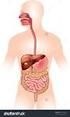 The Human Digestive System Name: Section: Date: Page 1 of 10 Page 2 of 10 Page 3 of 10 Page 4 of 10 Page 5 of 10 Page 6 of 10 Putting it All Together Digestive Enzymes Page 7 of 10 Page 8 of 10 Page 9
CHAPTER 9 BODY ORGANIZATION
 CHAPTER 9 BODY ORGANIZATION Objectives Identify the meaning of 10 or more terms relating to the organization of the body Describe the properties of life Describe the function for the structures of the
The Body Systems Lesson Plan
 The Body Systems Lesson Plan Science Standards Addressed (From the Colorado Department of Education) http://www2.cde.state.co.us/scripts/allstandards/costandards.asp?stid=7&stid2=0&glid2=0 Standard 2-Life
Instructions for Copying
 Instructions for Copying Answers are printed in non-reproducible blue. Copy pages on a light setting in order to make multiple copies for classroom use. Contents LIFE SCIENCE Chapter 1 From Cells to Ecosystems
IGCSE and GCSE Biology. Answers to questions. Section 2. Flowering Plants. Chapters 6-9. Chapter 6 Plant structure and function
 1 IGCSE and GCSE Biology. Answers to questions Section 2. Flowering Plants. Chapters 6-9 Chapter 6 Plant structure and function Page 54 1. a Epidermis. Helps maintain shape, reduces evaporation, resists
Scope and Sequence Interactive Science grades 6-8
 Science and Technology Chapter 1. What Is Science? 1. Science and the Natural World 2.Thinking Like a Scientist 3. Scientific Inquiry Scope and Sequence Interactive Science grades 6-8 Chapter 2. Science,
8. Study the cladogram underline the derived characteristics and circle the organisms that developed from them.
 Seed Plants: Gymnosperms and Angiosperms Answer the questions as you go through the power point, there are also paragraphs to read where you will need to hi-lite or underline as you read. 1. What are the
PLANT AND ANIMAL CELL ORGANELLES
 reflect The heart is an example of an organ. Think for a minute about your body. It s organized into parts that perform specific functions. For example, your heart functions to help transport materials
Summative Assessment #1 for The Inside Story Cells, Organs, and Systems of the Human Body
 Summative Assessment #1 for The Inside Story Cells, Organs, and Systems of the Human Body Table of Contents Item Page Number Summative Assessment #1, I Am Alive, Instructions page 2 Summative Assessment
Plants, like all other living organisms have basic needs: a source of nutrition (food),
 LEARNING FROM LEAVES: A LOOK AT LEAF SIZE Grades 3 6 I. Introduction Plants, like all other living organisms have basic needs: a source of nutrition (food), water, space in which to live, air, and optimal
Our American Trees by Robert C. Birkby
 North arolina Testing Program Our merican Trees by Robert. irkby The largest and oldest living things on earth are trees. Over a thousand kinds grow in the United States, and thousands more flourish in
The chemical reactions inside cells are controlled by enzymes. Cells may be specialised to carry out a particular function.
 12.1 What are animals and plants built from? All living things are made up of cells. The structures of different types of cells are related to their functions. to relate the structure of different types
Comparing Plant and Animal Cells
 1.2 Comparing Plant and Animal Cells Here is a summary of what you will learn in this section: Plant and animal cell structures are called organelles. Plant and animal cells perform some similar functions,
Animal & Plant Cell Slides
 Animal & Plant Cell Slides Category: Biology Type: Class Experiment, 60 min class Materials: 2 Glass Slides 2 Cover Slips 1 Bottle of methylene blue (optional) 1 Plastic tray 1 Bottle of iodine 1 Plastic
Genetic material of all living organisms. Biology - 100
 Genetic material of all living organisms. Biology - 100 This antibiotic is made from a fungus that was first discovered growing on an orange and it became the first antibiotic to treat infection. Biology
Getting Energy from Food Your Digestive System
 9 Getting Energy from Food Your Digestive System The Digestive System You know how your body gets the oxygen it needs. But how do your body s cells get the nutrients they need? Nutrients come from the
7.1 What Are Cells? You are made of cells. A cell is the basic unit of structure and function in a living thing. CHAPTER 7
 CELL STRUCTURE AND FUNCTION 7.1 What Are Cells? Look closely at the skin on your arm. Can you see that it is made of cells? Of course not! Your skin cells are much too small to see with your eyes. Now
An Adventure into Cells and Their Parts
 Learner Paper-based Material An Adventure into Cells and Their Parts Halla Publishing Company Myonghee Kim Nari Kim Ray Martinez Index How to use... 1 Introduction 7 What are cells?... 9 Comic strips.
Plant and Animal Cells
 Plant and Animal Cells Strand Topic Life Systems Investigating organelles and their functions in cells of living things Primary SOL LS.2 The student will investigate and understand that all living things
B2 Revision. Subject Module Date Biology B2 13 TH May (am)
 B2 Revision Subject Module Date Biology B2 13 TH May (am) Useful websites www.aqa.org.uk This website contains the specifications that we follow and also has a large number of past papers and mark schemes
ANSWERS AND MARK SCHEMES. (a) A - liver; 1 B -brain; 1 C - heart; 1 D - lung; 1 E - kidney; 1. (b) (i) E/kidney; 1. (ii) C/heart; 1.
 QUESTIONSHEET 1 A - liver; 1 B -brain; 1 C - heart; 1 D - lung; 1 E - kidney; 1 (b) (i) E/kidney; 1 C/heart; 1 (iii) B/brain; 1 (iv) D/lungs; 1 QUESTIONSHEET 2 (i) artery; 1 eye; 1 (iii) stomach; 1 (iv)
All About Cells Literacy Foundations Science: Biology
 Version 01 All About Cells Literacy Foundations Science: Biology 2012 by Open School BC This work is licensed under the Creative Commons Attribution-NonCommercial 4.0 International License. To view a copy
WEATHER, CLIMATE AND ADAPTATIONS OF ANIMALS TO CLIMATE
 7 WEATHER, CLIMATE AND ADAPTATIONS OF ANIMALS TO CLIMATE TEXTBOOK QUESTIONS AND ANSWERS Q.1. Why weather changes so frequently? Ans. All changes in the weather are caused by the sun. The movement of the
UNIT 1 - Living Organisms and the Environment Situations. Cells
 Lesson Summaries HUMAN AND SOCIAL BIOLOGY UNIT 1 - Living Organisms and the Environment Situations Lesson 2 Cells OBJECTIVES At the end of this lesson you will be able to: a) Describe the structure of
4.1 Chemical Energy and ATP. KEY CONCEPT All cells need chemical energy.
 4.1 Chemical Energy and ATP KEY CONCEPT All cells need chemical energy. 4.1 Chemical Energy and ATP Molecules in food store chemical energy in their bonds. Starch molecule Glucose molecule The chemical
Given these characteristics of life, which of the following objects is considered a living organism? W. X. Y. Z.
 Cell Structure and Organization 1. All living things must possess certain characteristics. They are all composed of one or more cells. They can grow, reproduce, and pass their genes on to their offspring.
Cells are tiny building blocks that make up all living things. Cells are so small that you need a microscope to see them.
 FC01 CELLS s are tiny building blocks that make up all living things. s are so small that you need a microscope to see them. ANIMAL CELL PLANT CELL This is the control centre of the cell. It contains chromosomes
Digestive System. Gross Anatomy and Physiology
 Digestive System Gross Anatomy and Physiology I. Introduction A. Base Function: Working with the circulatory system the digestive system provides the body with fuel. B. Main players: 1. Digestive tract:
Anatomy PHL 212. By Dr Tajdar Husain Khan
 Anatomy PHL 212 By Dr Tajdar Husain Khan Overview of Anatomy Anatomy(from the Greek word anatome,"dissection") is a branch of natural science dealing with the structural organization of living things The
Photo Cell Resp Practice. A. ATP B. oxygen C. DNA D. water. The following equation represents the process of photosynthesis in green plants.
 Name: ate: 1. Which molecule supplies the energy for cellular functions?. TP. oxygen. N. water 2. Photosynthesis The following equation represents the process of photosynthesis in green plants. What happens
The Digestive System Grade 5
 TEACHING LEARNING COLLABORATIVE (TLC) LIFE SCIENCE The Digestive System Grade 5 Created by: Shelly Bell (Kelseyville Elementary School), Bart Pontoni (Riviera Elementary School), Shane Lee (Pomo Elementary
6023-1 - Page 1. Name: 4) The diagram below represents a beaker containing a solution of various molecules involved in digestion.
 Name: 6023-1 - Page 1 1) Which one of the following situations indicates a serious organ system malfunction? A) Mitochondria stop functioning in a unicellular organism exposed to pollutants. B) White blood
Note Taking Guide. Topic # 3024 Comparative Digestive Systems
 Note Taking Guide Topic # 3024 Comparative Digestive Systems Digestive Systems Overview 1. Digestion Digestion: Food enters the mouth and goes through mechanical and chemical changes as it passes through
1. The diagram below represents a biological process
 1. The diagram below represents a biological process 5. The chart below indicates the elements contained in four different molecules and the number of atoms of each element in those molecules. Which set
CELLS: PLANT CELLS 20 FEBRUARY 2013
 CELLS: PLANT CELLS 20 FEBRUARY 2013 Lesson Description In this lesson we will discuss the following: The Cell Theory Terminology Parts of Plant Cells: Organelles Difference between plant and animal cells
Digestive System Notes
 Digestive System Notes Structure Function Relation Mouth cavity Mechanical digestion by teeth; chemical digestion of starch by saliva. Salivary glands Three pairs of glands which secrete saliva containing
Chapter 48. Nutrients in Food. Carbohydrates, Proteins, and Lipids. Carbohydrates, Proteins, and Lipids, continued
 Carbohydrates, Proteins, and Lipids The three nutrients needed by the body in the greatest amounts are carbohydrates, proteins, and lipids. Nutrients in Food All of these nutrients are called organic compounds,