
PrÏirozena poloha hlavy Natural Head Position
|
|
|
- Marilyn Blair
- 10 years ago
- Views:
Transcription
1 ORTODONCIE PrÏirozena poloha hlavy Natural Head Position rocïnõâk24 MDDr. Michaela HadrovaÂ, MUDr. TomaÂsÏ Hanzelka, PhD., MUDr. Josef KucÏ era, MUDr. Hana Tycova Ortodonticke oddeï lenõâ, Stomatologicka klinika 1. LF UK a VFN v Praze Department of Orthodontics, Clinic of Stomatology, 1st Medical Faculty of Charles University, Prague Souhrn CõÂl: Studie se veï novala hodnocenõâ prïirozeneâ polohy hlavy na seâ riõâch profilovyâ ch fotografiõâ. CõÂlem bylo zjistit rozdõâly prïi registraci v ruê znyâ ch usporïaâ daâ nõâch a popsat intraindividuaâ lnõâ variabilitu, kteraâ je velmi duê lezï itaâ vzhledem k bezpecï neâ mu pouzï itõâ prïirozeneâ polohy hlavy u pacientuê podstupujõâcõâch ortognaâ tnõâ operaci. Materia l a metodika: Soubor obsahoval 10 dospeï lyâ ch jedincuê. Na seâ rii profilovyâ ch fotografiõâ byla u kazïdeâ ho jedince registrovaâ na prïirozenaâ poloha hlavy ve cï tyrïech ruê znyâ ch usporïaâ daâ nõâch - ve stoje se zrcadlem, ve stoje bez zrcadla, vsedeï se zrcadlem a vsedeï bez zrcadla. Z hlediska zameï nitelnosti jednotlivyâ ch usporïaâ daâ nõâ byly srovnaâvaâ ny jejich strïednõâ hodnoty. U teï chto usporïaâ daâ nõâ byla hodnocena variabilita, jejõâzï znalost je duê lezï itaâ pro bezpecï neâ pouzï itõâ prïirozeneâ polohy hlavy v raâ mci plaâ novaâ nõâ leâ cï by. Vy sledky: Ve srovnaâ nõâ s polohou ve stoje se zrcadlem mohou ostatnõâ usporïaâdaâ nõâ poskytovat rozdõâlneâ pruêmeï rneâ hodnoty polohy hlavy. Byla takeâ zjisïteï na velkaâ variabilita, zejmeâ na ve zpuê sobu registrace bez zrcadla. ZaÂveÏr:UsporÏa daâ nõâ ve stoje se zrcadlem by meï lo zuê stat metodou volby prïi fotografickeâ m zaznamenaâ vaâ nõâ prïirozeneâ polohy hlavy. PomeÏ rneï velkaâ variabilita zjisïteï nyâch vyâ sledkuê by mohla byât duê vodem, procï by meï l prïirozenou polohu hlavy leâ karï zaznamenaâ vat na profiloveâ fotografii opakovaneï. SnõÂzÏilo by se tak riziko, zïe bude naâ hodneï zaznamenaâ na poloha hlavy v jedneâ z extreâ mnõâch hodnot (Ortodoncie 2015, 24, cï. 3, s ). Abstract Aims: The study assessed natural head position in the series of profile photographs. The aim was to identify the differences in the photographs taken in different arrangements and to describe intra-individual variability which is very important with regard to the safe use of natural head position in patients undergoing orthognathic surgery. Material and methods: The sample included 10 adults. In the series of profile photos of each individual natural head position was recorded in four different arrangements - in a standing position with a mirror, in a standing position without a mirror, in a sitting position with a mirror, and in a sitting position without a mirror. The mean values of individual positions were then compared. We evaluated the variability of each type of arrangement, as it is important for the safe use of natural head position in treatment planning. Results: In comparison with a standing position with a mirror the other settings may give different mean values for natural head position. A great variability was found especially in the photographs taken in a standing position without the aid of a mirror. Conclusion: The standing position with a mirror should remain a method of choice during the photographic registration of natural head position. The relatively great variability of the results might be the reason for the repeated registration of natural head position by means of a profile photo. Thus the risk of the registration of head position in an extreme posture may be diminished (Ortodoncie 2015, 24, No. 3, p ). KlõÂcÏ ovaâ slova: prïirozenaâ poloha hlavy, profilovaâ fotografie, variabilita Key words: natural head position, profile photo, variability [email protected] 131

2 rocïnõâk24 ORTODONCIE U vod Za klademuâ speï sï neâ ortodontickeâ leâ cï by je kvalitnõâ leâcï ebnyâ plaâ n. Ten muê zï e ortodontista stanovit pouze v prïõâpadeï, maâ -li k dispozici vesï kereâ potrïebneâ informace zõâskaneâ beï hemvstupnõâho vysï etrïenõâ, ktereâ se beï zïneï sklaâ daâ z anamneâ zy, extraoraâ lnõâho a intraoraâ lnõâho vysï etrïenõâ, vysï etrïenõâ funkcï nõâho, fotodokumentace, analyâ zy studijnõâch modeluê a analyâ zy rentgenovyâ ch snõâmkuê - panoramatickeâ ho a kefalometrickeâ ho rentgenoveâ ho snõâmku [1]. CÏ asto opomõâjenou informacõâ, kterou bychommeï libeï hemvstupnõâho vysï etrïenõâ zaznamenaâ vat, je tzv. prïirozenaâ poloha hlavy (angl. natural head position). Ta je pro kazïdeâ ho pacienta charakteristickaâ. VypovõÂda o skutecïneâ orientaci pacientovy hlavy v prostoru a umozï nï uje tak individuaâ lneï hodnotit zaâ vazï nost vady [2]. To je klõâcï oveâ prïedevsï õâmu pacientuê s plaâ novanou chirurgickou korekcõâ skeletaâ lnõâ vady, kde na spraâ vneâ a reaâ lneâ orientaci hlavy zaâ visõâ vyâ slednaâ estetika oblicï eje. Pro ilustraci vlivu ruê zneâ polohy hlavy pacienta na plaâ novaâ nõâ ortognaâ tnõâ operace je uvedeno scheâ ma (Obr. 1). NejpouzÏ õâvaneï jsï õâ referencï nõâ linie - Frankfurtska horizontaâ la [3] a v ortodoncii cï asteï ji pouzïõâvanaâ linie baze lebnõâ (linie SN nebo NS) [1] nevypovõâdajõâ nic o reaâ lneâ orientaci hlavy v prostoru u zï iveâ ho pacienta. Jejich variabilnõâmvztahemk prïirozeneâ horizontaâ le se zabyâvalo mnoho autoruê odbornyâch pracõâ [4, 5, 6, 7, 8, 9, 10, 11, 12] (Obr. 2). PraÂveÏ tato variabilita je vzhledem k orientaci hlavy vuê cï i prïirozeneâ horizontaâ le duê lezï iteï jsï õâ nezï pruê meï rnyâ sklon a znemozïnï uje pouzï õât pruê meï rneâ hodnoty sklonu Frankfurtske horizontaâ ly ke spraâ vneâ orientaci hlavy vuêcïiprïirozeneâ horizontaâ le. PrÏirozena poloha hlavy je definovaâ na jako pozice hlavy, kterou stojõâcõâ jedinec hledõâcõâ do daâ lky nejcï asteïji zaujõâmaâ ve vztahu k prïirozeneâ vertikaâ le. Jedna se o polohu dynamickou, kteraâ se neustaâ le pohybuje kolem sveâ pruê meï rneâ polohy [13, 14]. Ve vztahu k prïirozeneâ vertikaâ le a horizontaâ le je prïirozenaâ poloha hlavy u jedince dobrïe reprodukovatelnaâ a nabõâzõâ se tak z hlediska ortodontickeâ ho jako ideaâ lnõâ referencï nõâ linie umozïnï ujõâcõâ hodnocenõâ profilu oblicï eje [15]. PrÏirozenou polohu hlavy lze zaznamenat neï kolika zpuê soby, z nichzï historicky nejpouzï õâvaneï jsï õâ je kefalometrickyâ snõâmek lebky a v dnesï nõâ dobeï prïevazï ujõâcõâ profilovaâ fotografie. Profilova fotografie maâ z hlediska registrace prïirozeneâ polohy hlavy ve srovnaâ nõâ s kefalometrickyâ msnõâmkemdveï hlavnõâ vyâ hody - veï tsï õâ svobodu pohybu a libovolnou opakovatelnost fotografiõâ, kteraâ u kefalometrickeâ ho snõâmku nenõâ z hlediska opakovaneâ radiacï nõâ zaâ teï zï e mozï naâ. NejcÏ asteï ji doporucï ovanaâ metoda zaznamenaânõâ prïirozeneâ polohy hlavy je zalozï ena na praâ ci Molhaveho [16], kteraâ bude popsaâ na v metodice experimentu. KromeÏ spraâ vneâ polohy hlavy, kterou musõâ pacient zaujmout, je trïeba na Introduction A good quality treatment plan is the basis of successful orthodontic therapy. To prepare the plan, an orthodontist needs all necessary information obtained during the preliminary examination which includes anamnesis, extraoral and intraoral examination, functional examination, photographic documentation, analysis of study models and radiographs - panoramic and cephalometric [1]. The information about the socalled natural head position is often neglected; however, it should be paid attention to during the initial examination. Natural head position is characteristic for each patient. It gives the information about the actual patient's head orientation in space, and therefore makes it possible to individually assess the severity of an anomaly [2]. This is especially important in patients with planned surgical correction of a skeletal anomaly, as the correct and real orientation of head influences the resulting face esthetics. See the chart illustrating the impact of different head positions on the planning of orthognathic surgery (Fig.1). The most frequent reference line - Frankfort horizontal [3], and in orthodontics more often used cranial base (SN or NS line) [1] do not give any information about the real head orientation in space in a living patient. A number of authors have discussed the varying relationship of the lines to the natural horizontal [4, 5, 6, 7, 8, 9, 10, 11, 12] (Fig.2). With regard of the head orientation to the natural horizontal this variability is more important than an average inclination, and prevents the use of mean values of Frankfort horizontal inclination for the correct head orientation related to the natural horizontal. Natural head position is defined as the position of the head in upright posture, the eyes focused on a point in the distance at eye level that an individual uses most frequently in relation to the natural vertical. It is a dynamic position oscillating around its average posture [13, 14]. In relation to the natural vertical and horizontal, an individual's natural head position is easily reproducible, and fromthe orthodontic viewpoint it is an ideal reference line for the assessment of a face profile [15]. Natural head position may be recorded in different ways, the most often used being cephalogram of a skull, and a profile photo (the latter prevails today). In comparison with a cephalogram, a profile photo has two main advantages - greater freedom of movement, and reproducibility (which is impossible in cephalograms due to the repeated radiation load). The widely recommended registration of natural head position is based on the work by Molhave [16]. Apart fromthe correct head posture assumed by the patient it is necessary to register also the natural vertical or horizontal reference plane [email protected]

3 ORTODONCIE rocïnõâk24 Obr. 1. Vliv variability prïirozeneâ polohy hlavy pacienta se III. skeletaâ lnõâ trïõâdou na plaâ novaâ nõâ ortognaâ tnõâ operace. Prvnõ rïaâ dek (1) znaâ zornï uje hlavu pacienta v pruê m eï rneâ prïirozeneâ poloze (1A) a ve dvou krajnõâch hodnotaâ ch odchyâlenyâch od pruê m eï rneâ hodnoty o 5 stupnï uê ve smyslu prïedklonu (1B) a ve smyslu zaâ klonu (1C). Druhy rïaâ dek (2) reprezentuje plaâ ny ortognaâ tnõâ operace (2A,2B,2C) v zaâ vislosti na poloze hlavy zobrazeneâ v rïaâ dku (1). TrÏetõ rïaâ dek (3) ukazuje vyâslednyâ profil pacienta po ortognaâ tnõâ operaci, zaujme-li pacient ve vsï ech trïech prïõâpadech pruêmeï rnou prïirozenou polohu hlavy (3A,3B,3C) (obr. E. RychtarÏõÂkovaÂ) Fig. 1. The impact of variability of natural head position in a patient with Skeletal Class III on the orthognathic surgery planning. The first line (1) represent the patient`s head in the mean natural position (1A) and in two extreme values diverting from the mean one by 5 in forward bend (1B) and backward bend (1C). The second line (2) represents orthognathic surgery plans (2A,2B,2C) related to head positions given in line one (1). The third line (3) shows the resulting profile of the patient after the orthognathic surgery provided that the patient takes an average natural head position in all three cases (3A,3B,3C) (fig. E. RychtarÏõÂkovaÂ) Obr. 2. Variabilita Frankfurtske horizontaâ ly (modrïe) a linie SN (cï erveneï ). VolneÏ podle Bjerina [5] - E. RychtarÏõÂkovaÂ. Fig. 2. Variability of Frankfort horizontal (blue) and SN line (red). Adapted frombjerin [5] - E. RychtarÏõÂkovaÂ. [email protected] 133

4 rocïnõâk24 ORTODONCIE Material and method The sample included dentists - postgraduate students at the Department of Orthodontics. There were 7 women and 3 men, mean age 30.0 ± 3.5 years. The subjects have to meet several criteria: free movement of skeleton, no injury of cervical spine or head in their anamnesis, no symptoms of impaired vestibular system, cerebellum and proprioceptive system responsible for body equilibrium; sharp vision or a defect correction with contact lens were also important; upper airways had to be clear at the time of the experiment to enable free breathing through a nose. The subject must not wear heel shoes that could have impact on the overall body posture. Natural head position was recorded in a profile photograph taken with a camera Nikon D5100, AF-S Nikkor lens mm F ED VR. An external photoflash Metz MB 52 AF-1 Digital was used to improve light conditions. The experiment was designed according to the study by Cook et al. [20, 21, 22]. To control natural head position a wall-mounted mirror was used. At the distance of 2 metres from the mirror there was drawn the mark on the floor indicating a space for a pasnõâmku zachytit prïirozenou vertikaâ lnõâ nebo horizontaâ lnõâ referencï nõâ rovinu. Sta lostõâ prïirozeneâ polohy v cï ase a za ruê znyâch podmõânek se zabyâvaâ reprodukovatelnost meïrïenõâ (angl. measurement reproducibility). Ta prïedstavuje variabilitu strïednõâch hodnot opakovanyâch meïrïenõâ stejneâ promeï nneâ zaruê znyâch podmõânek. NejcÏ asteïjsï õâ a nejduê lezïiteï jsï õâ zkoumanou vlastnostõâ prïirozeneâ polohy hlavy je jejõâ reprodukovatelnost v cï ase. VeÏ tsï ina odbornyâ ch studiõâ zabyâ vajõâcõâch se prïirozenou polohou hlavy se doposud zameï rïovala na kraâ tkodobou cï i dlouhodobou reprodukovatelnost prïirozeneâ polohy hlavy hodnocenou na zaâ kladeï dvojic kefalometrickyâ ch rentgenovyâch snõâmkuê [4,17,18,19,20,21,22]. Tyto studie dostatecï neï nezohlednï ovaly individuaâ lnõâ variabilitu prïirozeneâ polohy hlavy, protozïe vychaâ zely pouze z jednoraâ zoveï zaznamenaneâ polohy na kefalometrickeâ msnõâmku. Ta bohuzï el nevypovõâdaâ o dynamickeâ mcharakteru prïirozeneâ polohy hlavy ani o krajnõâch hodnotaâ ch, kteryâch muê zïe prïirozenaâ poloha hlavy ve vztahu k praveâ horizontaâ le dosahovat. PrÏitompra veï tyto krajnõâ hodnoty jsou, pro bezpecï neâ pouzï itõâ prïirozeneâ polohy hlavy jako referencï nõâ linie, zaâ sadnõâ. CõÂlemstudie bylo zjistit, zda ruê zneâ zpuê soby zaznamenaânõâ prïirozeneâ polohy hlavy na profiloveâ fotografii poskytujõâ stejnou pruê meï rnou polohu hlavy jako v odborneâ literaturïe nejcï asteï ji zminï ovaneâ usporïaâdaânõâ ve stoje se zrcadlem[7, 19, 21, 22]. Da le byla sledovaâna variabilita prïirozeneâ polohy v zaâ vislosti na usporïaâ daânõâ. Materia l a metodika Sledovanou skupinu tvorïili leâ karïi v prïedatestacï nõâ prïõâpraveï na Ortodonticke moddeï lenõâ. Do zkoumaneâ ho souboru bylo zarïazeno 7 zï en a 3 m uzï i, jejichzï pruê m eï rnyâ veïkcï inil 30,0 ± 3,5 let. Pro zacï leneï nõâ do sledovaneâ skupiny museli jedinci splnï ovat urcï itaâ kriteâ ria. MeÏ li vykazovat volnou pohyblivost skeletu a nemeï li mõât v anamneâze uâ raz krcïnõâ paâ terïe a hlavy. Take nemeïly byât prïõâtomny prïõâznaky posï kozenõâ vestibulaâ rnõâho aparaâ tu, mozecï ku a proprioceptivnõâho systeâ mu, ktereâ zodpovõâdajõâ za udrzïenõâ rovnovaâhyteï la. DuÊ lezï itaâ byla dobraâ zrakovaâ ostrost cï i prïõâpadneï korekce ocï nõâ vady pomocõâ kontaktnõâch cï ocï ek. Hornõ dyâ chacõâ cesty musely byât v dobeï experimentu dobrïe pruê chodneâ, aby bylo umozïneï no volneâ dyâchaâ nõâ nosem. Jedinci nesmeï li mõât obuv s podpatkem, kteraâ by mohla mõât vliv na celkoveâ drzï enõâ teï la. PrÏirozena poloha hlavy byla zaznamenaâvaâna na profiloveâ fotografii zhotoveneâ fotoaparaâ temnikon D5100 s objektivemaf-s Nikkor mmf3,5-5,6g ED VR. Pro zlepsï enõâ sveï telnyâch podmõânek byl pouzï it externõâ blesk Metz MB 52 AF-1 Digital. Design pokusu vychaâ zel ze studie publikovaneâ Cookema kolektivem[20, 21, 22]. K zaznamenaânõâprïi- The invariability of natural position in time and under different conditions is the focus of measurement reproducibility. Measurement reproducibility represents the variability of mean values of repeated measurements of the same parameter under different conditions. The most frequently studied and the most important characteristics of natural head position is its reproducibility in time. Most studies dealing with natural head position have focused on a short-term or long-termreproducibility of natural head position assessed in pairs of cephalograms [4, 17, 18, 19, 20, 21, 22]. These studies did not take into account the individual variability of natural head position because they were based solely on a single head position registered by cephalometric radiograph. Unfortunately, cephalograms do not give evidence of a dynamic character of natural head position or about extreme values that may be achieved in relation of natural head position to the right horizontal. Nevertheless, the extreme values are fundamental for the safe use of natural head position as the reference line. The aimof the presented study was to find out whether different types of natural head position registration on a profile photograph provide the same mean head position as those taken in a standing position with the aid of a mirror (the one most often cited in the relevant literature) [7, 19, 21, 22]. Further, the variability of natural head position related to different arrangements was surveyed [email protected]

5 ORTODONCIE rocïnõâk24 rozeneâ polohy hlavy bylo zapotrïebõâ zrcadla prïipevneïneâ ho na zdi. Ve vzdaâ lenosti 2 metruê od zrcadla byla na podlaze nakreslenaâ znacï ka urcï ujõâcõâ prostor pro pacienta. Za pacientembyly na zdi spusï teï neâ 3 olovnice vymezujõâcõâ prostor pro prïõâpadneâ exkurze pacienta a jejich uâ kolembylo na fotografii znaâ zornï ovat prïirozenou vertikaâ lu danou gravitacï nõâ silou. ProstrÏednõ olovnice odpovõâdala znacï ce pro pacienta a zaâ rovenï byla jejõâ pozice duê lezï itaâ pro umõâsteï nõâ stativu s fotoaparaâ tem. Ten se nachaâ zel na kolmici k linii spojujõâcõâ zrcadlo a znacïku pro pacienta. Vzda lenost cï ela objektivu ke znacï ce pro pacienta byla 2 metry, tedy ve vzdaâ lenosti, ve ktereâ jizï nenõâ vyâ znamneâ riziko deformace obrazu zkreslenõâm objektivu [20, 21, 22, 23]. U kazïdeâ ho jedince zmeïrïena a zaznamenaâ na vzdaâ lenost od podlahy ke korïeni nosu v poloze vsedeï i ve stoje. Tato vzdaâ lenost byla naâsledneï pouzï ita k vyâsï koveâ mu nastavenõâ fotoaparaâ tu umõâsteï neâ ho na stativu. PrÏesnou polohu fotoaparaâ tu zajisï t'ovala na objektivu zaveï sï enaâ olovnice, kteraâ m u- sela korespondovat s prïõâslusï nou znacï kou na podlaze. K dosazï enõâ prïirozeneâ polohy hlavy byl jedinec instruovaâ n podle protokolu Solowa a Tallgrenove [18], kterïõâ vychaâ zeli z puê vodnõâ praâ ce Molhaveho [16]. Jedinec byl pozïaâdaâ n, aby se nejprve prosï el po mõâstnosti a uvolnil se a poteâ se postavil na znacï ku, rozkrocï il nohy na sïõârïi ramen s chodidly smeïrïujõâcõâmi mõârneï od sebe a s rukama volneï sveïsï enyâma podeâl teï la. Byl vyzvaân, aby strïõâdaveï zaklaâneï l a prïedklaâneï l hlavu a postupneï zmensï oval exkurze azï do ustaâ lenõâ hlavy v jejõâ prïirozeneâ poloze [18]. Toto cvicï enõâ bylo opakovaâno prïed porïõâzenõâmkazïdeâ fotografie. BeÏ hemzaznamenaâ nõâ fotografiõâ bez zrcadla bylo zrcadlo zakryteâ zaâ veï semneutraâ lnõâ barvy bez vzoru a vysï etrïovanyâ m eï l hledeï t prïed sebe do daâ lky. Podle stejneâ ho principu naâ sledneï probõâhalo i porïizovaâ nõâ profilovyâ ch fotografiõâ vsedeï se zrcadlem a bez zrcadla. ZÏ idle byla vyâsï koveï nastavenaâ tak, aby meï l jedinec kolena do praveâho uâ hlu vuêcï i stehnuêm i podlaze. Fotografovany se nesmeï l opõârat o opeï rku zïidle, zaâ da meï l mõât narovnanaâ a ruce polozï eneâ volneï v klõâneï.vyâsï ka fotoaparaâ tu byla pro fotografovaâ nõâ vsedeï upravena. Na oblicï ej kazïdeâ ho vysï etrïovaneâ ho byly prïed fotografovaâ nõâmtenkyâ mfixemvyznacï eny dva body, ktereâ slouzïily ke sledovaâ nõâ zmeï ny polohy hlavy jedince beïhemceleâ ho experimentu. Prvnõ bod byl umõâsteï n v oblasti tragu, druhyâ v oblasti okraje kosti nosnõâ prïi apertura piriformis nasi. Oba body musely byâ t dobrïe viditelneâ na profiloveâ m snõâmku a nemeï ly byâ t ovlivnitelneâ dyâ chaâ nõâm. PrÏirozena poloha hlavy byla registrovaânavecï tyrïech ruê znyâch usporïaâdaâ nõâch - ve stoje se zrcadlem, ve stoje bez zrcadla, v sedeï se zrcadlema v sedeï bez zrcadla. V kazïdeâ musporïaâ daâ nõâ bylo pro kazïdeâ ho sledovaneâ ho jedince porïõâzeno 20 profilovyâch fotografiõâ. tient. On the wall behind the patient there were three plumbs hanging from the wall indicating space for possible excursions of the patient; in the photograph the plumbs represented the natural vertical set by gravitational force. The central plumb corresponded to the patient's mark; its position was important for the location of the tripod with a camera. The tripod was on the perpendicular line to the line connecting the mirror and the patient's mark. The distance between the front of the objective and the patient's mark was 2 m; at that distance there is not a significant risk of the image distortion due to a camera objective bias [20, 21, 22, 23]. In each proband the distance between the floor and the bridge of the nose was measured in both sitting and standing positions. The distance served for the adjustment of the height of the camera on the tripod. The correct position of the camera was ensured by the plumb hanging fromthe objective - the plumb had to correspond to the mark on the floor. The probands were instructed according to the protocol established by Solow and Tallgren [18] based on the work of Molhave [16]. Each person was asked to walk around the roomand relax, and then to stand on the mark, spread the legs to the shoulders width, feet moderately apart, and arms slouching along the body. Then they were asked to tilt the head backward and forward and gradually reduce the excursions to stabilize the head in natural position [18]. The process was repeated before each photograph was taken. When taking photos without a mirror, the mirror was veiled with a plain curtain of neutral color, and the person photographed was instructed to look forward in the distance. The same procedure was repeated for profile photographs in a sitting position with and without the aid of a mirror. The chair was adjusted so that the person's knees were in the right angle to the thighs and the floor. The persons must not lean on the chair backrest; their back was straight and arms in the lap. The height of the camera was adjusted for taking photos in a sitting position. On each proband's face two points were made with a felt-tip; the points made it possible to monitor changes in a person's head position during the experiment. The first mark was in the area of tragus, the second one in the edge'of nasal bone area next to apertura piriformis nasi. Both marks had to be visible in a profile photo and must not be influenced by breathing. Natural head position was registered in four settings/arrangements - in a standing position with and without a mirror, in a sitting position with and without a mirror. In each setting there were taken 20 profile photographs for each proband. In the photographs the CL-TV angle was measured between the plumb (right vertical, TV) visible in each [email protected] 135

6 rocïnõâk24 ORTODONCIE Obr. 3. Linie TV (prïirozenaâ vertikaâ la) je urcï ena olovnicõâ zaveïsï enou za pacientem. Konstruovana linie CL je spojnice mezi znacï kou v oblasti tragu a znacï kou na okraje kosti nosnõâ prïi apertura piriformis nasi. Mezi nimi je meïrïen uâ hel CL-TL. Fig. 3. TV line (natural vertical) is determined by the plumb hanging behind a patient. Construed CL line is the connecting line between the point in the tragus area and the point in the adge of nose bone area next to apertura piriformis nasi. CL-TL angle is measured between the two. Na fotografiõâch byl meïrïen uâ hel CL-TV mezi olovnicõâ (pravaâ vertikaâ la, TV) viditelnou na kazïdeâ msnõâmku za pacientema mezi liniõâ definovanou znacï kou v oblasti tragu a okraje kosti nosnõâ prïi apertura piriformis nasi (konstruovanaâ linie, CL) (Obr. 3) K meïrïenõâ byl pouzïit programgolden Ratio (Marcus Welz). StrÏednõ hodnoty v teï chto cï tyrïech usporïaâ daâ nõâch byly testovaâ ny. Rovnost usporïaâ daâ nõâ byla testovaâ na pomocõâ ANOVA testu s nulovou hypoteâ zou, zïe vsï echna usporïaâ daâ nõâ majõâ stejnou strïednõâ hodnotu jako usporïaâdaâ nõâ ve stoje se zrcadlem. Nutny prïedpoklad normality rozdeï lenõâ dat byl oveï rïen pomocõâ Lillieforsova testu. VsÏ echny testy byly provedeny na hladineï vyâ znamnosti p < 0,05. Byla porovnaâ na mõâra variability u teï chto usporïaâdaâ nõâ. Pro charakterizaci meï rïenyâ ch velicï in z hlediska velikosti kolõâsaâ nõâ hodnot byly pouzï ity mõâry variability - variacï nõâ rozpeï tõâ (range), tj. rozdõâl mezi maximaâ lnõâ a minimaâ lnõâ registrovanou hodnotou a rozptyl. Chyba meïrïenõâ zkoumanyâch velicï in byla urcï ena pomocõâ Dahlbergovy ch promeï nnyâ ch TEM (Technical Error of Measurement) = 0,10, rtem (Relative Technical Error of Measurement) = 0,12 % a SEM (Standard Error of Measurement) = ZvyÂsledkuÊ meïrïenõâ vyplyâvaâ, zïe meï rïenõâ bylo velmi prïesneâ, cozï je pravdeï podobneï daâ no mozï nostõâ vyâ razneâ ho zveï tsï enõâ fotografie beï hemurcï ovaâ nõâ polohy znacï ek a olovnice. Prakticky vesï keraâ variabilita vyâ sledkuê tak vyplyâvaâ ze zm eï ny polohy pacienta beï hemfotografovaânõâ. Vy sledky PruÊmeÏ rneâ vyâsledky z 20 registracõâ u kazïdeâ ho jednotlivce se pro jednotlivaâ usporïaâdaâ nõâ lisï õâ (Tab. 1). ANOVA photograph behind a proband, and between the line determined by the point in the tragus area and the edge of nasal bone next to apertura piriformis nasi (construed line, CL) (Fig. 3). The programme Golden Ratio (Marcus Welz) was used for measurements. The mean values of the four settings were tested. Equality of settings was tested with ANOVA test with zero hypothesis that all settings has the same mean value as in a standing position with a mirror. The necessary assumption of the normal data distribution was verified with Lilliefors test. All the tests were performed on the level of significance p < The degree of variability was compared. To characterize the value indicated fromthe viewpoint of value fluctuation we used degrees of variability - variance, i.e. the difference between the maximum and minimum registered value, and dispersion variance. The measurement error was determined with Dahlberg's variables TEM (Technical Error of Measurement) = 0.10, rtem (Relative Technical Error of Measurement) = 0.12%, and SEM (Standard Error of Measurement) = The results suggest that measurements were very precise which is probably thanks to the possibility to magnify the photo during determination of the marks and plumb position. Virtually all variability of the results is due to the changes in the patient's posture during taking the photographs. Results The mean results of 20 records of each proband are different for different settings (Table 1). ANOVA test showed statistically significant difference between the photographs taken in a standing position with a mirror and any of the other three settings in 80% of probands: statistically significant differences were found as follows: 70% in a sitting position without a mirror, 30% in a sitting position with a mirror, 20% in a standing position without a mirror. With help of variables of the variance it was proved that in persons photographed in a standing position with a mirror the lowest dispersion variance was in 60% of cases, and the lowest range of variance in 70% of cases. The highest dispersion and the highest range of variance reached 80% and was found in patients photographed in a standing position without a mirror. From the clinical viewpoint the highest variance range of 13.4 was interesting. The values of range of variance and dispersion of variance are summed up in tables and represented in graphs (Table 1, 2) (Fig. 4-7). Discussion The aimof the presented study was to find out whether it is possible to fully substitute the registration of natural head position in a standing position with a mir [email protected]

7 ORTODONCIE rocïnõâk24 test prokaâ zal statisticky vyâ znamnyâ rozdõâl mezi usporïaâdaâ nõâmve stoje se zrcadlema neï kteryâ mze trïõâ dalsï õâch usporïaâdaâ nõâ u 80 % jedincuê.uteï ch, kde se potvrdil statisticky vyâznamnyâ rozdõâl, bylo v 70 % vyâznamneï odlisïneâ usporïaâdaâ nõâ vsedeï bez zrcadla, ve 30 % usporïaâdaâ nõâ vsedeï se zrcadlema ve 20 % usporïaâdaâ nõâ ve stoje bez zrcadla. PomocõÂ velicï in mõâry variability bylo prokaâ zaâ no, zïe u jedincuê fotografovanyâ ch ve stoje se zrcadlembyl nejnizïsï õâ rozptyl v 60% a nejnizïsï õâ variacï nõâ rozpeïtõâv 70 % prïõâpaduê. NejvysÏsÏ õâ rozptyl i nejvysïsï õâ rozpeï tõâ bylo prïõâtomneâ shodneï v 80% prïõâpaduê u pacientuê fotografova- ror with another arrangement. The reason for the research was the assumption that some orthodontists do not use a mirror during taking the profile photo, and that they tend to photograph a person of tall build in a sitting position. In 80% of probands the statistically significant difference was found between the values measured in a standing position with a mirror and the other arrangements. The most frequent difference was found (70%) in comparison with a sitting position without a mirror. We suppose this is due to a great variability in a sitting position compared to a standing one. The mirror may also play its Tab. 1. PruÊ m eï rneâ hodnoty uâ hlu CL-TV a variacï nõâ rozpeï tõâ (Range) Tab. 1. Angle CL-TV, mean values and the range of variance Jedinec Individual Ve stoje se zrcadlem Standing with a mirror Ve stoje bez zrcadla Standing without mirror V sedeï se zrcadlem Sitting with a mirror V sedeï bez zrcadla Sitting without mirror Mean R Mean R Mean R Mean R Max Min Mean - pruêmeï r z 20 fotografiõâ jednotlivce, mean of 20 pictures of the individual R - variacï nõâ rozpeï tõâ (rozdõâl mezi maximaâ lnõâ a minimaâ lnõâ registrovanou hodnotou u jedince), range of variance( the difference betwee the maximal and minimal value of the individual) Tab. 2. Rozptyl ( ) u jednotlivcuê a skupin. Tab. 2. Variance ( ) in individuals and groups Jedinec Individual Ve stoje se zrcadlem Standing with a mirror Ve stoje bez zrcadla Standing without mirror V sedeï se zrcadlem Sitting with a mirror V sedeï bez zrcadla Sitting without mirror Max Min PruÊ meïr Mean SD [email protected] 137

8 rocïnõâk24 ORTODONCIE Obr. 4. NejmensÏ õâ variacï nõâ rozpeï tõâ. Osa y - pocï et jedincuê s nejmensïõâm variacï nõâmrozpeï tõâm. Fig. 4. The least range of variance. Axis y - number of individuals with the least range of variance. Obr. 5. NejmensÏ õâ rozptyl. Osa y - pocï et jedincuê s nejmensï õâmrozptylem. Fig. 5. The least variance. Axis y - number of individuals with the least variance. Obr. 6. NejveÏtsÏ õâ variacï nõâ rozpeï tõâ.. Osa y - pocï et jedincuê s nejveïtsïõâm variacï nõâmrozpeï tõâm. Fig. 6. The greatest range of variance. Axis y - number of individuals with the greatest range of variance. nyâch ve stoje bez zrcadla. Z klinickeâ ho hlediska je zajõâmaveâ nejvysï sï õâ dosazï eneâ rozpeï tõâ, ktereâ cï inilo 13,4 stupneï.vyâ sledneâ hodnoty variacï nõâho rozpeï tõâ a rozptylu nameïrïenyâch hodnot jsou uvedeny v tabulkaâ ch a znaâzorneï ny na grafech. (Tab. 1, 2), (Obr. 4-7) Diskuse CõÂlemstudie bylo zjistit, zda je mozïneâ z hlediska zaznamenaânõâ prïirozeneâ polohy hlavy plnohodnotneï nahradit usporïaâ daâ nõâ ve stoje se zrcadlemusporïaâ daâ nõâmjinyâm. DuÊ vodembyl prïedpoklad, zïe cï aâ st ortodontistuê beï hemporïizovaâ nõâ profiloveâ ho snõâmku pravdeï podobneï nepouzïõâvaâ zrcadlo nebo fotografuje pacienta vysïsïõâho vzruê stu vsedeï. U 80 % jedincuê byl statisticky signifikantnõâ rozdõâl mezi hodnotami zjisïteïnyâmi v usporïaâdaâ nõâ ve stoje a se zrcadlemve srovnaâ nõâ s neï kteryâ mz dalsï õâch usporïaâ daâ nõâ. NejcÏ asteï ji, u 70 % jedincuê se lisï ilo usporïaâdaâ nõâ vsedeï bez zrcadla. DomnõÂva me se, zïe je to zpuê sobeno velkou variabilitou polohy vsedeï ve srovnaâ nõâ s polohou ve stoje. Svou roli muêzï e hraâ t i absence zrcadla, ktereâ by mohlo pomoci prïirozenou polohu hlavy kompenzovat. Tuto domneï nku neprïõâmo potvrzujõâ vyâ sledky pro usporïaâdaâ nõâ vsedeï se zrcadlem, ktereâ se ve srovnaâ nõâ s uspo- Obr. 7. NejveÏtsÏ õâ rozptyl. Osa y - pocï et jedincuê s nejveïtsï õâmrozpeïtõâm. Fig. 7. The greatest variance. Axis y - number of individuals with the greatest variance. role as it can help to compensate natural head position. This view is supported by the results of measurements done in photographs taken in a sitting position with a mirror - the difference between this position and a standing position with a mirror was found only in 30% of the probands. The values for a standing position without a mirror differ only in 20% of probands, however, there was the highest dispersion variance. The greatest variability in values measured in a standing position without a mirror is due to a reduced stability of a standing patient (movement backward and forward) compared to that of a sitting patient. A sitting position, though less variable, should not be used for the natural head position registration because it may provide different mean values than a standing position with a mirror [24]. The comparison of the two standing positions (with and without a mirror) suggests the importance of the mirror in the recording of natural head position. The mirror makes it easier for patients to correct their position due to visual control [25]. The use of a mirror appears to be the key factor in the reduction of variability of natural head position during its registration. To compare the results of our study with other studies is rather questionable. Most studies assessed [email protected]

9 ORTODONCIE rocïnõâk24 rïaâdaâ nõâmve stoje se zrcadlemsignifikantneï lisï ily jizï jen v30%prïõâpaduê. Poloha ve stoje bez zrcadla byla odlisïnaâ pouze u 20 % jedincuê, ale trpeï la nejvysïsï õâmrozptylemhodnot. NejvysÏ sï õâ variabilita hodnot ve stoje bez prïõâtomnosti zrcadla je daâ na nizïsï õâ stabilitou stojõâcõâho pacienta ve smyslu prïedozadnõâho pohybu ve srovnaâ nõâ s polohou vsedeï. Poloha vsedeï,acïmeâneï variabilnõâ, by vsï ak nemeïla byât pouzïõâvaâ na pro registraci prïirozeneâ polohy hlavy, protozï e muê zï e poskytovat pruêmeï rneï jineâ hodnoty prïirozeneâ polohy hlavy nezï poloha ve stoje se zrcadlema za optimaâ lnõâ je povazïovaâ na poloha ve stoje [24]. Srovna nõâ nejmeâneï variabilnõâho usporïaâdaâ nõâ ve stoje se zrcadlems nejvõâce variabilnõâmusporïaâdaâ nõâmve stoje bez zrcadla daâ le naznacï uje duê lezïitost pouzï itõâ zrcadla beï hemzaznamenaâ vaâ nõâ prïirozeneâ polohy hlavy. Zrcadlo pravdeï podobneï umozïnï uje pacientovi leâ pe korigovat polohu pomocõâ lepsï õâho uplatneï nõâ vizuaâ lnõâch naprïimovacõâch reflexuê [25] a jeho pouzï itõâ se tak jevõâ jako klõâcï oveâ z hlediska snõâzï enõâ variability prïirozeneâ polohy hlavy beï hemjejõâ registrace. Srovna nõâ vyâ sledkuê nasï õâ studie s odbornou literaturou je problematickeâ. Naprosta veï tsï ina studiõâ hodnotila pouze reprodukovatelnost prïirozeneâ polohy hlavy na dvojicõâch snõâmkuê pomocõâ chyby meïrïenõâ [17, 18, 20, 21, 22]. Samotna intraindividuaâ lnõâ variabilita prïirozeneâ polohy hlavy v teï chto studiõâch nemohla byâ t zachycena. PrÏitompraÂveÏ variabilita je dle nasï eho naâ zoru z hlediska bezpecï neâ ho pouzï itõâ prïirozeneâ polohy hlavy klõâcï ovaâ. ZaÂveÏr PrÏirozena poloha hlavy je definovaâ na jako klidovaâ poloha hlavy stojõâcõâho pacienta hledõâcõâho na horizont a usporïaâdaâ nõâ ve stoje se zrcadlemje povazï ovaâno za optimaâ lnõâ zpuê sob registrace prïirozeneâ polohy hlavy [18, 20, 21, 22]. Na zaâ kladeï vyâsledkuê teâ to studie lze rïõâci, zï e usporïaâdaâ nõâ nejsou z hlediska strïednõâch hodnot zameï nitelnaâ. Z tohoto pohledu se jevõâ registrace prïirozeneâ polohy hlavy u stojõâcõâho pacienta hledõâcõâho do zrcadla jako nejbezpecï neï jsï õâ z hlediska mozïneâho vyâskytu extreâ mnõâch hodnot, ktereâ by mohly veâ st ke stanovenõâ nespraâ vneâ ho terapeutickeâ ho plaâ nu, pokud by zuê staly neodhaleny [2, 7]. Z klinickeâ ho hlediska lze zvaâ zï it, zda by nebylo vhodneâ standardneï zaznamenaâ vat prïirozenou polohu hlavy opakovaneï, naprïõâklad 5x. Na sledneï by se vyrïadily dveï fotografie s krajnõâmi minimaâ lnõâmi a maximaâ l- nõâmi polohami hlavy a pro tvorbu terapeutickeâ ho plaâ nu by se pouzï ila fotografie zbyâ vajõâcõâ. Minimalizovalo by se tak riziko, zïe leâ karï zachytõâ prïirozenou polohu hlavy v jedneâ z krajnõâch poloh. AutorÏi nemajõâ komercï nõâ, vlastnickeâ nebo financï nõâ zaâ jmy na produktech nebo spolecï nostech popsanyâ ch v tomto cïlaâ nku. only the reproducibility of natural head position in pairs of photographs using the error of measurement [17, 18, 20, 21, 22]. The intraindividual variability of natural head position thus could not be described. However, we believe that the variability is the key factor in the safe use of natural head position. Conclusion Natural head position is the resting position of head of a standing patient looking forward on the horizon. The optimum registration is made in a standing position with the aid of a mirror [18, 20, 21, 22]. The results of our study suggest that individual arrangements are not interchangeable fromthe viewpoint of the mean values. The registration made in a standing position with a mirror is the safest from the viewpoint of potential extreme values that could lead to incorrect treatment plan [2, 7]. Fromthe clinical viewpoint we suggest to consider repeated registration of natural head position, e.g. five times. Then the two photographs with extreme minimum and maximum head positions would be excluded, and the treatment plan would work with the remaining photograph. Thus the risk of extreme head position registration would be minimized. The authors have no commercial, ownership or financial interests in the products or companies mentioned in the article. Literatura 1. KamõÂnek, M.; et al.: Ortodoncie. Praha: Gale n, Verma, S.K.; Maheshwarib, S.; Gautamc, S.N.; Prabhatd, K.C.; Kumare, S.: Natural head position: key position for radiographic and photographic analysis and research of craniofacial complex. J. Oral. Biology Craniofac. Research. 2012, 2, cï. 1, s LundstroÈ m, A.; LundstroÈ m, F.: The Frankfort horizontal as a basis for cephalometric analysis. Amer. J. Orthodont. dentofacial Orthop. 1995, 107, cï. 5, s Foster, T.D.; Howat, A.P.; Naish, P.J.: Variation in cephalometric reference lines. Brit. J. Orthodont. 1981, 8, cï. 4, s Bjerin, R.: A comparison between the Frankfort horizontal and the sella turcica-nasion as reference planes in cephalometric analysis. Acta Odontol. Scand. 1957, 15, cï. 1, s LundstroÈ m, A.; LundstroÈ m, F.: Natural head position as a basis for cephalometric analysis. Amer. J. Orthodont. dentofacial Orthop. 1992, 101, cï. 3, s Madsen, D.P.; Sampson, W.J.; Townsend, G.C.: Craniofacial reference plane variation and natural head position. Eur. J. Orthodont. 2008, 30, cï. 5, s Leitao, P.; Nanda, R.S.: Relationship of natural head position to craniofacial morphology. Amer. J. Orthodont. dentofacial Orthop. 2000, 117, cï. 4, s [email protected] 139

10 rocïnõâk24 ORTODONCIE 9. Barbera, A.L.; Sampson, W.J, Townsend, G.C.: An evaluation of head position and craniofacial reference line variation. J. Comp. Human Biology. 2009, 60, cï.1, s LundstroÈ m, A.; Cooke, M.S,: Proportional analysis of the facial profile in natural head position in Caucasian and Chinese children. Br. J. Orthodont. 1991, 18, cï. 1, s LundstroÈ m, A.: Head posture in relation to slope of the sella-nasion line. Angle Orthodont. 1982, 52, 1, s Cole, S.C.: Natural head position, posture, and prognathism: the Chapman Prize Essay, Brit. J. Orthodont. 1988, 15, cï. 4, s Cit in Cooke, M.S.; Wei, S.H.Y.: The reproducibility of natural head posture: A methodological study. Amer. J. Orthodont. dentofacial Orthop. 1988, 93, cï. 4, s UÈ șuè mez, S.; Uysalb, T.; Orhanc, M.; Sogancid, E.: Relationship between static natural head position and head position measured during walking. Amer. J. Orthodont. dentofacial Orthop. 2006, 129, cï. 1, s LundstroÈ m, A.; Forsberg, C.M.; Westergren, H.; LundstroÈ m, F.: A comparison between estimated and registered natural head posture. Eur. J. Orthodont. 1991, 13, cï. 1, s Madsen, D.P.; Sampson, W.J.; Townsend, G.C.: Craniofacial reference plane variation and natural head position. Eur. J. Orthodont. 2008, 30, cï. 5, s Molhave, A.: A biostatic investigation. The standing posture of man theoretically and statometrically illustrated. Acta Orthop. Scand. 1960, cï. 29, s Coenraad, F.; Moorrees, A.; Kean, R.M.: Natural head position, a basic consideration in the interpretation of cephalometric radiographs. Amer. J. Phys. Anthropol. 1958, 16, cï. 2, s Solow, B.; Tallgren, A.: Natural head position in standing subjects. Acta Odontol. Scand. 1971, 29, cï.5, s Bister, D.; Edler, R.J.; Tom, B.D.; Prevost, A.T.: Natural head posture-considerations of reproducibility. Eur. J. Orthodont. 2002, 24, cï. 5, s Cooke, M.S.; Wei, S.H.Y.: The reproducibility of natural head posture: A methodological study. Amer. J. Orthodont. dentofacial Orthop. 1988, 93, cï.4, s Cooke, M.S.: Five-year reproducibility of natural head posture: A longitudinal study. Amer. J. Orthodont. dentofacial Orthop. 1990, 97, cï. 6, s Peng, L.; Cooke, M.S.: Fifteen-year reproducibility of natural head posture: A longitudinal study. Amer. J. Orthodont. dentofacial Orthop. 1999, 166, cï. 1, s Ryja cï ek, M.: VyuzÏ itõâ pocï õâtacï uê v ortodoncii s duê razemna digitaâ lnõâ fotografii. Odborna atestacï nõâ praâ ce. Praha, Brodie, A.G.: Emerging concept of facial growth. Angle Orthodont. 1971, cï. 41, s Solow, B.: Craniocervical postural relations and craniofacial morphology in 30 blind subjects. Amer. J. Orthodont. dentofacial Orthop. 1986, 90, cï. 4, s MDDr. Michaela Hadrova Stomatologicka klinika, 1. LF UK a VFN KaterÏinska 32, Praha 2

How To Test For A Toothache
 ORTODONCIE rocïnõâk20 JednostranneÏ zkrïõâzï enyâ skus Unilateral crossbite MUDr. Zuzana KrizÏanovaÂ, MUDr. PavlõÂna CÏ ernochovaâ, Ph.D. Ortodonticke oddeï lenõâ, Fakultnõ nemocnice u sv. Anny Brno
Retence premolaâruê Unerupted premolars
 rocïnõâk17 ORTODONCIE Retence premolaâruê Unerupted premolars MUDr.Hana BenesÏ ovaâ, MUDr.Magdalena Kot'ovaÂ, Ph.D. OddeÏ lenõâ ortodoncie a rozsïteï povyâch vad, stomatologickaâ klinika 3. LF UK, FN KraÂ
Implantace do prïipraveneâ mezery prïi agenezi hornõâho postrannõâho rïezaâku Dental implant into the prepared space in upper lateral incisor agenesis
 Implantace do prïipraveneâ mezery prïi agenezi hornõâho postrannõâho rïezaâku Dental implant into the prepared space in upper lateral incisor agenesis *MUDr. Alena MottlovaÂ, **MUDr. Martin Kotas, Ph.D.,
Odborna praâce ORTODONCIE
 rocïnõâk7 ZmeÏ ny profilu oblicï eje ve spolecï enskyâchcï asopisech v pruêbeï hu 0. stoletõâ Changes of face profiles in fashion magazines during the 0th century MUDr.KaterÏina UtõÂkalovaÂ, MUDr.Ivo Marek,
Sklon sagitaâ lnõâ draâhycï elistnõâho kloubu Sagittal condylar path inclination
 Sklon sagitaâ lnõâ draâhycï elistnõâho kloubu Sagittal condylar path inclination *MUDr. Michal SÏ edivec, *MUDr. Petra HofmanovaÂ, **RNDr. Lucie Grajciarova *Stomatologicka klinikadeï tõâ adospeï lyâ
Elasticke moduly v ortodoncii Elastic modules in orthodontics
 ORTODONCIE rocïnõâk23 Elasticke moduly v ortodoncii Elastic modules in orthodontics MUDr. Alena Forma nkovaâ, MUDr. Magdalena Kot'ovaÂ, Ph. D. OddeÏ lenõâ ortodoncie arozsïteï povyâch vad StomatologickeÂ
Odborna praâce. Laboratory of morphology and forensic anthropology, Department of Anthropology, Faculty of Science, Masaryk University Brno
 rocïnõâk24 ORTODONCIE Databa ze trojrozmeï rnyâ ch modeluê oblicï eje deï tõâ a jejõâ vyuzï itõâ v ortodoncii Database of 3D models of children's faces and its use in orthodontics Mgr. Marie JandovaÂ,
PolymeracÏnõÂ lampa v ordinaci zubnõâho leâkarïe a riziko prïenosu. Dental light-curing units and the riskof infections
 rocïnõâk22 ORTODONCIE PolymeracÏnõ lampa v ordinaci zubnõâho leâkarïe a riziko prïenosu infekcïnõâho agens Dental light-curing units and the riskof infections *MUDr. Eva Sedlata Jura skovaâ, **Doc.
FaÂzeruÊ stu podle kefalogramu a ortopantomogramu Phases of growth according to cephalogram and OPG
 ORTODONCIE rocïnõâk19 FaÂzeruÊ stu podle kefalogramu a ortopantomogramu Phases of growth according to cephalogram and OPG MUDr. Monika Penkova Ortodonticke oddeï lenõâ, stomatologickaâ klinika FN v Hradci
Odborna praâce ORTODONCIE
 ORTODONCIE rocïnõâk22 VyuzÏ itõâ modernõâch DNA metod ve vyâ zkumu molekulaâ rnõâch prïõâcï in hypodoncie Modern DNA methods in the research of molecular causes of hypodontia *, **doc. RNDr. Omar SÏ eryâ,
Kotevnõ miniimplantaâ ty. Souhrnny referaât. Miniimplants for orthodontic anchorage. Systematic review.
 Kotevnõ miniimplantaâ ty. Souhrnny referaât. Miniimplants for orthodontic anchorage. Systematic review. MUDr. VladimõÂr Filipi Ortodonticke oddeï lenõâ, Stomatologicka klinikafn u sv.anny alf MU v
Tvorba kosti ortodontickyâ m posunem zubu a jejõâ stabilita vcï ase Bone formation by orthodontic tooth movement and its stability in time
 Tvorba kosti ortodontickyâ m posunem zubu a jejõâ stabilita vcï ase Bone formation by orthodontic tooth movement and its stability in time MUDr.SonÏ a NovaÂcÏ kovaâ *, MUDr.Ivo Marek*, prof.mudr.milan
ORTODONCIE Recenzovany cï asopis CÏ eskeâ ortodontickeâ spolecïnosti Published by the Czech Orthodontic Society
 ORTODONCIE rocïnõâk22 ORTODONCIE Recenzovany cï asopis CÏ eskeâ ortodontickeâ spolecïnosti Published by the Czech Orthodontic Society RocÏ nõâk (Volume): 22 Rok (Year): 2013 CÏ õâslo (Number): 2 CÏ asopis
MUDr. Radek Kokaisl, Praha, Czech Republic
 Recenzovany cï asopis CÏ eskeâ ortodontickeâ spolecïnosti Published by the Czech Orthodontic Society RocÏ nõâk (Volume): 19 Rok (Year): 2010 CÏ õâslo (Number): 1 Indexova no: Bibliographia Medica CÏ
ORTODONCIE Recenzovany cï asopis CÏ eskeâ ortodontickeâ spolecïnosti Published by the Czech Orthodontic Society
 rocïnõâk20 Recenzovany cï asopis CÏ eskeâ ortodontickeâ spolecïnosti Published by the Czech Orthodontic Society RocÏ nõâk (Volume): 20 Rok (Year): 2011 CÏ õâslo (Number): 3 CÏ asopis je veden v rejstrïõâku
Obsah (Contens): SpolecÏ enskaâ rubrika
 ORTODONCIE rocïnõâk16 ORTODONCIE cï asopis CÏ eskeâ ortodontickeâ spolecï nosti Published by the Czech Orthodontic Society RocÏ nõâk (Volume): 16 Rok (Year): 2007 CÏ õâslo (Number): 5 _ Obsah (Contens):
Odborna praâce ORTODONCIE
 Tvar zubnõâho oblouku po uzaâ veï ru rozsïteï poveâ ho defektu posunem zubuê The shape of a dental arch after the closure of cleft space by movement of teeth MUDr. Helena KopovaÂ, MUDr. Magdalena Kot'ovaÂ,
ORTODONCIE Recenzovany cï asopis CÏ eskeâ ortodontickeâ spolecïnosti Published by the Czech Orthodontic Society
 rocïnõâk21 Recenzovany cï asopis CÏ eskeâ ortodontickeâ spolecïnosti Published by the Czech Orthodontic Society RocÏ nõâk (Volume): 21 Rok (Year): 2012 CÏ õâslo (Number): 4 CÏ asopis je veden v rejstrïõâku
ZhodnocenõÂ uâ stnõâ hygieny ortodontickyâ ch pacientuê Evaluation of oral hygiene in orthodontic patients
 ORTODONCIE rocïnõâk19 ZhodnocenõÂ uâ stnõâ hygieny ortodontickyâ ch pacientuê Evaluation of oral hygiene in orthodontic patients *MUC. Martina RÏ õâmskaâ, **MUDr. Dagmar MalotovaÂ, ***doc. MUDr. KveÏ toslava
Obsah (Contens): SpolecÏ enskaâ rubrika
 rocïnõâk17 cï asopis CÏ eskeâ ortodontickeâ spolecï nosti Published by the Czech Orthodontic Society RocÏ nõâk (Volume): 17 Rok (Year): 2008 CÏ õâslo (Number): 3 _ Obsah (Contens): SpolecÏ enskaâ rubrika
ORTODONCIE Recenzovany cï asopis CÏ eskeâ ortodontickeâ spolecïnosti Published by the Czech Orthodontic Society
 rocïnõâk20 Recenzovany cï asopis CÏ eskeâ ortodontickeâ spolecïnosti Published by the Czech Orthodontic Society RocÏ nõâk (Volume): 20 Rok (Year): 2011 CÏ õâslo (Number): 4 CÏ asopis je veden v rejstrïõâku
Odborna praâce ORTODONCIE
 Farmaka a jejich mozïnyâ vztah k ortodontickeâ leâcïbeï. Souborny referaât. Pharmaceuticals - potential effects on orthodontic treatment. Systematic review. MDDr. Jana PtaÂcÏ kovaâ Ortodonticke oddeï
ORTODONCIE Recenzovany cï asopis CÏ eskeâ ortodontickeâ spolecïnosti Published by the Czech Orthodontic Society
 ORTODONCIE rocïnõâk22 ORTODONCIE Recenzovany cï asopis CÏ eskeâ ortodontickeâ spolecïnosti Published by the Czech Orthodontic Society RocÏ nõâk (Volume): 22 Rok (Year): 2013 CÏ õâslo (Number): 1 CÏ asopis
SBIÂRKA MEZINAÂ RODNIÂCH SMLUV
 RocÏnõÂk 2003 SBIÂRKA MEZINAÂ RODNIÂCH SMLUV CÏ ESKAÂ REPUBLIKA CÏ aâstka 54 RozeslaÂna dne 6. rïõâjna 2003 Cena KcÏ 85,50 OBSAH: 116. SdeÏ lenõâ Ministerstva zahranicïnõâch veïcõâ o prïijetõâ EvropskeÂ
Exercises for older people
 Exercise for older people Exercises for older people Sitting Getting started If you ve not done much physical activity for a while, you may want to get the all-clear from a GP before starting. For the
Stabilita chirurgickeâ counter-clockwise rotace dolnõâ cï elisti Stability of surgical counter-clockwise rotation of the mandible
 ORTODONCIE rocïnõâk19 Stabilita chirurgickeâ counter-clockwise rotace dolnõâ cï elisti Stability of surgical counter-clockwise rotation of the mandible *MUDr. Lusine Samsonyan, *MUDr. Hana TycovaÂ, *MUDr.
FORM 1: DESCRIPTION OF INDIVIDUAL EXTERNAL PUBLIC DEBT
 FORM 1363 (E) (12-93) WORLD BANK DEBT REPORTING SYSTEM FORM 1: DESCRIPTION OF INDIVIDUAL EXTERNAL PUBLIC DEBT AND PRIVATE DEBT PUBLICLY GUARANTEED Popis jednotlivyâ ch zahranicï nõâch staâ tnõâch dluhuê
KNEE EXERCISE PROGRAM
 KNEE PROGRAM INTRODUCT ION Welcome to your knee exercise program. The exercises in the program are designed to improve your knee stability and strength of the muscles around your knee and hip. The strength
Exercise 1: Knee to Chest. Exercise 2: Pelvic Tilt. Exercise 3: Hip Rolling. Starting Position: Lie on your back on a table or firm surface.
 Exercise 1: Knee to Chest Starting Position: Lie on your back on a table or firm surface. Action: Clasp your hands behind the thigh and pull it towards your chest. Keep the opposite leg flat on the surface
Pevnost adheze ortodontickyâ ch vazebnyâ ch materiaâluê a ortodontickyâchzaâ mkuê Bond strength of orthodontic adhesives and brackets
 ORTODONCIE rocïnõâk20 Pevnost adheze ortodontickyâ ch vazebnyâ ch materiaâluê a ortodontickyâchzaâ mkuê Bond strength of orthodontic adhesives and s *MUDr. Beata KonkolskaÂ, *Doc. MUDr. MilosÏ SÏ pidlen,
Odborna praâce ORTODONCIE
 Spolupra ce ortodontisty a pedostomatologa. Interceptivnõ leâ cï ba. Cooperation of orthodontist and pedodontist. Interceptive orthodontic treatment. *MDDr. Hana RÏ ehaâcï kovaâ, *Doc. MUDr. PavlõÂna
he American Physical Therapy Association would like to share a secret with you. It can help you do more with less effort breathe easier feel great.
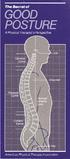 The Secret... T he American Physical Therapy Association would like to share a secret with you. It can help you do more with less effort breathe easier feel great. The secret is about good posture, which
1. Oblast rozvoj spolků a SU UK 1.1. Zvyšování kvalifikace Školení Zapojení do projektů Poradenství 1.2. Financování 1.2.1.
 1. O b l a s t r o z v o j s p o l k a S U U K 1. 1. Z v y š o v á n í k v a l i f i k a c e Š k o l e n í o S t u d e n t s k á u n i e U n i v e r z i t y K a r l o v y ( d á l e j e n S U U K ) z í
This document fully describes the 30 Day Flexibility Challenge and allows you to keep a record of your improvements in flexibility.
 Welcome to the StretchTowel 30 Day Flexibility Challenge! You can Be More Flexible in 30 days by following our stretching program for 10 minutes a day. The best part is that you can stretch using the StretchTowel
Breathing techniques to help breathlessness 1
 Breathing techniques to help breathlessness 1 Breathing techniques to help breathlessness This information is from the booklet Managing breathlessness. You may find the full booklet helpful. We can send
STANDARD OPERATING PROCEDURES (SOP) FOR COMPUTER WORK, DESK TOP
 STANDARD OPERATING PROCEDURES (SOP) FOR COMPUTER WORK, DESK TOP General Guidelines-Best Practices: The following guidelines are applicable to office workers who sit at a desk and/or work on computers.
Cardiac Rehab Program: Stretching Exercises
 Cardiac Rehab Program: Stretching Exercises Walk around the room, step side to side, ride a bike or walk on a treadmill for at least 5 minutes to warm up before doing these stretches. Stretch warm muscles
A Guide to Work with Computers
 A Guide to Work with Computers This guide is prepared by the Occupational Safety and Health Branch, Labour Department This edition May 2010 This guide is issued free of charge and can be obtained from
BEACH VOLLEYBALL TRAINING PROGRAM
 2008 ELITE PERFORMANCE ATHLETE CONDITIONING BEACH VOLLEYBALL TRAINING PROGRAM Team BC 2008 Steve Van Schubert, CAT(C), CSCS Training Schedule General Outline Phase 1 2 Weeks Phase 2 3 Weeks Phase 3 3 Weeks
Computer Workstation Ergonomic Self Evaluation
 Computer Workstation Ergonomic Self Evaluation Use this guidance to perform a preliminary evaluation of your workstation, and make any adjustments that are necessary to achieve a correct neutral posture.
CHAPTER 3: BACK & ABDOMINAL STRETCHES. Standing Quad Stretch Athletic Edge - www.athleticedge.biz - (650) 815-6552
 CHAPTER : BACK & ABDOMINAL STRETCHES Standing Quad Stretch ) Stand and grasp right ankle with same hand, use a wall or chair to Lower maintain Back balance with left hand. Maintain an upright Stretches
Fact sheet Exercises for older adults undergoing rehabilitation
 Fact sheet Exercises for older adults undergoing rehabilitation Flexibility refers to the amount of movement possible around a joint and is necessary for normal activities of daily living such as stretching,
Physiotherapy Database Exercises for people with Spinal Cord Injury
 Physiotherapy Database Exercises for people with Spinal Cord Injury Compiled by the physiotherapists associated with the following Sydney (Australian) spinal units : Last Generated on Mon Mar 29 16:57:20
General Guidelines. Neck Stretch: Side. Neck Stretch: Forward. Shoulder Rolls. Side Stretch
 Stretching Exercises General Guidelines Perform stretching exercises at least 2 3 days per week and preferably more Hold each stretch for 15 20 seconds Relax and breathe normally Stretching is most effective
ANKLE STRENGTHENING INTRODUCTION EXERCISES SAFETY
 ANKLE STRENGTHENING INTRODUCTION Welcome to your Ankle Strengthening exercise program. The exercises in the program are designed to improve your ankle strength, fitness, balance and dynamic control. The
HELPFUL HINTS FOR A HEALTHY BACK
 HELPFUL HINTS FOR A HEALTHY BACK 1. Standing and Walking For correct posture, balance your head above your shoulders, eyes straight ahead, everything else falls into place. Try to point toes straight ahead
Low Back Pain Exercise Guide
 Nader M. Hebela, MD Fellow of the American Academy of Orthopaedic Surgeons http://orthodoc.aaos.org/hebela Cleveland Clinic Abu Dhabi Cleveland Clinic Abu Dhabi Neurological Institute Al Maryah Island
Anamorphic Projection Photographic Techniques for setting up 3D Chalk Paintings
 Anamorphic Projection Photographic Techniques for setting up 3D Chalk Paintings By Wayne and Cheryl Renshaw. Although it is centuries old, the art of street painting has been going through a resurgence.
THE BENJAMIN INSTITUTE PRESENTS. Excerpt from Listen To Your Pain. Assessment & Treatment of. Low Back Pain. Ben E. Benjamin, Ph.D.
 THE BENJAMIN INSTITUTE PRESENTS Excerpt from Listen To Your Pain Assessment & Treatment of Low Back Pain A B E N J A M I N I N S T I T U T E E B O O K Ben E. Benjamin, Ph.D. 2 THERAPIST/CLIENT MANUAL The
Do you sit at a desk all day? Does your 9 to 5 leave no time for structured exercise..?
 Do you sit at a desk all day? Does your 9 to 5 leave no time for structured exercise..? Staying healthy at work is easier than you might think: Try building the following desk based exercises into your
Mike s Top Ten Tips for Reducing Back Pain
 Mike s Top Ten Tips for Reducing Back Pain The following article explains ways of preventing, reducing or eliminating back pain. I have found them to be very useful to myself, my clients and my patients.
Texas Department of Insurance. Office Ergonomics. Provided by. Division of Workers Compensation HS03-003C (03-09)
 Texas Department of Insurance Office Ergonomics Provided by Division of Workers Compensation HS03-003C (03-09) Contents Introduction 1 The Ergonomic Checklist 1 Sharp Edge Hazards 1 Equipment Adjustability
EGOSCUE CLINIC PAIN/POSTURE STRETCHES 1. Standing Arm Circles: Helps Restore Upper Body Strength
 EGOSCUE CLINIC PAIN/POSTURE STRETCHES 1. Standing Arm Circles: Helps Restore Upper Body Strength Two sets of 40 repetitions each. Stand with your feet pointed straight and hip-width apart. Place your fingertips
Vestibular Assessment
 Oculomotor Examination A. Tests performed in room light Vestibular Assessment 1. Spontaneous nystagmus 2. Gaze holding nystagmus 3. Skew deviation 4. Vergence 5. Decreased vestibular ocular reflex i. Head
 C o a t i a n P u b l i c D e b tm a n a g e m e n t a n d C h a l l e n g e s o f M a k e t D e v e l o p m e n t Z a g e bo 8 t h A p i l 2 0 1 1 h t t pdd w w wp i j fp h D p u b l i c2 d e b td S t
Safe Lifting and Carrying
 PART 1 Basic Lifts Proper lifting and handling will help protect against injury and make your job easier. It takes training and practice to do it right. The following are basic steps in safe lifting and
Stair Workouts Get in Shape: Step up!
 Stair Workouts Get in Shape: Step up! Warning: If you feel any knee pains, refrain from continuing that particular exercise. Avoid the no pain, no gain motto and modify with regular walking or any activity
Preventing Falls. Strength and balance exercises for healthy ageing
 Preventing Falls Strength and balance exercises for healthy ageing Exercise should be comfortable and fun. To get the most out of your home exercise book, join a class for older people to check your exercises
Basic Stretch Programme 3. Exercise Circuit 4
 Basic Stretch Programme 3 Exercise Circuit 4 2 1 Calves Stand approximately 1 metre away from wall with legs straight and heels on floor. Step and lean forward and slowly push hips towards wall. Should
The Lose-the-Last-1o-Pounds Workout
 Printable Workout: www.myfitstation.com The Lose-the-Last-1o-Pounds Workout From The Women s Health Big Book of Exercises Phase 1) Week 1-4 It s time to finish off that fat for good! This 8-week plan from
SETTING UP THE COMPUTER WORKSTATION TO FIT YOU
 SETTING UP THE COMPUTER WORKSTATION TO FIT YOU TABLE OF CONTENTS Adjusting Your Chair...1 Adjusting an Adjustable Working Surface...2 Adjusting a Non-adjustable Working Surface...3 Adjusting Your Keyboard...3
E-puck knihovna pro Python
 E-puck knihovna pro Python David Marek Univerzita Karlova v Praze 5. 4. 2011 David Marek (MFF UK) E-puck knihovna pro Python 5. 4. 2011 1 / 36 Osnova 1 Představení e-puck robota 2 Připojení 3 Komunikace
ACTIVE SEATING FOR PEOPLE WITH A KYPHOTIC SPINE. - backrest cushion for the kyphotic spine
 ACTIVE SEATING FOR PEOPLE WITH A KYPHOTIC SPINE - backrest cushion for the kyphotic spine Netti Kyphotic is designed for users who require optimum stabilization of their spinal curvature. The upholstery
McMaster Spikeyball Therapy Drills
 BODY BLOCKS In sequencing Breathing and Tempo Flexibility / Mobility and Proprioception (feel) Upper body segment Middle body segment Lower body segment Extension / Static Posture Office / Computer Travel
A guide for employees
 A guide for employees This booklet has been developed as a guide to assist in the prevention of muscular discomfort and strain that can sometimes be associated with computer use. The information provided
Lower Body Exercise One: Glute Bridge
 Lower Body Exercise One: Glute Bridge Lying on your back hands by your side, head on the floor. Position your feet shoulder width apart close to your glutes, feet facing forwards. Place a theraband/mini
Low Back Pain Exercises Interactive Video Series Transcript July 2013
 Introduction Low Back Pain Exercises Interactive Video Series Transcript July 2013 ** Note: If an exercise causes an increase in your pain, stop the exercise.** [Music introduction; Dr. John Sheehan onscreen]
Otago Exercise Program
 Otago Exercise Program Edited Version Exercise Booklet Created by: Genesee County Coalition Supported by a grant from the Health Foundation for Western and Central New York Otago Exercise Program to Prevent
1.- L a m e j o r o p c ió n e s c l o na r e l d i s co ( s e e x p li c a r á d es p u é s ).
 PROCEDIMIENTO DE RECUPERACION Y COPIAS DE SEGURIDAD DEL CORTAFUEGOS LINUX P ar a p od e r re c u p e ra r nu e s t r o c o rt a f u e go s an t e un d es a s t r e ( r ot u r a d e l di s c o o d e l a
Physical & Occupational Therapy
 In this section you will find our recommendations for exercises and everyday activities around your home. We hope that by following our guidelines your healing process will go faster and there will be
 Cisco Security Agent (CSA) CSA je v í c eúčelo v ý s o f t w a r o v ý ná s t r o j, k t er ý lze p o už í t k v ynuc ení r ů zný c h b ezp ečno s t ní c h p o li t i k. CSA a na lyzuje c h o v á ní a
Keep fit at the workplace! A simple training programme for more exercise at the workplace.
 Keep fit at the workplace! A simple training programme for more exercise at the workplace. INTRODUCTION Dear Readers, Keeping your body in one position, such as sitting or standing for a long time, results
Removable appliances II. Functional jaw orthopedics
 Removable appliances II. Functional jaw orthopedics Melinda Madléna DMD, PhD Associate professor Department of Pedodontics and Orthodontics Faculty of Dentistry Semmelweis University Budapest Classification
9 exercises to rehab a torn ACL without surgery
 MENU Search foxnews.com Health Home Men's Health Women's Health Children's Health Alternative Medicine Diabetes Heart Health Allergies HEALTH 9 exercises to rehab a torn ACL without surgery By Julie Wilcox
SAMPLE WORKOUT Full Body
 SAMPLE WORKOUT Full Body Perform each exercise: 30 secs each x 2 rounds or 2-3 sets of 8-12 reps Monday & Wednesday or Tuesday & Thursday Standing Squat Muscles: glutes (butt), quadriceps (thigh) Stand
Otago Exercise Program Activity Booklet
 Head Movements Stand up tall and look ahead. Slowly turn your head as far as you can to the right. Slowly turn your head as far as you can to the left. Repeat five times to each side. 44 Neck Movements
We ve got your back. Physical Therapy After Lumbar Fusion Surgery
 We ve got your back Physical Therapy After Lumbar Fusion Surgery Physical therapy is an extremely important part of you recovery after spinal surgery. This booklet, prepared by the therapists who specialize
ISOMETRIC EXERCISE HELPS REVERSE JOINT STIFFNESS, BUILDS MUSCLE, AND BOOSTS OVERALL FITNESS.
 ISOMETRIC EXERCISE HELPS REVERSE JOINT STIFFNESS, BUILDS MUSCLE, AND BOOSTS OVERALL FITNESS. By Askari A. Kazmi KazmisBioscienceLabs exercise helps reverse joint stiffness, builds muscle, and boosts overall
Lower Back Pain www.spireperform.com 01283 576333
 Lower Back Pain www.spireperform.com 01283 576333 Low back pain can be caused through deficiencies in movement, posture and your lower limbs or pelvis. The advice in this booklet aims to help with relieving
total hip replacement
 total hip replacement EXCERCISE BOOKLET patient s name: date of surgery: physical therapist: www.jointpain.md Get Up and Go Joint Program Philosophy: With the development of newer and more sophisticated
Control of mandibular incisors with the combined Herbst and completely customized lingual appliance - a pilot study
 Control of mandibular incisors with the combined Herbst and completely customized lingual appliance - a pilot study Dirk Wiechmann 1 *, Rainer Schwestka-Polly 2 *, Hans Pancherz 3 *, Ariane Hohoff 4 *
Agris on-line Papers in Economics and Informatics
 Agris on-line Papers in Economics and Informatics Volume III Number 1, 2011 Social Networks as an Integration Tool in Rural Areas Agricultural Enterprises of the Czech Republic E. Červenková 1, P. Šimek
Workplace Job Accommodations Solutions for Effective Return to Work
 Workplace Job Accommodations Solutions for Effective Return to Work Workplace Job Accommodations Solutions for Effective Return to Work Published by 102 275 Broadway Winnipeg, MB R3C 4M6 www.mflohc.mb.ca
Stair Workouts Get in Shape: Step up
 Stair Workouts Get in Shape: Step up Warning: If you feel any knee pain, refrain from continuing that particular exercise. Avoid the no pain, no gain motto and modify with regular walking or any activity
Info. from the nurses of the Medical Service. LOWER BACK PAIN Exercise guide
 Info. from the nurses of the Medical Service LOWER BACK PAIN Exercise guide GS/ME 03/2009 EXERCISE GUIDE One of the core messages for people suffering with lower back pain is to REMAIN ACTIVE. This leaflet
INTRODUCTION TO POSITIONING. MODULE 3: Positioning and Carrying
 MODULE 3: Positioning and Carrying Blankets, pillows and towels, sandbags, carpet on the floor, a doll with floppy limbs that can be positioned i.e. not a hard plastic doll, display materials. Icebreaker
Preventing Overuse Injuries at Work
 Preventing Overuse Injuries at Work The Optimal Office Work Station Use an adjustable chair with good lumbar support. Keep your feet flat on a supportive surface (floor or foot rest). Your knees should
Body posture or posture control in back pain patients
 Body posture or posture control in back pain patients André Ljutow Centre for Pain Medicine, Nottwil What is this lecture about? Due to the possibility to measure human posture questions like «What is
Sue Schuerman, PT, GCS, PhD UNLVPT
 Sue Schuerman, PT, GCS, PhD UNLVPT Exercise & Physical Activity (Your Everyday Guide from the National Institute on Aging) Go4Life Retain our physical and mental health Continue to do the things we enjoy
Flexibility Assessment and Improvement Compiled and Adapted by Josh Thompson
 Flexibility Assessment and Improvement Compiled and Adapted by Josh Thompson Muscles must have a full and normal range of motion in order for joints and skeletal structure to function properly. Flexibility
HEADACHES, NECK & EYE FATIGUE. Deep tissue massage. Regular upper body stretches. Consult Optometrist/Ophthalmologist
 HEADACHES, NECK & EYE FATIGUE Headaches Vision concerns Itchy and irritated eyes Overall Neck Pain Muscular tension See NECK PAIN and VISION CONCERNS below Need corrective lenses or new prescription Inadequate
Living Room Bodyweight Workout Week 1 March or jog in place for 1 min to increase heart rate and lubricate joints.
 Warm Up- Living Room Bodyweight Workout Week 1 March or jog in place for 1 min to increase heart rate and lubricate joints. Protocol- All exercises will be done for 2 sets of 10 repetitions. After the
Injuries from lifting, loading, pulling or pushing can happen to anyone in any industry. It is important to be aware of the risks in your workplace.
 Workplace safety: lifting One of the biggest concerns in the workplace is lifting and loading. When you lift something, the load on your spine increases and your spine can only bear so much before it is
ACL Reconstruction Rehabilitation
 ACL Reconstruction Rehabilitation The following exercises are commonly used for rehabilitation following ACL reconstruction surgery. However, each knee surgery is unique and each person s condition is