
7th Grade Science Final TEST
|
|
|
- Gloria Gaines
- 9 years ago
- Views:
Transcription
1 7th Grade Science Final TEST Modified True/False Indicate whether the statement is true or false. If false, change the identified word or phrase to make the statement true. 1. When it is fall in North America, it is summer in South America. 2. We know the Earth is a sphere because it casts a straight shadow on the Moon during a lunar eclipse. 3. Craters are useful for determining the age of the surface of the Moon. 4. Seismographs measure earthquakes and moonquakes. 5. AU stands for asteroid unit. 6. The Moon takes about 27 days to revolve once on its axis. 7. When the Moon phases are waning, they are growing in size. 8. The full Moon becomes dark during a solar eclipse. 9. The distance between Jupiter and the Sun is referred to as one astronomical unit. 10. The inner planets include Mercury, Venus, Earth, and Mars. 11. Humans should get most of their energy from the fats they eat. 12. Muscle contractions in the large intestine are faster than those in the small intestine. 13. Homeostasis is the process by which the smooth muscles of the esophagus move in wave to carry food to your stomach. 14. Bacteria in the large intestine aid digestion. Multiple Choice Identify the choice that best completes the statement or answers the question. 15. Most likely, were formed when lava from the Moon's interior flooded bowl-like regions on the Moon's surface. a. maria c. craters b. highlands d. basins 16. is a force that attracts all objects toward each other. a. Gravity c. Density b. Distance d. Mass 17. Earth spins on its axis, and one rotation takes about one.

2 a. hour c. day b. week d. year 18. The imaginary line drawn from the north geographic pole to the south geographic pole is called Earth's. a. rotation c. equator b. hemisphere d. axis 19. causes Earth to have day and night. a. Revolution c. Rotation b. Gravity d. Equinox 20. More than 99 percent of all the matter in our solar system is contained in the. a. Kuiper Belt c. Oort cloud b. Sun d. asteroid belt 21. A(n) is a large could of gas, ice, and dust. a. nebula c. Oort cloud b. asteroid belt d. crater 22. The phase of the Moon that you cannot see is. a. Axons c. full moon b. new moon d. third quarter 23. The longest day of the year in the northern hemisphere is the. a. summer solstice c. winter solstice b. spring equinox d. fall equinox 24. During an equinox, the Sun is directly above Earth's. a. axis c. northern hemisphere b. equator d. southern hemisphere 25. Depressions on the Moon formed by large meteorites are called. a. maria c. craters b. mountains d. highlands 26. It takes the Moon 27.3 days to rotate on its axis. a. once c. three times b. twice d. four times 27. It takes the Moon the same amount of time to orbit Earth once as it does to rotate on its axis. a. once c. three times b. twice d. tour times 28. Venus's surface temperature is than Earth's surface temperature. a. cooler c. hotter b. much cooler d. none of these 29. When Earth moves into the Moon's shadow, the result is a eclipse. a. total c. gravitational b. solar d. lunar 30. When the Sun, the Moon, and line up, a lunar eclipse occurs. a. stars c. Earth b. Mars d. Venus

3 31. Moon provide clues about the formation of the Moon. a. shadows c. satellites b. rocks d. phases 32. Asteroids, the Sun, planets, comets, and other objects form the. a. atmosphere c. solar system b. gravitational system d. Earth system 33. The inner planets are also called planets. a. gaseous c. solar b. solar d. terrestrial 34. Mars is sometimes referred to as the planet. a. red c. wet b. rocky d. dry 35. The largest planet in the solar system is. a. Venus c. Saturn b. Earth d. Jupiter 36. of the gaseous giant planets have ring systems. a. None c. Three b. Two d. All 37. A meteor that falls to Earth is called a(n). a. asteroid c. meteorite b. meteoroid d. comet 38. Of the following, which is NOT a vascular plant? a. moss c. fern b. pine tree d. horsetail 39. Ancient seedless plants compacted and eventually turned into the we use today. a. coal c. minerals b. oil d. rubber 40. Of following, which is NOT an adaptation plants made to life on land? a. cell walls c. more complex reproduction b. a cuticle d. cell membrane 41. Of the following, which is NOT a characteristics of plants? a. have cell walls c. range in height b. have roots d. live only on land 42. Scientists think that plants evolved directly from. a. animals c. bacteria b. mosses d. green algae 43. Nonvascular plants include. a. ferns and horsetails c. liverworts and ferns b. horsetails and mosses d. mosses and liverworts 44. Nonvascular plants have all of the following EXCEPT. a. flowers c. spores

4 b. rhizoids d. cell walls 45. Moss plants are held in place by threadlike structures called. a. dicots c. guard cells b. rhizoids d. vascular tissue 46. The first plants to grow in new environments are usually. a. ferns and horsetails c. liverworts and mosses b. grasses d. mosses and ferns 47. Ferns are the most abundant of the plants. a. gymnosperm c. nonvascular b. seedless vascular d. vascular 48. have unique, jointed stem structures. a. Club mosses c. Horsetails b. Ferns d. Spike mosses 49. Peat is actually the earliest stage of. a. coal c. petroleum b. natural gas d. petrified wood 50. The oldest trees alive are the. a. angiosperms c. monocots b. gymnosperms d. dicots 51. is a chemical compound that forms tangled fibers in the cell walls of plants. a. Stomata c. Cellulose b. Cambium d. Cuticle 52. Of the following, which is NOT an example of a seed plant? a. peanuts c. oranges b. peat moss d. wheat 53. The most common type of plants on Earth is. a. angiosperms c. nonvascular plants b. gymnosperms d. seedless vascular plants 54. Roots have all of the following functions EXCEPT to. a. anchor the plant c. store food b. absorb water d. make food 55. Stems have all of these functions EXCEPT. a. storing food and water b. absorbing soil nutrients c. supporting the plant d. moving materials between leaves and roots 56. The major function of leaves is to. a. make food c. transport b. store food d. absorb nutrients 57. Of the following, which is NOT a gymnosperm? a. gingoes c. flowering plants

5 b. cycads d. conifers 58. As much as 90 percent of the oxygen in our atmosphere is the result of. a. photoperiodism c. thigmotropism b. respiration d. photosynthesis 59. Of the following, which is a short-day plant? a. spinach c. strawberries b. lettuce d. roses 60. Plants lean toward the light because of plant hormones called. a. photoperiodism c. ethylene gas b. auxins d. all of the above 61. Photosynthesis is the process in which plants use energy from light to produce. a. new cells c. food b. organelles d. none of the above 62. Which of the following is NOT involved in photosynthesis or respiration? a. water c. chlorophyll b. carbon dioxide d. cytokinins 63. Respiration is the process in which organisms break down food to release. a. energy c. sugar b. nutrients d. oxygen 64. Water enters plants through the. a. surface of leaves c. tips of the stems b. roots d. stomata 65. Most of the water in plants is lost through the. a. chloroplasts c. cuticles b. palisade layer d. stomata 66. The green color of tree leaves is due to green light energy reflected from. a. auxins c. chlorophyll b. carbon dioxide d. gibberellins 67. Light energy for the plant to use in making its food is trapped during reactions. a. light-independent c. light-dependent b. glucose-dependent d. oxygen-dependent 68. The growth response related to the number of hours of daylight and darkness is called. a. gravitropism c. phototropism b. photoperiodism d. photosynthesis 69. is produced in cells of ripening fruit. a. Auxin c. Chlorophyll b. Ethylene d. Gravity 70. Plants that require short nights to flower are called plants. a. long-day c. day-neutral b. short-day d. periodic 71. Amylase is an example of a(n).

6 a. accessory organ c. amino acid b. carbohydrate d. enzyme 72. Of the following, which does NOT belong to the milk group? a. yogurt c. cereal b. cottage cheese d. sour cream 73. Which of these is not a carbohydrate? a. sugar c. cellulose b. starch d. fat 74. Of the following, which organ does food NOT pass through? a. pancreas c. stomach b. mouth d. small intestine 75. Besides carbohydrates, proteins, fats, vitamins and minerals, what other nutrient does your body need for life? a. DNA c. water b. chlorophyll d. none of the above 76. Which of the following would MOST directly affect the operations of the digestive system? a. osteoporosis c. heart attack b. liver damage d. a sore throat 77. Soil is a mixture of weathered rock, mineral fragments, water, air and. a. sand c. moss b. decayed organic matter d. clay 78. The layer of soil that contains the most organic material is called the horizon. a. A c. C b. B d. D 79. All of the following cause mechanical weathering EXCEPT. a. ice c. burrowing animals b. tree roots d. carbonic acid 80. Litter often covers the horizon. a. A c. C b. B d. all of the above 81. Chemical weathering is more rapid in a climate. a. warm, dry c. cold, dry b. warm, wet d. cold, wet 82. Mechanical weathering is more rapid in a climate. a. dry c. cold b. hot d. humid 83. Soil erosion can be slowed by. a. no-till farming c. plowing at least three times a year b. cutting trees from the middle of fields d. farming on steeper slopes 84. The organic matter in humus is made of. a. dead worms c. roots b. stems d. all of the above

7 85. The rate of weathering depends upon the area's. a. oxygen c. water b. climate d. soil 86. The rock and mineral fragments in soil come from rock that has been. a. blasted c. weathered b. carved d. chemically treated 87. On steep slopes and mountains, helps reduce erosion by creating level areas for crops. a. a shelter belt c. mulching b. strip cropping d. terracing 88. The difference between mechanical and chemical weathering is. a. the length of time each takes to break up a rock b. that only chemical weathering involves water c. the way they affect the makeup of a rock d. all of the above 89. Soils in contain little organic material and are thin. a. tropical areas c. prairies b. deserts d. temperate forests 90. Plants cannot grow without. a. rocks c. moss b. soil d. pesticides 91. regions are especially vulnerable to erosion because their soils are useful to farmers for only a few years before their nutrients are gone. a. Desert c. Mountain b. Tropical d. Prairie 92. The mass of clay, silt, sand, and boulders that covers much of the United States was deposited by. a. farming c. ice wedging b. glaciers d. huge bulldozers 93. Ice wedging is brought about by. a. carbonic acid freezing on rocks c. water freezing and thawing b. water and oxygen reacting d. rocks colliding with each other 94. Minerals found in the B horizon were dissolved in water and carried there by a process called. a. oxidation c. weathering b. leaching d. littering 95. Oxidation occurs when materials containing are exposed to oxygen and water. a. iron c. kaolinite b. carbonic acid d. all of the above 96. In bottomlands where water is plentiful, soil is often. a. thin c. thick b. rocky d. light 97. The B horizon is. a. rockier than the C horizon c. lighter than the A horizon b. richer in humus than the A horizon d. thinner than the C horizon

8 98. Plants don't grow as well when has been lost. a. clay c. parent rock b. topsoil d. slope 99. is a factor that affects soil development. a. Time c. Type of rock b. Slope d. all of the above 100. The horizon has smaller rock and mineral particles than the other layers. a. A c. C b. B d. D 101. Below the C horizon is. a. topsoil c. clay b. rock d. humus 102. In wet climates, granite weathers more slowly than. a. marble c. kaolinite b. feldspar d. calcite 103. Mechanical weathering. a. breaks apart rocks by physical processes b. occurs when chemical reactions dissolve or change the minerals in rocks c. occurs when iron is exposed to oxygen and water d. none of the above 104. Chemical weathering. a. is caused by freezing and thawing b. breaks apart rocks by physical processes c. occurs when chemical reactions dissolve or change the minerals in rocks d. none of above 105. In areas where freezing and thawing occur frequently, rocks weather rapidly because of the of freezing water. a. evaporation c. leaching b. expansion d. oxidation 106. When water mixes with carbon dioxide gas in the air or soil, forms. a. carbonic acid c. calcite b. lactic acid d. oxygen 107. At construction sites, workers often reduce erosion by. a. covering exposed ground c. planting trees b. spraying water on bare soil d. none of the above 108. Because desert soils contain little organic material, their soil profiles have horizons. a. thick c. thin b. no d. b or c 109. turns and loosens soil, improving it for crops, but leaving soil vulnerable to erosion. a. Grazing c. Plowing b. No-tilling farming d. Terracing

9 110. Soil erosion occurs. a. where animals eat away all the plants c. on steep slopes b. when forests are removed d. all of the above 111. When farmers leave plant stalks in the field to reduce soil erosion, it is called. a. contour farming c. no-till farming b. plowing d. terracing Completion Complete each statement Chemical substances in plants that act as internal stimuli are called causes a layer of cells to form between a leaf and the stem, causing the leaf to fall is important because it changes food energy into a form all cells can use A plant's epidermis contains many small openings called A stem growing upward is a(n) response to light A pea plant responds to by growing faster on one side of its stem than on the other side keeps seeds from sprouting and buds from developing during the winter Even if all of the other conditions are right, a plant will not flower or produce fruit without the correct Cytokinins cause cell divisions The amount of heat necessary to raise the temperature of 1 kg of water 1 C is called a Absorption in the small intestines occurs through the walls of fingerlike projections called The process that breaks down foods into smaller molecules is called.


10 Figure The correct labels for the numbers in Figure 23-1 are (1), (2), and (3). Matching Match each term with the correct description below. a. meteor g. Venus b. comets h. Mars c. asteroids i. solstice d. Neptune j. equinox e. Mercury k. AU f. Earth 125. sometimes called Earth's twin 126. small, rocky objects that lie in a belt located between Mars and Jupiter 127. astronomical unit 128. made mainly of rocky particles and water ices 129. meteoroid that enters Earth's atmosphere 130. when the Sun reaches its greatest distance north or south of the equator 131. when the length of day equals the length of night 132. closest planet to the Sun

11 133. has the largest volcano of all the planets 134. has the fastest winds of all the planets 135. has a surface temperature than enables water to exist in three states Match each term with the correct definition below. a. rhizoids e. moss b. liverworts f. cuticle c. pioneer species g. bogs d. cellulose 136. rootlike filaments made up of a few long cells 137. are first to grow in new or disturbed areas 138. means "herb for the liver" 139. a waxy, protective layer on leaves of plants 140. an organic compound found in plant cell walls 141. a seedless, rootless plant with leaflike growths 142. poorly drained areas with spongy, wet ground that is comprised mainly of dead and decaying plants Match each term with the correct definition below. a. vascular plants e. palisade layer b. stomata f. xylem c. phloem g. guard cells d. spongy layer h. cambium 143. small pores on leaf surfaces allowing carbon dioxide in 144. vessels that move food from leaves to other plant parts 145. tissue that produces new xylem and phloem cells 146. vessels that transport substances from the roots to other parts of the plant 147. open and close stomata 148. loosely arranged cell layer in the leaf 149. closely packed cells under the epidermis of leaves 150. plants that have tubelike structures for transporting substances Match each term with the correct description below. a. long-day plants g. short-day plants b. giberellins h. abscisic acid c. stimulus i. tropism d. cytokinins j. auxin e. day-neutral plants k. photosynthesis f. photoperiodisim l. respiration 151. plants that require short nights to flower

12 152. can be external or internal 153. can be sprayed on stored vegetables to keep them fresh longer 154. can be positive or negative 155. substance that has the reverse effect of hormones that cause plant growth 156. plants that have a range of hours of darkness needed to flower 157. a plant's response to the number of hours of daylight and darkness it receives 158. plants that require 12 or more hours of darkness to flower 159. can be mixed with water and sprayed on plants and seeds to stimulate growth 160. plant process that produces food for nearly all the other organisms on Earth 161. causes plant stems to exhibit positive response to light 162. changes food energy into a form all cells can use Match each term with the correct description below. a. vitamins g. minerals b. nutrients h. esophagus c. carbohydrates i. chyme d. fats j. amino acids e. proteins k. saliva f. food groups l. peristalsis 163. four, including milk, grain, meat, and fruits and vegetables 164. inorganic nutrients that regulate chemical reactions 165. wave in esophagus that moves food along digestive system 166. food passes down this muscular tube from mouth to stomach 167. organic nutrients needed for growth, regulating body functions, and preventing disease 168. nutrients that provide energy and help the body absorb vitamins 169. large molecules made of carbon, hydrogen, oxygen, nitrogen, and sometimes sulfur 170. watery liquid that moves from stomach to small intestine 171. protein is made up of these 172. substances in food that provide energy and materials needed by cells 173. watery substance produced by glands in the mouth 174. the main source of energy for your body Match each term with the correct description below. a. saliva d. liver b. esophagus e. duodenum c. pancreas f. rectum

13 175. begins the breakdown of starch to sugar 176. produces enzymes and insulin 177. first part of the small intestine 178. releases the solid waste 179. produces bile 180. moves food downward by peristalsis with no digestion taking place Short Answer 181. From your own observations, would you say that dandelions are short-day, long-day, or day-neutral plants? Why? 182. Why do sunflowers bloom only in the summer? 183. Why do plant cells need glucose? 184. What would be a plant's response to cytokinins? 185. How does a plant take in water? 186. How does water vapor leave a leaf? 187. Leaves of many trees change color in the autumn, die, and drop off. What stimuli are the trees responding to? 188. Photosynthesis requires carbon dioxide, water, and light energy to make glucose. Explain why photosynthesis slows down as fall approaches Describe two ways that plants use the products of photosynthesis How does auxin cause a plant to exhibit positive phototropism? 191. Why is photosynthesis important to you? 192. You buy green bananas at the grocery store. Your mother puts them in a paper sack for a few days. Why? 193. Explain how respiration is the opposite reaction to photosynthesis.

14 Figure In Figure 11-1, what is represented by arrow A? 195. In Figure 11-1, what is represented by arrows B and C? 196. In Figure 11-1, what is structure D? 197. In Figure 11-1, what is structure E? 198. Essential amino acids are found in eggs, milk and cheese. Grains also supply many needed amino acids. Can a person be healthy if he or she chooses not to eat meat? 199. Why do you need to eat a wide variety of foods? 200. Why does your body need nutrients? 201. Why is it necessary to have both mechanical and chemical digestion? 202. Of the six kinds of nutrients available in food, which are able to be absorbed directly into the bloodstream? 203. Why do the walls of your small intestine have villi? 204. What does the large intestine absorb to help maintain homeostasis in the body? 205. Chewing is what kind of digestion? 206. Place each of the foods listed into the appropriate food group: milk, lettuce, cheddar cheese, steak, beets, apples, chicken, peanut butter, cereal, fish, carrots, yogurt, hot dog, potato chips, bread You are having a glass of milk, a salad of lettuce and carrots, and a slice of pepperoni pizza. Is this a balanced meal? Explain List six kinds of nutrients available in foods Why do you need to drink water every day? 210. Fiber passes out of the body undigested, so why is it necessary for good health?

15 211. Place the following organs used in digestion in the order in which the food passes through them, Use 1 for the first and 6 for the last. stomach tongue, teeth, and mouth esophagus rectum and anus large intestine small intestine Figure Identify structure A in Figure Identify structure B in Figure Identify structure C in Figure Identify structure D in Figure Identify structure E in Figure Identify structure F in Figure Name structure G in Figure Name structure H in Figure Name structure I in Figure Menu I Menu II

16 Breakfast egg, sausage, toast, juice cereal with milk, toast, orange Lunch cheeseburger, milkshake, french fries, applesauce, cookie meatless spaghetti, green salad, garlic bread, apple, milk Snack peanuts pretzels Dinner pepperoni pizza, lemonade, cheesecake Table 16-1 fish, rice, roll, broccoli, sherbet, milk 221. Compare Menu I and Menu II in Table Which menu would be best for someone who has a history of heart problems? 222. Which menu Menu I or II in Table 16-1 more closely follows the recommendations of the food pyramid? True/False Indicate whether the statement is true or false. Figure Plant A in Figure 10-1 is a monocot Plant B in Figure 10-1 is a monocot Plant C in Figure 10-1 is a nonvascular plant Plant D in Figure 10-1 is a dicot Plant E in Figure 10-1 is a monocot Fruits that are picked green will never ripen Many plants produce ethylene gas Hormones control the growth changes that result from tropisms An auxin is a type of plant tropism.

17 232. Photosynthesis releases energy C 6 H 12 O 6 and 6O 2 are the result of respiration Photosynthesis stores energy CO 2, 6H 2 O, and energy are the result of aerobic respiration Light energy, 6H 2 O, and 6CO 2 are at the start of photosynthesis Respiration takes place in the cells of most organisms C 6 H 12 O 6 and 6O 2 are at the start of photosynthesis Photosynthesis takes place in cells with chloroplasts Your body CANNOT manufacture the eight essential amino acids Your body uses calories to maintain a steady temperature of 37 C Eating red meat supplies you with unsaturated fats You must take vitamin supplements to provide nutrients every day Water is not important to bodily functions Minerals are needed for sending nerve impulses and taking part in other chemical reactions.

18 7th Grade Science Final TEST Answer Section MODIFIED TRUE/FALSE 1. ANS: F, spring PTS: 1 DIF: B OBJ: 3/1 STA: 7.3B 7.3C 7.4A 7.13A 2. ANS: F, curved PTS: 1 DIF: B OBJ: 1/1 STA: 7.2C 7.3C ANS: T PTS: 1 DIF: B OBJ: 4/2 STA: A B 4. ANS: T PTS: 1 DIF: B OBJ: 4/2 STA: A B 5. ANS: F, astronomical PTS: 1 DIF: B OBJ: 8/3 STA: A 7.13B 7.14A 6. ANS: F, rotate PTS: 1 DIF: B OBJ: 5/2 STA: 7.13B 7. ANS: F, waxing PTS: 1 DIF: B OBJ: 5/2 STA: 7.3B 7.3C 7.13A 8. ANS: F, lunar PTS: 1 DIF: B OBJ: 6/2 STA: 7.3B 7.3C 7.13A 9. ANS: F, Earth PTS: 1 DIF: B OBJ: 8/3 STA: 7.3B 7.3C 7.13B 10. ANS: T PTS: 1 DIF: B OBJ: 8/3 STA: A 7.13B 7.14A 11. ANS: F, carbohydrates PTS: 1 DIF: B OBJ: 2/1 STA: 7.7A A 12. ANS: F, slower PTS: 1 DIF: B OBJ: 5/2 STA: 7.6C A 13. ANS: F, Peristalsis PTS: 1 DIF: B OBJ: 5/2 STA: 7.6C A 14. ANS: T PTS: 1 DIF: B OBJ: 6/2 STA: B 7.12 MULTIPLE CHOICE 15. ANS: A PTS: 1 DIF: B OBJ: 4/2

19 STA: A 7.13B 7.14A 16. ANS: A PTS: 1 DIF: B OBJ: 1/1 STA: A B 17. ANS: C PTS: 1 DIF: B OBJ: 2/1 STA: 7.2C 7.3C ANS: D PTS: 1 DIF: B OBJ: 2/1 STA: 7.3C 7.4A 7.13A 7.13B 19. ANS: C PTS: 1 DIF: B OBJ: 2/1 STA: 7.3C 7.4A 7.13A 7.13B 20. ANS: B PTS: 1 DIF: B OBJ: 8/3 STA: 7.3C 7.4A 7.13A 7.13B 21. ANS: A PTS: 1 DIF: B OBJ: 10/3 STA: A 7.13B 7.14A 22. ANS: B PTS: 1 DIF: B OBJ: 5/2 STA: 7.3C ANS: A PTS: 1 DIF: B OBJ: 3/1 STA: 7.3B 7.3C 7.13A 24. ANS: B PTS: 1 DIF: B OBJ: 3/1 STA: 7.3B 7.3C 7.4A 7.13A 25. ANS: C PTS: 1 DIF: B OBJ: 4/2 STA: 7.3B 7.3C 7.4A 7.13A 26. ANS: A PTS: 1 DIF: B OBJ: 5/2 STA: A B 27. ANS: A PTS: 1 DIF: B OBJ: 5/2 STA: 7.3B 7.3C 7.13A 28. ANS: C PTS: 1 DIF: B OBJ: 9/3 STA: 7.3B 7.3C 7.13A 29. ANS: B PTS: 1 DIF: B OBJ: 6/2 STA: A 7.13B 7.14A 30. ANS: C PTS: 1 DIF: B OBJ: 6/2 STA: 7.3B 7.3C 7.13B 31. ANS: B PTS: 1 DIF: B OBJ: 7/2 STA: 7.3B 7.3C 7.13B 32. ANS: C PTS: 1 DIF: B OBJ: 8/3 STA: 7.2C 7.2D 7.2E 7.13B 33. ANS: D PTS: 1 DIF: B OBJ: 8/3 STA: A 7.13B 7.14A 34. ANS: A PTS: 1 DIF: B OBJ: 8/3 STA: A 7.13B 7.14A 35. ANS: D PTS: 1 DIF: B OBJ: 10/3 STA: 7.3C ANS: D PTS: 1 DIF: B OBJ: 10/3 STA: 7.3C ANS: C PTS: 1 DIF: B OBJ: 10/3 STA: 7.3C ANS: A PTS: 1 DIF: B OBJ: 4/2 STA: B 7.12B 7.12C 39. ANS: A PTS: 1 DIF: B OBJ: 5/2 STA: B 7.12B 7.12C

20 40. ANS: D PTS: 1 DIF: B OBJ: 2/1 STA: 7.10B 7.11B 7.12A 7.12C 41. ANS: D PTS: 1 DIF: B OBJ: 1/1 STA: 7.8B 7.10B A 42. ANS: D PTS: 1 DIF: B OBJ: 1/1 STA: 7.8B 7.10B A 43. ANS: D PTS: 1 DIF: B OBJ: 4/2 STA: B 7.12B 7.12C 44. ANS: A PTS: 1 DIF: B OBJ: 4/2 STA: B 7.12B 7.12C 45. ANS: B PTS: 1 DIF: B OBJ: 4/2 STA: B 7.12B 7.12C 46. ANS: C PTS: 1 DIF: B OBJ: 5/2 STA: B 7.12B 7.12C 47. ANS: B PTS: 1 DIF: B OBJ: 4/2 STA: B 7.12B 7.12C 48. ANS: C PTS: 1 DIF: B OBJ: 4/2 STA: B 7.12B 7.12C 49. ANS: A PTS: 1 DIF: B OBJ: 5/2 STA: B 7.12B 7.12C 50. ANS: B PTS: 1 DIF: B OBJ: 8/3 STA: 7.3D 7.4A 7.9B 7.10B 51. ANS: C PTS: 1 DIF: B OBJ: 2/1 STA: 7.10B 7.11B 7.12A 7.12C 52. ANS: B PTS: 1 DIF: B OBJ: 6/3 STA: 7.8B 7.10B 7.10C 7.11B 53. ANS: A PTS: 1 DIF: B OBJ: 8/3 STA: 7.3D 7.4A 7.9B 7.10B 54. ANS: D PTS: 1 DIF: B OBJ: 7/3 STA: 7.6C 7.8B B 7.10B 55. ANS: B PTS: 1 DIF: B OBJ: 7/3 STA: 7.6C 7.8B B 7.10B 56. ANS: A PTS: 1 DIF: B OBJ: 7/3 STA: 7.6C 7.8B B 7.10B 57. ANS: C PTS: 1 DIF: B OBJ: 8/3 STA: 7.3D 7.4A 7.9B 7.10B 58. ANS: D PTS: 1 DIF: B OBJ: 3/1 STA: 7.8B B 7.10B 59. ANS: C PTS: 1 DIF: B OBJ: 5/2 STA: B A 7.11B 60. ANS: B PTS: 1 DIF: B OBJ: 6/2 STA: A A 7.11B 61. ANS: C PTS: 1 DIF: B OBJ: 2/1 STA: 7.7A 7.8B A 62. ANS: D PTS: 1 DIF: B OBJ: 2/1 STA: 7.7A 7.8B A 63. ANS: A PTS: 1 DIF: B OBJ: 2/1 STA: 7.7A 7.8B A

21 64. ANS: B PTS: 1 DIF: B OBJ: 1/1 STA: 7.6C 7.8B A 65. ANS: D PTS: 1 DIF: B OBJ: 1/1 STA: 7.6C 7.8B A 66. ANS: C PTS: 1 DIF: B OBJ: 1/1 STA: 7.6C 7.8B A 67. ANS: C PTS: 1 DIF: B OBJ: 2/1 STA: 7.7A 7.8B A 68. ANS: B PTS: 1 DIF: B OBJ: 5/2 STA: B A 7.11B 69. ANS: B PTS: 1 DIF: B OBJ: 6/2 STA: A A 7.11B 70. ANS: A PTS: 1 DIF: B OBJ: 5/2 STA: B A 7.11B 71. ANS: D PTS: 1 DIF: B OBJ: 4/2 STA: 7.6C 7.7A A 72. ANS: C PTS: 1 DIF: B OBJ: 3/1 STA: B 73. ANS: D PTS: 1 DIF: B OBJ: 2/1 STA: 7.7A A 74. ANS: A PTS: 1 DIF: B OBJ: 5/2 STA: 7.6C A 75. ANS: C PTS: 1 DIF: B OBJ: 3/1 STA: B 76. ANS: B PTS: 1 DIF: B OBJ: 5/2 STA: 7.6C A 77. ANS: B PTS: 1 DIF: B OBJ: 3/2 STA: 7.2D B 78. ANS: A PTS: 1 DIF: B OBJ: 4/2 STA: 7.4B B 79. ANS: D PTS: 1 DIF: B OBJ: 1/1 STA: A B 80. ANS: A PTS: 1 DIF: B OBJ: 4/2 STA: 7.4B B 81. ANS: B PTS: 1 DIF: B OBJ: 2/1 STA: 7.7A B 82. ANS: C PTS: 1 DIF: B OBJ: 2/1 STA: 7.7A B 83. ANS: A PTS: 1 DIF: B OBJ: 8/3 STA: B 7.14C 84. ANS: D PTS: 1 DIF: B OBJ: 3/2 STA: 7.2D B 85. ANS: B PTS: 1 DIF: B OBJ: 2/1 STA: 7.7A B 86. ANS: C PTS: 1 DIF: B OBJ: 3/2 STA: 7.2D B 87. ANS: D PTS: 1 DIF: B OBJ: 8/3 STA: B 7.14C 88. ANS: C PTS: 1 DIF: A OBJ: 1/1
22 STA: A B 89. ANS: B PTS: 1 DIF: B OBJ: 5/2 STA: A 7.14B 90. ANS: B PTS: 1 DIF: B OBJ: 6/3 STA: 7.2D 7.14B 91. ANS: B PTS: 1 DIF: A OBJ: 7/3 STA: 7.7A B 92. ANS: B PTS: 1 DIF: B OBJ: 5/2 STA: A 7.14B 93. ANS: C PTS: 1 DIF: B OBJ: 1/1 STA: A B 94. ANS: B PTS: 1 DIF: B OBJ: 4/2 STA: 7.4B B 95. ANS: A PTS: 1 DIF: A OBJ: 1/1 STA: A B 96. ANS: C PTS: 1 DIF: B OBJ: 5/2 STA: A 7.14B 97. ANS: C PTS: 1 DIF: B OBJ: 4/2 STA: 7.4B B 98. ANS: B PTS: 1 DIF: B OBJ: 6/3 STA: 7.2D 7.14B 99. ANS: D PTS: 1 DIF: A OBJ: 5/2 STA: A 7.14B 100. ANS: A PTS: 1 DIF: A OBJ: 4/2 STA: 7.4B B 101. ANS: B PTS: 1 DIF: B OBJ: 4/2 STA: 7.4B B 102. ANS: A PTS: 1 DIF: A OBJ: 2/1 STA: 7.7A B 103. ANS: A PTS: 1 DIF: B OBJ: 1/1 STA: A B 104. ANS: C PTS: 1 DIF: B OBJ: 1/1 STA: A B 105. ANS: B PTS: 1 DIF: B OBJ: 2/1 STA: 7.7A B 106. ANS: A PTS: 1 DIF: A OBJ: 1/1 STA: A B 107. ANS: D PTS: 1 DIF: B OBJ: 8/3 STA: B 7.14C 108. ANS: C PTS: 1 DIF: A OBJ: 5/2 STA: A 7.14B 109. ANS: C PTS: 1 DIF: B OBJ: 7/3 STA: 7.7A B 110. ANS: D PTS: 1 DIF: B OBJ: 7/3 STA: 7.7A B 111. ANS: C PTS: 1 DIF: B OBJ: 8/3 STA: B 7.14C
23 COMPLETION 112. ANS: hormones PTS: 1 DIF: B OBJ: 4/2 STA: A 7.11B ANS: Ethylene PTS: 1 DIF: B OBJ: 1/2 STA: 7.6C 7.8B A 114. ANS: Respiration PTS: 1 DIF: B OBJ: 3/1 STA: 7.8B B 7.10B 115. ANS: stomata PTS: 1 DIF: B OBJ: 1/1 STA: 7.6C 7.8B A 116. ANS: negative PTS: 1 DIF: B OBJ: 4/2 STA: A 7.11B ANS: touch PTS: 1 DIF: B OBJ: 4/2 STA: A 7.11B ANS: Abscisic acid PTS: 1 DIF: B OBJ: 6/2 STA: A A 7.11B 119. ANS: photoperiod PTS: 1 DIF: B OBJ: 5/2 STA: B A 7.11B 120. ANS: faster PTS: 1 DIF: B OBJ: 6/2 STA: A A 7.11B 121. ANS: calorie PTS: 1 DIF: B OBJ: 1/1 STA: 7.7A A 122. ANS: villi PTS: 1 DIF: B OBJ: 5/2 STA: 7.6C A 123. ANS: digestion PTS: 1 DIF: B OBJ: 4/2 STA: 7.6C 7.7A A 124. ANS: A horizon, B horizon, C horizon PTS: 1 DIF: B OBJ: 4/2 STA: 7.4B B MATCHING 125. ANS: G PTS: 1 DIF: B OBJ: 9/3 STA: A 7.13B 7.14A 126. ANS: C PTS: 1 DIF: B OBJ: 10/3 STA: 7.3C ANS: K PTS: 1 DIF: B OBJ: 8/3
24 STA: A 7.13B 7.14A 128. ANS: B PTS: 1 DIF: B OBJ: 10/3 STA: 7.3C ANS: A PTS: 1 DIF: B OBJ: 10/3 STA: 7.3C ANS: I PTS: 1 DIF: B OBJ: 3/1 STA: 7.3B 7.3C 7.4A 7.13A 131. ANS: J PTS: 1 DIF: B OBJ: 3/1 STA: 7.3B 7.3C 7.4A 7.13A 132. ANS: E PTS: 1 DIF: B OBJ: 8/3 STA: A 7.13B 7.14A 133. ANS: H PTS: 1 DIF: B OBJ: 8/3 STA: A 7.13B 7.14A 134. ANS: D PTS: 1 DIF: B OBJ: 10/3 STA: 7.3C ANS: F PTS: 1 DIF: B OBJ: 8/3 STA: A 7.13B 7.14A 136. ANS: A PTS: 1 DIF: B OBJ: 4/2 STA: B 7.12B 7.12C 137. ANS: C PTS: 1 DIF: B OBJ: 4/2 STA: B 7.12B 7.12C 138. ANS: B PTS: 1 DIF: B OBJ: 5/2 STA: B 7.12B 7.12C 139. ANS: F PTS: 1 DIF: B OBJ: 4/2 STA: B 7.12B 7.12C 140. ANS: D PTS: 1 DIF: B OBJ: 2/1 STA: 7.10B 7.11B 7.12A 7.12C 141. ANS: E PTS: 1 DIF: B OBJ: 2/1 STA: 7.10B 7.11B 7.12A 7.12C 142. ANS: G PTS: 1 DIF: B OBJ: 5/2 STA: B 7.12B 7.12C 143. ANS: B PTS: 1 DIF: B OBJ: 7/3 STA: 7.6C 7.8B B 7.10B 144. ANS: C PTS: 1 DIF: B OBJ: 7/3 STA: 7.6C 7.8B B 7.10B 145. ANS: H PTS: 1 DIF: B OBJ: 3/1 STA: 7.9B A 7.12C 146. ANS: F PTS: 1 DIF: B OBJ: 7/3 STA: 7.6C 7.8B B 7.10B 147. ANS: G PTS: 1 DIF: B OBJ: 7/3 STA: 7.6C 7.8B B 7.10B 148. ANS: D PTS: 1 DIF: B OBJ: 7/3 STA: 7.6C 7.8B B 7.10B 149. ANS: E PTS: 1 DIF: B OBJ: 7/3 STA: 7.6C 7.8B B 7.10B 150. ANS: A PTS: 1 DIF: B OBJ: 7/3 STA: 7.6C 7.8B B 7.10B
25 151. ANS: A PTS: 1 DIF: B OBJ: 5/2 STA: B A 7.11B 152. ANS: C PTS: 1 DIF: B OBJ: 4/2 STA: A 7.11B ANS: D PTS: 1 DIF: B OBJ: 6/2 STA: A A 7.11B 154. ANS: I PTS: 1 DIF: B OBJ: 4/2 STA: A 7.11B ANS: H PTS: 1 DIF: B OBJ: 6/2 STA: A A 7.11B 156. ANS: E PTS: 1 DIF: B OBJ: 5/2 STA: B A 7.11B 157. ANS: F PTS: 1 DIF: B OBJ: 5/2 STA: B A 7.11B 158. ANS: G PTS: 1 DIF: B OBJ: 5/2 STA: B A 7.11B 159. ANS: B PTS: 1 DIF: B OBJ: 6/2 STA: A A 7.11B 160. ANS: K PTS: 1 DIF: B OBJ: 2/1 STA: 7.7A 7.8B A 161. ANS: J PTS: 1 DIF: B OBJ: 6/2 STA: A A 7.11B 162. ANS: L PTS: 1 DIF: B OBJ: 2/1 STA: 7.6C 7.8B A 163. ANS: F PTS: 1 DIF: B OBJ: 2/1 STA: 7.7A A 164. ANS: G PTS: 1 DIF: B OBJ: 2/1 STA: 7.7A A 165. ANS: L PTS: 1 DIF: B OBJ: 2/1 STA: 7.7A A 166. ANS: H PTS: 1 DIF: B OBJ: 5/2 STA: 7.6C A 167. ANS: A PTS: 1 DIF: B OBJ: 3/1 STA: B 168. ANS: D PTS: 1 DIF: B OBJ: 5/2 STA: 7.6C A 169. ANS: E PTS: 1 DIF: B OBJ: 2/1 STA: 7.7A A 170. ANS: I PTS: 1 DIF: B OBJ: 2/1 STA: 7.7A A 171. ANS: J PTS: 1 DIF: B OBJ: 1/1 STA: 7.7A A 172. ANS: B PTS: 1 DIF: B OBJ: 2/1 STA: 7.7A A 173. ANS: K PTS: 1 DIF: B OBJ: 5/2 STA: 7.6C A 174. ANS: C PTS: 1 DIF: B OBJ: 5/2
26 STA: 7.6C A 175. ANS: A PTS: 1 DIF: B OBJ: 5/2 STA: 7.6C A 176. ANS: C PTS: 1 DIF: B OBJ: 5/2 STA: 7.6C A 177. ANS: E PTS: 1 DIF: B OBJ: 5/2 STA: 7.6C A 178. ANS: F PTS: 1 DIF: B OBJ: 5/2 STA: 7.6C A 179. ANS: D PTS: 1 DIF: B OBJ: 5/2 STA: 7.6C A 180. ANS: B PTS: 1 DIF: B OBJ: 5/2 STA: 7.6C A SHORT ANSWER 181. ANS: day-neutral; because they flower from early spring until late fall PTS: 1 DIF: A OBJ: 5/2 STA: B A 7.11B 182. ANS: They are long-day plants that require the short nights of the summer to flower. PTS: 1 DIF: A OBJ: 5/2 STA: B A 7.11B 183. ANS: Glucose is the main form of food for the plant and is also the basis of the plant's structure. PTS: 1 DIF: A OBJ: 2/1 STA: 7.7A 7.8B A 184. ANS: rapid growth from cell division PTS: 1 DIF: A OBJ: 6/2 STA: A A 7.11B 185. ANS: Water is absorbed by the roots and travels to the rest of the plant. PTS: 1 DIF: A OBJ: 1/1 STA: 7.6C 7.8B A 186. ANS: Guard cells swell with water, the stomata open, and water vapor escapes as carbon dioxide enters. PTS: 1 DIF: A OBJ: 1/1 STA: 7.6C 7.8B A 187. ANS: The trees are responding to less sunlight, colder temperatures, and the hormone ethlyene. PTS: 1 DIF: A OBJ: 4/2 STA: A 7.11B ANS: In the fall, there are fewer hours of daylight, so plants receive less light energy from the Sun for photosynthesis.
27 PTS: 1 DIF: A OBJ: 2/1 STA: 7.7A 7.8B A 189. ANS: Oxygen is used for respiration, glucose is used for life processes such as maintenance and growth. PTS: 1 DIF: A OBJ: 3/1 STA: 7.8B B 7.10B 190. ANS: Auxin moves away from the light and causes the cells on the shaded side of the stem to lengthen, so the stem turns toward the light. PTS: 1 DIF: A OBJ: 6/2 STA: A A 7.11B 191. ANS: Photosynthesis produces the oxygen needed to breathe and produces the food eaten in one form or another. PTS: 1 DIF: A OBJ: 3/1 STA: 7.8B B 7.10B 192. ANS: So they will ripen. The sack holds in any ethylene gas produced by the bananas. PTS: 1 DIF: A OBJ: 6/2 STA: A A 7.11B 193. ANS: Respiration uses oxygen to break down sugar into carbon dioxide and water, releasing energy. Photosynthesis uses energy to make sugar and oxygen out of carbon dioxide and water. PTS: 1 DIF: A OBJ: 2/1 STA: 7.7A 7.8B A 194. ANS: carbon dioxide PTS: 1 DIF: B OBJ: 1/1 STA: 7.6C 7.8B A 195. ANS: oxygen and water vapor PTS: 1 DIF: B OBJ: 1/1 STA: 7.6C 7.8B A 196. ANS: guard cell PTS: 1 DIF: B OBJ: 1/1 STA: 7.6C 7.8B A 197. ANS: stoma PTS: 1 DIF: B OBJ: 1/1 STA: 7.6C 7.8B A 198. ANS: Yes, as long as he or she eats a balanced diet. PTS: 1 DIF: A OBJ: 3/1 STA: B 199. ANS: because no one food has all the nutrients needed for good health PTS: 1 DIF: A OBJ: 3/1 STA: B 200. ANS: to provide energy and materials for cell growth, development, and repair
28 PTS: 1 DIF: A OBJ: 1/1 STA: 7.7A A 201. ANS: You need mechanical digestion to break food into small pieces so that chemical digestion can begin breaking down these pieces. PTS: 1 DIF: A OBJ: 4/2 STA: 7.6C 7.7A A 202. ANS: minerals and water PTS: 1 DIF: A OBJ: 1/1 STA: 7.7A A 203. ANS: to increase the surface area of the small intestine PTS: 1 DIF: A OBJ: 5/2 STA: 7.6C A 204. ANS: large amounts of water PTS: 1 DIF: A OBJ: 6/2 STA: B ANS: mechanical PTS: 1 DIF: A OBJ: 4/2 STA: 7.6C 7.7A A 206. ANS: milk group: milk, cheddar cheese, yogurt; meat group: peanut butter, steak, chicken, fish, hot dog; grain group: cereal, bread; fruit and vegetable group: lettuce, carrots, beets, apples; fats group: potato chips PTS: 1 DIF: B OBJ: 3/1 STA: B 207. ANS: Yes, this is a balanced meal because it contains food from all four food groups: milk group: milk and cheese; meat group: pepperoni; grain group: pizza crust; fruit and vegetable group: tomato sauce, lettuce, and carrots. PTS: 1 DIF: A OBJ: 3/1 STA: B 208. ANS: carbohydrates, proteins, fats, vitamins, minerals, water PTS: 1 DIF: A OBJ: 1/1 STA: 7.7A A 209. ANS: Answers may include: water is necessary for digestion; the body is 60 percent water; nutrients must be dissolved in water to be used; water is lost each day through perspiration and urine and must be replaced. PTS: 1 DIF: A OBJ: 2/1 STA: 7.7A A 210. ANS: It is needed to keep your digestive system running smoothly. PTS: 1 DIF: A OBJ: 2/1 STA: 7.7A A 211. ANS: 3, 1, 2, 6, 5, 4 PTS: 1 DIF: B OBJ: 5/2 STA: 7.6C A 212. ANS:
29 mouth PTS: 1 DIF: B OBJ: 5/2 STA: 7.6C A 213. ANS: liver PTS: 1 DIF: B OBJ: 5/2 STA: 7.6C A 214. ANS: gallbladder PTS: 1 DIF: B OBJ: 5/2 STA: 7.6C A 215. ANS: small intestine PTS: 1 DIF: B OBJ: 5/2 STA: 7.6C A 216. ANS: esophagus PTS: 1 DIF: B OBJ: 5/2 STA: 7.6C A 217. ANS: stomach PTS: 1 DIF: B OBJ: 5/2 STA: 7.6C A 218. ANS: pancreas PTS: 1 DIF: B OBJ: 5/2 STA: 7.6C A 219. ANS: large intestine PTS: 1 DIF: B OBJ: 5/2 STA: 7.6C A 220. ANS: anus PTS: 1 DIF: B OBJ: 5/2 STA: 7.6C A 221. ANS: Menu II would be best for someone with a history of heart problems because it is much lower in fats, especially saturated fats. These have been shown to increase the risk of heart disease by causing a buildup of fatty deposits in the arteries. Cheese, meat, and fried foods are all high in fats. PTS: 1 DIF: A OBJ: 3/1 STA: B 222. ANS: Menu II. The food pyramid suggest that you should consume more servings from the bread and cereal group than from the milk and meat groups. PTS: 1 DIF: A OBJ: 3/1 STA: B TRUE/FALSE
30 223. ANS: F PTS: 1 DIF: A OBJ: 9/3 STA: A 7.9B 7.10B 224. ANS: F PTS: 1 DIF: A OBJ: 9/3 STA: A 7.9B 7.10B 225. ANS: F PTS: 1 DIF: A OBJ: 3/1 STA: 7.9B A 7.12C 226. ANS: T PTS: 1 DIF: A OBJ: 9/3 STA: A 7.9B 7.10B 227. ANS: T PTS: 1 DIF: A OBJ: 9/3 STA: A 7.9B 7.10B 228. ANS: F PTS: 1 DIF: B OBJ: 6/2 STA: A A 7.11B 229. ANS: T PTS: 1 DIF: B OBJ: 6/2 STA: A A 7.11B 230. ANS: T PTS: 1 DIF: B OBJ: 6/2 STA: A A 7.11B 231. ANS: F PTS: 1 DIF: B OBJ: 6/2 STA: A A 7.11B 232. ANS: F PTS: 1 DIF: B OBJ: 2/1 STA: 7.7A 7.8B A 233. ANS: F PTS: 1 DIF: B OBJ: 2/1 STA: 7.7A 7.8B A 234. ANS: T PTS: 1 DIF: B OBJ: 2/1 STA: 7.7A 7.8B A 235. ANS: T PTS: 1 DIF: B OBJ: 2/1 STA: 7.7A 7.8B A 236. ANS: T PTS: 1 DIF: B OBJ: 2/1 STA: 7.7A 7.8B A 237. ANS: T PTS: 1 DIF: B OBJ: 2/1 STA: 7.7A 7.8B A 238. ANS: F PTS: 1 DIF: B OBJ: 2/1 STA: 7.7A 7.8B A 239. ANS: T PTS: 1 DIF: B OBJ: 2/1 STA: 7.7A 7.8B A 240. ANS: T PTS: 1 DIF: B OBJ: 2/1 STA: 7.7A A 241. ANS: T PTS: 1 DIF: B OBJ: 3/1 STA: B 242. ANS: F PTS: 1 DIF: B OBJ: 2/1 STA: 7.7A A 243. ANS: F PTS: 1 DIF: B OBJ: 2/1 STA: 7.7A A 244. ANS: F PTS: 1 DIF: B OBJ: 2/1 STA: 7.7A A 245. ANS: T PTS: 1 DIF: B OBJ: 2/1 STA: 7.7A A
Digestive System Why is digestion important? How is food digested? Physical Digestion and Movement
 Digestive System The digestive system is made up of the digestive tract a series of hollow organs joined in a long, twisting tube from the mouth to the anus and other organs that help the body break down
Plant Classification, Structure, Growth and Hormones
 Biology SAT II Review Sheet Plants Plant Classification, Structure, Growth and Hormones Multicellular autotrophs (organisms that use the energy of inorganic materials to produce organic materials) Utilize
Anatomy and Physiology of Leaves
 I. Leaf Structure and Anatomy Anatomy and Physiology of Leaves A. Structural Features of the Leaf Question: How do plants respire? Plants must take in CO 2 from the atmosphere in order to photosynthesize.
2- The Top and bottom of the leaf is covered by thin layer of cells called epidermis that allow sunlight to easily pass into the middle of the leaf.
 Final exam summary sheet Topic 5, lesson 2 How leaf is adapted to carry on photosynthesis? 1- Waxy layer called the cuticle cover the leaf slow the water loss. 2- The Top and bottom of the leaf is covered
Flowers; Seeds enclosed in fruit
 Name Class Date Chapter 22 Plant Diversity Section Review 22-1 Reviewing Key Concepts Short Answer On the lines provided, answer the following questions. 1. Describe the main characteristics of plants.
10B Plant Systems Guided Practice
 10B Plant Systems Guided Practice Reproduction Station 1 1. Observe Plant A. Locate the following parts of the flower: stamen, stigma, style, ovary. 2. Draw and label the parts of a flower (listed above)
Photosynthesis. Chemical Energy (e.g. glucose) - They are the ultimate source of chemical energy for all living organisms: directly or indirectly.
 Photosynthesis Light Energy transduction Chemical Energy (e.g. glucose) - Only photosynthetic organisms can do this (e.g. plants) - They are the ultimate source of chemical energy for all living organisms:
Material AICLE. 5º de Primaria.: Food and nutrition (Solucionario)
 Material AICLE. 5º de Primaria.: Food and nutrition (Solucionario) 3 SOLUTIONS Activity 3. Listen to the following audio and complete this chart. Then, check your answers using the information in activity
Topic 3: Nutrition, Photosynthesis, and Respiration
 1. Base your answer to the following question on the chemical reaction represented below and on your knowledge of biology. If this reaction takes place in an organism that requires sunlight to produce
Cambridge International Examinations Cambridge Secondary 1 Checkpoint
 Cambridge International Examinations Cambridge Secondary 1 Checkpoint SCIENCE 1113/02 Paper 2 For Examination from 2014 SPECIMEN PAPER Candidates answer on the Question Paper. Additional Materials: Pen
THE DIGESTIVE SYSTEM
 THE DIGESTIVE SYSTEM What is digestion? Digestion is the process of breaking down food so that it's small enough to be absorbed and used by the body for energy or in other bodily functions. Digestion involves
Grade 5 FCAT Science Sample Answers
 2 0 1 1 Grade FCAT Science Sample Answers This booklet contains the answers to the FCAT Science sample questions. It also gives the Sunshine State Standards benchmark assessed by each sample question.
1. Which substances in the small intestine of humans serve to increase the surface area for absorption?
 Digestion Review 1. Which substances in the small intestine of humans serve to increase the surface area for absorption? (a.) intestinal glands (b.) villi (c.) pseudopodia (d.) cilia (e.) flagella 2. The
Virginia Gardener http://www.hort.vt.edu/envirohort
 The Virginia Gardener http://www.hort.vt.edu/envirohort Name Help Sheets: Things Plants Need There are certain things that every living thing needs in order to live and grow. Just like you, plants need
The Inner Solar System by Leslie Cargile
 The Inner Solar System The inner solar system is the name of the terrestrial planets and asteroid belt. Terrestrial is just a fancy way of saying rocky. Like the Earth, terrestrial planets have a core
The Earth, Sun, and Moon
 reflect The Sun and Moon are Earth s constant companions. We bask in the Sun s heat and light. It provides Earth s energy, and life could not exist without it. We rely on the Moon to light dark nights.
Gaining Weight for Athletes
 Gaining Weight for Athletes Prepared by Jenn Van Ness, ATC June 2008 Gain Weight the Healthy Way To gain one pound, you need to eat approximately 500 more calories a day. Approximately one pound of fat
Nutrients: Carbohydrates, Proteins, and Fats. Chapter 5 Lesson 2
 Nutrients: Carbohydrates, Proteins, and Fats Chapter 5 Lesson 2 Carbohydrates Definition- the starches and sugars found in foods. Carbohydrates are the body s preferred source of energy providing four
Chapter 48. Nutrients in Food. Carbohydrates, Proteins, and Lipids. Carbohydrates, Proteins, and Lipids, continued
 Carbohydrates, Proteins, and Lipids The three nutrients needed by the body in the greatest amounts are carbohydrates, proteins, and lipids. Nutrients in Food All of these nutrients are called organic compounds,
2. What kind of energy is stored in food? A. chemical energy B. heat energy C. kinetic energy D. light energy
 Assessment Bank Matter and Energy in Living Things SC.8.L.18.4 1. What is energy? A. anything that takes up space B. anything that has mass C. the ability to conduct current D. the ability to do work 2.
STUDY GUIDE: Earth Sun Moon
 The Universe is thought to consist of trillions of galaxies. Our galaxy, the Milky Way, has billions of stars. One of those stars is our Sun. Our solar system consists of the Sun at the center, and all
Related Standards and Background Information
 Related Standards and Background Information Earth Patterns, Cycles and Changes This strand focuses on student understanding of patterns in nature, natural cycles, and changes that occur both quickly and
Which of the following can be determined based on this model? The atmosphere is the only reservoir on Earth that can store carbon in any form. A.
 Earth s Cycles 1. Models are often used to explain scientific knowledge or experimental results. A model of the carbon cycle is shown below. Which of the following can be determined based on this model?
Topic 4: Digestion and Nutrition
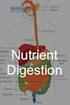 Topic 4: Digestion and Nutrition THE CONTENTS OF FOOD Food contains nutrients: Nutrients include: 1. 2. 3. 4. 5. Nutrients must be small enough to enter our cells. If they are too large they must be digested
CHAPTER 6 THE TERRESTRIAL PLANETS
 CHAPTER 6 THE TERRESTRIAL PLANETS MULTIPLE CHOICE 1. Which of the following is NOT one of the four stages in the development of a terrestrial planet? 2. That Earth, evidence that Earth differentiated.
Plant Responses to Environmental Cues Tropisms, Photoperiodism, and Plant Hormones
 Plant Responses to Environmental Cues Tropisms, Photoperiodism, and Plant Hormones Plant Responses to Environmental Cues Phototropism - plant growth response to light shoots bend toward light - positive
THE SOLAR SYSTEM - EXERCISES 1
 THE SOLAR SYSTEM - EXERCISES 1 THE SUN AND THE SOLAR SYSTEM Name the planets in their order from the sun. 1 2 3 4 5 6 7 8 The asteroid belt is between and Which planet has the most moons? About how many?
Try pancakes, waffles, french toast, bagels, cereal, English muffins, fruit or juice. These foods are all high in carbohydrates.
 Healthy Meals for Swimmers on the Go Notes on BREAKFAST - Start your day off right! Try pancakes, waffles, french toast, bagels, cereal, English muffins, fruit or juice. These foods are all high in carbohydrates.
Getting Energy from Food Your Digestive System
 9 Getting Energy from Food Your Digestive System The Digestive System You know how your body gets the oxygen it needs. But how do your body s cells get the nutrients they need? Nutrients come from the
Pediatrics. Specialty Courses for Medical Assistants
 Pediatrics Specialty Courses for Medical Assistants 7007 College Boulevard, Suite 385 Overland Park, Kansas 66211 www.ncctinc.com t: 800.875.4404 f: 913.498.1243 Pediatrics Specialty Certificate Course
A: Planets. Q: Which of the following objects would NOT be described as a small body: asteroids, meteoroids, comets, planets?
 Q: Which of the following objects would NOT be described as a small body: asteroids, meteoroids, comets, planets? A: Planets Q: What can we learn by studying small bodies of the solar system? A: We can
10.2 The Human Digestive System pg. 411
 10.2 The Human Digestive System pg. 411 The human digestive system is made up of a group of organs working together. The digestive tract is made up of the mouth, esophagus, stomach, small intestine, and
How To Write A Science Quiz
 SOLAR-SYSTEM DATA Name 1. Record the planets and other solar-system objects in order, starting with the Sun. Use the table on the left side of this sheet. If a planet has a moon, write its name in the
The Excretory and Digestive Systems
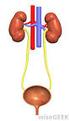 The Excretory and Digestive Systems 38.2 The Process of Digestion Organs of the Digestive System The digestive system includes the: Mouth Pharynx Esophagus Stomach Small and large intestine. Other structures
CELERY LAB - Structure and Function of a Plant
 CELERY LAB - Structure and Function of a Plant READ ALL INSTRUCTIONS BEFORE BEGINNING! YOU MAY WORK WITH A PARTNER ON THIS ACTIVITY, BUT YOU MUST COMPLETE YOUR OWN LAB SHEET! Look at the back of this paper
Unit 5 Photosynthesis and Cellular Respiration
 Unit 5 Photosynthesis and Cellular Respiration Advanced Concepts What is the abbreviated name of this molecule? What is its purpose? What are the three parts of this molecule? Label each part with the
Chapter 2. The Chemistry of Life Worksheets
 Chapter 2 The Chemistry of Life Worksheets (Opening image courtesy of David Iberri, http://en.wikipedia.org/wiki/file:camkii.png, and under the Creative Commons license CC-BY-SA 3.0.) Lesson 2.1: Matter
Photosynthesis. Grade-Level Expectations The exercises in these instructional tasks address content related to the following grade-level expectations:
 GRADE 5 SCIENCE INSTRUCTIONAL TASKS Photosynthesis Grade-Level Expectations The exercises in these instructional tasks address content related to the following grade-level expectations: SI-M-A5 Use evidence
Topic 3.0 Healthy human function depends on a variety of interacting and reacting systems
 Topic 3.0 Healthy human function depends on a variety of interacting and reacting systems Organ Systems Organ systems must have the ability to to changes within and outside of your body to maintain life
Photosynthesis and (Aerobic) Respiration. Photosynthesis
 Photosynthesis and (Aerobic) Respiration These two processes have many things in common. 1. occur in organelles that seem to be descended from bacteria (endosymbiont theory): chloroplasts and mitochondria
Name Period 4 th Six Weeks Notes 2015 Weather
 Name Period 4 th Six Weeks Notes 2015 Weather Radiation Convection Currents Winds Jet Streams Energy from the Sun reaches Earth as electromagnetic waves This energy fuels all life on Earth including the
THE DIGESTIVE SYSTEM from The Human Body Systems Series
 from The Human Body Systems Series Teacher's Guide 1 The Digestive System from The Human Body Systems Series catalog # 3206 Published & Distributed by AGC/UNITED LEARNING 1560 Sherman Avenue Suite 100
PHOTOSYNTHESIS AND CELLULAR RESPIRATION
 reflect Wind turbines shown in the photo on the right are large structures with blades that move in response to air movement. When the wind blows, the blades rotate. This motion generates energy that is
Cellular Energy. 1. Photosynthesis is carried out by which of the following?
 Cellular Energy 1. Photosynthesis is carried out by which of the following? A. plants, but not animals B. animals, but not plants C. bacteria, but neither animals nor plants D. all living organisms 2.
Determination of Specific Nutrients in Various Foods. Abstract. Humans need to consume food compounds such as carbohydrates, proteins, fats,
 Determination of Specific Nutrients in Various Foods Abstract Humans need to consume food compounds such as carbohydrates, proteins, fats, and vitamins to meet their energy requirements. In this lab, reagents
DIGESTION is the physical and
 Digestion DIGESTION is the physical and chemical breakdown of feeds as they pass through the gastrointestinal tract. The structures of the gastrointestinal tract include the mouth, the esophagus, the stomach,
IGCSE and GCSE Biology. Answers to questions. Section 2. Flowering Plants. Chapters 6-9. Chapter 6 Plant structure and function
 1 IGCSE and GCSE Biology. Answers to questions Section 2. Flowering Plants. Chapters 6-9 Chapter 6 Plant structure and function Page 54 1. a Epidermis. Helps maintain shape, reduces evaporation, resists
Pre-requisites: Successful completion of 4th grade science and the 4th grade science assessment.
 Throughout each unit, assessments are incorporated into lessons. These assessments are activities that occur within the context of each lesson providing the guidelines for assessing students' progress.
Multiple Choice Identify the choice that best completes the statement or answers the question.
 Test 2 f14 Multiple Choice Identify the choice that best completes the statement or answers the question. 1. Carbon cycles through the Earth system. During photosynthesis, carbon is a. released from wood
WHAT ARE THE DIFFERENCES BETWEEN VASCULAR AND NON- VASCULAR PLANTS?
 WHAT ARE THE DIFFERENCES BETWEEN VASCULAR AND NON- VASCULAR PLANTS? Let s take a closer look. What makes them different on the outside and inside? Learning Intentions To understand how vascular plant cells
Introduction to Plants
 Introduction to Plants Unity and Diversity of Life Q: What are the five main groups of plants, and how have four of these groups adapted to life on land? 22.1 What are of plants? WHAT I KNOW SAMPLE ANSWER:
Lesson Title: Nutrient Wise
 Standards This lesson aligns with the OSPI Health and Fitness Standards. This lesson will address GLE 1.5.1 Applies nutrition goals based on dietary guidelines and individual activity needs. GLE 1.5.4
DIABETES & HEALTHY EATING
 DIABETES & HEALTHY EATING Food gives you the energy you need for healthy living. Your body changes most of the food you eat into a sugar called glucose. (glucose) Insulin helps your cells get the sugar
I The THREE types of LIPIDS
 LECTURE OUTLINE Chapter 5 The Lipids: Fats, Oils, Phospholipids and Sterols I The THREE types of LIPIDS A. Triglycerides (fats & oils)- the MAJOR type of lipid in food and humans. 1. 2 parts of triglyceridesa)
2) Digestion the breakdown of. There are two types of digestion: Mechanical and Chemical. 3) Absorption when the nutrients enter into the blood.
 The Digestive System Video on the digestive system (5 min) The digestive system is responsible for the breakdown of the we eat so that it can be absorbed into the. There are four main stages of the digestive
The chemical reactions inside cells are controlled by enzymes. Cells may be specialised to carry out a particular function.
 12.1 What are animals and plants built from? All living things are made up of cells. The structures of different types of cells are related to their functions. to relate the structure of different types
Solar System Fact Sheet
 Solar System Fact Sheet (Source: http://solarsystem.nasa.gov; http://solarviews.com) The Solar System Categories Mercury Venus Earth Mars Jupiter Saturn Uranus Neptune Rocky or Gas Rocky Rocky Rocky Rocky
Meal Planning for a Mushy Soft Diet After Laparoscopic Myotomy
 Meal Planning for a Mushy Soft Diet After Laparoscopic Myotomy Name: Date: Dietitian: Telephone: Why is it necessary to follow this diet? This diet is necessary for individuals who have had some types
Plant Parts. Background Information
 Purpose The purpose of this lesson is for students to learn the six basic plant parts and their functions. Time Teacher Preparation: 30 minutes Student Activity: 60 minutes Materials For the teacher demonstration:
Meal Planning for a Mushy Soft Diet After Nissen Fundoplication
 Meal Planning for a Mushy Soft Diet After Nissen Fundoplication Name: Date: Dietitian: Telephone: Questions? CALL YOUR DIETITIAN! Patient Food and Nutrition Services University of Michigan Hospital 1500
pathway that involves taking in heat from the environment at each step. C.
 Study Island Cell Energy Keystone Review 1. Cells obtain energy by either capturing light energy through photosynthesis or by breaking down carbohydrates through cellular respiration. In both photosynthesis
2. Which type of macromolecule contains high-energy bonds and is used for long-term energy storage?
 Energy Transport Study Island 1. During the process of photosynthesis, plants use energy from the Sun to convert carbon dioxide and water into glucose and oxygen. These products are, in turn, used by the
A Solar System Coloring Book
 A Solar System Coloring Book Courtesy of the Windows to the Universe Project http://www.windows2universe.org The Sun Size: The Sun is wider than 100 Earths. Temperature: ~27,000,000 F in the center, ~10,000
CELERY LAB - Structure and Function of a Plant
 CELERY LAB - Structure and Function of a Plant READ ALL INSTRUCTIONS BEFORE BEGINNING! YOU MAY WORK WITH A PARTNER ON THIS ACTIVITY, BUT YOU MUST COMPLETE YOUR OWN LAB SHEET! Plants are incredible organisms!
Save Time and Money at the Grocery Store
 Save Time and Money at the Grocery Store Plan a Grocery List Making a list helps you recall items you need and also saves you time. Organize your list according to the layout of the grocery store. For
Cells, tissues and organs
 Chapter 8: Cells, tissues and organs Cells: building blocks of life Living things are made of cells. Many of the chemical reactions that keep organisms alive (metabolic functions) take place in cells.
Digestive system Review
 Digestive system Review 1. Distinguish between chemical digestion and mechanical digestion. The physical breakdown of food begins in the mouth with two types of processes. The mouth is a complex structure
Chapter 16: Circulation
 Section 1 (The Body s Transport System) Chapter 16: Circulation 7 th Grade Cardiovascular system (the circulatory system) includes the heart, blood vessels, and blood carries needed substances to the cells
MEAL PLANNING FOR MECHANICAL SOFT DIET
 MEAL PLANNING FOR MECHANICAL SOFT DIET Definition of Terms Calories Protein Blenderized Pureed Units of energy. A nutrient used by your body for growth and repair. The best sources are milk, meats, fish,
8.2 Cells and Energy. What is photosynthesis? Photosynthesis takes place in the chloroplasts. CHAPTER 8. Solar cells and chloroplasts
 CHAPTER 8 CELL PROCESSES 8.2 Cells and Energy To stay alive, you need a constant supply of energy. You need energy to move, think, grow, and even sleep. Where does that energy come from? It all starts
WEIGHT GAINER S NUTRITION GUIDE
 WEIGHT GAINER S NUTRITION GUIDE Gaining weight takes dedication! You must eat these meals everyday to stay on track. Included in this pack are the meal plan, supplement guide, fast food guide, and NCAA
Level 3. Applying the Principles of Nutrition to a Physical Activity Programme Level 3
 MULTIPLE CHOICE QUESTION PAPER Paper number APNU3.0 Please insert this reference number in the appropriate boxes on your candidate answer sheet Title MOCK PAPER Time allocation 50 minutes Level 3 Applying
Biology 13A Lab #13: Nutrition and Digestion
 Biology 13A Lab #13: Nutrition and Digestion Lab #13 Table of Contents: Expected Learning Outcomes.... 102 Introduction...... 103 Food Chemistry & Nutrition.... 104 Activity 1: Testing for the Presence
1. (U4C1L4:G9) T or F: The human body is composed of 60 to 70 percent water. 2. (U4C1L4:G13) Another name for fiber in a diet is.
 Cadet Name: Date: 1. (U4C1L4:G9) T or F: The human body is composed of 60 to 70 percent water. A) True B) False 2. (U4C1L4:G13) Another name for fiber in a diet is. A) vegetables B) laxative C) fruit D)
Carbohydrate Counting for Patients with Diabetes. Lauren Dorman, MS RD CDE Registered Dietitian & Certified Diabetes Educator
 Carbohydrate Counting for Patients with Diabetes Lauren Dorman, MS RD CDE Registered Dietitian & Certified Diabetes Educator Program Purpose To increase knowledge of carbohydrate counting skills for nurses
Magic School Bus Digestive System Brainpop Digestive System
 The Digestive System Magic School Bus Digestive System Brainpop Digestive System 1 Functions of the Digestive System: 1. Break up food into smaller pieces 2. Absorbing nutrients into the blood 3. Excreting
8. Study the cladogram underline the derived characteristics and circle the organisms that developed from them.
 Seed Plants: Gymnosperms and Angiosperms Answer the questions as you go through the power point, there are also paragraphs to read where you will need to hi-lite or underline as you read. 1. What are the
1. Essay: The Digestive and Absorption Processes of Macronutrients
 Jenny Kim Professor Rosario Nutrition: Macronutrients Project June 26, 2014 1. Essay: The Digestive and Absorption Processes of Macronutrients Whenever we eat, the foods we ingest in our bodies undergo
Carbohydrate Counting for Pediatric Patients With Type 1 Diabetes. Review Date 4/08 K-0591
 Carbohydrate Counting for Pediatric Patients With Type 1 Diabetes Review Date 4/08 K-0591 Program Purpose To increase knowledge of carbohydrate counting and insulin management skills for those caring for
ORANGE PUBLIC SCHOOLS OFFICE OF CURRICULUM AND INSTRUCTION OFFICE OF SCIENCE. GRADE 6 SCIENCE Post - Assessment
 ORANGE PUBLIC SCHOOLS OFFICE OF CURRICULUM AND INSTRUCTION OFFICE OF SCIENCE GRADE 6 SCIENCE Post - Assessment School Year 2013-2014 Directions for Grade 6 Post-Assessment The Grade 6 Post-Assessment is
top 5 fat burning tips by steve dennis
 top 5 fat burning tips by steve dennis top 5 fat burning tips by steve dennis Are you frustrated about trying to lose body fat? Confused about what foods to eat? Do you often wonder why carbs are bad?
1. A student found a sample of a solid material that was gray, shiny and made of all the same material. What category does this sample best fit?
 Grade 4 Standard 3 Unit Test A Earth Materials Multiple Choice 1. A student found a sample of a solid material that was gray, shiny and made of all the same material. What category does this sample best
Get It Right. Answers. Chapter 1: The Science of Life. A biologist studies all living things.
 Discover Biology 'N' Level Science Chapter 1 Chapter 1: The Science of Life A biologist studies all living things. In order to carry out the scientific method, we need to ask questions. Discover Biology
But what does my body need? (No...it is not just candy and soda!)
 Chapter 35: Page 349 In the last chapter, you learned how important your immune system is to your survival. This week, you are going to learn how to keep your immune system strong and ready to protect
Carbohydrate Counting (Quiz Number: Manatee3032009)
 Page 1 The goal of Carbohydrate Counting is to make clear to you which foods affect your blood glucose and then to spread these foods evenly throughout the day (or to match insulin peaks and durations).
Chapter 39: Plant Responses to Internal and External Signals
 Name Period Concept 39.1 Signal transduction pathways link signal reception to response This concept brings together the general ideas on cell communication from Chapter 11 with specific examples of signal
tissues are made of cells that work together, organs are )
 Study Guide Cells Unit Test Matching. Write the letter of the correct response on the line. You may use the responses more than once. A. proteins B. simple carbohydrates C. complex carbohydrates D. lipids
Endocrine System: Practice Questions #1
 Endocrine System: Practice Questions #1 1. Removing part of gland D would most likely result in A. a decrease in the secretions of other glands B. a decrease in the blood calcium level C. an increase in
A SOLAR SYSTEM COLORING BOOK
 A SOLAR SYSTEM COLORING BOOK Brought to you by: THE SUN Size: The Sun is wider than 100 Earths. 1 Temperature: 27,000,000 F in the center, 10,000 F at the surface. So that s REALLY hot anywhere on the
HIGH FIBER DIET. (Article - Web Site) August 20, 2003
 HIGH FIBER DIET (Article - Web Site) August 20, 2003 Dietary fiber, found mainly in fruits, vegetables, whole grains and legumes, is probably best known for its ability to prevent or relieve constipation.
B2 Revision. Subject Module Date Biology B2 13 TH May (am)
 B2 Revision Subject Module Date Biology B2 13 TH May (am) Useful websites www.aqa.org.uk This website contains the specifications that we follow and also has a large number of past papers and mark schemes
Solar System Overview
 Solar System Overview Planets: Four inner planets, Terrestrial planets Four outer planets, Jovian planets Asteroids: Minor planets (planetesimals) Meteroids: Chucks of rocks (smaller than asteroids) (Mercury,
The Solar System. Source http://starchild.gsfc.nasa.gov/docs/starchild/solar_system_level1/solar_system.html
 The Solar System What is the solar system? It is our Sun and everything that travels around it. Our solar system is elliptical in shape. That means it is shaped like an egg. Earth s orbit is nearly circular.
Plants, like all other living organisms have basic needs: a source of nutrition (food),
 LEARNING FROM LEAVES: A LOOK AT LEAF SIZE Grades 3 6 I. Introduction Plants, like all other living organisms have basic needs: a source of nutrition (food), water, space in which to live, air, and optimal
The Five Food Groups and Nutrition Facts
 session 4 The Five Food Groups and Nutrition Facts (Note to the presenter: Comments in parentheses are instructions to follow while giving the presentation. Do not read the comments to participants. This
Essential Standards: Grade 4 Science Unpacked Content
 This document is designed to help North Carolina educators teach the Essential Standards (Standard Course of Study). NCDPI staff are continually updating and improving these tools to better serve teachers.
Chapter 1 Structure of Living Things... 1 Chapter 2 Plant Structures and Functions... 21 Chapter 3 Human Body Systems... 41
 Teacher s Guide Contents Life Science Chapter 1 Structure of Living Things 1 Chapter 2 Plant Structures and Functions 21 Chapter 3 Human Body Systems 41 Earth Science Chapter 4 Earth s Water 71 Chapter
How To Understand The Human Body
 Introduction to Biology and Chemistry Outline I. Introduction to biology A. Definition of biology - Biology is the study of life. B. Characteristics of Life 1. Form and size are characteristic. e.g. A
Digestive System Notes
 Digestive System Notes Structure Function Relation Mouth cavity Mechanical digestion by teeth; chemical digestion of starch by saliva. Salivary glands Three pairs of glands which secrete saliva containing
Healthy Eating During Pregnancy
 Healthy Eating During Pregnancy Pregnancy is a time of great change. Your body is changing to allow your baby to grow and develop. Good nutrition will help you meet the extra demands of pregnancy while