
Type A Energy Wheels
|
|
|
- Wilfrid Richard
- 9 years ago
- Views:
Transcription
1 Type A Energy Wheels for Modular and T-Series Climate Changer Air Handlers August 2001 CLCH-PRC006-EN

2 Contents Introduction... 3 Features and Benefits... 4 Energy Wheel Construction... 5 Application Considerations... 7 Performance Calculations Cleaning Requirements MCC Dimensions and Weights T-Series Dimensions and Weights American Standard Inc. All rights reserved CLCH-PRC006-EN

3 Introduction This product catalog provides information about the Type A Trane energy wheel, its features and benefits, selection details, and specific guidelines to assure an effective system design for the Modular Climate Changer (MCC) and T- Series Climate Changer air handlers. Review this material carefully before beginning the design process. A general overview of energy wheels is provided in engineering bulletin, CLCH- PRB012-EN, including application guidelines for the energy wheel module/section. Please contact your local Trane sales engineer for additional design support or to answer technical questions that go beyond the scope of this product catalog. CLCH-PRC006-EN 3

4 Features and Benefits The primary feature of the Trane Type A energy wheel is that it is ARI 1060 certified and UL recognized, assuring performance per specifications and enabling quick approvals. ARI Standard 1060 is the standard for rating air-to-air energy recovery ventilation equipment. Other features and benefits include: An all-welded, stainless steel wheel assembly that is independent of the heat transfer media, resulting in corrosion resistance and long service life Removable energy transfer segments, allowing the wheel media to be cleaned easily, which contributes to long life expectancy and sustained effectiveness A laminar flow, self-cleaning matrix that requires little maintenance Energy efficient ventilation to reduce operating costs The ability to increase ventilation, allowing for improved indoor air quality (IAQ) High efficiency, which permits increased outdoor air quantity without increasing the heating or cooling plant. ARI 1060 Certification Trane Modular Climate Changer (MCC) and T- Series Climate Changer air handlers are certified to use an ARI 1060 certified energy wheel. ARI Standard 1060 is a certification program that verifies the performance characteristics of energy wheels, air-to-air plate exchangers, and heat pipes. The performance characteristics certified by ARI Standard 1060 are: Total effectiveness Latent effectiveness Sensible effectiveness Exhaust air transfer ratio (EATR) The percentage of the exhaust air that crosses over into the supply air Outside air correction factor (OACF) The ratio of the entering outside airflow divided by the leaving ventilation (supply) airflow Pressure drop The supply and exhaust airflow pressure drops In ARI Standard 1060, the sensible, latent, or total effectiveness of an air-to-air heat exchanger for use in energy recovery ventilation equipment is described by the following equation: m E = s ( x 1 x 2 ) m min ( x 1 + x 3 ) where: E = sensible, latent, or total effectiveness x = dry bulb temperature (for sensible effectiveness) in F [ C] or absolute humidity ratio (for latent effectiveness) in grains/lb [grams/kg] or total enthalpy (for total effectiveness) in Btu/lb [J/kg] m s = mass flow rate in units of mass of dry air per unit time lb/hr [kg/hr] where: subscript "s" refers to the supply air subscript "min" refers to the minimum of the exhaust and supply values subscripts 1, 2, and 3 indicate measurement stations as defined in Section of ASHRAE Standard 84 (1 is the entering supply air, 2 is the leaving supply air, and 3 is the entering exhaust or return air). Trane uses net effectiveness, the true effectiveness at which the energy recovery device performs without the benefits of the transferred exhaust air, which may affect the leaving air temperature. Because the effects of exhaust air cannot be subtracted during testing, the measured effectiveness and net effectiveness numbers are both reported in the directory. Trane energy wheels have minimal exhaust air transfer, so these two numbers are close to equal. To obtain a copy of the standard or to view Trane's latest certified data in the official ARI 1060 directory, go to ARI s Web site at 4 CLCH-PRC006-EN

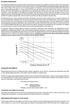
5 Energy Wheel Construction Type A energy wheels incorporate an all-welded stainless steel hub, spoke, and rim assembly, which is independent of the heat transfer matrix. The heat transfer matrix is contained in patented energy transfer segments that can be removed from the wheel without using tools. The Type A energy wheel uses a unique parallel plate geometry and polymer film substrate to provide an optimized heat exchanger design. The polymer film substrate reduces the problem of axial heat flow, allowing for a lighter-weight wheel with a thinner profile. Permanently lubricated wheel bearings provide an L-10, 400,000-hour life expectancy. A urethane stretch belt perimeter drive system eliminates the need for gear drive motors, chain drives, and idler tension devices. Permanent split capacitor (single-phase) and high efficiency (three-phase) motors are used in combination with the lightweight wheel construction to minimize electrical requirements. Silica gel desiccant is used for its superior water sorption properties in the relative humidity working range encountered in air conditioning applications. The desiccant is physically embedded in the surfaces of the polymer film without the use of adhesives, allowing the segments to be washed repeatedly without significant loss of material. Washing the Type A wheel restores latent performance in wheels that have experienced a reduction in latent capacity due to coating with tars or oil-based aerosols. Silica gel is a dry desiccant with an affinity for water molecules and a high working capacity at relative humidities above 30 percent relative humidity. As shown in Figure 1, silica gel has a greater capacity for adsorption and desorption of Figure 1. Desiccant comparison (after W.R. Grace, Davison Chemical Division, Silica Gels ) CLCH-PRC006-EN 5

6 water than the same amount of other desiccants at relative humidities in excess of 30 percent. This capacity is important because the energy recovery ventilation application treats outdoor air with relative humidity typically in the 40 to 80 percent range. Indoor relative humidity is 50 percent for cooling design and may range from 30 to 50 percent for humidified buildings in the winter heating application. At these conditions, molecular sieve-based wheels would require larger amounts of desiccant to achieve comparable performance to the silica gel-based wheel. In addition, the unique interactions of silica gel with the water molecule dipole gives silica gel a strong preference for sorption of water as opposed to other airborne molecules. 6 CLCH-PRC006-EN

7 Application Considerations Electrical Power Separate single or three-phase power must be run to the energy wheel module (see Table 1). The energy wheel motor is provided with thermal protection. The MCC energy wheel module is provided with an external 4 x 4 junction box for field power connection. A starting contactor must be supplied and installed. Power is connected to the T- Series energy wheel section through the high voltage electrical penetration in the exhaust fan section. Temperature Limits 150 F (66 C) maximum -20 F (-29 C) minimum Colder ambient temperatures can be tolerated, provided the module/section is oriented so the drive motor is in a warmer air stream. Cross Leakage and Purge All energy wheels have some cross leakage and purge, so do not use energy wheels in application involving toxic or hazardous air streams. The percentage of cross leakage depends on the pressure differentials across the wheel section. With Trane energy wheels the exhaust air transfer ratios are typically low (<3%). Fan placement can affect the pressurization of the two air streams, which controls the direction that the seal-related leakage moves. Therefore, fan placement can be used to direct that leakage. Table 2 describes the ways in which fans can be arranged to direct the cross leakage. Remember that exhaust and supply air fans must be arranged to provide counterflow airflow through the energy wheel. Table 1. Type A energy wheel electrical requirements, standard motor data 1 Wheel Size (nominal cfm) Motor hp Motor voltage/phase Motor Hz Motor Amperage 1,500 ¹ ₆ hp /240 volt, singlephase 50/ ,000 ¹ ₂ hp /240 volt, singlephase 50/ ¹ ₆ hp /460 volt, threephase 50/ /0.52 4,000, 5,000 ¹ ₂ hp /240 volt, singlephase 50/ ¹ ₆ hp /460 volt, threephase 50/ /0.38 6,000 25,000 ¹ ₄ hp /460 volt, threephase / Optional voltages, which differ from the above, are available for the 3-5K wheel. Table 2. Fan arrangement comparison Arrangement Cross Leakage Path Comments Draw-thru supply and exhaust and blow-thru supply and exhaust Either direction depending on the static pressures in the supply and exhaust air chambers Provides lower leakage as designed. There is little control over seal-related leakage over the life of the equipment as filters clog and air streams go out of balance. CLCH-PRC006-EN 7

8 Table 2. Fan arrangement comparison (continued) Arrangement Cross Leakage Path Comments Blow-thru supply/ draw-thru exhaust Supply to exhaust Any seal-related leakage goes into the exhaust air stream. This arrangement is recommended when minimum cross leakage from exhaust to supply is desired. Draw-thru supply/ blow-thru exhaust Exhaust to supply This arrangement is not recommended Figure 2. Exhaust air transfer ratio (EATR) for equal airflows Figure 3. Outside air correction factor (OACF) for equal airflows EATR and OACF values are needed to size the fans properly. These values vary depending on the wheel size and airflow. Figure 2 and Figure 3 represent the average EATR and OACF values for the Trane energy wheel. For exact values, use the Trane Energy Recovery software program. The placement of the fans affects how much airflow the fans receive. The following formulas can help determine the airflow through the fan. Draw-thru supply fan CFM = (Outside air ventilation requirement CFM) x (1+EATR) Draw-thru exhaust fan CFM = (Required Exhaust CFM) x (1+OATR) Blow-thru supply fan CFM = (Outside air ventilation requirement) x (1+OATR) Draw-thru exhaust fan CFM = (Required exhaust CFM) x (1+OATR) Blow-thru supply fan CFM = (Outside air ventilation requirement) x (1+OATR) Blow-thru exhaust fan CFM = (Required exhaust CFM) x (1+EATR) Where: OATR = (1+EATR) x (OACF) - 1 Measured outside air CFM = (Outside air ventilation requirement) x (1+OATR) Actual unit supply CFM = (Desired outside air) x (1+EATR) Because the MCC air handler is flexible, any one of the three fan arrangements may prove to be the best one. When determining an energy recovery unit layout, consider each configuration. In some cases, all three may be acceptable for the job, but in most cases, a blow-thru supply/draw-thru exhaust orientation produces the lowest EATR with a high fan penalty. To minimize the fan penalty, arrange the fans in the configuration that results in the lowest pressure differential between the wheel supply, C, 8 CLCH-PRC006-EN

9 and the wheel return, D (see Figure 4). Figure 4. MCC energy wheel orientation Example Energy Wheel Orientation In this example, the energy wheel will be used in a 10,000 cfm, 100 percent outside air unit with: 0.85 in. wg coil pressure drop 1.50 in. wg return external static pressure 0.50 in. wg exhaust external static pressure 2.00 in. wg supply external static pressure 0.20 in. wg outside air static pressure 0.25 in. wg outside air filter and damper pressure loss 1.07 in. wg wheel pressure drop Blow-Thru Supply, Draw-Thru Exhaust In a blow-thru supply, drawthru exhaust configuration, the purge volume can become significant if items such as a final filter are added to the system. To minimize this fan penalty, a blow-thru supply and exhaust configuration can be used. Pressure@C = +0.5" + 2" = +2.5" Pressure@D = P, C to D = (-1.5) = 4 in. wg OACF = 1.08; EATR = 0.6%; OATR = Supply Fan CFM = 10,000 x ( ) = 10,660 cfm Exhaust Fan CFM= 10,000 x = 10,660 cfm Inlet Outside Air CFM = 10,000 x = 10,660 cfm Unit Supply CFM = 10,000 x = 10,060 cfm Blow-Thru Supply, Blow-Thru Exhaust Pressure@C = +0.5"+ 2" = +2.50" Pressure@D = +1.07"+ 0.50" = +1.57" P, C to D = 2.5" - (+1.57") = 0.93" OACF = 1.04; EATR = 1.9%; OATR = 1.06 Supply Fan CFM = 10,000 x 1.06 = 10,600 cfm Exhaust Fan CFM = 10,000 x = 10,190 cfm Inlet Outside Air CFM = 10,000 x 1.06 = 10,600 cfm Unit Supply CFM = 10,190 cfm Draw-Thru Supply, Draw-Thru Exhaust Pressure@C = -1.07" " - 0.2" = " Pressure@D = -1.50" P, C to D = -1.52" - (-1.50") = in. wg OACF = 1.02; EATR = 2.2%; OATR = Supply Fan CFM = 10,000 x ( ) = 10,220 cfm Exhaust Fan CFM = 10,000 x ( ) = 10,420 cfm Inlet Outside Air CFM = 10,000 x = 10,420 cfm Unit Supply CFM = 10,220 cfm In this example, the draw-thru supply and exhaust configuration has the lowest fan penalty and produces a small EATR. It is the preferred arrangement for this example application. The blow-thru supply/draw-thru exhaust arrangement provides the lowest EATR but uses significantly more fan energy than the other arrangements because of the amount of outside air being purged. Because typical applications of energy wheel systems include schools, offices, dormitories, and casinos, wheel purge offers no value to most customers. If conditions exist in which a purge needs to be induced, a purge sector can be ordered from the factory. A T-Series air handler is always in a draw-thru supply and exhaust configuration when using an energy wheel. The same procedure can be followed to approximate the cross leakage. Use the Trane Energy Recovery software to obtain exact values. CLCH-PRC006-EN 9

10 Performance Calculations Choose the Unit Size Other unit components of the air handler, such as the cooling coil and the amount of return air for mixed airflow units, may require a minimum unit size. Figure 5 and Figure 6 show the availability of Trane energy wheels per unit size. Typically, per unit size, there is one 100 percent outside air wheel option and several partial wheel options sized for percent outside air. Use the 100 percent outside air wheel option for units that have over 70 percent outside airflow. Also, make sure the wheel size is available with the unit size. Figure 5. MCC wheel options Wheel Option MCC Unit Sizes (cfm) Partial Flow Wheel Option (mixed air units) 100 Percent Outside Air Wheel Option Figure 6. TSC wheel options Wheel Option T-Series Unit Sizes (cfm) Partial Flow Wheel Option (mixed air units) 100 Percent Outside Air Wheel Option 10 CLCH-PRC006-EN

11 Choose the Wheel Size The required ventilation CFM determines the size of the energy wheel. Refer to Table 3 and Table 4 for CFM ranges in choosing the correct wheel size. Base your selection on the larger of the supply or return CFM when using unequal airflows. Table 3. Trane Type A energy wheel, pressure loss, P (in. wg) and total effectiveness (wheel sizes 1,500 8,500) Wheel Size 1,500 3,000 4,000 5,000 6,000 7,000 8,500 Actual Airflow (cfm) P % Eff P % Eff P % Eff P % Eff P % Eff P % Eff P % Eff CLCH-PRC006-EN 11

12 Table 4. Trane Type A energy wheel, pressure loss, P (in. wg) and total effectiveness (wheel sizes 10,500 25,000) Wheel Size 10,500 12,500 15,000 17,500 20,000 25,000 Actual Airflow (cfm) P % Eff P % Eff P % Eff P % Eff P % Eff P % Eff CLCH-PRC006-EN

13 Determine Wheel Effectiveness To calculate the supply and exhaust air conditions leaving the wheel, you must know the wheel effectiveness. Refer to Table 3 for total effectiveness measurements. Note that the effectiveness numbers shown assume equal supply and exhaust airflows. If the airflows are unbalanced, the effectiveness changes. Use the Trane Energy Recovery software to determine effectiveness values for these conditions. Calculate Wheel Performance Use the following equations to calculate supply air conditions. Use the Trane Energy Recovery Performance software to calculate exhaust air conditions and to obtain actual dry bulb temperature and enthalpy values for coil and equipment sizing. Dry Bulb Temperature: Cooling: Tsa = Toa (E x (Toa-Tra)) Heating: Tsa = Toa + (E x (Tra-Toa)) where: Tsa = Dry bulb temperature of supply air ( F) Toa = Dry bulb temperature of outside air ( F) Tra = Dry bulb temperature of return air ( F) E = Sensible Effectiveness Enthalpy: Cooling: Hsa = Hoa (E x (Hoa-Hra)) Heating: Hsa = Hoa + (E x (Hra-Hoa)) where: Hsa = Enthalpy of supply air (btu/ lb) Hoa = Enthalpy of outside air (btu/ lb) Hra = Enthalpy of return air (btu/lb) E = Total Effectiveness After calculating these two points, use a pyschrometric chart to obtain the supply air wet bulb temperature and/or grains moisture. Example Energy Wheel Application In this example, a wheel sized for nominal 10,500 cfm will be used for the initial evaluation. Table 5 provides the design data for cooling and heating. The air pressure drop is 1.07 in. wg and the total effectiveness is 73 percent (see Table 3). The total and latent effectiveness values are close to equal for Trane energy wheels. For this example, total effectiveness is assumed to be 73 percent in cooling mode and 75 percent in heating mode. The Trane Energy Recovery software could be used to obtain the exact values. Supply air conditions, cooling mode: Tsa = Toa (E x (Toa Tra)) = 95 F (.73 x (95 F 75 F)) = 81 F Hsa = Hoa (E x (Hoa Hra)) = 38.4 Btu/lb (.73 x (38.4 Btu/ lb 26.0 Btu/lb)) = 29.3 Btu/lb According to a pyschrometric chart, the supply air wet bulb temperature is 64.4 F, 64 grains/lbm. Supply air conditions, heating mode: Tsa = Toa + (E x (Tra Toa)) = 10 F + (.75 x (70 F 10 F)) = 55 F Hsa = Hoa + (E x (Hra Hoa)) = 3.2 Btu/lb + (.75 x (22.7 Btu/lb 3.2 Btu/lb)) = 17.8 Btu/lb According to a pyschrometric chart, the supply air wet bulb temperature is 45.5 F, 30 grains/lbm. When designing the remainder of the air-handling system, be sure to account for the air pressure drop imposed by the energy wheel. Chiller and Boiler Capacity Reduction Carefully evaluate the reduction in required chiller and/or boiler capacity when making your final unit selections. Consider factors such as weather data, hours of operation, multiple modules on the project, and the need for redundant capacity. Even a modest cut in the mechanical plant can significantly offset the cost of the energy wheel module, though the actual reduction made in the mechanical plant capacity changes from project to project. It is imperative that you downsize the heating and cooling equipment when using an energy wheel. Downsizing should be done not only to gain the lower equipment first cost CLCH-PRC006-EN 13

14 benefit but also to avoid other system and building problems, including short-cycling of equipment with subsequent loss of control of building humidity (summertime operation) and occupant discomfort and complaints due to swings in supply air temperature. This principle is particularly true with direct expansion (DX) systems. Loss of building humidity control could cause microbial growth to flourish in the building, leading to occupant discomfort and potential building deterioration. For more information, refer to Trane application manual, Managing Building Moisture (SYS-AM-15). The following calculations use the information from the previous example. Use these equations to calculate your own applications chiller and boiler capacity reduction. Chiller capacity reduction, cooling mode: Btu/lb = 4.5 x SCFM x (Hoa Hsa) Btu/lb = 4.5 x 10,000 x ( ) Btu/lb= 409,500 Btu/lb Tons = ( Btu) ( lb) ( 12, 000Btu) ( ton) Tons = 409,500/12,000 Tons = 34.1 tons Boiler capacity reduction, heating mode: Btu/lb = x SCFM x (Toa Tsa) Btu/lb = x 9000 x (55 10) Btu/lb = 439,500 Btu/lb Boiler HP = ( Btu) ( lb) ( 33, 446Btu) ( HP) Boiler HP = 439,500/33,446 Boiler HP = 13.1 hp Table 5. Design data for example application Design Data Cooling Heating Supply airflow (SCFM) 10,000 9,000 Return airflow (SCFM) 10,000 9,000 Outdoor Air Conditions Dry bulb/wet bulb 95ºF/75ºF 10ºF/8ºF Enthalpy 38.4 Btu/lb 3.2 Btu/lb Return Air Conditions Dry bulb/relative 75ºF/40% 70ºF/35% humidity Enthalpy 26.0 Btu/lb 22.7 Btu/lb 14 CLCH-PRC006-EN

15 Cleaning Requirements The need for periodic cleaning is a function of operating schedule, climate, and contaminants in the air streams. Trane energy wheels are selfcleaning with respect to dry particles. Smaller particles pass through the wheel. Larger particles land on the surface and are blown clear as the wheel turns into the opposite airflow path. For this reason, the primary cleaning need for Trane energy wheels is to remove oil-based aerosol films that have collected on the desiccant surfaces. Such films can close off micron-sized pores at the surface of the desiccant material, reducing its ability to adsorb and desorb moisture. Periodically recording the air temperatures entering and leaving the energy wheel to detect changes in performance is recommended. In a reasonably clean indoor environment, such as a school or office building, experience shows that reductions of airflow or loss of sensible effectiveness may not occur for ten or more years. Where there is moderate tobacco smoke, or within cooking facilities, reduction in effectiveness can occur much faster. In applications experiencing high levels of tobacco smoke, such as smoking lounges, nightclubs, bars, and restaurants, the energy transfer surfaces may require cleaning as often as every six months. Similar washing cycles may also be appropriate for industrial applications, such as welding or machining operations, involving ventilation of high levels of smoke or oil-based aerosols. Trane energy wheels use a silica gel desiccant permanently bonded without adhesives to the heat exchange surface; therefore, the desiccant will not be washed off in the cleaning process. Trane energy wheels larger than 30 inches in diameter are made with removable segments for easy cleaning. Proper cleaning of the energy wheel should restore latent effectiveness to near original performance. A detailed cleaning procedure can be found in the appropriate installation, operation, and maintenance manual (CLCH- SVX03A-EN for T-Series energy wheels and CLCH-SVX04A-EN for MCC energy wheels). CLCH-PRC006-EN 15

16 MCC Dimensions and Weights The two configurations detailed below are the more common arrangements for Figure 7. MCC dimensional data MCC energy wheel units. To obtain dimensions and weights for more unique configurations, contact Lexington marketing at , extension Table 6. MCC module dimensions and weights: 100% outside air 1 (no dampers) Unit Size Access Door Module Length Module Width Module Height Weight (lb.) 3 24 x ³ ₄ x ³ ₄ x ¹ ₄ ¹ ₂ x 30 43³ ₄ 64 68¹ ₄ ¹ ₂ x 34 43³ ₄ 68 76¹ ₄ ¹ ₂ x 36 47³ ₄ 72 80¹ ₄ ¹ ₂ x 40 47³ ₄ 78 88¹ ₄ ¹ ₂ x 44¹ ₂ 55³ ₄ 80 97¹ ₄ x 50³ ₄ 62³ ₄ ³ ₄ ³ ₈ x 50³ ₄ 62³ ₄ ³ ₄ ¹ ₂ x 57 62³ ₄ ¹ ₄ ¹ ₂ x 57 62³ ₄ ¹ ₄ ¹ ₂ x 69 62³ ₄ ¹ ₄ Module dimensions and weights are subject to change without notice. Refer to the Trane submittals for current dimensions and weights. 16 CLCH-PRC006-EN

17 Table 7. MCC module dimensions (inches) and weights: partial outside air 1 (one recirculating and two bypass dampers) Unit Size Access Door Module Length Module Width Module Height Weight (lb.) x 25¹ ₂ 49³ ₄ x 29¹ ₄ 49³ ₄ 48 62¹ ₄ ¹ ₂ x 30 49³ ₄ 60 68¹ ₄ ¹ ₂ x 34 49³ ₄ 64 76¹ ₄ ¹ ₂ x 36 49³ ₄ 68 80¹ ₄ ¹ ₂ x 40 49³ ₄ 74 86¹ ₄ ¹ ₂ x 44 55³ ₄ 76 97¹ ₄ x 50³ ₄ 62³ ₄ ³ ₄ ³ ₈ x 50 62³ ₄ ³ ₄ ¹ ₂ x 57 62³ ₄ ¹ ₄ ¹ ₂ x 57 62³ ₄ ¹ ₄ ¹ ₂ x 69 62³ ₄ ¹ ₄ Module dimensions and weights are subject to change without notice. Refer to the Trane submittals for current dimensions and weights. Table 8. MCC module dimensions (inches) and weights: 100% outside air with variable effectiveness 1 (one bypass damper) Size Access Door Module Length Module Width Module Height Weight (lb.) 3 24 x 45³ ₄ ¹ ₂ x 50³ ₄ ¹ ₂ x 58¹ ₄ ¹ ₂ ¹ ₂ x 32 43³ ₄ 64 73¹ ₂ ¹ ₂ x 32 43³ ₄ 68 79¹ ₂ ¹ ₂ x 34 47³ ₄ 72 90¹ ₄ ¹ ₂ x 34 47³ ₄ ¹ ₂ x 39 55³ ₄ x 39 62³ ₄ ³ ₄ ³ ₈ x 46 62³ ₄ ¹ ₂ ¹ ₂ x 48 62³ ₄ ¹ ₄ ¹ ₂ x 48 62³ ₄ ¹ ₂ x 55 62³ ₄ ¹ ₄ Module dimensions and weights are subject to change without notice. Refer to the Trane submittals for current dimensions and weights. CLCH-PRC006-EN 17

18 T-Series Dimensions and Weights Figure 8. T-Series dimensional data, plan view: partial outside air Figure 9. T-Series dimensional data, side elevation Recirculating damper on partial flow wheels only. Only one bypass damper is allowed on a 100% outside air section 18 CLCH-PRC006-EN

19 Table 9. T-Series energy wheel section dimensions (inches) and weights: 100% outside air 1 (maximum of one bypass damper) Unit Section Dimensions Outside Air Hood Return Air Weight Size W H L S Y Z T R A B (lb) Section dimensions and weights subject to change without notice. Refer to Trane submittals for current dimensions and weights. Table 10. T-Series energy wheel section dimensions (inches) and weights: partial outside air 1 (one recirculating and two bypass dampers) Unit Section Dimensions Outside Air Hood Return Air Weight Size W H L S Y Z T R A B (lb) Section dimensions and weights subject to change without notice. Refer to Trane submittals for current dimensions and weights. CLCH-PRC006-EN 19

20 The Trane Company An American Standard Company Literature Order Number File Number Supersedes Stocking Location CLCH-PRC006-EN PL-AH-CLCH-PRC006-EN-0801 CLCH-PRB002-EN and CLCH-PRB008-EN La Crosse For more information, contact your local district office or us at Since The Trane Company has a policy of continuous product and product data improvement, it reserves the right to change design and specifications without notice.

Energy Recovery Ventilation Equipment
 AHRI Standard 1060 (I-P) 2013 Standard for Performance Rating of Airto-Air Exchangers for Energy Recovery Ventilation Equipment IMPORTANT SAFETY DISCLAIMER AHRI does not set safety standards and does not
CE6500 Energy Recovery Ventilator
 ADVANCED COMMERCIAL Energy Recovery Ventilator PRODUCT SPECIFICATIONS & TECHNICAL DATA Features NOMINAL CAPACITY 5500-7000 CFM CASING Double-wall cabinet White exterior paint, -gauge galvanized steel -gauge
Bring the fresh in. Dedicated Outside Air Systems
 Bring the fresh in. Dedicated Outside Air Systems The inside story on outside air. On average, we breathe in 3,400 gallons of air each day. Ambient indoor air pollution is a major problem, affecting health
Defining Quality. Building Comfort. Precision. Air Conditioning
 Defining Quality. Building Comfort. Precision Air Conditioning Today s technology rooms require precise, stable environments in order for sensitive electronics to operate optimally. Standard comfort air
HIGH EFFICIENCY RTU. www.reznorhvac.com HIGH EFFICIENCY, PACKAGED SPACE CONDITIONING. DX System IEER> 13.2 Gas Heat Efficiency > 92% Capacities Tons
 Capacities 10-25 Tons 100-400 MBH HIGH EFFICIENCY, PACKAGED SPACE CONDITIONING DX System IEER> 13.2 Gas Heat Efficiency > 92% HIGH EFFICIENCY RTU 30-120 kw 3,000-11,550 CFM Comfort Comfort is determined
Commissioning - Construction Documents (Page 1 of 6)
 Commissioning - Construction Documents (Page 1 of 6) A. General Information Climate Zone: Building Type: Conditioned Area (sf): Reviewer's Name: Reviewer's Agency: Note: Design Review for each system/subsystem
48/50EJ,EK,EW,EY038, 044, 048 SINGLE-PACKAGE COOLING UNITS VARIABLE VOLUME CONSTANT VOLUME FACTORY-INSTALLED OPTIONAL HEAT
 48/50E-4SB 48/50EJ,EK,EW,EY038, 044, 048 SINGLE-PACKAGE COOLING UNITS VARIABLE VOLUME CONSTANT VOLUME FACTORY-INSTALLED OPTIONAL HEAT GAS HEAT ELECTRIC HEAT PERFORMANCE DATA CERTIFIED DIMENSION PRINT CERTIFIED
How To Design A Building In New Delhi
 ENERGY EFFICIENT HVAC DESIGN FOR COMPOSITE CLIMATE Overview of Design Conditions: Air conditioning system consumes most of the energy that a building needs in its operation. In order to reduce energy consumption
ENERGY EFFICIENT HVAC DESIGN FOR WARM-HUMID CLIMATE CLIMATE
 ENERGY EFFICIENT HVAC DESIGN FOR WARM-HUMID CLIMATE CLIMATE Overview of Design Conditions: Air conditioning system consumes most of the energy that a building needs in its operation. In order to reduce
Innovent LASER Packaged Fresh Air Conditioning Units
 LASER Latent And Sensible Energy Reduction Latent And Sensible Energy Reduction For Outside Air Innovent LASER Packaged Fresh Air Conditioning Units Innovent LASER units provide both sensible and latent
Air Side Economizers and Energy Recovery - Improvements and New Regulations. Richard Lord 09-20-2012
 Air Side Economizers and Energy Recovery - Improvements and New Regulations Richard Lord 09-20-2012 Introduction For commercial buildings the use of outside air for cooling and ventilation is an important
Pool Dehumidification Basics
 Copyright 2009 Wescor. All rights reserved. Permission granted to reproduce for personal and educational use only. When energy costs were low, many pool owners considered only first cost when choosing
Performance Rating of Room Fan- Coils
 ANSI/AHRI Standard 440 with Addendum 1 (Formerly ARI Standard 440) 2008 Standard for Performance Rating of Room Fan- Coils ANSI/AHRI STANDARD 440-2008 WITH ADDENDUM 1, PERFORMANCE RATING OF ROOM FAN-COILS
Operation and Installation Manual. Max Series
 Operation and Installation Manual Max Series Models 95MAX 155MAX 155ECM 155MAXRX 200MAX 200MAXRX MAXTOP 195DCS 300DCS 200ERV 200ERVD New Auto Dehumidistat Function prevents unwanted use of the dehumidistat
What is LEED? Why pursue LEED accreditation? How does LEED accomplish these goals? Sustainable sites Water efficiency Energy and Atmosphere
 Green AAON for What is LEED? Sustainability and green have recently become terms used within the building industry (and others) to refer to a construction project that has low environmental impact, or
UNIVERSITY OF MISSOURI 23 0000 - Heating Ventilating and Air-Conditioning (HVAC) March 2015.01
 GENERAL: This section provides general standards for overall sizing and design of Heating, Ventilating, and Air Conditioning (HVAC) systems. Other sections contain specific standards for each system per
SECTION 11 78 13 MORTUARY REFRIGERATORS
 PART 1 - GENERAL 1.1 DESCRIPTION SECTION 11 78 13 MORTUARY REFRIGERATORS SPEC WRITER NOTE: Delete between //---// if not applicable to project. Also delete any other item or paragraph not applicable in
Explosion-Proof Electric Unit Heaters
 Type FX4 FX4 Explosion-Proof Electric Air Heaters FX4 heaters are UL listed and/or CSA certified for use in hazardous locations. They are designed for dry indoor industrial applications such as oil refineries,
Hospital Application Guide. Cost-effective climate control for hospitals
 Hospital Application Guide Cost-effective climate control for hospitals Munters is the world leader in dehumidification Munters is the largest manufacturer of dehumidifiers in the world. Since developing
Mechanical Rooftop Custom Capabilities
 Mechanical Rooftop Custom Capabilities Mechanical Construction Capabilities Price manufactures a wide range of custom gas heat and DX cooled units to meet your new construction and retrofit needs. In addition
How and Why Mission- Critical Cooling Systems Differ From Common Air Conditioners
 How and Why Mission- Critical Cooling Systems Differ From Common Air Conditioners White Paper #56 Revision 2 Executive Summary Today's technology rooms require precise, stable environments in order for
SECTION 23 81 03 - PACKAGED ROOFTOP AIR CONDITIONING UNITS NON-CUSTOM
 SECTION 23 81 03 - PACKAGED ROOFTOP AIR CONDITIONING UNITS NON-CUSTOM PART 1 - GENERAL 1.1 SUMMARY A. Section Includes: 1. Packaged rooftop air conditioning unit (5 tons and smaller). 2. Roof curb. 1.2
Florida Power & Light Company. Business Heating Ventilation & Air Conditioning ( HVAC ) Program Standards. Effective: November 9, 2015
 Florida Power & Light Company Business Heating Ventilation & Air Conditioning ( HVAC ) Program Standards Effective: November 9, 2015 Table of Contents Eligibility Requirements - Chiller... 2 Rebate Amount
DOAS UNITS. www.reznorhvac.com MAKEUP AND VENTILATION AIR 100% OUTSIDE AIR. Kitchens Hotel Corridors Laboratories. Paint Booths. Capacities Tons MBH
 MAKEUP AND VENTILATION AIR 100% OUTSIDE AIR Kitchens Hotel Corridors Laboratories Conference CENTERS Schools Paint Booths Malls/Shopping Centers DOAS UNITS Capacities 5-35 Tons 50-800 MBH 30-120 kw 650-9,000
NEBB STANDARDS SECTION-8 AIR SYSTEM TAB PROCEDURES
 NEBB STANDARDS SECTION-8 AIR SYSTEM TAB PROCEDURES 8.1 INTRODUCTION Testing, adjusting, and balancing of HVAC systems can best be accomplished by following a series of systematic procedures. The NEBB TAB
ENHANCED LABORATORY HVAC SYSTEM
 ENHANCED LABORATORY HVAC SYSTEM INTRODUCTION Since the early 1980's the attention to more energy efficient laboratory designs has been on the rise due to the increase in energy cost and the emergence of
Data Realty Colocation Data Center Ignition Park, South Bend, IN. Owner: Data Realty Engineer: ESD Architect: BSA LifeStructures
 Data Realty Colocation Data Center Ignition Park, South Bend, IN Owner: Data Realty Engineer: ESD Architect: BSA LifeStructures Project Overview Data Realty is a data center service provider for middle
MAC-120HE-01 Air-Cooled Chiller
 MAC-120HE-01 Air-Cooled Chiller 10 Ton / 120,000 BTUH Air-Cooled Chiller 208/230-1-50/60 1 HVAC Guide Specifications Air-Cooled Liquid Chiller Nominal Size: 10 Tons Multiaqua Model Number: MAC-120HE-01
Troubleshooting an Air Conditioning system. R D Holder Eng. Roger D Holder MSME
 Troubleshooting an Air Conditioning system R D Holder Eng. Roger D Holder MSME Troubleshooting of an air conditioning system is a step by step procedure. I have found that a 4 step procedure is the best
Commercial Gas Furnace Upflow
 Commercial Gas Furnace Upflow Model G24-200 80% A.F.U.E. 200,000 Btuh Input Heating Cap. 7.5 or 10 Tons Nominal Add-On Cooling GUK FEATURES Certified by A.G.A./C.G.A. Laboratories. Heavy gauge painted
Installation Manual. Rental Services. Air Handling Units CHS-SVN01A-EN. July 2008
 Installation Manual Rental Services Air Handling Units July 2008 CHS-SVN01A-EN Copyright 2008 Trane All rights reserved This document and the information in it are the property of Trane and may not be
HVAC Checklist - Long Form
 HVAC Checklist - Long Form Page 1 of 14 Appendix B discusses HVAC system components in relation to indoor air quality. utside Air Intake Location pen during occupied hours? Unobstructed? Standing water,
M SERIES REFRIGERANT COIL MODULE REFRIGERANT COILS for R-22, R-407C, R-410A
 Bulletin 20-20.2 / July 2012 M SERIES REFRIGERANT COIL MODULE REFRIGERANT COILS for R-22, R-407C, R-410A ➀ ➁ ➂ Model Number Key M 2430 C L 1 - A - ➀ Unit Type M=Modular Nominal Capacity 2430=24000 to 30000
Element D Services Heating, Ventilating, and Air Conditioning
 PART 1 - GENERAL 1.01 OVERVIEW A. This section supplements Design Guideline Element D3041 on air handling distribution with specific criteria for projects involving design of a Data Center spaces B. Refer
Makeup Air For Exhaust Systems In Tight Houses. Tony Jellen Engineering Projects
 Makeup Air For Exhaust Systems In Tight Houses Tony Jellen Engineering Projects PA Housing & Land Development Conference February 23, 2012 Effects of Kitchen Ventilation on Residential Dwellings Anthony
MULTIZONE APPLICATION OF SOLUTION UNITS
 MULTIZONE APPLICATION OF SOLUTION UNITS APPLICATION GUIDE Supersedes: 102.20-AG12 (206) Form: 102.20-AG12 (307) GENERAL Multi-zone heating and air conditioning units offer design and application advantages
Moisture Control. It s The Dew Point. Stupid! Its not the humidity.
 Moisture Control Its not the humidity. It s The Dew Point Stupid! Mike Schell EpiphanyTec Inc. Santa Barbara, CA [email protected] 805 687-3175 Matching great technology to market need! Topics SHR
By Tom Brooke PE, CEM
 Air conditioning applications can be broadly categorized as either standard or critical. The former, often called comfort cooling, traditionally just controlled to maintain a zone setpoint dry bulb temperature
newsletter Let s take a high-level look at airside economizing: what it is, what it requires, and how it s done. How does economizer cooling work?
 engineers volume 35 2 newsletter providing insights for today s hvac system designer keeping cool with outdoor air Airside Economizers from the editor For the denizens of commercial buildings, comfort
How to Build a Data Centre Cooling Budget. Ian Cathcart
 How to Build a Data Centre Cooling Budget Ian Cathcart Chatsworth Products Topics We ll Cover Availability objectives Space and Load planning Equipment and design options Using CFD to evaluate options
SAM HOUSTON STATE UNIVERSITY
 PART 1: GENERAL 1.01 General Requirements A. This standard is intended to provide useful information to the Professional Service Provider (PSP) to establish a basis of design. The responsibility of the
APPLICATION GUIDE. Moisture Management in Waterborne Climate Systems
 APPLICATION GUIDE Moisture Management in Waterborne Climate Systems Contents Introduction 3 WBCS Concept 3 Condensation 4 Moisture Sources in the Space 4 Impact of a High Moisture Load 5 Designing to Manage
RPV - RP - RA air handling units
 APPLICATIONS Heating, ventilation, cooling >> FACTORIES >> WAREHOUSES >> HALLS >> DISTRIBUTION CENTRES >> COMMERCIAL PREMISES >> PLACES OF WORSHIP RPV - RP - RA air handling units www.reznor.eu RPV - RP
COMMERCIAL HVAC CHILLER EQUIPMENT. Air-Cooled Chillers
 COMMERCIAL HVAC CHILLER EQUIPMENT Air-Cooled Chillers Technical Development Programs (TDP) are modules of technical training on HVAC theory, system design, equipment selection and application topics. They
SWIMMING POOL AIR-HANDLING UNITS KU-DB Series
 SWIMMING POOL AIR-HANDLING UNITS KU-DB Series ME20 proklima 2 SWIMMING POOL AIR-HANDLING UNITS - KU-DB Series proklima 3 TABLE OF CONTENTS 1 Introduction page 3 2 Features page 4 SWIMMING POOL AREA t =
Presentation Outline. Common Terms / Concepts HVAC Building Blocks. Links. Plant Level Building Blocks. Air Distribution Building Blocks
 Presentation Outline Common Terms / Concepts HVAC Building Blocks Plant Level Building Blocks Description / Application Data Green opportunities Selection Criteria Air Distribution Building Blocks same
ARCO Electric Products Installation and Maintenance Manual Low Voltage Automatic Power Factor Correction Capacitor Systems 2013
 ARCO Electric Products Installation and Maintenance Manual Low Voltage Automatic Power Factor Correction Capacitor Systems 2013 READ CAREFULLY These instructions are intended to cover good practices in
THE PSYCHROMETRIC CHART AND ITS USE
 Service Application Manual SAM Chapter 630-16 Section 3A THE PSYCHROMETRIC CHART AND ITS USE Psychrometry is an impressive word which is defined as the measurement of the moisture content of air. In broader
Why Do I Need Precision Air Conditioning?
 Why Do I Need Precision Air Conditioning? Executive Summary Today's technology rooms require precise, stable environments in order for sensitive electronics to operate optimally. Standard comfort air
Nordic Heat Pump Product Guide
 Nordic Heat Pump Product Guide About Maritime Geothermal Maritime Geothermal is a privately owned, Canadian based manufacturer of geothermal heat pumps. We began manufacturing the Nordic line of heat pumps
DATA CENTER COOLING INNOVATIVE COOLING TECHNOLOGIES FOR YOUR DATA CENTER
 DATA CENTER COOLING INNOVATIVE COOLING TECHNOLOGIES FOR YOUR DATA CENTER DATA CENTERS 2009 IT Emissions = Aviation Industry Emissions Nations Largest Commercial Consumers of Electric Power Greenpeace estimates
INSTRUCTIONS FOR HOW TO PROPERLY SELECT A FAN OR BLOWER
 INSTRUCTIONS FOR HOW TO PROPERLY SELECT A FAN OR BLOWER The instructions that follow are to assist you in completing the information required when making a fan or blower selection. If you need additional
HVAC Calculations and Duct Sizing
 PDH Course M199 HVAC Calculations and Duct Sizing Gary D. Beckfeld, M.S.E., P.E. 2007 PDH Center 2410 Dakota Lakes Drive Herndon, VA 20171-2995 Phone: 703-478-6833 Fax: 703-481-9535 www.pdhcenter.com An
Fan Applications & System Guide
 Fan Applications & System Guide Airflow for general ventilation can be calculated by; Area Method Air Change Method Occupancy Method Ventilation Calculation Methods Area Method Derives the ventilation
Contents. Spare parts list...16 Electrical wiring...17 Electrical components...18 Miscellaneous / Notes...19. Subject to change without notice DHA 250
 3 Contents General safety information...4 Applications...5 Method of operation...5 Product description...6 Casing...6 Rotor...6 Filter...6 Fan for process- and reactivation air...6 Heater for reactivation
HVAC Systems: Overview
 HVAC Systems: Overview Michael J. Brandemuehl, Ph.D, P.E. University of Colorado Boulder, CO, USA Overview System Description Secondary HVAC Systems Air distribution Room diffusers and air terminals Duct
Walnut Drying Design and Operation. Selecting Dryer Type. Tray Drying Before 1920. Don Osias Jim Thompson
 Walnut Drying Design and Operation Don Osias Jim Thompson Selecting Dryer Type Tray Drying Before 1920 1 Stack Dryer Energy efficient High capital cost Pothole For small lots High labor cost Hopper-bottom
How To Get A Passive House
 Certificate Certified Passive House Component For cool, temperate climates, valid until 31 December 2015 Passive House Institute Dr. Wolfgang Feist 64283 Darmstadt GERMANY Category: Manufacturer: Product
Dr. Michael K. West, PE 1 Dr. Richard S. Combes, PE 2 Advantek Consulting / Melbourne, Florida
 Optimizing 100% Outside Air Systems with Heat Pipes Dr. Michael K. West, PE 1 Dr. Richard S. Combes, PE 2 Advantek Consulting / Melbourne, Florida Introduction To meet increasingly rigorous building codes
Components HVAC General Standards HVAC Guidelines HVAC System Selection Life Cycle Cost Analysis
 Components HVAC General System Selection Life Cycle Cost Analysis Outdoor Air Design Values Indoor Air Design Values Outdoor Air Ventilation Welding Ventilation Temperature Control Systems Ductwork HVAC
Characteristics of Evaporators
 Characteristics of Evaporators Roger D. Holder, CM, MSME 10-28-2003 Heat or Energy In this paper, we will discuss the characteristics of an evaporator coil. The variance of the operational condenses of
How much do you know about HVAC? Try testing yourself with the following questions and then take a look at the answers on the following page.
 Demystifying HVAC Test Your HVAC Knowledge By Ron Prager How much do you know about HVAC? Try testing yourself with the following questions and then take a look at the answers on the following page. 1)
UNDERSTANDING AND USING THE HVAC DESIGN REVIEW FORM
 Page 1 UNDERSTANDING AND USING THE HVAC DESIGN REVIEW FORM Each of the 38 points of requested information is discussed, and references to the supporting manual are given to substantiate the requirement.
CURBING THE COST OF DATA CENTER COOLING. Charles B. Kensky, PE, LEED AP BD+C, CEA Executive Vice President Bala Consulting Engineers
 CURBING THE COST OF DATA CENTER COOLING Charles B. Kensky, PE, LEED AP BD+C, CEA Executive Vice President Bala Consulting Engineers OVERVIEW Compare Cooling Strategies in Free- Standing and In-Building
Total Heat Versus Sensible Heat Evaporator Selection Methods & Application
 Total Heat Versus Sensible Heat Evaporator Selection Methods & Application Scope The purpose of this paper is to provide specifying engineers, purchasers and users of evaporators in industrial refrigeration
Aluminum Cased Cooling Coils 2-5 Ton 4CXC PUB. NO. 22-1839-03
 Aluminum Cased Cooling Coils 2-5 Ton 4CXC PUB. NO. 22-1839-03 Aluminum Cooling Coil Nomenclature 4 C X C B 0 3 6 C C 3 C U A A Refrigerant Type 4 - R410A Product Family T-Premium (Heat Pump or Convertible
Dehumidification Frequently Asked Questions
 Dehumidification Basics Why do you want to keep indoor Rh between 30-60%? ASHRAE recommends keeping the relative humidity in a home between 30-60% to limit the effects of many unwanted conditions and harmful
Novel Air Treatment Technology for Reducing HVAC Energy Use
 By M. Fisher and Y. Bouskila, enverid Systems Overview Modern buildings rely upon central heating, ventilating and air conditioning (HVAC) systems for maintaining the comfort, wellbeing and productivity
COMMERCIAL COOKING HOODS, VENTILATION & FIRE SUPPRESSION SYSTEM GUIDELINES AND PROCEDURES
 COMMERCIAL COOKING HOODS, VENTILATION & FIRE SUPPRESSION SYSTEM GUIDELINES AND PROCEDURES These guidelines are to be used for ALL commercial cooking hoods, ventilation systems and related fire suppression
HVAC Design Requirements
 Maintenance of HVAC HVAC Design Requirements Air Flow Diagram แบบ Recirculation Air Flow Diagram แบบ Once Through Definition Of Conditions As built At rest In operation air air air Maintenance GMP Requirements
APPLICATION GUIDE. Comparison of Latent Cooling Performance of Various HVAC systems in a Classroom Application
 APPLICATION GUIDE Comparison of Latent Cooling Performance of Various HVAC systems in a Classroom Application Section Comparison of Latent Cooling Performance of Introduction Most commercial HVAC systems
Wet Bulb Temperature and Its Impact on Building Performance
 Wet Bulb Temperature and Its Impact on Building Performance By: Kurmit Rockwell, PE, CEM, LEED AP and Justin Lee, PE, LEED, AP BD+C Energy Solution Services, AtSite, Inc. 1 What is Wet Bulb Temperature?
for K-12 School Buildings
 Advanced Energy Design Guide for K-12 School Buildings HVAC Section John Murphy Applications Engineer, LEED AP Trane La Crosse, Wisconsin [email protected] www.trane.com AEDG-K12 HVAC Subcommittee John
VAV Laboratory Room Airflow The Lowdown on Turndown
 Technology Report March, 2003 VAV Laboratory The Lowdown on Turndown Turndown comparison of these two turndown ratios. Note the small actual airflow difference between them. control ranges are normally
CHAPTER 4 VENTILATION
 CHAPTER 4 VENTILATION SECTION 401 GENERAL 401.1 Scope. This chapter, in conjunction with the building code, shall govern the ventilation of spaces within a building intended to be occupied. Mechanical
SECTION 23 34 13. A. Horsepower: Do not increase or decrease fan motor horsepower without written approval from Engineer.
 PART 1 GENERAL SECTION 23 34 13 HVAC FANS 1.01 SUMMARY A. Section Includes: 1. Exhaust fans. 2. Transfer fans. B. Related Documents: 1. Drawings and general provisions of the Contract, including General
TWE+TTA TWE+TWA 6.25-20 T.R.
 TWE+TTA TWE+TWA 6.25-20 T.R. Main features : TWE indoor unit : Convertible cabinet, vertical or horizontal. Adjustable speed pulley-belt drive centrifugal fan motor. Aluminium fin coil with copper-tubes.
Ventilation Solutions Kitchens. fantech
 Ventilation Solutions Kitchens 2 Kitchens Today s kitchens have become much more than a place for cooking and food preparation. The kitchen is the heart of the home. It s the center of activity for the
Recirculating Roof Fans Models ESRMD, ESRMDF and ERD
 Recirculating Roof Fans Models ESRMD, ESRMDF and ERD Four-Way Fan Exhaust Supply Mix Recirculate BUILDING VALUE IN AIR. October 2005 Recirculating Roof Fans Exhaust/Supply/Recirculation/Mix Model ESRMD
HVAC Costs. Reducing Building. Building owners are caught between two powerful forces the need to lower energy costs. By Stephen J.
 Reducing Building HVAC Costs of site rec By Stephen J. Pargeter Building owners are caught between two powerful forces the need to lower energy costs and the need to meet or exceed outdoor air ventilation
Low Cost. Lower Energy Costs. Higher Efficiency.
 HI-E DRY dehumidifiers remove two to three times more water per kilowatt hour of electricity than conventional dehumidifiers. Low Cost. Lower Energy Costs. Higher Efficiency. Therma-Stor designed an efficient,
The formula for finding CFM is: CFM = BTUH OUTPUT_ Temp Rise (ACF)* *Altitude correction factor below 1000ft = 1.08
 Air Volume Requirement Air conditioning systems are engineered with a specific amount of indoor air passing across the surface of the evaporator coil. The amount of air is measured in cubic feet per minute.
Cooking at the Speed of light!
 Cooking at the Infrared Cooking & Colouring Infrabaker is a modular infrared continuous cooking system developed by Infrabaker International. The machine is designed to cook and/or put colour on a wide
Schedule 3(A) Room Air Conditioners
 Schedule 3(A) Room Air Conditioners Revision : 1 Date : 21/08/15 1. Scope 1.1 This Standard specifies the energy labeling requirements for single-phase split air conditioners of the vapour compression
HVAC FORMULAS. TON OF REFRIGERATION - The amount of heat required to melt a ton (2000 lbs.) of ice at 32 F. 288,000 BTU/24 hr. 12,000 BTU/hr.
 HVAC FORMULAS TON OF REFRIGERATION - The amount of heat required to melt a ton (2000 lbs.) of ice at 32 F 288,000 BTU/24 hr. 12,000 BTU/hr. APPROXIMATELY 2 inches in Hg. (mercury) = 1 psi WORK = Force
Centrifugal Fans and Pumps are sized to meet the maximum
 Fans and Pumps are sized to meet the maximum flow rate required by the system. System conditions frequently require reducing the flow rate. Throttling and bypass devices dampers and valves are installed
HR Heated HB Blower. Smart Solutions for Drying Compressed Air. Dual Tower Heat Reactivated Desiccant Air Dryer
 Smart Solutions for Drying Compressed Air Dual Tower Heat Reactivated Desiccant Air Dryer HR Heated HB Blower 800.943.794 www.engineeredairproducts.com Engineered Air Products Moisture in compressed air
Not All 3A Recovery Wheels Limit Contaminant Transfer
 Not All 3A Recovery Wheels Limit Contaminant Transfer A Comparison of Laboratory Test Data Shows Substantial Differences Between Products Claiming to Use a 3A Desiccant and the SEMCO 3 Angstrom Wheel By
SECTION 15750 PACKAGED ROOFTOP AIR CONDITIONING UNITS
 SECTION 15750 PART 1 - GENERAL 1.01 DESCRIPTION A. Section includes requirements for roof mounted, self-contained units, with electric cooling, and electric or reverse refrigeration cycle (heat pump) heating
Role of Economizers in Dedicated Outdoor Air Systems
 Introduction: Role of Economizers in Dedicated Outdoor Air Systems A question that frequently arises when a dedicated outdoor air system (DOAS) (Mumma, 2001) is discussed, particularly when the parallel
Fans and Air Handling Units. Will Rea and Paul Pilutti February 16 th, 2011
 Fans and Air Handling Units Will Rea and Paul Pilutti February 16 th, 2011 HTS Lunch and Learns Available Online Visit www.htseng.com Engineering Tools Resource Center Contents Fans Fan Curves Fan Laws
Cooling/Heat Pump Convertible Air Handlers
 Cooling/Heat Pump Convertible Air Handlers 2/4TEC3F18-60A1000A 1½ 5 Ton PUB. NO. 22-1774-01-0905 (EN) Features and Benefits 13.0 SEER Ships horizontal converts to vertical by standing unit on end. Six-way
Packaged Cooling with Electric Heat Rooftop Units
 Packaged Cooling with Electric Heat Rooftop Units Voyager 12½ - 25 Tons - 60 Hz December 2003 RT-PRC002-EN Introduction Voyager TM... a proven performer built to provide ultimate indoor comfort. Voyager
Data Centre Cooling Technologies. Jon Pettitt, EMEA DataCenter Business Development Manager
 Data Centre Cooling Technologies 1 Jon Pettitt, EMEA DataCenter Business Development Manager Munters Group Key facts 3.000 Employees 30 Countries Turnover of 470 M HQ in Sweden Global DC Support 25+ Data
A discussion of condensate removal systems for clarifier and thickener drives for water and wastewater facilities.
 A discussion of condensate removal systems for clarifier and thickener drives for water and wastewater facilities. Richard L. Dornfeld, BSME, P.E. Staff Engineer September 25, 2014 Moisture can be a problem
Heat Recovery Dehumidification (HRD) system. Designed for municipal swimming pools
 Heat Recovery Dehumidification (HRD) system Designed for municipal swimming pools A dehumidification and ventilation system with dynamic heat pump heat recovery to swimming pool water and air ENVIRONMENTAL