
Radiologic Technologists and Technicians
|
|
|
- Maud Pierce
- 10 years ago
- Views:
Transcription
1 SOC : Take X-rays and CAT scans or administer nonradioactive materials into patient s blood stream for diagnostic purposes. Include technologists who specialize in other modalities, such as computed tomography and magnetic resonance. Include workers whose primary duties are to demonstrate portions of the human body on X-ray film or fluoroscopic screen. Introduction Radiologic technologists, also called diagnostic imaging technologists and radiographers, are healthcare personnel who work under the direction of radiologists, physicians who interpret radiographic images. Radiologic technologists take X- ray films, or radiographs, of patients bodies to diagnose medical problems. They also administer non-radioactive materials into patients bloodstreams for diagnostic purposes. Radiologic technologists prepare patients for imaging procedures, and position radiographic equipment and patients to ensure proper radiography. Radiologic technologists also develop the X-ray film and/or retain a digital image for medical diagnosis. They may be involved with patient education related to radiography. More complex radiologic procedures include CT scanning, CAT scanning, MRIs, mammograms, fluoroscopies, ultrasound technology, nuclear medicine, and angiography, and often require experienced radiologic technologists who have additional training and certification to perform these procedures. Nature of the Work At the request of physicians, radiologic technologists prepare, take, and process internal images of patients for diagnostic purposes. They set up examination rooms and make sure diagnostic equipment is ready. Radiologic technologists calculate exposure factors of time, distance, voltage, and current and make appropriate adjustments to equipment settings. They write up medical histories, prepare patients for examinations by explaining procedures to them, position patients with X- ray film, and use radiation protection devices. Radiologic technologists must realign patients and make adjustments to the equipment to ensure the best image. Radiologic technologists may perform 30 or 40 procedures per day, often in differing modalities. Radiologic technologists are responsible for protecting themselves, their coworkers, and patients to prevent excessive or unnecessary exposure to X-rays. They must monitor patients conditions constantly and take necessary action. Full-time radiologic technologists work approximately 40 hours per week, during the day, evening, and weekends. In medical facilities with emergency rooms, radiologic technologists may work on call and on holidays. Part-time and per diem work is also fairly common. The majority of radiologic technologists work in acute care hospitals, while others work in doctors offices, diagnostic imaging centers, outpatient clinics, and research centers. Medical departments in which radiologic technologists work include radiology, surgery, emergency, and cardiac catheterization laboratories. Complex testing primarily occurs in hospital settings, and simpler procedures are handled by diagnostic imaging centers. For the most part, radiologic technologists in medical facilities work in examination rooms at diagnostic machines, but they also perform some procedures at patients bedsides. Some radiologic technologists work as educators or in marketing or sales for diagnostic imaging manufacturers. Job Requirements Skills/Characteristics Radiologic technologists have quite a bit to juggle not only must they follow physicians precise orders for imaging specific areas of patients bodies, they must also address the physical needs and emotional concerns of their patients. This work is highly cognitive and detailed and radiologic technologists must understand the scientific principles necessary for each modality. Radiologic technologists must be comfortable working with computers and state-of-the art medical imagining equipment and have critical thinking and problem-solving abilities. 119

2 Knowledge, Skills & Abilities Much of diagnostic imaging work is done independently, so radiologic technologists must be motivated and self-directed. At the same time, radiologic technologists work with others as part of a larger healthcare provider team. Because many diagnostic imaging needs are immediate, radiologic technologists must be able to efficiently multitask their work in a stressful environment. Patients often require diagnostic imaging when they are at their most vulnerable. Some have suffered traumatic accidents, are extremely ill or are in pain, or have significant health concerns. Radiologic technologists must be sympathetic to their patients physical state and fears while also maintaining professional distance and exercising good judgment. For many imaging procedures, radiologic technologists must position their patients in a manner that will be properly suited to the imaging equipment. This can be physically uncomfortable for patients, and while radiologic technologists must understand patients physical limits, they must also be assertive so that the best possible radiographic image is produced. Radiologic technologists must have good social, interpersonal and communication skills so that they can clearly explain procedures to their patients and provide the comfort they need. At all times, radiologic technologists must adhere to a high standard of professional and medical ethics and be respectful of patients, ensuring their dignity and privacy. Training/Experience Radiologic technology programs can be found in vocational schools, community colleges, universities, and some hospitals. Programs range from one to four years and result in a certificate, associate of science degree, or bachelor of science degree, with two-year AS degree programs in radiologic technology most prevalent. A 22- to 24-month radiologic technology training program includes classroom learning in multiple subjects, laboratory work, and clinical experience. Course subjects include radiologic technology, radiographic physics, radiation biology, radiation protection, radiographic positioning, film production, anatomy and physiology, psychology, law and ethics, venipuncture, fluoroscopy, mammography, and imaging equipment use. The clinical portion of training approximately 2,000 hours, akin to one year of fulltime work includes hands-on training at one to four medical facilities, so that students can learn about radiology in different settings. 60% 50% 40% 30% 20% 10% 0% Knowledge Customer and personal services English language Medicine and dentistry Physics Clerical Psychology Skills Active listening Speaking Reading comprehension Time management Critical thinking Instructing Abilities Near vision Problem sensitivity Oral comprehension Oral expression Control precision Speech clarity Top Employing Industries (California) 120

3 Program prerequisites may include a high school diploma or equivalent and introductory math and science courses. In order to pursue clinical internships, students must pass a background check and receive a drug test, physical examination, and immunizations. Radiologic technology training programs are considered to be difficult and students are advised to approach their education with the diligence and commitment they would for a job. A challenge that a few students encounter is the practical application of theoretical knowledge they have received. Because the training is intensive, students are strongly encouraged not to work full time. Local radiologic technology training programs are heavily impacted, so those who have completed prerequisites with strong grades will have a better chance at entering, though some programs have a small percentage of students who enter on a lottery system. Employment Recruitment/Hiring It is expected that there will be sustained growth of openings for radiologic technologists for several years. California is undergoing a severe shortage of radiologic technologists there are fewer graduates per capita in California than in any of the seven other most populated states. As a result, the demand for radiologic technologists will create opportunities for stable employment, a wealth of specialty areas, and potential for advancement. Not only will the growth of the aging population result in more medical examinations, many current radiologic technologists are nearing retirement age, resulting in a greater need for those in this occupation. Also, due to advances in medical science and diagnostic imaging technology, physicians increasingly order imaging procedures for diagnosis in order to cut down on invasive patient procedures. Many radiologic technologists are hired by one of the medical facilities in which they received their clinical training. One of the benefits of receiving training in multiple facilities is the opportunity to learn about the radiology department at each facility, which helps graduates make an informed decision about the kind of setting in which they would like to work. Other candidates find jobs online, through professional radiology organizations, word of mouth, or through the school where they received their training. Radiologic technologists who are registered by the American Registry of Radiologic Technologists (ARRT) are often preferable candidates for employers. Those who have gained training and certification in a specialty area will have greater opportunities for salary and responsibility increases. Licensure/Certification Federal legislation requires that those who operate radiologic equipment have current licenses and/or certification. Once an AS in radiologic technology is gained, students are qualified and expected to take the California licensing exam and the certification exam given by the American Registry of Radiologic Technologists. Radiologic technologists must be certified in diagnostic, mammographic, or therapeutic radiologic technology by the ARRT. Once certification is gained, a radiologic technologist can choose to gain an ARRT credential as a Registered Technologist (RT). Radiologic Technology certification must be renewed every two years with either 24 hours of continuing education or successful completion of a certification examination in an additional discipline. Active radiologic technologists must have current CPR certification. Benefits & Challenges Physical stamina and strength are important elements for success in this occupation. Radiologic technologists stand for much of the day and do a great deal of walking and moving equipment. With assistance of co-workers, radiologic technologists must lift and help patients onto the imaging equipment so that they can be properly positioned for radiology. Other challenges include having to administer barium enemas for some patients, cleaning up after patients, and having to work with those who are sometimes difficult. Radiation hazards and excessive radiation are potential health threats for those in this occupation. However, radiologic technologists follow strict guidelines by using the proper protective 121

4 gear and following protocols in place for optimum safety and reduced exposure levels. Radiologic technologists wear badges that monitor radiation levels in the radiation area, and facilities contain instruments for monitoring radiation exposure. Detailed records are kept of radiologic technologists cumulative lifetime exposure. Because of the shortage of radiologic technologists, diagnostic imaging caseloads are sometimes quite heavy, which can ultimately impact patient care. Another consequence of staff shortages is a risk to workplace safety, particularly in a hospital setting. Without the assistance radiologic technologists are supposed to receive from their colleagues to help lift and position patients, they are subject to increased chances of physical strain and injury. The radiography team may experience decreased morale and increased potential for exhaustion and burnout. Fortunately, many employers have progressive practices in place that support their employees, such as time and stress management workshops, and employee assistance programs. A positive impact of the shortage is that salaries for radiologic technologists and those with specialty areas are fairly high. Many employers offer sign-on bonuses and pay their diagnostic imaging staff substantial wages to retain them. Career Ladders & Lattices With experience, radiologic technologists may organize staff work schedules, coordinate and evaluate equipment purchases, perform quality assurance evaluations, and supervise other radiologic technologists. They may advance to become chief radiologic technologist, clinical coordinator, or manage a radiology department. It is sometimes necessary for those in management and administrative positions to have a bachelor s or master s degree in one of the specialized areas of radiologic technology, business management, or health administration. Some healthcare employers require that those who have management positions be Certified Radiology Administrators (CRA). Those who would like to specialize in complex procedures, such as CT scanning and MRIs, can gain the specific training to perform these functions, which often results in an increase in pay. Not all specialty areas require formal training, as on-the-job experience may be sufficient in some radiology facilities. Other opportunities within radiologic technology include archiving diagnostic images and radiology research. Some, particularly with bachelor s or master s degrees, become educators of radiologic technology training programs or clinical instructors at medical facilities that offer clinical rotations for radiologic technology students. Those who no longer want to practice as radiologic technologists may become technical representatives, consultants, or equipment instructors for manufacturers of imaging equipment. $60 $50 $40 $30 $20 $10 $0 $60 $50 $40 $30 $20 $10 $0 Education Distribution Occupational Wages 122

5 Lynda DelValle Diagnostic Imaging Technologist I 1. Please tell us about your current position and how you arrived there. I am a diagnostic imaging technologist at a local hospital. I have been doing multiplemodality imaging, such as general radiography, mammography, and CAT (computerized axial tomography) scans, for six years, and for the last three years I have also been a clinical instructor for first-year radiologic technology students doing their clinical rotations. This is a second career for me. I used to be in food service for hotels, doing catering and banquets. I decided that I wanted to be in a medical profession, in part because my mom is a registered nurse who also works for an orthopedic surgeon. I went back to school for health-care training, with the idea of either doing nursing or radiologic technology. I chose radiology because it was more diverse for me and there are so many things you can do with one license. I chose to work for this particular hospital, because I wanted to perform multiple modalities. 2. Please describe your typical workday so that a job seeker might get a sense of what you actually do. Primarily, I am a clinical instructor. I see where the students are in their learning and help them prepare for their exams. They shadow me in my imaging work and I teach them about radiation protection, the views needed for the best images, and how to use the imaging equipment. I grade students and report their progress back to the school s instructor. I make sure all areas are covered, so that DITs (diagnostic imaging technologists) are ready to cover needs in the emergency room, the operating room, and other areas. I also help lead technologists with billing questions. I have to multitask, and be aware of everything at all times. 3. Which aspects of your education and/or training made you more capable or marketable in this field? I transferred my prerequisites from Evergreen Valley College to Foothill s radiologic technology program, which I completed in The program is awesome it provides great preparation so that once you ve graduated, you re ready to work. They have their students complete clinical rotations at four different facilities to see the different work settings that exist, such as the fast pace of a trauma hospital, the slower pace of a clinic, etc. This exposure really prepares you to work in any setting. Through my training and rotations, I have seen that this is not just a young person s career. I meet lots of people in my work setting and think it s great how people still love their jobs after such a long time. 4. What are the most exciting aspects of your job? What do you like most about your job? I love teaching, but the thing I love most about my job is working in trauma and the adrenaline rush of such a large team of doctors, nurses, and others working together. The teamwork of so many people is like a dance and everyone has a step of their own to save a life. There is great rapport everyone gives everyone else room and help each other. I really like the challenge of getting great images without causing harm or pain to my patients. The types of patients that we see are so different; I like that I can help lots of people and do many different exams. Being in a county hospital, we see such a diverse group of people. There is instant gratification in helping people. The work is very physical. I have lots of energy and like to keep moving, so it works very well for me. 123

6 5. What do you dislike or find challenging about your job? I dislike working in the operating room, because the equipment and setting are different and I don t feel very comfortable. Outside of this, there is nothing else that I find challenging. I really like everything else about my job. 6. What advice would you give to a person seeking a job in your field? I would advise those interested in radiology to visit a hospital where you can observe the work and see what is actually done. Make sure you see the blood and pain to get a realistic perspective, and keep in mind that we have to do some things that people think are gross, such as barium enemas and cleaning up after seeing each patient. I would recommend spending time in a hospital or clinic, doing some job shadowing, and inquiring about the occupation. This is a career, not a job. 7. What qualities make someone a star performer in this occupation? Someone who has a lot of energy, an aggressive learner who always wants to accomplish more. It s important to have a willingness to learn something different. Being a people person is really helpful because the job is very hands on. Shy people can do the work, but it can sometimes be challenging for them, because of the nature of the work. This can also be very humbling work; people have to be open to their own errors. This work can change one s perspective. 124

7 Report Evaluation

The Field. Radiologic technologists take x-rays and administer nonradioactive materials into patients' bloodstreams for diagnostic purposes.
 Radiologic Technologist Overview The Field - Specialty Areas - Preparation - Day in the Life - Earnings - Employment - Career Path Forecast - Professional Organizations The Field Radiologic technologists
U.S. Bureau of Labor Statistics. Radiology Tech
 From the: U.S. Bureau of Labor Statistics Radiology Tech What They Do Radiologic technologists (RTs) perform diagnostic imaging examinations, such as x rays, on patients. Duties RTs typically do the following:
Respiratory Therapists
 SOC 29-1126: Assess, treat, and care for patients with breathing disorders. Assume primary responsibility for all respiratory care modalities, including the supervision of respiratory therapy technicians.
Radiography Frequently Asked Questions
 Frequently Asked Questions What is a radiographer? Radiographers, commonly referred to as X-ray techs or radiologic technologists, are medical personnel, who perform diagnostic imaging procedures. They
B e l l i n. S c h o o l R a d i o l o g i c T e c h n o l o g y. Bellin Health School of Radiologic Technology. Bellin Health
 B e l l i n Bellin Health School of Radiologic Technology S c h o o l o f R a d i o l o g i c T e c h n o l o g y The radiologic technologist is an essential The radiologic technologist is an essential
Bon Secours St. Mary s Hospital School of Medical Imaging Course Descriptions by Semester 18 Month Program
 Bon Secours St. Mary s Hospital School of Medical Imaging Course Descriptions by Semester 18 Month Program First Semester RAD 1101 Patient Care, Ethics, Law and Diversity Credits This 16 week course prepares
They pay in so many ways! There are thousands of challenging careers available at all education levels. See inside to learn more!
 Healthier Communities, Diverse Challenges Within Occupations, Job SecurityJob Security, Competitive Wages, Training Opportunities, Flexible Work Schedules, Opportunities For Advancement, Change And Continuous
SCOTT COMMUNITY COLLEGE RADIOLOGIC TECHNOLOGY PROGRAM DESCRIPTION
 SCOTT COMMUNITY COLLEGE RADIOLOGIC TECHNOLOGY PROGRAM DESCRIPTION In the mid-1970's, SCC established a program to educate students in the field of radiologic technology. The Radiologic Technology Program
How To Become An Xray Technician
 MICHIGAN CIVIL SERVICE COMMISSION JOB SPECIFICATION X-RAY TECHNICIAN JOB DESCRIPTION Employees in this job function as radiological technologists with responsibility for operating X-ray and fluoroscopic
it s all about Choices School of Health Related Professions Diagnostic Imaging Technologies
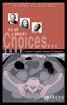 D E P A R T M E N T O F D I A G N O S T I C I M A G I N G T E C H N O L O G Y it s all Choices about S H R P School of Health Related Professions Diagnostic Imaging Technologies D I A G N O S T I C M E
Radiologic Technology Program
 C OLUMBUS TECHNICAL COLLEGE A Unit of the Technical College System of Georgia Radiologic Technology Program Program Accreditation The Radiologic Technology Program is accredited by the Joint Review Committee
Bon Secours St. Mary s School of Medical Imaging Course Descriptions by Semester Class of 2009. CRS 101 Clinical Radiation Science 3
 Bon Secours St. Mary s School of Medical Imaging Course Descriptions by Semester Class of 2009 First Year Fall REV.5/07 Credits CRS 101 Clinical Radiation Science 3 A clinical education course designed
Imaging Technology. Diagnostic Medical Sonographer, Dosimetrist, Nuclear Medicine Technologist, Radiation Therapist, Radiologic Technologist
 Imaging Technology Diagnostic Medical Sonographer, Dosimetrist, Nuclear Medicine Technologist, Radiation Therapist, Radiologic Technologist Diagnostic Medical Sonographer, Dosimetrist Diagnostic Medical
How To Become A Health Care Provider In Alaska
 COMMUNITY HEALTH AIDE get on the medical provider path 22 Is this the job for me? Take this quick quiz to find out if community health aide is a good direction for you: Do you have a desire to help people?
OREGON HEALTH CARE CAREERS
 Career School Degree Required Description Art Therapy Marylhurst Masters Art therapists use drawings and other art/media forms to assess, treat, and rehabilitate patients with mental, emotional, physical,
CASPER COLLEGE CERTIFICATE IN COMPUTED TOMOGRAPHY PROGRAM ADMISSION GUIDE 2015/2016
 CASPER COLLEGE CERTIFICATE IN COMPUTED TOMOGRAPHY PROGRAM ADMISSION GUIDE 2015/2016 **American Registry of Radiologic Technologists Structured Education Requirements Effective January 1, 2016 in order
http://www.bls.gov/oco/ocos104.htm
 http://www.bls.gov/oco/ocos104.htm Nuclear Medicine Technologists Nature of the Work Training, Other Qualifications, and Advancement Employment Job Outlook Projections Data Earnings OES Data Related Occupations
Careers in. Healthcare. North Country Planning Region. Your gateway to New Hampshire workforce and career information
 Careers in Healthcare North Country Planning Region Your gateway to New Hampshire workforce and career information State of New Hampshire John H. Lynch, Governor New Hampshire Employment Security Tara
Medical Radiologic Technology
 Medical Radiologic Technology 220 Medical Radiologic Technology Location: Trenholm Campus - Bldg. H Program Information The Medical Radiologic Technology program at Trenholm State provides students with
Letter of Intent. Radiologic Technician Program. AAS Degree in Radiologic Technology
 Letter of Intent Radiologic Technician Program AAS Degree in Radiologic Technology Office of the Provost and Department of Nursing Table of Contents 1. Purposes and goals 2. Need for the Curriculum 3.
Cabrillo College Catalog 2015-2016
 RADIOLOGIC TECHNOLOGY Health, Athletics, Wellness, and Kinesiology Division Ian Haslam, Division Dean Division Office, Room 1102 Ann Smeltzer, Department Chair, (831) 479-5056 Aptos Counselor: (831) 479-6274
SANFORD HEALTH RADIOLOGY PROGRAM
 SANFORD HEALTH RADIOLOGY PROGRAM Sanford Health Radiology Program of Sanford Health, North Dakota, offers a 24-month program in radiology, affiliating with NDSU and University of Jamestown for fulfillment
RADIOLOGIC TECHNOLOGY PROGRAM ASSOCIATE of SCIENCE DEGREE
 Mt. San Antonio College Technology and Health Division 1100 N. Grand Ave Walnut, CA 91789 TEL: 909-594-5611, EX. 4750 FAX: 909-468-3938 RADIOLOGIC TECHNOLOGY PROGRAM ASSOCIATE of SCIENCE DEGREE The course
Health Care Careers in the Field of Imaging. Shari Workman, MSM,PHR,CIR MultiCare Health System Senior Recruiter/Employment Specialist
 Health Care Careers in the Field of Imaging Shari Workman, MSM,PHR,CIR MultiCare Health System Senior Recruiter/Employment Specialist What is Health Care Imaging? Technologists working with patients, using
Program Conference 2016 Dana Schmitz, M. Ed., R.T.(R)
 Program Conference 2016 Dana Schmitz, M. Ed., R.T.(R) http://www.unitypoint.org/cedarrapids/filesi mages/careers%20and%20volunteers/consu mer%20information%202015-2016.pdf or http://www.mercycare.org/app/files/public/
MALCOLM X COLLEGE 1900 West Van Buren Street Chicago, IL 60612 (312) 850-7373
 MALCOLM X COLLEGE 1900 West Van Buren Street Chicago, IL 60612 (312) 850-7373 TWO-YEAR CURRICULUM for An Associate of Applied Science Degree in Radiography OFFICES: 3416 / 3419 / 3420 LABORATORIES: 3216
Radiologic Technology Associate of Science Degree Program
 Radiologic Technology Associate of Science Degree Program Louisiana State University at Alexandria *** Department of Allied Health Revised July 2005-1- Louisiana State University at Alexandria Department
A CAREER IN CARING. Healthcare Career Opportunities in B.C.
 A CAREER IN CARING Healthcare Career Opportunities in B.C. Who is VIHA? One of the largest employers on Vancouver Island Provides health services in acute care, long term care, residential care, and public
Presented By: USF Area Health Education Center Program Office a member of the Florida AHEC Network
 HEALTH CAREERS: YOU CAN MAKE A DIFFERENCE Presented By: USF Area Health Education Center Program Office a member of the Florida AHEC Network What is AHEC? Area Health Education Centers were established
NICOLET AREA TECHNICAL COLLEGE. Health Occupation Programs
 NICOLET AREA TECHNICAL COLLEGE Health Occupation Programs REQUIREMENTS All health occupations programs require a completed criminal background/care-giver background check as well as a background information
Preparation iagnostic Medical Sonographer Overview"
 Diagnostic Medical Sonographer Overview The Field - Preparation - Specialty Areas - Day in the Life - Earnings - Employment - Career Path Forecast - Professional Organizations The Field Diagnostic imaging
The Rewards of Nursing (DRAFT) Speech Appropriate for Middle and High School Students
 The Rewards of Nursing (DRAFT) Speech Appropriate for Middle and High School Students This speech represents most of what you will want to tell an audience. It can be used in its entirety (full classroom
Health Sciences Degrees
 CAYUGA COMMUNITY COLLEGE Health Sciences Degrees Liberal Arts and Science: Health Science A.S. Cardiovascular Perfusion Chiropractic Medicine Medical Imaging/Radiography Medical Technology & Medical Biotechnology
The Practice Standards for Medical Imaging and Radiation Therapy. Quality Management Practice Standards
 The Practice Standards for Medical Imaging and Radiation Therapy Quality Management Practice Standards 2015 American Society of Radiologic Technologists. All rights reserved. Reprinting all or part of
$33,470 per year $16.09 per hour
 Summary Dental assistants work closely with dentists. Quick Facts: 2010 Median Pay Entry-Level Education Work Experience in a Related Occupation On-the-job Training $33,470 per year $16.09 per hour Postsecondary
The Practice Standards for Medical Imaging and Radiation Therapy. Radiography Practice Standards
 The Practice Standards for Medical Imaging and Radiation Therapy Radiography Practice Standards 2015 American Society of Radiologic Technologists. All rights reserved. Reprinting all or part of this document
Radiologic Technology. Advanced Education. Program Mission
 Radiologic Technology Radiologic Technology is the art and science of applying ionizing radiation to create images of the human body. People educated in this profession are called radiographers, radiologic
2016-2017 Radiologic Technology
 Description Use cutting-edge equipment to image the body. Perform diagnostic imaging scans for a variety of health care providers. Aid physicians in analysis of disease and injury. Radiologic Technologists
Medical and Clinical Laboratory Technologists
 SOC 29-2011: Perform complex medical laboratory tests for diagnosis, treatment, and prevention of disease. May train or supervise staff. Introduction Clinical laboratory scientists, formerly known as medical
mathematics at work Health Care
 mathematics at work Health Care Mathematics in the Health Care Sector The health care industry is one of the fastest-growing sectors of our economy, and all signs point to this trend continuing as advances
Physician Assistant Studies
 Physician Assistant Studies Physician Assistant Phone: (540) 568-8171 Website: http://www.jmu.edu/heathsci/paweb Interim Academic Unit Head Dr. Paula Maxwell Graduate Program Director Mr. James Hammond,
Radiologic Technology
 Radiologic Faculty: Carrie Nanson, chair; C. Sue Leach, clinical coordinator, Vicki Hughes, clinical instructor. www.odessa.edu/dept/radiology Odessa College, in cooperation with local medical facilities,
Radiologic Technology Degree
 Radiologic Technology Degree This associate degree brings the student into the area of high technology in the field of medicine. You will experience all the applications of diagnostic imaging, including
Health Care Job Information Sheet #2. Patient Care
 Health Care Job Information Sheet #2 Patient Care A. Occupations 1) Registered Nurse (RN) 2) Nurse Practitioner (NR) 3) Registered Practical Nurse (RPN) 4) Other positions in the Field B. Labour Market
get on the dental careers path
 DENTAL ASSISTANT get on the dental careers path 36 Is this the job for me? Take this quick quiz to find out if dental assistant is a good direction for you: Are you interested in helping people get and
Mayo School of Health Sciences. Radiography Program. Rochester, Minnesota. www.mayo.edu
 Mayo School of Health Sciences Radiography Program Rochester, Minnesota www.mayo.edu Radiography Program PROGRAM DESCRIPTION Mayo School of Health Sciences (MSHS) at Mayo Clinic in Rochester, Minn., offers
MALCOLM X COLLEGE 1900 West Van Buren Street Chicago, IL 60612 (312) 850-7373 TWO-YEAR CURRICULUM. for. An Associate of Applied Science Degree
 MALCOLM X COLLEGE 1900 West Van Buren Street Chicago, IL 60612 (312) 850-7373 TWO-YEAR CURRICULUM for An Associate of Applied Science Degree in Radiography OFFICE 3419 REV 1/15 MALCOLM X COLLEGE 1900 West
Radiography Associate in Science Degree
 2011-12 See your Career Program Advisor to help you get in the right classes. Radiography Associate in Science Degree Set Yourself Up for a Great Career If a picture is worth a thousand words, imagine
RADIOLOGIC TECHNOLOGY PROGRAM ASSOCIATE in SCIENCE DEGREE
 Mt. San Antonio College Technology and Health Division RADIOLOGIC TECHNOLOGY PROGRAM ASSOCIATE in SCIENCE DEGREE The course of study in Radiologic Technology offered at Mt. San Antonio College and its
How To Get A Degree In Radiologic Technology
 CENTRAL ARIZONA COLLEGE RADIOLOGIC TECHNOLOGY PROGRAM ASSOCIATE IN APPLIED SCIENCE DEGREE INFORMATION AND ADMISSIONS PACKET Superstition Mountain Campus Radiologic Technology Radiologic Technology is a
Emory University RT to Bachelor of Medical Science Degree Medical Imaging
 Emory University RT to Bachelor of Medical Science Degree Medical Imaging Courses: All RT-BMSc students must complete all of the program s core courses and the courses specific to their selected minor
Prepare for a career as a Radiologic Technologist.
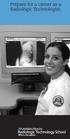 Prepare for a career as a Radiologic Technologist. Program Information AnMed Health's Radiologic Technology Program is the only hospital-based radiography program in South Carolina, lending opportunity
get on the behavioral health path
 HUMAN SERVICES WORKER get on the behavioral health path Is this the job for me? Take this quick quiz to find out if human services worker is a good direction for you: Would you like to use your past experiences
Jefferson College Transfer Guide to St. Louis Community College Forest Park Clinical Laboratory Technology
 Transfer Guide to St. Louis Community College Clinical Laboratory Technology STLCC- is required to complete the AAS Degree. The clinical laboratory technician analyzes human blood and tissue samples. These
Registered Nurse (RN) and Nursing Careers, Jobs, and Employment Information
 www.careersinghana.com Email : [email protected] Tel: +233 245649846 Registered Nurse (RN) and Nursing Careers, Jobs, and Employment Information Registered Nurse and Nursing Career Overview Registered
STATE OF NEBRASKA STATUTES RELATING TO MEDICAL RADIOGRAPHY PRACTICE ACT
 2010 STATE OF NEBRASKA STATUTES RELATING TO MEDICAL RADIOGRAPHY PRACTICE ACT Department of Health and Human Services Division of Public Health Licensure Unit 301 Centennial Mall South, Third Floor PO Box
HOSPITAL JOB OPENINGS **Nursing** **MEMORIAL SPECIALTY HOSPITAL**
 HOSPITAL JOB OPENINGS **Nursing** **REGISTERED NURSES** Please refer to RN Job Postings for Registered Nurse positions Cindy Christie, Nurse Recruiter: 936-639-7677 Nurse Recruitment Hotline: 888-550-8111
D VISION. OCtech. focus nursing+health science. engage. empower. transform. orangeburg-calhoun technical college
 orangeburg-calhoun technical college D VISION focus nursing+health science OCtech engage. empower. transform. focus nursing+health science orangeburg-calhoun technical college OCtech offers extensive classroom
How To Get A Radiologic Technology Degree At Columbiastate
 Program and Career Description: Radiologic Technology is a health profession that involves producing diagnostic images of patient s internal structures for use by the radiologist or referring physician
SCHOOL OF RADIOLOGIC TECHNOLOGY 809 University Blvd. E Tuscaloosa, AL 35401 [email protected]
 SCHOOL OF RADIOLOGIC TECHNOLOGY 809 University Blvd. E Tuscaloosa, AL 35401 [email protected] General Information Goals & Purpose Program of Instruction Clinical Education Accreditation Expenses Refunds
Occupational Outlook Handbook, 2004-05 Edition
 Occupational Outlook Handbook, 2004-05 Edition U.S. Department of Labor Bureau of Labor Statistics Bulletin 2540 Registered Nurses + Chris is pleased with the favorable job outlook. Job security is important
Radiography Education and Training in Saudi Arabia
 Open Journal of Radiology, 2012, 2, 134-140 doi:10.4236/ojrad.2012.24025 Published Online December 2012 (http://www.scirp.org/journal/ojrad) Radiography Education and Training in Saudi Arabia Abdulaziz
DUNWOODY COLLEGE OF TECHNOLOGY RADIOLOGIC TECHNOLOGY
 DUNWOODY COLLEGE OF TECHNOLOGY RADIOLOGIC TECHNOLOGY Associate in Applied Science Degree Application and Information Packet 2015-2016 Radiologic Technology Thank you for your interest in the Dunwoody Radiologic
3. How long are the programs and what can I do once I graduate from them?
 Medical Imaging Sciences Frequently Asked Questions. 1. What is the Medical imaging Sciences? a. Medical imaging Sciences is a term that encompasses the diagnostic imaging modalities of Radiography, Sonography,
Science and Health Professions Division. Radiography Program
 Dear Prospective Student, Science and Health Professions Division Radiography Program Thank you for your inquiry about the Mercer County Community College Radiography Program. The information contained
Radiologic Technology Admission Packet
 Radiologic Technology Admission Packet Radiologic Technology Admission Packet /C:MyDox:Admission Packets 8 DC 2.6.08, CN 7.12.10 DC 11.4.10 Science & Health Science Division Dear Prospective Radiography
Radiologic Science Degree Completion Program. 2010-2011 Assessment Report
 Radiologic Science Degree Completion Program 2010-2011 Assessment Report 1 I. Introduction II. III. IV. Mission, Objectives, and Student Learning Outcomes a. Radiologic Science Degree Completion Program
http://www.bls.gov/oco/ocos252.htm
 http://www.bls.gov/oco/ocos252.htm Pharmacy Technicians Nature of the Work Training, Other Qualifications, and Advancement Employment Job Outlook Projections Data Earnings OES Data Related Occupations
QUESTIONS AND ANSWERS LIMITED-SCOPE X-RAY OPERATORS Rules and Regulations Pertaining to Radiation Control (6CCR 1007-1)
 QUESTIONS AND ANSWERS LIMITED-SCOPE X-RAY OPERATORS Rules and Regulations Pertaining to Radiation Control (6CCR 1007-1) QUESTION1: Does the CDPHE require any paperwork for individuals who are already limited-scope
Your Career Direction
 Radiologic Sciences Program at UNM/HSC School of Medicine Your Career Direction BSRS Degree Completion Medical Imaging (Management) Nuclear Medicine Computed Tomography (Certificate option) Magnetic Resonance
Hagerstown Community College Health Sciences Programs
 Hagerstown Community College Health Sciences Programs Computed Tomography Imaging (CT)... 2 Dental Assisting... 4 Magnetic Resonance Imaging (MRI)... 7 Mammography... 9 Medical Assistant... 11 Medical
Get The Facts. What you need to know about Parkland s Selective Admission Process for Health Profession Programs
 Get The Facts What you need to know about Parkland s Selective Admission Process for Health Profession Programs Health Profession Programs! Which programs require Selective Admissions?! Dental Hygiene!
RADIATION THERAPY FACULTY TOBJECTIVES. Post-Baccalaureate Certificate. Marissa Johnson, M.S.R.S., R.T. (T)
 R A D I A T I O N T H E R A P Y c l i n i c a l n u t r i t i o n e m e r g e n c y m e d i c i n e e d u c a t i o n h e a l t h c a r e s c i e n c e s p h y s i c a l t h e r a p y p h y s i c i a n
Training in Clinical Radiology
 Training in Clinical Radiology What is Clinical Radiology? Clinical radiology relates to the diagnosis or treatment of a patient through the use of medical imaging. Diagnostic imaging uses plain X-ray
How To Become A Pharmacy Technician
 Pharmacy Technician Overview The Field - Preparation - Day in the Life - Earnings - Employment - Career Path Forecast - Professional Organizations The Field Pharmacy technicians help licensed pharmacists
RADIOLOGIC TECHNOLOGY PROGRAM
 RADIOLOGIC TECHNOLOGY PROGRAM CENTRAL GEORGIA TECHNICAL COLLEGE Warner Robins Campus 80 Cohen Walker Drive, Warner Robins, GA 31088 (478)218-3216 Macon Campus 3300 Macon Tech Drive, Macon, GA 31206 478-757-3552
RADIOLOGY HOUSE STAFF MANUAL
 RADIOLOGY HOUSE STAFF MANUAL The Department of Radiology offers a wide range of services/procedures and operates 12 divisions/sections, which are listed separately below. The procedures offered are listed
COLOR GUIDE PANTONE PMS 300. PMS Cool Gray 11
 COLOR GUIDE PANTONE PMS 300 PROCESS C = 100 M = 44 Y = 0 K = 0 RGB/WEB #0066cc PMS Cool Gray 11 C = 0 M = 2 Y = 0 #666666 C A B A R R U S C O L L E G E o f H E A L T H S C I E N C E S Creating a progressive
Diagnostic Medical Sonography
 Diagnostic Medical Sonography 130 Diagnostic Medical Sonography Location: Trenholm Campus - Bldg. H Program Information Diagnostic Medical Sonography (DMS) is a diagnostic procedure that uses high frequency
2012 LACC Clinical Obligations & Grading System. Attendance Requirement
 2012 LACC Clinical Obligations & Grading System Attendance Requirement The Radiology program has a Monday through Friday schedule during the fall, winter, spring and summer semesters. Students are required
Mayo School of Health Sciences. Radiography Program. Jacksonville, Florida. www.mayo.edu
 Mayo School of Health Sciences Radiography Program Jacksonville, Florida www.mayo.edu Radiography Program PROGRAM DESCRIPTION Mayo School of Health Sciences (MSHS) at Mayo Clinic in Jacksonville, Fla.,
Radiologic Technologist (R.T.)
 PROGRAM MISSION, GOALS, PURPOSE AND OUTCOMES Mission MODALITY Radiologic Technologist (R.T.) The mission of Southwest University at El Paso is to provide exceptional career and technical training, promote
AREAS EMPLOYERS STRATEGIES/INFORMATION PHYSICAL THERAPY
 HEALTHCARE SCIENCES Physical & Occupational Therapy, Cytotechnology, Dental Hygiene, Health Information Management, Clinical Laboratory Science, Nuclear Medicine Technology What can I do with these majors?
Oakwood Career Ladder RESPIRATORY CARE
 RESPIRATORY CARE Registered Respiratory Therapist Associate Degree program in Respiratory Care from JRCRTE accredited institution; Two years in the field of Respiratory Care. May include clinical rotations
The Radiologic Technology Program at Trenholm University
 H. Councill Trenholm State Technical College 243 Location: Trenholm Campus Program Information The Radiology Technology program at TrenholmState will provide students with the necessary training to gain
Dear Applicant, Thank you again for your interest in our program. Sincerely,
 Dear Applicant, Thank you for considering our Hospital and School of Radiologic Technology for your studies. Enclosed you will find the literature and application that you have requested. You are required
East Los Angeles Service Area. CTE - Radiologic Technology and Fluoroscopy
 CTE - Radiologic Technology and Fluoroscopy The Radiologic Technology/Fluoroscopy Program s assists current California X-ray Technician permit holders to begin at the most advanced point possible toward
Marion County School of Radiologic Technology 2015 Program Application Information
 2015 Program Application Information DEADLINE: May 15, 2015 SELECTION: June 15, 2015 Community Technical & Adult Education 1014 SW 7 th Road Ocala, FL 34471 www.ctae.edu Radiography Program Office (352)
RADIOLOGIC TECHNOLOGY PROGRAM ASSOCIATE IN APPLIED SCIENCE DEGREE INFORMATION AND ADMISSIONS PACKET
 CENTRAL ARIZONA COLLEGE RADIOLOGIC TECHNOLOGY PROGRAM ASSOCIATE IN APPLIED SCIENCE DEGREE INFORMATION AND ADMISSIONS PACKET Superstition Mountain Campus Revised 9/26//2013 Radiologic Technology Radiologic