
D-Link Central WiFiManager Configuration Guide
|
|
|
- Leo Jennings
- 10 years ago
- Views:
Transcription
1

2 Table of Contents D-Link Central WiFiManager Configuration Guide Introduction... 3 System Requirements... 3 Access Point Requirement... 3 Latest CWM Modules... 3 Scenario 1 - Basic Setup Install Central WiFiManager on Computer Install Access Point Module Run the Central WifiManager Server Login to the Central WiFiManager Login to the CWM from a local computer Remote login Central WiFiManager Check and Download AP Module Online Create Site and Network, Configure SSID Settings Add Access Points in CWM using the Installation Tool Export Network Profile from CWM to your Computer Discover and Import the Profile to APs using the Installation Tool Verify Access Points Managed by the CWM Scenario 2 - Captive Portal and User Authentication Configure Captive Portal Configure Local Database Authentication Configure Passcode Authentication Configure SSID for Passcode Authentication Create Front Desk Account Add the Front Desk Account to the Site and Network Generate Passcode to Guest Scenario 3 - Bandwidth Optimization Configure Bandwidth Optimization Scenario 4 - Add Remote AP for CWM Management Configure Network Device Settings Create New Site and Network for Branch Office Export Network Profile then Import the Profile to the Remote AP

3 Introduction This document provides readers with a quick guide that explains the essential operation of the Central WiFiManager (CWM). For a more detailed explanation about all the functions in the CWM, refer to the Central WiFiManager User Manual. System Requirements Large Scale Deployment Small Scale Deployment Maximum APs Managed 500 APs 100 APs Recommended CPU Microsoft Intel i5 3.2GHz CPU Microsoft Intel i3 3.5GHz CPU Recommended RAM 4G DDR3 2G DDR2 Recommended Storage 2TB 1TB Ethernet NIC Gigabit Gigabit Display Card DirectX 11 1GB DirectX 11 1GB Windows Platform Microsoft Windows 2008 Server Microsoft Windows 2012 Server Microsoft Windows 7 Professional Microsoft Windows 2008 Server Microsoft Windows 2012 Server Access Point Requirement The following access points are compatible to be managed by the CWM: DAP-2310 (H/W: B1, F/W: v2.01rc013 or above) DAP-2360 (H/W: B1, F/W: v2.01rc012 or above) DAP-2330 (H/W: A1, F/W: v1.01rc014 or above) DAP-2660 (H/W: A1, F/W: v1.05rc016 or above) DAP-2690 (H/W: B1, F/W: v3.10rc072 or above) DAP-2695 (H/W: A1, F/W: v1.10rc035 or above) Latest CWM Modules The following modules are available and can be installed additionally as add-ons to the CWM: CWM_DAP2310B v2.01-r12 CWM_DAP2330 v1.01-r12 CWM_DAP2360B v2.01-r09 CWM_DAP2660 v1.05-r20 CWM_DAP-2690 v3.10-r25 CWM_DAP2695 v1.10-r29 3

4 Scenario 1 - Basic Setup In this scenario we ll configure a very basic Layer 2 edge network configuration with one PC running the Central WiFiManager (CWM) server and two DAP-2660 access points. The objectives in this scenario are as follow: To understand the minimum configuration for operation. To add access points for CWM management. To understand the essential CWM features. Figure 1-1 Basic Setup Network Layout The overview of the configuration steps for Central WiFiManager is as follows: 1. Install Central WiFiManager on Computer 2. Install Access Point Module 3. Run the Central WifiManager Server 4. Login to the Central WiFiManager 5. Check and Download AP Module Online 6. Create Site and Network, Configure SSID Settings 7. Add Access Points in CWM using the Installation Tool 4

5 1.1. Install Central WiFiManager on Computer After running the Central WifiManager installation file (Central WifiManager v.100.exe), a welcome window will be displayed. Figure 1-2 Install Central WifiManager (Welcome) Click the Next > button to continue to the next step. Click the Cancel button to stop and exit the installation. In this window, the destination location is displayed, where the software will be installed. If this application needs to be installed at a different location or on a different drive, click the Browse button and navigate to the new destination location. Figure 1-3 Install Central WifiManager (Destination Location) Click the < Back button to return to the previous step. Click the Next > button to continue to the next step. Click the Cancel button to stop and exit the installation. In this window, we need to enter the IP address for the Central WifiManager in the Central WifiManager Server space provided. This is normally the IP address of the PC being used for the installation. This IP address can be modified later. 5

6 Figure 1-4 Install Central WifiManager (Server IP) Click the < Back button to return to the previous step. Click the Next > button to continue to the next step. Click the Cancel button to stop and exit the installation. In this window we can change the Manager Port, Listen Port and Service Port numbers. These ports numbers are used for multiple access point connections and it can only be specified here and can t be modified after the installation. Leave these port numbers on the default settings if these ports have not been used on this computer. Figure 1-5 Install Central WifiManager (Port Settings) Click the < Back button to return to the previous step. Click the Next > button to continue to the next step. Click the Cancel button to stop and exit the installation. In this window, we must enter the PostgreSQL database password that will be associated with this application in the spaces provided. Enter the same password in the Password and Retype password spaces provided. This password cannot be modified after this installation. 6

7 Figure 1-6 Install Central WifiManager (Password) Click the < Back button to return to the previous step. Click the Next > button to continue to the next step. Click the Cancel button to stop and exit the installation. The installation of this application requires Microsoft Visual C Redistributable to be installed on this computer. If not found, the option will be given to install the required redistributable. If found this step will be skipped. The Apache HTTP Server application might be blocked by the computer s firewall. If Windows default firewall is used, a security alert message will be displayed. Click the Allow Access button to allow this application to communicate with the network. In this window, the user is reminded that apart from the Central WifiManager installation, each access point that will be used in this application requires a separate module to be installed. This will be discussed in the next section. Figure 1-7 Install Central WifiManager (Finish) Click the Finish button to complete and exit the installation wizard. After the CWM installation, there will be two applications installed on the PC called the Central WiFiManager Server and the Central WiFiManager. 7

8 Figure 1-8 Central WifiManager Files 1.2. Install Access Point Module For each access point that will be used in the D-Link Central WifiManager, we need to install an additional manager module. In this section we ll discuss the installation of the DAP-2660AP access point s manager module that will be used in the D-Link Central WifiManager. If the Central WifiManager Server is already running, it must be stopped and closed before that Access Point manager module can be installed. After running the access point s manager module, a welcome message will be displayed to inform the user that the manager module will now be installed on the computer. Figure 1-9 Install Access Point Module (Welcome) Click the Next > button to continue to the next step. Click the Cancel button to stop and exit the installation. After the access point s manager module was installed successfully, this window will appear. Figure 1-10 Install Access Point Module (Finish) 8

9 Click the Finish button to complete and exit the installation wizard Run the Central WifiManager Server In this section, we ll discuss the Central WifiManager Server application. After the installation was completed the following applications will be available. Click the option to open the server application. After running the Central WifiManager Server application, the window (on the right) will appear. This is the management console window for the server application. In the Menu bar, there are two options available, Server and Help. Under the Server menu we can Start, Stop or Exit the application. Alternatively, right under the Server menu option, there is also start and stop icons. Under the Help menu option, there is an About option that will, after being clicked, display the name, version and copyright details of this application. In the Settings section, we can select to Automatically open configuration window when Windows start up and Automatically start server when configuration window is open. Select these options if needed. Click the icon to start the server. Figure 1-11 CWM Management Console When clicking the close icon ( ), on the far upper right corner, this application will close and exit. The server will not be running in the background. Click the minimize icon ( ) to close this window and allow the server application to run in the background. When the server is up and running, the left circle icon ( ), at the far bottom right corner, will display green. When the server is not running the right circle icon ( ), at the far bottom right corner, will display red. To view log entries about the System, FTP Connectivity, Live Access Points, Data Transmissions and Automatic Configurations, tabs at the bottom of the Message section can be selected. 9

10 1.4. Login to the Central WiFiManager Login to the CWM from a local computer Click the option to open the client application. After the Web browser was open and connection to the server was made successfully, a login window will appear. Enter the login user name and password and click Login to enter the Central WifiManager configuration. By default, the user name and password is admin. Figure 1-12 CWM Server Login Remote login Central WiFiManager Alternatively, from a remote computer, we can connect to the Central WifiManager Server by entering the IP address or Domain Name of the computer that has the server application installed into the web browser, thus it is not needed to install the software on the remote computer. Open the web browser on the remote computer (Internet Explorer or Google Chrome are recommend) and enter for example or (where or domain-name.com is the IP address or domain name of the computer running the CWM server) in the web browser s address bar and press ENTER to enter the CWM management interface Check and Download AP Module Online After logging into the D-Link Central WifiManager Server, we can click on System, at the top, then Settings on the left, and then select the Module tab option, in the middle of the page, to access the following window. 10

11 Figure 1-13 Update AP Module In the Module tab, a list of access point modules will be displayed in the Module Name section. Every different model of access point that can be managed by the Central WifiManager Server requires the administrator to install the executable module file for that specific access point s model name. For example, on this page we have two kinds of access point modules installed, the DAP-2330 and the DAP This means that we can have multiple DAP-2330 and DAP-2660 access points installed on the network, but only required to install two modules, one for each type of access point. The module executable files for all the access points, supported in the application, can be downloaded from the D-Link website. To keep the installed modules and firmware versions for access points up to date, click on the Check Now button. Click the OK button to accept the changes made Create Site and Network, Configure SSID Settings To create a new Site (D-Link), select Configuration and then click the multi-tenant use. button. Multiple sites can be created for 11

12 Figure 1-14 New Site (D-Link) To create a new Network (HQ), select the newly created Site (D-Link) and click the be created for each site. button. Multiple networks can Figure 1-15 New Network (HQ) After creating the new network (HQ), select it. Additional information will be displayed. For each network additional settings can be configured like SSID, VLAN, Bandwidth Optimization, RF Optimization, Device Settings, and more. Figure 1-16 Network Configuration Options To create a new 5GHz SSID (D-Link HQ), select the newly created Network (HQ) and click the button. Select the Band (5G), Index (Primary), enter the SSID (D-Link HQ), and configure the wireless security settings. In this example we used WPA2-Personal for wireless security. After selecting WPA-Personal, enter the PassPhrase ( ) in the space provided. Click Save to apply the settings. 12

13 Figure 1-17 New SSID (5G) To create a new 2.4GHz SSID (D-Link HQ), select the newly created Network (HQ) and click the button. Select the Band (2.4G), Index (Primary), enter the SSID (D-Link HQ), and configure the wireless security settings. In this example we used WPA2-Personal for wireless security. After selecting WPA-Personal, enter the PassPhrase ( ) in the space provided. Click Save to apply the settings. Figure 1-18 New SSID (2.4G) Figure 1-19 Network s SSID List Because this configuration wasn t uploaded to the access points in this network, red circle icons ( ) will be displayed right next to the Network (D-Link) and Site (HQ) names. In the next section, we ll discuss how to add new access 13

14 points to the network. To upload the new configuration to existing access points in the network select the Uploading Configuration option, on the left, and then select the Run option, and then click the Complete button to apply the new settings to the existing access points immediately. In the Uploading Configuration page we can decide whether we need to apply the new configuration to existing access point in the network immediately or by schedule. Figure 1-20 Uploading Configuration 1.7. Add Access Points in CWM using the Installation Tool Export Network Profile from CWM to your Computer To add new access points to the CWM, we have to export the network profile from CWM first. The exported file includes the authentication key and the IP address of the controller. Select Configuration and then click the Export ( ) icon to export the network profile to your computer. Figure 1-21 Export Network Profile When access points are located on a public site and access to the CWM is over the Internet, ensure that the Access Address for the CWM is a public IP address or domain name and not a private IP address. To verify the Access Address navigate to System > General > Connection Settings and double check the Access Address field. 14

15 Figure 1-22 Modify Access Address Discover and Import the Profile to APs using the Installation Tool The Access Point Installation Tool is an additional utility that compliments the D-Link Central WifiManager. This utility can be used to scan for new D-Link access points in the local (Layer 2) network, regardless of what IP range they are configured in, and then pre-configure them to be used in the Central WifiManager. This utility will not find access points across a Layer 3 environment. Ensure that the exported network profile file is ready on the computer running this utility. After opening the Access Point Installation Tool, the following window will be available. Click the Discovery button, to scan for D-Link access points that are connected to the network with an Ethernet cable. Figure 1-23 AP Installation Tool (Open) After clicking the Discovery button, this utility will scan the LAN (Layer 2) network for D-Link access points that are connected to the network with an Ethernet cable. 15

16 Figure 1-24 AP Installation Tool (Discover) After this utility found access point, they will be displayed and can be configured. Figure 1-25 AP Installation Tool (Found) To modify the IP address of the newly discovered access point, select it and click the Set IP button. Enter the new IP address, subnet mask, gateway address and primary DNS address in the spaces provided. Click OK to accept the changes made. Figure 1-26 AP Installation Tool (Set IP) After clicking the OK button to set the IP address settings, the access point will be configured and some time will be given for the access point to restart after the new IP address settings was applied. The Status parameter will display 16

17 the progress of the IP address configuration and access point reboot. This utility also allows us to upload the network data file directly to the access point to configure the group information that this access point will use to identify in which network it belongs. Click the Set GroupInfo button to upload the network data file. After click the Set GroupInfo button, we can click on the... button to navigate to the saved network data file on the computer and then upload it. Figure 1-27 AP Installation Tool (Set Groupinfo) Click the Test button to test if the data file is in fact a valid network data file. After clicking the Test button to successfully test if the network data file is valid, the following message will be displayed. Click the OK button to initiate the upload. Figure 1-28 AP Installation Tool (Test, OK) After clicking the OK button, the network data file will be uploaded, the access point will be configured based on the settings within the data file, and will then reboot. The Status parameter will display the progress of the configuration. 17

18 Figure 1-29 AP Installation Tool (Uploading, Reboot) Verify Access Points Managed by the CWM To verify which access points are connected to which sites, navigate to Home > Network (Site) > Site (D-Link). Online access point will display a blue icon ( ) in the Status field and offline access point will display a grey icon ( ) in the Status field. Figure 1-30 Verify Access Points Additional information displayed for each access point on this page is the Group Name, Client, Channel, Last Check-in, Channel, IP Address, MAC Address, Model Name and firmware Version. 18

19 Scenario 2 - Captive Portal and User Authentication The Captive Portal can provide wireless access to guest users. This feature is frequently used in enterprise, campus and hospital network environments. The objectives in this scenario are as follow: Understand how to use captive portal Understand how to configure local data base and passcode authentication. Figure 2-1 Captive Portal and User Authentication Network Layout The overview of the configuration steps for Captive Portal is as follows: 1. Configure Captive Portal 2. Configure Local Database Authentication 3. Configure Passcode Authentication 19

20 2.1. Configure Captive Portal To configure the Captive Portal settings, navigate to Configuration > Site > Network (D-Link) > Site (HQ). Select the Web Redirection option to enable web redirection. Enter a Web Site ( in the space provided. To use an image file, click the Browse button and upload the image file (located on the local computer). Click the Save button to accept the changes made. Figure 2-2 Captive Portal Settings 2.2. Configure Local Database Authentication In this section we ll create a new guest SSID and configure this SSID to use the local database for authentication. To create a new SSID, navigate to Configuration > Site (D-Link) > Network (HQ). Figure 2-3 Create Guest SSID (Local Database Authentication) To create a new 2.4GHz guest SSID (DHQ_Guest), select the existing Network (HQ) and click the button. Select the Band (2.4G), Index (SSID1), enter the SSID (DHQ_Guest), and configure the wireless security settings. In this example we used Open System for wireless security. Click Save to apply the settings. Figure 2-4 Configure Guest SSID In User Authentication section, select Username/Password. To prevent guest users from accessing your intranet, enter the intranet s IP ranges in the Restricted Subnets spaces provided. Enter the new guest account s Username and Password in the spaces provided. Select the Group called Guest and click the Add button to add the new guest user account to the table. Click the Save button to accept the changes made. If the Group called Manager was selected, this guest user account would have had access to the restricted subnets. 20

21 Figure 2-5 Configuration Guest SSID User Authentication Navigate to Configuration > Site (D-Link) > Network (HQ) and select the Upload Configuration option in the left menu. Then select the Run option and click the Complete button to upload the modified settings to the access points associated with this network. Figure 2-6 Uploading Configuration 2.3. Configure Passcode Authentication Configure SSID for Passcode Authentication In this section we ll create a new guest SSID and configure this SSID to use passcode authentication. To create a new SSID, navigate to Configuration > Site (D-Link) > Network (HQ). 21
22 Figure 2-7 Create Guest SSID (Passcode) To create a new 2.4GHz guest SSID (DHQ_Passcode), select the existing Network (HQ) and click the button. Select the Band (2.4G), Index (SSID2), enter the SSID (DHQ_Passcode), and configure the wireless security settings. In this example we used Open System for wireless security. Click Save to apply the settings. Figure 2-8 Configure Guest SSID (Passcode) In User Authentication section, select Passcode. Click the Save button to accept the changes made. Figure 2-9 User Authentication (Passcode) Create Front Desk Account To create a new Front Desk User Account navigate to System > User Manager and click the button. 22
23 Figure 2-10 User Manager Enter the UserName (John) and Password (1234) for this new account in the spaces provided. Select the Front Desk Staff option as the Privilege and enter the new account s address in the space provided. Click the OK button create the new user account. Figure 2-11 Create New Front Desk Account Add the Front Desk Account to the Site and Network To add the Front Desk Account to the site and network navigate to Configuration > Site (D-Link) and click the Modify icon ( ). Figure 2-12 Add Front Desk Account to Site (Step 1) After clicking the modify icon ( ), select the Front Desk Account and add it to the selected table by click the >> button. Click the OK button to accept the changes made. 23
24 Figure 2-13 Add Front Desk Account to Site (Step 2) Navigate to Configuration > Site (D-Link) > Network (HQ) and click the Modify icon ( ). Figure 2-14 Add Front Desk Account to Network (Step 1) After clicking the modify icon ( ), select the Front Desk Account and add it to the selected table by click the >> button. Click the OK button to accept the changes made. Figure 2-15 Add Front Desk Account to Network (Step 2) Generate Passcode to Guest To generate a Passcode for the Front Desk Account, we need to logout of the CWM and then log back into the CWM using the Front Desk Account s username and password. After logging back in, enter the Passcode Quantity (10), Duration (24) and Device Limit (2) information in the spaces provided; and click the Generate button. 24
25 Figure 2-16 Generate Passcode On the View page, a list of generated passcodes for this front desk account will be displayed. Figure 2-17 Display Passcodes (Front Desk Account) Administrators can also view the passcode list when logged back into the CWM as administrator. To view the passcode list as administrator, navigate to Configuration > Site (D-Link) > Network (HQ) >SSID (DHQ_Passcode). Click the Modify icon ( ) and in the User Authentication section the list of passcodes will be displayed. Figure 2-18 Display Passcodes (Administrator Account) Navigate to Configuration > Site (D-Link) > Network (HQ) and select the Upload Configuration option in the left menu. Then select the Run option and click the Complete button to upload the modified settings to the access points associated with this network. 25
26 Figure 2-19 Uploading Configuration 26
27 Scenario 3 - Bandwidth Optimization Bandwidth optimization allows administrators to control the wireless bandwidth usage. The Downlink and Uplink Bandwidth options allows for the limiting of the total bandwidth of access points. For more information about the various bandwidth optimization rules available in the CWM, refer to the Central WiFiManager User Manual. Figure 3-1 Bandwidth Optimization Network Layout 27
28 3.1. Configure Bandwidth Optimization To configure the Bandwidth Optimization settings, navigate to Configuration > Site (D-Link) > Network (HQ) > Bandwidth Optimization. At Enable Bandwidth Optimization select Enable. In the Downlink Bandwidth and Uplink Bandwidth fields enter 800Mbps. This is the bandwidth for whole AP. Select the Rule Type option called Allocate maximum BW for each station. Then select 2.4GHz as the Band, and SSID2 (DHQ_Passcode) as the SSID. In the Downlink Speed and Uplink Speed fields enter 1Mbits/sec. Click the Add button to create the new rule and then click the Save button to accept the changes made. Figure 3-2 Bandwidth Optimization Settings Navigate to Configuration > Site (D-Link) > Network (HQ) and select the Upload Configuration option in the left menu. Then select the Run option and click the Complete button to upload the modified settings to the access points associated with this network. Figure 3-3 Uploading Configuration 28
29 Scenario 4 - Add Remote AP for CWM Management The CWM can manage remote access points over a site-to-site VPN or behind a NAT router without a VPN connection. Figure 4-1 Remote AP for CWM Management Network Layout The overview of the configuration steps for this configuration is as follows: 1. Configure Network Device Settings 2. Create New Site and Network for Branch Office 3. Export Network Profile then Import the Profile to the Remote AP 29
30 4.1. Configure Network Device Settings The following port numbers must be opened in the firewall at the site where the CWM server is located in order for remote access points to access the CWM server. UDP 161 (SNMP port) UDP 162 (SNMP trap port) UDP 514 (Syslog port) UDP 8090 (Listen port) UDP (Service port) TCP 9000, Enable ftp-alg (Manager port) TCP 443 (HTTPS, Management port) Additionally, if the CWM server uses a private IP address, the public IP address must be mapped to the private IP address on the firewall. At remote site, the following ports also need to be opened. UDP 161 (SNMP port) UDP 162 (SNMP trap port) UDP 514 (Syslog port) UDP 8090 (Listen port) UDP (Service port) TCP 9000, Enable ftp-alg (Manager port) 4.2. Create New Site and Network for Branch Office To create a new Site (D-Link Branch), select Configuration and then click the button. Figure 4-2 Create New Site (D-Link Branch) To create a new Network (Branch-A), select the newly created Site (D-Link Branch) and click the button. Figure 4-3 Create New Network (Branch-A) 4.3. Export Network Profile then Import the Profile to the Remote AP To export the network profile select Configuration > Site (D-Link Branch) and then click the Export ( ) icon to export the network profile to your computer. Provide this exported network profile file to the remote site installer. 30
31 Figure 4-4 Export Network Profile to PC At remote site, ensure that the exported network profile file is available on the computer used to configure the access point(s). Run the Access Point Installation Tool. After opening the Access Point Installation Tool, the following window will be available. Click the Discovery button, to scan for D-Link access points that are connected to the network with an Ethernet cable. Figure 4-5 AP Installation Tool (Open) After clicking the Discovery button, this utility will scan the LAN (Layer 2) network for D-Link access points that are connected to the network with an Ethernet cable. Figure 4-6 AP Installation Tool (Discover) After this utility found access point, they will be displayed and can be configured. 31
32 Figure 4-7 AP Installation Tool (Found) To modify the IP address of the newly discovered access point, select it and click the Set IP button. Enter the new IP address, subnet mask, gateway address and primary DNS address in the spaces provided. Click OK to accept the changes made. Figure 4-8 AP Installation Tool (Set IP) After clicking the OK button to set the IP address settings, the access point will be configured and some time will be given for the access point to restart after the new IP address settings was applied. The Status parameter will display the progress of the IP address configuration and access point reboot. This utility also allows us to upload the network data file directly to the access point to configure the group information that this access point will use to identify in which network it belongs. Click the Set GroupInfo button to upload the network data file. After click the Set GroupInfo button, we can click on the... button to navigate to the saved network data file on the computer and then upload it. 32
33 Figure 4-9 AP Installation Tool (Set Groupinfo) Click the Test button to test if the data file is in fact a valid network data file. After clicking the Test button to successfully test if the network data file is valid, the following message will be displayed. Click the OK button to initiate the upload. Figure 4-10 AP Installation Tool (Test, OK) After clicking the OK button, the network data file will be uploaded, the access point will be configured based on the settings within the data file, and will then reboot. The Status parameter will display the progress of the configuration. Figure 4-11 AP Installation Tool (Uploading, Reboot) 33
How To Manage My Smb Ap On Cwm On Pc Or Mac Or Ipad (Windows) On A Pc Or Ipa (Windows 2) On Pc (Windows 3) On An Ipa Or Mac (Windows 5) On Your Pc
 Central Wifi Manager FAQs 1 The installation tool can t find my SMB AP Check the firmware and hardware version of your SMB AP o DAP-2310 H/W B1 F/W v2.01rc013 or above o DAP-2360 H/W B1 F/W v2.01rc012
Pharos Control User Guide
 Outdoor Wireless Solution Pharos Control User Guide REV1.0.0 1910011083 Contents Contents... I Chapter 1 Quick Start Guide... 1 1.1 Introduction... 1 1.2 Installation... 1 1.3 Before Login... 8 Chapter
Chapter 6 Using Network Monitoring Tools
 Chapter 6 Using Network Monitoring Tools This chapter describes how to use the maintenance features of your RangeMax Wireless-N Gigabit Router WNR3500. You can access these features by selecting the items
Configuring the WT-4 for ftp (Infrastructure Mode)
 Introduction En Configuring the WT-4 for ftp (Infrastructure Mode) This document provides basic instructions on configuring the WT-4 wireless transmitter and a ftp server for transmission over an infrastructure
How To Check If Your Router Is Working Properly
 Chapter 6 Using Network Monitoring Tools This chapter describes how to use the maintenance features of your RangeMax Dual Band Wireless-N Router WNDR3300. You can access these features by selecting the
User Manual. Onsight Management Suite Version 5.1. Another Innovation by Librestream
 User Manual Onsight Management Suite Version 5.1 Another Innovation by Librestream Doc #: 400075-06 May 2012 Information in this document is subject to change without notice. Reproduction in any manner
IIS, FTP Server and Windows
 IIS, FTP Server and Windows The Objective: To setup, configure and test FTP server. Requirement: Any version of the Windows 2000 Server. FTP Windows s component. Internet Information Services, IIS. Steps:
Dramatically simplifying voice and data networking HOW-TO GUIDE. Bundle Quick Start Guide
 Dramatically simplifying voice and data networking HOW-TO GUIDE Bundle Quick Start Guide 2 edgebox How-To Guide - Table of Contents Scope of the Quick-Start Guide...3 edgebox bundles...3
Chapter 6 Using Network Monitoring Tools
 Chapter 6 Using Network Monitoring Tools This chapter describes how to use the maintenance features of your Wireless-G Router Model WGR614v9. You can access these features by selecting the items under
NSi Mobile Installation Guide. Version 6.2
 NSi Mobile Installation Guide Version 6.2 Revision History Version Date 1.0 October 2, 2012 2.0 September 18, 2013 2 CONTENTS TABLE OF CONTENTS PREFACE... 5 Purpose of this Document... 5 Version Compatibility...
Manual Wireless Extender Setup Instructions. Before you start, there are two things you will need. 1. Laptop computer 2. Router s security key
 1 Manual Wireless Extender Setup Instructions Before you start, there are two things you will need. 1. Laptop computer 2. Router s security key Setting up LAN Static IP on PC We need to set up a Static
Chapter 4 Management. Viewing the Activity Log
 Chapter 4 Management This chapter describes how to use the management features of your NETGEAR WG102 ProSafe 802.11g Wireless Access Point. To get to these features, connect to the WG102 as described in
Barracuda Link Balancer
 Barracuda Networks Technical Documentation Barracuda Link Balancer Administrator s Guide Version 2.2 RECLAIM YOUR NETWORK Copyright Notice Copyright 2004-2011, Barracuda Networks www.barracuda.com v2.2-110503-01-0503
Virtual Appliance Setup Guide
 The Virtual Appliance includes the same powerful technology and simple Web based user interface found on the Barracuda Web Application Firewall hardware appliance. It is designed for easy deployment on
by using the Setup Wizard in CD Disk
 How to configure Access Point as Wireless Bridge by using the Setup Wizard in CD Disk Thanks for purchasing Edimax Wireless Access Point. We hope this instruction can help you setup the Wireless Bridge
Steltronic Focus. Main Desk Internet connection
 Steltronic Focus Main Desk Steltronic S.p.A. Via Artigianale 34, 25082 Botticino Sera Brescia - Italy Tel: +39 030 2190811 fax: +39 030 2190798 Service: + 39 030 2190830 http: www.steltronic.com Service:
SSL-VPN 200 Getting Started Guide
 Secure Remote Access Solutions APPLIANCES SonicWALL SSL-VPN Series SSL-VPN 200 Getting Started Guide SonicWALL SSL-VPN 200 Appliance Getting Started Guide Thank you for your purchase of the SonicWALL SSL-VPN
Configuring the WT-4 for ftp (Ad-hoc Mode)
 En Configuring the WT-4 for ftp (Ad-hoc Mode) Mac OS X Introduction This document provides basic instructions on configuring the WT-4 wireless transmitter and a Mac OS X (10.5.2) ftp server for transmission
StarMOBILE Network Configuration Guide. A guide to configuring your StarMOBILE system for networking
 StarMOBILE Network Configuration Guide A guide to configuring your StarMOBILE system for networking INTRODUCTION... 3 BEFORE YOU BEGIN... 3 1) CONFIRM YOU HAVE THE LATEST SOFTWARE... 3 2) INSTALL THE STARMOBILE
Firewall VPN Router. Quick Installation Guide M73-APO09-380
 Firewall VPN Router Quick Installation Guide M73-APO09-380 Firewall VPN Router Overview The Firewall VPN Router provides three 10/100Mbit Ethernet network interface ports which are the Internal/LAN, External/WAN,
How To Check If Your Router Is Working Properly On A Nr854T Router (Wnr854) On A Pc Or Mac) On Your Computer Or Ipad (Netbook) On An Ipad Or Ipa (Networking
 Chapter 7 Using Network Monitoring Tools This chapter describes how to use the maintenance features of your RangeMax NEXT Wireless Router WNR854T. These features can be found by clicking on the Maintenance
NEFSIS DEDICATED SERVER
 NEFSIS TRAINING SERIES Nefsis Dedicated Server version 5.2.0.XXX (DRAFT Document) Requirements and Implementation Guide (Rev5-113009) REQUIREMENTS AND INSTALLATION OF THE NEFSIS DEDICATED SERVER Nefsis
SMART Vantage. Installation guide
 SMART Vantage Installation guide Product registration If you register your SMART product, we ll notify you of new features and software upgrades. Register online at smarttech.com/registration. Keep the
READYNAS INSTANT STORAGE. Quick Installation Guide
 READYNAS INSTANT STORAGE Quick Installation Guide Table of Contents Step 1 Connect to FrontView Setup Wizard 3 Installing RAIDar on Windows 3 Installing RAIDar on Mac OS X 3 Installing RAIDar on Linux
IntraVUE Plug Scanner/Recorder Installation and Start-Up
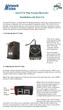 IntraVUE Plug Scanner/Recorder Installation and Start-Up The IntraVUE Plug is a complete IntraVUE Hardware/Software solution that can plug directly into any network to continually scan and record details
Barracuda Link Balancer Administrator s Guide
 Barracuda Link Balancer Administrator s Guide Version 1.0 Barracuda Networks Inc. 3175 S. Winchester Blvd. Campbell, CA 95008 http://www.barracuda.com Copyright Notice Copyright 2008, Barracuda Networks
Legal Notes. Regarding Trademarks. 2013 KYOCERA Document Solutions Inc.
 Legal Notes Unauthorized reproduction of all or part of this guide is prohibited. The information in this guide is subject to change without notice. We cannot be held liable for any problems arising from
Introduction Installation firewall analyzer step by step installation Startup Syslog and SNMP setup on firewall side firewall analyzer startup
 Introduction Installation firewall analyzer step by step installation Startup Syslog and SNMP setup on firewall side firewall analyzer startup Configuration Syslog server add and check Configure SNMP on
UAG4100 Support Notes
 2013 UAG4100 Support Notes CSO ZyXEL 2013/07/29 Table of Contents Scenario 1 Activate a Paid Access Hotspot... 2 Print ticket to access the Internet... 3 Pay with PayPal payment service to access the Internet...
10/2011 - English Edition 1. Quick Start Guide. NWA1100N-CE CloudEnabled Business N Wireless Access Point
 10/2011 - English Edition 1 Quick Start Guide NWA1100N-CE CloudEnabled Business N Wireless Access Point Package Contents - 1 x ZyXEL NWA1100N-CE Access Point - 2 x Detachable Antennas - 1 x Power Adapter
Konica Minolta s Optimised Print Services (OPS)
 Konica Minolta s Optimised Print Services (OPS) Document Collection Agent (DCA) Detailed Installation Guide V1.6 Page 1 of 43 Table of Contents Notes... 4 Requirements... 5 Network requirements... 5 System
AP6511 First Time Configuration Procedure
 AP6511 First Time Configuration Procedure Recommended Minimum Configuration Steps From the factory, all of the 6511 AP s should be configured with a shadow IP that starts with 169.254.xxx.xxx with the
WiNG5 CAPTIVE PORTAL DESIGN GUIDE
 WiNG5 DESIGN GUIDE By Sriram Venkiteswaran WiNG5 CAPTIVE PORTAL DESIGN GUIDE June, 2011 TABLE OF CONTENTS HEADING STYLE Introduction To Captive Portal... 1 Overview... 1 Common Applications... 1 Authenticated
How to Configure Guest Management on the DWC-1000
 Configuration Guide How to Configure Guest Management on the DWC-1000 Overview This guide describes how to configure and customize a billing profile and generate temporary user account on the D-Link DWC-1000
SevOne NMS Download Installation and Implementation Guide
 SevOne NMS Download Installation and Implementation Guide 5.3.X 530 V0002 Contents 1. Get Started... 3 2. SevOne Download Installation... 6 3. Appliance Network Configuration... 9 4. Install License and
http://docs.trendmicro.com
 Trend Micro Incorporated reserves the right to make changes to this document and to the products described herein without notice. Before installing and using the product, please review the readme files,
F-Secure Messaging Security Gateway. Deployment Guide
 F-Secure Messaging Security Gateway Deployment Guide TOC F-Secure Messaging Security Gateway Contents Chapter 1: Deploying F-Secure Messaging Security Gateway...3 1.1 The typical product deployment model...4
Management Software. Web Browser User s Guide AT-S106. For the AT-GS950/48 Gigabit Ethernet Smart Switch. Version 1.0.0. 613-001339 Rev.
 Management Software AT-S106 Web Browser User s Guide For the AT-GS950/48 Gigabit Ethernet Smart Switch Version 1.0.0 613-001339 Rev. A Copyright 2010 Allied Telesis, Inc. All rights reserved. No part of
REQUIREMENTS AND INSTALLATION OF THE NEFSIS DEDICATED SERVER
 NEFSIS TRAINING SERIES Nefsis Dedicated Server version 5.1.0.XXX Requirements and Implementation Guide (Rev 4-10209) REQUIREMENTS AND INSTALLATION OF THE NEFSIS DEDICATED SERVER Nefsis Training Series
User Guide. Cloud Gateway Software Device
 User Guide Cloud Gateway Software Device This document is designed to provide information about the first time configuration and administrator use of the Cloud Gateway (web filtering device software).
Chapter 3 Management. Remote Management
 Chapter 3 Management This chapter describes how to use the management features of your ProSafe 802.11a/g Dual Band Wireless Access Point WAG102. To access these features, connect to the WAG102 as described
Windows Server 2008 R2 Initial Configuration Tasks
 Windows Server 2008 R2 Initial Configuration Tasks I am not responsible for your actions or their outcomes, in any way, while reading and/or implementing this tutorial. I will not provide support for the
Configuring Global Protect SSL VPN with a user-defined port
 Configuring Global Protect SSL VPN with a user-defined port Version 1.0 PAN-OS 5.0.1 Johan Loos [email protected] Global Protect SSL VPN Overview This document gives you an overview on how to configure
Multi-Homing Dual WAN Firewall Router
 Multi-Homing Dual WAN Firewall Router Quick Installation Guide M73-APO09-400 Multi-Homing Dual WAN Firewall Router Overview The Multi-Homing Dual WAN Firewall Router provides three 10/100Mbit Ethernet
How to set up the HotSpot module with SmartConnect. Panda GateDefender 5.0
 How to set up the HotSpot module with SmartConnect Panda GateDefender 5.0 Content Introduction... 3 Minimum requirements to enable the hotspot module... 4 Hotspot settings... 6 General settings....6 Configuring
Configuring the WT-4 for Upload to a Computer (Infrastructure Mode)
 Introduction En Configuring the WT-4 for Upload to a Computer (Infrastructure Mode) This document provides basic instructions on configuring the WT-4 wireless transmitter and a computer for transmission
SANGFOR SSL VPN. Quick Start Guide
 SANGFOR SSL VPN Quick Start Guide This document is intended to assist users to install, debug, configure and maintain SANGFOR SSL VPN device quickly and efficiently. Please read the followings carefully
WRE6505. User s Guide. Quick Start Guide. Wireless AC750 Range Extender. Default Login Details. Version 1.00 Edition 1, 4 2014
 WRE6505 Wireless AC750 Range Extender Version 1.00 Edition 1, 4 2014 2.4G 5G Quick Start Guide User s Guide Default Login Details LAN IP Address 192.168.1.2 User Name admin www.zyxel.com Password 1234
Configuring a BEC 7800TN Wireless ADSL Modem
 Configuring a BEC 7800TN Wireless ADSL Modem Setting Up the PC Logging into BEC Configuring Wireless Setup Setup Static IP Setup Main Port Finished Firmware Update ATTENTION! Before the modem is programmed
Virtual Appliance Setup Guide
 The Barracuda SSL VPN Vx Virtual Appliance includes the same powerful technology and simple Web based user interface found on the Barracuda SSL VPN hardware appliance. It is designed for easy deployment
JKW-IP. IP Video Entry System. QuikStart Guide
 1210 JKW-IP IP Video Entry System QuikStart Guide This is an abbreviated instruction manual for installation purposes. Please see the JKW-IP Installation Manual and JKW-IP Operation Manual for complete
Configuration Manual English version
 Configuration Manual English version Frama F-Link Configuration Manual (EN) All rights reserved. Frama Group. The right to make changes in this Installation Guide is reserved. Frama Ltd also reserves the
How To. Simply Connected. XWR-1750 Basic Configuration INTRODUCTION
 XWR-1750 Basic Configuration How To DOCUMENT INTRODUCTION This document will guide you through the initial setup of the XWR-1750 for basic functionality. What should I do? We recommend, you change your
UAG Series. Application Note. Unified Access Gateway. Version 4.00 Edition 1, 04/2014. Copyright 2014 ZyXEL Communications Corporation
 UAG Series Unified Access Gateway Version 4.00 Edition 1, 04/2014 Application Note Copyright 2014 ZyXEL Communications Corporation Table of Contents Scenario 1 How to Activate a Paid Access Hotspot...
Backup & Disaster Recovery Appliance User Guide
 Built on the Intel Hybrid Cloud Platform Backup & Disaster Recovery Appliance User Guide Order Number: G68664-001 Rev 1.0 June 22, 2012 Contents Registering the BDR Appliance... 4 Step 1: Register the
F-SECURE MESSAGING SECURITY GATEWAY
 F-SECURE MESSAGING SECURITY GATEWAY DEFAULT SETUP GUIDE This guide describes how to set up and configure the F-Secure Messaging Security Gateway appliance in a basic e-mail server environment. AN EXAMPLE
Pre-Installation Checks Installation Creating Users and Quick Setup Usage Examples and Settings Appendix
 Standard Setup Guide 1 2 3 4 5 Pre-Installation Checks Installation Creating Users and Quick Setup Usage Examples and Settings Appendix Read this manual carefully before you use this product and keep it
FI8910W Quick Installation Guide. Indoor MJPEG Pan/Tilt Wireless IP Camera
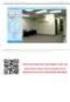 Model: FI8910W Quick Installation Guide (For Windows OS) (For MAC OS please go to page 17) Indoor MJPEG Pan/Tilt Wireless IP Camera Black White Package Contents IP Camera FI8910W with IR-Cut.x 1 DC Power
Chapter 2 Preparing Your Network
 Chapter 2 Preparing Your Network This document describes how to prepare your network to connect to the Internet through a router and how to verify the readiness of your broadband Internet service from
Using Cisco UC320W with Windows Small Business Server
 Using Cisco UC320W with Windows Small Business Server This application note explains how to deploy the Cisco UC320W in a Windows Small Business Server environment. Contents This document includes the following
Chapter 4 Managing Your Network
 Chapter 4 Managing Your Network This chapter describes how to perform network management tasks with your ADSL2+ Modem Wireless Router. Backing Up, Restoring, or Erasing Your Settings The configuration
D-View 7 Network Management System
 Product Highlights Comprehensive Management Manage your network effectively with useful tools and features such as Batch Configuration, SNMP, and Flexible command Line Dispatch Hassle-Free Network Management
Quick Installation Guide DAP-1360. Wireless N 300 Access Point & Router
 DAP-1360 Wireless N 300 Access Point & Router BEFORE YOU BEGIN Delivery Package Access point DAP-1360 Power adapter DC 12V Ethernet cable (CAT 5E) (brochure). If any of the items are missing, please contact
DEPLOYMENT GUIDE Version 1.0. Deploying the BIG-IP Edge Gateway for Layered Security and Acceleration Services
 DEPLOYMENT GUIDE Version 1.0 Deploying the BIG-IP Edge Gateway for Layered Security and Acceleration Services Table of Contents Table of Contents Using the BIG-IP Edge Gateway for layered security and
ReadyNAS Setup Manual
 ReadyNAS Setup Manual NETGEAR, Inc. 4500 Great America Parkway Santa Clara, CA 95054 USA October 2007 208-10163-01 v1.0 2007 by NETGEAR, Inc. All rights reserved. Trademarks NETGEAR, the NETGEAR logo,
emerge 50P emerge 5000P
 emerge 50P emerge 5000P Initial Software Setup Guide May 2013 Linear LLC 1950 Camino Vida Roble Suite 150 Carlsbad, CA 92008 www.linearcorp.com Copyright Linear LLC. All rights reserved. This guide is
Table of Contents. Table of Contents
 Table of Contents Setup Instructions... 1 Step 1: Download the Required Components... 1 Step 2: Install and Run the Online Backup Module... 3 Step 3: Sign-Up to the Online Backup Service... 4 Step 4: Configure
Quick Installation Guide
 Quick Installation Guide (For Windows & Mac OS) Outdoor Wireless IP Camera Package Contents V1.1 IP Camera Power Adapter Resource CD Ethernet Cable Mounting Bracket(except FI8919) Wi-Fi Antenna Quick Installation
Upgrading from Call Center Reporting to Reporting for Call Center
 Upgrading from Call Center Reporting to Reporting for Call Center www.nortelnetworks.com 2003 Nortel Networks i Table of Contents Table of Contents Change History...1 How to use this guide...2 Introduction...
Configuring the WT-4 for Upload to a Computer (Ad-hoc Mode)
 En Configuring the WT-4 for Upload to a Computer (Ad-hoc Mode) This document provides basic instructions on configuring the WT-4 wireless transmitter and a computer for transmission over an ad-hoc (peer-to-peer)
DSL-G604T Install Guides
 Internet connection with NAT...2 Internet connection with No NAT, IP Un-number...6 Port Forwarding...12 Filtering & Firewall Setup...20 Access Control... 21 DMZ Setup... 26 Allow Incoming Ping... 27 How
Sharp Remote Device Manager (SRDM) Server Software Setup Guide
 Sharp Remote Device Manager (SRDM) Server Software Setup Guide This Guide explains how to install the software which is required in order to use Sharp Remote Device Manager (SRDM). SRDM is a web-based
Mobility System Software Quick Start Guide
 Mobility System Software Quick Start Guide Version 8.0 P/N 530-041387 Rev.05 Table of Contents About this Guide Using the Web Quick Start (WLC2, WLC8, WLC200,WLC800R, and WLC880R) Remotely Configuring
STATIC IP SET UP GUIDE
 STATIC IP SET UP GUIDE VERIZON D-LINK 2750B & ACTIONTEC GT784 WNV WIRELESS GATEWAY Verizon High Speed Internet for Business Verizon High Speed Internet for Business YOUR NEW STATIC IP CONNECTION AND SET
Canon WFT-E1 (A) Wireless File Transmitter. Network Support Guide
 1 Canon WFT-E1 (A) Wireless File Transmitter Network Support Guide Windows XP - Infrastructure Wireless Mode Connection 2 Setting up the WFT-E1A on Windows XP Home or Professional Infrastructure Wireless
Installation Guide Wireless 4-Port USB Sharing Station. GUWIP204 Part No. M1172-a
 Installation Guide Wireless 4-Port USB Sharing Station 1 GUWIP204 Part No. M1172-a 2011 IOGEAR. All Rights Reserved. PKG-M1172-a IOGEAR, the IOGEAR logo, MiniView, VSE are trademarks or registered trademarks
Getting Started Guide
 Getting Started Guide Sophos Firewall Software Appliance Document Date: November 2015 November 2015 Page 1 of 14 Contents Preface...3 Minimum Hardware Requirement...3 Recommended Hardware Requirement...3
Ethernet Radio Configuration Guide
 Ethernet Radio Configuration Guide for Gateway, Endpoint, and Repeater Radio Units April 20, 2015 Customer Service 1-866-294-5847 Baseline Inc. www.baselinesystems.com Phone 208-323-1634 FAX 208-323-1834
Initial Access and Basic IPv4 Internet Configuration
 Initial Access and Basic IPv4 Internet Configuration This quick start guide provides initial and basic Internet (WAN) configuration information for the ProSafe Wireless-N 8-Port Gigabit VPN Firewall FVS318N
Enterprise Manager. Version 6.2. Installation Guide
 Enterprise Manager Version 6.2 Installation Guide Enterprise Manager 6.2 Installation Guide Document Number 680-028-014 Revision Date Description A August 2012 Initial release to support version 6.2.1
Configuring Devices for Use with Cisco Configuration Professional (CCP) 2.5
 Configuring Devices for Use with Cisco Configuration Professional (CCP) 2.5 Objectives Part 1: Configure CCP Access for Routers Enable HTTP/HTTPS server. Create a user account with privilege level 15.
Wireless G Broadband quick install
 Wireless G Broadband Router quick install guide Model 503693 INT-503693-QIG-0608-02 Thank you for purchasing the INTELLINET NETWORK SOLUTIONS Wireless G Broadband Router, Model 503693. This quick install
How To Configure Apple ipad for Cyberoam L2TP
 How To Configure Apple ipad for Cyberoam L2TP VPN Connection Applicable to Version: 10.00 (All builds) Layer 2 Tunneling Protocol (L2TP) can be used to create VPN tunnel over public networks such as the
http://docs.trendmicro.com
 Trend Micro Incorporated reserves the right to make changes to this document and to the products described herein without notice. Before installing and using the product, please review the readme files,
VPN Configuration Guide D-Link DFL-800
 VPN Configuration Guide D-Link DFL-800 Revision 1.0.0 equinux AG and equinux USA, Inc. 2007 equinux USA, Inc. All rights reserved. Under the copyright laws, this manual may not be copied, in whole or in
Wireless Presentation Adaptor User s Manual
 Wireless Presentation Adaptor User s Manual (Model Name: WPS-Dongle 2) Version: 2.0 Date: Apr. 28, 2011 1 Table of Contents 1. Overview... 4 2. Quick Start... 6 3. Windows Client Utility... 9 3.1 Starting
Using SonicWALL NetExtender to Access FTP Servers
 SSL-VPN Using SonicWALL NetExtender to Access FTP Servers Problem: Using NetExtender to access an FTP Server on the LAN segment of a SonicWALL PRO 4060. Solution: Perform the following setup steps. Step
Chapter 2 Connecting the FVX538 to the Internet
 Chapter 2 Connecting the FVX538 to the Internet Typically, six steps are required to complete the basic connection of your firewall. Setting up VPN tunnels are covered in Chapter 5, Virtual Private Networking.
Installing the Operating System or Hypervisor
 Installing the Operating System or Hypervisor If you purchased E-Series Server Option 1 (E-Series Server without preinstalled operating system or hypervisor), you must install an operating system or hypervisor.
Full Install Setup Guide Actiontec F2250 Gateway
 Full Install Setup Guide tec F2250 Gateway ACTIONTEC F2250 GATEWAY... 2 OVERVIEW... 2 AVAILABLE TRAINING... 2 REQUIRED INSTALL STEPS... 2 GOOD THINGS TO KNOW... 2 SETUP GUIDE: RESIDENTIAL, DYNAMIC AND
c. Securely insert the Ethernet cable from your cable or DSL modem into the Internet port (B) on the WGT634U. Broadband modem
 Start Here Follow these instructions to set up your router. Verify That Basic Requirements Are Met Assure that the following requirements are met: You have your broadband Internet service settings handy.
Configuring the WT-4 for ftp (Ad-hoc Mode)
 En Configuring the WT-4 for ftp (Ad-hoc Mode) Windows XP Introduction This document provides basic instructions on configuring the WT-4 wireless transmitter and a Windows XP Professional SP2 ftp server
Preparing for GO!Enterprise MDM On-Demand Service
 Preparing for GO!Enterprise MDM On-Demand Service This guide provides information on...... An overview of GO!Enterprise MDM... Preparing your environment for GO!Enterprise MDM On-Demand... Firewall rules
Hosted Microsoft Exchange Client Setup & Guide Book
 Hosted Microsoft Exchange Client Setup & Guide Book Section 1 Microsoft Outlook Web Access (OWA) access directions Section 2 Windows 10 Mail App setup & configuration Section 3 Windows Mobile Phone ActiveSync
Access the GV-IP Camera through a broadband modem
 Access the GV-IP Camera through a broadband modem Applied to All GV-IP Cameras Article ID: GV15-12-03-26 Release Date: 03/26/2012 Introduction The document introduces how to connect your GV-IP Camera to
Online Help StruxureWare Data Center Expert
 Online Help StruxureWare Data Center Expert Version 7.2.1 What's New in StruxureWare Data Center Expert 7.2.x Learn more about the new features available in the StruxureWare Data Center Expert 7.2.x release.
3.5 EXTERNAL NETWORK HDD. User s Manual
 3.5 EXTERNAL NETWORK HDD User s Manual Table of Content Before You Use Key Features H/W Installation Illustration of Product LED Definition NETWORK HDD Assembly Setup the Network HDD Home Disk Utility
TANDBERG MANAGEMENT SUITE 10.0
 TANDBERG MANAGEMENT SUITE 10.0 Installation Manual Getting Started D12786 Rev.16 This document is not to be reproduced in whole or in part without permission in writing from: Contents INTRODUCTION 3 REQUIREMENTS
File Share Navigator Online 1
 File Share Navigator Online 1 User Guide Service Pack 3 Issued November 2015 Table of Contents What s New in this Guide... 4 About File Share Navigator Online... 5 Components of File Share Navigator Online...
Nexio Connectus with Nexio G-Scribe
 Nexio Connectus with Nexio G-Scribe 2.1.2 3/20/2014 Edition: A 2.1.2 Publication Information 2014 Imagine Communications. Proprietary and Confidential. Imagine Communications considers this document and