
Course Description. Overview. Core Capabilities
|
|
|
- Carmella Greene
- 10 years ago
- Views:
Transcription
1 Course Description Overview Terrorism involving active shooter attacks on population centers has become part of law enforcement officers awareness; however, there is a significant difference between awareness and readiness. Increased awareness of a problem does not ensure preparedness or appropriate response tactics. The motives of perpetrators who commit these crimes range from individual notoriety to attempts to further political ideals. Active shooter incidents have occurred at a wide range of sites such as schools, malls, transportation hubs, hotels, hospitals, and military posts. Regardless of the site, the response requires law enforcement to intercede immediately to protect innocent lives. Every officer must be specifically and efficiently trained to deal with an active shooter scenario. Because of the prevalence of gun violence, Louisiana State University (LSU), the National Center for Biomedical Research and Training (NCBRT), and the Academy of Counter-terrorist Education (ACE) have decided to focus their resources on training law enforcement to respond to this threat. The Law Enforcement Active Shooter Emergency Response (LASER) course encompasses the culmination of the LSU effort. No longer can law enforcement rely on past tactics. They must step up to the responsibilities handed to them by the populations they serve and quickly adapt their response tactics to the threat of an active shooter incident. This course addresses technical aspects of planning and implementing a rapid law enforcement deployment to an active shooter incident. This is achieved through classroom presentations, hands-on performance-based field training, and scenario-based practical exercises. Core Capabilities The terminal learning objectives of this course align with the following core capabilities: Environmental Response/Health and Safety Infrastructure Systems (Response) On-scene Security and Protection Operational Communications Operational Coordination Physical Protective Measures Planning Public and Private Services and Resources Public Information and Warning Situational Assessment Version 1.4 Page 1

2 Scope This course addresses technical aspects of planning and implementing a rapid law enforcement deployment to an active shooter incident. This is achieved through classroom presentations, hands-on performance-based field training, and scenario-based practical exercises. This course has several options for methods of delivery: Train-the-trainer (TTT) delivery enables supervisors to attend the course, become certified course instructors, and deliver the course to their co-workers and their organization s employees. Upon request, the NCBRT will provide all necessary instructional materials to certified trainers who want to provide instruction to their organizations. Direct delivery (DD) format is taught by NCBRT instructors and intended for anyone who is interested in the content of the course. Participants will receive credit for the course but will not be certified to instruct. Indirect delivery (ID) format is taught by someone who has passed the train-the-trainer version of the course and intended for anyone who is interested in the content of the course. The instructor of this type of course delivery is not directly employed by the NCBRT. Participants will receive credit for the course but will not be certified to instruct. Combined TTT and DD course format is available to jurisdictions that cannot meet the minimum numbers on the TTT delivery. The two versions are taught simultaneously. After Module 5, train-the-trainer participants are taken to a separate room where they will engage in an activity focused on instructor methodology. Direct delivery participants conclude the course by moving on to Module 6; they take the post-test and complete a course evaluation. Version 1.4 Page 2

3 Combined Train-the-trainer/Direct Delivery Day 1 Module 1 Course Overview 2.0 hours TTT/DD Participants Module 2 Emergency Operational Planning 1.0 hour TTT/DD Participants Module 3 Clearing Techniques 5.0 hours TTT/DD Participants Day 2 Module 4 Emergency Breaching Techniques 2.0 hours TTT/DD Participants Module 5 Scenario-based Practical Exercise 5.0 hours TTT/DD Participants Module T1 Instructional Methodology 1.0 hour TTT Participants Module 6 Testing and Administration 1.0 hour DD Participants Day 3 Module T2 Classroom Teachbacks 3.5 hours TTT Participants Module T3 Practical Teachbacks 3.5 hours TTT Participants Module T4 Testing and Administration 1.0 hour TTT Participants Target Audience The target audience for this course includes state and local law enforcement, range instructors, firearms instructors, school resource officers, and first-line supervisors who will respond or support the response to any type of active shooter incident. Prerequisites All participants must be local or state law enforcement officers. Additionally, participants of the train-the-trainer course should have prior instructional experience and knowledge of instructional methodology and should have instructor certification by the authority having jurisdiction. Course Length Direct delivery of this course is designed for presentation over two days; train-the-trainer delivery is three days. Starting and ending times for instruction on each day of training may be adjusted to accommodate local classroom facility requirements and practical exercise locations. Version 1.4 Page 3

4 Required Materials/Facilities The following equipment and materials are provided by NCBRT and are required to support instruction in this course: Instructor Guide Supplemental Trainer Packet for Instructors (if train-the-trainer delivery) Instructor ID Presentation slides CD Videos DVD and computer with Windows Media Player Two NCBRT audio-visual (A/V) kits (Only one A/V kit is necessary if the class is only direct delivery or indirect delivery.) Projector screen Camcorder White board or easel pads with easel Attendance sheets Black markers Pre-test answer keys Post-test answer keys Post-test train-the-trainer answer key (if train-the-trainer delivery) Two correction tape dispensers One ram One bucket of chain Bolt cutters Flex cuffs One Halligan tool Five shotgun slings One starter pistol 100 rounds of ammunition for starter pistol One sledgehammer Six M4s Six Berretta 92FBs 30 red guns 300 rounds of AirMunition 30 sets of eye protection 40 role-player gloves 40 extra large blue PPE jackets Six extra large blue PPE pants for role-players 10 instructional safety sets (eye protection and vests) Version 1.4 Page 4

5 Ear plugs Safety glasses Portable fire alarm Mechanic s mat Nails One per participant of the following items: Participant Guide Instructor Guide (if train-the-trainer delivery) Supplemental Trainer Packet for Participants (if train-the-trainer delivery) Scannable participant registration form FEMA Level 1 evaluation form Pre-test Post-test Post-test train-the-trainer (if train-the-trainer delivery) Two scannable test answer sheets Black pen Tent name cards Indirect Instructor Application form (if train-the-trainer delivery) Request for Materials form (if train-the-trainer delivery) A senior-level law enforcement person should serve as the primary point of contact (POC).The host agency will be required to provide the following personnel, classroom, and logistical needs: 40-person (30 participants plus support personnel) environmentally controlled classroom, including classroom style seating with room for course manuals and notetaking One breakout room with sufficient conference or U-shape style seating for 15 people A building for teaching and practicing clearing operations A building or storage space used to receive and provide secure storage for approximately 10 containers (from 12 x12 x12 to 12 x24 x52, weighing up to 110 pounds per case) of training materials and equipment at a storage area in close proximity to the classroom Telephone or radio communication for emergency use at exercise facilities during Module 5 Audio-visual equipment: projector screen or area in classroom Two easels and easel pads with markers Facility emergency plans Security personnel to ensure safety of unarmed participants throughout course Eight power outlets in the classroom for A/V components and computers used by the instructional support personnel and participants during the course Instructor access the day before course s start date for classroom setup Version 1.4 Page 5

6 Adequate security to prevent having to reset the classroom daily Adequate participant and instructor parking Six role-players for day 2 beginning at 9:30 a.m. (non-participants) Participant Equipment Requirements All participants are required to wear the agency-issued and/or approved uniform to class each session. Officer-issued weapons, both primary and secondary, are not required for this course. Each officer is responsible for properly securing his or her weapon(s) during the training course. No personal or agency weapon (including impact and less-than-lethal weapons), live ammunition, weapon magazines, or flash bangs are to be on the officer or in the training area (including classroom) at any time during this course. Real world security is encouraged during the course. As necessary, an armed individual may be present at the facility to ensure participant security and protection during training. Testing/Certification Participants achievement of affective goals will be evaluated by instructors through observation of individual participation in classroom and participant skills demonstrated during practical exercise activities, as well as through comments made by participants concerning the complexity of responding to active shooter incidents. Active participation and expressed understanding for and appreciation of the complexity in responding to active shooter incidents will be accepted as reflecting achievement of affective goals. Reference List Anderson, Mark et al. School-Associated Violent Deaths in the United States, Journal of the American Medical Association. 286(21). December 5, Anti-terrorism Assistance Program (ATAP). Advanced Crisis Response Training (ACRT). Facilitator Guide. Anti-terrorism Assistance Program (ATAP). Crisis Response Training (CRT). Facilitator Guide. Deadly shootings at US army base. BBC. November 6, /2/hi/ stm; accessed January 21, Federal Bureau of Investigation (FBI). Tactical Operations Management Handbook. Magnier, Mark. "Mumbai police officers describe nightmare of attack." Los Angeles Times. December 3, accessed January 25, Version 1.4 Page 6

7 McKinley, Jr., James C. At Fort Hood, Witness Credits Second Officer. New York Times. November 11, accessed January 21, National Center for Biomedical Research and Training. Tactical Planning for WMD Incidents. Baton Rouge, LA: Louisiana State University, National Tactical Officer s Association (NTOA). Response to Active Shooter Situations. Policy (09). New Terrorist Tactic? Defense Threat Reduction Agency (DTRA), Combat Support Assessments Division Nierenberg, G.I. Fundamentals of Negotiating. New York: Hawthorne Books, Officials: Fort Hood shootings suspect alive; 12 dead. CNN.com. November 7, accessed January 25, "Police declare Mumbai siege over." BBC. November 29, /2/hi/south_asia/ stm; accessed January 25, Roggio, Bill. Analysis: Mumbai Attack Differs from Past Terror Strikes. Long War Journal. November 28, Seba, Erwin. Motive probed in Fort Hood shooting rampage. Reuters. November 7, accessed January 21, Tactical Implications of the Headley Case. Stratfor. December 16, Texas State University-San Marcos. Advanced Law Enforcement Rapid Response Training. February 1, Texas State University: San Marcos, TX. United States Marine Corps. Guidebook for Dynamic Entry Techniques. United States Secret Service and United States Department of Education. The Final Report and Findings of the Safe School Initiative: Implications for the Prevention of School Attacks in the United States. May "Wave of Terror Attacks Strikes India's Mumbai, Killing at Least 182." Fox News. November 27, accessed January 25, Version 1.4 Page 7

8 Evaluation Strategy Participants are required to complete a course evaluation that focuses on the following issues: Value of materials in supporting the course goal and module objectives. Effectiveness of instruction (i.e., instructors presented content in an understandable manner, used relevant examples, encouraged participation, and answered questions in a clear and concise manner). Relevance of instruction to each participant s assessment of real world requirements and concerns. Version 1.4 Page 8

9 Course Structure and Content Outline Module 1: Course Overview Terminal Learning Objective Participants will state the course goal and major module objectives, identify characteristics of active shooter incidents, and examine active shooter incidents using recent case studies. Enabling Learning Objectives 1-1 Define active shooter. 1-2 Discuss recent active shooter incidents. 1-3 Recognize the five phases of an active shooter incident. 1-4 Summarize the course and its agenda. 1-5 Explain how performance is evaluated. Module 2: Emergency Operational Planning Terminal Learning Objective At the conclusion of this module, participants will recognize the importance of pre-incident planning and how rapid operational planning and communication can result in more effective response and rapid deployment during an active shooter scenario. Enabling Learning Objectives 2-1 Identify the characteristics of an active shooter incident. 2-2 Recognize the need for rapid deployment during an active shooter incident. 2-3 Differentiate between a rapid deployment by first responders and a tactical team response. 2-4 Discuss the use of departmental policy as the basis for an emergency operational plan. 2-5 Relate the importance of communication in responding to and resolving an active shooter incident. 2-6 Identify minimum entry requirements as they apply to an active shooter incident. 2-7 List the responsibilities of first and subsequent responders to an active shooter incident. 2-8 Recognize the need to conduct advanced planning for an active shooter incident. Version 1.4 Page 9

10 Module 3: Clearing Techniques Terminal Learning Objective At the conclusion of this module, participants will be proficient in applying individual and team clearing techniques. Enabling Learning Objectives 3-1 Discuss the principles of crisis response. 3-2 Identify the advantages of proper application of tactical angles. 3-3 Explain gun turret technique and how weapons discipline and fields of fire are maintained when using this technique. 3-4 Describe individual clearing techniques of quick peek, cross, hook, slice the pie, and partial penetration. 3-5 Describe contact team responsibilities. 3-6 Describe and perform two-officer room entry techniques. 3-7 Describe and perform three-officer room entry techniques. 3-8 Identify different types of door configurations and proper entry techniques. 3-9 Perform two- and three-officer room entry techniques on various door configurations Differentiate between covert and dynamic stairwell clearing techniques for both ascents and descents Perform covert and dynamic stairwell clearing techniques during both ascents and descents. Module 4: Emergency Breaching Techniques Terminal Learning Objective At the conclusion of this module, participants will be able to recognize emergency breaching techniques and tools. Enabling Learning Objectives 4-1 Discuss emergency breaching considerations. 4-2 Relate how shotgun breaching can be incorporated into patrol operations. 4-3 Define mechanical breaching and methodology. 4-4 Discuss mechanical breaching tools and techniques. 4-5 Discuss improvised breaching techniques. Version 1.4 Page 10

11 Module 5: Scenario-based Practical Exercise Terminal Learning Objective At the conclusion of this module, participants will effectively respond to and resolve an active shooter incident-based scenario. Enabling Learning Objectives 5-1 Receive scenario information regarding an active shooter incident, form into a rapid deployment team, and develop a hasty response plan. 5-2 Respond to an active shooter incident and neutralize the threat. 5-3 Participate as a civilian, victim, or perpetrator role-player in an incident-based active shooter scenario. Module 6: Testing and Administration Terminal Learning Objective Participants will complete a comprehensive post-test and course evaluation. Enabling Learning Objectives 6-1 Successfully complete a comprehensive post-test. 6-2 Provide feedback by completing a course evaluation form. Version 1.4 Page 11

12 Module T1: Instructional Methodology Terminal Learning Objective Train-the-trainer participants will describe the instructional methodology used to deliver this course. Enabling Learning Objectives T1-1 List five characteristics of adult learners. T1-2 List three advantages and three disadvantages of presentation software. T1-3 Define two types of questions and their use when conducting training. T1-4 Explain the Instructor Guide format of this course. T1-5 Working as a team, plan to conduct a scenario-based exercise from Module 5 of this course. Module T2: Classroom Teachbacks Terminal Learning Objective At the conclusion of this module, participants will have conducted teachbacks of classroom materials from modules 1, 2, 3, and 4. Enabling Learning Objectives T2-1 Instruct a five- to 10-minute segment of classroom related subject matter from previous LASER course modules. T2-2 Participate in an instructor assessment of classroom teaching skills. Version 1.4 Page 12

13 Module T3: Practical Teachbacks Terminal Learning Objective At the conclusion of this module, participants will have conducted hands-on, practical teachbacks of materials covered in Module 3 and participated in the conduct of a scenariobased practical exercise taken from Module 5. Enabling Learning Objectives T3-1 Instruct a hands-on, practical technique covered in Module 3. T3-2 Participate as an instructor in a scenario-based practical exercise from Module 5. T3-3 Participate in an instructor assessment of hands-on, practical teaching skills. Module T4: Testing and Administration Terminal Learning Objective Participants will complete a comprehensive post-test and course evaluation. Enabling Learning Objectives T4-1 Successfully complete a comprehensive post-test. T4-2 Provide feedback by completing a course evaluation form. Version 1.4 Page 13

14 Version 1.4 Page 14

15 Course Design Matrix Module 1: Course Overview Scope Statement In this module, participants and instructors will complete course administrative requirements, and participants will learn how their performance will be evaluated. Instructors will administer a pre-test that is a self-evaluation to assist participants in determining their level of knowledge regarding the course material before the course begins. This module also provides an overview of the course and allows participants and instructors to introduce themselves. Instructors will discuss recent active shooter incidents, and participants will be able to recognize the five phases of an active shooter incident. Terminal Learning Objective (TLO) Participants will state the course goal and major module objectives, identify characteristics of active shooter incidents, and examine active shooter incidents using recent case studies. Enabling Learning Objectives (ELO) 1-1 Define active shooter. 1-2 Discuss recent active shooter incidents. 1-3 Recognize the five phases of an active shooter incident. 1-4 Summarize the course and its agenda. 1-5 Explain how performance is evaluated. Lesson Topics Welcome; Introductions; Course Overview: Introduction, Active Shooter Defined, Active Shooter Case Studies, Five Phases of an Active Shooter Incident, Course Goal, Scope of Course; Administrative Matters; Evaluation Strategy: Pre-test Instructional Strategy Lecture and Pre-test Assessment Strategy Instructor observation of participants involvement in the classroom discussion. Instructor-led discussion to ensure that participants understand both how their performance will be evaluated and how that evaluation will impact participant outcomes. Instructor administration of a pre-test to assess participants prior knowledge of course materials. Version 1.4 Page 15

16 Practical Exercise (PE) Statement Not Applicable Version 1.4 Page 16

17 Module 2: Emergency Operational Planning Scope Statement During this module, instructors provide participants with an overview of operational planning for the rapid deployment required by an active shooter incident. Areas addressed during this module include communications, minimum entry requirements, and responsibilities of first and subsequent responders. In addition, this presentation addresses the need for advanced planning and the advanced planning process. Terminal Learning Objective (TLO) At the conclusion of this module, participants will recognize the importance of pre-incident planning and how rapid operational planning and communication can result in more effective response and rapid deployment during an active shooter scenario. Enabling Learning Objectives (ELO) 2-1 Identify the characteristics of an active shooter incident. 2-2 Recognize the need for rapid deployment during an active shooter incident. 2-3 Differentiate between a rapid deployment by first responders and a tactical team response. 2-4 Discuss the use of departmental policy as the basis for an emergency operational plan. 2-5 Relate the importance of communication in responding to and resolving an active shooter incident. 2-6 Identify minimum entry requirements as they apply to an active shooter incident. 2-7 List the responsibilities of first and subsequent responders to an active shooter incident. 2-8 Recognize the need to conduct advanced planning for an active shooter incident. Lesson Topics Characteristics of an Active Shooter Incident; Characteristics of a Typical Response to an Active Shooter; Departmental Policy as the Basis for Emergency Operational Planning: Pre-incident Considerations, Responding Officer Actions, Minimum Entry Requirements, Communication Requirements, Initial On-scene Command, Public Perception, Evacuation; Advanced Operational Planning: Target Folders, Coordination of Effort, Decision Making Process, Postincident Instructional Strategy Lecture Version 1.4 Page 17

18 Assessment Strategy Instructor observation of participants involvement in the classroom discussion. Instructor administration of an objectives-based post-test to assess the knowledge participants have gained from each module. Practical Exercise (PE) Statement Not Applicable. Version 1.4 Page 18

19 Module 3: Clearing Techniques Scope Statement This module introduces participants to the principles of clearing operations. Instructors present and demonstrate both individual and team movement and clearing techniques. Following classroom instruction, participants are separated into smaller groups where more individualized instruction occurs. Concepts covered in this module include: quick peek, cross, hook, slicing the pie, partial penetration, two- and three-officer clearing techniques, movement techniques, clearing hallways and stairways, link-up options, and multiple entries. Terminal Learning Objective (TLO) At the conclusion of this module, participants will be proficient in applying individual and team clearing techniques. Enabling Learning Objectives (ELO) 3-1 Discuss the principles of crisis response. 3-2 Identify the advantages of proper application of tactical angles. 3-3 Explain gun turret technique and how weapons discipline and fields of fire are maintained when using this technique. 3-4 Describe individual clearing techniques of quick peek, cross, hook, slice the pie, and partial penetration. 3-5 Describe contact team responsibilities. 3-6 Describe and perform two-officer room entry techniques. 3-7 Describe and perform three-officer room entry techniques. 3-8 Identify different types of door configurations and proper entry techniques. 3-9 Perform two- and three-officer room entry techniques on various door configurations Differentiate between covert and dynamic stairwell clearing techniques for both ascents and descents Perform covert and dynamic stairwell clearing techniques during both ascents and descents. Lesson Topics Principles of Crisis Response: Detailed Pre-planning, Controlled Entry, Speed, Surprise, Force of Action, Security; Tactical Mindset: Alertness, Decisiveness, Aggressiveness, Self Control, Determination; Rules of Room Clearing Operations: Enter the Doorway (Clear the Fatal Funnel ), Clear the Immediate Threat, Clear the Corners, Move to Points of Control, Establish Overlapping Fields of Fire; Covert and Dynamic Clearing Operations; Tactical Angles: Entry Considerations, Gun Turret Technique; Individual Clearing Techniques: Quick Peek, Slicing the Pie, Partial Penetration, Cross and Hook Door Entries, Individual Tactical Technique Practical Exercise; Two-officer Team Techniques: Search and Clearing Considerations, Contact/Cover Version 1.4 Page 19

20 and Combat L, Tactical Approach, Front and Rear Security (Two-officer), General Room Clearing Techniques, Two-officer Team Room Clearing Techniques; Three-officer Clearing Techniques; Door Configurations and Entry Techniques: Open Doors, Closed Doors (Inward Opening), Closed Doors (Outward Opening), Door Configuration Practical Exercise; Covert and Dynamic Stairwell Techniques: Covert Techniques in Stairwells, Dynamic Techniques in Stairwells, Stairwell Terminology, Stairwell Clearing Techniques Instructional Strategy Lecture Assessment Strategy Instructor observation of participants involvement in the classroom discussion and during practical exercises. Instructor administration of an objectives-based post-test to assess the knowledge participants have gained from each module. Practical Exercise (PE) Statement During the practical exercise portions of this module, instructors should demonstrate techniques and then have participants perform the techniques. Instructors should provide critique and feedback to participants during the practical exercises. All exercises in this module will be conducted with red guns. Practical exercises for this module consist of the following activities: Individual tactical technique practice exercise: after the classroom presentation of these techniques, divide the class into subgroups, assign an instructor to each group, and have participants move to the practical exercise station to practice the techniques. Two- and three-officer team practical exercise: after classroom presentation of these techniques, divide the class into subgroups, assign an instructor to each group, and have participants move to the practical exercise area to perform the techniques. Door configuration practical exercise: after the classroom presentation on door configurations, participants will return to their designated groups and accompany their instructor to the practical exercise area. Version 1.4 Page 20

21 Module 4: Emergency Breaching Techniques Scope Statement Instructors provide participants with an overview of tactical breaching techniques including mechanical, shotgun, and improvised breaching techniques. This module addresses concepts such as pre-staging breaching equipment and obtaining breaching equipment during an emergency. Finally, instructors present the task of integrating breaching requirements into clearing operations. Terminal Learning Objective (TLO) At the conclusion of this module, participants will be able to recognize emergency breaching techniques and tools. Enabling Learning Objectives (ELO) 4-1 Discuss emergency breaching considerations. 4-2 Relate how shotgun breaching can be incorporated into patrol operations. 4-3 Define mechanical breaching and methodology. 4-4 Discuss mechanical breaching tools and techniques. 4-5 Discuss improvised breaching techniques. Lesson Topics Emergency Breaching Considerations; Breaching Techniques: Surreptitious Entry, Ruse, Physical Access, Explosive Breaching, Shotgun (Ballistic) Breaching; Mechanical Breaching: Methods of Mechanical Breaching, Mechanical Breaching Considerations; Improvised Breaching Techniques: Vehicle Breaching, Other Improvised Breaching Tools Instructional Strategy Lecture Assessment Strategy Instructor observation of participants involvement in the classroom discussion and during practical exercises. Instructor administration of an objectives-based post-test to assess the knowledge participants have gained from each module. Version 1.4 Page 21
22 Practical Exercise (PE) Statement If a breaching facility is not available or convenient, use the supplied door. If inclement weather prevents the breaching activity from occurring, use slides 4-13 through 4-17 to generate discussion about how a breach would be made on different types of entryways. For host locations with access to a breaching facility with reversible breaching doors, instructors should demonstrate and have rapid deployment teams conduct a mechanical breach. This practical exercise must not detract from the timing or objectives of the scenario-based practical exercise that follows. Version 1.4 Page 22
23 Module 5: Scenario-based Practical Exercise Scope Statement During this module, instructors present participants with live scenarios requiring them to form rapid deployment teams and clear a structure where an active shooter is operating. Exercises are conducted with two- and three-officer rapid deployment teams. Participants not integrated into a rapid deployment team play the roles of civilians, victims, and perpetrators. Rotation of participants through roles ensures all are integrated into a rapid deployment team and provides participants with the opportunity to role-play and experience clearing operations from the other side. These exercises are enhanced through the use of the AirMunition weapons system, which allows participants and role-players to actually fire non-lethal projectiles inside structures without causing injury or damage. Terminal Learning Objective (TLO) At the conclusion of this module, participants will effectively respond to and resolve an active shooter incident-based scenario. Enabling Learning Objectives (ELO) 5-1 Receive scenario information regarding an active shooter incident, form into a rapid deployment team, and develop a hasty response plan. 5-2 Respond to an active shooter incident and neutralize the threat. 5-3 Participate as a civilians, victim, or perpetrator role-player in an incident-based active shooter scenario. Lesson Topics Two-person Team Scenarios; Three-person Team Scenarios Instructional Strategy Lecture and Practical Exercise Assessment Strategy Instructor measurement of participants skill proficiency through performance exercises. Practical Exercise (PE) Statement Instructors will provide a safety briefing for all participants during this module. The lead instructor will provide participants acting the role of a rapid deployment team a scenario. Instructors will tell participants the circumstances causing their response to the active shooter incident. Rapid deployment team members will develop a hasty response plan, respond, and neutralize the active shooter threat. Rapid deployment teams will consist of two- and three- Version 1.4 Page 23
24 officer teams. Optimally, all participants will have the opportunity to integrate into both team configurations during the course of this exercise. Other participants will be role-players and will act as civilians, victims, and perpetrators. Another instructor will brief these role-players on the scenario and give specific guidance as to each roleplayer s part in the scenario. After the first scenario is complete, participants will rotate through roles, giving everyone the opportunity to participate as a part of a rapid deployment team. Various scenarios will be used to prevent role-players from knowing the scenario to which they will be responding. Version 1.4 Page 24
25 Module 6: Testing and Administration Scope Statement In this module, participants will be administered an objectives-based post-test. They must attain a score of 70% or greater (80% or better for train-the-trainer) to receive a Certificate of Completion. Retests may be administered on-site if needed. Participants will also complete a course evaluation form and will provide feedback on the course instruction, content, and materials. Terminal Learning Objective (TLO) Participants will complete a comprehensive post-test and course evaluation. Enabling Learning Objectives (ELO) 6-1 Successfully complete a comprehensive post-test. 6-2 Provide feedback by completing a course evaluation. Lesson Topics Course Review, Post-test, Course Evaluation Instructional Strategy Lecture; Post-test; Course Evaluation Assessment Strategy Instructor administration of an objectives-based post-test to assess the knowledge participants have gained from each module. Practical Exercise (PE) Statement Not Applicable Version 1.4 Page 25
26 Version 1.4 Page 26
27 Module T1: Instructional Methodology Scope Statement As part of the train-the-trainer course, this module includes the instructional methodology used to deliver the Law Enforcement Active Shooter Emergency Response (LASER) course. It will be taught only during the train-the-trainer course. It is important for the train-the-trainer participants to understand they are not to include the instructional methodology module during field delivery. Terminal Learning Objective (TLO) Train-the-trainer participants will describe the instructional methodology used to deliver this course. Enabling Learning Objectives (ELO) T1-1 List five characteristics of adult learners. T1-2 List three advantages and three disadvantages of presentation software. T1-3 Define two types of questions and their use when conducting training. T1-4 Explain the Instructor Guide format of this course. T1-5 Working as a team, plan to conduct a scenario-based exercise from Module 5 of this course. Lesson Topics Characteristics of Adult Learners; Advantages and Disadvantages of Presentation Software; Using Open and Direct Questions to Enhance Learning; Instructor Guide Format; Train-thetrainer Overview; Group Exercise Instructional Strategy Lecture and Group Exercise Assessment Strategy Instructor observation of participants involvement in the classroom discussion. Instructor administration of an objective-based post-test to assess the knowledge participants have gained from each module. Practical Exercise (PE) Statement At the end of this module, participants will be divided into six groups of five participants. Each group will identify a scenario from Module 5 that it will run during Module T3. Version 1.4 Page 27
28 Version 1.4 Page 28
29 Module T2: Classroom Teachbacks Scope Statement During this module, participants will conduct 10-minute teachbacks of material covered during classroom sessions of modules 1, 2, 3, and 4. Instructors will evaluate participants on their instructional capabilities. Terminal Learning Objective (TLO) At the conclusion of this module, participants will have conducted teachbacks of classroom materials from modules 1, 2, 3, and 4. Enabling Learning Objectives (ELO) T2-1 Instruct a five- to 10-minute segment of classroom related subject matter from previous LASER course modules. T2-2 Participate in an instructor assessment of classroom teaching skills. Lesson Topics Five- to 10-minute teachbacks on modules 1-4 Instructional Strategy Teachbacks Assessment Strategy Instructor assessment of prospective instructors ability to present these course materials in a classroom environment. Practical Exercise (PE) Statement During this module, participants will teach back a segment of course materials previously covered in this course. Participants will have selected the segment of material they will teach on the day prior to this module, allowing sufficient time for their preparation. Version 1.4 Page 29
30 Version 1.4 Page 30
31 Module T3: Practical Teachbacks Scope Statement During this module, participants will conduct teachbacks of practical skills material covered during classroom sessions of Module 3. Additionally, participants will participate in the conduct of a scenario-based practical exercise taken from Module 5. Instructors will evaluate participants on their hands-on, practical instructional and scenario-based practical exercise conduct capabilities. Terminal Learning Objective (TLO) At the conclusion of this module, participants will have conducted hands-on, practical teachbacks of materials covered in Module 3 and participated in the conduct of a scenariobased practical exercise taken from Module 5. Enabling Learning Objectives (ELO) T3-1 Instruct a hands-on, practical technique covered in Module 3. T3-2 Participate as an instructor in a scenario-based practical exercise from Module 5. T3-3 Participate in an instructor assessment of hands-on, practical teaching skills. Lesson Topics Teachbacks on modules 3 and 5 Instructional Strategy Teachbacks Assessment Strategy Instructor assessment of prospective instructors ability to present these course materials in a classroom environment. Practical Exercise (PE) Statement During this module, participants will teach back a segment of course materials previously covered in this course. Participants will have selected the segment of material they will teach on the day prior to this module, allowing sufficient time for their preparation. Additionally, participants will conduct a scenario-based practical exercise from Module 5 as a member of a five-instructor cadre. Version 1.4 Page 31
32 Version 1.4 Page 32
33 Module T4: Testing and Administration Scope Statement In this module, participants will be administered an objectives-based post-test. They must attain a score of 80% or better to receive a Certificate of Completion. Retests may be administered on-site if needed. Participants will also complete a course evaluation form and will provide feedback on the course instruction, content, and materials. Terminal Learning Objective (TLO) Participants will complete a comprehensive post-test and course evaluation. Enabling Learning Objectives (ELO) T4-1 Successfully complete a comprehensive post-test. T4-2 Provide feedback by completing a course evaluation. Lesson Topics Post-Test and Course Evaluation Instructional Strategy Lecture; Post-test; Course Evaluation Assessment Strategy Instructor administration of an objectives-based post-test to assess the knowledge participants have gained from each module. Practical Exercise (PE) Statement Not Applicable Version 1.4 Page 33
34 Version 1.4 Page 34
35 Course Agenda Direct Delivery Day 1 Module 1 Course Overview 2.0 hours Module 2 Emergency Operational Planning 1.0 hour Module 3 Clearing Techniques 5.0 hours Day 2 Module 4 Emergency Breaching Techniques 2.0 hours Module 5 Scenario-based Practical Exercise 5.0 hours Module 6 Testing and Administration 1.0 hour Train-the-trainer Delivery Day 1 Module 1 Course Overview 2.0 hours Module 2 Emergency Operational Planning 1.0 hour Module 3 Clearing Techniques 5.0 hours Day 2 Module 4 Emergency Breaching Techniques 2.0 hours Module 5 Scenario-based Practical Exercise 6.0 hours Day 3 Module T1 Instructional Methodology 2.0 hours Module T2 Classroom Teachbacks 2.5 hours Module T3 Practical Teachbacks 2.5 hours Module T4 Testing and Administration 1.0 hour Version 1.4 Page 35
36 Version 1.4 Page 36
Readiness: Training Identification and Preparedness Planning. Course Design Document ILT. Version 1.0CRa
 Readiness: Training Identification and Preparedness Planning Course Design Document ILT Version 1.0CRa Copyright Information Readiness: Training Identification National Center for Biomedical Research and
Planning & Response Considerations for Mass Shooting Incidents
 Planning & Response Considerations for Mass Shooting Incidents This PDF is a variety of slides from my 4-hour Multi-Agency Mass Shootings Planning & Response Course May 2008 version. I developed this PDF
Dealing with the Media: A Short Course for Rural First Responders
 Dealing with the Media: A Short Course for Rural First Responders Course Design Document ILT April, 2010 Course Description Overview Dealing with the Media: A Short Course for Rural Responders is designed
February 2014. FEMA Course Number MN-005-RESP MN POST Board Course Number: 9803-0005 Course Information and Design
 February 2014 FEMA Course Number MN-005-RESP MN POST Board Course Number: 9803-0005 Course Information and Design MESB 2012, 2013, 2014 Course Description Overview The purpose of this course is to teach
UFF Position Statement: Fire and Smoke as a Weapon
 UFF Position Statement: Fire and Smoke as a Weapon According to the United States Department of Homeland Security, international terrorist groups and violent extremists have shown interest in using fire
Tactical Range Facility. Criminal Justice. Sgt. Major James Massey Range
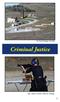 Tactical Range Facility Criminal Sgt. Major James Massey Range 11 Classes Offered Officer Safety & Field Tactics Officer Safety & Field Tactics in a Terrorism Environment Officer Safety & Field Tactics
BUREAU OF SECURITY AND INVESTIGATIVE SERVICES Title 16, Division 7 of the California Code of Regulations
 BUREAU OF SECURITY AND INVESTIGATIVE SERVICES Title 16, Division 7 of the California Code of Regulations ARTICLE 9. SKILLS TRAINING COURSE FOR SECURITY GUARDS 643. SKILLS TRAINING COURSE FOR SECURITY GUARDS
Incident Response to Terrorist Bombings (IRTB) Information Package
 Weapons of Mass Destruction Training Incident Response to Terrorist Bombings (IRTB) Information Package (09/01/06) New Mexico Tech Energetic Material Research and Testing Center EMRTC 801 Leroy Place Socorro,
ADVANCED SWAT COURSE:
 ADVANCED SWAT COURSE: Course Length: Six days. This course is structured to challenge the experienced SWAT officer. The baseline for the course is hostage rescue operations as they deal with each area.
A school crisis is any event that drastically disrupts or alters a normal school day for your campus. More dynamic if the media covers the event!!
 Critical Incident Management Instructor: Lieutenant Mo Canady, Hoover Police Department What Is A School Crisis?? A school crisis is any event that drastically disrupts or alters a normal school day for
ACTIVE SHOOTER HOW TO RESPOND
 ACTIVE SHOOTER HOW TO RESPOND October 2008 Emergency Numbers EMERGENCY SERVICES: 9-1 -1 LOCAL EMERGENCY INFORMATION LINE: LOCAL POLICE DEPARTMENT: LOCAL FIRE DEPARTMENT: LOCAL HOSPITAL: LOCAL FBI FIELD
Mt. San Antonio College Campus Emergency Response and Evacuation Plan
 Mt. San Antonio College Campus Emergency Response and Evacuation Plan The Mt. SAC Board of Trustees is committed to providing a safe and secure campus work and learning environment for students, employees,
San Juan County Criminal Justice Training Authority
 San Juan County Criminal Justice Training Authority San Juan County Criminal Justice Training Authority (SJCCJTA) is a consortium of the city and county governments of San Juan County and the New Mexico
Anti-Terrorism Officer (ATO) Course Seminar Description & Outline
 Anti-Terrorism Officer (ATO) Course Seminar Description & Outline Copyright 2004 by the S2 Safety & Intelligence Institute S2 Safety & Intelligence Institute, 1261 South Missouri Ave, Clearwater, FL 33756
Training Courses Catalog 2015
 Training Courses Catalog 2015 Office of Homeland Security Tennessee Department of Safety & Homeland Security Homeland Security Training January 2015 Law Enforcement and Public Safety Courses Introduction
Lessons Learned in Response and Recovery: Northern Illinois University
 U.S. Department of Education Office of Safe and Drug-Free Schools Emergency Management for Higher Education FY 2009 Final Grantee Meeting Philadelphia, PA August 5 6, 2010 Lessons Learned in Response and
ACTIVE THREAT TEMPLATE
 ACTIVE THREAT TEMPLATE Background Information for departments developing this template for their Building Emergency Plan - Each individual is ultimately responsible for their own safety. In any response
Training Opportunities
 FEMA Independent Study Courses IS-288.A: The Role of Voluntary Organizations in Emergency Management To complete the above course please visit the FEMA Independent Study Website at: http://training.fema.gov/is
Dr. Wayne Steve Thompson Jr., PhD EDUCATION
 Dr. Wayne Steve Thompson Jr., PhD Email: [email protected] Phone: 337-526-8231 Cell, Texting is acceptable EDUCATION Doctor of Philosophy in Public Safety 2012 Specialization: Criminal Justice School
Course Title: HSE-101 Introduction to Homeland Security Prerequisites: None Credit Hours: 3 lectures, 3 hours
 Bergen Community College Division of Business, Social Science and Criminal Justice and Homeland Security Department of Criminal Justice and Homeland Security Master Course Syllabus Course Title: HSE-101
TABLETOP EXERCISE FACILITATOR S GUIDE:
 TABLETOP EXERCISE FACILITATOR S GUIDE: ACTIVE SHOOTER EVENT Preparis INTRODUCTION Hello, my name is and I would like to welcome all of you to today s tabletop exercise. I want to thank you for taking the
Course Offerings VA Law Enforcement Training Center FY 2016 Business Plan
 Product Lines Course Offerings Course Offerings The courses listed below provide students with a combination of classroom instruction and hands-on practical exercises. Students must apply their classroom
MEDICAL UNIVERSITY OF SOUTH CAROLINA DEPARTMENT OF PUBLIC SAFETY
 MEDICAL UNIVERSITY OF SOUTH CAROLINA DEPARTMENT OF PUBLIC SAFETY SUBJECT: Training EFFECTIVE DATE: 1 January 1999 PAGE 1 OF 14 REVIEW DATE: 30 November 2015 APPROVED: CHANGE DATE: 20 May 2013 THE POLICIES
Sample Model Security Management Plan
 Sample Model Security Management Plan Element #1: Policy Statement (Security Management is an important enough topic that developing a policy statement, and publishing it with the program, is a critical
UNION COLLEGE INCIDENT RESPONSE PLAN
 UNION COLLEGE INCIDENT RESPONSE PLAN The college is committed to supporting the safety and welfare of all its students, faculty, staff and visitors. It also consists of academic, research and other facilities,
POLICE SERGEANT. CITY OF SONORA JOB DESCRIPTION Amended 05-06-2002/09-19-2005/06-20-2011/07-01-2013/01-21-2014
 CITY OF SONORA JOB DESCRIPTION Amended 05-06-2002/09-19-2005/06-20-2011/07-01-2013/01-21-2014 POLICE SERGEANT DEFINITION A Police Sergeant supervises, assigns, reviews and participates in the work of sworn
Law Enforcement Course Descriptions
 Law Enforcement Course Descriptions Interview & Interrogation This course will treat the following topics in depth: Physiological Responses, Verbal and Non-Verbal Communications, Multiple Suspect Elimination,
Security Services Survey Response Summary Conducted February 2011
 Item Survey Question Yes No Other Campus Safety Office /Responses 1 Respondent classification Total Survey Respondents: 157 (broken down as follows) Students ( 37) 27.6% Resident Student Jaguar Hall (4)
SURVIVING AN ACTIVE SHOOTER / / FULL TRANSCRIPT
 SURVIVING AN ACTIVE SHOOTER / / FULL TRANSCRIPT (music playing) Male News Reporter: A morning that began like any other turned tragic today, when an employee opened fire on his supervisor and fellow co-workers.
ABRIDGED SUMMARY OF CATEGORICAL USE OF FORCE INCIDENT AND FINDINGS BY THE LOS ANGELES BOARD OF POLICE COMMISSIONERS OFFICER-INVOLVED SHOOTING 072-08
 ABRIDGED SUMMARY OF CATEGORICAL USE OF FORCE INCIDENT AND FINDINGS BY THE LOS ANGELES BOARD OF POLICE COMMISSIONERS OFFICER-INVOLVED SHOOTING 072-08 Division Date Duty-On(x) Off( ) Uniform-Yes(x) No()
QUICK REFERENCE GUIDE. Workplace Violence. What You Need to Know to Protect Yourself and Your Employees
 QUICK REFERENCE GUIDE Workplace Violence What You Need to Know to Protect Yourself and Your Employees Types of Workplace Violence: 2 Workplace Violence While the motivation and circumstances of each incident
showcase safety & security
 showcase safety & security SECURITY SHOWCASE American Hotel & Lodging Association Serving the hospitality industry for more than a century, the American Hotel & Lodging Association (AH&LA) is the sole
Department of Defense DIRECTIVE
 Department of Defense DIRECTIVE NUMBER 2311.01E May 9, 2006 Incorporating Change 1, November 15, 2010 Certified Current as of February 22, 2011 GC, DoD SUBJECT: DoD Law of War Program References: (a) DoD
Firearms Course $185.00 (9mm,.40,.45,.38/.357)
 Powers to Arrest with WMD $75.00 8 HR. Guard Card Course 1 Day Class Classes: Every Mon. Tue. & Wed. 9a.m. -5p.m. Security Guard 40 hour course $ 275 (Reg. $400) Includes: "Powers to Arrest" "Weapons of
2014 TRANSPORTATION SAFETY SUMMIT LOUISIANA STATE POLICE & LADOTD TIM INITIATIVE
 2014 TRANSPORTATION SAFETY SUMMIT LOUISIANA STATE POLICE & LADOTD TIM INITIATIVE PROJECT SUMMARY & PRESENTATION LAW ENFORCEMENT FIRE EMS TRANSPORTATION TOWING & RECOVERY COMMUNICATIONS What is Traffic
Safety & Security October 2015
 Safety & Security October 2015 Intro PCC Facilities and College Police constantly monitor and strive to improve security and safety at the college. This presentation will cover improvement projects that
U.S. Fire Administration. Host Agency Guide. Course Setup Instructions Type 3 All-Hazard Incident Management Team (Type 3 AHIMT)
 U.S. Fire Administration Host Agency Guide Course Setup Instructions Type 3 All-Hazard Incident Management Team (Type 3 AHIMT) August 2013 This page is intentionally left blank. Course Overview and Objectives
PEC SAFETY BASIC SAFEGULF SAFELANDUSA ORIENTATION TRAIN THE TRAINER
 TRAIN THE TRAINER 2 PEC SAFETY BASIC SAFEGULF SAFELANDUSA ORIENTATION TRAIN THE TRAINER This Train the Trainer program provides authorization to teach PEC s orientation-level safety training, called Basic
Arizona Crisis Standards of Care Tabletop Exercise
 Arizona Crisis Standards of Care Tabletop Exercise Situation Manual May 19, 2015 This Situation Manual was supported in part by the CDC Cooperative Agreement, Catalog of Federal Domestic Assistance (CFDA)
Deployment Medicine Operators Course. Operational Emergency Medical Skills Course. The need has never been more critical
 Operational Emergency Medical Skills Course The Operational and Emergency Medical Skills Course (OEMS) is a capstone training school for medical support in deployed environments. Essentially, if you have
Executive Protection Course Fees = $5,995 (100% of costs due upon enrolment)
 Executive Protection Course Fees = $5,995 (100% of costs due upon enrolment) Description of Educational Program Executive protection is its own highly specialized field within the private security industry.
SUBCHAPTER 9E - IN-SERVICE TRAINING PROGRAMS SECTION.0100 - LAW ENFORCEMENT OFFICER'S IN-SERVICE TRAINING PROGRAM
 SUBCHAPTER 9E - IN-SERVICE TRAINING PROGRAMS SECTION.0100 - LAW ENFORCEMENT OFFICER'S IN-SERVICE TRAINING PROGRAM 12 NCAC 09E.0101 PURPOSE In order to ensure a minimum level of proficiency in specific
Transportation Emergency Preparedness Program (TEPP) Course Descriptions
 The Transportation Emergency Preparedness Program (TEPP) offers a variety of training courses to prepare emergency responders for response to transportation accidents involving radioactive material. The
IACLEA SPOTLIGHT SAN DIEGO COMMUNITY COLLEGE DISTRICT POLICE DEPARTMENT
 Name of Agency: San Diego Community College District Police Department Name of Chief / Director: Chief Charlie Hogquist Name / email for Point of Contact: Public College, Sworn Armed (39) Unarmed (18)
HOSA 105 EMERGENCY PREPAREDNESS
 HOSA 105 EMERGENCY PREPAREDNESS MODULE 4: COMMUNITY EMERGENCY RESPONSE TEAM (CERT) PURPOSE The Community Emergency Response Team (CERT) Program is administered by FEMA's Community Preparedness Division.
Greenville, SC Police Department GENERAL ORDER Subject Force Response
 Greenville, SC Police Department GENERAL ORDER Subject Force Response Number 200A6 Type Operational Effective Date September 20, 2011 Amends/ Rescinds 200A5 Pages 1 of 11 Re-evaluation Annual-January References
HOMELAND SECURITY EXERCISE AND EVALUATION PROGRAM (HSEEP) CLASSROOM COURSE DELIVERY POLICY JUNE 26, 2014
 HOMELAND SECURITY EXERCISE AND EVALUATION PROGRAM (HSEEP) CLASSROOM COURSE DELIVERY POLICY JUNE 26, 2014 PURPOSE The purpose of this policy is to provide guidance to local jurisdictions and state agencies
Qualifications FISK CONSULTANTS
 Qualifications FISK CONSULTANTS All Hazards Emergency Management Consultant (Business Continuity, Risk and Vulnerability Assessment & Management, Corporate & Personal Protection, Emerging Threats, Active
OHIO COURT SECURITY STANDARDS
 OHIO COURT SECURITY STANDARDS APPENDIX C PREAMBLE The following Ohio Court Security Standards represent the efforts of the Supreme Court Advisory Committee on Court Security & Emergency Preparedness. The
Shopping Center Security Leadership Summit
 Shopping Center Security Leadership Summit March 20-21, 2013 Renaissance Baton Rouge Hotel International Council of Shopping Centers (ICSC) National Center for Security Research and Training (NCSRT) Shopping
HSIN: Effective and Secure Collaboration in Critical Situations
 HSIN: Effective and Secure Collaboration in Critical Situations Presented by Mission Advocate Hanh Truong Texas Emergency Management and Homeland Security Conference May 14, 2015 The Front Door to Homeland
California s America s Missing: Broadcast Emergency Response. Alert, or AMBER Alert, is a statewide program designed to
 What Is AMBER Alert? California s America s Missing: Broadcast Emergency Response Alert, or AMBER Alert, is a statewide program designed to facilitate immediate emergency responses to child abduction cases.
Darien Police Department Quarterly Report
 Darien Police Department Quarterly Report Chief Duane J. Lovello 04/02/2013 1 st Quarter 2013 Pride in Excellence Introduction I am pleased to report on the activities of the Darien Police Department for
2014-15 School Bus Driver Inservice TITLE OF LESSON: CRISIS RESPONSE ON A SCHOOL BUS
 2014-15 School Bus Driver Inservice TITLE OF LESSON: CRISIS RESPONSE ON A SCHOOL BUS Objectives of Lesson: At the end of this lesson: Name three (3) attributes of a crisis pull off on your route. Name
SALVE REGINA UNIVERSITY. Emergency. Office of Safety & Security
 SALVE REGINA UNIVERSITY Emergency Response Plan Office of Safety & Security Original: October 2000 Updated & Revised: February 2006 Updated & Revised: March 2010 Table of Contents Section I: Overview
UNITED STATES MARINE CORPS OFFICER CANDIDATES SCHOOL TRAINING COMMAND 2189 ELROD AVENUE QUANTICO, VA 22134-5003
 UNITED STATES MARINE CORPS OFFICER CANDIDATES SCHOOL TRAINING COMMAND 2189 ELROD AVENUE QUANTICO, VA 22134-5003 WPN 1002 APR 2011 TERMINAL LEARNING OBJECTIVES. SAFE WEAPONS HANDLING 1. Given a service
Living Arts Institute @ School of Communication Arts Emergency Preparedness Plan. - Table of Contents -
 Living Arts Institute @ School of Communication Arts Emergency Preparedness Plan - Table of Contents - Purpose 1 Evacuation Procedures 2 Medical Emergency 3 Accident Report Form 4 Blood and Body Fluid
PREPAREDNESS DRILL DOCUMENTATION FORM
 SY 12/13 PREPAREDNESS DRILL DOCUMENTATION FORM District: School/Facility: Person Completing Form: Contact Ph: Drills & Recommended Frequency Date conducted Person conducting drill Time required to conduct
LaSorsa & Associates
 Practical Training Solutions for Today's World Reality - Efficiency - Survivability LaSorsa & Associates Executive Protection Consulting & Risk Mitigation SIGN UP NOW Evasive Driving Medical Response TECHNICAL
Transit Terrorist Tools and Tactics (T4) PER-276 Course Design Document. Version 2.1
 Transit Terrorist Tools and Tactics (T4) PER-276 Version 2.1 Copyright Information Transit Terrorist Tools and Tactics (T4) National Center for Biomedical Research and Training, Academy of Counter-Terrorist
Frequently Asked Questions
 CRIMINAL JUSTICE EDUCATION & TRAINING STANDARDS COMMISSION 2015 IN-SERVICE TRAINING Frequently Asked Questions 2015 In-Service Training FAQs (2/19/15) Table of Contents GENERAL INFORMATION... 4 INSTRUCTORS...
ADVANCED ALL-HAZARDS INCIDENT MANAGEMENT
 FSTEP Course: Advanced All-Hazards Incident Management (2012) Hours: 48 Designed For: National Incident Management System (NIMS) Type-I Command and General Staff Description: All-hazards complex incident
Palestine Independent School District Crisis Management Plan 2013-2014
 Incident Command System Activation (Anytime where the physical, emotional, psychological Safety of students, faculty and/or staff is threatened.) Call 911, set up command post, and activate Crisis Response
University of Prince Edward Island. Emergency Management Plan
 Emergency Management Plan March 2012 ON CAMPUS Emergency Dial Security Assistance Dial 566-0384 OFF CAMPUS SUPPORT AGENCIES Fire & Ambulance... 9-1-1 Charlottetown Fire Department... 566-5548 Fire Marshal...
American Security Group, LLC accepts on first day of class: 1
 VIRGINIA DEPARTMENT OF CRIMINAL JUSTICE SERVICES (DCJS) COURSES The term anyone means someone who is qualified to work in indicated field. Felony criminal records may prohibit licensure by DCJS. Individuals
Frequently Asked Questions. Course Completion Report Form (C12) FAQs
 Frequently Asked Questions Course Completion Report Form (C12) FAQs Table of Contents Table of Contents...2 Annual Training Requirements...4 When did the twenty hour annual training requirement start?...4
Working Relationship with Local Law Enforcement Authorities. Department of Safety and Security Scope of Authority. How to Report On-Campus Crime
 Working Relationship with Local Law Enforcement Authorities The working relationship with local police departments is limited to the reporting of crimes and information sharing. The working relationship
Hospital Security Training Solutions
 Hospital Security Training Solutions The Guardian Difference Awareness Preparedness Preservation Guardian was created by School Specialty, Inc., the name you know as America s premier provider to education
SCHOOL SHOOTINGS SCHOOL VIOLENCE PREVENTION-PREPARATION-RESPONSE
 SCHOOL SHOOTINGS SCHOOL VIOLENCE PREVENTION-PREPARATION-RESPONSE INTRODUCTION A grand jury acts as a watchdog over governmental behavior. Sources may be citizen complaints, whistle-blowers, previous grand
Search & Rescue Merit Badge
 FEMA Course IS-100b Introduction to the Incident Command System for Search & Rescue Merit Badge Visual 1.1 Search & Rescue Merit Badge (requirement #5) Complete the training for ICS-100, Introduction to
Hazardous Materials Training for First Responder Operations (FRO)
 Hazardous Materials Training for First Responder Operations (FRO) Course Duration: The course includes 24 hours of instruction. It can be taught in three 8-hour days or it may be divided into other blocks
2016 ALAMO AREA TRAINING INSTITUTE
 2016 ALAMO AREA TRAINING INSTITUTE ROOM/DAY CLASSROOM 1 CLASSROOM 2 CLASSROOM 3 CLASSROOM 4 CLASSROOM 5 MONDAY MORNING MONDAY AFTERNOON TUESDAY MORNING TUESDAY AFTERNOON TUESDAY EVENING WEDNESDAY MORNING
Crime in Missouri 2012
 Crime in Missouri MISSOURI STATE HIGHWAY PATROL RESEARCH AND DEVELOPEMENT DIVISION STATISTICAL ANALYSIS CENTER FOREWORD This publication is produced by the Missouri State Highway Patrol, Statistical Analysis
IDPA 3-gun Shoot Spring 2013 Stage instructions
 IDPA 3-gun Shoot Spring 2013 Stage instructions Stage 1: Rifle Skill at Arms Course of Fire: 3 positions standing, kneeling, prone No Concealment Round Count: 18 rounds rifle Target Distance: 20-60 yard
GRANITE SCHOOL DISTRICT LOCKDOWN AND SCHOOL SAFETY PROGRAM
 GRANITE SCHOOL DISTRICT LOCKDOWN AND SCHOOL SAFETY PROGRAM GRANITE SCHOOL DISTRICT Lockdown Program Overview Due to the number and variety of school buildings and other facilities within the District,
22 nd Annual Caroline County Regional Fire School 2016
 22 nd Annual Caroline County Regional Fire School 2016 Preparing Today for Tomorrow s Challenges April 16 & 17, 2016 Caroline County Middle School 13325 Devils Three Jump Rd. Milford, VA 22514 Sponsored
WELCOME TO PAYDAY 2 CRIME.NET
 WELCOME TO PAYDAY 2 PAYDAY 2 IS AN ACTION-PACKED, FOUR-PLAYER CO-OP SHOOTER THAT ONCE AGAIN LETS GAMERS DON THE MASKS OF THE ORIGINAL PAYDAY CREW - DALLAS, HOXTON, WOLF AND CHAINS - AS THEY DESCEND ON
California Crossing Guard Training: Online Course Part 1
 California Crossing Guard Training: Online Course Part 1 Prepared by the Safe Routes to School Technical Assistance Resource Center The Safe Routes to School Technical Assistance Resource Center is a program
Dept of Homeland Security Office for Domestic Preparedness
 Dept of Homeland Security Office for Domestic Preparedness Training Marci Larson Branch Chief - Central Division ODP Training Overview ODP provides comprehensive training and technical assistance to prevent,
AWR 147: Rail Car Incident Response Course Overview
 AWR 147: Rail Car Incident Response The Rail Car Incident Response course has been developed to educate emergency responders on freight rail car incidents involving hazardous materials. As more and more
Part 442 Firearms and Use of Force Chapter 2 Use of Force 442 FW 2
 2.1 What is the purpose of this chapter? This chapter: A. Establishes policy for the use of force by Service law enforcement officers when performing official law enforcement duties, B. Describes the force
Training for Hazardous Materials Response: Technician
 Training for Hazardous Materials Response: Technician Course Duration: 80 hours (10 days). Learning Objectives: Given an 80-hour course on hazardous materials response, students will be able to describe
Lessons Learned and Key Recommendations from the Virginia Tech Tragedy
 Lessons Learned and Key Recommendations from the Virginia Tech Tragedy University Setting Virginia Tech is a sprawling campus in rural Blacksburg, Va. Campus population: 35,000 students 131 buildings 5
National Traffic Incident Management Responder Training Nebraska Update. Nebraska Asphalt Paving Conference February 11-12, 2014
 National Traffic Incident Management Responder Training Nebraska Update Nebraska Asphalt Paving Conference February 11-12, 2014 1 Why this presentation? Why a presentation on Traffic Incident Management
Emergency Management Training
 Emergency Management Training This article is extracted from the Emergency Program Manager. This book remains, in the opinion of the instructor, one of the best quick reference books for emergency managers.
Homeland Security and Protective Services CIP 43.9999 Task Grid
 1 Secondary Task List 100 EXPLAIN AND PERFORM SAFETY PROCEDURES 101 Demonstrate knowledge of the rules of conduct for the school and classroom. 102 Identify safety and standard operation procedures. 103
STANDARD OPERATING GUIDELINES & CONCEPT OF OPERATIONS PLAN
 ORANGE COUNTY TEXAS STANDARD OPERATING GUIDELINES & CONCEPT OF OPERATIONS PLAN ORANGE COUNTY, TEXAS - OFFICE OF EMERGENCY MANAGEMENT 123 South 6 th Street Orange, Texas 77630 Phone: (409) 882-7895 Fax:
Online TCOLE Law Enforcement, Jailer & Telecommunicators Courses
 Online TCOLE Law Enforcement, Jailer & Telecommunicators Courses OSS Academy, with our strategic partner, Relias Learning, provides the largest selection of law enforcement, jailer, and telecommunications