
Transit Terrorist Tools and Tactics (T4) PER-276 Course Design Document. Version 2.1
|
|
|
- Bernadette Howard
- 10 years ago
- Views:
Transcription


1 Transit Terrorist Tools and Tactics (T4) PER-276 Version 2.1

2 Copyright Information Transit Terrorist Tools and Tactics (T4) National Center for Biomedical Research and Training, Academy of Counter-Terrorist Education, Louisiana State University and A&M College and Science Applications International Corporation 2011 All Rights Reserved. First Edition 2009 This Printing: August 2011 Printed in the United States of America. Science Applications International Corporation and the University of Tennessee originally developed this course. The National Center for Biomedical Research and Training reformatted and revised the course when the course was adopted under the Center s cooperative agreement. Reproduction of this document in whole, or in part in any form or by any means graphic, electronic, or mechanical, including photocopying, digital copying, recording, taping, or Web distribution or information storage and retrieval systems is strictly prohibited. This project was supported by Cooperative Agreement Number 2010-NA-T0-K002 administered by the U.S. Department of Homeland Security. Points of view or opinions in this document are those of the author and do not represent the official position or policies of the U.S. Department of Homeland Security. Department of Homeland Security reserves a royalty-free, non-exclusive, and irrevocable license to reproduce, publish, or otherwise use, and authorize others to use, for federal government purposes: (1) the copyright in any work developed under an award or sub-award; and (2) any rights of copyright to which a recipient or sub-recipient purchases ownership with federal support.

3 Course Description Overview Terrorist train bombings in Mumbai, London, Madrid, and Moscow; the September 11, 2001 attacks in New York, Washington, and Pennsylvania; suicide bomb attacks against buses in Israel; and the sarin attacks of the Tokyo subway system in 1995 are reminders of transit system vulnerabilities. The more than 400,000 transit employees in the United States are in an excellent position to identify unusual packages, suspicious substances, and people who are acting suspiciously. This requires observation and response skills that can be acquired through rigorous emergency planning, regular emergency testing and drills, and extensive training. In addition, as history has shown when threat levels are increased, law enforcement personnel are called upon to help secure public transportation infrastructure targets. As these threats have increased and evolved, the US government has expanded its support for initiatives to prepare transit personnel to respond appropriately and safely to terrorist incidents involving weapons of mass destruction (WMD) targeted at transit infrastructure. The US Department of Homeland Security (DHS) is supporting several major initiatives to improve the capability of transit agencies to respond to WMD incidents. This Transit Terrorist Tools and Tactics (T4) course is one of those major initiatives. It is designed to provide transit operations level training to transit system personnel. Target Capabilities The terminal learning objectives of this course align with the following target capabilities: Planning Communications Risk Management Information Gathering and Recognition of Indicators and Warning Intelligence/Information Sharing CBRNE Detection Law Enforcement Investigation and Operations Defense and Devaluation of Physical Assets and Systems Defense and Devaluation of Cyber Assets and Systems On-Site Incident Management Responder Safety and Health Emergency Operations Center Management Critical Resource Logistics and Distribution Emergency Public Information and Warning WMD/Hazardous Materials Response and Decontamination Operations Version 2.1 Page 1

4 Explosive Detection Response Operations Public Safety and Security Response Scope This course is designed to address the technical aspects of detecting, deterring, preventing, mitigating and responding to a potential CBRNE attack directed against a transit system facility. As such, it provides detailed information through presentations and practical exercises requiring participants to demonstrate skills obtained during this course. The course consists of eight modules taught through a combination of classroom sessions and comprehensive practical exercises. Target Audience Participants will be sworn and non-sworn transit security staff, regional law enforcement personnel, multi-agency emergency responders, specialized response teams, and others responsible for security planning and securing public transportation infrastructure targets in midsized Urban Areas Security Initiatives (UASI) cities. The course is designed to provide participants with the necessary knowledge, skills, and abilities to detect, deter, prevent, mitigate, and respond to transit systems terrorist threats involving CBRNE. Target Audience Needs Knowledge alone will not prevent the next transit terrorist attack. Therefore, participants need hands-on, performance based training to prepare them to detect, prevent, and respond to acts of transit terrorism. This course is designed to provide that training. In order for the target audience to accomplish the course goal they need training in the following topics: Transit terrorist incidents and tactics Transit threat and vulnerability analysis Precursors, indicators, suspicious objects and activity Improvised explosive devices (IED) recognition Detection and identification of CBRNE components Characteristics of chemical, biological, radiological agents Nuclear and radiological threats (radiological dispersal device [RDD]) CBRNE detection equipment, operation, procedures, and techniques Personnel search procedures, visual, and non-intrusive inspection techniques and equipment for rail and bus systems Checkpoint security screening operations First responder considerations, responder protection, secondary devices Evacuation procedures Emerging CBRNE detection and mitigation technologies Scene control and media relations Version 2.1 Page 2

5 Prerequisites General Prerequisites Participants should currently be actively employed in those areas specifically identified in the Target Audience section previously listed. Participant Pre-course Preparation Recommendations Participants of this Transit Terrorist Tools and Tactics course should have previously attended a basic awareness WMD/CBRNE course in order to achieve the most from attending this course. Course Length This course is designed for presentation over three consecutive days (24 hours of instruction). Participants will be present for nine hours each day: four hours of instruction, one hour for meals, and four hours of instruction. Beginning and ending time for instruction can be adjusted to accommodate local requirements at the training location for classroom facilities and identified practical exercise locations. It may be determined that the course will have to be conducted at night to preclude interference with routines of the civilian population and transit system operations. However, the schedule should permit one 10-minute break approximately every hour and a one-hour lunch break. Version 2.1 Page 3

6 The course is organized into the following modules: Module Number Module Title Time Allocation Classroom PE Module 1 Course Overview Module 2 Transit Terrorist Incidents and Tactics Module 3 CBRNE Considerations Module 4 Transit Security Operations Module 5 Targeted Detection and Security Screening Exercise Module 6 Tabletop Simulation Exercise Module 7 Testing and Administration Module 8 Practical Field Exercise Total Required Materials and Facilities LSU-provided The following is a listing of equipment and resources that LSU will provide for the course. Instructor Guide Instructor ID Presentation slides CD-ROM Laptop with presentation software installed and CD-ROM capability Audio-visual (A/V) projection unit Projector screen Attendance sheet Black markers Pre-test Answer Keys Post-test Answer Keys Two correction tape dispensers One per participant of the following items: Participant Guide Scannable participant registration form FEMA Level 1 course evaluation form Pre-test Post-test Two scannable test answer sheets Version 2.1 Page 4

7 Black pen Tent name card Highlighter Emergency Response Guidebook Transit Terrorism Tools and Tactics (T4) Field Guide NCBRT WMD Response Guidebook Two radiation pagers Two isotope identifiers (alpha, beta, and gamma) Two chemical and explosive vapor tracers Two portable digital x-ray inspection systems Two handheld portable metal detectors Two visual search tool kits Two pole-mounted cameras and visual search kits One display of non-functional WMD training devices One set of functional WMD training devices One atomically correct inert explosive kit One set of exercise tools One set of WMD classroom display posters One roll of gaffer's tape Extension cord for tool box Surge protector with 12 slots and room for block plugs Four AA batteries (flashlights) Two AAA batteries (remote) Four 9 volt batteries (wands and devices) One box of rubber gloves (100) One box latex gloves (100) One tape gun with tape Four jackets (size XXL) for role players Four instructor radios 10 safety vests Two small tables One printer (for local scenarios) Host-provided A senior-level transit system person will be designated to serve as the primary Point of Contact (POC) for coordination with the LSU-designated POC for the course. The host agency will identify and support attendance of approximately 30 qualified participants. Host agency requirements are presented below in three categories: classroom requirements; training support Version 2.1 Page 5

8 personnel, facilities, and equipment; and participant equipment. Host agency personnel should be aware that photographs will be taken during the course for future training purposes. Classroom Requirements 40-person environmentally controlled classroom Tables and chairs to accommodate 40 people (30 participants and instructional support personnel) with room for course manuals and note taking Audio-visual (A/V) projection screen or area Large whiteboard (or chalkboard) Three easel pads with markers Eight power outlets for A/V components and computers used by the cadre and participants during the course Instructor access the day before course start date for classroom setup Adequate security to prevent having to reset classroom daily and to store equipment Adequate participant/instructor parking Adequate male/female or unisex restroom facilities Telephone or radio communications for emergency use Breakout room nearby, if possible Reference documents especially any transit security policies and interagency agreement for conducting transit security activities Training Support Facilities, Equipment, and Personnel A separate breakout room adjacent to the classroom is needed for detection equipment charging, which can also serve as an instructor breakout room for storage/preparation purposes. Exercise areas immediately adjacent to the classroom are required. All exercise areas should be closely adjacent to 110-volt electrical power outlets where extension cords can be used for powering/charging detection equipment, as needed. The following descriptions provide requirements for exercise areas by course module: Module 4 has an exercise on conducting observational techniques. A parking lot leading to an entry portal is required for conducting this exercise. This area will be utilized on the afternoon of the first day of the course. It should be reserved beginning at 3:00 p.m. and will be needed for approximately one hour. Version 2.1 Page 6

9 Module 5 consists of classroom instruction on detection equipment followed by hands-on practical application of the detection equipment. Three separate breakout areas are required for conducting this module. The classroom will suffice for one breakout area (portable x-ray assessment), another room that will accommodate a table and up to 15 people is needed for this breakout area (explosive, chemical, TIC detection), and a parking lot adjacent to the classroom is sufficient for the third breakout area (visual search tools and radiation detection). Module 6 consists of a tabletop exercise and the assigned classroom will be sufficient for conduct of this exercise. Module 8 is the final field practical exercise. Like in Module 5, three separate, but colocated areas are required. Typically, this exercise can be conducted in the parking area used during Module 4 s exercise. A parking lot leading to an entry portal is needed for conducting observational techniques. An entry portal for establishing a detection checkpoint is needed for conducting passenger-screening activities. A secluded, cordoned off corner of the parking lot that can be used to park a transit conveyance (such as a bus) for using the portable x-ray for unattended package assessment is needed. Transit vehicle for Module 8 exercise One roll of crime scene tape Fifteen role players of various ages (for example, citizen s advisory board members, law enforcement explorers, transit authority board members, cadets or trainees, retirees able to fully participate). These role players are not needed before 12:00 p.m. on the day of the exercise. They should be instructed not to wear uniforms, matching clothes, or visible recognition items. Furthermore, they should be asked to bring coats, backpacks, briefcases, or some other item to conceal simulated devices on their persons or in hand carried items. Optional: Photos, schematics, maps, blueprints, etc., of a local transit facility to be used during the tabletop exercise in Module 6. Severe weather conditions may require the use of alternate exercise sites if area does not have covered area such as a loading dock. Participant Equipment Requirements None The DHS policy entitled Homeland Security Exercise and Evaluation Program (HSEEP) Weapons and Safety Policy states: It is the policy of the U.S. Department of Homeland Security, Preparedness Directorate, to ensure that every effort is made to provide a safe and secure environment during Preparedness Directorate-sponsored exercises for its participants, observers/vips, control/evaluation staff, volunteers, and the general public. Qualified personnel (law enforcement, security, military, etc.), with legal authority to carry weapons and who have an assigned exercise role (responder, tactical team, etc.) with Version 2.1 Page 7

10 the potential for interaction with other exercise participants (i.e., Actor Victims), shall NOT carry a loaded weapon within the confines of the exercise play area. Since the T4 course has exercises scheduled all three days (both inside and outside of the classroom) and DHS policy requires no weapons in the exercise area, participants will not be allowed to wear or bring personal or agency weapons (including impact and less-than-lethal weapons), live ammunition, weapon magazines, or flashbangs into the training area (including classroom) at any time during this course. Testing/Certification Participants will be given two tests a pre-test administered during the first module (prior to instruction), and a post-test administered during the last module after completion of instruction. Each test will include one or more items designed to assess mastery of the module enabling learning objectives. Successful performance on the post-test (70% or better) and a passing grade for all practical exercises as indicated on the Participant Skills Checklist will be recognized by issuance of a Certificate of Completion. Unsuccessful performance on the posttest will be reflected by issuance of a Letter of Attendance that recognizes the individual s presence during the instruction. Re-tests are available upon request. Participants achievement of affective goals will be evaluated by instructors through observation of individual participation in classroom and practical exercise activities, as well as through comments made during the course by participants concerning the complexity of responding to CBRNE incidents. Active participation and expressed understanding for and appreciation of the complexity in responding to CBRNE incidents will be accepted as reflecting achievement of affective goals. Reference List Arena, Kelli. Terror Plot Leaves Britain on Highest Alert, CNN, August 11, Baldwin, C. L., and R.S. Runkle. Biohazards Symbol: Development of a Biological Hazards Warning Signal. Science 158 (1967): Chicago Police Department Department of the Army. Headquarters. Army Field Manual No Washington: Department of the Army, Department of the Army. Headquarters. Army Field Manual No Washington: Department of the Army, Department of Health and Human Services. Centers for Disease Control & Prevention. Version 2.1 Page 8

11 Department of Homeland Security. Protective Security Division. Characteristics and Common Vulnerabilities Infrastructure Category: Subways. Version 2. Washington: DHS, Department of Homeland Security. Protective Security Division. Potential Indicators of Terrorist Activity Infrastructure Category: Subways. Version 2. Washington: DHS, Department of Homeland Security. Transportation Security Administration. Screening of Passengers by Observational Techniques (SPOT). Washington: DHS. Department of Justice. Office of Justice Programs. National Institute of Justice. The Appropriate and Effective Use of Security Technologies in U.S. Schools: A Guide for Schools and Law Enforcement Agencies. Washington: NIJ, Director of Central Intelligence. IEDs and Other Criminal and Terrorist Devices, Washington, D.C EagleEye Camera Systems. n.d. EagleEye Pole Mounted Camera Operations Manual. emedicine from WebMD. Energetic Materials Research and Testing Center. New Mexico Tech. Prevention of and Response to Suicide Bombing Incidents. Socorro, NM: EMRTC. Environmental Protection Agency. Radiation Protection. Understanding Radiation. Health Effects Federation of American Scientists. Federal Bureau of Investigation and Department of Homeland Security. Potential Threat to Homeland Using Heavy Transport Vehicles. Federal Bureau of Investigation and Department of Homeland Security Bulletins. July 30, Funato, Tatsuo Lessons Learned from Tokyo Subway Sarin Gas Attack and Countermeasures Against Terrorist Attacks, European Conference of Ministers of Transport and Ministry of Land, Infrastructure and Transport Japanese Government. Garrett Metal Detectors. n.d. Garrett SuperWand Handheld Portable Metal Detector OperationsManual. Garland, TX: Garret Metal Detectors. Google Earth Homeland Security Act of (P.L ), United States Statues at Large. 116 Stat Horvath, F., B. Jayne, and J. Buckley. Differentiation of Truthful and Deceptive Criminal Suspects in Behavior Analysis Interviews. Journal of Forensic Science. Volume 39, Issue 3 (1994): Version 2.1 Page 9

12 Institute for Bio-Security. Saint Louis University School of Public Health. Journal of the American Medical Association. Katz, Samuel M. Jihad in Brooklyn: The NYPD Raid That Stopped America's First Suicide Bombers. New York: New American Library, Kohler, J., and R. Meyer, R. Explosives. New York: VCH Publishers, The Library of Congress. Linzer, Dafna, and Craig Whitlock. Tip Followed '05 Attacks on London Transit. Washington Post, August 11, National Institute of Justice. Office of Science and Technology. Law Enforcement and Corrections Standards and Testing Program. Guide for the Selection of Chemical and Biological Decontamination Equipment for Emergency First Responders: NIJ Guide , Volume 1. Rockville, MD: National Law Enforcement and Corrections Technology Center, NATO Handbook on the Medical Aspects Of NBC Defensive Operations Amedp-6(B) Occupational dose limits for adults. Code of Federal Regulations Title 18, Pt , 1991 ed. Office of Hazardous Materials Safety. Research and Special Programs Administration. U.S. Department of Transportation. Hazardous Materials Shipments. Washington: Office of Hazardous Materials Safety, Olson, Kyle B Aum Shinrikyo: Once and Future Threat? Emerging Infectious Diseases Journal, National Center for Infectious Diseases, Centers for Disease Control and Prevention. July 1. Organisation for the Prohibition of Chemical Weapons. Chemical Terrorism in Japan: The Matsumoto and Tokyo Incidents. Radioactive Material and Nuclear Weapons. Awareness Level WMD Training Power Point Presentation. PT080904V7.0. Radiological Dispersal Device RDD. RAE Systems. n.d. NeutronRAE II Gamma Neutron Radiation Operations Manual. San Jose, CA: RAE Systems. Savannah River Site Radiological Worker Training Manual Version 2.1 Page 10

13 Science Applications International Corporation. GR-135 Radiation Isotope Identifier Operations Manual. Science Applications International Corporation. RTR-4N LAI Operations Manual. Sidell, Frederick R., William C. Patrick, and Thomas R. Dashiell. Jane s Chem-Bio Handbook. Alexandria, VA: Jane s Information Group, Smiths Detection. Sabre 4000 Explosives/Chemical Warfare Agent/Toxic Industrial Chemical (TIC) Detector Operations Manual. Technical Support Working Group. Bomb Threat Standoff Card. Technical Support Working Group. Personnel Screening Guide. Washington: TSWG, Transportation Research Board of the National Academies. Transit Cooperative Research Program. TCRP REPORT 86, Volume 9: Guidelines for Transportation Emergency Training Exercises. Washington: TCRP, U. S. Department of Agriculture. Animal and Plant Inspection Service. U. S. Air Force. Installation. Force Protection Guide. U.S. Department of Homeland Security. Homeland Security Advisory System. U.S. Department of Justice. Bureau of Alcohol, Tobacco, Firearms and Explosives. Office of Strategic Intelligence and Information. United States Bomb Data Center. Madrid Railway Bombings 11th March 2004: The recovered IED Briefing note Official U.K. Bomb Data Center Release. Washington: Bomb Data Center, U.S. Department of Justice. Bureau of Alcohol, Tobacco, Firearms and Explosives. Office of Strategic Intelligence and Information. United States Bomb Data Center. U.K. Transit System Attacks. Official U.K. Bomb Data Center Release. Washington: Bomb Data Center, U.S. Department of State Country reports on Terrorism Washington: Office of the Coordinator for Counterterrorism. U.S. Department of State. Overseas Security Advisory Council. London Public Transportation Explosions (7/7/05). Presentation. Washington: OSAC, U.S. Department of State. Overseas Security Advisory Council. Mumbai 07/11 Railway Blasts. Washington: OSAC, U.S. Department of Transportation. Federal Transit Administration. National Transit Institute System Security Awareness for Transit Employees. Washington: NTI. Version 2.1 Page 11

14 U.S. Department of Transportation. Federal Transit Administration. National Transit Response Model. Homeland Security Presidential Directive #3. FTA Policy Statement. Washington: FTA, U.S. Department of Transportation. Federal Transit Administration Research and Special Programs Administration. John A. Volpe National Transportation Systems Center. The Public Transportation System Security and Emergency Preparedness Planning Guide. Cambridge, MA: Volpe Center, U.S. Department of Transportation. Research and Special Programs Administration. Volpe National Transportation Systems Center. Transit Security Design Considerations. REPORT NUMBER DOT-VNTSC-FTA-05-02, November U.S. Department of Transportation, Transport Canada, and Secretariat of Communications and Transportation of Mexico Emergency Response Guidebook. U. S. Government Accountability Office. Report to Congressional Requesters. Passenger Rail Security. GAO Washington: GAO, Vrij, Aldert, Katherine Edward, Kim P. Roberts, and Ray Bull Detecting Deceit Via Analysis of Verbal and Nonverbal Behavior. Journal of Nonverbal Behavior. Volume 24, Number 4: Walters, Stan. B Principles of Kinesic Interview and Interrogation (Practical Aspects of Criminal & Forensic Investigation). New York: CRC Press. Yahoo Maps Evaluation Strategy Participants are required to complete a course evaluation at the end of the course, which focuses on the following issues: Value of materials in supporting the course goal and module objectives Effectiveness of instruction (instructors presented content in an understandable manner, used relevant examples, encouraged participation, and answered questions in a clear and concise manner) Relevance of instruction to each participant s assessment of real-world requirements and concerns Version 2.1 Page 12

15 Course Structure/Content Outline Module 1: Course Overview Terminal Learning Objective Participants will state the course goal and major module objectives. Enabling Learning Objectives At the conclusion of this module, participants will be able to: 1-1 Describe how performance is evaluated. 1-2 Summarize the course and its agenda. Module 2: Transit Terrorist Incidents and Tactics Terminal Learning Objective At the conclusion of this module, participants will be able to recognize transit terrorist tactics in use, how transit system components intensify terrorist tactics, and federal threat level designations and response recommendations. Enabling Learning Objectives At the conclusion of this module, participants will be able to: 2-1 Define terrorism and WMD. 2-2 Compare and contrast relative threat, impact and probability of CBRNE. 2-3 Discuss terrorist tactics used against transit targets based upon case studies of past transit attacks. 2-4 Discuss why terrorists target transit assets and how their methods are intensified by transit components. Version 2.1 Page 13

16 Module 3: CBRNE Considerations Terminal Learning Objective At the conclusion of this module, participants will recognize CBRNE devices and describe the concepts for detection and identification of CBRNE components and devices. Enabling Learning Objectives At the conclusion of this module, participants will be able to: 3-1 Compare and contrast characteristics of CBRNE agents and the potential effects of each against transit targets. 3-2 Differentiate techniques for detecting and identifying CBRNE components and devices. 3-3 Recognize current CBRNE detection equipment capabilities and limitations. Module 4: Transit Security Operations Terminal Learning Objective At the conclusion of this module, participants will be able to plan for CBRNE interdiction and implement screening operations, non-intrusive inspection techniques, isolation zones, evacuation, and media relations. Enabling Learning Objectives At the conclusion of this module, participants will be able to: 4-1 Discuss the requirements for transit threat and vulnerability analyses and how they can be used to improve transit security. 4-2 Describe components of effective transit system defense. 4-3 Identify indicators of a potential terrorist attack against a transit target. 4-4 Demonstrate search procedures and non-intrusive (including visual) inspection techniques and equipment applicable for transit assets. 4-5 Explain major considerations in isolating incident scenes and conducting evacuations during a transit terrorist incident. 4-6 Discuss media relations for a transit CBRNE incident. Version 2.1 Page 14

17 Module 5: Targeted Detection and Security Screening Exercise Terminal Learning Objective Recognize federal threat level designations and response recommendations and apply targeted detection and personnel screening techniques in a controlled transit system environment. Enabling Learning Objectives At the conclusion of this module, participants will be able to: 5-1 Recall federal threat level designations and Federal Transit Administration response recommendations. 5-2 Given detection equipment and a local scenario, perform targeted detection activities in a controlled transit system environment. 5-3 Given a local scenario and applicable equipment, perform personnel screening activities in a controlled transit system environment. Module 6: Tabletop Simulation Exercise Terminal Learning Objective At the conclusion of this module, participants will identify major concerns regarding transit terrorism and develop methods for addressing those concerns. Enabling Learning Objectives At the conclusion of this module, participants will be able to: 6-1 Identify operational environment and transit terrorism concerns. 6-2 Develop methods to address identified operational environment and transit terrorism concerns. Module 7: Testing and Administration Terminal Learning Objective Participants will complete a comprehensive post-test and course evaluation. Enabling Learning Objectives At the conclusion of this module, participants will be able to: 7-1 Successfully complete a comprehensive post-test. 7-2 Provide feedback by completing a course evaluation form. Version 2.1 Page 15

18 Module 8: Practical Field Exercise Terminal Learning Objective At the conclusion of this module, participants will plan for and implement a rapid response to a high-risk transit terrorist threat. Enabling Learning Objectives At the conclusion of this module, participants will be able to: 8-1 Develop and implement a rapid response plan for a high-risk transit terrorist threat. 8-2 Perform detection and search activities, establish pre-approved scene control measures, and prepare to perform evacuation. Version 2.1 Page 16

19 Course Design Matrix Module 1: Course Overview Scope Statement In this module, participants and instructors will complete course administrative requirements, and participants will learn how their performance will be evaluated. Instructors will administer a pre-test that is a self-evaluation to assist participants in determining their level of knowledge regarding the course material before the course begins. This module provides instructors the opportunity to present an overview of the course and allows participants and instructors to introduce themselves. In addition, participants will complete a questionnaire designed to elicit local concerns for discussion during the roundtable session in Module 6. Terminal Learning Objective (TLO) Participants will state the course goal and major module objectives. Enabling Learning Objectives (ELO) At the conclusion of this module, participants will be able to: 1-1 Explain how performance is evaluated. 1-2 Summarize the course and its agenda. Lesson Topics Welcome, Introductions, Administrative Matters, Evaluation Strategy, Target Audience, Introduction, Course Goal, Course Overview, Resource Materials, Importance Scale Survey Form Instructional Strategy Lecture; Pre-test Assessment Strategy Instructor observation of participants involvement in the classroom discussion. Instructor-led discussion to ensure that participants understand both how their performance will be evaluated and how that evaluation will impact participant outcomes. Instructor administration of a pre-test to assess participants prior knowledge of course materials. Practical Exercise (PE) Statement Not applicable Version 2.1 Page 17

20 Version 2.1 Page 18

21 Module 2: Transit Terrorist Incidents and Tactics Scope Statement During this module, participants will be provided with an overview of transit terrorism. Specific topics include past transit terrorist attacks and implications on the national and transit specific threat levels. Terminal Learning Objective (TLO) At the conclusion of this module, participants will be able to recognize transit terrorist tactics in use, how transit system components intensify terrorist tactics, and federal threat level designations and response recommendations. Enabling Learning Objectives (ELO) At the conclusion of this module, participants will be able to: 2-1 Define terrorism and WMD. 2-2 Compare and contrast relative threat, impact and probability of CBRNE. 2-3 Discuss terrorist tactics used against transit targets based upon case studies of past transit attacks. 2-4 Discuss why terrorists target transit assets and how their methods are intensified by transit components. Lesson Topics Introduction: Terrorism and WMD Defined, Weapons of Mass Destruction (WMD), Chemical, Biological, Radiological, Nuclear and Explosive (CBRNE) Threat Assessment, Transit System Attack Statistics, Case Studies in Transit Terrorism, Successful Interdictions Instructional Strategy Lecture Assessment Strategy Instructor observation of participants involvement in the classroom discussion. Instructor administration of an objectives-based post-test to assess the knowledge participants have gained from each module. Practical Exercise (PE) Statement Not applicable Version 2.1 Page 19
22 Version 2.1 Page 20
23 Module 3: CBRNE Considerations Scope Statement During this module, instructors will present the characteristics of CBRNE and the concepts for the detection and identification of CBRNE components and devices. Terminal Learning Objective (TLO) At the conclusion of this module, participants will recognize CBRNE devices and describe the concepts for detection and identification of CBRNE components and devices. Enabling Learning Objectives (ELO) At the conclusion of this module, participants will be able to: 3-1 Compare and contrast characteristics of CBRNE agents and the potential effects of each against transit targets. 3-2 Differentiate techniques for detecting and identifying CBRNE components and devices. 3-3 Recognize current CBRNE detection equipment capabilities and limitations. Lesson Topics Introduction; Chemical Agents: Chemical Warfare Agents, Toxic Industrial Chemicals (TICs); Biological Agents: Biological Classifications, Bacterial Agents, Viral Agents, Toxins, CDC Biological Categories, Biological Agent Detection; Nuclear/Radiological: Nuclear Weapon, Suitcase Bomb, Radiological Dispersal Device (RDD) or Dirty Bomb, Radioactive Agents, Types of Radiation, Radiation Dose, Effects of Radiation, Radioactive Materials Used For RDDs, Radium-226, Effects of an RDD, Nuclear/Radiological Detection; Explosives and Explosive Effects: Explosives, Types of Explosives, Blast Effects, Explosive Devices/Improvised Explosive Device (IED), Major Components of an IED, Switch/Fusing Systems, Initiation Methods, Methods of Containment, Delivery Methods, Explosive Detection; Emerging CBRNE Detection and Mitigation Technologies: Unattended Baggage/Unattended Object Detection, Millimeter Wave Camera, Concealed Weapons Detector Instructional Strategy Lecture Assessment Strategy Instructor observation of participants involvement in the classroom discussion. Instructor administration of an objectives-based post-test to assess the knowledge participants have gained from each module. Practical Exercise (PE) Statement Not applicable Version 2.1 Page 21
24 Version 2.1 Page 22
25 Module 4: Transit Security Operations Scope Statement During this module, participants will be provided with an overview of security operations that can be applied for protection of transit assets from terrorist acts. Participants will be able to plan for CBRNE component and device interdiction and implement screening operations, non-intrusive inspection techniques, scene control, evacuation, and media relations. Terminal Learning Objective (TLO) At the conclusion of this module, participants will be able to plan for CBRNE interdiction and implement screening operations, non-intrusive inspection techniques, isolation zones, evacuation, and media relations. Enabling Learning Objectives (ELO) At the conclusion of this module, participants will be able to: 4-1 Discuss the requirements for transit threat and vulnerability analyses and how they can be used to improve transit security. 4-2 Describe components of effective transit system defense. 4-3 Identify indicators of a potential terrorist attack against a transit target. 4-4 Demonstrate search procedures and non-intrusive (including visual) inspection techniques and equipment applicable for transit assets. 4-5 Explain major considerations in isolating incident scenes and conducting evacuations during a transit terrorist incident. 4-6 Discuss media relations for a transit CBRNE incident. Lesson Topics Introduction; Threat and Vulnerability Analyses: Threat, Vulnerability, Criticality, and Risk Assessments, Transit System Vulnerabilities, Reducing Transit System Vulnerabilities, Transit System Defenses; Interdiction: Physical Countermeasures, Procedural Countermeasures, Staffing Countermeasures, Operational Countermeasures; Surveillance Indicators: General Characteristics of Terrorist Surveillance, Surveillance Indicators; General Characteristics of Behavioral Assessment: Four Steps of TO SPOT, Personal Security/Safety TO SPOT Practical Exercise; Search Methodology: Passenger Inspection Safety Procedures, Passenger Screening Process; Isolate, Notify, Evacuate: Time, Distance, Shielding, and Detection, 2008 ERG, CBRNE Isolation Considerations, Initial Isolation and Protective Action Distances, General CBRNE Isolation/Protection Distances, TSWG Bomb Threat Standoff Card, Notification, Evacuation Considerations, Secondary Devices; Media Relations Instructional Strategy Lecture Version 2.1 Page 23
26 Assessment Strategy Instructor observation of participants involvement in the classroom discussion. Instructor administration of an objectives-based post-test to assess the knowledge participants have gained from each module. Practical Exercise (PE) Statement The practical exercise conducted during this module consists of dividing participants into three groups and having them apply the Transit Oriented Screening of Passengers by Observational Techniques (TO SPOT) taught during this module in order to identify suspicious people requiring additional screening Version 2.1 Page 24
27 Module 5: Targeted Detection and Security Screening Exercise Scope Statement During this module, participants will be able to recognize federal threat level designations and response recommendations. Instructors will demonstrate the operation of a selected set of detection and screening equipment to facilitate a scenario-based practical exercise where participants will conduct targeted detection activities and participant security screening. In this module, the participants will receive hands-on instruction in the operation of the radiation, explosives, chemical, and x-ray based detection/assessment systems. Terminal Learning Objective (TLO) Recognize federal threat level designations and response recommendations and apply targeted detection and personnel screening techniques in a controlled transit system environment. Enabling Learning Objectives (ELO) At the conclusion of this module, participants will be able to: 5-1 Recall federal threat level designations and Federal Transit Administration response recommendations. 5-2 Given detection equipment and a local scenario, perform targeted detection activities in a controlled transit system environment. 5-3 Given a local scenario and applicable equipment, perform personnel screening activities in a controlled transit system environment. Lesson Topics Introduction; Threat Levels and Response Recommendations; Detection Equipment: Visual Search Tools, Handheld Metal Detector, Radiation Pager and Isotope Identifier, Dual Technology Explosive, Chemical Weapon, and TIC Detector, Portable X-ray; Targeted Detection and Screening Exercise Instructional Strategy Practical Exercise Assessment Strategy Individual participant exercise performance is assessed against specific objectives found on the Participant Skills Checklist in Annex 5-9. Version 2.1 Page 25
28 Practical Exercise (PE) Statement Participants will be required to conduct targeted detection and passenger screening activities appropriate to the scenario and the venue. Participants will be divided into three groups of 10 and will rotate through three stations to receive detector/threat specific operating instructions. At the end of the first four-hour period, the three groups will each deploy equipment to detect and identify threats while the other two teams observe. Version 2.1 Page 26
29 Module 6: Tabletop Simulation Exercise Scope Statement During this module, instructors will lead participants in a roundtable discussion to identify major local transit terrorism concerns. Based on these local concerns, instructors will lead participants in a scenario-based tabletop simulation exercise to develop methods for addressing one or more of the identified concerns. Terminal Learning Objective (TLO) At the conclusion of this module, participants will identify major concerns regarding transit terrorism and develop methods for addressing those concerns. Enabling Learning Objectives (ELO) At the conclusion of this module, participants will be able to: 6-1 Identify operational environment and transit terrorism concerns. 6-2 Develop methods to address locally identified operational environment and transit terrorism concerns. Lesson Topics Introduction; Two Phases of the Module: Phase I, Phase II; Phase I - Survey Data Compilation: Alternative Countermeasures; Phase II Tabletop Simulation Exercise: Overview of Facility Instructional Strategy Instructor-led discussion; Practical exercise Assessment Strategy Individual participant exercise performance is assessed against specific objectives found on the Participant Skills Checklist in Annex 5-9. Practical Exercise (PE) Statement Instructors will lead the participants in a scenario-based tabletop simulation exercise addressing one or more of the major concerns at a hypothetical transit facility. The participants will only use assets based on what is available to the agency locally. Version 2.1 Page 27
30 Version 2.1 Page 28
31 Module 7: Testing and Administration Scope Statement In this module, participants will be administered an objectives-based post-test. They must score a 70% or greater to receive a Certificate of Completion. Retests may be administered on-site if needed. Participants will also complete a course evaluation form and will provide feedback on the course instruction, content, and materials. Terminal Learning Objective (TLO) Participants will complete a comprehensive post-test and course evaluation. Enabling Learning Objectives (ELO) At the conclusion of this module, participants will be able to: 7-1 Successfully complete a comprehensive post-test. 7-2 Provide feedback by completing a course evaluation form. Lesson Topics Introduction; Course Review; Post-Test; Course Evaluation; Questions; Graduation Instructional Strategy Lecture; Post-test; Course Evaluation Assessment Strategy Instructor administration of an objectives-based post-test to assess the knowledge participants have gained from each module. Practical Exercise (PE) Statement Not applicable Version 2.1 Page 29
32 Version 2.1 Page 30
33 Module 8: Practical Field Exercise Scope Statement During this module, participants will be required to plan for and conduct a response to intelligence information regarding a potential terrorist attack directed at a transit asset. Based on the situation presented, participants will be required to develop and implement a detection and search plan (including contingencies for first responders, evacuation, scene control, and media relations). Terminal Learning Objective (TLO) At the conclusion of this module, participants will plan for and implement a rapid response to a high-risk transit terrorist threat. Enabling Learning Objectives (ELO) At the conclusion of this module, participants will be able to: 8-1 Develop and implement a rapid response plan for a high-risk transit terrorist threat. 8-2 Perform detection and search activities, establish pre-approved scene control measures, and prepare to perform evacuation. Lesson Topics Introduction; Two Phases of the Exercise; Threat Information; Phase One Exercise: Phase One Briefing; Phase Two Exercise: Phase Two Briefing Instructional Strategy Practical exercise Assessment Strategy Individual participant exercise performance is assessed against specific objectives found on the Participant Skills Checklist in Annex 5-9. Practical Exercise (PE) Statement Based on data derived from participants and the transit venues available for the conduct of the exercise, the lead instructor will develop a scenario involving an explosive device (such as a placed IED or suicide bomber). Participants will be required to conduct targeted detection and personnel screening activities appropriate to the scenario and the venue. Version 2.1 Page 31
34 Version 2.1 Page 32
35 Course Agenda Day 1 Module 1 Course Overview 1.5 hours Module 2 Transit Terrorist Incidents and Tactics 1.0 hour Module 3 CBRNE Considerations 1.5 hours Module 4 Transit Security Operations 4.0 hours Module 5 Targeted Detection and Security Screening Exercise 5.0 hours Module 6 Tabletop Simulation Exercise 3.0 hours Module 7 Testing and Administration 1.5 hours Module 8 Practical Field Exercise 6.5 hours Version 2.1 Page 33
36 Time Day 1 Day 2 Day Module 1 Course Overview Overview Module 7 Testing and Administration Module 2 Transit Terrorist Incidents and Tactics Module 3 CBRNE Considerations Module 5 Targeted Detection and Security Screening Exercise LUNCH LUNCH Module 5 Targeted Detection and Security Screening Exercise (Continued) Module 8 Practical Field Exercise Module 4 Transit Security Operations Module 6 Tabletop Simulation Exercise Version 2.1 Page 34
Readiness: Training Identification and Preparedness Planning. Course Design Document ILT. Version 1.0CRa
 Readiness: Training Identification and Preparedness Planning Course Design Document ILT Version 1.0CRa Copyright Information Readiness: Training Identification National Center for Biomedical Research and
Incident Response to Terrorist Bombings (IRTB) Information Package
 Weapons of Mass Destruction Training Incident Response to Terrorist Bombings (IRTB) Information Package (09/01/06) New Mexico Tech Energetic Material Research and Testing Center EMRTC 801 Leroy Place Socorro,
Mass Gatherings Medical Strategies for Weapons of Mass Destruction
 Mass Gatherings Medical Strategies for Weapons of Mass Destruction Kristi L. Koenig, MD, FACEP Professor of Clinical Emergency Medicine Director of Public Health Preparedness Co-Director, EMS and Disaster
Dealing with the Media: A Short Course for Rural First Responders
 Dealing with the Media: A Short Course for Rural First Responders Course Design Document ILT April, 2010 Course Description Overview Dealing with the Media: A Short Course for Rural Responders is designed
TESTIMONY OF DANIEL DUFF VICE PRESIDENT - GOVERNMENT AFFAIRS AMERICAN PUBLIC TRANSPORTATION ASSOCIATION BEFORE THE
 TESTIMONY OF DANIEL DUFF VICE PRESIDENT - GOVERNMENT AFFAIRS AMERICAN PUBLIC TRANSPORTATION ASSOCIATION BEFORE THE HOUSE COMMITTEE ON GOVERNMENT REFORM ON THE 9/11 COMMISSION RECOMMENDATIONS ******* August
TEXAS HOMELAND SECURITY STRATEGIC PLAN 2015-2020: PRIORITY ACTIONS
 TEXAS HOMELAND SECURITY STRATEGIC PLAN 2015-2020: PRIORITY ACTIONS INTRODUCTION The purpose of this document is to list the aligned with each in the Texas Homeland Security Strategic Plan 2015-2020 (THSSP).
Course Description. Overview. Core Capabilities
 Course Description Overview Terrorism involving active shooter attacks on population centers has become part of law enforcement officers awareness; however, there is a significant difference between awareness
National Domestic Preparedness Consortium. Preparing the Nation through Training
 National Domestic Preparedness Consortium Preparing the Nation through Training NDPC Mission Statement To enhance the preparedness of territories, state, local, and tribal emergency responders/first receivers
APPENDIX B ABOUT U.S. CUSTOMS AND BORDER PROTECTION: MISSION AND CORE VALUES
 APPENDIX B ABOUT U.S. CUSTOMS AND BORDER PROTECTION: MISSION AND CORE VALUES Northern Border Activities B-1 July 2012 CBP MISSION We are the guardians of our Nation s borders. We are America s frontline.
AWR 147: Rail Car Incident Response Course Overview
 AWR 147: Rail Car Incident Response The Rail Car Incident Response course has been developed to educate emergency responders on freight rail car incidents involving hazardous materials. As more and more
Flooding Emergency Response Exercise
 Flooding Emergency Response Exercise James Woodward, Senior Exercise Planner California Emergency Management Agency 3650 Schriever Ave. Mather, CA 95655 Cell: (916) 439-3546 Email: [email protected]
Transportation Emergency Preparedness Program (TEPP) Course Descriptions
 The Transportation Emergency Preparedness Program (TEPP) offers a variety of training courses to prepare emergency responders for response to transportation accidents involving radioactive material. The
Ohio Homeland Security Strategic Plan 2013-2016
 GOAL 1 Strengthen Ohio s intelligence and information sharing system for the detection and prevention of threats to public safety. Objective 1.1 Support continued development of the information sharing
Purpose of the Governor s strategy. Guiding Principles
 Purpose of the Governor s strategy The Governor s initiative to develop and implement a State of Tennessee program to counter terrorism within the State is outlined in this document. The primary purpose
Hospital Emergency Operations Plan
 Hospital Emergency Operations Plan I-1 Emergency Management Plan I PURPOSE The mission of University Hospital of Brooklyn (UHB) is to improve the health of the people of Kings County by providing cost-effective,
Course Title: HSE-101 Introduction to Homeland Security Prerequisites: None Credit Hours: 3 lectures, 3 hours
 Bergen Community College Division of Business, Social Science and Criminal Justice and Homeland Security Department of Criminal Justice and Homeland Security Master Course Syllabus Course Title: HSE-101
Anti-Terrorism Officer (ATO) Course Seminar Description & Outline
 Anti-Terrorism Officer (ATO) Course Seminar Description & Outline Copyright 2004 by the S2 Safety & Intelligence Institute S2 Safety & Intelligence Institute, 1261 South Missouri Ave, Clearwater, FL 33756
Department of Homeland Security. Surveillance Detection Training for Commercial Infrastructure Operators and Security Staff
 Department of Homeland Security Surveillance Detection Training for Commercial Infrastructure Operators and Security Staff Course Syllabus May 2006 INTERNATIONAL TRAINING, INC. Surveillance Detection Training
National Surface Transport Security Strategy. September 2013. Transport and Infrastructure Senior Officials Committee. Transport Security Committee
 National Surface Transport Security Strategy September 2013 Transport and Infrastructure Senior Officials Committee Transport Security Committee 1 National Surface Transport Security Strategy (NSTSS) Foreword
Dept of Homeland Security Office for Domestic Preparedness
 Dept of Homeland Security Office for Domestic Preparedness Training Marci Larson Branch Chief - Central Division ODP Training Overview ODP provides comprehensive training and technical assistance to prevent,
Office for Domestic Preparedness ODP WMD Training Program Enhancing State and Local Capabilities to Respond to Incidents of Terrorism
 Office for Domestic Preparedness ODP WMD Training Program Enhancing State and Local Capabilities to Respond to Incidents of Terrorism STEPS FOR APPLYING FOR ODP RESIDENTIAL TRAINING 1. Download registration
How To Prepare For A Bomb Blast
 Civil Emergency Planning Plans civils d urgence Project on Minimum Standards and Non-Binding Guidelines for First Responders Regarding Planning, Training, Procedure and Equipment for Chemical, Biological,
CARVER+Shock Vulnerability Assessment Tool
 Published by: Government Training Inc. ISBN: 978-09832361-7-7 CARVER+Shock Vulnerability Assessment Tool A Six Step Approach to Conducting Security Vulnerability Assessments on Critical Infrastructure
University of Prince Edward Island. Emergency Management Plan
 Emergency Management Plan March 2012 ON CAMPUS Emergency Dial Security Assistance Dial 566-0384 OFF CAMPUS SUPPORT AGENCIES Fire & Ambulance... 9-1-1 Charlottetown Fire Department... 566-5548 Fire Marshal...
State of Ohio Homeland Security STRATEGIC PLAN
 State of Ohio Homeland Security 2011 Contents Introduction... 1 Mission Areas... 2 Goals... 3 Appendix A. Roundtable Advisory Committees... 14 Appendix B. Homeland Security Advisory Council... 17 Appendix
Department of Homeland Security Office for Domestic Preparedness. Campus Preparedness Assessment Process
 Department of Homeland Security Office for Domestic Preparedness Campus Preparedness Assessment Process Campus Preparedness Assessment-Overview Purpose of the CPA Elements of the CPA How to use the CPA
COURSE REVIEW AND APPROVAL PROCESS (STATE AND FEDERAL SPONSORED COURSES)
 Federal Emergency Management Agency National Preparedness Directorate National Training Education, and Exercises National Training and Education Division COURSE REVIEW AND APPROVAL PROCESS (STATE AND FEDERAL
Hospital Incident Command System Revision Project
 Hospital Incident Command System Revision Project Mary Massey, BSN, MA, PHN California Hospital Association, Hospital Preparedness Program Loni Howard, RN, MSN Sutter Medical Center, Sacramento 1 Objectives
Hazardous Materials Training for First Responder Operations (FRO)
 Hazardous Materials Training for First Responder Operations (FRO) Course Duration: The course includes 24 hours of instruction. It can be taught in three 8-hour days or it may be divided into other blocks
Qualifications FISK CONSULTANTS
 Qualifications FISK CONSULTANTS All Hazards Emergency Management Consultant (Business Continuity, Risk and Vulnerability Assessment & Management, Corporate & Personal Protection, Emerging Threats, Active
Homeland Security Exercise and Evaluation Program. Volume IV: Sample Exercise Documents and Formats U.S. DEPARTMENT OF HOMELAND SECURITY
 U.S. DEPARTMENT OF HOMELAND SECURITY OFFICE FOR DOMESTIC PREPAREDNESS Homeland Security Exercise and Evaluation Program Volume IV: Sample Exercise Documents and Formats Table of Contents I) Introduction
THE FEDERAL BUREAU OF INVESTIGATION S WEAPONS OF MASS DESTRUCTION COORDINATOR PROGRAM
 THE FEDERAL BUREAU OF INVESTIGATION S WEAPONS OF MASS DESTRUCTION COORDINATOR PROGRAM U.S. Department of Justice Office of the Inspector General Audit Division Audit Report 09-36 September 2009 THE FEDERAL
v. 03/03/2015 Page ii
 The Trident University International (Trident) catalog consists of two parts: Policy Handbook and Academic Programs, which reflect current academic policies, procedures, program and degree offerings, course
ON-SITE INCIDENT MANAGEMENT
 ON-SITE INCIDENT MANAGEMENT Capability Definition Onsite Incident is the capability to effectively direct and control incident activities by using the Incident Command System (ICS) consistent with the
Cyber Security Awareness Workshop
 December 5, 2012 War Memorial Building, Balboa Park Participant Guide The San Diego Cyber Security Threat Awareness Response and Recovery Program (C-STARR) is hosted by the City of San Diego and the Securing
UFF Position Statement: Fire and Smoke as a Weapon
 UFF Position Statement: Fire and Smoke as a Weapon According to the United States Department of Homeland Security, international terrorist groups and violent extremists have shown interest in using fire
WENTWORTH MILITARY ACADEMY JUNIOR COLLEGE Lexington, MO 64067. Course Syllabus
 HS101 Principles of August 24 December 14, 2010 Instructor: Bret E. Brooks [email protected] -? [email protected] Course Description: WENTWORTH MILITARY ACADEMY JUNIOR COLLEGE Lexington, MO 64067 Course
National Capital Region: Urban Area Security Initiatives Grants Subgrants as of 01/31/14
 National Capital Region: Urban Area Initiatives Grants Subgrants as of 01/31/14 Year Subgrantee Subgrant Name Award All Hazards Consortium HSEMA Performance and Professional Development Initiative (DC
OVERVIEW OF THE ADMINISTRATION S FY 2005 REQUEST FOR HOMELAND SECURITY By Steven M. Kosiak
 March 22, 2004 OVERVIEW OF THE ADMINISTRATION S FY 2005 REQUEST FOR HOMELAND SECURITY By Steven M. Kosiak The Bush Administration s fiscal year (FY) 2005 budget request includes $47.4 billion for homeland
Theme: The Growing Role of Private Security Companies in Protecting the Homeland.
 Theme: The Growing Role of Private Security Companies in Protecting the Homeland. Background on terrorist organizations: A global threat, every object is a target, infinite number of targets. Terrorist
Maryland Emergency Operations Plan
 Maryland Emergency Operations Plan Purpose The purpose of the Maryland Emergency Operations Plan (EOP) is to outline an approach and designate responsibilities intended to minimize the consequences of
BUILDING DESIGN FOR HOMELAND SECURITY. Unit I Building Design for Homeland Security
 BUILDING DESIGN FOR HOMELAND SECURITY Unit I Building Design for Homeland Security Participant Introductions Name Affiliation Area of Concentration BUILDING DESIGN FOR HOMELAND SECURITY Unit I-2 Course
2015 Emergency Management Course Schedule
 2015 Emergency Management Course Schedule NOTE: ALL COURSES WILL NOW BE OFFERED AT THE CENTER FOR LEARNING AND INNOVATION 1979 MARCUS AVE. LAKE SUCCESS, NY 11042 EXCEPT WHERE NOTED HazMat for Healthcare
Law Enforcement and Homeland Security Anti-Terrorism Training
 Law Enforcement and Homeland Security Anti-Terrorism Training Our Experience Influences Your Success Florida Department of Law Enforcement A close partnership was developed between FDLE and ASERO while
National Special Security Events
 Order Code RS22754 November 6, 2007 Summary National Special Security Events Shawn Reese Analyst in Emergency Management and Homeland Security Government and Finance Division Major events that are considered
Training Opportunities
 FEMA Independent Study Courses IS-288.A: The Role of Voluntary Organizations in Emergency Management To complete the above course please visit the FEMA Independent Study Website at: http://training.fema.gov/is
Training for Hazardous Materials Response: Technician
 Training for Hazardous Materials Response: Technician Course Duration: 80 hours (10 days). Learning Objectives: Given an 80-hour course on hazardous materials response, students will be able to describe
NEBRASKA STATE HOMELAND SECURITY STRATEGY
 NEBRASKA STATE HOMELAND SECURITY STRATEGY 2014-2016 Nebraska Homeland Security Policy Group/Senior Advisory Council This document provides an overall framework for what the State of Nebraska hopes to achieve
GAO COMBATING TERRORISM. Issues to Be Resolved to Improve Counterterrorism Operations. Report to Congressional Requesters
 GAO United States General Accounting Office Report to Congressional Requesters May 1999 COMBATING TERRORISM Issues to Be Resolved to Improve Counterterrorism Operations GAO/NSIAD-99-135 GAO United States
SAMPLE COURSE SYLLABUS*
 DSS CENTER FOR DEVELOPMENT OF SECURITY EXCELLENCE (CDSE) EDUCATION DIVISION Managing a DoD Installation Security Program ED 507 SAMPLE COURSE SYLLABUS* A. DESCRIPTION The 2007 Defense Installations Plan
State of Oklahoma Council on Law Enforcement Education and Training
 State of Oklahoma Council on Law Education and Training Law Terrorism Certification Program Basic, Intermediate and Advanced The Law Terrorism Certification Program (LETCP) has been established to recognize
National Capital Region: Urban Area Security Initiatives Subgrants as of 02/01/12
 National Capital Region: Urban Area Initiatives Subgrants as of 02/01/12 Year Subgrantee Subgrant Name Award American Red Cross of the National Capital Area Mass Care (Maintenance) 146,258 American Red
Arizona Crisis Standards of Care Tabletop Exercise
 Arizona Crisis Standards of Care Tabletop Exercise Situation Manual May 19, 2015 This Situation Manual was supported in part by the CDC Cooperative Agreement, Catalog of Federal Domestic Assistance (CFDA)
Image credits: Front cover: U.S. Army photo by Sgt. Brandon Little, Task Force XII PAO, MND-B Inside back cover: U.S Army photo by Staff Sgt.
 Image credits: Front cover: U.S. Army photo by Sgt. Brandon Little, Task Force XII PAO, MND-B Inside back cover: U.S Army photo by Staff Sgt. Mike Pryor, 2nd BCT, 82nd Abn. Div. Public Affairs Operations
Fire and Emergency Services Preparedness Guide for the Homeland Security Advisory System. First Edition - January 2004
 Fire and Emergency Services Preparedness Guide for the Homeland Security Advisory System First Edition - January 2004 United States Fire Administration FIRE AND EMERGENCY SERVICES PREPAREDNESS GUIDE FOR
Planning & Response Considerations for Mass Shooting Incidents
 Planning & Response Considerations for Mass Shooting Incidents This PDF is a variety of slides from my 4-hour Multi-Agency Mass Shootings Planning & Response Course May 2008 version. I developed this PDF
February 2014. FEMA Course Number MN-005-RESP MN POST Board Course Number: 9803-0005 Course Information and Design
 February 2014 FEMA Course Number MN-005-RESP MN POST Board Course Number: 9803-0005 Course Information and Design MESB 2012, 2013, 2014 Course Description Overview The purpose of this course is to teach
MGT 335: Event Security Planning for Public Safety Professionals
 MGT 335: Participant Guide Participant Guide The Rural Domestic Preparedness Consortium (RDPC) was established by Congress and the U.S. Department of Homeland Security (DHS) to develop and deliver relevant
Tactical Range Facility. Criminal Justice. Sgt. Major James Massey Range
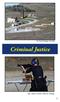 Tactical Range Facility Criminal Sgt. Major James Massey Range 11 Classes Offered Officer Safety & Field Tactics Officer Safety & Field Tactics in a Terrorism Environment Officer Safety & Field Tactics
UNION COLLEGE INCIDENT RESPONSE PLAN
 UNION COLLEGE INCIDENT RESPONSE PLAN The college is committed to supporting the safety and welfare of all its students, faculty, staff and visitors. It also consists of academic, research and other facilities,
STATE HOMELAND SECURITY GRANT PROGRAM
 FY2015 State Homeland Security Investment Justifications STATE HOMELAND SECURITY GRANT PROGRAM OREGON OFFICE OF EMERGENCY MANAGEMENT www.oregon.gov/omd/oem Mailing address: P.O. Box 14370 Salem, OR 97309-5062
IFE Level 3 Certificate for Operational Supervisory Managers in Fire and Rescue Services (VRQ)
 IFE Level 3 Certificate for Operational Supervisory Managers in Fire and Rescue Services (VRQ) Introduction The IFE Level 3 Certificate for Operational Supervisory Managers in Fire and Rescue Services
CRS Report for Congress
 CRS Report for Congress Received through the CRS Web Order Code RS22383 February 17, 2006 FY2007 Appropriations for State and Local Homeland Security Summary Shawn Reese Analyst in American National Government
RISK MANAGEMENT FOR INTERSCHOLASTIC ATHLETICS AND AFTER-SCHOOL ACTIVITIES
 RISK MANAGEMENT FOR INTERSCHOLASTIC ATHLETICS AND AFTER-SCHOOL ACTIVITIES Course Description Presented by The National Center for Spectator Sports Safety and Security In Partnership With National Association
Appendix -- Homeland Security Mission Funding by Agency and Budget Account (budget authority in millions of dollars)
 Department of Agriculture 508.8-528.6-603.6 Agricultural Research Service/ Buildings and Facilities/005-18-1401 - - 45.0-113.7 Protecting Critical Infrastructure and Key Assets - - 45.0-113.7 Agricultural
Florida Department of Agriculture and Consumer Services Division of Licensing
 Florida Department of Agriculture and Consumer Services Division of Licensing SECURITY OFFICER TRAINING CURRICULUM GUIDE ADAM H. PUTNAM COMMISSIONER Chapter 493, Florida Statutes Post Office Box 5767 Tallahassee,
Backgrounder Office of Public Affairs Telephone: 301/415-8200 E-mail: [email protected]
 Backgrounder Office of Public Affairs Telephone: 301/415-8200 E-mail: [email protected] Nuclear Security Background While security of the nuclear facilities and materials the NRC regulates has always been a
For Official Use Only. Springfield-Greene County, Missouri Multi-Year Training and Exercise Plan 2016-2018 (TEP) July 27, 2015. For Official Use Only
 For Official Use Only Springfield-Greene County, Missouri Multi-Year Training and Exercise Plan 2016-2018 (TEP) July 27, 2015 For Official Use Only SPRINGFIELD-GREENE COUNTY Point of Contact Erin Pope
An ESRI White Paper May 2007 GIS Supporting the Homeland Security Mission
 An ESRI White Paper May 2007 GIS Supporting the Homeland Security Mission ESRI 380 New York St., Redlands, CA 92373-8100 USA TEL 909-793-2853 FAX 909-793-5953 E-MAIL [email protected] WEB www.esri.com Copyright
Security Strategy: A Layered Approach. Anthony Mercogliano Metropolitan Transportation Authority Assistant Director of Security New York, NY
 Security Strategy: A Layered Approach Anthony Mercogliano Metropolitan Transportation Authority Assistant Director of Security New York, NY Protecting the System Operating Components System Overview Policing
The Strategic Importance, Causes and Consequences of Terrorism
 The Strategic Importance, Causes and Consequences of Terrorism How Terrorism Research Can Inform Policy Responses Todd Stewart, Ph.D. Major General, United States Air Force (Retired) Director, Program
GUIDELINES ON ACCESS CONTROL, SCREENING & MONITORING
 CHAPTER FIVE GUIDELINES ON ACCESS CONTROL, SCREENING & MONITORING A ccess control, screening, and monitoring systems can play an integral role in securing a building and its immediate surroundings. Access
Emergency Preparedness at Nuclear Power Plants
 A White Paper Addressing Compliance with NRC Proposed Rule making Emergency Preparedness at Nuclear Power Plants Ensuring Readiness and Compliance with New NRC Regulation of Emergency Preparedness Programs
Bioterrorism & Emergency Readiness
 Bioterrorism & Emergency Readiness COMPETENCIES FOR ALL PUBLIC HEALTH WORKERS A Message from the Centers for Disease Control and Prevention Dear Public Health Colleague, A prepared workforce is an essential
Disaster Preparedness: Are You Ready? District of Columbia Homeland Security and Emergency Management Agency
 State Department Office of Foreign Missions Annual Emergency Preparedness Seminar For Embassy Personnel Disaster Preparedness: Are You Ready? District of Columbia Homeland Security and Emergency Management
U.S. Department of Homeland Security. Preparedness Grant Programs Federal Emergency Management Agency Grant Programs Directorate
 U.S. Department of Homeland Security Preparedness Grant Programs Federal Emergency Management Agency Grant Programs Directorate 0 DHS Organizational Chart 1 FEMA Organizational Chart 2 FEMA Grant Programs
DEPARMTMENT OF HOMELAND SECURITY AUTHORIZATION BILL FOR FY 2008 AND FY 2009 SECTION-BY-SECTION
 DEPARMTMENT OF HOMELAND SECURITY AUTHORIZATION BILL FOR FY 2008 AND FY 2009 SECTION-BY-SECTION TITLE I: AUTHORIZATION OF APPROPRIATIONS Sec. 101. Authorization of Appropriations. This section authorizes
1) Introduction. Why do Organizations Conduct Exercises? Exercises are used by organizations to:
 Homeland Security Exercise and Evaluation Program (HSEEP): Quick Reference Guide Michael Petrie, EMT-P, MBA, MA, EMSci Program Director, [email protected] 1) Introduction What are Exercises? Exercises
FEDERAL PREPAREDNESS CIRCULAR Federal Emergency Management Agency Washington, D.C. 20472 FPC 67
 FEDERAL PREPAREDNESS CIRCULAR Federal Emergency Management Agency Washington, D.C. 20472 FPC 67 April 30, 2001 TO: SUBJECT: HEADS OF FEDERAL DEPARTMENTS AND AGENCIES ACQUISITION OF ALTERNATE FACILITIES
DRILL OF THE MONTH INSTRUCTOR GUIDE. Teaching/Learning Materials: LCD and laptop for PowerPoint slides
 DRILL OF THE MONTH INSTRUCTOR GUIDE Title: CRIME / FIRE SCENE INVESTIGATION Time Required: 1-2 Hours Teaching/Learning Materials: LCD and laptop for PowerPoint slides References: Arson Detection for the
Ten Tips for Completing a Site Security Plan
 TRANSPORTATION LOGISTICS PETROCHEMICal Commercial Industrial Retail Federal Systems Banking Ten Tips for Completing a Site Security Plan Introduction The Chemical Facility Anti-Terrorism Standards (CFATS)
The znose, A New Electronic Nose Technology For Homeland Security
 The znose, A New Electronic Nose Technology For Homeland Security Edward J. Staples Electronic Sensor Technology, Inc. 1077 Business Center Circle, Newbury Park, CA Tele: (805)480-1994, FAX (805)480-1984
MAJOR PLANNING CONSIDERATIONS CHECKLIST
 MAJOR PLANNING CONSIDERATIONS CHECKLIST The following checklist is provided as a guide to assure that relevant considerations are identified in the emergency management planning process. Use the blank