
1. Project details Executive summary 3
|
|
|
- Austin Patterson
- 10 years ago
- Views:
Transcription
1 Index - Final Report 1. Project details 2 2. Executive summary 3 3. Project results Objectives and implementation Project background Results, WP 0, Coordination and management Task 0.1 Internal coordination of work (meetings, detailed planning) Task 0.2 External coordination with other projects Task 0.3 Strategy and roadmap (comparison of progress, feedback) Task 0.4 Public dissemination (communication, public events) Task 0.5 Progress reporting Task 0.6 Programme revision Results, WP 1, Development of membranes Task 1.1 Polymers (PBI synthesis) Task 1.2 Membranes Results, WP 2, Electrodes and MEAs Task 2.1 Catalysts Task 2.2 Electrodes. Performance improvement Task 2.3 MEA manufacturing Results, WP 3, Stacking Task 3.1 Bipolar plates Task 3.2. Sealing Task 3.3 Endplates and current collectors Task 3.4 Stack construction and test Task 3.5 Cooling system Results, WP 4, Related technologies Results, WP 5, Technology evaluation Utilization of project results Project conclusion and perspective Outcome highlights Effects of the project Annual export of electricity (only ForskVE) Updating Financial Appendix and submitting the final report 65 1
2 Final report 1. Project details Project title Project identification Name of the programme which has funded the project HotMEA Danish High temperature PEMFC components, MEA and stack Energinet.dk project no. ForskEL (ForskVE, ForskNG or ForskEL) Name and address of the enterprises/institution responsible for the project At project start: Department of Chemistry, DTU From : Department of Energy Conversion and Storage, DTU Address (whole project): Kemitorvet 207, DL Kgs. Lyngby. CVR (central business register) CVR-nr Date for submission 2
3 2. Executive summary The HotMEA Consortium was established with the aim to make a larger condensed effort in order to take the technology of high temperature PEM fuel cells (HT-PEMFC) to a higher level in terms of development and on the road to a commercial production. Some of the partners had previously carries out a number of projects through which this particular fuel cell technology had been established in Denmark with a significant and visible position internationally. I line with the general strong focus on energy research and development in Denmark it became clear that HT-PEMFC should now similarly to the other fuel cell tracks begin to develop in the direction of applications and the market. For this to be realistic significant efforts on the fundamental materials research level as well as on the development of manufacturing techniques was needed. HotMEA was meant to lift the Danish HT-PEMFC technology to a higher level on fundamentals, performance and manufacturing on cell level in particular but also via integration and testing in stacks. Moreover, an overall coordination of Danish HT-PEMFC activities and the execution of one or more events were central objectives. The consortium was in effect for four years from April 2009 to March The main achievements on the materials and component level are: A number of modified PBI based polymer materials (modified monomers, copolymers, blends and cross-liking) with higher strength and the ability to higher doping levels and consequently higher conductivity. Increased oxidative stability of several materials. A study on electrospun PBI for membranes was initiated. Significantly improved stability of thermally cured membranes. Implementation of the polyol method for catalyst preparation. Implementation of RDE technique for catalyst characterization. Test of more corrosion resistant supports for the platinum (including graphene). Development of Pt alloy catalysts including a novel one of Pt-Si with promising properties for methanol and CO Ion milled cross sectioning for SEM imaging of MEAs implemented. The main achievements on the manufacturing level are: Clarification of the patent situation for membranes, cells and stacks. The partners have a satisfactory freedom to operate. Design and construction of a new polymer synthesis setup. 3
4 80 fold increase in production capacity (from 10 g to 800 g PBI per batch) 10 fold increase in quality (>95% of all batches are within QC specification (up from <10%) High molecular weight PBI. 3-4 fold increase in membrane strength as compared to the original Celanese PBI used in previous projects before the synthesis became successful. Automated ultrasonic spray process for electrodes on conveyer belt Significant improvement of MEA performance as compared with the starting point. MEA performance in line with the best international players. Sub-gaskets develop to strengthen MEAs MEA manufacturing rate 50 MEA s/day (manual setup) i.e. 350/week. Manufacturing route and process requirements for a capacity of MEA s/month analyzed. Improved single cell lifetime demonstrated (measurements in project DuraPEM) from h at 150 C, 0.2 ma/cm 2 to h at 160 C. Original membrane casting by glass plate technology has been optimized to higher quality and capacity (<10% scrap and 5 m 2 /week (scalable)) Design and construction of equipment for continuous membrane casting. Capacity > 100 m 2 /week. 10 MEA batches delivered for stacking Test of MEAs in stack by subcontractor, Serenergy (early in project) Compression moulded thermally resistant bipolar plates for HT- PEMFC. Over 350 plates manufactured. 2 sealing concepts developed. Reduction of end plate thickness and mass. Stack tightness specifications met 7 short stacks and 1 full stack (40 cells) built and tested. Stack test at end-user. 100 h stack test performed. The main dissemination results are: 21 papers in international peer reviewed journal with contributions from HotMEA. 4 additional papers are in progress. 77 presentations were given at conferences and during visits. 3 exhibitions at fairs/conferences 22 other press appearances/releases Two events were arranged and carries out in the framework of HotMEA. First a thematic day was held at DTU for at Danish audience 66 people at- 4
5 tended of whom 11 gave invited presentations. The response was overwhelmingly positive. The second event was the 3rd Carisma International Conference (Carisma 2012) in Copenhagen. The conference had ca. 150 participants from 20 countries in five continents. The oral programme comprised 50 speakers of which 11 were invited. In addition there were 63 papers presented in two poster sessions. HotMEA was the main sponsor for the conference, which was nominated for Congress Host of the Year by the organization Wonderful Copenhagen. HotMEA has not only had not only made very significant progress scientifically and on the component manufacturing as describe above. The effect of the condensed action and the critical mass has materialized in several other projects to continue the process. The lifting of the field of HT-PEMFC by HotMEA has most likely been decisive in attracting new projects, especially during the latter part of the project. It has constituted a strong and active basis for the following research proposals and made the HotMEA partners attractive for other constellations, including international. Close relations and beginning collaboration is established with several partners in South Korea (KIST, and several universities) and with MIT in Boston. Collaboration with Case Western Reserve University (Ohio) has been continued and several guest researchers from China have also made valuable contributions. Nationally, collaboration has been close with all other on-going projects addressing HT-PEMC. Samples have been exchanged and knowledge transferred to a large extent. One PhD student has been educated directly and others have benefitted via the collaboration with other projects. A number of students at DTU have carried out individual projects within the tasks of HotMEA and the project has also benefitted the general teaching of hydrogen and fuel cells at DTU. 5
6 3. Project results 3.1 Objectives and implementation A detailed background on the HT-PEMFC technology is beyond the scope of this final project report. It is only adequate to summarize that the principal technological drivers are 1) High tolerance to fuel impurities (like CO), 2) absence of need for water management, 3) easier cooling, 4) high value of the heat produced and 5), as a consequence of the above, a much simpler and less expensive system architecture. For more details refer to a quite recent review Project background and problem formulation Prior to the HotMEA consortium a number of smaller national projects addressing HT-PEMFC had been carried out with participation by some HotMEA partners. These had led to the formulation of a specific HT-PEMFC development strategy under the Danish Partnership for Hydrogen and Fuel Cells. The HotMEA Consortium was established on the basis that a full value chain was emerging in Denmark ranging from fundamental materials development (DTU and to some extent DPS) over cell manufacturing (DPS and to some extent DTU) over stacking (IRD and Serenergy) to full systems (Dantherm Power and possibly H2Logic). This way Denmark has a strong position with up to date expertise (in some cases leading positions) in all aspects from high temperature membrane development over fuel cell construction to turn key CHP units. This is a superior background not only for bringing the units to market but also to keep up the development in the future. A weak link was the MEA manufacturing in a larger scale with sufficient performance, reproducibility and durability. This should, moreover, be accomplished at a cost tolerable for the market. The rationale was thus to establish a joint effort in order to develop the MEAs to a significantly higher level of quality in all of the above mentioned senses and to begin an up-scaling of the production. Development of materials and cell was done by DTU and DPS with the major part of the budget and obligations. IRD took part as an experienced stack builder and Dantherm Power as an end-user to evaluate and test the stack. Serenergy had a smaller role early in the project to evaluate the MEAs in one of their stacks. A separate report was made then. 1 Q. Li, J. O. Jensen, R. F. Savinell and N. J. Bjerrum. Acid-doped polybenzimidazole (PBI) membranes for high temperature proton exchange membrane fuel cells. Progress in Polymer Science (2009) 6
7 The practical work was divided into the following work packages (WP) and will be reported accordingly: WP 0 Coordination and management WP 1 Development of membranes WP 2 Development of electrodes and MEAs WP 3 Stacking WP 4 Related technologies WP 5 Technology evaluation The overall objective was to develop Danish HT-PEMFC technology towards competitive products on the national as well as the international marked. The delimitation of the effort was the fields from membrane and cell development to full stacks. Systems were not to be addressed directly. On the long term the aim is that a Danish production of membranes, cells and stacks can be established to furnish the stakeholder involved in system integration with HT-PEM cells and stacks. The consortium was moreover meant to establish a coordinating function between all national projects on HT-PEMFC up to stack level. This way The Consortium would have its own line of research and development, and simultaneously results from other ongoing projects were to be integrated as much as possible Detailed and quantified objectives In the following the project outcome is reviewed work package by work package. Detailed and quantified objectives are listed and commented on in that context 3.2 Results, WP 0, Coordination and management WP leader: DTU WP objectives apart from general project management are listed and commented on in Table 1. 7
8 Table 1. Specific objectives of WP 0. Description Consortium Agreement Detailed work plans Elaborated business plan HT-PEM event(s) Project revision (optional) Comment Made and signed Made annually and additionally when needed Maintained by industries individually Two events planned and executed. One thematic day and one international conference Not performed. No major revision needed Task 0.1 Internal coordination of work (meetings, detailed planning) Full consortium meetings (general assemblies) have been held twice a year. An overview of dates and places is given in Table 2. Apart from that, bilateral technical meeting of varying length have been held between individual partners when needed. Table 2. Overview of periodic progress meeting for the full consortium. Meeting Place Date Signing event Energinet Kick-off DTU Consortium meeting Dantherm/Serenergy Consortium meeting IRD Consortium meeting DPS Consortium meeting Dantherm Consortium meeting DTU Consortium meeting DTU Consortium meeting IRD Task 0.2 External coordination with other projects During HotMEA coordination has been most significant with the following projects, although others can be mentioned too: ForskEL, DuraPEM I-III. A large number of MEA were supplied for durability testing. DPS did not take direct part in DuraPEM I-II, but indirectly by sup- 8
9 plying MEAs. in return DPS received test results on the MEAs developed in the project. National Research Council (Grundforskningsfonden), the Danish-Chinese Center for Intermediate Temperature Proton Conducting Systems (PROCON). In relation to the FI, Energiteknologier: WP 4, related technologies, was meant for picking up other technologies like direct fuel when emerging. The discovery of the HT- PEMFCs ability to convert dimethyl ether directly could have fitted well into WP 4, but was picked up by the project Energiteknologier (energy technologies). From HotMEA knowhow and guidance given, especially in the first phases. ForskEL, CatBooster. A designated catalyst project. Catalyst research took place with some overlap between the projects and after the end of HotMEA, ongoing catalyst activities are continued in CatBooster. Especially, the work of the PhD study about new catalyst supports and alloyed catalysts will be continued. EUDP, COBRA, and Adv. Techn. Foundation, HT FUMA, both addressing production and commercialization. Both projects have been running parallel to the later phases of HotMEA and the significant progress of HotMEA in terms of production capabilities has been decisive for obtaining these next step projects. ForskEL, Large Scale fuel cell system Developed for peak shaving (LSD). The PhD student employed at the project worked a few months at HotMEA, and this training has lead to a faster start at LSD. South Korea. DTU (Jensen) accompanied DPS (Hjuler) on the Danish Business delegation to Korea in May It was under the Green Growth Alliance. A large number in Danish Industries took part as well as H.R.H. the Crown Prince Couple and three Danish minsters. After the formal meetings the following institutions were visited: Korea institute of Energy Research (KIER) Korea Institute of Science and Technology (KIST) Kolon (a significant polymer company) GS Caltex (former GS Fuel Cells) Samsung Electronics (Samsung Advanced of Science and Technology, SAIT) 9
10 The efforts to extend the relations to South Korea are continued. Materials samples have been exchanged with several of the institutions some of which prefer to keep that strictly confidential. Lately, funding has been obtained for arranging a fuel cells workshop in Korea later in 2013, but this will be organized after the end of HotMEA. China. There has also been collaboration with North Eastern University in Shenyang, China and a guest PhD student, Jingshuai Yang, has during a longer stay at DTU contributed to some of the polymer/membrane development as several papers. USA. Case Western Reserve University. Discussions of fundamental issues of HT-PEMFC with Professor Savinell. Guest student visit from Case Western working on catalysts. USA, Massachusetts Institute of Technology (MIT). The HotMEA PhD student Anastasia Permyakova visited MIT (Professor Shao-Horn) for two periods and initiated a close collaboration on catalyst development. After HotMEA the contact has been further increased and the MIT group is now becoming partner in the DTU lead research centre 4M Task 0.3 Strategy and roadmap (comparison of progress, feedback) All partners are members of the PEMFC Strategy Group under the Danish Partnership on Hydrogen and Fuel Cells. The roadmap has been consulted during the project for guidance. However, it is covering all the aspects of HT-PEMFC so consequently, it is not very detailed on materials and cell components Task 0.4 Public dissemination (communication, public events) The following listed presentations are all fully or partly HotMEA activities Scientific papers in peer reviewed international journals 1. Q. Li, H.C. Rudbeck, A. Chromik, J. O. Jensen, C. Pan, T. Steenberg, M. Calverley, N. J. Bjerrum, J. Kerres. Properties, Degradation and High Temperature Fuel Cell Test of Different Types of PBI and PBI Blend Membranes. J. Membrane Sci. 347, (2010). 2. C. Engelbrekt, K.H. Sørensen, T. Lübcke, J.D. Zhang, Q.F. Li, C. Pan, N. J. Bjerrum, and J. Ulstrup. 1.7 nm Platinum Nanoparticles: Synthesis with Glucose Starch, Characterization and Catalysis. ChemPhysChem. 11, (2010) 10
11 3. S. T. Ali, Q. Li, C. Pan, J. O Jensen, L. P. Nielsen, P. Møller. Effect of chloride impurities on the performance and durability of polybenzimidazole-based high temperature proton exchange membrane fuel cell. Int. J. Hydrogen Energy. 36 (2) (2011). 4. D. Plackett, A. Siu, Q. Li, C. Pan, J. O. Jensen, S. F. Nielsen, A. A. Permyakova and N. J. Bjerrum. High Temperature Proton Exchange Membranes Based on Polybenzimidazole and Clay Composites for Fuel Cells. J. Membr. Sci. 383 (1-2) (2011). 5. D. Aili, M. Kalmar Hansen, C. Pan, Q. Li, E. Christensen, J. O. Jensen and N. J. Bjerrum. Phosphoric acid doped membranes based on Nafion, PBI and their blends - Membrane preparation, characterization and steam electrolysis testing. Int. J. Hydrogen Energy 36 (12) (2011) 6. D. Aili, Q. Li, E. Christensen, J. O. Jensen and N. J. Bjerrum. Crosslinking of polybenzimidazole membranes by divinylsulfone post-treatment for high-temperature proton exchange membrane fuel cell applications. Polymer International (2011). 7. D. Aili, M. Kalmar Hansen, C. Pan, Q. Li, E. Christensen, J. O. Jensen and N. J. Bjerrum. Phosphoric acid doped membranes based on Nafion, PBI and their blends - Membrane preparation, characterization and steam electrolysis testing. Int. J. Hydrogen Energy 36 (12) (2011) 8. J. Liao, Q. Li, H.C. Rudbeck, J. O. Jensen, A. Chromik, N. J. Bjerrum, J. Kerres and W. Xing. Oxidative degradation of polybenzimidazole membranes as electrolytes for high temperature proton exchange membrane fuel cells. Fuel Cells 11 (6) (2011) 9. J. Yang, Q. Li, J. O. Jensen, C. Pan, L. N. Cleemann, N. J. Bjerrum and R. He. Phosphoric acid doped imidazolium polysulfone membranes for high temperature proton exchange membrane fuel cells. J. Power Sources (2012) 10. J. O. Jensen, A. Vassiliev, M. I. Olsen, Q. Li, C. Pan, L. N. Cleemann, T. Steenberg, H. A. Hjuler and N. J. Bjerrum, Direct Dimethyl Ether Fuelling of a High Temperature Polymer Fuel Cell. J. Power Sources (2012) 11. J. Yang, Q. Li, L. N. Cleemann, C. Xu, J. O. Jensen, C. Pan, N. J. Bjerrum, and R. He. Synthesis and properties of poly(aryl sulfone benzimidazole) and its copolymers for high temperature fuel cell membranes. J. Mater. Chem (2012) 12. D. Aili, L. N. Cleemann, Q. Li, J. O. Jensen, E. Christensen, and N. J. Bjerrum. Thermal curing of PBI membranes for high temperature PEM fuel cells. J. Mater. Chem (2012) 13. J. Yang, Q. Li, J. O. Jensen, C. Pan, L. N. Cleemann, N. J. Bjerrum and R. He. Phosphoric acid doped imidazolium polysulfone membranes for high temperature proton exchange membrane fuel cells. J. Power Sources (2012) 14. T. Steenberg, H. A. Hjuler, C. Terkelsen, M. T. R. Sánchez, L. N. Cleemann, and F. C. Krebs. Roll-to-roll coated PBI membranes for high temperature PEM fuel cells. Energy Environ. Sci. 5, 6076 (2012) 15. A. Vassiliev, J. O. Jensen, Q. Li, C. Pan, L. N. Cleemann, T. Steenberg, H. A. Hjuler and N. J. Bjerrum, A direct DME high temperature PEM fuel cell. ECS Transactions (2012) ("ECS Transactions - Honolulu, Hawaii" Volume 50, "Polymer Electrolyte Fuel Cells 12 (PEFC 12)",) 11
12 16. M. Yin, Q. Li, J. O. Jensen, Y. Huang, L. N. Cleemann, N. J. Bjerrum and W. Xing. Tungsten carbide promoted Pd and Pd-Co electrocatalysts for formic acid electrooxidation. J. Power Sources (2012) 17. J. Yang, Q. Li, L. N. Cleemann, J. O. Jensen, C. Pan, N. J. Bjerrum and R. He. Cross-linked hexafluoropropylidene polybenzimidazole membranes with chloromethyl polysulfone for fuel cell applications. Adv. Energy Mater (2013) 18. J. Yang, D. Aili, Q. Li, L. N. Cleemann, J. O. Jensen, N. J. Bjerrum and R. He. Covalently cross-linked sulfone polybenzimidazole membranes by poly (vinylbenzyl chloride) for fuel cell applications. ChemSusChem 6 (2) (2013) 19. J. Liao, J. Yang, Q. Li, L. N. Cleemann, J. O. Jensen, N. J Bjerrum, R. He and W. Xing. Oxidative degradation of acid doped polybenzimidazole membranes and fuel cell durability in the presence of ferrous ions. J. Power Sources (2013) 20. L. N. Cleemann, F. Buazar, Q. Li, J. O. Jensen, C. Pan, T. Steenberg, S. Dai, and N. J. Bjerrum. Catalyst Degradation in High Temperature Proton Exchange Membrane Fuel Cells Based on Acid Doped Polybenzimidazole Membranes. In press in Fuel Cells J. O. Jensen, L. N. Cleemann and Q. Li. The 3rd CARISMA International Conference on Medium and High Temperature Proton Exchange Membrane Fuel Cells. In press in Platinum Metals Review Papers in progress based on HotMEA activities: 22. J. O. Jensen et al. A diagonal index (d-index) as a simple one-dimensional descriptor of fuel cell performance. To be submitted to Fuel Cells. 23. J. O. Jensen et al. The effect of catalyst layer thickness in a PEM fuel cell. A simple general model. To be submitted to Fuel Cells. 24. A. A. Permyakova, B. Han, J. O. Jensen, N. J. Bjerrum and Y. Shao-Horn. Pt-Si Alloys as Alternative Bifunctional Catalysts for CO and Methanol Electro-Oxidation. For submission to J. Amer. Chem. Soc. 25. A. A. Permyakova. PBI treated graphene as catalyst support (working title). Journal not decided Conference presentations etc. 1. Q. Li, J. O. Jensen, C. Pan and N. J. Bjerrum, Durability Issues of High Temperature Proton Exchange Membrane Fuel Cells Based on Acid Doped Polybenzimidazole Membranes, oral presentation at the 60th International Electrochemistry Society Conference, August 15-20, 2009, Beijing, China. 2. J. O. Jensen, Q. Li, C. Pan, N. J. Bjerrum, PEM Fuel cells at elevated temperatures, Abstract submitted to International Symposium on Electrochemistry for Energy Conversion and Storage, August 22-25, 2009, the Three Gorges, China 3. Q. Li, F. Buazar, L. N. Cleemann, C. Pan, J. O. Jensen, T. Steenberg, E. Christensen, N. J. Bjerrum, Durable Catalysts for High Temperature Proton Exchange Membrane Fuel Cells, Abstract submitted to International Symposium on Electrochemistry for Energy Conversion and Storage, August 22-25, 2009, the Three Gorges, China 12
13 4. J. O. Jensen, Q. Li, C. Pan and N. J. Bjerrum. High temperature PEM fuel cells in Denmark. Part I: Introduction to HT-PEMFC, selected results, Part II: Durability, Electrolysis, activities in Denmark. Seminar at Fuel Cell Research Center, Korean Institute of Energy Research, KIER, Daejeon, Korea, October (Invited talk 4 hours) 5. J. O. Jensen, Q. Li, C. Pan and N. J. Bjerrum. High temperature PEM fuel cells in Denmark. Guest talk at Kolon Industries, Suwon, Seoul, Korea, October J. O. Jensen, Q. Li, C. Pan, N. J. Bjerrum, H. C. Rudbeck and T. Steenberg, Ongoing Efforts Addressing Degradation of High Temperature PEMFC, 18th World Hydrogen Energy Conference 2010 (WHEC2010), Essen, May Q.F. Li, J. O. Jensen, C. Pan, J. H. Liao, H.C. Rudbeck, L.N. Cleemann and N. J. Bjerrum, Durability Issues and Status of High Temperature Proton Exchange Membrane Fuel Cells Based on Acid Doped Polybenzimidazole Membranes, Abstract and oral presentation at the 217th Electrochemical Society Meeting, April 25-30, 2010, Vancouver, Canada 8. J. O. Jensen, Q. Li, C. Pan and N. J. Bjerrum. Introduktion til højtemperatur PEM brændselsceller. HotMEA thematic day, Technical University of Denmark, June H. A. Hjuler. Dansk celleudvikling og produktion. HotMEA thematic day, Technical University of Denmark, June S. Yde-Andersen. Hvorfor er HT-PEMFC interessant? HotMEA thematic day, Technical University of Denmark, June P. Koustrup. Kommercielle brændselscelle-moduler. HotMEA thematic day, Technical University of Denmark, June J. Kerres, Q.F. Li, H.C. Rudbeck, A. Chromik, J. O. Jensen, C. Pan, T. Steenberg, M. Calverley, N. J. Bjerrum, Properties, Degradation and High Temperature Fuel Cell Test of Different Types of PBI and PBI Blend Membranes, abstract submitted to PROGRESS MEA 2010, Palais des Congrès, La Grande Motte, France, Sept H. A. Hjuler, T. Steenberg, H. C. Rudbeck, L. N. Cleemann, Q. Li, J. O. Jensen and N. J. Bjerrum, Development and Characterizations of High Performance MEAs For High Temperature PBI Fuel Cells, abstract submitted to PROGRESS MEA 2010, Palais des Congrès, La Grande Motte, France, Sept Q.F. Li, J.O. Jensen, H.C. Rudbeck, J.H. Liao, L.N. Cleemann, A. Chromik, J. Kerres and N.J. Bjerrum, Polymer Degradation and Catalyst Sintering in High Temperature PEMFC Based on Acid Doped Polybenzimidazole Membranes, abstract submitted to PROGRESS MEA 2010, Palais des Congrès, La Grande Motte, France, Sept J. O. Jensen, M. Ingemann Olsen, Q. Li, A. Vasilliev, C. Pan, T. Steenberg and N. J. Bjerrum, A direct DME fuel cell based on acid doped PBI, abstract submitted to PROGRESS MEA 2010, Palais des Congrès, La Grande Motte, France, Sept High Temperature PEMFC and Its Integration with Fuel Processors - An Approach to Portable Fuel Cells, Qingfeng Li, Jens Oluf Jensen, Niels J. Bjerrum, invited talk at International Symposium on Portable Fuel Cells, Changxing, China, Nov. 3 to 5,
14 17. J. O. Jensen, Q. Li, C. Pan, H. C. Rudbeck and T. Steenberg and N. J. Bjerrum, Recent advances with high temperature PEMFC in Denmark, the 8h International Symposium on New Materials for Electrochemical Systems, July 11-15, 2010, Shanghai, China. (2010) (invited keynote) 18. J. O. Jensen, Q. Li and N. J. Bjerrum. PEM fuel cells, Towards higher working temperature, HySA seminar, University of Western Cape, Cape Town, September 14, 2010 (oral) 19. Q. Li, D. Aili, J. O. Jensen, L. N. Cleemann, H.C. Rudbeck, T. Steenberg, H.A. Hjuler and N. N. Bjerrum. Oral presentation at Hydrogen + Fuel Cells 2011: Recent progress in material development and durability evaluation. International Conference and Exhibition, Convention Centre in Vancouver, May 15-18, H. A. Hjuler, T. Steenberg, H. C. Rudbeck, L.N. Cleemann, Q. Li J. O. Jensen and N. J. Bjerrum. Performance and durability of high performance MEAs for high temperature PBI fuel cells. Oral presentation at Hydrogen + Fuel Cells 2011: International Conference and Exhibition, Convention Centre in Vancouver, May 15-18, A. Vassiliev, J. O. Jensen, Q. Li, C. Pan and Niels J. Bjerrum. Direct DME high temperature PEM fuel cells. Oral presentation at Hydrogen + Fuel Cells 2011: International Conference and Exhibition, Convention Centre in Vancouver, May 15-18, A. A. Permyakova, Q. Li, J.O. Jensen and N. J. Bjerrum. Development and characterisation of active and durable electrocatalysts for HT-PEM fuel cells. Poster presentation at Hydrogen + Fuel Cells 2011: International Conference and Exhibition, Convention Centre in Vancouver, May 15-18, (poster) 23. J. O. Jensen, A. Vassiliev, Q. Li, M. Ingemann Olsen, C. Pan, T. Steenberg and N. J. Bjerrum. A direct DME fuel cell based on acid doped PBI at ambient pressure. Poster presentation at Hydrogen + Fuel Cells 2011: International Conference and Exhibition, Convention Centre in Vancouver, May 15-18, (poster) 24. Q. Li. Guest talk at Institute for Fuel Cell Innovation, National Research Council Canada, Vancouver, May 19, Q. Li. Guest talk at Automotive Fuel Cell Coorperation, AFCC. Burnaby, BC, Canada, May 20, H. A. Hjuler. Brændselsceller Værdikæden fra forskning til marked. Oral presentation at Brændselsceller Værdikæden fra forskning til marked. Conference organized by the Hydrogen and Fuel Cell Partnership and the Strategic Research Council. Copenhagen,June 7, J. O. Jensen, A. Vassiliev, Q. Li and N. J. Bjerrum. Synthetic Fuels and a Direct Dimethyl Ether PEM Fuel Cell. Guest talk at inano, Aarhus University, July 01, 2011 (oral) 28. J. O. Jensen, Q. Li, A. Vassiliev, L. N. Cleemann, C. Pan, A. Permyakova, and N. J. Bjerrum. HT-PEMFC in Denmark. PROCON Summer school, Changchun Institute of Applied Chemistry (CIAC) Chinese Academy of Sciences, Changchun, August (oral) 29. J. O. Jensen, Q. Li, A. Vassiliev, L. N. Cleemann, C. Pan, A. Permyakova, E. Christensen, I. Petrushina and N. J. Bjerrum. HT-PEMFC activities at DTU and in Denmark. Guest talk at Northeastern University, Shenyang, China, August (oral) 14
15 30. J. O. Jensen, Q. Li, A. Vassiliev, L. N. Cleemann, C. Pan, A. Permyakova, E. Christensen, I. Petrushina, M. K. Hansen, A. Nikiforov, D. Aili and N. J. Bjerrum. HT- PEMFC activities at DTU and in Denmark. Guest talk at Dalian Institute of Chemical Physics, Dalian, China August (oral) 31. A. A. Permyakova, Q. Li, J. O. Jensen, and N. J. Bjerrum. Development and characterisation of active and durable electrocatalysts for HT-PEM fuel cells. Advanced studies of polymer electrolyte fuel cells. 4th. International Summer School. Yokohama National University, Japan, September (abstract, poster) 32. J. O. Jensen, A. Vassiliev, Q. Li, C. Pan, T. Steenberg, H. A. Hjuler and N. J. Bjerrum. Direct DME fuel cells based on PEMFC technology. Hydrogen and Fuel Cells in the Nordic Countries. Malmö, Sweden, October (oral) 33. H. A. Hjuler, T. Steenberg and C. Terkelsen. High Temperature PEM Fuel Cells from laboratory to the market. LCES-2011, Dalian China, October 2011 (oral). 34. T. Steenberg, H. A. Hjuler, C. Terkelsen, J. Hinke, S.-A. Spiegelhauer, F. Krebs. HT- PEM: From laboratory towards commercialization. Zing Conference, Mexico, December 2011 (oral). 35. T. Steenberg, H. A. Hjuler, C. Terkelsen, H. R. Garcia and M. R. Sanches. Performance and durability of high Performance MEAs For High Temperature PBI Fuel Cells. Hydrogen and Fuel Cells in the Nordic Countries, Sweden, October 2011 (oral). 36. H. A. Hjuler and T. Steenberg, Guest talk at Forschungszentrum Jülich, Jülich, Germany 12. December H. A. Hjuler and T. Steenberg, Guest talk at OWI, RWTH, Aachen, Germany 13. December H. A. Hjuler and T. Steenberg, Guest talk at ZBT, Duisburg, Germany, 13. December H. A. Hjuler, T. Steenberg, C. Terkelsen, J. O. Jensen, L. N. Cleemann, Q. Li, N. J. Bjerrum, S. J. Andreasen and S. K. Kær. High Temperature Polymer Fuel Cells: From laboratory towards commercialization. The 45th Power Sources Conference. Las Vegas, USA, June 11-14, 2012 (absract). 40. Hans Aage Hjuler, Guest talk at Business and technology perspectives for HTPEM technology. Samsung Electronics/ SAIT, Seoul, South Korea 18th May Hans Aage Hjuler, Guest talk at Business and technology perspectives for HTPEM technology. GS Caltex, Seoul, South Korea 17th May Hans Aage Hjuler, Guest talk at Business and technology perspectives for HTPEM technology, Kolon, Seoul, South Korea 17th May Hans Aage Hjuler, Guest talk at Business and technology perspectives for HTPEM technology. KIST, Seoul, South Korea 16th May Hans Aage Hjuler, Guest talk at Business and technology perspectives for HTPEM technology. KIER, Daejong, South Korea 16th May Hans Aage Hjuler and Jin-Soo Park, 2nd Korean Danish Green Growth Alliance Seminar, Signing ceremony for collaboration agreement, Seoul, South Korea, 16th May Hans Aage Hjuler, Seminar on Clean Energy, Seoul. Danish business delegation visit, South Korea, 14th May
16 47. J. O. Jensen. A. Vassiliev, Q. Li, C. Pan, T. Steenberg, H. A. Hjuler and N. J. Bjerrum. Direct DME fuel cells based on PEMFC technology. Meeting at KIER, Daejeon, South Korea, May (Guest talk) 48. J. O. Jensen. HT-PEM Activities at Department of Energy Conversion and Storage. Meeting at KIST. Seoul, South Korea, May (Guest talk) 49. J. O. Jensen. HT-PEM Activities at Department of Energy Conversion and Storage. Meeting at Kolon. Gyeonggi-Do, South Korea, May (Guest talk) 50. J. O. Jensen. HT-PEM Activities at Department of Energy Conversion and Storage. Meeting at GS Caltex Corporation. Seoul, South Korea, May (Guest talk) 51. J. O. Jensen. HT-PEM Activities at Department of Energy Conversion and Storage. Meeting at Samsung Electronics (SAIT). Gyeonggi-Do, South Korea, May (Guest talk) 52. J. O. Jensen, A. Vassiliev, Q. Li, C. Pan, L. N. Cleemann, T. Steenberg, H. A. Hjuler and N. J. Bjerrum. A vapour fed direct DME fuel cell. WHEC2012. World Hydrogen energy Conference, Toronto, Canada, June (poster) 53. Thomas Steenberg participated in the Annual Merit Review (AMR) 2012 as reviewer. The 2012 U.S. Department of Energy (DOE) Hydrogen and Fuel Cells Program and Vehicle Technologies Program Annual Merit Review and Peer Evaluation Meeting (AMR), May 14 18, Washington DC. 54. H. A. Hjuler, T. Steenberg, C. Terkelsen, J.O. Jensen, L. N. Cleemann, Q, Lib, N. J. Bjerrum, S. J. Andreasen and S. K. Kær. High Temperature Polymer Fuel Cells: From laboratory towards commercialization. Proceedings of 45th, pp , Power Sources Symposium, Las Vegas, Nevada, USA, June Kim Albertsen, Nordic Cleantect Open, business competition event several events Den-mark Sweden and Spain, Spring Durability and degradation of HTPEM Fuel Cells, Lars N. Cleemann, Qingfeng Li, Jens Oluf Jensen, David Ailli, Jingshuai Yang and Niels J. Bjerrum. Invited lecture at 1st International Expert Workshop on High Temperature PEM Fuel Cells, ZBT Duisburg march DPS status and outlook, Thomas Steenberg, Hans Aage Hjuler, Carina Terkelsen and Hector R. Garcia. Invited lecture at 1st International Expert Workshop on High Temperature PEM Fuel Cells, ZBT Duisburg march Hans Aage Hjuler, Talk at NAMSA, NATO supplier summit, Luxemburg - 7th and 8th of March, NAMSA, NATO supplier summit, Luxemburg, 7th and 8th of March 2012, Information booklet, p. 9, Danish Energy Industries Federation. 60. Q. Li, J. O. Jensen, L. N. Cleemann, D. Aili, J. Yang, T. Steenberg, C. Terkelsenl, H. A. Hjuler and N. J. Bjerrum. Recent Development of Acid Doped Polybenzimidazole Membranes in Denmark - Polymer Chemistry and Durability Issues. 3rd CARISMA International Conference on Medium and High Temperature Proton Exchange Membrane Fuel Cells. Copenhagen, Denmark, 3-5. September 2012 (oral) 61. T. Steenberg, H. A. Hjuler, C. Terkelsen, H. R. García, T. Holst. Performance and degradation of high Performance MEAs For High Temperature PBI Fuel Cells. 3rd CARISMA International Conference on Medium and High Temperature Proton Exchange Membrane Fuel Cells. Copenhagen, Denmark, 3-5. September 2012 (oral) 16
17 62. S. Yde-Andersen, T. De Rycke. Fuel Cell Stacks for HT- and LT-PEM Systems. 3rd CARISMA International Conference on Medium and High Temperature Proton Exchange Membrane Fuel Cells. Copenhagen, Denmark, 3-5. September 2012 (oral) 63. A. Vassiliev, J. O. Jensen, Q. Li and N. J. Bjerrum. Direct dimethyl ether high temperature polymer electrolyte membrane fuel cells with improved performance. 3rd CARISMA International Conference on Medium and High Temperature Proton Exchange Membrane Fuel Cells. Copenhagen, Denmark, 3-5. September 2012 (poster) 64. A. A. Permyakova, J. O. Jensen, Q. Li and N. J. Bjerrum. Poly(benzimidazole) functionalized graphene as a stable and durable support for PEM fuel cell electrocatalysts. 3rd CARISMA International Conference on Medium and High Temperature Proton Exchange Membrane Fuel Cells. Copenhagen, Denmark, 3-5. September 2012 (poster) 65. M. Yin, Q. Li, J. O. Jensen, Y. Huang, L. N. Cleemann, N. J. Bjerrum and W. Xing. Tungsten carbide promoted Pd and Pd-Co electrocatalysts for formic acid electrooxidation. 3rd CARISMA International Conference on Medium and High Temperature Proton Exchange Membrane Fuel Cells. Copenhagen, Denmark, 3-5. September 2012 (poster) 66. T. Steenberga, H. A. Hjuler, C. Terkelsen, H. R. García, M. T. R. Sánches, L. N. Cleemann and J. O. Jensen. High Temperature Polymer Electrolyte Membrane Fuel Cells - Performance and degradation. 3rd CARISMA International Conference on Medium and High Temperature Proton Exchange Membrane Fuel Cells. Copenhagen, Denmark, 3-5. September 2012 (poster) 67. T. Holst, T. Steenberg, H. A. Hjuler, C. Terkelsen, H. R. García, J. O. Jensen, L. N. Cleemann, Q. Li and N. J. Bjerrum. Energy Dispersive X-ray Analysis used to quantify the Phosphoric Acid Doping Level in Polybenzimidazole based Fuel Cells. 3rd CARISMA International Conference on Medium and High Temperature Proton Exchange Membrane Fuel Cells. Copenhagen, Denmark, 3-5. September 2012 (poster) 68. C. Terkelsen, T. Steenberg, H. A. Hjuler, T. Holst, H. R. García. Effect of humidity on HT-PEM fuel cell manufacture in all steps from PBI synthesis to MEA storage. 3rd CARISMA International Conference on Medium and High Temperature Proton Exchange Membrane Fuel Cells. Copenhagen, Denmark, 3-5. September 2012 (poster) 69. T. Holst, T. Steenberg, H. A. Hjuler, C. Terkelsen, H. R. García. Low Energy X-ray Imaging used to quantify the Large-Area Thickness Variation of the Catalyst Loading on Carbon Cloth based Electrodes for Fuel Cells. 3rd CARISMA International Conference on Medium and High Temperature Proton Exchange Membrane Fuel Cells. Copenhagen, Denmark, 3-5. September 2012 (poster) 70. H. R. García, T. Steenberg, H. A. Hjuler, T. Holst, C. Terkelsen. Semi-empirical modeling in a proton exchange membrane fuel cell system - Membrane Electrode Assembly (MEA to MEA) variation. 3rd CARISMA International Conference on Medium and High Temperature Proton Exchange Membrane Fuel Cells. Copenhagen, Denmark, 3-5. September 2012 (poster) 71. T. Allward, B. Peppley, J. Zuliani, T.Steenberg. On the Use of Phosphoric Acid- Doped Polybenzimidazole as a Membrane in a Thermally Regenerative Fuel Cell. 3rd Carisma International Conference of Medium and High Temperature PEM Fuel Cells. Copenhagen, September 2012 (poster). 17
18 72. A. Vassiliev, J. O. Jensen, Q. Li, C. Pan, L. N. Cleemann, T. Steenberg, H. A. Hjuler and N. J. Bjerrum, A direct DME high temperature PEM fuel cell. 222nd Electrochemial Society Meeting. Honolulu, USA, October 7-12, 2012 (oral) 73. A. A. Permyakova, J. O. Jensen, Q. Li and Niels J. Bjerrum. Poly(benzimidazole) functionalized graphene supported Pt electrocatalyst and its application in high temperature PEM fuel cells. 222nd Electrochemial Society Meeting. Honolulu, USA, October 7-12, 2012 (poster) 74. A. A. Permyakova, B. Han, J. Suntivich, J. O. Jensen, Q. Li, N. J. Bjerrum and Y. Shao-Horn. Bifunctional Pt-Si alloys for small organic molecule electro-oxidation. MRS 2012 Fall Meeting, Boston Nov (oral) 75. T. Steenberg: High Temperature PEM Fuel Cells, Lecture, HyFC Academy, Aalborg 2012 (oral). 76. H. A. Hjuler: The Development of High Temperature Polymer Electrolyte Fuel Cells. Orchestrated NanoKnowledge, Energy, Surfaces and Nanomedicine, Danish Technological Institute, Tåstrup. January 22-23, H. A. Hjuler and T. Steenberg. High Temperature Polymer Electrolyte Fuel Cells: From nanotechnology and polymer synthesis in the laboratory towards commercialization. 25. Feb Kyushu University, Fukuoka, Nanotechnology Plat Form (N. Nakashima) Trade fairs and other exhibitions 1. DPS exhibited at 2nd Carisma Conference, La Grand Motte, France (2010) 2. DPS took part in the Hannover Fair, which is the biggest event of the kind in Europe for fuel cells, April T. Steenberg, H. A. Hjuler, FC Expo, Tokyo Big Sight, Exhibition, Tokyo, Feb Other press 1. Palle Vibe, Intet hjem uden mikrokraftvarmeværk The magazine IT2U, August issue Torben Skøtt. Danske brændselsceller er i verdensklasse. FIB, Forskning i bioenergi, brint og brændselsceller 8. årgang nr. 35, marts 2011, p Biopress. 3. Torben Skøtt. Fra håndproduktion til masseproduktions. FIB, Forskning i bioenergi, brint og brændselsceller 8. årgang nr. 35, marts 2011, p Biopress. 4. Tilfældigt møde flyttede brændselscelle-teknologi afgørende. Ingeniøren, 20. december 2011, 5. Serieproduktion skal hjælpe brændselsceller på vej. Electronic Supply, 19. december, 6. Brændselsceller møder solceller og en plus en giver tre. Biopress, 8. Årgang, Nummer 38, December 2011, s Brændselsceller møder solceller november Samarbejde om brændselsceller oktober
19 9. Brændselsceller møder solceller. Jern og Maskin Industrien nr. 35; p. 18, uge 48 november Brændselscelle-udfordringen. Teknisk nyt nr ; p Danske brændselsceller på vej mod masseproduktion. Motor Magasinet, 43. årgang, Nr. 22, juni Press Statement on the Occasion of the Second Meeting of the Danish-Korean Green Growth Alliance. H. A. Hjuler May Støtte fra Højteknologifonden muliggør serieproduktion af brændselsceller. Pressemeddelelse, Danish Power Systems, januar Performance and durability of high performance MEAs for High Temperature PBI Fuel Cells.) Brændselsceller på dagsordenen. Energy Supply DK, maj Fremstød for danske brændselsceller i Sydøstasien. Motormagasinet juni 2012, side Dansk fremstød for brændselsceller I Sydøstasien. Nyhedsbrev om bioenergi, brint & brændselsceller nr. 26. Maj Danish Business Delegation, Trade Council of Denmark, Royal Danish Ministry of Foreign Affairs, p Inspiring, A magazine about the happiest people in the world: The Dane, Advertisement, Embassy of Denmark, p. 79. May 2012, Seoul, South Korea. 19. Dansk fremstød for brændselsceller i Korea. Jern og Maskinindustrien, 10. maj Markant skub til brændselscelle-produktion. januar Højteknologifonden hjælper serieproduktion af brændselsceller på vej. Pressemeddelelse, Højteknologifonden, januar Synergi giver billigere og bedre produktion af solceller og brændselsceller. Automatik og proces, Nr. 1, 37. Årgang, Januar/februar Nordic Cleantech Open The top 25 Nordic Cleantech Start-ups, 6 February Information book, p First event: HotMEA Thematic day A thematic day was held June 15th at 2010 DTU. IT was organized in collaboration with DPS and the Hydrogen and Fuel Cell Partnership. It was held in Danish and was meant for a broad audience in contrast to being highly scientific. The fact that the full value chain from materials development to systems has representatives in Denmark is a quite unique situation when compared to the size of the country. 19
20 66 people attended of whom 11 gave invited presentations. The response was overwhelmingly positive. The full day programme can be seen below (in Danish). Velkomst af ordstyrer: Helge Holm-Larsen, Partnerskabet for brint og brændselsceller Teknologien cellerne Introduktion til højtemperatur PEM brændselsceller: Jens Oluf Jensen, Danmarks Tekniske Universitet (Basale principper, kort historik, DTUaktiviteter) Dansk celleudvikling og produktion: Hans Aage Hjuler, Danish Power Systems (Fra laboratorium til marked) Teknologien fra celler til system Systemoptimering: Mads Pagh Nielsen, Aalborg Universitet (Opbygning af et brændselscellesystem) Hvorfor er HT-PEMFC interessant?: Steen Yde-Andersen, IRD Fuel Cells A/S (Perspektivet set af en LT-PEM-aktør) Kommercielle brændselscelle-moduler: Mads Bang, Serenergy A/S (stakke, anvendelser, markedet) Markedet Systemintegration og marked for HT-PEMFC: Jesper Themsen, Dantherm Power A/S (mikro-kraftvarme og nødstrøm) Transportanvendelser: Jacob Krogsgaard, H2 Logic A/S (Gaffeltrucks og generelle erfaringer med brændselsceller til transport) Hvorfor investere i brint og brændselsceller?: Aksel Mortensgaard, Partnerskabet for brint og brændselsceller (Konkurrenceparametre) Fremtid og finansiering Perspektivet i Hot-MEA: Kim Behnke, Energinet.dk (Systemansvarets motivation for HT-PEMFC) EUDP s satsning på brændselsceller: Nicolai Zarganis (Energistyrelsen, EUDP og Green Labs DK) Fornyelsesfonden: Christian Bruhn Rieper, Erhvervs- og Byggestyrelsen (Markedsmodning) Investering i grøn teknologi: Jakob Steen Jensen, SEED Capital / DTU Symbion Innovation A/S (Kapital til nye virksomheder) Afslutning og udstilling: Helge Holm-Larsen (Networking og en forfriskning) Second event: 3 rd International CARISMA Conference The 3rd Carisma International Conference was organized in the framework of HotMEA. It was held at Axelborg in central Copenhagen 3-5th September 20
21 2012 (Figure 1). The CARISMA conference series is specifically devoted to the challenges in the development and test of fuel cell materials and membrane electrode assemblies for proton exchange membrane fuel cells for operation at intermediate and high temperature, i.e. at temperatures above 100 C. The series was initiated by the CARISMA European Coordination Action on Intermediate and high temperature Membrane electrode Assemblies. The first two conferences were held in 2008 and 2010 in La Grande Motte near Montpellier in France. The present event had ca 150 participants from 20 countries in five continents. The oral programme comprised 50 speakers of which 11 were invited. In addition there were 63 papers presented in two poster sessions. DTU, DPS and IRD gave oral and poster presentations se the publication list in the main report. There was a strong representation from South Korea including Samsung and several universities. Figure 1. Left: an oral session at the Carisma Conference in big lecture hall at Axelborg. Right: The conference in front of the City Hall of Copenhagen. HotMEA was the main sponsor for the conference, but most of the expenses were covered by the participation fees. A smaller contribution was donated by International Society of Electrochemistry and in relation to the conference a city hall welcome reception with the well known pancakes was given by the municipality of Copenhagen. See Figure 1. The practical organization was done by the Local Organizing Committee composed of 4 people from DTU and DPS. Also the International Scientific Committee has participants from DTU and DPS. Both partners have this made significant efforts in the preparations. The Book of Abstracts can be found at 21
22 The conference was very well received and foreign members of the International Scientific Committee asked Denmark to repeat the conference in 2014, but we believe it should be held in a new place, so Carisma 2014 is planned for Cape Town, South Africa. The 3 rd Carisma Conference was later nominated for Congress Host of the Year by the organization Wonderful Copenhagen in the category of congresses with less than 1000 participants (by far the most of the almost 200 international congresses held in Copenhagen during 2012). Carisma was nominated with two other events, but lost to a symposium on blood transfusion Task 0.5 Progress reporting All progress report have been submitted and accepted Task 0.6 Programme revision The work programme was adjusted according to the development as planned in the project description. There were no major changes, mostly revision of timelines. 3.3 Results, WP 1, Development of membranes WP leader: DTU Work content: A very successful membrane material is already available (PBI with phosphoric acid), and production pathways have been found. Further development focused on Improvement of the structure of the material by chemical modifications (Cross linking, blending, PBI variants) Improvement of the polymerization process (cost efficiency, reproducibility, scaling) Improvement of the casting process (spraying, continuous web casting, enforcements, addition of fillers). Up-scaling membrane casting process to a volume that as a first goal matches the demand nationally. WP objectives are listed and commented on in Table 1. 22
23 Table 3. Specific objectives of WP 1. Description Clarification of the patent situation for PBI and the membranes PBI production capacity 1 kg/week and 10 kg/week A Laminated membrane Membrane production capacity 10 m2/week and 100m2/week PBI synthesis from molten phase Modified PBI samples Status report for nonphosphoric acid membranes Comment Original patents on synthesis in polyphosphoric acid finished. No problems. Accomplished. Single batches up to 800 g now possible. For 10 kg/week the reaction flask should be duplicated Initial experiments carried out. All continuous membranes are now made by layers 10 m2/week accomplished. 100m2/week: Setup constructed. This approach was given up after success with the poly-phosphoric acid procedure. A range of modified PBI samples synthesized No success with membranes without phosphoric acid Conductivity 0.1 S/cm Starting point in original proposal: 0.03 S/cm. During HotMEA several examples of 0.1 S/cm or slightly more. Tensile strength: 50 MPa > 30 MPa measured for cross-linked PBI, F 6 PBI and high molecular weight PBI Task 1.1 Polymers (PBI synthesis) The main efforts within this task were made along two lines: 1. Routine synthesis and supply of high molecular weight basic polymers in order to provide fundamental materials for other WP activities. 2. Fundamental research for further improvement of polymers. PBI synthesis High molecular weight Meta-PBI (mpbi, the usual PBI type with the benzene ring meta coordinated)) has been synthesized in batches of up to 800 grams. The average molecular weight was characterized by intrinsic viscosity measurement. The molecular weight is a highly important factor as the membrane strength increases with the molecular weight. However, it be- 23
24 comes increasingly difficult to re-dissolve the PBI (for membrane casting) at molecular weights above approx g/mole. The target for the molecular weight has been selected to g/mole. This is now possible. The process parameters and the quality of the raw materials used for the PBI synthesis have been thoroughly investigated. The main achievements are: Design and construction of a new synthesis setup (See Figure 2) 80 fold increase in production capacity (going from 10 g to 800 g PBI per synthesis) 10 fold increase in quality (>95% of all batches are within QC specification (up from <10%) High molecular weight PBI. 3-4 fold increase in membrane strength as compared to the original Celanese PBI used in previous projects before the synthesis became successful. 1 kg PBI/week is achieved by running two batches per week. A capacity of 10 kg PBI/week will require 2-3 new setups with a tripled capacity (manageable with standard lab. equipment). 1kg PBI correspond to approx. 40 m 2 membrane and 80 kw FC power (at 0.2 W/cm 2 ). Figure 2. DPS s setup for PBI synthesis. 24
25 Modified PBI The motivation for modifying PBI was to improve its strength and durability. A stronger membrane can be acid doped to higher levels without becoming too soft. This results in higher proton conductivity and consequently lower cell losses at high load. Alternatively the membrane can be made thinner which also reduces ohmic losses. Previously, some cells have experiences a sudden death due to membrane collapse after prolonged successful operation with slow degradation. The following PBI variants have been synthesized and characterized: PBIs containing heterogroups such as hexafluoro (-C(CF 3 ) 2 -) and sulphone ( SO 2 -). Referred to as F 6 PBI and SO 2 PBI, respectively. Cross-liked PBI Copolymers (different alternating moieties in the polymer string) F 6 PBI and SO 2 PBI F 6 PBI and SO 2 PBI both showed increased stability toward an accelerated oxidation test (Fenton peroxide test). Reduced swelling and some improvement of strength was seen too. The solubility was sufficient for casting. A drawback was that when doped with phosphoric acid the F 6 PBI membranes showed plastic deformation at elevated temperatures. Cross-liked PBI It was seen that, as expected, cross linking leads to mechanically stronger membranes with significantly reduced swelling. Reduced swelling is also highly desired since it makes the membrane more dimensionally integral. Swelling and contraction can easily impose strain on the membrane and lead to rupture or de-lamination. Since F 6 PBI membranes showed some degree of plastic deformation, F 6 PBI membranes covalently cross-linked with chloromethyl polysulphone as a polymeric cross-linker were made. See Figure 3. Comparing with linear F 6 PBI and mpbi membranes, the polymer cross-linked F 6 PBI membranes exhibited little solubility (Figure 5) which is desirable for the cast membrane. The excellent stability towards the radical oxidation was maintained and the membranes showed high resistance to swelling in the concentration phosphoric acid and improved mechanical strength especially at elevated temperatures. The superior characteristics of cross-linked membranes allowed for higher acid doping levels and therefore increased proton conductivity as well as significantly improved fuel cell performance and durability, as compared with the linear F 6 PBI and mpbi membranes. 25
26 Figure 3. The procedure of synthesis of F 6 PBI and fabrication of cross-linked membranes. Figure 4. Solubility of pristine F 6 PBI (A), a F 6 PBI/PSU blend (B) and different cross-linked F 6 PBI membranes in DMAc at 80 ºC. The inserted photos show the DMAc solutions after the dissolution tests. 26
27 Copolymers The PBI variant para-pbi (ppbi, with benzene ring para coordinated) is known to be stronger and stiffer that the common meta-pbi (mpbi), but it has much lower solubility. Another variant, SO 2 PBI, was previously proven more stable towards oxidative attack than mpbi and series of copolymers with varying amounts of these two moieties were synthesized. Incorporation of the stiff para-phenylene and flexible aryl sulphone linkages in the macromolecular structures resulted in high molecular weight copolymers with good solubility. An overview of the tensile strength of the different polymers can be seen in Figure 5. Initial performance stability studies were conducted at 160 C under a current load of 300 ma cm -2 for more than 250 and 450 h based on SO 2 PBI/11.3PA and Co-20%SO 2 PBI/11.5PA with degradation rates of 50 and 2.2 μv h -1, respectively Tensile Stress (MPa) Acid-RT Pure-RT Pure-130 o C Acid-130 o C Polymers Figure 5. Mechanical properties of un-doped and acid doped membranes of the five types of polymers at room temperature and 130 C. The acid doping level was around 11 H 3 PO Task 1.2 Membranes Membrane casting PBI membranes are typically cast from a solution in organic solvents. Alternatively PBI is also soluble in hot phosphoric acid or acid mixtures, from which PBI-phosphoric acid membranes can be directly cast. Direct casting, however, demands polymers of high molecular weights. Such obtained 27
28 membranes may contain phosphoric acid of as high as more than 90 wt% and therefore exhibit high proton conductivity. Additional efforts were made to fabricate membranes by tape-casting and spraying with preliminarily positive results. A number of alternatives to glass plates have been tested. The result from these indications indicates that stainless steel can be used as a replacement. A stainless steel conveyer belt has been purchased and at setup for casting of continuous PBI membranes has been designed. The process parameters for manufacturing defect free and uniform PBI membranes have been investigated. All the main critical parameters have been identified (PBI solution, drying conditions, atmosphere, etc.), resulting in a very uniform and high quality membrane. Two different membrane manufacturing methods have been developed: Traditional glass plate technology has been optimized to high quality and capacity (<10% scrap and 5 m 2 /week (scalable)) (See Figure 6). Membranes are manufactured in 20, 40, 60 and 80 µm thickness. Design and construction of equipment for continuous membrane casting (See Figure 7). The continuous setup has a capacity of > 100 m 2 /week. The work on the continuous membranes continues in the HT-Fuma project. Finally, a study on electrospun PBI for membranes was initiated. The first results are reported at the end of the membrane chapter. Direct casting Direct casting of PBI membranes from PA solution was another focus. A method for controlling the remaining acid content after casting was investigated by immersing the membrane in phosphoric acid of different concentrations. Another interesting finding in this connection was to cast composite membranes on carbon nanotubes (CNT). CNTs can be phosphonated in the concentrated acid at C. The phosphonation improves the dispersion of the CNTs in the polymer matrix. The composite membranes are expected to improve mechanical strength, proton conductivity as well as the acid retaining, but more work is needed. 28
29 Figure 6. Drying of PBI membranes cast by the traditional glass plate technology. The capacity can easily be scaled by using more furnaces. Figure 7. DPS s equipment for casting of continuous PBI membranes (left) and membrane cast at DTU (former Risø) (right). The experiences and know-how obtained from this work has enabled DPS to cast uniform and defect free membranes using the equipment constructed in the HotMEA project. This activity continues in the HT-Fuma project. Membrane strengthening One approach to stronger membrane was stronger polymers or cross linking as described above. Another approach was a thin sheet of polysulphone on each side of the membrane only on the part outside the electrode. This is now standard and the pressing tools are designed for that. 29
30 Thermally cured PBI A post treatment of the membranes is thermal curing. It was found previously that a thermal treatment at 350 ºC leads to a stronger and less soluble and longer lasting membrane. It is not finally understood what happens, but one theory is stat a kind of attachment between the polymer chain occurs. Therefore it is sometimes referred to as cross-linking, although it is not certain that this is correct. This should not be confused with the covalent cross-linking. The cured membrane reduces the resistance loss in the MEA s due to higher conductivity. The higher conductivity is due to the higher doping level of these membranes (doping level is increased from ~8 (std. membrane) to ~12). Series of experiments with thermal curing of standard PBI membranes have been carried out. It has been found that a simple thermal treatment of undoped membranes at 350 C results in a pronounced change of the physiochemical characteristics of the membranes. After curing, the PBI membranes demonstrated features which are fundamental characteristics of a thermoset resin including complete insolubility, high resistance to swelling and improved mechanical toughness. Additionally, the thermal treatment was found to increase the degree of crystallinity of the membranes. The improved physiochemical characteristics of the membranes after curing were further illustrated by a dramatically improved long term durability of the corresponding fuel cell MEAs. Significantly longer durability of cells based on cured membranes was proven in the DuraPEM project on HotMEA MEAs. PBI blends PBI blends (different polymers chains in same membrane) were studied. Blends of basic and acidic polymers behave in some ways like cross-linked membranes because they attract each other ionically after partly neutralizing each other. The phenomenon can be understood as ionical cross linking which is not as strong ad covalent cross linking. Moreover, solubility changes less dramatically. In Figure 4 a blend membrane of PBI and polysulphone is included in the solubility study for comparison. Blends have a special interest because DPS holds a patent in this field. 30
31 Membrane doping The doped membranes are very sensitive to humidity and acid loss during handling. A suitable handling procedure has been developed, which effectively solves problems with varying humidity (e.g. summer/winter) and exposure to air during the MEA assembly. Figure 8. A 6m PBI membrane. Membranes without phosphoric acid The reason why the general performance of HT-PEMFC is not superior to that of LT-PEMFC (despite the high temperature) is that the phosphate ions of the phosphoric acid adsorbs strongly to the platinum catalyst rendering fewer catalytic sites for the oxygen reduction process that is the slowest one in the cell. Consequently, an ion conduction mechanism that does not depend on phosphoric acid is highly desirable. In LT-PEMFC water is used to provide proton carriers, but this limits the working temperature to below 100 ºC as it is well known. Attempts to increase the working temperature above 100 ºC still with the use of water have not been very successful, and practical temperatures over 100 ºC are hardly demonstrated. The Concept of HT-PEMFC relies on phosphoric acid because it is thermally quite stable and non-volatile. In HotMEA it was anticipated to make electrodes without the addition of phosphoric acid. It was the plan that inorganic proton conductors developed in the framework of the Chinese/Danish centre PROCON should be incorporated in the electrodes instead of PBI and phosphoric acid. However, the 31
32 inorganic proton conductors that have been developed so far all depend on a significant water partial pressure, like LT-PEMFC, although they do work at temperatures up to and over 200 ºC. None of the materials have proven suited for the use in HotMEA MEAs and the milestone could thus not be accomplished. Electrospun 3-dimensional nanofiber PBI membrane The greatest advantage of electrospinning is the possibility of generating composite networks from a rich variety of materials with the ability to control composition, morphology and secondary structure which allows design of optimum material characteristics for membranes. This simple and versatile method has been used in this research work to design and develop a 3- dimensional PBI scaffold for the catalyst deposition and proton exchange membrane reinforcement in high temperature PEM fuel cells. Initial experiments focused on the high molecular weight PBI from Danish Power Systems (MW=5000 g/mol). The carrier approach, utilizing poly(acrylic acid) (PAA), was adopted in the present study. PAA can be washed away by boiling in water after electrospinning. Solution of PBI/PAA in DMAc solvent containing 15,8 wt% PBI and 3 wt% PAA with respect to the total weight of solution were electrospun. The solution was pumped out of a needle spinneret (22 gauge needle) and deformed into a Taylor cone by the strong applied potential at the needle tip, +35 kv relative to the grounded stainless steel rotating drum nanofiber collector. The resulting electrospun nanofiber mat was characterized by SEM. Top-down low- and high-magnification SEM images of the electrospun PBI nanofiber membrane are shown in Figure 1. A 3-dimensional network consisting uniform PBI nanofibers is clearly seen. The majority of the nanofibers were in the 400 to 800 nm diameter range. Moreover, the content of DMAc was increased to soften PBI nanofibers during their flight from the needle to the grounded collector. Therefore a great amount of welding points were created when PBI nanofibers approached and attached to the other nanofibers which had been deposited on the collector. The resulting interconnected 3-dimensional PBI scaffold opens ways for the design of high surface area catalyst layers and durable proton exchange membranes in high temperature PEM fuel cells. The next steps will be to utilize the mat in one of either ways. A thick porous mat can be hot pressed into a dense textures structure with different mechanical properties than a traditional cast one. A porous mat can be thermally cured or cross-linked to become insoluble and subsequently filled with PBI. In both cases the fibres are expected to increase the tensile 32
33 strength and limit swelling. Another application envisioned is to apply the mat on top of a conventional PBI membrane to get a larger surface area to support the catalyst (catalyst coated membrane). Figure 9. Low- and high-magnification SEM images of electrospun PBI nanofiber membrane. 3.4 Results, WP 2, Electrodes and MEAs WP leader: DPS Work content: The development work followed two directions, namely a general improvement of the electrodes and production techniques. Electrode manufacturing has until shortly before HotMEA been done by tape casting, but spraying has proven more viable in terms of performance and potential for automation. Electrode and MEA development focused as follows: Better techniques for application of the catalyst Lower amounts of noble metals 33
34 More stable electrode support (durable carbon structures) Studies and improvement of electrode morphology Electrodes for other fuels than hydrogen Up scaled electrode production techniques (spraying) MEA manufacturing Lifetime studies on MEA level WP objectives are listed and commented on in Table 1. Table 4. Specific objectives of WP 2. Description Clarification of the patent situation for MEAs Verification of rim strengthening Modified/novel carbon supports Catalyst application techniques Electrodes with alternative proton conductors MEA production capacity 500/week and 1000/week Dry spraying of electrodes Automated spray process Pt anode loading: 0.15 g/cm 2 Pt cathode loading: 0.3 g/cm 2 Comment Agreement with Case Western Reserve University that makes commercial utilization of PBI-fuel cells possible. Rim strengthening is now a standard procedure in all MEAs from DPS Several alternative carbon materials were tested for support, including nanotubes and especially graphene Several catalyst application techniques were compared. The polyol method became the new standard at DTU because it is reproducible and independent of the substrate. Initial experiments were performed, but without much success. At present, one person, 50 MEA s/day (manual setup) i.e. 350/week. Manufacturing route and process requirements for a capacity of MEA s/month analyzed. This techniques was not pursued At DPS a spray machine with a conveyer belt at a series of ultrasonic nozzles was constructed. At DTU a programmable commercial ultrasonic spray robot was purchased for research. The experience so far is that lowering to these extents compromise performance 34
35 Lifetime 5-40,000 h Starting point h at 150 C, 0.2 ma/cm 2. During project h at 160 C measured Task 2.1 Catalysts The main challenges for catalyst development in this context are to increase long term stability and to reduce the amount of expensive noble metal (mostly platinum). In HotMEA three lines were followed in the PhD project. 1) Development of a more corrosion resistant support for the platinum. 2) A study if new alloy materials and 3) Platinum free catalysts. In order to test the catalyst materials without making the full fuel cell the rotating disk electrode (RDE) technique was used. By controlled convection fresh electrolyte with dissolved oxygen is lead to the catalyst on the rotating electrode, see Figure 9. This technique had not been used before in the DTU group and took some time to make operational. The work on RDE started via the PhD study at DTU and is now continued in other projects like Catbooster. Alternative supports It is well known that the graphite structure of carbon is much more stable than the more disorganized one in carbon black and other high surface area carbons normally used for catalyst support. Studies at DTU have previously shown significantly increase stability, when carbon black materials are graphitized at up to 2800 C. Carbon supports with other surface properties affect size and distribution of Pt nanoparticles and consequently, the first step was to select the most appropriate way to synthesize and apply the Pt particles in a reproducible manner. Before HotMEA Pt reduction was almost entirely done with formic acid directly on the support (in some cases with borohydride). Now several techniques with different reducing agent were tried and the conclusion was that the polyol method was the most generally viable one for pure Pt. This method uses ethylene glycol (EG) as the dispersant. Platinum nanoparticles were first reduced and dispersed in the EG. As the second step, the Pt nanoparticles were transferred onto carbon support by adjusting ph. Well dispersed Pt particles were obtained and verified by TEM and XRD. In this way, the Pt dispersity is not very much depending on the high surface area 35
36 carbon support. This will eventually allow for preparation of Pt nanocatalysts on all kinds of modified supports. See Figure 10. Figure 10. The rotating disk electrode (RDE) technique. Left, setup with cell and motor. Upper right, principle of controlled convection by centrifugal forces of the rotating electrode. Lower right, the electrode tip on which the catalyst powder is applied. Graphene (the two dimensional hexagonal structure that constitutes a single carbon layer in graphite) was also used as catalyst support. The Graphene based catalyst did not show increased performance as compared to other catalysts. Work on stability measurement is on-going. Stability is the main objective for studying alternative supports. 36
37 Figure 11. Examples of different platinized carbon materials. Upper left. 40% Pt on carbon black. Upper right, 40% Pt on carbon nanotubes. Lower left, 60% Pt on graphitized carbon. Lower right, 60% Pt on mesoporous carbon. Figure 12. Graphene flakes treated with PBI and platinum (polyol method) Left, SEM image. Right, TEM image (scale bar lower right corner 20 nm). 37
38 Platinum alloys The catalyst work in collaboration with Professor Shao-Horn at MIT was a study of Pt-Si alloys. Experimental work on such alloys is not reported before in the literature. The materials were synthesized at DTU (Figure 14) and characterized by the HotMEA PhD student together with colleagues at MIT. Figure 13. Schematic of Pt-Si alloy synthesis process. Both bulk alloys and films were synthesized. The bulk alloys had the composition Pt 50 Si 50, Pt 80 Si 20 and Pt 97 Si 3. RDE experiments showed that the Pt-Si alloys were more active per surface area than pure platinum for CO and methanol reduction. The study is almost ready for publication. Platinum free catalysts According to literature nitrogen-carbon structures, often as metal complexes are occasionally found to be catalytically active. The very recent literature reports that some nitrogen doped carbon nanotubes are active too. A decision was made to start with nitrogen doped CNTs. The first sample will be provided by a Cambridge group. Commercial CNTs with different functional groups (-COOH, -OH, etc.) were purchased and pre-treated. Catalysts were prepared with the commercial CNTs with very good dispersion. Nitrogen containing carbon nanotubes were supplied by DTU nanotech (Figure 13). However, even though such materials are claimed electrocatalytically active without the presence of platinum, this could not be verified experimentally with our samples. 38
39 Figure 14. Nitrogen containing carbon nanotubes. Left, as prepared. Right, scraped off the silica substrate Task 2.2 Electrodes. Performance improvement Theoretical considerations DTU has started establishing better theoretical grounds for understanding the catalyst layer and especially the thickness of it. This is done by calculations based on so simple assumptions that a generic model for a PEMFC catalyst layer is anticipated. The objective was not to develop a detailed model since it requires a lot of input which can often only be estimated, and which thus easily leads to over-interpretations. Instead, the calculations were only expected to reveal trends and to help avoid extreme situations. The motivation has been the suspicion that the catalyst layers have long been too thick. Electrode optimization Ink formulation for high performance electrodes has been developed. The improvements in performance during the HotMEA project is > 50% (calculated on basis of the power density at 400 ma/cm 2 ). The performance versus time is shown in Figure 15. Equipment for a semi-continuous process for electrode manufacturing has been developed and constructed (See Figure 16). 39
40 Figure 15. The improvement in MEA performance over time. The DPS MEA s are sold under the Dapozol trademark. The performance is tested at 160 C using H 2 and air. Figure 16. DPS s equipment for a semi-continuous process for electrode manufacturing. This equipment can manufacture 1 m 2 electrode per batch (corresponding to approx W electrical FC power). The capacity can easily be tripled by increasing the length of the carbon substrate. 40
41 In parallel to DPS spray equipment DTU purchased an automated stray robot for small series of electrodes for research (expense not on HotMEA). It is based on an ultrasonic nozzle and the ink mist is directed to the substrate by a very mild air stream. This way the loss of ink is at an absolute minimum. The spray principle (and supplier, SonoTech) is the same as the one DPS uses in their continuous setup and optimization results are therefore expected to be easily transferable. Figure 20. Figure 17.Automated spray machine from SonoTech. A fixture for 35 electrodes can be seen in the bottom (right). Any spray pattern can be programmed and it is possible to spray only one part at the time Task 2.3 MEA manufacturing Sub gasket A solution using polysulphone polymer as sub gasket has been developed. This solution has proven to be very durable. Durability testing of the MEA s has demonstrated that the sub gasket is no longer causing failure of the MEA (at least within the 8000 h tested). Other sub gaskets have also been investigated, i.e. Kapton and glass reinforced PTFE. The later showing superior performance compared to polysulphone. The glass reinforced PTFE was used as sub gasket for the final stack. MEA assembly The manual MEA assembly is still the bottleneck in the MEA production. One person can make 50 MEA s/day using the manual setup at DPS (See Figure 21). The knowledge obtained in the HotMEA project has enabled a detailed analysis of the manufacturing route and process requirements for further up-scaling of the manufacturing capacity to MEA s/month. These activities continue in the HT-Fuma project. The full MEA manufacturing process is sketched in Figure
42 Figure 18. DPS s equipment and setup for manual MEA assembly. Final MEA 6. Assembly and hot pressing 2. PBI membrane casting 4. Electrode manufacturing 5. Edge support 1. PBI synthesis 3. Electrode ink Figure 19. MEA manufacturing steps at DPS. MEA quality control Accurate and consistent measurements of the MEA performance are of utmost importance for the development and characterization of MEA s. DPS has developed and constructed a setup which fulfils the requirements (See Figure 22). 42
43 Figure 20. DPS s equipment for automatic MEA test and quality control. The complete setup (top picture) consists of a pc for data acquisition and control, temperature and flow controllers, MEA test fixture and active load. Close-up pictures (lower pictures) of MEA test fixture, flow controllers and active load (left) and software interface (right). Table 5. Overview of MEA s supplied to IRD during the HotMEA project. Date No. of MEA s Objective June PSU as sub gasket Oct New assembly method Dec st short stack Mar New design of sub gasket Aug nd short stack Oct New design of sub gasket Dec New design of sub gasket Jan d short stack Oct Final short stack Jan Final stack The interface between and the stack is crucial for the durability and performance. There have been frequent discussions between IRD and DPS in order to ensure a perfect fit between the MEA s and the stack. This has 43
44 been an on-going development issue, which have influenced both the stack design (bipolar plates, gaskets, etc.) and the MEA (sub gasket, geometry, etc.). DPS have manufactured and supplied the MEA s for this work (See Table 5. Overview of MEA s supplied to IRD during the HotMEA project.). Durability A mapping of durability of MEAs produced on DPS line has been ongoing in the framework of the project DuraPEM. A large number of cells are test at individual current densities and temperatures. An outcome will be a two dimensional matrix of lifetimes as a function of load and temperature. Hot- MEA supplied the MEAs for this. Cells have now passed h continuous operation at 0.2 A/cm 2 and 160 C. This is over one year. The performance decay is plotted in Figure 25 (up to 8000 h shown). Figure 21. Continuously operated MEA at 160 C and 200 ma/cm 2 under H 2 /air mode. Membrane thickness 40 µm and Pt loading 0.3 and 0.6 mg/cm 2 on anode and cathode respectively (Tested in DuraPEM). A significant effort has been allocated to the understanding of the degradation mechanisms in the MEA. DPS has performed SEM analysis of MEA s before and after testing at DTU (see Figure 22). 44
45 Figure 22. SEM pictures of the cross section of a MEA before and after testing at 160 C. The MEA was dead after 1600h, i.e. it was not possible to draw any current Scanning electron microscope (SEM) A Scanning electron microscope (SEM) was purchased in the project and used routinely throughout the project. All Zeiss SEM images in this report are made on this microscope. After some time it was realized that in order to obtain good images of the fragile electrode structure of the MEAs, a technique better than a scalpel was needed for making the cross sections. Some groups freeze the MEA with liquid nitrogen and break it. This was attempted but without success. Surprisingly, it seems that the membrane does not become brittle. A Hitachi ion mill which mills the sample with an ion beam was acquired (funded by other sources). Both instruments are shown in Figure 22, and the result of ion milling in Figure 23. Figure 23. Left, the Zeiss SEM at DTU. Right the Hitachi ion mill at DTU. 45
46 Figure 24. Two comparable cross sections of MEAs. Left, by a knife. Right by ion mill. The milled surface is much smoother and unaffected. The carbon fibres are just cut and the cross sections of the membrane and the layers appear smooth without large loose particle on top. The diagonal lines in the membrane (left) were apparently also a result of the knife blade. Figure 25. A high resolution SEM image of the gas diffusion layer. The scale bar in the left corner is 200 nm (some details are probably lost here as compared to the original image). The porous structure is evident. 3.5 Results, WP 3, Stacking WP leader: IRD Work content: 46
47 Development of a liquid cooled stack integrating the MEAs developed in the project. The R&D work focused on the components: Bipolar plates. Main objectives are low cost plates, possibly by injection moulding, and thinner robust plates to minimize overall stack weight and volume. Sealing. Further development of integrated sealing concepts to ease stack assembly and to improve reliability. Endplates: Lightweight composite endplates Current collectors. Cooling circuit. Liquid based cooling is favoured in order to better utilize the heat. WP objectives are listed and commented on in Table 1. Table 6. Specific objectives of WP 3. Description Clarification of the patent situation for stacks Test of new MEAs in short stack Bipolar plate production established Bipolar plates by injection moulding Comment The granted IRD patent Dual function, bipolar separator plates for fuel cells covers a broad area of applications including the HT- PEM flow plates designed in the previous PSO project Development of HT-PEMFC components and stack for CHP unit. HT-PEM stacks can be designed and manufactured under this patent. The patent situation is followed continuously in order to identify potential infringement problems. Done Done This was a mistake in the proposal text. Should have been compression moulded, which was accomplished 47
48 Table 7. Stacks assembled at IRD during the project: Date Objective No. of Aug Jan Apr Nov Jan Oct Dec Feb M3.3 Evaluation of MEAs Short Stack I Short Stack II Short Stack II Short Stack II Short Stack II Final stack / Technology evaluation Final Stack Comments ance 230 Highest High gas hours MEA: cross-over, at V at diverse A/cm A/cm 2 leakage 25 Highest hours MEA: at V at A/cm A/cm 2 NA NA Too much leakage for testing 5 Highest Leak rates hours MEA: OK versus (Max 0.600V at Dantherms A/cm 2 specifications A/cm 2 ) 170 Highest Leak rates hours MEA: OK versus at 0.645V at Dantherms A/cm 2 specifications A/cm 2 10 Highest Delivered hours MEA: to Dantherm at V at A/cm A/cm 2 cells 7 Original (Orings) 5 Original (Orings) 7 Original (Orings) 7 Modified plates and X- rings 6 Modified plates and X- rings 5 Modified plates and X- rings 9 Flat gaskets NA NA Small construction changes needed 5 Highest hours MEA: 0.650V at 0.2 A/cm 2 40 Flat gaskets, Modified plates Design Tests Perform- 48
49 Development of stack design has followed two distinct paths, as sealing concepts using O-rings or flat gaskets were studied. Focus was also on reduction of bipolar plate thickness, for a reduction of stack weight and length. A 40-cell stack was built in February 2013, in time for final test at Dantherm Task 3.1 Bipolar plates. Two batches of bipolar plates were compression moulded at IRD, producing over 350 plates (dimension 26 x 27 x 0.5 cm) during the project time. Compression moulding was favoured against injection moulding, due to the binder, a phenolic resin thermoset. The properties of phenolic resins especially the high temperature stability makes them especially suitable as bipolar plate material. The stability of the plate material has been improved during the course of the project, and the last batch of plates was pressed out of a newly developed material, needing careful press conditions. By doing so the 40 double plates moulded reached the target plate density of 1.88 ± 0.3 g/cm 3. The final anode and cathode plates had a respective thickness of 2.2 mm and 1.9 mm Task 3.2. Sealing. A sealing solution with O-rings, then further on, X-rings was tested in the first half of the project. Both O and X rings are made of FKM-type material, but the latter are more expensive. The advantage using X-rings is the improved positioning of the gaskets. This proved to be a decisive factor in attaining good leak tightness at places where 2 X-rings are situated on top of each other on each side of the membrane. Here, it was possible for O-rings to glide instead of being compressed. X-rings were used in the construction of two short stacks. The high cost of the X-rings and relative difficulty to assemble a stack prompted the development of another solution, using commercially available flat gaskets, from Freudenberg (FFCCT). Those gaskets were also made of FKM type material. Both sealing solutions showed much better results when tried on mock-up stacks, built with dummy MEAs, than with actual MEAs. Dummy MEAs were made of FEP membranes (100 or 200 micrometer thick) with loose gas diffusion layer material. The challenge is on accommodating for the uneven and rough surface of the MEA edge compared to relatively smooth fluoropolymer surface. 49
50 3.5.3 Task 3.3 Endplates and current collectors End plates thickness, and weight, was reduced compared to previous stacks built before the project. Current collectors with a simpler design were introduced for the 40-cell stack. They are described in the Interim report Task 3.4 Stack construction and test Three short stacks (7, 7 and 5 cells) were built during the project, using O- rings and X-rings, and were tested at IRD. The last one was delivered to Dantherm in September The final stack was built on February 2013, based on the experience gathered after the several iterations of short stack assembled during the span of the project. Flat sealing gaskets were used in this stack. Leak tests were satisfactory, as can be seen in the table below. Values are given in ml N 2 /min at 300 mbar (g). Table 8. Leak test specifications and results Dantherms specifications Stack after assembly Stack after heating Fuel Air Coolant Fuel to Air 9 18 Fuel to Coolant All numbers were within the range of specified values after heating of the stack. As seen in previous short stack tests (Interim report ), the gas cross over from fuel to air side increased significantly after heating up the stack. This was not seen when using other materials (such as FEP sheets) in mock-up tests. This large gas cross-over can be problematic for further tests of the stack. The final dimensions of the stack, not including connections, are 28 x 22.8 x 14 cm (around 9 litres), and 14 kg. 50
51 Figure cell final stack during evaluation test. The stack was tested for 5 hours with air and pure hydrogen before shipment to Dantherm. Performance curves at 160 C and 170 C are shown below on Figure 3. No significant difference of performance is observed at the two temperatures. Average, minimum and maximum cell voltages at 160 C are shown on Figure 4. Large difference between minimum and maximum cells is observed. The stack was then kept at constant current (40 A) and temperature (170 C) for 40 minutes (Figure 5), in order to further analyze the discrepancy in cell voltage. The average cell voltages during that time span of 40 minutes is shown on Figure 6. No obvious cause, such as a v-shape, which would show large temperature differences between cells, is to be seen. 51
52 40-cell stack test first day λair: 2; λh 2 : 1.5; Stack Voltage [V] Stack Power [W] 10 5 Stack Voltage at 170 C Stack Voltage at 160 C Stack Power at 160 C Stack Power at 170 C Current [A] Figure 27. Performance curves at 160 C and 170 C 40-cell stack test first day λair: 2; λh 2 : 1.5; 160 deg C Cell Voltage [V] Average Cell Voltage Minimum Cell Voltage Maximum Cell Voltage Average Power density Minimum Power density Maximum Power density Power density [W/cm2] Current density [A/cm2] Figure 28. Performance curve at 160 C The significance of difference in cell voltage can be quantified using the formula: 2 x Standard Cell Voltage Deviation / Average Cell voltage. If this value is above 5%, then the discrepancy is significant. Here, as the standard deviation is 15 mv, a value of 5.3% is calculated. 52
53 CELL1 CELL1 [V] CELL4 CELL4 [V] CELL7 CELL7 [V] CELL10 CELL10 [V] CELL13 CELL13 [V] CELL16 CELL16 [V] CELL19 CELL19 [V] CELL22 CELL22 [V] CELL25 CELL25 [V] CELL28 CELL28 [V] CELL31 CELL31 [V] CELL34 CELL34 [V] CELL37 CELL37 [V] CELL40 CELL40 [V] ISYS1 ISYS1 [A] CELL2 CELL2 [V] CELL5 CELL5 [V] CELL8 CELL8 [V] CELL11 CELL11 [V] CELL14 CELL14 [V] CELL17 CELL17 [V] CELL20 CELL20 [V] CELL23 CELL23 [V] CELL26 CELL26 [V] CELL29 CELL29 [V] CELL32 CELL32 [V] CELL35 CELL35 [V] CELL38 CELL38 [V] Oil Inlet Temp [ーC] 80 CELL3 CELL3 [V] CELL6 CELL6 [V] CELL9 CELL9 [V] CELL12 CELL12 [V] CELL15 CELL15 [V] CELL18 CELL18 [V] CELL21 CELL21 [V] CELL24 CELL24 [V] CELL27 CELL27 [V] CELL30 CELL30 [V] CELL33 CELL33 [V] CELL36 CELL36 [V] CELL39 CELL39 [V] Oil Outlet Temp [ーC] 60 Temperature [deg C] - Current [A] Cell Voltage [V] 40-cell stack test first day λair: 2; λh2: Time [h] Figure 29. Constant current (40A) run at 170 C Cell voltages at 170 deg C Cell Voltage [V] Ce ll1 Ce ll2 Ce ll3 Ce ll4 Ce ll5 Ce ll6 Ce ll7 Ce ll8 Ce ll Ce 9 ll1 Ce 0 ll1 Ce 1 ll1 Ce 2 ll1 Ce 3 ll1 Ce 4 ll1 Ce 5 ll1 Ce 6 ll1 Ce 7 ll1 Ce 8 ll1 Ce 9 ll2 Ce 0 ll2 Ce 1 ll2 Ce 2 ll2 Ce 3 ll2 Ce 4 ll2 Ce 5 ll2 Ce 6 ll2 Ce 7 ll2 Ce 8 ll2 Ce 9 ll3 Ce 0 ll3 Ce 1 ll3 Ce 2 ll3 Ce 3 ll3 Ce 4 ll3 Ce 5 ll3 Ce 6 ll3 Ce 7 ll3 Ce 8 ll3 Ce 9 ll4 0 0 Figure 30. Cell voltages at 40A-170 C 53
54 3.5.5 Task 3.5 Cooling system Cooling with a liquid fluoropolymer was chosen, as excess heat produced by the stack can be more efficiently recovered. The liquid used has a low viscosity, which helps preventing pressure build up in the stack during startup. This medium would also not harm the MEA if contact happened, even though the final stack design included a complete separation of the MEA s membrane and cooling liquid. 3.6 Results, WP 4, Related Technologies WP leader: DTU By related technologies are meant other uses of the high temperature PEM cells where the overlap with HT-PEMFC is significant and where it is therefore obvious to expect synergies with materials techniques or applications. One activity was assigned here, but mostly carried out in a parallel project Energy Technologies as mentioned already. It was the direct dimethyl ether fuel cell. HotMEA contributed via PhD supervision, guidance and work on publications (papers and conferences). 3.7 Results, WP 5, Technology evaluation WP leader: Dantherm Subcontractor the first year: Serenergy Work content: Specification, test and verification of the stack developed in the project. WP objectives are listed and commented on in Table 9. Table 9. Specific objectives of WP 5. Description Specification of needs for stack Comment Done in separate confidential report. (physical, abilities, interface) Stack integration Stack integrated in test facility. It was not the intention to build a full CHP 54
55 Test results from integration Stack test were performed later than originally planned, because MEAs/stack were delayed. Test result only by end of the project Stack specifications from a systems point of view Early in the project Dantherm specified the requirements of the system to the stack. This served as a basis for the cell and stack dimensioning. The specification was compiled in a confidential report: Morten L. Karlsen, HotMEA HTPEM Stack Specification - Long Term. Interface Requirements for Fuel Cell Stack Providing Steam Reformate Fuel, Dec Tests by Serenergy In the early phases of the project, a number of MEAs were delivered to the subcontractor (under Dantherm) Serenergy for integration in a stack of their design. The MEAs were mixed with MEAs from BASF, and testing showed clearly that the Danish MEAs at that time did lack in terms of performance compared with the BASF counterparts (see Figure 7). When Hot- MEA was formulated DTU and DPS did not have much contact with Serenergy, but this short collaboration led to several later projects with Serenergy and a very fruitful collaboration Mean cell polarization 160C Potential [mv] BASF mean DAPOZEL-T mean Current [A] Figure 31. Comparison of DPS MEAs the first project year with BASF MEAs. All MEAS were integrated as alternating groups in one 65 cell stack. 55
56 3.7.3 Tests by Dantherm Power A test bench for testing the short stack (5 cells) and the real stack (40 Cells) has been made, with a simplified heating and cooling system. All hot parts are enclosed in an insulated box, made by RohaCell board. The test bench support mixing of the used test gases online. A fully automated control system was made to support unsupervised operation, this include a full system Hazop. The cathode air was preheated by looping the cooling outlet though a heat exchanger. Galden HT 270 was used for cooling fluid. Figure 32 to Figure 35 show the setup. Figure 32. Test Bench P&id (items in red indicate safety related components) Figure 33. The test Bench at Dantherm. 56
57 Figure 34. The test setup at Dantherm. Figure 35. The system/stack assembly during a leak test. Leak test of the 40 cell stack shows that the stack is reasonable tight on all circuits to ambient and between cooling and anode/cathode. However the stack has a major leak between anode and cathode. This will be a problem in a pressurized reformer system, where mbar (g) between anode and cathode are expected. The stack was operated open ended in the test setup, so the full impact of the leak was not reviled in the test. A test with pressurized anode and cathode should be conducted later. A test run with the 5 cell stack was manly to verify and validate the test bench and is not reported here. Below is the test specification for the 40 Cell Stack Pol Curve on H 2 ( ma/cm 2 (10-80A)), Lamda fuel (H 2 ) = 1.5. Pol Curve on H 2, 25%N 2 ( ma/ cm 2 (10-80A)), Lamda fuel (H 2 ) = 1.2 and
58 100h on H 2, 25%N 2 300mA/ cm 2 (30A), Lamda fuel (H 2 ) = 1.2 Pol Curve on syngas (H 2, 24%N 2 and 1.0%CO) ( ma/ cm 2 (10-80A)), Lamda fuel (H 2 ) = 1.2 and 1.5. Pol Curve on syngas (H 2, 24%N 2 and 1.0%CO) ( ma/ cm 2 (10-80A)), Lamda fuel (H 2 ) = 1.2, Stack temperature 150 C and 170 C All test performed at stack temperature = 160 C, lambda air (O 2 ) = 2.0 unless stated otherwise. The polarization curves were done in steps of 10 Amp. Data was sampled when the desired stack temperature was at equilibrium. The temperature difference across the stack is not shown, but varies with the load and affects the cell performance. Polarization curves can be seen in Figure 36 and the development of the stack voltage in a 100 hour test in Figure 37. It is evident that a rather fast decay is dominating the initial period followed by a more stable performance. The linear indication is the average of the whole period. Figure 36. Polarization curves of the 40 cell stack at different operating conditions. 58
59 Figure 37. The stack voltage during a 100 hour test. From the 100h test, a decline of µv/h pr. Cell is determined. This is app. 50 times more than expected for a commercial LT PEM stack. (IRD has performed 100h burn-in of the stack as part of their FAT) 59
60 4. Utilization of project results The many results of HotMEA will be utilized by the partners. They are part of a larger research and development process that has been accelerated significantly by HotMEA and that is expected to keep momentum during the years to come. On the scientific side most results have been published and some are in the process of publication. Other findings have led to yet new sub-projects or efforts. DTU will continue as the key institution here getting a deeper understanding and suggest technical solutions via the next line-up of projects. An involvement of university students at all levels is part of the daily efforts. Another cornerstone in the success of HotMEA is the development of production facilities by DPS. DPS will continue as the user of this technology. The MEA production will be further developed in close collaboration with the enterprise SP Group who has taken part in several later projects with DPS and DTU. The fact that other projects are taking over these activities after HotMEA makes is possible to continue the process to commercialization. Serenergy, who participated as a sub-contractor in the first phase of the project is now a well-established partner like IRD. Moreover, contacts are elaborated to several foreign partners. The momentum of HotMEA will be maintained both scientifically and technologically. This is done by the HotMEA partners, but in a larger context with more participants in Denmark as well as abroad. A HotMEA continuation as a hub for these many activities has been applied for in The idea was to direct the development more towards Smart Grid applications. It was not selected then, but it is under consideration to apply again. 60
61 5. Project conclusion and perspective The HotMEA consortium project has been very important for the development of a Danish HT-PEM MEA technology. The impact is manifested in at least two senses. First of all the scientific as well as technical progress has been immense. Secondly, the project was granted at a time when a number of smaller projects had been executed without the resources to really take the technology to the next level on the verge to commercialization. This was made possible with the extent of the resources in HotMEA. Below the main highlight are listed and after that the effects of the project are outlined. 5.1 Outcome highlights In the following the main outcome highlights are listed. Polymer/membrane development and production Patent situation clarified. Freedom to produce and cast PBI by the PPA process used. Control on the production on high molecular weight PBI ( g/mole) 80 fold increase in production capacity (going from 10 g to 800 g PBI per synthesis) 10 fold increase in quality (>95% of all batches are within QC specification (up from <10%) Design and construction of a new synthesis setup (See figure 1) 1 kg PBI/week is achieved by running two batches per week. A capacity of 10 kg PBI/week will require 2-3 new setups with a tripled capacity. Several PBI variants developed and characterized New Copolymer (SO 2 PBI + ppbi) with strength and processability. Stronger materials allowed for higher acid doping levels Electrospun PBI with a nano-fibrous cross-welded structure. Traditional glass plate casting technology optimized to high quality and capacity (<10% scrap and 5 m 2 /week (scalable)) Design and construction of equipment for continuous membrane casting, > 100 m 2 /week. A suitable handling procedure for doped membranes developed Catalyst development Several catalyst application techniques were compared. The polyol method the new standard at DTU 61
62 Rotating disk electrode (RDE) techniques for catalyst characterization introduced at DTU Additional RDE tips manufactured Pt catalysts supported on active carbon, meso-porous carbon, graphitized carbon, carbon nano-tubes and graphene tested 60 or even 70 wt% Pt loading still with small particles. Pt-Si alloy catalyst synthesized with better CO or methanol activity than pure Pt. Electrodes and MEAs IPR agreement with Case Western Reserve University on production and commercialization of PBI-based MEAs Rim strengthening developed and made standard Manual MEA production capacity: 50 MEA s/day. Manufacturing route and process requirements for a capacity of MEA s/month analyzed. At DPS a stray machine with a conveyer belt at a series of ultrasonic nozzles was constructed. Single cell operation up to 10,000 h. MEA performance improvement > 50% (power at 400 ma/cm 2 ). Equipment for a semi-continuous process for electrode manufacturing developed and constructed Polysulphone polymer as durable sub gasket developed. 8,000 h without failure. Glass reinforced PTFE seem even better. Very significant improvements in MEA performance since start (Figure 15, page 40) MEA-to-MEA variation in performance reduced to <2% 10 MEA batches of 3 to 58 cells delivered to IRD. Excellent MEA cross sections obtained by ion milling Stacking HT-PEMFC can be manufactured under existing IRD patent Bipolar plates by compression moulding for HT-PEMFC Anode and cathode plate 2.2 mm and 1.9 mm Sealing concepts with o-ring and x-ring 7 short stacks and 1 full stack (40 cells) built. End plates thickness, and weight reduced compared to previous stacks built before the project. Final 40 cell stack successful. Tested at Dantherm Dissemination and networking 62
63 21 scientific papers in international peer reviewed journals either published or in-press with contributions from HotMEA. 4 additional papers in preparation. 81 conference contributions and talks with contribution from HotMEA 33 press appearances One thematic HotMEA day with 66 participants One international conference with ca. 150 participants from ca. 20 countries. 5.2 Effects of the project The HotMEA project has enabled a tremendous boost of the activities and progress of the HT-PEM technology and completely transformed the Danish MEA activities from being interesting to a true State-of-the-Art. This transformation includes all levels from fundamental knowledge to manufacturing technology. The obtained findings and knowledge has resulted on significant improvements in the technology, and has enabled the partners to expand the activities and level of collaboration with national and international partners. Follow-up projects The significant finding within the project has resulted in a large number of follow-up projects that addresses individual aspects of MEA production, demonstration of the technology and needs for further developments. Some addresses fundamental understanding (4M (DSF) and Catbooster (Energinet.dk)), others the manufacturing processes (VETEK (FI) and HT-Fuma (HTF) and demonstration of the technology (LSD (Energinet.dk), COBRA and Oracle (EUDP)). The spin-off activities are visualized in Figure
64 Figure 38. Visualization of the spin-off activities and projects (in brackets) generated by the HotMEA project. The project has also facilitated collaboration with leading companies and institutions throughout the world (e.g. GE (US), MIT (US), Samsung (Kr), ZBT (DE), Jülich (DE), KIST (KR) and Stanford University (US) see the dissemination list for a complete listing). Clarification of technologies and processes for up scaling of manufacturing processes has been an important aspect of the project. These activities have clarified the requirements and thus enabled a joint manufacturing project with the Danish company SP Group (HT-Fuma project, supported by Højteknologifonden (DNATF)). The project has enabled optimization of the various materials and processes related to HT-PEM MEA s, resulting in significant improvements in performance and reduction in MEA-to-MEA variation. Both these parameters are critical for commercialization of the MEA s. The improved performance has enabled a number of demonstration projects for APU and Smart grid applications (See Figure 36). New axis for collaboration These projects have strengthened the collaboration between the Danish partners in the project. Furthermore, the projects have resulted in an increased level of external collaboration with partners outside Denmark, meaning that the strong Danish position on the HT-PEM technology has been further improved. On MEA level the projects has resulted in collaboration (and/or sales) with German partners (ZBT, Elcomax, ZSW, DLR and Sequence). From USA, collaboration with Case Western Reserve University and MIT. In Korea initial contacts with Samsung, Yonsei University, KIST and Kolon Industries. Sample exchange. 64
65 In conclusion, the HotMEA project has lifted the Danish HT-PEMFC technology to a higher level. The cell performance is on level with the best worldwide. A production capability (DPS) is established and follows a fast process of improving efficiency and production rate in the following projects. The collaboration between the many partners within and around HotMEA is strongly elaborated leaving Denmark as a strong and internationally recognized player in the field of HT-PEMFC on all levels. HotMEA has with no doubt had a decisive role in this development. 6. Annual export of electricity (only ForskVE) Not relevant 7. Updating Financial Appendix and submitting the final report Done in separate financial report. 65
Danmark satser på konvertering og lagring
 Danmark satser på konvertering og lagring Søren Linderoth Institutdirektør, professor Institut for Energikonvertering og lagring DTU Energikonvertering From 20 % to 50 % Wind power 4500 4000 3500 3000
Fuel Cell Activities at TU Graz
 Fuel Cell Activities at TU Graz Viktor Hacker Institute of Chemical Engineering and Environmental Technology Graz University of Technology IEA Workshop TU Graz September 1 st, 2010 Content Lifetime and
Corporate Presentation SEPTEMBER MAY 2014
 Corporate Presentation SEPTEMBER MAY 2014 Fuel Cell Marketplace Widespread adoption of fuel cells is limited by need for high purity hydrogen ohigh purity = high cost olimited by hydrogen distribution,
European COMSOL Conference, Hannover, Germany 04.-06.11.2008
 Zentrum für BrennstoffzellenTechnik Presented at the COMSOL Conference 28 Hannover European COMSOL Conference, Hannover, Germany 4.-6.11.28 Modeling Polybenzimidazole/Phosphoric Acid Membrane Behaviour
NASDAQ:BLDP TSX:BLD. Smarter Solutions for a Clean Energy Future
 NASDAQ:BLDP TSX:BLD Smarter Solutions for a Clean Energy Future Fuel Cell Engineering Services Smarter Solutions for a Clean Energy Future Corporate Background Ballard Power Systems, Inc. is a recognized
Fuel Cells and Their Applications
 Karl Kordesch, Giinter Simader Fuel Cells and Their Applications VCH Weinheim New York Basel Cambridge Tokyo Contents 1. Introduction 1 1.1. Fuel Cell Technology: a Dream, Challenge or a Necessity? 1 1.2.
Reaction Engineering of Polymer Electrolyte Membrane Fuel Cells
 Reaction Engineering of Polymer Electrolyte Membrane Fuel Cells A new approach to elucidate the operation and control of Polymer Electrolyte Membrane (PEM) fuel cells is being developed. A global reactor
Professor John Varcoe (Department of Chemistry, University of Surrey, UK) Plamen Atanassov
 Electronic Supplementary Material (ESI) for Energy & Environmental Science. This journal is The Royal Society of Chemistry 2014 Professor John Varcoe (Department of Chemistry, University of Surrey, UK)
John Bøgild Hansen, Haldor Topsøe. Energinet.dk s VE gas dag 2011 En industriaktørs synspunkter
 John Bøgild Hansen, Haldor Topsøe Energinet.dk s VE gas dag 2011 En industriaktørs synspunkter Topsoe SynGas Technologies Oryx GTL, Qatar 34,000 bbl/d 2000 TPD Methanol Plant Synthesis Gas Ammonia Hydrogen
Membranes for Energy Conversion and Energy Storage with Fuel Cells and Batteries
 Membranes for Energy Conversion and Energy Storage with Fuel Cells and Batteries Dr. Bernd Bauer / FUMATECH FuMA-Tech Gesellschaft für funktionelle Membranen und Anlagentechnologie 1 1 There are no alternatives
Keywords: polymer electrolyte membrane fuel cells; stack failure; gasket; indicators
 Description of Gasket Failure in a 7 Cell PEMFC Stack Attila Husar, Maria Serra, Cristian Kunusch* Institut de Robòtica i Informàtica Industrial, Parc Tecnològic de Barcelona. Edifici U C. Llorens i Artigas,
Fuel Cell as a Green Energy Generator in Aerial Industry
 Civil Aviation Technology College Fuel Cell as a Green Energy Generator in Aerial Industry Presented by: Mehdi Saghafi 16 April, 2012 Table of Content Introduction Principle & Performance of Fuel Cell
Supporting Information
 Supporting Information Wiley-VCH 2007 69451 Weinheim, Germany Methanol Behavior in Direct Methanol Fuel Cells Younkee Paik, Seong-Soo Kim, and Oc Hee Han * Experimental Section Preparation of MEA: Standard
FUEL CELL FUNDAMENTALS
 FUEL CELL FUNDAMENTALS RYAN P. O'HAYRE Department of Metallurgical and Materials Engineering Colorado School of Mines [PhD, Materials Science and Engineering, Stanford University] SUK-WON CHA School of
Concepts in Syngas Manufacture
 CATALYTIC SCIENCE SERIES VOL. 10 Series Editor: Graham J. Hutchings Concepts in Syngas Manufacture Jens Rostrup-Nielsen Lars J. Christiansen Haldor Topsoe A/S, Denmark Imperial College Press Contents Preface
Pt-free Direct Ethanol Fuell Cells
 Pt-free Direct Ethanol Fuell Cells Viktor HACKER, Astrid HOFER, Merit BODNER, Christoph GRIMMER, Alexander SCHENK 8 th A3PS Conference Eco-Mobility 2013 Strategies, R&D-Funding Programs and Projects of
CURRICULUM VITAE Po-Ya Abel Chuang, Ph.D. Assistant Professor, School of Engineering, University of California Merced, CA
 CURRICULUM VITAE Po-Ya Abel Chuang, Ph.D. Assistant Professor, School of Engineering, University of California, Merced Office: SE2 277, 5200 Lake Rd, Merced, CA 95343 Email: [email protected] RESEARCH
DTU INTERNATIONAL ENERGY CONFERENCE. WHEN? 10-12 September 2013
 Invitation DTU INTERNATIONAL ENERGY CONFERENCE 10-12 September 2013 SUSTAINABLE ENERGY FOR GREEN ECONOMIC GROWTH Programme overview Detailed programme at www.natlab.dtu.dk ENERGY TECHNOLOGIES AND SYSTEMS
From solid fuels to substitute natural gas (SNG) using TREMP
 From solid fuels to substitute natural gas (SNG) using TREMP Topsøe Recycle Energy-efficient Methanation Process Introduction Natural gas is a clean, environmentally friendly energy source and is expected
Fuel Cells for Renewable Energy and for Transportation IFCBC Meeting 24.12.2006 Prof. E. Peled School of Chemistry Tel Aviv University, Israel
 Fuel Cells for Renewable Energy and for Transportation IFCBC Meeting 24.12.2006 Prof. E. Peled School of Chemistry Tel Aviv University, Israel TAU PU for laptops 1 Outline The problem: dependence on oil
Abuse Testing of Lithium Ion Cells: Internal Short Circuit, Accelerated Rate Calorimetry and Nail Penetration in Large Cells (1-20 Ah)
 Abuse Testing of Lithium Ion Cells: Internal Short Circuit, Accelerated Rate Calorimetry and Nail Penetration in Large Cells (1-20 Ah) Battery Safety 2011, Nov 9-10, Las Vegas, NV Ann Edwards, PhD Kirby
Denise A. McKahn (McKay) Assistant Professor, Smith College 353 Ford Hall, 100 Green St, Northampton, MA 01063. Degrees. Awards. Employment History
 Denise A. McKahn (McKay) Assistant Professor, Smith College 353 Ford Hall, 100 Green St, Northampton, MA 01063 Degrees Ph.D. in Civil and Environmental Engineering; University of Michigan, Ann Arbor MI;
SOCIETY, DEVELOPMENT AND PLANNING
 SOCIETY, DEVELOPMENT AND PLANNING The Regulations for the Degree of Philosophiae Doctor (PhD) at the Norwegian University of Life Sciences apply for this course of study. The Regulations concern the objectives
Maritime Fuel Cells - durability and performance aspects Anders Ødegård, SINTEF
 Bergen, Sept. 3 rd 2014 Maritime Fuel Cells - durability and performance aspects Anders Ødegård, SINTEF http://www.captainsvoyage-forum.com/forum/windjammer-bar-maritimeinterest/general-maritime-interrest-from-cruise-to-the-mercantile-marine-and-allships-between/1972-cruiseships-in-norwegian-waters-the-year-of-2011/page15
CURRICULUM VITAE. Donghyun Shin EDUCATION: RESEARCH INTERESTS: PROFESSIONAL EXPERIENCE:
 CURRICULUM VITAE EDUCATION: Donghyun Shin Department of Mechanical and Aerospace Engineering The University of Texas at Arlington, Arlington, TX 76019 Tel: (817) 272-9336; Email: [email protected]; Fax: (817)
Overview of Fuel Cell Programs in IPHE Countries. Dr. Stian Nygaard
 Overview of Fuel Cell Programs in IPHE Countries Dr. Stian Nygaard 1 IPHE Overview Partnership of 17 countries plus the EC Forum for international collaboration on RD&D, policy, and education IPHE members
Strategic Electrochemistry Research Center
 Strategic Electrochemistry Research Center Introduction to SERC Project status Some highlights Outlook Mogens Mogensen Introduction SERC is about: 8 Active Industry Participants Participants with a contributing
ES Program ORNL. Michael R. Starke, PhD Oak Ridge National Laboratory Power and Energy Systems Energy & Transportation Science Division
 ES Program ORNL Michael R. Starke, PhD Oak Ridge National Laboratory Power and Energy Systems Energy & Transportation Science Division Non Aqueous Organic Radical Redox Flow Batteries Develop Na-ion conducting
To conclude with recommendations for a second project phase, where one or more demonstration storage systems will be tested experimentally.
 Electricity Storage for Short Term Power System Service Forskel 10426 Allan Schrøder Pedersen Materials Research Division Risø - DTU Aim of the project To evaluate and compare technically and economically
Fundamental issues in subzero PEMFC startup and operation. Jeremy P. Meyers February 1, 2005 DOE Freeze Workshop
 Fundamental issues in subzero PEMFC startup and operation Jeremy P. Meyers February 1, 2005 DOE Freeze Workshop Outline of presentation Motivation Stack performance Technology gaps Recommendations Outline
Politecnico di Milano Dipartimento di Energia MRT Fuel Cell Lab
 Politecnico di Milano Dipartimento di Energia MRT Fuel Cell Lab 1 Workshop Italiano su Celle a Combustibile 22/23 Ottobre 2012 Department of Energy AIM to carry out advanced research activities on energy
Basic Properties and Application of Auto Enamels
 Basic Properties and Application of Auto Enamels Composition of Ceramic Automotive Glass Enamels Ceramic automotive glass colours are glass enamels that fire on to the glass during the bending process
The direct route to the maritime Denmark
 14. ÅRGANG DECEMBER 2012 NR. 12 The direct route to the maritime Denmark Maritime Danmark HAVNE & SKIBSFART / Maritim Industri MAGASINET FOR FISKESEKTOREN Scandlines drømmer om grøn færgefart Danmark kernen
The Synthesis of trans-dichlorobis(ethylenediamine)cobalt(iii) Chloride
 CHEM 122L General Chemistry Laboratory Revision 2.0 The Synthesis of trans-dichlorobis(ethylenediamine)cobalt(iii) Chloride To learn about Coordination Compounds and Complex Ions. To learn about Isomerism.
Control of High Efficiency PEM Fuel Cells for Long Life, Low Power Applications Part I
 Control of High Efficiency PEM Fuel Cells for Long Life, Low Power Applications Part I Jekanthan Thangavelautham Postdoctoral Associate Field and Space Robotics Laboratory Motivation Conventional Power
EUROLAB 25 years. The role of metrology and testing to characterize materials and products. EUROLAB 25th Anniversary Seminar
 EUROLAB 25 years The role of metrology and testing to characterize materials and products April 9, 2015, Odense Danmark 1 Origin of Conformity Assessment The New Approach for the European Economic Community
CRITERION COMMUNICATIONS INC.
 Convention Centre Credentials Rod Cameron, President Rod Cameron is President of Criterion Communications Inc., a strategic management and marketing consultancy based in Vancouver, Canada with an extensive
Recycling of plastic composites as basis for a competitive advantage h - GenVind Consortium
 Recycling of plastic composites as basis for a competitive advantage h - GenVind Consortium Justine Beauson (DTU) Qian Wang (Aalborg Universitet) Aalborg Universitet Institut for Kemi, Miljø og Bioteknologi
Fabrication of (Mn,Co) 3 O 4 Surface Coatings onto Alloy Substrates
 PNNL-16470 Fabrication of (Mn,Co) 3 O 4 Surface Coatings onto Alloy Substrates ZG Yang GG Xia XS Li P Singh JW Stevenson March 2007 Prepared for the U.S. Department of Energy under Contract DE-AC05-76RL01830
JAMIE R. GOMEZ. FAMU-FSU College of Engineering, Ph.D, Chemical Engineering May 2013
 Page 1 of 5 JAMIE R. GOMEZ Department of Chemical & Nuclear Engineering, University of New Mexico 1 University Boulevard, Albuquerque, NM 87131 Tel: 505-277-2742 Email: [email protected] Education Florida
70 Mpa Hydrogen Refuelling Stations
 70 Mpa Hydrogen Refuelling Stations Ph.d. Student: Erasmus Rothuizen DTU/MEK Section of Thermal Energy Systems In cooperation with H2Logic Supervisor: Masoud Rokni email: [email protected] Agenda Hydrogen
Prof. Emiel Hensen, Technische Universiteit Eindhoven CRM InnoNet 3 rd Workshop Bruxelles, February 10 th 2015
 Prof. Emiel Hensen, Technische Universiteit Eindhoven CRM InnoNet 3 rd Workshop Bruxelles, February 10 th 2015 Project background EU NMP call FP7-NMP-2013-EU-Japan - coordinated call with the JSTA Development
Fuel cells for long distance emobility: Content
 Zentrum für BrennstoffzellenTechnik GmbH Fuel cells for long distance emobility Development status and powertrain concepts Dr.-Ing. Jörg Karstedt, Coordinator Emobility Hydrogen & Fuel Cells Energy Summit
HSMG. There is only one true graphene. www.advancedgrapheneproducts.com
 HSMG TM There is only one true graphene www.advancedgrapheneproducts.com 03. 05. 13. 20. 02 Graphene About AGP About HSMG Collaboration and contact What is graphene Graphene is a flat structure built with
Development of an innovative bio-based structural adhesive
 Development of an innovative bio-based structural adhesive Blanca Palomo, R&D Engineer [email protected] RESCOLL Independent research company located in Pessac (33) specialized in technologic innovation
Project website: www.leitat.org/projectes/rephater
 ELECTROCHEMICAL WATER TREATMENT PILOT PLANT IN THE DAIRY INDUSTRY WITH PHOSPHATE RECOVERY The Project leading to these results has received funding from the EACI by the Eco-Innovation programme under grant
plansoec PROJECT REPORT MAY 2011 R&D and commercialization roadmap for SOEC electrolysis R&D of SOEC stacks with improved durability
 plansoec R&D and commercialization roadmap for SOEC electrolysis R&D of SOEC stacks with improved durability PROJECT REPORT MAY 2011 Support program: ForskEL2010 Energinet.dk Project acronym: plansoec
Curriculum Innovation and Entrepreneurship
 Curriculum Innovation and Entrepreneurship Bachelor s Degree Programme in Innovation and Entrepreneurship Professionsbacheloruddannelsen i innovation og entrepreneurship Approved 25 August 2014 Head of
How To Develop Hydrogen Fuel Cells
 EXECUTIVE SUMMARY 7 Executive Summary Innovation in energy technology has widespread implications for OECD economies. Although the energy sector accounts for a small share of GDP, the pervasive use of
Department of Environmental Science and Technology. MSc in Energy Resource Management
 Department of Environmental Science and Technology MSc in Energy Resource Management Vision and Mission of the Department Vision The establishment of an internationally recognized Department in the field
Performance of Carbon-PTFE Electrodes and PTFE Separators in Electrochemical Double Layer Capacitors (EDLCs)
 Performance of Carbon-PTFE Electrodes and PTFE Separators in Electrochemical Double Layer Capacitors (EDLCs) David Zuckerbrod, Robert Sassa, Marianne Szabo, Meagan Mizenko Abstract: W. L. Gore & Associates
Introduction of DKFN Introduce Activities in the following year Budget and Member Fee
 Agenda Introduction of DKFN Introduce Activities in the following year Budget and Member Fee About the board and Financial Auditor Board Candidates introduce themselves Vote for board, Financial Auditor
Chemia Fizyczna Physical chemistry
 Załącznik do zarządzenia nr 110 Rektora UMK z dnia 17 lipca 2013 r. Formularz opisu przedmiotu (formularz sylabusa) na studiach wyższych, doktoranckich, podyplomowych i kursach dokształcających A. Ogólny
Ikerbasque Research Professor, Centre for Cooperative Research in Biomaterials, CIC. biomagune, 20009, San Sebastián, Spain
 Luis M. Liz- Marzán Ikerbasque Research Professor, Centre for Cooperative Research in Biomaterials, CIC. biomagune, 20009, San Sebastián, Spain Current Position: L UIS M. LIZ- MARZÁN Education: Bachelor
3rd International Symposium on Green Chemistry May 3-7, 2015 - La Rochelle - FRANCE
 3rd International Symposium on Green Chemistry May 3-7, 2015 - La Rochelle - FRANCE Chairman of ISGC 2015 : François JEROME & Jöel BARRAULT Institut de Chimie des Milieux et Matériaux de Poitiers CNRS
Vincenzo Esposito. Università di Roma Tor Vergata
 Vincenzo Esposito Università di Roma Tor Vergata What is a fuel cell? It is an electrochemical device with a high energetic conversion yield. It convert indirectly the chemical energy of a fuel into electric
IV.H.2 New York State Hi-Way Initiative*
 IV.H.2 New York State Hi-Way Initiative* Richard Bourgeois, P.E. General Electric Global Research 1 Research Circle Niskayuna NY 12309 Phone: (518) 387-4550; E-mail: [email protected] DOE Technology
Prentice Hall. Chemistry (Wilbraham) 2008, National Student Edition - South Carolina Teacher s Edition. High School. High School
 Prentice Hall Chemistry (Wilbraham) 2008, National Student Edition - South Carolina Teacher s Edition High School C O R R E L A T E D T O High School C-1.1 Apply established rules for significant digits,
Supporting Information
 Electronic Supplementary Material (ESI) for Journal of Materials Chemistry A. This journal is The Royal Society of Chemistry 2015 Effect of Oxidation Approach on Carbon Nanotube Surface Functional Groups
Curriculum for the Master s Program in Management in the Building Industry
 Curriculum for the Master s Program in Management in the Building Industry The Faculties of Engineering, Science and Medicine Aalborg University 2014 Preface: Pursuant to Act 367 of May 22, 2013 on Universities
Master's Programs. Applied Chemisty. Subject
 Master's Programs Applied Chemisty Optional Advanced Seminar in Materials Science and Engineering I Advanced Seminar in Materials Science and Engineering II Special Project in Materials Science and Engineering
LEAD CRYSTAL. User Manual. Valve-regulated lead-crystal batteries Energy storage Cells
 Engineering Production Sales LEAD CRYSTAL Valve-regulated lead-crystal batteries Energy storage Cells User Manual www.axcom-battery-technology.de [email protected] Chapter 1: 1. Introduction
Minutes from the Danish SDC board meeting, 26 June 2015, 16.00-18.00 in Beijing, China
 Minutes from the Danish SDC board meeting, 26 June 2015, 16.00-18.00 in Beijing, China Minutes Present: Brian Bech Nielsen (AU, Chairman), Jørgen Staunstrup (ITU), Kjeld Erik Brødsgaard (CBS), Thomas Bjørnholm
BATTERY CHEMISTRY RESEARCH IN KOKKOLA
 BATTERY CHEMISTRY RESEARCH IN KOKKOLA Jorma Uusitalo PROFESSOR ULLA LASSI 14.11.2013 BATTERY CHEMISTRY RESEARCH IN KOKKOLA Research group Juho Välikangas, M.Sc.(Eng.) Janne Keränen, M.Sc.(Eng.) Toni Kauppinen,
Long-term performance of PEM fuel cells with dry cathode supply and anodic fuel recirculation
 Zentrum für BrennstoffzellenTechnik Long-term performance of PEM fuel cells with dry cathode supply and anodic fuel recirculation Sönke Gößling ZBT GmbH Carl-Benz-Straße 201 47057 Duisburg Germany Telefon:
A CRITICAL NATIONAL NEED IDEA
 A CRITICAL NATIONAL NEED IDEA Advanced Manufacturing Technologies A Solution for Manufacturing High Volume Precision Micro Scale Components Submitted by: Rockford Engineering Associates LLC 605 Fulton
ELECTROCHEMISTRY CALENDAR
 ELECTROCHEMISTRY CALENDAR Please send information on Meetings directly to the Special Issues Editor of Electrochimica Acta (Sergio Trasatti) by EMAIL ([email protected]) in the format below ie
Basic Course Offshore Oil and Gas Processing P R O G R A M M E. Processing
 Basic Course Offshore Oil and Gas Processing P R O G R A M M E Processing O f f s h o r e O i l a n d Offshore Oil and Gas Processing Processing is a central area of oil and gas production. Offshore, process
Development of large-scale H 2 storage and transportation technology with Liquid Organic Hydrogen Carrier (LOHC)
 Development of large-scale storage and transportation technology with Liquid Organic Hydrogen Carrier (LOHC) Yoshimi Okada 1, Mitsunori Shimura 2 Principal researcher, Technology Development Unit, Chiyoda
DEVELOPMENT AND STATUS OF THE USE OF AGRICULTURAL RESIDUES FOR ENERGY IN DENMARK HISTORY AND POLICY DRIVERS
 Department of Geosciences and Natural Resource Management DEVELOPMENT AND STATUS OF THE USE OF AGRICULTURAL RESIDUES FOR ENERGY IN DENMARK HISTORY AND POLICY DRIVERS Inge Stupak IEA Bioenergy Task 43 IEA
The European Research Council
 The Samantha Christey Communications Unit - ERC Executive Agency ENRC Meeting Brussels 1st December 2010 ERC at Events across EU 2010 June: ERC - Celebrating 1000 innovative ideas Ludwig-Maximilians-University
8 11 December 2011 Alexandria, Egypt
 II The Second Euro-Med Conference Plant Natural Products from Biodiversity to Bioindustry 8 11 December 2011 The wonderful success of The 1 st Euro-Med Conference on "Plant Natural Products" (BioNat- I)
SILASTIC 9161 RTV Silicone Elastomer
 Product Information SILASTIC 9161 RTV Silicone Elastomer FEATURES Room temperature cure Usable at temperatures from -50 C to +250 C Excellent dielectric properties Highly resistant to moisture, oxidation
Leti Introduction and Overview
 Leti Introduction and Overview Leti Day in Tokyo, October 3rd 2012 Laurent Malier 2012 Leti 2012 1 CEA The CEA at a glance Commissariat à l Énergie Atomique et aux Énergies Alternatives is one of the largest
Water Visualization and Flooding in Polymer Electrolyte Membrane Fuel Cells. Brian Holsclaw
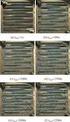 Water Visualization and Flooding in Polymer Electrolyte Membrane Fuel Cells Brian Holsclaw West Virginia University Department of Chemical Engineering Overview Background Objective Experimental Conditions
Lithium-Ion Battery Safety Study Using Multi-Physics Internal Short-Circuit Model
 Lithium-Ion Battery Safety Study Using Multi-Physics Internal Short-Circuit Model The 5th Intl. Symposium on Large Lithium-Ion Battery Technology and Application in Conjunction with AABC09 June 9-10, 2009,
Sessions. Workshops. Lectures, discussions and workshops. PhD students, members of the PhD Network of Diabetes and Metabolism, Danish Diabetes Academy
 Sessions PHD COURSE PROGRAMME BASAL METABOLISM AND MOLECULAR MECHANISMS IN THE METABOLIC SYNDROME I II III IV V Basal metabolism The metabolic syndrome (MS), epidemiology and fat cells Inflammation, exercise
MOLECULAR TECHNOLOGY
 FRENCH NATIONAL RESEARCH AGENCY (ANR) AND JAPAN SCIENCE AND TECHNOLOGY AGENCY (JST) A BILATERAL CALL FOR PROPOSALS IN THE FIELD OF MOLECULAR TECHNOLOGY 2016 Closing Date: April, 5 th 2016 10H00 (French
Energy efficiency and fuel consumption of fuel cells powered test railway vehicle
 Energy efficiency and fuel consumption of fuel cells powered test railway vehicle K.Ogawa, T.Yamamoto, T.Yoneyama Railway Technical Research Institute, TOKYO, JAPAN 1. Abstract For the purpose of an environmental
AREVA's Energy Storage Solutions
 AREVA's Energy Storage Solutions January 28th and 29th, 2015 Kerstin GEMMER-BERKBILEK AREVA Karlstein / Main (Germany) January 29th, 2015 Rising share of renewables in Europe brings necessity to store
PowerLabDK and ongoing research
 PowerLabDK and ongoing research Professor and head of centre Jacob Østergaard, CET PhD-student German Tarnowski, Vestas & CET PhD-student Preben Nyeng, CET 15 June 2010 PowerLabDK Experimental Platform
NOVO NORDISK FONDEN HVORFOR? HVORDAN? - INDEN FOR HVILKE RAMMER?
 NOVO NORDISK FONDEN HVORFOR? HVORDAN? - INDEN FOR HVILKE RAMMER? STEN SCHEIBYE Bestyrelsesformand 3. december 2014 Short introduction History, Vision and Societal Goals IT BEGAN WITH INSULIN Pedersen brothers
Burcu Saner, Firuze Okyay, Fatma Dinç, Neylan Görgülü, Selmiye Alkan Gürsel and Yuda Yürüm*
 Burcu Saner, Firuze Okyay, Fatma Dinç, Neylan Görgülü, Selmiye Alkan Gürsel and Yuda Yürüm* Faculty of Engineering and Natural Sciences, Sabancı University, Istanbul Background about graphene and its separation
Concentrix Technology for Utility-Scale Solar Power Plants
 Concentrix Technology for Utility-Scale Solar Power Plants The product Soitec is a leading manufacturer and supplier of concentrator photovoltaic (CPV) systems using highly effi cient Concentrix technology
A New Membrane System for Efficient Removal of Water from Gear Oil Road to Commercialization
 A New Membrane System for Efficient Removal of Water from Gear Oil Road to Commercialization Sudip Majumdar, Stuart Nemser Compact Membrane Systems, Wilmington, Delaware, USA Kal Farooq, Keith Benninghoff