
Nutritional Support for Detoxification
|
|
|
- Marilynn Mitchell
- 10 years ago
- Views:
Transcription
1 NUT023 4/97 Rev. 11/99 ANSR-APPLIED NUTRITIONAL SCIENCE REPORTS Copyright 1997 Advanced Nutrition Publications, Inc. Nutritional Support for Detoxification BY DR. MARK PERCIVAL ABSTRACT: Providing nutritional support for the body s detoxification processes is gaining popularity all over the world. Today we recognize that although the body is designed to eliminate toxins, it cannot always handle the overload present in today s environment. Toxin overload can lead to a variety of health problems, such as headaches, muscle and joint pain, chronic fatigue, and allergy or flu-like symptoms. While once widely practiced, fasting is no longer considered to be a healthy form of detoxification. To function optimally, our detoxification processes are dependent upon adequate levels of supporting nutrients, including both macronutrients and micronutrients, that are depleted during fasting programs. Detoxification programs that use a broad-based nutritional approach that supports both Phase I and Phase II detoxification are advantageous for a number of reasons. DETOXIFICATION Why must we be concerned about the body s ability to effectively dispose of toxins? Because now, more than ever, we are exposed to a myriad of foreign chemicals both commercially synthesized and naturally occurring in our environment. The 1989 Kellogg Report 1 stated that 1,000 newly synthesized compounds are introduced each year, which amounts to three new chemicals a day. The current number of known xenobiotics (foreign chemicals) now totals around 100,000 and includes drugs, pesticides, industrial chemicals, food additives, and environmental pollutants. 2 To provide some real world examples of just how much poison we are exposed to each year, consider the following statistics from the 1989 Toxic Release Inventory National Report, US EPA, Office of Toxic Substances: 3 551,034,696 pounds of industrial chemicals were dumped into public sewage storage. 1,180,831,181 pounds of chemicals were released into the ground, threatening our natural aquifers. 188,953,884 pounds of chemicals were discharged into surface waters. 2,427,061,906 pounds of air emissions were pumped into the atmosphere. The EPA estimates a grand total of 5,705,670,380 pounds of chemical pollutants were released into the environment in To put this in perspective, this would fill enough semi-trailers having a cargo capacity of 45,000 pounds each to form a line stretching from downtown Los Angeles to Des Moines, Iowa. And that s just in one year in the U.S. alone! Toxic chemicals easily find their way into our bodies through the air we breathe, the food we eat, and the water we drink. We also ingest foreign chemicals when taking medicinal or illicit drugs, or when using alcohol or tobacco. Although the body is designed to eliminate toxins, it cannot always handle the overload present in today s environment. For example, recent estimates suggest that each year there are three million severe pesticide poisonings with 220,000 deaths worldwide. Pesticide-related illnesses in the United States are estimated to occur between 150,000 and 300,000 times a year. 4 Overexposure of the organophosphate class of pesticides has been documented to cause neurological effects which may occur within hours of exposure, or as much as 2 to 3 weeks later. The neurological damage they cause, however, can last a lifetime. But toxins not only come from external sources (referred to as exotoxins), they are also produced within the body (endotoxins). For example, intestinal bacteria 1

2 may release specific metabolic by-products and/or lipopolysaccharide cell wall components that, when absorbed, have toxic effects negatively impacting overall health. Even normal systemic metabolism can produce intermediary metabolites that require detoxification, such as lactic acid, pyruvic acid, urea, and so on. Further compounding the problem, nutritional imbalances and insufficiencies can compromise detoxification pathways, allowing the progressive build-up of toxins to impose a significant, and sometimes overwhelming, burden on the body. Lastly, and quite ironically, the detoxification process itself can generate free radicals which are damaging to cellular tissues. CONSEQUENCES OF TOXICITY When the body experiences an overload of toxic substances, the consequences can manifest in a number of ways: headache, muscle and joint pain, fatigue, irritability, depression, mental confusion, gastrointestinal tract irregularities, cardiovascular irregularities, flu-like symptoms, or allergic reactions including hives, stuffy or runny nose, sneezing, and coughing. 5 In addition to these symptoms, it has been suggested that toxic overload may also contribute to more serious conditions such as autoimmune diseases including inflammatory and rheumatoid arthritis, 6,7 and neurological diseases such as Alzheimer s and Parkinson s disease. 8 It is reported that individuals with Parkinson s or Alzheimer s disease may be more susceptible to toxicity, 8,9 seemingly because of a malfunction in xenobiotic elimintion, particularly with sulfur-containing substances. The inability to effectively handle such toxins and the lifetime exposure to them may contribute to the development of these diseases. THE ROLE OF INTESTINAL PERMEABILITY The body s ability to protect itself from toxic substances is largely dependent upon the health of its natural barriers (skin, lungs, gastrointestinal tract), and its organs for processing and eliminating wastes (liver and kidney). The gastrointestinal tract functions as a critically important barrier; however, due to our modern day refined diet, medications, exposure to allergens/ toxins, and high-stress lifestyles, it is prone to alteration in permeability. Increased intestinal permeability, or leaky-gut syndrome, are terms used to describe gastrointestinal barrier breakdown. The gut normally allows absorption of a moderate amount of molecules, including some pathogens (toxic microorganisms). Increased intestinal permeability allows passage of larger molecules and more pathogens and antigens (foreign proteins) across the gut mucosa and into the systemic circulation. Leaky gut has been clinically associated with the etiology of inflammatory joint disease. 6 It has been surmised that the increased burden of pathogenic or toxic substances may lead to an inappropriate immune reaction the result of a net loss of lymphoid tissue causing the progression of the disease. 10 What causes the intestinal mucosa to become more permeable? Permeability changes may occur as a result of irritation of the gut lining, overgrowth or imbalance of intestinal flora, chronic nutritional insufficiency, and exposure to circulating bacterial toxins themselves. 11 The administration of nonsteroidal anti-inflammatory drugs (NSAIDs) such as ibuprofen and aspirin has also been reported to cause gastrointestinal damage. 12 Allison et al. reported an association between the use of NSAIDs and nonspecific ulceration of the small intestine. Ironically, many people who have an inflammatory joint disease are prescribed NSAIDs for inflammation and pain relief, which may exacerbate the problems of both gut permeability and the inflammatory disease itself. Steps to help preserve the integrity of the gastrointestinal barrier include: 1. Maintaining a proper balance of intestinal microflora. 2. Ensuring adequate digestion of the food we eat (relax before eating, chew all foods to liquid, and augment the diet with digestive enzymes where indicated). 3. Limiting the use of NSAIDs. 4. Providing appropriate nutritional support for the gut. 5. Minimizing exposure to coffee, alcohol, and processed chemical and additive containing foods. 6. Managing stress in general to reduce production of pro-inflammatory eicosanoid hormones and to enhance the production of their anti-inflammatory counterparts. FOOD INTOLERANCE: ALLERGY OR INTESTINAL DISORDER? Recently, it has been suggested that specific food intolerances may not be true allergies but, rather, may be related to metabolic toxicity resulting from an intestinal disorder. 13 Hunter proposes that symptoms from apparent food intolerances may result from reduced enzyme concen- 2

3 Figure 1: Metabolism of Benzene to Phenyl Sulfate trations, either inherited or acquired, and from intestinal bacterial endotoxins. According to Hunter, Specific food residues are broken down by the colonic microflora with the production of chemicals, which, in susceptible individuals with low concentrations of relevant hepatic enzymes, pass into the systemic circulation to produce distant symptoms. One classic approach to helping the patient with food intolerance is implementing an exclusion diet. Exclusion diets may be effective for migraine, irritable bowel syndrome, Crohn s disease, eczema, hyperactivity, and rheumatoid arthritis. 13 Foods most commonly to blame for aggravating these conditions are gluten containing cereals, dairy products, caffeine, yeast, and citrus fruits. Avoidance of some or all of these foods has lead to a relief of symptoms in some individuals THE DETOXIFICATION PROCESS The most difficult toxins for the body to eliminate are the non-polar, lipid-soluble type. These molecules are generally deposited in the less metabolically active adipose tissue, sometimes for a considerable length of time before they are eliminated. For example, DDT, when not effectively detoxified, may stay in the body for years. Detoxification in the liver entails the conversion of these substances into more polar, water-soluble compounds that can then be eliminated. This detoxification process can be divided into two very broad phases. 2 In Phase I, a superfamily of enzymes commonly called the cytochrome P450 system, reduce, oxidize, or hydrolyze the toxin. The intermediate metabolites produced by the Phase I steps are then conjugated in Phase II by other enzymes in the liver to form glucuronides, sulfates, glutathione adducts, and other conjugates. These biotransformed metabolites can then be eliminated in the urine or feces. Figure 1 illustrates the biotransformation of benzene, a carcinogenic compound that has been used in industrial processing. Proper functioning of both of these phases is critically important, because the intermediate metabolites produced during Phase I may actually be more harmful than the original toxins. Phase II must be functioning in balance with Phase I to transform the intermediate metabolites to non-toxic, excretable end-products, thus successfully completing the detoxification process. In addition, the Phase I process often produces free radicals such as superoxide anion radical, hydroxyl radical, and others. Damage from these free radicals is thought to be the source of much of the endotoxin and exotoxin-related harm. This is one theoretical explanation why some people feel worse during a detoxification program: they have successfully up-regulated, or increased the activity of Phase I enzymes, but they had insufficient levels of antioxidants to protect against the free radicals produced when this phase is not balanced by Phase II enzymes. HOW TO SUPPORT AND FACILITATE THE DETOXIFICATION PROCESS Detoxification programs are designed to support and facilitate the detoxification process. Such programs may relieve certain chronic health symptoms thought to be of toxic origin. 20 Frequently used methods of detoxification include the water and juice fast. Methods such as these may do more harm than good, however. These fasts work under the principle that the body will heal itself when the stress of digestion and the insulting agents are eliminated. However, 3

4 the processes of Phase I and Phase II are not only energy intensive but are dependent upon adequate levels of supporting nutrients. A water fast, being totally devoid of energy sources or supportive nutrients, may in fact suppress detoxification rather than enhance it. A juice fast is better since it provides some carbohydrates and other nutrients, but still may be deficient in rate-limiting vitamins, minerals, or amino acids. Programs that use a broad-based nutritional approach are advantageous for a number of reasons. The result of one study suggested that these types of programs may support optimum cytochrome P450 activity; help prevent muscle tissue catabolism; help to stabilize blood glucose levels; and may help protect against free radicals liberated as a result of detoxification and normal metabolic functions. 20 DIETARY REGULATION OF LIVER DETOXIFICATION PROTEIN Activation of the cytochrome P450 family of liver enzymes requires adequate dietary protein. Protein deficiency states can often result in decreased liver detoxification of many drugs and other chemicals. 21 Fasting, which involves protein restriction, can result in lowered detoxification ability and actually increase the potential for more active secondary toxins to be produced from the liver. Studies in laboratory animals have shown that protein restriction enhances the toxic effects of some chemicals such as certain pesticides and carcinogens In humans, dietary protein may influence drug metabolism. 21 Adequate protein, more specifically the ratio between dietary protein and carbohydrate, directly influences the insulin-glucagon hormonal axis. This, in turn, impacts important eicosanoid pathways which produce antiinflammatory and immune enhancing prostaglandins, such as PGE 1, in the presence of adequate protein and moderate carbohydrate. In the absence of sufficient protein and/or with excessive carbohydrate which can occur with some juice fasts, pro-inflammatory and immune inhibiting prostaglandins (such as PGE 2 ) and leukotriene production is often increased. CARBOHYDRATE For detoxification purposes, a high carbohydrate intake may reduce the ability of the cytochrome P450 enzymes to work effectively. 21 This depression of cytochrome P450 activity by carbohydrate is seen to be more significant with sugar than with longer chain polyglucose sources. It appears that the ratio of dietary protein to carbohydrate may be an important factor in determining the ability of the liver to detoxify certain substances. 21,27 While undergoing a detoxification program, a diet that is higher in well-balanced protein and lower in total carbohydrate may provide optimal activation of cytochrome P450 enzymes. 21,28 As stated earlier, proper protein-to-carbohydrate ratios may support healing and enhanced immune function on a systemic cellular level. FAT The maintenance and induction of cytochrome P450 enzymes may be optimized by proper dietary sources of both mono and polyunsaturated fatty acids. 21 Fatty acids provide energy for cell function and act as substrates for liver energy production necessary for the cytochrome P450 enzyme activity. Medium chain triglycerides are also nutritionally valuable because they provide an excellent source of energy to muscle cells during the detoxification process without stimulating the liver to produce excess triglycerides or cholesterol. 21 ANTIOXIDANTS More and more people are becoming aware of the need for antioxidants in the diet. Antioxidants help protect cell membranes from damaging oxygen free radicals generated by both exogenous and endogenous sources. Antioxidants such as flavonoids, vitamin C, vitamin E, and selenium may offer additional assistance to liver detoxification by quenching free radicals produced during the detoxification process. Antioxidant restriction, as during a water fast, allows these free radicals to go unchecked. Furthermore, dietary insufficiencies of vitamins C and E may decrease cytochrome P450 enzyme activity. 21 ADDITIONAL NUTRITIONAL FACTORS Additional nutritional factors thought to help in the detoxification process include glutathione, glutamine, and certain minerals and amino acids. Glutathione plays an important role in xenobiotic detoxification because it is both an antioxidant and provides one of the functional groups donated in conjugation (Phase II). Glutamine supplementation may help preserve the integrity of the gut mucosa. 25 Deficiencies in minerals such as zinc, copper, magnesium, and molybdenum may decrease the activity of 4

5 the cytochrome P450 enzyme system. 21 The amino acids methionine and cysteine provide sulfur which is utilized during Phase II conjugation. Additionally, fructooligosaccharides may enhance detoxification by supporting the growth of bifidobacteria, so-called friendly bacteria thought to have a lowering effect on the activity of enzymes associated with carcinogenesis. 26 The intake of sufficient pure water also may serve to enhance the elimination of the end products of liver detoxification pathways. These dietary variables may alter the rate of liver detoxification and the secondary symptoms that may occur during a detoxification program. Fasting may have some significant adverse effects upon overall safety and effectiveness of clinical detoxification due to the lack of protein, fat, and micronutrient intake, and may result in lowered cytochrome P450 enzyme activity and increased exposure to secondary oxidants. REFERENCES 1. Beasley JD, Swift JJ. The Kellogg Report. Institute of Health Policy and Practice, The Bard College Center. 1989;4: Timbrel JA. Principles of Biochemical Toxicology. 2nd ed. Washington, DC: Taylor and Francis, U.S. Environmental Protection Agency, Toxics in the Community: National and Local Perspectives, The 1989 Toxics Release Inventory National Report, Office of Toxic Substances, Washington, DC. 4. Rosenstock L, Keifer M, Daniell WE, et al. Chronic central nervous system effects of acute organophosphate pesticide intoxication. Lancet 1991;338: Hlleman B. Multiple Chemical Sensitivity. C&EN July 22, 1991; Rooney PJ, et al. A short review of the relationship between intestinal permeability and inflammatory joint disease. Clin Exper Rheumatol 1990;8: Smith MD, et al. Abnormal bowel permeability in ankylosing spondylitis and rheumatoid arthritis. J Rheumatol 1985;12: Steventon GB, et al. Xenobiotic metabolism in Alzheimer s disease. Neurology 1990;40: Steventon GB, et al. Xenobiotic metabolism in Parkinson s disease. Neurology 1989;39: Inman R. Arthritis and Enteritis An Interface of Protein Manifestation. J Rheumatology 1987;14: O Dwyer S, et al. A single dose of endotoxin increases intestinal permeability in healthy humans. Arch Surg 1988;123: Allison MC, et al. Gastrointestinal damage associated the use of nonsteroidal anti-inflammatory drugs. N Engl J Med 1992;327: Hunter JO. Food allergy or enterometabolic disorder? Lancet 1991;338: Egger J, et al. Is migraine food allergy? Lancet 1983;ii: Alun Jones V, et al. Food intolerance: a major factor in the pathogenesis of irritable bowel syndrome. Lancet 1982;ii: Alun Jones V, et al. Crohn s disease: maintenance of remission by diet. Lancet 1985;ii: Atherton DJ, et al. A double blind crossover trial of an antigen avoidance diet in atopic eczema. Lancet 1978;i: Egger J, et al. Controlled trial of oligoantigenic diet treatment in the hyperkinetic syndrome. Lancet 1985;i: Darlington LG, et al. Placebo controlled blind study of dietary manipulation therapy in rheumatoid arthritis. Lancet 1986;i: Bland JS, Bralley JA. Nutritional upregulation of hepatic detoxification enzymes. J Appl Nutr 1992; Anderson KE, Kappas A. Dietary regulation of cytochrome P450. Annu Rev Nutr 1991;11: Boyd EM, Carsky E. Kwashiorkorigenic diet and diazinon toxicity. Acta Pharmacol Toxicol 1969;27: Boyd EM, Chen CP. Lindane toxicity and protein-deficient diet. Arch Environ Health 1968;17: Boyd EM, Drijnen CJ. Toxicity of captan and protein-deficient diet. J Clin Pharmacol 1968;8: Van der Hulst R, et al. Glutamine and the preservation of gut integrity. Lancet 1993;341: Mitsuoka T. Intestinal Flora and Aging. Nutr Rev 1992;50: Dickerson JWT, et al. Activity of drug-metabolizing enzymes in the liver of growing rats fed on diets high in sucrose, glucose, fructose or an equimolar mixture of glucose and fructose. Proc Nutr Soc 1971;30:27A-28A. 28. Brodie MJ, et al. Drug metabolism in white vegetarians. Br J Clin Pharmacol 1980;9:

Detoxification Pathways. Theory and Application to Practice
 Detoxification Pathways Theory and Application to Practice 1 Detoxification Pathways Failure to detoxify Accumulation of Toxins Detoxification mechanism Importance to practitioner Phase 1 Biotransformation
Frequently Asked Questions: Ai-Detox
 What is Ai-Detox? Frequently Asked Questions: Ai-Detox Ai-Detox is a Chinese herbal medicinal formula, produced using state of the art biotechnology, which ensures the utmost standards in quality and safety.
Restore and Maintain treatment protocol
 Restore and Maintain treatment protocol Combating inflammation through the modulation of eicosanoids Inflammation Inflammation is the normal response of a tissue to injury and can be triggered by a number
Lecture 4 Sunday 30/9/2012
 Inactivation and Detoxification of Xenobiotics and Metabolites in the Liver The liver is one of the most important organs in the body when it comes to detoxifying or getting rid of foreign substances or
Glutathione and Oxidative Stress - Part I
 Glutathione and Oxidative Stress - Part I By: James L. Holly, MD Oxidative Stress refers to effects from endogenous (produced in the body) toxins (free radicals) produced in the body by normal metabolism
Chapter 25: Metabolism and Nutrition
 Chapter 25: Metabolism and Nutrition Chapter Objectives INTRODUCTION 1. Generalize the way in which nutrients are processed through the three major metabolic fates in order to perform various energetic
Nutrition and Your Mental Health. Rebecca Sovdi, Registered Dietitian Health Promotion and Disease Prevention Health Canada, FNIHB
 Nutrition and Your Mental Health Rebecca Sovdi, Registered Dietitian Health Promotion and Disease Prevention Health Canada, FNIHB Nutrition and Your Mental Health l Healthy eating practices - influence,
Diet and Arthritis. Dr Áine O Connor Nutrition Scientist. British Nutrition Foundation. 2011 The British Nutrition Foundation
 Diet and Arthritis Dr Áine O Connor Nutrition Scientist British Nutrition Foundation Outline Background What is arthritis? What are the common forms? Body weight and arthritis Diet and arthritis Nutrients
NUTRITION OF THE BODY
 5 Training Objectives:! Knowledge of the most important function of nutrients! Description of both, mechanism and function of gluconeogenesis! Knowledge of the difference between essential and conditionally
DETOXIFICATION WHAT YOU NEED TO KNOW
 DETOXIFICATION WHAT YOU NEED TO KNOW Everyone is doing it, or so they say. It seems to be the fashion to do a detox. Most of us have heard stories of people who have done it and felt awful while they were
What Each Vitamin & Mineral Does In Your Body. Vitamin A
 What Each Vitamin & Mineral Does In Your Body Vitamin A Prevents skin disorders, such as acne, wrinkling and age spots. Enhances the immune system protects against colds, flu, and infections to kidney,
Genetics BRCA1 and BRCA2 are gene mutations which give 5 percent genetic risk of breast and ovary cancers. Worse if they drink alcohol.
 Cancer seminar Ginseng & Dang Gui 10 Chinese formula to help cancer patients with energy. Cell Protect Green tea and turmeric increases efficacy as it helps cancer drugs to stay in cell i.e. reduce drug
Rheumatoid Arthritis. Treating Inflammation. Sequoia Education Systems, Inc http://www.functionalmedicineuniversity.com 1. How is RA Diagnosed?
 Rheumatoid Arthritis Causes, Assessment and Treatment How is RA Diagnosed? The following labs make up the basics of ruling in or out RA. Citrullinated Peptide (anti-ccp) Antibodies Rheumatoid factor Erythrocyte
Importance of water for weight loss
 Importance of water for weight loss Most people do not drink enough water; one reason for this is because they have gotten out of the habit. If you are trying to lose weight, drinking plenty of water is
Cancer Treatment Moringa Oleifera for Cancer Prevention or Treatment
 Cancer Treatment Moringa Oleifera for Cancer Prevention or Treatment As we learn more about cancer, we are empowered to use more of the tools which nature has created for us to help battle this terrible
How do Patients Take THE GIFT from Mother Earth, BEST FULVIC and Humic and Fulvic Based Supplements?
 How do Patients Take THE GIFT from Mother Earth, BEST FULVIC and Humic and Fulvic Based Supplements? Patients typically start taking THE GIFT from Mother Earth. THE GIFT from Mother Earth is a highly-concentrated
Anti-Inflammatory Drugs from Plant and Marine Sources
 D. A. Lewis Anti-Inflammatory Drugs from Plant and Marine Sources 1989 BirkhauserVerlag Basel Boston Berlin TABLE OF CONTENTS Page No. Preface. Acknowledgements..12 SECTION I : INFLAMMATION AND INFLAMMATORY
How To Get Healthy
 Dietary Fiber and Alcohol Nana Gletsu Miller, PhD Fall 2-13 Dietary Fiber It is the complex carbohydrate in plants that can not be broken down by human digestive enzymes Sources Grains Fruits and Vegetables
THE DIGESTIVE SYSTEM
 THE DIGESTIVE SYSTEM What is digestion? Digestion is the process of breaking down food so that it's small enough to be absorbed and used by the body for energy or in other bodily functions. Digestion involves
A: Nursing Knowledge. Alberta Licensed Practical Nurses Competency Profile 1
 A: Nursing Knowledge Alberta Licensed Practical Nurses Competency Profile 1 Competency: A-1 Anatomy and Physiology A-1-1 A-1-2 A-1-3 A-1-4 A-1-5 A-1-6 A-1-7 A-1-8 Identify the normal structures and functions
Introduction. Pathogenesis of type 2 diabetes
 Introduction Type 2 diabetes mellitus (t2dm) is the most prevalent form of diabetes worldwide. It is characterised by high fasting and high postprandial blood glucose concentrations (hyperglycemia). Chronic
1. Essay: The Digestive and Absorption Processes of Macronutrients
 Jenny Kim Professor Rosario Nutrition: Macronutrients Project June 26, 2014 1. Essay: The Digestive and Absorption Processes of Macronutrients Whenever we eat, the foods we ingest in our bodies undergo
Pay-Per-Click Suggested Words
 Pay-Per-Click Suggested Words 9 essential amino acids advanced nutritional products aerobic metabolism affiliate lead marketing mlm network affiliate marketing mlm network affiliate marketing network alcohol
Digestive System Functions
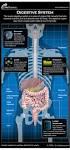 Digestive System Functions A. Gastrointestinal Processes 1. Ingestion: placing food in mouth (voluntary) 2. Propulsion: moving food through GI tract a. Peristalsis: alternating waves of contraction and
16 Very Important THINGS YOU NEED TO KNOW About Cancer Cells
 16 Very Important THINGS YOU NEED TO KNOW About Cancer Cells By Ingo Logé and Fitness Forever 1. Every person has cancer cells in the body. These cancer cells do not show up in the standard tests until
Dietary Fiber and Alcohol. Nana Gletsu Miller, PhD Spring 2014
 Dietary Fiber and Alcohol Nana Gletsu Miller, PhD Spring 2014 Dietary Fiber It is the complex carbohydrate in plants that can not be broken down by human digestive enzymes Sources Grains Fruits and Vegetables
Blood Sugar & Glycaemic Index
 Nutrition Blood Sugar & Glycaemic Index Lesley Loizou The human body is designed to run on carbohydrates (CHO). While we can use protein and fat for energy, the easiest and most smoke-free fuel is carbohydrate.
7 Reasons You Can t Eat the Foods You Love!
 Dr. Susan Plank s Report: 7 Reasons You Can t Eat the Foods You Love! Betsy Coltrain sat feeling miserable on the couch. She had just finished eating dinner and began to feel the uncomfortable fullness,
Digestive System Why is digestion important? How is food digested? Physical Digestion and Movement
 Digestive System The digestive system is made up of the digestive tract a series of hollow organs joined in a long, twisting tube from the mouth to the anus and other organs that help the body break down
Healing the Gut and Working with Food Allergies Compiled by Peter Brodhead CN From the Book Is your child s brain starving? By Dr. Michael R.
 Healing the Gut and Working with Food Allergies Compiled by Peter Brodhead CN From the Book Is your child s brain starving? By Dr. Michael R. Lyon, MD The GI tract has an enormous influence over both the
Introduction. Introduction Nutritional Requirements. Six Major Classes of Nutrients. Water 12/1/2011. Regional Hay School -- Bolivar, MO 1
 Cattle and Horse Nutrition Dona Goede Livestock Specialist Introduction Many health, reproductive and production problems can be prevented with good nutrition. Poor nutrition results in: Poor conception
Topic 4: Digestion and Nutrition
 Topic 4: Digestion and Nutrition THE CONTENTS OF FOOD Food contains nutrients: Nutrients include: 1. 2. 3. 4. 5. Nutrients must be small enough to enter our cells. If they are too large they must be digested
An Essential Guide to Recovery. Dr. Peter Osborne, D.C., D.A.C.B.N., PSc.D.
 An Essential Guide to Recovery Dr. Peter Osborne, D.C., D.A.C.B.N., PSc.D. www.glutenfreesociety.org www.drpeterosborne.com Celiac Disease Rheumatoid Arthritis Bone Loss Osteoporosis Cancer (Lymphoma)
Long Term Use of Antacid Medications Can Cause an Increased Risk for Osteoporosis and Much More
 Long Term Use of Antacid Medications Can Cause an Increased Risk for Osteoporosis and Much More By: Jeremie Pederson D.C., C.S.C.S. Many people are concerned about the FDA news release dated May 25, 2010
Liver, Gallbladder, Exocrine Pancreas KNH 406
 Liver, Gallbladder, Exocrine Pancreas KNH 406 2007 Thomson - Wadsworth LIVER Anatomy - functions With disease blood flow becomes obstructed Bile All bile drains into common hepatic duct Liver Bile complex
Glutathione The Miracle Molecule for Longevity By Dr. Sherrill Sellman 2009
 Glutathione The Miracle Molecule for Longevity By Dr. Sherrill Sellman 2009 Recent statistics have good news for us. Centenarians are the fastest growing age group in America. What s the secret to a long
Bile Duct Diseases and Problems
 Bile Duct Diseases and Problems Introduction A bile duct is a tube that carries bile between the liver and gallbladder and the intestine. Bile is a substance made by the liver that helps with digestion.
DETOXIFICATION PROGRAM
 DETOXIFICATION PROGRAM Signs of a Toxic Body Fatigue / lack of energy Overweight / underweight Digestive problems (gas, ulcers, heartburn, IBS) Irregularity (constipation / diarrhea) Cravings or addictions
The Physiology of Hyperbaric Oxygen Therapy. Free Radicals and Reactive Oxygen Species. I. Introduction Definition, Source, function and Purpose
 The Physiology of Hyperbaric Oxygen Therapy Free Radicals and Reactive Oxygen Species I. Introduction Definition, Source, function and Purpose A. Definition of free radicals and reactive oxygen species
Digestive System Notes
 Digestive System Notes Structure Function Relation Mouth cavity Mechanical digestion by teeth; chemical digestion of starch by saliva. Salivary glands Three pairs of glands which secrete saliva containing
Liver Function Essay
 Liver Function Essay Name: Quindoline Ntui Date: April 20, 2009 Professor: Dr. Danil Hammoudi Class: Anatomy and Physiology 2 Liver function The human body consist of many highly organize part working
Pantesin Effective support for heart healthy cholesterol levels*
 Pantesin Effective support for heart healthy cholesterol levels* { Pantesin Effective support for heart healthy cholesterol levels* Many health-conscious adults keeping a watchful eye on their cholesterol
Nutrition for Multiple Sclerosis. Presenter: Kari McDougall
 Nutrition for Multiple Sclerosis Presenter: Kari McDougall Nutrition & Multiple Sclerosis Several theories exist as to what causes MS, such as viruses, bacteria, autoimmunity & metabolic disorders, heredity,
Micronutrient. Functio. Vitamin A
 EHPM Leaflet UK 25/4/00 14:50 Page 1 (1,1) Vitamin and mineral intake We cannot, however, afford to be complacent about our intake of vitamins and minerals. Poor diets with low quantities of fruit and
NUTRIENTS: THEIR INTERACTIONS
 NUTRIENTS: THEIR INTERACTIONS TEACHER S GUIDE INTRODUCTION This Teacher s Guide provides information to help you get the most out of Nutrients: Their Interactions. The contents in this guide will allow
Methyl groups, like vitamins, are
 Methyl groups are essential for the body to function properly and must be obtained from the diet The need for methyl groups increases under stress Chapter 11 Betaine a new B vitamin Methyl groups reduce
WATER SOLUBLE VITAMINS
 WATER SOLUBLE VITAMINS BY: SHAMSUL AZAHARI ZAINAL BADARI DEPARTMENT OF RESOURCES MANAGEMENT AND CONSUMER STUDIES FACULTY OF HUMAN ECOLOGI UNIVERSITI PUTRA MALAYSIA WATER SOLUBLE VITAMINS Include vitamin
Chapter 48. Nutrients in Food. Carbohydrates, Proteins, and Lipids. Carbohydrates, Proteins, and Lipids, continued
 Carbohydrates, Proteins, and Lipids The three nutrients needed by the body in the greatest amounts are carbohydrates, proteins, and lipids. Nutrients in Food All of these nutrients are called organic compounds,
Free radicals - Enemies of health, beauty and youth
 Free radicals - Enemies of health, beauty and youth Free radicals (FR) are natural molecules produced in the body following biochemical reactions related to the behaviour of singlet oxygen. The human body
The Polyphenol Study. Effect of Dietary Polyphenols on Intestinal Microbiota, Intestinal Inflammation and Metabolic Syndrome
 The Polyphenol Study Effect of Dietary Polyphenols on Intestinal Microbiota, Intestinal Inflammation and Metabolic Syndrome Principal Investigator: Michael Lefevre, PhD What are Polyphenols? * Polyphenols
Curriculum Overview:
 Curriculum Overview: The following courses must be completed by all Certified Nutrition Specialist candidates. Courses cannot fulfill multiple curriculum requirements, however, excess nutrition science
Regulation of Metabolism. By Dr. Carmen Rexach Physiology Mt San Antonio College
 Regulation of Metabolism By Dr. Carmen Rexach Physiology Mt San Antonio College Energy Constant need in living cells Measured in kcal carbohydrates and proteins = 4kcal/g Fats = 9kcal/g Most diets are
10.1 The function of Digestion pg. 402
 10.1 The function of Digestion pg. 402 Macromolecules and Living Systems The body is made up of more than 60 % water. The water is found in the cells cytoplasm, the interstitial fluid and the blood (5
Eating For Injury Recovery John M Berardi, PhD, CSCS Ryan Andrews, RD, MA, MS www.precisionnutrition.com
 Eating For Injury Recovery John M Berardi, PhD, CSCS Ryan Andrews, RD, MA, MS www.precisionnutrition.com To most sport and exercise professionals, the idea that nutrition can play a powerful role in injury
Nutritional Support of the Burn Patient
 Nutritional Support of the Burn Patient Objectives To understand the principles of normal nutrient utilization and the abnormalities caused by burn injury To be able to assess nutrient needs To be able
Underactive Thyroid. What is Hypothyroidism? Symptoms. Causes / Triggers
 Hypothyroidism Underactive Thyroid Underactive thyroid, more commonly known as Hypothyroidism, generally develops gradually and many of the symptoms are sufficiently vague, so that many do not even know
ANIMALS FORM & FUNCTION BODY DEFENSES NONSPECIFIC DEFENSES PHYSICAL BARRIERS PHAGOCYTES. Animals Form & Function Activity #4 page 1
 AP BIOLOGY ANIMALS FORM & FUNCTION ACTIVITY #4 NAME DATE HOUR BODY DEFENSES NONSPECIFIC DEFENSES PHYSICAL BARRIERS PHAGOCYTES Animals Form & Function Activity #4 page 1 INFLAMMATORY RESPONSE ANTIMICROBIAL
Probiotics for the Treatment of Adult Gastrointestinal Disorders
 Probiotics for the Treatment of Adult Gastrointestinal Disorders Darren M. Brenner, M.D. Division of Gastroenterology Northwestern University, Feinberg School of Medicine Chicago, Illinois What are Probiotics?
The diagram below summarizes the effects of the compounds that cells use to regulate their own metabolism.
 Regulation of carbohydrate metabolism Intracellular metabolic regulators Each of the control point steps in the carbohydrate metabolic pathways in effect regulates itself by responding to molecules that
Get It Right. Answers. Chapter 1: The Science of Life. A biologist studies all living things.
 Discover Biology 'N' Level Science Chapter 1 Chapter 1: The Science of Life A biologist studies all living things. In order to carry out the scientific method, we need to ask questions. Discover Biology
Rediscover What It Means to Be Full of Life
 Rediscover What It Means to Be Full of Life Vitality for Life supplements with patented Oligo Oligo U.S. Patent No. 8,273,393 Reinventing the Multivitamin Our modern diets have the majority of us gorging
Overview. Nutritional Aspects of Primary Biliary Cirrhosis. How does the liver affect nutritional status?
 Overview Nutritional Aspects of Primary Biliary Cirrhosis Tracy Burch, RD, CNSD Kovler Organ Transplant Center Northwestern Memorial Hospital Importance of nutrition therapy in PBC Incidence and pertinence
Learning Objectives. Introduction to Medical Careers. Vocabulary: Chapter 16 FACTS. Functions. Organs. Digestive System Chapter 16
 Learning Objectives Introduction to Medical Careers Digestive System Chapter 16 Define at least 10 terms relating to the digestive Describe the four functions of the digestive Identify different structures
It s A Gut Feeling: Abdominal Pain in Children. David Deutsch, MD Pediatric Gastroenterology Rockford Health Physicians
 It s A Gut Feeling: Abdominal Pain in Children David Deutsch, MD Pediatric Gastroenterology Rockford Health Physicians Introduction Common Symptom Affects 10-15% of school-aged children Definition (Dr.
Promoting Detoxification
 Vital Detox Guide Promoting Detoxification Every day our bodies are exposed to a wide range of toxins. Even when we engage in a healthy activity, like taking a walk outside, we breathe in pollutants. While
Is Exercise the Best Antioxidant Supplement? Len Kravitz, Ph.D.
 Is Exercise the Best Antioxidant Supplement? Len Kravitz, Ph.D. As an unexpected consequence of the metabolic steps that convert food into energy, the body produces molecules commonly called free radicals.
Oral Zinc Supplementation as an Adjunct Therapy in the Management of Hepatic Encephalopathy: A Randomized Controlled Trial
 Oral Zinc Supplementation as an Adjunct Therapy in the Management of Hepatic Encephalopathy: A Randomized Controlled Trial Marcus R. Pereira A. Study Purpose Hepatic encephalopathy is a common complication
Is Insulin Effecting Your Weight Loss and Your Health?
 Is Insulin Effecting Your Weight Loss and Your Health? Teressa Alexander, M.D., FACOG Women s Healthcare Associates www.rushcopley.com/whca 630-978-6886 Obesity is Epidemic in the US 2/3rds of U.S. adults
Wilson Disease. National Digestive Diseases Information Clearinghouse
 Wilson Disease National Digestive Diseases Information Clearinghouse U.S. Department of Health and Human Services NATIONAL INSTITUTES OF HEALTH What is Wilson disease? Wilson disease is a genetic disorder
Migrene og mikroflora. Linda Mulder, MSc. Vårseminaret 2014
 Migrene og mikroflora Linda Mulder, MSc. Vårseminaret 2014 Contents Introduction to migraine Introduction to intestinal barrier The role of the intestine & microbiota in migraine Finding the best probiotic
Vitamin D. Sources of vitamin D
 1 has been in the news frequently this past year, including an article in The New York Times on November 16, 2009. So what is this vitamin? Why is it important? Most people have heard that vitamin D is
DIGESTION is the physical and
 Digestion DIGESTION is the physical and chemical breakdown of feeds as they pass through the gastrointestinal tract. The structures of the gastrointestinal tract include the mouth, the esophagus, the stomach,
Conducting Detoxification Programs with Outpatients. PETER EDWARDS ND, BAppSc (Nat)
 Conducting Detoxification Programs with Outpatients PETER EDWARDS ND, BAppSc (Nat) A Law and Constant of Nature Structure Governs Function What Governs Structure and Function? CHEMISTRY Systemic Chemistry
4 Week Body Contour / Lipo Light Program
 Natural Health Solutions 14698 Galaxie Ave. Apple Valley, MN 55124 (952) 891-22225 4 Week Body Contour / Lipo Light Program Welcome and Congratulations! This is an important decision towards improving
MEDICATION GUIDE KOMBIGLYZE XR (kom-be-glyze X-R) (saxagliptin and metformin HCl extended-release) tablets
 MEDICATION GUIDE KOMBIGLYZE XR (kom-be-glyze X-R) (saxagliptin and metformin HCl extended-release) tablets Read this Medication Guide carefully before you start taking KOMBIGLYZE XR and each time you get
AP BIOLOGY CHAPTER 7 Cellular Respiration Outline
 AP BIOLOGY CHAPTER 7 Cellular Respiration Outline I. How cells get energy. A. Cellular Respiration 1. Cellular respiration includes the various metabolic pathways that break down carbohydrates and other
Definition: What is the Microbiome- A Big Picture
 The Microbiome What is the Microbiome- A Big Picture Definition: The collection of genomes of the microbes (bacteria, bacteriophages, fungi, protozoa, and viruses) that live inside a human body Are we
Food Allergies and. Food allergies and the immune system. Food allergies and the immune system
 Food Allergies and Intolerances Food allergies and the immune system Food allergies and True allergies involve an adverse reaction/ response by the body s immune system to a usually harmless substance
Food Allergy Gluten & Diabetes Dr Gary Deed Mediwell 314 Old Cleveland Road Coorparoo 4151 3421 7488
 Food Allergy Gluten & Diabetes Dr Gary Deed Mediwell 314 Old Cleveland Road Coorparoo 4151 3421 7488 SUMMARY Type 1 diabetes Onset common in Children Insulin requiring Immune origins with attack on the
William Shaw, Ph.D. The Great Plains Laboratory, Inc., Lenexa, Kansas, USA
 Inhibition of dopamine conversion to norepinephrine by Clostridia metabolites appears to be a (the) major cause of autism, schizophrenia, and other neuropsychiatric disorders. All these factors can now
Key words: Vitamin D Production, Vitamin D Deficiency, and Vitamin D Treatment
 Title: Vitamin D Author: Kerry Lynn Kuffenkam Date: 4-29-09 Key words: Vitamin D Production, Vitamin D Deficiency, and Vitamin D Treatment Abstract: Since the term Vitamin D contains the word vitamin most
Philadelphia Integrative Medicine: Frequently Asked Questions
 Philadelphia Integrative Medicine: Frequently Asked Questions August 2014 Philadelphia Integrative Medicine combines the best of conventional and alternative medicine to inspire you and give you the tools
Chapter 17 Digestive System. Alimentary Canal. Movements of the Tube
 Chapter 17 Digestive System Functions of Digestive System ingestion mechanical digestion chemical digestion propulsion absorption defecation Consists of the alimentary canal and accessory organs 1 Alimentary
GLUCOSAMINE, CHONDROITIN, AND MSM
 GLUCOSAMINE, CHONDROITIN, AND MSM Compiled by Campbell M Gold (2009) (This material was compiled from various unverified sources) CMG Archives http://campbellmgold.com IMPORTANT The health information
Level 3. Applying the Principles of Nutrition to a Physical Activity Programme Level 3
 MULTIPLE CHOICE QUESTION PAPER Paper number APNU3.0 Please insert this reference number in the appropriate boxes on your candidate answer sheet Title MOCK PAPER Time allocation 50 minutes Level 3 Applying
1. (U4C1L4:G9) T or F: The human body is composed of 60 to 70 percent water. 2. (U4C1L4:G13) Another name for fiber in a diet is.
 Cadet Name: Date: 1. (U4C1L4:G9) T or F: The human body is composed of 60 to 70 percent water. A) True B) False 2. (U4C1L4:G13) Another name for fiber in a diet is. A) vegetables B) laxative C) fruit D)
Nursing 113. Pharmacology Principles
 Nursing 113 Pharmacology Principles 1. The study of how drugs enter the body, reach the site of action, and are removed from the body is called a. pharmacotherapeutics b. pharmacology c. pharmacodynamics
Problems of the Digestive System
 The American College of Obstetricians and Gynecologists f AQ FREQUENTLY ASKED QUESTIONS FAQ120 WOMEN S HEALTH Problems of the Digestive System What are some common digestive problems? What is constipation?
What Alcohol Does to the Body. Chapter 25 Lesson 2
 What Alcohol Does to the Body Chapter 25 Lesson 2 Short-Term Effects of Drinking The short-term term effects of alcohol on the body depend on several factors including: amount of alcohol consumed, gender,
The Under-Recognized Role of Essential Nutrients in Health and Health Care
 The Under-Recognized Role of Essential Nutrients in Health and Health Care Honolulu Subarea Health Planning Council February 7, 2013 Joannie Dobbs, Ph.D. CNS Assistant Specialist Human Nutrition, Food
Care and Problems of the Digestive System. Chapter 18 Lesson 2
 Care and Problems of the Digestive System Chapter 18 Lesson 2 Care of the Digestive System Good eating habits are the best way to avoid or minimize digestive system problems. Eat a variety of foods Avoid
10. T and B cells are types of a. endocrine cells. c. lymphocytes. b. platelets. d. complement cells.
 Virus and Immune System Review Directions: Write your answers on a separate piece of paper. 1. Why does a cut in the skin threaten the body s nonspecific defenses against disease? a. If a cut bleeds, disease-fighting
Healing Depression Naturally
 Healing Depression Naturally By Peter Bongiorno ND, LAc and Pina LoGiudice ND, LAc Directors of Inner Source Health (www.innersourcehealth.com) While everyone experiences the blues from time to time, depression
1. The diagram below represents a biological process
 1. The diagram below represents a biological process 5. The chart below indicates the elements contained in four different molecules and the number of atoms of each element in those molecules. Which set
MANAGING ANEMIA. When You Have Kidney Disease or Kidney Failure. www.kidney.org
 MANAGING ANEMIA When You Have Kidney Disease or Kidney Failure www.kidney.org About the Information in this Booklet Did you know that the National Kidney Foundation (NKF) offers guidelines and commentaries
PATIENT INFORMATION LEAFLET: CENTRUM. Read the contents of this leaflet carefully before you start using CENTRUM, because it
 PATIENT INFORMATION LEAFLET: CENTRUM Page 1 of 7 This leaflet tells you about CENTRUM tablets. Read the contents of this leaflet carefully before you start using CENTRUM, because it contains important
Diabetes and Your Kidneys
 American Kidney Fund reaching out giving hope improving lives Diabetes and Your Kidneys reaching out giving hope improving lives Diabetes: The #1 Cause of Kidney Failure Your doctor told you that you have
Blood Testing Protocols. Disclaimer
 Blood Testing Protocols / Page 2 Blood Testing Protocols Here are the specific test protocols recommend by Dr. J.E. Williams. You may request these from your doctor or visit www.readyourbloodtest.com to
The chemical reactions inside cells are controlled by enzymes. Cells may be specialised to carry out a particular function.
 12.1 What are animals and plants built from? All living things are made up of cells. The structures of different types of cells are related to their functions. to relate the structure of different types