
Belgian Veterinary Surveillance of Antimicrobial Consumption. National consumption report
|
|
|
- Quentin Lambert
- 10 years ago
- Views:
Transcription
1 Belgian Veterinary Surveillance of Antimicrobial Consumption National consumption report

2 Summary This forth BelVetSAC report, covers the results of the data collection on veterinary antimicrobial consumption in Belgium in the year Data consist of all veterinary antimicrobials sold to a veterinarian or pharmacist in Belgium and of antimicrobial premixes incorporated in medicated feed intended to be used in Belgium for the year It includes thus consumption data for farm animals as well as companion animals. The denominator for animal production was the biomass (in kg) calculated as the sum of the amount of beef, pork and poultry meat produced in 2012, plus the number of dairy cattle present in Belgium times 500 kg of metabolic weight per head. Between 2011 and 2012, there has been a substantial decrease of 7,1% in the total consumption of antimicrobials in veterinary medicine in Belgium (299036,6 kg in 2011; ,23 kg in 2012). In this period, the use of antimicrobial pharmaceuticals decreased with 7,9%, and the use of antimicrobial premixes decreased with 3,5%. When looking at the trend from 2007 onwards (start data collection) a decrease of 20,3% in total consumption is observed. A substantial part of this decrease is realized between 2007 and Between 2008 and 2011 a status quo around 300 tons was observed and in 2012 again a substantial decrease is seen. As the total biomass produced in 2012 in Belgium was almost totally equal to 2011 the same decreasing trends in usage in function of the production are observed with a decrease of 6,9% of the total mg consumed per kg biomass produced. This result is distinctly different from the previous years where a relative status quo of antimicrobial consumption was seen between 2008 and It is hoped for that these results are the start of a trend to be continued in the years to come since the second ESVAC report clearly shows that the antimicrobial consumption in Belgium is high in comparison to most other European countries. When looking more in detail to the evolution in the different types of antimicrobials used, it is observed that the sulphonamides and trimethoprim (31,1%), penicillines (29,7) and tetracyclines (22,7) remain the three most used antimicrobial classes. However, what is more worrisome is that the use of molecules of critical importance for human medicine such as the cephalosporines of the 3 and 4 generation and the fluoroquinolones is increasing for the second year in a row. Therefore there is urgently need for measures to restrict the use of these molecules. AMCRA has very recently advised to strongly restrict the use of these molecules for those situations where it can be shown that no other alternatives are available. Relating this significant reduction in total antimicrobial consumption in comparison to 2011 and previous years to specific measures or actions is of course very difficult. However it is noticeable that since January 2012 AMCRA has become active in Belgium. During this first year this organization has spent enormous efforts to sensitize all stakeholders involved in animal production concerning the importance of restricted antimicrobial usage. It is believed 2

3 (hoped) that the observed reduction are the first results of these efforts which are continued and even intensified in Although these results show a positive and hopeful evolution they should by no means be interpreted as a sign to relax the efforts concerning the sensitization, guidance and legislation to move the whole sector further towards a rational reduction of the antimicrobial usage. On the contrary, these results should be seen as a motivator for all stakeholders involved to continue and even increase the efforts for a rational reduction of antimicrobial usage. 3

4 Samenvatting Dit vierde BelVetSAC rapport omvat de resultaten van het gebruik van antimicrobiële middelen bij dieren in België in De gegevens omvatten alle antimicrobiële middelen die werden verkocht aan een apotheker of dierenarts in België (=antimicrobiële farmaceutica) evenals de antimicrobiële voormengsels die via gemedicineerd diervoeder worden toegediend. Het betreft dus data over het gebruik van antimicrobiële middelen bij zowel landbouwhuisdieren als gezelschapsdieren. Om het gebruik in verhouding tot het aantal aanwezige dieren te kunnen plaatsen wordt als noemer de biomassa berekend als de som van de geproduceerde kilogrammen varkens-, pluimvee- en rundveevlees in België in 2012 aangevuld met het aantal aanwezige melkkoeien vermenigvuldigd met hun metabool gewicht (500 kg/stuk). De totale consumptie van antibiotica in de diergeneeskunde, uitgedrukt in ton actieve substantie, is tussen 2011 en 2012 met 7,1% gedaald (299036,6 kg in 2011; ,23 kg in 2012). Deze substantiële daling is het gevolg van een daling van het gebruik pharmaceuticals met 7.9% en een daling van het gebruik van antimicrobiële premixen van 3,5%. Wanneer we deze resultaten vergelijken met 2007 (begin van de datacollectie) wordt een daling van 20,3% in totale consumptie waargenomen. Een aanzienlijk deel van deze daling werd gerealiseerd tussen 2007 en Tussen 2008 en 2011 werd een relatief status quo waargenomen terwijl in 2012 opnieuw een aanzienlijke daling wordt opgemerkt. De totale biomassa geproduceerd in 2012 in België is zo goed als hetzelfde als in 2011 waardoor de daling in gebruik in absolute aantallen zich ook vertaald in een daling uitgedrukt in mg per kg geproduceerde biomassa van 6,9%. Dit resultaat is duidelijk verschillend van de voorgaande jaren waar een relatief status quo werd opgemerkt. We hopen dat deze resultaten de start zijn van een trend die in de komende jaren wordt verdergezet aangezien uit de resultaten van het tweede ESVAC rapport duidelijk is gebleken dat het antibioticumgebruik bij dieren in België hoog is in vergelijking met de meeste andere Europese landen. Wanneer meer in detail naar de verschillende types antibiotica die worden gebruikt gekeken wordt merken we dat sulfonamiden en trimethoprim (31,1%), penicillines (29,7) en tetracyclines (22,7) de drie meest gebruikte antimicrobiële klassen blijven. Jammer genoeg is ook het gebruik van de door de WHO aangeduide klasse van antibiotica van kritisch belang voor de humane gezondheidszorg zoals de 3 en 4 generatie cefalosporines en de fluoroquinolonen voor het tweede jaar op rij gestegen. Om deze ongewenste evolutie te keren zijn er dringend maatregelen nodig die het gebruik van deze producten aan banden leggen. Het kenniscentrum Antimicrobial Consumption and Resistance in Animals in België (AMCRA) heeft heel recent een advies uitgebracht dat sterke restricties oplegt aan het 4

5 gebruik van deze producten en bepaald dat deze enkel zouden mogen ingezet worden indien kan aangetoond worden dat geen andere producten werkzaam zijn. Het is moeilijk om de belangrijke daling in totale consumptie van antibacteriële middelen in 2012 ten opzichte van de voorgaande jaren met zekerheid aan een bepaalde oorzaak te koppelen. Wel kan opgemerkt worden dat sedert januari 2012 AMCRA van start is gegaan in België. In het eerste werkjaar van AMCRA is er heel wat energie gestopt in de sensibilisatie van alle betrokken partijen met betrekking tot de noodzaak van een verantwoorde reductie van het antibioticumgebruik. Wij denken (hopen) dat de huidige resultaten een eerste teken zijn van het effect van deze inspanningen en die verder gezet en zelf nog geïntensifieerd worden in Alhoewel de resultaten een positieve en hoopvolle evolutie tonen, mogen ze op geen enkele manier geïnterpreteerd worden als een teken om de inspanningen van sensibilisatie, begeleiding en regelgeving te verminderen. Wel in tegendeel, deze resultaten moeten aanzien worden als een motivatie voor alle betrokken partijen om de inspanningen die moeten leiden tot een rationele reductie van het gebruik van het gebruik van antimicrobiële middelen nog verder te intensifiëren. 5

6 Résumé Ce quatrième rapport BelVetSAC traite des résultats de la collecte de données en matière de consommation d antimicrobiens vétérinaires en Belgique durant l année Les données se composent de tous les antimicrobiens vétérinaires vendus à un vétérinaire ou un pharmacien en Belgique et des prémélanges antimicrobiens incorporés dans des aliments médicamenteux destinés à être utilisés en Belgique en Elles comportent donc les données de consommation tant pour les animaux d élevage que pour les animaux de compagnie. Le dénominateur pour la production animale était la biomasse (en kg) calculée comme la somme de la quantité de viande bovine, de viande porcine et de volaille produite en 2012, ainsi que le nombre de vaches laitières présentes en Belgique multiplié par leur poids métabolique (500 kg/tête). Entre 2011 et 2012, il y a eu une diminution substantielle de 7,1% de la consommation totale d antimicrobiens en médecine vétérinaire en Belgique ( ,6 kg en 2011 ; ,23 kg en 2012). Durant cette période, l'utilisation de médicaments antimicrobiens a diminué de 7,9% et l'utilisation de prémélanges antimicrobiens de 3,5%. Lorsque l on observe la tendance à partir de 2007 (début de la collecte de données), on observe une diminution de 20,3% de la consommation totale. Une partie substantielle de cette diminution a été réalisée entre 2007 et Entre 2008 et 2011, un statu quo d environ 300 tonnes a été observé et, en 2012 encore, on observe une diminution substantielle. Vu que la biomasse totale produite en 2012 en Belgique était presque totalement égale à celle de 2011, les mêmes tendances de diminution de l utilisation en fonction de la production sont observées avec une diminution, exprimée en mg par kg de biomasse produite, de 6,9%. Ce résultat est clairement différent des années précédents où un statu quo relatif de la consommation d antimicrobiens a été observé entre 2008 et Il est à espérer pour cette raison que ces résultats soient le début d une tendance qui se poursuive dans les prochaines années étant donné que le deuxième rapport ESVAC montre clairement que la consommation d antimicrobiens en Belgique est élevée par rapport à celle dans la plupart des autres pays européens. Lorsque l on observe plus en détail l évolution des différents types d antimicrobiens utilisés, on observe que les sulphonamides (31,1%), pénicillines (29,7) et tétracyclines (22,7) restent les trois classes d antimicrobiens les plus utilisées. Ce qui est toutefois plus inquiétant est que l utilisation de molécules d importance critique pour la médecine humaine telles que les céphalosporines de la 3e et 4e génération et les fluoroquinolones est en augmentation pour la seconde année consécutive. C est pourquoi il est urgent de prendre des mesures visant à restreindre l utilisation de ces molécules. L AMCRA a très récemment recommandé de 6

7 restreindre fortement l utilisation de ces molécules pour les situations où l on peut prouver qu aucune autre alternative n est disponible. Etablir un lien entre cette réduction significative de la consommation totale d antimicrobiens par rapport à 2011 et aux années précédentes, et des mesures ou actions spécifiques est évidemment très difficile. On peut toutefois observer que, depuis janvier 2012, l AMCRA est très active en Belgique. Durant cette première année, cette organisation a fait d énormes efforts pour sensibiliser tous les stakeholders impliqués dans la production animale en ce qui concerne l importance d une utilisation restreinte des antimicrobiens. On pense (espère) que la réduction observée est le premier résultat de ces efforts qui se poursuivent et s intensifient même en Bien que ces résultats montrent une évolution positive et encourageante, ils ne doivent en aucun cas être interprétés comme un signe pour relâcher les efforts en matière de sensibilisation, d information et de législation visant à pousser davantage l ensemble du secteur vers une réduction rationnelle de l utilisation d antimicrobiens. Ces résultats doivent au contraire être vus comme un incitant pour tous les stakeholders impliqués dans la poursuite et l augmentation de ces efforts pour arriver à une réduction rationnelle de l utilisation d antimicrobiens. 7

8 Preface Antimicrobials are valuable tools in the preservation of animal health and animal welfare, and must be cherished as they may save lives and prevent animal suffering. However, The use of antimicrobials invariably leads to selection of bacteria that are resistant against the substance used. Resistance can then spread in populations and the environment. Antimicrobial consumption in animals selects for antimicrobial resistant bacteria in animals, leading to therapy failure in bacterial infections. Yet it might also jeopardize human health through transfer of resistant bacteria or their resistance genes from animals to humans via direct or indirect contact. The magnitude of this risk still needs to be quantified while increasing evidence of resistance transfer between ecosystems is found. Today, antimicrobial consumption and its link to antimicrobial resistance in humans and animals is a worldwide point of concern. The World Health Organization has indicated the follow up of antimicrobial resistance as one of the top priorities for the coming years. In 2012, the world economic forum has indicated the emergence of antimicrobial resistance a global threat with the ability of destabilizing health systems, profound cost implications for economic systems and for the stability of social systems. In 2008, the European Council, through the Council Conclusions on Antimicrobial Resistance called upon the Member States to strengthen surveillance systems and improve data quality antimicrobial resistance and the use of antimicrobial agents within human as well as veterinary medicine. This is repeated in the Council conclusions of 22 June 2012 on the impact of antimicrobial resistance in the human health sector and in the veterinary sector- a One Health perspective. Given the risks both for animal and public health and since it is by far the leading driver for antimicrobial resistance, it is crucial to measure the level of antimicrobial consumption and antimicrobial resistance in animals. This is moreover also required at the European level where consumption data of antimicrobials in veterinary medicine are collected by EMA (European Medicines Agency) in the framework of the ESVAC (European Surveillance of veterinary Antimicrobial Consumption) project. Therefore the data collected and presented in this report also fit into the European commitments of Belgium. This forth BelVetSAC report gives an overview of the consumption of antimicrobial in veterinary medicine in Belgium in 2012 and describes evolutions in use since

9 Contents Summary... 2 Samenvatting... 4 Résumé... 6 Preface... 8 The Authors Materials and Methods Data collection Antimicrobials for veterinary use Animal production Data analysis Data validation External data validation Internal data validation Results Response rate and data validation Number of antimicrobial pharmaceuticals and premixes available on the Belgian market Animal biomass produced in Belgium Total consumption of antimicrobial drugs for veterinary use in Belgium Antimicrobial use versus biomass Positioning of Belgium in comparison to the EU member states Antimicrobial use per class of antimicrobial compounds Total consumption (antimicrobial pharmaceuticals and premixes) Antimicrobial pharmaceuticals Antimicrobial premixes Antimicrobial use per active substance Discussion Conclusion Acknowledgements References Appendix

10 The Authors The 2012 data collection and analysis was performed by the Veterinary Epidemiology Unit of the faculty of Veterinary Medicine from the Ghent University under the authority of the Federal Agency for Medicines and Health products. The data collection and analysis has been performed by: Drs. Reshat Jashari, Prof. dr. Jeroen Dewulf, Veterinary Epidemiology Unit Department of Reproduction, Obstetrics and Herd Health Faculty of Veterinary Medicine Ghent University Salisburylaan Merelbeke Belgium The report has been written by: Prof. dr. Jeroen Dewulf, Veterinary Epidemiology Unit Department of Reproduction, Obstetrics and Herd Health Faculty of Veterinary Medicine Ghent University Salisburylaan Merelbeke Belgium Dr. Lionel Laurier, DG Post Federal Agency for Medicines and Health products Victor Hortaplein 40/ Brussel Belgium Apr. Dries Minne, DG Pre Federal Agency for Medicines and Health products Victor Hortaplein 40/ Brussel Belgium Funded by: Federal Agency for Medicines and Health products 10

11 Materials and Methods Data collection 1. Antimicrobials for veterinary use a. Antimicrobial pharmaceuticals Sales data of all products in all pharmaceutical formulations registered on the Belgian market that contain antimicrobials were aggregated. These data were asked from the 25 wholesaler-distributors that are registered for supplying veterinarians and pharmacies in Belgium with veterinary medicines during the observation period. The distributors are obliged by law (article 12sexies, Law on medicines 25 th March 1964; Articles 221 and 228 Royal Decree 14 th December 2006 on medicines for human and veterinary use) to keep record of all sales and to deliver these records to the competent authority of the Belgian authority (Federal Agency for Medicines and Health Products) on demand. They were asked by letter dd. January 2013 to upload the required data via a secured web-application ( The required data consisted of all veterinary antimicrobials sold in the year 2012 to a veterinarian or pharmacist in Belgium. In Belgium, antimicrobial products are only available on prescription or by delivery from the veterinarian. Belgian veterinarians can both use antimicrobial products in their daily practice, or sell them to animal owners (fig. 1). Sales from one wholesaler-distributor to another were excluded from the input data to prevent double counting. A pre-filled list of antimicrobial containing veterinary medicinal products authorized and marketed on the Belgian market was provided, together with its market authorization holder and national code (if available), formulation and package form. The wholesaler-distributor only needed to provide the number of packages sold for each product per year. 11


12 Figure 1. Distribution of Veterinary Medicinal products in Belgium. b. Antimicrobial premixes As antimicrobial premixes can be purchased by feed mills directly from the producers or wholesalers (not necessarily through wholesaler-distributors) (fig. 2) also data on medicated feed were to be collected. This was done by contacting all Belgian compound feed producers that are licensed to produce medicated feed (n=57). They received a list of registered and marketed antimicrobial containing premixes. The feed mills were asked by letter dd. January 2013 to upload the required data, on legal basis of article 12sexies Law on medicines 25 th March 1964; Article 221 and 228 Royal Decree 14 th December 2006 on medicines for human and veterinary use. This data on medicated feed delivered at Belgian farms was also submitted via the secure web-application ( Producers of medicated feed were asked to provide data on the use of antimicrobial containing premixes for the year Antimicrobial premixes can only be incorporated into medicated feed on prescription of a veterinarian. 12


13 Figure 2. Distribution of Veterinary premixes in Belgium. c. Antimicrobial classes included Table 1 provides an overview of the groups of antimicrobial agents covered in the BelVetSAC data-collection system, together with the corresponding ATCvet codes. The ATCvet codes included in each antimicrobial class are listed in appendix A. In the BelVetSac data collection all antimicrobials used for veterinary medicine are covered (Table 1). No antimicrobials are excluded which is in contrast to the ESVAC reporting system where antimicrobials for dermatological use and for use in sensory organs are excluded. This explains why data as presented in the report are always marginally higher than what is reported for Belgium in the ESVAC report. 13

14 Table 1. groups of antimicrobial agents covered in the data collection and corresponding ATCvet codes. Groups of antimicrobial agents Antimicrobial agents for intestinal use Antimicrobial agents for dermatological use Antimicrobial agents for intrauterine use Antimicrobial agents for systemic use Antimicrobial agents for intramammary use Antimicrobial agents for use in sensory organs Antimicrobial agents for use as antiparasitic ATCvet codes QA07AA; QA07AB QD06A; QD06BA QG51AA; QG51AC; QG51AE; QG51AX QG51BA; QG51BC; QG51BE QJ01 QJ51 QS01AA; QS01AB QS02AA QS03AA QP51AG 2. Animal production Animal production data to calculate the produced biomass were derived from the Eurostat website ( From these animal production data, biomass (in kg) was calculated, according to Grave et al., (2010), as the sum of the amount of beef, pork and poultry meat produced that year in Belgium plus the number of dairy cattle present in Belgium times 500 kg of metabolic weight per head. Data analysis The total number of packages sold per product for all wholesalers was linked to a for that purpose developed database that contained all additional product information in accordance with the ESVAC recommendations. This additional information consisted of: - the different active antimicrobial substances the product contains per ml for liquids or mg for solids - the weight per substance - the number of units in one package - for active substances expressed in International Units: the conversion factor to mg - calculated from the above: the total amount of active substance (per active substance) in one package - the ATC vet code for each (combination of) active substance(s) required for the ESVAC (European Surveillance of Veterinary Antimicrobial Consumption) reporting 14

15 Through this extra information, the number of packages sold can be converted to the amount of active substance used. All sales data on antimicrobial feed premixes included in the data from wholesalerdistributors were excluded from the above data-source to prevent double counting. Data concerning antimicrobial premixes from medicated feed producers were added to the data on pharmaceuticals from wholesaler-distributors to account for total coverage of veterinary antimicrobial consumption in Belgium. As in the previous reports (BelVetSac ; BelVetSac 2010; BelVetSac 2011), yearly consumption figures were put versus biomass as a yearly adjusted denominator according to the methodology described by Grave et al. (2010). The animal species included were based upon the vast majority of the biomass present (estimated to be 92% of the total biomass present in Belgium). It should however be made clear that the calculation of the biomass does not contain other animal species such as horses, rabbits, small ruminants and companion animals (dogs, cats, ) (estimated to be 8% of the biomass present in Belgium), whereas the collected data on antimicrobial use also covers the use in these species. The biomass also includes animals slaughtered in Belgium but raised in other countries and it excludes animals raised in Belgium but slaughtered abroad. The fact that many antimicrobial products are registered for use in different animal species and that there are currently no data available on the proportions of products used in the different species makes extrapolation up to animal species level unachievable at this moment. The Market Authorization Holders of the products do provide estimated proportions to be included in the product related pharmacovigilance periodic safety update reports, yet these estimates are not always at hand, and are often based on limited data. For these reasons it was not feasible to use these data for this report. In the future data collection at animal species level is intended and also at European level the ESVAC project is aiming at refining the data collection at species level. For antimicrobial premixes, already today we know for what animal species they are intended (only pigs, poultry and rabbits receive medicate feed) therefore we can further distinguish the use of antimicrobial premixes. 15

16 Data validation 1. External data validation To check for correctness and completeness the collected data were also compared to data collected by sector organizations. For the pharmaceutical industry data were provided by Pharma.be ( and for the feed producing industry data were provided by BEMEFA ( In none of both datasets data were totally equal since slightly different data collection systems are used and not all producers or wholesalers are member of the respective sector organizations. However, Trends and evolutions in the different dataset can be compared. Only if large discrepancies were observed data validity was further investigated and corrected, if needed. 2. Internal data validation For each of the data entries of the wholesaler-distributor or compound feed producers results were compared with the data entries of the previous years by the same companies. If large, unexpected, discrepancies are observed between the data provided in the subsequent years data validity was further investigated and corrected, if needed. 16

17 Results Response rate and data validation All the 25 wholesaler-distributors, requested to deliver their sales data on veterinary antimicrobial products sold in 2012 responded. All 57 compound feed producers, licensed for the production of medicated feed responded. Of these 6 indicated not to have produced any medicated feed and 51 delivered the data on antimicrobial premixes incorporated in medicated feed to be used in Belgium. Based on the response rate data coverage is assumed to be 100%. As in the previous year the internal data validation step showed to be of huge importance since one important difference was found in a large wholesaler-distributor (apparent reduction of sales around 50%). After further investigation it turned out that incorrect data were provided and this was corrected in a new data delivery. In the cross-validation of the data with the databases of pharma.be and BEMEFA comparable amounts and trends were found as presented in this report again indicating that the results presented are likely to be a good representation of reality. Number of antimicrobial pharmaceuticals and premixes available on the Belgian market Table 2 provides an overview of the number of antimicrobial pharmaceuticals and the number of antimicrobial premixes available on the Belgian market since 2007 according to the commented compendium of the Belgian Centre for Pharmacotherapeutic Information respectively ( Table 2. Armatorium of antimicrobial products on the Belgian market in between 2007 and Number of antimicrobial pharmaceuticals on the market Number of antimicrobial premixes on the market Total number of antimicrobial products on the market With exception of gamithromycin (since 2009), no new active abtimicrobials were registered on the market in the reported years. Thus the observed increase in available products is 1 Data on the number of antimicrobial pharmaceuticals and premixes on the market in differ slightly from these reported in the first BelVetSac report ( ). The data in the previous report were incomplete, but had no impact on the quantification of the amount of antimicrobials used. 17

18 largely due to the marketing of new formulations or new generic products based on existing active substances. Animal biomass produced in Belgium The produced biomass was calculated based on the Eurostat data for the years as described above (Table 3). Table 3. Animal Biomass produced in Belgium between 2008 and Animal biomass Meat (ton) Pork Beef a Poultry b c Total biomass from meat production Dairy cattle Dairy cattle (number) Dairy cattle metabolic weight (ton) Total biomass (ton) a data on biomass of beef production in 2008 was retrospectively changed in the Eurostat database. The data presented in this report are in agreement with what is currently available in the Eurostat database and differ slightly from what was presented in previous BelVetSac reports. b data on biomass of poultry production between 2008 and 2012 were retrospectively changed in the Eurostat database. The data presented in this report are in agreement with what is currently available in the Eurostat database and differ slightly from what was presented in previous BelVetSac reports. c data for 2008 are copied from the most adjacent year (2009) where figures were available. A decrease in biomass production of 0.2% is observed between 2011 and This almost status quo is the result of a small increase in pork and poultry production and a small decrease in beef production and number of dairy cattle present. 18

19 Tons Active Substance Total consumption of antimicrobial drugs for veterinary use in Belgium The total consumption of antimicrobial drugs for veterinary use in Belgium is presented in Figure 3 in tons of active substance per given year. The total amount is subdivided into the part of antimicrobial pharmaceuticals and the part of antimicrobial compounds contained in antimicrobial premixes incorporated into medicated feed intended to be used in Belgium. 400,00 350,00 300,00 250,00 30,12 36,81 51,37 59,74 57,40 55,37 200,00 150,00 100,00 318,66 262,09 252,81 239,56 241,66 222,48 50,00 0, Antimicrobial pharmaceuticals Medicated premixes Figure 3. Total national consumption of antimicrobial compounds for veterinary use in Belgium for the years (tons active substance) Between 2011 and 2012, there was a substantial decrease of 7,2% in the total consumption of antimicrobials in veterinary medicine in Belgium (299036,6 kg in 2011; ,3 kg in 2012). The use of antimicrobial pharmaceuticals decreased with 7,9% between 2011 and 2012, and the use of antimicrobial premixes decreased with 3,5%. When looking at the trend from 2007 onwards (start data collection) a decrease of 20.3% in total consumption is observed. A substantial part of this decrease is realized between 2007 and Between 2008 and 2011 a status quo around 300 tons was observed and in 2012 again a substantial decrease is seen. Figures 4 and 5 show these data separately for the antimicrobial pharmaceuticals and the antimicrobial premixes. 19

20 Tons of active substance Tons Active Substance 350,00 300,00 250,00 200,00 150,00 318,66 100,00 262,09 252,81 239,56 241,66 222,48 50,00 0, Antimicrobial pharmaceuticals Figure 4. National consumption of antimicrobial pharmaceuticals for veterinary use in Belgium for the years (tons active substance) 70,00 60,00 50,00 40,00 30,00 20,00 10,00 30,12 36,81 51,37 59,74 57,40 55,37 0, Medicated premixes Figure 5. National consumption of antimicrobial premixes in Belgium for the years (tons active substance) After an increase in use of antimicrobial premixes between 2007 and 2010, the slow decreasing trend firstly observed in 2011 is now confirmed. Since 2011 the data collection system allows to differentiate the animal species of destination for the antimicrobial premixes. In 2011 only 1,0% was used in poultry or rabbit feed whereas this has increased in 2012 to 3,2%. Still 96,8% is used in pig feed. 20

21 mg Active Substance/ kg Biomass Antimicrobial use versus biomass As described before the total biomass production in Belgium has remained relatively stable in comparison to As a consequence the decreasing trends in use observed in absolute values are very comparable to what is observed when the use is plotted against the amount of biomass produced. For 2012, the mg of active substance used in comparison to the kg biomass produced was 136,6 mg/kg. This is a decrease of 6,9% in comparison to Figure 6 presents these data, again subdivided into antimicrobial pharmaceuticals and antimicrobial premixes. 180,00 160,00 14,56 140,00 120,00 17,94 25,20 29,14 28,16 27,22 100,00 80,00 154,10 60,00 40,00 127,75 124,03 116,85 118,54 109,39 20,00 0, Antimicrobial pharmaceuticals Medicated premixes Figure 6. Total mg of active substance used per kg biomass produced in Belgium for Note that the absolute values of mg/kg differ slightly from number presented in previous BelVetSac reports due to retrospective change in the production numbers reported in Eurostat (see table 3). After a small increase in use per kg biomass produced in 2011, this year a substantial decrease is observed. Between 2007 and 2012 a total decrease of 19,0% is seen. Looking only at antimicrobial pharmaceuticals in function of the biomass produced, a decrease of 7,7% is observed between 2011 and 2012, whereas for the medicated premixes a decrease of 3,3% is seen. Figures 7 and 8 show these data separately for the antimicrobial pharmaceuticals and the antimicrobial premixes. 21
22 mg active substance/ kg biomass mg Active Substance/ kg Biomass 180,00 160,00 140,00 120,00 100,00 80,00 154,10 60,00 127,75 124,03 116,85 118,54 109,39 40,00 20,00 0, Antimicrobial pharmaceuticals Figure 7. Mg active substance of antimicrobial pharmaceuticals used per kg biomass in Belgium for ,00 30,00 25,00 20,00 15,00 10,00 5,00 14,56 17,94 25,20 29,14 28,16 27,22 0, Medicated premixes Figure 8. Mg active substance of antimicrobial premixes used per kg biomass in Belgium for the years
23 Positioning of Belgium in comparison to the EU member states. Since a number of years the European Medicines Agency (EMA) runs the European Surveillance of antimicrobial Consumption (ESVAC) project that aims at collection antimicrobial usage data in all EU member states in a comparable manner allowing to evaluate trends en compare usage between countries. The data collected in Belgium and presented in the annual BelVetSac reports are also collected in the framework of this EU wide ESVAC data collection effort. In October 2012, the second ESVAC report, presenting results on antimicrobial usage in 19 EU /EEA countries has become available ( 2.pdf). In this report the antimicrobial consumption in animals in these 19 countries in 2010 is presented in relation to the animal production in the country. In figure 9 the results of the 19 countries included in the second ESVAC report are presented in mg active substance used (subdivided into the different antimicrobial classes) and the animal production quantified by means of the Population Correction Unit (PCU) which is comparable to the biomass used in this BelVetSac report but also includes small ruminants and horses and corrects more thoroughly for import and export. Figure 9. Sales for food-producing species, including horses, in mg/pcu, of the various veterinary antimicrobial classes, by country, for 2010 (source: Second ESVAC report, Sales of veterinary antimicrobial agents in 19 EU/EEA countries in 2010 p 23). When looking at figure 9 it can be observed that Belgium had the third highest level of antimicrobial usage expressed in mg/pcu in This is obviously not a very good result 23
24 and indicates that many EU countries are using substantially less antimicrobials in relation to the magnitude of their animal production. The reduction in antimicrobial consumption observed in 2012 may improve this situation but on the other hand it is know that in many countries throughout the EU measures and campaigns to reduce antimicrobial usage are started or implemented suggesting that also other countries will likely reduce the usage. It needs to noted that not all EU countries are including in this report since some member states did not provide the necessary data. Important animal production countries such as Italy, Poland, Germany, Greece are missing in the comparison. In the coming years it is expected that more EU MS will provide this data. Belgium strongly supports the ESVAC initiative and supports that all EU countries provide the necessary data. Antimicrobial use per class of antimicrobial compounds 1. Total consumption (antimicrobial pharmaceuticals and premixes) In Figure 10 the total consumption of antimicrobials per class (ATC level 3 or 4) is presented. On average ( ), 32,1% of the compounds used were sulphonamides and trimethoprim, 26,5% penicillines, 26,3% tetracyclines and 7,6% macrolides , , , ,00 other amphenicols polymixines , , , ,00 cephalosporines sulfonamides and trimethoprim tetracyclines aminoglycosides penicillines macrolides quinolones 0, Figure 10. Total antimicrobial use per class of antimicrobials. 24
25 In 2012, the most used group of antimicrobials were the sulphonamides and trimethoprim (86 tons, 31,1%) followed by the penicillines (82 tons, 29,7%) and the tetracyclines (63 tons, 26,3%). Both the use of penicillins and tetracyclines was reduced in comparison to 2011 (- 6,1% and -13% respectively) whereas the use of sulphonamides and trimethoprim was increased (+1,6% in comparison to 2011) and therefore has become again the most used group of antimicrobials in veterinary medicine in Unfortunately also the use of critically important antimicrobials according to the WHO such as cephalosporins and quinolones increased further in This increase is limited in absolute values of active substance since these molecules have a low molecular weight, however they are of high importance in terms of resistance selection both for animals as well as humans and therefore this increase is unwanted. In table 5 and figure 11 an overview of the evolution of the use of the different classes of antimicrobials between 2010, 2011 and 2012 is given. Table 5: Evolution in the antimicrobial consumption (kg) per antimicrobial class. Class of antibiotics '10» '11 '11» '12 penicillins , , ,8 9,7% -6,1% Sulphonamides and trimethoprim , , ,5-4,5% 1,6% tetracyclines , , ,2-1,9% -13,0% macrolides , , ,8 16,3% -16,7% polymyxins 9.879, , ,8-7,9% 5,9% aminosydes , , ,9-24,3% -36,9% quinolones 3.978, , ,9 2,8% 3,1% Other 3.646, , ,1-24,0% -7,0% cephalosporins 1.368, , ,8 8,8% 2,7% fenicols 1.382, , ,5-2,0% 6,0% Totaal (kg) , , ,2-0,08% -7,15% 25

26 Total (Kg) , , , , ,0 0, Figure 11: Evolution in the antimicrobial consumption (kg) per antimicrobial class. (Sulphonamides include also trimethoprim) In the first semester of 2013 AMCRA (center of expertise on Antimicrobial Consumption and Resistance in Animals ( has produced it first guides on responsible antimicrobial consumption (AMCRA, 2013). In these guides the different antimicrobial classes available in veterinary medicine are given a color to differentiate them in terms of importance for human and animal health. The ranking of importance is based on the WHO list on antimicrobial used in veterinary medicine with importance for human health ( and the lists produces by the world animal health organization (OIE) concerning the importance of antimicrobials for veterinary health ( When producing the lists priority was given to human health. The group of yellow products contains the antimicrobial classes with the lowest importance for human and veterinary medicine in terms of resistance selection and transfer and therefore no additional restrictions, on top of the legal requirements, are suggested for the use of these compounds. The yellow group contains the majority of the penicillines, the sulphonamides, the cephalosporines of the first generation and the fenicols. The group of orange products are of higher importance for human and veterinary medicine and should therefore be used restrictively and only after good diagnostics allowing to target the therapy. The orange group contains the highest amount of different molecules including all available macrolides, the polimixines, the aminoglycosides, the tetracyclines and some penicillines. 26
27 The red group of products are the products of the highest importance for human and veterinary medicine and therefore their use should be avoided in veterinary medicine as much as possible. AMCRA advises to use these molecules only under very strict regulations. This group contains the cephalosporines of the 3 and 4 generation and the fluoroquinolones. In figure 12 the evolution of use of the different color groups of antimicrobials over the last 4 years is presented. From this figure it can be seen that the orange groups is the most widely used group whereas the red molecules are only used limitedly when expressed in kg active substance. Yet the red molecules are generally more modern molecules with a high potency and therefore a low molecular weight in relation to their treatment potential. The largest decrease in use in the last year is seen in the orange group. Whereas a slight increase in use is observed in the yellow and red group. Especially this increase in use of red molecules is highly unwanted. Antimicrobial pharmaceuticals plus medicated premixes (kg) Red Yellow Orange ,8% 11 to 12 0,8% -11,7% Red Orange Yellow Figure 12: Evolution in the antimicrobial consumption (kg) per antimicrobial color group between 2009 and
28 2. Antimicrobial pharmaceuticals In Figure 13 the consumption of antimicrobials per class (ATC level 3 or 4) is presented for the pharmaceuticals , , , , , , ,00 0, other amphenicols polymyxins cephalosporines sulfonamides and trimethoprim tetracyclines amino(glyco)sides penicillines macrolides (fluoro)quinolones Figure 13. Use of antimicrobial pharmaceuticals per class of antimicrobials between 2007 and
29 3. Antimicrobial premixes In Figure 14 the consumption of antimicrobials per class (ATC level 3 or 4) is presented for the antimicrobial premixes , , ,00 other ,00 amphenicols , ,00 polymyxins sulfonamides and trimethoprim tetracyclines amino(glyco)sides ,00 penicillines 0, macrolides Figure 14. Use of antimicrobial premixes per class of antimicrobials between 2007 and
30 Antimicrobial use per active substance Table 6 gives the amounts used per individual active substance, grouped per class of antimicrobials. 30
31 Table 6: Antimicrobial use per active substance Total (kg) Antimicrobial pharmaceuticals (kg)_gv Medicated premixes (kg)_md Class Antimicrobial compound Apramycine Dihydrostreptomycine Gentamicine Amino(glyco)sides Kanamycine Neomycine Paromomycine Spectinomycine Framycetinesulfaat 2 2 Cefalexine Cephalosporins 1G Cefalonium Cefapirine Cefazoline Cephalosporins 3G Cephalosporins 4G Fenicols Cefoperazon Cefovecin Cefquinome Ceftiofur Chlooramfenicol Florfenicol Macrolides Clindamycine
32 Erythromycine Gamithromycine Lincomycine Pirlimycine Spiramycine Tilmicosine Tulathromycine Tylosine Tildipirosine Tylvalosin Metronidazol Other Rifaximin Tiamuline Valnemuline Zink bacitracine Amoxicilline Amoxicilline-clav Penicillines Ampicilline Cloxacilline Fenoxymethylpenicilline Nafcilline Penethamaat
33 Procaïne benzylpenicilline Polymyxins Colistinesulfaat Polymyxine B sulfaat Danofloxacine Difloxacine Enrofloxacine (Fluoro)quinolones Flumequine Ibafloxacine Marbofloxacine Orbifloxacine Pradofloxacine 6 6 Sulfachloorpyridazine natrium Sulfadiazine Sulfadimethoxine natrium Sulphonamides Sulfadimidine natrium Sulfadoxine Sulfamethoxazol Sulfanilamide Trimethoprim Tetracyclines Chloortetracycline Doxycycline Oxytetracycline
34 Discussion In the context of the increasing awareness of antimicrobial resistance development, comparable data and evolutions on antimicrobial consumption are of utmost importance. This forth BelVetSac report describes the antimicrobial use in animals in Belgium in 2012 and describes the evolutions in use since As in the previous reports data were collected at the level of the wholesaler-distributors for the antimicrobial pharmaceuticals and at the level of the compound feed producers for the antimicrobial premixes. This level both warrants the most complete data and is the closest possible level to the end-user that is practically achievable at this moment. Wholesalerdistributors were asked to provide only data on sales to veterinarians or pharmacists, no sales to other wholesaler-distributors, by which double counting could be avoided. Feed premixes do not necessarily follow the chain through wholesaler-distributors, but compound feed producers can purchase the premixes directly at the level of the producers or pharmaceutical wholesaler. To cover both, data were collected at the level of the compound feed producers. To improve data quality and correctness all data were validated against the data provided in the previous years and data collected by the sector organizations. This external and internal data validation has once again proven to be indispensable since a major data error was found in the provided data which could be corrected. In the second ESVAC report it is stated that at least 3 years of successive data collection are needed to gain experience and improve the data collection system be able to provide accurate data. We can confirm this experience. Although the collected data are valuable and show essential overall consumption trends, it is important to realize that the data are also very crude and some sources of bias in the data may be present. First of all it would be useful to have data where antimicrobial consumption can be attributed to the different animal species. This would allow to monitor trends per species. Equally it would be better to have data on the amount of treatments attributed to an animal during its live span rather than the amount of kg of a given compound consumed since the number of treatments (=Treatment incidence) is much more relevant in relation to the development of antimicrobial resistance than the total amount of antimicrobials consumed. In reference to this recently 3 scientific publications became available that discuss the antimicrobial consumption, expressed in treatment incidence, in pigs, poultry and veal production in Belgium (Callens et al., 2012, Persoons et al., 2012, Pardon et al., 2012). Although these studies are based on a sample of individual herds and therefore do not give a complete overview of the antimicrobial consumption, as is done in this BelVetSac report, they do describe the antimicrobial consumption in much more detail and clearly illustrate the huge variability observed between herds and production types. 34
35 Another possible source of bias is that in the current system we cannot be absolutely sure that all products sold in Belgium by the wholesaler-distributors were also used in Belgium. The possibility exists that veterinarians living near the country borders also use medicines bought in Belgium to treat animals abroad. Given the large pressure (e.g. awareness campaigns, legislative measures, ) on reduced antimicrobial use in the neighboring countries (e.g. The Netherlands) it could be speculated that this phenomenon may become increasingly important. On the other hand antimicrobial medicated feed produced in a neighboring country may also be consumed in Belgium (and vice versa). In September 2012 the working group on data collection of the AMCRA (knowledge center on antimicrobial consumption and resistance in animals in Belgium) has drafted an advise on the development of a data collection system at herd level which meets with the above mentioned requirements and largely excludes the possible sources of bias. Currently the Federal Agency for the Safety of the Food Chain and the Federal Agency for Medicines and Health Products are studying if and how to implement such a system. As the usage data are concerned, this report shows a substantial decrease in consumption of antimicrobial compounds in veterinary medicine of 7,2% between 2011 and Since the total biomass produced in 2012 is almost equal to the production in 2011, a very comparable decrease of 6,9% is observed in mg consumed per kg biomass produced. This decrease is seen both in the consumption of antimicrobial pharmaceuticals (-8,0%) as well as premixes (- 3,5%). This result is distinctly different from the previous years where a relative status quo of antimicrobial consumption was seen between 2008 and In 2012, a substantial reduction in use is observed and this is a positive result as it is known that the use of antimicrobials is the principal driver of resistance development and the best way to stop this evolution is a reduction in antimicrobial consumption. It is hoped for that this is a trend that can be confirmed in the years to come since the comparison with other EU countries (second ESVAC report) clearly shows that the antimicrobial consumption in Belgium is high in comparison to most other EEA countries. When looking more in detail to the evolution in the different types of antimicrobials used, it is observed that the sulphonamides (31,1%), penicillines (29,7) and tetracyclines (22,7) remain the three most used antimicrobial classes with an important decrease in use of the tetracylines (-13%) and an increase in use of the sulphonamides (+1,6%). However, what is more worrisome is that also the use of molecules of critical importance for human medicine (grouped in the category of the red antimicrobials) such as the cephalosporines of the 3 and 4 generation and the fluoroquinolones is increasing for the second year in a row. These molecules have the potential to select for different types of resistance that are of high importance both for veterinary and human medicine. Therefore there is an urgent need for measures to restrict the use of these molecules. AMCRA has very recently issued guides on responsible antimicrobial use and part of the advice given in these guides is to strongly 35
36 restrict the use of the red molecules for those situations where it can be shown that no other alternatives are available. Relating this significant reduction in total antimicrobial consumption in comparison to 2011 and previous years to specific measures or actions is of course very difficult. However it is noticeable that since January 2012 AMCRA has become active in Belgium. During this first year this organization has spent enormous efforts to sensitize all stakeholders involved in animal production concerning the importance of restricted antimicrobial usage. It is believed (hoped) that the observed reduction are the first results of these efforts which are continued and even intensified in Although these results show a positive and hopeful evolution they should by no means be interpreted as a sign to relax the efforts concerning the sensitization, guidance and legislation to move the whole sector further towards a rational reduction of the antimicrobial usage. Conclusion This report shows a substantial reduction in total antimicrobial consumption in animals in Belgium in comparison to 2011 both in absolute values as in comparison to the total biomass produced. This should only be seen as a starter of trend that needs to be sustained for many years. The increase in use of critically important antimicrobials is of high concern and warrants action. These results should be seen as a motivator for all stakeholders involved to continue and even increase the efforts for a rational reduction of antimicrobial usage. Acknowledgements Belgian wholesaler-distributors and compound feed producers are much obliged for their cooperation and for providing the data on the consumption of antimicrobials in animals in Belgium. We would like to thank Gudrun Sommereyns from the Belgian Centre for Pharmacotherapeutic Information for the provided information and Steven Bruneel of the faculty of Veterinary Medicine, Ghent University for his excellent technical assistance and web development. 36
37 References AMCRA, Formularium voor verantwoord antibioticumgebruik in de varkenshouderij, eerste editie. woord%20gebruik%20van%20antibacteri%c3%able%20middelen%20in%20de%20varkensho uderij%20-%20voor%20de%20dierenarts_0.pdf) Belgian Veterinary Surveillance of Antimicrobial Consumption National consumption report Belgian Veterinary Surveillance of Antimicrobial Consumption National consumption report Belgian Veterinary Surveillance of Antimicrobial Consumption National consumption report Callens B, Persoons D, Maes D, Laanen M, Postma M, Boyen F, Haesebrouck F, Butaye P, Catry B, Dewulf J. 2012, Prophylactic and metaphylactic antimicrobial use in Belgian fattening pig herds. Prev Vet Med. Apr 9. [Epub ahead of print] Council conclusions of 22 June 2012 on the impact of antimicrobial resistance in the human health sector and in the veterinary sector- a One Health (0fficial Journal of the European Union 18 July 2012) European Commission Eurostat. (1 August 2012, date last accessed). European Medicines Agency (EMA), Trends in the sales of veterinary antimicrobial agents in nine European countries. Reporting period: EMA/238630/ Grave K, Torren-Edo J, Mackay D, Comparison of the sales of veterinary antibacterial agents between 10 European countries. Journal of Antimicrobial Chemotherapy, 65: Pardon B, Catry B, Dewulf J, Persoons D, Hostens M, De Bleecker K, Deprez P. Prospective study on quantitative and qualitative antimicrobial and anti-inflammatory drug use in white veal calves. J Antimicrob Chemother Jan 18. [Epub ahead of print] 37
38 Persoons D, Dewulf J, Smet A, Herman L, Heyndrickx M, Martel A, Catry B, Butaye P, Haesebrouck F. 2012, Antimicrobial use in Belgian broiler production. Prev Vet Med. Mar 27. [Epub ahead of print] Appendix Appendix A. ATCvet codes included in the different classes of antimicrobials Class of antimicrobials aminoglycosides other cephalosporins amphenicols macrolides penicillins ATCvet codes included QJ01FF01 QJ01GB03; QJ01GB90 QS01AA11 QD06AX04 QS02AA14; QS02AA57 QG51AA04 QA07AA06 QJ51RG01 QJ51CE59 QJ01XX04 QJ01XX10 QJ01XQ01; QJ01XQ02 QJ51XX01 QJ01RA04 QJ01DB01 QJ01DD90; QJ01DD91 QJ51DB01; QJ51DB04; QJ51DB90 QJ01DE90 QJ51DE90 QG51AX02 QJ51DD12 QJ51RD01 QJ01BA90 QS01AA01 QJ01FA02; QJ01FA90; QJ01FA92; QJ01FA91; QJ01FA94; QJ01FA95 QJ01FF02; QJ01FF52 QJ51RF03 QJ51FF90 QJ01CA01; QJ01CA04; QJ01CA51 QJ51RC26 QJ01CR02 QJ51CF02 QJ01CE02; QJ01CE09; QJ01CE30; QJ01CE90 QJ51CA51 38
39 polymixins pyrimidins quinolones sulfonamides and trimethoprim tetracyclines QJ01XB01 QA07AA10 QS02AA11 QJ01EW10; QJ01EW13 QJ01EA01 QJ01MA90; QJ01MA92; QJ01MA93; QJ01MA94; QJ01MA95; QJ01MA96 QJ01MB07 QJ01EW09; QJ01EW11; QJ01EW12 QJ01EQ03 QJ01AA02; QJ01AA03; QJ01AA06 QD06AA02; QD06AA03 39
Belgian Veterinary Surveillance of Antibacterial Consumption. National consumption report
 Belgian Veterinary Surveillance of Antibacterial Consumption National consumption report 2014 1 Summary This sixth BelVetSAC report, covers the results of the data collection on veterinary antibacterial
European Surveillance of Veterinary Antimicrobial Consumption (ESVAC) Web Based Sales Data and Animal Population Data Collection Protocol (version 1)
 18 June 2015 EMA/210691/2015 Veterinary Medicines Division European Surveillance of Veterinary Antimicrobial Consumption (ESVAC) Web Based Sales Data and Animal Population Data Collection Protocol (version
European Surveillance of Veterinary Antimicrobial Consumption (ESVAC):
 4 Focus Veterinary medicines European Surveillance of Veterinary Antimicrobial Consumption (ESVAC): Establishment of the project and key outputs Authors Kari Grave, ESVAC National Expert; David Mackay,
SUMMARY REPORT. Antimicrobials Sold or Distributed for Use in Food-Producing Animals
 2009 SUMMARY REPORT On Antimicrobials Sold or Distributed for Use in Food-Producing Animals Food and Drug Administration Department of Health and Human Services September, 20 This version supersedes the
Trends in veterinary antibiotic use in the Netherlands 2004-2012
 Trends in veterinary antibiotic use in the Netherlands 2004-2012 Updated report based on preliminary data of the first half year of 2012 Report to be published on the MARAN website www.maran.wur.nl: 9
OIE LIST OF ANTIMICROBIAL AGENTS OF VETERINARY IMPORTANCE
 Criteria used for categorisation List of antimicrobial agents OIE LIST OF OF VETERINARY IMPORTANCE The OIE 1 International Committee unanimously adopted the List of Antimicrobial Agents of Veterinary Importance
Market Update 08 2011
 Market Update 8 211 Le travail intérimaire en Belgique Uitzendarbeid in België Temporary Agency Work in Belgium TAW activity slightly slows down in August Monthly Evolution 8/211 7/211.52%.26%.9% [Note
-10% -14% -20% 3-2001 3-2002 3-2003 3-2004 3-2005 3-2006 STANDARD & POOR'S WWW.FUNDS-SP.COM
 +40% AVERAGE Funds WWW.VECTOR.LU WWW.VECTOR.LU -20% -30% -40% -50% -60% Report 2005/03 1. Last month 2. Track Record 3. Trade List & Holdings 4. Sector- & Regional Allocation 3-2001 3-2002 3-2003 3-2004
www.nona-jewels.com G O L D C O L L E C T I O N
 GOLD COLLECTION www.nona-jewels.com 14-13 Let s party! www.nona-jewels.com Goud: de perfecte feesttint Or: la couleur festive par excellence Gold: the ideal party color G oud collect ie 2013 De juwelen
Date: November 30, 2010
 Department of Health and Human Services Public Health Service Food and Drug Administration Center for Drug Evaluation and Research Date: November 30, 2010 To: Through: From: Subject: Drug Name(s): Application
Copa-Cogeca s views on Critically Important Antibiotics Miguel Angel Higuera (ASAJA, ES)
 AHW(14)1987:1 Copa-Cogeca s views on Critically Important Antibiotics Miguel Angel Higuera (ASAJA, ES) Vice-Chair of the Copa-Cogeca Working Party on Animal Health and Welfare London 28 th February 2014
Current status of euthanasia in Belgium. Prof. dr. Patrick Cras Dept Neurology and Ethics Committee Antwerp University Hospital
 Current status of euthanasia in Belgium Prof. dr. Patrick Cras Dept Neurology and Ethics Committee Antwerp University Hospital Euthanasia Law 28 May 2002: euthanasia is a life ending act by a physician
GMP-Z Annex 15: Kwalificatie en validatie
 -Z Annex 15: Kwalificatie en validatie item Gewijzigd richtsnoer -Z Toelichting Principle 1. This Annex describes the principles of qualification and validation which are applicable to the manufacture
CMT - Copan Milk Test
 - Copan Milk Test for the detection of Antibiotics & Sulphonamides in milk and milk products - Copan Milk Test Copan Milk Test () Description and principle of the test is available as a single test which
AgroMarketDay. Research Application Summary pp: 371-375. Abstract
 Fourth RUFORUM Biennial Regional Conference 21-25 July 2014, Maputo, Mozambique 371 Research Application Summary pp: 371-375 AgroMarketDay Katusiime, L. 1 & Omiat, I. 1 1 Kampala, Uganda Corresponding
HIGH VALUE ECO-INDUSTRIAL SOLUTIONS
 HIGH VALUE ECO-INDUSTRIAL SOLUTIONS 2 WHO ARE WE? PHYCOENERGY, a young company (established in 2012) in the ecoindustrial sector, whose aim is to sign, velop and implement technological and innovative
REVOCABILITY. Contact: Lars MEINHARDT, Telephone:(32-2) 298.45.87, [email protected]
 EUROPEAN COMMISSION Internal Market DG FINANCIAL INSTITUTIONS Retail issues and payment systems Brussels, 24 September 2003 MARKT/4010/2003 Final Draft A POSSIBLE LEGAL FRAMEWORK FOR THE SINGLE PAYMENT
Survey on Conference Services provided by the United Nations Office at Geneva
 Survey on Conference Services provided by the United Nations Office at Geneva Trade and Development Board, fifty-eighth session Geneva, 12-23 September 2011 Contents Survey contents Evaluation criteria
Office of the Auditor General / Bureau du vérificateur général FOLLOW-UP TO THE 2010 AUDIT OF COMPRESSED WORK WEEK AGREEMENTS 2012 SUIVI DE LA
 Office of the Auditor General / Bureau du vérificateur général FOLLOW-UP TO THE 2010 AUDIT OF COMPRESSED WORK WEEK AGREEMENTS 2012 SUIVI DE LA VÉRIFICATION DES ENTENTES DE SEMAINE DE TRAVAIL COMPRIMÉE
Drug Use Review. Edward Cox, M.D. Director Office of Antimicrobial Products
 Department of Health and Human Services Public Health Service Food and Drug Administration Center for Drug Evaluation and Research Drug Use Review Date: April 5, 2012 To: Through: Edward Cox, M.D. Director
OTHER SCIENTIFIC AND TECHNICAL ISSUES THAT MAY BE NECESSARY FOR THE EFFECTIVE IMPLEMENTATION OF THE PROTOCOL
 CBD CONVENTION ON BIOLOGICAL DIVERSITY Distr. GENERAL UNEP/CBD/BS/COP-MOP/2/INF/6 18 April 2005 ORIGINAL: ENGLISH/FRENCH CONFERENCE OF THE PARTIES TO THE CONVENTION ON BIOLOGICAL DIVERSITY SERVING AS THE
BILL C-665 PROJET DE LOI C-665 C-665 C-665 HOUSE OF COMMONS OF CANADA CHAMBRE DES COMMUNES DU CANADA
 C-665 C-665 Second Session, Forty-first Parliament, Deuxième session, quarante et unième législature, HOUSE OF COMMONS OF CANADA CHAMBRE DES COMMUNES DU CANADA BILL C-665 PROJET DE LOI C-665 An Act to
McDonald s Global Vision for Antimicrobial Stewardship in Food Animals* I
 McDonald s Global Vision for Antimicrobial Stewardship in Food Animals* I Preserving antimicrobial effectiveness in the future through ethical practices today As the body of scientific evidence grows,
The information in this report is confidential. So keep this report in a safe place!
 Bram Voorbeeld About this Bridge 360 report 2 CONTENT About this Bridge 360 report... 2 Introduction to the Bridge 360... 3 About the Bridge 360 Profile...4 Bridge Behaviour Profile-Directing...6 Bridge
Proposition d intervention
 MERCREDI 8 NOVEMBRE Conférence retrofitting of social housing: financing and policies options Lieu des réunions: Hotel Holiday Inn,8 rue Monastiriou,54629 Thessaloniki 9.15-10.30 : Participation à la session
employager 1.0 design challenge
 employager 1.0 design challenge a voyage to employ(ment) EMPLOYAGER 1.0 On the initiative of the City of Eindhoven, the Red Bluejay Foundation organizes a new design challenge around people with a distance
Archived Content. Contenu archivé
 ARCHIVED - Archiving Content ARCHIVÉE - Contenu archivé Archived Content Contenu archivé Information identified as archived is provided for reference, research or recordkeeping purposes. It is not subject
A Comparative Case Study on the Relationship between EU Unity and its Effectiveness in Multilateral Negotiations
 Is the Sum More than its Parts? A Comparative Case Study on the Relationship between EU Unity and its Effectiveness in Multilateral Negotiations PhD thesis by: Louise van Schaik, July 2010 Promoter/ PhD
Relationele Databases 2002/2003
 1 Relationele Databases 2002/2003 Hoorcollege 5 22 mei 2003 Jaap Kamps & Maarten de Rijke April Juli 2003 Plan voor Vandaag Praktische dingen 3.8, 3.9, 3.10, 4.1, 4.4 en 4.5 SQL Aantekeningen 3 Meer Queries.
Archived Content. Contenu archivé
 ARCHIVED - Archiving Content ARCHIVÉE - Contenu archivé Archived Content Contenu archivé Information identified as archived is provided for reference, research or recordkeeping purposes. It is not subject
Archived Content. Contenu archivé
 ARCHIVED - Archiving Content ARCHIVÉE - Contenu archivé Archived Content Contenu archivé Information identified as archived is provided for reference, research or recordkeeping purposes. It is not subject
The National Antimicrobial Resistance Monitoring System (NARMS)
 The National Antimicrobial Resistance Monitoring System (NARMS) Strategic Plan 2012-2016 Table of Contents Background... 2 Mission... 3 Overview of Accomplishments, 1996-2011... 4 Strategic Goals and Objectives...
Archived Content. Contenu archivé
 ARCHIVED - Archiving Content ARCHIVÉE - Contenu archivé Archived Content Contenu archivé Information identified as archived is provided for reference, research or recordkeeping purposes. It is not subject
ENABLING OBJECTIVE AND TEACHING POINTS. DRILL: 401.02 5. TIME: One 30 minutes period. 6. METHOD/APPROACH: a. demonstration; and. b. performance.
 CHAPTER 4: LESSON SPECIFICATIONS COURSE TITLE: GREEN STAR COURSE ENABLING OBJECTIVE AND TEACHING POINTS CTS NUMBER: A-CR-CCP-116/PC-001 TRAINING DETAILS DRILL: 401.02 5. TIME: One 30 minutes period. 1.
IC Rating NPSP Composieten BV. 9 juni 2010 Variopool
 IC Rating NPSP Composieten BV 9 juni 2010 Variopool AGENDA: The future of NPSP Future IC Rating TM NPSP Composieten BV 2 Bottom line 3 Bottom line 4 Definition of Intangibles The factors not shown in the
Private Equity Survey 2011
 Private Equity Survey 2011 Success of portfolio companies through quality of management and organization. Herman D. Koning Ron Jansen February 9, 2011 1 This afternoon 14.30 Reception 15.00 Welcome by
The state of DIY. Mix Express DIY event Maarssen 14 mei 2014
 The state of DIY!! Mix Express DIY event Maarssen 14 mei 2014 Inleiding Mix press DIY sessie Maarssen 14 mei 2014 Deze presentatie is gemaakt voor het Mix DIY congres en gebaseerd op onze analyse van de
VETERINARY HEALTH CERTIFICATE EXPORT OF MAMMALS (except Rodents and Lagomorpha) TO JAPAN
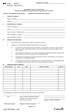 NAME OF GOVERNMENT AUTHORITIES: I. ORIGIN OF ANIMALS II. III. IV. Name of consignor: DESTINATION OF ANIMALS Name of Consignee : VETERINARY HEALTH CERTIFICATE EXPORT OF MAMMALS (except Rodents and Lagomorpha)
Archived Content. Contenu archivé
 ARCHIVED - Archiving Content ARCHIVÉE - Contenu archivé Archived Content Contenu archivé Information identified as archived is provided for reference, research or recordkeeping purposes. It is not subject
General Certificate of Education Advanced Level Examination June 2012
 General Certificate of Education Advanced Level Examination June 2012 French Unit 4 Speaking Test Candidate s Material To be conducted by the teacher examiner between 7 March and 15 May 2012 (FRE4T) To
Sun Management Center Change Manager 1.0.1 Release Notes
 Sun Management Center Change Manager 1.0.1 Release Notes Sun Microsystems, Inc. 4150 Network Circle Santa Clara, CA 95054 U.S.A. Part No: 817 0891 10 May 2003 Copyright 2003 Sun Microsystems, Inc. 4150
Self-test SQL Workshop
 Self-test SQL Workshop Document: e0087test.fm 07/04/2010 ABIS Training & Consulting P.O. Box 220 B-3000 Leuven Belgium TRAINING & CONSULTING INTRODUCTION TO THE SELF-TEST SQL WORKSHOP Instructions The
Introduction au BIM. ESEB 38170 Seyssinet-Pariset Economie de la construction email : [email protected]
 Quel est l objectif? 1 La France n est pas le seul pays impliqué 2 Une démarche obligatoire 3 Une organisation plus efficace 4 Le contexte 5 Risque d erreur INTERVENANTS : - Architecte - Économiste - Contrôleur
Measuring Policing Complexity: A Research Based Agenda
 ARCHIVED - Archiving Content ARCHIVÉE - Contenu archivé Archived Content Contenu archivé Information identified as archived is provided for reference, research or recordkeeping purposes. It is not subject
National Antimicrobial Resistance Monitoring System - Enteric Bacteria. A program to monitor antimicrobial resistance in humans and animals
 National Antimicrobial Resistance Monitoring System - Enteric Bacteria A program to monitor antimicrobial resistance in humans and animals Antimicrobial resistance in foodborne pathogens is an important
International Diversification and Exchange Rates Risk. Summary
 International Diversification and Exchange Rates Risk Y. K. Ip School of Accounting and Finance, University College of Southern Queensland, Toowoomba, Queensland 4350, Australia Summary The benefits arisen
Quick and Sensitive Analysis of Multiclass Veterinary Drug Residues in Meat, Plasma, and Milk on a Q Exactive Focus LC-MS System
 Quick and Sensitive Analysis of Multiclass Veterinary Drug Residues in Meat, Plasma, and Milk on a Q Exactive Focus LC-MS System Olaf Scheibner, Maciej Bromirski, Thermo Fisher Scientific, Bremen, Germany
IP-NBM. Copyright Capgemini 2012. All Rights Reserved
 IP-NBM 1 De bescheidenheid van een schaker 2 Maar wat betekent dat nu 3 De drie elementen richting onsterfelijkheid Genomics Artifical Intelligence (nano)robotics 4 De impact van automatisering en robotisering
Good Practices. Use of Antibiotics
 Good Practices Use of Antibiotics Nico Bondt and Harry Kortstee The increase of antimicrobial resistance is considered to be a major worldwide threat to both human and animal health. Inappropriate and
DHI a.s. Na Vrsich 51490/5, 100 00, Prague 10, Czech Republic ( [email protected], [email protected] )
 NOVATECH Rehabilitation strategies in wastewater networks as combination of operational, property and model information Stratégies de réhabilitation des réseaux d'égouts combinant des données d exploitation,
How do we communicate about risks? Laura Smillie Senior Communications Adviser
 How do we communicate about risks? Laura Smillie Senior Communications Adviser Communication and Risk Perception in the Field of Food Safety Prague, 29 May 2013 Communications Purpose Provide appropriate,
MARAN 2005. Monitoring of Antimicrobial Resistance and Antibiotic Usage in Animals in the Netherlands In 2005
 MARAN 25 Monitoring of Antimicrobial Resistance and Antibiotic Usage in Animals in the Netherlands In 25 MARAN 25 Monitoring of Antimicrobial Resistance And Antibiotic Usage in Animals in the Netherlands
Examen Software Engineering 2010-2011 05/09/2011
 Belangrijk: Schrijf je antwoorden kort en bondig in de daartoe voorziene velden. Elke theorie-vraag staat op 2 punten (totaal op 24). De oefening staan in totaal op 16 punten. Het geheel staat op 40 punten.
Level 2 French, 2014
 91121 911210 2SUPERVISOR S Level 2 French, 2014 91121 Demonstrate understanding of a variety of written and / or visual French text(s) on familiar matters 9.30 am Wednesday 26 November 2014 Credits: Five
Altiris Patch Management Solution for Windows 7.6 from Symantec Third-Party Legal Notices
 Appendix A Altiris Patch Management Solution for Windows 7.6 from Symantec Third-Party Legal Notices This appendix includes the following topics: Third-Party Legal Attributions CabDotNet MICROSOFT PLATFORM
Note concernant votre accord de souscription au service «Trusted Certificate Service» (TCS)
 Note concernant votre accord de souscription au service «Trusted Certificate Service» (TCS) Veuillez vérifier les éléments suivants avant de nous soumettre votre accord : 1. Vous avez bien lu et paraphé
CMMI version 1.3. How agile is CMMI?
 CMMI version 1.3 How agile is CMMI? A small poll Who uses CMMI without Agile? Who uses Agile without CMMI? Who combines both? Who is interested in SCAMPI? 2 Agenda Big Picture of CMMI changes Details for
DIRECTIVE ON ACCOUNTABILITY IN CONTRACT MANAGEMENT FOR PUBLIC BODIES. An Act respecting contracting by public bodies (chapter C-65.1, a.
 DIRECTIVE ON ACCOUNTABILITY IN CONTRACT MANAGEMENT FOR PUBLIC BODIES An Act respecting contracting by public bodies (chapter C-65.1, a. 26) SUBJECT 1. The purpose of this directive is to establish the
Interfaces de programmation pour les composants de la solution LiveCycle ES (juillet 2008)
 Interfaces de programmation pour les composants de la solution LiveCycle ES (juillet 2008) Ce document répertorie les interfaces de programmation que les développeurs peuvent utiliser pour créer des applications
Archived Content. Contenu archivé
 ARCHIVED - Archiving Content ARCHIVÉE - Contenu archivé Archived Content Contenu archivé Information identified as archived is provided for reference, research or recordkeeping purposes. It is not subject
N1 Grid Service Provisioning System 5.0 User s Guide for the Linux Plug-In
 N1 Grid Service Provisioning System 5.0 User s Guide for the Linux Plug-In Sun Microsystems, Inc. 4150 Network Circle Santa Clara, CA 95054 U.S.A. Part No: 819 0735 December 2004 Copyright 2004 Sun Microsystems,
Sun StorEdge A5000 Installation Guide
 Sun StorEdge A5000 Installation Guide for Windows NT Server 4.0 Sun Microsystems, Inc. 901 San Antonio Road Palo Alto, CA 94303-4900 USA 650 960-1300 Fax 650 969-9131 Part No. 805-7273-11 October 1998,
No. prev. doc.: 9392/08 SAN 77 DENLEG 48 VETER 5 Subject: EMPLOYMENT, SOCIAL POLICY, HEALTH AND CONSUMER AFFAIRS COUNCIL MEETING ON 9 AND 10 JUNE 2008
 COUNCIL OF THE EUROPEAN UNION Brussels, 22 May 2008 9637/08 SAN 88 DENLEG 52 VETER 7 NOTE from: Committee of Permanent Representatives (Part 1) to: Council No. prev. doc.: 9392/08 SAN 77 DENLEG 48 VETER
Veritas Storage Foundation 5.0 Software for SPARC
 Veritas Storage Foundation 5.0 Software for SPARC Release Note Supplement Sun Microsystems, Inc. www.sun.com Part No. 819-7074-10 July 2006 Submit comments about this document at: http://www.sun.com/hwdocs/feedback
Auteur. Onderwerp. Datum
 Auteur DLA PIPER Be Aware Employment, Pensions and Benefits www.dlapiper.com Onderwerp Does the employee who uses a company car (even only occasionally) to transport a colleague have to possess a certificate
MD. ALI KHAN. and THE MINISTER OF CITIZENSHIP AND IMMIGRATION REASONS FOR ORDER AND ORDER
 Federal Court Cour fédérale Date: 20101001 Docket: IMM-1196-10 Citation: 2010 FC 983 St. John s, Newfoundland and Labrador, October 1, 2010 PRESENT: The Honourable Madam Justice Heneghan BETWEEN: MD. ALI
Ministère des Affaires Sociales et de la Santé, France
 Ministère des Affaires Sociales et de la Santé, France 1.1 Please indicate the type of organisation on behalf of which you are responding to this consultation: 1. Respondent Profile Public authorities
Faculteit Diergeneeskunde. Prof. dr. G. Opsomer Faculty of Veterinary Medicine Ghent University.
 Faculteit Diergeneeskunde Integrated veterinary herd health management as the basis for sustainable animal production (dairy herd health as an example) Prof. dr. G. Opsomer Faculty of Veterinary Medicine
AP FRENCH LANGUAGE 2008 SCORING GUIDELINES
 AP FRENCH LANGUAGE 2008 SCORING GUIDELINES Part A (Essay): Question 31 9 Demonstrates STRONG CONTROL Excellence Ease of expression marked by a good sense of idiomatic French. Clarity of organization. Accuracy
Another way to look at the Project Une autre manière de regarder le projet. Montpellier 23 juin - 4 juillet 2008 Gourlot J.-P.
 Another way to look at the Project Une autre manière de regarder le projet Montpellier 23 juin - 4 juillet 2008 Gourlot J.-P. Plan of presentation Plan de présentation Introduction Components C, D The
Solaris 10 Documentation README
 Solaris 10 Documentation README Sun Microsystems, Inc. 4150 Network Circle Santa Clara, CA 95054 U.S.A. Part No: 817 0550 10 January 2005 Copyright 2005 Sun Microsystems, Inc. 4150 Network Circle, Santa
HEALTH CARE DIRECTIVES ACT
 A11 HEALTH CARE DIRECTIVES ACT Advances in medical research and treatments have, in many cases, enabled health care professionals to extend lives. Most of these advancements are welcomed, but some people
Archived Content. Contenu archivé
 ARCHIVED - Archiving Content ARCHIVÉE - Contenu archivé Archived Content Contenu archivé Information identified as archived is provided for reference, research or recordkeeping purposes. It is not subject
SUN SEEBEYOND ebam STUDIO RELEASE NOTES. Release 5.1.2
 SUN SEEBEYOND ebam STUDIO RELEASE NOTES Release 5.1.2 Copyright 2006 Sun Microsystems, Inc., 4150 Network Circle, Santa Clara, California 95054, U.S.A. All rights reserved. Sun Microsystems, Inc. has intellectual
Il est repris ci-dessous sans aucune complétude - quelques éléments de cet article, dont il est fait des citations (texte entre guillemets).
 Modélisation déclarative et sémantique, ontologies, assemblage et intégration de modèles, génération de code Declarative and semantic modelling, ontologies, model linking and integration, code generation
Altiris Patch Management Solution for Windows 7.5 SP1 from Symantec Third-Party Legal Notices
 Appendix A Altiris Patch Management Solution for Windows 7.5 SP1 from Symantec Third-Party Legal Notices This appendix includes the following topics: Third-Party Legal Attributions CabDotNet XML-RPC.NET
RÉPONSE DE ÉNERGIE LA LIÈVRE S.E.C. ET D ÉNERGIE BROOKFIELD MARKETING INC. À LA DEMANDE DE RENSEIGNEMENT N o 1 DE LA RÉGIE DE L ÉNERGIE («RÉGIE»)
 RÉGIE DE L ÉNERGIE DOSSIER : R-3625-2007 RÉPONSE DE ÉNERGIE LA LIÈVRE S.E.C. ET D ÉNERGIE BROOKFIELD MARKETING INC. À LA DEMANDE DE RENSEIGNEMENT N o 1 DE LA RÉGIE DE L ÉNERGIE («RÉGIE») Page 2 de 7 Question
Guidance on Extended Producer Responsibility (EPR) Analysis of EPR schemes in the EU and development of guiding principles for their functioning
 (EPR) Analysis of in the EU and development of guiding principles for their functioning In association with: ACR+ SITA LUNCH DEBATE 25 September 2014 Content 1. Objectives and 2. General overview of in
THE MEDIA STRATEGY GAME
 THE MEDIA STRATEGY GAME FOSTERING COMMUNICATION ON MEDIA STRATEGY HARRY VAN VLIET, CHARLOTTE VAN NUS, ROGIER BRUSSEE, JEROEN NOBEL Order in Chaos TYPICAL QUESTIONS WE GET We want to do something with Facebook
Economic overview of the French and world markets for Angora rabbit wool
 ECONOMIC European OVERVIEW Fine Fibre OF Network, THE FRENCH AND WORLD MARKETS Occasional FOR Publication ANGORA RABBIT No. 5 WOOL. (1995) 35 35 Economic overview of the French and world markets for Angora
Join the Bilingual Revolution today! French-English Dual Language Programs. In New York City Public Schools
 Join the Bilingual Revolution today! French-English Dual Language Programs In New York City Public Schools There are more than 22,000 francophone children in NYC and only 3,000 have access to a bilingual
Inclusive Education : An international perspective
 Inclusive Education : An international perspective Dr Cor Meijer, director www.european-agency.org Member countries of the Agency Presently, the Agency has 27 full member countries: Austria, Belgium (French),
Feed prediction and management software for beef feedlots
 TECHNICAL NOTE Feed prediction and management software for beef feedlots N.D. Dyck 1, T.G. Crowe 1 *, J.J. McKinnon 2 and H.R. Ingleby 1 1 Department of Agricultural and Bioresource Engineering, University
BUSINESS PROCESS OPTIMIZATION. OPTIMIZATION DES PROCESSUS D ENTERPRISE Comment d aborder la qualité en améliorant le processus
 BUSINESS PROCESS OPTIMIZATION How to Approach Quality by Improving the Process OPTIMIZATION DES PROCESSUS D ENTERPRISE Comment d aborder la qualité en améliorant le processus Business Diamond / Le losange
CB Test Certificates
 IECEE OD-2037-Ed.1.5 OPERATIONAL & RULING DOCUMENTS CB Test Certificates OD-2037-Ed.1.5 IECEE 2011 - Copyright 2011-09-30 all rights reserved Except for IECEE members and mandated persons, no part of this
Credit Cards: Disentangling the Dual Use of Borrowing and Spending
 Staff Analytical Note/Note analytique du personnel 2015-3 Credit Cards: Disentangling the Dual Use of Borrowing and Spending by Olga Bilyk and Brian Peterson Bank of Canada staff analytical notes are short
Archived Content. Contenu archivé
 ARCHIVED - Archiving Content ARCHIVÉE - Contenu archivé Archived Content Contenu archivé Information identified as archived is provided for reference, research or recordkeeping purposes. It is not subject
ABN AMRO Bank N.V. The Royal Bank of Scotland N.V. ABN AMRO Holding N.V. RBS Holdings N.V. ABN AMRO Bank N.V.
 Op 6 februari 2010 is de naam ABN AMRO Bank N.V. (geregistreerd bij de Kamer van Koophandel onder nummer 33002587) gewijzigd in The Royal Bank of Scotland N.V. Op 1 april 2010 is de naam van ABN AMRO Holding
We are pleased to present you with detailed instructions on processing your visa application with us. Within this information pack you will find:
 Dear Client, We are pleased to present you with detailed instructions on processing your visa application with us. Within this information pack you will find: A list of the required documents for your
FOR TEACHERS ONLY The University of the State of New York
 FOR TEACHERS ONLY The University of the State of New York REGENTS HIGH SCHOOL EXAMINATION F COMPREHENSIVE EXAMINATION IN FRENCH Friday, June 16, 2006 1:15 to 4:15 p.m., only SCORING KEY Updated information
Better Training for Safer Food Initiative
 Better Training for Safer Food Initiative Insects and ABP Christophe Keppens Neil Leach Health and Consumers Why insects in feed? Challenges in animal production Demand side: Exploding demand food of animal
Sun Enterprise Optional Power Sequencer Installation Guide
 Sun Enterprise Optional Power Sequencer Installation Guide For the Sun Enterprise 6500/5500 System Cabinet and the Sun Enterprise 68-inch Expansion Cabinet Sun Microsystems, Inc. 901 San Antonio Road Palo
CO-BRANDING RICHTLIJNEN
 A minimum margin surrounding the logo keeps CO-BRANDING RICHTLIJNEN 22 Last mei revised, 2013 30 April 2013 The preferred version of the co-branding logo is white on a Magenta background. Depending on