
SUMMARY REPORT. Antimicrobials Sold or Distributed for Use in Food-Producing Animals
|
|
|
- Gertrude James
- 9 years ago
- Views:
Transcription
1 2009 SUMMARY REPORT On Antimicrobials Sold or Distributed for Use in Food-Producing Animals Food and Drug Administration Department of Health and Human Services September, 20 This version supersedes the original 2009 summary report published on December 9, 200.

2 TABLE OF CONTENTS I. Background... II. Scope of Reporting... III. Protecting Confidential Information... IV. Use of the Summary Information... V. Description of Tables and Figures... 5 VI. Sales and Distribution Observations... 8 Tables and Figures: Table - Antimicrobial Drug Classes and Active Ingredients Approved for Use in Food- Producing Animals Actively Marketed in Figure a - Antimicrobial Drug Classes Approved for Use in Food-Producing Animals Actively Marketed in 2009 (Domestic Sales) Number of Drug Applications... 2 Figure b - Antimicrobial Drug Classes Approved for Use in Food-Producing Animals Actively Marketed in 2009 (Domestic Sales) Number of Unique Sponsors... Table 2 - Antimicrobial Drugs Approved for Use in Food-Producing Animals Actively Marketed in 2009 Sales and Distribution Data Reported by Drug Class... Figure 2 - Antimicrobial Drugs Approved for Use in Food-Producing Animals Actively Marketed in 2009 Sales and Distribution Data Reported by Drug Class... 5 Table - Antimicrobial Drugs Approved for Use in Food-Producing Animals Actively Marketed in 2009 Domestic Sales and Distribution Data Reported by Medical Importance and Drug Class... 6 Figure - Antimicrobial Drugs Approved for Use in Food-Producing Animals Actively Marketed in 2009 Domestic Sales and Distribution Data Reported by Medical Importance and Drug Class... 7 Table - Antimicrobial Drugs Approved for Use in Food-Producing Animals Actively Marketed in 2009 Domestic Sales and Distribution Data Reported by Medical Importance and Route of Administration... 8 Figure - Antimicrobial Drugs Approved for Use in Food-Producing Animals Actively Marketed in 2009 Domestic Sales and Distribution Data Reported by Medical Importance and Route of Administration... 9 Table 5 - Antimicrobial Drugs Approved for Use in Food-Producing Animals Actively Marketed in 2009 Domestic Sales and Distribution Data Reported by Medical Page

3 Importance and Indications Figure 5 - Antimicrobial Drugs Approved for Use in Food-Producing Animals Actively Marketed in 2009 Domestic Sales and Distribution Data Reported by Medical Importance and Indications... 2 Table 6 - Antimicrobial Drugs Approved for Use in Food-Producing Animals Actively Marketed in 2009 Domestic Sales and Distribution Data Reported by Medical Importance and Dispensing Status Figure 6 - Antimicrobial Drugs Approved for Use in Food-Producing Animals Actively Marketed in 2009 Domestic Sales and Distribution Data Reported by Medical Importance and Dispensing Status... 2 Table 7 - Antimicrobial Drugs Approved for Use in Food-Producing Animals Actively Marketed in 2009 Domestic Sales and Distribution Data Reported by Medical Importance, Route of Adminstration, and Drug Class... 2 Figure 7 - Antimicrobial Drugs Approved for Use in Food-Producing Animals Actively Marketed in 2009 Domestic Sales and Distribution Data Reported by Medical Importance, Route of Adminstration, and Drug Class REFERENCES Page 2

4 I. Background Section 05 of the Animal Drug User Fee Amendments of 2008 (ADUFA) (P.L. 0-6; 22 Stat. 509) amended section 52 of the Federal Food, Drug, and Cosmetic Act ( the Act ) [2 U.S.C. 60b] to require that sponsors of approved and conditionally approved applications for new animal drugs containing an antimicrobial active ingredient submit an annual report to the Food and Drug Administration (FDA) on the amount of each such ingredient in the drug that is sold or distributed for use in food-producing animals, including information on any distributor-labeled product. This legislation was enacted to assist FDA in its continuing analysis of the interactions (including antimicrobial resistance), efficacy, and safety of antimicrobials approved for use in both humans and food-producing animals (see H. Rpt. 0-80). Under section 52(l)() of the Act [2 U.S.C. 60b(l)()], each report submitted to the FDA must specify the amount of each antimicrobial active ingredient () by container size, strength, and dosage form; (2) by quantities distributed domestically and quantities exported; and () by dosage form, including, for each such dosage form, a listing of the target animals, indications, and production classes that are specified on the approved label of the product. Sponsors of antimicrobial drug applications that are approved and labeled for use in more than one food-producing animal species are not required to report sales and distribution information for each individual animal species listed on a product s approved label. Only total product sales information is required. Each year s report provides monthly sales and distribution data for the preceding calendar year and must be submitted to FDA no later than March. These reports are separate from periodic drug experience reports that are required under 2 CFR 5.80(b)(). Under section 52(l)()(E) of the Act [2 U.S.C. 60b(l)()(E)], FDA is directed to make annual summaries of the information reported by animal drug sponsors publicly available by antimicrobial class. II. Scope of Reporting This summary report includes sales and distribution data of antimicrobial drugs that are specifically approved for antibacterial uses or are known to have antibacterial properties. Antifungal and antiviral drugs are not included in this report because, with the exception of formalin and hydrogen peroxide water immersion products, there are currently no approved drug applications actively marketed for these purposes in food-producing animals. Antiprotozoal drugs without antibacterial properties (e.g., amprolium) are also not included. Many antimicrobial animal drugs are approved and labeled for use in multiple species. Under section 52(l)()(B)(iii) of the Act [2 U.S.C. 60b(l)()(B)(iii)], each report submitted to the FDA must specify a listing of the target animals that are specified on the approved label of the product. However, sponsors are not required to provide a breakdown of sales by individual target animal species. They report sales totals reflecting combined data for all species listed on the approved label; therefore, this summary report does not include summaries of sales by individual animal species. Some antimicrobial drug applications include approved products that are labeled for use in both foodproducing animal species (e.g., cattle and swine) and nonfood-producing animal species (e.g., dogs and cats). As noted above, because product sales and distribution information is not provided to FDA broken out by species, this summary report does not include information indicating what proportion of antimicrobial drugs was sold for use in food-producing animals and what proportion was sold for use in nonfood-producing animals. III. Protecting Confidential Information This report is designed to provide useful information to the public while, at the same time, meeting the Page
![60b] to require that sponsors of approved and conditionally approved applications for new animal drugs containing an antimicrobial active ingredient submit an annual report to the Food and Drug](/docs-images/49/17175094/images/page_4.jpg "Administration (FDA) on the amount of each such ingredient in the drug that is sold or distributed for use in food-producing animals, including information on any distributor-labeled product.")
5 requirement of section 52(l)()(E) of the Act [2 U.S.C. 60b(l)()(E)] to report summary data in a manner consistent with protecting both national security and confidential business information. In accordance with statutory requirements designed to protect confidential business information, annual sales and distribution data are summarized by antimicrobial drug class and only those antimicrobial drug classes and other categories with three or more distinct sponsors of approved and actively marketed animal drug products are independently reported. Antimicrobial drug classes with fewer than three distinct sponsors are reported collectively as Not Independently Reported (NIR). The number of distinct sponsors in a particular antimicrobial class or other category is determined by two criteria: () the sponsor must be named in 2 CFR as the holder of an approved application for an animal drug product in that particular class or category on the last day of the annual reporting period, and (2) the sponsor must have actively sold or distributed such animal drug product at some point during that annual reporting period. This same principle is utilized with the representation of any category included in this report. Occasionally instances arise in which two or more individual pieces of summary data, when viewed together, can be utilized to derive other data that would reveal confidential business information (sometimes referred to as the mosaic effect ). FDA believes the broad requirement to protect confidential business information means that we cannot independently report summary data that can be used together with summary data presented elsewhere in the report or data already in the public domain to indirectly derive confidential business information. In these instances, to protect the confidential business information that could be revealed by including such summary data, these categories will be reported collectively as Other (e.g., Table 7). IV. Use of the Summary Information The totals in this summary report represent sales and distribution data for antimicrobial drugs approved for use in food-producing animals. However, in reviewing this report it is important to keep in mind that there are certain inherent limitations on how the data provided in this report may appropriately be interpreted and used. For example, the sales and distribution data submitted by animal drug sponsors and summarized in this report are not indicative of how these antimicrobial drugs were actually used in animals (e.g., in what species and for what indications). With the exception of medicated feeds and certain drugs that are specifically prohibited from extralabel use (listed in FDA s regulations at 2 CFR 50.), veterinarians can legally use approved animal drugs for species and therapeutic indications for which the drugs were not approved. Further, because the majority of antimicrobial drugs used in animal feed are approved for multiple indications, simply knowing that the route of administration for a drug is, for example, by oral means through animal feed cannot, by itself, be used to determine the indication for which the drug was used. As will be further discussed later, some of the antimicrobials included in this summary report are approved for use in both food- and nonfood-producing animals. Many of the applications are approved and labeled for use in multiple species, for multiple indications, and with multiple dosage regimens. In addition, some applications are approved for multiple routes of administration, and as OTC and prescription drugs. Because of all these variations, assumptions cannot be made about actual product use. Readers might want to compare the information in this summary report with information published elsewhere regarding sales and distribution of antimicrobial drugs for use in humans. However, before making comparisons between human and animal drug sales and distribution data, a number of differences in the circumstances in which antimicrobial drugs are used in human and veterinary medicine must be carefully considered, including: The number of humans in the population compared to the much larger number of animals in each of the many animal populations. The differences in physical characteristics of humans compared to various animal species (e.g., Page

6 weight and physiology). Duration and dosage of antibacterial drug administration may also vary by indication and, in general, between the various animal species and humans due to differences in physiology. As noted above, the available animal sales and distribution data are not reported to the FDA by each use indication and, thus, do not allow the FDA to distinguish between or among the different types of uses. The data, therefore, do not allow a direct comparison of the amounts of antimicrobials sold for certain human uses with those sold for certain animal uses. Veterinarians commonly utilize human antimicrobial drugs in their companion animal patients; therefore, amounts presented for certain human antimicrobial drugs may represent some unknown portion sold for use in companion animals. It is, therefore, difficult to draw definitive conclusions from any direct comparisons between the quantity of antimicrobial drugs sold for use in humans and the quantity sold for use in animals. These points should be carefully considered when interpreting or comparing the data presented in this summary report. It is also important to note that animal drug sales data represent a summary of the volume of product sold or distributed through various outlets by the manufacturer intended for sale to the end user, not the volume of product ultimately purchased by the end user for administration to animals. V. Description of Tables and Figures The information presented in the following tables is based on annual sales and distribution data. Please note that the number of marketed products and associated sponsors may vary from year to year; thus, the categories presented in the tables may also vary from year to year to meet the requirements for protecting confidential business information. Any yearly variations in categories presented may make it difficult to directly compare certain tabular data between reported years. Furthermore, FDA occasionally receives updates or corrections to previously submitted 52(l)() data from animal drug sponsors at various times after the March deadline. Therefore, minor variations in tabular data may occur over time depending on when this summary data are generated. Table Actively Marketed Antimicrobial Drugs, Listed by Class Figure a Actively Marketed Antimicrobial Drugs, Reported by Number of Drug Applications Figure b Actively Marketed Antimicrobial Drugs, Reported by Number of Unique Sponsors Table provides a list of all antimicrobial active ingredients approved for use in food-producing animals, broken out by antimicrobial drug classes, that were actively marketed the current reporting year. There are various active ingredients and drug classes that are approved for use in foodproducing animals but for which products have not been marketed in any given year for a variety reasons. (Some have not been marketed for decades.) These non-marketed active ingredients and drug classes are not represented in this table or in the other tables in this summary report. For a listing of all FDA-approved animal drugs, regardless of their marketing status, see Animal Drugs@FDA ( or the in the Green Book, ( Table also identifies those antimicrobial active ingredients and drug classes that are considered to Page 5

7 be medically important" in human medical therapy. The basis of these designations is provided in FDA Guidance for Industry (GFI) #2, which states that all antimicrobial drugs and their associated classes listed in Appendix A of the FDA s GFI #52 are considered medically important. Hyperlinks to these documents can be found at the end of this document. Conversely, for the purposes of this summary report, antimicrobial active ingredients and drug classes not listed in Appendix A of GFI #52 are considered to be not currently medically important in human medical therapy. Some of the active ingredients and drug classes that fall into this category are only used in veterinary medicine, e.g., ionophores, and are not generally associated with antimicrobial resistance issues. Table also identifies those active ingredients that are components of animal drug applications approved for use in both food-producing animals (e.g., cattle and swine) and nonfood-producing animals (e.g., dogs and cats). While FDA generally no longer approves single products for use in both categories of animals, a limited number of such products still remain on the market. The medically important active ingredients associated with applications approved for both food- and nonfood-producing species include ceftiofur, lincomycin, ampicillin, penicillin, sulfamethazine, and oxytetracycline. Please note that product sales volume for these applications is very small compared to product sales volume for other applications with the same active ingredients that are approved for use solely in food-producing animals. The two other data compilations associated with Table, Figures a and b, provide additional summary data for classes of antimicrobial drugs approved for use in food-producing animals that were actively marketed in the current reporting year. Figure a provides the number of approved animal drug applications for products currently being marketed for each antimicrobial drug class listed in Table. The reader should note that some animal drug applications include more than one antimicrobial active ingredient, each of which is normally associated with a different antimicrobial drug class. Because all of the antimicrobial active ingredients included in a multiple-ingredient application are represented in Figure a, such applications will be represented more than once. It should also be noted that the number of animal drug applications represented for an antimicrobial active ingredient does not necessarily correlate with the volume of sales and distribution for those active ingredients. Figure b provides the number of distinct sponsors of the approved animal drug applications for products that are currently marketed for each antimicrobial drug class listed in Table. Observations Current Reporting Year (2009): Actively marketed antimicrobial drug sponsors and applications Table 2 Domestic/Export Sales and Antimicrobial Drug Class Figure 2 Domestic/Export Sales and Antimicrobial Drug Class Table 2 and Figure 2 provide total annual domestic and export sales and distribution data of antimicrobial active ingredients approved for use in food-producing animals, reported by antimicrobial drug class. Observations Current Reporting Year (2009): Actively marketed antimicrobial drugs Page 6

8 Table Domestic Sales: Medical Importance and Antimicrobial Drug Class Figure Domestic Sales: Medical Importance and Antimicrobial Drug Class Table and Figure provide total annual domestic sales and distribution data of antimicrobial drugs approved for use in food-producing animals categorized by: () importance in human medical therapy [see Table discussion on medical importance ]; and (2) antimicrobial drug class. Observations Current Reporting Year (2009): Domestic Sales - Medically important antimicrobial drugs and drug class Observations Current Reporting Year (2009): Domestic Sales - Antimicrobial drugs not currently medically important and drug class Table Domestic Sales: Medical Importance and Route of Administration Figure Domestic Sales: Medical Importance and Route of Administration Table and Figure provide data on the total annual domestic sales and distribution of antimicrobial drugs approved for use in food-producing animals categorized by: () importance in human medical therapy [see Table discussion on medical importance ]; and (2) route of administration. Observations Current Reporting Year (2009): Domestic Sales - Medically important antimicrobial drugs and route of administration Observations Current Reporting Year (2009): Domestic Sales - Antimicrobial drugs not currently medically important and route of administration Table 5 Domestic Sales: Medical Importance and Indications Figure 5 Domestic Sales: Medical Importance and Indications Table 5 and Figure 5 provide total annual domestic sales and distribution data of antimicrobial drugs approved for use in food-producing animals categorized by: () importance in human medical therapy [see Table discussion on medical importance ]; and (2) approved label indications. Indications are either therapeutic (e.g., treatment, prevention, or control of disease) or for production (e.g., increased weight gain or improved feed efficiency). Please note that most products approved for production indications are also approved for therapeutic indications. Observations Current Reporting Year (2009): Domestic Sales - Medically important antimicrobial drugs and indications Observations Current Reporting Year (2009): Domestic Sales - Antimicrobial drugs not currently medically important and indications Table 6 Domestic Sales: Medical Importance and Dispensing Status Figure 6 Domestic Sales: Medical Importance and Dispensing Status Table 6 and Figure 6 provide total annual domestic sales and distribution data of antimicrobial drugs Page 7

9 approved for use in food-producing animals categorized by: () importance in human medical therapy [see Table discussion on medical importance ]; and (2) dispensing status (i.e., prescription, OTC, or VFD). A prescription product requires a valid prescription order from a licensed veterinarian to be dispensed. An OTC product can be dispensed to anyone without an order from a veterinarian. Under 2 CFR 558.(a)(6), a VFD drug is a drug provided through feed that requires a written statement from a veterinarian in the context of a valid veterinarian-client-patient relationship in order to be dispensed. Certain applications are approved with both a prescription and OTC dispensing status (Rx/OTC). Observations Current Reporting Year (2009): Domestic Sales - Medically important antimicrobial drugs and dispensing status Observations Current Reporting Year (2009): Domestic Sales - Antimicrobial drugs not currently medically important and dispensing status Table 7 Domestic Sales: Medical Importance, Route of Administration, and Drug Class Figure 7 Domestic Sales: Medical Importance, Route of Administration, and Drug Class Table 7 and Figure 7 provide total annual domestic sales and distribution data of antimicrobial drugs approved for use in food-producing animals categorized by: () importance in human medical therapy [see Table discussion on medical importance ]; (2) route of administration; and () antimicrobial drug class. In effect, Table 7 and Figure 7 provide another level of stratification (i.e., antimicrobial drug class) than provided in Table and Figure. Given the requirement in section 52(l)() of the Act [2 U.S.C. 60b(l)()] for FDA to protect confidential business information, this additional stratification by antimicrobial drug class necessitates that the number of categories reported out for route of administration is fewer compared to those reported out in Table. Observations Current Reporting Year (2009): Domestic Sales - Medically important antimicrobial drugs by route of administration and drug class Observations Current Reporting Year (2009): Domestic Sales - Antimicrobial drugs not currently medically important by route of administration and drug class VI. Sales and Distribution Observations In 2009, there were 25 sponsors of 57 approved new animal drug applications for antimicrobials actively marketed for use in food-producing animals (Table, Figure a, and Figure b). In 2009, sales and distribution (domestic and export) of antimicrobials approved for use in foodproducing animals was approximately 2.8 million kilograms. Domestic sales and distribution of antimicrobials approved for use in food-producing animals were approximately 2.6 million kilograms (approximately 98%), and export sales were approximately thousand kilograms (approximately 2%) (Table 2 and Figure 2). Tetracyclines accounted for 2% and ionophores for 0% of domestic sales. Tetracyclines accounted for 0%, sulfonamides for 7%, and penicillins for less than % of export sales. Because of confidentiality constraints, export sales and Page 8

10 distribution data for antimicrobials approved for use in food-producing animals cannot be further reported. A. Domestic sales and distribution of antimicrobials not currently medically important In 2009, domestic sales and distribution of antimicrobials that are not currently medically important (NCMI) accounted for 9% of the domestic sales of all antimicrobials approved for use in food-producing animals; 76% of these were ionophores. Because of confidentiality constraints, sales and distribution data for other drug classes of NCMI antimicrobials approved for use in food-producing animals cannot be further reported (Table and Figure ). In 2009, domestic sales and distribution of NCMI antimicrobials approved for use in foodproducing animals administered in feed accounted for 99% of the domestic sales of all NCMI antimicrobials for use in food-producing animals, while products by intramammary or by water administration accounted for less than % (Table and Figure ). Because of confidentiality constraints, FDA cannot provide sales and distribution data for products labeled solely for production indications; therefore, products labeled for either production indications only or for both production and therapeutic indications are combined into a single category. In 2009, domestic sales and distribution of NCMI antimicrobials that are approved for use in food-producing animals and are labeled solely for production indications or for both production and therapeutic indications accounted for 7% of the domestic sales of all NCMI antimicrobials approved for use in food-producing animals. In 2009, domestic sales and distribution of NCMI antimicrobials that are approved for use in food-producing animals and are labeled solely for therapeutic indications accounted for 27% of the domestic sales of all NCMI antimicrobials approved for use in food-producing animals (Table 5 and Figure 5). In 2009, domestic sales and distribution of NCMI antimicrobials that are approved for use in food-producing animals labeled with an OTC dispensing status accounted for 9% of the domestic sales of all antimicrobials for use in food-producing animals (00% of NCMI antimicrobials that are approved for use in food-producing animals). There are no NCMI antimicrobials that are approved for use in food-producing animals labeled with an Rx or VFD dispensing status (Table 6 and Figure 6). Because of confidentiality constraints, sales and distribution data for NCMI antimicrobials approved for use in food-producing animals cannot be broken out by route of administration and drug class (Table 7 and Figure 7). B. Domestic sales and distribution of medically important antimicrobials In 2009, domestic sales and distribution of medically important antimicrobials accounted for 6% of the domestic sales of all antimicrobials approved for use in food-producing animals. Of these sales, tetracyclines accounted for 68%, penicillins for 9%, macrolides for 7%, sulfonamides for 7%, aminoglycosides for %, lincosamides for %, and cephalosporins for less than %. Because of confidentiality constraints, sales and distribution data for other drug classes of medically important antimicrobials approved for use in food-producing animals cannot be further reported (Table and Figure ). Because of confidentiality constraints, FDA cannot provide sales and distribution data separately for products administered orally and topically; therefore, products approved for oral or topical means of administration have been combined into a single category. In 2009, domestic sales and Page 9

11 distribution of medically important antimicrobials approved for use in food-producing animals administered in feed accounted for 7% of the domestic sales of all medically important antimicrobials for use in food-producing animals, products administered by water for 9%, by means of injection for 5%, oral or topical administration for 2%, and intramammary administration for less than % (Table and Figure ). Because of confidentiality constraints, FDA cannot provide sales and distribution data for products labeled solely for production indications; therefore, products labeled for either production indications only or for both production and therapeutic indications are combined into a single category. In 2009, domestic sales and distribution of medically important antimicrobials that are approved for use in food-producing animals and are labeled solely for production indications or for both production and therapeutic indications accounted for 72% of the domestic sales of all medically important antimicrobials approved for use in food-producing animals. In 2009, domestic sales and distribution of medically important antimicrobials that are approved for use in food-producing animals and are labeled solely for therapeutic indications accounted for 28% of the domestic sales of all medically important antimicrobials approved for use in foodproducing animals (Table 5 and Figure 5). Because of confidentiality constraints, FDA cannot provide sales and distribution data for products labeled with VFD dispensing status; therefore, products labeled with either a VFD dispensing status or Rx dispensing status are combined into a single category. We can provide sales and distribution data for products approved with an OTC dispensing status. In 2009, domestic sales and distribution of medically important antimicrobials approved for use in foodproducing animals labeled with solely an OTC dispensing status accounted for 98% of the domestic sales of all medically important antimicrobials for use in food-producing animals (Table 6 and Figure 6). In 2009, tetracyclines administered by feed accounted for 60% of domestic sales and distribution of medically important antimicrobials approved for use in food-producing animals, sulfas for less than %, and all other medically important antimicrobials for %. In 2009, tetracyclines administered by water accounted for 7% of domestic sales and distribution of medically important antimicrobials approved for use in food-producing animals, penicillins for 6%, sulfas for %, aminoglycosides for 2%, lincosamides for less than %, and all other medically important antimicrobials for less than %. In 2009, sulfonamides administered by all other routes of administration accounted for 2% of domestic sales and distribution of medically important antimicrobials approved for use in food-producing animals, tetracyclines for %, cephalosporins for less than %, and all other drugs for % (Table 7 and Figure 7). Page 0

12 TABLE ANTIMICROBIAL DRUG CLASSES AND ACTIVE INGREDIENTS APPROVED FOR USE IN FOOD-PRODUCING ANIMALS ACTIVELY MARKETED IN 2009 Aminocoumarins (NCMI) Novobiocin Aminoglycosides (MI) 2 Dihydrostreptomycin Gentamicin Neomycin Spectinomycin Streptomycin Amphenicols (MI) 2 Florfenicol Cephalosporins (MI) 2 Ceftiofur Cephapirin Diaminopyrimidines (MI) 2 Ormetoprim Fluoroquinolones (MI) 2 Danofloxacin Enrofloxacin Glycolipids (NCMI) Bambermycins Ionophores (NCMI) Laidlomycin Lasalocid Monensin Narasin Salinomycin Semduramicin Lincosamides (MI) 2 Lincomycin Pirlimycin Macrolides (MI) 2 Erythromycin Tilmicosin Tulathromycin Tylosin Penicillins (MI) 2 Amoxicillin Ampicillin Cloxacillin Penicillin Pleuromutilins (NCMI) Tiamulin Polymyxins (MI) 2 Polymyxin B Polypeptides (NCMI) Bacitracin Quinoxalines (NCMI) Carbadox Streptogramins (MI) 2 Virginiamycin Sulfonamides (Sulfas) (MI) 2 Sulfachlorpyridazine Sulfadimethoxine Sulfamerazine Sulfamethazine Sulfaquinoxaline Tetracyclines (MI) 2 Chlortetracycline Oxytetracycline Tetracycline Includes antimicrobial drug applications which are approved and labeled for use in both food-producing animals (e.g., cattle and swine) and 2 Guidance for Industry #2 states that all antimicrobial drugs and their associated classes listed in Appendix A of FDA s Guidance for Industry #52 are considered medically important in human medical therapy. NCMI = Not Currently Medically Important. Refers to any antimicrobial class not currently listed in Appendix A of FDA s Guidance for Industry #52. Page

13 FIGURE a ANTIMICROBIAL DRUG CLASSES APPROVED FOR USE IN FOOD-PRODUCING ANIMALS ACTIVELY MARKETED IN 2009 (DOMESTIC SALES) NUMBER OF DRUG APPLICATIONS 2 Number of Drug Applications Antimicrobial Drug Class Aminocoumarins Aminoglycosides Amphenicols Cephalosporins Diaminopyrimidines Fluoroquinolones Glycolipids Ionophores Lincosamides Macrolides Penicillins Pleuromutilins Polymyxins Polypeptides Quinoxalines Streptogramins Sulfas Tetracyclines Includes antimicrobial drug applications which are approved and labeled for use in both food-producing animals (e.g., cattle and swine) and 2 Some drug applications contain multiple active ingredients; therefore, drug applications containing more than one antimicrobial active ingredient may be represented more than once. Page 2

14 FIGURE b ANTIMICROBIAL DRUG CLASSES APPROVED FOR USE IN FOOD-PRODUCING ANIMALS ACTIVELY MARKETED IN 2009 (DOMESTIC SALES) NUMBER OF UNIQUE SPONSORS Number of Unique Sponsors Antimicrobial Drug Class Aminocoumarins Aminoglycosides Amphenicols Cephalosporins Diaminopyrimidines Fluoroquinolones Glycolipids Ionophores Lincosamides Macrolides Penicillins Pleuromutilins Polymyxins Polypeptides Quinoxalines Streptogramins Sulfas Tetracyclines Includes antimicrobial drug applications which are approved and labeled for use in both food-producing animals (e.g., cattle and swine) and Page

15 TABLE 2 ANTIMICROBIAL DRUGS APPROVED FOR USE IN FOOD-PRODUCING ANIMALS ACTIVELY MARKETED IN 2009 SALES AND DISTRIBUTION DATA REPORTED BY DRUG CLASS Drug Class Annual Totals (kg) 2 % Subtotal % Grand Total Domestic Aminoglycosides 22,7 2% 2% Domestic Cephalosporins 20,5 <% <% Domestic Ionophores,79,52 0% 29% Domestic Lincosamides 9,0 <% <% Domestic Macrolides 562,062 % % Domestic Penicillins 69,6 5% 5% Domestic Sulfas 505,880 % % Domestic Tetracyclines 5,260,995 2% % Domestic NIR,,90,92 2% 2% Domestic Subtotal 2,587,57 00% 98% Export Penicillins 28 <% <% Export Sulfas,70 7% <% Export Tetracyclines 20,602 0% <% Export NIRE,5 68,57 8% % Export Subtotal 202,556 00% 2% Grand Total 2,790,0 00% Includes antimicrobial drug applications which are approved and labeled for use in both food-producing animals (e.g., cattle and swine) and 2 kg = kilogram of active ingredient. Antimicrobials which were reported in International Units (IU) (e.g., Penicillins) were converted to kg. Antimicrobial class includes drugs of different molecular weights, with some drugs reported in different salt forms. Only includes exports of FDA-approved, US-labeled antimicrobial drugs approved for use in food-producing animals. NIR = Not Independently Reported. Antimicrobial classes for which there were fewer than three distinct sponsors actively marketing products domestically are not independently reported. These classes include the following: Aminocoumarins, Amphenicols, Diaminopyrimidines, Fluoroquinolones, Glycolipids, Pleuromutilins, Polymyxins, Polypeptides, Quinoxalines, and Streptogramins. 5 NIRE = Not Independently Reported Export. Antimicrobial classes for which there were fewer than three distinct sponsors exporting products are not independently reported. These classes include the following: Aminocoumarins, Aminoglycosides, Amphenicols, Cephalosporins, Ionophores, Lincosamides, Macrolides, Polymyxins, and Polypeptides. Page

16 FIGURE 2 ANTIMICROBIAL DRUGS APPROVED FOR USE IN FOOD-PRODUCING ANIMALS ACTIVELY MARKETED IN 2009 SALES AND DISTRIBUTION DATA REPORTED BY DRUG CLASS 6,000,000 5,000,000 Annual Totals (kg) 2,000,000,000,000 2,000,000,000,000 0 Aminoglycosides Cephalosporins Ionophores Lincosamides Macrolides Penicillins Sulfas Tetracyclines, NIR Penicillins Sulfas Tetracyclines,5 NIRE Domestic Export Domestic/Export and Drug Class Includes antimicrobial drug applications which are approved and labeled for use in both food-producing animals (e.g., cattle and swine) and 2 kg = kilogram of active ingredient. Antimicrobials which were reported in International Units (IU) (e.g., Penicillins) were converted to kg. Antimicrobial class includes drugs of different molecular weights, with some drugs reported in different salt forms. Only includes exports of FDA-approved, US-labeled antimicrobial drugs approved for use in food-producing animals. NIR = Not Independently Reported. Antimicrobial classes for which there were fewer than three distinct sponsors actively marketing products domestically are not independently reported. These classes include the following: Aminocoumarins, Amphenicols, Diaminopyrimidines, Fluoroquinolones, Glycolipids, Pleuromutilins, Polymyxins, Polypeptides, Quinoxalines, and Streptogramins. 5 NIRE = Not Independently Reported Export. Antimicrobial classes for which there were fewer than three distinct sponsors exporting products are not independently reported. These classes include the following: Aminocoumarins, Aminoglycosides, Amphenicols, Cephalosporins, Ionophores, Lincosamides, Macrolides, Polymyxins, and Polypeptides. Page 5

17 TABLE ANTIMICROBIAL DRUGS APPROVED FOR USE IN FOOD-PRODUCING ANIMALS ACTIVELY MARKETED IN 2009 DOMESTIC SALES AND DISTRIBUTION DATA REPORTED BY MEDICAL IMPORTANCE AND DRUG CLASS Drug Class Annual Totals (kg) 2 % Subtotal % Grand Total Medically Important Aminoglycosides 22,7 % 2% Medically Important Cephalosporins 20,5 <% <% Medically Important Lincosamides 9,0 % <% Medically Important Macrolides 562,062 7% % Medically Important Penicillins 69,6 9% 5% Medically Important Sulfas 505,880 7% % Medically Important Tetracyclines 5,260,995 68% 2% Medically Important NIR,5 29,9 % % Medically Important Subtotal 7,686,56 00% 6% Not Currently Medically Important Ionophores,79,52 76% 0% Not Currently Medically Important NIR 6,6,5 2% 9% Not Currently Medically Important Subtotal,900,89 00% 9% Grand Total 2,587,57 00% Includes some antimicrobial drug applications which are approved and labeled for use in both food-producing animals (e.g., cattle and swine) and 2 kg = kilogram of active ingredient. Antimicrobials which were reported in International Units (IU) (e.g., Penicillins) were converted to kg. Antimicrobial class includes drugs of different molecular weights, with some drugs reported in different salt forms. Guidance for Industry #2 states that all antimicrobial drugs and their associated classes listed in Appendix A of FDA s Guidance for Industry #52 are considered medically important in human medical therapy. Not Currently Medically Important refers to any antimicrobial class not currently listed in Appendix A of FDA s Guidance for Industry #52. 5 NIR = Not Independently Reported. Antimicrobial classes for which there were fewer than three distinct sponsors actively marketing products domestically are not independently reported. These classes include the following: Amphenicols, Diaminopyrimidines, Fluoroquinolones, Polymyxins, and Streptogramins. 6 NIR = Not Independently Reported. Antimicrobial classes for which there were fewer than three distinct sponsors are not independently reported. These classes include the following: Aminocoumarins, Glycolipids, Pleuromutilins, Polypeptides, and Quinoxalines. Page 6

18 FIGURE ANTIMICROBIAL DRUGS APPROVED FOR USE IN FOOD-PRODUCING ANIMALS ACTIVELY MARKETED IN 2009 DOMESTIC SALES AND DISTRIBUTION DATA REPORTED BY MEDICAL IMPORTANCE AND DRUG CLASS 6,000,000 Annual Totals (kg) 2 5,000,000,000,000,000,000 2,000,000,000,000 0 Aminoglycosides Cephalosporins Lincosamides Macrolides Penicillins Sulfas Tetracyclines,5 NIR Ionophores 6 NIR Medically Important Not Currently Medically Important Medical Importance and Drug Class Includes antimicrobial drug applications which are approved and labeled for use in both food-producing animals (e.g., cattle and swine) and 2 kg = kilogram of active ingredient. Antimicrobials which were reported in International Units (IU) (e.g., Penicillins) were converted to kg. Antimicrobial class includes drugs of different molecular weights, with some drugs reported in different salt forms. Guidance for Industry #2 states that all antimicrobial drugs and their associated classes listed in Appendix A of FDA s Guidance for Industry #52 are considered medically important in human medical therapy. Not Currently Medically Important refers to any antimicrobial class not currently listed in Appendix A of FDA s Guidance for Industry #52. 5 NIR = Not Independently Reported. Antimicrobial classes for which there were fewer than three distinct sponsors actively marketing products domestically are not independently reported. These classes include the following: Amphenicols, Diaminopyrimidines, Fluoroquinolones, Polymyxins, and Streptogramins. 6 NIR = Not Independently Reported. Antimicrobial classes for which there were fewer than three distinct sponsors are not independently reported. These classes include the following: Aminocoumarins, Glycolipids, Pleuromutilins, Polypeptides, and Quinoxalines. Page 7

19 TABLE ANTIMICROBIAL DRUGS APPROVED FOR USE IN FOOD-PRODUCING ANIMALS ACTIVELY MARKETED IN 2009 DOMESTIC SALES AND DISTRIBUTION DATA REPORTED BY MEDICAL IMPORTANCE AND ROUTE OF ADMINISTRATION Route Annual Totals (kg) 2 % Subtotal % Grand Total Medically Important Feed 5,687,08 7% 5% Medically Important Injection 88,58 5% % Medically Important Intramammary 2,09 <% <% Medically Important Oral,5 or Topical 20,506 2% <% Medically Important Water 6,67,08 9% 2% Medically Important Subtotal 7,686,56 00% 6% Not Currently Medically Important Feed,869,82 99% 9% Not Currently Medically Important Intramammary or Water 6,068 <% <% Not Currently Medically Important Subtotal,900,89 00% 9% Grand Total 2,587,57 00% Includes antimicrobial drug applications which are approved and labeled for use in both food-producing animals (e.g., cattle and swine) and 2 kg = kilogram of active ingredient. Antimicrobials which were reported in International Units (IU) (e.g., Penicillins) were converted to kg. Antimicrobial class includes drugs of different molecular weights, with some drugs reported in different salt forms. Guidance for Industry #2 states that all antimicrobial drugs and their associated classes listed in Appendix A of FDA s Guidance for Industry #52 are considered medically important in human medical therapy. Not Currently Medically Important refers to any antimicrobial class not currently listed in Appendix A of FDA s Guidance for Industry #52. 5 Orally administered, excluding administration by means of feed and water. 6 Water includes when the drug is administered either through drinking water, as a drench, or through the immersion of fish. Page 8

20 FIGURE ANTIMICROBIAL DRUGS APPROVED FOR USE IN FOOD-PRODUCING ANIMALS ACTIVELY MARKETED IN 2009 DOMESTIC SALES AND DISTRIBUTION DATA REPORTED BY MEDICAL IMPORTANCE AND ROUTE OF ADMINISTRATION 6,000,000 Annual Totals (kg) 2 5,000,000,000,000,000,000 2,000,000,000,000 0,5 Feed Injection Intramammary Oral or Topical Medically Important Medical Importance and Route of Administration 6 Water Feed Intramammary 6 or Water Not Currently Medically Important Includes antimicrobial drug applications which are approved and labeled for use in both food-producing animals (e.g., cattle and swine) and 2 kg = kilogram of active ingredient. Antimicrobials which were reported in International Units (IU) (e.g., Penicillins) were converted to kg. Antimicrobial class includes drugs of different molecular weights, with some drugs reported in different salt forms. Guidance for Industry #2 states that all antimicrobial drugs and their associated classes listed in Appendix A of FDA s Guidance for Industry #52 are considered medically important in human medical therapy. Not Currently Medically Important refers to any antimicrobial class not currently listed in Appendix A of FDA s Guidance for Industry #52. 5 Orally administered, excluding administration by means of feed and water. 6 Water includes when the drug is administered either through drinking water, as a drench, or through the immersion of fish. Page 9

21 TABLE 5 ANTIMICROBIAL DRUGS APPROVED FOR USE IN FOOD-PRODUCING ANIMALS ACTIVELY MARKETED IN 2009 DOMESTIC SALES AND DISTRIBUTION DATA REPORTED BY MEDICAL IMPORTANCE AND INDICATION Indications Annual Totals (kg) 2 % Subtotal % Grand Total Medically Important Medically Important Production 5 or Production/Therapeutic 6 5,56,029 72% % Indications,7 Therapeutic Indications Only,6 2,2,56 28% 7% Medically Important Subtotal 7,686,56 00% 6% Not Currently Medically Important Not Currently Medically Important Not Currently Medically Important Production 5 or Production/Therapeutic 6,562,50 7% 28% Indications 7 Therapeutic Indications Only 6,8,9 27% % Subtotal,900,89 00% 9% Grand Total 2,587,57 00% Includes antimicrobial drug applications which are approved and labeled for use in both food-producing animals (e.g., cattle and swine) and 2 kg = kilogram of active ingredient. Antimicrobials which were reported in International Units (IU) (e.g., Penicillins) were converted to kg Antimicrobial class includes drugs of different molecular weights, with some drugs reported in different salt forms. Guidance for Industry #2 states that all antimicrobial drugs and their associated classes listed in Appendix A of FDA s Guidance for Industry #52 are considered medically important in human medical therapy. Not Currently Medically Important refers to any antimicrobial class not currently listed in Appendix A of FDA s Guidance for Industry #52. Production Indications (e.g., increased rate of weight gain or improved feed efficiency). Guidance for Industry #2 states that FDA believes that production use indications such as increased rate of weight gain or improved feed efficiency are no longer appropriate for the approved conditions of use for medically important antimicrobial drugs. It also states that FDA will be working with affected drug sponsors who wish to voluntarily withdraw approved production uses of their medically important antimicrobial new animal drugs and combination new animal drug products. Therapeutic Indications (e.g., treatment, control, or prevention of a specific disease). There were fewer than three distinct sponsors marketing antimicrobial animal drugs with only production indications (i.e., with no therapeutic indications). To protect confidential business information these data cannot be independently reported and are, therefore, combined with the data for drugs with both production and therapeutic (production/therapeutic) indications. Page 20
22 FIGURE 5 ANTIMICROBIAL DRUGS APPROVED FOR USE IN FOOD-PRODUCING ANIMALS ACTIVELY MARKETED IN 2009 DOMESTIC SALES AND DISTRIBUTION DATA REPORTED BY MEDICAL IMPORTANCE AND INDICATIONS 6,000,000 5,000,000 Annual Totals (kg) 2,000,000,000,000 2,000,000,000, Production or Therapeutic Indications Production/Therapeutic Only,6 Indications 5 Production or Production/Therapeutic Indications Therapeutic Indications Only 6 6 6,7 7 Medically Important Not Currently Medically Important Medical Importance and Indications Includes antimicrobial drug applications which are approved and labeled for use in both food-producing animals (e.g., cattle and swine) and 2 kg = kilogram of active ingredient. Antimicrobials which were reported in International Units (IU) (e.g., Penicillins) were converted to kg Antimicrobial class includes drugs of different molecular weights, with some drugs reported in different salt forms. Guidance for Industry #2 states that all antimicrobial drugs and their associated classes listed in Appendix A of FDA s Guidance for Industry #52 are considered medically important in human medical therapy. Not Currently Medically Important refers to any antimicrobial class not currently listed in Appendix A of FDA s Guidance for Industry #52. Production Indications (e.g., increased rate of weight gain or improved feed efficiency). Guidance for Industry #2 states that FDA believes that production use indications such as increased rate of weight gain or improved feed efficiency are no longer appropriate for the approved conditions of use for medically important antimicrobial drugs. It also states that FDA will be working with affected drug sponsors who wish to voluntarily withdraw approved production uses of their medically important antimicrobial new animal drugs and combination new animal drug products. Therapeutic Indications (e.g., treatment, control, or prevention of a specific disease). There were fewer than three distinct sponsors marketing antimicrobial animal drugs with only production indications (i.e., with no therapeutic indications). To protect confidential business information these data cannot be independently reported and are, therefore, combined with the data for drugs with both production and therapeutic (production/therapeutic) indications. Page 2
23 TABLE 6 ANTIMICROBIAL DRUGS APPROVED FOR USE IN FOOD-PRODUCING ANIMALS ACTIVELY MARKETED IN 2009 DOMESTIC SALES AND DISTRIBUTION DATA REPORTED BY MEDICAL IMPORTANCE AND DISPENSING STATUS Dispensing Status Annual Totals (kg) 2 % Subtotal % Grand Total Medically Important OTC,5 7,506,6 98% 60% Medically Important RX 6 /OTC,5,7,7 <% <% Medically Important RX 6 or VFD,8,9 5,80 2% % Medically Important Subtotal 7,686,56 00% 6% Not Currently Medically Important OTC 5,900,89 9% Grand Total 2,587,57 00% Includes antimicrobial drug applications which are approved and labeled for use in both food-producing animals (e.g., cattle and swine) and 2 kg = kilogram of active ingredient. Antimicrobials which were reported in International Units (IU) (e.g., Penicillins) were converted to kg Antimicrobial class includes drugs of different molecular weights, with some drugs reported in different salt forms. Guidance for Industry #2 states that all antimicrobial drugs and their associated classes listed in Appendix A of FDA s Guidance for Industry #52 are considered medically important in human medical therapy. Not Currently Medically Important refers to any antimicrobial class not currently listed in Appendix A of FDA s Guidance for Industry #52. OTC = Over-The-Counter. Approved animal drugs that are available without a prescription or veterinary feed directive. Rx = Prescription. Approved animal drugs that require a prescription from a licensed veterinarian. Animal drugs that were approved with both a prescription and OTC dispensing status (RX/OTC), with the approved drug being marketed with either a prescription label or an OTC label, depending upon the species and indication on the label. VFD = Veterinary Feed Directive. Approved animal drugs that are intended for use in or on animal feed and must be used under the professional supervision of a licensed veterinarian. The Rx or VFD category includes four VFD products marketed by only two distinct sponsors; therefore, VFD products cannot be independently reported. Page 22
24 FIGURE 6 ANTIMICROBIAL DRUGS APPROVED FOR USE IN FOOD-PRODUCING ANIMALS ACTIVELY MARKETED IN 2009 DOMESTIC SALES AND DISTRIBUTION DATA REPORTED BY MEDICAL IMPORTANCE AND DISPENSING STATUS 8,000,000 Annual Totals (kg) 2 7,000,000 6,000,000 5,000,000,000,000,000,000 2,000,000,000,000 0,5 6,5,7 6,8,9 5 OTC RX /OTC RX or VFD OTC Medically Important Not Currently Medically Important Medical Importance and Dispensing Status Includes antimicrobial drug applications which are approved and labeled for use in both food-producing animals (e.g., cattle and swine) and 2 kg = kilogram of active ingredient. Antimicrobials which were reported in International Units (IU) (e.g., Penicillins) were converted to kg Antimicrobial class includes drugs of different molecular weights, with some drugs reported in different salt forms. Guidance for Industry #2 states that all antimicrobial drugs and their associated classes listed in Appendix A of FDA s Guidance for Industry #52 are considered medically important in human medical therapy. Not Currently Medically Important refers to any antimicrobial class not currently listed in Appendix A of FDA s Guidance for Industry #52. OTC = Over-The-Counter. Approved animal drugs that are available without a prescription or veterinary feed directive. Rx = Prescription. Approved animal drugs that require a prescription from a licensed veterinarian. Animal drugs that were approved with both a prescription and OTC dispensing status (RX/OTC), with the approved drug being marketed with either a prescription label or an OTC label, depending upon the species and indication on the label. VFD = Veterinary Feed Directive. Approved animal drugs that are intended for use in or on animal feed and must be used under the professional supervision of a licensed veterinarian. The Rx or VFD category includes four VFD products marketed by only two distinct sponsors; therefore, VFD products cannot be independently reported. Page 2
25 TABLE 7 ANTIMICROBIAL DRUGS APPROVED FOR USE IN FOOD-PRODUCING ANIMALS ACTIVELY MARKETED IN 2009 DOMESTIC SALES AND DISTRIBUTION DATA REPORTED BY MEDICAL IMPORTANCE, ROUTE OF ADMINSTRATION, AND DRUG CLASS Route Drug Class Annual % Total (kg) 2 Subtotal % Grand Total Medically Important Feed Sulfas,658 % <% Medically Important Feed Tetracyclines,59,7 60% 7% Medically Important Feed Other Drugs 7 978,7 % 8% Medically Important Water Aminoglycosides 0,652 2% % Medically Important Water Lincosamides 25,0 <% <% Medically Important Water Penicillins 8,66 6% % Medically Important Water Sulfas 265,87 % 2% Medically Important Water Tetracyclines 57,08 7% 5% Medically Important Water Other Drugs 8 2,96 <% <% Medically Important Other Routes Cephalosporins 20,5 <% <% Medically Important Other Routes 5 Sulfas 26,9 2% % Medically Important Other Routes Tetracyclines 9,87 % <% Medically Important Other Routes Other Drugs,9 29,065 % 2% Medically Important Subtotal 7,686,56 00% 6% Not Currently Medically Important All Routes 6 All Drugs 0,900,89 9% Grand Total 2,587,57 00% Includes antimicrobial drug applications which are approved and labeled for use in both food-producing animals (e.g., cattle and swine) and 2 kg = kilogram of active ingredient. Antimicrobials which were reported in International Units (IU) (e.g., Penicillins) were converted to kg. Antimicrobial class includes drugs of different molecular weights, with some drugs reported in different salt forms. Guidance for Industry #2 states that all antimicrobial drugs and their associated classes listed in Appendix A of FDA s Guidance for Industry #52 are considered medically important in human medical therapy. Not Currently Medically Important refers to any antimicrobial class not currently listed in Appendix A of FDA s Guidance for Industry #52. 5 This category includes the following: Injection, Intramammary, Topical, and Oral (excluding administration by means of feed or water). 6 This category includes the following: Feed, Intramammary, and Water. 7 This category includes the following: Aminoglycosides, Amphenicols, Diaminopyrimidines, Lincosamides, Macrolides, Penicillins, and Streptogramins. 8 This category includes the following: Amphenicols and Macrolides. 9 This category includes the following: Aminoglycosides, Amphenicols, Fluoroquinolones, Lincosamides, Macrolides, Penicillins, and Polymyxins. 0 This category includes the following: Aminocoumarins, Glycolipids, Ionophores, Pleuromutilins, Polypeptides, and Quinoxalines. Page 2
26 FIGURE 7 ANTIMICROBIAL DRUGS APPROVED FOR USE IN FOOD-PRODUCING ANIMALS ACTIVELY MARKETED IN 2009 DOMESTIC SALES AND DISTRIBUTION DATA REPORTED BY MEDICAL IMPORTANCE, ROUTE OF ADMINSTRATION, AND DRUG CLASS 6,000,000 Annual Totals (kg) 2 5,000,000,000,000,000,000 2,000,000,000,000 0 Sulfas Tetracyclines Other Drugs Aminoglycosides Lincosamides Penicillins Sulfas Tetracyclines Other Drugs Cephalosporins Sulfas Tetracyclines Feed Water Other Routes Medically Important 7 8 5,9 Other Drugs 0 All Drugs All 6 Routes NCMI Medical Importance, Route of Administration, and Drug Class Includes antimicrobial drug applications which are approved and labeled for use in both food-producing animals (e.g., cattle and swine) and 2 kg = kilogram of active ingredient. Antimicrobials which were reported in International Units (IU) (e.g., Penicillins) were converted to kg. Antimicrobial class includes drugs of different molecular weights, with some drugs reported in different salt forms. Guidance for Industry #2 states that all antimicrobial drugs and their associated classes listed in Appendix A of FDA s Guidance for Industry #52 are considered medically important in human medical therapy. NCMI = Not Currently Medically Important. Refers to any antimicrobial class not currently listed in Appendix A of FDA s Guidance for Industry #52. 5 This category includes the following: Injection, Intramammary, Topical, and Oral (excluding administration by means of feed or water). 6 This category includes the following: Feed, Intramammary, and Water. 7 This category includes the following: Aminoglycosides, Amphenicols, Diaminopyrimidines, Lincosamides, Macrolides, Penicillins, and Streptogramins. 8 This category includes the following: Amphenicols and Macrolides. 9 This category includes the following: Aminoglycosides, Amphenicols, Fluoroquinolones, Lincosamides, Macrolides, Penicillins, and Polymyxins. 0 This category includes the following: Aminocoumarins, Glycolipids, Ionophores, Pleuromutilins, Polypeptides, and Quinoxalines. Page 25
27 REFERENCES FDA Webpage on Antimicrobial Resistance o FDA/CVM Webpage on Antimicrobial Resistance o FDA/CVM Webpage on the National Antimicrobial Resistance Monitoring System (NARMS) o microbialresistancemonitoringsystem/default.htm FDA/CVM Webpage on Judicious Use of Antimicrobials o ofantimicrobials/default.htm FDA/CDER Webpage on Antimicrobial Resistance o FDA Guidance for Industry #52 o Evaluating the Safety of Antimicrobial New Animal Drugs with Regard to Their Microbiological Effects on Bacteria of Human Health Concern o nceforindustry/ucm05259.pdf FDA Guidance for Industry #209 o The Judicious Use of Medically Important Antimicrobial Drugs in Food-Producing Animals o nceforindustry/ucm2696.pdf FDA Guidance for Industry #2 o New Animal Drugs and New Animal Drug Combination Products Administered in or on Medicated Feed or Drinking Water of Food-Producing Animals: Recommendations for Drug Sponsors for Voluntarily Aligning Product Use Conditions with GFI #209 o nceforindustry/ucm29962.pdf Page 26
OIE LIST OF ANTIMICROBIAL AGENTS OF VETERINARY IMPORTANCE
 Criteria used for categorisation List of antimicrobial agents OIE LIST OF OF VETERINARY IMPORTANCE The OIE 1 International Committee unanimously adopted the List of Antimicrobial Agents of Veterinary Importance
European Surveillance of Veterinary Antimicrobial Consumption (ESVAC):
 4 Focus Veterinary medicines European Surveillance of Veterinary Antimicrobial Consumption (ESVAC): Establishment of the project and key outputs Authors Kari Grave, ESVAC National Expert; David Mackay,
Date: November 30, 2010
 Department of Health and Human Services Public Health Service Food and Drug Administration Center for Drug Evaluation and Research Date: November 30, 2010 To: Through: From: Subject: Drug Name(s): Application
The statements made herein are our own and do not necessarily reflect the views of the Johns Hopkins University.
 Johns Hopkins Center for a Livable Future 615 North Wolfe Street, W7010 Baltimore, MD 21205 January 4, 2013 Division of Dockets Management (HFA-305) Food and Drug Administration 5630 Fishers Lane, rm.
Drug Use Review. Edward Cox, M.D. Director Office of Antimicrobial Products
 Department of Health and Human Services Public Health Service Food and Drug Administration Center for Drug Evaluation and Research Drug Use Review Date: April 5, 2012 To: Through: Edward Cox, M.D. Director
McDonald s Global Vision for Antimicrobial Stewardship in Food Animals* I
 McDonald s Global Vision for Antimicrobial Stewardship in Food Animals* I Preserving antimicrobial effectiveness in the future through ethical practices today As the body of scientific evidence grows,
DRUG USE GUIDE: GOATS. Lionel J. Dawson. BVSc, MS, Diplomate ACT. College of Veterinary Medicine Oklahoma State University Stillwater, Oklahoma, 74078
 DRUG USE GUIDE: GOATS Lionel J. Dawson BVSc, MS, Diplomate ACT College of Veterinary Medicine Oklahoma State University Stillwater, Oklahoma, 74078 Introduction Live animals are considered unprocessed
European Surveillance of Veterinary Antimicrobial Consumption (ESVAC) Web Based Sales Data and Animal Population Data Collection Protocol (version 1)
 18 June 2015 EMA/210691/2015 Veterinary Medicines Division European Surveillance of Veterinary Antimicrobial Consumption (ESVAC) Web Based Sales Data and Animal Population Data Collection Protocol (version
Milk and Dairy Beef Drug Residue Prevention
 Milk and Dairy Beef Drug Residue Prevention Producer Manual of Best Management Practices 2015 GREATER MILK PRODUCTION EFFICIENCY 1 * HAS A WAY OF ENERGIZING A DAIRY FARM. Rumensin gives your cows a boost
ANTIMICROBIALS IN AGRICULTURE AND THE ENVIRONMENT: REDUCING UNNECESSARY USE AND WASTE
 ANTIMICROBIALS IN AGRICULTURE AND THE ENVIRONMENT: REDUCING UNNECESSARY USE AND WASTE THE REVIEW ON ANTIMICROBIAL RESISTANCE CHAIRED BY JIM O NEILL DECEMBER 2015 4 CONTENTS EXECUTIVE SUMMARY.... 1 INTRODUCTION...4
Veterinary Compounding
 Veterinary Compounding Veterinarians occasionally use compounded preparations to meet a specific patient s medical need. The purpose of this brochure, created jointly by the Animal Health Institute (AHI),
Dechra Veterinary Products Limited (A business unit of Dechra Pharmaceuticals PLC) Sansaw Business Park Hadnall, Shrewsbury Shropshire SY4 4AS
 Dechra Veterinary Products Limited (A business unit of Dechra Pharmaceuticals PLC) Sansaw Business Park Hadnall, Shrewsbury Shropshire SY4 4AS Tel: 01939 211200 Fax: 01939 211201 Email: [email protected]
What is the Current Best Method for Multiclass, Multiresidue Analysis of Veterinary Drug Residues in Animal Tissues?
 What is the Current Best Method for Multiclass, Multiresidue Analysis of Veterinary Drug Residues in Animal Tissues? Steven J. Lehotay, Alan R. Lightfield, Lucía Geis Asteggiante, and Marilyn J. Schneider
Trends in veterinary antibiotic use in the Netherlands 2004-2012
 Trends in veterinary antibiotic use in the Netherlands 2004-2012 Updated report based on preliminary data of the first half year of 2012 Report to be published on the MARAN website www.maran.wur.nl: 9
Comprehensive Reviews in Food Science and Food Safety
 Comprehensive Reviews in Food Science and Food Safety Antimicrobial Resistance: Implications for the Food System An Expert Report, Funded by the IFT Foundation ABSTRACT: The safety of food worldwide remains
Principles of Good Practice for Advertising and Promotion of Animal Health Products. A Voluntary Guideline Developed by the Animal Health Institute
 Principles of Good Practice for Advertising and Promotion of Animal Health Products A Voluntary Guideline Developed by the Animal Health Institute The Animal Health Institute is the U.S. trade association
Minnesota Board of Pharmacy. Guidance on the Compounding of Veterinary Products Approved: March 4, 2015
 EXECUTIVE SUMMARY Minnesota Board of Pharmacy Guidance on the Compounding of Veterinary Products Approved: March 4, 2015 Board staff has held several meetings with representatives of the Minnesota Veterinary
Guidance for Industry
 Guidance for Industry Applications Covered by Section 505(b)(2) DRAFT GUIDANCE This guidance document is being distributed for comment purposes only. Comments and suggestions regarding this draft document
Guidance for Industry Time and Extent Applications for Nonprescription Drug Products
 Guidance for Industry Time and Extent Applications for Nonprescription Drug Products U.S. Department of Health and Human Services Food and Drug Administration Center for Drug Evaluation and Research (CDER)
MESSA Saver Rx PRESCRIPTION DRUG RIDER BOOKLET. Good Health. Good Business. Great Schools.
 MESSA Saver Rx PRESCRIPTION DRUG RIDER BOOKLET Good Health. Good Business. Great Schools. MESSA Saver Rx Prescription Drug Program The MESSA Saver Rx Prescription Drug Program is made available by a Group
PRINCIPLES OF VETERINARY MEDICAL ETHICS OF THE AMERICAN VETERINARY MEDICAL ASSOCIATION (AVMA)
 PRINCIPLES OF VETERINARY MEDICAL ETHICS OF THE AMERICAN VETERINARY MEDICAL ASSOCIATION (AVMA) (Bold print states the Principles, standard print explains or clarifies the Principle to which it applies)
AQUATIC ANIMAL MEDICINE RECORD BOOK
 AQUATIC ANIMAL MEDICINE RECORD BOOK FISH HEALTH INSPECTORATE www.efishbusiness.co.uk It is a legal requirement for you to retain these records for at least five years following the administration or other
February 2006 Procedural
 Guidance for Industry Reports on the Status of Postmarketing Study Commitments Implementation of Section 130 of the Food and Drug Administration Modernization Act of 1997 U.S. Department of Health and
CMT - Copan Milk Test
 - Copan Milk Test for the detection of Antibiotics & Sulphonamides in milk and milk products - Copan Milk Test Copan Milk Test () Description and principle of the test is available as a single test which
A Determination of Veterinary Drug Residues in Milk Using Polymeric SPE and UHPLC-MS/MS Analysis
 A Determination of Veterinary Drug Residues in Milk Using Polymeric SPE and UHPLC-MS/MS Analysis UCT Part Numbers: ECHLD126-P EnviroClean HLDVB, 200 mg/6ml SPE cartridge, PE Frit SLDA100ID21-18UM Selectra
General Legal Requirements A guide for pharmacists in Northern Ireland 2010 Edition. Medicines for Veterinary Use
 General Legal Requirements A guide for pharmacists in Northern Ireland 2010 Edition 5 Medicines for Veterinary Use 5 MEDICINES FOR VETERINARY USE The Veterinary Medicines Regulations SI No. 2297 came into
The Dutch Model (of controlling antibiotic use in animals)
 The Dutch Model (of controlling antibiotic use in animals) "Farmers and veterinarians together to tackle antimicrobial resistances Rens van Dobbenburgh Brussels, 23.10 2015 Federation of Veterinarians
skin and soft tissue infections (skinfold pyoderma, impetigo, folliculitis, furunculosis, cellulitis) caused by susceptible strains of organisms.
 Part II SUMMARY OF PRODUCT CHARACTERISTICS 1. NAME OF THE VETERINARY MEDICINAL PRODUCT MARBOCYL P 5 mg tablet 2. QUALITATIVE AND QUANTITATIVE COMPOSITION Active Ingredient Marbofloxacin 5mg per tablet
Guidance for Industry
 Guidance for Industry Toll-Free Number Labeling and Related Requirements for Over-the-Counter and Prescription Drugs Marketed With Approved Applications Small Entity Compliance Guide U.S. Department of
Youth Pork Quality Assurance Plus Handbook
 Youth Pork Quality Assurance Plus Handbook pork.org (800) 456-7675 Youth Handbook - 2 - Introduction Introduction Lesson Objectives Understand each segment s role in the food supply. Identify biological,
The National Antimicrobial Resistance Monitoring System (NARMS)
 The National Antimicrobial Resistance Monitoring System (NARMS) Strategic Plan 2012-2016 Table of Contents Background... 2 Mission... 3 Overview of Accomplishments, 1996-2011... 4 Strategic Goals and Objectives...
REGULATION. on the advertising of medicinal products. SECTION I Definitions, scope and general provisions.
 REGULATION on the advertising of medicinal products. SECTION I Definitions, scope and general provisions. Article 1 Definitions. For the purposes of this Regulation, the following terms are used as defined
Adjuvants and Excipients
 Adjuvants and Excipients The Food Safety and Inspection Service (FSIS) transferred the official responsibility to evaluate adjuvants and excipients used in Veterinary Biologics back to the Animal and Plant
GAO NEW DRUG DEVELOPMENT. Science, Business, Regulatory, and Intellectual Property Issues Cited as Hampering Drug Development Efforts
 GAO United States Government Accountability Office Report to Congressional Requesters November 2006 NEW DRUG DEVELOPMENT Science, Business, Regulatory, and Intellectual Property Issues Cited as Hampering
Guidance for Industry
 Guidance for Industry Providing Regulatory Submissions in Electronic Format Drug Establishment Registration and Drug Listing U.S. Department of Health and Human Services Food and Drug Administration Office
PRINCIPLES OF PHARMACOLOGY. MEDICAL ASSISTANT S ROLE History: Drug Legislation & Regulation. Education: indication, instructions, side effects
 PRINCIPLES OF PHARMACOLOGY Medical Assistants At the heart of health care MEDICAL ASSISTANT S ROLE History: prescription over the counter (OTC) alcohol (ETOH), recreational, smoking, herbal remedies Education:
Role of the Investigational Drug Services (IDS) in the Management of Investigational Drugs
 Role of the Investigational Drug Services (IDS) in the Management of Investigational Drugs Charlesworth Rae, BS, PharmD, JD Investigational Drug Pharmacist July 2012 1 Outline of Presentation I. Introduction
Interplay Between FDA Advertising and Promotion Enforcement Activities, Product Liability, and Consumer Fraud Litigation
 Interplay Between FDA Advertising and Promotion Enforcement Activities, Product Liability, and Consumer Fraud Litigation Leslie M. Tector Quarles & Brady LLP September 30, 2014 Objectives Which federal
Understanding Alberta s Drug Schedules
 Understanding Alberta s Drug Schedules Preface In May 2002, the provincial drug schedules to the Pharmaceutical Profession Act were amended. In April 2007, the Alberta Regulation 66/2007 to the Pharmacy
Multicriteria-based Ranking Model for Risk Management of Animal Drug Residues in Milk and Milk Products
 Contributors Multicriteriabased Ranking Model for Risk Management of Animal Drug Residues in Milk and Milk Products Food and Drug Administration U.S. Department of Health and Human Services APRIL 2015
The Dutch Model (of controlling antibiotic use in animals)
 The Dutch Model (of controlling antibiotic use in animals) Rens van Dobbenburgh UCD Dublin Ireland December 16, 2014 Federation of Veterinarians of Europe The NL, a small big country? www.fve.org Globally
FDA Fast Track and Priority Review Programs
 Order Code RS22814 February 21, 2008 FDA Fast Track and Priority Review Programs Summary Susan Thaul Specialist in Drug Safety and Effectiveness Domestic Social Policy Division By statutory requirements
2014 Annual Report on Inspections of Establishments
 2014 Annual Report on Inspections of Establishments Table of Contents Introduction... 2 Data Collection and Definitions... 3 Section 510(h)(6)(A)(i) Number of Domestic and Foreign Establishments Registered
TRANSATLANTIC TRADE AND INVESTMENT PARTNERSHIP
 DISCLAIMER: The EU reserves the right to make subsequent modifications to this text and to complement its proposals at a later stage, by modifying, supplementing or withdrawing all, or any part, at any
TEN MYTHS OF MASTITIS THERAPY. Ron Erskine College of Veterinary Medicine Michigan State University E. Lansing, Michigan
 TEN MYTHS OF MASTITIS THERAPY Ron Erskine College of Veterinary Medicine Michigan State University E. Lansing, Michigan 1. Once a Staph aureus cow, always a Staph aureus cow. Although a difficult therapeutic
DRAFT GUIDANCE. This guidance document is being distributed for comment purposes only.
 Providing Regulatory Submissions in Electronic and Non-Electronic Format Promotional Labeling and Advertising Materials for Human Prescription Drugs Guidance for Industry DRAFT GUIDANCE This guidance document
The Value of OTC Medicine to the United States. January 2012
 The Value of OTC Medicine to the United States January 2012 Table of Contents 3 Executive Summary 5 Study Methodology 7 Study Findings 10 Sources 2 Executive Summary For millions of Americans, over-the-counter
CODE OF PRACTICE TO MINIMIZE AND CONTAIN ANTIMICROBIAL RESISTANCE CAC/RCP 61-2005
 CAC/RCP 61-2005 Page 1 of 15 CODE OF PRACTICE TO MINIMIZE AND CONTAIN ANTIMICROBIAL RESISTANCE CAC/RCP 61-2005 INTRODUCTION... 2 AIMS AND OBJECTIVES... 2 RESPONSIBILITIES OF THE REGULATORY AUTHORITIES...
ANALYSIS AS REPORTED FROM COMMITTEE
 PHARMACY TECHNICIAN LICENSURE S.B. 92 (S-5): ANALYSIS AS REPORTED FROM COMMITTEE Senate Bill 92 (Substitute S-5 as reported by the Committee of the Whole) (as passed by the Senate) Sponsor: Senator Mike
Guidance for Industry
 Guidance for Industry Submitting Debarment Certification Statements DRAFT GUIDANCE This guidance document is being distributed for comment purposes only. Comments and suggestions regarding this draft document
Pharmaceutical development is an expensive, time
 Exclusivity Strategies in the United States and European Union by Carolyne Hathaway, John Manthei and Cassie Scherer Pharmaceutical development is an expensive, time consuming and uncertain process that
Drug Use Survey and Evaluation of Quality Assurance Training for Meat Goat Producers
 Drug Use Survey and Evaluation of Quality Assurance Training for Meat Goat Producers Kevin L. Anderson, DVM, PhD a Cavell Brownie, PhD b Jean-Marie Luginbuhl, PhD c Martha Mobley, MS d a Department of
GUIDANCE ON THE USE OF CASCADE
 VETERINARY MEDICINES GUIDANCE NOTE No 13 GUIDANCE ON THE USE OF CASCADE Last updated July 2013 www.vmd.defra.gov.uk QUICK START GUIDE This Veterinary Medicines Guidance Note (VMGN) is aimed primarily at
Guidance for Industry
 Guidance for Industry IND Exemptions for Studies of Lawfully Marketed Drug or Biological Products for the Treatment of Cancer U.S. Department of Health and Human Services Food and Drug Administration Center
Investigational Drugs: Investigational Drugs and Biologics
 : I. PURPOSE The purpose of this policy is to establish procedures for the proper control, storage, use and handling of investigational drugs and biologics to ensure that adequate safeguards are in place
Licensed Pharmacy Technician Scope of Practice
 Licensed Scope of Practice Adapted from: Request for Regulation of s Approved by Council April 24, 2015 Definitions In this policy: Act means The Pharmacy and Pharmacy Disciplines Act means an unregulated
Frequently Asked Questions
 Guidelines for Testing and Treatment of Gonorrhea in Ontario, 2013 Frequently Asked Questions Table of Contents Background... 1 Treatment Recommendations... 2 Treatment of Contacts... 4 Administration
REGULATION (EEC) No 2309/93
 REGULATION (EEC) No 2309/93 Council Regulation (EEC) No 2309/93 of 22 July 1993 laying down Community procedures for the authorization and supervision of medicinal products for human and veterinary use
Formulary Management
 Formulary Management Formulary management is an integrated patient care process which enables physicians, pharmacists and other health care professionals to work together to promote clinically sound, cost-effective
U.S. Department of Health and Human Services Food and Drug Administration Center for Drug Evaluation and Research (CDER) September 2009 OTC
 Guidance for Industry Labeling of Nonprescription Human Drug Products Marketed Without an Approved Application as Required by the Dietary Supplement and Nonprescription Drug Consumer Protection Act: Questions
CMD(v)/GUI/014. GUIDANCE for The Processing of Generic Applications Through MRP / DCP
 EMEA/CMDv/262452/2008 GUIDANCE Edition number : 00 Edition date: 19 June 2008 Implementation date : 04 July 2008 CMD(v) Secretariat: 7 Westferry Circus, Canary Wharf, London, E14 4HB, UK Tel. (44-20) 74
Antibiotic-Associated Diarrhea, Clostridium difficile- Associated Diarrhea and Colitis
 Antibiotic-Associated Diarrhea, Clostridium difficile- Associated Diarrhea and Colitis ANTIBIOTIC-ASSOCIATED DIARRHEA Disturbance of the normal colonic microflora Leading to alterations in bacterial degradation
How to Measure and Give Medicine
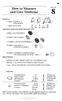 59 How to Measure and Give Medicine CHAPTER 8 SYMBOLS: = means: is equal to or is the same as + means: and or plus HOW FRACTIONS ARE SOMETIMES WRITTEN: 1 + 1 = 2 One plus one equals two. 1 tablet = one
Cosmetics Regulation in the United States and the European Union:
 Cosmetics Regulation in the United States and the European Union: Different Pathways to the Same Result By Richard Kingham and Lucas E. Beirne Introduction It is sometimes suggested that cosmetic products
PHARMACY TECHNICIAN LICENSURE S.B. 92: ANALYSIS AS ENACTED
 PHARMACY TECHNICIAN LICENSURE S.B. 92: ANALYSIS AS ENACTED Senate Bill 92 (as enacted) PUBLIC ACT 285 of 2014 Sponsor: Senator Mike Green Senate Committee: Regulatory Reform House Committee: Health Policy
2016 PQRS OPTIONS FOR INDIVIDUAL MEASURES: REGISTRY ONLY
 Measure #65 (NQF 0069): Appropriate Treatment for Children with Upper Respiratory Infection (URI) National Quality Strategy Domain: Efficiency and Cost Reduction 2016 PQRS OPTIONS FOR INDIVIDUAL MEASURES:
Minimum Performance and Service Criteria for Medicare Part D
 Minimum Performance and Service Criteria for Medicare Part D 1. Terms and Conditions. In addition to the other terms and conditions of the Pharmacy Participation Agreement ( Agreement ), the following
Dosing information in renal impairment
 No. Drug name Usual dose Adjustment for Renal failure estimated CrCl (ml/min) Aminoglycoside antibiotics 1 Amikacin 2 Gentamicin 7.5 mg /kg q 12 hr > 50-90 7.5 mg/kg q 12 hr 10-50 7.5 mg/kg q 24 hr < 10
The 505(b)(2) Drug Development Pathway:
 The 505(b)(2) Drug Development Pathway: When and How to Take Advantage of a Unique American Regulatory Pathway By Mukesh Kumar, PhD, RAC and Hemant Jethwani, MS The 505(b)(2) regulation offers a less expensive
Michael D. Bullek BSP Rph. Commissioner, New Hampshire Board of Pharmacy
 Michael D. Bullek BSP Rph. Commissioner, New Hampshire Board of Pharmacy Legislative changes PDMP program changes 503B outsourcing facilities Rules changes Ph800 review Ph300 Ph400 Ph700 Current issues
LEGISLATURE OF THE STATE OF IDAHO Sixty-third Legislature First Regular Session - 2015 IN THE HOUSE OF REPRESENTATIVES HOUSE BILL NO.
 LEGISLATURE OF THE STATE OF IDAHO Sixty-third Legislature First Regular Session - IN THE HOUSE OF REPRESENTATIVES HOUSE BILL NO. BY HEALTH AND WELFARE COMMITTEE 0 AN ACT RELATING TO PHARMACIES; AMENDING
Guidance for Industry
 Guidance for Industry Product Name Placement, Size, and Prominence in Advertising and Promotional Labeling DRAFT GUIDANCE This guidance document is being distributed for comment purposes only. Comments
DRAFT GUIDANCE. This guidance document is being distributed for comment purposes only.
 Guidance for Industry Format and Content of Proposed Risk Evaluation and Mitigation Strategies (REMS), REMS Assessments, and Proposed REMS Modifications DRAFT GUIDANCE This guidance document is being distributed
Guidance Medication Guides Distribution Requirements and Inclusion in Risk Evaluation and Mitigation Strategies (REMS)
 Guidance s Distribution Requirements and Inclusion in Risk Evaluation and Mitigation Strategies (REMS) U.S. Department of Health and Human Services Food and Drug Administration Center for Drug Evaluation
PHARMACY BENEFIT DESIGN CONSIDERATIONS
 PHARMACY BENEFIT DESIGN CONSIDERATIONS Is your pharmacy benefit designed for your employees or the big drug companies? The pharmacy (or prescription) benefit is one of the most sought after benefits by
SENATE BILL 1204 AN ACT
 PLEASE NOTE: In most BUT NOT ALL instances, the page and line numbering of bills on this web site correspond to the page and line numbering of the official printed version of the bills. Senate Engrossed
Copa-Cogeca s views on Critically Important Antibiotics Miguel Angel Higuera (ASAJA, ES)
 AHW(14)1987:1 Copa-Cogeca s views on Critically Important Antibiotics Miguel Angel Higuera (ASAJA, ES) Vice-Chair of the Copa-Cogeca Working Party on Animal Health and Welfare London 28 th February 2014
Content of Labeling/Product Data Elements SPL Technical Errors Training ebook
 Content of Labeling/Product Data Elements SPL Technical s Training ebook Interpretations & s for Technical s in Content of Labeling/Product Data Elements SPL Documents Submitted to FDA Version 1.0 Purpose:
Pharmacy Technician Syllabus 14152
 Pharmacy Technician Syllabus 14152 Dianne Rider 43745 180 th Street Hazel, SD 57242 Instructor Home Phone (605) 628-2103 Cell Phone (605) 881-3973 Email: [email protected] Course Description Aim:
Laws and Rules Governing. of Veterinary Medicine
 Laws and Rules Governing Dispensing i Prescription Drugs During the Practice of Veterinary Medicine Edwin A. Bayó Grossman, Furlow, and Bayó, LLC 1408 N. Piedmont Way Tallahassee, FL. 32308 (850) 385-1314
STANDARDS AND GUIDELINES TITLE: CIRCULATION DATE: March June 2013 REVISED: June 2013 APPROVAL DATE: July 29, 2013
 College of Homeopaths of Ontario 163 Queen Street East, 4 th Floor, Toronto, Ontario, M5A 1S1 TEL 416-862-4780 OR 1-844-862-4780 FAX 416-874-4077 www.collegeofhomeopaths.on.ca STANDARDS AND GUIDELINES
1083.4 SUPPLY CHAIN INTEGRITY AND SECURITY
 BRIEFING 1083.4 Supply Chain Integrity and Security. A new series of general informational chapters describing various aspects of the pharmaceutical supply chain replaces Good Distribution Practices Supply
BAPTIST HEALTH MEDICATION EXAMINATION INFORMATION SHEET
 BAPTIST HEALTH MEDICATION EXAMINATION INFORMATION SHEET Before you begin employment in the role of RN or LPN, you are required to take a Medication Administration Exam. The exam may be administered at
Mississippi Livestock Quality Assurance Program for Youth Producers
 Mississippi Livestock Quality Assurance Program for Youth Producers Livestock quality assurance programs are producer-driven and involve all sectors of the industry, from producers to consumers. These
DSCSA Implementation: Annual Reporting by Prescription Drug Wholesale Distributors and Third-Party Logistics Providers
 DSCSA Implementation: Annual Reporting by Prescription Drug Wholesale Distributors and Third-Party Logistics Providers Guidance for Industry DRAFT GUIDANCE This guidance document is being distributed for
PHARMACEUTICAL MANAGEMENT PROCEDURES
 PHARMACEUTICAL MANAGEMENT PROCEDURES THE FORMULARY The purpose of Coventry Health Care s formulary is to encourage use of the most cost-effective drugs. The formulary is necessary because the cost of prescription
Medicines use in UK aquaculture. David Verner - Jeffreys Cefas Weymouth Laboratory
 Medicines use in UK aquaculture David Verner - Jeffreys Cefas Weymouth Laboratory Veterinary Medicine : Definition Medicinal purpose : treating or preventing disease diagnosing disease contraception anaesthesia