
National Workshop for Building National Capacities for Water Scarcity and Drought Management
|
|
|
- Kathryn Barrett
- 10 years ago
- Views:
Transcription
1 Royaume du Maroc United Nations Department of Social and Economic Affairs in partnership with the Government of Morocco National Workshop for Building National Capacities for Water Scarcity and Drought Management Rabat, Morocco October 2014 Workshop Report

2 Background The Department of Economic and Social Affairs of the United-Nations (UN-DESA), in partnership with the Economic and Social Commission for West-Asia (ESCWA), and with the effective support of several UN departements, implemented in 5 pilot countries of the MENA region (Morocco, Tunisia, Jordan, Palestine and Yemen) a project aiming at building national capacities for drought and water scarcity management. This project is coordinated in Morocco by the Ministry of Agriculture and Maritime Fisheries (MAPM) and in the last 6 months, two meetings were organized in its framework: The first meeting took place on April 16 th during the UN Project Coordinator s visit to Morocco and represents the official launching of the project. It gathered representatives of all the institutions involved in drought management at national but also local levels and saw the participation of UN agencies representatives in Morocco. The second meeting took place on July 16 th. It was restricted to representatives of the main institutions and ministerial departments involved in drought management. It was the occasion for the national consultant to inform these stakeholders of the outcomes of the TOT workshop held in Zaragoza from May 5-10, The objectives and tentative agenda of a forthcoming national workshop, to be organized in the fall, were also discussed during this second meeting. Thus, the present report describes the objectives, program and outcomes of the first national workshop that were organized in partnership between the Government of Morocco and the UN-DESA, in Rabat, during October 21-22, The workshop lasted two days: A day of presentations and discussions at the Farah Golden Tulip Hotel A day of field visits I. Workshop Objectives The general objective of the current workshop is to bring together all national stakeholders to discuss the strengths and weaknesses of drought management in the country. The emphasis was made on the necessity to invite participants from local administrations and representatives of farmers to gather the perceptions of people that are really affected by drought and especially how it impacts their livelihood and what they think from the actions undertaken by the government. Therefore, the specific objectives are to: 1. Understand drought, its impacts, and areas of vulnerability in Morocco 2. Assess the current drought management activities and critical gaps in Morocco 3. Present examples of international best practices in drought management 4. Strengthen coordination and information-sharing among stakeholders 5. Discuss the involvement of all stakeholders in planning for drought management activities and mitigation plans 6. Present the project workplan and next steps

3 II. Workshop Program The detailed agenda of the workshop is presented in Annex I. The morning of the first day of the meeting (October 21 st ) was devoted to presentations from the main institutions and ministerial departments, as well as testimonies from farmers. The presentations and testimonies were organized around three sessions (i) Opening and Project Overview (ii) Sectorial Strategies: Water and Agriculture, (iii) National and International Experiences, and include: Project overview and work plan by the project coordinator Management and mitigation of hydrological drought in Morocco, by the Division of Water Resources Planning and Management (Ministry of Water) Agricultural drought management in Morocco, current situation and challenges (Ministry of Agriculture) An assessment of drought management gaps in Morocco by the IAV team An overview of the study implemented by the Ministry of Water in order to develop drought management plans at the river basin scale. The conception of a parametric drought insurance system, developed by the Ministry of Agriculture, the National Center for Agricultural Research and the National Direction of Meteorology. The use of remote sensing to manage natural hazards, by the Royal Centre for Remote Sensing The fight against forest fires: a successful example of multi-institutional coordination, by the High Commissariat for Forests, Water and Fight Against Desertification. International best practices: the examples of the NDMC drought management planning in 10 steps and the MEDROPLAN guidelines by the IAV team (scheduled but not presented due to a lack of time). Stakeholder s involvement and international best practices, outcomes of the other pilot countries workshops by the project general consultant. Project next steps by the coordinator of the project Testimonies of representatives of farmers associations: herders from the Northeastern part of the country (Oriental), rainfed farmers practicing the direct sowing (no till), water user associations (irrigated perimeter of Doukakla). During the afternoon of the first day, discussions were oriented towards coordination, information sharing between institutions and stakeholder involvement issues.

4 During the second day of the workshop, participants were taken to the region of Chaouia- Ouardigha, an important cereal growing area that faces recurrent drought periods and increasing water scarcity. III. Stakeholders Participation Drought is a trans-sectorial phenomenon that has environmental, economic and social impacts. All of them must be taken into account in planning and responding to drought conditions. Therefore, the variety of stakeholders involved in the drought management process is broad and they all must be included in order to share their experiences, learn from each other and express their point of view regarding coordination issues and the appointment of a drought task force. As shown in Table 1, nearly 30 key ministerial departments, universities and research institutes, local representations of UN organizations, farmers associations, bank and insurance companies and the media were invited to the workshop. The attendance list is presented in Annex II. 35 participants attended the workshop on Day 1 and 13 of these participants attended the field tour on Day 2. Several people from the hosting institutions (River Basin Agency Bouregreg-Chaouia, Waste Water Treatment Station and Dryland Farming Center of the National Institute for Agricultural Research) joined the field tour (Annex III). Table 1: List of the institutions, ministerial departments and stakeholders invited to the National workshop and their attendance Invited Institution / Organisation Attendance I. Ministry of Agriculture and Maritime Fisheries (MAPM) : Direction of Irrigation and territorial planning Financial Direction (FD) Direction des filières de Production (DDFP) Direction of Strategy and Statistics (DSS) Regional Direction of Agriculture (DRA) (Agriculture/ livestock Pastures) Regional Offices for Agricultural Development (ORMVAs)

5 Agency for Agricultural Development (ADA) II. State Secretary in charge of Water and Environment (SEEE): Department of Water: Direction of Research and Water Planning (DRPE) River Basin Agencies (ABH) Department of Environment: National Direction of Meteorology (DMN) National Office for Drinking Water and Electricity (ONEE) III. Royal Center for Remote-Sensing (CRTS) IV. High Commissariat for Water, Forests and Fight Against Desertification (HCEFLCD) V. Haut-Commissariat au Plan (HCP) VI. Ministry of Interior / Direction of Rural affairs VI. Research and Education: Institut Agronomique et Vétérinaire Hassan II (IAV Hassan II) Institut National de la Recherche Agronomique (INRA) Ecole nationale D agriculture de Meknès VIII. United-Nations Representatives FAO UNECA PNUD Association Nationale des Améliorations Foncières, de l Irrigation, du Drainage et de l Environnement (ANAFIDE) Confédération Marocaine de l Agriculture et du Développement Rural (COMADER) Association d éleveurs d ovins de l Oriental Water User Associations Insured Farmers Mutuelle Agricole Marocaine d Assurances (MAMDA) Crédit Agricole Maroc (CAM) Media IV. Workshop Presentations Morning Session The workshop was opened by the national coordinator of the Project, Mr Belghiti Mohamed. He first addressed his thanks to UN-DESA for launching a study with such a relevant theme. He emphasized the need to share the several visions and understanding of drought and to contribute to establishing the main steps of drought management. He also insisted on the expected valuable participation of all the attendees in order to highlight the gaps and try together to suggest a drought management plan.

6 From his side, Mr. Sami Areikat, the project coordinator, gave an overview of the project objectives and welcomed the ideas given by the national coordinator. He added the necessity to implement a national capacity building in this framework. He also insisted on the involvement necessity of all the decision-makers in gathering their effort and knowledge to build a successful national drought management plan. The first presentation was given by Mr. Belghiti. It covered the characterization and the monitoring of agricultural drought in Morocco as well as the implemented mitigation and adaptation strategies. The main elements emerging from his intervention are: The need to mitigate drought both in rainfall and irrigated areas. The main actions taken by the government and more specifically by the Ministry of Agriculture. The strategic place of water resources management under the plan Plan Maroc Vert. The following presentation was given by the representative of Water Ministry and focused on the management and mitigation of Hydrological Drought in Morocco.

7 The key following points were highlighted as response to recent drought episodes: The implementation of vigilance committees during drought periods The priority setting (Drinking Water First) The monitoring changes in dam reservoirs. The third presentation was by Dr. Ouiam Lahlou, from Agronomy and Veterinary Hassan II Institute. She analyzed the Moroccan GAP in terms of drought management and highlighted the lack of cooperation between institutions. She insisted on developing an early warning system for drought and a vulnerability assessment. She then recommended the implementation of an inter-ministerial platform to monitor drought and to establish and follow up with a national drought management plan. She illustrated her presentation with the NDO (National Drought Observatory) and attributed its failure to those elements of gap. From CRTS (Royal Center for Remote Sensing), Mr Bijaber presented on remote sensing as a tool for drought monitoring. He described the outcomes of this technology and the valuable information it brings to set up drought indicators. A second presentation was delivered by the Ministry of Water, which focused on the use of SPI as a drought indicator and the implementation of a pilot plan, based on this indicator in the Oum Er-Rbiâ river basin. Dr. Riad Balaghi, from INRA, presented a successful multi-institutional project (CGMS- Maroc) based on the use meteorology, remote sensing and yield forecasting to implement a parametric drought insurance. He described the outcome of this study and highlighted the accomplished results in this first year. The model is tailored for rainfed agriculture in Morocco. Mr Alaoui, from HCEFLCD (High Commissariat for Water and Forests and Fight Against Desertification) delivered a presentation on sectorial drought management strategies. He explained that forest fires are expected to be more frequent and more intensive given the

8 increasing frequency of drought. He described the main actions undertaken by his institution including public awareness, the development of forecasting tools and the capacity building. Afternoon Session The afternoon session was opened by Dr. Loay Frookh, UN-DESA water consultant. During his lecture, he presented MEDROPLAN guidelines and Nebraska Guidelines as useful tools which can help the countries in developing their own drought management plans. He also gave the example of Iran who used the nearest guidelines to develop its own drought management plan. He added that no Arab country has its own national drought management plan; only sectorial plans exist in some institutions according to their respective specialties and concerns. He then recommended gathering all those plans in a single national integrated one, once indicators have been established and agreed upon. Following the different presentations given and the initiated debate at the end of the morning session, an interactive discussion took place. Attendees carried out a dialogue. It was initiated by a farmer from the Oriental Region. He first argued that the national drought strategies are too focused on water by promoting and subsidizing drip irrigation, he added that herders deserve greater attention and help from government because their work is also a way to value agriculture and the water unit. For him, sustainable development has to include all the agricultural sectors. A second farmer, from a Doukkala association insisted on the early warning and noticed that during drought periods, assistance from government often occurs too late. He insisted on the role that civil society has to play in raising awareness and early warning. The third key element provided by this stakeholder was the lack of farmers outreach and awareness. Mr. Areikat supported the remark about the involvement of all the stakeholders including civil society. The Oriental farmer suggested that cooperatives and agricultural associations may play the role of civil society, and added that the Ministry of Interior has to be fully involved in drought

9 management. Another representative from No Till Association, after having presented the benefits of no tillage, added that farmers are not trained in this practice nor in agricultural rotation. For this farmer, all of these techniques are considered to be drought adaptation practices and should be well mastered by farmers. An engineer from DRA-Doukkala recommended that other operations, direct and efficient as the agricultural insurances, should be implemented. He then insisted on the need to hasten the assistance when drought is declared. The representative of DPA-Settat underlined the need to develop non-conventional water supplies at larger scales. Dr. Riad Balaghi informed the audience of a new project, financed by the Word Bank, dealing with natural disasters and of which drought is one component (Drought as a component: To be confirmed). Pr. Mohamed Sinan, from Al Hassania School of Engineers, has been the national consultant for the recent study launched by the Moroccan Economic and Social Forum. He informed the participants that the constitution of an inter-ministerial committee, in charge of water management, is among the study recommendations. Mr Sinan added that it is being discussed in the Parliament and suggested that this inter-ministerial committee may be also used a drought management platform. Dr. Benaouda from INRA closed the discussed session underlining that all stakeholders must realize that drought has become the norm and a wet year is the exception. V. Workshop Outcomes The current workshop was designed to set up a brainstorming for several stakeholders involved in water governance, water use and water management. Certain stakeholders were specifically invited due to their experiences dealing with water scarcity and drought. Presentations were delivered; they described successful and unsuccessful actions in the framework of drought management; gaps were identified. Afterwards, a fruitful exchange took place and yielded to the following recommendations: To strengthen communication and cooperation between all the institutions and stakeholders including the civil society; To assess the vulnerability to drought; To develop early warning systems; To develop a set of indicators for drought management; To combine all sectorial drought management plans and to establish a national one; To apply MEDROPLAN guidelines;

10 To create a central platform coordinating all the institutions and gathering all the results; To enhance awareness and capacity building; and To learn from unsuccessful experiences (Ex: National drought Observatory) and successful ones (Ex: drought insurance) In addition, discussions oriented towards the constitution of a drought task force emphasized the need to include the main institutions and ministerial departments involved in drought management: The Ministry of Agriculture (MAPM) The Ministry of Water and Environment (SEEE): o The Division of Water Resources and Planning (DRPE) o The National Direction of Meteorology (DMN) o The Department of Environment The Ministry of Interior The High Commissariat for Water, Forests and Fight Against Desertification (HCEFLCD) The Royal Center for Remote Sensing (CRTS) Research and Education institutes (INRA, IAV Hassan II, ENA, EHTP, ) The Civil Society VI. Field Tour During the field tour, participants were taken to the region of Chouia-Ouardigha, located in southeast Casablanca (Figure 1). Figure 1: Location of the Visited Aarea

11 The visit included: The Al Himmer Dam and presentation of the artificial recharge of the Berrechid Aquifer: Staff from the River Basin Agency of Bouregreg-Chaouia welcomed the participants on the site of the Al Himmer dam. After the big floods of 2002, decisions were taken in order to prevent the industrial zone of Berrechid, the Casablanca-Settat highway and Casablanca and Mohammedia cities from such hazards and led to the construction of dams on the Al Himer, Tamedroust and Koudiat El Garn Rivers. In addition to the decrease of the flooding risk, the objective was to extend the irrigated areas and the artificial recharge of the Berrechid aquifer from dam releases. Indeed, in this area, the overexploitation of the aquifer caused a regional groundwater drawdown of about ten meters in the center of the basin, dry wells and reduced productivity of the wells.

12 The Waste Water Treatment Station of Settat and the Irrigation Project: In the area of Settat, agriculture is mainly rainfed with small spots of irrigated lands, mainly irrigated by wells. The waste water treatment station of Settat is the first and only one at the country level to use treated water for irrigation. The project aims at preserving water resources by avoiding overexploitation of groundwater resources and avoiding the use of raw waste waters by farmers. It covers 300 ha covered by olive trees, potatoes, corn, and wheat. The Dry Land Farming Center of the National Institute for Agronomic Research (INRA): The visit of the Dryland Farming Center of the National Institute Agronomic Research of Settat included: A presentation by Dr. El Mzouri of the objectives, research activities and main achievements of the Center. The purpose of the Morocco Dryland Research Center is to implement research activities relevant to the dryland farming systems, and natural constraints of the mm of rainfall in the region and capable of providing technologies to improve farmers productivity.

13 A visit to the machinery laboratory to see the direct seeding system developed by researchers at the Center. Compared to traditional plowing and sowing, direct seeding (also known as no-tillage) allows for both increasing organic matter in the soil and making the most of the limited rainfall. In addition, direct seeding and traditional seeding result in essentially the same yield in good years. However, when drought occurs, a crop planted by direct seeding can produce remarkably higher than those sown with traditional seeding. A visit to the gene bank. VII. Press Coverage In order to ensure a large diffusion of the workshop and its outcomes, Maghareb Press realized a media coverage and reporting on the workshop and published it in El Maghareb Weekly Newspaper (October Edition) (Annex IV).

14 Annex I: Workshop Program Mardi 21 Octobre 2014 Sessions plénières Ouverture 08:30-09 :00 Accueil - Allocution de bienvenue M. Belghiti, Coordinateur National (MAPM) et S. Areikat / UN-DESA 09:00-09:30 - Présentation du projet, de ses objectifs, planning des activités S. Areikat / UN-DESA Session I: Stratégies sectorielles - Gestion de la sécheresse hydrologique au Maroc: Bilan et perspectives (DRPE, MDE) 09:30-10:00 - Gestion de la sécheresse agricole au Maroc: Etat des lieux et enjeux (DIAEA, MAPM) Questions-Réponses Session II: Expériences au Maroc et à l international Gestion de la sécheresse au Maroc et analyse des gaps 10:00-10:15 (O. Lahlou, IAV Hassan II) L observation spatiale au service de la gestion des risques naturels (N. 10:15-10:30 Bijaber, CRTS) Plan de gestion des ressources en eau en situation de sécheresse: Présentation 10:30-10:45 des résultats de l étude menée par la DRPE (MDE) 10:45 11:15 Pause-café Projet de l assurance sécheresse paramétrique: Utilisation d indicateurs 11:15-11:30 météorologiques, de télédétection et de prévision des rendements (R. Balaghi, MAPM-DF/INRA/DMN) - La lutte contre les feux de forêts : un exemple réussi de coordination institutionnelle pour une gestion proactive des risques (HCEFLCD). - Bonnes pratiques internationales en matière de gestion de la sècheresse: 11:30-12:15 Présentation des Guides de l Université du Nebraska et MEDROPLAN (Y. Imani, IAV Hassan II) - Enseignements tirés des ateliers conduits dans les autres pays pilotes (L.Frookh/Senior Water Consultant) Témoignages des associations et des représentants des agriculteurs sur leur 12:15-12:30 perception de la sècheresse et des gaps en matière de gestion de la sècheresse 12:30-13:00 Discussion générale 13:00-14 : 30 Déjeuner Session III : Table ronde sur les propositions d action pour le renforcement de la préparation à la gestion de la sécheresse Coordination, échange et partage de l information entre institutions, besoin de mécanismes de coordination 14:30 17 :00 Participation et implication des parties prenantes : Quels engagements des parties prenantes?

15 Composantes essentielles d un plan de gestion de la sécheresse Identification d un comité de pilotage et d une plateforme de travail 17:00-18:00 Conclusions et recommandations / Clôture de l atelier Mercredi 22 Octobre 2014 Visites sur le terrain 7:30 Départ de Rabat par car (ou RV à 9h à Settat) Visite du barrage Al Himmer (province de Settat) organisée par l agence de bassin hydraulique du Bouregreg-Chaouia et présentation sur le site du barrage: 9:30-10:30 D un aperçu sur la gouvernance de l eau dans le bassin Bouregreg Chaouia système de recharge de la nappe de Berrechid Visite d un projet de réutilisation des eaux usées (Settat) organisée par la Direction Régionale de l Agriculture de Chaouia-Ourdigha, l Agence de 12:00-13:00 Bassin Hydraulique du Bouregreg-Chaouia et la Régie Autonome de Distribution d Eau et l Electricité de Settat-RDEEC. Visite du Centre d aridoculture de l INRA à Settat organisé par le centre régional de la Recherche Agronomique de Settat : Déjeuner au club de l INRA Settat (14-15h) 14:00 17:00 Présentation et visite du centre d aridoculture et sa contribution à la gestion des risques de la sècheresse agricole (sélection génétique, technique de conservation de l eau etc) 17:30-19:30 Retour à Rabat Annex II: List of Attendance M Hamed Belghiti Name Institution Telephone MAMP/DIAEA [email protected] Ouiam Lahlou IAV Hassan II [email protected] Said Zerouali HCP [email protected] Hassan Benaouda Abderrahman Moussa INRA DRA Oriental [email protected] [email protected] Siham Laraichi MDE/DRPE [email protected] Hamid Imrane Imane El Hardouz A.Oum Er Rbia Gharbia HCP/DP [email protected] [email protected] Day 1 Day 2

16 Nabil Mouafik A. Lahmamate Sidi Bennour 9 Aziz Eliaziji DRA [email protected] Doukkala/Abda 2 Mohamed Sinan EHTP [email protected] Hicham Mharzi hicham.mharzialaoui@gmail HCEFLCD Alaoui.com 4 Abdeslam Ziyad MDE/DRPE [email protected] Khadija HCEFLCD [email protected] Dahmani 7 Thami [email protected] Maghareb Press Benazzouz Meryam MDE/DRPE [email protected] Elmechtali 5 Noureddine CRTS [email protected] Bijaber 0 Hamid A. Gdana Semis [email protected] Moufaouid direct m 3 Sami Areikat UN-DESA [email protected] Driss DRA Chaouia [email protected] Benbouhia 7 Mohammed IAV Hassan II [email protected] Yessef 0 Riad Balaghi INRA [email protected] Asma MAPM/DDFP [email protected] Hamzaoui 1 Ehssane [email protected] ElMeknassi MAPM/DIAEA om 1 Youssfi ElBechir Lebied A. Eleveurs de l Oriental 2 Amina ElAlaoui MAPM/DF [email protected] Loay Frookh UN-DESA [email protected] Yasmina Imani IAV Hassan II [email protected] M. Boussbaa DPA sahel [email protected] Farid Jebrane DRA Chaouia [email protected]

17 Amina Saaidi DMN Wafae Badi DMN Fatim-Zohra Elguelai M Hamed Sedrati Imane Hamdani DMN [email protected] A. GERERE [email protected] MDE/DRPE/DP GE [email protected] Annex III: List of Tour Attendees during Day 2 (October 22 nd ) Institution Name Ministry of Agriculture and Maritime Fisheries Mr. M hamed Belghiti Mrs. Amina Alaoui Haut Commissariat au Plan Mrs. Imane Elhardouz UN-DESA Mr. Sami Areikat Mr. Loay Frookh IAV Hassan II Mrs. Ouiam Lahlou Mrs. Yasmina Imani DRA Chaouia-Ouardigha Mr. Daoudi Ahmed Mr. Farid Jebrane Mr. Mohammed Boussbaa Mr. Driss Benbouhia (+ 2 people) President of a Farmers Association Mr. Abdelhamid Moufaoued Waste water treatment station Mr. Rachid Essadiki Mr. Mohamed Boutayeb River Basin Agency 6 people Dry Land Farming Center Mr. Houcine El Mzouri Miss Saadia Lahloui Mr. Nasrelhaq Nasrellah Mr. Mohamed Boutfirass Mr. Oussama El Gharrass (+ two other researchers) Maghareb Press Mr. Thami Benazzouz

18 Annex IV: Press Release

CLIMATIC CHANGE AND DROUGHT MITIGATION: CASE OF MOROCCO
 CLIMATIC CHANGE AND DROUGHT MITIGATION: CASE OF MOROCCO Mohammed Karrou B.P. 415, Avenue de la Victoire, INRA Rabat Morocco E-mail : [email protected] Fax. +212 37 77 40 03 1. Situation of Moroccan
Convention sur la lutte contre la Désertification
 NATIONS UNIES Convention sur la lutte contre la Désertification Distr. GÉNÉRALE ICCD/COP(6)/CST/6 28 mai 2003 FRANÇAIS Original: ANGLAIS CONFÉRENCE DES PARTIES Comité de la science et de la technologie
Réseau pour l environnement et le développement durable en Afrique Network for Environment and Sustainable Development in Africa
 REDDA NESDA Réseau pour l environnement et le développement durable en Afrique Network for Environment and Sustainable Development in Africa Contact : + 225 20 20 5419/5823 /5826 Adresse : BP 95 Guichet
Protection program of underground water resources in Morocco AQUIFER CONTRACT. Salahddine DAHBI Hydraulic Basin Agency
 Protection program of underground water resources in Morocco AQUIFER CONTRACT Salahddine DAHBI Hydraulic Basin Agency Sommaire Operating state of groundwater resources Groundwater resources Protection
Chapter 19. Application of the Drought Management Guidelines in Morocco
 Chapter 19. Application of the Drought Management Guidelines in Morocco A. Ouassou*, T. Ameziane*, A. Ziyad** and M. Belghiti*** *National Drought Observatory, Central Unit, IAV Hassan II, BP 6202 Rabat-Instituts,
Insurance and agricultural development: new dynamics in Algeria, Morocco and Tunisia
 Insurance and agricultural development: new dynamics in Algeria, Morocco and Tunisia Summary Author: Billy Troy (FARM) Farmers, whether in the northern or southern hemispheres, are constantly faced with
Adoption of Conservation Agriculture in Tunisia: Approches and Strategies Implemented Background
 Adoption of Conservation Agriculture in Tunisia: Approches and Strategies Implemented Houcine Angar, Hayet Màaroufi, Mohamed Ali Hannechi, Slim Arfaoui, Sonia Msahli, Walid Hamdi, Radhouan Nciri and Halim
Water sector management in Morocco, pillar of sustainable development
 Kingdom of Morocco Water sector management in Morocco, pillar of sustainable development Mediterranean water forum Murcia, November 2014 Mahmoud Hafsi ONEE-IEA [email protected] ; [email protected] Water sector
Remote sensing and management of large irrigation projects
 Remote sensing and management of large irrigation projects Lahlou O., Vidal A. in Deshayes M. (ed.). La télédétection en agriculture Montpellier : CIHEAM Options Méditerranéennes : Série A. Séminaires
Drought Management in Morocco
 Strengthening National Capacities to Manage Water Scarcity and Drought in West Asia and North Africa Project 121C "ROA-207" Royaume du Maroc Drought Management in Morocco National Capacity Development
Climate Change, Water and Food Security in the Mediterranean and in West Africa. What strategies?
 Climate Change, Water and Food Security in the Mediterranean and in West Africa What strategies? Guillaume Benoit General Engineer, permanent member of CGAAER (France) Member of the international panel
Setif, Algeria, May 3-5, 2010. Organized by
 4 TH MEDITERRANEAN MEETING ON NO TILLAGE Setif, Algeria, May 3-5, 2010 Organized by ATU.PAM (Association Trait d Union pour une Agriculture Moderne) FERT (Formation pour l Epanouissement et le Renouveau
1 Announcement Call for papers
 International Congress Mycotoxins and Cancer Mycotoxins and Cancer Marrakesh from 02 till 04 december 2015 nd th Hôtel Ryad Mogador Agdal st 1 Announcement Call for papers [email protected]
CLIMATE CHANGE VULNERABILITY ASSESSMENT OF CAPE VERDE
 CLIMATE CHANGE VULNERABILITY ASSESSMENT OF CAPE VERDE SUMMARY FOR POLICY MAKERS panoramio.com 1 Ministry of Environment, Housing and Territory Planning B.P. 115 Praia Cape Verde http://www.governo.cv United
Water- Agriculture- International Trade Nexus: Implications for Food Security in the context of Climate Change
 Third McGill Conference on Global Food Security Water- Agriculture- International Trade Nexus: Implications for Food Security in the context of Climate Change Pr Mohamed AIT KADI President of the General
The SIST-GIRE Plate-form, an example of link between research and communication for the development
 1 The SIST-GIRE Plate-form, an example of link between research and communication for the development Patrick BISSON 1, MAHAMAT 5 Abou AMANI 2, Robert DESSOUASSI 3, Christophe LE PAGE 4, Brahim 1. UMR
Conflict Resolution of Water Allocation in Polrud Irrigation System
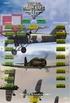 Conflict Resolution of Water Allocation in Polrud Irrigation System (An Approach to Multi-Criteria Decision Making) M. Zarghaami, M. Doroodian 2, A. Salavitabar 3 Abstract: Water is needed in all aspects
Annex II: Water institutions and legislation in Arab countries
 Annex II: Water institutions and legislation in Arab countries Table A.2.1 Water institutional settings and legislation in Arab countries Country and institution/setting Authority/law name Source Algeria
Water scarcity and food security : a global assessment of water potentiality in Tunisia
 4º Marcelino Botin Water Workshop, Santander, September 22-25, 2009 Water scarcity and food security : a global assessment of water potentiality in Tunisia Jamel Chahed*, Mustapha Besbes*, Abdelkader Hamdane**
DRYLAND SYSTEMS Science for better food security and livelihoods in the dry areas
 DRYLAND SYSTEMS Science for better food security and livelihoods in the dry areas CGIAR Research Program on Dryland Agricultural Production Systems The global research partnership to improve agricultural
Co-creation progress update and an invitation to respond. Overview of ideas from co-creation activities towards a Climate Ready UK...
 Department for Environment, Food and Rural Affairs Climate Ready Co-creation progress update and an invitation to respond July 2012 Contents Overview of ideas from co-creation activities towards a Climate
REQUEST FORM FORMULAIRE DE REQUÊTE
 REQUEST FORM FORMULAIRE DE REQUÊTE ON THE BASIS OF THIS REQUEST FORM, AND PROVIDED THE INTERVENTION IS ELIGIBLE, THE PROJECT MANAGEMENT UNIT WILL DISCUSS WITH YOU THE DRAFTING OF THE TERMS OF REFERENCES
AGRICULTURAL FINANCING ACROSS COMMODITY SPECIFIC CHAINS
 AGRICULTURAL FINANCING ACROSS COMMODITY SPECIFIC CHAINS VECO REGIONAL WORKSHOP HELD FROM 6 TH TO 8 TH OCTOBER 2009 IN KAMPALA/UGANDA (Fairway Hotel at Nakasero) Conclusions and way forward (Boukari Ayessaki,
The Water, Energy, Food Nexus: Lebanese Policy and Institutional Analysis
 The Water, Energy, Food Nexus: Lebanese Policy and Institutional Analysis Nadim Farajalla, Patricia Haydamous, Charbel Rizk, Silva Kerkezian and Rana El Hajj-Mitri Climate Change and the Environment in
the Parliamentary Assembly of the Union for the Mediterranean
 the Parliamentary Assembly of the Union for the Mediterranean Royaume du Maroc Parlement 1. Meeting venue The 8 th plenary session Rabat, 23-25 March 2012. Practical Information. All meetings of the 8
Attachment Gérard Biraud
 Attachment Gérard Biraud Born 15 February 1944, Geneva, Switzerland Nationality: French Work experience 2009 Re-elected Vice-Chairman of the Joint Inspection Unit. 2008 Vice-Chairman of the Joint Inspection
REQUEST FORM FORMULAIRE DE REQUETE
 REQUEST FORM FORMULAIRE DE REQUETE ON THE BASIS OF THIS REQUEST FORM, AND PROVIDED THE INTERVENTION IS ELIGIBLE, THE PROJECT MANAGEMENT UNIT WILL DISCUSS WITH YOU THE DRAFTING OF THE TERMS OF REFERENCES
REQUEST FORM FORMULAIRE DE REQUÊTE
 REQUEST FORM FORMULAIRE DE REQUÊTE ON THE BASIS OF THIS REQUEST FORM, AND PROVIDED THE INTERVENTION IS ELIGIBLE, THE PROJECT MANAGEMENT UNIT WILL DISCUSS WITH YOU THE DRAFTING OF THE TERMS OF REFERENCES
Regional cooperation in the IGAD sub-region: of transboundary water resources
 Regional cooperation in the IGAD sub-region: Using science to secure political commitment and financial support for joint management of transboundary water resources M. BABA SY Sahara and Sahel Observatory
Kingdom of Thailand: Strengthening Integrated Water and Flood Management Implementation
 Technical Assistance Report Project Number: 46231 Policy and Advisory Technical Assistance (PATA) December 2012 Kingdom of Thailand: Strengthening Integrated Water and Flood Management Implementation (Financed
Towards harmonising quality assurance for postgraduate training and research in RUFORUM member universities
 Third RUFORUM Biennial Meeting 24-28 September 2012, Entebbe, Uganda Research Application Summary Towards harmonising quality assurance for postgraduate training and research in RUFORUM member universities
EU China River Basin Management Programme
 Ministry of Water Resources Ministry of Environmental Protection EU China River Basin Management Programme Technical Report 075 Water Resource Supply Security Strategy Analysis Ben Piper, Zhang Wang and
How To Teach In Marocco
 Nadia Naami Ph.D. Candidate in Romance Studies Department of Modern Languages and Literatures University of Miami 5202 University Drive Coral Gables, FL 33124-2074 Tel: 786-603-8795 email :[email protected]
ICID 21 st International Congress on Irrigation and Drainage, R.57.1.02
 ICID 21 st International Congress on Irrigation and Drainage, 15-23 ICID 21 st October Congress, 2011, Tehran, Tehran, October Iran 2011 APPLICATION OF DECISION SUPPORT SYSTEM ON SPATE IRRIGATION PROJECTS
Modeling for decision support and modeling for impact assessment. How do the modeling projects differ?
 Pour mémoire ACTA, le réseau des instituts des filières animales et végétales, ce sont : - 16 instituts techniques agricoles qualifiés dont une tête de réseau. - Les outils professionnels de recherche
MedPAN South project - Internal newsletter
 Newsletter DECEMBER 2012 WWF MedPAn south project team, MPA forum, antalya, turkey. WWF mediterranean Marine MedPAN South project - Internal newsletter Working together for more effective Marine Protected
Expérience appui ANR Zimbabwe (Medicines Control Authority of Zimbabwe -MCAZ) Corinne Pouget -AEDES
 Expérience appui ANR Zimbabwe (Medicines Control Authority of Zimbabwe -MCAZ) Corinne Pouget -AEDES 1 Zimbabwe Pharmaceutical Industry The Market Small Country of ca.13 million people Human Pharmaceutical
4 th WORLD WATER FORUM. Risk Management in the Iullemeden Aquifer System. 4th World Water Forum, Mexico 2006
 4 th WORLD WATER FORUM Risk Management in the Iullemeden Aquifer System Mexico, Marsh 17 th, 2006 GEOGRAPHIC OVERVIEW IAS OVERVIEW Countries : Mali, Niger, Nigeria Mali Area : 525 000 km² Mali : 31000
Food Security and Water in Central America in the context of Climate Change: Maureen Ballestero Chair GWP Costa Rica
 Maureen Ballestero Chair GWP Costa Rica Food Security and Water in Central America in the context of Climate Change: Reducing vulnerability through the construction of public policies in Central America
Global water resources under increasing pressure from rapidly growing demands and climate change, according to new UN World Water Development Report
 WWDR4 Background Information Brief Global water resources under increasing pressure from rapidly growing demands and climate change, according to new UN World Water Development Report As demand for water
PhD Program in Pharmaceutical Sciences From drug discovery to the patient Training the next generations of pharmaceutical scientists
 PhD Program in Pharmaceutical Sciences From drug discovery to the patient Training the next generations of pharmaceutical scientists Section des sciences pharmaceutiques Univerisité de Lausanne, Université
When students faced rural and peri urban realities: An interactive module on Local integrated management for rural development case
 When students faced rural and peri urban realities: An interactive module on Local integrated management for rural development case Marc Benoît a and Sylvie Lardon b a UR ASTER INRA Sciences pour l Action
International Training Program 2010 Management of Flood Control and Disaster Mitigation LOGO
 International Training Program 2010 Management of Flood Control and Disaster Mitigation LOGO June 2010 / China Prepared by HOY SEREIVATHANAK REASEY Royal University of Phnom Penh 1 Country Risk Profile
Agricultural Production and Research in Heilongjiang Province, China. Jiang Enchen. Professor, Department of Agricultural Engineering, Northeast
 1 Agricultural Production and Research in Heilongjiang Province, China Jiang Enchen Professor, Department of Agricultural Engineering, Northeast Agricultural University, Harbin, China. Post code: 150030
Under the title: Quality in Higher Education, for meet the needs of Enterprise and the Moroccan Society: Approaches, Practices and Evaluation Systems
 Under the title: Quality in Higher Education, for meet the needs of Enterprise and the Moroccan Society: Approaches, Practices and Evaluation Systems The Research Group on QHSE Sidi Mohamed Ben Abdellah
Domestic Policy Framework on Adaptation to Climate Change in Water Resources: Case Study for India. Working Together to Respond to Climate Change
 Domestic Policy Framework on Adaptation to Climate Change in Water Resources: Case Study for India Working Together to Respond to Climate Change WATER ACCOUNTING OF INDIA S TOTAL WATER RESOURCES Unutilizable
Integrated watershed management in Québec: a participatory approach centred on local solidarity
 Integrated watershed management in Québec: a participatory approach centred on local solidarity P. Baril *, Ph.D., Y. Maranda **, Ph.D. and J. Baudrand***, M.Sc. *Assistant Deputy Minister, Policy Branch,
District Disaster Risk Management Planning
 District Disaster Risk Management Planning GUIDELINES JULY 2007 National Disaster Management Authority 1. Introduction Notifications for establishment of the District Disaster Management Authorities (DDMAs)
Moroccan Automotive Industy : opportunities and perspectives
 Moroccan Association for Automotive Industry and Trade Moroccan Automotive Industy : opportunities and perspectives Salma ADNAN, Communication and Marketing Responsible Paris, 16/10/2013 L industrie automobile
The Guerdane project. Moving from a traditional approach to implementing a public/private partnership. Royaume du Maroc Rural et des Pêches Maritimes
 Royaume du Maroc Ministère de l Agriculture, l du Développement D Rural et des Pêches Maritimes The Guerdane project Abou Bekr Seddik EL GUEDDARI Administration du Génie G Rural MADRPM/MAROC Moving from
Rainfed agriculture evolution in a climate variability context of West Africa sudano- sahelian zone
 Rainfed agriculture evolution in a climate variability context of West Africa sudano- sahelian zone Drissa DIALLO, Université des Sciences, des Techniques et des Technologies de Bamako (USTTB) Bruno BARBIER,
International Symposium ERVD'2-2014 "Water, Recycling and Waste Valorisation ", ERVD 2 Conference center FMP-Fez, 2 and 3 June 2014.
 Groupe de Réflexion sur le Développement Durable 32, Rue Michlifène Lot Al Ghorfa, Rte Aïn Smen, 30 040 Fès Tél. 0672 351 191 E-mail. [email protected] Site web: www.qualisup.com International Symposium
Name Institution Name Short Course Duraton Department Start Date
 MENA Scholarship Programme (MSP) 6 January 2014 Below an overview of Short Courses listed on the MSP course list 2014-2015, Fellowship Application Deadline February 2014. Important: - Programmes/courses
Millier Dickinson Blais
 Research Report Millier Dickinson Blais 2007-2008 National Survey of the Profession September 14, 2008 Contents 1 Introduction & Methodology... 3 2 National Results... 5 3 Regional Results... 6 3.1 British
National MPC policies of cooperation with the EU in Science and Innovation: the case of Morocco
 National MPC policies of cooperation with the EU in Science and Innovation: the case of Morocco El Fellah R., El Majid Z. in Morini C. (ed.), Rodriguez Clemente R. (ed.), Arvanitis R. (ed.), Chaabouni
Capacity building and Strengthening of the implementation of IOTC Conservation and management Measures. Madagascar
 Meeting Paper 88 Capacity building and Strengthening of the implementation of IOTC Conservation and management Measures Madagascar Prepared by Gerard Domingue Compliance Coordinator Florian Giroux Compliance
ASEAN Framework for Tackling Climate Change and Food Security
 REGIONAL EXPERT FORUM ON CLIMATE CHANGE, AGRICULTURE AND FOOD SECURITY IN ASEAN 2 nd - 3 rd May 2013 Nai Lert Park Hotel, Bangkok, Thailand ------------------------------------------------------------
Georges Corm Economic & Financial Consultancy Office
 Georges Corm Economic & Financial Consultancy Office Since 1985 Office n 906, Starco centre (Block A), Georges Picot street, Mina El Hosn, Beirut, Lebanon Tel & Fax: 961 1 370130 365697 E-mail: [email protected]
Standardized Runoff Index (SRI)
 Standardized Runoff Index (SRI) Adolfo Mérida Abril Javier Gras Treviño Contents 1. About the SRI SRI in the world Methodology 2. Comments made in Athens on SRI factsheet 3. Last modifications of the factsheet
NREGA for Water Management
 National Rural Employment Guarantee Act NREGA for Water Management 30 th October, 2009 Dr. Rita Sharma Secretary to Government of India Ministry of Rural Development NREGA objective supplement wage-employment
GLOBAL ALLIANCE FOR CLIMATE-SMART AGRICULTURE (GACSA)
 GLOBAL ALLIANCE FOR CLIMATE-SMART AGRICULTURE (GACSA) FRAMEWORK DOCUMENT Version 01 :: 1 September 2014 I Vision 1. In today s world there is enough food produced for all to be well-fed, but one person
Drought Risk Assessment:
 Drought Risk Assessment: Mapping the Vulnerability of Agricultural Systems Dr. Jianping Yan Disaster Risk Assessment Specialist Session Outline Understanding the Concept of Vulnerability Mapping the Agricultural
2 WATER FOR FOOD SECURITY VI World water forum
 2 WATER FOR FOOD SECURITY WATER FOR FOOD SECURITY 3 CONTENT I SECTION 1 INTRODUCTION 4 SECTION 2 BACKGROUND AND RATIONALE OF TARGET 5 SECTION 3 TARGETS AND TARGET ACTION PLAN 9 SECTION 4 SOLUTIONS SECTION
DISASTER RISK DETECTION AND MANAGEMENT COURSES SETUP SCENARIO AT MAKERERE UNIVERSITY. Makerere University
 DISASTER RISK DETECTION AND MANAGEMENT COURSES SETUP SCENARIO AT MAKERERE UNIVERSITY CASE OF THE DEPARTMENT OF GEOGRAPHY Derek Muhwezi 2 MISSION OF THE DEPARTMENT To provide and promote quality education,
REPUBLIC OF TURKEY MINISTRY OF FORESTRY AND WATER AFFAIRS
 REPUBLIC OF TURKEY MINISTRY OF FORESTRY AND WATER AFFAIRS Turkey s position in the World Prof. Dr. Veysel EROĞLU Minister of Forestry and Water Affairs The Ministry of Forestry and Water Affairs, formerly
Farmers willingness to invest in improved soil and water conservation technologies in semi arid districts of Uganda
 Research Application Summary Farmers willingness to invest in improved soil and water conservation technologies in semi arid districts of Uganda Bangizi, R. 1, Mugisha, J. 1, Tumuhairwe, J.B. 1 & Mulwa,
Keywords: soil and water conservation, yield increase, cost-benefit, watershed management, food security.
 20 years of watershed management in Niger: approaches, impacts and economic aspects of large scale soil and water conservation measures Nill, D.; Ackermann, K; Schöning, A.; Trux, A.; van den Akker, E.;
So far the effort, outlined in the state s Nutrient Reduction Strategy to reduce hypoxia in the Gulf, has been voluntary.
 Push is on for Iowa to clean up its water State leaders are counting on farmers to adopt conservation practices to protect waterways, soil By Donnelle Eller, Des Moines Register; Nov. 9, 2013 EAGLE GROVE,
BUSINESS PROCESS OPTIMIZATION. OPTIMIZATION DES PROCESSUS D ENTERPRISE Comment d aborder la qualité en améliorant le processus
 BUSINESS PROCESS OPTIMIZATION How to Approach Quality by Improving the Process OPTIMIZATION DES PROCESSUS D ENTERPRISE Comment d aborder la qualité en améliorant le processus Business Diamond / Le losange
Summary of the costs assessment for mitigation and adaptation needs in the in the area of Climate Change in Mali «NEEDs»
 Summary of the costs assessment for mitigation and adaptation needs in the in the area of Climate Change in Mali «NEEDs» Octobre,29 National Directorate of Meteorology of Mali Ministry of Equipment and
Un autre Sahel est possible! AMESD ECOWAS THEMA. Water resources Management for agriculture and livestock ISSA GARBA AGRHYMET
 AMESD ECOWAS THEMA Water resources Management for agriculture and livestock ISSA GARBA AGRHYMET Outline I AGRHYMET /CILSS II AMESD Project/ECOWAS Thema Technical partners intervention axes monitoring vegetation
MINISTERIAL MEETING OF THE BLUE WEEK 2015
 5 JUNE 2015 MINISTERIAL MEETING OF THE BLUE WEEK 2015 We, Ministers responsible for Ocean/ Fisheries/ Maritime Affairs, having met in Lisbon on June the 5 th, 2015, at the invitation of the Minister of
direction participative / gestion participative / gestion participative par objectifs / «management» participatif
 DÉFINITIONS TITRE CHAPITRE DU MANAGEMENT EN FRANÇAIS Titre Management chapitre en definitions anglais conduite / direction / gestion / management / organisation management Management is the process of
EMWIS www.emwis.net. SEMIDE www.semide.net. Système Euro- Méditerranéen d information sur les savoir-faire dans le domaine de l Eau
 SEMIDE www.semide.net Système Euro- Méditerranéen d information sur les savoir-faire dans le domaine de l Eau النظام المعلوماتي الا ورومتوسطي للمعرفة في مجال المياه EMW www.emwis.net Euro-Mediterranean
IRRIGATION PROJECTS IMPLEMENTED BY FAO IN LEBANON
 IRRIGATION PROJECTS IMPLEMENTED BY FAO IN LEBANON Elie Choueiri 4 th Beirut Water Week NDU- Louaize, 22 February 2013 COPING WITH WATER SCARCITY PROGRAMME Flagship programme of cooperation between Italy
MONITORING IRRIGATION SEASON - A SUPPORT TOOL FOR WATER MANAGEMENT AND SHORT-TERM ACTIONS
 OECD WORKSHOP ON IMPROVING THE INFORMATION BASE TO BETTER GUIDE WATER RESOURCE DECISION-MAKING 4-7 May, 2010, Zaragoza MONITORING IRRIGATION SEASON - A SUPPORT TOOL FOR WATER MANAGEMENT AND SHORT-TERM
Water Security : Experts Propose a UN Definition on Which Much Depends
 Embargo: 9 am EDT, Friday March 22 World Water Day 2013 International Year of Water Cooperation Contacts: Mr. Terry Collins, +1-416-538-8712; +1-416-878-8712; [email protected] Advance interviews are available.
River Basin Management in Croatia
 River Basin Management in Croatia 2. INTERNATIONAL RIVER BASIN MANAGEMENT HIGH LEVEL SYMPOSIUM Cappadocia/NEVŞEHİR, Turkey 16-18 April 2013 2 Water sector responsibilities are shared among: Croatian Parliament
Weather, Climate and Water Services for the Least Developed Countries
 Weather, Climate and Water Services for the Least Developed Countries The WMO Programme for the Least Developed Countries (LDCs) was established in 2003 in response to the call of the Third United Nations
Ecological Restoration Strategies for Cattle Ranching Landscapes of the Azuero
 COURSE REPORT Ecological Restoration Strategies for Cattle Ranching Landscapes of the Azuero District of Pedasi, Province of Los Santos July 27-31, 2015 A field course organized by: The Environmental Leadership
REFLECTION ON MANAGEMENT OF WATER RESOURCES. Guido Heijdra MSc MCM CMC Associate Professor Water and Environmental Management
 REFLECTION ON MANAGEMENT OF WATER RESOURCES Guido Heijdra MSc MCM CMC Associate Professor Water and Environmental Management 1 CONTENT 1. Introduction 2. Water cycle 3. Water usage 4. Water stress in urban
Guideline for Stress Testing the Climate Resilience of Urban Areas
 Netherlands Ministry of Infrastructure and Environment Delta Programme Urban Development and Reconstruction Guideline for Stress Testing the Climate Resilience of Urban Areas Extended summary Version 1.0
Management of Water and Fisheries Resources to Improve Community Livelihoods in Battambang
 GEF Small Grants Programme Community-Based Adaptation in Small Island Developing States - SIDS CBA Management of Water and Fisheries Resources to Improve Community Livelihoods in Battambang Project No:
SUSTAINABLE LIVELIHOODS AND FOOD SECURITY UNDER CHANGING CLIMATE IN DRY AREAS
 Expert Group Meeting on Promoting Best Practices On sustainable Rural Livelihoods in the ESCWA Region Beirut, 24-25 November 2010 SUSTAINABLE LIVELIHOODS AND FOOD SECURITY UNDER CHANGING CLIMATE IN DRY
Proposition d intervention
 MERCREDI 8 NOVEMBRE Conférence retrofitting of social housing: financing and policies options Lieu des réunions: Hotel Holiday Inn,8 rue Monastiriou,54629 Thessaloniki 9.15-10.30 : Participation à la session
Cambodia: Water Resources Management Sector Development Program
 Progress Report on Tranche Release Project Number: 38558 Loan Number: 2673 September 2011 Cambodia: Water Resources Management Sector Development Program CURRENCY EQUIVALENTS (as of 15 August 2011) Currency