
Information for Parents/Carers Targets in History and Geography
|
|
|
- Alyson Spencer
- 9 years ago
- Views:
Transcription
1 History Targets - A Year 1 Historian I can use words and phrases like: old, new and a long time ago. I can recognise that some objects belonged to the past. I can explain how I have changed since I was born. I can explain how some people have helped us to have better lives. I can ask and answer questions about old and new objects. I can spot old and new things in a picture. I can explain what an object from the past might have been used for. Geography Targets - A Year 1 Geographer I can keep a weather chart and answer questions about the weather. I can explain where I live and tell someone my address. I can explain some of the main things that are in hot and cold places. I can explain the clothes that I would wear in hot and cold places. I can explain how the weather changes throughout the year and name the seasons. I can name the four countries in the United Kingdom and locate them on a map. I can name some of the main towns and cities in the United Kingdom.
2 History Targets - A Year 2 Historian I can use words and phrases like: before, after, past, present, then and now. I can recount the life of someone famous from Britain who lived in the past. I can explain what they did earlier and what they did later. I can give examples of things that were different when my grandparents were children. I can find out things about the past by talking to an older person. I can answer questions using books and the internet. I can research the life of a famous person from the past using different sources of evidence. Geography Targets - A Year 2 Geographer I can say what I like and do not like about the place I live in. I can say what I like and do not like about a different place. I can describe a place outside Europe using geographical words. I can describe some of the features of an island. I can describe the key features of a place from a picture using words like beach, coast, forest, hill, mountain, ocean, valley. I can explain how jobs may be different in other locations. I can explain how an area has been spoilt or improved and give my reasons. I can explain the facilities that a village, town and city may need and give reasons. I can name the continents of the world and locate them on a map. I can name the world oceans and locate them on a map. I can name the capital cities of England, Wales, Scotland and Ireland. I can find where I live on a map of the United Kingdom.
3 History Targets - A Year 3 Historian I can describe events from the past using dates when things happened. I can use a timeline within a specific period of history to set out the order that things may have happened. I can use my mathematical knowledge to work out how long ago events happened. I can explain some of the times when Britain has been invaded. I can use research skills to find answers to specific historical questions. I can research in order to find similarities and differences between two or more periods of history. Geography Targets - A Year 3 Geographer I can use the correct geographical words to describe a place. I can use some basic Ordnance Survey map symbols. I can use grid references on a map. I can use an atlas by using the index to find places. I can describe how volcanoes are created. I can locate and name some of the world s most famous volcanoes. I can describe how earthquakes are created. I can name a number of countries in the northern hemisphere. I can name and locate the capital cities of neighbouring European countries.
4 History Targets - A Year 4 Historian I can plot events on a timeline using centuries. I can use my mathematical skills to round up time differences into centuries and decades. I can explain how the lives of wealthy people were different from the lives of poorer people. I can explain how historic items and artefacts can be used to help build up a picture of life in the past. I can explain how an event from the past has shaped our life today. I can research two versions of an event and explain how they differ. I can research what it was like for children in a given period of history and present my findings to an audience. Geography Targets - A Year 4 Geographer I can carry out research to discover features of villages, towns or cities. I can plan a journey to a place in England. I can collect and accurately measure information (e.g. rainfall, temperature, wind speed, noise levels etc). I can explain why people may be attracted to live in cities. I can explain why people may choose to live in one place rather than another. I can locate the Tropic of Cancer and Tropic of Capricorn. I can explain the difference between the British Isles, Great Britain and the United Kingdom. I know the countries that make up the European Union. I can find at least six cities in the UK on a map. I can name and locate some of the main islands that surround the United Kingdom. I can name the areas of origin of the main ethnic groups in the United Kingdom and in our school.
5 History Targets - A Year 5 Historian I can draw a timeline with different historical periods showing key historical events or lives of significant people. I can compare two or more historical periods; explaining things which changed and things which stayed the same. I can explain how Parliament affects decision making in England. I can explain how our locality has changed over time. I can test out a hypothesis in order to answer questions. I can describe how crime and punishment has changed over a period of time. Geography Targets - A Year 5 Geographer I can plan a journey to a place in another part of the world, taking account of distance and time. I can explain why many cities are situated on or close to rivers. I can explain why people are attracted to live by rivers. I can explain the course of a river. I can name and locate many of the world s most famous rivers in an atlas. I can name and locate many of the world s most famous mountainous regions in an atlas. I can explain how a location fits into its wider geographical location with reference to human and economical features.
6 History Targets - A Year 6 Historian I can place features of historical events and people from the past societies and periods in a chronological framework. I can summarise the main events from a period of history, explaining the order of events and what happened. I can summarise how Britain has had a major influence on the world. I can summarise how Britain may have learnt from other countries and civilizations (historically and more recently). I can identify and explain differences, similarities and changes between different periods of history. I can identify and explain propaganda. I can describe a key event from Britain s past using a range of evidence from different sources. I can describe the features of historical events and way of life from periods I have studied; presenting to an audience. Geography Targets - A Year 6 Geographer I can use Ordnance Survey symbols and 6 figure grid references. I can answer questions by using a map. I can use maps, aerial photographs, plans and e-resources to describe what a locality might be like. I can describe how some places are similar and dissimilar in relation to their human and physical features. I can name the largest desert in the world and locate desert regions in an atlas. I can identify and name the Tropics of Cancer and Capricorn as well as the Arctic and Antarctic Circles. I can explain how time zones work and calculate time differences around the world.
Advice For the multiple-choice questions, completely fill in the circle alongside the appropriate answer(s).
 SPECIMEN ASSESSMENT MATERIAL GCSE GEOGRAPHY Paper 1 Living with the physical environment Specimen Materials For this paper you must have: a pencil a ruler. Time allowed: 1 hour 30 minutes Instructions
YEAR 2 TOPIC OVERVIEW 2014 2015. YEAR 1 Term 1 Term 2 Term 3 Term 4 Term 5 Term 6
 YEAR 2 TOPIC OVERVIEW 2014 2015 YEAR 1 Term 1 Term 2 Term 3 Term 4 Term 5 Term 6 TOPIC Here and there What s it made of? Changes SCIENCE ANIMALS INCLUDING HUMANS - HEALTHY EATING HISTORY THE GREAT FIRE
CLIMATE, WATER & LIVING PATTERNS THINGS
 CLIMATE, WATER & LIVING PATTERNS NAME THE SIX MAJOR CLIMATE REGIONS DESCRIBE EACH CLIMATE REGION TELL THE FIVE FACTORS THAT AFFECT CLIMATE EXPLAIN HOW THOSE FACTORS AFFECT CLIMATE DESCRIBE HOW CLIMATES
Stage 4. Geography. Blackline Masters. By Karen Devine
 1 Devine Educational Consultancy Services Stage 4 Geography Blackline Masters By Karen Devine Updated January 2010 2 This book is intended for the exclusive use in NSW Secondary Schools. It is meant to
Geography. Curriculum Glance Cards
 Geography Curriculum Glance Cards A fundamental principle of the curriculum is that children s current understanding and knowledge should form the basis for new learning. The curriculum is designed to
What Causes Climate? Use Target Reading Skills
 Climate and Climate Change Name Date Class Climate and Climate Change Guided Reading and Study What Causes Climate? This section describes factors that determine climate, or the average weather conditions
Grades 3-5. Benchmark A: Use map elements or coordinates to locate physical and human features of North America.
 Grades 3-5 Students use knowledge of geographic locations, patterns and processes to show the interrelationship between the physical environment and human activity, and to explain the interactions that
History. Programme of study for key stage 3 and attainment target (This is an extract from The National Curriculum 2007)
 History Programme of study for key stage 3 and attainment target (This is an extract from The National Curriculum 2007) Crown copyright 2007 Qualifications and Curriculum Authority 2007 Curriculum aims
Geography at GISSV: An Introduction to the Curriculum
 Geography at GISSV: An Introduction to the Curriculum Classes Geography is taught for two hours per week in Grades 5-9. The only exception is in Grade 8, where class is taught for one hour per week for
History. Key Stages 2 3. in the National Curriculum for Wales
 Key Stages 2 3 History in the National Curriculum for Wales Yr Adran Plant, Addysg, Dysgu Gydol Oes a Sgiliau Department for Children, Education, Lifelong Learning and Skills History in the National Curriculum
List 10 different words to describe the weather in the box, below.
 Weather and Climate Lesson 1 Web Quest: What is the Weather? List 10 different words to describe the weather in the box, below. How do we measure the weather? Use this web link to help you: http://www.bbc.co.uk/weather/weatherwise/activities/weatherstation/
1 Branches of Earth Science
 CHAPTER 1 1 Branches of Earth Science SECTION The World of Earth Science BEFORE YOU READ After you read this section, you should be able to answer these questions: What are the four major branches of Earth
A Few Facts about Antarctica
 A Few Facts about Antarctica Antarctica is the continent that surrounds the South Pole, the southernmost point at the bottom of the earth. Antarctica is a continent because it is land that is covered by
A Year in Antarctica. Features of This Text. Focus for Instruction
 TM Celebration Press Reading DRA2 Level 38 Guided Reading Level P Genre: Nonfiction Narrative Reading Skill: A Year in Antarctica By Anita Ganeri What happens when a team of scientists sets out to spend
1. You are about to begin a unit on geology. Can anyone tell me what geology is? The study of the physical earth I.
 PLATE TECTONICS ACTIVITY The purpose of this lab is to introduce the concept of plate tectonics and the formation of mountains. Students will discuss the properties of the earth s crust and plate tectonics.
Geography affects climate.
 KEY CONCEPT Climate is a long-term weather pattern. BEFORE, you learned The Sun s energy heats Earth s surface unevenly The atmosphere s temperature changes with altitude Oceans affect wind flow NOW, you
Key stages 1 & 2 Lesson plans
 Remembrance - What does the poppy mean? Why people wear a poppy. What is the significance of a poppy. Who makes the poppy. What a symbol of Remembrance is. The Royal British Legion section of the CD Rom.
Physical Geography [9th grade]
![Physical Geography [9th grade]](/thumbs/40/21789377.jpg "Physical Geography [9th grade]") Trinity University Digital Commons @ Trinity Understanding by Design: Complete Collection Understanding by Design 6-2014 Physical Geography [9th grade] Meghan Harrington Trinity University, [email protected]
Trinity University Digital Commons @ Trinity Understanding by Design: Complete Collection Understanding by Design 6-2014 Physical Geography [9th grade] Meghan Harrington Trinity University, [email protected]
Mapping Russia s vegetation zones
 Mapping Russia s vegetation zones biome is the name for a vegetation zone that can be mapped on a global scale, as shown below. Russia is such a large country that it contains several world biomes. In
Durham Trinity School
 Curriculum Policy Document Key Stage 3 and 4 Durham Trinity School Geography Revised July 2014 RB Contents. 1 Statement of curriculum policy 2 Introduction 3 The curriculum content 4 Range of experiences
Tectonic plates have different boundaries.
 KEY CONCEPT Plates move apart. BEFORE, you learned The continents join and break apart The sea floor provides evidence that tectonic plates move The theory of plate tectonics helps explain how the plates
YEAR 2: Northern Europe
 YEAR 2: Northern Europe Contents Include: Physical and Human Features of Northern Europe Climate Animals and Migration Roald Amundsen: A Great Explorer Please Note: The activities included in this pack
Grade 4 Standard 1 Unit Test Water Cycle. Multiple Choice. 1. Where is most water found on Earth? A. in glaciers B. in lakes C. in rivers D.
 Grade 4 Standard 1 Unit Test Water Cycle Multiple Choice 1. Where is most water found on Earth? A. in glaciers B. in lakes C. in rivers D. in oceans 2. What source of energy evaporates the most water from
YEAR 1: The United Kingdom
 YEAR 1: The United Kingdom Contents Include: The United Kingdom Scotland Northern Ireland Wales England Please Note: The activities included in this pack are suggestions only. Teachers should adapt the
Desertification: Cause and Effect Students learn about the causes and effects of desertification threatening the African Sahel.
 Students learn about the causes and effects of desertification threatening the African Sahel. Author Grade Level Duration Barbara Stout 6-8 and 4-5 class periods National Geography Standards ELEMENT TWO:
Henry Hudson by Kelly Hashway
 Before planes, people traveled by boat. And getting goods from one place to another took a long time, especially when ships had to sail around continents. In the early 1600s, European trading companies
Ch.1. Name: Class: Date: Matching
 Name: Class: Date: Ch.1 Matching Match each item with the correct statement below. a. technology e. democracy b. diffusion f. extended family c. exports g. interdependence d. climate 1. goods sent to markets
Sixth Grade Country Report
 Name : Sixth Grade Country Report 4 th term you will be starting the process of researching and writing for our 6 th grade country report. As you research and write your report, please pay close attention
Please be sure to save a copy of this activity to your computer!
 Thank you for your purchase Please be sure to save a copy of this activity to your computer! This activity is copyrighted by AIMS Education Foundation. All rights reserved. No part of this work may be
Plate Tectonics Short Study Guide
 Name: Class: Date: Plate Tectonics Short Study Guide Multiple Choice Identify the letter of the choice that best completes the statement or answers the question. 1. The existence of coal beds in Antarctica
Earth, Sun and Moon. Table of Contents
 Earth, Sun and Moon Table of Contents 0. Unit Challenge 1. Earth and Its Motion 2. Earth s Rotation and Revolution 3. Earth s Tilt and Seasons 4. Seasons 5. The Moon 6. The Lunar Cycle 7. Lunar Geography
Christmas. National Meteorological Library and Archive Fact sheet 5 White Christmas. (version 01)
 Christmas National Meteorological Library and Archive Fact sheet 5 White Christmas (version 01) The National Meteorological Library and Archive Many people have an interest in the weather and the processes
STANDARD 3.1 Greece & Rome. STANDARD 3.2 - Mali
 2008 Curriculum Framework Grade Three Social Studies Standards Condensed format created by SOLpass. www.solpass.org Key: red text highlights NEW (2008 revision) content; crossout indicates content cut
OPERATION PENGUIN: Teachers' Notes
 OPERATION PENGUIN: Teachers' Notes This is an exciting, interactive and fun 'spy-themed' lesson, aimed at pupils aged 7-11, which celebrates the release of the film Penguins of Madagascar. Pupils will
SECOND GRADE PLATE TECTONICS 1 WEEK LESSON PLANS AND ACTIVITIES
 SECOND GRADE PLATE TECTONICS 1 WEEK LESSON PLANS AND ACTIVITIES PLATE TECTONIC CYCLE OVERVIEW OF SECOND GRADE VOLCANOES WEEK 1. PRE: Investigating the parts of a volcano. LAB: Comparing the parts of a
Climate, Vegetation, and Landforms
 Climate, Vegetation, and Landforms Definitions Climate is the average weather of a place over many years Geographers discuss five broad types of climates Moderate, dry, tropical, continental, polar Vegetation:
NCSS Standards 1. d. compare ways in which people from different cultures think about and deal with their physical environment and social conditions;
 NCSS Standards 1 National Council for the Social Studies (NCSS) Curriculum Standards for Social Studies Standard I. Culture study of culture and cultural diversity, so that the learner can a. explore and
YEAR 1: Kings, Queens and Leaders (6 lessons)
 YEAR 1: Kings, Queens and Leaders (6 lessons) Contents Include: The United Kingdom and the Union Jack Kings and Queens The Magna Carta Charles I Parliament The Prime Minister Suggested Teacher Resources:
Poverty among ethnic groups
 Poverty among ethnic groups how and why does it differ? Peter Kenway and Guy Palmer, New Policy Institute www.jrf.org.uk Contents Introduction and summary 3 1 Poverty rates by ethnic group 9 1 In low income
1. Incredible India. Shade the map on the next page, to show India s relief. The correct shading is shown on the final page! Incredible India India
 1. Incredible India Shade the map on the next page, to show India s relief. The correct shading is shown on the final page! Incredible India India The DCSF supported Action plan for Geography is delivered
Viking Link Interconnector
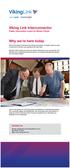 Viking Link Interconnector Public information event for Bicker Parish Why we re here today We re here today to introduce the Viking Link project, to explain what we want to build and to answer any questions
6.E.2.2 Plate Tectonics, Earthquakes and Volcanoes
 Name: Date: 1. The road shown below was suddenly broken by a natural event. 3. The convergence of two continental plates would produce Which natural event most likely caused the crack in the road? island
GUIDE RN Declaration of Renunciation:
 GUIDE RN Declaration of Renunciation: British citizenship British overseas territories citizenship British Overseas citizenship British subject status British National (Overseas) status December 2015 This
The Polar Climate Zones
 The Polar Climate Zones How cold is it in the polar climate? Polar areas are the coldest of all the major climate zones The Sun is hardly ever high enough in the sky to cause the plentiful ice to melt,
Senior Phase Grade 7 Today Planning Pack SOCIAL SCIENCES
 M780636110182 Senior Phase Grade 7 Today Planning Pack SOCIAL SCIENCES Contents: Work Schedule: Page Grade 7 2 Lesson Plans: Grade 7 4 Rubrics: Rubric 1 11 Rubric 2 12 Rubric 3 13 Work schedule for Social
Where in the World is the arctic?
 Where in the World is the arctic? Summary: Students map the arctic in relation to their home in order to learn the location and countries of the arctic. Grade Level: 3-4; 5-8; K-2 Time one class period.
SOUTH AMERICA CONTENTS. What s in This Book... 2. Section 1: South America in the World... 3. Section 2: Political Divisions of South America...
 SOUTH CONTENTS What s in This Book 2 Section 1: 3 Section 2: Political Divisions of 1 Section 3: Physical Features of 41 Section 4: Valuable Resources of 67 Section : n Culture 89 Section 6: Assessment
Our Earth, Our Resources
 UNIT 4 Essential Question: How can we take the best care of our Earth? Objectives Our Earth, Our Resources Unit Resource Guide Social Studies Resources Identify and describe the physical characteristics
Map reading made easy
 Map reading made easy What is a map? A map is simply a plan of the ground on paper. The plan is usually drawn as the land would be seen from directly above. A map will normally have the following features:
Allows teachers to print reports for individual students or an entire class.
 Map and Globe Skills Developed by teachers and geography specialists, Map and Globe Skills provides the strategies, skills and practice your students need to develop a strong understanding of basic mapping
ES Chapter 10 Review. Name: Class: Date: Multiple Choice Identify the choice that best completes the statement or answers the question.
 Name: Class: Date: ES Chapter 10 Review Multiple Choice Identify the choice that best completes the statement or answers the question. 1. Scientists used the pattern of alternating normal and reversed
Discovering World Geography WESTERN HEMISPHERE
 WESTERN HEMISPHERE Follow Lesson Correlations for Instructional strategies that encourage the development of critical thinking, problem solving and performance skills. Custom Book: Student Edition REFERENCE
- 7. Oracle bones were used a. to practice written Chinese. b. to try to predict the future. p Ch 14 Ancient China section 1
 Name: Class: Date: ID: A p Ch 14 Ancient China section 1 Multiple Choice Identzh the choice that best completes the statement or answers the question. - I. Before the Shang kingdom arose, Chinese civilization
Enlarged Wind Power Statistics 2010 including Denmark, Germany, Ireland and Great Britain
 1 Enlarged Wind Power Statistics 2010 including Denmark, Germany, Ireland and Great Britain Background This work is based on hourly time series for wind power output in Denmark, Germany, Ireland and Great
The National Association of Estate Agents
 The National Association of Estate Agents Residential Estate Agency Code of Practice The National Association of Estate Agents Arbon House 21 Jury Street Warwick CV34 4EH Telephone: 01926 496800 Facsimile:
Using a Concept Definition Map
 Lesson Plan Using a Concept Definition Map 1. Set Expectations Print Disaster on the board. Tell students, You are going to come up with as many words as you can that are related to the word disaster,
The Globe Latitudes and Longitudes
 INDIAN SCHOOL MUSCAT MIDDLE SECTION DEPARTMENT OF SOCIAL SCIENCE The Globe Latitudes and Longitudes NAME: CLASS VI SEC: ROLL NO: DATE:.04.2015 I NAME THE FOLLOWING: 1. A small spherical model of the Earth:
Introduction to Geography
 High School Unit: 1 Lesson: 1 Suggested Duration: 3 days Introduction to Lesson Synopsis: The purpose of this lesson is to introduce students to geography and geography terminology, to teach students about
Three Bears by Erin Ryan
 Three Bears by Erin Ryan Did you know that there are eight different kinds of bears found around the world? Three very different ones are polar bears, grizzly bears and Giant Pandas. Polar bears live in
Chapter 18 Introduction to. A f r i c a
 Chapter 18 Introduction to A f r i c a Ch. 18:1 Landforms & Resources 1. Africa s shape & landforms are the result of its location in the southern part of the ancient supercontinent of. Pangaea Over thousands
Humidity the story for teachers
 Humidity the story for teachers As we have learned earlier, water may exist as a gas (water vapour). Even in the driest desert there is some water vapour in the air. Water vapour is the most important
Mansa Musa s Pilgrimage Grade Seven
 Ohio Standards Connection: Geography Benchmark A Identify on a map the location of major physical and human features of each continent. Indicator 2 On a map, identify places related to the historical events
Answer Keys to Unit Tests
 Reading Geography Series Answer Keys to Unit Tests Unit 1 The Five Themes of Geography Unit 2 Patterns in Physical Geography Unit 3 Natural Resources 7 Portage & Main Press Unit Test for The Five Themes
Wie ist das Wetter? (What s the weather like?)
 Prior Knowledge: It is helpful if children already know some dates, weather phrases and items of clothing Objectives Present ideas and information orally to a range of audiences. Describe people, places,
6 th Grade Vocabulary-ALL CAMPUSES
 6 th Grade Vocabulary-ALL CAMPUSES 6.1 History. The student understands that historical events influence contemporary events. (B) analyze the historical background of the United States to evaluate relationships
PUSD High Frequency Word List
 PUSD High Frequency Word List For Reading and Spelling Grades K-5 High Frequency or instant words are important because: 1. You can t read a sentence or a paragraph without knowing at least the most common.
Solar energy and the Earth s seasons
 Solar energy and the Earth s seasons Name: Tilt of the Earth s axis and the seasons We now understand that the tilt of Earth s axis makes it possible for different parts of the Earth to experience different
Cambridge International Examinations Cambridge International General Certificate of Secondary Education
 Cambridge International Examinations Cambridge International General Certificate of Secondary Education *0123456789* GEOGRAPHY 0460/02 Paper 2 Geographical skills For Examination from 2016 SPECIMEN PAPER
How Did These Ocean Features and Continental Margins Form?
 298 10.14 INVESTIGATION How Did These Ocean Features and Continental Margins Form? The terrain below contains various features on the seafloor, as well as parts of three continents. Some general observations
Fourth Grade Social Studies Content Standards and Objectives
 Fourth Grade Social Studies Content Standards and Objectives Standard 1: Citizenship characterize and good citizenship by building social networks of reciprocity and trustworthiness (Civic Dispositions).
History programmes of study: key stage 3
 History programmes of study: key stage 3 National curriculum in England Purpose of study A high-quality history education will help pupils gain a coherent knowledge and understanding of Britain s past
Egypt and China. Ancient Worlds: VMFA Resources
 VMFA Resources Ancient Worlds: Pre- and Post-Visit Activities VIRGINIA MUSEUM OF FINE ARTS Egypt and China Grade 2 Based on images of two works of art from VMFA s collection, these activities will provide
Rocks and Plate Tectonics
 Name: Class: _ Date: _ Rocks and Plate Tectonics Multiple Choice Identify the choice that best completes the statement or answers the question. 1. What is a naturally occurring, solid mass of mineral or
Year 9 mathematics test
 Ma KEY STAGE 3 Year 9 mathematics test Tier 5 7 Paper 1 Calculator not allowed First name Last name Class Date Please read this page, but do not open your booklet until your teacher tells you to start.
Reach for the Skye: Extreme Environments. Learning Resource
 Reach for the Skye: Extreme Environments Alan Parkinson Learning Resource Key Stage 4 MapStream for Schools Learning Resources These resources are a guide for teachers to demonstrate to the whole class
Presentations Phrases Prepositions Pairwork Student A Choose one of the sections below and read out one of the example sentences with a gap or noise
 Presentations Phrases Prepositions Pairwork Student A Choose one of the sections below and read out one of the example sentences with a gap or noise instead of the preposition. Your partner can guess the
History. GCSE subject content
 History GCSE subject content April 2014 Contents The content for history GCSEs 3 Introduction 3 Subject aims and learning outcomes 3 Subject content 4 Scope of study 4 Historical knowledge, understanding
Volcanoes and More: A Visit to Two National Parks in Hawaii
 VOA Special English is a daily news and information service for English learners. Read the story and then do the activities at the end. MP3s of stories can be found at voaspecialenglish.com Volcanoes and
The Earth, Sun, and Moon
 reflect The Sun and Moon are Earth s constant companions. We bask in the Sun s heat and light. It provides Earth s energy, and life could not exist without it. We rely on the Moon to light dark nights.
The Co-operative s Green Schools Revolution. LESSON PLAN KS1: Duelling fuels! Fossil fuels versus renewable energy.
 Energy The Co-operative s Green Schools Revolution LESSON PLAN KS1: Duelling fuels! Fossil fuels versus renewable energy. SUGGESTED TIME: 60 MINS Age group No. of pupils in cohort Classroom support (to
Rural Communities, BT s written evidence to Commons Select Committee October 2012
 Rural Communities, BT s written evidence to Commons Select Committee October 2012 Page 1 of 5 Rural Communities, BT s written evidence to Commons Select Committee 1. BT is pleased to provide evidence,
How Do Oceans Affect Weather and Climate?
 How Do Oceans Affect Weather and Climate? In Learning Set 2, you explored how water heats up more slowly than land and also cools off more slowly than land. Weather is caused by events in the atmosphere.
Diversity & Inclusion
 Diversity & Inclusion Key Stage 4 Learning for Life & Work Diversity & Inclusion Aim: To consider the specific challenges and opportunities which diversity presents to Northern Ireland and the global community.
The Regions of the United States
 CHAPTER 1 Identify characteristic landforms of the five major regions of the United States. Describe, compare, and contrast regional climates of the United States. Identify regional resources of the United
Georgia Performance Standards Framework for Natural Disasters 6 th Grade
 The following instructional plan is part of a GaDOE collection of Unit Frameworks, Performance Tasks, examples of Student Work, and Teacher Commentary. Many more GaDOE approved instructional plans are
BASIC LESSON Objective(s)
 [Geology - Landforms] [K-1: Basic] [Grades 2-3: Advanced] BACKGROUND Landforms are natural features of the Earth's surface. They are created by the movement of ice or water, earthquakes, lava flows, volcanoes,
Climate Change: A Local Focus on a Global Issue Newfoundland and Labrador Curriculum Links 2010-2011
 Climate Change: A Local Focus on a Global Issue Newfoundland and Labrador Curriculum Links 2010-2011 HEALTH Kindergarten: Grade 1: Grade 2: Know that litter can spoil the environment. Grade 3: Grade 4:
TRADE UNION MEMBERSHIP 2014. Statistical Bulletin JUNE 2015
 TRADE UNION MEMBERSHIP 2014 Statistical Bulletin JUNE 2015 Contents Contents... 2 Introduction... 3 Key findings... 5 1. Long Term Trends... 6 2.Private and Public Sectors. 12 3. Personal and job characteristics...
MAPS AND GLOBES: WHERE IN THE WORLD ARE WE?
 MAPS AND GLOBES: WHERE IN THE WORLD ARE WE? Grade Level: Kindergarten Presented by: Karen Davis and Tamara Young, Tate Elementary, Van Buren, AR Length of unit:5 lessons I. ABSTRACT A. This unit focuses
Sixth Grade Unit 2 Europe Today
 The following instructional plan is part of a GaDOE collection of Unit Frameworks, Performance Tasks, examples of Student Work, and Teacher Commentary for the Sixth Grade Social Studies Course. Sixth Grade
WHAT MAPS SHOW US Maps do 4 things:
 WHAT MAPS SHOW US Maps show us a range of features, for example: Landforms: Settlement: Communication: Land Use: Geology: Other Info: - hills - valleys - mountains - isolated dwellings - farms - villages
Microclimate in the Outdoor Classroom
 Microclimate in the Outdoor Classroom 1. CONTRIBUTOR S NAME: TJ FONTAINE 2. NAME OF INQUIRY: MICROCLIMATE IN THE OUTDOOR CLASSROOM 3. GOALS AND OBJECTIVES: TEACH STUDENTS ABOUT THE SIMULARITIES AND DIFFERENCES
Seventh Grade Social Studies. Unit 1: Geography of the Eastern Hemisphere
 Seventh Grade Social Studies Unit 1: Big Picture Graphic Overarching Question: How can the fundamental themes of geography be used to describe the Eastern Hemisphere? Previous Unit: Grade 6 Australia and
Exploring Our World with GIS Lesson Plans Engage
 Exploring Our World with GIS Lesson Plans Engage Title: Exploring Our Nation 20 minutes *Have students complete group work prior to going to the computer lab. 2.List of themes 3. Computer lab 4. Student
POPULATION AND MIGRATION ESTIMATES NORTHERN IRELAND (2013) STATISTICAL REPORT
 POPULATION AND MIGRATION ESTIMATES NORTHERN IRELAND (2013) STATISTICAL REPORT 9.30am Thursday 26 June 2014 Key Points Northern Ireland population at 30 June 2013 is estimated to be 1.830 million people.
Week 1. Week 2. Week 3
 Week 1 1. What US city has the largest population? 2. Where is Aachen? 3. What is the capitol of Florida? 4. What is the longest mountain range in Spain? 5. What countries border Equador? Week 2 1. What
Equal marriage What the government says
 Equal marriage What the government says Easy Read Document Important This is a big booklet, but you may not want to read all of it. Look at the list of contents on pages 3, 4 and 5. It shows what is in