
Neonatal Acid Base Balance and Disturbances
|
|
|
- Godwin Little
- 9 years ago
- Views:
Transcription
1 Neonatal Acid Base Balance and Disturbances Raymond Quigley* and Michel Baum* Maintaining acid base balance presents a considerable challenge to the growing neonate. The infant must ingest protein for growth and development. The metabolism of sulfur containing amino acids leads to the production of protons that must be secreted by the kidney. In addition, the formation of hydroxyapatite for the mineralization of growing bone also leads to acid production. Thus, the growing infant must excrete approximately 2 to 3 meq of acid per kilogram of body weight per day to avoid becoming acidotic. The mechanisms for excreting acid undergo complex maturational changes that predispose the neonate, and the premature neonate in particular, to a great risk for the development of acidosis. In addition, infants are susceptible to gastrointestinal disturbances that can lead to acidosis due to acute loss of bicarbonate in the stool. The kidney is then responsible for the production of new bicarbonate to restore the body s acid base balance. There are also a number of inherited disorders in the kidney that affect acid secretion and lead to acid base disturbances in neonates. This review discusses the mechanisms by which the kidney is capable of excreting acid as well as the developmental regulation of these processes and the basis of inherited disorders of acidification Elsevier Inc. All rights reserved. W e first review the mechanisms for acid excretion in the mature kidney. To excrete nitrogenous wastes, the kidney forms urine by a process of filtration in the glomerulus, followed by secretion and reabsorption in the tubules. The high glomerular filtration rate allows for clearance of the nitrogenous wastes but also places a large demand on the tubules to reabsorb solutes that are not to be excreted, such as bicarbonate. A normal adult will form about 150 L of glomerular filtrate each day. This fluid contains about 3,750 meq of bicarbonate ions (25 meq/liter) that must be reabsorbed to keep from losing any bicarbonate. The proximal tubule is responsible for the reabsorption of most of the solutes filtered by the kidney including 80% of the filtered bicarbonate. 1,2 The mechanisms responsible for the reabsorption of bicarbonate by the kidney are illustrated in Figure 1. 3 The mechanism for transporting bicarbonate from the lumen of the tubule to the blood stream involves several steps. First, hydrogen ions are secreted into the tubule lumen from the intracellular compartment. The main transporter for accomplishing this is the sodium-proton (Na /H ) exchanger on the luminal membrane of the proximal tubule, which has been designated NHE3. 4 The driving force for the Na /H exchanger is generated by the low intracellular sodium concentration that is maintained by the basolateral sodium-potassium ATPase. One turnover of the Na /H exchanger will result in one sodium ion entering the cell and one proton (H ) exiting the cell into the lumen of the tubule. In the adult proximal tubule, there is also a proton pump (H - ATPase) that derives its energy directly from the hydrolysis of ATP. It has been estimated that about two-thirds of proton secretion in the adult proximal tubule occurs via the Na /H exchanger and about one third via the H -ATPase. 5,6 After entering the lumen of the tubule, the proton combines with bicarbonate to form carbonic acid (H 2 CO 3 ), which will dissociate in the presence of carbonic anhydrase (C.A.) to water and carbon dioxide as in equation 1: H HCO 3 O carbonic anhydrase H 2 CO 3 O H 2 O CO 2. (1) From the Departments of *Pediatrics; and Internal Medicine, University of Texas Southwestern Medical Center at Dallas, Dallas, TX. Address reprint requests to Raymond Quigley, MD, Department of Pediatrics, UT Southwestern Medical Center, 5323 Harry Hines Blvd., Dallas, TX Elsevier Inc. All rights reserved /04/ $30.00/0 doi: /j.semperi Seminars in Perinatology, Vol 28, No 2 (April), 2004: pp

2 98 Quigley and Baum Figure 1. Mechanism of proximal tubule bicarbonate reabsorption. Protons are secreted into the lumen of the tubule by the Na /H exchanger and the H - ATPase. The intracellular sodium is maintained at a lower concentration compared to the extracellular sodium concentration by action of the Na /K ATPase, providing energy for the Na /H exchanger. Once the proton is in the lumen, it combines with bicarbonate to form carbonic acid that is converted by carbonic anhydrase (C.A.) to water and carbon dioxide. The H 2 O and CO 2 then diffuse into the cell and recombine in the presence of C.A. to form carbonic acid that ionizes into H and bicarbonate. The protons then can be secreted into the lumen and the bicarbonate exits across the basolateral membrane and into the blood stream. (Enclosed circles represent ATPases; Open circles represent transporters that utilize secondary transport). The water and carbon dioxide generated can then enter the proximal tubule cell where they recombine, in the presence of carbonic anhydrase, to form carbonic acid. 3 In the cell the reaction then runs in the reverse direction to generate a proton and bicarbonate. The bicarbonate exits the cell across the basolateral membrane and then goes into the blood stream, which is mediated by a sodium-bicarbonate cotransporter. 7,8 Thus, bicarbonate transport is closely linked to sodium reabsorption in the proximal tubule. The thick ascending limb of Henle and the distal convoluted tubule reabsorb the remaining 20% of the filtered bicarbonate not reabsorbed by the proximal tubule. 3 As noted above, the kidney must not only reclaim the filtered bicarbonate but must secrete the acid generated from the metabolism of protein (and bone formation in the growing child). This is accomplished by secretion of protons in the collecting duct. First, we need to realize the problem with secreting acid as protons. If the urine ph (-log[h ]) can be reduced to 4 (actually 4.5 is about the lowest attainable urine ph in man) it would be necessary to produce 500 L of urine for an adult to excrete 50 mmol of acid. Thus, the kidney must be able to excrete acid with buffers so that the urine can contain 50 mmol of acid in a small volume at a ph of 4.5. To excrete acid in a small volume of urine the kidney produces ammonia. 3,9 Ammonia is primarily generated in the proximal tubule by the deamination of glutamine by the enzyme glutaminase and is then protonated in the distal tubule to form ammonium. 9 There are a few other enzymes involved in the process of ammoniagenesis, but glutaminase is by far the most important for producing ammonia and can be stimulated 10-fold by acidosis. Thus, most of the acid we excrete daily is in the form of ammonium chloride. A smaller fraction of the acid is buffered by phosphate and sulfate. This is referred to as titratable acidity. 3 Net acid excretion in the adult is the sum of ammonium and titratable acidity, which matches precisely the amount of acid generated from metabolism and new bone formation. The excretion of the protons by the collecting duct is depicted in Figure 2. The intercalated cells of the collecting duct are divided into 2 types. 3 The -intercalated cells contain an H - ATPase in the luminal membrane for the secretion of protons. When the acid is secreted, bicarbonate is generated in the cell and must be excreted across the basolateral membrane into the blood stream. This occurs through a chloride-bicarbonate exchanger, which is designated AE1 (Anion-Exchanger 1). The activity of the -intercalated cell increases during acidosis. The -intercalated cells secrete base into the lumen and acid into the blood stream. These cells become active when a patient becomes alkalotic and needs to correct the alkalosis. Maturation of Acid Excretion Neonates have a serum bicarbonate that is lower than that of adults. The lower level of serum bicarbonate is caused by a lower bicarbonate threshold, the maximal capacity of the kidney to reabsorb bicarbonate. 10 In the neonate as in the adult, most of bicarbonate reabsorption occurs in the proximal tubule. The rate of neonatal

3 Neonatal Acid Base Balance and Disturbances 99 Figure 2. Mechanism of acid secretion in the -intercalated cells. The -intercalated cell has an H - ATPase located on the apical membrane for secreting protons into the lumen. Protons and bicarbonate are generated by carbonic anhydrase from water and carbon dioxide inside the cell. Bicarbonate exits across the basolateral membrane by a chloride-bicarbonate exchanger. The protons combine with buffers in the tubule lumen, which include ammonia, phosphate and sulfate. (Enclosed circles represent ATPases; Open circles represent transporters that utilize secondary transport). proximal tubule bicarbonate reabsorption is approximately one third that of the adult proximal tubule. 11 The lower rate of bicarbonate reabsorption is not due to a back leakage of transported bicarbonate from the blood stream into the lumen but due to a lower rate of bicarbonate reabsorption. 12 All of the transporters responsible for the reabsorption of bicarbonate have a lower activity in the neonatal proximal tubule when compared to the adult. 13,14 The basolateral sodium-potassium ATPase, responsible for maintaining the low intracellular sodium concentration, has about one half the activity compared to that of the adult. 15 The apical Na /H exchanger has a much lower activity and is in much lower abundance on the apical membrane of the neonatal proximal tubule. 5 There appears to be no activity of the H -ATPase in the proximal tubule of the neonate. 5 In addition, the basolateral sodium-bicarbonate cotransporter is in lower abundance in the neonatal proximal tubule compared to that of the adult. 5 Thus, all of the active transport steps for the reabsorption of bicarbonate are underdeveloped in the neonate. The factors that induce the maturation of bicarbonate reabsorption are currently under investigation. It is clear that one of the major hormones that stimulate the development of bicarbonate transport are glucocorticoids. 13,14 Neonates are relatively glucocorticoid deficient during the first weeks of life. There is a developmental increase of glucocorticoids that precedes the increase in bicarbonate transport. Indeed, if pregnant rabbits are injected with glucocorticoids prior to giving birth, the neonates have a proximal tubule bicarbonate transport rate that is comparable to that of the adult proximal tubule. 16 Glucocorticoids affect several steps in the regulation of transport. Thyroid hormone also affects the development of bicarbonate transport but plays a much less important role. 17 If glucocorticoids can hasten the development of transport in the kidney tubules, why don t we treat all premature infants with these drugs? There is mounting evidence that there can be considerable detrimental effects of prenatal glucocorticoids. Rats that were treated with dexamethasone prenatally during specific times during gestation were found to develop hypertension when they became adults. 18 In addition, examination of their kidneys revealed an increase in glomerulosclerosis. While one cannot and should not make any conclusions about humans from these studies, it is possible that prenatal glucocorticoids may have adverse effects in humans if given at particular times during renal development. The collecting duct is divided into the cortical collecting duct and the inner and outer medullary collecting duct. Data from perfused tubules from rabbit kidneys indicate that the cortical collecting duct has a decreased ability to secrete acid in the neonate when compared to the adult. 19 This is because of the fact that there is about one half the number of intercalated cells in the cortical collecting duct of the neonate as compared to the adult The medullary collecting duct in the neonate has transport rates that are comparable to that of the adult and the number of intercalated cells is also comparable. So the overall developmental change in the collecting duct is that the neonatal collecting duct has a lower rate of transport than the adult collecting duct. There is also evidence for developmental changes in renal carbonic anhydrase activity. There are 2 major isoforms of carbonic anhy-

4 100 Quigley and Baum drase in the kidney that are designated C.A. II, which is located in the intracellular compartment, and C.A. IV, which is located on the luminal membranes of the tubules, primarily the proximal tubules. 23,24 In maturing rabbits, carbonic anhydrase IV has been shown to increase its activity and parallels the developmental increase in bicarbonate reabsorption in the proximal tubule. 25,26 Thus, there is a lower activity rate of this enzyme in the neonatal kidneys that may contribute to the lower rates of acid secretion. More recently, carbonic anhydrase II was also shown to have lower abundance in neonatal rats. 27 This isoform appears to be critical for the function of the intercalated cells of the collecting duct and may be responsible for the developmental increase in the collecting ducts ability to excrete acid. However, when studied in humans, it appears that there is not much difference in carbonic anhydrase activity between the neonate and adult kidneys. 28 Neonatal human kidneys do have more carbonic anhydrase activity in the juxtamedullary region where the nephrons are more developed than the superficial cortical region. 29 Thus, it is unclear in humans if the differences in carbonic anhydrase activity between neonates and adults are critical for the development of acidification. One other aspect of acidification that is important in the development of acidification is ammoniagenesis. As we discussed earlier, most of our acid is secreted in the form of ammonia. 9 Without this crucial buffer, it is very difficult to excrete large amounts of acid in a relatively small volume of urine. The enzymes for ammoniagenesis are present in the neonate, but the rates of ammonia production are somewhat less than that of the adult. 30,31 The primary enzyme, glutaminase, has a lower activity in the neonatal kidney. The renal content of glutamine as a substrate is also lower in the neonatal kidney than the adult kidney. There is a higher concentration of glutaminate in the neonatal kidney that probably inhibits the action of glutaminase. In addition, while the adult kidney can increase ammonia production by 10-fold during acidosis, the neonate cannot. Thus, when neonates become acidotic (for instance with diarrhea) it takes them much longer to recover from the acidosis. The neonate, as the adult, must excrete acid generated form metabolism in the form of ammonia and titratable acid. While adults need to excrete about 1 meq/kg per day of acid, neonates need to excrete 2 to 3 times this amount because of their protein intake and the formation of new bone. As we have just seen, the transport mechanisms for the excretion of acid undergo complex developmental changes. We will next review how the neonate manages to survive and grow and also review some of the disturbances that affect neonates. Acid Base Disturbances So how does the growing infant survive with these developmentally low rates of acid excretion? Acid-base balance is maintained in part by the ingestion of base equivalents contained in the mother s milk. The mineralization of bone places a huge demand on the kidney to excrete acid, which it probably could not keep up with. Thus, the ingested base equivalents help keep the growing infant in acid base balance at a time when its kidney s ability to excrete acid is underdeveloped. Premature neonates have tubules which are much less mature that that of the term neonate. 10 Thus, very premature neonates can have a generalized proximal tubule transport disorder known as the Fanconi syndrome. They will have glucosuria with normal serum glucose levels, aminoaciduria, and lower serum bicarbonate levels. Administration of bicarbonate does little to improve growth in very premature neonates. 32 Another common problem for neonates is the loss of bicarbonate due to gastrointestinal disturbances. The pancreas secretes bicarbonate into the small intestine to neutralize the stomach acid. When the baby develops diarrhea, much of this bicarbonate is lost and the infant becomes acidotic. Several aspects of development make this a severe problem in the infant. First, the growing infant is dependent on base equivalents in the mother s milk to help maintain acid base balance. When the infant has diarrhea, milk is often withheld from the neonate, which deprives him of this source of base. Second, while the ammonia production of the kidney of the neonate may help keep him in balance under normal conditions, unlike the adult, there is limited ability of the neonatal kidney to increase NH 3 production to replace

5 Neonatal Acid Base Balance and Disturbances 101 the bicarbonate that was lost in the gastrointestinal tract. Thus, it will take the infant much longer than an adult to recover from the loss of bicarbonate. And last, the tubules (both proximal and distal) ability to secrete protons is also somewhat limited, which will again cause the infant to take a long time to recover from the acidosis. These same factors probably also limit the infant s ability to recover from acidosis generated by sepsis (ie, lactic acidosis) or from the administration of amino acids in the TPN. Arginine in the TPN is a source of HCl. One must remember that large amounts of arginine in the TPN of premature infants can result in a metabolic acidosis. Inherited Defects in Acidification We will next consider some of the genetic defects that result in acid-base disturbances. In general, defects that interfere with the reabsorption of bicarbonate in the proximal tubule or with the secretion of protons in the collecting duct lead to renal tubular acidosis. This form of metabolic acidosis is characterized by a low bicarbonate concentration and an elevated chloride concentration, thus the anion gap in these patients is normal. A discussion of metabolic acidosis with an elevated anion gap is beyond the scope of this review. The proximal tubule reabsorbs not only bicarbonate, but glucose, phosphate and amino acids. Most disorders that cause a defect in proximal tubule acidification also involve these other solute transporters and are referred to as the Fanconi syndrome. These solutes are all transported by sodium coupled transporters, thus, the common factor to these transport processes is the luminal membrane sodium concentration gradient. So the Fanconi s syndrome results from a defect in maintaining the luminal membrane sodium concentration gradient. The most common inherited defect that causes this is cystinosis. 33 Cystinosis is a defect in the lysosomal transporter for cystine and leads to accumulation of cystine in the lysosomes. This then leads to depletion of ATP as the energy source for the sodium-potassium ATPase and the sodium concentration gradient is dissipated. 34 Thus, all of the lumen transporters that are sodium coupled have a lower rate of transport, which results in bicarbonaturia, glucosuria, phosphaturia, and aminoaciduria. The other defects that lead to proximal tubule acidosis probably have the same mechanism and include tyrosinemia, galactosemia, and inherited fructose intolerance. Rarely, proximal tubule acidosis can be inherited without the Fanconi syndrome. Recently, a defect in the sodium-bicarbonate cotransporter was found that caused proximal tubular acidosis and eye defects. 35 Defects in the collecting duct s ability to secrete protons lead to distal renal tubular acidosis. The primary inherited defect that has recently been characterized is in the H -ATPase. 36 This transporter has multiple subunits. The most commonly inherited defect is in the -subunit. This subunit is also found in the inner ear, so children with this defect have sensorineural hearing loss. Another form of distal RTA that is inherited as an autosomal dominant trait is due to a defect in the basolaterally located chloridebicarbonate exchanger, AE1. 37 Another rare form of renal tubular acidosis is due to a defect in carbonic anhydrase. 38 This causes a combined proximal and distal renal tubular acidosis. Because carbonic anhydrase is also involved in the mineralization of bone, these patients also develop osteopetrosis. Renal tubular acidosis can also be acquired. The most common cause of this is due to administration of drugs. Aminoglycosides, in particular gentamicin, has been associated with proximal renal tubular acidosis and the Fanconi syndrome. 39 Amphotericin B has been associated with distal tubular acidosis. 40 It is thought that amphotericin B causes an increase in the permeability of the distal nephron so that the tubule cannot maintain the necessary hydrogen ion concentration gradient to excrete acid. References 1. Liu FY, Cogan MG: Axial heterogeneity of bicarbonate, chloride, and water transport in the rat proximal convoluted tubule. Effects of change in luminal flow rate and of alkalemia. J Clin Invest 78: , Rector FC: Sodium, bicarbonate, and chloride absorption by the proximal tubule. Am J Physiol Renal Physiol 244:F461-F471, Hamm LL, Alpern RJ: Cellular mechanisms of renal tubular acidification, in Seldin DW, Giebisch G (eds): The Kidney: Physiology and Pathophysiology New York,

6 102 Quigley and Baum NY, Lippincott, Williams and Wilkins, 2000, pp Tse C-M, Brash AR, Walker P, et al: Cloning and sequencing of a rabbit cdna encoding an intestinal and kidney-specific Na /H exchanger isoform (NHE-3). J Biol Chem 267: , Baum M: Neonatal rabbit juxtamedullary proximal convoluted tubule acidification. J Clin Invest 85: , Preisig PA, Ives HE, Cragge EJ Jr, et al: Role of the Na /H antiporter in rat proximal tubule bicarbonate absoprtion. J Clin Invest 80: , Aronson PS, Soleimani M, Grassl SM: Properties of the renal Na( )-HCO3- cotransporter. Semin Nephrol 11: 28-36, Grassl SM, Aronson PS: Na - /HCO 3 Co-transport in basolateral membrane vesicles isolated from rabbit renal cortex. J Biol Chem 261: , Nagami G: Renal ammonia production and excretion, in Seldin DW, Giebisch G (eds): The Kidney: Physiology and Pathophysiology New York, NY, Lippincott, Williams and Wilkins, 2000, pp Baum M, Quigley R: Postnatal Renal Development, in Seldin DW, Giebisch G (eds): The Kidney: Physiology and Pathophysiology New York, NY, Lippincott, Williams and Wilkins, 2000, pp Schwartz GJ, Evan AP: Development of solute transport in rabbit proximal tubule. I. HCO 3 and glucose absorption. Am J Physiol 245:F382-F390, Quigley R, Baum M: Developmental changes in rabbit juxtamedullary proximal convoluted tubule bicarbonate permeability. Pediatr Res 28: , Baum M, Quigley R: Maturation of proximal tubular acidification. Pediatr Nephrol 7: , Baum M, Quigley R: Ontogeny of proximal tubule acidification [editorial]. Kidney Int 48: , Schwartz GJ, Evan AP: Development of solute transport in rabbit proximal tubule. III. Na-K-ATPase activity. Am J Physiol 246:F845-F852, Baum M, Quigley R: Prenatal glucocorticoids stimulate neonatal juxtamedullary proximal convoluted tubule acidification. Am J Physiol 261:F746-F752, Baum M., Dwarakanath V, Alpern RJ, et al: Effects of thyroid hormone on the neonatal renal cortical Na /H antiporter. Kidney Int 53: , Ortiz LA, Quan A, Weinberg A, et al: Effect of prenatal dexamethasone on rat renal development. Kidney Int 59: , Mehrgut F.M, Satlin LM, Schwartz G J: Maturation of HCO3- transport in rabbit collecting duct. Am J Physiol 259:F801-F808, Kim J, Tisher CC, Madsen KM: Differentiation of intercalated cells in developing rat kidney: An immunohistochemical study. Am J Physiol 266:F977-F990, Satlin LM, Matsumoto T, Schwartz GJ: Postnatal maturation of rabbit renal collecting duct III. Peanut lectinbinding intercalated cells. Am J Physiol 262:F199-F208, Satlin LM, Schwartz GJ: Postnatal maturation of rabbit renal collecting duct: intercalated cell function. Am J Physiol 253:F622-F635, Brown D, Zhu XL, Sly WS: Localization of membraneassociated carbonic anhydrase type IV in kidney epithelial cells. Proc Natl Acad Sci USA 87: , Schwartz GJ: Physiology and molecular biology of renal carbonic anhydrase. J Nephrol 15suppl 5:S61-S74, Schwartz GJ, Olson J, Kittelberger AM, et al: Postnatal development of carbonic anhydrase IV expression in rabbit kidney. Am J Physiol 276:F510-F520, Winkler CA, Kittelberger AM, Watkins RH, et al: Maturation of carbonic anhydrase IV expression in rabbit kidney. Am J Physiol 280:F895-F903, Karashima S, Hattori S, Ushijima T, et al: Developmental changes in carbonic anhydrase II in the rat kidney. Pediatr Nephrol 12: , Day R, Franklin J: Renal carbonic anhydrase in premature and mature infants. Pediatrics 7: , Lonnerholm G, Wistrand PJ: Carbonic anhydrase in the human fetal kidney. Pediatr Res 17: , Goldstein L: Renal ammonia and acid excretion in infant rats. Am J Physiol 218: , Goldstein L: Ammonia metabolism in kidneys of suckling rats. Am J Physiol 220: , Schwartz GJ, Haycock GB, Edelmann CM Jr, et al: Late metabolic acidosis: A reassessment of the definition. J Pediatrics 95: , Gahl WA, Thoene JG, Schneider JA: Cystinosis. New Engl J Med 347: , Baum M: The Fanconi syndrome of cystinosis: insights into the pathophysiology. Pediatr Nephrol 12: , Usiu T, Hara M, Satoh H, et al: Molecular basis of ocular abnormalities associated with proximal tubular acidosis. Journal of Clinical Investigation 108: , Borthwick KJ, Karet FE: Inherited disorders of the H - ATPase. Curr Opin Nephrol Hypertens 11: , Bruce LJ, Cope DL, Jones GK, et al: Familial distal renal tubular acidosis is associated with mutations in the red cell anion exchanger (Band 3, AE1). J Clin Invest 100: , Al Rajeh S, el Mouzan MI, Ahlberg A, et al: The syndrome of osteopetrosis, renal acidosis and cerebral calcification in two sisters. Neuropediatrics 19: , Melnick J.Z, Baum M, Thompson JR: Aminoglycosideinduced Fanconi s syndrome. Am J Kidney Dis 23: , Steinmetz PR, Lawson LR: Defect in urinary acidification induced in vitro by amphotericin B. J Clin Invest 49: , 1970

Acid-Base Balance and Renal Acid Excretion
 AcidBase Balance and Renal Acid Excretion Objectives By the end of this chapter, you should be able to: 1. Cite the basic principles of acidbase physiology. 2. Understand the bicarbonatecarbon dioxide
Acid/Base Homeostasis (Part 3)
 Acid/Base Homeostasis (Part 3) Graphics are used with permission of: Pearson Education Inc., publishing as Benjamin Cummings (http://www.aw-bc.com) 27. Effect of Hypoventilation Now let's look at how the
Select the one that is the best answer:
 MQ Kidney 1 Select the one that is the best answer: 1) n increase in the concentration of plasma potassium causes increase in: a) release of renin b) secretion of aldosterone c) secretion of H d) release
Acid-Base Balance and the Anion Gap
 Acid-Base Balance and the Anion Gap 1. The body strives for electrical neutrality. a. Cations = Anions b. One of the cations is very special, H +, and its concentration is monitored and regulated very
LECTURE 1 RENAL FUNCTION
 LECTURE 1 RENAL FUNCTION Components of the Urinary System 2 Kidneys 2 Ureters Bladder Urethra Refer to Renal System Vocabulary in your notes Figure 2-1,page10 Kidney Composition Cortex Outer region Contains
Dr. Johnson PA Renal Winter 2010
 1 Renal Control of Acid/Base Balance Dr. Johnson PA Renal Winter 2010 Acid/Base refers to anything having to do with the concentrations of H + ions in aqueous solutions. In medical physiology, we are concerned
April 18, 2008 Dr. Alan H. Stephenson Pharmacological and Physiological Science
 Renal Mechanisms for Regulating Urine Concentration April 18, 2008 Dr. Alan H. Stephenson Pharmacological and Physiological Science Amount Filtered Reabsorption is selective Examples of substances that
Acid-Base Disorders. Jai Radhakrishnan, MD, MS. Objectives. Diagnostic Considerations. Step 1: Primary Disorder. Formulae. Step 2: Compensation
 Objectives Diagnostic approach to acid base disorders Common clinical examples of acidoses and alkaloses Acid-Base Disorders Jai Radhakrishnan 1 2 Diagnostic Considerations Data points required: ABG: ph,
Essentials of Human Anatomy & Physiology. Chapter 15. The Urinary System. Slides 15.1 15.20. Lecture Slides in PowerPoint by Jerry L.
 Essentials of Human Anatomy & Physiology Elaine N. Marieb Seventh Edition Chapter 15 The Urinary System Slides 15.1 15.20 Lecture Slides in PowerPoint by Jerry L. Cook Functions of the Urinary System Elimination
Renal Acid/Base. Acid Base Homeostasis... 2 H+ Balance... 2
 Renal Acid/Base By Adam Hollingworth Table of Contents Acid Base Homeostasis... 2 H+ Balance... 2 Acid Base Homeostasis... 2 Role of Kidneys in Acid- Base Homeostasis... 3 Renal H+ Secretion... 3 Proximal
Acid/Base Homeostasis (Part 4)
 Acid/Base Homeostasis (Part 4) Graphics are used with permission of: Pearson Education Inc., publishing as Benjamin Cummings (http://www.aw-bc.com) 5. The newly formed bicarbonate moves into the plasma.
Pathophysiology Renal Anatomy and Function II
 Pathophysiology Renal Anatomy and Function II I. Effects of blood volume on the filtration fraction (FF) {Altered Volume Effects in syllabus A. Under normal conditions, ~20% of renal plasma flow becomes
Chapter 26: The Urinary System
 Chapter 26: The Urinary System Chapter Objectives OVERVIEW OF KIDNEY FUNCTION 1. List and describe the functions of the kidneys. NEPHRONS 2. Describe the two major portions of a nephron and the capillaries
RENAL WATER REGULATION page 1
 page 1 INTRODUCTION TO WATER EXCRETION A. Role of the Kidney: to adjust urine formation rate and urine concentration to maintain 1. body fluid osmolar concentration 2. body fluid volume 3. intravascular
Fluid, Electrolyte & ph Balance
 , Electrolyte & ph Balance / Electrolyte / AcidBase Balance Body s: Cell function depends not only on continuous nutrient supply / waste removal, but also on the physical / chemical homeostasis of surrounding
The digestive system eliminated waste from the digestive tract. But we also need a way to eliminate waste from the rest of the body.
 Outline Urinary System Urinary System and Excretion Bio105 Lecture 20 Chapter 16 I. Function II. Organs of the urinary system A. Kidneys 1. Function 2. Structure III. Disorders of the urinary system 1
PHOSPHATE-SANDOZ Tablets (High dose phosphate supplement)
 1 PHOSPHATE-SANDOZ Tablets (High dose phosphate supplement) PHOSPHATE-SANDOZ PHOSPHATE-SANDOZ Tablets are a high dose phosphate supplement containing sodium phosphate monobasic. The CAS registry number
Acid-Base Disorders. Jai Radhakrishnan, MD, MS
 Acid-Base Disorders Jai Radhakrishnan, MD, MS 1 Diagnostic Considerations Data points required: ABG: ph, pco 2, HCO 3 Chem-7 panel: anion gap Step 1: Acidemia/alkalemia (Primary disorder) Step 2: Compensation
CHAPTER 20: URINARY SYSTEM
 OBJECTIVES: 1. Name the major function of the urinary system, and name and locate (on a diagram) the organs that compose the system. 2. Explain what the term renal refers to. 3. Define the term retroperitoneal.
2. Understand the structure of the kidney, and how this structure facilitates its function
 Objectives 1. Understand the roles of the kidney 2. Understand the structure of the kidney, and how this structure facilitates its function 3. Begin to appreciate the inter-dependence of regulatory mechanisms
ACID-BASE BALANCE AND ACID-BASE DISORDERS. I. Concept of Balance A. Determination of Acid-Base status 1. Specimens used - what they represent
 ACID-BASE BALANCE AND ACID-BASE DISORDERS I. Concept of Balance A. Determination of Acid-Base status 1. Specimens used - what they represent II. Electrolyte Composition of Body Fluids A. Extracellular
Chapter 48. Nutrients in Food. Carbohydrates, Proteins, and Lipids. Carbohydrates, Proteins, and Lipids, continued
 Carbohydrates, Proteins, and Lipids The three nutrients needed by the body in the greatest amounts are carbohydrates, proteins, and lipids. Nutrients in Food All of these nutrients are called organic compounds,
Regulating the Internal Environment Water Balance & Nitrogenous Waste Removal
 Regulating the Internal Environment Water Balance & Nitrogenous Waste Removal 2006-2007 Animal systems evolved to support multicellular life CH CHO O 2 O 2 NH 3 CH CHO O 2 CO 2 NH NH 3 O 2 3 NH 3 intracellular
Metabolic alkalosis. ICU Fellowship Training Radboudumc
 Metabolic alkalosis ICU Fellowship Training Radboudumc Case History 28-year-old male Discovered by roommate at home in bewildering state During transport by EMS possible tonicclonic seizure Arrival in
Water Homeostasis. Graphics are used with permission of: Pearson Education Inc., publishing as Benjamin Cummings (http://www.aw-bc.
 Water Homeostasis Graphics are used with permission of: Pearson Education Inc., publishing as Benjamin Cummings (http://www.aw-bc.com) 1. Water Homeostasis The body maintains a balance of water intake
Quiz Urinary System. 1. The kidneys help regulate blood volume. help control blood pressure. help control ph. All of the above are correct.
 Quiz Urinary System 1. The kidneys help regulate blood volume. help control blood pressure. help control ph. All of the above are correct. 2. The location of the kidneys in relationship to the peritoneal
Renal Topics 1) renal function 2) renal system 3) urine formation 4) urine & urination 5) renal diseases
 Renal Topics 1) renal function 2) renal system 3) urine formation 4) urine & urination 5) renal diseases 1/9/2015 Renal Biology - Sandra Hsu 1 Renal Functions 1) excrete metabolic wastes (blood cleaning)
Chapter 23. Composition and Properties of Urine
 Chapter 23 Composition and Properties of Urine Composition and Properties of Urine urinalysis the examination of the physical and chemical properties of urine appearance - clear, almost colorless to deep
ACID- BASE and ELECTROLYTE BALANCE. MGHS School of EMT-Paramedic Program 2011
 ACID- BASE and ELECTROLYTE BALANCE MGHS School of EMT-Paramedic Program 2011 ACID- BASE BALANCE Ions balance themselves like a see-saw. Solutions turn into acids when concentration of hydrogen ions rises
Approach to the Patient with Acid-Base Problems. Maintenance of Normal ph. Henderson - Hasselbach Equation. normal ph = 7.40 --> [H + ] = 40 neq / L
![Approach to the Patient with Acid-Base Problems. Maintenance of Normal ph. Henderson - Hasselbach Equation. normal ph = 7.40 --> [H + ] = 40 neq / L](/thumbs/26/8280150.jpg "Approach to the Patient with Acid-Base Problems. Maintenance of Normal ph. Henderson - Hasselbach Equation. normal ph = 7.40 --> [H + ] = 40 neq / L") Approach to the Patient with Acid-Base Problems Maintenance of Normal ph normal ph = 7.40 --> [H + ] = 40 neq / L H 2 O + CO 2 H 2 CO 3 H + + HCO 3 - dietary breakdown of protein (about 80 meq
Approach to the Patient with Acid-Base Problems Maintenance of Normal ph normal ph = 7.40 --> [H + ] = 40 neq / L H 2 O + CO 2 H 2 CO 3 H + + HCO 3 - dietary breakdown of protein (about 80 meq
Urinary System. And Adrenal Function
 Urinary System And Adrenal Function Overview Kidney anatomy and physiology Urine Ureters, Bladder and Urethra Adrenal Function Functions of the Kidney Filter fluids from the blood Regulate volume and composition
Cell Membrane Structure (and How to Get Through One)
 Cell Membrane Structure (and How to Get Through One) A cell s membrane is a wall of sorts that defines the boundaries of a cell. The membrane provides protection and structure for the cell and acts as
Body Fluids. Physiology of Fluid. Body Fluids, Kidneys & Renal Physiology
 Pc Remember arterioles have more smooth muscle So SNS effects are greater on arterioles than on venules Net effects: SNS P c (vasoconstriction > venoconstriction) SNS P c (vasodilation > venodilation)
ACID-BASE DISORDER. Presenter: NURUL ATIQAH AWANG LAH Preceptor: PN. KHAIRUL BARIAH JOHAN
 ACID-BASE DISORDER Presenter: NURUL ATIQAH AWANG LAH Preceptor: PN. KHAIRUL BARIAH JOHAN OBJECTIVES OF PRESENTATION 1. To refresh knowledge of acid-base disorders 2. To evaluate acid-base disorders using
Chemistry 201. Practical aspects of buffers. NC State University. Lecture 15
 Chemistry 201 Lecture 15 Practical aspects of buffers NC State University The everyday ph scale To review what ph means in practice, we consider the ph of everyday substances that we know from experience.
Energy Production In A Cell (Chapter 25 Metabolism)
 Energy Production In A Cell (Chapter 25 Metabolism) Large food molecules contain a lot of potential energy in the form of chemical bonds but it requires a lot of work to liberate the energy. Cells need
Chapter 23. Urine Formation I Glomerular Filtration
 Chapter 23 Urine Formation I Glomerular Filtration Urine Formation I: Glomerular Filtration kidneys convert blood plasma to urine in three stages glomerular filtration tubular reabsorption and secretion
Pseudohypoparathyroidism: A Variation on the Theme of Hypoparathyroidism
 Pseudohypoparathyroidism: A Variation on the Theme of Hypoparathyroidism Amanda Tencza MS IV 1 and Michael A. Levine, MD 2 1 Cleveland Clinic Lerner College of Medicine of Case Western Reserve University
Compound extracted from plant Aristolochia. Nephrotoxin and carcinogen. Page 2
 Mariana Babayeva MD, PhD Touro College of Pharmacy, New York, NY, USA Page 1 Compound extracted from plant Aristolochia Nephrotoxin and carcinogen Page 2 AA-I is an organic anion eliminated by the kidney
Renal Blood Flow GFR. Glomerulus Fluid Flow and Forces. Renal Blood Flow (cont d)
 GFR Glomerular filtration rate: about 120 ml /minute (180 L a day) Decreases with age (about 10 ml/min for each decade over 40) GFR = Sum of the filtration of two million glomeruli Each glomerulus probably
Clinical Aspects of Hyponatremia & Hypernatremia
 Clinical Aspects of Hyponatremia & Hypernatremia Case Presentation: History 62 y/o male is admitted to the hospital with a 3 month history of excessive urination (polyuria) and excess water intake up to
ELECTROLYTE SOLUTIONS (Continued)
 ELECTROLYTE SOLUTIONS (Continued) Osmolarity Osmotic pressure is an important biologic parameter which involves diffusion of solutes or the transfer of fluids through semi permeable membranes. Per US Pharmacopeia,
Reproductive System & Development: Practice Questions #1
 Reproductive System & Development: Practice Questions #1 1. Which two glands in the diagram produce gametes? A. glands A and B B. glands B and E C. glands C and F D. glands E and F 2. Base your answer
FIGURE 2.18. A. The phosphate end of the molecule is polar (charged) and hydrophilic (attracted to water).
 PLASMA MEMBRANE 1. The plasma membrane is the outermost part of a cell. 2. The main component of the plasma membrane is phospholipids. FIGURE 2.18 A. The phosphate end of the molecule is polar (charged)
Endocrine System: Practice Questions #1
 Endocrine System: Practice Questions #1 1. Removing part of gland D would most likely result in A. a decrease in the secretions of other glands B. a decrease in the blood calcium level C. an increase in
Chapter 25: Metabolism and Nutrition
 Chapter 25: Metabolism and Nutrition Chapter Objectives INTRODUCTION 1. Generalize the way in which nutrients are processed through the three major metabolic fates in order to perform various energetic
Rudolf Klima, M.D. Central Arkansas Veterans Healthcare System Associate Professor of Anesthesiology College of Medicine, UAMS Little Rock, Arkansas
 Rudolf Klima, M.D. Central Arkansas Veterans Healthcare System Associate Professor of Anesthesiology College of Medicine, UAMS Little Rock, Arkansas CEEA 2011, Košice OBJECTIVES Introduction Water and
10.1 The function of Digestion pg. 402
 10.1 The function of Digestion pg. 402 Macromolecules and Living Systems The body is made up of more than 60 % water. The water is found in the cells cytoplasm, the interstitial fluid and the blood (5
Drug Excretion. Renal Drug Clearance. Drug Clearance and Half-Life. Glomerular Filtration II. Glomerular Filtration I. Drug Excretion and Clearance
 t/.drugexcretion AINTRAVENOUSDOSE 36848765430TIME(hours) t/ Drug Excretion Dr. Robert G. Lamb Professor Pharmacology & Toxicology Drug Excretion and Clearance Drug Excretion: is the movement of drug from
Problem 24. Pathophysiology of the diabetes insipidus
 Problem 24. Pathophysiology of the diabetes insipidus In order to workout this problem, study pages 240 6, 249 51, 318 9, 532 3 and 886 7 of the Pathophysiology, 5 th Edition. (This problem was based on
6 Easy Steps to ABG Analysis
 6 Easy Steps to ABG Analysis E-Booklet David W. Woodruff, MSN, RN- BC, CNS, CMSRN, CEN 571 Ledge Road, Macedonia, OH 44056 Telephone (800) 990-2629 Fax (800) 990-2585 1997-2012 Ed4Nurses, Inc. All rights
Absorption of Drugs. Transport of a drug from the GI tract
 Absorption of Drugs Absorption is the transfer of a drug from its site of administration to the bloodstream. The rate and efficiency of absorption depend on the route of administration. For IV delivery,
Summary of Metabolism. Mechanism of Enzyme Action
 Summary of Metabolism Mechanism of Enzyme Action 1. The substrate contacts the active site 2. The enzyme-substrate complex is formed. 3. The substrate molecule is altered (atoms are rearranged, or the
Eating, pooping, and peeing THE DIGESTIVE SYSTEM
 THE DIGESTIVE SYSTEM Ingested food is not technically in the body until it is absorbed so it needs to be: Mechanically and chemically reduced Transported by the blood to the cells Large portions are not
Week 30. Water Balance and Minerals
 Week 30 Water Balance and Minerals Water: more vital to life than food involved in almost every body function is not stored--excreted daily largest single constituent of the human body, averaging 60% of
Human Anatomy & Physiology I with Dr. Hubley. Practice Exam 1
 Human Anatomy & Physiology I with Dr. Hubley Practice Exam 1 1. Which definition is the best definition of the term gross anatomy? a. The study of cells. b. The study of tissues. c. The study of structures
NORD Guides for Physicians #1. Physician s Guide to. Tyrosinemia. Type 1
 NORD Guides for Physicians #1 The National Organization for Rare Disorders Physician s Guide to Tyrosinemia Type 1 The original version of this booklet was made possible by donations in honor of Danielle
Nephrology (Renal Medicine)
 Nephrology (Renal Medicine) Dr Shabbir Moochhala Consultant Nephrologist, Royal Free Hospital, London Cystinuria Patient Day 1 st Feb 2014 Nephrologist Urologist The Kidney designed for the job The body
The sensitive marker for glomerular filtration rate (GFR) Estimation of GFR from Serum Cystatin C:
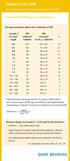 The sensitive marker for glomerular filtration rate (GFR) Estimation of GFR from Serum Cystatin C: The good correlation allows close estimation of GFR Cystatin C GFR GFR in serum estimated* measured* n
Blood Pressure Regulation
 Blood Pressure Regulation Graphics are used with permission of: Pearson Education Inc., publishing as Benjamin Cummings (http://www.aw-bc.com) Page 1. Introduction There are two basic mechanisms for regulating
Kidneys, Nephrons, and Urine Production
 Valerie ovelace Kidneys, Nephrons, and rine Production Part of the urinary system, our kidneys are vital organs that serve to remove waste from the bloodstream through ultrafiltration and the formation
Kidney Structure and Function.
 Kidney Structure and Function. Learning Objectives. At the end of this section, you should be able to : 1. describe the structure of the kidney; 2. understand the vascular organisation of the kidneys;
Acid/Base and ABG Interpretation Made Simple
 Acid/Base and ABG Interpretation Made Simple A-a a Gradient FIO2 = PA O2 + (5/4) PaCO2 FIO2 = 713 x O2% A-a a gradient = PA O2 - PaO2 Normal is 0-100 mm Hg 2.5 + 0.21 x age in years With higher inspired
AP BIOLOGY CHAPTER 7 Cellular Respiration Outline
 AP BIOLOGY CHAPTER 7 Cellular Respiration Outline I. How cells get energy. A. Cellular Respiration 1. Cellular respiration includes the various metabolic pathways that break down carbohydrates and other
Modes of Membrane Transport
 Modes of Membrane Transport Transmembrane Transport movement of small substances through a cellular membrane (plasma, ER, mitochondrial..) ions, fatty acids, H 2 O, monosaccharides, steroids, amino acids
Anatomy and Physiology Placement Exam 2 Practice with Answers at End!
 Anatomy and Physiology Placement Exam 2 Practice with Answers at End! General Chemical Principles 1. bonds are characterized by the sharing of electrons between the participating atoms. a. hydrogen b.
Sign up to receive ATOTW weekly - email [email protected]
 RENAL PHYSIOLOGY - PART 1 ANAESTHESIA TUTORIAL OF THE WEEK 273 5 th NOVEMBER 2012 Dr Matthew Gwinnutt Mersey Deanery, UK Dr Jennifer Gwinnutt Mersey Deanery, UK Correspondence to: [email protected]
4. Biology of the Cell
 4. Biology of the Cell Our primary focus in this chapter will be the plasma membrane and movement of materials across the plasma membrane. You should already be familiar with the basic structures and roles
Chapter 17. How are acids different from bases? Acid Physical properties. Base. Explaining the difference in properties of acids and bases
 Chapter 17 Acids and Bases How are acids different from bases? Acid Physical properties Base Physical properties Tastes sour Tastes bitter Feels slippery or slimy Chemical properties Chemical properties
UNIT 11 - URINARY SYSTEM LECTURE NOTES
 UNIT 11 - URINARY SYSTEM LECTURE NOTES 11.01 FUNCTIONS OF THE URINARY SYSTEM A. Regulate the composition and volume of the blood by removing and restoring selected amounts of water and solutes. B. Excretes
glucose and fatty acids to raise your blood sugar levels.
 Endocrine & Cell Communication Part IV: Maintaining Balance (Homeostasis) TEACHER NOTES needs coding 1 Endocrine & Cell Communication Part IV: Maintaining Balance (Homeostasis) 2 AP Biology Curriculum
URINARY (RENAL) STONE (NEPHROLITHOISIS) An Overview
 URINARY (RENAL) STONE (NEPHROLITHOISIS) An Overview UNIVERSITY OF PNG SCHOOL OF MEDICINE AND HEALTH SCIENCES DIVISION OF BASIC MEDICAL SCIENCES DISCIPLINE OF BIOCHEMISTRY AND MOLECULAR BIOLOGY PLB MBBS
Biology 224 Human Anatomy and Physiology II Week 8; Lecture 1; Monday Dr. Stuart S. Sumida. Excretory Physiology
 Biology 224 Human Anatomy and Physiology II Week 8; Lecture 1; Monday Dr. Stuart S. Sumida Excretory Physiology The following ELEVEN slides are review. They will not be covered in lecture, but will be
Components. Urinary System. Formation of Urine. Functions of Kidney. Pathway of Urine. Kidney. Major functions of the kidneys include:
 Components Urinary System To Accompany: Anatomy and Physiology Text and Laboratory Workbook, Stephen G. Davenport, Copyright 2006, All Rights Reserved, no part of this publication can be used for any commercial
The Urea Cycle. April 11, 2003 Bryant Miles
 The Urea ycle April 11, 2003 Bryant Miles I. Ammonia Toxicity Every amino acid contains at least one amino group. Therefore every amino acid degradation pathway has a key step where the amino group is
Paramedic Program Anatomy and Physiology Study Guide
 Paramedic Program Anatomy and Physiology Study Guide Define the terms anatomy and physiology. List and discuss in order of increasing complexity, the body from the cell to the whole organism. Define the
Oxalate (urine, plasma)
 Oxalate (urine, plasma) 1 Name and description of analyte 1.1 Name of analyte Oxalate 1.2 Alternative names 1.3 NLMC code To follow 1.4. Function of analyte Oxalate is a metabolic end product primarily
Nursing 113. Pharmacology Principles
 Nursing 113 Pharmacology Principles 1. The study of how drugs enter the body, reach the site of action, and are removed from the body is called a. pharmacotherapeutics b. pharmacology c. pharmacodynamics
23.4% Sodium Chloride Injection, USP (4 meq/ml) Glass Fliptop Vials Rx only Pharmacy Bulk Package Not for Direct Infusion
 CONCENTRATE CAUTION: MUST BE DILUTED FOR I.V. USE. 23.4% Sodium Chloride Injection, USP (4 meq/ml) Glass Fliptop Vials Rx only Pharmacy Bulk Package Not for Direct Infusion DESCRIPTION 23.4% Sodium Chloride
Enzymes and Metabolic Pathways
 Enzymes and Metabolic Pathways Enzyme characteristics Made of protein Catalysts: reactions occur 1,000,000 times faster with enzymes Not part of reaction Not changed or affected by reaction Used over and
Chapter 8: Energy and Metabolism
 Chapter 8: Energy and Metabolism 1. Discuss energy conversions and the 1 st and 2 nd law of thermodynamics. Be sure to use the terms work, potential energy, kinetic energy, and entropy. 2. What are Joules
Digestive System Lecture 5 Winter 2014
 Digestive System Lecture 5 Winter 2014 This lecture tells the story of the Flow of Matter from Food to Cells. The pictures are only there to help you visualize structures don t worry about names of structures
Biology 12 June 2003 Provincial Examination
 Biology 12 June 2003 rovincial Examination ANWER KEY / CORING GUIDE CURRICULUM: Organizers 1. Cell Biology 2. Cell rocesses and Applications 3. Human Biology ub-organizers A, B, C, D E, F, G, H I, J, K,
1. Give the name and functions of the structure labeled A on the diagram. 2. Give the name and functions of the structure labeled B on the diagram.
 2013 ANATOMY & PHYSIOLOGY Sample Tournament Station A: Use the diagram in answering Questions 1-5. 1. Give the name and functions of the structure labeled A on the diagram. 2. Give the name and functions
Membrane Structure and Function
 Membrane Structure and Function Part A Multiple Choice 1. The fluid mosaic model describes membranes as having A. a set of protein channels separated by phospholipids. B. a bilayer of phospholipids in
Chapter 8: An Introduction to Metabolism
 Chapter 8: An Introduction to Metabolism Name Period Concept 8.1 An organism s metabolism transforms matter and energy, subject to the laws of thermodynamics 1. Define metabolism. The totality of an organism
Advanced Subsidiary GCE Biology
 Advanced Subsidiary GCE Biology Unit F214 - Communication, Homeostasis and Energy - High banded OCR has produced these candidate style answers to support teachers in interpreting the assessment criteria
BIOLOGICAL MEMBRANES: FUNCTIONS, STRUCTURES & TRANSPORT
 BIOLOGICAL MEMBRANES: FUNCTIONS, STRUCTURES & TRANSPORT UNIVERSITY OF PNG SCHOOL OF MEDICINE AND HEALTH SCIENCES DISCIPLINE OF BIOCHEMISTRY AND MOLECULAR BIOLOGY BMLS II / B Pharm II / BDS II VJ Temple
BLOOD GAS VARIATIONS. Respiratory Values PCO2 35-45 mmhg Normal range. PCO2 ( > 45) ph ( < 7.35) Respiratory Acidosis
 BLOOD GAS VARIATIONS 1 BLOOD ph Normal range 7.35 7.45 Think of 7.40 as your new 0 or neutral If the reading is below 7.4 it is acid. Below 7.35 it is acid out of range or Acidosis If the reading is above
Adams Memorial Hospital Decatur, Indiana EXPLANATION OF LABORATORY TESTS
 Adams Memorial Hospital Decatur, Indiana EXPLANATION OF LABORATORY TESTS Your health is important to us! The test descriptions listed below are for educational purposes only. Laboratory test interpretation
1. The diagram below represents a biological process
 1. The diagram below represents a biological process 5. The chart below indicates the elements contained in four different molecules and the number of atoms of each element in those molecules. Which set
30.3 The Digestive System
 30.3 The Digestive System Lesson Objectives Describe the organs of the digestive system and explain their functions. Explain what happens during digestion. Describe how nutrients are absorbed into the
INTRAVENOUS FLUIDS. Acknowledgement. Background. Starship Children s Health Clinical Guideline
 Acknowledgements Background Well child with normal hydration Unwell children (+/- abnormal hydration Maintenance Deficit Ongoing losses (e.g. from drains) Which fluid? Monitoring Special Fluids Post-operative
7. A selectively permeable membrane only allows certain molecules to pass through.
 CHAPTER 2 GETTING IN & OUT OF CELLS PASSIVE TRANSPORT Cell membranes help organisms maintain homeostasis by controlling what substances may enter or leave cells. Some substances can cross the cell membrane
Harvesting Energy: Glycolysis and Cellular Respiration. Chapter 8
 Harvesting Energy: Glycolysis and Cellular Respiration Chapter 8 Overview of Glucose Breakdown The overall equation for the complete breakdown of glucose is: C 6 H 12 O 6 + 6O 2 6CO 2 + 6H 2 O + ATP The
5.111 Principles of Chemical Science
 MIT OpenCourseWare http://ocw.mit.edu 5.111 Principles of Chemical Science Fall 2008 For information about citing these materials or our Terms of Use, visit: http://ocw.mit.edu/terms. 5.111 Principles