
Urinary System. And Adrenal Function
|
|
|
- Conrad Ferguson
- 9 years ago
- Views:
Transcription
1 Urinary System And Adrenal Function

2 Overview Kidney anatomy and physiology Urine Ureters, Bladder and Urethra Adrenal Function

3 Functions of the Kidney Filter fluids from the blood Regulate volume and composition of blood Gluconeogenesis Produce hormones renin and erythropoietin Metabolize vitamin D to active form Create urine

4 Kidney Anatomy 4.5 x 2.5 x 1 Surrounded by fat

5 Kidney Anatomy Approx 8 lobes Pelvis is continuous with ureter Calyces collect urine from papillae Walls of calyces, pelvis and ureter have smooth muscle that moves urine via peristalsis

6 Kidney Blood Supply ¼ of cardiac output each minute! 90%+ of blood perfuses the cortex

7 Nephron Anatomy Over 1 million! Each about 1.2 long 2 capillary beds Glomerulus Produce filtrate Peritubular capillaries Reclaim filtrate

8 Kidney Physiology 3 processes: Glomerular filtration Tubular reabsorption Tubular secretion Entire plasma is filtered 60x/day! (total 47 gal) Kidneys consume 20-25% of all O used at rest

9 Glomerular Filtration Note large afferent arteriole compared with the smaller efferent arteriole creating relatively high glomerular BP. Blood colloid osmotic pressure due to the inability of proteins to pass through the membrane. Capsular hydrostatic pressure due to the material in the capsule. Net filtration pressure = 10mm Hg 2 million of these! about SA of skin

10 Glomerular Filtration Substances that pass Water Glucose Ions Amino acids Nitrogenous waste Molecules < 3nm What does not pass Blood cells Plasma proteins

11 GFR regulation

12 Sodium reabsorption via Na/K pump (80% of active transport) Water follows via osmosis (passive) Aquaporins water channel proteins; obligatory water reabsorption; constant component of PCT Solutes follow solvent lipid-soluble substances, ions, urea Secondary active transport electrochemical gradient (opens some channels) facilitated diffusion glucose, amino acids, lactate, vitamins Tubular reabsorption

13 Tubular reabsorption Loop of Henle Adjusts concentration of water in the urine Water can leave the descending limb (but solutes cannot) Water cannot leave the ascending limb (but solutes can) no aquaporins here

14 GFR regulation

15 Tubular reabsorption Distal Convoluted tubule and collecting ducts Adjusts concentration of water in the urine Water can leave the descending limb (but solutes cannot) Water cannot leave the ascending limb (but solutes can) no aquaporins here


16 PCT is main site; also DCT and CD Important for substances not filtered out at glomerulus Metabolites and drugs bound to proteins Eliminate reabsorbed substances (urea, uric acid) Remove excess K+ (nearly all K+ in urine is due to secretion) Control blood ph If ph drops secrete H+ into urine (If ph rises Cl- is reabsorbed by body instead of HCO3-.. (this is not secretion!) Tubular secretion

17 Urine Concentration and Volume Osmolality = number of solute particles dissolved in 1kg water (1 osmol = 1mole/1kg water; 1000 milliosmol = 1 osmol) 300mOsm = body solute load Kidneys maintain this osmolality with a countercurrent mechanism

18 Urine Concentration and Volume Loop of Henle

19 Urine Concentration and Volume Collecting Duct

20 Regulation of Urine Concentration ADH anti-diuretic hormone (vasopressin) Released by the pituitary (posterior lobe) In response to blood osmolality Release inhibited by alcohol Inhibits urine output Up to 99% of water can be reabsorbed Causes aquaporins to be inserted into the walls of the collecting duct (more ADH = more aquaporins) Controls water reabsorption

21 Diuretics diamox Aldactone dyrenium lasix
22 Angiotensin Granular cells (along afferent arteriole) release renin (hormone) Renin causes an increase in angiotensin II (via a metabolic pathway) (angiotensinogen -> angiotensin I -> angiotensin II Angiotensin II 5 functions Vasoconstrictor raises BP Stimulates reabsorption of Na+ (and water) increases BP due to increased blood volume Directly via nephron tubules Triggers release of aldosterone from adrenal cortex Contracts glomerular cells reducing the GFR Keeps blood in the capillaries (raises blood volume and BP) Contracts efferent arteriole Causes drop in hydrostatic pressure in peritubular capillary bed; allows more fluid to move into the capillaries raising blood volume (and BP) Stimulates release of ADH (anti-diuretic hormone) Increases blood volume (and BP)
23 Ureters, Bladder and Urethra Ureter Peristalsis moves urine to bladder Enter bladder at bottom Prevents backflow of urine Bladder Highly distensible Can hold up to 1 liter
24 Ureters, Bladder and Urethra Urethra Internal urethral sphincter Involuntary Prevents leaking Contraction opens it (unusual) External urethral sphincter At the urogenital diaphragm Voluntary
25 Adrenal Function Surrounded by fat Pyramid shaped On top of kidneys Note that it monitors the blood entering the kidney
26 cortex Adrenal Function Two glands (cortex and medulla) Adrenal Cortex medull a Synthesizes Corticosteroids 2 dozen +; Cholesterol based Mineralocorticoids Regulate electrolyte concentration Primarily Na+ (and therefore water) Important in blood volume and pressure Action potential of neurons and muscles Volume of extracellular fluid Aldosterone (most potent mineralocorticoid) Stimulates Na+ reabsorption at PCT, perspiration, saliva, gastric juice
27 Note on Aldosterone Also secreted by cardiovascular system 4 mechanism regulate aldosterone secretion K+ concentration (increase stimulates secretion) ANP (atrial natriuretic peptide) Secreted by the heart when BP increases Inhibits renin-angiotensin mechanism Blocks renin and aldosterone secretion ACTH (adrenocorticotropic hormone) Under severe stress, increase in ACTH leads to increase in aldosterone Renin-angiotensin mechanism If BP or blood volume decrease kidneys releases renin
28 cortex Adrenal Function Adrenal Cortex continued medull a Synthesizes Corticosteroids 2 dozen +; Cholesterol based Glucocorticoids Cortisol (hydrocortisone) (and cortisone) Mobilize fat for energy metabolism Stimulate protein catabolism for repairs and enzyme synthesis Increases vasocontriction; increases BP Excessive levels Depress cartilage and bone formation Decrease release of inflammatory chemicals Depress immune system
29 cortex Adrenal Function Adrenal Cortex continued medull a Synthesizes Corticosteroids 2 dozen +; Cholesterol based Gonadocorticoids (sex hormones) Androgens Andorstenedione, dehydroepiandrosterone (DHEA) Converted to testosterone (males) or estrogens (females) Estradiol and other female hormones
30 cortex Adrenal Function Adrenal Medulla medull a Synthesizes catecholamines Epinephrine (adrenaline) (80%) Norepinephrine (noradrenaline) (20%) Increase heart rate and strength Stimulates release of renin by kidney Dilate blood vessels and bronchioles in lungs; constricts most other blood vessels Relax smooth muscle of digestive and urinary tracts; constricts sphincters Dilates pupils of eyes Inhibits insulin secretion by pancrease Promotes blood clotting Stimulates lipolysis in fat cells

31
The digestive system eliminated waste from the digestive tract. But we also need a way to eliminate waste from the rest of the body.
 Outline Urinary System Urinary System and Excretion Bio105 Lecture 20 Chapter 16 I. Function II. Organs of the urinary system A. Kidneys 1. Function 2. Structure III. Disorders of the urinary system 1
Chapter 26: The Urinary System
 Chapter 26: The Urinary System Chapter Objectives OVERVIEW OF KIDNEY FUNCTION 1. List and describe the functions of the kidneys. NEPHRONS 2. Describe the two major portions of a nephron and the capillaries
LECTURE 1 RENAL FUNCTION
 LECTURE 1 RENAL FUNCTION Components of the Urinary System 2 Kidneys 2 Ureters Bladder Urethra Refer to Renal System Vocabulary in your notes Figure 2-1,page10 Kidney Composition Cortex Outer region Contains
CHAPTER 20: URINARY SYSTEM
 OBJECTIVES: 1. Name the major function of the urinary system, and name and locate (on a diagram) the organs that compose the system. 2. Explain what the term renal refers to. 3. Define the term retroperitoneal.
Essentials of Human Anatomy & Physiology. Chapter 15. The Urinary System. Slides 15.1 15.20. Lecture Slides in PowerPoint by Jerry L.
 Essentials of Human Anatomy & Physiology Elaine N. Marieb Seventh Edition Chapter 15 The Urinary System Slides 15.1 15.20 Lecture Slides in PowerPoint by Jerry L. Cook Functions of the Urinary System Elimination
April 18, 2008 Dr. Alan H. Stephenson Pharmacological and Physiological Science
 Renal Mechanisms for Regulating Urine Concentration April 18, 2008 Dr. Alan H. Stephenson Pharmacological and Physiological Science Amount Filtered Reabsorption is selective Examples of substances that
Select the one that is the best answer:
 MQ Kidney 1 Select the one that is the best answer: 1) n increase in the concentration of plasma potassium causes increase in: a) release of renin b) secretion of aldosterone c) secretion of H d) release
Chapter 23. Urine Formation I Glomerular Filtration
 Chapter 23 Urine Formation I Glomerular Filtration Urine Formation I: Glomerular Filtration kidneys convert blood plasma to urine in three stages glomerular filtration tubular reabsorption and secretion
Water Homeostasis. Graphics are used with permission of: Pearson Education Inc., publishing as Benjamin Cummings (http://www.aw-bc.
 Water Homeostasis Graphics are used with permission of: Pearson Education Inc., publishing as Benjamin Cummings (http://www.aw-bc.com) 1. Water Homeostasis The body maintains a balance of water intake
Blood Pressure Regulation
 Blood Pressure Regulation Graphics are used with permission of: Pearson Education Inc., publishing as Benjamin Cummings (http://www.aw-bc.com) Page 1. Introduction There are two basic mechanisms for regulating
Components. Urinary System. Formation of Urine. Functions of Kidney. Pathway of Urine. Kidney. Major functions of the kidneys include:
 Components Urinary System To Accompany: Anatomy and Physiology Text and Laboratory Workbook, Stephen G. Davenport, Copyright 2006, All Rights Reserved, no part of this publication can be used for any commercial
Renal Topics 1) renal function 2) renal system 3) urine formation 4) urine & urination 5) renal diseases
 Renal Topics 1) renal function 2) renal system 3) urine formation 4) urine & urination 5) renal diseases 1/9/2015 Renal Biology - Sandra Hsu 1 Renal Functions 1) excrete metabolic wastes (blood cleaning)
Body Fluids. Physiology of Fluid. Body Fluids, Kidneys & Renal Physiology
 Pc Remember arterioles have more smooth muscle So SNS effects are greater on arterioles than on venules Net effects: SNS P c (vasoconstriction > venoconstriction) SNS P c (vasodilation > venodilation)
Regulating the Internal Environment Water Balance & Nitrogenous Waste Removal
 Regulating the Internal Environment Water Balance & Nitrogenous Waste Removal 2006-2007 Animal systems evolved to support multicellular life CH CHO O 2 O 2 NH 3 CH CHO O 2 CO 2 NH NH 3 O 2 3 NH 3 intracellular
Kidney Structure and Function.
 Kidney Structure and Function. Learning Objectives. At the end of this section, you should be able to : 1. describe the structure of the kidney; 2. understand the vascular organisation of the kidneys;
Urinary System! (Chapter 26)! Lecture Materials! for! Amy Warenda Czura, Ph.D.! Suffolk County Community College! Eastern Campus!
 Urinary System! (Chapter 26)! Lecture Materials! for! Amy Warenda Czura, Ph.D.! Suffolk County Community College! Eastern Campus! Urinary System Components:! -Kidneys! -Ureters! -Urinary Bladder!! -Urethra!
Hormonal Cycles. 1. Briefly describe each component of an endocrine feedback loop: Stimulus. Production Cell. Hormone. Target Cell. Target Cell Action
 Hormonal Cycles Directions: a. Click the Contents button. b. Open the Endocrine System File. c. Click Animations. d. Click Hormonal Cycles. 1. Briefly describe each component of an endocrine feedback loop:
RENAL WATER REGULATION page 1
 page 1 INTRODUCTION TO WATER EXCRETION A. Role of the Kidney: to adjust urine formation rate and urine concentration to maintain 1. body fluid osmolar concentration 2. body fluid volume 3. intravascular
Sign up to receive ATOTW weekly - email [email protected]
 RENAL PHYSIOLOGY - PART 1 ANAESTHESIA TUTORIAL OF THE WEEK 273 5 th NOVEMBER 2012 Dr Matthew Gwinnutt Mersey Deanery, UK Dr Jennifer Gwinnutt Mersey Deanery, UK Correspondence to: [email protected]
Urinary System Lab Guide
 Urinary System Lab Guide I. Prelab Questions Name 1. Describe the location of the kidneys. 2. Describe the following structures: a. renal cortex b. renal pyramid c. renal column d. minor calyx e. renal
Pathophysiology Renal Anatomy and Function II
 Pathophysiology Renal Anatomy and Function II I. Effects of blood volume on the filtration fraction (FF) {Altered Volume Effects in syllabus A. Under normal conditions, ~20% of renal plasma flow becomes
Biology 224 Human Anatomy and Physiology II Week 8; Lecture 1; Monday Dr. Stuart S. Sumida. Excretory Physiology
 Biology 224 Human Anatomy and Physiology II Week 8; Lecture 1; Monday Dr. Stuart S. Sumida Excretory Physiology The following ELEVEN slides are review. They will not be covered in lecture, but will be
Chapter 48. Nutrients in Food. Carbohydrates, Proteins, and Lipids. Carbohydrates, Proteins, and Lipids, continued
 Carbohydrates, Proteins, and Lipids The three nutrients needed by the body in the greatest amounts are carbohydrates, proteins, and lipids. Nutrients in Food All of these nutrients are called organic compounds,
Renal Blood Flow GFR. Glomerulus Fluid Flow and Forces. Renal Blood Flow (cont d)
 GFR Glomerular filtration rate: about 120 ml /minute (180 L a day) Decreases with age (about 10 ml/min for each decade over 40) GFR = Sum of the filtration of two million glomeruli Each glomerulus probably
regulation of ECF composition and volume regulation of metabolism thyroid hormones, epinephrine, growth hormone, insulin and glucagon
 Hormonal Effects regulation of ECF composition and volume ADH, aldosterone, ANF regulation of metabolism thyroid hormones, epinephrine, growth hormone, insulin and glucagon regulation of muscle contraction
Chapter 23. Composition and Properties of Urine
 Chapter 23 Composition and Properties of Urine Composition and Properties of Urine urinalysis the examination of the physical and chemical properties of urine appearance - clear, almost colorless to deep
Structure of the Kidney Laboratory Exercise 56
 Structure of the Kidney Laboratory Exercise 56 Background The two kidneys are the primary organs of the urinary system. They are located in the upper quadrants of the abdominal cavity, against the posterior
2. Understand the structure of the kidney, and how this structure facilitates its function
 Objectives 1. Understand the roles of the kidney 2. Understand the structure of the kidney, and how this structure facilitates its function 3. Begin to appreciate the inter-dependence of regulatory mechanisms
The Endocrine System
 Essentials of Human Anatomy & Physiology Elaine N. Marieb Seventh Edition Chapter 9 The Endocrine System Slides 9.1 9.48 Lecture Slides in PowerPoint by Jerry L. Cook The Endocrine System Second messenger
Eating, pooping, and peeing THE DIGESTIVE SYSTEM
 THE DIGESTIVE SYSTEM Ingested food is not technically in the body until it is absorbed so it needs to be: Mechanically and chemically reduced Transported by the blood to the cells Large portions are not
Pathophysiology Introduction/ Renal Anatomy and Function
 Pathophysiology Introduction/ Renal Anatomy and Function I. Functions of the kidney A. Maintaining homeostasis of a large number of solutes and water is the main job of the kidney. Total body contents
Ch16 Endocrine part 2
 Ch16 Endocrine part 2 several separate organs release hormones into capillaries hormones are transported in the blood Hypothalamus Pituitary glands Pineal gland Thyroid Parathyroid Thymus Adrenal Cortex
Stress Psychophysiology. Introduction. The Brain. Chapter 2
 Stress Psychophysiology Chapter 2 Introduction This chapter covers the process & structures activated during the physiological response to stress. Two stress pathways are available; one for short term
CHAPTER 11: URINARY SYSTEM. At the end of this chapter, student will be able to:
 CHAPTER 11: URINARY SYSTEM At the end of this chapter, student will be able to: a) Describe the location and general function of each organ of the urinary system. b) Name the parts of a nephron and the
UNIT 11 - URINARY SYSTEM LECTURE NOTES
 UNIT 11 - URINARY SYSTEM LECTURE NOTES 11.01 FUNCTIONS OF THE URINARY SYSTEM A. Regulate the composition and volume of the blood by removing and restoring selected amounts of water and solutes. B. Excretes
THE URINARY SYSTEM THE URINARY SYSTEM 2012
 THE URINARY SYSTEM KIDNEYS A. Location: a. under the back muscles b. behind the parietal peritoneum c. just above the waistline d. right kidney a little lower than the left B. internal structure a. cortex:
REGULATION OF FLUID & ELECTROLYTE BALANCE
 REGULATION OF FLUID & ELECTROLYTE BALANCE 1 REGULATION OF FLUID & ELECTROLYTE BALANCE The kidney is the primary organ that maintains the total volume, ph, and osmolarity of the extracellular fluid within
Kidneys, Nephrons, and Urine Production
 Valerie ovelace Kidneys, Nephrons, and rine Production Part of the urinary system, our kidneys are vital organs that serve to remove waste from the bloodstream through ultrafiltration and the formation
1. Give the name and functions of the structure labeled A on the diagram. 2. Give the name and functions of the structure labeled B on the diagram.
 2013 ANATOMY & PHYSIOLOGY Sample Tournament Station A: Use the diagram in answering Questions 1-5. 1. Give the name and functions of the structure labeled A on the diagram. 2. Give the name and functions
Response to Stress Graphics are used with permission of: Pearson Education Inc., publishing as Benjamin Cummings (http://www.aw-bc.
 Response to Stress Graphics are used with permission of: Pearson Education Inc., publishing as Benjamin Cummings (http://www.aw-bc.com) Page 1. Introduction When there is an overwhelming threat to the
Endocrine System Review Graphics are used with permission of: Pearson Education Inc., publishing as Benjamin Cummings (http://www.aw-bc.
 Endocrine System Review Graphics are used with permission of: Pearson Education Inc., publishing as Benjamin Cummings (http://www.aw-bc.com) Page 1. Endocrine System Review Consists of discrete individual
The Respiratory System
 Human Anatomy III: Respiratory, Urinary & Digestive Systems The Respiratory System Major functions include: Obtaining oxygen Removing carbon dioxide Maintenance of ph balance Respiration may be accomplished
The Urinary System. Anatomy of Urinary System. Urine production and elimination are one of the most important mechanisms of body homeostasis
 The Urinary System Urine production and elimination are one of the most important mechanisms of body homeostasis all body systems are directly or indirectly affected by kidney function eg. composition
Introduction to Animal Systems
 Human Body Systems Introduction to Animal Systems Recurring Themes in Biology 1. Correlation between structure and function( seen at many levels) 2. Life is organized at many levels from Smallest ----
Endocrine Responses to Resistance Exercise
 chapter 3 Endocrine Responses to Resistance Exercise Chapter Objectives Understand basic concepts of endocrinology. Explain the physiological roles of anabolic hormones. Describe hormonal responses to
The Urinary System Urine (pp. 984 985)
 Kidney Anatomy (pp. 961 969) Location and External Anatomy (pp. 961 962) Internal Anatomy (pp. 962 963) Blood and Nerve Supply (pp. 963 964) Nephrons (pp. 964 969) Kidney Physiology: Mechanisms of Urine
OUTCOMES BASED LEARNING MATRIX
 OUTCOMES BASED LEARNING MATRIX Course: BIOL 206 Vertebrate Anatomy and Physiology II Department: Biology Course Description: This is the second part of an introductory course sequence in the comparative
Chapter 25: Metabolism and Nutrition
 Chapter 25: Metabolism and Nutrition Chapter Objectives INTRODUCTION 1. Generalize the way in which nutrients are processed through the three major metabolic fates in order to perform various energetic
Chapter 26: The Urinary System Kidney
 Chapter 26: The Urinary System Kidney --Overview of Kidney Function a. Regulation of blood ionic composition b. Regulation of blood ph and osmolarity c. Regulate blood glucose level (gluconeogenesis) d.
D.U.C. Assist. Lec. Faculty of Dentistry General Physiology Ihsan Dhari. The Autonomic Nervous System
 The Autonomic Nervous System The portion of the nervous system that controls most visceral functions of the body is called the autonomic nervous system. This system helps to control arterial pressure,
Fundamentals of Anatomy & Physiology Course Outline, Objectives and Accreditation Information
 201 Webster Building 3411 Silverside Road Wilmington, DE 19810 Phone: 1-888-658-6641 Fax: 1-302-477-9744 [email protected] www.corexcel.com Course Outline, Objectives and Accreditation Information Chapter
Canine Hypoadrenocorticism. Diagnosis and Treatment
 Diagnosis and Treatment Adrenal Physiology The adrenal gland is a two-part structure located on the cranial pole of each kidney. Essential for life Produces hormones Epinephrine Estrogen Testosterone Cortisol
23. The Urinary System Text The McGraw Hill Companies, 2003 CHAPTER
 CHAPTER 23 The kidneys (green), ureters, and urinary bladder (red) of a healthy person (colorized X ray) The Urinary System CHAPTER OUTLINE Functions of the Urinary System 880 Functions of the Kidneys
Acid/Base Homeostasis (Part 3)
 Acid/Base Homeostasis (Part 3) Graphics are used with permission of: Pearson Education Inc., publishing as Benjamin Cummings (http://www.aw-bc.com) 27. Effect of Hypoventilation Now let's look at how the
Autonomic Nervous System Dr. Ali Ebneshahidi
 Autonomic Nervous System Dr. Ali Ebneshahidi Nervous System Divisions of the nervous system The human nervous system consists of the central nervous System (CNS) and the Peripheral Nervous System (PNS).
HUMAN ANATOMY & PHYSIOLOGY MAINTENANCE 30
 Curriculum Development In the Fairfield Public Schools FAIRFIELD PUBLIC SCHOOLS FAIRFIELD, CONNECTICUT HUMAN ANATOMY & PHYSIOLOGY MAINTENANCE 30 Board of Education Approved 05/22/2007 HUMAN ANATOMY & PHYSIOLOGY
30.3 The Digestive System
 30.3 The Digestive System Lesson Objectives Describe the organs of the digestive system and explain their functions. Explain what happens during digestion. Describe how nutrients are absorbed into the
ADRENERGIC RECEPTOR AGONIST,CLASSIFICATION AND MECHANISM OF ACTION.
 ADRENERGIC RECEPTOR AGONIST,CLASSIFICATION AND MECHANISM OF ACTION. LEARNING OBJECTIVES At the end of lecture students should be able to know, Adrenergic receptor agonist, Classification and mechanism
The first vertebrates evolved in seawater, and the physiology
 58 Maintaining the Internal Environment Concept Outline 58.1 The regulatory systems of the body maintain homeostasis. The Need to Maintain Homeostasis. Regulatory mechanisms maintain homeostasis through
Endocrine Glands and the General Principles of Hormone Action
 Endocrine Glands and the General Principles of Hormone Action Cai Li, Ph.D. Assistant professor Touchstone Center for Diabetes Research Departments of Physiology and Internal Medicine The University of
Vascular System The heart can be thought of 2 separate pumps from the right ventricle, blood is pumped at a low pressure to the lungs and then back
 Vascular System The heart can be thought of 2 separate pumps from the right ventricle, blood is pumped at a low pressure to the lungs and then back to the left atria from the left ventricle, blood is pumped
U N IT 10 NE RVOUS SYS TE M REVIEW 1. Which of the following is controlled by the somatic nervous system? A. rate of heartbeat B.
 U N IT 10 NE RVOUS SYS TE M REVIEW 1. Which of the following is controlled by the somatic nervous system? A. rate of heartbeat B. contraction of skeletal muscles C. increased blood flow to muscle tissue
Renal Acid/Base. Acid Base Homeostasis... 2 H+ Balance... 2
 Renal Acid/Base By Adam Hollingworth Table of Contents Acid Base Homeostasis... 2 H+ Balance... 2 Acid Base Homeostasis... 2 Role of Kidneys in Acid- Base Homeostasis... 3 Renal H+ Secretion... 3 Proximal
Anatomy and Physiology
 Learning Activities It is important that you do not lecture all of the time. If you employ a variety of teaching styles, your students will stay focused better and they will find it easier to process the
Human Anatomy & Physiology I with Dr. Hubley. Practice Exam 1
 Human Anatomy & Physiology I with Dr. Hubley Practice Exam 1 1. Which definition is the best definition of the term gross anatomy? a. The study of cells. b. The study of tissues. c. The study of structures
Clinical Aspects of Hyponatremia & Hypernatremia
 Clinical Aspects of Hyponatremia & Hypernatremia Case Presentation: History 62 y/o male is admitted to the hospital with a 3 month history of excessive urination (polyuria) and excess water intake up to
Chapter 45: Hormones and the Endocrine System
 Name Period Overview 1. What is a hormone? 2. Why does a hormone elicit a response only with target cells? 3. The body has two long-distance regulating systems. Which involves chemical signals by hormones?
Quiz Urinary System. 1. The kidneys help regulate blood volume. help control blood pressure. help control ph. All of the above are correct.
 Quiz Urinary System 1. The kidneys help regulate blood volume. help control blood pressure. help control ph. All of the above are correct. 2. The location of the kidneys in relationship to the peritoneal
Introduction to the kidneys + urinary system Dr Vikram Khullar ([email protected])
 Introduction to the kidneys + urinary system Dr Vikram Khullar ([email protected]) 1. Draw a simple diagram of the urinary system including the following: kidney, renal pelvis, ureter, bladder,
Acid-Base Balance and Renal Acid Excretion
 AcidBase Balance and Renal Acid Excretion Objectives By the end of this chapter, you should be able to: 1. Cite the basic principles of acidbase physiology. 2. Understand the bicarbonatecarbon dioxide
Functions of Blood System. Blood Cells
 Functions of Blood System Transport: to and from tissue cells Nutrients to cells: amino acids, glucose, vitamins, minerals, lipids (as lipoproteins). Oxygen: by red blood corpuscles (oxyhaemoglobin - 4
Fluid, Electrolyte & ph Balance
 , Electrolyte & ph Balance / Electrolyte / AcidBase Balance Body s: Cell function depends not only on continuous nutrient supply / waste removal, but also on the physical / chemical homeostasis of surrounding
ORGAN SYSTEMS OF THE BODY
 ORGAN SYSTEMS OF THE BODY DEFINITIONS AND CONCEPTS A. Organ a structure made up of two or more kinds of tissues organized in such a way that they can together perform a more complex function that can any
Endocrine System ANS 215 Physiology and Anatomy of Domesticated Animals
 Endocrine System ANS 215 Physiology and Anatomy of Domesticated Animals I. Introduction A. Considered to be part of animals communication system 1. Nervous system uses physical structures for communication
Paramedic Program Anatomy and Physiology Study Guide
 Paramedic Program Anatomy and Physiology Study Guide Define the terms anatomy and physiology. List and discuss in order of increasing complexity, the body from the cell to the whole organism. Define the
Anatomy & Physiology Bio 2401 Lecture. Instructor: Daryl Beatty Day 1 Intro to Lecture 1
 Anatomy & Physiology Bio 2401 Lecture Instructor: Daryl Beatty Day 1 Intro to Lecture 1 Introduction: Daryl Beatty M.S. Microbiology 28 Years Dow, Research & TS&D. Family BC since 2007 More importantly:
Digestion, Absorption. How & where?
 Digestion, Absorption How & where? What happens to food? Three processes Digestion Absorption Elimination Where do they occur? GI tract Overview of Digestion GI tract Gastrointestinal (GI) tract: series
BIOL 1108 Vertebrate Anatomy Lab
 BIOL 1108 Vertebrate Anatomy Lab This lab explores major organs associated with the circulatory, excretory, and nervous systems of mammals. Circulatory System Vertebrates are among the organisms that have
INTRODUCTION TO HORMONES
 INTRODUCTION TO HORMONES UNIVERSITY OF PNG SCHOOL OF MEDICINE AND HEALTH SCIENCES DISCIPLINE OF BIOCHEMISTRY & MOLECULAR BIOLOGY PBL MBBS II SEMINAR VJ Temple What are hormones? Cells in multi-cellular
Blood Vessels and Circulation
 13 Blood Vessels and Circulation FOCUS: Blood flows from the heart through the arterial blood vessels to capillaries, and from capillaries back to the heart through veins. The pulmonary circulation transports
Acute Renal Failure. usually a consequence.
 Acute Renal Failure usually a consequence www.philippelefevre.com Definitions Pathogenisis Classification ICU Incidence/ Significance Treatments Prerenal Azotaemia Blood Pressure Cardiopulmonary Baroreceptors
2161-1 - Page 1. Name: 1) Choose the disease that is most closely related to the given phrase. Questions 10 and 11 refer to the following:
 Name: 2161-1 - Page 1 1) Choose the disease that is most closely related to the given phrase. a disease of the bone marrow characterized by uncontrolled production of white blood cells A) meningitis B)
Drug Excretion. Renal Drug Clearance. Drug Clearance and Half-Life. Glomerular Filtration II. Glomerular Filtration I. Drug Excretion and Clearance
 t/.drugexcretion AINTRAVENOUSDOSE 36848765430TIME(hours) t/ Drug Excretion Dr. Robert G. Lamb Professor Pharmacology & Toxicology Drug Excretion and Clearance Drug Excretion: is the movement of drug from
BIO 137: CHAPTER 1 OBJECTIVES
 BIO 137: CHAPTER 1 OBJECTIVES 1. Define the terms anatomy and physiology, and explain their relationship using an example of a human structure with its corresponding function. A. ANATOMY = the study of
Part I Clinical Chemistry of the Kidney and Renal-Associated Physiology
 Part I Clinical Chemistry of the Kidney and Renal-Associated Physiology 1 Kidney Anatomy and Function (Lecture 1) 2 Functions of Kidney A) Regulation of water B) Regulation of electrolytes C) Acid-base
Endocrine System: Practice Questions #1
 Endocrine System: Practice Questions #1 1. Removing part of gland D would most likely result in A. a decrease in the secretions of other glands B. a decrease in the blood calcium level C. an increase in
Week 30. Water Balance and Minerals
 Week 30 Water Balance and Minerals Water: more vital to life than food involved in almost every body function is not stored--excreted daily largest single constituent of the human body, averaging 60% of
Discuss the function of parathyroid hormone.
 The Endocrine System 10 C H A P T E R John F. Kennedy, the youngest man to be elected president, appeared healthy, vigorous, and active throughout his entire political career. Photos of the president showed
AORN A.CARDARELLI NAPOLI dr.e.di Florio III SAR
 AORN A.CARDARELLI NAPOLI dr.e.di Florio III SAR Renal Anatomy Renal Artery & Veins 6 cm 3cm Cortex 11cm Pelvis of the ureter Capsule Ureter To the bladder Medulla Medulary Pyramid Renal Anatomy and Physiology
KIDNEY Locate the following structures on the sheep kidney and human kidney models:
 Laboratory Handouts 163 Lab 11: Urinary System Anatomy and Physiology, Reproductive System Anatomy Unit 15: Urinary System Unit 16: Reproductive Systems Cat Dissection: Photo Atlas, Chapter 19 Ex. 15-1:
THE HUMAN BODY SYSTEMS
 Name Period Date THE HUMAN BODY SYSTEMS System Function Diagram Major Organs Digestive 1. take in food (ingestion) 2. digest food into smaller molecules and absorb nutrients 3. remove undigestable food
Fight or Flight Response: Play-by-Play
 One of the most remarkable examples of cell communication is the fight or flight response. When a threat occurs, cells communicate rapidly to elicit physiological responses that help the body handle extraordinary
Problem 24. Pathophysiology of the diabetes insipidus
 Problem 24. Pathophysiology of the diabetes insipidus In order to workout this problem, study pages 240 6, 249 51, 318 9, 532 3 and 886 7 of the Pathophysiology, 5 th Edition. (This problem was based on
Milwaukee School of Engineering [email protected]. Case Study: Factors that Affect Blood Pressure Instructor Version
 Case Study: Factors that Affect Blood Pressure Instructor Version Goal This activity (case study and its associated questions) is designed to be a student-centered learning activity relating to the factors
The Digestive System. You are what you eat!
 The Digestive System You are what you eat! Try to label the diagram (PENCIL!!) What is Digestion? Digestion: the breakdown of large macromolecules (proteins, fats, carbohydrates) into smaller molecules
The Human Digestive System
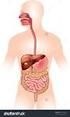 The Human Digestive System Name: Section: Date: Page 1 of 10 Page 2 of 10 Page 3 of 10 Page 4 of 10 Page 5 of 10 Page 6 of 10 Putting it All Together Digestive Enzymes Page 7 of 10 Page 8 of 10 Page 9
Chapter 15. Autonomic Nervous System (ANS) and Visceral Reflexes. general properties Anatomy. Autonomic effects on target organs
 Chapter 15 Autonomic Nervous System (ANS) and Visceral Reflexes general properties Anatomy Autonomic effects on target organs Central control of autonomic function 15-1 Copyright (c) The McGraw-Hill Companies,
Diagram 2(i): Structure of the Neuron
 Diagram 2(i): Structure of the Neuron Generally speaking, we can divide the nervous system into different parts, according to location and function. So far we have mentioned the central nervous system
ACID-BASE BALANCE AND ACID-BASE DISORDERS. I. Concept of Balance A. Determination of Acid-Base status 1. Specimens used - what they represent
 ACID-BASE BALANCE AND ACID-BASE DISORDERS I. Concept of Balance A. Determination of Acid-Base status 1. Specimens used - what they represent II. Electrolyte Composition of Body Fluids A. Extracellular