
Conserving Biodiversity in India - Dilip Surkar
|
|
|
- Amie Walters
- 9 years ago
- Views:
Transcription
1 Conserving Biodiversity in India - Dilip Surkar India, a megadiverse nation, is one of the richest nations in terms of biological diversity. India owes this to its position in the tropical and subtropical latitudes. India has a great diversity of natural ecosystems ranging from the cold and high Himalayan regions to the sea coasts; from the wet north-eastern green forests to the dry northwestern arid deserts; with different types of forests, wetlands, islands and the oceans. India consists of fertile river plains and high plateaus and several major rivers, including the Ganges, Brahmaputra and Indus. The diverse physical features and climatic situations have formed ecological habitats like forests, grasslands, wetlands, coastal and marine ecosystems and desert ecosystems, which harbour and sustain immense biodiversity. The country is also one of the 12 primary centres of origin of cultivated plants and domesticated animals. Why Conserve Biodiversity? As we all know by now, Biodiversity is essential for maintaining the ecological functions, including stabilizing of the water cycle, maintenance and replenishment of soil fertility, pollination and cross-fertilization of crops and other vegetation, protection against soil erosion and stability of food producing and other ecosystems. Conservation of biological diversity leads to conservation of essential ecological diversity to preserve the continuity of food chains. Biodiversity provides the base for the livelihoods, cultures and economies of several hundred millions of people, including farmers, fisher folk, forest dwellers and artisans. It provides raw material for a diverse medicinal and health care systems. It also provides the genetic base for the continuous up-gradation of agriculture, fisheries, and for critical discoveries in scientific, industrial and other sectors. The rapid erosion of biodiversity in the last few decades has impacted on the health of the land, waterbodies and people. Biodiversity is a wealth to which no value can be put. In the final analysis, the very survival of the human race is dependent on conservation of biodiversity. It is evident that this invaluable heritage is being destroyed at an alarming rate due to several reasons. Measures are being taken up at national and international levels to address this issue. The Earth Summit produced a plan of action on a number of issues (Agenda 21) including conservation of biodiversity during the 21st century. Conservation and sustainable use of biological resources based on local knowledge systems and practices is ingrained in Indian ethos. The country has a number of alternative medicines, like Ayurveda, Unani, Siddha and Homeopathic systems which are predominantly based on plant based raw materials in most of their preparations and formulations. Herbal preparations for various purposes including pharmaceutical and cosmetic form part of traditional biodiversity uses in India. 1

2 There are several strategies which are adapted for conservation of Biodiversity. Some of these are: 1. Legislation Formal policies and programmes for conservation and sustainable utilisation of biodiversity resources dates back to several decades. The concept of environmental protection is enshrined in the Indian constitution in articles 48a and 51a(g). Major central acts relevant to biodiversity include: Environment Protection Act, 1986 Fisheries Act, 1897 Forest Act, 1927 Forest (Conservation) Act, 1980 Wildlife (Protection) Act 1972 and Wildlife (Protection) Amendment Act 1991 The various central Acts are supported by a number of state laws and statutes concerning forests and other natural resources. The policies and strategies directly relevant to biodiversity include National Forest Policy amended in 1988, National Conservation Strategy and Policy Statement for Environment and Sustainable Development, National Agricultural Policy, National Land Use Policy, National Fisheries Policy, National Policy and Action Strategy on Biodiversity, National Wildlife Action Plan and Environmental Action Plan. 2. In-situ Conservation Conserving the animals and plants in their natural habitats is known as in situ conservation. The established natural habitats are: National parks and sanctuaries Biosphere reserves Nature reserves Reserved and protected forests Preservation plots Reserved forests The first such initiative was the establishment of the Corbett National Park in National Parks are highly protected by law. No human habitation, private land holding or traditional human activity such as firewood collection or grazing is allowed within the park. Sanctuaries are also protected but certain types of activities are permitted within these areas. Biosphere Reserves are another category of protected areas. Under this, a large area is declared as a Biosphere Reserve where wildlife is protected, but local communities are allowed to continue to live and pursue traditional activities within the Reserve. The Government of India has set up seven biosphere reserves: Nokrek (Meghalaya), Nilgiri (Kamataka, Kerala, Tamil Nadu), Namdapha (Arunachal Pradesh), Nanda Devi (Uttar Pradesh), Sundarbans (West Bengal), Great Nicobar (Andaman & Nicobar Islands), Gulf of Mannnar (Tamil Nadu). 2

3 Several special projects have also been launched to save certain animal species which have been identified as needing concerted protection effort. These projects are designed to protect the species in situ, by protecting and conserving their natural habitat. Project Tiger, Project Elephant, Save the Barasingha campaign are examples of this initiative. Other strategies include offloading pressure from reserve forests by alternative measures of fuelwood and fodder need satisfaction by afforestation of degraded areas and wastelands. A programme "Eco-development" for in-situ conservation of biological diversity involving local communities was initiated. It integrates the ecological and economic parameters for sustained conservation of ecosystems by involving local communities with maintenance of earmarked regions surrounding protected areas. Approximately, 4.2 % of the total geographical area of the country has been earmarked for extensive in-situ conservation of habitats and ecosystems. A protected area network of 85 national parks and 448 wildlife sanctuaries has been created. The results of this network have been significant in restoring viable population of large mammals such as tiger, lion, rhinoceros, crocodiles and elephants. 3. Ex-situ Conservation Ex-situ conservation of plants and animals preserve/ or protect them away from their natural habitat. This could be in zoological parks and botanical gardens or through the forestry institutions and agricultural research centres. A lot of effort is under way to collect and preserve the genetic material of crops, animal, bird and fish species. This work is being done by institutions such as the National Bureau of Plant Genetic Resources, New Delhi, the National Bureau of Animal Genetic Resources, etc. Reintroduction of an animal or plant into the habitat from where it has become extinct is another form of ex situ conservation. For example, the Gangetic gharial has been reintroduced in the rivers of Uttar Pradesh, Madhya Pradesh and Rajasthan where it had become extinct. Seed banks, botanical, horticultural and recreational gardens are important centres for ex situ conservation. Ex-situ conservation measures complement in-situ conservation. 4. Recording Indigenous Knowledge The lives of local communities are closely interwoven with their environment, and are dependent upon their immediate resources for meeting their needs. These communities have a vast knowledge about local flora and fauna which is very important for biodiversity conservation. Much of this knowledge is orally passed on from generation to generation. Such indigenous knowledge needs to be recorded and preserved before it is lost. Several organizations have recognized this and are working to record the knowledge and preserve it for posterity. 5. Community Participation in Biodiversity Conservation 3

4 It is being recognized that no legal provisions can be effective unless local communities are involved in planning, management and monitoring conservation programmes. There are several initiatives to do this, both by government as well as non-governmental organizations. For example, the Joint Forest Management philosophy stresses involvement of village communities in regenerating and protecting degraded forest land in the vicinity of villages. Successful conservation strategies will have to have the confidence and participation of the local communities. 6. International Conservation Strategies Conserving biodiversity is not an issue confined to any one country or community. It is a crucial global concern. Several international treaties and agreements are in place in the attempt to strengthen international participation and commitment towards conserving biodiversity. Some of these are: The Convention on Biological Diversity: This was signed during the Earth Summit in It focuses not only on conserving biodiversity but also on sustainable use of biological resources and equitable sharing of benefits arising from its use. The Convention on International Trade in Endangered Species of Wild Flora and Fauna (CITES): This is an international treaty which is designed to protect wild plants and animals affected by international trade. The treaty, in force since 1975, controls the export, import and re-export of endangered and threatened wildlife. The Convention on Wetlands of International Importance: This Convention, also known as the Ramsar Convention, was signed in Ramsar (Iran) in 1971 and came into force in December It provides a framework for international cooperation for the conservation of wetland habitats which have been designated to the 'List of Wetlands of International Importance'. Programmes have also been launched for scientific management and wise use of wetlands, mangroves and coral reef ecosystems. Twenty one wetlands, and mangrove areas and four coral reef areas have been identified for intensive conservation and management purposes. Mangroves conservation is one of the thrust areas of the Ministry of Environment and Forests. Under the World Heritage Convention, five natural sites have been declared as "World Heritage Sites". To conserve the representative ecosystems, a Biosphere Reserve Programme is being implemented. Twelve biodiversity rich areas of the country have been designated as Biosphere Reserves. These reserves aim at conserving the biological diversity and genetic integrity of plants, animals and microorganisms in their totality as part of the natural ecosystems, so as to ensure that self-perpetuation and unhindered evolution of the living resources. The Ministry of Environment and Forests constituted the National Afforestation and Eco-development Board (NAEB) in NAEB has evolved specific schemes for promoting afforestation and management strategies which help the states in 4

5 developing specific afforestation and management strategies and eco-development packages for augmenting biomass production through a participatory planning process of joint forest management and microplanning. A detailed National Biodiversity Strategy and Action Plan (NBSAP) using participatory planning approach has been prepared, which is currently being implemented. India s richness in biological resources and related indigenous knowledge is well recognised. One of the major challenges before the country lies in adopting an instrument which help realise the objectives of equitable benefit sharing enshrined in the convention. Conservation of Wetlands Wetlands are areas of land where the water level remains near or above the surface of the ground for most of the year. The association of man and wetlands is ancient, with the first signs of civilization originating in wetland habitats such as the flood plains of the Indus. Wetlands cover about 6% of the earth s land surface. There are several kinds of wetlands such as marshes, swamps, lagoons, bogs, fens and mangroves. They are home to some of the richest, most diverse and fragile of all natural resources. As they support a variety of plants and animal life, biologically they are one of the most productive ecosystems. Wetland systems directly and indirectly support lakhs of people, providing goods and services to them. They help to preserve water quality and increase biological productivity for both aquatic life as well as human communities of the region. India has a wealth of wetland ecosystems spread over different geographical regions. At present, only 50 percent of India s wetlands remain. They are disappearing at the rate of 2% to 3% every year. The loss of wetlands leads to environmental and ecological imbalances, which have a direct impact on the biodiversity. Wetlands are important as a genetic reservoir for various species of plants including rice, which is a staple food for 3/4th of the world s population. India is a signatory to the Ramsar Convention. Some Ramsar sites which are located in India are: Wular Lake Jammu & Kashmir), Sambhar Lake (Rajasthan), Keoladeo National Park (Rajasthan), Harike Lake (Punjab), Chilika Lake (Orissa), and Loktak Lake (Manipur). Conservation of Medicinal Plants In India, 7,000 species of plants found in various ecosystems are used for medicine. During the Buddhist period, plants, vegetables and fruits were in use for treating different ailments. The great works of Ayurveda - Charaka Samhita, Sushruta Samhita and Ashtanga Hridaya - mention about 600 species of plants that were in use. The traditional system of medicine in India dates back to the age of the Rigveda. In 1978, the World Health Organisation (WHO) drew up a list of 240 absolutely essential medications. All these medications can be obtained only from plants. Every year, nearly two hundred Indian medicinal plants are being tested in the research laboratories of several prestigious drug companies the world over. 5

6 Apart from the practitioners of Ayurveda, most women are aware of the medicinal properties of certain plants which they come across in their daily life. In the past people generally collected medicinal plants from forest areas because a variety of medicinal plants were found there. Due to urbanization and also for cultivation, these forests have dwindled. The present immediate need is to conserve the medicinal plants. Over-exploitation of several herbs is endangering the species. In order to retrieve the situation, these important herbs must be conserved either in the nurseries, gardens or cultured laboratories. Apart from propagating medicinal plants, villagers can be encouraged to set up kitchen gardens where medicinal plants can be grown for their domestic use. Organic farming using medicinal plants as botanical pesticides can be encouraged to replace chemical pesticides. A gene pool of herbal and medicinal plants can be established. Conservation strategies based on present demands and immediate future needs need to be prioritized. Role of Communities in Biodiversity conservation Protecting the environment is everyone s responsibility. There is an increased awareness among the people towards the conservation of ecologically sensitive areas. There are many conservation movements and initiative in India, which have saved the precious natural resources. Despite all threats, diversity of the species and diversity within the species still continue to survive. Their continued existence is due to farmers and other communities living within the forest. Their cultural practices and knowledge systems have helped nurture biodiversity. Nature worship is a tribal belief based on the premise that all creations of nature have to be protected. Such beliefs have helped preserve several virgin forests in pristine form called Sacred Groves (the forests of God and Goddesses). These patches of forest or parts of large forests have been left untouched by the local people and any interference with them is banned. The practice dates back to about 3000 to 5000 B.C. Indian society comprises of several cultures, each with its own set of traditional methods of conserving nature and its creations. Green India Mission The National Mission for a Green India, recently announced by the Prime Minister, is one of the eight National Missions under India s National Action Plan on Climate Change. Its major focus is to increase cover and density of India s medium density forests and degraded forests. This mission will have repercussions for livelihoods of people and biodiversity. Saving biodiversity - Saving life Following are some conservation actions that we can take up: Plant trees. Grow native species of plants (trees, shrubs and climber) where possible, this would attract local wildlife such as birds, butterflies and insects. Grow local vegetables in your school garden that are not usually available in the markets. This would allow help conserve them for generations to come. 6

7 Initiate, organize and participate in responsible citizen action against existing or proposed activities that harm or are likely to harm local biodiversity. Make a list of different kinds of trees in your campus or locality. For each one find out the names, uses, flowering season, animals and birds that depends on it. Present this information in an interesting way, and put it up by the tree. Many people will stop by to read this information and know more about the tree. Curb our greed for products made out of animal parts like skin, fur, ivory, bones, nails, etc., to discourage wildlife traders and poachers, and spare the lives of the remaining animals. Adopt vegetarianism which would require fewer animals to be fattened for slaughtering and more plants to be grown for food. Avoid using insecticides, pesticides and inorganic fertilizers and try to use natural plant- based substitutes wherever possible. Paper and cloth should replace non-biodegradable plastic and polyester which damage the ecosystem. Make children aware of their surroundings and the need for biodiversity. Promote bio-farming which is less intensive and environmental-friendly. Make use of sustainable technologies like smokeless chulhas, ground water recharging unit, wind energy, solar power, etc. Set up Community Sanctuaries for free ranging animals, migratory birds and endemic species. Establish voluntary Village Reserves for plants and animals. Assist National level Bodies in recording and preserving rare and endemic species Create Biodiversity Registers in communities, schools, villages. Biodiversity Register Students can inventory and maintain records of all living beings in their locality. A biodiversity register is a compilation of day-to-day observations of the immediate environment. It is a documentation of knowledge of diversity of life known to local people. It is a means of recording the wealth of biodiversity of a region. The register may include minute details about plants and animals, both wild and domesticated. The record may include traditional knowledge regarding use of the various species. A biodiversity register has many uses. It helps make the complete inventory of all organisms of an area. It makes us familiar with the biodiversity of an area. It helps understand the inter-linkages between plants and animals and the direct and indirect benefits they offer to humans. It allows us to analyze the reasons for depletion of biodiversity and plan conservation measures. Human is only one more of natural creatures and should not be alien to the other life-forms. We have no moral right to destroy nature and other beings that dwell on earth. We should treat all animals and plants with compassion. Every individual can make a small and yet significant effort in the race to save our planet and conserve biodiversity. 7

Report on Assessment of Funding support for Biodiversity Conservation in India
 Report on Assessment of Funding support for Biodiversity Conservation in India INTRODUCTION Biodiversity conservation is ingrained in Indian ethos. Strategies and p l a n s for conservation and sustainable
Facts on biodiversity
 Facts on biodiversity What is biodiversity? Biological diversity (biodiversity) comprises diversity of species and habitats as well as the genetic diversity within the individual species of fauna and flora.
THE IMPORTANCE OF BIODIVERSITY
 THE IMPORTANCE OF BIODIVERSITY Dr. Nitasha Malhotra Associate Professor, Kamala Nehru College, University of Delhi Introduction Environmentalists might define biodiversity as the total of all plant and
Lesson Overview. Biodiversity. Lesson Overview. 6.3 Biodiversity
 Lesson Overview 6.3 6.3 Objectives Define biodiversity and explain its value. Identify current threats to biodiversity. Describe how biodiversity can be preserved. THINK ABOUT IT From multicolored coral
The current institutional and legal context for biodiversity conservation and management is characterised by the following features:
 National BiodiversityStrategyandActionPlan (NBSAP),St. Lucia page 8 Resource tenure and access Most agricultural lands, and a majority of forest lands, are privately owned. Two significant trends can be
WILDLIFE CONSERVATION THROUGH CULTURE AND HISTORY
 WILDLIFE CONSERVATION THROUGH CULTURE AND HISTORY Tradition of non-violence Animals revered in Indian culture Elephants- Lord Ganesha Lion/Tiger- associated with Goddess Durga Snake- associated with Lord
CLIMATE CHANGE & FORESTS; STATUS OF SCIENCE, POLICY & RESEARCH. Prof. Ravindranath Indian Institute of Science Bangalore
 CLIMATE CHANGE & FORESTS; STATUS OF SCIENCE, POLICY & RESEARCH Prof. Ravindranath Indian Institute of Science Bangalore Forests and climate change 1. Deforestation and land use change contribute to CO
Biodiversity Concepts
 Biodiversity Concepts WHAT IS BIODIVERSITY? Biodiversity is the variety of life on Earth. For any kind of animal or plant each individual is not exactly the same as any other; nor are species or ecosystems.
Importance of Wildlife
 Importance of Wildlife The wildlife comprises all living organism (plants, animals, microorganisms) in their natural habitats which are neither cultivated or domesticated nor tamed. But in its strictest
SLOW ONSET EVENTS. climate change impacts on BIODIVERSITY
 Regional Gateway for Technology Transfer and Climate Change Action in Latin America and the Caribbean (ROLAC UNEP) Characterizing and addressing SLOW ONSET EVENTS climate change impacts on BIODIVERSITY
Global Environment Facility GEF OPERATIONAL PROGRAM #13 ON CONSERVATION AND SUSTAINABLE USE OF BIOLOGICAL DIVERSITY IMPORTANT TO AGRICULTURE
 Global Environment Facility GEF OPERATIONAL PROGRAM #13 ON CONSERVATION AND SUSTAINABLE USE OF BIOLOGICAL DIVERSITY IMPORTANT TO AGRICULTURE CONTENTS Introduction..1 Convention Guidance... 2 Agricultural
Research to improve the use and conservation of agricultural biodiversity for smallholder farmers
 Research to improve the use and conservation of agricultural biodiversity for smallholder farmers Agricultural biodiversity the variability of crops and their wild relatives, trees, animals, arthropods,
How To Plan A Buffer Zone
 Backyard Buffers Protecting Habitat and Water Quality What is a buffer? A buffer (also called a riparian buffer area or zone) is the strip of natural vegetation along the bank of a stream, lake or other
REPUBLIC OF TURKEY MINISTRY OF FORESTRY AND WATER AFFAIRS
 REPUBLIC OF TURKEY MINISTRY OF FORESTRY AND WATER AFFAIRS Turkey s position in the World Prof. Dr. Veysel EROĞLU Minister of Forestry and Water Affairs The Ministry of Forestry and Water Affairs, formerly
Doing Business, Small & Medium Enterprise Support and Information Access
 Doing Business, Small & Medium Enterprise Support and Information Access Vietnam, a nation of 92 million people, aspires to be more fully integrated into the global economy and community and an industrialized
UNIT I INTRODUCTION. This unit deals with Location space relations and India s place in the world
 UNIT I INTRODUCTION This unit deals with Location space relations and India s place in the world CHAPTER INDIA LOCATION You have already seen the map of India in the previous classes. Now you closely examine
National Environment Awareness Campaign(NEAC) 2014-2015. Theme
 National Environment Awareness Campaign(NEAC) 2014-2015. Theme COMBATING DESERTIFICATION, LAND DEGRADATION AND DROUGHT Background Note Desertification is about land degradation: the loss of the land s
ENDANGERED AND THREATENED
 ENDANGERED AND THREATENED Understand how species in the Sonoran Desert Region may become endangered or threatened and what is being done to protect them. ARIZONA SCIENCE STANDARDS SC03-S4C3-03&04, SC08-S1C3-07,
Protected Area Categories and Management Objectives
 Protected Area Categories and Management Objectives A protected area is defined as: An area of land and/or sea especially dedicated to the protection and maintenance of biological diversity, and of natural
Michigan Wetlands. Department of Environmental Quality
 Department of Environmental Quality Wetlands are a significant component of Michigan s landscape, covering roughly 5.5 million acres, or 15 percent of the land area of the state. This represents about
Projects that promote the conservation and/or sustainable use of endemic species. 3
 OPERATIONAL PROGRAM NUMBER 4 MOUNTAIN ECOSYSTEMS 4.1 Mountain ecosystem are among the world s most vulnerable biogeographical domain. From the Andes to the Himalayas, mountain ecosystems are very distinct
Did You Know? Neha Rao
 Did You Know? 1. Tigers now occupy 7 percent of their historical range, and in the past decade, the area occupied by tigers has decreased by as much as 41 percent, according to some estimates (Dinerstein
ARIMNet 2 Call 2014-15
 Coordination of the Agricultural Research In the Mediterranean Area Call i text ARIMNet 2 Call 2014-15 SUBMISSION Pre-proposal by December 1 st, 2014 Full Proposal by May 11 th 2015 on http://arimnet-call.eu/
Creating Green Jobs within the Environment and Culture sector.
 Creating Green Jobs within the Environment and Culture sector. Matilda Skosana Environmental Programmes (ILO Definition): 1. DEFINITION OF GREEN JOB. Jobs are green when they help reduce negative environmental
CHAPTER 2: APPROACH AND METHODS APPROACH
 CHAPTER 2: APPROACH AND METHODS APPROACH Given Hawaii s biological uniqueness on a global scale, the Comprehensive Wildlife Conservation Strategy (CWCS) recognizes the importance of protecting all native
Longboat Dr Noeleen Smyth. Pitcairn 24 21 41 S, 128 18 58 W. UK Overseas Territories and Crown Dependencies: 2011 Biodiversity snapshot 87
 Longboat Dr Noeleen Smyth Pitcairn 24 21 41 S, 128 18 58 W 13 UK Overseas Territories and Crown Dependencies: 2011 Biodiversity snapshot 87 Pitcairn Author: Michele Christian, Division Manager Natural
Climate Change: A Local Focus on a Global Issue Newfoundland and Labrador Curriculum Links 2010-2011
 Climate Change: A Local Focus on a Global Issue Newfoundland and Labrador Curriculum Links 2010-2011 HEALTH Kindergarten: Grade 1: Grade 2: Know that litter can spoil the environment. Grade 3: Grade 4:
Broken Arrow Public Schools AP Environmental Science Objectives Revised 11-19-08
 1 st six weeks 1 Identify questions and problems that can be answered through scientific investigation. 2 Design and conduct scientific investigations to answer questions about the world by creating hypotheses;
NREGA for Water Management
 National Rural Employment Guarantee Act NREGA for Water Management 30 th October, 2009 Dr. Rita Sharma Secretary to Government of India Ministry of Rural Development NREGA objective supplement wage-employment
DEPARTMENT OF FORESTRY DRAFT REVISED NATIONAL FOREST POLICY OF MALAWI
 DEPARTMENT OF FORESTRY DRAFT REVISED NATIONAL FOREST POLICY OF MALAWI July, 2013 1. Foreword 2. Preface 3. Introduction 4. Policy linkages 5. Broad Policy Direction 6. Policy Priority Areas Provides the
Sabi Sand. The Threat. Communities. The Solution
 If we do not do something to prevent it, Africa s animals, and the places in which they live, will be lost to our world, and her children, forever. Before it is too late, we need your help to lay the foundation
How To Be Sustainable With Tourism
 QUÉBEC DECLARATION ON ECOTOURISM In the framework of the UN International Year of Ecotourism, 2002, under the aegis of the United Nations Environment Programme (UNEP) and the World Tourism Organization
Ranger Report About Deforestation of the Rainforest
 Ranger Report About Deforestation of the Rainforest About deforestation Forests are cut down for many reasons, but most of them are related to money or to people s need to provide for their families. The
UNITED NATIONS ENVIRONMENT PROGRAMME. Environment for Development
 UNITED NATIONS ENVIRONMENT PROGRAMME Environment for Development UNEP is the voice for the environment within the United Nations system UNEP s mission is to provide leadership and encourage partnership
Climate Change and Sri Lanka. Ajith Silva Director/ Policy and Planning Ministry of Environment and Natural Resources Sri Lanka
 Climate Change and Sri Lanka Ajith Silva Director/ Policy and Planning Ministry of Environment and Natural Resources Sri Lanka Asia Total Area: 65610 Km Land Area : 62705 Km Inland water : 2905 Km 2 Coastal
Environmental Law Primer. Adapted from Vermont Law School s Environmental Law Primer for Journalists
 Environmental Law Primer Adapted from Vermont Law School s Environmental Law Primer for Journalists General Categories Command and Control Liability Disclosure Ecosystem and Place-based Programs Marketable
Madagascar: Makira REDD+
 project focus Madagascar: Makira REDD+ Madagascar is considered to be one of the top five biodiversity hotspots in the world due to more than 75% of all animal and plant species being endemic while less
Religious Studies (Short Course) Revision Religion and Animal Rights
 Religious Studies (Short Course) Revision Religion and Animal Rights How to use this presentation The first part of this presentation (blue headings) will give you brief information, religious viewpoints
Facts on Biodiversity A Summary of the Millenium Ecosystem Assessment Biodiversity Synthesis
 Facts on Biodiversity A Summary of the Millenium Ecosystem Assessment Biodiversity Synthesis EUROPEAN COMMISSION DIRECTORATE GENERAL ENVIRONMENT BIODIVERSITY contributes to many aspects of human well-being,
Ref.: SCBD/MPO/AF/CR/84948 31 August 2015 N O T I F I C A T I O N. Preparation for the United Nations Sustainable Development Summit 2015
 Ref.: SCBD/MPO/AF/CR/84948 31 August 2015 Dear Madam/Sir, N O T I F I C A T I O N Preparation for the United Nations Sustainable Development Summit 2015 I am pleased to inform you that the President of
Investing in rural people in India
 IFAD/Susan Beccio Investing in rural people in India Rural poverty in India India s population of about 1.25 billion people is composed of several ethnic groups, speaking over 1,000 languages and following
Green Infrastructure Case Study Template
 Green Infrastructure Case Study Template The aim of the exercise is to provide information on how the elements of the Green Infrastructure Strategy are implemented at national level and to provide case
The Colorado River Delta
 The Colorado River Delta An Invaluable Resource for People and Wildlife the colorado river delta The Colorado River Delta and its waters support a rich and diverse treasure of plants and animals in an
ENVIRONMENTAL SCIENCE CURRICULUM for CLASS IX to X
 ENVIRONMENTAL SCIENCE CURRICULUM for CLASS IX to X The Royal Society for Protection of Nature (RSPN) in collaboration with Department of Curriculum Research & Development (DCRD) of Ministry of Education
BAL BHARATI PUBLIC SCHOOL, PITAMPURA GEOGRAPHY CLASS IX CHAPTER - 5 NATURAL VEGETATION AND WILDLIFE (SUMMATIVE ASSESSMENT - 2)
 BAL BHARATI PUBLIC SCHOOL, PITAMPURA GEOGRAPHY CLASS IX CHAPTER - 5 NATURAL VEGETATION AND WILDLIFE (SUMMATIVE ASSESSMENT - 2) Q.1. What is Natural Vegetation? Ans. Natural Vegetation refers to a plant
DENSITY OF POPULATION. Figures Map Table/Statements Notes
 7 DENSITY OF POPULATION Figures Map Table/Statements Notes 7 Density of population Experience shows that a very populous city can rarely, if ever, be well governed. To the size of states there is a limit,
Ecology 1 Star. 1. Missing from the diagram of this ecosystem are the
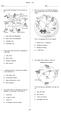 Name: ate: 1. Missing from the diagram of this ecosystem are the 5. ase your answer(s) to the following question(s) on the diagram below and on your knowledge of biology.. biotic factors and decomposers.
How To Help Oceans
 The World Bank & the Ocean A Healthy & Productive Ocean to Help Reduce Poverty Why oceans matter to the World Bank NUTRITION Seafood provides 16% of the world s animal protein 1 billion people in developing
THE SEVILLE STRATEGY FOR BIOSPHERE RESERVES
 THE SEVILLE STRATEGY FOR BIOSPHERE RESERVES BIOSPHERE RESERVES: THE FIRST TWENTY YEARS Biosphere reserves are designed to deal with one of the most important questions the World faces today: How can we
Kristina Veidemane, Baltic Environmental Forum Panevezys, 12.05.2015
 Priority 2 Protection and restoration of biodiversity and soil and promotion of ecosystem services, including through Natura 2000, and green infrastructure Kristina Veidemane, Baltic Environmental Forum
American Forest Foundation (AFF) 2010-2015 Standards of Sustainability for Forest Certification
 American Forest Foundation (AFF) 2010-2015 Standards of Sustainability for Forest Certification Standards Prologue The American Forest Foundation s (AFF) 2010-2015 Standards of Sustainability for Forest
Ecosystem Services in the Greater Houston Region. A case study analysis and recommendations for policy initiatives
 Ecosystem Services in the Greater Houston Region A case study analysis and recommendations for policy initiatives Ecosystem Services Ecosystems provide services through their natural processes that we
Natural Capital at Risk
 Natural Capital at Risk KPMG, an Australian partnership and a member firm of the KPMG network of independent member firms affiliated with KPMG International Cooperative (KPMG International), a Swiss entity.
AREA STUDIES - CHINA: REGIONAL SUSTAINABLE DEVELOPMENT REVIEW Vol. III Ramsar Convention and Wetland Conservation in China - Chen Jianwei
 AREA STUDIES - CHINA: REGIONAL SUSTAINABLE DEVELOPMENT REVIEW Vol. III Ramsar Convention and Wetland Conservation in RAMSAR CONVENTION AND WETLAND CONSERVATION IN CHINA Chen Jianwei CITES Management Authority
Biology Keystone (PA Core) Quiz Ecology - (BIO.B.4.1.1 ) Ecological Organization, (BIO.B.4.1.2 ) Ecosystem Characteristics, (BIO.B.4.2.
 Biology Keystone (PA Core) Quiz Ecology - (BIO.B.4.1.1 ) Ecological Organization, (BIO.B.4.1.2 ) Ecosystem Characteristics, (BIO.B.4.2.1 ) Energy Flow 1) Student Name: Teacher Name: Jared George Date:
Coral Triangle Initiative (CTI) on Coral Reefs, Fisheries and Food Securities
 2008/MRCWG/022 Agenda Item: 10 Coral Triangle Initiative (CTI) on Coral Reefs, Fisheries and Food Securities Purpose: Information Submitted by: Indonesia 21 st Marine Resource Conservation Working Group
18.01.2014 Final Communiqué of the GFFA 2014
 18.01.2014 Final Communiqué of the GFFA 2014 "Empowering Agriculture: Fostering Resilience Securing Food and Nutrition" We, the Agriculture Ministers of 65 states of the world, assembled here in Berlin
Aiding the Hydro-scheme development process. Web-links to useful information sources
 Aiding the Hydro-scheme development process. Web-links to useful information sources Web-pages are in bold. These pages aim at providing developers, land-owners, decision makers and advisors with a collation
Human Impacts on the World Ocean
 This website would like to remind you: Your browser (Safari 7) is out of date. Update your browser for more security, comfort and the best experience on this site. lesson Human Impacts on the World Ocean
Policies and programmes to achieve food security and sustainable agriculture
 HUNGARY Agriculture (Government focal point(s): Ministry of Agriculture and Rural Development Mr. Zoltán Kárpáti: tel: +361-301-3533, fax: +361-301-5949, e-mail: [email protected] and Ms. Rita Francia: tel:
Factoring the Planet s Multi trillion Dollar Ecosystem Services Into Policy making Can Save Lives and Jobs
 Factoring the Planet s Multi trillion Dollar Ecosystem Services Into Policy making Can Save Lives and Jobs The Economics of Ecosystems and Biodiversity (TEEB) Launches Report for Local and Regional Policy
Biodiversity. a GRI Reporting Resource. R e p o r t i n g o n B i o d i v e r s i t y
 Equitable Sharing Conservation Sustainable Use Biodiversity a GRI Reporting Resource R e p o r t i n g o n B i o d i v e r s i t y 1 Acknowledgements This document has been published by the Global Reporting
Biodiversity Conservation in Egypt (Achievements of a Decade and Future Priorities)
 Biodiversity Conservation in Egypt (Achievements of a Decade and Future Priorities) Prof. Moustafa M. Fouda Director, Nature Conservation Sector Egyptian Environmental Affairs Agency Since ancient times
Biological Diversity and Tourism: Development of Guidelines for Sustainable Tourism in Vulnerable Ecosystems
 Biological Diversity and Tourism: Development of Guidelines for Sustainable Tourism in Vulnerable Ecosystems Secretariat of the Convention on Biological Diversity Foreword The rapid and often uncontrolled
1. Biodiversity: Basic Commodity or Luxury Item?... 2 2. Conclusions and Recommendations... 5 3. Key References... 6
 Page 2 of 6 CONTENTS 1. Biodiversity: Basic Commodity or Luxury Item?... 2 2. Conclusions and Recommendations... 5 3. Key References... 6 1. BIODIVERSITY: BASIC COMMODITY OR LUXURY ITEM? How is biodiversity
Water Resource. 1 Initiating and Sustaining Water Sector Reforms : A Synthesis World Bank in collaboration with the Government of India, Ministry of
 WATER RESOURCES OF INDIA by Kalipada Chatterjee Climate Change Centre Development Alternatives Introduction Water is essential for human civilisation, living organisms, and natural habitat. It is used
Amherst County Public Schools. AP Environmental Science Curriculum Pacing Guide. College Board AP Environmental Science Site
 Amherst County Public Schools AP Environmental Science Curriculum Pacing Guide College Board AP Environmental Science Site REV: 8/12 1 st 9 weeks AP Objectives Energy Resources and Consumption A. Energy
Introduction to protection goals, ecosystem services and roles of risk management and risk assessment. Lorraine Maltby
 Introduction to protection goals, ecosystem services and roles of risk management and risk assessment. Lorraine Maltby Problem formulation Risk assessment Risk management Robust and efficient environmental
Laws to promote environmental sustainability of oceans and seas
 Laws to promote environmental sustainability of oceans and seas Laws regulations and other measures for conservation and sustainable use of living marine resources and biodiversity including those beyond
COMPREHENSIVE PLAN SECTION B, ELEMENT 4 WATER RESOURCES. April 20, 2010 EXHIBIT 1
 COMPREHENSIVE PLAN SECTION B, ELEMENT 4 WATER RESOURCES April 20, 2010 EXHIBIT 1 ELEMENT 4 WATER RESOURCES TABLE OF CONTENTS 4.1 INTRODUCTION 4.2 GOALS AND POLICIES 4.2.A General Goals and Policies 1 4.2.B
 Developing a Representative System of Marine Protected Areas in NSW 1 Developing a Representative System of Marine Protected Areas in NSW an Overview N O V E M B E R 2 0 0 1 New South Wales Developing
ENVIRONMENTAL CHANGES
 reflect How do you respond to environmental changes? Maybe you wear different types of clothes in different seasons. Maybe you only ride your bike during certain times of the year. What if you moved to
Agriculture coexisting with crested ibises in Niigata Prefecture, Japan
 In Japan No. 2 Agriculture coexisting with crested ibises in Niigata Prefecture, Japan 1. Regional Profile Geographical Location Natural Environment Social Background Country and Region Longitude and Latitude
Chapter 1 Key Themes in Environmental Science
 Key Themes in Environmental Science Case Study: Shrimp, Mangroves, and Pickup Trucks This case study highlights the plight of a small farmer in Thailand in the shrimp farming business. He makes his living
The Roaches Asset Management Review. Draft Objectives for External Consultation. Fundamental Principles
 The Roaches Asset Management Review Draft Objectives for External Consultation Fundamental Principles the area of land under review is the Roaches Estate and Gradbach Car Park as shown on the attached
U.S. SOYBEAN SUSTAINABILITY ASSURANCE PROTOCOL
 US SOYBEAN SUSTAINABILITY ASSURANCE PROTOCOL A Sustainability System That Delivers MARCH 2013 Since 1980, US farmers increased soy production by 96% while using 8% less energy US SOYBEAN SUSTAINABILITY
Marine biological diversity beyond areas of national jurisdiction. Legal and policy framework
 Marine biological diversity beyond areas of national jurisdiction Legal and policy framework 1. The United Nations Convention on the Law of the Sea (UNCLOS) provides the legal framework within which all
Marine Protected Areas POLICY
 Marine Protected Areas POLICY Canada March 1999 Published by: Canada Marine Ecosystems Conservation Branch Oceans Directorate Ottawa, ON K1A 0E6 DFO / 5870 Minister of Public Works and Government Service
THE ECOSYSTEM - Biomes
 Biomes The Ecosystem - Biomes Side 2 THE ECOSYSTEM - Biomes By the end of this topic you should be able to:- SYLLABUS STATEMENT ASSESSMENT STATEMENT CHECK NOTES 2.4 BIOMES 2.4.1 Define the term biome.
EIGHTH SESSION OF THE OPEN WORKING GROUP ON SUSTAINABLE DEVELOPMENT GOALS
 EIGHTH SESSION OF THE OPEN WORKING GROUP ON SUSTAINABLE DEVELOPMENT GOALS New Zealand intervention in segment on Oceans and Seas Stephanie Lee, Chargé d'affaires a.i. 4 February 2014 Check against delivery
Eco-tourism and Biodiversity Conservation and Protection Management of Olango Island Wildlife Sanctuary By: Reginaldo G. Bueno
 Eco-tourism and Biodiversity Conservation and Protection Management of Olango Island Wildlife Sanctuary By: Reginaldo G. Bueno Introduction Olango Island Wildlife Sanctuary (OIWS) was proclaimed as protected
3. Which relationship can correctly be inferred from the data presented in the graphs below?
 1. Recent evidence indicates that lakes in large areas of New York State are being affected by acid rain. The major effect of acid rain in the lakes is (1) an increase in game fish population levels (3)
Tourism and Biodiversity. Achieving Common Goals Towards Sustainability
 Tourism and Biodiversity Achieving Common Goals Towards Sustainability Tourism and Biodiversity Achieving Common Goals Towards Sustainability Copyright 2010 World Tourism Organization Calle Capitán Haya,
GREAT BARRIER REEF. Climate Change Action Plan
 GREAT BARRIER REEF Climate Change Action Plan 2007 2011 Climate change is now recognised as the greatest long-term threat to the Great Barrier Reef. The Great Barrier Reef is internationally renowned as
GLOBAL PLAN OF ACTION FOR THE CONSERVATION, SUSTAINABLE USE AND DEVELOPMENT OF FOREST GENETIC RESOURCES
 FAO, 2014 ISBN 978-92-5-108422-9 9 7 8 9 2 5 1 0 8 4 2 2 9 I3849E/1/06.14 GLOBAL PLAN OF ACTION FOR THE CONSERVATION, SUSTAINABLE USE AND DEVELOPMENT OF FOREST GENETIC RESOURCES Foreword Forest genetic
Farmers Cultural Practices. Availability of Planting Material
 Identification of Appropriate Postharvest Technologies for Improving Market Access and Incomes for Small Farmers in Sub Saharan Africa and South Asia Commodity Systems Assessment Sunil Saran Amity International
Sustainability and Wildlife Conservation Updates: the Malaysian Perspectives
 Sustainability and Wildlife Conservation Updates: the Malaysian Perspectives MPOC Reach & Remind Friends of the Industry Seminar: Challenges and Opportunities in 2012 Royale Chulan Hotel 16 January 2012
Wetland Vocabulary Organizer
 Wetland Vocabulary Organizer Vocabulary Word Definition Wetland Picture Species Nutrients Sediment Groundwater Habitat Vocabulary Word Wetland Wetland Vocabulary Organizer Key Definition is an area that,
Enhancing Biodiversity. Proactive management of biodiversity in intensive agriculture
 Enhancing Biodiversity Proactive management of biodiversity in intensive agriculture Contents Introduction Increasing food security in a sustainable way 3 The importance of biodiversity The vitality and
A Guide to Woodland Carbon for Business
 A Guide to Woodland Carbon for Business Contents: 1. Investing in Woodland Carbon: an overview 2. Why Woodland Carbon? 3. How much does it cost? 4. Woodland Carbon Code 5. Woodland Carbon compliance 6.
Chapter 18 Introduction to. A f r i c a
 Chapter 18 Introduction to A f r i c a Ch. 18:1 Landforms & Resources 1. Africa s shape & landforms are the result of its location in the southern part of the ancient supercontinent of. Pangaea Over thousands
Climate Change Impacts in the Asia/Pacific Region
 Climate Change Impacts in the Asia/Pacific Region Global CC threat CC in the A/P region The Stern Review and IPCC 4 th Assessment Report both state that climate change will have adverse impact on people
Extinction; Lecture-8
 I. introduction Definition Current extinction Genetic drift Extinction; Lecture-8 II. 3 types of extinction 1. background 2. mass 3. stochastic III. 5 periods of mass IV. human caused 1. on land and in
INDONESIA - LAW ON WATER RESOURCES,
 Environment and Development Journal Law LEAD INDONESIA - LAW ON WATER RESOURCES, 2004 VOLUME 2/1 LEAD Journal (Law, Environment and Development Journal) is a peer-reviewed academic publication based in
Subactivity: Habitat Conservation Program Element: National Wetlands Inventory
 HABITAT CONSERVATION FY 29 BUDGET JUSTIFICATION Subactivity: Habitat Conservation Program Element: National Wetlands Inventory National Wetlands Inventory ($) FTE 27 4,7 2 28 Enacted 5,255 2 Fixed Costs
Wetland Mapping using High resolution Satellite Images in the Jaffna Peninsula
 Proceedings of Jaffna University International Research Conference (JUICE-2012), pp. 296-300, published: March 2014, Sri Lanka Wetland Mapping using High resolution Satellite Images in the Jaffna Peninsula
1 Overview introducing global issues and legal tools through local case studies. 2 Importance of legal protections for natural areas
 Warren G. Lavey [email protected] University of Illinois (USA) Online Course 2015 Environmental Policy: Legal Protections for Overview of 16 Lessons Lesson Topic Three key messages Sources of case studies
Goldman Sachs Environmental Policy Framework
 Goldman Sachs Environmental Policy Framework Goldman Sachs believes that a healthy environment is necessary for the well-being of society, our people and our business, and is the foundation for a sustainable
Stage 4. Geography. Blackline Masters. By Karen Devine
 1 Devine Educational Consultancy Services Stage 4 Geography Blackline Masters By Karen Devine Updated January 2010 2 This book is intended for the exclusive use in NSW Secondary Schools. It is meant to
Biodiversity and Climate change: Policy Framework for Response and Vulnerability Assessment Report
 Biodiversity and Climate change: Policy Framework for Response and Vulnerability Assessment Report Vhalinavho Khavhagali Biodiversity Risk Management 2012 Biodiversity Planning Forum Skukuza, Kruger National