
Unit 9: The Lymphatic and Immune Systems NURSING PHYSIOLOGY (NRSG237)
|
|
|
- Randolph Harrington
- 9 years ago
- Views:
Transcription
1 Unit 9: The Lymphatic and Immune Systems Dr. Moattar Raza Rizvi NURSING PHYSIOLOGY (NRSG237) Functions: Transports Excess Interstitial Fluid Back to Bloodstream Lymphatic vessels collect lymph from loose connective tissue Carry fluid to great veins in the neck Fluid flows only toward the heart 1
2 Functions: Distributes hormones, nutrients, and waste products Functions: Houses Lymphocytes 2
3 Components of the Lymphatic System Main structures of the lymphatic system Lymphatic vessels Main components of the immune system Lymph Lymphocytes Lymphoid Nodules (Tonsils) Lymphoid Organs 3
4 1. Lymph capillaries Smallest lymph vessels Orders of Lymphatic System First to receive lymph 2. Lymphatic collecting vessels Collect from lymph capillaries 3. Lymph nodes Scattered along collecting vessels 4. Lymph trunks Collect lymph from collecting vessels 5. Lymph ducts Empty into veins of the neck Lymph Capillaries Lymphatic Trunks Lymphatic Collecting Ducts Lymphatic Ducts Lymphatic Vessels 4
5 Lymphatic vessels The walls of lymphatic vessels are similar to those of veins but have thinner walls and more valves. Lymph vessels in the skin follow veins. Lymph vessels in the viscera follow arteries. Lymph vessels are NOT found in avascular tissue, CNS, parts of spleen and red bone marrow. Lymphatic Capillaries Located near blood capillaries Receive tissue fluid from CT Increased volume of tissue fluid Minivalve flaps open and allow fluid to enter Highly permeability allows entrance of Tissue fluid Bacteria, viruses, and cancer cells 5
6 Location and Structure of Lymphatic Capillaries Lacteals Lacteals specialized lymphatic capillaries Located in the villi of the small intestines Receive digested fats Fatty lymph chyle 6
7 Lymphatic Collecting Vessels Accompany blood vessels Composed of the same three tunics as blood vessels Contain more valves than veins do Helps direct the flow of blood Lymph propelled by Bulging of skeletal muscles Pulsing of nearby arteries Tunica media of the lymph vessels Lymph Trunks Lymphatic collecting vessels converge Five major lymph trunks Lumbar trunks Receives lymph from lower limbs Intestinal trunk Receives chyle from digestive organs Bronchomediastinal trunks Collects lymph from thoracic viscera Subclavian trunks Receive lymph from upper limbs and thoracic wall Jugular trunks Drain lymph from the head and neck 7
8 Overview of the Lymph Nodes, Trunks The Lymphatic Trunks 8
9 Lymphatic System Right lymphatic duct Right subclavian vein Left subclavian vein Lymph capillaries converge to become collecting vessels and end up as either Thoracic duct or right lymphatic duct Thoracic (left lymphatic) duct Cysterna Chyli Lymphatic Ducts The right and left (thoracic duct) lymphatic duct empties directly into the left subclavian vein 9
10 Lymphoid Nodules Tonsils and Peyer s patches These organs don t filter but do contain macrophages & lymphocytes. Peyer s patches Found in small intestine Small organs known collectively as GALT (gutassociated lymphatic tissues). Prevent pathogens in the respiratory and digestive tract from going through the mucous membrane lining Lymphoid Nodules (Tonsils) The pharyngeal tonsils are found in the Nasopharynx Figure
11 Tonsils 11
12 Lymphoid Organs Primary lymphatic organs - site of B and T cell production bone marrow - produces B cells, pre-t cells thymus gland pre-t cells migrate to thymus gland and mature in thymus gland Secondary lymphatic organs - site of most immune responses lymph nodes, spleen surrounded by connective tissue capsule lymphatic nodules not surrounded by capsule Lymphoid Organs largest 12
13 Bone Marrow: Lymphopoiesis Lymphocytes are later also produced in thymus, spleen and tonsils B- and T- Lymphocytes 13
14 B and T cells Thymus Gland Located in pleural cavity Between sternum, heart 2 lobes Atrophies with Age Composed of cortex and medulla Functions strictly in lymphocyte maturation Thymus Gland Largest lymphatic organ in a child is thymus gland 14
15 Spleen largest mass of lymphoid tissue in body Left side of body between stomach/diaphragm thick fibrous capsule organ function: immune function removal of worn out or damaged RBC s storage of platelets production of RBC s during fetal life Lymphatic Tissue - Spleen Spleen White pulp produce lymphocyte (B and T cells) which carry out immune function. Red pulp functions concerning RBCs; phagocytize senescent (old) cells 15
16 Lymph Nodes Cleanse the lymph of pathogens Human body contains around 500 Lymph nodes are organized in clusters Lymph Nodes 16
17 Microscopic Anatomy of a Lymph Node Fibrous capsule surrounds lymph nodes Trabeculae connective tissue strands Lymph vessels Afferent lymphatic vessels carrying fluid towards lymph node Efferent lymphatic vessels: carrying fluid away from the lymph node Cranial cavity is an area where lymph nodes is not present Function of a Lymph Node Function Lymph percolates through lymph sinuses Most antigenic challenges occur in lymph nodes Antigens destroyed and activate B and T lymphocytes 17
18 Immune System The Immune System - includes all parts of the body that help in the recognition and destruction of foreign materials. White blood cells, phagocytes and lymphocytes, bone marrow, lymph nodes, tonsils, thymus, and your spleen are all part of the immune system. 2 Type of Immunity: Innate & Acquired Innate/Natural/ Nonspecific present from birth operates against any substance not enhanced by prior exposure Acquired/Adaptive/Specific defense mechanisms tailored to individual pathogens enhanced by prior exposure 18
19 Innate Immune System: First Line of Defense Refers to various PHYSICAL, CHEMICAL, and CELLULAR attributes that collectively represent the first line of defense against infectious disease. Skin acts as a barrier to invasion Sweat has chemicals which can kill different pathogens. Tears - have lysozyme which has powerful digestive abilities that render antigens harmless. Saliva also has lysozyme. Mucus - can trap pathogens, which are then sneezed, coughed, washed away, or destroyed by chemicals. Stomach Acid destroys pathogens WBC: Macrophages/Lymphocytes White blood cells called macrophages trap and engulf cell debris and pathogens. Other white blood cells, called Lymphocytes - are a type of white blood cell capable of producing a specific immune response to unique antigens. They produce antibodies which are chemicals that mark pathogens for destruction. 19
20 Lymphocytes Immunity is the result of the action of two types lymphocytes, the B lymphocytes and the T lymphocytes. B cells become plasma cells and produce antibodies that are secreted into the blood and lymph. T cells attack the cells that have antigens that they recognize. Active Immunity Active Immunity occurs when when one makes his/her own antibodies. This type of immunity is long term. Getting the disease : If you get an infectious disease (like Chicken Pox), often times, that stimulates the production of MEMORY cells which are then stored to prevent the infection in the future. 20
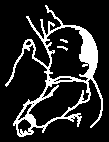
21 Vaccination A vaccination artificially acquired active immunity A vaccination is an injection of a weakened form of the actual antigen that causes the disease. The injection is too weak to make you sick, but your B lymphocytes will recognize the antigen and react as if it were the "real thing". Thus, you produce MEMORY cells for long term immunity. Passive Immunity Passive Immunity occurs when the antibodies come from some other source. This type of immunity is short term. Breastmilk : Milk from a mother's breast contains antibodies. The baby is acquiring passive immunity. These antibodies will only last several weeks. 21
22 Gamma Glubulin Gamma Globulin: A Gamma Globulin shot is purely an injection of antibodies to provide temporary immunity. You might receive an Gamma Globulin shot if you travel outside of the country. Artificially acquired passive immunity could be the result of gamma globulin injection. Antibodies An antibody is a protein produced in response to an antigen. Antigens are macromolecules that elicit an immune response in the body. The most common antigens are proteins and polysaccharides. 22
23 Antibodies Antibodies - Immunoglobulin There are 5 classes of antibodies: IgG most abundant; about 80% of all antibodies in the blood; can cross the placenta from mother to fetus, giving newborns immune protection IgA makes up 10-15% of antibodies in the blood; levels decrease during stress IgM makes up 5-10% of antibodies in the blood; first secreted by plasma cells IgD makes up only about 0.2% of antibodies in the blood IgE makes up less than 0.1% of all antibodies in the blood; involved in allergic reactions 23
24 1. What is the functions of Lymphatic system? 2. Give the order of Lymphatic system? 3. Where can you find the lymphatic capillaries? 4. Where do the lymphatic fluid flows, towards the heart or away from the heart? 5. What are lacteals? 6. Which has more valves the veins or lymphatic collecting vessels? 7. Explain the 5 major types of lymphatic trunk found in human? 8. Write short notes on lymphoid organs and their functions? 9. Give the location and function of thymus gland? 10.What is the function of spleen? 11.What is the function of lymph node? 12.Write the difference between innate and acquired immunity? 13.Write the components of first line of defense in innate immunity? 14.Write the function of B-cells and T-cells? 15.What is gama globulin? 16.Write the 5 classes of antibodies and their function? 24
The Lymphatic System. Dr. Naim Kittana, PhD
 The Lymphatic System Dr. Naim Kittana, PhD 1 Disclosure The material and the illustrations are adopted from the textbook Human Anatomy and Physiology / Ninth edition/ Eliane N. Marieb 2013 Dr. Naim Kittana,
Chapter 14: The Lymphatic System and Immunity
 Chapter 14: The Lymphatic System and Immunity Major function of the Lymphatic System o Network of vessels that collect and carry excess fluid from interstitial spaces back to blood circulation o Organs
The Lymphatic System
 The Lymphatic System network of tissues, organs and vessels that help to maintain the body s fluid balance & protect it from pathogens lymphatic vessels, lymph nodes, spleen, thymus, tonsils, etc without
The Structure and Function of the Lymphatic System
 The Structure and Function of the Lymphatic System The lymphatic system runs though the body and is made up of organs and lymphatic tissue, this includes organs like the spleen and thymus and also lymphatic
10. T and B cells are types of a. endocrine cells. c. lymphocytes. b. platelets. d. complement cells.
 Virus and Immune System Review Directions: Write your answers on a separate piece of paper. 1. Why does a cut in the skin threaten the body s nonspecific defenses against disease? a. If a cut bleeds, disease-fighting
Lymph capillaries, Lymphatic collecting vessels, Valves, Lymph Duct, Lymph node, Vein
 WLHS/A&P/Oppelt Name Lymphatic System Practice 1. Figure 12-1 provides an overview of the lymphatic vessels. First color code the following structures. Color code in Figure 12-1 Heart Veins Lymphatic vessels/lymph
The Immune System. 2 Types of Defense Mechanisms. Lines of Defense. Line of Defense. Lines of Defense
 The Immune System 2 Types of Defense Mechanisms Immune System the system that fights infection by producing cells to inactivate foreign substances to avoid infection and disease. Immunity the body s ability
The Immune System: A Tutorial
 The Immune System: A Tutorial Modeling and Simulation of Biological Systems 21-366B Shlomo Ta asan Images taken from http://rex.nci.nih.gov/behindthenews/uis/uisframe.htm http://copewithcytokines.de/ The
37 2 Blood and the Lymphatic System Slide 1 of 34
 1 of 34 Blood is a connective tissue that contains both dissolved substances and specialized cells. 2 of 34 The functions of blood include: collecting oxygen from the lungs, nutrients from the digestive
Name (print) Name (signature) Period. (Total 30 points)
 AP Biology Worksheet Chapter 43 The Immune System Lambdin April 4, 2011 Due Date: Thurs. April 7, 2011 You may use the following: Text Notes Power point Internet One other person in class "On my honor,
Essentials of Anatomy and Physiology, 5e (Martini/Nath) Chapter 14 The Lymphoid System and Immunity. Multiple-Choice Questions
 Essentials of Anatomy and Physiology, 5e (Martini/Nath) Chapter 14 The Lymphoid System and Immunity Multiple-Choice Questions 1) The lymphoid system is composed of A) lymphatic vessels. B) lymph nodes.
Unit Four. Human Anatomy & Physiology
 Human Anatomy & Physiology 16 Lymphatic System URLs http://www.howstuffworks.com/immune-system.htm http://www.thebody.com/step/immune.html http://www.emc.maricopa.edu/faculty/farabee/biobk/ BioBookIMMUN.html
The Circulatory System. Chapter 17 Lesson 1
 The Circulatory System Chapter 17 Lesson 1 Functions of the Circulatory System Your circulatory system maintains an internal environment in which all the cells in your body are nourished. As your heart
Diagram showing Systemic and Portal Circulation
 Diagram showing Systemic and Portal Circulation The Lymphatic System The Lymphatic System comprises of lymphatic capillaries, lymphatic vessels, nodes and ducts. Lymph fluid is not blood plasma, it contains
Immunity. Humans have three types of immunity innate, adaptive, and passive: Innate Immunity
 Immunity Humans have three types of immunity innate, adaptive, and passive: Innate Immunity Everyone is born with innate (or natural) immunity, a type of general protection. Many of the germs that affect
Microbiology AN INTRODUCTION EIGHTH EDITION
 TORTORA FUNKE CASE Microbiology AN INTRODUCTION EIGHTH EDITION Differentiate between innate and acquired immunity. Chapter 17 Specific Defenses of the Host: The Immune Response B.E Pruitt & Jane J. Stein
Chapter 3. Immunity and how vaccines work
 Chapter 3 Immunity and how vaccines work 3.1 Objectives: To understand and describe the immune system and how vaccines produce immunity To understand the differences between Passive and Active immunity
Functions of Blood. Collects O 2 from lungs, nutrients from digestive tract, and waste products from tissues Helps maintain homeostasis
 Blood Objectives Describe the functions of blood Describe blood plasma Explain the functions of red blood cells, white blood cells, and platelets Summarize the process of blood clotting What is Blood?
specific B cells Humoral immunity lymphocytes antibodies B cells bone marrow Cell-mediated immunity: T cells antibodies proteins
 Adaptive Immunity Chapter 17: Adaptive (specific) Immunity Bio 139 Dr. Amy Rogers Host defenses that are specific to a particular infectious agent Can be innate or genetic for humans as a group: most microbes
Bio 20 Chapter 11 Workbook Blood and the Immune System Ms. Nyboer
 Bio 20 Chapter 11 Workbook Blood and the Immune System Ms. Nyboer Name: Part A: Components of Blood 1. List the 3 plasma proteins and describe the function of each Albumins osmotic balance Globulins antibodies,
One of the more complex systems we re looking at. An immune response (a response to a pathogen) can be of two types:
 Immune system. One of the more complex systems we re looking at. An immune response (a response to a pathogen) can be of two types: (pathogen - disease causing organism) 1) Non specific. Anything foreign
Immune System Memory Game
 Immune System Memory Game Recommended Age: 12 years old Time: 45 minutes Everyday our bodies come in contact with millions of tiny organisms and particles that could potentially make us sick. Despite this,
2161-1 - Page 1. Name: 1) Choose the disease that is most closely related to the given phrase. Questions 10 and 11 refer to the following:
 Name: 2161-1 - Page 1 1) Choose the disease that is most closely related to the given phrase. a disease of the bone marrow characterized by uncontrolled production of white blood cells A) meningitis B)
The Human Immune System
 The Human Immune System What is the immune system? The body s defense against disease causing organisms, malfunctioning cells, and foreign particles The First Line of Defense Skin The dead, outer layer
Chapter 19 Ci C r i cula l t a i t o i n
 Chapter 19 Circulation A closed system Circulatory System Consisting of Heart, Arteries, Veins, Capillaries, Blood & the Lymphatic system Blood Make up The blood is made up of Plasma and three main types
THE LYMPHATIC SYSTEM AND IMMUNITY
 Anatomy and Physiology Lecture Biology 2402 CHAPTER 22 THE LYMPHATIC SYSTEM AND IMMUNITY THE LYMPHATIC SYSTEM AND IMMUNITY Pathogens are disease-producing organisms. Survival and good health depends on
The Body s Defenses CHAPTER 24
 CHAPTER 24 The Body s Defenses PowerPoint Lectures for Essential Biology, Third Edition Neil Campbell, Jane Reece, and Eric Simon Essential Biology with Physiology, Second Edition Neil Campbell, Jane Reece,
1) Siderophores are bacterial proteins that compete with animal A) Antibodies. B) Red blood cells. C) Transferrin. D) White blood cells. E) Receptors.
 Prof. Lester s BIOL 210 Practice Exam 4 (There is no answer key. Please do not email or ask me for answers.) Chapters 15, 16, 17, 19, HIV/AIDS, TB, Quorum Sensing 1) Siderophores are bacterial proteins
The Immune System. How your immune system works. Organs of the Immune System
 UW MEDICINE PATIENT EDUCATION The Immune System How your immune system works The immune system is a network of special cells, tissues, and organs that defend the body against attacks from foreign invaders,
2) Macrophages function to engulf and present antigen to other immune cells.
 Immunology The immune system has specificity and memory. It specifically recognizes different antigens and has memory for these same antigens the next time they are encountered. The Cellular Components
Basics of Immunology
 Basics of Immunology 2 Basics of Immunology What is the immune system? Biological mechanism for identifying and destroying pathogens within a larger organism. Pathogens: agents that cause disease Bacteria,
Immune and Lymphatic Systems
 1. All of the following organs actively FIGHT pathogens EXCEPT: a. Cervical lymph nodes b. Tonsils c. Spleen d. Thymus e. Axillary lymph nodes 2. T lymphocytes gain immunocompetence within the: a. Bone
Functions of Blood System. Blood Cells
 Functions of Blood System Transport: to and from tissue cells Nutrients to cells: amino acids, glucose, vitamins, minerals, lipids (as lipoproteins). Oxygen: by red blood corpuscles (oxyhaemoglobin - 4
BLOOD-Chp. Chp.. 6 What are the functions of blood? What is the composition of blood? 3 major types of plasma proteins
 6.1 Blood: An overview BLOOD-Chp Chp.. 6 What are the functions of blood? Transportation: oxygen, nutrients, wastes, carbon dioxide and hormones Defense: against invasion by pathogens Regulatory functions:
The lymphatic system and the immune system
 Freephone helpline 0808 808 5555 [email protected] www.lymphomas.org.uk The lymphatic system and the immune system Lymphoma is a cancer that usually grows in the body s lymphatic system. The
Immunity and how vaccines work
 1 Introduction Immunity is the ability of the human body to protect itself from infectious disease. The defence mechanisms of the body are complex and include innate (non-specific, non-adaptive) mechanisms
Overview of the Cattle Immune System 1
 Oregon State University BEEF043 Beef Cattle Library Beef Cattle Sciences Overview of the Cattle Immune System 1 Reinaldo F. Cooke 2 Introduction On average, the U.S. cattle industry loses more than $1
CHAPTER 35 HUMAN IMMUNE SYSTEM STANDARDS:SC.912.L.14.52 & SC.912.L.14.6
 CHAPTER 35 HUMAN IMMUNE SYSTEM STANDARDS:SC.912.L.14.52 & SC.912.L.14.6 SECTION 1 - Infectious Disease 1.Identify the causes of infectious disease. 2.Explain how infectious diseases are spread. Causes
Immuno-Oncology Therapies to Treat Lung Cancer
 Immuno-Oncology Therapies to Treat Lung Cancer What you need to know ONCHQ14NP07519 Introduction: Immuno-oncology represents an innovative approach to cancer research that seeks to harness the body s own
Name Date Class. This section explains what kinds of organisms cause infectious disease and how infectious diseases are spread.
 Fighting Disease Name Date Class Infectious Disease This section explains what kinds of organisms cause infectious disease and how infectious diseases are spread. Use Target Reading Skills Before you read,
MISSION DEBRIEFING: Teacher Guide
 Activity on the IMMUNE SYSTEM: The Body Fights Back In this activity, the students will use a hands-on approach to learn about the immune system and how it fights off pathogens that invade the body. They
Chapter 16: Circulation
 Section 1 (The Body s Transport System) Chapter 16: Circulation 7 th Grade Cardiovascular system (the circulatory system) includes the heart, blood vessels, and blood carries needed substances to the cells
THE HUMAN BODY SYSTEMS
 Name Period Date THE HUMAN BODY SYSTEMS System Function Diagram Major Organs Digestive 1. take in food (ingestion) 2. digest food into smaller molecules and absorb nutrients 3. remove undigestable food
UNIT 3 : MAINTAINING DYNAMIC EQUILIBRIUM
 BIOLOGY - 2201 UNIT 3 : MAINTAINING DYNAMIC EQUILIBRIUM What happens to your body as you run? Breathing, heart rate, temperature, muscle pain, thirsty... Homeotasis Homeostasis is the process of maintaining
Figure 14.2 Overview of Innate and Adaptive Immunity
 I M M U N I T Y Innate (inborn) Immunity does not distinguish one pathogen from another Figure 14.2 Overview of Innate and Adaptive Immunity Our first line of defense includes physical and chemical barriers
Mosby s PATHOLOGY for Massage Therapists. Lesson 9.1 Objectives. Chapter 9 Lymphatic and Immune Pathologies. Lymphatic System Overview
 Mosby s PATHOLOGY for Massage Therapists Chapter 9 Lymphatic and Immune Pathologies Lesson 9.1 Objectives Discuss anatomic structures and physiologic processes related to the lymphatic system. Describe
Supplemental Material CBE Life Sciences Education. Su et al.
 Supplemental Material CBE Life Sciences Education Su et al. APPENDIX Human Body's Immune System Test This test consists of 31 questions, with only 1 answer to be selected for each question. Please select
ANIMALS FORM & FUNCTION BODY DEFENSES NONSPECIFIC DEFENSES PHYSICAL BARRIERS PHAGOCYTES. Animals Form & Function Activity #4 page 1
 AP BIOLOGY ANIMALS FORM & FUNCTION ACTIVITY #4 NAME DATE HOUR BODY DEFENSES NONSPECIFIC DEFENSES PHYSICAL BARRIERS PHAGOCYTES Animals Form & Function Activity #4 page 1 INFLAMMATORY RESPONSE ANTIMICROBIAL
Transient Hypogammaglobulinemia of Infancy. Chapter 7
 Transient Hypogammaglobulinemia of Infancy Chapter 7 An unborn baby makes no IgG (antibody) and only slowly starts producing it after birth. However, starting at about the sixth month of pregnancy, the
BIO 137: CHAPTER 1 OBJECTIVES
 BIO 137: CHAPTER 1 OBJECTIVES 1. Define the terms anatomy and physiology, and explain their relationship using an example of a human structure with its corresponding function. A. ANATOMY = the study of
33.1 The Circulatory System
 33.1 The Circulatory System Lesson Objectives Identify the functions of the human circulatory system. Describe the structure of the heart and explain how it pumps blood through the body. Name three types
Blood & Marrow Transplant Glossary. Pediatric Blood and Marrow Transplant Program Patient Guide
 Blood & Marrow Transplant Glossary Pediatric Blood and Marrow Transplant Program Patient Guide Glossary Absolute Neutrophil Count (ANC) -- Also called "absolute granulocyte count" amount of white blood
Thymus Cancer. This reference summary will help you better understand what thymus cancer is and what treatment options are available.
 Thymus Cancer Introduction Thymus cancer is a rare cancer. It starts in the small organ that lies in the upper chest under the breastbone. The thymus makes white blood cells that protect the body against
Core Topic 2. The immune system and how vaccines work
 Core Topic 2 The immune system and how vaccines work Learning outcome To be able to describe in outline the immune system and how vaccines work in individuals and populations Learning objectives Explain
White Blood Cells (WBCs) or Leukocytes
 Lec.5 Z.H.Al-Zubaydi Medical Physiology White Blood Cells (WBCs) or Leukocytes Although leukocytes are far less numerous than red blood cells, they are important to body defense against disease. On average,
Circulatory System Review
 Circulatory System Review 1. Draw a table to describe the similarities and differences between arteries and veins? Anatomy Direction of blood flow: Oxygen concentration: Arteries Thick, elastic smooth
Ground substance is the component of connective tissue between the cells and the fibers
 Connective Tissues Directions: Insert and install your Interactions: Foundations CD. a. Click the "Contents" button. b. Open the Tissue Level of Organization file. c. Click on Anatomy Overviews. d. Work
Digestion, Absorption. How & where?
 Digestion, Absorption How & where? What happens to food? Three processes Digestion Absorption Elimination Where do they occur? GI tract Overview of Digestion GI tract Gastrointestinal (GI) tract: series
Chapter 16: Innate Immunity
 Chapter 16: Innate Immunity 1. Overview of Innate Immunity 2. Inflammation & Phagocytosis 3. Antimicrobial Substances 1. Overview of Innate Immunity The Body s Defenses The body has 2 types of defense
IMMUNE SYSTEM. The body s defense against:
 The body s defense against: IMMUNE SYSTEM disease causing organisms or infectious agents malfunctioning cells or abnormal body cells as cancer foreign cells or particles Basic Immunity Depends on the ability
Blood: The Body s Vital Defense Force
 Blood: The body s vital defense force Ouch you ve cut your finger! A familiar red substance oozes out. As you reach for a bandage, take a moment to ponder the vital role this remarkable fluid performs.
Chapter 48. Nutrients in Food. Carbohydrates, Proteins, and Lipids. Carbohydrates, Proteins, and Lipids, continued
 Carbohydrates, Proteins, and Lipids The three nutrients needed by the body in the greatest amounts are carbohydrates, proteins, and lipids. Nutrients in Food All of these nutrients are called organic compounds,
P a g e 52 A & P II SWARTZ NOTES Page 52
 P a g e 52 A & P II SWARTZ NOTES Page 52 THE LYMPHATIC SYSTEM AND IMMUNITY The lymphatic system consists of a fluid called lymph, vessels that convey lymph called lymphatics, and a number of structures
Single-celled microorganisms, which can live inside or outside the body. Some cause sickness, but others are harmless.
 The Science behind the Noses are Red show: Introduction: The Noses are Red show is about allergies and the biological causes behind them. In order to explain allergies you need to understand a certain
ORGAN SYSTEMS OF THE BODY
 ORGAN SYSTEMS OF THE BODY DEFINITIONS AND CONCEPTS A. Organ a structure made up of two or more kinds of tissues organized in such a way that they can together perform a more complex function that can any
Selective IgA deficiency (slgad) [email protected] 0800 987 8986 www.piduk.org
 Selective IgA deficiency (slgad) [email protected] 0800 987 8986 www.piduk.org About this booklet This booklet provides information on selective IgA deficiency (sigad). It has been produced by the PID UK
HUMAN ANATOMY & PHYSIOLOGY MAINTENANCE 30
 Curriculum Development In the Fairfield Public Schools FAIRFIELD PUBLIC SCHOOLS FAIRFIELD, CONNECTICUT HUMAN ANATOMY & PHYSIOLOGY MAINTENANCE 30 Board of Education Approved 05/22/2007 HUMAN ANATOMY & PHYSIOLOGY
Exercise 9: Blood. Readings: Silverthorn 5 th ed, 547 558, 804 805; 6 th ed, 545 557, 825 826.
 Exercise 9: Blood Readings: Silverthorn 5 th ed, 547 558, 804 805; 6 th ed, 545 557, 825 826. Blood Typing The membranes of human red blood cells (RBCs) contain a variety of cell surface proteins called
Inflammation and Healing. Review of Normal Defenses. Review of Normal Capillary Exchange. BIO 375 Pathophysiology
 Inflammation and Healing BIO 375 Pathophysiology Review of Normal Defenses Review of Normal Capillary Exchange 1 Inflammation Inflammation is a biochemical and cellular process that occurs in vascularized
Just as a plumbing system carries water through a series of
 37 2 Blood and the Lymphatic System Just as a plumbing system carries water through a series of pipes to different parts of a house, the circulatory system carries blood through a series of blood vessels
Cardiovascular System. Blood Components
 Cardiovascular System Blood Components 1 Components of Blood Formed elements: erythrocytes, leukocytes, platelets Plasma: water, proteins, other solutes The components of blood can be divided into two
Section B: Epithelial Tissue 1. Where are epithelial tissues found within the body? 2. What are the functions of the epithelial tissues?
 Tissue worksheet Name Section A: Intro to Histology Cells are the smallest units of life. In complex organisms, cells group together with one another based on similar structure and function to form tissues.
The Immune System and Disease
 Chapter 40 The Immune System and Disease Section 40 1 Infectious Disease (pages 1029 1033) This section describes the causes of disease and explains how infectious diseases are transmitted Introduction
Circulatory System and Blood
 Circulatory System and Blood 1. Identify the arteries in the diagram and give one function for each. Y: Common carotid artery: sends oxygenated blood to the brain, provide nutrients. X: Subclavian artery:
Fundamentals of Anatomy & Physiology Course Outline, Objectives and Accreditation Information
 201 Webster Building 3411 Silverside Road Wilmington, DE 19810 Phone: 1-888-658-6641 Fax: 1-302-477-9744 [email protected] www.corexcel.com Course Outline, Objectives and Accreditation Information Chapter
Chapter 43: The Immune System
 Name Period Our students consider this chapter to be a particularly challenging and important one. Expect to work your way slowly through the first three concepts. Take particular care with Concepts 43.2
Paramedic Program Anatomy and Physiology Study Guide
 Paramedic Program Anatomy and Physiology Study Guide Define the terms anatomy and physiology. List and discuss in order of increasing complexity, the body from the cell to the whole organism. Define the
Human Anatomy & Physiology General
 Human Anatomy & Physiology General Biology is the study of life but, what exactly is life? how are living things different from nonliving things eg. a human from a rock eg. a a human from a robot eg. a
Engage: Brainstorming Body Systems. Record the structures and function of each body system in the table below.
 Engage: Brainstorming Body s Record the structures and function of each body system in the table below. Body Nervous Circulatory Excretory Immune Digestive Respiratory Skeletal Muscular Endocrine Integumentary
12.1: The Function of Circulation page 478
 12.1: The Function of Circulation page 478 Key Terms: Circulatory system, heart, blood vessel, blood, open circulatory system, closed circulatory system, pulmonary artery, pulmonary vein, aorta, atrioventricular
Blood, Lymphatic and Immune Systems
 Component 3-Terminology in Healthcare and Public Health Settings Unit 4-Blood, Lymphatic and Immune Systems This material was developed by The University of Alabama at Birmingham, funded by the Department
If you have a cold or the flu, you can spread the sickness to someone else. How does the sickness spread? Write your ideas on the lines below.
 The Immune System Textbook pages 100 109 Before You Read Section 3.1 Summary If you have a cold or the flu, you can spread the sickness to someone else. How does the sickness spread? Write your ideas on
Blood. Blood. Blood Composition. Blood Composition. Fractionation & Hemopoesis
 Blood Blood Chapter 19 Blood is a specialized fluid connective tissue that contains cells suspended in a fluid matrix Functions of blood include: Transport of dissolved gases, nutrients, hormones and metabolic
Related KidsHealth Links
 Grades 6 to 8 Human Body Series KidsHealth.org/classroom Teacher s Guide This guide includes: Standards Related Links Discussion Questions Activities for Students Reproducible Materials Standards This
Anatomy & Physiology Bio 2401 Lecture. Instructor: Daryl Beatty Day 1 Intro to Lecture 1
 Anatomy & Physiology Bio 2401 Lecture Instructor: Daryl Beatty Day 1 Intro to Lecture 1 Introduction: Daryl Beatty M.S. Microbiology 28 Years Dow, Research & TS&D. Family BC since 2007 More importantly:
Biology 2402 A&P II - Lymphatic System and Immunity Ch. 14
 Biology 2402 A&P II - Lymphatic System and Immunity Ch. 14 Functions: Fluid balance by returning excess tissue fluid to the blood; returning solutes (especially plasma proteins) to the blood; filter body
Investigating the Human Body On-site student activities: Years 7-8 Investigating the Human Body On-site student activities Years 7 8
 Investigating the Human Body On-site student activities Years 7 8 Student activity (and record) sheets have been developed with alternative themes for students to use as guides and focus material during
KEY CHAPTER 14: BLOOD OBJECTIVES. 1. Describe blood according to its tissue type and major functions.
 KEY CHAPTER 14: BLOOD OBJECTIVES 1. Describe blood according to its tissue type and major functions. TISSUE TYPE? MAJOR FUNCTIONS connective Transport Maintenance of body temperature 2. Define the term
Name Class Date Laboratory Investigation 24A Chapter 24A: Human Skin
 Name Class Date Laboratory Investigation 24A Chapter 24A: Human Skin Human Anatomy & Physiology: Integumentary System You may refer to pages 386-394 in your textbook for a general discussion of the integumentary
The Body s Transport System
 Circulation Name Date Class The Body s Transport System This section describes how the heart, blood vessels, and blood work together to carry materials throughout the body. Use Target Reading Skills As
Anatomy and Physiology
 Anatomy and Physiology UNIT I: Introduction to Anatomy and Physiology The student will demonstrate an understanding of the anatomic and physiological basis of life and the ability to explain the interdependence
The digestive system eliminated waste from the digestive tract. But we also need a way to eliminate waste from the rest of the body.
 Outline Urinary System Urinary System and Excretion Bio105 Lecture 20 Chapter 16 I. Function II. Organs of the urinary system A. Kidneys 1. Function 2. Structure III. Disorders of the urinary system 1
Page 1. Introduction The blood vessels of the body form a closed delivery system that begins and ends at the heart.
 Anatomy Review: Blood Vessel Structure & Function Graphics are used with permission of: Pearson Education Inc., publishing as Benjamin Cummings (http://www.aw-bc.com) Page 1. Introduction The blood vessels
Introduction to Animal Systems
 Human Body Systems Introduction to Animal Systems Recurring Themes in Biology 1. Correlation between structure and function( seen at many levels) 2. Life is organized at many levels from Smallest ----
How To Understand Your Immune System
 Our Immune System A story for children with primary immunodeficiency diseases Written by Sara LeBien IMMUNE DEFICIENCY FOUNDATION A note from the author The purpose of this book is to help young children
By Casey Schmidt and Wendy Ford
 By Casey Schmidt and Wendy Ford Body systems Digestive System Circulatory System Respiratory System Excretory System Immune System Reproductive System Nervous System Muscular System Skeletal System Endocrine
CHAPTER 2: BLOOD CIRCULATION AND TRANSPORT
 CHAPTER 2: BLOOD CIRCULATION AND TRANSPORT BLOOD CIRCULATION AND TRANSPORT HUMAN BEING PLANTS Function of heart Wilting Structure of heart Blood vessels: characteristics and functions Transpiration: function
X-Plain Pediatric Tuberculosis Reference Summary
 X-Plain Pediatric Tuberculosis Reference Summary Introduction Tuberculosis, or TB, is a bacterial infection that causes more deaths in the world than any other infectious disease. When a child gets TB,
5. Secretion: release of water, acids. Enzymes, buffers by digestive tract.
 Digestive System CH-16 Lecture topics Functions of the digestive system: p. 488. 1. Ingestion: Taking food in 2. Propulsion: movement of food thru alimentary canal p.490. voluntary: swalloing : skeletal
Anatomy and Physiology
 Learning Activities It is important that you do not lecture all of the time. If you employ a variety of teaching styles, your students will stay focused better and they will find it easier to process the