
Concepts of Human Physiology in Ayurveda
|
|
|
- Dwight Reeves
- 9 years ago
- Views:
Transcription
1 Concepts of Human Physiology in Ayurveda Kishor Patwardhan Lecturer, Department of Kriya Sharir, Faculty of Ayurveda, Institute of Medical Sciences, Banaras Hindu University, Varanasi Abstract: Human Physiology, or the study of functional aspects of human body, is designated by the term Śarīra Vicaya in Ayurvedic literature. The word Vicaya means the special or detailed knowledge. Detailed knowledge of normal human body i.e., Śarīra, is considered helpful in understanding the factors influencing the health. Though most of the basic concepts of human physiology explained in Ayurveda are strikingly similar to the concepts of modern physiology, some concepts like Ātmā, Manas and Prakr ti are unique to Ayurveda. Understanding of Physiology in Ayurveda should start with the understanding of innumerable minute individual living units called Śarīra Paramān us or An u Srotām si. These units are now known as cells. A group of such functionally and structurally similar units is called a Dhātu. These Dhātus are almost equivalent to the tissues. Seven such Dhātus have been enumerated. Similarly, the individual systems in the body have been designated by the term Sthūla Srotām si and thirteen such Srotām si have been described by Caraka. Annavaha Stotas, for example, stands equivalent to the digestive system and Rasavaha Srotas to the cardio vascular system. Apart from these, the functioning of individual systems has also been described in a considerably detailed manner. Cardiovascular system as a closed circuit, role of liver in the functioning of hemopoietic system, functional significance of brain in the neural mechanisms, basics of digestion and metabolism and basics of immunity are some such topics worth mentioning. Theory of Tridos a is another important theory of physiology. This represents the various reciprocally functioning homeostatic mechanisms at various levels of organization. The state of equilibrium among these Dos as is responsible for maintenance of health. Three Dos as i.e., Vāta, Pitta and Kapha in general, represent neural, endocrine and immune mechanisms respectively and form the basis of neuro immuno endocrinology. Human Physiology in Ayurveda Śarīra Vicaya is the Ayurvedic term that represents both Anatomy and Physiology. Vicaya means the special or detailed knowledge. As per Caraka, the detailed knowledge of normal human body is helpful to understand the factors influencing health and therefore such knowledge is widely appreciated by experts. (Ca.Śā. 6/3). Theory of Tridosạ : A Physiological Perspective This theory forms the basis of Ayurvedic physiology, pathology and pharmacology. Though, the term Dosạ means the disturbing factor, it has got definite physiological importance in normal state. Basically three Dos as - Vāta, Pitta and Kapha - are responsible for maintenance of homeostasis in the body, and health is nothing but a state of equilibrium of these Tridos as. Disease is manifested as a result of disturbance in the state of equilibrium among these Dos as. The concept of Tridos a is basically a theory and any single substance or structure in the body can not represent a Dos a. Terms like Pittavarga and Kaphavarga have been used in some textbooks and such usage indicates that these ( Vāta - Pitta - Kapha ) were perceived to be three groups of physiologically similar substances.

2 Vāta is responsible for all movements and it is the initiating and controlling factor. Pitta performs the activities like digestion, metabolism, production of heat and that is why it is called Agni meaning Fire. Kapha performs the functions like protection, strength, stability and resistance. As Ayurveda is based on functional understanding of body, the different entities representing Tridos as at each level of organization can be assumed by analyzing these functions. In generalized terms, the nervous, endocrine and immune mechanisms can be equated to Vāta, Pitta and Kapha respectively. Homeostasis: Imbalance in the state of bodily-tissues is known as Disease and equilibrium is called Health. (Ca.Sū. 9/3, Ca. Śā. 6/18). Aim of this entire stream of science (Ayurveda) is to re-establish the state of equilibrium among different tissues (Ca. Sū. 1/53). Dhātusāmya is the term given for homeostasis in Ayurveda. In Suśruta s view, the life on this universe is maintained because of three opposing factors known as Sun, Moon and the Air. The Sun exerts a drying effect on earth whereas the moon is coolant and strengthening in nature. Air brings about all types of movements. In exactly similar manner, the body is sustained by three opposing factors called Vāta, Pitta and Kapha (Su. Sū. 21/8). Concept of a Cell: Caraka has explained that the body parts can be divided and re-divided into innumerable individual components called Paramān us. These are innumerable because of their huge number, highly minute structure and limited perceptive ability of sense organs (Ca. Śā. 7/17). This statement indicates that there existed a concept of minute and numerous individual living units in the body. Today we call such microscopic units by the name Cell. An u Srotas is another such very similar term, probably indicative of a cell. Some scholars even held the view that the living body is nothing but the resultant of aggregation of such innumerable Srotām si. (Ca.Vi. 5/4). Srotām si is the plural form of Srotas. The term Srotas means an individual Cell - An u Srotas and also an individual Organ System - Sthūula Srotas. A tissue is a group of structurally and functionally similar cells. Srotām si are structurally similar to their corresponding tissues. Also, each Srotas is functionally (Metabolically) related to its corresponding tissue. Basic Tissues: Plasma and lymph ( Rasa ), blood cells ( Rakta ), muscular and general connective tissues ( Mām sa ), body-lipids including adipose tissue ( Meda ), tissues resisting easy degradation - like bones ( Asthi ), bone marrow and nervous tissue ( Majjā ) and tissues responsible for reproductive functions ( Śukra ) are the basic tissues from which the body is formed. (A.H. Sū.1/13). Tissues producing breast-milk (Stanya), female reproductive tissues (Ārtava), Kan d arā (tendons), Sirā (blood vessels), Vasā (muscle fat), six layers of skin and Snāyus (sinews) are the Upadhātus (subsidiary tissues). Tissues producing breast-milk and female reproductive tissues are Upadhātus of Rasa. Kan darā and Sirā are Upadhātus of Rakta. Vasā and skin are Upadhātus of Mām sa. Snāyu is the Upadhātu of Medas. (Ca. Ci. 15/17). Classification of tissues described in Ayurveda is based on some rational observations. For example, Rasa Dhātu includes both plasma and lymph (Intravascular fluid). Rakta Dhātu mainly stands for RBCs. Mām sa Dhātu stands for muscular tissue in general but also includes general connective tissue and parenchymal and stromal tissues of different viscera. As coating or covering is the function of Mām sa Dhātu, even epithelial tissue is included under the same. Medo Dhātu includes adipose tissue and circulating lipids

3 of blood because it is of two types: Baddha (bound) and Abaddha (free). Asthi Dhātu includes all those structures of the body, which resist easy degradation. So, teeth and nails also are included under this Dhātu. Majjā Dhātu stands for everything that fills bony cavities. So, apart from bone marrow, it also stands for Brain substance because this fills up a cavity formed by the union of several cranial bones. Śukra Dhātu mainly stands for all hormones of hypothalamo-pituitary-gonadal axis. Supplying the nourishment (Prīn ana), delivery of life-principle (Jīvana), providing covering or coating (Lepa), providing lubrication (Sneha), giving mechanical support (Dhāran a), filling-in the (bony) cavities(pūran a) and reproduction (Garbhotpāda) - are the most important functions of these seven Dhātus respectively. (A.H. Sū. 11/4). Physiology of Nervous System All movements are due to Vāta and that is why it is called the Prān a of all living beings. (Ca. Sū. 18/118). So, Prān avaha Srotas stands for the system concerned with the activities of Vāta. Prān avaha Srotas stands for the system that transports a specific type of Vāta called Prān a Vāta. This is a special Srotas meant for a special type of Vāta (Cakrapān i on Ca.Vi. 5/8). Brain and Brainstem: Śiras (Head) is the region where all Prān as (most vital entities) are situated and all sensory and motor activities are controlled from. That is why Head is called the Most important organ among all parts of the body (Ca. Sū. 17/12). It is described that all sensory and motor organs along with their Prāan avaha Srotām si, are connected to the brain in a fashion that is similar to the connections between the sunrays and the Sun. (Ca. Si. 9/4). Bhela has explained that the mind is situated in between the head and palate. The efficiency of mind is beyond any other sensory or motor organ (Bh.Ci. 8/2-3). Reflexes: Caraka has opined that one should not suppress the natural urges related to micturition, defecation, ejaculation, flatus, vomiting, sneezing, eructation, yawning, hunger, thirst, tears, sleep and also dyspnoea developed after exertion (Ca. Sū. 7/3-4). It should be noted that one or the other reflex is involved in all these activities. So, the term Vega stands almost equivalent to reflex. Concept of Vāta : All functions of nervous system in human body are represented through Vāta in Ayurveda. In general, the functions ascribed to Vāta are: Control and coordination of different parts of the body, initiation of all movements, regulation of psychological processes, initiation of all activities of sense organs, transmission of different sensations, production of speech, secreto- motor functions in the gut, expulsion of wastes from the body and control of respiration (Ca.Sū.12/8). Vāta is divided into five sub types Prān a, Udāna, Vyāna, Samāna and Apāna. Prān a Vāta : This is situated in head and is responsible for the control over intellectual functions, cardiovascular functions, sense organs, psychological activities, respiration, and reflex activities like sneezing, belching and deglutition (A.H.Sū. 12/5). Based on this subtype of Vāta, Prān avaha Srotas has derived its name. Udāna Vāta : Its active site is chest region. It is basically responsible for production of speech. The effort and strength required for speech are also the functions of Udāna. It also helps in recall of vocabulary required for well-articulated speech (A.H.Sū. 12/5). Vyāna Vāta : The active site of Vyāna Vāta is Heart. It makes the circulation of blood possible by controlling the heart. Vyana makes Rasa (the intravascular fluid including

4 plasma and lymph) to get forcefully ejected out of the heart and makes it circulate throughout the body (Ca. Ci. 15/36). So, sympathetic and parasympathetic control of heart is indicated by Vyāna Vāta. Some authors have ascribed the functions of somatic nervous system also to Vyāna Vāta as movements like flexion, extension, opening and closure of eyelids have been said to be under its control (Ca. Ci. 28/9). Samāna Vāta : Active site of Samāna is adjacent to gastro intestinal tract. It performs the functions like reception of food, its digestion through the activation of Agni, its division into useful and waste parts and its onward propulsion (A.H. Sū. 12/8). All these functions are either those of parasympathetic nerves supplying the gut or those of enteric nervous system. Apāna Vāta : This is active in pelvic region. Apāna governs physiological processes like micturition, defecation, ejaculation, menstruation and parturition (A.H.Sū.12/9). Autonomic nervous system has got a definite role in most of these activities. Physiology of Gastro Intestinal Tract Annavaha Srotas has got its roots situated in stomach, especially on its left side. Purīs avaha Srotas has got its roots in large intestine, especially at rectum (Ca.Vi. 5/8). Annavaha Srotas and Purīs avaha Srotas together form the complete gastrointestinal tract. Annavaha Srotas includes upper and middle part of the gut whereas Purīs avaha Srotas is lower GIT. Deglutition, Mucous secretion and Secretion of Enzymes: The food is brought towards the gut through Prān a Vāta. There, various fluids making its bonds loosen, act on it. Also, the food is softened here. Then the Samāna Vāta stimulates Jat harāgni. This Agni finally digests the food (Ca.Ci.15/6, 7). After the food reaches stomach, several digestive juices act on it. Gastric juice, pancreatic juice, and enterocytes in the intestines - all contain important digestive enzymes and act on food. Secretion of these enzymes is mostly under the control of parasympathetic nerves and intrinsic enteric nervous system. This is how Samāna Vāta stimulates Agni. Digestion in Upper GIT: First stage of digestion is called Madhura Avasthāpāka. This takes place in the stomach. During this stage, there occurs the release of froth-like Kapha (Ca. Ci.15/9). Salivary juice and mucous secreted in the stomach serve many protective functions but do not directly participate in the actual process of digestion. These are therefore indicative of froth-like Kapha, which is Malarūpī in nature. Digestion in Small Intestine: Pitta that is present in between stomach and large intestine is called Pācaka Pitta. Though made up of five basic elements, it is dominant in fire principle. So, it is devoid of liquidity and is called Anala ( Agni ). This digests the food and splits it into essential nutrient part called Sāra and waste part called Kit t a (A.H. Sū. 12/10-12). The Pācaka Pitta is directly responsible for digestion of the food and therefore stands for all amylolytic, proteolytic, lipolytic and nucleic acid splitting enzymes. Gastrointestinal hormones like gastrin, secretin, cholecystokinin etc. also must be regarded as the representatives of Pācaka Pitta. Sāra (Nutrient) portion separated at this stage gets absorbed and thereafter it is called Rasa Dhātu. Release of Bile Juice: In the small intestine, Accha Pitta (Bile) is released (Ca. Ci. 15/10) during the second stage of digestion. This stage is called Amla Avasthāpāka and during this phase, the bile juice and pancreatic juices are secreted into the duodenum. The bile is

5 liquid and it is called the Accha Pitta. Accha means liquid in form. This is the Mala of Rakta. Bilirubin is a derivative of hemoglobin metabolism and represents this Accha Pitta. Factors influencing Digestion: Digestion of food depends on following important factors: optimum temperature, Vāyu, fluid medium, lubricating substances, time and appropriate administration. Vāyu helps in movement of food in the gut. Fluids make the food particles easily breakable. Lubricating substances make the food softer. Time factor makes sure that the food is completely and properly digested. Along with all these factors, if the administration also is proper, the resultant digested material will be capable of maintaining Dhātusāmya (Ca. Śā. 6/14,15). Absorption and distribution of Digested Material: After the completion of the digestive process, the digested material reaches all parts of the body through the vessels called Dhamanīs (Ca.Vi. 2/18). Large Intestine: After the nutrients are absorbed from the small intestine, the remaining undigested portion of food reaches the large intestine. Here, it experiences the drying effect of Agni and there is formation of solid fecal matter along with the release of Vāta of Kat u (pungent) nature. This stage is the third stage of digestion and is called Kat u Avasthāpāka (Ca. Ci. 15/9-11). In the large intestine, except for absorption of water and some electrolytes, no digestive activity takes place. But this absorption of water makes the remaining undigested material hard and this material is called feces. Due to the activity of bacterial flora, some pungent gases like methane and ammonia are also produced here. These represent Kat u nature of Vāta released during this stage. Physiology of Respiratory System Functions in General: Prān a Vāta situated at Nābhi, comes out through the throat to consume a nectar-like substance called Vis n upadāmr ta from the atmosphere. After consuming this nectar of atmosphere, it re-enters the body speedily and nourishes the Jīva (Śā. Pū. 5/51). Though the site of Prān a Vāta is described to be head in all earlier textbooks, Śārnńgadhara has described it to be Nābhi in this reference. Nābhi, in Sam skr ta language, just means a center. So, this is indicative of a particular center in the head. Raktam jīva iti sthitih is the opinion of Suśruta and this means that the terms Jīva and Rakta are synonyms. So, when translated with this background, the above verse gives the following meaning: Because of the activity of Prān a Vāta that is situated in brain, a nectarlike substance is consumed through the act of respiration. This substance in turn, nourishes the Jīva (Blood). This nectar-like substance must be oxygen. Nervous control of respiration and transportation of oxygen through blood also can be inferred from this reference. Lung Phupphusa: On the left inferior aspect of the heart, Plīhā (spleen) is situated and on its left side there is Phupphusa (Left lung). On right side, the corresponding organs situated are Yakr t (Liver) and Kloma (Right lung) respectively (Su. Śā. 4/31). Suśruta has used two different terms to mean left and right lungs- Phupphusa for left lung and Kloma for right lung. This conclusion is drawn because of the fact that the term Phupphusa has not been used in its plural form.

6 Physiology of Cardiovascular System Cardiovascular system ( Rasavaha Srotas ) originates at heart and ten great vessels attached to it(ca. Vi. 5/7). Ten vessels may be indicating two venae cavae (superior and inferior), one aorta, four pulmonary veins, one pulmonary trunk and two coronary arteries- as all these are directly connected to heart. Contents of Cardiovascular Compartment: The term Rasa stands for all circulating fluids in the body including the fluid portion of blood (Cakrapān i on Ca.Ci. 15/36). Rasa is also the minutest and essential fraction of properly digested food. Heart is the site for this Rasa (Su. Sū. 14/3). This Rasa circulates in the body along with Rakta (Ātañkadarpan a on Mā. Ni. 33/4). Ten great blood vessels connected to heart carry the Rasātmaka Ojas, on which the whole life process is dependent (A.H. Śā. 3/18). From the above references it is clear that three major substances circulate in the cardiovascular compartment- the first one is Rasa - the liquid nutrient portion of blood (Plasma); the second substance is Rakta, the oxygen- carrying red material (RBCs); and the third one is Ojas - the white substance that is responsible for immunity (WBCs). Autonomic Control of Heart: Vyāna Vāta is responsible for the forceful ejection of Rasa Dhātu from the heart that later circulates all over the body to perform its function of providing nutrition (Ca. Ci. 15/36 and Su. Ni. 1/17). Cardio Vascular System is a Closed Circuit: Rasa is ejected out of the heart. It is then carried to all parts of the body. The blood vessels called Sirās bring it back to the heart (Bh. Sū. 21). Structure and Functioning of Heart: Appearance of heart is similar to that of an inverted bud of lotus. When the individual is awake, this lotus blossoms forth and when he is asleep, it closes up (Su. Śā. 4/32). The narrow apex of the heart is directed downwards and broader base is directed upwards when the individual is standing. This observation is reflected in this explanation saying that the heart looks like an inverted bud of lotus. To indicate life and death, the terms awake and asleep are often used in Sanskrit literature. So, meaning of this statement is that functioning of heart continues till the death of an individual. Mean Flow Velocity of Blood: The manner, in which Rasa moves all over the body, is exactly similar to the manner in which sound, fire and water move (Su.Sū. 4/16). As per the view of different commentators, velocity with which sound moves is greater than that of fire and the velocity of fire is greater than that of water. Therefore, it can be said that this is the explanation of the mean flow velocity of blood which is maximum in the aorta and minimum in the capillaries. This is because the smallest cross-sectional area, which receives the entire output of the blood from heart, is aorta and accordingly, the mean flow velocity is highest in that vessel. Theories for Microcirculation Kedārī Kulyā Nyāya : This theory describes different tissues as different fields, which receive water through different channels, which in turn, are connected to a big reservoir of water. Nutrient fluid in this case is Rasa, which nourishes all tissues through specific channels. This theory explains the importance of pressure-gradient, which determines the flow of fluid into the tissue-spaces as this is similar to the movement of water in the direction of gravitational force in the above example (Cakrapān i on Ca.Ci. 15/16-17).

7 Khale- Kapota Nyāya : This theory explains the auto-regulation of blood flow by tissuefactors. Blood flow to each tissue is regulated depending on the metabolic needs of the particular tissue. The example given to explain this theory is that of different pigeons, picking up the grains from the same field and then returning to their original places. Here, the choice regarding the amount of grains purely depends on the need of the individual pigeon (Cakrapān i on Ca.Ci. 15/16-17). Physiology of Hemopoietic System The roots of Hemopoietic system are explained to be Liver and Spleen (Ca.Vi. 5/8). Role of liver and spleen in the functioning of hemopoietic system is very important. RBC synthesis occurs in liver and spleen in between 3 rd and 5 th month of intrauterine life. Liver stores some important hemopoietic factors like Vitamin B-12, folic acid and iron. It produces many clotting factors also. Cells of monocyte-macrophage system destroy RBCs in the spleen after they complete their life span. Role of Bone Marrow: In the cavities of larger bones Majjā is present whereas in the smaller ones it is Sarakta Meda (Su. Śā. 4/10). This Sarakta Meda is indicative of Red bone marrow. Formation of Bilirubin: Byproduct of metabolism of Rakta is Pitta.(Ca. Ci. 15/18). This Pitta is Bilirubin, the product of hemoglobin metabolism. This is formed in the monocytemacrophage system, mainly in the spleen. Hyperbilirubinemia: When the Pitta exceeds its normal levels, there is manifestation of symptoms like yellowish discoloration of feces, urine, eyes and skin (A.H. Sū. 11/7). When the total serum bilirubin level exceeds 2mg/dl, usually there is manifestation of clinical jaundice. Endocrinology and Metabolism Normal vision, normal appetite, normal thirst, normal body temperature, normal softness of body parts, normal complexion, normal nourishment and normal intellectual functions- are all the functions of normal Pitta (Ca.Sū. 18/50). These parameters are good indicators of many of metabolic activities. For example, impaired Vitamin A metabolism leads to problems in vision. In hyperthyroidism there is excessive hunger and increased body temperature. In diabetes mellitus there is polydypsia and polyphagia. In hypothyroidism, normal softness of the skin and subcutaneous tissue is lost. In Addison s disease the excessive pigmentation leads to alteration in the complexion. In Cretinism, the mental growth is retarded. Intermediary Metabolism: The five Agnis viz., Bhaumāgni, Āpyāgni, Āgneyāgni, Vāyavyāgni and Nābhasāgni are the causative factors for the metabolism of five groups of respective ingredients of the food. Normally, the specific tissues are nourished from those ingredients of food which are similar to the respective tissues in their composition (Ca. Ci. 15/ 13-14). The function of Bhūtāgnis is to metabolize the ingredients of food and to sort them out into five groups depending on the predominance of particular Mahābhūta. These functions of Bhūtāgnis can be explained through the functions of liver. Basically, whatever is digested and absorbed has to reach liver first and metabolic interconversion of the substances occurs there. For example, plant-derived amino acids can be used to synthesize human proteins, glucose can be converted into glycogen or in to fat, amino acids can be converted into glucose and so on. Sorting out of different substances occurs in liver and

8 that is the function of Bhūtāgnis too. After the digestion in gastro intestinal tract is over, the ingredients of food ( Rasas ) undergo metabolism once again. This metabolic end- product is called Vipāka (A.H. Sū. 9/20). This indicates that Vipāka is the end product of the action of Bhūtāgnis. In other words to say, Bhūtāgnipāka itself produces Vipāka and therefore, Vipāka in general, stands for intermediary metabolism. Metabolism at the Tissue-Level: Each tissue derives its nutrition through the activity of so called Dhātvagni. Metabolism at tissue level is dependent on these Dhātvagnis. Some part of the tissue becomes supportive whereas some part becomes waste after the metabolism at this level (Ca. Ci. 15/15). Different Metabolic Pathways at Cellular level- Ks īra- Dadhi Nyāya : This theory speaks of transformation of one substance into another in a particular order through the activity of respective Dhātvagnis. The example given to state this theory is that of transformation of milk into curd, curd into butter and butter into ghee in the particular order (Cakrapān i on Ca. Ci. 15/16-17). All metabolic pathways like Glycolytic pathway, Kreb c TCA cyce, β- oxidation pathway, Urea cycle, Gluconeogenesis etc. could be the examples for this type of transformations with the involvement of their specific enzymes. Metabolic State of a Tissue: Jat harāgni, though is situated in its own site, has its fractions situated at the tissues. If these fractions become over active, there will be Ks aya (Catabolism) of Dhātu and if they become depressed, there will be abnormal Vr ddhi of Dhātu (A. H. Sū. 11/34). In fact, several classical hemocrine hormones determine the metabolic state of a tissue. For example, many amino acids circulating in the blood stream are taken up by muscles and they are utilized to synthesize muscle proteins under the influence of thyroxin, growth hormone, insulin and testosterone. So, these hormones can be grouped under Mām sa Dhātvagni. If thyroid hormone levels increase in the blood, there is muscle wasting and loss of weight due to Mām sa Ks aya. Similarly, Calcitonin, parathormone and Vitamin D3 can be included under Asthidhātvagni. In hyper parathyroidism, osteoporosis or Asthiks aya is evident. Physiological Effects of Normal Metabolism: At the end of Bhūtāgnipāka, three groups of metabolites are formed: Madhura, Amla and Kat u. Guru (Heavy) is another name for Madhura whereas Laghu (Light) includes remaining two i.e., Amla and Kat u. These groups are called Vipākas. Madhura Vipāka promotes the synthesis of reproductive factor and promotes the excretion of feces and urine. Amla Vipāka opposes the formation of reproductive factor and promotes the excretion of urine and feces. Kat u Vipāka, on the other hand, opposes the synthesis of reproductive factor and causes retention of urine and feces. Effects of Vipāka on the formation of Dos as are as follows: Madhura Vipāka promotes Kapha, Amla Vipāka promotes Pitta and Kat u Vipāka promotes the formation of Vāta (Ca. Sū. 26/61,62). Effects of this stage of metabolism may be of manifold. Some products may be used for tissue synthesis whereas the others may be used for the purpose of energy. Anabolic effects may be called Guru and catabolic ones, Laghu. Again, Dos as synthesized here are of Dhāturūpi type ( Malarūpi Dos as are formed during Avasthāpāka ). Importance of Normal Metabolism: Agni itself is present in the body in the form of Pitta. When it is normal, it performs the functions like maintenance of normal digestion, normal

9 vision, normal body temperature, normal complexion, valor, happiness and nutrition. When it is abnormal, all these functions also will be abnormal (Ca.Sū. 12/11). Other functions of endocrine system are described under the functions of Pitta. Concept of Pitta : Pitta includes all those factors responsible for digestion and metabolism. For all practical purposes, Agni & Pitta are to be considered as identical entities (Su. Su. 21/9, Ca.Sū. 12/11). Pācaka Pitta : Pācaka Pitta is equivalent to Jat harāgni (A.H. Sū. 12/11). As its functions suggest, all enzymes responsible for digestion along with all gastrointestinal hormones and all local hormones of G.I.T. are to be included in it. Rañjaka Pitta : It is responsible for synthesis of Rakta. It is situated in stomach ( Amāśaya ) according to Vāgbhat a and the sites are liver and spleen according to Suśruta. Gastric intrinsic factor is the best candidate to represent Vāgbhat a s view, as it is required for the absorption of Vitamin B 12, which in turn is needed for DNA synthesis of RBC precursors in bone marrow. Bhrājaka Pitta : As is known, pigmentation of skin is under the control of some hormones like ACTH & MSH from anterior pituitary. Some enzymes in the skin responsible for the metabolism of certain drugs applied topically also can be considered under Bhrājaka Pitta along with the hormones controlling pigmentation. Sādhaka Pitta : All functions ascribed to this Pitta are of cerebrum, limbic system, hypothalamus and other CNS structures. For motivation and other psychosocial behaviors Norepinephrine is a very essential neurotransmitter in the brain. Incidentally, it also acts on heart as a cardiac stimulant. During emergency situations it is released from adrenal medulla and it helps for fight or flight phenomenon. Alocaka Pitta : This is said to be responsible for normal vision. Photosensitive chemicals in the eye, called Photo-pigments and the whole process involved in photochemistry of vision can be represented by Alocaka pitta. Also, neurotransmitters involved in the visual pathway can be included under this. Immune System General Functions: When the Śles ma (Kapha) is in normal state, it is called Bala as well as Ojas ; but when it attains an abnormal state, it is then called Mala (Waste) and Pāpmā (Disease) (Ca.Sū. 27/117). From the above statement it is clear that Bala, Ojas and Kapha are identical entities, at least when Kapha is in normal state. When Kapha is in its normal state, it provides compactness, stability, virility, immunity and resistance (Ca.Sū. 18/ 51). Importance: The most essential fraction of all bodily tissues is called Ojas. Eventhough it resides in the heart, it circulates all over the body to maintain the normal healthy status of the body. It is Snigdha (unctuous) and Somātmaka (mild and cool) in nature. Though predominantly white in colour, it has got some yellowish and reddish tinge. If this is lost, life also is lost and if this remains intact, life continues (A. H. Sū. 11/37-38). Ojas has been described to exist in different forms in the body. The fraction of Ojas that circulates all over the body through the cardiovascular system, moves along with Rasa Dhātu. This is called Rasātmaka Ojas. Another form of Ojas, is present in all tissues and is called Dhātutejorūpi. This indicates the immune mechanisms present at

10 tissue-level. A third form of Ojas is Śukra mala rūpi. This enters the fetus to provide protection to the fetus during intrauterine life. Another form of Ojas is described as Jivaśon ita rūpi (Hemādri on A.H. Sū 11/37-38). Classification of Immunity: Immunity is classified in to three types: Innate (Sahaja), Acquired (Kālaja) and Artificial (Yukti kr ta) (Ca.Sū. 11/36). Factors Influencing Immunity: The following factors influence the promotion of immunity: place of birth, time of birth, favorable weather, excellence of genetic qualities, excellence of properties of food being consumed, excellence of physique, good ability to tolerate various factors, excellence of mental status, favorable factors related to nature, youthfulness, exercise and cheerful attitude (Ca. Śā. 6/13). Antigen-Exposure and Host Response: Substances, which have opposite qualities to those of bodily tissues, (when gain entry into the body) encounter the opposition by the bodily tissues (Ca. Sū. 26/91). Etiological factors, Dos as, and Dhātus determine the bodily immunity or susceptibility for the disease. When all the three factors do not support each other or when they are week due to passage of time, either the disease does not manifest at all or it takes some time in manifestation or the disease is very mild or all its signs and symptoms are not fully manifested. If the situation is opposite to that is mentioned above, the corresponding results also will be otherwise (Ca. Ni. 4/4). This means that susceptibility of a particular tissue to any antigenic attack plays an important role in the manifestation or non manifestation of a disease. At the same time, the potency of the causative agent also is important. Virulent strains of infectious agents produce severe symptoms. Along with these two factors, homeostatic mechanisms also are important. If immune system is normally functioning, injurious agents will be tackled effectively. Concept of Active and Passive Immunity: Treatment of the diseases manifested due to the presence of opposing agents in the body, should be planned either by administering the substances having opposite qualities to them or by prior sensitization of the body by administering the similar substances as those of offending agent (Ca. Sū. 26/104). This forms the basis of active and passive immunity. Prior sensitization of the body with specific antigen makes one develop active immunity. On the other hand, antibodies can be procured out of an animal in which active immunity has been already produced, and can be administered to the individual suffering from the same disease. Other functions of immune system are described under the functions of Kapha. Concept of Kapha : Functions of immune system and all such other protective mechanisms in the body have been grouped under Kapha in Ayurveda. Ojas is also closely related with Kapha. Avalam baka Kapha : Situated in the thorax, Avalam baka Kapha protects the Trika and other vital structures like heart, through what is called Am bukarma. Other anatomical sites where other types of Kapha are situated also are dependent on this (A.H. Sū. 12/15-16). Trika region indicates the meeting point of three bones. As this is present in thorax, it must be indicating the junction between the sternum and clavicles, behind which, the thymus gland is situated. Am bu means liquid or water. So, Am bukarma must be referring to lymphatic drainage.

11 Kledaka Kapha : This is present in stomach and it moistens the ingested food (A.H. Sū. 12/16-17). Mucous secreted in stomach plays important role in offering protection to mucous membrane of the stomach along with providing liquid medium for digestive process. Also, Gut Assosiated Lymphoid Tissue helps in providing protection by preventing the entry of any microbes through gut. HCl secreted in stomach also provides innate immunity to some extent. All these mechanisms can be explained through Kledaka Kapha. Bodhaka Kapha : This is said to be present in oral cavity and helps in the perception of taste. Salivary juice secreted in the oral cavity not only helps in the process of taste perception but also performs some protective functions. Root of the tongue is the site of Bodhaka Kapha. Tonsils are the important lymphoid tissue-containing structures present there. Tarpaka Kapha : This sub-type of Kapha is present inside the head and is responsible for the protection and nourishment of sense organs. Microglia and other similar Glial cells of brain tissue are some of the important entities, which may represent Tarpaka Kapha. Śles aka Kapha : This Kapha is present in the bony joints and is responsible for lubrication and easy movements. Movements are most obvious in synovial variety of joints and synovial fluid reduces the friction between two articular bony surfaces. But Slesaka Kapha is not only synovial fluid. For several reasons known and unknown, these joints are the sites of prominent inflammation in most of the systemic autoimmune diseases like Systemic Sclerosis, Systemic Lupus Erythematosus and Rheumatoid arthritis. Such involvement must be, therefore, ascribed to the problems of Śles aka Kapha. Physiology of Male Reproductive System The roots of Śukravaha Srotas are the testicles and penis (Ca. Vi. 5/10). Testicles synthesize the hormone testosterone and also they are the sites of spermatogenesis. Penis is the male copulatory organ through which the seminal fluid is deposited in the female reproductive tract. The factor, which is responsible for the formation of Garbha (embryo), is known as Śukra (Ca.Śā. 2/4). Śukra is distributed all over the body in the same manner in which the fat in the milk and juice in the sugar cane plant are distributed (Ca.Ci. 2/46). Also, this is present in males and females. All hormones of hypothalamo-pituitary-gonadal axis can thus be included under the term Śukra. In some references, Śukra stands for only semen. Fatty portion of Majjā forms Śukra. This Śukra comes out of bones through the pores created by Vāyu and Ākāśa Mahābhūtas. As if the water oozing out of new mud pot, Śukra also oozes out of these pores and then circulates all over the body through Śukravaha Srotām si (Ca.Ci. 15/32-33). Majjā stands for even brain substance. Mastakamajjā is the term given to indicate brain by Dalhan a, the commentator of Suśruta Sam hitā, while commenting on Su.Śā.10/42. Hypothalamus secretes GnRH and Hypothalamohypophysial portal system carries this to the anterior pituitary. Anterior pituitary, in response to GnRH, secretes FSH and LH into the blood stream. These hormones then circulate all over the body and stimulate ovaries and testicles to secrete their own hormones. Ejaculation: When the person gets excited because of the sexual urge, determination and romantic mental attitude, Śukra comes out through the urethra (with which the bladder is connected) as if the melted ghee. This occurs because of the heat produced by the physical exertion during copulation. The simile given to describe this process is the flow of water from a place of lower altitude to a place of higher altitude (Ca.Ci. 15/34-35). Generalized

12 sympathetic stimulation is an essential feature of sexual activity. Erection requires parasympathetic stimulation whereas ejaculation is dependent on sympathetic one. Also, ejaculation is brought about by Apāna Vāta, which represents the sympathetic activity in this case. Physical properties of Semen: The semen is Snigdha (unctuous), dense, slimy, sweet, nonirritating (mild), and white just like a piece of alum crystal (Ca.Ci. 30/ ). Physiology of Female Reproductive System Menstrual blood ( Raja ) also is a derivative of Rasa only. Menstruation occurs in females once in every month and lasts for about three days. This process of menstrual cycle begins at the age of twelve years and stops at about fifty years of age (Su.Sū. 14/6). During the act of copulation, production of Śukra occurs in females also; and it should not be thought that it is of no use in the process of production of embryo i.e., it is also of definite use (A.S. Śā.1/72). Features of Rakta and Ārtava are similar. Ārtava is responsible for the production of embryo (Su. Sū. 15/5). Rakta and Ārtava are similar functionally. This is because the function of Rakta is to Give life ( Jivana ) and the function of Ārtava also is to give life to a new individual (embryo). So, Ārtava means ovum in this context. This Ārtava, after getting nourished over the period of a month, enters (the uterus and then) vagina through the specialized structures called Dhamanis meant for the transportation of the same. Vāta is responsible for this movement of Ārtava (Su.Śā. 3/10). This is the explanation regarding the process of ovum entering the uterus through the Fallopian tube. If not fertilized, it is shed off through menstrual fluid. Physiology of Lactation: Breast-milk is formed out of Rasa Dhātu (Ca. Ci. 15/17). The essential nutrient fraction of Rasa Dhātu, enters the breasts from the entire body and it is known as Stanya (Su. Ni. 10/18). Development of Breasts: Ducts in the breast tissue of non-pregnant women are narrow and are constricted. During pregnancy and after delivery they get dilated as a natural phenomenon (Su. Ni. 10/16-17). Various Stimuli for Milk Letdown: Breast-milk is originally formed from the essential fraction of food. It is ejected out of breasts because of touch, sight and even because of mere remembrance of the baby. Uninterrupted love of mother towards her baby is the cause of its flow (Su. Ni. 10/12-13). Emotions, touch or even sight of the baby cause the hypothalamus of mother to release oxytocin stored in the posterior pituitary. This causes the myo-epithelial cells surrounding the glandular apparatus to contract and exert a squeezing effect, thus allowing the milk to flow. Urinary System The abode of urine called Mūtrāśaya supports the wastes of the body and is one of the very important vital structures in the body. Minute Nād īs (specialized structures meant for transportation) arising from the large intestine, carry the urine continuously and contribute in the urine formation. This process is just similar to the manner in which many small tributaries and rivers contribute their water to the ocean. Openings of these Nād īs cannot be traced out because of their minuteness and huge number. Because of this urine, carried by these Nād īs from the proximity of stomach, Basti (urinary bladder) gets filled up continuously throughout the day and night through the process of filtration. This process is

13 similar to the fashion in which a new earthen pot kept immersed in the water up to its neck gets filled up (by the water) after some time through its sides (Su. Ni. 3/20-24). Mūtrāśaya in the above reference has been told to be very vital, and therefore, definitely is indicative of kidneys, from a functional point of view. Suśruta probably knew the role of kidneys in the formation of urine. He probably also had observed that there exists some relationship between water intake and urine formation. The fact that increased water intake results in increased urinary output must have been the reason for this observation. Also, decrease in the urinary output observed in the persons suffering from diarrhea or vomiting might have been another reason. So, he proposed the existence of invisible minute channels connecting GIT and urinary tract. This prediction is not totally wrong because cardiovascular system definitely connects both these systems. Water is absorbed from the gut into the venous circulation and this is carried to the kidneys through the arterial system. Also, the capillaries at Gut and glomerulus are definitely microscopic. The example of mud pot in the above explanation indicates the role of filtration played by the kidneys in the formation of urine. Thousands of Nād īs taking part in the process of filtration may stand for nephrons from a functional point of view. References: Ashtanga Hridayam of Vagbhata, with the commentaries (Sarvangasundara) of Arunadatta and (Ayurveda Rasayana) of Hemadri, Collected by Anna Moreshwara Kunte and Krishna Ramachandra Shastri Navare, Edited by Vaidya Hari Shastri Paradakara, Eighth Edition, Chaukhambha Orientalia, Varanasi (1998). Caraka Samhita of Agnivesa, Revised by Caraka and Drdhabala with the Ayurveda Dipika commentary of Cakrapanidatta, Edited by Gangasahaya Pandeya, Vol 1 & 2, Fifth edition, Chaukhambha Sanskrit Sansthan, Varanasi (1997). Caraka Samhita -Text with English translation and critical exposition based on Cakrapanidatta's Ayurveda Dipika, by R. K. Sharma and Bhagwan Dash, Vol-l to 5, Second edition, Chaukhambha Sanskrit Series Office, Varanasi, (2000). Sharngadhara Samhita of Sharngadhara with Subodhini Hindi commentary by Prayagadatta Sharma, Edited by Dayashankara Pandeya, Seventh edition, Chaukhambha Amarabharati Prakashan, Varanasi (1988). Sushruta Samhita of Sushruta with the Nibandhasamgraha commentary by Dalhanacharya, Edited by Jadavji Trikumji Acharya, Chaukhambha Surbharati Prakashan, Varanasi (1994). C. Dwarakanatha, Digestion and Metabolism in Ayurveda, Second edition, Krishnadas Academy, Varanasi (1997). C. Dwarakanatha, Introduction to Kayachikitsa, Third Edition, Chaukhambha Orientalia, Varanasi (1996). C. Dwarakanatha, The Fundamental Principles of Ayurveda, V01. 1 to 3, Krishnadas Academy, Varanasi (2003). Kishor Patwardhan, Human physiology in Ayurveda, Jaikrishnadas Ayurveda series, no. 134, Chaukhambha Orientalia, Varanasi (2005). L. P. Gupta, Essentials of Ayurveda, First edition, Chaukhambha Surbharati Prakashan, Varanasi, (1996). R. H. Singh, The Holistic Principles of Ayurvedic Medicine, First edition, Chaukhambha Surbharati Prakashan, Delhi (1998). Ranajit Rai Desai, Ayurvediya Kriyasharira, Shri Baidyanath Ayurveda Bhavan, Ltd., Allahabad, (1999). To cite this article: Kishor Patwardhan, Concepts of Human Physiology in Ayurveda, in Sowarigpa and Ayurveda, published by Central Institute of Higher Tibetan Studies, Sarnath, Varanasi. Samyak Vak Series-14, Editor: Pabitra Kumar Roy (2008), Page No.53 to 73. ISBN:

BIO 137: CHAPTER 1 OBJECTIVES
 BIO 137: CHAPTER 1 OBJECTIVES 1. Define the terms anatomy and physiology, and explain their relationship using an example of a human structure with its corresponding function. A. ANATOMY = the study of
ORGAN SYSTEMS OF THE BODY
 ORGAN SYSTEMS OF THE BODY DEFINITIONS AND CONCEPTS A. Organ a structure made up of two or more kinds of tissues organized in such a way that they can together perform a more complex function that can any
Introduction to Animal Systems
 Human Body Systems Introduction to Animal Systems Recurring Themes in Biology 1. Correlation between structure and function( seen at many levels) 2. Life is organized at many levels from Smallest ----
September 2009. [KV 801] Sub. Code: 3801
![September 2009. [KV 801] Sub. Code: 3801](/thumbs/30/14363642.jpg "September 2009. [KV 801] Sub. Code: 3801") September 2009 [KV 801] Sub. Code: 3801 DOCTOR OF PHARMACY (PHARM. D) DEGREE EXAMINATION (Regulations 2008-2009) (Candidates admitted from 2008-2009 onwards) Paper I HUMAN ANATOMY AND PHYSIOLOGY Time :
September 2009 [KV 801] Sub. Code: 3801 DOCTOR OF PHARMACY (PHARM. D) DEGREE EXAMINATION (Regulations 2008-2009) (Candidates admitted from 2008-2009 onwards) Paper I HUMAN ANATOMY AND PHYSIOLOGY Time :
CHAPTER 9 BODY ORGANIZATION
 CHAPTER 9 BODY ORGANIZATION Objectives Identify the meaning of 10 or more terms relating to the organization of the body Describe the properties of life Describe the function for the structures of the
Eating, pooping, and peeing THE DIGESTIVE SYSTEM
 THE DIGESTIVE SYSTEM Ingested food is not technically in the body until it is absorbed so it needs to be: Mechanically and chemically reduced Transported by the blood to the cells Large portions are not
Anatomy & Physiology Bio 2401 Lecture. Instructor: Daryl Beatty Day 1 Intro to Lecture 1
 Anatomy & Physiology Bio 2401 Lecture Instructor: Daryl Beatty Day 1 Intro to Lecture 1 Introduction: Daryl Beatty M.S. Microbiology 28 Years Dow, Research & TS&D. Family BC since 2007 More importantly:
Regulation of Metabolism. By Dr. Carmen Rexach Physiology Mt San Antonio College
 Regulation of Metabolism By Dr. Carmen Rexach Physiology Mt San Antonio College Energy Constant need in living cells Measured in kcal carbohydrates and proteins = 4kcal/g Fats = 9kcal/g Most diets are
THE HUMAN BODY SYSTEMS
 Name Period Date THE HUMAN BODY SYSTEMS System Function Diagram Major Organs Digestive 1. take in food (ingestion) 2. digest food into smaller molecules and absorb nutrients 3. remove undigestable food
Fundamentals of Anatomy & Physiology Course Outline, Objectives and Accreditation Information
 201 Webster Building 3411 Silverside Road Wilmington, DE 19810 Phone: 1-888-658-6641 Fax: 1-302-477-9744 [email protected] www.corexcel.com Course Outline, Objectives and Accreditation Information Chapter
ANATOMY AND PHYSIOLOGY
 ANATOMY AND PHYSIOLOGY Placement: First Year Theory - Anatomy: 60 Physiology: 60 Course Description -The course is designed to assist students to acquire the knowledge of the normal Structure of human
Digestive System Functions
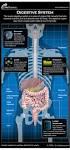 Digestive System Functions A. Gastrointestinal Processes 1. Ingestion: placing food in mouth (voluntary) 2. Propulsion: moving food through GI tract a. Peristalsis: alternating waves of contraction and
Digestion, Absorption. How & where?
 Digestion, Absorption How & where? What happens to food? Three processes Digestion Absorption Elimination Where do they occur? GI tract Overview of Digestion GI tract Gastrointestinal (GI) tract: series
Paramedic Program Anatomy and Physiology Study Guide
 Paramedic Program Anatomy and Physiology Study Guide Define the terms anatomy and physiology. List and discuss in order of increasing complexity, the body from the cell to the whole organism. Define the
The digestive system eliminated waste from the digestive tract. But we also need a way to eliminate waste from the rest of the body.
 Outline Urinary System Urinary System and Excretion Bio105 Lecture 20 Chapter 16 I. Function II. Organs of the urinary system A. Kidneys 1. Function 2. Structure III. Disorders of the urinary system 1
By Casey Schmidt and Wendy Ford
 By Casey Schmidt and Wendy Ford Body systems Digestive System Circulatory System Respiratory System Excretory System Immune System Reproductive System Nervous System Muscular System Skeletal System Endocrine
Chetek-Weyerhaeuser High School
 Chetek-Weyerhaeuser High School Anatomy and Physiology Units and Anatomy and Physiology A Unit 1 Introduction to Human Anatomy and Physiology (6 days) Essential Question: How do the systems of the human
Engage: Brainstorming Body Systems. Record the structures and function of each body system in the table below.
 Engage: Brainstorming Body s Record the structures and function of each body system in the table below. Body Nervous Circulatory Excretory Immune Digestive Respiratory Skeletal Muscular Endocrine Integumentary
Medical Physiology Z.H.Al-Zubaydi
 Lec.13 Medical Physiology Z.H.Al-Zubaydi Functions of the Digestive System The major functions of the digestive tract include the following six processes, summarized in Figure 1: 1. Ingestion Food must
THE DIGESTIVE SYSTEM
 THE DIGESTIVE SYSTEM What is digestion? Digestion is the process of breaking down food so that it's small enough to be absorbed and used by the body for energy or in other bodily functions. Digestion involves
Reavis High School Anatomy and Physiology Curriculum Snapshot
 Reavis High School Anatomy and Physiology Curriculum Snapshot Unit 1: Introduction to the Human Body 10 days As part of this unit, students will define anatomy, physiology, and pathology. They will identify
Anatomy and Physiology
 Anatomy and Physiology UNIT I: Introduction to Anatomy and Physiology The student will demonstrate an understanding of the anatomic and physiological basis of life and the ability to explain the interdependence
ANATOMY AND PHYSIOLOGY II (BIO 2312) SYLLABUS
 ANATOMY AND PHYSIOLOGY II (BIO 2312) SYLLABUS NEW YORK CITY COLLEGE OF TECHNOLOGY The City University Of New York School of Arts and Sciences Department of Biological Sciences Course Information Course
HUMAN ANATOMY & PHYSIOLOGY MAINTENANCE 30
 Curriculum Development In the Fairfield Public Schools FAIRFIELD PUBLIC SCHOOLS FAIRFIELD, CONNECTICUT HUMAN ANATOMY & PHYSIOLOGY MAINTENANCE 30 Board of Education Approved 05/22/2007 HUMAN ANATOMY & PHYSIOLOGY
regulation of ECF composition and volume regulation of metabolism thyroid hormones, epinephrine, growth hormone, insulin and glucagon
 Hormonal Effects regulation of ECF composition and volume ADH, aldosterone, ANF regulation of metabolism thyroid hormones, epinephrine, growth hormone, insulin and glucagon regulation of muscle contraction
2161-1 - Page 1. Name: 1) Choose the disease that is most closely related to the given phrase. Questions 10 and 11 refer to the following:
 Name: 2161-1 - Page 1 1) Choose the disease that is most closely related to the given phrase. a disease of the bone marrow characterized by uncontrolled production of white blood cells A) meningitis B)
Human Anatomy & Physiology General
 Human Anatomy & Physiology General Biology is the study of life but, what exactly is life? how are living things different from nonliving things eg. a human from a rock eg. a a human from a robot eg. a
D.U.C. Assist. Lec. Faculty of Dentistry General Physiology Ihsan Dhari. The Autonomic Nervous System
 The Autonomic Nervous System The portion of the nervous system that controls most visceral functions of the body is called the autonomic nervous system. This system helps to control arterial pressure,
What Each Vitamin & Mineral Does In Your Body. Vitamin A
 What Each Vitamin & Mineral Does In Your Body Vitamin A Prevents skin disorders, such as acne, wrinkling and age spots. Enhances the immune system protects against colds, flu, and infections to kidney,
Biology 224 Human Anatomy and Physiology II Week 8; Lecture 1; Monday Dr. Stuart S. Sumida. Excretory Physiology
 Biology 224 Human Anatomy and Physiology II Week 8; Lecture 1; Monday Dr. Stuart S. Sumida Excretory Physiology The following ELEVEN slides are review. They will not be covered in lecture, but will be
SMALL AND LARGE INTESTINE SECRETIONS
 SMALL AND LARGE INTESTINE SECRETIONS Objectives At the end of lecture student should be able to know, Digestive system Digestive system secretions Small intestine Component of small intestine Intestinal
Functions of Blood System. Blood Cells
 Functions of Blood System Transport: to and from tissue cells Nutrients to cells: amino acids, glucose, vitamins, minerals, lipids (as lipoproteins). Oxygen: by red blood corpuscles (oxyhaemoglobin - 4
The Digestive System. Chapter 16. Introduction. Histological Organization. Overview of Digestive System. Movement and Mixing of Digestive Materials
 The Digestive System Chapter 16 Introduction Structure of the digestive system A tube that extends from mouth to anus Accessory organs are attached Functions include Ingestion Movement Digestion Absorption
Bio 348 Human Anatomy & Physiology Lapsansky 2014
 LEARNING OBJECTIVES NOTE: Please review the objectives for both the lecture and lab in preparation for lecture exams. Although lab questions will not be on the lecture exams, many of the objectives overlap,
North Bergen School District Benchmarks
 Grade: 10,11, and 12 Subject: Anatomy and Physiology First Marking Period Define anatomy and physiology, and describe various subspecialties of each discipline. Describe the five basic functions of living
ANATOMY & PHYSIOLOGY ONLINE COURSE - SESSION 2 ORGANIZATION OF THE BODY
 ANATOMY & PHYSIOLOGY ONLINE COURSE - SESSION 2 ORGANIZATION OF THE BODY Human beings are arguably the most complex organisms on this planet. Imagine billions of microscopic parts, each with its own identity,
Chapter 17 Digestive System. Alimentary Canal. Movements of the Tube
 Chapter 17 Digestive System Functions of Digestive System ingestion mechanical digestion chemical digestion propulsion absorption defecation Consists of the alimentary canal and accessory organs 1 Alimentary
Chapter 25: Metabolism and Nutrition
 Chapter 25: Metabolism and Nutrition Chapter Objectives INTRODUCTION 1. Generalize the way in which nutrients are processed through the three major metabolic fates in order to perform various energetic
Digestive System Why is digestion important? How is food digested? Physical Digestion and Movement
 Digestive System The digestive system is made up of the digestive tract a series of hollow organs joined in a long, twisting tube from the mouth to the anus and other organs that help the body break down
Name Class Date Laboratory Investigation 24A Chapter 24A: Human Skin
 Name Class Date Laboratory Investigation 24A Chapter 24A: Human Skin Human Anatomy & Physiology: Integumentary System You may refer to pages 386-394 in your textbook for a general discussion of the integumentary
10.2 The Human Digestive System pg. 411
 10.2 The Human Digestive System pg. 411 The human digestive system is made up of a group of organs working together. The digestive tract is made up of the mouth, esophagus, stomach, small intestine, and
OUTCOMES BASED LEARNING MATRIX
 OUTCOMES BASED LEARNING MATRIX Course: BIOL 206 Vertebrate Anatomy and Physiology II Department: Biology Course Description: This is the second part of an introductory course sequence in the comparative
Endocrine System: Practice Questions #1
 Endocrine System: Practice Questions #1 1. Removing part of gland D would most likely result in A. a decrease in the secretions of other glands B. a decrease in the blood calcium level C. an increase in
GI TRACT ORGANS ACCESSORY ORGANS
 Digestive System GI TRACT ORGANS Oral cavity Oropharynx Esophagus Stomach Small intestine Large Intestine Anus ACCESSORY ORGANS Salivary glands Pancreas Liver Gall bladder GI TRACT LAYERS Mucosa Submucosa
Ch16 Endocrine part 2
 Ch16 Endocrine part 2 several separate organs release hormones into capillaries hormones are transported in the blood Hypothalamus Pituitary glands Pineal gland Thyroid Parathyroid Thymus Adrenal Cortex
Chapter 48. Nutrients in Food. Carbohydrates, Proteins, and Lipids. Carbohydrates, Proteins, and Lipids, continued
 Carbohydrates, Proteins, and Lipids The three nutrients needed by the body in the greatest amounts are carbohydrates, proteins, and lipids. Nutrients in Food All of these nutrients are called organic compounds,
Response to Stress Graphics are used with permission of: Pearson Education Inc., publishing as Benjamin Cummings (http://www.aw-bc.
 Response to Stress Graphics are used with permission of: Pearson Education Inc., publishing as Benjamin Cummings (http://www.aw-bc.com) Page 1. Introduction When there is an overwhelming threat to the
The Gastrointestinal System It consists of: The digestive tract Mouth Pharynx Oesophagus Stomach Small intestine Large intestine
 The Gastrointestinal System It consists of: The digestive tract Mouth Pharynx Oesophagus Stomach Small intestine Large intestine The digestive organs Teeth Tongue Salivary glands Liver Gall bladder Pancreas
The Respiratory System
 Human Anatomy III: Respiratory, Urinary & Digestive Systems The Respiratory System Major functions include: Obtaining oxygen Removing carbon dioxide Maintenance of ph balance Respiration may be accomplished
Regulating the Internal Environment Water Balance & Nitrogenous Waste Removal
 Regulating the Internal Environment Water Balance & Nitrogenous Waste Removal 2006-2007 Animal systems evolved to support multicellular life CH CHO O 2 O 2 NH 3 CH CHO O 2 CO 2 NH NH 3 O 2 3 NH 3 intracellular
Learning Objectives for Anatomy & Physiology
 Learning Objectives for Anatomy & Physiology Anatomy & Physiology by Visible Body contains 12 units. Below is a listing of each unit, the chapters within it, and the unit s associated learning objectives.
Digestion, Absorption. How & where?
 Digestion, Absorption How & where? What happens to food? Three processes Digestion Absorption Elimination Where do they occur? GI tract Overview of Digestion GI tract Gastrointestinal (GI) tract: series
Integration and Coordination of the Human Body. Nervous System
 I. General Info Integration and Coordination of the Human Body A. Both the and system are responsible for maintaining 1. Homeostasis is the process by which organisms keep internal conditions despite changes
UNIT 1 BODY PLAN AND ORGANIZATION LECTURE
 UNIT 1 BODY PLAN AND ORGANIZATION LECTURE 1.03 CONTRAST THE SCIENCES OF ANATOMY AND PHYSIOLOGY A. Anatomy Anatomy is the scientific study of structures and the relationship of.. structures to each other.
The chemical reactions inside cells are controlled by enzymes. Cells may be specialised to carry out a particular function.
 12.1 What are animals and plants built from? All living things are made up of cells. The structures of different types of cells are related to their functions. to relate the structure of different types
37 2 Blood and the Lymphatic System Slide 1 of 34
 1 of 34 Blood is a connective tissue that contains both dissolved substances and specialized cells. 2 of 34 The functions of blood include: collecting oxygen from the lungs, nutrients from the digestive
Unit Information Form (UIF) UIF0708
 Unit Information Form (UIF) UIF0708 The UIF provides essential information to students, staff teams and others on a particular unit. Please refer to the University s Guidance notes on Unit Information
Nerve Tissue. Muscle Tissue. Connective Tissue
 Human Body Tissues Levels of Organization 1. Cells 2. = groups of similar cells that perform a 3. Organ = 4. = group of organs Four Major Tissues 1. 2. 3. 4. Epithelial Tissue Nerve Tissue Muscle Tissue
Endocrine Glands and the General Principles of Hormone Action
 Endocrine Glands and the General Principles of Hormone Action Cai Li, Ph.D. Assistant professor Touchstone Center for Diabetes Research Departments of Physiology and Internal Medicine The University of
Chapter 19 Ci C r i cula l t a i t o i n
 Chapter 19 Circulation A closed system Circulatory System Consisting of Heart, Arteries, Veins, Capillaries, Blood & the Lymphatic system Blood Make up The blood is made up of Plasma and three main types
Autonomic Nervous System Dr. Ali Ebneshahidi
 Autonomic Nervous System Dr. Ali Ebneshahidi Nervous System Divisions of the nervous system The human nervous system consists of the central nervous System (CNS) and the Peripheral Nervous System (PNS).
Digestive System AKA. GI System. Overview. GI Process Process Includes. G-I Tract Alimentary Canal
 Digestive System AKA G-I Tract Alimentary Canal Overview GI System Consists of Mouth, pharynx, esophagus, stomach, small intestine, large intestine, anus About 30 in length Accessory Organs Teeth, tongue,
Anatomy and Physiology Warm up questions Fall 2013
 Anatomy and Physiology Warm up questions Fall 2013 QUESTION POSSIBLE ANSWERS : Chapter 1 Introduction and Regions Chapter 2 Chemistry I can name systems of the I can identify regions of the I can describe
The Endocrine System
 Essentials of Human Anatomy & Physiology Elaine N. Marieb Seventh Edition Chapter 9 The Endocrine System Slides 9.1 9.48 Lecture Slides in PowerPoint by Jerry L. Cook The Endocrine System Second messenger
The Digestive System. Chapter 15
 The Digestive System Chapter 15 Introduction Digestion refers to the mechanical and chemical breakdown of food so the nutrients can be absorbed by cells Carried out by the digestive system Consists of
5. Secretion: release of water, acids. Enzymes, buffers by digestive tract.
 Digestive System CH-16 Lecture topics Functions of the digestive system: p. 488. 1. Ingestion: Taking food in 2. Propulsion: movement of food thru alimentary canal p.490. voluntary: swalloing : skeletal
Course of Study. Anatomy & Physiology. Warren County Career Center. 3525 North State Route 48 Lebanon, Ohio 45036. Adopted 6-15-06
 Course of Study Anatomy & Physiology Warren County Career Center 3525 North State Route 48 Lebanon, Ohio 45036 Adopted 6-15-06 This document is for the use of the staff at Warren County Career Center.
Diagram 2(i): Structure of the Neuron
 Diagram 2(i): Structure of the Neuron Generally speaking, we can divide the nervous system into different parts, according to location and function. So far we have mentioned the central nervous system
Functions of the GI Tract. Chapter 18. Functions of the GI Tract (continued)
 Functions of the GI Tract Chapter 18 The Digestive System Motility: Movement of of food through the GI tract. Ingestion: Taking food into the mouth. Mastication: Chewing the food and mixing it with saliva.
Essentials of Human Anatomy & Physiology. 7 th edition Marieb, Elaine, 2003. Chapters 10-11. Lab Manual, 2 nd edition and coloring book, 7 th edition
 Topic/Unit: Anatomy & Physiology Circulatory System Curricular Goals/ Learning Outcomes: Students will be able to identify the composition of blood and its function. Students will be able to differentiate
Digestive System. Gross Anatomy and Physiology
 Digestive System Gross Anatomy and Physiology I. Introduction A. Base Function: Working with the circulatory system the digestive system provides the body with fuel. B. Main players: 1. Digestive tract:
Human Body Systems Project By Eva McLanahan
 Human Body Systems Project By Eva McLanahan Students will work in groups to research one of the eleven body systems as found in Holt, Rinehart, and Winston Modern Biology (2002). Research will focus on
Stress Psychophysiology. Introduction. The Brain. Chapter 2
 Stress Psychophysiology Chapter 2 Introduction This chapter covers the process & structures activated during the physiological response to stress. Two stress pathways are available; one for short term
Outline Digestive System
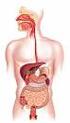 Outline Digestive System The Digestive System Digestive System Lecture Packet 19 Chapter 15 I. Function II. Layers of the GI tract III. Major parts: mouth, pharynx, esophagus, stomach, small intestine,
Topic 3.0 Healthy human function depends on a variety of interacting and reacting systems
 Topic 3.0 Healthy human function depends on a variety of interacting and reacting systems Organ Systems Organ systems must have the ability to to changes within and outside of your body to maintain life
Liver Function Essay
 Liver Function Essay Name: Quindoline Ntui Date: April 20, 2009 Professor: Dr. Danil Hammoudi Class: Anatomy and Physiology 2 Liver function The human body consist of many highly organize part working
Each gland has at least one duct that takes saliva to the oral cavity.
 kufa university Physiology College of Nursing first year student Ass. Lect :- Hisham Qassem M. Lecture No :-3 The Digestive System Digestive system consists of: 1. Gastrointestinal Tract (GIT). 2. Accessory
1. Give the name and functions of the structure labeled A on the diagram. 2. Give the name and functions of the structure labeled B on the diagram.
 2013 ANATOMY & PHYSIOLOGY Sample Tournament Station A: Use the diagram in answering Questions 1-5. 1. Give the name and functions of the structure labeled A on the diagram. 2. Give the name and functions
Digestive System Notes
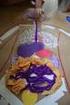 Digestive System Notes Structure Function Relation Mouth cavity Mechanical digestion by teeth; chemical digestion of starch by saliva. Salivary glands Three pairs of glands which secrete saliva containing
The Human Digestive System
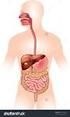 The Human Digestive System Name: Section: Date: Page 1 of 10 Page 2 of 10 Page 3 of 10 Page 4 of 10 Page 5 of 10 Page 6 of 10 Putting it All Together Digestive Enzymes Page 7 of 10 Page 8 of 10 Page 9
Get Your Students Excited About Anatomy/Physiology. Julie Combes, B.S., M.ED Lamesa High School Lamesa, Texas jcombes@lamesaisd..
 Get Your Students Excited About Anatomy/Physiology Julie Combes, B.S., M.ED Lamesa High School Lamesa, Texas [email protected] Disclamer I am not promoting any one product or company. When I mention
The Lymphatic System. Dr. Naim Kittana, PhD
 The Lymphatic System Dr. Naim Kittana, PhD 1 Disclosure The material and the illustrations are adopted from the textbook Human Anatomy and Physiology / Ninth edition/ Eliane N. Marieb 2013 Dr. Naim Kittana,
Topic 4: Digestion and Nutrition
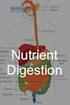 Topic 4: Digestion and Nutrition THE CONTENTS OF FOOD Food contains nutrients: Nutrients include: 1. 2. 3. 4. 5. Nutrients must be small enough to enter our cells. If they are too large they must be digested
Chapter 15. Autonomic Nervous System (ANS) and Visceral Reflexes. general properties Anatomy. Autonomic effects on target organs
 Chapter 15 Autonomic Nervous System (ANS) and Visceral Reflexes general properties Anatomy Autonomic effects on target organs Central control of autonomic function 15-1 Copyright (c) The McGraw-Hill Companies,
Week 30. Water Balance and Minerals
 Week 30 Water Balance and Minerals Water: more vital to life than food involved in almost every body function is not stored--excreted daily largest single constituent of the human body, averaging 60% of
Functions of Blood. Collects O 2 from lungs, nutrients from digestive tract, and waste products from tissues Helps maintain homeostasis
 Blood Objectives Describe the functions of blood Describe blood plasma Explain the functions of red blood cells, white blood cells, and platelets Summarize the process of blood clotting What is Blood?
67 The Human Skeleton
 67 The Human Skeleton Skull SCIENCE EXPLORER Focus on Life Science Prentice-Hall, Inc. Clavicle (collarbone) Scapula (shoulder blade) Carpals Metacarpals Phalanges Femur Tibia Humerus Ulna Sternum (breastbone)
THE GI TRACT IS A CONTINUOUS MULTILAYERED TUBE EXTENDING FROM THE MOUTH TO THE ANUS THAT IS SUPPORTED AND PARTIALLY COVERED BY THE PERITONEUM.
 THE GI TRACT IS A CONTINUOUS MULTILAYERED TUBE EXTENDING FROM THE MOUTH TO THE ANUS THAT IS SUPPORTED AND PARTIALLY COVERED BY THE PERITONEUM. OVERVIEW OF THE DIGESTIVE SYSTEM Two groups of organs compose
Renal Topics 1) renal function 2) renal system 3) urine formation 4) urine & urination 5) renal diseases
 Renal Topics 1) renal function 2) renal system 3) urine formation 4) urine & urination 5) renal diseases 1/9/2015 Renal Biology - Sandra Hsu 1 Renal Functions 1) excrete metabolic wastes (blood cleaning)
Unit #5 Human Growth and Development 6 th Grade - Chapter 7, 8 7 th Grade - Chapter 12 8 th Grade - Chapter 16, 17
 8 th Grade HGD Chapter 16 Summary Your Body Systems Lesson 1 Your Skeletal System 1. Skeletal system is a body system: a. Bones b. Joints c. Connective tissue 2. Marrow, which is a soft tissue in the center
Questions on The Nervous System and Gas Exchange
 Name: Questions on The Nervous System and Gas Exchange Directions: The following questions are taken from previous IB Final Papers on Topics 6.4 (Gas Exchange) and 6.5 (Nerves, hormones and homeostasis).
The Vertebrate (mostly human) Digestive System
 The Vertebrate (mostly human) Digestive System Mouth - mastication, lubrication, digestion Pharynx and Esophagus - swallowing Stomach - some digestion Small intestine - most digestion and absorption Large
UNIT 3 : MAINTAINING DYNAMIC EQUILIBRIUM
 BIOLOGY - 2201 UNIT 3 : MAINTAINING DYNAMIC EQUILIBRIUM What happens to your body as you run? Breathing, heart rate, temperature, muscle pain, thirsty... Homeotasis Homeostasis is the process of maintaining
Vascular System The heart can be thought of 2 separate pumps from the right ventricle, blood is pumped at a low pressure to the lungs and then back
 Vascular System The heart can be thought of 2 separate pumps from the right ventricle, blood is pumped at a low pressure to the lungs and then back to the left atria from the left ventricle, blood is pumped
Pre-requisites: Successful completion of 4th grade science and the 4th grade science assessment.
 Throughout each unit, assessments are incorporated into lessons. These assessments are activities that occur within the context of each lesson providing the guidelines for assessing students' progress.
The Digestive System. You are what you eat!
 The Digestive System You are what you eat! Try to label the diagram (PENCIL!!) What is Digestion? Digestion: the breakdown of large macromolecules (proteins, fats, carbohydrates) into smaller molecules
PowerPoint Lecture Outlines prepared by Dr. Lana Zinger, QCC CUNY. 12a. FOCUS ON Your Risk for Diabetes. Copyright 2011 Pearson Education, Inc.
 PowerPoint Lecture Outlines prepared by Dr. Lana Zinger, QCC CUNY 12a FOCUS ON Your Risk for Diabetes Your Risk for Diabetes! Since 1980,Diabetes has increased by 50 %. Diabetes has increased by 70 percent
Animal Anatomy and Physiology
 The Further Education and Training Awards Council (FETAC) was set up as a statutory body on 11 June 001 by the Minister for Education and Science. Under the Qualifications (Education & Training) Act, 1999,
Learning Objectives. Introduction to Medical Careers. Vocabulary: Chapter 16 FACTS. Functions. Organs. Digestive System Chapter 16
 Learning Objectives Introduction to Medical Careers Digestive System Chapter 16 Define at least 10 terms relating to the digestive Describe the four functions of the digestive Identify different structures