
Supplementary Materials for
|
|
|
- Flora Jones
- 10 years ago
- Views:
Transcription
1 Supplementary Materials for The microbiome of uncontacted Amerindians Jose C. Clemente, Erica C. Pehrsson, Martin J. Blaser, Kuldip Sandhu, Zhan Gao, Bin Wang, Magda Magris, Glida Hidalgo, Monica Contreras, Óscar Noya-Alarcón, Orlana Lander, Jeremy McDonald, Mike Cox, Jens Walter, Phaik Lyn Oh, Jean F. Ruiz, Selena Rodriguez, Nan Shen, Se Jin Song, Jessica Metcalf, Rob Knight, Gautam Dantas, M. Gloria Dominguez-Bello The PDF file includes: Published 17 April 2015, Sci. Adv. 1, e (2015) DOI: /sciadv Text Table S1. Samples obtained from the 34 Amerindian subjects included in this study: skin from right (BD) or left (BI) forearm (n = 28), oral (n = 28), and fecal (n = 12) specimens. Table S2. Composition of Amerindian E. coli isolate genomic libraries. Table S3. Functional capture of AR genes from Amerindian E. coli isolate genomic libraries. Table S4. AR genes identified from functional selections of Amerindian E. coli isolate genomic libraries and Amerindian and Puerto Rican metagenomic libraries. Table S5. Composition of metagenomic libraries from Amerindian and Puerto Rican fecal and oral microbiota. Table S6. Antibiotics used in genomic and metagenomic library selections for AR genes. Table S10. List of clusters at different k-mer and minimum contig length and their associated taxonomy. Table S11. Taxa of 329 bacterial strains cultured from feces of 12 isolated Amerindians. Table S12. Typing of 24 E. coli strains from 11 isolated Amerindians. Fig. S1. Meta-analysis of 16S V4 region fecal data. Fig. S2. Microbiome diversity between different human groups. Fig. S3. Microbiota diversity in fecal, oral, and skin samples from uncontacted Yanomami in relation to U.S. subjects using the V2 region of the 16S rrna gene. Fig. S4. Taxonomic distribution across gut samples sorted by the dominant genera within each population. Fig. S5. Prevalence/abundance curves of representative bacterial OTUs in feces (A), oral (B), and skin (C).

2 Fig. S6. ClonalFrame analysis of Escherichia coli strains based on the sequence of seven housekeeping genes. Fig. S7. PCoA plot of Yanomami, Malawian, and Guahibo fecal samples. Fig. S8. Fecal microbiome of non-bacteroides OTUs in Yanomami, Malawian, Guahibo, and U.S. samples. Fig. S9. Bacterial diversity as a function of age and body site. Fig. S10. Procrustes analyses of shotgun metagenomic and 16S rrna data for different subsets of samples. Fig. S11. Comparison of PICRUSt versus sequenced shotgun metagenomes of fecal and oral samples with at least 10,000 mapped reads. Fig. S12. Bacterial genome assembly. References (72 76) Other Supplementary Material for this manuscript includes the following: (available at Table S7 (Microsoft Excel format). List of all taxa significantly associated with each population in fecal samples as determined by LEfSe analysis. Table S8 (Microsoft Excel format). List of all taxa significantly associated with each population in oral samples as determined by LEfSe analysis. Table S9 (Microsoft Excel format). List of all taxa significantly associated with each population in skin samples as determined by LEfSe analysis.

3 Supplementary Materials 16S rrna sequences Quality-filtered, demultiplexed sequences from fecal samples were combined with those from a previous study that included a US population, and two semi-acculturated non-western populations 11. All sequences were trimmed at 100bp to avoid biases due to read length. We performed openreference OTU picking 72 at 97% identity to identify both characterized and novel taxa, and taxonomy was assigned using Greengenes version 13_8 73. Oral and skin samples were processed in a similar manner combined with data from the American Gut project instead. In fecal samples, we obtained 768,221 sequences for Yanomami subjects (69, ,630 seqs/sample), 913,44 for Guahibo (13, ,338), 820,776 for Malawians (15, ,152), and 4,510,511 for US (17, ,459). In oral samples, we obtained 1,820,607 sequences for Yanomami (67, ,553) and 890,367 for US (21, ,388). In skin samples, we obtained 1,516,780 sequences for Yanomami (54, ,571) and 872,475 for US (18, ,380). Since the oral and skin sites sampled in the Yanomami (buccal mucosa, volar forearm) were physically close but not identical to the sites sampled in US subjects (tongue, hand palm), we compared the distances per body site between the populations against those obtained from sub-body sites (i.e. buccal mucosa versus tongue, hand versus forearm) within populations. We found that the distances between populations for both oral and skin samples are significantly larger than distances between sub-body sites within a population (t-test, p < 0.01; Fig. S2F), indicating that our results are robust. Bacterial diversity in feces and skin, but not in the mouth, was significantly higher in Yanomami than in US subjects (Fig. 1A, 1E, 1I). Noticeably, fecal diversity was higher than in the semitransculturated Guahibo Amerindians (ANOVA and Tukey s HSD test p < 0.001; Fig. 1A). PCoA of UniFrac distances reveals that bacterial communities from each body site segregate Westernized people from agrarian and hunter-gatherer groups (Figs. 1B, 1F, 1J, and S1). Metagenome prediction and pathway analysis We used PICRUSt with default parameters to predict metagenomic content from the 16S rrna data. KEGG Ortholog (KO) counts were thus assigned to each sample, and KEGG pathways annotated to each KO. STAMP 43 was then utilized in combination with ANOVA with the Tukey- Kramer post-hoc test and Bonferroni correction for multiple comparisons to detect pathways differentially abundant across populations. Effect sizes were measured using η 2 (eta-squared). Shotgun metagenomic sequencing and pre-processing We used the Illumina Nextera kit to perform shotgun metagenomic sequencing of 22 samples (8 fecal, 14 oral). 1 μl of metagenomic DNA from each sample was used as starting material. The dual-index multiplexed library was sequenced on an Illumina NextSeq (2x150bp). Shotgun reads were demultiplexed, allowing two mismatches per index, and trimmed with Trimmomatic v in paired-end palindrome mode to remove Nextera adapter sequences and low quality (<Q13) bases from the ends (minimum length 36 bases). Computational filtering of assembled contigs from metagenomic libraries From the sequenced Amerindian MDA NTCs, 2321 contigs assembled. By comparison to NCBI nt (August 15, 2013), all but five contigs aligned most closely to Escherichia species (including one in which E. coli was the second hit); the remaining contigs align most closely to cloning vectors, Taq polymerase, or rabbit hemoglobin, all of which are commonly used molecular biology tools, trace amounts of which may have been present in the MDA reagents. Under our extremely stringent exclusion criteria (see Methods), most Amerindian metagenomic library-isolated genes from E. coli were excluded, as were many β-lactamases that aligned to a cloning vector on a NTC contig. The excluded contigs likely include some true AR genes present in

4 the Amerindian microbiota, but we gave exclusion of false positives greater priority in this investigation due to the unique nature of the samples. We were also able to recover some of the true positives excluded by NTC-masking by separately interrogating cultured E. coli isolates from the Amerindian individuals. Novel resistance gene with unknown function The AR genes isolated from the Amerindian metagenomic library selection include a previously unrecognized gene conferring resistance to chloramphenicol, O23_CH_19: The 255bp ORF is unannotated, and the top blastn alignments in NCBI nt are Neisseria lactamica plasmids pnl14 and pnl871104, which have no annotation for that region (blastn: 98%, DQ and DQ ). The ORF is situated on a 4398bp contig (KJ910975) that contains a number of mobile genetic elements, including a~1.4kb region spanning an adjacent relaxase/mobilization domain and mobc that aligns with 95% nucleotide identity to Neisseria gonorrhoeae plasmids (FJ , CP ). Although this gene is represented in NCBI, its resistance function was previously unrecognized. Mobile genetic elements syntenic with antibiotic resistance genes Of the AR genes isolated with functional selections, several are syntenic with mobile genetic elements, including six Amerindian genes (four isolated from metagenomic libraries and two from E. coli isolate libraries) and two Puerto Rican genes. O23_CH_19 is discussed above. The chloramphenicol acetyltransferases on F6_CH_2 are nearly identical and flank a plasmid mobilization element whose closest homolog in NCBI nr is Oscillibacter sp. KLE 1728 (WP_ ; 74% local identity). They share % nucleotide identity with HMP stool assemblies and a plasmid from the fish pathogen Aeromonas salmonicida (GI: ). The AraC transcriptional s on F23_CH_11, Library_A_CH_8, and Library_B_CH_15 have no hits in NCBI nt, but blastx to NCBI nr indicates they are rama homologs, and the top hit for all is E. coli. They are also adjacent to transposases that are 94-97% identical to E. coli (ref WP_ , ref WP_ , ref WP_ ). Finally, the tetx variants on T1003_TE_12 and T1003_TG_1 are syntenic with integrases. The ribosomal protection protein on F6_TE_1 is not adjacent to a mobile element, but is widespread in industrialized settings. The tetw variant aligns to HMP assemblies from stool, oral cavity, nasal cavity, skin, and vaginal sites and with 99% nucleotide identity to 32 species in NCBI, including gut commensals from two phyla and Clostridium difficile (Fig. 3D). tetw is also widespread in animal gut microbiota and the environment 75 and is frequently associated with mobile genetic elements. Future research could determine whether the Yanomami genes associated with mobile elements were ubiquitous prior to the antibiotic era, or whether the new antibiotic selective pressure drove their dissemination 7 6. O23 CH 21 is also present in human pathogens, including Haemophilus influenzae, Klebsiella pneumoniae, and Vibrio spp. (Fig. 3C). The gene is often flanked by transposases that may contribute to its spread, although not in this context. Alignment of functionally selected Amerindian and Puerto Rican AR genes Seven of the Amerindian genes had homologs in fecal and oral metagenomic libraries from five Puerto Rican subjects, also identified by functional selections. Two pairs aligned with 95% nucleotide identity: the tetw variants from F6_TE_1 and 341_TE_1 and the Neisseria PBPs from O3_CZ_2_1/O3_CZ_2_2 and T1001_PITZ_5/T1001_CZ_11. Alignment of functionally selected AR genes to the Human Microbiome Project and MetaHIT All 108 AR genes were aligned to the HMP and MetaHIT assemblies. Excluding ribosomal protection proteins and tetracycline inactivation proteins, with a few exceptions, genes from the

5 fecal microbiota align only to HMP stool assemblies and MetaHIT, and genes from the oral microbiota align only to the HMP oral assemblies. The exceptions are genes from the E. coli isolates and F5_PITZ_3: (100% amino acid identical to ydeo from E. coli str. K-12 substr. MG1655), which align to HMP subgingival plaque assemblies with >95% nucleotide ID, representing potential assembly contamination; oral-isolated ABC transporter 337_TE_6:2-1678, which aligns to HMP stool with only 75.5% nucleotide ID; and two β-lactamases from oral library 238_PE_3, whose top hits in NCBI nr are Enterobacteriaceae, that align to MetaHIT.

6 Table S1. Samples obtained from the 34 Amerindian subjects included in this study: skin from right (BD) or left (BI) forearm (n=28), oral (n=28) and fecal (n=12) specimens. Subject ID Age (y) Gender Sampled sites Skin ORAL FECAL Left arm Right arm 24 4 m BI24 BD24 O f BI20 BD20 O f BI23 BD23 O23 H f BD21 O m BI1 BD1 O m BI3 BD3 O3 H m BI11 BD11 O f BI9 BD9 O9 H m BI2 BD2 O m BI19 BD19 O f BI15 BD f BI18 BD18 O m H m BD m BI49 BD49 O49 H m BI51 BD51 O m BI5 O5 H m BI50 BD50 O50 H f BI22 BD22 O m H m H f BI25 BD25 O m BI4 BD4 O m H m H m BI8 BD8 O m BI10 BD10 O f BI12 BD12 O f BI16 BD16 O m 2 BI17 BD17 O f BI14 BD14 O f BI13 BD13 O m BI6 O6 H m BI7 BD7 O BI54 BD54 O54

7 Table S2. Composition of Amerindian E. coli isolate genomic libraries. Subject IDs Strain IDs* Library size (GB) Library A 3, 5, 6, 23 15, 24, 30, 31, 55, 56, 122, 145, 188, 212, , 264, 293, 392, 393, 399, 402, 848, 849 Library B 9, 25, 31, 36, 48, 335, 373, 378, 383, 408, 428, 429, 431, 451, , , 478, 482, 502, 507, 525, 533, 564, 656, 1057 *Equal amounts of DNA were pooled from each isolate

8 Table S3. Functional capture of antibiotic resistance genes from Amerindian E. coli isolate genomic libraries. Antibiotic Library A Library B Penicillin ARG ARG Piperacillin* ARG ARG Piperacillin-tazobactam* ARG ARG Cefotaxime* NO-ARG NO-ARG Ceftazidime ARG ARG Cefepime* NO-ARG NO-ARG Meropenem* NO-ARG NO-ARG Aztreonam* ARG ARG Chloramphenicol ARG ARG Tetracycline* ARG ARG Tigecycline ARG ARG Gentamicin* NO-ARG NO-ARG Ciprofloxacin* NO-ARG NO-ARG Colistin NO-ARG NO-ARG ARG = Resistance (i.e., growth on selection plates in the absence of growth on negative control plates) was observed by functional screening of genomic library on corresponding antibiotic NO-ARG = No resistance was observed by functional screening of genomic library on corresponding antibiotic * All Amerindian E. coli isolates were screened for phenotypic resistance against these antibiotics, and were found to be susceptible in all cases. The composition of each library is defined in Table S2.

9 Table S4. Antibiotic resistance genes identified from functional selections of Amerindian E. coli isolate genomic libraries and Amerindian and Puerto Rican metagenomic libraries Origin Subject Site Contig Accession Gene MG1655 Length Top hit by blastx to Top hit Antibiotic Class %ID coordinates gene (bp) NCBI nr accession AE A Fecal Library A_PE_9 KJ PE ampc 1167 Escherichia coli* 98.7 Class C, ampc AE B Fecal Library B_PE_6 KJ PE ampc 1167 Escherichia coli* 99.2 Class C, ampc AE A Fecal Library A_PI_1 KJ PI ampc 1167 Escherichia coli* 99.2 Class C, ampc AE B Fecal Library B_PI_8 KJ PI β-lactamase ampc 270 Escherichia coli* AE B Fecal Library B_PI_8 KJ PI ampc 924 Escherichia coli* 99 Class C, ampc AE B Fecal Library B_PI_10 KJ PI β-lactamase ampc 270 Escherichia coli* AE B Fecal Library B_PI_10 KJ PI ampc 924 Escherichia coli* 99 Class C, ampc AE A Fecal Library A_PITZ_1 KJ PITZ ampc 1008 Escherichia coli* 99.7 Class C, ampc AE B Fecal Library B_PITZ_8 KJ PITZ ampc 1167 Escherichia coli* 99.5 Class C, ampc AE A Fecal Library A_CZ_1 KJ CZ ampc 1167 Escherichia coli* 100 Class C, ampc AE B Fecal Library B_CZ_1 KJ CZ ampc 1167 Escherichia coli* 99.5 Class C, ampc AE A Fecal Library A_AZ_1 KJ AZ β-lactamase ampc 807 Escherichia coli* AE A Fecal Library A_AZ_1 KJ AZ β-lactamase ampc 375 Escherichia coli* AE B Fecal Library B_AZ_1 KJ AZ ampc 1134 Escherichia coli* 100 Class C, ampc AE A Fecal Library A_CH_10 KJ CH MFS transporter mdfa 1233 Enterobacteriaceae AE B Fecal Library B_CH_4 KJ CH MFS transporter mdfa 1233 Escherichia coli ISC AE A Fecal Library A_TE_12 KJ TE MFS transporter bcr 537 Shigella sonnei* 100 bcr/cfla AE A Fecal Library A_TE_12 KJ TE MFS transporter bcr 657 Escherichia coli* 99.5 bcr/cfla AE A Fecal Library A_TE_7 KJ TE ABC transporter mdlb 1782 Escherichia coli* AE A Fecal Library A_TE_7 KJ TE ABC transporter Escherichia coli mdla _S1_C1 AE A Fecal Library A_CH_4 KJ CH AE B Fecal Library B_CH_10 KJ CH AE A Fecal Library A_PE_6 KJ PE transcriptional, mara transcriptional, mara transcriptional mara 390 mara 390 mara 306 Enterobacteriaceae* Enterobacteriaceae* Enterobacteriaceae* AE A Fecal Library A_TE_4 KJ TE mara

10 AE B Fecal Library B_TE_7 KJ TE AE A Fecal Library A_TE_8 KJ TE AE A Fecal Library A_TG_10 KJ TG AE A Fecal Library A_CH_3 KJ CH AE B Fecal Library B_CH_20 KJ CH AE A Fecal Library A_PE_2 KJ PE AE A Fecal Library A_TE_6 KJ TE AE B Fecal Library B_TE_1 KJ TE AE A Fecal Library A_TG_6 KP TG AE A Fecal Library A_CH_6 KJ CH AE B Fecal Library B_CH_17 KJ CH AE A Fecal Library A_TE_5 KJ TE AE B Fecal Library B_TE_6 KJ TE AE A Fecal Library A_TG_1 KJ TG AE A Fecal Library A_TG_4 KJ TG transcriptional, mara transcriptional transcriptional, mara transcriptional, mara transcriptional transcriptional transcriptional transcriptional transcriptional transcriptional transcriptional transcriptional transcriptional transcriptional transcriptional transcriptional mara 390 mara 384 mara 390 rob 870 rob 870 rob 870 rob 870 rob 870 rob 870 soxs 324 Enterobacteriaceae* Enterobacteriaceae* Enterobacteriaceae* Enterobacteriaceae* Enterobacteriaceae* Enterobacteriaceae* Enterobacteriaceae* Enterobacteriaceae* Enterobacteriaceae* Enterobacteriaceae* Enterobacteriaceae* soxs 324 Escherichia coli 99.1 soxs 297 Escherichia coli 100 soxs 198 Shigella dysenteriae* 100 soxs 324 Escherichia coli 99.1 soxs 324 Enterobacteriaceae* AE A Fecal Library A_CH_8 KJ CH n/a 339 Escherichia coli

11 transcriptional O121:H7 str. 2009C Escherichia coli AE B Fecal Library B_CH_15 KJ CH transcriptional n/a 384 O121:H7 str. 2009C AE B Fecal Library B_PI_1 KJ PI transcriptional n/a 558 Escherichia coli* AE B Fecal Library B_PITZ_9 KJ PITZ transcriptional n/a 690 Escherichia coli* AE A Fecal Library A_TG_8 KJ TG transcriptional n/a 564 Escherichia coli* 99.5 AM 5 Fecal F5_PITZ_3 KJ PITZ transcriptional Escherichia coli* AM 6 Fecal F6_PI_27 KJ PI Bacteroides Class A, subclass stercorirosoris cbla AM 6 Fecal F6_CT_1 KJ CT Bacteroides Class A, subclass stercorirosoris cbla AM 6 Fecal F6_CZ_1 KJ CZ Bacteroides Class A, subclass stercorirosoris cbla AM 6 Fecal F6_CP_1 KJ CP Bacteroides Class A, subclass stercorirosoris cbla AM 6 Fecal F6_AZ_9 KJ AZ Bacteroides Class A, subclass stercorirosoris cbla AM 3 Oral O3_CZ_2_1 KJ CZ Penicillin-binding Neisseria mucosa* 100 protein 1 AM 3 Oral O3_CZ_2_2 KJ CZ Penicillin-binding Neisseria mucosa* 99.8 protein 1 AM 5 Oral O5_CZ_1 KJ CZ Penicillin-binding Neisseria perflava 99.8 protein 5 AM 5 Oral O5_CZ_2 KJ CZ Penicillin-binding Neisseria mucosa 99.6 protein 5 AM 5 Oral O5_CZ_4 KJ CZ Penicillin-binding Kingella kingae 98 protein 1 AM 23 Oral O23_CZ_1 KJ CZ Penicillin-binding Kingella oralis* 80.8 protein 4 AM 3 Fecal F3_CH_11 KJ CH Chloramphenicol uncultured bacterium acetyltransferase DCM009Cm07 1 AM 5 Fecal F5_CH_2 KJ CH Chloramphenicol Clostridium sp acetyltransferase CAG:226* 0 AM 6 Fecal F6_CH_2 KJ CH Chloramphenicol Aeromonas acetyltransferase salmonicida* 7 AM 6 Fecal F6_CH_2 KJ CH Chloramphenicol Aeromonas

12 acetyltransferase salmonicida* 7 AM 6 Fecal F6_CH_4 KJ CH Chloramphenicol uncultured bacterium acetyltransferase DCM009Cm07 1 AM 6 Fecal F6_CH_5 KJ CH Chloramphenicol Prevotella copri* 90.4 acetyltransferase 2 AM 23 Fecal F23_CH_11 KJ CH transcriptional Escherichia coli O121:H7 str. 2009C AM 23 Oral O23_CH_21 KJ CH Chloramphenicol acetyltransferase Gammaproteobacteria* 0 AM 23 Oral O23_CH_19 KJ CH Unknown Neisseria bacilliformis* AM 3 Fecal F3_TE_1 KJ TE Ribosomal [Clostridium] protection protein saccharolyticum* 5 AM 6 Fecal F6_TE_1 KJ TE Ribosomal protection protein Bacteria* 5 AM 23 Fecal F23_TE_1 KJ TE MATE transporter Phascolarctobacterium succinatutens* 1 AM 3 Oral O3_TE_1 KJ TE MFS transporter Kingella denitrificans* 96.2 emrb 8 AM 5 Oral O5_TE_1 KJ TE MFS transporter Neisseria sicca* 95 emrb 7 AM 5 Oral O5_TE_3 KJ TE MFS transporter Kingella denitrificans* AM 23 Oral O23_TE_1 KJ TE ABC transporter Cardiobacterium valvarum* 2 PR 40 Fecal 220_PE_14 KJ PE β-lactamase Collimonas fungivorans* 3 PR 44 Oral 238_PE_3 KJ PE Escherichia coli* 98.3 Class A 6 PR 44 Oral 238_PE_3 KJ PE Klebsiella pneumoniae 99.3 Class A 7 PR 62 Oral 337_PE_1 KJ PE Class A Pasteurellaceae* 3 PR 62 Oral 337_PI_2 KJ PI Class A Pasteurellaceae* 3 PR 62 Oral 337_PITZ_2 KJ PITZ Class A Pasteurellaceae* 3 PR 62 Oral 337_CZ_1 KJ CZ Class A Pasteurellaceae* 3 PR 62 Oral 337_PE_13 KJ PE Class B, subclass uncultured bacterium B3 PR 62 Oral 337_PE_15 KJ PE Class B, subclass uncultured bacterium B3 PR 62 Oral 337_PE_16 KJ PE Class B, subclass uncultured bacterium B3 PR 62 Oral 337_PE_24 KJ PE uncultured bacterium*

13 PR 62 Oral 337_PE_30 KJ PE PR 62 Oral 337_PE_34 KJ PE PR 62 Oral 337_PE_11 KJ PE PR 62 Oral 337_PE_14 KJ PE PR 62 Oral 337_PE_34 KJ PE PR 62 Oral 337_PE_3 KJ PE PR 62 Oral 337_PE_13 KJ PE Class B, subclass B3 Class B, subclass B3 Class B, subclass B3 Class B, subclass B3, BJP Class B, subclass B3, BJP Class B, subclass B3, BJP Class B, subclass B1, SPM Penicillin-binding protein PR T100 Oral T1001_PITZ_7 KJ PITZ β-lactamase uncultured bacterium uncultured bacterium uncultured bacterium uncultured bacterium uncultured bacterium uncultured bacterium uncultured bacterium 98.6 Ktedonobacter racemifer* PR T100 Oral T1001_CZ_5 KJ CZ β-lactamase Methanosarcina mazei* 38.3 PR T100 Oral T1001_PITZ_5 KJ PITZ PR T100 Oral T1001_CZ_11 KJ CZ Penicillin-binding protein Penicillin-binding protein Neisseria macacae* Neisseria macacae* 99.6 PR 62 Oral 337_CH_1 KJ CH MFS transporter Acinetobacter lwoffii 98.8 PR 40 Fecal 220_TE_2 KJ TE PR 40 Fecal 220_TE_6 KJ TE Ribosomal protection protein Ribosomal protection protein PR 40 Fecal 220_TE_1 KJ TE TetX PR 44 Fecal 242_TE_1 KJ TE TetX PR 44 Fecal 242_TG_2 KJ TG TetX PR 62 Fecal 341_TE_1 KJ TE PR 62 Fecal 341_TE_2 KJ TE Ribosomal protection protein Ribosomal protection protein Firmicutes** Prevotella* Bacteroidales** Bacteroides fragilis str. S23L17* Bacteroidales* Bacteria** Bacteria** PR T100 Fecal T1003_TE_12 KJ TE TetX Bacteroides fragilis* 99.7 PR T100 Fecal T1003_TG_1 KJ TG TetX Bacteroides fragilis*

14 PR 62 Oral 337_TE_6 KJ TE ABC transporter Neisseria cinerea* PR 62 Oral 337_TE_2 KJ TE MFS transporter Neisseria cinerea* 98.5 bcr/cfla 7 PR 62 Oral 337_TE_4 KJ TE MFS transporter Neisseria sicca* 98.7 emrb 9 PR T100 Oral T1001_TE_1 KJ TE Ribosomal protection protein Bacteria* 2 AE: Amerindian E. coli isolate, AM: Amerindian microbiota, PR: Puerto Rican microbiota. A and B are libraries created from the pooled genomic DNA of Amerindian E. coli isolates (Table S2). PE: penicillin, PI: piperacillin, PITZ: piperacillin-tazobactam, CT: cefotaxime, CZ: ceftazidime, CP: cefepime, AZ: aztreonam, CH: chloramphenicol, TE: tetracycline, TG: tigecycline. MG1655 gene was identified through alignment to Escherichia coli str. K-12 substr. MG1655; all alignments 96% nucleotide ID. Investigated for E. coli isolate libraries only. * The top hit comprises multiple accessions, and only the first is listed. **The gene aligned equally well to multiple accessions, and only one is listed.

15 Table S5. Composition of metagenomic libraries from Amerindian and Puerto Rican fecal and oral microbiota. Origin Individual Sex Age Site ID Library size (GB) Amerindian 3 M 11 Fecal F Oral O Amerindian 5 M 20 Fecal F Oral O Amerindian 6 M 48 Fecal F Oral O Amerindian 23 F 7 Fecal F Oral O Puerto Rican 40 M 9 Fecal Puerto Rican 62 M 13 Oral Fecal Puerto Rican 70 M 20 Oral Puerto Rican T100 M 45 Oral T Fecal T Puerto Rican 44 F 7 Oral Fecal

16 Table S6. Antibiotics used in genomic and metagenomic library selections for antibiotic resistance genes. Cellular target Antibiotic Abbreviation Source Concentration (ug/ml) Cell wall Penicillin PE Natural 128 synthesis Piperacillin PI Semi-synthetic 16 Piperacillintazobactam PITZ Semi-synthetic 16/4 Cefotaxime CT Semi-synthetic 8 Ceftazidime CZ Semi-synthetic 16 Cefepime CP Semi-synthetic 8 Meropenem ME Semi-synthetic 16 Aztreonam AZ Synthetic 8 Protein synthesis Chloramphenicol CH Natural 8 Tetracycline TE Natural 8 Tigecycline TG Semi-synthetic 2 Gentamicin GE Natural 16 DNA replication Ciprofloxacin CI Synthetic 0.5 Cell membrane Colistin CL Natural 8 Other Nitrofurantoin NI Synthetic 32

17 Table S10. List of clusters at different k-mer and minimum contig length and their associated taxonomy. cluster k- mer size threshold length taxonomy unidentified unidentified unidentified unidentified Mollicutes_bacterium Fusobacterium_ulcerans unidentified unidentified Candidatus_Pelagibacter_ubique_SAR unidentified Prevotella_sp._Oral_Taxon_472 Prevotella_ruminicola Prevotella_copri Prevotella_melaninogenica Prevotella_pallens_Oral_Taxon_714 Prevotella_melaninogenica Prevotella_denticola unidentified unidentified Prevotella_copri unidentified unidentified unidentified unidentified Beggiatoa_sp Mollicutes_bacterium unidentified Prevotella_denticola Prevotella_melaninogenica unidentified Streptococcus_mitis unidentified cluster k- mer size threshold length taxonomy unidentified Prevotella_melaninogenica Prevotella_denticola Prevotella_pallens_Oral_Taxon_ Granulicatella_elegans unidentified unidentified Streptococcus_sanguinis

18 Streptococcus_oralis Streptococcus_mitis Streptococcus_sp. Streptococcus_pneumoniae Veillonella_atypica unidentified unidentified unidentified unidentified unidentified unidentified unidentified unidentified Prevotella_copri Streptococcus_sanguinis Streptococcus_oralis Streptococcus_sp. Streptococcus_pneumoniae Streptococcus_infantis unidentified unidentified Burkholderia_mallei unidentified unidentified unidentified Streptococcus_sanguinis Streptococcus_dysgalactiae_equisimilis Streptococcus_sp. Streptococcus_pneumoniae Streptococcus_infantis unidentified unidentified Fusobacterium_ulcerans Mollicutes_bacterium unidentified Streptococcus_mitis cluster k- mer size threshold length taxonomy Granulicatella_elegans unidentified unidentified Streptococcus_mitis Neisseria_elongata_glycolytica

19 Neisseria_mucosa Neisseria_subflava Neisseria_macacae Neisseria_sp._oral_taxon_014 Neisseria_gonorrhoeae Neisseria_flavescens unidentified unidentified unidentified unidentified Neisseria_lactamica Neisseria_elongata_glycolytica Neisseria_sicca Neisseria_mucosa Neisseria_subflava Neisseria_macacae Neisseria_meningitidis Neisseria_sp._oral_taxon_014 Neisseria_cinerea Neisseria_gonorrhoeae Neisseria_flavescens Prevotella_copri Neisseria_mucosa Prevotella_marshii Prevotella_melaninogenica Bacteroides_xylanisolvens Prevotella_ruminicola Chryseobacterium_gleum Zunongwangia_profunda Prevotella_sp._Oral_Taxon_472 Bacteroides_intestinalis Bacteroides_uniformis Parabacteroides_johnsonii Bacteroides_cellulosilyticus Bacteroides_sp. Prevotella_buccalis Bacteroides_coprophilus Bacteroides_eggerthii Bacteroides_finegoldii Bacteroides_thetaiotaomicron Prevotella_buccae Alistipes_shahii

20 Prevotella_sp._Oral_Taxon_299 Riemerella_anatipestife Flavobacteriacea_bacterium Prevotella_timonensis Parabacteroides_sp. Bacteroides_stercoris Gramella_forsetii Bacteroides_dorei unidentified unidentified unidentified Fusobacterium_ulcerans Mollicutes_bacterium unidentified unidentified Neisseria_sicca Neisseria_mucosa unidentified unidentified Neisseria_meningitidis Neisseria_mucosa Kingella_denitrificans_Oral_Taxon_582 Neisseria_sicca Neisseria_elongata_glycolytica Lactobacillus_helveticus Streptococcus_sanguinis Streptococcus_gordonii Streptococcus_oralis Streptococcus_sp._Oral_Taxon_071 Streptococcus_parasanguinis Streptococcus_sp. Streptococcus_salivarius Streptococcus_infantis Streptococcus_sp Neisseria_mucosa unidentified cluster k- mer size threshold length taxonomy Lysinibacillus_fusiformis Bacillus_thuringiensis Streptococcus_pyogenes Enterococcus_casseliflavus_Oral_Taxon_801 Lactobacillus_gasseri

21 Streptococcus_sp. Streptococcus_uberis Lactobacillus_coryniformis_coryniformis Streptococcus_mutans Lactobacillus_fermentum Lactobacillus_antri Staphylococcus_capitis Streptococcus_sanguinis Streptococcus_pneumoniae Granulicatella_adiacens Bacillus_coahuilensis Granulicatella_elegans Streptococcus_equinus Bacillus_amyloliquefaciens_plantarum Enterococcus_italicus_Oral_Taxon_803 Streptococcus_oralis Lactobacillus_farciminis Lactobacillus_ruminis Streptococcus_dysgalactiae_equisimilis Streptococcus_peroris_Oral_Taxon_728 Enterococcus_faecium Eremococcus_coleocola Leuconostoc_mesenteroides_cremoris Aerococcus_viridans Staphylococcus_aureus Lactobacillus_coleohominis Streptococcus_anginosus Enterococcus_faecalis Lactobacillus_iners Enterococcus_gallinarum Listeria_grayi Streptococcus_sp._Oral_Taxon_07 Streptococcus_mitis Lactobacillus_coryniformis_torquens Staphylococcus_epidermidis Lactobacillus_amylolyticus Lactobacillus_reuteri Lactobacillus_fructivorans Weissella_paramesenteroides Streptococcus_thermophilus Anoxybacillus_flavithermus Lactobacillus_animalis
22 Streptococcus_infantis Streptococcus_salivarius Pediococcus_acidilactici Lactobacillus_buchneri Bacillus_subtilis_spizizenii Streptococcus_parasanguinis Bacillus_cereus Lactococcus_lactis_lactis Lactobacillus_salivarius Lactobacillus_johnsonii Lactobacillus_acidophilus Streptococcus_gordonii Streptococcus_suis Lactobacillus_rhamnosus Lactobacillus_delbrueckii_bulgaricus Bacillus_subtilis_subtilis Enterococcus_casseliflavus Gemmata_obscuriglobus Staphylococcus_aureus_aureus Streptococcus_australis Lactobacillus_paracasei unidentified Neisseria_mucosa Neisseria_flavescens Kingella_denitrificans_Oral_Taxon_582 Neisseria_sicca Neisseria_elongata_glycolytica Neisseria_meningitidis cluster k- mer size threshold length taxonomy unidentified Streptococcus_sp. Streptococcus_mutans Streptococcus_sanguinis Streptococcus_pneumoniae Streptococcus_equinus Streptococcus_infantis Streptococcus_salivarius Streptococcus_oralis Streptococcus_dysgalactiae_equisimilis Streptococcus_peroris_Oral_Taxon_728 Lactococcus_lactis_lactis Streptococcus_gordonii
23 Streptococcus_anginosus unidentified unidentified Fusobacterium_nucleatum_vincentii Fusobacterium_gonidiaformans Fusobacterium_sp unidentified cluster k- mer size threshold length taxonomy Prevotella_copri Streptococcus_sanguinis Granulicatella_elegans Streptococcus_equinus Streptococcus_oralis Streptococcus_dysgalactiae_equisimilis Streptococcus_peroris_Oral_Taxon_728 Enterococcus_faecium Enterococcus_gallinarum Streptococcus_mitis Streptococcus_salivarius Lactococcus_lactis_lactis Streptococcus_australis Streptococcus_pyogenes Enterococcus_casseliflavus_Oral_Taxon_801 Streptococcus_sp. Streptococcus_mutans Streptococcus_pneumonia Granulicatella_adiacens Streptococcus_anginosus Enterococcus_faecalis Streptococcus_cristatus Lactobacillus_animalis Streptococcus_infantis Streptococcus_gordonii Streptococcus_suis unidentified Fusobacterium_sp. Fusobacterium_nucleatum_nucleatum Fusobacterium_nucleatum_vincentii Fusobacterium_gonidiaformans unidentified unidentified
24 Table S11. Taxa of 329 bacterial strains cultured from feces of 12 isolated Amerindians. Phylum Order Genus Species Subjects Isolates Actinobacteria Actinomycetales Arthrobacter sp a 1 1 Bacteroidetes Bacteroidales Bacteroides dorei 1 3 Bacteroidetes Bacteroidales Bacteroides eggerthii 1 1 Bacteroidetes Bacteroidales Bacteroides ovatus 2 2 Bacteroidetes Bacteroidales Porphyromonas sp a 1 2 Bacteroidetes Bacteroidales Porphyromonas sp a 1 1 Bacteroidetes Bacteroidales Prevotella sp a 1 1 Bacteroidetes Flavobacteria Capnocytophaga ochracea 1 1 Bacteroidetes Flavobacteria Capnocytophaga sp a 1 2 Bacteroidetes Flavobacteria Capnocytophaga sputigena 1 3 Firmicutes Bacillales Bacillus altitudinis 1 1 Firmicutes Bacillales Bacillus sp a 1 3 Firmicutes Clostridiales Clostridium clostridioforme 5 8 Firmicutes Clostridiales Clostridium perfringens 9 22 Firmicutes Clostridiales Clostridium sp a 8 17 Firmicutes Clostridiales Peptostreptococcus asaccharolyticus 3 4 Firmicutes Clostridiales Peptostreptococcus sp a 5 7 Firmicutes Lactobacillales Enterococcus durans 2 3 Firmicutes Lactobacillales Enterococcus faecium 1 1 Firmicutes Lactobacillales Enterococcus fecalis 2 12 Firmicutes Lactobacillales Enterococcus hirae 5 61 Firmicutes Lactobacillales Lactobacillus salivarius 1 1 Firmicutes Lactobacillales Lactococcus garvieae 6 29 Fusobacteria Fusobacteriales Fusobacterium sp a 1 1 Proteobacteria Enterobacteriales Escherichia coli Proteobacteria Enterobacteriales Klebsiella pneumoniae 3 10 Proteobacteria Neisseriales Neisseria mucosa 2 1 a Only defined to genus level
25 Table S12. Typing of 24 E. coli strains from 11 isolated Amerindians Host ID Age Gender # Strain Sequence type MLST Cluster Clonal Complex Closest Reference Strain* Reference strain host Reference strain host species 23 7 Female A 10 Ecor16 Animal Captive leopard 23 7 Female A 10 Ecor10 + Ecor2 Human Human 23 7 Female B1 58 Ecor45 Animal Domesticated pig 23 7 Female B1 58 Ecor45 Animal Domesticated pig 3 11 Male B1 641 Ecor69 Animal Captive celebes ape 3 11 Male B1 Singleton Ecor29 Animal Wild kangaroo rat 3 11 Male B1 Singleton Ecor29 Animal Wild kangaroo rat 3 11 Male B1 641 Ecor69 Animal Captive celebes ape 3 11 Male B1 Singleton Ecor29 Animal Wild kangaroo rat 9 12 Female B1 58 Ecor45 Animal Domesticated pig Male B1 Singleton Ecor34 Animal Domesticated dog Various Captive celebes ape Male A 361 (Ecor18,19,2 Animal Domesticated bovine 0,21) 5 20 Male A 10 Ecor16 Animal Captive leopard 5 20 Male A 10 Ecor16 Animal Captive leopard 5 20 Male B1 58 Ecor45 Animal Domesticated pig 5 20 Male A 10 Ecor16 Animal Captive leopard Various 7 Human + 1 Human + Domesticated Male A 10 (Ecor14,12,1 Animal dog 1,1,9,8,5,25) Male B1 Singleton Ecor27 Animal Captive giraffe Male A 10 Ecor6 Human Human Male D 115 Ecor46 Animal Captive celebes ape Male B1 58 Ecor45 Animal Domesticated pig Male B1 278 Ecor27 Animal Captive giraffe 6 48 Male A 10 Ecor15 Human Human 6 48 Male B1 278 Ecor27 Animal Captive giraffe
26 Lifestyle PC2-6% Westernized not Pseudo F = 66.9 p < Lifestyle PC2-6% Population/country Westernized agrarian hunter-gatherer Pseudo F = 36.7 p < USA Italy Malawi PC2-6% Tanzania Venezuela (Guahibo) Venezuela (Yanomami) Pseudo F = 18.5 p < PC1-16% PC3-3% PC1-16% PC3-3% Supervised Learning on Lifestyle Agrarian versus hunter-gatherer PC2-4% PC1-16% PC3-3% agrarian (Malawi) agrarian (Venezuela) hunter-gatherer (Tanzania) hunter-gatherer (Venezuela) Westernized not westernized agrarian agrarian 119 hunter-gatherer 11 Westernized 0 not hunter-gatherer Class error western Class error PC1-6% PC3-4% Figure S1. Meta-analysis of 16S V4 region fecal data. PCoA plots based on unweighted UniFrac distances colored by A) whether the population was Westernized or not, B) by subsistence mode, C) by country, and D) agrarian versus hunter-gatherer. D) Pseudo-F and p-values for permanova tests for each category in A-C. Rarefied at 1,000 seqs per sample. Data are from Schnorr et al (2014) and Yatsunenko et al (2012). Lifestyle effect is much bigger than study effect (in PC2).
27 A B 0.9 UniFrac distances Yanomami Malawi # Individuals Yanomami 25 US Guahibo 0 0 Malawi Gut Group 1000 USA 50 Guahibo 2000 UniFrac distances mean # of bacterial genera 200 UniFrac distances mean PSR (phylogenetic species richness) # Individuals Yanomami C D Oral US Yanomami US Skin Bray Curtis distance UniFrac distances 0.7 group between within USA_Malawi USA_Guahibo USA_Yanomami Malawi_Guahibo Yanomami_Malawi Yanomami_Guahibo group between within Bray Curtis distance Bray Curtis distance group between within Coromoto Platanillal Village Yanomami Yanomami_US Yanomami_US F PICRUSt accuracy (Spearman, r) E US 0.80 Unweighted UniFrac distances 0.8 Guahibo Mucosa (Yanomami) vs tongue (US) NSTI 0.20 Tongue vs mucosa, US HMP 0.9 Unweighted UniFrac distances 0.05 Tongue vs mucosa, US Costello et al Hand (US) vs forearm (Yanomami) Hand vs forearm, US Costello et al
28 Figure S 2. Microbiome diversity between different human groups. (A) Gamma diversity curves for fecal samples. (Left) Mean number of bacterial genera as a function of number of samples. All differences significant (Welch s t-test with n = 10 subjects, FDR corrected p-values) (Right) Mean phylogenetic species richness as a function of number of samples. Non-western (Yanomami, Guahibo, Malawians) versus US differences significant (Welch s t-test with n = 10 subjects, FDR corrected p-values) (B) Unweighted UniFrac distances within population and body site. All differences were significant (p < 0.001, PERMANOVA with 999 permutations) (C) Unweighted UniFrac distances of fecal microbiota within villages in two Amerindian populations. Distances within samples from the uncontacted Yanomami village are significantly smaller than distances within either of the Guahibo villages, Coromoto and Platanillal (p < 0.001, PERMANOVA with 999 permutations) (D) Within versus between Bray-Curtis distances between all pairs of populations with metagenomic data. Separation between populations across body sites after randomly sub-sampling all populations to the same number of samples. Top: Fecal (p < 0.001, PERMANOVA with 999 permutations). Bottom, left: oral (p = 0.002, PERMANOVA with 999 permutations). Bottom, right: skin (p < 0.001, PERMANOVA with 999 permutations) (E) Correlation between shotgun- and PICRUSt-predicted metagenomes in a US and Guahibo population. Correlation measured as Spearman s r (vertical axis) versus mean closest reference genome measure as Nearest Sequenced Taxon Index (NSTI, horizontal axis). Mean NSTI of US subjects is not significantly lower than that of Guahibos (p = , t-test), but Spearman s r is (p = 0.003, t-test) (F) Unweighted UniFrac distances between microbiota in different sub-sites of the same body location. (Top) Comparison between oral sub-sites. Left (this study): US oral mucosa vs Yanomami tongue; middle (Costello et al, Science 2009): US oral mucosa vs US tongue; right (HMP, Nature 2012): US oral mucosa vs US tongue. Differences between populations are larger than between sub-body sites (p < 0.001, PERMANOVA with 999 permutations) (Bottom) Comparison between cutaneous sub-sites. Left (this study): US hand vs Yanomami forearm; right (Costello et al, Science 2009): US hand vs US forearm. Differences between populations larger than between sub-sites (p < 0.001, PERMANOVA with 999 permutations)
29
30 Figure S3. Microbiota diversity in fecal, oral, and skin samples from uncontacted Yanomami in relation to US subjects using the V2 region of the 16S rrna gene. (A) Faith s phylogenetic diversity (average ± standard deviation) of fecal samples from Yanomami and US subjects. OTU tables rarefied at 10,000 sequences/sample. Interpopulation differences were significant (p < 1.23e-06, t-test) (B) PCoA plot based on UniFrac distances calculated on the OTU table of fecal samples rarefied at 10,000 sequences/sample. (C) Top discriminative bacteria among populations in fecal samples as determined by LEfSe analysis. (D) Normalized prevalence/abundance curves for all OTUs in fecal samples. (E) Faith s phylogenetic diversity (average ± standard deviation) of oral samples from Yanomami and US subjects. OTU tables rarefied at 10,000 sequences/sample. Inter-population differences were significant (p = , t-test). (F) PCoA plot based on UniFrac distances calculated on OTU tables of oral samples rarefied at 10,000 sequences/sample. (G) Top discriminative bacteria among populations in oral samples as determined by LEfSe analysis. (H) Normalized prevalence/abundance curves for all OTUs in oral samples. (I) Faith s phylogenetic diversity (average ± standard deviation) of skin samples from Yanomami and US subjects. OTU tables rarefied at 1,000 sequences/sample. Inter-population differences were significant (p < 1.418e-13, t- test). (F) PCoA plot based on UniFrac distances calculated on OTU tables of skin samples rarefied at 1,000 sequences/sample. (G) Top discriminative bacteria among populations in skin samples as determined by LEfSe analysis. (H) Normalized prevalence/abundance curves for all OTUs in skin samples.
31 Figure S4. Taxonomic distribution across gut samples sorted by the dominant genera within each population. (A) From top to bottom, and left to right: Taxonomic abundance in fecal samples of US, dominated by Bacteroides; Malawi, Guahibo, and Yanomami, dominated by Prevotella. (B) Left to right: Taxonomic abundance in oral samples of US, dominated by Streptococcus and with significant abundance of Rothia and Yanomami, showing more even diversity. (C) Left to right: Taxonomic abundance in skin samples of US, dominated by Corynebacterium; Yanomami, showing more even diversity but also significant levels of Kocuria.
32
33 293. Figure S5. Prevalence/abundance curves of representative bacterial OTUs in feces (A), oral (B) and skin (C). Shaded areas encompass the mean and maximum curves generated over 10 independent rarefactions of the OTU table. The Greengenes OTU identifier is indicated in parentheses. Ecor48_Human Ecor50_Human Ecor49_Human Ecor35_Human Ecor36Human Ecor43_Human Ecor41_Human Ecor40_Human Ecor39_Human Ecor38_Human Ecor51_Human Ecor52_Orang utan Ecor44_Cougar Ecor47_Sheep Ecor46_Celebese ape 383. Ecor54_Human Ecor56_Human Ecor57_Gorilla 502. Ecor55_Human 564. Ecor53_Human Ecor60_Human Ecor59_Human Ecor27_Giraffe Ecor26_Human 399. Ecor61_Human Ecor62_Human Ecor69_Celebese ape 212. Ecor63_Human 392. Ecor66_Celebese ape Ecor37_Marmoset Ecor64_Human Ecor42_Human Ecor65_Celebese ape Ecor23_Elephant Ecor6_Human Ecor24_Human Ecor31_Leopard Ecor15_Human Ecor30_Bison Ecor32_Giraffe Ecor4_Human Ecor33_Sheep Ecor17_Pig 217. Ecor29_Kangaroo rat Ecor22_Bovine Ecor16_Leopard Ecor68_Giraffe Ecor70_Gorilla Ecor71_Human Ecor72_Human 428. Ecor34_Dog Ecor67_Goat Ecor28_Human Ecor45_Pig Ecor58_Lion Ecor1_Human Ecor10_Human Ecor11_Human Ecor12_Human Ecor13_Human Ecor14_Human Ecor2_Human Ecor25_Dog Ecor3_Dog Ecor5_Human Ecor8_Human Ecor9_Human Ecor18_Celebese ape Ecor19_Celebese ape Ecor20_Bovine Ecor21_Bovine Ecor7_Orang utan Human (Amerindian) Human (Westernized) Animal Figure S6. ClonalFrame analysis of Escherichia coli strains based on the sequence of 7 housekeeping genes. Strains included 72 reference collection Escherichia coli (ECOR) (circles, strains isolated from animals; squares, strains isolated from westernized humans) and 24 Amerindian isolates (triangles), the tree is rooted on Escherichia fergusonii (not shown). Non-pathogenic strains are indicated by a full symbol, whereas pathogenic strains are represented by an open symbol. Colors indicate the 5 major phylogenetic groups (blue, A; green, B1; red, B2; yellow, D; purple, E). For presentation purposes Amerindian isolates are indicated by black font, whereas the reference strains (ECOR) are indicated by grey font.
34 Yanomami Guahibo Malawi Figure S7. PCoA plot of Yanomami, Malawian, and Guahibo fecal samples. PCoA based on unweighted UniFrac distances on a table rarefied at 5,000 sequences per sample.
35 Figure S8. Fecal microbiome of non-bacteroides OTUs in Yanomami, Malawian, Guahibo, and US samples. (A) PCoA plot based on unweighted UniFrac distances on a table rarefied at 1,000 sequences per sample. (B) Faith s phylogenetic diversity (average ± standard deviation) of oral samples from Yanomami and US subjects. OTU table rarefied at 1,000 sequences per sample. A 50 USA Malawi B 25 US Yanomami Phylogenetic diversity R 2 = R 2 = population Phylogenetic diversity R 2 = R 2 = Yanomami Guahibo C Age US Yanomami US Yanomami population USA Malawi Phylogenetic diversity R 2 = R 2 = Yanomami Guahibo 10 R 2 = R 2 = population US Yanomami Age Age Figure S9. Bacterial diversity as a function of age and body site. (A) Average Faith s phylogenetic diversity of fecal samples from US, Malawi, Yanomami, and Guahibo subjects plotted against age. Samples rarefied at 5,000 sequences/sample. (B) Average Faith s phylogenetic diversity of oral samples from US and Yanomami subjects plotted against age. Samples rarefied at 1,500 sequences/sample. (C) Average Faith s phylogenetic diversity of skin samples from US and Yanomami subjects plotted against age. Samples rarefied at 1,500 sequences/sample.
36 All samples 10K samples 20K samples 100K samples M all_100 all_500 all_1k all_5k 10K_r1K 10K_r5K 10K_r10K 20K_r1K 20K_r5K 20K_r10K 100K_r1K 100K_r5K 100K_r10K Samples/Rarefaction level Figure S10. Procrustes analyses of shotgun metagenomic and 16S rrna data for different subsets of samples. The vertical axis displays Procrustes M 2 between shotgun and 16S rrna data. The horizontal axis presents subsets of samples ( all = all samples; 10K = samples with at least 10,000 reads mapped to IMG genoms; 20K = samples with at least 20,000 reads mapped; 100K = samples with at least 100,000 reads mapped) and rarefaction cutoffs (e.g. all_100 = all samples, rarefied at 100 seqs/sample; 10K_5K = samples with 10K mapped reads, rarefied at 5,000 seqs/sample). A representative Procrustes plot is shown on top for each subset of samples (all samples, samples with >10K mapped reads, samples with >20K mapped reads, samples with >100K mapped reads).
37 A MG.F3 MG.F5 MG.F6 MG.F9 1 B MG.F MG.F5 MG.F M MG.F MG.O12 MG.O13 MG.O14 MG.O19 MG.O23 MG.O3 MG.O4 MG.O49 MG.O5 MG.O50 MG.O51 MG.O6 MG.O9 MG.O12 MG.O13 MG.O14 MG.O19 MG.O23 MG.O3 MG.O4 MG.O49 MG.O5 MG.O50 MG.O51 MG.O6 MG.O C Figure S11. Comparison of PICRUSt versus sequenced shotgun metagneomes of fecal and oral samples with at least 10,000 mapped reads. (A) Pearson correlation coefficient between PICRUSt-predicted and sequenced metagenomes for each sample. Size and color of the circles indicate strength of the correlation. (B) Procrustes analysis between PICRUSt-predicted and sequenced metagenomes. 100 rarefied PICRUSTpredicted and shotgun sequenced metagenomes were compared using Procrustes. The M 2 values of the comparisons, indicating goodness of fit (the lower the better), are presented (p < 0.01, Monte Carlo permutation test). (C) Representative Procrustes plot between PICRUSt and shotgun metagenomic tables.
38
39 Figure S12. Bacterial genome assembly. (A) Shotgun metagenome assembly statistics per k-mer size. (Top) Number of reads mapped to contigs. (Middle) N50 statistic. (Bottom) Number of contigs. (B) Quality metrics of metagenome assembly. Statistics for cluster quality at different k-mer values (31 to 91) and three thresholds for contig length: All contigs above 500bp (top), all contigs above 200bp (middle), and all contigs above 100bp (bottom). Adjusted Rand = adjusted rand index; F1 measure =2*(precision * recall) / (precision + recall). NMI = Normalized Mutual Information. Rand = rand index. K-mers that resulted in best overall statistics are shaded (k=59, 63, 67 for >500bp contigs; k=59 for >200bp contigs; k=55, 59 for >100bp contigs). (C) Contig clusters of genome assembly. Contig clusters obtained with CONCOCT using contigs of >500bp (k=59, 63, 67), >200bp (k=59), and >100bp (k=55, 59).
MK Gibson et al. Training and Benchmarking of Resfams profile HMMs
 Training and Benchmarking of Resfams profile HMMs A curated list of antibiotic resistance (AR) proteins used to generate Resfams profile HMMs, along with associated reference gene sequences, is available
Transmission of genetic variation: conjugation. Transmission of genetic variation: conjugation
 Transmission of genetic variation: conjugation Transmission of genetic variation: conjugation Bacterial Conjugation is genetic recombination in which there is a transfer of DNA from a living donor bacterium
AmphoraNet: Taxonomic Composition Analysis of Metagenomic Shotgun Sequencing Data
 Csaba Kerepesi, Dániel Bánky, Vince Grolmusz: AmphoraNet: Taxonomic Composition Analysis of Metagenomic Shotgun Sequencing Data http://pitgroup.org/amphoranet/ PIT Bioinformatics Group, Department of Computer
Sequence Formats and Sequence Database Searches. Gloria Rendon SC11 Education June, 2011
 Sequence Formats and Sequence Database Searches Gloria Rendon SC11 Education June, 2011 Sequence A is the primary structure of a biological molecule. It is a chain of residues that form a precise linear
Typing in the NGS era: The way forward!
 Typing in the NGS era: The way forward! Valeria Michelacci NGS course, June 2015 Typing from sequence data NGS-derived conventional Multi Locus Sequence Typing (University of Warwick, 7 housekeeping genes)
Data Processing of Nextera Mate Pair Reads on Illumina Sequencing Platforms
 Data Processing of Nextera Mate Pair Reads on Illumina Sequencing Platforms Introduction Mate pair sequencing enables the generation of libraries with insert sizes in the range of several kilobases (Kb).
Milestones of bacterial genetic research:
 Milestones of bacterial genetic research: 1944 Avery's pneumococcal transformation experiment shows that DNA is the hereditary material 1946 Lederberg & Tatum describes bacterial conjugation using biochemical
Genetic Technology. Name: Class: Date: Multiple Choice Identify the choice that best completes the statement or answers the question.
 Name: Class: Date: Genetic Technology Multiple Choice Identify the choice that best completes the statement or answers the question. 1. An application of using DNA technology to help environmental scientists
Tutorial for proteome data analysis using the Perseus software platform
 Tutorial for proteome data analysis using the Perseus software platform Laboratory of Mass Spectrometry, LNBio, CNPEM Tutorial version 1.0, January 2014. Note: This tutorial was written based on the information
The impact of antibiotics on the gut microbiota
 The impact of antibiotics on the gut microbiota Dr Paul Cotter [email protected] Teagasc Food Research Centre, Moorepark & Alimentary Pharmabiotic Centre (APC), University College Cork Cork, Ireland
Lab 2/Phylogenetics/September 16, 2002 1 PHYLOGENETICS
 Lab 2/Phylogenetics/September 16, 2002 1 Read: Tudge Chapter 2 PHYLOGENETICS Objective of the Lab: To understand how DNA and protein sequence information can be used to make comparisons and assess evolutionary
Metagenomic and metatranscriptomic analysis
 Metagenomic and metatranscriptomic analysis Marcelo Falsarella Carazzolle [email protected] Laboratório de Genômica e Expressão (LGE) Unicamp METAGENOMIC Jo Handelsman (1998) University of Wisconsin-EUA)
DNA Sequencing Overview
 DNA Sequencing Overview DNA sequencing involves the determination of the sequence of nucleotides in a sample of DNA. It is presently conducted using a modified PCR reaction where both normal and labeled
RETRIEVING SEQUENCE INFORMATION. Nucleotide sequence databases. Database search. Sequence alignment and comparison
 RETRIEVING SEQUENCE INFORMATION Nucleotide sequence databases Database search Sequence alignment and comparison Biological sequence databases Originally just a storage place for sequences. Currently the
HUSRES Annual Report 2008 Martti Vaara. www.huslab.fi www.intra.hus.fi
 HUSRES Annual Report 2008 Martti Vaara www.huslab.fi www.intra.hus.fi The basis of this HUSRES 2008 report is the HUSLAB/Whonet database 2008, which contains susceptibility data on about 180.000 bacteria
Introduction to Bioinformatics 3. DNA editing and contig assembly
 Introduction to Bioinformatics 3. DNA editing and contig assembly Benjamin F. Matthews United States Department of Agriculture Soybean Genomics and Improvement Laboratory Beltsville, MD 20708 [email protected]
INTERNATIONAL CONFERENCE ON HARMONISATION OF TECHNICAL REQUIREMENTS FOR REGISTRATION OF PHARMACEUTICALS FOR HUMAN USE Q5B
 INTERNATIONAL CONFERENCE ON HARMONISATION OF TECHNICAL REQUIREMENTS FOR REGISTRATION OF PHARMACEUTICALS FOR HUMAN USE ICH HARMONISED TRIPARTITE GUIDELINE QUALITY OF BIOTECHNOLOGICAL PRODUCTS: ANALYSIS
Antimicrobial Resistance and Human Health
 Antimicrobial Resistance and Human Health Dearbháile Morris, Discipline of Bacteriology, School of Medicine, National University of Ireland, Galway The microbial world The is a gene Talk cloud in a The
Twincore - Zentrum für Experimentelle und Klinische Infektionsforschung Institut für Molekulare Bakteriologie
 Twincore - Zentrum für Experimentelle und Klinische Infektionsforschung Institut für Molekulare Bakteriologie 0 HELMHOLTZ I ZENTRUM FÜR INFEKTIONSFORSCHUNG Technische Universität Braunschweig Institut
A Tutorial in Genetic Sequence Classification Tools and Techniques
 A Tutorial in Genetic Sequence Classification Tools and Techniques Jake Drew Data Mining CSE 8331 Southern Methodist University [email protected] www.jakemdrew.com Sequence Characters IUPAC nucleotide
A and B are not absolutely linked. They could be far enough apart on the chromosome that they assort independently.
 Name Section 7.014 Problem Set 5 Please print out this problem set and record your answers on the printed copy. Answers to this problem set are to be turned in to the box outside 68-120 by 5:00pm on Friday
Deliverable 7.3.1 First report on sample storage, DNA extraction and sample analysis processes
 Model Driven Paediatric European Digital Repository Call identifier: FP7-ICT-2011-9 - Grant agreement no: 600932 Thematic Priority: ICT - ICT-2011.5.2: Virtual Physiological Human Deliverable 7.3.1 First
Rarefaction Method DRAFT 1/5/2016 Our data base combines taxonomic counts from 23 agencies. The number of organisms identified and counted per sample
 Rarefaction Method DRAFT 1/5/2016 Our data base combines taxonomic counts from 23 agencies. The number of organisms identified and counted per sample differs among agencies. Some count 100 individuals
Metagenomics revisits the one pathogen/one disease postulates and translate the One Health concept into action
 Les Rencontres de L INRA Metagenomics revisits the one pathogen/one disease postulates and translate the One Health concept into action E Albina (CIRAD) / S Guyomard(Institut Pasteur) Guadeloupe The era
An Overview of DNA Sequencing
 An Overview of DNA Sequencing Prokaryotic DNA Plasmid http://en.wikipedia.org/wiki/image:prokaryote_cell_diagram.svg Eukaryotic DNA http://en.wikipedia.org/wiki/image:plant_cell_structure_svg.svg DNA Structure
G E N OM I C S S E RV I C ES
 GENOMICS SERVICES THE NEW YORK GENOME CENTER NYGC is an independent non-profit implementing advanced genomic research to improve diagnosis and treatment of serious diseases. capabilities. N E X T- G E
Accelerate genomic breakthroughs in microbiology. Gain deeper insights with powerful bioinformatic tools.
 Accelerate genomic breakthroughs in microbiology. Gain deeper insights with powerful bioinformatic tools. Empowering microbial genomics. Extensive methods. Expansive possibilities. In microbiome studies
Recombinant DNA Technology
 Recombinant DNA Technology Dates in the Development of Gene Cloning: 1965 - plasmids 1967 - ligase 1970 - restriction endonucleases 1972 - first experiments in gene splicing 1974 - worldwide moratorium
Next Generation Sequencing Technologies in Microbial Ecology. Frank Oliver Glöckner
 Next Generation Sequencing Technologies in Microbial Ecology Frank Oliver Glöckner 1 Max Planck Institute for Marine Microbiology Investigation of the role, diversity and features of microorganisms Interactions
HUSRES Annual Report 2010 Martti Vaara www.huslab.fi www.intra.hus.fi
 HUSRES Annual Report 2010 Martti Vaara www.huslab.fi www.intra.hus.fi Martti Vaara, 2/2011 1 The basis of this HUSRES 2010 report is the HUSLAB/Whonet database 2010, which contains susceptibility data
Introduction to Genome Annotation
 Introduction to Genome Annotation AGCGTGGTAGCGCGAGTTTGCGAGCTAGCTAGGCTCCGGATGCGA CCAGCTTTGATAGATGAATATAGTGTGCGCGACTAGCTGTGTGTT GAATATATAGTGTGTCTCTCGATATGTAGTCTGGATCTAGTGTTG GTGTAGATGGAGATCGCGTAGCGTGGTAGCGCGAGTTTGCGAGCT
Searching Nucleotide Databases
 Searching Nucleotide Databases 1 When we search a nucleic acid databases, Mascot always performs a 6 frame translation on the fly. That is, 3 reading frames from the forward strand and 3 reading frames
European Medicines Agency
 European Medicines Agency July 1996 CPMP/ICH/139/95 ICH Topic Q 5 B Quality of Biotechnological Products: Analysis of the Expression Construct in Cell Lines Used for Production of r-dna Derived Protein
When you install Mascot, it includes a copy of the Swiss-Prot protein database. However, it is almost certain that you and your colleagues will want
 1 When you install Mascot, it includes a copy of the Swiss-Prot protein database. However, it is almost certain that you and your colleagues will want to search other databases as well. There are very
Bioinformatics and its applications
 Bioinformatics and its applications Alla L Lapidus, Ph.D. SPbAU, SPbSU, St. Petersburg Term Bioinformatics Term Bioinformatics was invented by Paulien Hogeweg (Полина Хогевег) and Ben Hesper in 1970 as
Comparative genomic hybridization Because arrays are more than just a tool for expression analysis
 Microarray Data Analysis Workshop MedVetNet Workshop, DTU 2008 Comparative genomic hybridization Because arrays are more than just a tool for expression analysis Carsten Friis ( with several slides from
Microbial community profiling for human microbiome projects: Tools, techniques, and challenges
 Next-Generation DNA Sequencing/Review Microbial community profiling for human microbiome projects: Tools, techniques, and challenges Micah Hamady 1 and Rob Knight 2,3 1 Department of Computer Science,
www.biochemj.org/bj/330/0581/bj3300581.htm
 Ribosomes as Antibiotic Targets www.biochemj.org/bj/330/0581/bj3300581.htm Ware, Bioscience in the 21 st Century, 2009 PERSPECTIVE Widespread use of antibiotics after WWII improved human health globally
Analyzing A DNA Sequence Chromatogram
 LESSON 9 HANDOUT Analyzing A DNA Sequence Chromatogram Student Researcher Background: DNA Analysis and FinchTV DNA sequence data can be used to answer many types of questions. Because DNA sequences differ
How To Treat Mrsa From A Dead Body
 HUSRES Annual Report 2012 Martti Vaara www.huslab.fi www.intra.hus.fi Martti Vaara 2013 1 The basis of this HUSRES 2012 report is the HUSLAB/Whonet database 2012, which contains susceptibility data on
Introduction To Real Time Quantitative PCR (qpcr)
 Introduction To Real Time Quantitative PCR (qpcr) SABiosciences, A QIAGEN Company www.sabiosciences.com The Seminar Topics The advantages of qpcr versus conventional PCR Work flow & applications Factors
BASIC STATISTICAL METHODS FOR GENOMIC DATA ANALYSIS
 BASIC STATISTICAL METHODS FOR GENOMIC DATA ANALYSIS SEEMA JAGGI Indian Agricultural Statistics Research Institute Library Avenue, New Delhi-110 012 [email protected] Genomics A genome is an organism s
Bacterial Next Generation Sequencing - nur mehr Daten oder auch mehr Wissen? Dag Harmsen Univ. Münster, Germany dharmsen@uni-muenster.
 Bacterial Next Generation Sequencing - nur mehr Daten oder auch mehr Wissen? Dag Harmsen Univ. Münster, Germany [email protected] Commercial Disclosure Dag Harmsen is co-founder and partial owner
Introduction to transcriptome analysis using High Throughput Sequencing technologies (HTS)
 Introduction to transcriptome analysis using High Throughput Sequencing technologies (HTS) A typical RNA Seq experiment Library construction Protocol variations Fragmentation methods RNA: nebulization,
Name Date Period. 2. When a molecule of double-stranded DNA undergoes replication, it results in
 DNA, RNA, Protein Synthesis Keystone 1. During the process shown above, the two strands of one DNA molecule are unwound. Then, DNA polymerases add complementary nucleotides to each strand which results
PreciseTM Whitepaper
 Precise TM Whitepaper Introduction LIMITATIONS OF EXISTING RNA-SEQ METHODS Correctly designed gene expression studies require large numbers of samples, accurate results and low analysis costs. Analysis
Data Analysis for Ion Torrent Sequencing
 IFU022 v140202 Research Use Only Instructions For Use Part III Data Analysis for Ion Torrent Sequencing MANUFACTURER: Multiplicom N.V. Galileilaan 18 2845 Niel Belgium Revision date: August 21, 2014 Page
CCR Biology - Chapter 9 Practice Test - Summer 2012
 Name: Class: Date: CCR Biology - Chapter 9 Practice Test - Summer 2012 Multiple Choice Identify the choice that best completes the statement or answers the question. 1. Genetic engineering is possible
Shouguo Gao Ph. D Department of Physics and Comprehensive Diabetes Center
 Computational Challenges in Storage, Analysis and Interpretation of Next-Generation Sequencing Data Shouguo Gao Ph. D Department of Physics and Comprehensive Diabetes Center Next Generation Sequencing
Daniel H. Huson. January 21, 2016. Contents 1. 1 Introduction 3. 2 Getting Started 5. 4 Licensing 6. 5 Program Overview 7. 7 Taxonomic Binning 9
 User Manual for MEGAN V5.11.3 Daniel H. Huson January 21, 2016 Contents Contents 1 1 Introduction 3 2 Getting Started 5 3 Obtaining and Installing the Program 5 4 Licensing 6 5 Program Overview 7 6 Importing,
How Sequencing Experiments Fail
 How Sequencing Experiments Fail v1.0 Simon Andrews [email protected] Classes of Failure Technical Tracking Library Contamination Biological Interpretation Something went wrong with a machine
Online Supporting Material
 Supplemental Table 1 Bacterial pure cultures used in this study for optimization of the Lactobacillus group qpcr Species Strain Clostridial Phylogenetic affiliation according to cluster 1 NCBI 2 taxonomy
2.3 Identify rrna sequences in DNA
 2.3 Identify rrna sequences in DNA For identifying rrna sequences in DNA we will use rnammer, a program that implements an algorithm designed to find rrna sequences in DNA [5]. The program was made by
Canadian Microbiome Initiative
 Canadian Microbiome Initiative Background The human body plays host to trillions of microbes, including bacteria, viruses and protists. These microbes constitute the Human Microbiome that resides both
Activity 7.21 Transcription factors
 Purpose To consolidate understanding of protein synthesis. To explain the role of transcription factors and hormones in switching genes on and off. Play the transcription initiation complex game Regulation
Bacterial Transformation with Green Fluorescent Protein. Table of Contents Fall 2012
 Bacterial Transformation with Green Fluorescent Protein pglo Version Table of Contents Bacterial Transformation Introduction..1 Laboratory Exercise...3 Important Laboratory Practices 3 Protocol...... 4
Systematic discovery of regulatory motifs in human promoters and 30 UTRs by comparison of several mammals
 Systematic discovery of regulatory motifs in human promoters and 30 UTRs by comparison of several mammals Xiaohui Xie 1, Jun Lu 1, E. J. Kulbokas 1, Todd R. Golub 1, Vamsi Mootha 1, Kerstin Lindblad-Toh
Biogeography of a human oral microbiome at the micron scale
 Biogeography of a human oral microbiome at the micron scale Jessica L. Mark Welch a,b,1, Blair J. Rossetti a,b, Christopher W. Rieken b, Floyd E. Dewhirst a,c, and Gary G. Borisy a,b,1 a The Forsyth Institute,
HCS604.03 Exercise 1 Dr. Jones Spring 2005. Recombinant DNA (Molecular Cloning) exercise:
 HCS604.03 Exercise 1 Dr. Jones Spring 2005 Recombinant DNA (Molecular Cloning) exercise: The purpose of this exercise is to learn techniques used to create recombinant DNA or clone genes. You will clone
Essentials of Real Time PCR. About Sequence Detection Chemistries
 Essentials of Real Time PCR About Real-Time PCR Assays Real-time Polymerase Chain Reaction (PCR) is the ability to monitor the progress of the PCR as it occurs (i.e., in real time). Data is therefore collected
Biological Sciences Initiative. Human Genome
 Biological Sciences Initiative HHMI Human Genome Introduction In 2000, researchers from around the world published a draft sequence of the entire genome. 20 labs from 6 countries worked on the sequence.
Genetics Module B, Anchor 3
 Genetics Module B, Anchor 3 Key Concepts: - An individual s characteristics are determines by factors that are passed from one parental generation to the next. - During gamete formation, the alleles for
Tribuna Académica. Overview of Metagenomics for Marine Biodiversity Research 1. Barton E. Slatko* Metagenomics defined
 Tribuna Académica 117 Overview of Metagenomics for Marine Biodiversity Research 1 Barton E. Slatko* We are in the midst of the fastest growing revolution in molecular biology, perhaps in all of life science,
NORTH PACIFIC RESEARCH BOARD SEMIANNUAL PROGRESS REPORT
 1. PROJECT INFORMATION NPRB Project Number: 1303 Title: Assessing benthic meiofaunal community structure in the Alaskan Arctic: A high-throughput DNA sequencing approach Subaward period July 1, 2013 Jun
Genetics Lecture Notes 7.03 2005. Lectures 1 2
 Genetics Lecture Notes 7.03 2005 Lectures 1 2 Lecture 1 We will begin this course with the question: What is a gene? This question will take us four lectures to answer because there are actually several
Management of Extended Spectrum Beta- Lactamase (ESBL) Producing Enterobacteriaceae in health care settings
 Management of Extended Spectrum Beta- Lactamase (ESBL) Producing Enterobacteriaceae in health care settings Dr. Mary Vearncombe PIDAC-IPC February 2012 Objectives: To provide an overview of the RP/AP Annex
GenBank, Entrez, & FASTA
 GenBank, Entrez, & FASTA Nucleotide Sequence Databases First generation GenBank is a representative example started as sort of a museum to preserve knowledge of a sequence from first discovery great repositories,
Recombinant DNA Unit Exam
 Recombinant DNA Unit Exam Question 1 Restriction enzymes are extensively used in molecular biology. Below are the recognition sites of two of these enzymes, BamHI and BclI. a) BamHI, cleaves after the
Module 1. Sequence Formats and Retrieval. Charles Steward
 The Open Door Workshop Module 1 Sequence Formats and Retrieval Charles Steward 1 Aims Acquaint you with different file formats and associated annotations. Introduce different nucleotide and protein databases.
Genetics Test Biology I
 Genetics Test Biology I Multiple Choice Identify the choice that best completes the statement or answers the question. 1. Avery s experiments showed that bacteria are transformed by a. RNA. c. proteins.
Localised Sex, Contingency and Mutator Genes. Bacterial Genetics as a Metaphor for Computing Systems
 Localised Sex, Contingency and Mutator Genes Bacterial Genetics as a Metaphor for Computing Systems Outline Living Systems as metaphors Evolutionary mechanisms Mutation Sex and Localized sex Contingent
Testing Waste Water for Fecal Coliforms and/or E.coli using Colilert and Colilert -18 & Quanti-Tray
 Testing Waste Water for Fecal Coliforms and/or E.coli using Colilert and Colilert -18 & Quanti-Tray Gil Dichter World Wide Technical Support Manager, Water www.idexx.com/water 1 FOR ALL OF YOU WHO ARE
R. Landstorfer et al. BMC Genomics, 2014. Audrey Segura
 Comparison of strand-specific transcriptomes of enterohemorrhagic Escherichia coli O157:H7 EDL933 under eleven different environmental conditions including radish sprouts and cattle feces R. Landstorfer
Bioinformatics Resources at a Glance
 Bioinformatics Resources at a Glance A Note about FASTA Format There are MANY free bioinformatics tools available online. Bioinformaticists have developed a standard format for nucleotide and protein sequences
BioBoot Camp Genetics
 BioBoot Camp Genetics BIO.B.1.2.1 Describe how the process of DNA replication results in the transmission and/or conservation of genetic information DNA Replication is the process of DNA being copied before
AS Biology Unit 2 Key Terms and Definitions. Make sure you use these terms when answering exam questions!
 AS Biology Unit 2 Key Terms and Definitions Make sure you use these terms when answering exam questions! Chapter 7 Variation 7.1 Random Sampling Sampling a population to eliminate bias e.g. grid square
Algorithms in Computational Biology (236522) spring 2007 Lecture #1
 Algorithms in Computational Biology (236522) spring 2007 Lecture #1 Lecturer: Shlomo Moran, Taub 639, tel 4363 Office hours: Tuesday 11:00-12:00/by appointment TA: Ilan Gronau, Taub 700, tel 4894 Office
Single-Cell Whole Genome Sequencing on the C1 System: a Performance Evaluation
 PN 100-9879 A1 TECHNICAL NOTE Single-Cell Whole Genome Sequencing on the C1 System: a Performance Evaluation Introduction Cancer is a dynamic evolutionary process of which intratumor genetic and phenotypic
restriction enzymes 350 Home R. Ward: Spring 2001
 restriction enzymes 350 Home Restriction Enzymes (endonucleases): molecular scissors that cut DNA Properties of widely used Type II restriction enzymes: recognize a single sequence of bases in dsdna, usually
org.rn.eg.db December 16, 2015 org.rn.egaccnum is an R object that contains mappings between Entrez Gene identifiers and GenBank accession numbers.
 org.rn.eg.db December 16, 2015 org.rn.egaccnum Map Entrez Gene identifiers to GenBank Accession Numbers org.rn.egaccnum is an R object that contains mappings between Entrez Gene identifiers and GenBank
ISTEP+: Biology I End-of-Course Assessment Released Items and Scoring Notes
 ISTEP+: Biology I End-of-Course Assessment Released Items and Scoring Notes Page 1 of 22 Introduction Indiana students enrolled in Biology I participated in the ISTEP+: Biology I Graduation Examination
Introduction. Contamination sources
 Introduction Tim Sandle www.pharmamicro.com Cleanrooms and environmental monitoring Contamination sources Contamination control The human microbiome and the microbial ecology of people Case study: Microorganisms
DeCyder Extended Data Analysis module Version 1.0
 GE Healthcare DeCyder Extended Data Analysis module Version 1.0 Module for DeCyder 2D version 6.5 User Manual Contents 1 Introduction 1.1 Introduction... 7 1.2 The DeCyder EDA User Manual... 9 1.3 Getting
Becker Muscular Dystrophy
 Muscular Dystrophy A Case Study of Positional Cloning Described by Benjamin Duchenne (1868) X-linked recessive disease causing severe muscular degeneration. 100 % penetrance X d Y affected male Frequency
AGILENT S BIOINFORMATICS ANALYSIS SOFTWARE
 ACCELERATING PROGRESS IS IN OUR GENES AGILENT S BIOINFORMATICS ANALYSIS SOFTWARE GENESPRING GENE EXPRESSION (GX) MASS PROFILER PROFESSIONAL (MPP) PATHWAY ARCHITECT (PA) See Deeper. Reach Further. BIOINFORMATICS
Statistical modeling of non-coding DNA
 Statistical modeling of non-coding DNA 25/06/03 Infmeeting, Genova 23-25 June 2003 Overview Investigation of Inverted Repeats (IRs) in complete genomes of bacteria; IReD a web server of Inverted Repeats
Microbiome Profiling by Illumina Sequencing of Combinatorial Sequence-Tagged PCR Products
 Microbiome Profiling by Illumina Sequencing of Combinatorial Sequence-Tagged PCR Products Gregory B. Gloor 1 *, Ruben Hummelen 2,3, Jean M. Macklaim 1,2, Russell J. Dickson 1, Andrew D. Fernandes 1,4,
GenBank: A Database of Genetic Sequence Data
 GenBank: A Database of Genetic Sequence Data Computer Science 105 Boston University David G. Sullivan, Ph.D. An Explosion of Scientific Data Scientists are generating ever increasing amounts of data. Relevant
Standards, Guidelines and Best Practices for RNA-Seq V1.0 (June 2011) The ENCODE Consortium
 Standards, Guidelines and Best Practices for RNA-Seq V1.0 (June 2011) The ENCODE Consortium I. Introduction: Sequence based assays of transcriptomes (RNA-seq) are in wide use because of their favorable
Just the Facts: A Basic Introduction to the Science Underlying NCBI Resources
 1 of 8 11/7/2004 11:00 AM National Center for Biotechnology Information About NCBI NCBI at a Glance A Science Primer Human Genome Resources Model Organisms Guide Outreach and Education Databases and Tools
How To Treat Mrsa In Finnish
 HUSRES Annual Report 2013 Martti Vaara www.huslab.fi www.intra.hus.fi Martti Vaara 2014 1 The basis of this HUSRES 2013 report is the HUSLAB/Whonet database 2013, which contains susceptibility data on
Urinary Tract Infections
 Urinary Tract Infections Overview A urine culture must ALWAYS be interpreted in the context of the urinalysis and patient symptoms. If a patient has no signs of infection on urinalysis, no symptoms of
Gene Expression Analysis
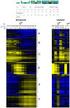 Gene Expression Analysis Jie Peng Department of Statistics University of California, Davis May 2012 RNA expression technologies High-throughput technologies to measure the expression levels of thousands
Core Facility Genomics
 Core Facility Genomics versatile genome or transcriptome analyses based on quantifiable highthroughput data ascertainment 1 Topics Collaboration with Harald Binder and Clemens Kreutz Project: Microarray