
Package RDAVIDWebService
|
|
|
- Cameron Lane
- 10 years ago
- Views:
Transcription
1 Type Package Package RDAVIDWebService November 17, 2015 Title An R Package for retrieving data from DAVID into R objects using Web Services API. Version Date Author Cristobal Fresno and Elmer A. Fernandez Maintainer Cristobal Fresno <[email protected]> Description Tools for retrieving data from the Database for Annotation, Visualization and Integrated Discovery (DAVID) using Web Services into R objects. This package offers the main functionalities of DAVID website including: i) user friendly connectivity to upload gene/background list/s, change gene/background position, select current specie/s, select annotations, etc. ii) Reports of the submitted Gene List, Annotation Category Summary, Gene/Term Clusters, Functional Annotation Chart, Functional Annotation Table License GPL (>=2) URL Imports Category, GO.db, RBGL, rjava Depends R (>= ), methods, graph, GOstats, ggplot2 Collate 'DAVIDdemo-ids.R' 'DAVIDdemo-geneList.R' 'DAVIDdemo-annotationSummary.R' 'DAVIDdemo-functionalAnnotationChart.R' 'DAVIDdemo-annotationTable.R' 'DAVIDdemo-clusterReport.R' 'DAVIDResult-class.R' 'DAVIDGenes-class.R' 'DAVIDFunctionalAnnotationChart-class.R' 'DAVIDCluster-class.R' 'DAVIDGeneCluster-class.R' 'DAVIDTermCluster-class.R' 'DAVIDFunctionalAnnotationTable-class.R' 'DAVIDGODag-class.R' 'DAVIDWebService-class.R' 'DAVIDClasses-show.R' 'DAVIDClasses-ids.R' 'DAVIDClasses-plot2D.R' 'DAVIDClasses-summary.R' 'DAVIDClasses-genes.R' 'DAVIDClasses-categories.R' 'DAVIDResult-getters.R' 1

2 2 R topics documented: 'DAVIDGenes-methods.R' 'DAVIDCluster-methods.R' 'DAVIDFunctionalAnnotationTable-methods.R' 'DAVIDGODag-methods.R' 'DAVIDWebService-accessors.R' 'DAVIDWebService-methods.R' 'DAVIDWebService-reports.R' 'DAVIDClasses-constructor.R' 'RDAVIDWebService-package.R' Suggests Rgraphviz InstallableEverywhere yes biocviews Visualization, DifferentialExpression, GraphAndNetwork NeedsCompilation no R topics documented: DAVIDWebService-package annotationsummary annotationtable categories cluster DAVIDCluster-class DAVIDFunctionalAnnotationChart-class DAVIDFunctionalAnnotationTable-class DAVIDGeneCluster-class DAVIDGenes DAVIDGenes-class DAVIDGODag-class DAVIDResult-class DAVIDTermCluster-class DAVIDWebService-class demolist funchart genecluster genelist genes getgenecategoriesreport ids is.connected plot2d set show species subset summary terms type Index 69

3 DAVIDWebService-package 3 DAVIDWebService-package An R Package for retrieving data from DAVID into R objects using Web Services Description Tools for retrieving data from the Database for Annotation, Visualization and Integrated Discovery (DAVID) using Web Services into R objects. This package offers the main functionalities of DAVID website including: Connectivity: upload gene/background list/s, change gene/background position, select current specie/s, select annotations, etc. from R. Exploration: native R objects of submitted Gene List, Annotation Category Summary, Gene/Term Clusters, Functional Annotation Chart and Functional Annotation Tables. In addition it offers the usual many-genes-to-many-terms visualization and induced Gene Ontology direct acyclic graph GOstats-based conversion method, in order to visualize GO structure. Author(s) Cristobal Fresno <[email protected]> and Elmer A. Fernandez <[email protected]> References 1. The Database for Annotation, Visualization and Integrated Discovery (david.abcc.ncifcrf.gov) 2. Xiaoli Jiao, Brad T. Sherman, Da Wei Huang, Robert Stephens, Michael W. Baseler, H. Clifford Lane, Richard A. Lempicki, DAVID-WS: A Stateful Web Service to Facilitate Gene/Protein List Analysis Bioinformatics 2012 doi: /bioinformatics/bts Huang, D. W.; Sherman, B. T.; Tan, Q.; Kir, J.; Liu, D.; Bryant, D.; Guo, Y.; Stephens, R.; Baseler, M. W.; Lane, H. C. & Lempicki, R. A DAVID Bioinformatics Resources: expanded annotation database and novel algorithms to better extract biology from large gene lists. Nucleic Acids Res, Laboratory of Immunopathogenesis and Bioinformatics, SAIC-Frederick, Inc., National Cancer Institute at Frederick, MD 21702, USA., 2007, 35, W169-W Cristobal Fresno, Elmer A. Fernandez (2013) RDAVIDWebService: a versatile R interface to DAVID, Bioinformatics, 29(21), , org/content/29/21/2810. annotationsummary1 DAVID s website annotation summary example files Description These datasets correspond to the unfolded main summary categories data obtained in the Annotation Summary Results page in the Database for Annotation, Visualization and Integrated Discovery (DAVID) website, using as input file, the ones provided for demo purposes (demolist1 or demolist2) with default options. No statistical analysis is performed on these results.

4 4 annotationtable1 Usage Format data(annotationsummary1) data(annotationsummary2) annotationsummary1/2 are data.frame for demolist1/2 input ids, respectively, with the following columns. Main.Category factor with the main categories used in the present analysis. ID integer to identify the annotation category. Name character with the name of category (the ones available in getallannotationcategorynames function). X. numeric with the percentage of the gene list ids present in the term. Count integer with the number of ids of the gene list that belong to this term. Author(s) Cristobal Fresno and Elmer A Fernandez References See Also 1. The Database for Annotation, Visualization and Integrated Discovery (davidgenelist.abcc. ncifcrf.gov) 2. Huang, D. W.; Sherman, B. T.; Tan, Q.; Kir, J.; Liu, D.; Bryant, D.; Guo, Y.; Stephens, R.; Baseler, M. W.; Lane, H. C.; Lempicki, R. A. DAVID Bioinformatics Resources: expanded annotation database and novel algorithms to better extract biology from large gene lists. Nucleic Acids Res, Laboratory of Immunopathogenesis and Bioinformatics, SAIC-Frederick, Inc., National Cancer Institute at Frederick, MD 21702, USA., 2007, 35, W169-W DAVID Help page summary Other DataExamples: demolist1, demolist2, genelist1, genelist2 annotationtable1 DAVID s website functional annotation table example files Description These datasets correspond to the Functional Annotation Table report obtained in the Database for Annotation, Visualization and Integrated Discovery (DAVID) website, using as input file, the ones provided for demo purposes (demolist1 or demolist2) for GOTERM_BP_ALL, GOTERM_MF_ALL and GOTERM_CC_ALL categories. No statistical analysis is performed on these results.

5 categories 5 Usage data(annotationtable1) data(annotationtable2) Format annotationtable1/2 are data.frame for demolist1/2 input ids, respectively, with the following columns. Gene Three Columns with the same data included in Gene List Report (ID, Gene.Name and Species) but coding for DAVID ID, i. e., comma separated character with input ids if, two or more stands for the same gene. Annotation As many columns as Annotation Categories were used. In each column, a comma separated style is use to delimitate the different terms where is evidence reported for DAVID ID record. Author(s) Cristobal Fresno and Elmer A Fernandez References 1. The Database for Annotation, Visualization and Integrated Discovery (davidgenelist.abcc. ncifcrf.gov) 2. Huang, D. W.; Sherman, B. T.; Tan, Q.; Kir, J.; Liu, D.; Bryant, D.; Guo, Y.; Stephens, R.; Baseler, M. W.; Lane, H. C.; Lempicki, R. A. DAVID Bioinformatics Resources: expanded annotation database and novel algorithms to better extract biology from large gene lists. Nucleic Acids Res, Laboratory of Immunopathogenesis and Bioinformatics, SAIC-Frederick, Inc., National Cancer Institute at Frederick, MD 21702, USA., 2007, 35, W169-W DAVID Help page EXP2 categories categories for the different DAVIDWebService package class objects Description Obtain ids related information, according to the given function call (see Values). Usage categories(object) ## S4 method for signature DAVIDFunctionalAnnotationChart categories(object) ## S4 method for signature DAVIDFunctionalAnnotationTable categories(object)

6 6 categories Arguments object DAVIDWebService class object. Possible values are: DAVIDFunctionalAnnotationChart or DAVIDFunctionalAnnotationTable. Value according to the call, one of the following objects can be returned: DAVIDFunctionalAnnotationChart factor vector of the "Category" column. DAVIDFunctionalAnnotationTable character vector with the name of available main categories in the dictionary/membership. Author(s) See Also Cristobal Fresno and Elmer A Fernandez Other DAVIDFunctionalAnnotationChart: DAVIDFunctionalAnnotationChart, DAVIDFunctionalAnnotationChart, DAVIDFunctionalAnnotationChart, DAVIDFunctionalAnnotationChart-class, DAVIDFunctionalAnnotationTable, DAVIDFunctionalAnnotationTable, DAVIDFunctionalAnnotationTable, DAVIDGODag, DAVIDGODag, DAVIDGeneCluster, DAVIDGeneCluster, DAVIDGenes, DAVIDGenes, DAVIDGenes, DAVIDTermCluster, DAVIDTermCluster, as, as, as, ids, ids, ids, ids, ids, initialize, initialize, initialize, initialize, initialize, initialize, initialize, plot2d, plot2d, plot2d, plot2d, plot2d, plot2d Other DAVIDFunctionalAnnotationTable: DAVIDFunctionalAnnotationChart, DAVIDFunctionalAnnotationChart, DAVIDFunctionalAnnotationChart, DAVIDFunctionalAnnotationTable, DAVIDFunctionalAnnotationTable, DAVIDFunctionalAnnotationTable, DAVIDFunctionalAnnotationTable-class, DAVIDGODag, DAVIDGODag, DAVIDGeneCluster, DAVIDGeneCluster, DAVIDGenes, DAVIDGenes, DAVIDGenes, DAVIDTermCluster, DAVIDTermCluster, as, as, as, dictionary, dictionary, genes, genes, genes, genes, initialize, initialize, initialize, initialize, initialize, initialize, initialize, membership, membership, plot2d, plot2d, plot2d, plot2d, plot2d, plot2d, subset, subset Examples { ##DAVIDFunctionalAnnotationChart example ##Load the Functional Annotation Chart file report for the input demo ##file 2, using data function. Then, create a DAVIDFunctionalAnnotationChart ##object using the loaded data.frame funchart2. data(funchart2) davidfunchart2<-davidfunctionalannotationchart(funchart2) ##In Addition to the usual data.frame accessors, the user can inspect the ##main categories used in the analysis. categories(davidfunchart2) ##DAVIDFunctionalAnnotationTable example

7 cluster 7 ##Load the Functional Annotation Table file report for the input demo ##file 1, using data function. Then, create a DAVIDFunctionalAnnotationTable ##object using the loaded data.frame annotationtable1. data(annotationtable1) davidfuntable1<-davidfunctionalannotationtable(annotationtable1) ##Now, the user can inspect the main categories used in the analysis. categories(davidfuntable1) } cluster Methods for DAVIDCluster class object Description Usage Obtain DAVIDCluster related information, according to the given function call (see Values). cluster(object) ## S4 method for signature DAVIDCluster cluster(object) enrichment(object) ## S4 method for signature DAVIDCluster enrichment(object) members(object) ## S4 method for signature DAVIDCluster members(object) Arguments object DAVIDCluster class object. Value according to the call, one of the following objects can be returned: cluster enrichment members list with DAVIDCluster object slot. numeric vector with DAVID cluster s enrichment score. list with DAVID Cluster s members. Author(s) Cristobal Fresno and Elmer A Fernandez

8 8 cluster See Also Other DAVIDCluster: DAVIDCluster-class, dictionary, dictionary, membership, membership, subset, subset, summary, summary, summary, summary Other DAVIDCluster: DAVIDCluster-class, dictionary, dictionary, membership, membership, subset, subset, summary, summary, summary, summary Other DAVIDCluster: DAVIDCluster-class, dictionary, dictionary, membership, membership, subset, subset, summary, summary, summary, summary Examples { ##DAVIDGeneCluster example: ##Load the Gene Functional Classification Tool file report for the ##input demo list 1 file to create a DAVIDGeneCluster object. setwd(tempdir()) filename<-system.file("files/geneclusterreport1.tab.tar.gz", package="rdavidwebservice") untar(filename) davidgenecluster1<-davidgenecluster(untar(filename, list=true)) davidgenecluster1 ##Now we can invoke DAVIDCluster ancestor functions to inspect the report ##data of each cluster. For example, we can call summary to get a general ##idea, and then inspect the cluster with the higher Enrichment Score, to see ##which members belong to it, etc. or simply, returning the whole cluster as ##a list with EnrichmentScore and Members. summary(davidgenecluster1) higherenrichment<-which.max(enrichment(davidgenecluster1)) clustergenes<-members(davidgenecluster1)[[higherenrichment]] wholecluster<-cluster(davidgenecluster1)[[higherenrichment]] ##DAVIDTermCluster example: ##Load the Gene Functional Classification Tool file report for the ##input demo file 2 to create a DAVIDGeneCluster object. setwd(tempdir()) filename<-system.file("files/termclusterreport2.tab.tar.gz", package="rdavidwebservice") untar(filename) davidtermcluster2<-davidtermcluster(untar(filename, list=true)) davidtermcluster2 ##Now we can invoke DAVIDCluster ancestor functions to inspect the report ##data of each cluster. For example, we can call summary to get a general ##idea, and then inspect the cluster with the higher Enrichment Score, to see ##which members belong to it, etc. Or simply returning the whole cluster as a ##list with EnrichmentScore and Members. summary(davidtermcluster2) higherenrichment<-which.max(enrichment(davidtermcluster2)) clustergenes<-members(davidtermcluster2)[[higherenrichment]] wholecluster<-cluster(davidtermcluster2)[[higherenrichment]]

9 DAVIDCluster-class 9 } DAVIDCluster-class class "DAVIDCluster Description This virtual class represents the output of a DAVID "Cluster" report, with "DAVIDTermCluster" and "DAVIDGeneCluster" as possible heirs, according to the report used. Type This class is a "Virtual" one. Extends DAVIDResult in the conceptual way. Heirs DAVIDTermCluster: DAVID s Functional Annotation Clustering report. DAVIDGeneCluster: DAVID s Functional Classification Tool report. Slots cluster named list with the different clustered terms/genes: Members, represented as DAVID- Genes object; and EnrichmentScore, a numeric with DAVID cluster enrichment score. Methods show signature(object="davidcluster"): basic console output. summary signature(object="davidcluster"): basic summary console output. initialize signature(object="davidcluster", filename="character"): basic cluster report file parser. cluster signature(object="davidcluster"): getter for the corresponding slot. enrichment signature(object="davidcluster"): obtain the enrichment score of each cluster. members signature(object="davidcluster"): obtain the corresponding cluster members. Author(s) Cristobal Fresno and Elmer A Fernandez

10 10 DAVIDFunctionalAnnotationChart-class References See Also 1. The Database for Annotation, Visualization and Integrated Discovery (david.abcc.ncifcrf.gov) 2. Huang, D. W.; Sherman, B. T.; Tan, Q.; Kir, J.; Liu, D.; Bryant, D.; Guo, Y.; Stephens, R.; Baseler, M. W.; Lane, H. C.; Lempicki, R. A. DAVID Bioinformatics Resources: expanded annotation database and novel algorithms to better extract biology from large gene lists. Nucleic Acids Res, Laboratory of Immunopathogenesis and Bioinformatics, SAIC-Frederick, Inc., National Cancer Institute at Frederick, MD 21702, USA., 2007, 35, W169-W175 Other DAVIDCluster: cluster, cluster, dictionary, dictionary, enrichment, enrichment, members, members, membership, membership, subset, subset, summary, summary, summary, summary DAVIDFunctionalAnnotationChart-class class "DAVIDFunctionalAnnotationChart Description This class represents the output of "Functional Annotation Chart" of DAVID. It is an heir of DAVIDResult in the conceptual way, and also a data.frame with additional features, such as identifying the unique and duplicate ids, searching for genes with a given id, etc. Type This class is a "Concrete" one. Extends DAVIDResult in the conceptual way. data.frame in order to extend the basic features. Slots no additional to the ones inherited from DAVIDResult and data.frame classes. Methods show signature(object="davidfunctionalannotationchart"): returns a basic console output. valid signature(object="davidfunctionalannotationchart") : logical which checks DAVID s file output name ("Category", "Term", "Count", etc.) presence. DAVIDFunctionalAnnotationChart signature( the name of the.tab file report to load. object="character"): constructor with

11 DAVIDFunctionalAnnotationChart-class 11 object="data.frame"): data.frame al- DAVIDFunctionalAnnotationChart signature( ready loaded to use when constructing the object. as signature(object="davidfunctionalannotationchart"): coerce a data.frame into a DAVID- FunctionalAnnotationChart object. categories signature( object="davidfunctionalannotationchart"): obtain the factor vector of the "Category" column. ids signature(object="davidfunctionalannotationchart"): obtain a list with character/integer vector with the ids of the corresponding term. Author(s) Cristobal Fresno and Elmer A Fernandez References See Also 1. The Database for Annotation, Visualization and Integrated Discovery (david.abcc.ncifcrf.gov) 2. Huang, D. W.; Sherman, B. T.; Tan, Q.; Kir, J.; Liu, D.; Bryant, D.; Guo, Y.; Stephens, R.; Baseler, M. W.; Lane, H. C. & Lempicki, R. A. DAVID Bioinformatics Resources: expanded annotation database and novel algorithms to better extract biology from large gene lists. Nucleic Acids Res, Laboratory of Immunopathogenesis and Bioinformatics, SAIC-Frederick, Inc., National Cancer Institute at Frederick, MD 21702, USA., 2007, 35, W169-W175 Other DAVIDFunctionalAnnotationChart: DAVIDFunctionalAnnotationChart, DAVIDFunctionalAnnotationChart, DAVIDFunctionalAnnotationChart, DAVIDFunctionalAnnotationTable, DAVIDFunctionalAnnotationTable, DAVIDFunctionalAnnotationTable, DAVIDGODag, DAVIDGODag, DAVIDGeneCluster, DAVIDGeneCluster, DAVIDGenes, DAVIDGenes, DAVIDGenes, DAVIDTermCluster, DAVIDTermCluster, as, as, as, categories, categories, categories, ids, ids, ids, ids, ids, initialize, initialize, initialize, initialize, initialize, initialize, initialize, plot2d, plot2d, plot2d, plot2d, plot2d, plot2d Examples { ##Load the Functional Annotation Chart file report for the input demo ##file 2, using data function. Then, create a DAVIDFunctionalAnnotationChart ## object using the loaded data.frame funchart2. In addition, the user can ##use the file name of the downloaded file report. data(funchart2) davidfunchart2<-davidfunctionalannotationchart(funchart2) ##In Addition to the usual data.frame accessors, the user can inspect the ##main categories used in the analysis. categories(davidfunchart2) ##Obtain the ids of the genes present in each Term, as a list of character ##vector ids(davidfunchart2) ##Or plot a 2D tile matrix with the reported evidence (green) or not (black).

12 12 DAVIDFunctionalAnnotationTable-class ##Just to keep it simple, for the first five terms present in funchart2 ##object. plot2d(davidfunctionalannotationchart(funchart2[1:5, ]), color=c("false"="black", "TRUE"="green")) } DAVIDFunctionalAnnotationTable-class class "DAVIDFunctionalAnnotationTable Description This class represents the output of a DAVID Functional Annotation Table report. In this class no statistical analysis is carried out. Type This class is a "Concrete" one. Extends DAVIDResult in the conceptual way, and to reuse some functionalities such as plot2d, type and so on. Slots Genes a DAVIDGenes object with the submitted genes. Dictionary a look up list of data.frame of each main annotation category, where the specified IDs and Terms used can be found. Membership list with logical membership matrix, where gene ids are coded by rows and the respective annotation category ids as columns. Methods initialize signature(.object= "DAVIDFunctionalAnnotationTable", filename="character"): basic Functional Annotation Table report file parser. "character"): high level Func- DAVIDFunctionalAnnotationTable signature(filename= tional Annotation Table report file parser. valid signature(object= "DAVIDFunctionalAnnotationTable"):logical which checks for Membership, Dictionary and Genes cohesion. show signature(object="davidfunctionalannotationtable"): returns a basic console output. genes signature(object="davidfunctionalannotationtable") : returns a DAVIDGenes object.

13 DAVIDFunctionalAnnotationTable-class 13 subset signature(object= "DAVIDFunctionalAnnotationTable", selection=c("membership","dictionary"), returns a subset list using the selection slot, looking up the category parameter if provided. Otherwise, it returns all the available main categories. Drop parameter indicates whether to drop list structure or not, if a list of length==1 is to be returned. dictionary signature(object= "DAVIDFunctionalAnnotationTable", category, drop=true): returns subset using selection="dictionary" and category and drop parameters. membership signature(object= "DAVIDFunctionalAnnotationTable", category="character", drop=true): returns subset using selection="membership" and category and drop parameters. genes signature(object= "DAVIDFunctionalAnnotationTable",...): returns a DAVID- Genes object slot, according to additional... parameters. categories signature(object= "DAVIDFunctionalAnnotationTable"): returns a character vector with the main annotation categories available.. plot2d signature(object="davidfunctionalannotationtable", category, id, names.genes=false, names.cat ggplot2 tile plot of genes id vs functional annotation category membership. If missing, all available data is used. In addition, names.genes and names.category parameters indicate whether to use or not, genes and category names respectively. Default value is FALSE. Author(s) Cristobal Fresno and Elmer A Fernandez References See Also 1. The Database for Annotation, Visualization and Integrated Discovery (david.abcc.ncifcrf.gov) 2. Huang, D. W.; Sherman, B. T.; Tan, Q.; Kir, J.; Liu, D.; Bryant, D.; Guo, Y.; Stephens, R.; Baseler, M. W.; Lane, H. C. & Lempicki, R. A. DAVID Bioinformatics Resources: expanded annotation database and novel algorithms to better extract biology from large gene lists. Nucleic Acids Res, Laboratory of Immunopathogenesis and Bioinformatics, SAIC-Frederick, Inc., National Cancer Institute at Frederick, MD 21702, USA., 2007, 35, W169-W175 Other DAVIDFunctionalAnnotationTable: DAVIDFunctionalAnnotationChart, DAVIDFunctionalAnnotationChart, DAVIDFunctionalAnnotationChart, DAVIDFunctionalAnnotationTable, DAVIDFunctionalAnnotationTable, DAVIDFunctionalAnnotationTable, DAVIDGODag, DAVIDGODag, DAVIDGeneCluster, DAVIDGeneCluster, DAVIDGenes, DAVIDGenes, DAVIDGenes, DAVIDTermCluster, DAVIDTermCluster, as, as, as, categories, categories, categories, dictionary, dictionary, genes, genes, genes, genes, initialize, initialize, initialize, initialize, initialize, initialize, initialize, membership, membership, plot2d, plot2d, plot2d, plot2d, plot2d, plot2d, subset, subset Examples { ##Load the Functional Annotation Table file report for the input demo ##file 1, using data function. Then, create a DAVIDFunctionalAnnotationTable ##object using the loaded data.frame annotationtable1. In addition, the user ##can use the file name of the downloaded file report. data(annotationtable1)

14 14 DAVIDGeneCluster-class davidfuntable1<-davidfunctionalannotationtable(annotationtable1) ##Now we can obtain the genes for the given ids, or the complete list if the ##parameter is omitted. genes(davidfuntable1, id=c("37166_at","41703_r_at")) ##Or the main categories used on the analysis, in order to get the ##dictionary for a specific category (ID and Term fields), for the head of ##the data.frame. categories(davidfuntable1) head(dictionary(davidfuntable1, categories(davidfuntable1)[1])) ##And what about the membership of the genes in these terms? Just for the ##first six ids we can use: head(membership(davidfuntable1, categories(davidfuntable1)[1])) ##Or simply plot the membership of only for the first six terms in this ##category, with only the genes of the first six terms with at least one ##evidence code. ##Category filtering... categoryselection<-list(head(dictionary(davidfuntable1, categories(davidfuntable1)[1])$id)) names(categoryselection)<-categories(davidfuntable1)[1] ##Gene filter... id<-membership(davidfuntable1, categories(davidfuntable1)[1])[,1:6] id<-ids(genes(davidfuntable1))[rowsums(id)>0] ##Finally the membership tile plot plot2d(davidfuntable1, category=categoryselection, id=id, names.category=true) } DAVIDGeneCluster-class class "DAVIDGeneCluster Description This class represents the output of a DAVID Gene Functional Classification Tool report. Type This class is a "Concrete" one. Extends DAVIDCluster and uses its constructor to parse the report.
![##the data.frame. categories(davidfuntable1) head(dictionary(davidfuntable1, categories(davidfuntable1)[1])) ##And what about the membership of the genes in these terms?](/docs-images/56/7806365/images/page_14.jpg "Just for the ##first six ids we can use: head(membership(davidfuntable1, categories(davidfuntable1)[1])) ##Or simply plot the membership of only for the first six terms in this ##category, with only")
15 DAVIDGeneCluster-class 15 Slots the ones inherited from DAVIDCluster. Methods filename="character"): basic clus- initialize signature(.object="davidgenecluster", ter report file parser. DAVIDGeneCluster signature(filename="character"): high level gene cluster report file parser. ids signature(object="davidgenecluster"): list with the member ids within each cluster. genes signature(object="davidgenecluster"): list with the DAVIDGenes members within each cluster. plot2d signature(object="davidgenecluster", color=c("false"="black","true"="green"), names=false): ggplot2 tile plot with gene membership to each cluster. Author(s) Cristobal Fresno and Elmer A Fernandez References See Also 1. The Database for Annotation, Visualization and Integrated Discovery (david.abcc.ncifcrf.gov) 2. Huang, D. W.; Sherman, B. T.; Tan, Q.; Kir, J.; Liu, D.; Bryant, D.; Guo, Y.; Stephens, R.; Baseler, M. W.; Lane, H. C. & Lempicki, R. A. DAVID Bioinformatics Resources: expanded annotation database and novel algorithms to better extract biology from large gene lists. Nucleic Acids Res, Laboratory of Immunopathogenesis and Bioinformatics, SAIC-Frederick, Inc., National Cancer Institute at Frederick, MD 21702, USA., 2007, 35, W169-W175 Other DAVIDGeneCluster: DAVIDFunctionalAnnotationChart, DAVIDFunctionalAnnotationChart, DAVIDFunctionalAnnotationChart, DAVIDFunctionalAnnotationTable, DAVIDFunctionalAnnotationTable, DAVIDFunctionalAnnotationTable, DAVIDGODag, DAVIDGODag, DAVIDGeneCluster, DAVIDGeneCluster, DAVIDGenes, DAVIDGenes, DAVIDGenes, DAVIDTermCluster, DAVIDTermCluster, as, as, as, genes, genes, genes, genes, ids, ids, ids, ids, ids, initialize, initialize, initialize, initialize, initialize, initialize, initialize, plot2d, plot2d, plot2d, plot2d, plot2d, plot2d Examples { ##Load the Gene Functional Classification Tool file report for the ##input demo list 1 file to create a DAVIDGeneCluster object. setwd(tempdir()) filename<-system.file("files/geneclusterreport1.tab.tar.gz", package="rdavidwebservice") untar(filename) davidgenecluster1<-davidgenecluster(untar(filename, list=true)) davidgenecluster1

16 16 DAVIDGenes ##Now we can invoke DAVIDCluster ancestor functions to inspect the report ##data, of each cluster. For example, we can call summary to get a general ##idea, and the inspect the cluster with higher Enrichment Score, to see ##which members belong to it, etc. Or simply returning the whole cluster as ##a list with EnrichmentScore and Members. summary(davidgenecluster1) higherenrichment<-which.max(enrichment(davidgenecluster1)) clustergenes<-members(davidgenecluster1)[[higherenrichment]] wholecluster<-cluster(davidgenecluster1)[[higherenrichment]] ##Then, we can obtain the ids of the members calling clustergenes object ##which is a DAVIDGenes class or directly using ids on davidgenecluster1. ids(clustergenes) ids(davidgenecluster1)[[higherenrichment]] ##Obtain the genes of the first cluster using davidgenecluster1 object. ##Or, using genes on DAVIDGenes class once we get the members of the cluster. genes(davidgenecluster1)[[1]] genes(members(davidgenecluster1)[[1]]) ##Finally, we can inspect a 2D tile membership plot, to visually inspect for ##overlapping of genes across the clusters. Or use a scaled version of gene ##names to see the association of gene cluster, e.g., cluster 3 is related to ##ATP genes. plot2d(davidgenecluster1) plot2d(davidgenecluster1,names=true)+ theme(axis.text.y=element_text(size=rel(0.9))) } DAVIDGenes High level constructors for DAVIDWebService package s classes. Description Usage Different ways to build the different DAVIDWebService s object according to the signature in use. DAVIDGenes(object) ## S4 method for signature character DAVIDGenes(object) ## S4 method for signature data.frame DAVIDGenes(object) ## S4 method for signature DAVIDGenes initialize(.object, filename)

17 DAVIDGenes 17 as(object, Class, strict=true, ext=possibleextends(thisclass, Class)) DAVIDFunctionalAnnotationChart(object) ## S4 method for signature character DAVIDFunctionalAnnotationChart(object) ## S4 method for signature data.frame DAVIDFunctionalAnnotationChart(object) ## S4 method for signature DAVIDFunctionalAnnotationChart initialize(.object, filename) as(object, Class, strict=true, ext=possibleextends(thisclass, Class)) ## S4 method for signature DAVIDCluster initialize(.object, filename) ## S4 method for signature DAVIDGeneCluster initialize(.object, filename) DAVIDGeneCluster(object) ## S4 method for signature character DAVIDGeneCluster(object) ## S4 method for signature DAVIDTermCluster initialize(.object, filename) DAVIDTermCluster(object) ## S4 method for signature character DAVIDTermCluster(object) ## S4 method for signature DAVIDFunctionalAnnotationTable initialize(.object, filename) as(object, Class, strict=true, ext=possibleextends(thisclass, Class)) DAVIDFunctionalAnnotationTable(object)

18 18 DAVIDGenes ## S4 method for signature character DAVIDFunctionalAnnotationTable(object) ## S4 method for signature data.frame DAVIDFunctionalAnnotationTable(object) ## S4 method for signature DAVIDGODag initialize(.object,funchart,type=c("bp","mf","cc"),pvaluecutoff=0.1,removeunattached=false,...) DAVIDGODag(funChart,...) ## S4 method for signature DAVIDFunctionalAnnotationChart DAVIDGODag(funChart,...) Arguments Value object filename could be a character with the file name of the.tab report or data.frame already loaded. character with the file name of the.tab report to load..object character to use in new function call. Possible values are: "DAVIDGenes", "DAVIDFunctionalAnnotationChart" or "DAVIDCluster". Class strict,ext funchart type character to use in the as function call. Possible values are: "DAVIDGenes" and "DAVIDFunctionalAnnotationChart". see as function. DAVIDFunctionalAnnotationChart object. character to indicate Gene Ontology main category: "BP", "MF" or "CC". pvaluecutoff numeric >0 <=1 to indicate the p-value to use as the threshold for enrichment. Default value is 0.1 removeunattached Should unattached nodes be removed from GO DAG? Default value is FALSE.... Additional parameters for lower level constructors (initialize). a DAVIDWebService object according to function call: DAVIDGenes object with genes description related data. DAVIDFunctionalAnnotationChart object with the respective report. DAVIDFunctionalAnnotationTable object with the respective report. DAVIDCluster Not possible to invoke as it is a Virtual class. DAVIDGeneCluster object with the respective report.

19 DAVIDGenes 19 DAVIDTermCluster object with the respective report. DAVIDGODag Author(s) derived GOstats GO Direct Acyclic Graph from DAVIDFunctionalAnnotation- Chart data. Cristobal Fresno and Elmer A Fernandez See Also Other DAVIDFunctionalAnnotationChart: DAVIDFunctionalAnnotationChart-class, categories, categories, categories, ids, ids, ids, ids, ids, plot2d, plot2d, plot2d, plot2d, plot2d, plot2d Other DAVIDFunctionalAnnotationTable: DAVIDFunctionalAnnotationTable-class, categories, categories, categories, dictionary, dictionary, genes, genes, genes, genes, membership, membership, plot2d, plot2d, plot2d, plot2d, plot2d, plot2d, subset, subset Other DAVIDGODag: DAVIDGODag-class, benjaminis, benjaminis, bonferronis, bonferronis, counts, counts, fdrs, fdrs, foldenrichments, foldenrichments, listtotals, listtotals, percentages, percentages, pophits, pophits, poptotals, poptotals, summary, summary, summary, summary, terms, terms, universecounts, universemappedcount, upsidedown, upsidedown Other DAVIDGeneCluster: DAVIDGeneCluster-class, genes, genes, genes, genes, ids, ids, ids, ids, ids, plot2d, plot2d, plot2d, plot2d, plot2d, plot2d Other DAVIDGenes: DAVIDGenes-class, genes, genes, genes, genes, ids, ids, ids, ids, ids Other DAVIDTermCluster: DAVIDTermCluster-class, ids, ids, ids, ids, ids, plot2d, plot2d, plot2d, plot2d, plot2d, plot2d Examples { ##DAVIDGenes example: ##Load Show Gene List file report for the input demo file 1, using data ##function. Then, create a DAVIDGenes object using the loaded data.frame ##genelist1. data(genelist1) davidgenes1<-davidgenes(genelist1) ##In addition, the user can use the file name of the downloaded file report. ##Here, we need to first uncompressed the report included in the package, in ##order to load it. setwd(tempdir()) filename<-system.file("files/genelistreport1.tab.tar.gz", package="rdavidwebservice") untar(filename) davidgenes1<-davidgenes(untar(filename,list=true)) ##DAVIDFunctionalAnnotationChart example ##Load the Functional Annotation Chart file report for the input demo

20 20 DAVIDGenes ##file 2, using data function. Then, create a DAVIDFunctionalAnnotationChart ## object using the loaded data.frame funchart2. data(funchart2) davidfunchart2<-davidfunctionalannotationchart(funchart2) ##In addition, the user can use the file name of the downloaded file report. ##Here, we need to first uncompressed the report included in the package, in ##order to load it. setwd(tempdir()) filename<-system.file("files/functionalannotationchartreport2.tab.tar.gz", package="rdavidwebservice") untar(filename) davidfunchart2<-davidfunctionalannotationchart(untar(filename, list=true)) ##DAVIDFunctionalAnnotationTable example ##Load the Functional Annotation Table file report for the input demo ##file 1, using data function. Then, create a DAVIDFunctionalAnnotationTable ##object using the loaded data.frame annotationtable1. data(annotationtable1) davidfuntable1<-davidfunctionalannotationtable(annotationtable1) ##In addition, the user can use the file name of the downloaded file report. ##Here, we need to first uncompressed the report included in the package, in ##order to load it. setwd(tempdir()) filename<-system.file("files/annotationtablereport1.tab.tar.gz", package="rdavidwebservice") untar(filename) davidfuntable1<-davidfunctionalannotationtable(untar(filename, list=true)) ##Example DAVIDGODag ##Load the Functional Annotation Chart file report for the input demo ##file 2, using data function. Then, create a DAVIDGODag object using ##Molecular Function main category of DAVIDFunctionalAnnotationChart object, ##obtained from the loaded data.frame funchart2. In addition, we have ##selected a threshold pvalue of and removed unattached nodes, in case ##DAVID/GO.db database are not using the same version. data(funchart2) davidgodag<-davidgodag(davidfunctionalannotationchart(funchart2), type="mf", pvaluecutoff=0.001, removeunattached=true) ##DAVIDGeneCluster example: ##Load the Gene Functional Classification Tool file report for the ##input demo list 1 file to create a DAVIDGeneCluster object. setwd(tempdir()) filename<-system.file("files/geneclusterreport1.tab.tar.gz", package="rdavidwebservice") untar(filename) davidgenecluster1<-davidgenecluster(untar(filename, list=true))

21 DAVIDGenes-class 21 ##DAVIDTermCluster example: ##Load the Gene Functional Classification Tool file report for the ##input demo file 2 to create a DAVIDGeneCluster object. setwd(tempdir()) filename<-system.file("files/termclusterreport2.tab.tar.gz", package="rdavidwebservice") untar(filename) davidtermcluster2<-davidtermcluster(untar(filename, list=true)) } DAVIDGenes-class class "DAVIDGenes Description This class represents the output of "Show Genes Result" of DAVID. It is an heir of DAVIDResult in the conceptual way, and also a data.frame with additional features, such as identifying the unique and duplicate ids, searching for genes with a given id, etc. Type This class is a "Concrete" one. Extends DAVIDResult in the conceptual way. data.frame in order to extend the basic features. Slots none additional to the ones inherited from DAVIDResult and data.frame classes. Methods valid signature(object="davidgenes"): logical which checks for data.frame name (ID, Name) presence. DAVIDGenes signature(object="character"): constructor with the name of the.tab file report to load. DAVIDGenes signature(object="data.frame"): data.frame already loaded to use when constructing the object. ids signature(object="davidgenes"): character vector with gene submitted ids. Author(s) Cristobal Fresno and Elmer A Fernandez
22 22 DAVIDGenes-class References 1. The Database for Annotation, Visualization and Integrated Discovery (david.abcc.ncifcrf.gov) 2. Huang, D. W.; Sherman, B. T.; Tan, Q.; Kir, J.; Liu, D.; Bryant, D.; Guo, Y.; Stephens, R.; Baseler, M. W.; Lane, H. C. & Lempicki, R. A. DAVID Bioinformatics Resources: expanded annotation database and novel algorithms to better extract biology from large gene lists. Nucleic Acids Res, Laboratory of Immunopathogenesis and Bioinformatics, SAIC-Frederick, Inc., National Cancer Institute at Frederick, MD 21702, USA., 2007, 35, W169-W175 See Also Other DAVIDGenes: DAVIDFunctionalAnnotationChart, DAVIDFunctionalAnnotationChart, DAVIDFunctionalAnnotationChart, DAVIDFunctionalAnnotationTable, DAVIDFunctionalAnnotationTable, DAVIDFunctionalAnnotationTable, DAVIDGODag, DAVIDGODag, DAVIDGeneCluster, DAVIDGeneCluster, DAVIDGenes, DAVIDGenes, DAVIDGenes, DAVIDTermCluster, DAVIDTermCluster, as, as, as, genes, genes, genes, genes, ids, ids, ids, ids, ids, initialize, initialize, initialize, initialize, initialize, initialize, initialize Examples { ##Load Show Gene List file report for the input demo file 1, using data ##function. Then, create a DAVIDGenes object using the loaded data.frame ##genelist1. In addition, the user can use the file name of the downloaded ##file report. data(genelist1) davidgenes1<-davidgenes(genelist1) ##Now we can inspect davidgenes1 as it was an common data.frame head(davidgenes1) ##Additional getters for this object are also available, to obtain the ##different columns: ids, genes and species. ids(davidgenes1) genes(davidgenes1) species(davidgenes1) ##Or even look up for a particular gene id, which will return only the ##matched ones. genes(davidgenes1, ids=c("38926_at", "35367_at", "no match")) ##Obtain the genes with duplicate manufacturer ids or just the genes that ##do not have duplicate ids (uniqueids). duplicateids(davidgenes1) uniqueids(davidgenes1) }
23 DAVIDGODag-class 23 DAVIDGODag-class class "DAVIDGODag Description This concrete class represents an induced GO DAG generated by the DAVID Functional Annotation Chart report a.k.a a DAVIDFunctionalAnnotationChart object. Type This class is a "Concrete" one. Extends GOHyperGResult directly, in order to reuse GOstats functionalities. Slots the ones inherited from GOHyperGResult Methods show signature(object="davidgodag"): basic console output. summary signature(object="davidgodag", filename="character"): basic cluster re- initialize signature(object="davidgodag", port file parser. filename="character"): high level con- DAVIDGODag signature(object="davidgodag", structor to parse the file report....): basic summary console output. universemappedcount, universecounts, counts signature( object="davidgodag"): modifications to the corresponding GOstats/Category library functions, to keep the same behavior, for DAVIDGODag object. fdrs, benjaminis, bonferronis signature( object="davidgodag"): Adjusted method specific p-values for the corresponding nodes/terms. terms signature(object="davidgodag"): character vector with GO node names. poptotals, pophits, listtotals signature( object="davidgodag"): integer vector with the number of ids, to use in the EASE score calculations, when building the 2x2 contingency table. percentages signature(object="davidgodag"): numeric vector with the percentage of the gene list ids present in the term. foldenrichments signature(object="davidgodag"):numeric vector with the ratio of the two proportions for each node/term. For example, if 40/400 (i.e. 10%) of your input genes involved in "kinase activity" and the background information is 300/30000 genes (i.e. 1%) associating with "kinase activity", roughly 10%/1%=10 fold enrichment.
24 24 DAVIDGODag-class Author(s) Cristobal Fresno and Elmer A Fernandez References See Also 1. The Database for Annotation, Visualization and Integrated Discovery (david.abcc.ncifcrf.gov) 2. Huang, D. W.; Sherman, B. T.; Tan, Q.; Kir, J.; Liu, D.; Bryant, D.; Guo, Y.; Stephens, R.; Baseler, M. W.; Lane, H. C. & Lempicki, R. A. DAVID Bioinformatics Resources: expanded annotation database and novel algorithms to better extract biology from large gene lists. Nucleic Acids Res, Laboratory of Immunopathogenesis and Bioinformatics, SAIC-Frederick, Inc., National Cancer Institute at Frederick, MD 21702, USA., 2007, 35, W169-W Falcon, S; Gentleman, R.; Using GOstats to test gene lists for GO term association, Bioinformatics 23 (2007) Other DAVIDGODag: DAVIDFunctionalAnnotationChart, DAVIDFunctionalAnnotationChart, DAVIDFunctionalAnnotationChart, DAVIDFunctionalAnnotationTable, DAVIDFunctionalAnnotationTable, DAVIDFunctionalAnnotationTable, DAVIDGODag, DAVIDGODag, DAVIDGeneCluster, DAVIDGeneCluster, DAVIDGenes, DAVIDGenes, DAVIDGenes, DAVIDTermCluster, DAVIDTermCluster, as, as, as, benjaminis, benjaminis, bonferronis, bonferronis, counts, counts, fdrs, fdrs, foldenrichments, foldenrichments, initialize, initialize, initialize, initialize, initialize, initialize, initialize, listtotals, listtotals, percentages, percentages, pophits, pophits, poptotals, poptotals, summary, summary, summary, summary, terms, terms, universecounts, universemappedcount, upsidedown, upsidedown Examples { ##Load the Functional Annotation Chart file report for the input demo ##file 2, using data function. Then, create a DAVIDGODag object using ##Molecular Function main category of DAVIDFunctionalAnnotationChart object, ##obtained from the loaded data.frame funchart2. In addition, we have ##selected a threshold pvalue of and removed unattached nodes, in case ##DAVID/GO.db database are not using the same version. data(funchart2) davidgodag<-davidgodag(davidfunctionalannotationchart(funchart2), type="mf", pvaluecutoff=0.001, removeunattached=true) ##Now, we can inspect the enrichment GO DAG using GOstats functionalities: ##counts, pvalues, sigcategories, universecounts, genemappedcount, etc. ##However, oddsratios, expectedcounts and universemappedcount are not ##available because these results are not available on DAVID s Functional ##Annotation Chart report. In addition geneiduniverse are not the ones of ##the universe but the ids on the category (geneidsbycategory). davidgodag counts(davidgodag) pvalues(davidgodag) sigcategories(davidgodag, p=0.0001) universecounts(davidgodag)
25 DAVIDResult-class 25 genemappedcount(davidgodag) geneidsbycategory(davidgodag) summary(davidgodag) ##In addition, the new nodedata attributes (term, listtotal, pophit, ##poptotal, foldenrichment, bonferroni, benjamini, fdr) can be retrieved. terms(davidgodag) listtotals(davidgodag) pophits(davidgodag) poptotals(davidgodag) foldenrichments(davidgodag) bonferronis(davidgodag) benjaminis(davidgodag) fdrs(davidgodag) ##The user can even plot the enrichment GO DAG if Rgraphviz package is ##available. plotgotermgraph(g=godag(davidgodag), r=davidgodag, max.nchar=30, node.shape="ellipse") } DAVIDResult-class class "DAVIDResult Description This class represents the most generic result obtained in the Database for Annotation, Visualization and Integrated Discovery (DAVID) website (see References). Type This class is a "Virtual" one. Heirs DAVIDGenes: basic gene information (ID, Name and Specie) DAVIDCluster: generic Cluster result (Term or Gene). DAVIDFunctionalAnnotationChart: EASE results on each Functional Category (see references). DAVIDFunctionalAnnotationTable: annotation for each gene, no statistical analysis. Slots type Object of class "character". Contains the name of DAVID s result.
26 26 DAVIDTermCluster-class Methods show signature(object="davidresult"): returns a basic console output. type signature(object="davidresult"): getter for type slot. plot2d signature(object="davidresult", dataframe="data.frame"): internal ggplot tile plot for gene/term cluster and annotation heirs. Author(s) Cristobal Fresno and Elmer A Fernandez References See Also 1. The Database for Annotation, Visualization and Integrated Discovery (david.abcc.ncifcrf.gov) 2. Huang, D. W.; Sherman, B. T.; Tan, Q.; Kir, J.; Liu, D.; Bryant, D.; Guo, Y.; Stephens, R.; Baseler, M. W.; Lane, H. C. & Lempicki, R. A. DAVID Bioinformatics Resources: expanded annotation database and novel algorithms to better extract biology from large gene lists. Nucleic Acids Res, Laboratory of Immunopathogenesis and Bioinformatics, SAIC-Frederick, Inc., National Cancer Institute at Frederick, MD 21702, USA., 2007, 35, W169-W Huang, D. W.; Sherman, B. T. & Lempicki, R. A. Bioinformatics enrichment tools: paths toward the comprehensive functional analysis of large gene lists. Nucleic Acids Res, Laboratory of Immunopathogenesis and Bioinformatics, Clinical Services Program, SAIC-Frederick, Inc., National Cancer Institute at Frederick, Frede#rick, MD 21702, USA., 2009, 37, Xiaoli Jiao, Brad T. Sherman, Da Wei Huang, Robert Stephens, Michael W. Baseler, H. Clifford Lane, Richard A. Lempicki, DAVID-WS: A Stateful Web Service to Facilitate Gene/Protein List Analysis Bioinformatics 2012 doi: /bioinformatics/bts251 Other DAVIDResult: plot2d, plot2d, plot2d, plot2d, plot2d, plot2d, type, type DAVIDTermCluster-class class "DAVIDTermCluster Description This class represents the output of a DAVID Functional Annotation Clustering report. Type This class is a "Concrete" one. Extends DAVIDCluster and uses its constructor to parse the report.
27 DAVIDTermCluster-class 27 Slots the ones inherited from DAVIDCluster. Methods filename="character"): basic clus- initialize signature(.object="davidtermcluster", ter report file parser. DAVIDTermCluster signature(filename="character"): high level gene cluster report file parser. ids signature(object="davidtermcluster"): list with the member ids within each cluster. plot2d signature(object="davidtermcluster", number=1, color=c("false"="black","true"="green")): ggplot2 tile plot of genes vs functional annotation category membership of the given cluster number. Author(s) Cristobal Fresno and Elmer A Fernandez References See Also 1. The Database for Annotation, Visualization and Integrated Discovery (david.abcc.ncifcrf.gov) 2. Huang, D. W.; Sherman, B. T.; Tan, Q.; Kir, J.; Liu, D.; Bryant, D.; Guo, Y.; Stephens, R.; Baseler, M. W.; Lane, H. C. & Lempicki, R. A. DAVID Bioinformatics Resources: expanded annotation database and novel algorithms to better extract biology from large gene lists. Nucleic Acids Res, Laboratory of Immunopathogenesis and Bioinformatics, SAIC-Frederick, Inc., National Cancer Institute at Frederick, MD 21702, USA., 2007, 35, W169-W175 Other DAVIDTermCluster: DAVIDFunctionalAnnotationChart, DAVIDFunctionalAnnotationChart, DAVIDFunctionalAnnotationChart, DAVIDFunctionalAnnotationTable, DAVIDFunctionalAnnotationTable, DAVIDFunctionalAnnotationTable, DAVIDGODag, DAVIDGODag, DAVIDGeneCluster, DAVIDGeneCluster, DAVIDGenes, DAVIDGenes, DAVIDGenes, DAVIDTermCluster, DAVIDTermCluster, as, as, as, ids, ids, ids, ids, ids, initialize, initialize, initialize, initialize, initialize, initialize, initialize, plot2d, plot2d, plot2d, plot2d, plot2d, plot2d Examples { ##Load the Gene Functional Classification Tool file report for the ##input demo file 2 to create a DAVIDGeneCluster object. setwd(tempdir()) filename<-system.file("files/termclusterreport2.tab.tar.gz", package="rdavidwebservice") untar(filename) davidtermcluster2<-davidtermcluster(untar(filename, list=true)) davidtermcluster2 ##Now we can invoke DAVIDCluster ancestor functions to inspect the report ##data, of each cluster. For example, we can call summary to get a general
28 28 DAVIDWebService-class ##idea, and the inspect the cluster with higher Enrichment Score, to see ##which members belong to it, etc. Or simply returning the whole cluster as a ##list with EnrichmentScore and Members. summary(davidtermcluster2) higherenrichment<-which.max(enrichment(davidtermcluster2)) clustergenes<-members(davidtermcluster2)[[higherenrichment]] wholecluster<-cluster(davidtermcluster2)[[higherenrichment]] ##Then, we can obtain the ids of the term members calling clustergenes object ##which is a DAVIDFunctionalAnnotationChart class or directly using ids on ##davidtermcluster2 for the higherenrichment cluster. ids(clustergenes) ids(davidtermcluster2)[[higherenrichment]] ##Finally, we can inspect a 2D tile membership plot, to visual inspect for ##overlapping of genes across the term members of the selected cluster. plot2d(davidtermcluster2, number=higherenrichment) } DAVIDWebService-class Main class to connect to DAVID Web Service Description A reference class to manage DAVID s Web Service connectivity, to run Set Enrichment Analysis (SEA) or Modular Enrichment Analysis (MEA) on a candidate list of gene/protein(s) with respect to a background list (the genome of the organism by default). Usage DAVIDWebService(...) Arguments... additional parameters. See Methods section. Details DAVIDWebService class is implemented as a reference class, to manage a single instance connection to DAVIS s server by means of web services using a registered . For user registration, go to The implementation uses Java Remote Method Implementation (RMI) to connect the client and server side of DAVID. The main functionalities include: 1. Connectivity: upload gene/background list/s, change gene/background position, select current specie/s, select annotations, etc. from R. 2. Reports: Submitted Gene List, Annotation Category Summary, Gene/Term Clusters, Functional Annotation Chart and Functional Annotation Table as native R objects.
29 DAVIDWebService-class 29 Fields stub: Java jobjref which corresponds to a sample/session/client/stub/davidwebservicestub object for the client side of DAVID. character. Methods show(): prints DAVIDWebService object. summary(): return a data.frame with a summary of all available annotations in DAVID in terms of percentage of gene list ids present in the category and numbers of terms where they can be found (see getannotationsummary) initialize( ="",..., url): constructor for DAVIDWebService object, which includes: Java Virtual Machine initialization (... if required), and stub initialization with the provided (if present) and using the url parameter for the API website. set (mail): Set the field with the given registered user parameter for authentication purposes. get (): getstub: is.connected(): connect(): getidtypes(): Returns the current authentication in use. Returns jobjref object with the current stub field in use. Check if connected to the DAVID server. Try to establish a connection with the DAVID server using the provided . Returns all acceptable DAVID idtypes. getallannotationcategorynames(): getdefaultcategorynames(): getgenelistnames(): getbackgroundlistnames(): Returns all available annotation category names. Returns all default category names. Returns submitted gene list names. Returns submitted background names. getlistname(listtype=c("gene", "Background"), position=1l): Get the name of the selected list type at a given position. getspecienames(): getcurrentgenelistposition(): Return specie/s of the current gene list. getcurrentbackgroundlistposition(): getcurrentspeciesposition(): list. setcurrentgenelistposition(position): setcurrentbackgroundposition(position): Select the specie/s of the submitted gene list to use in the analy- setcurrentspecies(species): sis. setannotationcategories(categories): in the analysis. Return the position of current gene list. Return the position of current background list. Return current specie/s used positions for the uploaded gene Use the gene list of the given position. Use the gene list of the given position. Select the specie/s of the submitted gene list to use addlist(inputids, idtype, listname, listtype=c("gene", "Background")): or background to the current session. getgenecategoriesreport(): Get the gene report categories. Add a gene
30 30 DAVIDWebService-class getannotationsummary(): Generate the summary of all available annotation in DAVID in terms of percentage of gene list ids present in the category and numbers of terms where the can be found. getgenelistreportfile(filename): Generate the Gene List Report a.k.a Show Gene List in DAVID website and save it into a file. getgenelistreport(): getgenelistreport but as an R object. getfunctionalannotationchartfile(filename, threshold=0.1, count=2l): Generate the Functional Annotation Chart Report for the selected functional categories, for the given EASE threshold and number of genes and save it to a file. getfunctionalannotationchart(...): getfunctionalannotationchart but as an R object. getclusterreportfile(filename, type=c("term", "Gene"), overlap=4l, initialseed=4l, finalseed=4l, lin Generate the Term/Gene Cluster Report for the given configuration. Wrapper for getclusterreportfile func- getclusterreport(type=c("term", "Gene"),...): tion. getfunctionalannotationtablefile(filename): Generate Functional Annotation Table Report File, which is a gene-centric view of the genes and their associated annotation terms (selected only). There is no statistics applied in this report. getfunctionalannotationtable(): Limitations Author(s) getfunctionalannotationtable but as an R object. 1. A job with more than 3000 genes to generate gene or term cluster report will not be handled by DAVID due to resource limit. 2. No more than 200 jobs in a day from one user or computer. 3. DAVID Team reserves right to suspend any improper uses of the web service without notice. Cristobal Fresno <[email protected]> and Elmer A. Fernandez <[email protected]> References 1. The Database for Annotation, Visualization and Integrated Discovery (david.abcc.ncifcrf. gov) 2. Huang, D. W.; Sherman, B. T.; Tan, Q.; Kir, J.; Liu, D.; Bryant, D.; Guo, Y.; Stephens, R.; Baseler, M. W.; Lane, H. C. & Lempicki, R. A. DAVID Bioinformatics Resources: expanded annotation database and novel algorithms to better extract biology from large gene lists. Nucleic Acids Res, Laboratory of Immunopathogenesis and Bioinformatics, SAIC-Frederick, Inc., National Cancer Institute at Frederick, MD 21702, USA., 2007, 35, W169-W Huang, D. W.; Sherman, B. T. & Lempicki, R. A. Bioinformatics enrichment tools: paths toward the comprehensive functional analysis of large gene lists. Nucleic Acids Res, Laboratory of Immunopathogenesis and Bioinformatics, Clinical Services Program, SAIC-Frederick, Inc., National Cancer Institute at Frederick, Frederick, MD 21702, USA., 2009, 37, Xiaoli Jiao, Brad T. Sherman, Da Wei Huang, Robert Stephens, Michael W. Baseler, H. Clifford Lane, Richard A. Lempicki, DAVID-WS: A Stateful Web Service to Facilitate Gene/Protein List Analysis Bioinformatics 2012 doi: /bioinformatics/bts251
31 demolist Cristobal Fresno, Elmer A. Fernandez (2013) RDAVIDWebService: a versatile R interface to DAVID, Bioinformatics, 29(21), , org/content/29/21/2810. See Also Other DAVIDWebService: addlist, addlist, connect, connect, getallannotationcategorynames, getallannotationcategorynames, getannotationsummary, getannotationsummary, getbackgroundlistnames, getbackgroundlistnames, getclusterreport, getclusterreport, getclusterreportfile, getclusterreportfile, getcurrentbackgroundlistposition, getcurrentbackgroundlistposition, getcurrentgenelistposition, getcurrentgenelistposition, getcurrentspeciesposition, getcurrentspeciesposition, getdefaultcategorynames, getdefaultcategorynames, get , get , getfunctionalannotationchart, getfunctionalannotationchart, getfunctionalannotationchartfile, getfunctionalannotationchartfile, getfunctionalannotationtable, getfunctionalannotationtable, getfunctionalannotationtablefile, getfunctionalannotationtablefile, getgenecategoriesreport, getgenecategoriesreport, getgenelistnames, getgenelistnames, getgenelistreport, getgenelistreport, getgenelistreportfile, getgenelistreportfile, getidtypes, getidtypes, getlistname, getlistname, getspecienames, getspecienames, getstub, getstub, is.connected, is.connected, setannotationcategories, setannotationcategories, setcurrentbackgroundposition, setcurrentbackgroundposition(position), setcurrentgenelistposition, setcurrentgenelistposition, setcurrentspecies, setcurrentspecies, set , set , set ,davidwebservice-method, summary, summary, summary, summary demolist1 DAVID s website demolist1 example id files Description This datasets are the same example input id files present in the Database for Annotation, Visualization and Integrated Discovery. Usage data(demolist1) data(demolist2) Format character vector with AFFYMETRIX_3PRIME_IVT_ID manufacturer identification codes (ids) demolist1 164 ids in total. demolist2 403 ids in total. Author(s) Cristobal Fresno and Elmer A Fernandez
32 32 funchart1 References See Also 1. The Database for Annotation, Visualization and Integrated Discovery (david.abcc.ncifcrf. gov) 2. Huang, D. W.; Sherman, B. T.; Tan, Q.; Kir, J.; Liu, D.; Bryant, D.; Guo, Y.; Stephens, R.; Baseler, M. W.; Lane, H. C.; Lempicki, R. A. DAVID Bioinformatics Resources: expanded annotation database and novel algorithms to better extract biology from large gene lists. Nucleic Acids Res, Laboratory of Immunopathogenesis and Bioinformatics, SAIC-Frederick, Inc., National Cancer Institute at Frederick, MD 21702, USA., 2007, 35, W169-W175 Other DataExamples: annotationsummary1, annotationsummary2, genelist1, genelist2 funchart1 DAVID s website Functional Annotation Chart example files Description Usage Format These datasets correspond to the reports obtained using Functional Annotation Chart Reports in the Database for Annotation, Visualization and Integrated Discovery (DAVID) website, using as input file the ones provided for demo purposes (demolist1 or demolist2) with GOTERM_BP_ALL, GOTERM_MF_ALL and GOTERM_CC_ALL categories. data(funchart1) data(funchart2) funchart1/2 are data.frame for demolist1/2 input ids, respectively, with the following columns. Category factor with the main categories under used in the present analysis. Term character with the name of the term in format id~name (if available). Count integer with the number of ids of the gene list that belong to this term. X. after converting user input gene IDs to corresponding DAVID gene ID, it refers to the percentage of DAVID genes in the list assoicated with particular annotation term. Since DAVID gene ID is unique per gene, it is more accurate to use DAVID ID percentage to present the gene-annotation association by removing any redundency in user gene list, i.e. two user IDs represent same gene. PValue numeric with the EASE Score of the term (see DAVID Help page). Genes character in comma separated style with the genes present in the term. List.Total, Pop.Hits, Pop.Total integers (in addition to Count) to build the 2x2 contingency table in order to compute the EASE Score (see DAVID Help page).
33 genecluster1 33 Fold.Enrichment numeric with the ratio of the two proportions. For example, if 40/400 (i.e. 10%) of your input genes involved in "kinase activity" and the background information is 300/30000 genes (i.e. 1%) associating with "kinase activity", roughly 10%/1%=10 fold enrichment. Bonferroni, Benjamini, FDR numerics with p-value adjust different criterias (see p.adjust) Author(s) Cristobal Fresno and Elmer A Fernandez References 1. The Database for Annotation, Visualization and Integrated Discovery (david.abcc.ncifcrf. gov) 2. Huang, D. W.; Sherman, B. T.; Tan, Q.; Kir, J.; Liu, D.; Bryant, D.; Guo, Y.; Stephens, R.; Baseler, M. W.; Lane, H. C.; Lempicki, R. A. DAVID Bioinformatics Resources: expanded annotation database and novel algorithms to better extract biology from large gene lists. Nucleic Acids Res, Laboratory of Immunopathogenesis and Bioinformatics, SAIC-Frederick, Inc., National Cancer Institute at Frederick, MD 21702, USA., 2007, 35, W169-W DAVID Help page E3 genecluster1 DAVID s website gene/term cluster report example files Description Format These datasets correspond to the Functional Annotation Clustering or Gene Functional Classification report obtained in the Database for Annotation, Visualization and Integrated Discovery (DAVID) website, using as input file the ones provided for demo purposes (demolist1 or demolist2) with GOTERM_BP_ALL, GOTERM_MF_ALL and GOTERM_CC_ALL categories. genecluster1/2 or termcluster1/2 are tab delimitate unstructured files with DAVID format where: Cluster header 1. TypeGene Cluster or Annotation Cluster. 2. Numberinteger to indicate the cluster label. 3. Enrichment Scorenumeric with the geometric mean (in -log scale) of members p-values in a corresponding annotation cluster, is used to rank their biological significance. Thus, the top ranked annotation groups most likely have consistent lower p-values for their annotation members. Members Header according to the type of cluster it can be: 1. Genethe character vector with "ID", "Gene" and "Name". 2. Annotationthe same columns of a Functional Annotation Chart (see getfunctionalannotationchart). Members Body member data per line according to the respective type of cluster.
34 34 genelist1 Author(s) Cristobal Fresno and Elmer A Fernandez References 1. The Database for Annotation, Visualization and Integrated Discovery (davidgenelist.abcc. ncifcrf.gov) 2. Huang, D. W.; Sherman, B. T.; Tan, Q.; Kir, J.; Liu, D.; Bryant, D.; Guo, Y.; Stephens, R.; Baseler, M. W.; Lane, H. C.; Lempicki, R. A. DAVID Bioinformatics Resources: expanded annotation database and novel algorithms to better extract biology from large gene lists. Nucleic Acids Res, Laboratory of Immunopathogenesis and Bioinformatics, SAIC-Frederick, Inc., National Cancer Institute at Frederick, MD 21702, USA., 2007, 35, W169-W DAVID Help page html#textmode genelist1 DAVID s website gene list example files Description These datasets correspond to the reports obtained using Show Gene List in the Database for Annotation, Visualization and Integrated Discovery (DAVID) website, using as input file the ones provided for demo purposes (demolist1 or demolist2) with default options. Usage data(genelist1) data(genelist2) Format genelist1/2 are data.frame for demolist1/2 input ids, respectively, with the following columns. ID character with the Gene List ID present in DAVID knowledge base, in the submitted type. If more than one ids map to the same DAVID ID, the record is a comma separated character. Name character with the name of the gene as seen in DAVID knowledge base, in a comma separated fashion (if more than one ID maps to the same DAVID ID). Species factor with the name of the Specie. Author(s) Cristobal Fresno and Elmer A Fernandez
35 genes 35 References 1. The Database for Annotation, Visualization and Integrated Discovery (david.abcc.ncifcrf. gov) 2. Huang, D. W.; Sherman, B. T.; Tan, Q.; Kir, J.; Liu, D.; Bryant, D.; Guo, Y.; Stephens, R.; Baseler, M. W.; Lane, H. C.; Lempicki, R. A. DAVID Bioinformatics Resources: expanded annotation database and novel algorithms to better extract biology from large gene lists. Nucleic Acids Res, Laboratory of Immunopathogenesis and Bioinformatics, SAIC-Frederick, Inc., National Cancer Institute at Frederick, MD 21702, USA., 2007, 35, W169-W DAVID Help page E3 See Also Other DataExamples: annotationsummary1, annotationsummary2, demolist1, demolist2 genes genes for the different DAVIDWebService package class objects. Description Obtain genes related information, according to the given function call (see Values). Usage genes(object,...) ## S4 method for signature DAVIDGenes genes(object,ids) ## S4 method for signature DAVIDGeneCluster genes(object) ## S4 method for signature DAVIDFunctionalAnnotationTable genes(object,...) Arguments object DAVIDGenes or DAVIDGeneCluster class object. ids character vector with the ids to fetch.... Additional parameters for internal functions (if applicable).
36 36 genes Value according to the call one of the following objects can be returned DAVIDGenes a DAVIDGenes object with the matched genes of ids parameter. If missing, returns all the genes. DAVIDGeneCluster list with DAVIDGenes objects for each cluster. DAVIDFunctionalAnnotationTable a DAVIDGenes objects, according to... parameter used internally on genes(davidgenes,...). Author(s) See Also Cristobal Fresno and Elmer A Fernandez Other DAVIDFunctionalAnnotationTable: DAVIDFunctionalAnnotationChart, DAVIDFunctionalAnnotationChart, DAVIDFunctionalAnnotationChart, DAVIDFunctionalAnnotationTable, DAVIDFunctionalAnnotationTable, DAVIDFunctionalAnnotationTable, DAVIDFunctionalAnnotationTable-class, DAVIDGODag, DAVIDGODag, DAVIDGeneCluster, DAVIDGeneCluster, DAVIDGenes, DAVIDGenes, DAVIDGenes, DAVIDTermCluster, DAVIDTermCluster, as, as, as, categories, categories, categories, dictionary, dictionary, initialize, initialize, initialize, initialize, initialize, initialize, initialize, membership, membership, plot2d, plot2d, plot2d, plot2d, plot2d, plot2d, subset, subset Other DAVIDGeneCluster: DAVIDFunctionalAnnotationChart, DAVIDFunctionalAnnotationChart, DAVIDFunctionalAnnotationChart, DAVIDFunctionalAnnotationTable, DAVIDFunctionalAnnotationTable, DAVIDFunctionalAnnotationTable, DAVIDGODag, DAVIDGODag, DAVIDGeneCluster, DAVIDGeneCluster, DAVIDGeneCluster-class, DAVIDGenes, DAVIDGenes, DAVIDGenes, DAVIDTermCluster, DAVIDTermCluster, as, as, as, ids, ids, ids, ids, ids, initialize, initialize, initialize, initialize, initialize, initialize, initialize, plot2d, plot2d, plot2d, plot2d, plot2d, plot2d Other DAVIDGenes: DAVIDFunctionalAnnotationChart, DAVIDFunctionalAnnotationChart, DAVIDFunctionalAnnotationChart, DAVIDFunctionalAnnotationTable, DAVIDFunctionalAnnotationTable, DAVIDFunctionalAnnotationTable, DAVIDGODag, DAVIDGODag, DAVIDGeneCluster, DAVIDGeneCluster, DAVIDGenes, DAVIDGenes, DAVIDGenes, DAVIDGenes-class, DAVIDTermCluster, DAVIDTermCluster, as, as, as, ids, ids, ids, ids, ids, initialize, initialize, initialize, initialize, initialize, initialize, initialize Examples { ##DAVIDGenes example: ##Load Show Gene List file report for the input demo file 1, using data ##function. Then, create a DAVIDGenes object using the loaded data.frame ##genelist1. data(genelist1) davidgenes1<-davidgenes(genelist1) ##Now, get the genes using the ids look up parameter with the first
37 getgenecategoriesreport 37 ##six ids. If ids omitted, all the available are returned. genes(davidgenes1, ids=head(ids(davidgenes1))) ##DAVIDFunctionalAnnotationTable example: ##Load the Functional Annotation Table file report for the input demo ##file 1, using data function. Then, create a DAVIDFunctionalAnnotationTable ##object using the loaded data.frame annotationtable1. data(annotationtable1) davidfuntable1<-davidfunctionalannotationtable(annotationtable1) ##Now we can obtain the genes for the given ids, or the complete list if the ##parameter is omitted. genes(davidfuntable1, id=c("37166_at","41703_r_at")) ##DAVIDGeneCluster example: ##Load the Gene Functional Classification Tool file report for the ##input demo list 1 file to create a DAVIDGeneCluster object. setwd(tempdir()) filename<-system.file("files/geneclusterreport1.tab.tar.gz", package="rdavidwebservice") untar(filename) davidgenecluster1<-davidgenecluster(untar(filename, list=true)) ##Then, we can obtain the genes of the first cluster using davidgenecluster1 ##object. Or, using genes on DAVIDGenes class once we get the members of the ##cluster genes(davidgenecluster1)[[1]] genes(members(davidgenecluster1)[[1]]) } getgenecategoriesreport Obtain DAVID website reports Description DAVIDWebService class methods to obtain DAVID website reports from R. This includes the different functionalities starting from the basic "Show Gene List" or "Annotation Summary", to Set Enrichment Analysis using "Functional Annotation Chart" or Modular Enrichment Analysis using "Functional Annotation Clustering" or "Gene Functional Classification Tool". Note that DAVIDWebService is a Reference class, hence invoke it using object_name$method_name(parameters). In addition, the user can use the S4 version style function call (see Details). Usage getgenecategoriesreport(object) ## S4 method for signature DAVIDWebService
38 38 getgenecategoriesreport getgenecategoriesreport(object) getannotationsummary(object) ## S4 method for signature DAVIDWebService getannotationsummary(object) getgenelistreportfile(object, filename) ## S4 method for signature DAVIDWebService getgenelistreportfile(object, filename) getgenelistreport(object) ## S4 method for signature DAVIDWebService getgenelistreport(object) getfunctionalannotationchartfile(object, filename, threshold=0.1, count=2l) ## S4 method for signature DAVIDWebService getfunctionalannotationchartfile(object, filename, threshold=0.1, count=2l) getfunctionalannotationchart(object,...) ## S4 method for signature DAVIDWebService getfunctionalannotationchart(object,...) getclusterreportfile(object, filename, type=c("term", "Gene"), overlap=4l, initialseed=4l, finalseed=4l, linkage=0.5, kappa=35l) ## S4 method for signature DAVIDWebService getclusterreportfile(object, filename, type=c("term", "Gene"), overlap=4l, initialseed=4l, finalseed=4l, linkage=0.5, kappa=35l) getclusterreport(object, type=c("term", "Gene"),...) ## S4 method for signature DAVIDWebService getclusterreport(object, type=c("term", "Gene"),...) getfunctionalannotationtablefile(object, filename)
39 getgenecategoriesreport 39 ## S4 method for signature DAVIDWebService getfunctionalannotationtablefile(object, filename) getfunctionalannotationtable(object) ## S4 method for signature DAVIDWebService getfunctionalannotationtable(object) Arguments object filename threshold count type overlap DAVIDWebService class object. character with the name of the file to store the Report. numeric with the EASE score (at most equal) that must be present in the category to be included in the report. Default value is 0.1. integer with the number of genes (greater equal) that must be present in the category to be included in the report. Default value is 2. character with the type of cluster to obtain Term/Genes. Default value "Term". integer with the minimum number of annotation terms overlapped between two genes in order to be qualified for kappa calculation. This parameter is to maintain necessary statistical power to make kappa value more meaningful. The higher value, the more meaningful the result is. Default value is 4L. initialseed,finalseed integer with the number of genes in the initial (seeding) and final (filtering) cluster criteria. Default value is 4L for both. linkage kappa numeric with the percentage of genes that two clusters share in order to become one. integer (kappa * 100), with the minimum kappa value to be considered biological significant. The higher setting, the more genes will be put into unclustered group, which lead to higher quality of functional classification result with a fewer groups and a fewer gene members. Kappa value 0.3 starts giving meaningful biology based on our genome-wide distribution study. Anything below 0.3 have great chance to be noise.... additional parameters for getxxfile functions. Details Available functions include: getgenecategoriesreport: Get the gene categories report. getannotationsummary: Generate the summary of all available annotation in DAVID in terms of percentage of gene list ids present in the category and numbers of terms where the can be found. getgenelistreportfile: Generate the Gene List Report a.k.a Show Gene List in DAVID website and save it into a file.
40 40 getgenecategoriesreport Value getgenelistreport: Generate Gene List Report a.k.a Show Gene List in DAVID website and import it as a DAVIDGenes object into R. getfunctionalannotationchartfile: Generate the Functional Annotation Chart Report for the selected functional categories, for the given EASE threshold and number of genes and save it to a file. getfunctionalannotationchart: Generate the Functional Annotation Chart Report for the selected functional categories, for the given EASE threshold and number of genes, and import it as a DAVIDFunctionalAnnotationChart object in R. getclusterreportfile: Generate the Term/Gene Cluster Report for the given configuration. getclusterreport: Generate the Term/Gene Cluster Report for the given configuration, and import it as a DAVIDGeneCluster or DAVIDTermCluster object, according to function call. getfunctionalannotationtablefile: Generate Functional Annotation Table Report File, which is a gene-centric view of the genes and their associated annotation terms (selected only). There is no statistics applied in this report. getfunctionalannotationtable: Generate Functional Annotation Table Report and import it as a DAVIDFunctionalAnnotationTable object in R. according to the call one of the following objects can be returned getgenecategoriesreport integer vector with the IDs of the categories. getannotationsummary data.frame with the annotation summary report with the following columns: 1. Main.Category: factor with the main categories under used in the present analysis. 2. ID: integer to identify the annotation category. 3. Name: character with the name of category (the available ones in getallannotationcategorynames function). 4. X.: numeric with the percentage of the gene list ids present in the term. 5. Count: integer with the number of ids of the gene list that belong to this term. getgenelistreportfile data.frame with the Gene List Report with the following columns: 1. ID: character with the Gene List ID present in DAVID knowledge base, in the submitted type. If more than one ids map to the same DAVID ID, the record is a comma separated character. 2. Name: character with the name of the gene as seen in DAVID knowledge base, in a comma separated fashion (if more than one ID maps to the same DAVID ID). 3. Species: factor with the name of the Specie. getgenelistreport Generate Gene List Report a.k.a Show Gene List in DAVID website and import it as a DAVIDGenes object in R.
41 getgenecategoriesreport 41 getfunctionalannotationchartfile file with the following columns: 1. Category: factor with the main categories under used in the present analysis. 2. Term: character with the name of the term in format id~name (if available). 3. Count: integer with the number of ids of the gene list that belong to this term. 4. X.: after converting user input gene IDs to corresponding DAVID gene ID, it refers to the percentage of DAVID genes in the list associated with a particular annotation term. Since DAVID gene ID is unique per gene, it is more accurate to use DAVID ID percentage to present the gene-annotation association by removing any redundancy in user gene list, i.e. two user IDs represent same gene. 5. PValue: numeric with the EASE Score of the term (see DAVID Help page). 6. Genes: character in comma separated style with the genes present in the term. 7. List.Total, Pop.Hits, Pop.Total: integers (in addition to Count) to build the 2x2 contingency table in order to compute the EASE Score (see DAVID Help page). 8. Fold.Enrichment: numeric with the ratio of the two proportions. For example, if 40/400 (i.e. 10%) of your input genes involved in "kinase activity" and the background information is 300/30000 genes (i.e. 1%) associating with "kinase activity", roughly 10% / 1% = 10 fold enrichment. 9. Bonferroni, Benjamini, FDR: numerics with p-value adjust different criteria (see p.adjust). getfunctionalannotationchart Generate the Functional Annotation Chart Report for the selected functional categories, for the given EASE threshold and number of genes, and import it as a DAVIDFunctionalAnnotationChart object in R. getclusterreportfile file with the following columns: 1. Annotation/Gene Cluster: integer with the number of cluster. 2. EnrichmentScore: numeric with the geometric mean (in -log scale) of members p-values in a corresponding annotation cluster, is used to rank their biological significance. Thus, the top ranked annotation groups most likely have consistent lower p-values for their annotation members. 3. Members: according to the type of cluster, changes the associated data to include Gene List or Functional Chart Report (see getgenelistreport and getfunctionalannotationchart). getclusterreport Generate the Term/Gene Cluster Report for the given configuration, and import it as a DAVIDGeneCluster or DAVIDTermCluster according to function call. getfunctionalannotationtablefile file with the following columns: 1. Gene: Three Columns with the same data included in Gene List Report (ID, Gene.Name and Species) but coding for DAVID ID, i. e., comma separated character with input ids if two or more stands for the same gene.
42 42 ids 2. Annotation: as many columns as Annotation Categories were in used. In each column, a comma separated style is use to delimitate the different terms where is reported evidence for DAVID ID record. getfunctionalannotationtable: Generate Functional Annotation Table Report, which is a gene-centric view of the genes and their associated annotation terms (selected only), and import it as a DAVIDFunctionalAnnotationTable object in R. References See Also Cohen, J: A coefficient of agreement for nominal scales, Educational and Psychological Measurement, 1960, 20, p.adjust and fisher.test Other DAVIDWebService: DAVIDWebService-class, addlist, addlist, connect, connect, getallannotationcategory getallannotationcategorynames, getbackgroundlistnames, getbackgroundlistnames, getcurrentbackgroundlist getcurrentbackgroundlistposition, getcurrentgenelistposition, getcurrentgenelistposition, getcurrentspeciesposition, getcurrentspeciesposition, getdefaultcategorynames, getdefaultcategorynames, get , get , getgenelistnames, getgenelistnames, getidtypes, getidtypes, getlistname, getlistname, getspecienames, getspecienames, getstub, getstub, is.connected, is.connected, setannotationcategories, setannotationcategories, setcurrentbackgroundposition, setcurrentbackgroundpos setcurrentgenelistposition, setcurrentgenelistposition, setcurrentspecies, setcurrentspecies, set , set , set ,davidwebservice-method, summary, summary, summary, summary ids ids for the different DAVIDWebService package class objects Description Usage Obtain ids related information, according to the given function call (see Values). ids(object) ## S4 method for signature DAVIDGenes ids(object) ## S4 method for signature DAVIDFunctionalAnnotationChart ids(object) ## S4 method for signature DAVIDGeneCluster
43 ids 43 ids(object) ## S4 method for signature DAVIDTermCluster ids(object) Arguments object DAVIDWebService class object. Possible values are: DAVIDGenes, DAVID- FunctionalAnnotationChart, DAVIDGeneCluster or DAVIDTermCluster. Value according to the call one of the following objects can be returned DAVIDGenes character vector with gene submitted ids. DAVIDFunctionalAnnotationChart list with character/integer vector of ids of the corresponding "Category". DAVIDGeneCluster, DAVIDTermCluster list with character/integer vector of ids of the members of each cluster. Author(s) Cristobal Fresno and Elmer A Fernandez See Also Other DAVIDFunctionalAnnotationChart: DAVIDFunctionalAnnotationChart, DAVIDFunctionalAnnotationChart, DAVIDFunctionalAnnotationChart, DAVIDFunctionalAnnotationChart-class, DAVIDFunctionalAnnotationTable, DAVIDFunctionalAnnotationTable, DAVIDFunctionalAnnotationTable, DAVIDGODag, DAVIDGODag, DAVIDGeneCluster, DAVIDGeneCluster, DAVIDGenes, DAVIDGenes, DAVIDGenes, DAVIDTermCluster, DAVIDTermCluster, as, as, as, categories, categories, categories, initialize, initialize, initialize, initialize, initialize, initialize, initialize, plot2d, plot2d, plot2d, plot2d, plot2d, plot2d Other DAVIDGeneCluster: DAVIDFunctionalAnnotationChart, DAVIDFunctionalAnnotationChart, DAVIDFunctionalAnnotationChart, DAVIDFunctionalAnnotationTable, DAVIDFunctionalAnnotationTable, DAVIDFunctionalAnnotationTable, DAVIDGODag, DAVIDGODag, DAVIDGeneCluster, DAVIDGeneCluster, DAVIDGeneCluster-class, DAVIDGenes, DAVIDGenes, DAVIDGenes, DAVIDTermCluster, DAVIDTermCluster, as, as, as, genes, genes, genes, genes, initialize, initialize, initialize, initialize, initialize, initialize, initialize, plot2d, plot2d, plot2d, plot2d, plot2d, plot2d Other DAVIDGenes: DAVIDFunctionalAnnotationChart, DAVIDFunctionalAnnotationChart, DAVIDFunctionalAnnotationChart, DAVIDFunctionalAnnotationTable, DAVIDFunctionalAnnotationTable, DAVIDFunctionalAnnotationTable, DAVIDGODag, DAVIDGODag, DAVIDGeneCluster, DAVIDGeneCluster, DAVIDGenes, DAVIDGenes, DAVIDGenes, DAVIDGenes-class, DAVIDTermCluster, DAVIDTermCluster, as, as, as, genes, genes, genes, genes, initialize, initialize, initialize, initialize, initialize, initialize, initialize Other DAVIDTermCluster: DAVIDFunctionalAnnotationChart, DAVIDFunctionalAnnotationChart, DAVIDFunctionalAnnotationChart, DAVIDFunctionalAnnotationTable, DAVIDFunctionalAnnotationTable, DAVIDFunctionalAnnotationTable, DAVIDGODag, DAVIDGODag, DAVIDGeneCluster, DAVIDGeneCluster,
44 44 ids DAVIDGenes, DAVIDGenes, DAVIDGenes, DAVIDTermCluster, DAVIDTermCluster, DAVIDTermCluster-class, as, as, as, initialize, initialize, initialize, initialize, initialize, initialize, initialize, plot2d, plot2d, plot2d, plot2d, plot2d, plot2d Examples { ##DAVIDGenes example: ##Load Show Gene List file report for the input demo file 1, using data ##function. Then, create a DAVIDGenes object using the loaded data.frame ##genelist1. Once, the report is loaded, we can retrieve the ids. data(genelist1) davidgenes1<-davidgenes(genelist1) ids(davidgenes1) ##DAVIDFunctionalAnnotationChart example: ##Load the Functional Annotation Chart file report for the input demo ##file 2, using data function. Then, create a DAVIDFunctionalAnnotationChart ##object using the loaded data.frame funchart2. Once the report is loaded, ##the user can obtain the ids of the genes present in each Term, as a list of ##character vector. data(funchart2) davidfunchart2<-davidfunctionalannotationchart(funchart2) ids(davidfunchart2) ##DAVIDGeneCluster example: ##Load the Gene Functional Classification Tool file report for the ##input demo list 1 file to create a DAVIDGeneCluster object. setwd(tempdir()) filename<-system.file("files/geneclusterreport1.tab.tar.gz", package="rdavidwebservice") untar(filename) davidgenecluster1<-davidgenecluster(untar(filename, list=true)) davidgenecluster1 ##Now we can invoke DAVIDCluster ancestor functions to inspect the report ##data, of each cluster. For example, we can call summary to get a general ##idea, and the inspect the cluster with higher Enrichment Score, to see ##which members belong to it, etc. Or simply returning the whole cluster as ##a list with EnrichmentScore and Members. summary(davidgenecluster1) higherenrichment<-which.max(enrichment(davidgenecluster1)) clustergenes<-members(davidgenecluster1)[[higherenrichment]] wholecluster<-cluster(davidgenecluster1)[[higherenrichment]] ##Now, we can obtain the ids of the first cluster directly using ##davidgenecluster1 or by using DAVIDGenes class on the same cluster. ids(davidgenecluster1)[[1]] ids(members(davidgenecluster1)[[1]]) ##DAVIDTermCluster example:
45 is.connected 45 ##Load the Gene Functional Classification Tool file report for the ##input demo file 2 to create a DAVIDGeneCluster object. setwd(tempdir()) filename<-system.file("files/termclusterreport2.tab.tar.gz", package="rdavidwebservice") untar(filename) davidtermcluster2<-davidtermcluster(untar(filename, list=true)) davidtermcluster2 ##Now we can invoke DAVIDCluster ancestor functions to inspect the report ##data, of each cluster. For example, we can call summary to get a general ##idea, and the inspect the cluster with higher Enrichment Score, to see ##which members belong to it, etc. Or simply returning the whole cluster as a ##list with EnrichmentScore and Members. summary(davidtermcluster2) higherenrichment<-which.max(enrichment(davidtermcluster2)) clustergenes<-members(davidtermcluster2)[[higherenrichment]] wholecluster<-cluster(davidtermcluster2)[[higherenrichment]] ##Then, we can obtain the ids of the term members calling clustergenes object ##which is a DAVIDFunctionalAnnotationChart class or directly using ids on ##davidtermcluster2 for the higherenrichment cluster. ids(clustergenes) ids(davidtermcluster2)[[higherenrichment]] } is.connected Methods to manipulate DAVID website Description Usage DAVIDWebService class methods to manipulate DAVID website status from R. This includes different functionalities to set up and track the connexion, upload a Gene/Background list, check the species, etc. Note that DAVIDWebService is a Reference class, hence invoke it using object_name$method_name(parameters). In addition, the user can use the S4 version style function call (see Details). is.connected(object) ## S4 method for signature DAVIDWebService is.connected(object) connect(object) ## S4 method for signature DAVIDWebService connect(object)
46 46 is.connected getidtypes(object) ## S4 method for signature DAVIDWebService getidtypes(object) addlist(object, inputids, idtype, listname, listtype=c("gene", "Background")) ## S4 method for signature DAVIDWebService addlist(object, inputids, idtype, listname, listtype=c("gene", "Background")) getallannotationcategorynames(object) ## S4 method for signature DAVIDWebService getallannotationcategorynames(object) getdefaultcategorynames(object) ## S4 method for signature DAVIDWebService getdefaultcategorynames(object) getgenelistnames(object) ## S4 method for signature DAVIDWebService getgenelistnames(object) getbackgroundlistnames(object) ## S4 method for signature DAVIDWebService getbackgroundlistnames(object) getlistname(object, listtype=c("gene", "Background"), position=1l) ## S4 method for signature DAVIDWebService getlistname(object, listtype=c("gene", "Background"), position=1l) getspecienames(object) ## S4 method for signature DAVIDWebService getspecienames(object) getcurrentgenelistposition(object) ## S4 method for signature DAVIDWebService getcurrentgenelistposition(object)
47 is.connected 47 getcurrentbackgroundlistposition(object) ## S4 method for signature DAVIDWebService getcurrentbackgroundlistposition(object) getcurrentspeciesposition(object) ## S4 method for signature DAVIDWebService getcurrentspeciesposition(object) gettimeout(object) ## S4 method for signature DAVIDWebService gettimeout(object) gethttpprotocolversion(object) ## S4 method for signature DAVIDWebService gethttpprotocolversion(object) setcurrentgenelistposition(object, position) ## S4 method for signature DAVIDWebService setcurrentgenelistposition(object, position) setcurrentbackgroundposition(object, position) ## S4 method for signature DAVIDWebService setcurrentbackgroundposition(object, position) setcurrentspecies(object, species) ## S4 method for signature DAVIDWebService setcurrentspecies(object, species) setannotationcategories(object, categories) ## S4 method for signature DAVIDWebService setannotationcategories(object, categories) settimeout(object, milliseconds) ## S4 method for signature DAVIDWebService
48 48 is.connected settimeout(object, milliseconds) sethttpprotocolversion(object, version) ## S4 method for signature DAVIDWebService sethttpprotocolversion(object, version) Arguments object inputids idtype listname listtype position species categories milliseconds version DAVIDWebService class object. character vector with the associated ids. character with the type of submitted ids. character to identify the submitted list. character with the type of list (Gene, Background). Default value is "Gene". integer with the position of the gene/background list to set. numeric vector with the specie/s to use. character vector with the category name/s to use in the analysis. integer with time defined in milli seconds. character with HTTP_PROTOCOL_VERSION to use. At present available strings are: "1.1", "1.0", "HTTP/1.1" and "HTTP/1.0" Details Available functions include: connect: Try to establish a connection with DAVID server using the provided . is.connected: Check if connected to DAVID server. getidtypes: Returns all acceptable DAVID idtypes. addlist: Add a gene or background to the current session. getallannotationcategorynames: Returns all available annotation category names. getdefaultcategorynames: Returns all default category names. getgenelistnames: Returns all list names getbackgroundlistnames: Returns background names. getlistname: Get the name of the selected list type at a given position. getspecienames: Return specie/s of the current gene list. getcurrentgenelistposition: Return the position of current gene list. getcurrentbackgroundlistposition: Return the position of current background list. getcurrentspeciesposition: Return current specie/s used positions for the uploaded gene list. setcurrentgenelistposition: Use the gene list of the given position. setcurrentbackgroundposition: Use the background list of the given position. setcurrentspecies: Select the specie/s of the submitted gene list to use in the analysis. setannotationcategories: Let the user to select specific annotation categories.
49 is.connected 49 Value gettimeout: Get apache Axis time out in milliseconds. settimeout: Set apache Axis time out in milliseconds. gethttpprotocolversion: Get apache Axis HTTP_PROTOCOL_VERSION. sethttpprotocolversion: Set apache Axis HTTP_PROTOCOL_VERSION. possible values are defined in org.apache.axis2.transport.http.httpconstants class with HEADER_PROTOCOL_XX property. At present available strings are: "1.1", "1.0", "HTTP/1.1" and "HTTP/1.0". according to the call one of the following objects can be returned is.connected getidtypes TRUE if user has registered with DAVID knowledge base, FALSE otherwise. character vector with the available DAVID input ID type. addlist list with two items: i)indavid, a numeric with the percentage of the inputids in DAVID knowledge database, ii)unmappedids, a character vector with the unmapped ids if listtype is "Gene", NA_character_ otherwise. getallannotationcategorynames character vector with the available DAVID annotation categories. getdefaultcategorynames character vector with a subset of the available DAVID annotation categories, chosen by default. getgenelistnames return a character vector with the name of the submitted gene list/s. getbackgroundlistnames character vector with the name of the available background gene list/s for the submitted gene list/s. getlistname character with the name of the list. getspecienames character vector with the specie/s and in brackets the number of DAVID Ids of the current gene list, e.g. Homo sapiens(155). getcurrentgenelistposition integer with the position of current gene list if available, NA_integer_ otherwise. getcurrentbackgroundlistposition integer with the position of current background list if available, NA_integer_ otherwise. getcurrentspeciesposition integer vector with the specie/s position under use for the gene list under use if available, NA_character_ otherwise. See Also Other DAVIDWebService: DAVIDWebService-class, getannotationsummary, getannotationsummary, getclusterreport, getclusterreport, getclusterreportfile, getclusterreportfile, get , get , getfunctionalannotationchart, getfunctionalannotationchart, getfunctionalannotationchartfile, getfunctionalannotationchartfile, getfunctionalannotationtable, getfunctionalannotationtable, getfunctionalannotationtablefile, getfunctionalannotationtablefile, getgenecategoriesreport,
50 50 is.connected getgenecategoriesreport, getgenelistreport, getgenelistreport, getgenelistreportfile, getgenelistreportfile, getstub, getstub, set , set , set ,davidwebservice-method, summary, summary, summary, summary Other DAVIDWebService: DAVIDWebService-class, getannotationsummary, getannotationsummary, getclusterreport, getclusterreport, getclusterreportfile, getclusterreportfile, get , get , getfunctionalannotationchart, getfunctionalannotationchart, getfunctionalannotationchartfile, getfunctionalannotationchartfile, getfunctionalannotationtable, getfunctionalannotationtable, getfunctionalannotationtablefile, getfunctionalannotationtablefile, getgenecategoriesreport, getgenecategoriesreport, getgenelistreport, getgenelistreport, getgenelistreportfile, getgenelistreportfile, getstub, getstub, set , set , set ,davidwebservice-method, summary, summary, summary, summary Other DAVIDWebService: DAVIDWebService-class, getannotationsummary, getannotationsummary, getclusterreport, getclusterreport, getclusterreportfile, getclusterreportfile, get , get , getfunctionalannotationchart, getfunctionalannotationchart, getfunctionalannotationchartfile, getfunctionalannotationchartfile, getfunctionalannotationtable, getfunctionalannotationtable, getfunctionalannotationtablefile, getfunctionalannotationtablefile, getgenecategoriesreport, getgenecategoriesreport, getgenelistreport, getgenelistreport, getgenelistreportfile, getgenelistreportfile, getstub, getstub, set , set , set ,davidwebservice-method, summary, summary, summary, summary Other DAVIDWebService: DAVIDWebService-class, getannotationsummary, getannotationsummary, getclusterreport, getclusterreport, getclusterreportfile, getclusterreportfile, get , get , getfunctionalannotationchart, getfunctionalannotationchart, getfunctionalannotationchartfile, getfunctionalannotationchartfile, getfunctionalannotationtable, getfunctionalannotationtable, getfunctionalannotationtablefile, getfunctionalannotationtablefile, getgenecategoriesreport, getgenecategoriesreport, getgenelistreport, getgenelistreport, getgenelistreportfile, getgenelistreportfile, getstub, getstub, set , set , set ,davidwebservice-method, summary, summary, summary, summary Other DAVIDWebService: DAVIDWebService-class, getannotationsummary, getannotationsummary, getclusterreport, getclusterreport, getclusterreportfile, getclusterreportfile, get , get , getfunctionalannotationchart, getfunctionalannotationchart, getfunctionalannotationchartfile, getfunctionalannotationchartfile, getfunctionalannotationtable, getfunctionalannotationtable, getfunctionalannotationtablefile, getfunctionalannotationtablefile, getgenecategoriesreport, getgenecategoriesreport, getgenelistreport, getgenelistreport, getgenelistreportfile, getgenelistreportfile, getstub, getstub, set , set , set ,davidwebservice-method, summary, summary, summary, summary Other DAVIDWebService: DAVIDWebService-class, getannotationsummary, getannotationsummary, getclusterreport, getclusterreport, getclusterreportfile, getclusterreportfile, get , get , getfunctionalannotationchart, getfunctionalannotationchart, getfunctionalannotationchartfile, getfunctionalannotationchartfile, getfunctionalannotationtable, getfunctionalannotationtable, getfunctionalannotationtablefile, getfunctionalannotationtablefile, getgenecategoriesreport, getgenecategoriesreport, getgenelistreport, getgenelistreport, getgenelistreportfile, getgenelistreportfile, getstub, getstub, set , set , set ,davidwebservice-method, summary, summary, summary, summary Other DAVIDWebService: DAVIDWebService-class, getannotationsummary, getannotationsummary, getclusterreport, getclusterreport, getclusterreportfile, getclusterreportfile, get , get , getfunctionalannotationchart, getfunctionalannotationchart, getfunctionalannotationchartfile, getfunctionalannotationchartfile, getfunctionalannotationtable, getfunctionalannotationtable,
51 is.connected 51 getfunctionalannotationtablefile, getfunctionalannotationtablefile, getgenecategoriesreport, getgenecategoriesreport, getgenelistreport, getgenelistreport, getgenelistreportfile, getgenelistreportfile, getstub, getstub, set , set , set ,davidwebservice-method, summary, summary, summary, summary Other DAVIDWebService: DAVIDWebService-class, getannotationsummary, getannotationsummary, getclusterreport, getclusterreport, getclusterreportfile, getclusterreportfile, get , get , getfunctionalannotationchart, getfunctionalannotationchart, getfunctionalannotationchartfile, getfunctionalannotationchartfile, getfunctionalannotationtable, getfunctionalannotationtable, getfunctionalannotationtablefile, getfunctionalannotationtablefile, getgenecategoriesreport, getgenecategoriesreport, getgenelistreport, getgenelistreport, getgenelistreportfile, getgenelistreportfile, getstub, getstub, set , set , set ,davidwebservice-method, summary, summary, summary, summary Other DAVIDWebService: DAVIDWebService-class, getannotationsummary, getannotationsummary, getclusterreport, getclusterreport, getclusterreportfile, getclusterreportfile, get , get , getfunctionalannotationchart, getfunctionalannotationchart, getfunctionalannotationchartfile, getfunctionalannotationchartfile, getfunctionalannotationtable, getfunctionalannotationtable, getfunctionalannotationtablefile, getfunctionalannotationtablefile, getgenecategoriesreport, getgenecategoriesreport, getgenelistreport, getgenelistreport, getgenelistreportfile, getgenelistreportfile, getstub, getstub, set , set , set ,davidwebservice-method, summary, summary, summary, summary Other DAVIDWebService: DAVIDWebService-class, getannotationsummary, getannotationsummary, getclusterreport, getclusterreport, getclusterreportfile, getclusterreportfile, get , get , getfunctionalannotationchart, getfunctionalannotationchart, getfunctionalannotationchartfile, getfunctionalannotationchartfile, getfunctionalannotationtable, getfunctionalannotationtable, getfunctionalannotationtablefile, getfunctionalannotationtablefile, getgenecategoriesreport, getgenecategoriesreport, getgenelistreport, getgenelistreport, getgenelistreportfile, getgenelistreportfile, getstub, getstub, set , set , set ,davidwebservice-method, summary, summary, summary, summary Other DAVIDWebService: DAVIDWebService-class, getannotationsummary, getannotationsummary, getclusterreport, getclusterreport, getclusterreportfile, getclusterreportfile, get , get , getfunctionalannotationchart, getfunctionalannotationchart, getfunctionalannotationchartfile, getfunctionalannotationchartfile, getfunctionalannotationtable, getfunctionalannotationtable, getfunctionalannotationtablefile, getfunctionalannotationtablefile, getgenecategoriesreport, getgenecategoriesreport, getgenelistreport, getgenelistreport, getgenelistreportfile, getgenelistreportfile, getstub, getstub, set , set , set ,davidwebservice-method, summary, summary, summary, summary Other DAVIDWebService: DAVIDWebService-class, getannotationsummary, getannotationsummary, getclusterreport, getclusterreport, getclusterreportfile, getclusterreportfile, get , get , getfunctionalannotationchart, getfunctionalannotationchart, getfunctionalannotationchartfile, getfunctionalannotationchartfile, getfunctionalannotationtable, getfunctionalannotationtable, getfunctionalannotationtablefile, getfunctionalannotationtablefile, getgenecategoriesreport, getgenecategoriesreport, getgenelistreport, getgenelistreport, getgenelistreportfile, getgenelistreportfile, getstub, getstub, set , set , set ,davidwebservice-method, summary, summary, summary, summary Other DAVIDWebService: DAVIDWebService-class, getannotationsummary, getannotationsummary, getclusterreport, getclusterreport, getclusterreportfile, getclusterreportfile, get , get , getfunctionalannotationchart, getfunctionalannotationchart, getfunctionalannotationchartfile,
52 52 is.connected getfunctionalannotationchartfile, getfunctionalannotationtable, getfunctionalannotationtable, getfunctionalannotationtablefile, getfunctionalannotationtablefile, getgenecategoriesreport, getgenecategoriesreport, getgenelistreport, getgenelistreport, getgenelistreportfile, getgenelistreportfile, getstub, getstub, set , set , set ,davidwebservice-method, summary, summary, summary, summary Other DAVIDWebService: DAVIDWebService-class, getannotationsummary, getannotationsummary, getclusterreport, getclusterreport, getclusterreportfile, getclusterreportfile, get , get , getfunctionalannotationchart, getfunctionalannotationchart, getfunctionalannotationchartfile, getfunctionalannotationchartfile, getfunctionalannotationtable, getfunctionalannotationtable, getfunctionalannotationtablefile, getfunctionalannotationtablefile, getgenecategoriesreport, getgenecategoriesreport, getgenelistreport, getgenelistreport, getgenelistreportfile, getgenelistreportfile, getstub, getstub, set , set , set ,davidwebservice-method, summary, summary, summary, summary Other DAVIDWebService: DAVIDWebService-class, getannotationsummary, getannotationsummary, getclusterreport, getclusterreport, getclusterreportfile, getclusterreportfile, get , get , getfunctionalannotationchart, getfunctionalannotationchart, getfunctionalannotationchartfile, getfunctionalannotationchartfile, getfunctionalannotationtable, getfunctionalannotationtable, getfunctionalannotationtablefile, getfunctionalannotationtablefile, getgenecategoriesreport, getgenecategoriesreport, getgenelistreport, getgenelistreport, getgenelistreportfile, getgenelistreportfile, getstub, getstub, set , set , set ,davidwebservice-method, summary, summary, summary, summary Other DAVIDWebService: DAVIDWebService-class, getannotationsummary, getannotationsummary, getclusterreport, getclusterreport, getclusterreportfile, getclusterreportfile, get , get , getfunctionalannotationchart, getfunctionalannotationchart, getfunctionalannotationchartfile, getfunctionalannotationchartfile, getfunctionalannotationtable, getfunctionalannotationtable, getfunctionalannotationtablefile, getfunctionalannotationtablefile, getgenecategoriesreport, getgenecategoriesreport, getgenelistreport, getgenelistreport, getgenelistreportfile, getgenelistreportfile, getstub, getstub, set , set , set ,davidwebservice-method, summary, summary, summary, summary Other DAVIDWebService: DAVIDWebService-class, getannotationsummary, getannotationsummary, getclusterreport, getclusterreport, getclusterreportfile, getclusterreportfile, get , get , getfunctionalannotationchart, getfunctionalannotationchart, getfunctionalannotationchartfile, getfunctionalannotationchartfile, getfunctionalannotationtable, getfunctionalannotationtable, getfunctionalannotationtablefile, getfunctionalannotationtablefile, getgenecategoriesreport, getgenecategoriesreport, getgenelistreport, getgenelistreport, getgenelistreportfile, getgenelistreportfile, getstub, getstub, set , set , set ,davidwebservice-method, summary, summary, summary, summary Examples david <- DAVIDWebService$new() david$is.connected() ##Or the equivalent S4 style function call is.connected(david)
53 plot2d 53 plot2d Visualization of biological relationships Description plot2d uses a 2D tile ggplot to explore biological relationships between two variables such as annotation category and genes, for Functional Annotation Chart/Table or Term cluster results. For Gene cluster, the cluster number vs genes membership is plotted. Usage plot2d(object,...) ## S4 method for signature DAVIDResult plot2d(object, dataframe) ## S4 method for signature DAVIDFunctionalAnnotationChart plot2d(object,color=c("false"="black", "TRUE"="green")) ## S4 method for signature DAVIDGeneCluster plot2d(object,color=c("false"="black","true"="green"),names=false) ## S4 method for signature DAVIDTermCluster plot2d(object,number=1,color=c("false"="black","true"= "green")) ## S4 method for signature DAVIDFunctionalAnnotationTable plot2d(object, category, id, names.genes=false, names.category=false,color=c("false"="black","true"="green")) Arguments object dataframe color names DAVIDResult heirs (DAVIDFunctionalAnnotationChart/Table or DAVIDGeneCluster/TermCluster) data.frame with three columns (x, y and fill) to be used in ggplot. X(Y) is a character/factor with the X(Y)-axis labels and "fill" is a the color to be used for x-y labels. named character vector to indicate tile color. Default value is c("false"="black", "TRUE"="green"). should gene names be plotted? Default value is FALSE, i.e, use ids. number integer to indicate which cluster to plot. Default value is 1. category character vector to select the main annotation categories. By default is missing in order to use all the available ones.
54 54 plot2d Value id character vector to indicate which gene ids to use. By default is missing in order to use all the available ones. names.genes,names.category Should genes and/or category names used? Default value is FALSE, i.e., use both ids.... Additional parameters for heirs functions. a ggplot object if the object is not empty. Author(s) See Also Cristobal Fresno and Elmer A Fernandez Other DAVIDFunctionalAnnotationChart: DAVIDFunctionalAnnotationChart, DAVIDFunctionalAnnotationChart, DAVIDFunctionalAnnotationChart, DAVIDFunctionalAnnotationChart-class, DAVIDFunctionalAnnotationTable, DAVIDFunctionalAnnotationTable, DAVIDFunctionalAnnotationTable, DAVIDGODag, DAVIDGODag, DAVIDGeneCluster, DAVIDGeneCluster, DAVIDGenes, DAVIDGenes, DAVIDGenes, DAVIDTermCluster, DAVIDTermCluster, as, as, as, categories, categories, categories, ids, ids, ids, ids, ids, initialize, initialize, initialize, initialize, initialize, initialize, initialize Other DAVIDFunctionalAnnotationTable: DAVIDFunctionalAnnotationChart, DAVIDFunctionalAnnotationChart, DAVIDFunctionalAnnotationChart, DAVIDFunctionalAnnotationTable, DAVIDFunctionalAnnotationTable, DAVIDFunctionalAnnotationTable, DAVIDFunctionalAnnotationTable-class, DAVIDGODag, DAVIDGODag, DAVIDGeneCluster, DAVIDGeneCluster, DAVIDGenes, DAVIDGenes, DAVIDGenes, DAVIDTermCluster, DAVIDTermCluster, as, as, as, categories, categories, categories, dictionary, dictionary, genes, genes, genes, genes, initialize, initialize, initialize, initialize, initialize, initialize, initialize, membership, membership, subset, subset Other DAVIDGeneCluster: DAVIDFunctionalAnnotationChart, DAVIDFunctionalAnnotationChart, DAVIDFunctionalAnnotationChart, DAVIDFunctionalAnnotationTable, DAVIDFunctionalAnnotationTable, DAVIDFunctionalAnnotationTable, DAVIDGODag, DAVIDGODag, DAVIDGeneCluster, DAVIDGeneCluster, DAVIDGeneCluster-class, DAVIDGenes, DAVIDGenes, DAVIDGenes, DAVIDTermCluster, DAVIDTermCluster, as, as, as, genes, genes, genes, genes, ids, ids, ids, ids, ids, initialize, initialize, initialize, initialize, initialize, initialize, initialize Other DAVIDResult: DAVIDResult-class, type, type Other DAVIDTermCluster: DAVIDFunctionalAnnotationChart, DAVIDFunctionalAnnotationChart, DAVIDFunctionalAnnotationChart, DAVIDFunctionalAnnotationTable, DAVIDFunctionalAnnotationTable, DAVIDFunctionalAnnotationTable, DAVIDGODag, DAVIDGODag, DAVIDGeneCluster, DAVIDGeneCluster, DAVIDGenes, DAVIDGenes, DAVIDGenes, DAVIDTermCluster, DAVIDTermCluster, DAVIDTermCluster-class, as, as, as, ids, ids, ids, ids, ids, initialize, initialize, initialize, initialize, initialize, initialize, initialize Examples { ##DAVIDFunctionalAnnotationChart example:
55 plot2d 55 ##Load the Functional Annotation Chart file report for the input demo ##file 2, using data function. Just to keep it simple, for the first five ##terms present in funchart2 object, create a DAVIDFunctionalAnnotationChart ##object and plot a 2D tile matrix with the reported evidence (green) or not ##(black). data(funchart2) plot2d(davidfunctionalannotationchart(funchart2[1:5, ]), color=c("false"="black", "TRUE"="green")) ##DAVIDFunctionalAnnotationTable example ##Load the Functional Annotation Table file report for the input demo ##file 1, using data function. Then, create a DAVIDFunctionalAnnotationTable ##object using the loaded data.frame annotationtable1. data(annotationtable1) davidfuntable1<-davidfunctionalannotationtable(annotationtable1) ##Plot the membership of only for the first six terms in this ##category, with only the genes of the first six terms with at least one ##evidence code. ##Category filtering... categoryselection<-list(head(dictionary(davidfuntable1, categories(davidfuntable1)[1])$id)) names(categoryselection)<-categories(davidfuntable1)[1] ##Gene filter... id<-membership(davidfuntable1, categories(davidfuntable1)[1])[,1:6] id<-ids(genes(davidfuntable1))[rowsums(id)>0] ##Finally the membership tile plot plot2d(davidfuntable1, category=categoryselection, id=id, names.category=true) ##DAVIDGeneCluster example: ##Load the Gene Functional Classification Tool file report for the ##input demo list 1 file to create a DAVIDGeneCluster object. setwd(tempdir()) filename<-system.file("files/geneclusterreport1.tab.tar.gz", package="rdavidwebservice") untar(filename) davidgenecluster1<-davidgenecluster(untar(filename, list=true)) ##We can inspect a 2D tile membership plot, to visual inspect for ##overlapping of genes across the clusters. Or use an scaled version of gene ##names to see the association of gene cluster, e.g., cluster 3 is related to ##ATP genes. plot2d(davidgenecluster1) plot2d(davidgenecluster1,names=true)+ theme(axis.text.y=element_text(size=rel(0.9))) ##DAVIDTermCluster example: ##Load the Gene Functional Classification Tool file report for the ##input demo file 2 to create a DAVIDGeneCluster object. setwd(tempdir())
56 56 set filename<-system.file("files/termclusterreport2.tab.tar.gz", package="rdavidwebservice") untar(filename) davidtermcluster2<-davidtermcluster(untar(filename, list=true)) ##Finally, we can inspect a 2D tile membership plot, to visual inspect for ##overlapping of genes across the term members of the selected cluster, ##e.g., the first cluster. plot2d(davidtermcluster2, number=1) } set Accessor methods for DAVIDWebService class Description Setter/getters for DAVIDWebService class fields. Usage set (object, mail) ## S4 method for signature DAVIDWebService set (object, mail) ## S4 method for signature character set (mail) get (object) ## S4 method for signature DAVIDWebService get (object) getstub(object) ## S4 method for signature DAVIDWebService getstub(object) Arguments object mail DAVIDWebService class object. character with a registered account at DAVID s website. Details Note that DAVIDWebService is a Reference class, hence invoke it using object_name$setter/getter(parameters). In addition, the user can use the S4 version style function call.
57 set 57 Value according to the call one of the following objects can be returned set get getstub character with the given to set. character with the under use. jobjref object with the stub java object to interface with DAVID API. References 1. DAVID web 2. DAVID API See Also Other DAVIDWebService: DAVIDWebService-class, addlist, addlist, connect, connect, getallannotationcategory getallannotationcategorynames, getannotationsummary, getannotationsummary, getbackgroundlistnames, getbackgroundlistnames, getclusterreport, getclusterreport, getclusterreportfile, getclusterreportfile, getcurrentbackgroundlistposition, getcurrentbackgroundlistposition, getcurrentgenelistposition, getcurrentgenelistposition, getcurrentspeciesposition, getcurrentspeciesposition, getdefaultcategorynames, getdefaultcategorynames, getfunctionalannotationchart, getfunctionalannotation getfunctionalannotationchartfile, getfunctionalannotationchartfile, getfunctionalannotationtable, getfunctionalannotationtable, getfunctionalannotationtablefile, getfunctionalannotationtablefile, getgenecategoriesreport, getgenecategoriesreport, getgenelistnames, getgenelistnames, getgenelistreport, getgenelistreport, getgenelistreportfile, getgenelistreportfile, getidtypes, getidtypes, getlistname, getlistname, getspecienames, getspecienames, is.connected, is.connected, setannotationcategories, setannotationcategories, setcurrentbackgroundposition, setcurrentbackgroundposition(position), setcurrentgenelistposition, setcurrentgenelistposition, setcurrentspecies, setcurrentspecies, summary, summary, summary, summary Examples { ##Create a DAVIDWebService object david<-davidwebservice$new() ##Invoke Reference class style function setter/getters david$set ("[email protected]") david$get () stub<-david$getstub() ##Or the equivalent S4 style function call setter/getters set (david, "[email protected]") get (david) stub<-getstub(david) }
58 58 show show Basic console output Description Usage The different implementations of show function for the DAVIDWebService package classes. ## S4 method for signature DAVIDResult show(object) ## S4 method for signature DAVIDGenes show(object) ## S4 method for signature DAVIDFunctionalAnnotationChart show(object) ## S4 method for signature DAVIDCluster show(object) ## S4 method for signature DAVIDFunctionalAnnotationTable show(object) ## S4 method for signature DAVIDWebService show(object) Arguments object DAVIDXX class members (where XX stands for Result, Genes, Term/GeneCluster, FunctionalAnnotationChart/Table or DAVIDWebService). Value Basic console output. Author(s) Cristobal Fresno and Elmer A Fernandez Examples { ##DAVIDGenes example: ##Load Show Gene List file report for the input demo file 1, using data ##function. Then, create a DAVIDGenes object using only the head of the ##loaded data.frame genelist1 (just to keep it simple). data(genelist1)
59 species 59 davidgenes1<-davidgenes(head(genelist1)) davidgenes1 ##DAVIDFunctionalAnnotationChart example ##Load the Functional Annotation Chart file report for the input demo ##file 2, using data function. Then, create a DAVIDFunctionalAnnotationChart ##object using the head of the loaded data.frame funchart2 (just to keep ##it simple). data(funchart2) davidfunchart2<-davidfunctionalannotationchart(head(funchart2)) davidfunchart2 ##DAVIDFunctionalAnnotationTable example: ##Load the Functional Annotation Table file report for the input demo ##file 1, using data function. Then, create a DAVIDFunctionalAnnotationTable ##object using the loaded data.frame annotationtable1. data(annotationtable1) davidfuntable1<-davidfunctionalannotationtable(annotationtable1) davidfuntable1 } species Methods for DAVIDGenes class object Description Obtain DAVIDGenes related information, according to the given function call (see Values). Usage species(object) ## S4 method for signature DAVIDGenes species(object) duplicateids(object, collapse = FALSE) ## S4 method for signature DAVIDGenes duplicateids(object, collapse=false) uniqueids(object) ## S4 method for signature DAVIDGenes uniqueids(object)
60 60 species Arguments Value object collapse DAVIDGenes class object. logical indicating if duplicate ids should be grouped as a comma separated id. Default value is FALSE.... Additional parameters for internal functions (if applicable). according to the call one of the following objects can be returned show species uniqueids duplicateids console output of the class and associated data. character vector with the levels of Species if available. a DAVIDGenes object with only the gene names with a unique id. a DAVIDGenes object with only the gene names with at least two ids. If collapse is TRUE, a data.frame in where all the ids that matched the same gene name, are coded in comma separated style. Author(s) Cristobal Fresno and Elmer A Fernandez Examples { ##Load Show Gene List file report for the input demo file 1, using data ##function. Then, create a DAVIDGenes object using the loaded data.frame ##genelist1. In addition, the user can use the file name of the downloaded ##file report. data(genelist1) davidgenes1<-davidgenes(genelist1) ##Now we can inspect davidgenes1 as it was an common data.frame head(davidgenes1) ##Additional getters for this object are also available, to obtain the ##different columns: ids, genes and species. ids(davidgenes1) genes(davidgenes1) species(davidgenes1) ##Or even look up for a particular gene id, which will return only the ##matched ones. genes(davidgenes1, ids=c("38926_at", "35367_at", "no match")) ##Obtain the genes with duplicate manufacturer ids or just the genes that ##do not have duplicate ids (uniqueids). duplicateids(davidgenes1) uniqueids(davidgenes1) }
61 subset 61 subset Methods for DAVIDFunctionalAnnotationTable class object Description Usage Obtain DAVIDFunctionalAnnotationTable related information, according to the given function call (see Values). subset(x,...) ## S4 method for signature DAVIDFunctionalAnnotationTable subset(x,selection=c("membership", "Dictionary"), category, drop=true) dictionary(object,...) ## S4 method for signature DAVIDFunctionalAnnotationTable dictionary(object,...) membership(object,...) ## S4 method for signature DAVIDFunctionalAnnotationTable membership(object,...) Arguments Value object,x selection category drop DAVIDFunctionalAnnotationTable class object. which slot to use to obtain the subset. Possible values are "Membership" or "Dictionary". named list with main annotation category, which contains a character vector with the ids to use. Default value is missing in order to use all available categories of the report. Should list structure be drop if length==1? Default value TRUE.... Additional parameters for subset function call. according to the call one of the following objects can be returned subset enrichment members list with filtered categories/ids according to function call. numeric vector with DAVID cluster s enrichment score. list with DAVID Cluster s members.
62 62 summary Author(s) Cristobal Fresno and Elmer A Fernandez See Also Other DAVIDCluster: DAVIDCluster-class, cluster, cluster, enrichment, enrichment, members, members, summary, summary, summary, summary Other DAVIDFunctionalAnnotationTable: DAVIDFunctionalAnnotationChart, DAVIDFunctionalAnnotationChart, DAVIDFunctionalAnnotationChart, DAVIDFunctionalAnnotationTable, DAVIDFunctionalAnnotationTable, DAVIDFunctionalAnnotationTable, DAVIDFunctionalAnnotationTable-class, DAVIDGODag, DAVIDGODag, DAVIDGeneCluster, DAVIDGeneCluster, DAVIDGenes, DAVIDGenes, DAVIDGenes, DAVIDTermCluster, DAVIDTermCluster, as, as, as, categories, categories, categories, genes, genes, genes, genes, initialize, initialize, initialize, initialize, initialize, initialize, initialize, plot2d, plot2d, plot2d, plot2d, plot2d, plot2d Other DAVIDFunctionalAnnotationTable: DAVIDFunctionalAnnotationChart, DAVIDFunctionalAnnotationChart, DAVIDFunctionalAnnotationChart, DAVIDFunctionalAnnotationTable, DAVIDFunctionalAnnotationTable, DAVIDFunctionalAnnotationTable, DAVIDFunctionalAnnotationTable-class, DAVIDGODag, DAVIDGODag, DAVIDGeneCluster, DAVIDGeneCluster, DAVIDGenes, DAVIDGenes, DAVIDGenes, DAVIDTermCluster, DAVIDTermCluster, as, as, as, categories, categories, categories, genes, genes, genes, genes, initialize, initialize, initialize, initialize, initialize, initialize, initialize, plot2d, plot2d, plot2d, plot2d, plot2d, plot2d Examples { ##Load the Functional Annotation Table file report for the input demo ##file 1, using data function. Then, create a DAVIDFunctionalAnnotationTable ##object using the loaded data.frame annotationtable1. data(annotationtable1) davidfuntable1<-davidfunctionalannotationtable(annotationtable1) ##Obtain the head of the dictionary and the membership matrix for the first ##annotated genes used in davidfuntable1 object. head(membership(davidfuntable1, categories(davidfuntable1)[1])) head(dictionary(davidfuntable1, categories(davidfuntable1)[1])) head(genes(davidfuntable1)) } summary Basic summary for DAVIDWebService package classes. Description The different implementations of summary function for the DAVIDWebService package classes.
63 summary 63 Usage summary(object,...) ## S4 method for signature DAVIDCluster summary(object) ## S4 method for signature DAVIDGODag summary(object,...) ## S4 method for signature DAVIDWebService summary(object) Arguments Value object DAVIDXX class members (where XX stands for Term/GeneCluster, GODag or DAVIDWebService).... Additional parameters. data.frame with summary output. Author(s) See Also Cristobal Fresno and Elmer A Fernandez Other DAVIDCluster: DAVIDCluster-class, cluster, cluster, dictionary, dictionary, enrichment, enrichment, members, members, membership, membership, subset, subset Other DAVIDGODag: DAVIDFunctionalAnnotationChart, DAVIDFunctionalAnnotationChart, DAVIDFunctionalAnnotationChart, DAVIDFunctionalAnnotationTable, DAVIDFunctionalAnnotationTable, DAVIDFunctionalAnnotationTable, DAVIDGODag, DAVIDGODag, DAVIDGODag-class, DAVIDGeneCluster, DAVIDGeneCluster, DAVIDGenes, DAVIDGenes, DAVIDGenes, DAVIDTermCluster, DAVIDTermCluster, as, as, as, benjaminis, benjaminis, bonferronis, bonferronis, counts, counts, fdrs, fdrs, foldenrichments, foldenrichments, initialize, initialize, initialize, initialize, initialize, initialize, initialize, listtotals, listtotals, percentages, percentages, pophits, pophits, poptotals, poptotals, terms, terms, universecounts, universemappedcount, upsidedown, upsidedown Other DAVIDWebService: DAVIDWebService-class, addlist, addlist, connect, connect, getallannotationcategory getallannotationcategorynames, getannotationsummary, getannotationsummary, getbackgroundlistnames, getbackgroundlistnames, getclusterreport, getclusterreport, getclusterreportfile, getclusterreportfile, getcurrentbackgroundlistposition, getcurrentbackgroundlistposition, getcurrentgenelistposition, getcurrentgenelistposition, getcurrentspeciesposition, getcurrentspeciesposition, getdefaultcategorynames, getdefaultcategorynames, get , get , getfunctionalannotationchart, getfunctionalannotationchart, getfunctionalannotationchartfile, getfunctionalannotationchartfile, getfunctionalannotationtable, getfunctionalannotationtable, getfunctionalannotationtablefile, getfunctionalannotationtablefile, getgenecategoriesreport, getgenecategoriesreport,
64 64 summary getgenelistnames, getgenelistnames, getgenelistreport, getgenelistreport, getgenelistreportfile, getgenelistreportfile, getidtypes, getidtypes, getlistname, getlistname, getspecienames, getspecienames, getstub, getstub, is.connected, is.connected, setannotationcategories, setannotationcategories, setcurrentbackgroundposition, setcurrentbackgroundposition(position), setcurrentgenelistposition, setcurrentgenelistposition, setcurrentspecies, setcurrentspecies, set , set , set ,davidwebservice-method Examples { ##DAVIDGODag example: ##Load the Functional Annotation Chart file report for the input demo ##file 2, using data function. Then, create a DAVIDGODag object using ##Molecular Function main category of DAVIDFunctionalAnnotationChart object, ##obtained from the loaded data.frame funchart2. In addition, we have ##selected a threshold pvalue of and removed unattached nodes, in case ##DAVID/GO.db database are not using the same version. data(funchart2) davidgodag<-davidgodag(davidfunctionalannotationchart(funchart2), type="mf", pvaluecutoff=0.001, removeunattached=true) summary(davidgodag) ##DAVIDGeneCluster example: ##Load the Gene Functional Classification Tool file report for the ##input demo list 1 file to create a DAVIDGeneCluster object. setwd(tempdir()) filename<-system.file("files/geneclusterreport1.tab.tar.gz", package="rdavidwebservice") untar(filename) davidgenecluster1<-davidgenecluster(untar(filename, list=true)) davidgenecluster1 ##Now we can invoke DAVIDCluster ancestor functions to inspect the report ##data, of each cluster. For example, we can call summary to get a general ##idea summary(davidgenecluster1) ##DAVIDTermCluster example: ##Load the Gene Functional Classification Tool file report for the ##input demo file 2 to create a DAVIDGeneCluster object. setwd(tempdir()) filename<-system.file("files/termclusterreport2.tab.tar.gz", package="rdavidwebservice") untar(filename) davidtermcluster2<-davidtermcluster(untar(filename, list=true)) davidtermcluster2 ##Now we can invoke DAVIDCluster ancestor functions to inspect the report ##data, of each cluster. For example, we can call summary to get a general ##idea
65 terms 65 summary(davidtermcluster2) } terms Methods for DAVIDGODag class object Description Usage Obtain DAVIDGODag related information, according to the given function call (see Values). terms(x,...) ## S4 method for signature DAVIDGODag terms(x,...) percentages(object) ## S4 method for signature DAVIDGODag percentages(object) listtotals(object) ## S4 method for signature DAVIDGODag listtotals(object) pophits(object) ## S4 method for signature DAVIDGODag pophits(object) poptotals(object) ## S4 method for signature DAVIDGODag poptotals(object) foldenrichments(object) ## S4 method for signature DAVIDGODag foldenrichments(object) bonferronis(object) ## S4 method for signature DAVIDGODag bonferronis(object)
66 66 terms benjaminis(object) ## S4 method for signature DAVIDGODag benjaminis(object) fdrs(object) ## S4 method for signature DAVIDGODag fdrs(object) counts(object,...) ## S4 method for signature DAVIDGODag counts(object,...) upsidedown(graph) ## S4 method for signature graph upsidedown(graph) ## S4 method for signature DAVIDGODag universecounts(r) ## S4 method for signature DAVIDGODag universemappedcount(r) Arguments Value object,x,r graph DAVIDGODag class object. a graph object with the GO DAG structure.... Additional parameters (if required). according to the call one of the following objects can be returned upsidedown the same graph but the arcs with its directions in the other way around. Hence, plot layout would make upside down the graph. universemappedcount, universecounts, counts modifications to the corresponding GOstats/Category library functions, to keep the same behavior for DAVIDGODag objects. fdrs, benjaminis, bonferronis Adjusted method specific p-values for the corresponding nodes/terms. terms character vector with GO node names. poptotals, pophits, listtotals integer vector with the number of ids, to use in the EASE score calculations, when building the 2x2 contingency table. percentages numeric vector with the percentage of the gene list ids present in the term.
67 terms 67 foldenrichments numeric vector with the ratio of the two proportions for each node/term. For example, if 40/400 (i.e. 10%) of your input genes involved in "kinase activity" and the background information is 300/30000 genes (i.e. 1%) associating with "kinase activity", roughly 10%/1%=10 fold enrichment. Author(s) Cristobal Fresno and Elmer A Fernandez See Also Other DAVIDGODag: DAVIDFunctionalAnnotationChart, DAVIDFunctionalAnnotationChart, DAVIDFunctionalAnnotationChart, DAVIDFunctionalAnnotationTable, DAVIDFunctionalAnnotationTable, DAVIDFunctionalAnnotationTable, DAVIDGODag, DAVIDGODag, DAVIDGODag-class, DAVIDGeneCluster, DAVIDGeneCluster, DAVIDGenes, DAVIDGenes, DAVIDGenes, DAVIDTermCluster, DAVIDTermCluster, as, as, as, initialize, initialize, initialize, initialize, initialize, initialize, initialize, summary, summary, summary, summary Examples { ##Load the Functional Annotation Chart file report for the input demo ##file 2, using data function. Then, create a DAVIDGODag object using ##Molecular Function main category of DAVIDFunctionalAnnotationChart object, ##obtained from the loaded data.frame funchart2. In addition, we have ##selected a threshold pvalue of and removed unattached nodes, in case ##DAVID/GO.db database are not using the same version. data(funchart2) davidgodag<-davidgodag(davidfunctionalannotationchart(funchart2), type="mf", pvaluecutoff=0.001, removeunattached=true) ##Now, we can inspect the enrichment GO DAG using GOstats functionalities: ##counts, pvalues, sigcategories, universecounts, genemappedcount, etc. ##However, oddsratios, expectedcounts and universemappedcount are not ##available because these results are not available on DAVID s Functional ##Annotation Chart report. In addition geneiduniverse are not the ones of ##the universe but the ids on the category (geneidsbycategory). davidgodag counts(davidgodag) pvalues(davidgodag) sigcategories(davidgodag, p=0.0001) universecounts(davidgodag) genemappedcount(davidgodag) geneidsbycategory(davidgodag) summary(davidgodag) ##In addition, the new nodedata attributes (term, listtotal, pophit, ##poptotal, foldenrichment, bonferroni, benjamini, fdr) can be retrieved. terms(davidgodag) listtotals(davidgodag) pophits(davidgodag)
68 68 type poptotals(davidgodag) foldenrichments(davidgodag) bonferronis(davidgodag) benjaminis(davidgodag) fdrs(davidgodag) } type Getters for DAVIDResult object Description Usage Obtain DAVIDResult slot information, according to the given function call (see values). ## S4 method for signature DAVIDResult type(object) Arguments object DAVIDResult class object. Value according to the call one of the following objects can be returned type character with type slot datum. Author(s) Cristobal Fresno and Elmer A Fernandez See Also Other DAVIDResult: DAVIDResult-class, plot2d, plot2d, plot2d, plot2d, plot2d, plot2d
69 Index Topic DAVID DAVIDGenes-class, 21 DAVIDResult-class, 25 DAVIDWebService-class, 28 DAVIDWebService-package, 3 Topic MEA DAVIDWebService-class, 28 DAVIDWebService-package, 3 Topic SEA DAVIDWebService-class, 28 DAVIDWebService-package, 3 Topic classes DAVIDCluster-class, 9 DAVIDFunctionalAnnotationChart-class, 10 DAVIDFunctionalAnnotationTable-class, 12 DAVIDGeneCluster-class, 14 DAVIDGenes-class, 21 DAVIDGODag-class, 23 DAVIDResult-class, 25 DAVIDTermCluster-class, 26 Topic datasets annotationsummary1, 3 annotationtable1, 4 demolist1, 31 funchart1, 32 genecluster1, 33 genelist1, 34 Topic genes DAVIDGenes-class, 21 addlist, 31, 42, 57, 63 addlist (is.connected), 45 addlist,davidwebservice-method (is.connected), 45 annotationsummary1, 3, 32, 35 annotationsummary2, 32, 35 annotationsummary2 (annotationsummary1), 3 annotationtable1, 4 annotationtable2 (annotationtable1), 4 as, 6, 11, 13, 15, 18, 22, 24, 27, 36, 43, 44, 54, 62, 63, 67 as (DAVIDGenes), 16 benjaminis, 19, 24, 63 benjaminis (terms), 65 benjaminis,davidgodag-method (terms), 65 bonferronis, 19, 24, 63 bonferronis (terms), 65 bonferronis,davidgodag-method (terms), 65 categories, 5, 11, 13, 19, 36, 43, 54, 62 categories,davidfunctionalannotationchart-method (categories), 5 categories,davidfunctionalannotationtable-method (categories), 5 cluster, 7, 10, 62, 63 cluster,davidcluster-method (cluster), 7 cluster-methods (cluster), 7 connect, 31, 42, 57, 63 connect (is.connected), 45 connect,davidwebservice-method (is.connected), 45 counts, 19, 24, 63 counts (terms), 65 counts,davidgodag-method (terms), 65 DAVIDCluster-class, 9 DAVIDFunctionalAnnotationChart, 6, 11, 13, 15, 22, 24, 27, 36, 43, 54, 62, 63, 67 DAVIDFunctionalAnnotationChart (DAVIDGenes), 16 DAVIDFunctionalAnnotationChart,character-method (DAVIDGenes), 16 DAVIDFunctionalAnnotationChart,data.frame-method (DAVIDGenes), 16 69
70 70 INDEX DAVIDFunctionalAnnotationChart-class, DAVIDWebService DAVIDFunctionalAnnotationChart-methods (DAVIDWebService-class), 28 (DAVIDGenes), 16 DAVIDWebService-class, 28 DAVIDFunctionalAnnotationTable, 6, 11, DAVIDWebService-package, 3 13, 15, 22, 24, 27, 36, 43, 54, 62, 63, demolist1, 4, 31, demolist2, 4, 35 DAVIDFunctionalAnnotationTable demolist2 (demolist1), 31 (DAVIDGenes), 16 dictionary, 6, 8, 10, 13, 19, 36, 54, 63 DAVIDFunctionalAnnotationTable,character-method dictionary (subset), 61 (DAVIDGenes), 16 dictionary,davidfunctionalannotationtable-method DAVIDFunctionalAnnotationTable,data.frame-method (DAVIDGenes), 16 DAVIDFunctionalAnnotationTable-class, 12 DAVIDFunctionalAnnotationTable-methods (DAVIDGenes), 16 DAVIDGeneCluster, 6, 11, 13, 15, 22, 24, 27, 36, 43, 54, 62, 63, 67 DAVIDGeneCluster (DAVIDGenes), 16 DAVIDGeneCluster,character-method (DAVIDGenes), 16 DAVIDGeneCluster-class, 14 DAVIDGeneCluster-methods (DAVIDGenes), 16 DAVIDGenes, 6, 11, 13, 15, 16, 22, 24, 27, 36, 43, 44, 54, 62, 63, 67 DAVIDGenes,character-method (DAVIDGenes), 16 DAVIDGenes,data.frame-method (DAVIDGenes), 16 DAVIDGenes-class, 21 DAVIDGenes-methods (DAVIDGenes), 16 DAVIDGODag, 6, 11, 13, 15, 22, 24, 27, 36, 43, 54, 62, 63, 67 DAVIDGODag (DAVIDGenes), 16 DAVIDGODag,DAVIDFunctionalAnnotationChart-method (DAVIDGenes), 16 DAVIDGODag-class, 23 DAVIDGODag-methods (DAVIDGenes), 16 DAVIDResult-class, 25 DAVIDTermCluster, 6, 11, 13, 15, 22, 24, 27, 36, 43, 44, 54, 62, 63, 67 DAVIDTermCluster (DAVIDGenes), 16 DAVIDTermCluster,character-method (DAVIDGenes), 16 DAVIDTermCluster-class, 26 DAVIDTermCluster-methods (DAVIDGenes), (subset), 61 dictionary-methods (subset), 61 duplicateids (species), 59 duplicateids,davidgenes-method (species), 59 duplicateids-methods (species), 59 enrichment, 10, 62, 63 enrichment (cluster), 7 enrichment,davidcluster-method (cluster), 7 fdrs, 19, 24, 63 fdrs (terms), 65 fdrs,davidgodag-method (terms), 65 fisher.test, 42 foldenrichments, 19, 24, 63 foldenrichments (terms), 65 foldenrichments,davidgodag-method (terms), 65 funchart1, 32 funchart2 (funchart1), 32 genecluster1, 33 genecluster2 (genecluster1), 33 genelist1, 4, 32, 34 genelist2, 4, 32 genelist2 (genelist1), 34 genes, 6, 13, 15, 19, 22, 35, 43, 54, 62 genes,davidfunctionalannotationtable-method (genes), 35 genes,davidgenecluster-method (genes), 35 genes,davidgenes-method (genes), 35 genes-methods (genes), 35 getallannotationcategorynames, 31, 42, 57, 63
71 INDEX 71 getallannotationcategorynames (is.connected), 45 getallannotationcategorynames,davidwebservice-method (is.connected), 45 getannotationsummary, 31, 49 52, 57, 63 getannotationsummary (getgenecategoriesreport), 37 getannotationsummary,davidwebservice-method (getgenecategoriesreport), 37 getbackgroundlistnames, 31, 42, 57, 63 getbackgroundlistnames (is.connected), 45 getbackgroundlistnames,davidwebservice-method (is.connected), 45 getclusterreport, 31, 49 52, 57, 63 getclusterreport (getgenecategoriesreport), 37 getclusterreport,davidwebservice-method (getgenecategoriesreport), 37 getclusterreportfile, 31, 49 52, 57, 63 getclusterreportfile (getgenecategoriesreport), 37 getclusterreportfile,davidwebservice-method (getgenecategoriesreport), 37 getcurrentbackgroundlistposition, 31, 42, 57, 63 getcurrentbackgroundlistposition (is.connected), 45 getcurrentbackgroundlistposition,davidwebservice-method (is.connected), 45 getcurrentgenelistposition, 31, 42, 57, 63 getcurrentgenelistposition (is.connected), 45 getcurrentgenelistposition,davidwebservice-method (is.connected), 45 getcurrentspeciesposition, 31, 42, 57, 63 getcurrentspeciesposition (is.connected), 45 getcurrentspeciesposition,davidwebservice-method (is.connected), 45 getdefaultcategorynames, 31, 42, 57, 63 getdefaultcategorynames (is.connected), 45 getdefaultcategorynames,davidwebservice-method (is.connected), 45 get , 31, 42, 49 52, 63 get (set ), 56 get ,davidwebservice-method (set ), 56 getfunctionalannotationchart, 31, 49 52, 57, 63 getfunctionalannotationchart (getgenecategoriesreport), 37 getfunctionalannotationchart,davidwebservice-method (getgenecategoriesreport), 37 getfunctionalannotationchartfile, 31, 49 52, 57, 63 getfunctionalannotationchartfile (getgenecategoriesreport), 37 getfunctionalannotationchartfile,davidwebservice-method (getgenecategoriesreport), 37 getfunctionalannotationtable, 31, 49 52, 57, 63 getfunctionalannotationtable (getgenecategoriesreport), 37 getfunctionalannotationtable,davidwebservice-method (getgenecategoriesreport), 37 getfunctionalannotationtablefile, 31, 49 52, 57, 63 getfunctionalannotationtablefile (getgenecategoriesreport), 37 getfunctionalannotationtablefile,davidwebservice-method (getgenecategoriesreport), 37 getgenecategoriesreport, 31, 37, 49 52, 57, 63 getgenecategoriesreport,davidwebservice-method (getgenecategoriesreport), 37 getgenelistnames, 31, 42, 57, 64 getgenelistnames (is.connected), 45 getgenelistnames,davidwebservice-method (is.connected), 45 getgenelistreport, 31, 50 52, 57, 64 getgenelistreport (getgenecategoriesreport), 37 getgenelistreport,davidwebservice-method (getgenecategoriesreport), 37 getgenelistreportfile, 31, 50 52, 57, 64 getgenelistreportfile (getgenecategoriesreport), 37 getgenelistreportfile,davidwebservice-method (getgenecategoriesreport), 37 gethttpprotocolversion (is.connected), 45 gethttpprotocolversion,davidwebservice-method (is.connected), 45
72 72 INDEX getidtypes, 31, 42, 57, 64 getidtypes (is.connected), 45 getidtypes,davidwebservice-method (is.connected), 45 getlistname, 31, 42, 57, 64 getlistname (is.connected), 45 getlistname,davidwebservice-method (is.connected), 45 getspecienames, 31, 42, 57, 64 getspecienames (is.connected), 45 getspecienames,davidwebservice-method (is.connected), 45 getstub, 31, 42, 50 52, 64 getstub (set ), 56 getstub,davidwebservice-method (set ), 56 gettimeout (is.connected), 45 gettimeout,davidwebservice-method (is.connected), 45 ids, 6, 11, 15, 19, 22, 27, 36, 42, 54 ids,davidfunctionalannotationchart-method (ids), 42 ids,davidgenecluster-method (ids), 42 ids,davidgenes-method (ids), 42 ids,davidtermcluster-method (ids), 42 initialize, 6, 11, 13, 15, 22, 24, 27, 36, 43, 44, 54, 62, 63, 67 initialize (DAVIDGenes), 16 initialize,davidcluster-method (DAVIDGenes), 16 initialize,davidfunctionalannotationchart-method pophits,davidgodag-method (terms), 65 (DAVIDGenes), 16 poptotals, 19, 24, 63 initialize,davidfunctionalannotationtable-method poptotals (terms), 65 (DAVIDGenes), 16 poptotals,davidgodag-method (terms), 65 initialize,davidgenecluster-method (DAVIDGenes), 16 initialize,davidgenes-method (DAVIDGenes), 16 initialize,davidgodag-method (DAVIDGenes), 16 initialize,davidtermcluster-method (DAVIDGenes), 16 is.connected, 31, 42, 45, 57, 64 is.connected,davidwebservice-method (is.connected), 45 listtotals, 19, 24, 63 listtotals (terms), 65 listtotals,davidgodag-method (terms), 65 members, 10, 62, 63 members (cluster), 7 members,davidcluster-method (cluster), 7 membership, 6, 8, 10, 13, 19, 36, 54, 63 membership (subset), 61 membership,davidfunctionalannotationtable-method (subset), 61 membership-methods (subset), 61 p.adjust, 42 percentages, 19, 24, 63 percentages (terms), 65 percentages,davidgodag-method (terms), 65 plot2d, 6, 11, 13, 15, 19, 26, 27, 36, 43, 44, 53, 62, 68 plot2d,davidfunctionalannotationchart-method (plot2d), 53 plot2d,davidfunctionalannotationtable-method (plot2d), 53 plot2d,davidgenecluster-method (plot2d), 53 plot2d,davidresult-method (plot2d), 53 plot2d,davidtermcluster-method (plot2d), 53 plot2d-methods (plot2d), 53 pophits, 19, 24, 63 pophits (terms), 65 setannotationcategories, 31, 42, 57, 64 setannotationcategories (is.connected), 45 setannotationcategories,davidwebservice-method (is.connected), 45 setcurrentbackgroundposition, 31, 42, 57, 64 setcurrentbackgroundposition (is.connected), 45 setcurrentbackgroundposition(position), 31, 42, 57, 64 setcurrentbackgroundposition,davidwebservice-method (is.connected), 45
73 INDEX 73 setcurrentgenelistposition, 31, 42, 57, 64 setcurrentgenelistposition (is.connected), 45 setcurrentgenelistposition,davidwebservice-method (is.connected), 45 setcurrentspecies, 31, 42, 57, 64 setcurrentspecies (is.connected), 45 setcurrentspecies,davidwebservice-method (is.connected), 45 set , 31, 42, 50 52, 56, 64 set ,character-method (set ), 56 set ,davidwebservice-method (set ), 56 sethttpprotocolversion (is.connected), 45 sethttpprotocolversion,davidwebservice-method (is.connected), 45 settimeout (is.connected), 45 settimeout,davidwebservice-method (is.connected), 45 show, 58 show,davidcluster-method (show), 58 show,davidfunctionalannotationchart-method (show), 58 show,davidfunctionalannotationtable-method (show), 58 show,davidgenes-method (show), 58 show,davidresult-method (show), 58 show,davidwebservice-method (show), 58 species, 59 species,davidgenes-method (species), 59 species-methods (species), 59 subset, 6, 8, 10, 13, 19, 36, 54, 61, 63 subset,davidfunctionalannotationtable-method (subset), 61 summary, 8, 10, 19, 24, 31, 42, 50 52, 57, 62, 62, 67 summary,davidcluster-method (summary), 62 summary,davidgodag-method (summary), 62 summary,davidwebservice-method (summary), 62 termcluster1 (genecluster1), 33 termcluster2 (genecluster1), 33 terms, 19, 24, 63, 65 terms,davidgodag-method (terms), 65 type, 26, 54, 68 type,davidresult-method (type), 68 uniqueids (species), 59 uniqueids,davidgenes-method (species), 59 uniqueids-method (species), 59 universecounts, 19, 24, 63 universecounts (terms), 65 universecounts,davidgodag-method (terms), 65 universemappedcount, 19, 24, 63 universemappedcount (terms), 65 universemappedcount,davidgodag-method (terms), 65 upsidedown, 19, 24, 63 upsidedown (terms), 65 upsidedown,graph-method (terms), 65
Exercise with Gene Ontology - Cytoscape - BiNGO
 Exercise with Gene Ontology - Cytoscape - BiNGO This practical has material extracted from http://www.cbs.dtu.dk/chipcourse/exercises/ex_go/goexercise11.php In this exercise we will analyze microarray
Package GSA. R topics documented: February 19, 2015
 Package GSA February 19, 2015 Title Gene set analysis Version 1.03 Author Brad Efron and R. Tibshirani Description Gene set analysis Maintainer Rob Tibshirani Dependencies impute
NaviCell Data Visualization Python API
 NaviCell Data Visualization Python API Tutorial - Version 1.0 The NaviCell Data Visualization Python API is a Python module that let computational biologists write programs to interact with the molecular
Tutorial for proteome data analysis using the Perseus software platform
 Tutorial for proteome data analysis using the Perseus software platform Laboratory of Mass Spectrometry, LNBio, CNPEM Tutorial version 1.0, January 2014. Note: This tutorial was written based on the information
Package retrosheet. April 13, 2015
 Type Package Package retrosheet April 13, 2015 Title Import Professional Baseball Data from 'Retrosheet' Version 1.0.2 Date 2015-03-17 Maintainer Richard Scriven A collection of tools
Package GEOquery. August 18, 2015
 Type Package Package GEOquery August 18, 2015 Title Get data from NCBI Gene Expression Omnibus (GEO) Version 2.34.0 Date 2014-09-28 Author Maintainer BugReports
Package empiricalfdr.deseq2
 Type Package Package empiricalfdr.deseq2 May 27, 2015 Title Simulation-Based False Discovery Rate in RNA-Seq Version 1.0.3 Date 2015-05-26 Author Mikhail V. Matz Maintainer Mikhail V. Matz
Package tagcloud. R topics documented: July 3, 2015
 Package tagcloud July 3, 2015 Type Package Title Tag Clouds Version 0.6 Date 2015-07-02 Author January Weiner Maintainer January Weiner Description Generating Tag and Word Clouds.
Package cgdsr. August 27, 2015
 Type Package Package cgdsr August 27, 2015 Title R-Based API for Accessing the MSKCC Cancer Genomics Data Server (CGDS) Version 1.2.5 Date 2015-08-25 Author Anders Jacobsen Maintainer Augustin Luna
org.rn.eg.db December 16, 2015 org.rn.egaccnum is an R object that contains mappings between Entrez Gene identifiers and GenBank accession numbers.
 org.rn.eg.db December 16, 2015 org.rn.egaccnum Map Entrez Gene identifiers to GenBank Accession Numbers org.rn.egaccnum is an R object that contains mappings between Entrez Gene identifiers and GenBank
Guide for Data Visualization and Analysis using ACSN
 Guide for Data Visualization and Analysis using ACSN ACSN contains the NaviCell tool box, the intuitive and user- friendly environment for data visualization and analysis. The tool is accessible from the
Package TSfame. February 15, 2013
 Package TSfame February 15, 2013 Version 2012.8-1 Title TSdbi extensions for fame Description TSfame provides a fame interface for TSdbi. Comprehensive examples of all the TS* packages is provided in the
SAP Predictive Analysis Installation
 SAP Predictive Analysis Installation SAP Predictive Analysis is the latest addition to the SAP BusinessObjects suite and introduces entirely new functionality to the existing Business Objects toolbox.
Package bigrf. February 19, 2015
 Version 0.1-11 Date 2014-05-16 Package bigrf February 19, 2015 Title Big Random Forests: Classification and Regression Forests for Large Data Sets Maintainer Aloysius Lim OS_type
Gene Expression Analysis
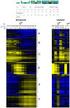 Gene Expression Analysis Jie Peng Department of Statistics University of California, Davis May 2012 RNA expression technologies High-throughput technologies to measure the expression levels of thousands
Package xtal. December 29, 2015
 Type Package Title Crystallization Toolset Version 1.15 Date 2015-12-28 Author Maintainer Qingan Sun Package xtal December 29, 2015 This is the tool set for crystallographer to design
JustClust User Manual
 JustClust User Manual Contents 1. Installing JustClust 2. Running JustClust 3. Basic Usage of JustClust 3.1. Creating a Network 3.2. Clustering a Network 3.3. Applying a Layout 3.4. Saving and Loading
Protein Protein Interaction Networks
 Functional Pattern Mining from Genome Scale Protein Protein Interaction Networks Young-Rae Cho, Ph.D. Assistant Professor Department of Computer Science Baylor University it My Definition of Bioinformatics
Minería de Datos ANALISIS DE UN SET DE DATOS.! Visualization Techniques! Combined Graph! Charts and Pies! Search for specific functions
 Minería de Datos ANALISIS DE UN SET DE DATOS! Visualization Techniques! Combined Graph! Charts and Pies! Search for specific functions Data Mining on the DAG ü When working with large datasets, annotation
Using Library Dependencies for Clustering
 Using Library Dependencies for Clustering Jochen Quante Software Engineering Group, FB03 Informatik, Universität Bremen [email protected] Abstract: Software clustering is an established approach
Analysis of Illumina Gene Expression Microarray Data
 Analysis of Illumina Gene Expression Microarray Data Asta Laiho, Msc. Tech. Bioinformatics research engineer The Finnish DNA Microarray Centre Turku Centre for Biotechnology, Finland The Finnish DNA Microarray
Microarray Data Analysis. A step by step analysis using BRB-Array Tools
 Microarray Data Analysis A step by step analysis using BRB-Array Tools 1 EXAMINATION OF DIFFERENTIAL GENE EXPRESSION (1) Objective: to find genes whose expression is changed before and after chemotherapy.
Final Project Report
 CPSC545 by Introduction to Data Mining Prof. Martin Schultz & Prof. Mark Gerstein Student Name: Yu Kor Hugo Lam Student ID : 904907866 Due Date : May 7, 2007 Introduction Final Project Report Pseudogenes
Package fimport. February 19, 2015
 Version 3000.82 Revision 5455 Date 2013-03-15 Package fimport February 19, 2015 Title Rmetrics - Economic and Financial Data Import Author Diethelm Wuertz and many others Depends R (>= 2.13.0), methods,
InSyBio BioNets: Utmost efficiency in gene expression data and biological networks analysis
 InSyBio BioNets: Utmost efficiency in gene expression data and biological networks analysis WHITE PAPER By InSyBio Ltd Konstantinos Theofilatos Bioinformatician, PhD InSyBio Technical Sales Manager August
Visualizing Relationships and Connections in Complex Data Using Network Diagrams in SAS Visual Analytics
 Paper 3323-2015 Visualizing Relationships and Connections in Complex Data Using Network Diagrams in SAS Visual Analytics ABSTRACT Stephen Overton, Ben Zenick, Zencos Consulting Network diagrams in SAS
Bioinformatics Grid - Enabled Tools For Biologists.
 Bioinformatics Grid - Enabled Tools For Biologists. What is Grid-Enabled Tools (GET)? As number of data from the genomics and proteomics experiment increases. Problems arise for the current sequence analysis
From Reads to Differentially Expressed Genes. The statistics of differential gene expression analysis using RNA-seq data
 From Reads to Differentially Expressed Genes The statistics of differential gene expression analysis using RNA-seq data experimental design data collection modeling statistical testing biological heterogeneity
MultiExperiment Viewer Quickstart Guide
 MultiExperiment Viewer Quickstart Guide Table of Contents: I. Preface - 2 II. Installing MeV - 2 III. Opening a Data Set - 2 IV. Filtering - 6 V. Clustering a. HCL - 8 b. K-means - 11 VI. Modules a. T-test
Package copa. R topics documented: August 9, 2016
 Package August 9, 2016 Title Functions to perform cancer outlier profile analysis. Version 1.41.0 Date 2006-01-26 Author Maintainer COPA is a method to find genes that undergo
Package HHG. July 14, 2015
 Type Package Package HHG July 14, 2015 Title Heller-Heller-Gorfine Tests of Independence and Equality of Distributions Version 1.5.1 Date 2015-07-13 Author Barak Brill & Shachar Kaufman, based in part
Package uptimerobot. October 22, 2015
 Type Package Version 1.0.0 Title Access the UptimeRobot Ping API Package uptimerobot October 22, 2015 Provide a set of wrappers to call all the endpoints of UptimeRobot API which includes various kind
Methods for network visualization and gene enrichment analysis July 17, 2013. Jeremy Miller Scientist I [email protected]
 Methods for network visualization and gene enrichment analysis July 17, 2013 Jeremy Miller Scientist I [email protected] Outline Visualizing networks using R Visualizing networks using outside
Nebula A web-server for advanced ChIP-seq data analysis. Tutorial. by Valentina BOEVA
 Nebula A web-server for advanced ChIP-seq data analysis Tutorial by Valentina BOEVA Content Upload data to the history pp. 5-6 Check read number and sequencing quality pp. 7-9 Visualize.BAM files in UCSC
8. Machine Learning Applied Artificial Intelligence
 8. Machine Learning Applied Artificial Intelligence Prof. Dr. Bernhard Humm Faculty of Computer Science Hochschule Darmstadt University of Applied Sciences 1 Retrospective Natural Language Processing Name
Shark Talent Management System Performance Reports
 Shark Talent Management System Performance Reports Goals Reports Goal Details Report. Page 2 Goal Exception Report... Page 4 Goal Hierarchy Report. Page 6 Goal Progress Report.. Page 8 Goal Status Report...
Course on Functional Analysis. ::: Gene Set Enrichment Analysis - GSEA -
 Course on Functional Analysis ::: Madrid, June 31st, 2007. Gonzalo Gómez, PhD. [email protected] Bioinformatics Unit CNIO ::: Contents. 1. Introduction. 2. GSEA Software 3. Data Formats 4. Using GSEA 5. GSEA
Comparison of Non-linear Dimensionality Reduction Techniques for Classification with Gene Expression Microarray Data
 CMPE 59H Comparison of Non-linear Dimensionality Reduction Techniques for Classification with Gene Expression Microarray Data Term Project Report Fatma Güney, Kübra Kalkan 1/15/2013 Keywords: Non-linear
Using the Grid for the interactive workflow management in biomedicine. Andrea Schenone BIOLAB DIST University of Genova
 Using the Grid for the interactive workflow management in biomedicine Andrea Schenone BIOLAB DIST University of Genova overview background requirements solution case study results background A multilevel
The full setup includes the server itself, the server control panel, Firebird Database Server, and three sample applications with source code.
 Content Introduction... 2 Data Access Server Control Panel... 2 Running the Sample Client Applications... 4 Sample Applications Code... 7 Server Side Objects... 8 Sample Usage of Server Side Objects...
Pipeline Pilot Enterprise Server. Flexible Integration of Disparate Data and Applications. Capture and Deployment of Best Practices
 overview Pipeline Pilot Enterprise Server Pipeline Pilot Enterprise Server (PPES) is a powerful client-server platform that streamlines the integration and analysis of the vast quantities of data flooding
Deploying Microsoft Operations Manager with the BIG-IP system and icontrol
 Deployment Guide Deploying Microsoft Operations Manager with the BIG-IP system and icontrol Deploying Microsoft Operations Manager with the BIG-IP system and icontrol Welcome to the BIG-IP LTM system -
Technical Report. The KNIME Text Processing Feature:
 Technical Report The KNIME Text Processing Feature: An Introduction Dr. Killian Thiel Dr. Michael Berthold [email protected] [email protected] Copyright 2012 by KNIME.com AG
Data Mining is the process of knowledge discovery involving finding
 using analytic services data mining framework for classification predicting the enrollment of students at a university a case study Data Mining is the process of knowledge discovery involving finding hidden
Getting Started with R and RStudio 1
 Getting Started with R and RStudio 1 1 What is R? R is a system for statistical computation and graphics. It is the statistical system that is used in Mathematics 241, Engineering Statistics, for the following
Gene Expression Macro Version 1.1
 Gene Expression Macro Version 1.1 Instructions Rev B 1 Bio-Rad Gene Expression Macro Users Guide 2004 Bio-Rad Laboratories Table of Contents: Introduction..................................... 3 Opening
Release 6.2.1 System Administrator s Guide
 IBM Maximo Release 6.2.1 System Administrator s Guide Note Before using this information and the product it supports, read the information in Notices on page Notices-1. First Edition (January 2007) This
Package sjdbc. R topics documented: February 20, 2015
 Package sjdbc February 20, 2015 Version 1.5.0-71 Title JDBC Driver Interface Author TIBCO Software Inc. Maintainer Stephen Kaluzny Provides a database-independent JDBC interface. License
NNMi120 Network Node Manager i Software 9.x Essentials
 NNMi120 Network Node Manager i Software 9.x Essentials Instructor-Led Training For versions 9.0 9.2 OVERVIEW This course is designed for those Network and/or System administrators tasked with the installation,
Exiqon Array Software Manual. Quick guide to data extraction from mircury LNA microrna Arrays
 Exiqon Array Software Manual Quick guide to data extraction from mircury LNA microrna Arrays March 2010 Table of contents Introduction Overview...................................................... 3 ImaGene
Package hoarder. June 30, 2015
 Type Package Title Information Retrieval for Genetic Datasets Version 0.1 Date 2015-06-29 Author [aut, cre], Anu Sironen [aut] Package hoarder June 30, 2015 Maintainer Depends
SAS Visual Analytics 7.2 for SAS Cloud: Quick-Start Guide
 SAS Visual Analytics 7.2 for SAS Cloud: Quick-Start Guide Introduction This quick-start guide covers tasks that account administrators need to perform to set up SAS Visual Statistics and SAS Visual Analytics
Statistical Data Mining. Practical Assignment 3 Discriminant Analysis and Decision Trees
 Statistical Data Mining Practical Assignment 3 Discriminant Analysis and Decision Trees In this practical we discuss linear and quadratic discriminant analysis and tree-based classification techniques.
GDC Data Transfer Tool User s Guide. NCI Genomic Data Commons (GDC)
 GDC Data Transfer Tool User s Guide NCI Genomic Data Commons (GDC) Contents 1 Getting Started 3 Getting Started.......................................................... 3 The GDC Data Transfer Tool: An
Optimization of sampling strata with the SamplingStrata package
 Optimization of sampling strata with the SamplingStrata package Package version 1.1 Giulio Barcaroli January 12, 2016 Abstract In stratified random sampling the problem of determining the optimal size
IBM Tivoli Composite Application Manager for Microsoft Applications: Microsoft Hyper-V Server Agent Version 6.3.1 Fix Pack 2.
 IBM Tivoli Composite Application Manager for Microsoft Applications: Microsoft Hyper-V Server Agent Version 6.3.1 Fix Pack 2 Reference IBM Tivoli Composite Application Manager for Microsoft Applications:
Homework 4 Statistics W4240: Data Mining Columbia University Due Tuesday, October 29 in Class
 Problem 1. (10 Points) James 6.1 Problem 2. (10 Points) James 6.3 Problem 3. (10 Points) James 6.5 Problem 4. (15 Points) James 6.7 Problem 5. (15 Points) James 6.10 Homework 4 Statistics W4240: Data Mining
Integrating VoltDB with Hadoop
 The NewSQL database you ll never outgrow Integrating with Hadoop Hadoop is an open source framework for managing and manipulating massive volumes of data. is an database for handling high velocity data.
Oracle Data Miner (Extension of SQL Developer 4.0)
 An Oracle White Paper September 2013 Oracle Data Miner (Extension of SQL Developer 4.0) Integrate Oracle R Enterprise Mining Algorithms into a workflow using the SQL Query node Denny Wong Oracle Data Mining
Experiments in Web Page Classification for Semantic Web
 Experiments in Web Page Classification for Semantic Web Asad Satti, Nick Cercone, Vlado Kešelj Faculty of Computer Science, Dalhousie University E-mail: {rashid,nick,vlado}@cs.dal.ca Abstract We address
TrueSight Operations Management Monitoring Studio
 USER DOCUMENTATION APPLICATIONS MONITORING TrueSight Operations Management Monitoring Studio Version 9.0.00 June 2015 Contacting BMC Software You can access the BMC Software Web site at http://www.bmc.com.
SelectSurvey.NET User Manual
 SelectSurvey.NET User Manual Creating Surveys 2 Designing Surveys 2 Templates 3 Libraries 4 Item Types 4 Scored Surveys 5 Page Conditions 5 Piping Answers 6 Previewing Surveys 7 Managing Surveys 7 Survey
Efficient Parallel Execution of Sequence Similarity Analysis Via Dynamic Load Balancing
 Efficient Parallel Execution of Sequence Similarity Analysis Via Dynamic Load Balancing James D. Jackson Philip J. Hatcher Department of Computer Science Kingsbury Hall University of New Hampshire Durham,
Edge Configuration Series Reporting Overview
 Reporting Edge Configuration Series Reporting Overview The Reporting portion of the Edge appliance provides a number of enhanced network monitoring and reporting capabilities. WAN Reporting Provides detailed
Package hazus. February 20, 2015
 Package hazus February 20, 2015 Title Damage functions from FEMA's HAZUS software for use in modeling financial losses from natural disasters Damage Functions (DFs), also known as Vulnerability Functions,
Investigating Hadoop for Large Spatiotemporal Processing Tasks
 Investigating Hadoop for Large Spatiotemporal Processing Tasks David Strohschein [email protected] Stephen Mcdonald [email protected] Benjamin Lewis [email protected] Weihe
Choices, choices, choices... Which sequence database? Which modifications? What mass tolerance?
 Optimization 1 Choices, choices, choices... Which sequence database? Which modifications? What mass tolerance? Where to begin? 2 Sequence Databases Swiss-prot MSDB, NCBI nr dbest Species specific ORFS
Monitoring Replication
 Monitoring Replication Article 1130112-02 Contents Summary... 3 Monitor Replicator Page... 3 Summary... 3 Status... 3 System Health... 4 Replicator Configuration... 5 Replicator Health... 6 Local Package
CDD user guide. PsN 4.4.8. Revised 2015-02-23
 CDD user guide PsN 4.4.8 Revised 2015-02-23 1 Introduction The Case Deletions Diagnostics (CDD) algorithm is a tool primarily used to identify influential components of the dataset, usually individuals.
Package dunn.test. January 6, 2016
 Version 1.3.2 Date 2016-01-06 Package dunn.test January 6, 2016 Title Dunn's Test of Multiple Comparisons Using Rank Sums Author Alexis Dinno Maintainer Alexis Dinno
Chapter 10 Encryption Service
 Chapter 10 Encryption Service The Encryption Service feature works in tandem with Dell SonicWALL Email Security as a Software-as-a-Service (SaaS), which provides secure data mail delivery solutions. The
131-1. Adding New Level in KDD to Make the Web Usage Mining More Efficient. Abstract. 1. Introduction [1]. 1/10
![131-1. Adding New Level in KDD to Make the Web Usage Mining More Efficient. Abstract. 1. Introduction [1]. 1/10](/thumbs/25/4963058.jpg "131-1. Adding New Level in KDD to Make the Web Usage Mining More Efficient. Abstract. 1. Introduction [1]. 1/10") 1/10 131-1 Adding New Level in KDD to Make the Web Usage Mining More Efficient Mohammad Ala a AL_Hamami PHD Student, Lecturer m_ah_1@yahoocom Soukaena Hassan Hashem PHD Student, Lecturer soukaena_hassan@yahoocom
1/10 131-1 Adding New Level in KDD to Make the Web Usage Mining More Efficient Mohammad Ala a AL_Hamami PHD Student, Lecturer m_ah_1@yahoocom Soukaena Hassan Hashem PHD Student, Lecturer soukaena_hassan@yahoocom
PANTHER User Manual. For PANTHER 9.0. Date: January 7, 2015. The PANTHER Team. Authors:
 PANTHER User Manual For PANTHER 9.0 Date: January 7, 2015 Authors: The PANTHER Team Contents 1 Welcome to PANTHER System 1 1.1 About this document........... 1 1.2 How to cite PANTHER.......... 1 1.3 PANTHER
CRAC: An integrated approach to analyse RNA-seq reads Additional File 3 Results on simulated RNA-seq data.
 : An integrated approach to analyse RNA-seq reads Additional File 3 Results on simulated RNA-seq data. Nicolas Philippe and Mikael Salson and Thérèse Commes and Eric Rivals February 13, 2013 1 Results
Oracle Data Miner (Extension of SQL Developer 4.0)
 An Oracle White Paper October 2013 Oracle Data Miner (Extension of SQL Developer 4.0) Generate a PL/SQL script for workflow deployment Denny Wong Oracle Data Mining Technologies 10 Van de Graff Drive Burlington,
IBM Tivoli Composite Application Manager for Microsoft Applications: Microsoft Exchange Server Agent Version 6.3.1 Fix Pack 2.
 IBM Tivoli Composite Application Manager for Microsoft Applications: Microsoft Exchange Server Agent Version 6.3.1 Fix Pack 2 Reference IBM Tivoli Composite Application Manager for Microsoft Applications:
Actian Vortex Express 3.0
 Actian Vortex Express 3.0 Quick Start Guide AH-3-QS-09 This Documentation is for the end user's informational purposes only and may be subject to change or withdrawal by Actian Corporation ("Actian") at
Chapter 12 Discovering New Knowledge Data Mining
 Chapter 12 Discovering New Knowledge Data Mining Becerra-Fernandez, et al. -- Knowledge Management 1/e -- 2004 Prentice Hall Additional material 2007 Dekai Wu Chapter Objectives Introduce the student to
IBM Operational Decision Manager Version 8 Release 5. Getting Started with Business Rules
 IBM Operational Decision Manager Version 8 Release 5 Getting Started with Business Rules Note Before using this information and the product it supports, read the information in Notices on page 43. This
A Toolbox for Bicluster Analysis in R
 Sebastian Kaiser and Friedrich Leisch A Toolbox for Bicluster Analysis in R Technical Report Number 028, 2008 Department of Statistics University of Munich http://www.stat.uni-muenchen.de A Toolbox for
Lecture 11 Data storage and LIMS solutions. Stéphane LE CROM [email protected]
 Lecture 11 Data storage and LIMS solutions Stéphane LE CROM [email protected] Various steps of a DNA microarray experiment Experimental steps Data analysis Experimental design set up Chips on catalog
Carl R. Haske, Ph.D., STATPROBE, Inc., Ann Arbor, MI
 Using SAS/AF for Managing Clinical Data Carl R. Haske, Ph.D., STATPROBE, Inc., Ann Arbor, MI ABSTRACT Using SAS/AF as a software development platform permits rapid applications development. SAS supplies
Genome Explorer For Comparative Genome Analysis
 Genome Explorer For Comparative Genome Analysis Jenn Conn 1, Jo L. Dicks 1 and Ian N. Roberts 2 Abstract Genome Explorer brings together the tools required to build and compare phylogenies from both sequence
Package missforest. February 20, 2015
 Type Package Package missforest February 20, 2015 Title Nonparametric Missing Value Imputation using Random Forest Version 1.4 Date 2013-12-31 Author Daniel J. Stekhoven Maintainer
1 File Processing Systems
 COMP 378 Database Systems Notes for Chapter 1 of Database System Concepts Introduction A database management system (DBMS) is a collection of data and an integrated set of programs that access that data.
Novell ZENworks Asset Management 7.5
 Novell ZENworks Asset Management 7.5 w w w. n o v e l l. c o m October 2006 USING THE WEB CONSOLE Table Of Contents Getting Started with ZENworks Asset Management Web Console... 1 How to Get Started...
Frequently Asked Questions Next Generation Sequencing
 Frequently Asked Questions Next Generation Sequencing Import These Frequently Asked Questions for Next Generation Sequencing are some of the more common questions our customers ask. Questions are divided
Model Selection. Introduction. Model Selection
 Model Selection Introduction This user guide provides information about the Partek Model Selection tool. Topics covered include using a Down syndrome data set to demonstrate the usage of the Partek Model
Apache Spark 11/10/15. Context. Reminder. Context. What is Spark? A GrowingStack
 Apache Spark Document Analysis Course (Fall 2015 - Scott Sanner) Zahra Iman Some slides from (Matei Zaharia, UC Berkeley / MIT& Harold Liu) Reminder SparkConf JavaSpark RDD: Resilient Distributed Datasets
Top 10 Things to Know about WRDS
 Top 10 Things to Know about WRDS 1. Do I need special software to use WRDS? WRDS was built to allow users to use standard and popular software. There is no WRDSspecific software to install. For example,
SAS 9.4 Logging. Configuration and Programming Reference Second Edition. SAS Documentation
 SAS 9.4 Logging Configuration and Programming Reference Second Edition SAS Documentation The correct bibliographic citation for this manual is as follows: SAS Institute Inc. 2014. SAS 9.4 Logging: Configuration
AlienVault Unified Security Management (USM) 4.x-5.x. Deployment Planning Guide
 AlienVault Unified Security Management (USM) 4.x-5.x Deployment Planning Guide USM 4.x-5.x Deployment Planning Guide, rev. 1 Copyright AlienVault, Inc. All rights reserved. The AlienVault Logo, AlienVault,
Prediction Analysis of Microarrays in Excel
 New URL: http://www.r-project.org/conferences/dsc-2003/ Proceedings of the 3rd International Workshop on Distributed Statistical Computing (DSC 2003) March 20 22, Vienna, Austria ISSN 1609-395X Kurt Hornik,
Package DSsim. September 25, 2015
 Package DSsim September 25, 2015 Depends graphics, splancs, mrds, mgcv, shapefiles, methods Suggests testthat, parallel Type Package Title Distance Sampling Simulations Version 1.0.4 Date 2015-09-25 LazyLoad
Package brewdata. R topics documented: February 19, 2015. Type Package
 Type Package Package brewdata February 19, 2015 Title Extracting Usable Data from the Grad Cafe Results Search Version 0.4 Date 2015-01-29 Author Nathan Welch Maintainer Nathan Welch