
SPIXIANA München, November 2009 ISSN
|
|
|
- Arthur Gallagher
- 10 years ago
- Views:
Transcription
1 SPIXIANA München, November 2009 ISSN New and rare species of the pseudomorphine genera Sphallomorpha Westwood, Adelotopus Hope, and Pseudomorpha Kirby mainly from far Northern Territory, Australia (Coleoptera, Carabidae, Pseudomorphinae) 12 th supplement to the Revision of the Pseudomorphinae of the Australian Region Martin Baehr Baehr, M. (2009): New and rare species of the pseudomorphine genera Sphallomorpha Westwood, Adelotopus Hope, and Pseudomorpha Kirby mainly from far Northern Territory, Australia (Coleoptera, Carabidae, Pseudomorphinae). 12 th supplement to the Revision of the Pseudomorphinae of the Australian Region. Spixiana 32/2: Five new species and one new subspecies of the pseudomorphine genera Sphallomorpha Westwood, 1837 and Adelotopus Hope, 1834 from Australia are described: Sphallomorpha elseyi, S. laevior, S. triangularis, Adelotopus rufozonatus roperi, and A. frater, all from far Northern Territory, and S. aenigmatica from southern Western Australia. Records from various parts of Australia of a number of rare, ill documented, or in the region so far unknown pseudomorphine species of the mentioned genera and of the genus Pseudomorpha Kirby, 1825 are also dealt with. All new species and subspecies are inserted in the respective general keys. Martin Baehr, Zoologische Staatssammlung, Münchhausenstr. 21, D München, Germany; [email protected] Introduction A recent collecting trip through far northern parts of Northern Territory and Western Australia and visits at certain Australian institutions and collections revealed a number of new and rare species of the pseudomorphine genera Sphallomorpha Westwood, 1837, Adelotopus Hope, 1834, and Pseudomorpha Kirby, 1825 that are described or mentioned in the present paper. During the visit also several common and well documented species were collected or identified that are not mentioned further in this paper, i.e. Sphallomorpha froggatti (Macleay, 1888), S. denisonensis (Castelnau, 1867), S. difficilis (Blackburn,1901), S. dubia (Castelnau, 1867), S. laevigata (Castelnau, 1867), S. laevis (Castelnau, 1867), S. polita (Macleay, 1871), S. guttigera (Newman, 1842), S. castelnaui (Reiche, 1868), S. bicolor (Castelnau, 1867), S. biplagiata (Castelnau, 1867), S. nitiduloides Guérin,1844, S. amabilis (Castelnau, 1867), Adelotopus politus Castelnau, 1867, A. haemorrhoidalis Erichson, 1842, A. bimaculatus angustior Baehr, 1997, A. laticollis Baehr, 1997, A. g. gyrinoides Hope, 1834, A. d. dubius Baehr, 1997, A. montorum Baehr, 1997, A. murrayanus Baehr, 1997, A. rufoguttatus Blackburn, 1893, A. macilentus Baehr, 1997, A. paroensis Castelnau, 1867, Cainogenion ephippiatum (Newman, 1856), C. obscurum (Castelnau, 1867), and C. tropicum Baehr, For information about these species vide the revisions of the Australian Pseudomorphinae and some of the supplements (Baehr 1992, 1993a, 1994a, 1997, 2002, 2005, 2008). In spite of the previous revisions and the many supplements which included the majority of the material available in collections when they were written, the pseudomorphine fauna of large parts of interior 231

2 and far northern Australia is not yet satisfactorily recorded. New species are continuously detected and of a great number of species few or even single specimens were ever recorded, or the species are so far known only from a single locality. This deficiency may be simply due to the large size of the country or the remoteness of many parts of Australia which makes reasonable or even systematic sampling of the fauna almost impossible. Moreover, generally pseudomorphine species can be only sampled using specialized methods, either by use of an umbrella, or by fogging tree trunks, because they occur under bark or in deep cracks in the bark, of various trees. To get a reasonable overview of the fauna, these methods must be carried out systematically at a great number of localities, and at an even greater number of trees, because pseudomorphines apparently tend to concentrate on single trees, or they occur very localized in certain areas. Hence collecting is a specialized and time-consuming task and seasonality probably renders systematic sampling even more difficult. However, when conditions are favourable and sampling methods and efforts are adequate, a surprising great number and diversity of species can be found on a single tree, which, for example, was demonstrated on a few large Red River Gums in northern Australia that I tried to collect systematically several years ago (Baehr 1990). Rarity of a species thus does not automatically mean that it is rare in nature, because this denotation as well may mean rarely collected on whatever reasons: e.g. seasonality, or geographically scattered occurrence, or special habitats, of the species, but also inadequate sampling because of too little collecting efforts, or ineffective or inappropriate sampling methods. The scope of the present paper hence is not only to describe the new species and to make available additional information on species diversity, distribution, and habits, but also to draw the attention of future collectors towards this very specialized and peculiar beetle group and to the arboricolous and corticolous beetle fauna of the Far North of Australia in general, and not only to the beetle fauna but also the very rich fauna of other invertebrates that live on or under bark of trees (see Baehr 1990). Material and Methods The specimens collected during my travel were either sampled by pulling down sheets of loose bark from a number of bark-shedding eucalypts (Red River Gum, Ghost Gum, White Gum) into an umbrella, or by Pyrethrum fogging the rough-barked trunks of a variety of eucalypt and non-eucalypt trees (Darwin Stringybark, Darwin Whoolybutt, Smooth-stemmed Bloodwood, Swamp Bloodwood, Long-fruited Bloodwood, Coolibah, Terminalia, Satinash, certain Acacias, Grevilleas, and Casuarinas), or the rough-barked lower trunks of bark shedding eucalypts (Red River Gum, White Gum). A few specimens also were collected at black light in the night. In most specimens from other institutions the sampling methods were not mentioned on the labels, but I guess that they likewise generally were collected from (under) bark of trees. Altogether 32 pseudomorphine species in about 280 specimens were collected during the five weeks travel through northern parts of Northern Territory and Western Australia, though the bulk of specimens belongs to the three common northern Australian species Sphallomorpha laevis (Castelnau), S. froggatti (Macleay), and S. denisonensis (Castelnau). In the course of the travel, at 90 localities about 500 trees were fogged and another 500 trees were sampled by pulling down stripes of bark. Dissecting methods and style and format of the descriptions exactly correspond to those in my revisions (Baehr 1992, 1997) and the following supplements (Baehr 1993a,b, 1994a, 2002, 2004, 2005, 2006, 2007, 2008, in press) which also can be used to gain additional information about the mentioned genera, their morphology, distribution, and habits. Complete references for previously described species can be taken from the revisions and the supplements and are not included in the citations of literature. For the benefit of the reader, abbreviations of the chetotaxy which is particularly important for identification of Sphallomorpha species, are repeated below. The habitus photographs were obtained with a digital camera using ProgRes Capture Basic and Auto- Montage and subsequently were worked with Corel Photo Paint 11. All citations of label data exactly conform with the labels, including any abbreviations, dates and any other information. The labels of all specimens collected during the mentioned trip, including those of the types of the new species, are printed. The holotypes of the newly described species are located at Museum and Art Gallery of the Northern Territory, Darwin, and Australian Museum, Sydney. Scientific names of the mentioned tree species Red River Gum Eucalyptus camaldulensis Dehnh. Ghost Gum E. papuana F. Muell. White Gum E. alba Reinw. ex Blume Darwin Stringybark E. tetrodonta F. Muell. Darwin Whoolybutt E. miniata Cunn. ex Schauer Smooth-stemmed Bloodwood E. bleeseri Blakely Swamp Bloodwood E. ptychocarpa F. Muell. Long-fruited Bloodwood E. polycarpa F. Muell. Coolibah E. microtheca F. Muell. Terminalia Terminalia platyphylla F. Muell. Satinash Syzygium sp. Acacia Acacia spp. Grevillea Grevillea sp. Casuarina Casuarina sp. 232

3 Abbreviations of collections and of states AMS Australian Museum, Sydney CBM Working Collection of M. Baehr in Zoologische Staatssammlung, München NTM Museum and Art Gallery of the Northern Territory, Darwin QDPIB Queensland Department of Primary Industries, Brisbane QMB Queensland Museum, Brisbane UQIC University of Queensland Insect Collection, Brisbane WAM Western Australian Museum (sampled by Department of Conservation and Land Management of Western Australia, Wanneroo) ACT Australian Capital Territory NSW New South Wales NT Northern Territory QLD Queensland SA South Australia VIC Victoria WA Western Australia NP National Park Chetotaxy supraorb supraorbital seta (either side) preorb preorbital seta (either side) clyp clypeal seta (either side) labr labral setae (common) ment.med medial mental setae, at base of mental excision or mental tooth (common) ment.lat lateral mental setae, on wings of mentum (either side) gloss glossal setae, on ventral rim of apex of glossa (either side) gul gular setae, inside of gular suture (either side) postorb postorbital setae, posteriorly of eye on a conspicuous rim (either side) suborb suborbital setae, below eye, laterally of gular suture (either side) pron.ant anterior pronotal setae, near anterior angle of pronotum (either side) pron.post posterior pronotal setae, near posterior angle of pronotum (either side) proeps proepisternal setae, longitudinally and transversally on proepisternum (either side) marg marginal setae, along margin of elytra (either side) st VI setae on posterior border of sternum VI, the penultimate visible sternite (either side) M st VII setae of male sternum VII, the terminal visible sternite (either side) W st VII setae of female sternum VII, the terminal visible sternite (either side) New records The new records are arranged in the sequence of the species in the respective revisions (Baehr 1992, 1997). Genus Sphallomorpha Westwood Sphallomorpha Westwood, 1837: 414; Baehr 1992: 15. With about 150 described species this is the largest genus of the subfamily Pseudomorphinae and, with respect to the great number of plesiomorphic character states, it is the most basal genus and the adelphotaxon of all other genera (Baehr 1994b). The basal status is also demonstrated by the ovipary of all species, whereas all other genera of Pseudomorphinae (except Cryptocephalomorpha Ritsema, 1875 the reproduction mode of which is still unknown) are ovoviviparous. Of but few species larvae were described, and those species apparently live by ants. The overwhelming majority of the species occur in Australia, with a few species recorded from New Guinea. In Australia, species of Sphallomorpha occur everywhere, provided some tree growth is present, because the species generally occur on trees and most prefer bark shedding eucalypts, where during daytime they hide under the bark. Few species only were collected in rain forest, but the majority occur in open forest and many even in rather dry country. Sphallomorpha metallica Baehr Baehr, 1992: 57. New records (2 ex.). NT: NT113, c. 5 km w. Mary River Crossing on Arnhem Hwy., S, E, 24 m, , M. Baehr (CBM). WA: WA95, c. 15 km ese. Kununurra on Victoria Hwy., S, E, 63 m, , M. Baehr (CBM). Collecting circumstances. Sampled from under bark of Red River Gum and by fogging the burnt bark of Darwin Whoolybutt. The latter sampling method is very uncommon for this generally subcorticolous species. Recorded distribution. Eastern QLD to northern parts of NT. Note. The new records enlarge the known range of this species westwards just into extreme northeastern Western Australia. 233

4 Sphallomorpha lustrans Baehr Baehr, 1992: 103. New records (4 ex.). NT: NT24, Elsey NP Campground, S, E, 115 m, , M. Baehr (CBM); NT105, c. 25 km sse. Pine Creek on Stuart Hwy., S, E, 150 m, , M. Baehr (CBM); NT113, c. 5 km w. Mary River Crossing on Arnhem Hwy., S, E, 24 m, , M. Baehr (CBM). WA: WA95, c. 15 km ese. Kununurra on Victoria Hwy., S, E, 63 m, , M. Baehr (CBM). Collecting circumstances. Sampled from under bark of Red River Gum and White Gum, and by fogging the burnt bark of Darwin Whoolybutt. The latter sampling method is very uncommon for this generally subcorticolous species. Recorded distribution. Northeastern QLD, northern parts of NT, southern New Guinea. Note. The new records extend the known range of this species westwards just into extreme northeastern Western Australia. Sphallomorpha darwini Baehr Baehr, 1992: 109. New records (5 ex.). NT: NT16, 10 km ese. Katherine on Stuart Hwy., S, E, 100 m, , M. Baehr (CBM); NT20, 15 km e. Elsey Creek Crossing on Roper Bar Rd., S, E, 128 m, , M. Baehr (CBM); NT33, King River, c. 30 km sw. Katherine on Victoria Hwy., S, E, 104 m, (CBM). Collecting circumstances. Sampled from under bark of Ghost Gum, White Gum, and Red River Gum. Recorded distribution. Extreme northern parts of NT. Note. The new records of this rare species are within the recorded range. Sphallomorpha multiseta Baehr Baehr, 1992: 114. New record (1 ex.). NSW: Bulahdelah, 23.i.1975 (AMS). Collecting circumstances. Not recorded. Recorded distribution. Southeastern QLD, northeastern NSW. Note. So far a quite rare species. The new record is within the known range. Sphallomorpha westwoodi (Notman) Notman, 1925: 23; Baehr, 1992: 125. New record (1 ex.). QLD: Bald Mt. area, ' Via Emu Vale, ii.1970 R. Broadley (QDPIB). Collecting circumstances. Not recorded. The single specimen collected at high altitude. Recorded distribution. Southeastern QLD, adjacent northeastern NSW. Note. A fairly rare species which apparently is restricted to the ranges at the QLD/NSW border. Sphallomorpha acutangula Baehr Baehr, 1992: 147. New record (1 ex.). WA: Johnston Lakes, 93.4 km NW Kumarl, S, E, 19.xi.2007, 280 m, D. J. Britton (AMS). Collecting circumstances. Collected by hand, probably on trees. Recorded distribution. Interior of south-western WA. Note. A very rare species, of which only two specimens were so far recorded. The new locality is fairly close to the two known ones. Sphallomorpha parva Baehr Baehr, 1992: 166. New records (15 ex.). NT: NT20, 15 km e. Elsey Creek Crossing on Roper Bar Rd., S, E, 128 m, , M. Baehr (CBM); NT31, c. 5 km s. Willeroo on Buntine Hwy., S, E, 211 m, , M. Baehr (CBM); NT45, Keep River NP, Gurrandalg Campground, 20 km n. Ranger Stn., S, E, 32 m, , M. Baehr (CBM); NT96, Basalt Creek, c. 55 km w. West Baines River Crossing on Victoria Hwy., S, E, 161 m, , M. Baehr (CBM); NT98, c. 10 km ene. East Baines River Crossing on Victoria Hwy., S, E, 40 m, , M. Baehr (CBM). WA: WA46, Ord River Crossing to Ivanhoe, c. 10 km n. Kununurra, S, E, 35 m, , M. Baehr (CBM); WA86, Tickalara Creek, 5 km ne. Spring Creek on Great Northern Hwy., S, E, 296 m, , M. Baehr (CBM); WA87, Fletcher Creek, 8 km ne. Spring Creek on Great Northern Hwy., S, E, 321 m, , M. Baehr (CBM). Collecting circumstances. Sampled from under bark of Red River Gum, Ghost Gum, and White Gum, and by fogging the bark of Darwin Stringybark, 234

5 Terminalia, unidentified Grevillea and Acacia, and the rough bark at the base of White Gum. Recorded distribution. Tropical northern Australia from north-western QLD through northern NT to northernmost WA. Note. The many new records suggest that this is a rather common species in western NT and adjacent northern WA. Apparently fogging of rough bark is a successful sampling method for this species. Sphallomorpha sulcata Baehr Baehr, 1992: 172. New records (2 ex.). NT: NT24, Elsey NP Campground, S, E, 115 m, , M. Baehr (CBM). WA: WA94, Ord River Crossing to Ivanhoe, c. 10 km n. Kununurra, S, E, 35 m, , M. Baehr (CBM). Collecting circumstances. Collected from under bark of Red River Gum and by fogging the bark of Darwin Stringybark and Coolibah. Recorded distribution. So far known only from extreme north-eastern WA and from the holotype. Note. One of the new records is from the type locality in northern WA, the other extends the range far eastwards into northern NT. Sphallomorpha striata (Castelnau) Castelnau, 1867: 28; Baehr, 1992: 177. New record (2. ex.). NSW: Leets Vale, 17.v.1975 (AMS). Collecting circumstances. Not recorded. Recorded distribution. NSW, south-eastern QLD. Note. Although many records suggest that this is a common species, almost all known records refer to specimens collected in 19 th Century or beginning of 20 th Century. Because the range of this species is situated within the best collected areas in Australia, the species seems to have become rare in recent times, on whatever reasons. Sphallomorpha torresia Baehr Baehr, 1992: 187. New record (3 ex.). QLD: L 'S E Prince of Wales Is. camp. 3-7 Jan G. Monteith, K. land. 10 m (CBM, QMB). Collecting circumstances. Not recorded, though probably sampled from under bark of trees. Recorded distribution. Torres Strait Islands, north Queensland. Note. This very rare species was so far only recorded from Moa or Banks Island, but apparently it is more widely distributed on Torres Strait Islands north of Cape York Peninsula. Sphallomorpha maculata (Newman) Newman, 1842: 365; Baehr 1992: 235; 2008: 159. New record (1 ex.). NSW: Condobolin, 27.xii.1994 (AMS). Collecting circumstances. Not recorded. Recorded distribution. SA, VIC, ACT, NSW, northern central WA, and probably southern QLD. Note. In spite of its apparent very wide range, a fairly rare species with a scattered occurrence throughout the range. Sphallomorpha barbarae Baehr Baehr, 1992: 249. New record (1 ex.). NT: NT37, Gregory NP, Old Victoria River Crossing, c. 5 km w. Victoria River Roadhouse, S, E, 35 m, , M. Baehr (CBM). Collecting circumstances. The single specimen was sampled at light, near the banks of Victoria River, in open tropical woodland. Recorded distribution. Northern NT, adjacent north-eastern WA. Note. So far a very rare species which was recorded from three localities only. The new record is located right in the middle between the eastern and western sampling sites. Sphallomorpha versicolor Baehr Baehr, 1992: 253. New record (1 ex.). NT: NT109, Kakadu NP, Jim Jim Billabong, c. 12 km sse. Cooinda, S, E, 16 m, , M. Baehr (CBM). Collecting circumstances. Sampled from under bark of Red River Gum. Recorded distribution. Kakadu NP, northernmost NT. 235

6 Note. This species was known from the holotype only. The new record is also from Kakadu NP, but slightly more south. Sphallomorpha unicolor Baehr Baehr, 1992: 283. New records (3 ex.). NT: Murgenella, NT. 4.viii.1982, C. Wilson, S. Collins/ex light trap (NTM); NT38, Gregory NP, 5 km s. Timber Creek, S, E, 53 m, , M. Baehr (CBM). NSW: Evabelong West, , leg. Lamond (CBM). Collecting circumstances. The specimens from NT were either sampled at light, either from under bark of Ghost Gum. Recorded distribution. Tropical Australia from north-eastern QLD though northern NT to northern WA. Note. The single specimen which according to the label is from NSW, most probably was wrongly labelled and may rather come from northeastern QLD. At any rate, this doubtful NSW record is far outside the comparatively well documented range of the species, Sphallomorpha rockhamptonensis (Castelnau) Castelnau, 1867: 27; Baehr 1992: 292. New record (1 ex.). QLD: Cape York Pen S, E, 7.8 km NE jct Capt Billy Landing & Bamaga rds, G. Cassis, 16.iii.1992 (AMS). Collecting circumstances. Euc/Lepto litter which probably means: in leaf litter mixed from Eucalyptus and Leptospermum trees. Recorded distribution. Eastern QLD. Note. A fairly common species in northeastern QLD. The record from leaf litter is unusual and probably accidental, because usually this species is sampled from under eucalypt bark. Sphallomorpha incerta Baehr Baehr, 1992: 300. New record (1 ex.). QLD: Mt. Isa Mines H. J. Lavery (QDPIB). Collecting circumstances. Not recorded. Recorded distribution. Central Queensland. Note. A rare species which was so far known only from central eastern Queensland and almost only from specimens collected 80 or more years ago. The single newly recorded specimen extends the range considerably to the north-west and at the same time is the first specimen collected more recently. Sphallomorpha pilosa Baehr Baehr, 1992: 304. New record (1 ex.). NT: NT22, Roper River Crossing, 3 km e. Roper Bar on Roper Bar Rd., S, E, 10 m, , M. Baehr (CBM). Collecting circumstances. The single specimen was sampled from under bark of Red River Gum. Recorded distribution. Northern parts of NT. Note. A very rare species which was so far known only from two specimens. The new record extends the known range somewhat to the south. Sphallomorpha uptoni Baehr Baehr, 1992: 307. New record (1 ex.). NT: NT29, c. 70 km n. Top Springs on Buntine Hwy., S, E, 253 m, , M. Baehr (CBM). Collecting circumstances. The single specimen was sampled from under bark of Ghost Gum. Recorded distribution. Northern parts of NT. Note. A rare species, so far recorded from few specimens from Darwin, the western margin of Arnhem Land, and north-eastern NT near the NT/ QLD border. The new record extends the recorded range to the west into north-western NT. Sphallomorpha centralis (Macleay) Macleay, 1888: 458; Baehr, 1992: 309. New records (2 ex.). NT: NT101, c. 52 km w. Victoria River Roadhouse on Victoria Hwy., S, E, 47 m, , M. Baehr (CBM). WA: WA89, c. 10 km s. Doon Doon on Great Northern Hwy., S, E, 171 m, , M. Baehr (CBM). Collecting circumstances. The specimens were sampled by fogging the bark of Darwin Whollybutt. Recorded distribution. Central NT, northern WA north of Great Sandy Desert. 236

7 Note. An uncommon species. The new records are within the putative range. Sphallomorpha marginata (Castelnau) Castelnau, 1867: 25; Baehr 1992: 350. New records (3 ex.). NT: NT8, Mary River Crossing on Arnhem Hwy., S, E, 27 m, , M. Baehr (CBM). WA: Lake Douglas, 12 km SW of Kalgoorlie, 13.i.1989, M. S. & B. J. Moulds (AMS); Holt Rock, 17 km N of Varley, 30.xii.1990, M. S. & B. J. Moulds (AMS). Collecting circumstances. The NT specimen was sampled from under bark of Red River Gum. Recorded distribution. Large parts of inland Australia, but also northern NT. Note. One of the most widely distributed pseudomorphine species in Australia, but generally uncommon. Sphallomorpha marginoides Baehr Baehr, 1992: 354. New record (1 ex.). NT: Finke Gorge NP 24.04S, E c. 400 m NT 2 Oct 1994 G. R. Brown (NTM). Collecting circumstances. The single specimen was sampled at mv lamp. Recorded distribution. Central NT, north-western WA. Note. A very rare species, so far known only from four specimens. The new record corroborates the occurrence in central NT. Genus Adelotopus Hope Adelotopus Hope, 1834: 11; Baehr 1997: 51. With about 135 described species Adelotopus is the second largest genus of Pseudomorphinae. With respect to the reduced chetotaxy and the unique foliaceous female stylomeres this genus is apotypic within Pseudomorphinae and shares the ovoviviparous reproduction with all other genera except Sphallomorpha and Cryptocephalomorpha (see note above). The bulk of the species of Adelotopus is Australian, few species only were recorded from New Guinea, the Moluccas, and even Solomon Islands, Java, and southernmost mainland Malaysia. In Australia species of Adelotopus occur everywhere, provided some tree growth is present, but apparently not in rain forest. Species of this genus are found as well under bark of bark shedding eucalypts as in the cracks of the thick bark of various sorts of trees. Adelotopus ulrichi Baehr Baehr 1997: 82. New record (1 ex.). QLD: Brigalow Development area Moura, F. D. Page & L. Rigby, 18.XII.67 (QDPIB). Collecting circumstances. Collected from Gum bark. Recorded distribution. Eastern Queensland. Note. A moderately common species. The new record extends the range slightly to the west. Adelotopus brevipennis Macleay Macleay, 1888: 459; Baehr 1997: 96. New records (5 ex.). NT: NT96, Basalt Creek, c. 55 km w. West Baines River Crossing on Victoria Hwy., S, E, 161 m, , M. Baehr (CBM); NT106, c. 18 km sse. Pine Creek on Stuart Hwy., S, E, 163 m, , M. Baehr (CBM); NT111, Mary River Crossing on Arnhem Hwy., S, E, 27 m, , M. Baehr (CBM). Collecting circumstances. Specimens were sampled by fogging the bark of White Gum, Darwin Stringybark, Coolibah, and from under the bark of Red River Gum. Recorded distribution. Northern NT, east to western margin of Arnhem Land, tropical WA north and south of Great Sandy Desert. Note. A moderately common species throughout northern and northwestern Australia. The occurrence in deep cracks in the bark so far was unrecorded. Adelotopus elongatulus Macleay Macleay, 1888: 459; Baehr 1997: 99. New record 1 (ex.). WA: TCMBW04, 30.5 km WSW Tom Price 22 47'51"S,117 29'40"E CALM PNS01219 (WAM). Collecting circumstances. Apparently sampled in pitfall trap, filled with glycol alcool. Recorded distribution. Northwestern WA. Note. This species actually was known only from the type series from Kings Sound collected more than 237

8 100 years ago and apparently was never recaptured since description. The new record extends the range to the Pilbara south of Great Sandy Desert. Adelotopus rufescens Baehr Baehr, 1997: 104. New record (1 ex.). WA: WA95, c. 15 km ese. Kununurra on Victoria Hwy., S, E, 63 m, , M. Baehr (CBM). Collecting circumstances. The single specimen was sampled by fogging the burnt bark of Darwin Whoolybutt. Recorded distribution. Extreme Northeastern WA. Note. A rare species, known only from two localities in the Kimberley Division in northernmost WA. The new record is from near the type locality. Adelotopus edithae Baehr Baehr, 1997: 117. New record (1 ex.). NT: NT22, Roper River Crossing, 3 km e. Roper Bar on Roper Bar Rd., S, E, 10 m, , M. Baehr (CBM). Collecting circumstances. Collected from under bark of Red River Gum. Recorded distribution. Northern NT. Note. A rare species, recorded from the western and southern margins of Arnhem Land. The new record extends the range further to the east. Adelotopus rufozonatus rufozonatus Baehr Baehr, 1997: 119. New records (17 ex.). NT: NT8, Mary River Crossing on Arnhem Hwy., S, E, 27 m, , M. Baehr (CBM); NT20, 15 km e. Elsey Creek Crossing on Roper Bar Rd., S, E, 128 m, , M. Baehr (CBM); NT96, Basalt Creek, c. 55 km w. West Baines River Crossing on Victoria Hwy., S, E, 161 m, , M. Baehr (CBM); NT111, Mary River Crossing on Arnhem Hwy., S, E, 27 m, , M. Baehr (CBM). Collecting circumstances. Specimens were sampled from under bark of Red River Gum and White Gum, also by fogging the rough bark at the base of White Gum. Recorded distribution. Northern NT from Darwin to about Katherine. Note. The record from near West Baines River extends the range to extreme north-western NT. The occurrence in deep cracks in the bark so far was unrecorded. Adelotopus multipunctatus Baehr Baehr, 1997: 166. New record (1 ex.). NT: NT15, Katherine, near Katherine River, S, E, 88 m, , M. Baehr (CBM). Collecting circumstances. Collected from under bark of Red River Gum and White Gum. Recorded distribution. Northern parts of NT, northernmost WA. Note. A moderately common species. The new record is from within the known range. Adelotopus browni Baehr Baehr, 1997: 170. New record (1 ex.). NT: NT4, Finniss River, c. 12 km w. Batchelor, S, E, 60 m, , M. Baehr (CBM). Collecting circumstances. The single specimens was sampled from under bark of Red River Gum. Recorded distribution. Northern NT. Note. A very rare species, so far recorded only from the holotype collected near Humpty Doo. The new record extends the range slightly to the south-west. Adelotopus seriepunctatus striatus Baehr Baehr, 1997: 200. New records (3 ex.). QLD: Stanthorpe, (QD- PIB); Wide Bay (AMS) (an old specimen without any additional data). Collecting circumstances. Not recorded. Recorded distribution. Central eastern QLD. Note. A rare subspecies of which very few recent records are available. All new records mentioned above likewise refer to specimens collected at least 80 years ago. 238

9 Adelotopus laevis (Macleay) Macleay, 1888: 460; Baehr 1997: 250. New records (18 ex.). NT: NT15, Katherine, near Katherine River, S, E, 88 m, , M. Baehr (CBM); NT22, Roper River Crossing, 3 km e. Roper Bar on Roper Bar Rd., S, E, 10 m, , M. Baehr (CBM). WA: BORN05 23 km NNW Balfour Downs Hs 22 26'12"S, '00"E CALM PBS01216 (WAM); BORS13 20 km ESE Wheelarra Hills 23 24'46"S, '00"E CALM PBS01217 (WAM). Collecting circumstances. My specimens were sampled from under bark of Red River Gum and White Gum, those from Western Australia probably in pitfall traps filled with glycol ethylene. Recorded distribution. Tropical Australia from northern QLD through northern NT to northern WA including the Pilbara south of Great Sandy Desert. Note. According to the many records enumerated in the revision (Baehr 1997) apparently a common species, but most previous records are old, and but few specimens were collected more recently. Adelotopus linearis (Macleay) Macleay, 1888: 460; Baehr 1997: 260. New records (7 ex.). NT: NT15, Katherine, near Katherine River, S, E, 88"m, , M. Baehr (CBM). WA: WA94, Ord River Crossing to Ivanhoe, c. 10"km n. Kununurra, S, E, 35"m, , M. Baehr (CBM). Collecting circumstances. Sampled from under bark of Red River Gum and White Gum, and by fogging bark of Darwin Stringybark and Coolibah. Recorded distribution. Tropical and subtropical Australia from eastern QLD through northern NT to northern WA. Note. This species was barely recorded from NT and WA, hence the new records confirm the occurrence in both countries. Adelotopus gyrinoides orientalis Baehr Baehr, 1997: 270. New record (1 ex.). NSW: Monaro (AMS) (old specimen without any additional data). Collecting circumstances. Not recorded. Recorded distribution. VIC, south-eastern NSW. Note. Apparently today a very rare species, because all records are old ones. Adelotopus parumpunctatus Baehr Baehr, 1997: 288. New records (8 ex.). NSW: Narrandera, 29.xii.1929 (AMS); Enfield (AMS); Clarence, 10.i.1981 (AMS); Tahmoor, 28.x.1981, B. J. Day (AMS); Jugiong, 25.ii.1988, R. Beysak (AMS). QLD: Mt. Mistake, 10.iii.1978 under bark (QDPIB) Collecting circumstances. According to the labels collected from under bark. Recorded distribution. VIC to southernmost QLD. Note. So far a rare species, but actually it seems to be more widely distributed than suggested in the revision. Adelotopus lunatus Baehr Baehr, 1997: 290. New record (1 ex.). NSW: Braidwood, 30.xii.1981, and 3.i.1976 (AMS). Collecting circumstances. Not recorded. Recorded distribution. ACT and southeastern corner of NSW. Note. A rare species, the new record is within the known range. Adelotopus punctatus Castelnau Castelnau, 1867: 31; Baehr 1997: 296. New record (1 ex.). QLD: Brisbane 8.X.62, G. Monteith (UQIC). Collecting circumstances. According to the label collected In colony of Rhinotermes. Recorded distribution. Northeastern NSW, eastern QLD. Note. A rare species. One of the rare records of pseudomorphine beetles occurring by termites. Adelotopus nemosomoides Westwood Westwood, 1853: 408; Baehr 1997: 318. New record (2 ex.). NSW: Bombala (AMS) (two old specimens without any additional data). 239

10 Collecting circumstances. Not recorded. Recorded distribution. Eastern SA, VIC, ACT, southern NSW. Note. A fairly rare species. The additional locality is in the extreme south-eastern corner of NSW. Genus Pseudomorpha Kirby, 1825, subgenus Austropseudomorpha Baehr Baehr, 1997: 42. Most species of the genus Pseudomorpha Kirby, which, however, presently is being subdivided into several genera by Erwin (in litt.), are American. In Australia only 3 species and one additional subspecies occur which Baehr (1997) included in the subgenus Austropseudomorpha Baehr that Erwin most probably will raise to generic rank during his work on the American Pseudomorpha (Erwin in litt.). The Australian species differ from the American ones in a number of character states and probably form the adelphotaxon of all American species except for those very basal ones which Baehr (1997) included in the subgenus Notopseudomorpha Baehr. The Australian taxa occur only in southern Australia from south-western WA through western VIC into southern NSW. Pseudomorpha insignis pilosa Baehr Baehr, 1997: 46. New record (1 ex.). NSW: 39CR Second Gully N. of Wonga Gully, 30.48S, E, 270 m, (NPWS Survey), 4.ii.-8.iv.1993, M. Gray & G. Cassis (AMS). Collecting circumstances. Not recorded. Recorded distribution. Southern NSW. Note. So far a very rare species of uncertain habits; the few dated specimens were sampled at light. New species and subspecies Sphallomorpha elseyi, spec. nov. Figs 1, 8 Types. Holotype: M, Australia07, NT24, Elsey NP Campgrd., 10 km e. Mataranka S, E, 115 m, , M. Baehr (NTM). Etymology. The name refers to the type locality, Elsey National Park near Mataranka. Diagnosis. Species of the semistriata-group of the revision with little raised elytral intervals, and with straight, narrow, triangular apex of the aedeagus. Distinguished from most closely related S. ovalis (Castelnau) by lesser size, less raised intervals, straight apex of aedeagus, and presence of but 3 apical setae on male sternum VII. Description Measurements. Length: 7.5 mm; width: 4.25 mm. Ratios: Width pronotum/head: 1.61; width elytra/ pronotum: 1.15; width/length of pronotum: 2.40; length/width of elytra; 1.12; length elytra/pronotum: Colour (Fig. 8). Brown, mouth parts, lateral margins of pronotum and elytra, and inner 4-5 intervals of elytra ill defined reddish, apex of palpi light reddish. Antenna reddish. Lower surface reddish, metathorax and abdomen even slightly paler. Tibiae and tarsi brown, femora yellowish. Chetotaxy (Fig. 1). Supraorb: 1; preorb: 1, clyp: 1; labr: 4; ment.med: ; ment.lat: 4-5; gloss: 4; gul: 1; postorb: 3-4; suborb: 2-3; pron.ant: 1; pron.post: 1; proeps: ; marg: 17-18; st VI: 3; M st VII: 3; W st VII:?. Head. Rather wide, short, fairly convex, without distinct frontal impressions. Eyes large, fairly projecting. Clypeus almost straight, clypeal suture fairly distinct, but widely interrupted in middle. Lateral border of head very oblique, feebly convex, slightly incurved in front of eyes. Labrum moderately wide, laterally convex, anteriorly slightly excised, feebly raised. Mentum with very shallow, medially slightly excised prominence. Wings of mentum short, wide, apex evenly rounded, subapically convex, medially oblique. Glossa feebly excised, barely excavate, border obtuse. Dorsal part barely surpassing ventral, medially slightly excised, with few, delicate hairs. Terminal palpomere of labial palpus rather short, wide, with very oblique apex, slightly securiform, of maxillary palpus short and wide, barely securiform. Galea moderately large. Antenna rather elongate, median antennomeres c. 2.5 as long as wide. Microreticulation of surface dense, fine, though distinct, punctation fairly dense, fine, difficult to see. Surface with several fine, shallow, irregular strioles inside of the eyes, and with fairly dense, short, erect pilosity, rather dull, though slightly iridescent. Palpi rather densely pilose. Galea with some very short hairs along anterior border and at apex. Ventral surface with short, scattered pilosity. Pronotum. Wide, moderately convex, triangular, laterally not explanate. Apex narrow, with rather deep excision. Anterior angles projected, rather acute. Sides slightly but evenly convex, widest im- 240

11 Fig. 1. Sphallomorpha elseyi, spec. nov. Male genitalia: aedeagus from left and below, left and right parameres, genital ring (Scales: 0.5 mm), and sternum VII (Scale: 1 mm). mediately in front of the posterior marginal seta. Basal angles narrowly rounded off. Base gently bisinuate. Lateral margin anteriorly with distinct border line, which becomes very fine towards base. Discal impressions very shallow. Microreticulation dense and fine, slightly silky, punctation moderately dense, fine, inconspicuous, surface with some fine, irregular strioles and with fairly dense, erect, short pilosity, moderately dull. Elytra. Moderately elongate, convex, ovate, laterally not explanate. Apex moderately narrow, transversely convex. Striae shallow, impunctate. Intervals apart from near base slightly raised. Series of marginal pores rather spaced in middle. Microreticulation isodiametric, dense, distinct, more superficial near apex. Punctation dense, rather fine, rather inconspicuous within the conspicuous microreticulation. Surface with rather dense, short, erect pilosity, moderately dull, glossier in apical fourth. Lower surface. Prosternal process elongate, narrow, apex almost straight, ventral surface convex, straight to apex, with several short hairs. Metepisternum c as long as wide. Legs. Elongate, rather slender. Metatarsus as long as metatibia. 1 st tarsomere of metatarsus as long as 2 nd and 3 rd tarsomeres together. Male genitalia (Fig. 1). Sternum VII moderately wide, with wide, rather shallow excision. Genital ring wide, slightly asymmetrical, basal border feebly convex, lateral angles slightly prominent, though rounded, basal plate wide, short, anteriorly feebly excised, right arm almost straight, left slightly convex. Aedeagus moderately elongate, depressed, slightly asymmetrical, lower border straight, apex narrow, straight, triangular, acute at tip. Orificium elongate. Internal sac with an elongate and another short, ovate, conspicuously dark coloured part, for pattern see fig. 1. Right paramere straight, apex moderately elongate. Left paramere elongate, almost parallel-sided, with rounded apex. Female genitalia. Unknown. Variation. Unknown. Distribution. Northern part of Northern Territory. Known only from type locality. Collecting circumstances. The holotype was collected from under bark of Red River Gum. Relationships. According to body shape and surface structure, and to structure of the male sternum VII and aedeagus probably most closely related to Sphallomorpha ovalis (Castelnau) from eastern Australia. Sphallomorpha laevior, spec. nov. Figs 2, 7, 9 Types. Holotype: M, Australia07, NT18, 12 km wnw. Mataranka. Stuart Hwy S, E, 159 m, , M. Baehr (NTM). Paratype: 1M, Australia07, NT20, 15 km e. Elsey Creek Cr., Roper Bar Rd S, E, 12 m, , M. Baehr (CBM). Etymology. The name refers to the markedly glossier surface of the elytra as compared with the related Sphallomorpha laevis (Castelnau). Diagnosis. Species of the laevis-group of the revision with dense punctation of elytral intervals, and with slightly bent down apex of the aedeagus. Distinguished from most closely related S. laevis (Castelnau) by wider and shorter pronotum, far less distinct microreticulation on the glossy elytra, longer parameres, and lesser number of apical setae on male sternum VII. 241

12 Fig. 2. Sphallomorpha laevior, spec. nov. Male genitalia: aedeagus from left and below, left and right parameres, genital ring (Scales: 0.5 mm), and sternum VII (Scale: 1 mm). Description Measurements. Length: mm; width: mm. Ratios: Width pronotum/head: 1.71; width elytra/pronotum: ; width/length of pronotum: ; length/width of elytra; ; length elytra/pronotum: Colour (Fig. 9). Very dark piceous, apex of palpi light reddish. Antenna reddish. Lower surface piceous, metathorax and abdomen slightly paler. Tibiae and tarsi brown, femora dark yellowish. Chetotaxy (Fig. 2). Supraorb: 1; preorb: 1; clyp: 1; labr: 4; ment.med: ; ment.lat: 4-5; gloss: 4; gul: 1; postorb: 3; suborb: 5-6; pron.ant: 1; pron.post: 1; proeps: ; marg: 17-18; st VI: 3; M st VII: 4-5; W st VII:?. Head. Rather wide, short, fairly convex, without distinct frontal impressions. Eyes large, fairly projected. Clypeus very slightly concave, clypeal suture fairly distinct, but widely interrupted in middle. Lateral border of head very oblique, barely convex, slightly incurved in front of eyes. Labrum moderately wide, laterally convex, anteriorly barely excised, feebly raised. Mentum with very shallow prominence. Wings of mentum short, wide, apex evenly rounded, subapically convex, medially oblique. Glossa feebly excised, barely excavate, border obtuse. Dorsal part barely surpassing ventral, medially slightly excised, with few, delicate hairs. Terminal palpomere of labial palpus rather short, wide, with very oblique apex, slightly securiform, of maxillary palpus short and wide, barely securiform. Galea moderately large. Antenna rather elongate, median antennomeres c. 2.5 as long as wide. Microreticulation of surface dense, fine, though distinct, punctation fairly dense, fine, difficult to see. Surface with several fine, shallow, irregular strioles near clypeal suture and inside of the eyes, and with fairly dense, extremely short, erect pilosity, moderately dull, though slightly iridescent. Palpi rather densely pilose. Galea with some very short hairs along anterior border and at apex. Ventral surface with short, scattered pilosity. Pronotum. Wide, moderately convex, triangular, laterally not explanate. Apex narrow, with rather deep excision. Anterior angles projected, obtuse at tip. Sides slightly but evenly convex, widest immediately in front of the posterior marginal seta. Basal angles narrowly rounded off. Base almost straight. Lateral margin anteriorly with distinct border line, which becomes very fine towards base. Discal impressions very shallow. Microreticulation dense and fine, but somewhat superficial, punctation moderately dense, moderately coarse, fairly conspicuous, surface with several fine, irregular strioles and with fairly dense, erect, very short pilosity, moderately glossy. Elytra (Fig. 7). Moderately elongate, convex, ovate, laterally not explanate. Apex moderately narrow, transversely convex. Striae shallow, impunctate. Intervals apart from near base very slightly raised. Series of marginal pores rather spaced in middle. Microreticulation isodiametric, dense though superficial, even more superficial near apex. Punctures moderately dense, fairly coarse and conspicuous. Surface with moderately dense, very short, erect pilosity, comparatively glossy, even glossier in apical fourth. Lower surface. Prosternal process elongate, narrow, apex almost straight, ventral surface convex, straight to apex, with several short hairs. Metepisternum almost 2 as long as wide. Legs. Elongate, rather slender. Metatarsus as 242

13 Fig. 3. Sphallomorpha triangularis, spec. nov. Male genitalia: aedeagus from left and below, left and right parameres, genital ring (Scales: 0.5 mm), and sternum VII (Scale: 1 mm). long as metatibia. 1 st tarsomere of metatarsus slightly shorter than 2 nd and 3 rd tarsomeres together. Male genitalia (Fig. 2). Sternum VII moderately wide, with wide, rather shallow excision. Genital ring wide, slightly asymmetrical, basal border feebly convex, lateral angles slightly prominent, though rounded, basal plate wide, short, anteriorly feebly excised, right arm almost straight, left slightly convex. Aedeagus moderately elongate, depressed, asymmetrical, lower border bisinuate, apex short and wide, straight. Orificium elongate. Internal sac moderately microtrichiate, left part not much darker than the rest, for pattern see fig. 2. Right paramere straight, apex very elongate. Left paramere elongate, almost parallel-sided, with rounded apex. Female genitalia. Unknown. Variation. Very little variation noted. Distribution. Northern parts of Northern Territory. So far known only from a restricted area near Mataranka. Collecting circumstances. At both localities this species was collected from under bark of White Gum. Relationships. Very probably most closely related to the widespread Sphallomorpha laevis (Castelnau). Sphallomorpha triangularis spec. nov. Figs 3, 10 Types. Holotype: M, Australia07, NT20, 15 km e. Elsey Creek Cr., Roper Bar Rd S, E, 12 m, , M. Baehr (NTM). Etymology. The name refers to the triangular light sutural spot on the elytra. Diagnosis. Rather similar to the widespread S. suturalis Germar, but larger, more depressed, with relatively longer elytra, differently shaped sutural stripe, and less distinct pale lateral margins on pronotum and elytra; probably also related to S. storeyi Baehr from NT, which is only known from females so far; but slightly smaller, with narrower pronotum; and with differently shaped elytral spot. Description Measurements. Length: 9.2 mm; width: 4.7 mm. Ratios: Width pronotum/head: 1.71; width elytra/ pronotum: 1.09; width/length of pronotum: 2.44; length/width of elytra; 1.26; length elytra/pronotum: Colour (Fig. 10). Dark piceous to almost black, labrum, mouth parts, and antenna reddish. Clypeus slightly paler than head. Lateral margins of pronotum rather widely, fairly well defined reddish, apical and basal margins narrowly reddish. Elytra with distinct, narrowly triagonal, light reddish sutural spot which extends at base over the inner three intervals and runs to the very apex; and with reddish lateral margins which narrow in apical third. Femora pale reddish, tibiae and tarsi reddish-piceous. Lower surface of head dark, rest of lower surface reddish. Chetotaxy (Fig. 3). Supraorb: 1; preorb: 1; clyp: 1; labr: 4; ment.med: 2; ment.lat: 7-8; gloss: 5; gul: 2; postorb: 4-5; suborb: 8-10; pron.ant: 2; pron.post: 1; proeps: ; marg: 15-17; st VI: 4; M st VII: 3-4; W st VII:?. Head. Rather wide, short, fairly convex, without distinct frontal impressions. Eyes large, fairly projected. Clypeus slightly concave, clypeal suture distinct, moderately widely interrupted in middle. Lateral border of head very oblique, barely convex, 243

14 slightly incurved in front of eyes. Labrum rather narrow, laterally convex, anteriorly barely excised, feebly raised. Mentum with shallow prominence. Wings of mentum moderately elongate, fairly wide, apex rather acute but obtuse at tip, subapically convex, medially oblique. Glossa feebly excised, excavate, border sharp. Dorsal part well surpassing ventral, medially slightly excised, with few, delicate hairs. Terminal palpomeres of both palpi narrow and elongate, little widened, with moderately oblique apex, not securiform. Galea moderately large. Antenna rather elongate, median antennomeres c. 2.6 as long as wide. Microreticulation of surface dense, fine, though distinct, punctures fairly dense, very fine, difficult to see. Surface with several fine, shallow, transverse strioles near clypeal suture and some irregular strioles inside of the eyes, and with almost invisible, extremely short, erect pilosity, moderately dull. Palpi rather densely pilose. Galea with some very short hairs along anterior border and at apex. Ventral surface with short, scattered pilosity. Pronotum. Wide, moderately convex, triangular, laterally not explanate. Apex narrow, with rather deep excision. Anterior angles projected, quite acute at tip. Sides slightly but evenly convex, widest immediately in front of the posterior marginal seta. Basal angles narrowly rounded off. Base almost straight. Lateral margin anteriorly with distinct border line, which becomes very fine towards base. Discal impressions very shallow. Microreticulation dense and very fine, but distinct, punctures moderately dense, extremely fine, difficult to recognize, surface almost devoid of strioles, with extremely fine, erect, short pilosity that is barely recognizable, rather dull. Elytra. Fairly elongate, moderately convex, ovate, laterally not explanate. Apex moderately narrow, transversely convex. Striae shallow, sparsely but coarsely punctate. Intervals apart from near base very slightly raised. Series of marginal pores rather spaced in middle. Microreticulation isodiametric, dense and moderately distinct. Punctures moderately dense, fine. Surface with moderately dense, very short, erect pilosity, slightly glossier than surface of pronotum. Lower surface. Prosternal process elongate, narrow, apex almost straight, ventral surface convex, straight to apex, with several short hairs. Metepisternum almost 2 as long as wide. Legs. Elongate, rather slender. Metatarsus as long as metatibia. 1 st tarsomere of metatarsus slightly shorter than 2 nd and 3 rd tarsomeres together. Male genitalia (Fig. 3). Sternum VII moderately wide, rather elongate, with moderately wide, evenly concave, shallow excision. Genital ring moderately wide, almost regularly triangular, only the apex slightly asymmetrical, basal border feebly convex, lateral angles slightly prominent, though rounded, basal plate wide, short, anteriorly feebly excised, both arms straight. Aedeagus moderately elongate, slightly depressed, almost symmetrical, lower border faintly bisinuate, apex narrow, depressed, fairly elongate, slightly upturned. Orificium elongate. Internal with a conspicuously microtrichiate, large fold, for pattern see fig. 3. Right paramere straight, apex rather short, with two short setae at tip. Left paramere very elongate, characteristically widened near apex, the very apex turned down, widely rounded. Female genitalia. Unknown. Variation. Unknown. Distribution. Northern part of Northern Territory. Known only from type locality. Collecting circumstances. The single specimen was collected from under bark of White Gum. Relationships. According to body shape, chetotaxy, and structure of aedeagus probably most closely related to S. suturalis Germar. Sphallomorpha aenigmatica spec. nov. Figs 4, 11 Types. Holotype: W, Holt Rock, 17 km N of Varley, WA 30 Dec M. S. & B. J. Moulds/K (AMS). Etymology. The name refers to the unsettled systematic position of the species. Diagnosis. According to body shape and structure of lower surface of head similar to the species of the unicolor-group of the revision, but distinguished from all described species of that group by the short and wide female sternum VII. Description Measurements. Length: 7.1 mm; width: c. 4.0 mm. Ratios: Width pronotum/head: 1.74; width elytra/ pronotum: c.1.17; width/length of pronotum: 2.28; length/width of elytra; c.1.18; length elytra/pronotum: Colour (Fig. 11). Dark brown, labrum, mouth parts, and antennae reddish, all margins of pronotum and elytra narrowly reddish. Legs and lower surface dirty reddish, but lower surface of head and proepisternum dark. Chetotaxy (Fig. 4): Supraorb: 1; preorb: ; clyp: 1; labr: 4; ment.med: (?); ment.lat: 5-6; gloss: 5; gul: 2; postorb: 2; suborb: 5-6; pron.ant: 1; pron.post: ; proeps: 1 + 1; marg: 13-14; st VI: 3; M st VII:?; W st VII:

15 Fig. 4. Sphallomorpha aenigmatica, spec. nov. Female sternum VII (Scale: 1 mm) and gonocoxite 2 (Scale: 0.1 mm). Head. Rather wide, short, fairly convex, without distinct frontal impressions. Eyes large, fairly projected. Clypeus slightly concave, clypeal suture distinct, rather widely interrupted in middle. Lateral border of head very oblique, barely convex, slightly incurved in front of eyes. Labrum narrow, laterally convex, anteriorly barely excised, feebly raised. Mentum with shallow prominence. Wings of mentum elongate, fairly wide, apex acute but obtuse at tip, subapically convex, medially oblique. Glossa feebly excised, excavate, border sharp. Dorsal part well surpassing ventral, medially slightly excised, with few, delicate hairs. Terminal palpomeres of both palpi narrow and elongate, little widened, with moderately oblique apex, not securiform. Galea moderately large. Antenna rather short, median antennomeres c. 1.5 as long as wide. Microreticulation of surface dense, fine, rather distinct, punctures fairly dense but fine. Surface with several fine, shallow, irregular strioles near clypeal suture and inside of the eyes, apparently without pilosity, moderately dull, but slightly silky. Palpi rather densely pilose. Galea with some very short hairs along anterior border and at apex. Ventral surface with short, scattered pilosity. Pronotum. Moderately wide, rather elongate, convex, triangular, laterally not explanate. Apex narrow, with rather deep excision, border in excision slightly convex. Anterior angles projected, obtuse at tip. Sides slightly but evenly convex, widest immediately in front of the basal angle which are very narrowly rounded off. Base almost straight. Lateral margin anteriorly with distinct border line, which becomes very fine towards base. Discal impressions shallow. Microreticulation dense and fine, but distinct, punctures moderately dense, fine, surface with some very fine, irregular strioles, with extremely fine, erect, short pilosity that is barely recognizable, slightly silky. Elytra. Rather short, moderately convex, ovate, laterally not explanate. Apex moderately narrow, transversely convex. Striae not recognizable. Series of marginal pores spaced in middle. Microreticulation isodiametric, dense and moderately distinct. Punctures rather sparse, very fine, difficult to recognize within the microreticulation. Surface with sparse, almost invisible, erect pilosity, slightly silky. Lower surface. Prosternal process elongate, narrow, apex almost straight, ventral surface slightly convex, straight to apex, with several short hairs. Metepisternum c. 1.5 as long as wide. Legs. Elongate, rather slender. Metatarsus as long as metatibia. 1 st tarsomere of metatarsus almost as long as 2 nd and 3 rd tarsomeres together. Male genitalia. Unknown. Female genitalia (Fig. 4). Sternum VII short and wide, apical margin slightly convex, with several short hairs along margin. Apex of gonocoxite 2 elongate, curved, acute, with 3 stout ves, one stout des removed from apex, and a single subapical ns originating from a pit. Variation. Unknown. Distribution. Southern part of Western Australia. Known only from type locality. Collecting circumstances. Unknown. Relationships. Uncertain, possibly representative of a separate species-group which, however, should be erected only after examination of the hitherto unknown male genitalia. Adelotopus rufozonatus roperi, subspec. nov. Fig. 12 Types. Holotype: M, Australia07, NT22, Roper R. Cr., 3 km e. Roper Bar, S, E, 10 m, , M. Baehr (NTM). Paratypes: 2MM, 3WW, same data (ANIC, CBM); 1M, 1W, Australia07, NT15, Katherine, near Katherine River, S, E, 88 m, , M. Baehr (CBM); 1M, Australia07, NT35, Scotts Creek, c. 65 km sw. Katherine on Victoria Hwy S, E, 126 m, , M. Baehr (CBM). Etymology. The name refers to the locality where the holotype was collected, namely Roper River Crossing near Roper Bar. 245

16 Diagnosis. Distinguished from the nominate subspecies by narrower pronotum with but indistinctly paler lateral margin, longer and narrower elytra, and duller surface of the elytra due to more distinct microreticulation. Description Measurements. Length: mm; width: mm. Ratios. Width/length of pronotum: ; width base/apex of pronotum: ; width pronotum/head: ; length/width of elytra: ; length elytra/pronotum: Colour (Fig. 12). As in nominate subspecies, but lateral margin of pronotum barely or not reddish. Head. As in nominate subspecies. Pronotum. Much as in nominate subspecies, but narrower, with less explanate and but indistinctly paler lateral margins. Elytra. As in nominate subspecies, but longer and narrower, and with duller surface due to more distinct microreticulation; also with less rasp-like punctures. Lower surface. As in nominate subspecies. Legs. As in nominate subspecies. Male genitalia. As in nominate subspecies. Female genitalia. As in nominate subspecies. Variation. Apart from slight variation in shape of pronotum and elytra, little variation noted. In particular with respect to body size, this subspecies seems to be far less variable than the nominate subspecies. Distribution. Northern parts of Northern Territory. Collecting circumstances. All specimens were collected from under bark of Red River Gum. Adelotopus frater, spec. nov. Figs 5, 13 Types. Holotype: W Australia07, NT22, Roper R. Cr., 3 km e. Roper Bar S, E, 10 m, , M. Baehr (NTM). Paratype: 1W, NT25, 3 km s. Larrimah, Stuart Hwy., 184 m, S, E, , M. Baehr (CBM). Etymology. The latin name frater means brother and refers to the supposed relationship with Adelotopus nitidior Baehr from North Queensland. Diagnosis. Species of the multipunctatus-group of the revision. Medium sized, wide, moderately convex, glossy black species with rather narrow, ill defined, reddish apex of elytra, and with the postmedian marginal pore of elytra. Distinguished from the most related A. nitidior Baehr by smaller and far less conspicuous elytral spot, wider pronotum and elytra, presence of finest tracks of elytral striae, lack of microreticulation, and denser and more distinct punctation of the elytra. Description Measurements. Length: mm; width: mm. Ratios. Width/length of pronotum: ; width base/apex of pronotum: ; width pronotum/head: ; length/width of elytra: ; length elytra/pronotum: Colour (Fig. 13). Glossy black, elytra with narrow, ill defined, dark reddish apex, the anterior border of which is almost transverse. The very apex indistinctly darker. Lower surface of head and thorax dark piceous, of abdomen reddish-piceous, becoming reddish towards apex. Terminal abdominal tergite red. Mouth parts and antennae piceous, legs almost black. Head. Short and wide, moderately depressed. Anterior border gently convex, lateral angle obtusely rounded, laterally slightly projecting, lateral borders distinctly oblique. Clypeal suture very fine, semicircular, in middle interrupted. Labrum rather large, apex faintly concave, bisetose. Antennal groove laterally sharply bordered, latero-posteriorly with weakly carinate area. Mental tooth triangular, short, apex acute. Wings of mentum wide, laterally rounded, apex rectangular. Glossa wide, tongue-like, apically convex, ventrally with indistinct keel, at border with c. 16 elongate setae and additional pilosity on upper and lower surface and along border. Terminal palpomere of maxillary palpus slightly widened, slightly securiform. Terminal palpomere of labial palpus wide, markedly securiform. Antenna short, 8th-9th antennomeres > 2 as wide as long. Microreticulation absent, punctation very fine, fairly dense. Surface with a shallow sulcus medially of eyes, impilose, very glossy. Ventro-laterally of eyes with a row of short setae. Suborbital field impunctate and asetose. Gula apparently asetose. Pronotum. Wide, rather convex, base wide, markedly narrowed to apex. Apical angles moderately produced, at apex obtuse, somewhat oblique, surpassing posterior margin of eyes. Apex moderately excised, slightly convex in excision, laterally faintly bordered, in middle irregularly bordered. Sides strongly and evenly curved throughout, widest near base. Margins fairly wide, slightly explanate, faintly bordered. Basal angles shortly though evenly rounded off. Base slightly convex, distinctly bordered. Surface near base without transverse impression. Microreticulation absent, punctation very fine, rather dense, surface impilose, very glossy. Elytra. Rather short and wide, moderately con- 246

17 vex, regularly narrowed to apex, sides faintly convex throughout. Apex rather wide, slightly oblique, truncature faintly convex, apical angles rounded off. Humeri rounded, basal margin slightly oblique. Marginal channel rather narrow, but visible even near apex. Basal border incomplete, ending about halfway to suture. Lateral border asetose. Series of umbilical pores consisting of 6 closely set pores behind humerus and 1 postmedian pore. Setae short. The inner four or five striae at least in apical half or two thirds faintly indicated by extremely inconspicuous rows of finest punctures. Scutellary stria absent. Microreticulation absent, punctation very fine, rather dense, surface impilose, very glossy. Lower surface. Prosternal process rather short, fairly wide, straight, gently convex, apex wide and rather short, margin depressed, slightly convex, feebly setose. Metepisternum moderately elongate, c. 1.5 as long as wide, in posterior third obliquely bent and deeply hollowed. Abdominal sterna with 1 elongate seta on either side. Sternum VI without longer setae along apical border. Lower surface moderately punctate and pilose. Legs. Rather short, 1 st tarsomere of protarsus distinctly wider than long, tibial groove of profemur deep, anterior plate widely overlapping the groove for apical }, posterior border of groove sharp. Femur wide. Metatibia medium-sized, c. 4.5 as long as wide, 1 st tarsomere of metatarsus c. 1.5 as long as wide. Male protarsus unknown. Male genitalia. Unknown. Female genitalia (Fig. 5). Gonocoxite rather wide, apex wide, oblique-transverse, with 2-3 elongate subapical setae. Lateral plate fairly elongate short, with 3 elongate apical setae. Variation. Very little variation noted. Distribution. Northern parts of Northern Territory. Collecting circumstances. The holotype was collected from under bark of Red River Gum, the paratype at black light in open eucalypt woodland. Relationships. According to body shape, colouration, structure of surface, and the female gonocoxites probably most closely related to Adelotopus nitidior Baehr which occurs in north-eastern Queensland. Recognition The new species and subspecies can be inserted in the most recent keys of Baehr (1992) for Sphallomorpha and Baehr (1997) for Adelotopus. Figure captions from the mentioned keys are inserted as B92 fig. and B97 fig. Fig. 5. Adelotopus frater, spec. nov. Female gonocoxites and lateral plate. Scale: 0.1 mm. Sphallomorpha elseyi, spec. nov. and S. laevior, spec. nov. In the general key to the species of the genus Sphallomorpha easily either caption 79 is reached, or caption 82, according to the impression about the degree to which extent the elytral striae are raised. 78. Intervals more or less distinctly raised (doubtful species under both couplets) Intervals feebly or not raised Posterior pronotal seta absent; aedeagus laterally markedly laminate; apex of right paramere short and wide; basal margin of genital ring completely rounded; excision of sternum VII extremely shallow (B92 figs 81g-k,m). Southern QLD... carinata Baehr Posterior pronotal seta present; aedeagus not laminate; apex of right paramere usually longer; basal margin of genital ring usually not or feebly rounded; excision of sternum VII less shallow (Fig. 1; B92 figs 78-80, 83, 91-95) Colour reddish; sternum VII with <5 setae, excision wide and shallow (Fig. 1; B92, fig 80g)...80a. Colour piceous to almost black; sternum VII with >5 setae, excision deeper (B92 figs 78g, 83g) a. Sternum VII with 4-5 setae (B92, fig. 80g); intervals markedly raised (Fig. 393); body length mm. VIC, NSW, southern QLD ovalis (Castelnau) Sternum VII with 3 setae (Fig. 1); intervals more feebly raised; body length 7.5 mm. Northern NT... elseyi, spec. nov. 247

18 6 7 Figs 6, 7. Surface of the elytra. 6. Sphallomorpha laevis (Castelnau). 7. S. laevior, spec. nov. Same scale. 81. Large species ( mm); sternum VII with 8-9 setae, excision less wide; aedeagus elongate, depressed, with elongate, asymmetrical sinuation, orificium very elongate; apex of right paramere extremely narrow and elongate (B92 figs 83g,i-l). Central WA... dalesi Baehr Smaller species ( mm); sternum VII with 5-6 setae, excision wider; aedeagus rather short, less depressed, less sinuate, orficium rather short; apex of right paramere much shorter (B92 figs 78g,i-l). NSW, eastern QLD......semistriata (Castelnau) 82. Larger ( mm), short, and very convex species (ratio l/w of elytra ) (B92 fig. 265); elytra with extremely dense and regular punctures (B92 fig. 402). Northern QLD multipunctata Baehr On the average smaller ( mm), less convex and usually more elongate species (ratio l/w of elytra ); punctures of elytra less dense and regular Right paramere with very elongate, attenuate apex; aedeagus without distinct dark areas (Fig. 2; B92 figs 91i-l)...83a. Right paramere with shorter, not attenuate apex (Fig. 1; B92 figs 78l, 79l, 92l, 94l, 95l). Aedeagus usually with distinct dark areas a. Elytra with distinct microreticulation between punctures (Fig. 6); lower surface of aedeagus almost straight, both parameres shorter (B92 figs 90i,l,m). Northern QLD, northern NT, northern WA... laevis (Castelnau) Elytra glossy between punctures (Fig. 7); lower surface of aedeagus distinctly bisinuate, both parameres longer (Fig. 2). Northern NT laevior, spec. nov. 84. Genital ring with elongate, markedly rounded basal plate; aedeagus with convex lower side and acute apex; sternum VII narrow, with deep, rather narrow excision and very elongate setae (B92 figs 95g-k); reddish species with rather coarse punctation. NSW, southern and central QLD...barbata Baehr 248

19 Figs Habitus. Body lengths in brackets. 8. Sphallomorpha elseyi, spec. nov. (7.5 mm). 9. S. laevior, spec. nov. (9.4 mm). 10. S. triangularis, spec. nov. (9.2 mm). 11. S. aenigmatica, spec. nov. (7.1 mm). 12. Adelotopus rufozonatus roperi, subspec. nov. (5.9 mm). 13. A. frater, spec. nov. (6.0 mm). 13 Base of genital ring less elongate, less markedly rounded; aedeagus different; sternum VII wider, with less narrow excision (Fig. 1; B92 figs 78, 79, 92, 94); colour and punctation varied Intervals perceptibly raised (Fig. 8); aedeagus elongate, with acute apex (Fig. 1); excision of sternum VII wide, very shallow, sternum with 3 setae (Fig. 1). Northern NT elseyi, spec. nov. 249

20 Intervals not or barely raised; aedeagus shorter, with obtuse or far less acute apex (B92 figs 78k, 79k, 92k, 94k); excision of sternum VII less shallow, sternum with >5 setae (B92 figs 78g,k, 79g,k, 92g,k, 94g,k)...85a. 85a. Aedeagus rather short, slightly sinuate, apex wide, obtusely rounded, orifice short; excision of sternum VII wide, rather shallow, sternum with 5-8 setae, setae usually shorter (B92 figs 78g,i,k, 79g,i,k); piceous species Aedeagus varied, but when short, then not sinuate, apex less wide, rather acute, orifice elongate; excision of sternum VII usually deep, sternum with very elongate setae (B92 figs 92g,i,k, 94g,i,k); reddish or reddish-piceous species Sphallomorpha triangularis, spec. nov. In the general key to the species of the genus Sphallomorpha caption 168 is easily reached which must be altered as follows: 168. Elytra with sutural stripe or narrow, slightly rhomboidal spot which anteriorly is sinuate (Fig. 10; B92 figs ); no more than 2 gular setae present Elytra with v-shaped or heart-shaped, anteriorly usually excised sutural spot (B92 figs , 333), or with circular spot (B92 fig. 332); usually more than 2 gular setae present On the average smaller, rather depressed species (body length mm); pale lateral borders of pronotum and elytra wide and distinct, elytra with narrow sutural stripe (B92 fig. 318); colour piceous. SA, VIC, NSW, QLD, central NT, central and southern WA suturalis Germar On the average larger species (body length mm); pale lateral borders of pronotum and elytra narrow, inconspicuous, elytra with wider sutural stripe or with spot (Fig. 10; B92 figs 317, 322); colour dark piceous to almost black On the average smaller ( mm), more convex species with narrower, anteriorly wider pronotum; elytra either with rhomboidal sutural spot (B92 fig. 317), or with triangular sutural stripe (Fig. 10), rarely with rather narrow stripe far removed from base and apex of elytra; elytral pattern well delimited a. On the average larger ( mm), more depressed species with wider, anteriorly more attenuate pronotum; elytra with slightly widened sutural stripe almost attaining base and apex of elytra (B92 fig. 319); elytral pattern less well delimited. Northern NT... storeyi Baehr 170a. Elytra with rhomboidal sutural spot (B92 fig. 317); aedeagus with less acute but markedly upturned apex (B92 fig. 170i,k); apex of right paramere asetose (B92 fig. 170l). NSW, eastern QLD...maculigera (Macleay) Elytra with triangular sutural spot (Fig. 10); aedeagus with very acute but far less upturned apex; apex of right paramere bisetose (Fig. 3). Northern NT... triangularis, spec. nov Pronotum and elytra without distinct light lateral borders, elytral spot smaller, distinctly v-shaped or circular (B92 figs 323, 332) Pronotum and elytra with distinct, though sometimes narrow light lateral borders, elytral spot larger, different (B92 figs , 333) Sphallomorpha aenigmatica, spec. nov. In the general key to the species of the genus Sphallomorpha caption 114 is easily reached which must be altered as follows: 114. Labrum asymmetrically excised (B92 fig. 130a); apex of aedeagus conspicuously deflexed, left paramere bent up, hollowed externally (B92 figs 130i,l); base of stylomere 2 presumably not concealed by setose plate, though female unknown. Northern NSW... inornata Baehr Labrum symmetrical, barely excised (B92 figs 174a, 176a, 177a); apex of aedeagus upturned, left paramere not bent up, nor hollowed externally (B92 figs 174i,l, 176i,l, 177i,l); base of stylomere 2 concealed by setose plate (Fig. 4; B92 figs 174o, 176o) Female sternum VII short and wide, with but slightly convex apical margin (Fig. 4); male unknown. Southern WA aenigmatica, spec. nov. Female sternum VII elongate, with markedly convex apical margin (B92 figs 159n, 174n, 176n) a. 115a. Light brown species; glossa with 7-8 setae on either side (B92 fig. 158); median antennomeres c. 1.5 as long as wide (B92 fig. 159e); aedeagus 250

21 elongate, apex straight; apex of right paramere attenuate (B92 figs 159i-l). Western QLD, central NT, central WA... uniformis Baehr Black or piceous species; glossa with 5-6 setae on either side (B92 fig. 173); median antennomeres at least 2 as long as wide; aedeagus elongate with upturned apex (B92 figs 174i, 176i, 177i), or with apex markedly bent down (B92 fig. 130i); apex of right paramere not attenuate For the species of the unicolor group covered from caption 116. see the keys in Baehr (1993a). Adelotopus rufozonatus roperi, subspec. nov. In the general key to the species of the genus Adelotopus caption 7 is easily reached which must be altered as follows: 7. Body form large, wide, depressed, with wide pronotum and explanate, more or less reddish lateral margins (Fig. 12; B97 fig. 33); elytra with distinct, rasp-like punctures and dense microreticulation, more or less dull; whole surface with extremely short, but dense pilosity. n. NT a. Body form rather small, narrow, elongate, with rather narrow pronotum bearing narrow, not explanate, uniformly black lateral margins (B97 fig. 48); elytra almost devoid of punctures and microreticulation, glossy; whole surface impilose. Northern Cape York Peninsula, n. QLD......nigricauda Baehr 7a. Pronotum wider, with wider, more explanate, distinctly reddish lateral margins, and with wider base, ratio w/l of pronotum , ratio width base/apex (B97 fig. 33); microreticulation of elytra more superficial, surface moderately glossy......rufozonatus rufozonatus Baehr Pronotum narrower, with narrower, less explanate, indistinctly or but narrowly reddish lateral margins, and with narrower base, ratio w/l of pronotum , ratio width base/apex (Fig. 12); microreticulation of elytra very distinct, surface dull rufozonatus roperi, subspec. nov. Adelotopus frater, spec. nov. In the general key to the species of the genus Adelotopus caption 52 is easily reached which must be altered as follows: 52. Apex of elytra narrowly red, not well delimited (Fig. 13); punctures of striae fine though distinct, at least in apical half well visible and postmedian marginal pore of elytra present; aedeagus unknown. Northern NT... frater, spec. nov. Apex of elytra more widely red, well delimited (B97 figs ); punctures of striae barely detectible or postmedian marginal pore of elytra absent. Eastern QLD, PNG, Malaysia...52a. 52a. Smaller species, length <5.9 mm, with wider pronotum, ratio w/l ; aedeagus, especially apex, shorter, apical fold of internal sac less markedly denticulate, parameres less triangular (B97 figs 153g,h,I,k, 154g,h,I,k) Larger species, length >5.9 mm, with narrower pronotum, ratio w/l ; aedeagus, when known, longer, especially at apex, apical fold of internal sac markedly denticulate, parameres remarkably triangular (Figs 150g,h,I,k) Remarks At the first glance it is surprising that again a couple of new pseudomorphine species can be described from an area which has been reasonably sampled during the last 20 years (Baehr 1992, 1997). This is evidence of how rich of species the far North of Australia actually is and moreover, that many species seem to occupy quite localized ranges. Most interesting is the occurrence of species in far Northern Territory that have their apparent nearest relatives in eastern Queensland or in southern Australia. In Sphallomorpha elseyi and Adelotopus frater these live in eastern Australia or north-eastern Queensland, respectively: namely Sphallomorpha ovalis (Castelnau) from central eastern Queensland through eastern New South Wales to south-eastern Victoria, and Adelotopus nitidior Baehr of Lower Cape York Peninsula in north-eastern Queensland; whereas the nearest relative of Sphallomorpha triangularis probably is represented by Sphallomorpha suturalis Germar which is widespread in southern and eastern Australia, but apparently does not range into far northern and north-western Australia. Also worth of being noted is the presence of a second, closely related species Sphallomorpha laevior in the same area, and even at the same locality, 251
22 together with the common and widespread species Within the laevis-group of the revision (Baehr 1992) they apparently represent the most closely related species, and that raises the question of a possible sympatric speciation process in the evolution of S. laevior. The south-western Australian Sphallomorpha aenigmatica probably represents another, separate species-group, because in certain characters states of chetotaxy and shape of its female genitalia it does not match any of the presently distinguished speciesgroups. For a final decision, however, discovery of males and examination of the male genitalia is needed. A number of species recorded from fairly well collected regions of south-eastern Australia are known from very old specimens only, or newly collected material is scarce. It is unknown, however, whether this deficiency is due to inadequate or inefficient sampling, whether it illustrates a real decline of the respective species in their habitats. And if the latter reason should be responsible, it would be important to know, whether this decline is caused by destruction of their environment by human activities, whether by other, perhaps indigenous factors. The sampling and identification activities that have formed the basis for drawing the present paper, and likewise that for the recent one about Western Australian pseudomorphines (Baehr 2008), once more clearly demonstrate the insufficient knowledge that we still possess of the Australian pseudomorphine beetles, as well with respect to species inventory as to distribution. In spite of the description of a multitude of additional species during the previous 15 years, rather few species can be regarded as common and well documented, whereas the majority of species still are known from few specimens or localities, or even from the holotype only. And this does not only apply to species occurring in the interior of Australia, or in the Far North, or in any other remote areas, but also for some species occurring close to the coast or even close to large cities. Future systematic sampling, using appropriate methods, even in areas which seem to be well sampled, would be needed to come to a more balanced knowledge about this unique part of the Australian invertebrate fauna, which is unique as well in its morphology as in its etho-ecology. In this connection the idea of habitat protection should be minded which for pseudomorphine beetles would mean: protection against clearing of tree growth, in particular in open forest and woodland and in semiarid regions. Acknowledgements My thanks are due to Nadine Guthrie, Wanneroo, David Britton, Sydney, Geoff Monteith, Brisbane, and Shaun Winterton, Brisbane, for the kind loan of material. I am also indebted to the Deutsche Forschungsgemeinschaft (DFG) for supporting my collecting travel and visits to certain Australian museum collections by the grant Ba- 856/10-1. References Baehr, M. (1990). The carabid community living under the bark of Australian eucalypts, p In: N. E. Stork (ed.): The role of ground beetles in ecological and environmental studies. Intercept, Andover. (1992). Revision of the Pseudomorphinae of the Australian Region 1. The previous genera Sphallomorpha Westwood and Silphomorpha Westwood. Taxonomy, phylogeny, zoogeography (Insecta, Coleoptera, Carabidae). Spixiana Supplement 18: (1993a). New species and new records of the genus Sphallomorpha Westwood from Australia. Supplement to the Revision of the Pseudomorphinae of the Australian Region 1. (Insecta, Coleoptera, Carabidae). Spixiana 16: (1993b). A remarkable new species of the genus Sphallomorpha Westwood from Irian Jaya (New Guinea). 2. Supplement to the Revision of the Pseudomorphinae of the Australian Region 1. (Insecta, Coleoptera, Carabidae). Spixiana 16: (1994a). New species and new records of the genus Sphallomorpha Westwood from Australia and New Guinea. 3rd Supplement to the Revision of the Pseudomorphinae of the Australian Region 1. (Insecta, Coleoptera, Carabidae). Spixiana 17: (1994b). Phylogenetic relations and biogeography of the genera of Pseudomorphinae (Coleoptera, Carabidae). In: Desender, K., M. Dufrene, M. Loreau, M. L. Luff & J.-P. Malfait (eds): Carabid Beetles: Ecology and Evolution. Series Entomologica 51: Kluwer, Dordrecht, Boston, London. (1997). Revision of the Pseudomorphinae of the Australian Region 2. The genera Adelotopus Hope, Cainogenion Notman, Paussotropus Waterhouse, Pseudomorpha Kirby, and Cryptocephalomorpha Ritsema. Taxonomy, phylogeny, zoogeography (Insecta, Coleoptera, Carabidae). Spixiana Supplement 23: (2002). New species and new records of Australian Pseudomorphinae. 4 th Supplement to the Revision of the Pseudomorphinae of the Australian Region. (Insecta, Coleoptera, Carabidae). Spixiana 25:
23 (2004). A peculiar new species of the genus Sphallomorpha Westwood from New Guinea (Coleoptera: Carabidae: Pseudomorphinae). Koleopterologische Rundschau 74: (2005). New species and new records of Australian Pseudomorphinae. 6 th Supplement to the Revision of the Pseudomorphinae of the Australian Region. (Insecta, Coleoptera, Carabidae). Spixiana 28: ). A new and another remarkable species of the genus Sphallomorpha Westwood from central Queensland, Australia (Coleoptera, Carabidae, Pseudomorphinae). Mitteilungen der Müncher Entomologischen Gesellschaft 96: (2007). A new species of the genus Adelotopus Hope from northern Queensland, Australia (Insecta, Coleoptera, Carabidae, Pseudomorphinae). Spixiana 30: (2008). New and rare pseudomorphine species from Western Australia (Insecta, Coleoptera, Carabidae, Pseudomorphinae). 8 th Supplement to the Revision of the Pseudomorphinae of the Australian Region. Records of the Western Australian Museum 24: (in press). A new species of the genus Adelotopus Hope from the Moluccas. With new records of some New Guinean species of the genus Sphallomorpha Westwood. 10 th Supplement to the Revision of the Pseudomorphinae of the Australian Region. (Insecta, Coleoptera, Carabidae, Pseudomorphinae). Spixiana. Castelnau, F. L. de (1867). Notes on Australian Coleoptera. Royal Society of Victoria: 139 pp. Hope, F. W. (1834). Descriptions of some hitherto uncharacterized exotic Coleoptera, chiefly from New Holland. Transactions of the Entomological Society of London 1: Macleay, W. (1888). The insects of King s Sound and its vicinity. Proceedings of the Linnean Society of New South Wales 3: Newman, E. (1842). List of Insects collected at Port Phillip, South Australia, by Edmund Thomas Higgins, Esq. Entomologist 23: Notman, H A review of the beetle family Pseudomorphidae, and a suggestion for a rearrangement of the Adephaga, with descriptions of a new genus and new species. Proceedings of the United States National Museum 67 (No. 2586): Westwood, J. O. (1837). Illustrations of the Relationships existing amongst Natural Objects, usually termed Affinity and Analogy, selected from the Class of Insects. Transactions of the Linnean Society of London 18: (1853). Pseudomorpha and Adelotopus, genera duo animalia e familia Carabidarum synoptica tractata. Revue and Magazine of Zoology 5:
24 Buchbesprechungen 14. Van Harten, Antonius (ed.): Arthropod fauna of the United Arab Emirates, Volume 2, 786 pp., 835 pls., 308 figs., 4 maps; Dar Al Ummah Printing Publishing, Distribution and Advertising, Abu Dhabi, UAE ISBN Erst im letzten Jahr war der erste Band dieser vielversprechenden Serie erschienen und an dieser Stelle besprochen worden. Jetzt liegt der zweite Band vor, der, wie erhofft, das hohe Niveau zu halten vermag und die taxonomische Abdeckung weiter vervollständigt. Vieles, was über Band 1 gesagt wurde, trifft auch auf Band 2 zu. Wie für Band 1 bilden die breit angelegten, reichen Aufsammlungen von Antonius van Harten die materielle Grundlage für die in Band 2 publizierten Beiträge. Diese werden durch Material ergänzt, das von anderen Spezialisten meist im direkten Zusammenhang mit diesem Projekt gesammelt wurde. In einigen Kapiteln werden auch in der Literatur publizierte Angaben zu Vorkommen in den UAE verarbeitet. Das Buch enthält nach einem Vorwort von Seiner Hoheit Sheikh Tahnoon Bin Zayed Al Nahyan und der Einleitung vom Herausgeber Beiträge von 42 Autoren aus 18 Ländern. Die Gliederung ist wie diejenige von Band 1, d. h. die einzelnen Kapitel enthalten die Bearbeitungen einzelner Ordnungen, Überfamilien oder Familien, die nach dem System von H. H. Dathe (2005, Lehrbuch der Speziellen Zoologie) angeordnet sind. So kann sich der Benutzer leicht zurechtfinden. Von den 41 Kapiteln bilden 4 Ergänzungen zu Beiträgen in Band 1, die die Psoco ptera sowie die Lepidopteren-Familien Autostichidae, Pterophoridae und Geometridae behandeln. Das letztere Kapitel ist insofern besonders, als darin Artdiagnosen hauptsächlich aufgrund von mtdna-merkmalen diskutiert werden. Bei den übrigen Taxa handelt es sich um Cunaxidae (Prostigmata), Pseudoskorpione, Entomobryomorpha (Collembola) sowie die Insektenordnungen Dermaptera, Coleoptera (Carabidae, Helophoridae, Georissidae, Dryopidae, Elmidae, Heteroceridae, Drilidae, Dermestidae, Ptinidae, Meloidae, Mordellidae und Curculionoidea), Hymenoptera (Gasteruptiidae, Mymaridae, Thynnidae und Apoidea), Lepidoptera (Tineidae, Psychidae, Depressariidae, Alucitidae und Noctuoidea) und Diptera (Corethrellidae, Chironomidae, Bibionidae, Psychodidae, Nemestrinidae, Mythicomyiidae, Scenopinidae, Empididae, Trixoscelididae, Hippoboscidae, Scathophagidae und Oestridae). Der Aufbau der einzelnen Kapitel folgt einem einheitlichen Schema. In der Einleitung werden für Nichtspezialisten einige einführende Informationen zur jeweiligen Gruppe gegeben. In Material und Methoden finden sich technische Angaben wie Erklärung von Abkürzungen oder Angabe der Institutionen, in denen das Material aufbewahrt wird. Der Systematic account ist das eigentliche Kernstück jeder Arbeit, gefolgt von Danksagungen und Literaturangaben. Die einzelnen Arten werden so abgehandelt, dass zuerst das untersuchte Material aufgelistet wird, nach einheitlichem Stil im ganzen Buch: Fundort, Anzahl Tiere, Sammeldatum, Sammelmethode und, falls nicht von A. van Harten gesammelt, auch der Sammler. Weitere Details zu den meisten Fundorten können in einem entsprechenden Kapitel von Band 1 sowie in der Einleitung zu Band 2 gefunden werden. Es schließen sich je nach Erfordernis Beschreibungen, Bemerkungen und Verbreitungsangaben an. An dieser Stelle muss dem Herausgeber ein großes Lob ausgesprochen werden, der eine große Homogenität erwirken konnte. Alle Kapitel sind reich bebildert z.b. mit Farbfotos von Tieren oder Biotopen oder mit Zeichnungen morphologischer Strukturen. Trotz der vorgegebenen Form der Kapitel bleibt Platz für Individualität, was sich z.b. im sprachlichen Stil oder in der Qualität der Abbildungen äußert, die meist wirklich hervorragend, in Einzelfällen aber auch eher sparsam sind. Besonders erwähnenswert ist die Tatsache, dass in 7 Kapiteln Bestimmungsschlüssel gegeben werden, was auch für manche andere Kapitel wünschenswert gewesen wäre. Biogeografische Aspekte werden leider so gut wie nie diskutiert, was zumindest bei einigen der artenreichen Taxa durchaus möglich gewesen wäre. Eine Liste mit den im Buch neu beschriebenen Taxa und einem zoologischen Index schließen den schönen Band ab. Zur 2005 von A. van Harten publizierten Bestandsaufnahme Insects of the UAE: A checklist of Published Records, die 830 Insektenarten umfasste, und den 570 weiteren Arten aus dem ersten Band dieser Serie werden wiederum 390 Neufunde hinzugefügt, was wiederum einem Zuwachs von fast 30 % entspricht. Von den 63 Familien, die in diesem Band besprochen werden, waren 26 vorher nicht aus den UAE bekannt. Und wieder werden 85 Arten und Unterarten neu für die Wissenschaft beschrieben (im ersten Band waren es 87). Aus der tabellarischen Zusammenstellung der gesammelten und bisher abgehandelten Familien in der Einleitung geht hervor, dass durch die ersten zwei Bände bisher erst der in den UAE gesammelten Arthropoden-Familien abgedeckt wird. Wir schauen also mit Spannung der Publikation weiterer Bände entgegen. Schon jetzt lässt sich absehen, dass dieses Werk das im Vorwort von Seiner Hoheit Sheikh Tahnoon Bin Zayed Al Nahyan formulierte Ziel bestens erfüllen wird, nämlich eine solide Grundlage für weitere entomologische Studien in den UAE zu errichten. Daniel Burckhardt und Marion Kotrba 254
New species of the genera Lebia Latreille and Aristolebia Bates from Indonesia (Coleoptera: Carabidae: Lebiini) 1
 Stuttgarter Beiträge zur Naturkunde A, Neue Serie 3: 111 121; Stuttgart, 30.IV.2010. 111 New species of the genera Lebia Latreille and Aristolebia Bates from Indonesia (Coleoptera: Carabidae: Lebiini)
New Species of Leaf Beetles (Coleoptera, Chrysomelidae) from China: VI
 ISSN 0013-8738, Entomological Review, 2006, Vol. 86, No. 6, pp. 662 669. Pleiades Publishing, Inc., 2006. Original Russian Text I.K. Lopatin, 2006, published in Entomologicheskoe Obozrenie, 2006, Vol.
CONTRIBUTION TO THE KNOWLEDGE OF DERMESTIDAE (COLEOPTERA) FROM CHILE CONTRIBUCIÓN AL CONOCIMIENTO DE LOS DERMESTIDAE (COLEOPTERA) DE CHILE
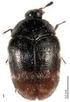 Rev. Chilena Ent. 2012, 37: 17-21 CONTRIBUTION TO THE KNOWLEDGE OF DERMESTIDAE (COLEOPTERA) FROM CHILE CONTRIBUCIÓN AL CONOCIMIENTO DE LOS DERMESTIDAE (COLEOPTERA) DE CHILE Jiří Háva 1 and Jaime Solervicens
Stanislav Jákl. Geologická 1218, CZ- Praha 5-Hlubočepy, Czech Republic e-mail: [email protected]
 Studies and Reports Taxonomical Series 10 (2): 453-464, 2014 Contribution to knowledge of Cosmiomorpha (Microcosmiomorpha) Mikšič, 1977 (Coleoptera: Scarabaeidae: Cetoniinae: Goliathini) with descriptions
A new araneid genus from the Galapagos Islands (Araneae: Araneidae)
 A new araneid genus from the Galapagos Islands (Araneae: Araneidae) Herbert W. Levi ABSTRACT Contrib. Nat. Hist. 12: 893 898. A new araneid, Galaporella thaleri sp. nov., similar to species of the genus
ISOPERLA UMPQUA A NEW SPECIES OF WESTERN NEARCTIC STONEFLY (PLECOPTERA: ISOPERLINAE)
 Szczytko, S.W. and K.W. Stewart. 2013. Isoperla umpqua, a new species of western Nearctic stonefly (Plecoptera: Isoperlinae). http://zoobank.org/ urn:lsid:zoobank.org:pub:2dca0e5d-15be-4f6b-af64-3ac7aa19b1f4
THREE NEW SPECIES OF MYRABOLIA REITTER (COLEOPTERA: CUCUJOIDEA: MYRABOLIIDAE)
 A N N A L E S Z O O L O G I C I (Warszawa), 2011, 61(2): 367-374 THREE NEW SPECIES OF MYRABOLIA REITTER (COLEOPTERA: CUCUJOIDEA: MYRABOLIIDAE) KAROL SZAWARYN 1 and WIOLETTA TOMASZEWSKA 2 Museum and Institute
New species and subspecies of Octavius from South Africa, with a key and additional distribution records (Coleoptera: Staphylinidae: Euaesthetinae)
 ACTA ENTOMOLOGICA MUSEI NATIONALIS PRAGAE Published 30.iv.2014 Volume 54(1), pp. 195 231 ISSN 0374-1036 http://zoobank.org/urn:lsid:zoobank.org:pub:d94600bd-1221-47b6-9c70-ba8c82b74cec New species and
Description of a new Omophron Latreille, 1802 species from Madagascar (Coleoptera: Carabidae: Omophronini)
 Baltic J. Coleopterol. 10(1) 2010 ISSN 1407-8619 Description of a new Omophron Latreille, 1802 species from Madagascar (Coleoptera: Carabidae: Omophronini) Uldis Valainis Valainis U. 2010. Description
A new species of Myrmarachne from Kenya (Araneae: Salticidae)
 Genus Vol. 13 (3): 409-415 Wroc³aw, 30 IX 2002 A new species of Myrmarachne from Kenya (Araneae: Salticidae) WANDA WESO OWSKA 1 and KATHRYN SALM 2 1 Zoological Institute, Wroc³aw University, Sienkiewicza
A NEW GENUS OF THE SPIDER SUBFAMILY GNAPHOSINA E FROM THE VIRGIN ISLANDS (ARANEAE, GNAPHOSIDAE ) Norman I. Platnick and Mohammad U.
 Platnick, N. I., and M. U. Shadab. 1977. A new genus of the spider subfamily Gnaphosinae from th e Virgin Islands (Araneae, Gnaphosidae). J. Arachnol. 3 :191-194. A NEW GENUS OF THE SPIDER SUBFAMILY GNAPHOSINA
A new species of Halystus from Socotra Island (Coleoptera: Curculionidae: Scolytinae: Polygraphini)
 ACTA ENTOMOLOGICA MUSEI NATIONALIS PRAGAE Published 17.xii.2012 Volume 52 (supplementum 2), pp. 511 516 ISSN 0374-1036 A new species of Halystus from Socotra Island (Coleoptera: Curculionidae: Scolytinae:
FIELD RECOGNITION OF THE LARVAE OF NATIVE COCCINELLIDAE, COMMON TO THE POTATO FIELDS OF AROOSTOOK COUNTY
 FIELD RECOGNITION OF THE LARVAE OF NATIVE COCCINELLIDAE, COMMON TO THE POTATO FIELDS OF AROOSTOOK COUNTY R. H. Storch Department of Entomolgy, University of Maine TECHNICAL BULLETIN 43 MAINE AGRICULTURAL
Article. Abstract. Introduction ALBERTO BALLERIO 1, BRUCE D. GILL 2 & VASILY V. GREBENNIKOV 2
 Zootaxa 2892: 1 24 (2011) www.mapress.com/zootaxa/ Copyright 2011 Magnolia Press Article ISSN 1175-5326 (print edition) ZOOTAXA ISSN 1175-5334 (online edition) Illustrated overview and identification key
Descriptions of two new species of Gyrocarisa (Trichoptera: Petrothrincidae)
 Zootaxa : 15 20 (2005) www.mapress.com/zootaxa/ Copyright 2005 Magnolia Press ISSN 1175-5326 (print edition) ZOOTAXA ISSN 1175-5334 (online edition) Descriptions of two new species of Gyrocarisa (Trichoptera:
MAURIZIO BIONDI and PAOLA D ALESSANDRO
 Eur. J. Entomol. 105: 719 736, 2008 http://www.eje.cz/scripts/viewabstract.php?abstract=1390 ISSN 1210-5759 (print), 1802-8829 (online) Taxonomical revision of the Longitarsus capensis species-group: An
HYDROPHILIDAE: I. Check list and key to Palearctic and Oriental genera of aquatic Hydrophilidae (Coleoptera)
 JÄCII & Jl (eels.): Water Beetles of China Vol. Ill 3S3-395 Wien, April 2003 HYDROPHILIDAE: I. Check list and key to Palearctic and Oriental genera of aquatic Hydrophilidae (Coleoptera) A. KOMAREK Abstract
ON A NEW SPECIES OF DENISONIA (REPTILIA, SERPENTES) FROM NEW GUINEA
 ON A NEW SPECIES OF DENISONIA (REPTILIA, SERPENTES) FROM NEW GUINEA by L. D. BRONGERSMA and M. S. KNAAP-VAN MEEUWEN Until now the Elapid genus Denisonia had not been recorded from New Guinea, and this
Review of the Haliplidae of Myanmar with description of Haliplus volpei (Coleoptera)
 Review of the Haliplidae of Myanmar with description of Haliplus volpei (Coleoptera) Bernhard J. van Vondel The present knowledge about the Haliplidae from Myanmar (Burma) is reviewed. Six species are
Description of a new Pygopleurus species (Col.: Glaphyridae), with a list of recorded species of the genera Pygopleurus and Eulasia from Iran
 Journal of Entomological Society of Iran 2007, 26(2), 1-6 1 Description of a new Pygopleurus species (Col.: Glaphyridae), with a list of recorded species of the genera Pygopleurus and Eulasia from Iran
The Genus Austroleptis from South Chile and Patagonia (Diptera, Rhagionidae)
 Title The Genus Austroleptis from (Diptera, Rhagionidae) South C Author(s) NAGATOMI, Akira; NAGATOMI, Hisako Citation 南 海 研 紀 要, 8(2): 139-156 Issue Date 1988-02-29 URL http://hdl.handle.net/10232/15696
floridanum Banks, the only species of the genus previously
 1944] Three Species o[ Coleosoma ]rom Florida 51 THREE SPECIES OF COLEOSOMA FROM FLORIDA (ARANE/E; THERIDIID.E) x BY ELIZABETH B. BRYANT Among material recently sent the Museum of Comparative Zoology by
New Mites in the Family Caeculidae
 BULLETIN OF THE U N IV E R SIT Y OF UTAH Vol. 35 March 15, 1945 No. 17 New Mites in the Family Caeculidae B Y STANLEY M ULAIK BIOLOGICAL SERIES, Vol. VIII, No. 6 PUBLISHED BY THE UNIVERSITY OF UTAH SALT
A revision of the Aphthona gracilis species group (Coleoptera: Chrysomelidae) A.S. Konstantinov
 Труды Русского энтомологического общества. С.-Петербург, 2006. Т. 77: 178 188. Proceedings of the Russian Entomological Society. St. Petersburg, 2006. Vol. 77: 178 188. A revision of the Aphthona gracilis
FOLIA ENTOMOLOGICA HUNGARICA ROVARTANI KÖZLEMÉNYEK Volume 70 2009 pp. 219 224
 FOLIA ENTOMOLOGICA HUNGARICA ROVARTANI KÖZLEMÉNYEK Volume 70 2009 pp. 219 224 Contributions to the knowledge of the scuttle fly fauna of Hungary (Diptera: Phoridae) G. D. LENGYEL Department of Zoology,
A TAXONOMIC TREATMENT OF THE SPECIES OF ORTHOGONIUS MACLEAY (COLEOPTERA: CARABIDAE: ORTHOGONIINI) OF SINGAPORE
 THE RAFFLES BULLETIN OF ZOOLOGY 2007 THE RAFFLES BULLETIN OF ZOOLOGY 2007 55(2): 261 266 Date of Publication: 31 Aug.2007 National University of Singapore A TAXONOMIC TREATMENT OF THE SPECIES OF ORTHOGONIUS
On the Scaphidiidae (Coleoptera) of Chile
 Ent. Arb. Mus. Frey 31/32, 1983 161 On the Scaphidiidae (Coleoptera) of Chile By Ivan Löbl Geneva Abstract The Chilian Scaphidiidae are reviewed. Eight species, all belonging to the genus Baeocera Erichson,
Description of three new species of Helconichia Sharkey & Wharton (Hymenoptera: Braconidae: Ichneutinae) with a revised key to all species
 Zootaxa 1502: 45 53 (2007) www.mapress.com/zootaxa/ Copyright 2007 Magnolia Press ISSN 1175-5326 (print edition) ZOOTAXA ISSN 1175-5334 (online edition) Description of three new species of Helconichia
How To Identify A Byrrhidae Beetle
 Quoderno di Srudi e Nolizie di Storio Nolurole dello Romogno Quad. Studi Nat. Romagna, 17 suppl.: 55-61, giugno 2003 lssn 1123-6787 Roberto Fabbri & Hong-zhangZhou- THR.EE NEW SPECIES OF THE GENUS BYRRIIUS
A new species of Ohilimia Strand, 1911 from New Guinea (Araneae: Salticidae)
 Genus Vol. 21(4): 625-629 Wrocław, 27 XII 2010 A new species of Ohilimia Strand, 1911 from New Guinea (Araneae: Salticidae) Joanna Gardzińska 1 & Barbara Patoleta 2 Katedra Zoologii, Uniwersytet Przyrodniczo-Humanistyczny
A new species of Fissiphalliidae from Brazilian Amazon Rain Forest (Arachnida: Opiliones)
 Zootaxa : 1 6 (2004) www.mapress.com/zootaxa/ Copyright 2004 Magnolia Press ISSN 1175-5326 (print edition) ISSN 1175-5334 (online edition) A new species of Fissiphalliidae from Brazilian Amazon Rain Forest
THREE NEW AGAMID LIZARDS FROM WESTERN AUSTRALIA
 Rec. West. Aust. Mus. 1981,8 (4) THREE NEW AGAMID LIZARDS FROM WESTERN AUSTRALIA G.M. STORR* ABSTRACT Three recently discovered species are described as new: Tympanocryptis aurita from east Kimberley,
A new species of tiger beetle from Hong Kong Protocollyris ngaungakshani Wiesner, 2012 P. 2-3
 Insect News Hong Kong Entomological Society Newsletter Protocollyris ngaungakshani Wiesner, 2012 Photo by Vor YIU A new species of tiger beetle from Hong Kong Protocollyris ngaungakshani Wiesner, 2012
Council of Ambulance Authorities
 Council of Ambulance Authorities Patient Satisfaction Survey 2013 Prepared for: Mojca Bizjak-Mikic Manager, Data & Research The Council of Ambulance Authorities Prepared by: Natasha Kapulski Research Associate
ANNALES HISTORICO-NATURALES MUSEI NATIONALIS HUNGARICI Volume89. Budapest, 1997 pp. 151-156.
 ANNALES HISTORICO-NATURALES MUSEI NATIONALIS HUNGARICI Volume89. Budapest, 1997 pp. 151-156. Three new species and a new subspecies of Meoneura from the Alps (Diptera, Carnidae) L. PAPP Department of Zoology,
A new species of Heteropoda (Araneae, Sparassidae, Heteropodinae) from Laos, the largest huntsman spider?
 A new species of Heteropoda (Araneae, Sparassidae, Heteropodinae) from Laos, the largest huntsman spider? Peter JAEGER Johannes Gutenberg-University Institute for Zoology, 55099 Mainz (Germany) [email protected]
IDENTIFICATION OF ADULT CORIXIDS 25
 IDENTIFICATION OF ADULT CORIXIDS 25 THE IDENTIFICATION OF BRITISH ADULT SPECIMENS OF SIGARA LATERALIS (LEACH), SIGARA CONCINNA (FIEBER), CALLICORIXA PRAEUSTA (FIEBER) AND CALLICORIXA WOLLASTONI (DOUGLAS
P O L I S H J O U R N A L O F E N T O M O L O G Y
 P O L I S H J O U R N A L O F E N T O M O L O G Y P O L S K I E P I S M O E N T O M O L O G I C Z N E VOL. 76: 177-182 Bydgoszcz 30 September 2007 Harmonia axyridis (PALLAS, 1773) (Coleoptera: Coccinellidae)
e-mail: [email protected] 2 Linkoping University, Sweden
 Studies and Reports Taxonomical Series 7 (1-2): 337-348, 2011 New Allecula species (Coleoptera: Tenebrionidae: Alleculinae) from Turkey Vladimír NOVÁK 1, Nicklas JANSSON 2, Mustafa AVCI 3, Oguzhan SARIKAYA
Specimen Labels v. 09/2002
 Division of Arthropods Museum of Southwestern Biology The University of New Mexico Specimen Labels v. 09/2002 All arthropod museum specimens must be properly labeled as to geographic collection locality,
Entomofauna Ansfelden/Austria; download unter www.biologiezentrum.at
 Entomofauna Ansfelden/Austria; download unter www.biologiezentrum.at Entomofauna ZEITSCHRIFT FÜR ENTOMOLOGIE Band 32, Heft 32: 429-436 ISSN 0250-4413 Ansfelden, 25. November 2011 Two new species of Alocanthedon
ZOOLOGISCHE MEDEDELINGEN
 ZOOLOGISCHE MEDEDELINGEN UITGEGEVEN DOOR HET RIJKSMUSEUM VAN NATUURLIJKE HISTORIE TE LEIDEN (MINISTERIE VAN CULTUUR, RECREATIE EN MAATSCHAPPELIJK WERK) Deel 56 no. 1 15 augustus 1980 T H E GENUS ODONTOFROGGATIA
Article. http://dx.doi.org/10.11646/zootaxa.3841.1.7 http://zoobank.org/urn:lsid:zoobank.org:pub:6fb24193-a0db-4494-8c2c-f7591e614e9c
 Zootaxa 3841 (1): 127 134 www.mapress.com/zootaxa/ Copyright 2014 Magnolia Press Article http://dx.doi.org/10.11646/zootaxa.3841.1.7 http://zoobank.org/urn:lsid:zoobank.org:pub:6fb24193-a0db-4494-8c2c-f7591e614e9c
Management of the Giant Northern Termite
 Agnote Management of the Giant Northern Termite (Mastotermes darwiniensis) B. M. Thistleton, M. J. Neal and E. S. C. Smith, Plant Industries, Darwin No: I58 July 2013 INTRODUCTION Termites are small, secretive
Insect identification sheet
 information leaflet Insect identification sheet To enable you to identify the insect you have in your home, we have provided some identification sheets. These depict the most common pest species that you
Australian Catholic Schools 2012
 Australian Catholic Schools 2012 Foreword Australian Catholic Schools 2012 is the tenth annual report on enrolment trends in Catholic schools from the NCEC Data Committee. As with previous editions, this
SPLITS AND CRACKS IN WOOD
 SPLITS AND CRACKS IN WOOD Fred M. Lamb, Professor Virginia Tech Blacksburg, Virginia INTRODUCTION Splits and cracks in wood are ruptures or separations in the grain of the wood which reduce the quality
A Key to the Empoasca Solana Complex with Descriptions of New Species
 The Ohio State University Knowledge Bank kb.osu.edu Ohio Journal of Science (Ohio Academy of Science) Ohio Journal of Science: Volume 60, Issue 5 (September, 1960) 1960-09 A Key to the Empoasca Solana
Information Bulletin AN INCREASING INDIGENOUS POPULATION? IMPLICATIONS FOR THE CRIMINAL JUSTICE SYSTEM. Justine Doherty
 Information Bulletin OFFICE OF CRIME STATISTICS No 32 April 2002 AN INCREASING INDIGENOUS POPULATION? IMPLICATIONS FOR THE CRIMINAL JUSTICE SYSTEM Justine Doherty ATTORNEY-GENERAL S DEPARTMENT Introduction
A new click beetle genus from the Chilean Central Andes: Bohartina (Coleoptera, Elateridae, Elaterinae)
 A new click beetle genus from the Chilean Central Andes: Bohartina (Coleoptera, Elateridae, Elaterinae) Elizabeth T. Arias Essig Museum of Entomology, University of California, Berkeley, 210 Wellman Hall.
SILVANUS MUTICUS SHARP, 1899: AN AMERICAN SILVANID FOUND OUT-OF-DOORS IN TWO GREEK ISLANDS (Coleoptera Cucujoidea Silvanidae)
 Boll. Mus. Civ. St. nat. Venezia, 53 (2002) 2002: 207-211. Enrico Ratti SILVANUS MUTICUS SHARP, 1899: AN AMERICAN SILVANID FOUND OUT-OF-DOORS IN TWO GREEK ISLANDS (Coleoptera Cucujoidea Silvanidae) Riassunto.
A new genus and species of Tricorythidae (Ephemeroptera : Pannota) from Madagascar
 Annls Limnol. 31 (3) 1995 : 179-183 A new genus and species of Tricorythidae (Ephemeroptera : Pannota) from Madagascar W.P. McCafferty 1 T.-Q. Wang 1 Keywords : Tricorythidae, Madagascar, Provonshaka,
Rediscovery of Cicindela scabrosa floridana Cartwright (Coleoptera: Cicindelidae) and its elevation to species level
 INSECTA MUNDI A Journal of World Insect Systematics 0162 Rediscovery of Cicindela scabrosa floridana Cartwright (Coleoptera: Cicindelidae) and its elevation to species level David Brzoska 2740 Island Pond
Legal Aid Schemes and Services Approval 2013
 Legal Aid Schemes and Services Approval 2013 Family Law (Fee) Regulation 2012, Federal Magistrates and Federal Court Regulations 2012, High Court of Australia (Fees) Regulations 2012 I, NICOLA ROXON, Attorney-General,
Home loan affordability report
 Home loan affordability report Joint Quarterly Survey No. 89. ember Quarter Low affordability challenges Gen X, Y Home loan affordability has taken another beating as the proportion of family income required
TWO NEW FRESHWATER SPECIES OF THE GENUS JESOGAMMARUS (CRUSTACEA: AMPHIPODA: ANISOGAMMARIDAE) FROM CHINA
 THE RAFFLES BULLETIN OF ZOOLOGY 2004 THE RAFFLES BULLETIN OF ZOOLOGY 2004 52(2): 455-466 National University of Singapore TWO NEW FRESHWATER SPECIES OF THE GENUS JESOGAMMARUS (CRUSTACEA: AMPHIPODA: ANISOGAMMARIDAE)
Exhibit Inquiry. Rainforest. Aug 11
 Exhibit Inquiry Exhibit Inquiry Have students look for the following exhibits related to living things during their visit to the Ontario Science Centre: Where to go: (Level 6) What it's about: Tropical
A new species of Urophora Robineau-Desvoidy, 1830 (Diptera:Tephritidae) from Turkey with a key to the dzieduszyckii group 1
 Türk. entomol. derg., 2014, 38(2): 149-155 ISSN 1010-6960 Orijinal araştırma (Original article) A new species of Urophora Robineau-Desvoidy, 1830 (Diptera:Tephritidae) from Turkey with a key to the dzieduszyckii
International Specification for Ski Orienteering Maps ISSkiOM
 International Specification for Ski Orienteering Maps ISSkiOM Rev 12 February 2015 corrected mistake (PMS 345-> PMS 354), page 3 2014 Approved by IOF Ski Orienteering Commission, October 2014 Approved
So, you want to make a photo-realistic rendering of the Earth from orbit, eh? And you want it to look just like what astronauts see from the shuttle
 So, you want to make a photo-realistic rendering of the Earth from orbit, eh? And you want it to look just like what astronauts see from the shuttle or ISS (International Space Station). No problem. Just
specimen, a practically complete cranium, was found by the author's
 Article 56.9,33N XLI.- PRELIMINARY DIAGNOSIS OF AN APPARENTLY NEW FAMILY OF INSECTIVORES. BY H. E. ANTHONY. PLATE XXIII. In July, 1916, while searching for remains of fossil mammals in Porto Rico, in accordance
2015 AVAGO 2D SEISMIC SURVEY ENVIRONMENTAL MANAGEMENT PLAN SUMMARY
 ENVIRONMENTAL MANAGEMENT PLAN SUMMARY TABLE OF CONTENTS 1. INTRODUCTION... 3 2. DESCRIPTION OF ACTIVITY... 4 3. DESCRIPTION OF THE ENVIRONMENT... 4 4. DESCRIPTION OF THE ACTIVITY IN RELATION TO THE ENVIRONMENT...
ANIMALS AND THEIR HABITATS: KS1 STUDENT RESOURCES
 ANIMALS AND THEIR HABITATS: KS1 STUDENT RESOURCES PLANT OR ANIMAL? (Lesson 1:1) Card sort task: print out and get the students to sort them into: Plants or Animals. Get the students to explain why they
Sergey V. Kazantsev Ñ.Â. Êàçàíöåâ
 Russian Entomol. J. 8(4): 77 8 RUSSIAN ENTOMOLOGICAL JOURNAL, 009 On the status and systematic position of the genera Falsolucidota Pic, 9 and Macrolycinella Pic, 9, with notes on Lopheros LeConte, 88
DEPARTMENT OF THE ATTORNEY-GENERAL AND JUSTICE. NORTHERN TERRITORY ANNUAL CRIME STATISTICS Issue 1: 2011-12
 DEPARTMENT OF THE ATTORNEY-GENERAL AND JUSTICE NORTHERN TERRITORY ANNUAL CRIME STATISTICS Issue 1: 2011-12 Northern Territory Annual Crime Statistics Issue 1: 2011-12 Northern Territory of Australia, Department
Reptiles and Amphibians of Curaçao
 33 Reptiles and Amphibians of Curaçao BY Dr. Nelly de Rooij (With 2 Figures). The Zoological Museum of Amsterdam received some collections of reptiles from Curaçao made by Dr. J. BOEKE in 1905, by Dr.
Psychologists in Focus
 Australia s Health Workforce Series Psychologists in Focus March 2014 1 Health Workforce Australia. This work is copyright. It may be reproduced in whole or part for study or training purposes. Subject
The Year of Living Dangerously
 The Year of Living Dangerously January 2011 Suncorp Life Accident Series Disclaimer Suncorp Life s Year of Living Dangerously report examines data prepared, published and publicly available from the Australian
AUSTRALIAN PUBLIC LIBRARIES STATISTICAL REPORT 2011-2012
 AUSTRALIAN PUBLIC LIBRARIES STATISTICAL REPORT 2011-2012 Compiled by Regional Access and Public Libraries, State Library of Queensland July 2013 Foreword The National Library and the State and Territory
Health expenditure Australia 2011 12: analysis by sector
 Health expenditure Australia 2011 12: analysis by sector HEALTH AND WELFARE EXPENDITURE SERIES No. 51 HEALTH AND WELFARE EXPENDITURE SERIES Number 51 Health expenditure Australia 2011 12: analysis by sector
Flanged Bombardier Beetles from Laos (Carabidae, Paussinae)
 Entomologica Basiliensia et Collectionis Frey 31 101 113 2009 ISSN 1661 8041 Flanged Bombardier Beetles from Laos (Carabidae, Paussinae) by Peter Nagel Abstract. The Paussinae of Laos were recently studied
Notes on the Bembidiina of Taiwan with description of three new species (Coleoptera: Carabidae)
 ACTA ENTOMOLOGICA MUSEI NATIONALIS PRAGAE Published 15.xii.2009 Volume 49(2), pp. 577 598 ISSN 0374-1036 Notes on the Bembidiina of Taiwan with description of three new species (Coleoptera: Carabidae)
SPECIES DESCRIPTION Picture
 SPECIES DESCRIPTION Picture German Cockroach Cockroach egg case & nymphs 12-15mm (Adult Stage)Mid to dark brown body. Lighter area with 2 dark bars behind head. Wings. Very long antennae. Young are smaller
4 Community mental health care and hospital outpatient services
 4 Community mental health care and hospital outpatient services A large proportion of the treatment of mental illness is carried out in community and hospital-based ambulatory care settings. These specialised
AUSTRALIAN MUSEUM SCIENTIFIC PUBLICATIONS
 AUSTRALIAN MUSEUM SCIENTIFIC PUBLICATIONS Bayly, I. A. E., 1971. A new species of Kelleria (Copepoda: Cyclopoida) from brackish water in Victoria. Records of the Australian Museum 28(6): 111 116. [27 September
Australia s Health Workforce Series. Pharmacists in Focus. March 2014. HWA Australia s Health Workforce Series Pharmacists in Focus
 Australia s Health Workforce Series Pharmacists in Focus March 2014 1 Health Workforce Australia. This work is copyright. It may be reproduced in whole or part for study or training purposes. Subject to
New species of Cerambycinae (Coleoptera, Cerambycidae) from South America
 INSECTA MUNDI A Journal of World Insect Systematics 0115 New species of Cerambycinae (Coleoptera, Cerambycidae) from South America Maria Helena M. Galileo Museu de Ciências Naturais, Fundação Zoobotânica
Chec List Journal of species lists and distribution
 Check List 8(5): 889 893, 2012 2012 Check List and Authors ISSN 1809-127X (available at www.checklist.org.br) Chec List Journal of species lists and distribution N o t e s on Geogra p h i c Distribution
TRAVEL BY AUSTRALIANS
 TRAVEL BY AUSTRALIANS Quarterly results of the National Visitor Survey JUNE 2013 TRAVEL BY AUSTRALIANS Travel by Australians June 2013 Quarterly Results of the National Visitor Survey Image: Sailing,
A review of Hippeutister Reichensperger with new species from California and Costa Rica (Coleoptera: Histeridae: Hetaeriinae)
 Zootaxa 1895: 39 52 (2008) www.mapress.com/zootaxa/ Copyright 2008 Magnolia Press ISSN 1175-5326 (print edition) ZOOTAXA ISSN 1175-5334 (online edition) A review of Hippeutister Reichensperger with new
Pricing, Cost Structures, and Profitability in the Australian Vegetable Industry
 Pricing, Cost Structures, and Profitability in the Australian Vegetable Industry This paper examines some key financial aspects of the Australian vegetable industry as it relates to pricing and costs of
Description of a new species of Phaenonotum from eastern Cuba (Coleoptera: Hydrophilidae: Sphaeridiinae)
 ACTA ENTOMOLOGICA MUSEI NATIONALIS PRAGAE Published 15.xi.2013 Volume 53(2), pp. 615 622 ISSN 0374-1036 http://zoobank.org/urn:lsid:zoobank.org:pub:b94af43d-e483-4eb7-b1b6-c48e6492f66a Description of a
How to Age Golden Eagles
 ADVANCES IN BIRD IDENTIFICATION How to Age Golden Eagles Techniques for Birds Observed in Flight Hawk identification has advanced considerably in recent years. With the arrival of new field guides, new
Student worksheet. Bugs. Complete metamorphosis Dung Beetle lifecycle. Incomplete metamorphosis Leafhopper lifecycle
 Complete metamorphosis Dung Beetle lifecycle Incomplete metamorphosis Leafhopper lifecycle Museum Victoria Bugs Classroom Activities Section 3 6 A Diving Beetle s story Museum Victoria Bugs Classroom Activities
Council of Ambulance Authorities
 Council of Ambulance Authorities National Patient Satisfaction Survey 2015 Prepared for: Mojca Bizjak-Mikic Manager, Data & Research The Council of Ambulance Authorities Prepared by: Dr Svetlana Bogomolova
Employment Outlook for. Electricity, Gas, Water and Waste Services
 Employment Outlook for Electricity, Gas, Water and Waste Contents INTRODUCTION... 3 EMPLOYMENT GROWTH... 4 EMPLOYMENT PROSPECTS... 6 VACANCY TRENDS... 8 WORKFORCE AGEING... 10 EMPLOYMENT BY GENDER AND
Climate, Vegetation, and Landforms
 Climate, Vegetation, and Landforms Definitions Climate is the average weather of a place over many years Geographers discuss five broad types of climates Moderate, dry, tropical, continental, polar Vegetation:
FOLIA ENTOMOLOGICA HUNGARICA ROVARTANI KÖZLEMÉNYEK Volume 73 2012 pp. 29 33
 FOLIA ENTOMOLOGICA HUNGARICA ROVARTANI KÖZLEMÉNYEK Volume 73 2012 pp. 29 33 Seven new beetle species in the Hungarian fauna (Coleoptera) O. MERKL 1*, G. HEGYESSY 2, M. MOLNÁR 3, T. NÉMETH 1, D. SZALÓKI
AUSTRALIAN PUBLIC LIBRARIES STATISTICAL REPORT 2010-2011. Final Report
 AUSTRALIAN PUBLIC LIBRARIES STATISTICAL REPORT 2010-2011 Final Report Compiled by Public & Indigenous Library Services State Library of Queensland July 2012 Foreword The National Library and the State