
Background Š Compression neuropathy: Nerve compression resulting in nerve dysfunction. Upper Extremity Nerve Entrapments
|
|
|
- Roberta Foster
- 10 years ago
- Views:
Transcription
1 Upper Extremity Nerve Entrapments Compression Neuropathies: Pathophysiology Scott P. Olvey, MD 1 2 Goals Understand peripheral nerve histology Understand the pathophysiology of peripheral nerve compression Identify the crucial elements necessary to establish an appropriate clinical diagnosis Introduction Carpal Tunnel Syndrome (CTS) most common form of compressive neuropathy Electrodiagnostics provide objective data regarding compression (but not 100% sensitive) Compression causes vascular insult and mechanical impedance 3 4 Background Compression neuropathy: Nerve compression resulting in nerve dysfunction Dysfunction may be symptomatic (numbness, tingling, pain) or asymptomatic (EMG/NCS findings only) Mechanical compression may cause axonal occlusion Compression may cause occlusion of microvascular inflow/outflow Background Nerve compression may occur at several locations Most commonly involves median nerve Ulnar, radial, lateral antebrachial cutaneous nerves also to be considered Compression usually emanates from extrinsic factors (swelling, unforgiving fascia, masses) Compression may occur intrinsically (neural tumor) 5 6 1

2 Background: Neurons and Axons Neuron: Basic unit of peripheral nerve Cell body with outreaching cytoplasmic extension (dendrites and axon) ending in synaptic terminals Axon provides: Nerve conduction (impulse) Axonal transport (cellular products/proteins) Multiple neurons grouped in fascicles create a peripheral nerve Epineurium External epineurium Outer most layer of peripheral nerve Anchors blood vessels entering from tissue Internal epineurium Fills spaces between fascicles Provides cushioning and protection 7 8 Perineurium Encircles each fascicle Creates a diffusion barrier An extension of the blood-brain barrier Maintains a positive pressure within fascicles Pressure difference important for axon functions (transport and conduction) Strongest component of peripheral nerve withstanding stretch/traction injury Endoneurium Innermost collagen layer surrounding individual axons Single or double layer of endoneurium Vessels penetrate endoneurium Longitudinal vessel network interconnected in epi-, peri-, & endoneurium Allows nerves to mobilize over long distances Allows excursion over joints 9 10 Epidemiology Up to 10% of the general population will suffer from compressive neuropathy Most commonly carpal tunnel syndrome Multiple risk factors identified Obesity Hypothyroidism Diabetes Pregnancy Renal disease Inflammatory arthritis Acromegaly Risk Factors Mucopolysaccharidosis Gender (women > men) Genetic predisposition Age (> 50 years of age) Smoking Occupational exposure

3 Pathophysiology: Multifactorial Systemic disease creates at risk environment Diabetes, hypothyroidism, smoking Microvascular disease Symptoms develop when pressure exceeds nerve threshold Pathophysiology: Multifactorial Peripheral Compressive Location Stocking/glove Anatomic (peripheral nerve) Bilateral? Diabetes and microvascular disease may result in peripheral neuropathy Usually bilateral, symmetric May be unilateral, asymmetric Onset Slow, progressive Slow, progressive Tinel s Usually negative Often positive Injection response None Often relieved (+/- transient) Pathophysiology: Multifactorial Long standing changes may not reverse due to vascular insult and fibrosis Traction: Compression may inhibit glide and contribute to neuropathy Poor glide leads to poor microvascular inflow/outflow Nerve may glide up to 15 mm at wrist or elbow Double Crush Double crush: Proteins and cell body products travel distally, while breakdown products travel proximally Disruption at one level decreases threshold elsewhere Either site may be asymptomatic without second insult Brachial plexus or thoracic outlet may put distal nerve at risk General Principles of Diagnosis History, physical examination and laboratory data help determine presence of specific lesion Testing: No test is 100% specific and sensitive EMG/NCS Hand diagrams Static 2-point discrimination Semmes-Weinstein Provocative maneuvers Physical findings (atrophy, clawing, etc.) General Principles: Electrodiagnostics Often only objective measure available Not always positive in early stages False negative results may occur Operator dependent Allows localization of lesion with inching technique Allows measure of progression/resolution Normal values may vary between laboratories Conduction velocities are temperature dependent


4 Summary Compression leads to vascular insult and blocks axonal transport and conduction Multiple sites of potential compression Localization and correct diagnosis allows appropriate treatment Consider effect of systemic disease EMG/NCS assists in diagnosis CTS most common 19 Compression Neuropathies: Carpal Canal and Pronator 20 Goals Median Nerve Anatomy O Know criterion for diagnosis of Carpal Tunnel Syndrome, Anterior Interosseous Syndrome and Pronator Syndrome. O Understand specific examination and tests used to diagnosis median nerve compression syndromes O Know options for non operative and operative treatment of median nerve compression syndromes O Originates from lateral and medial cords of the Brachial Plexus O Contains fibers from the C6, C7, C8 and T1 nerve roots and sometimes from C5. 21 Median Nerve Anatomy O Travels down medial arm to the cubital fossa O Enters forearm medial to the brachial artery O Passes through the two heads of the pronator teres O Gives off no branches in the upper arm. O Give anterior interosseus branch as it passes under the pronator 23 Median Nerve Anatomy Muscles Supplied in Forearm OMedian Nerve Proper M Pronator Teres (PT) Muscle M Flexor Carpi Radialis (FCR) M Palmaris Longus (PL) M Flexor Digitorum Superficialis (FDS) OAnterior Interosseous N M Flexor Digitorum Profundus (FDP) to index and long fingers M Flexor Pollicis Longus (FPL) M Pronator Quadratus (PQ) 24 4


5 Carpal Tunnel Anatomy O Contents M median nerve M FDP index-small M FDS index-small M FPL O Borders M transverse carpal ligament (TCL) M L roof of carpal tunnel L connects from the pisoform and hook of the hamate to the scaphoid tuberosity and trapezial beak. L ligament is confluent with antebrachial fascia of forearm carpus forms radial and ulnar borders and floor 25 O Idiopathic Carpal Tunnel Syndrome - 3:1 Female : Male - 4th-5th decade and beyond - Correlates most with increased Body mass index (BMI) O Other Risk Factors - Diabetes, hypothyroidism, rheumatoid arthritis and pregnancy Epidemiology 26 Symptoms Carpal Tunnel Syndrome Aggravators of Symptoms O The symptoms of carpal tunnel are those caused by dysfunction of the sensory and motor components of the median nerve. O Sensory symptoms include decreased sensation (numbness), tingling in the median nerve sensory distribution and pain radiating both in the distribution of the median nerve and more proximally up the arm. Dorsal Palmar Patients will report the symptoms as worse with activities which increase the pressure on the median nerve in the carpal tunnel such as driving a car, grasping vigorously, operating heavy/ vibrating equipment or sleeping (when a flexed wrist posture can increase pressure). Regional Review Course 1998 Specific Motor Functions O Testing of FPL for anterior interosseous nerve lesion O Testing of Index FDP for anterior interosseous nerve lesion O Testing of Abductor Pollicis Brevis via palpation of APB with resisted opposition Clinical Evaluation O Observation for thenar atrophy O Sensory testing O Motor testing (APB) O Provocative testing via median nerve compression O Electrodiagnostic testing Courtesy of Andrew P. Gutow, MD 30 5


6 Observed Signs The primary visible sign of carpal tunnel syndrome is isolated thenar atrophy 31 Sensory Testing O Can help determine the level of the lesion M No sensory deficits: Pure motor lesion L Anterior Interosseous Nerve Syndrome M A sensory deficit in dermatomal pattern L cervical radiculopathy (e.g. C6 nerve root compression) M Absence of palmar cutaneous sensation suggests lesions above carpal tunnel 32 Courtesy of Andrew P. Gutow, MD Phalen s Test Tinel s (Sign) Test Phalen s test of wrist flexion is positive if it recreates the symptoms of numbness or tingling within 60 seconds. Helpful to reconfirm diagnosis with clinical history (sensitivity 0.75) but has high incidence of fall positive (specificity 0.47). Courtesy of Andrew P. Gutow, MD The test is gravity assisted without extreme flexion of the elbow, which can cause ulnar nerve symptoms from stretching of the ulnar nerve in the cubital tunnel in the elbow. Direct tapping of a irritated nerve can recreate tingling in the sensory distribution of the nerve. For the median nerve tapping at the proximal aspect of the carpal tunnel over the median nerve is confirmatory (sensitivity 0.60) but not absolute (specificity 0.67). Courtesy of Andrew P. Gutow, MD The median nerve enters the carpal tunnel just radial to the palmaris longus at the ulnar side of the thenar eminence. Compression Test (Durkan s) Median nerve compression test - Most sensitive (0.87) and specific ( 0.90) provocative test - Direct pressure is placed over the median nerve at the carpal tunnel. - Positive test recreates within 30 seconds the patient s sense of tingling or numbness in the median nerve distribution. Electro diagnostic Testing O Nerve Conduction Velocity (NCV) and Electromyography (EMG). These studies can help confirm the diagnosis of carpal tunnel syndrome, but do not in themselves give a diagnosis which requires treatment without co occurring symptoms. Courtesy of Andrew P. Gutow, MD 36 O NCV/EMG can be helpful in confirming the anatomic level of compression of a nerve and in looking for more proximal lesions or generalized neuropathies. 6


7 Electro diagnostic Testing Electromyogram (EMG) O NCV testing measures both conduction velocity as well as the amplitude of action potentials. O NCV can show slowing of conduction latencies (distal latency) across the carpal tunnel and decreased action potential amplitude. O Sensory conduction latencies (distal sensory latency) increase first in mild cases before motor conduction latencies increase. O Decreased amplitude of the compound motor action potential (CMAP) is a finding in more severe disease O Needle EMG study requires direct recording from a muscle and is used to assess for denervation or to measure severity of the nerve dysfunction. O Denervated muscles show increased insertional activity, abnormal fibrillation potentials at rest and poor recruitment of motor units. O EMG can be helpful in separating proximal from distal nerve compression if muscles proximal to the carpal tunnel are tested and also show evidence of denervation. Prevention O Control of contributing diseases M M M Control sugar in DM Medically control tenosynovitis in RA Correct Hypothyroidism O No strong evidence of prevention from work modification. M Some suggestion of benefit to avoidance of continual strenuous grasping and extreme wrist positions Treatment O Decreasing the pressure in the carpal tunnel thereby improving the blood flow O Non operative treatment decrease the volume of structures in the carpal tunnel by treating tendon enlargement or improve median nerve nourishment by using night time neutral wrist splinting to provide a daily period of improved blood flow. 39 Courtesy of Andrew P. Gutow, MD Cortisone Injection Injection of corticosteroid has been shown to improve symptoms, although at one year follow up only 20-50% of patients injected were symptom free. Surgical Treatment O Increases space available for the median nerve by sectioning transverse carpal ligament opening up the volar aspect of the carpal tunnel. O Slight increase risk of nerve or tendon injury with minimal incision methods, with long term outcome and complication similar for all techniques with > 90% success and patient satisfaction rates


8 Anterior Interosseous Syndrome Definition Anterior Interosseous Syndrome Treatment O Anterior Interosseous : pressure on nerve in proxminal forearm or neuritis (Parsonage- Turner) O The symptoms and signs : weakness of AIN innervated FDP, FPL, PQ muscles and vague sensory pain Anterior Interosseous Syndrome often spontaneously resolves. O O Surgical treatment is directed at release of the compression on the AIN in the forearm with fibrous bands of the pronator teres most frequently the site. Pronator Syndrome Definition Pronator Syndrome Points of Compression O Pronator Syndrome is a disorder caused by pressure induced dysfunction of the median nerve in the distal arm and proximal forearm. O The symptoms and signs of pronator syndrome are the symptoms and signs of proximal median nerve dysfunction with both motor and sensory defecits In Pronator Syndrome, from proximal to distal, the median nerve can be compressed in the arm beneath the ligament of struthers, under the lacertus fibrosis, between the heads of the pronator teres muscle and finally under the proximal arch of the FDS muscle. Regional Review Course O Diagnosis of pronator syndrome requires recognition of median nerve motor and sensory deficits proximal to the wrist. O Non operative treatment with rest, activity modification frequently successful O Surgical treatment of pronator syndrome, requires identification of the point of compression and then surgical release of the offending structures. 47 Pronator Syndrome Diagnosis and Treatment Diagnosis of Median Nerve Compression Syndromes Diagnosis is founded on: A clear history of specific symptoms. Clinically apparent signs. Clinically measurable sensory and motor deficits. Reproducible provocative diagnostic tests And, if needed, electro diagnostic tests. 48 8


9 Goals Compressive Neuropathies: Cubital Tunnel O Understand: M Anatomy of the ulnar nerve at the elbow M Pathophysiology of cubital tunnel syndrome M Symptoms of patients with cubital tunnel syndrome M Key points in the physical examination M The role of electrodiagnostic studies M Options for treatment M Post operative management M Expectations after surgery Cubital Tunnel Syndrome Describes the Symptom Complex Associated With Compression of the Ulnar Nerve at the Elbow. Cubital Tunnel Review Key Points of the Presentation Medial epicondyle Path of ulnar nerve passing posterior to the medial epicondyle through the cubital tunnel O Initial symptoms in cubital tunnel can be non-specific (weakness, decreased coordination, or clumsiness). O Consider compression at other levels. O Educate the patient in non-operative management. O Pay attention to all possible points of compression in surgical treatment. Courtesy of S. Houston Payne, MD 52 Anatomy of the Ulnar Nerve Anatomy of the Ulnar Nerve O The ulnar nerve is a continuation of the medial cord of the brachial plexus and contains nerve fibers from the eight cervical (C8) and first thoracic (T1) roots. O It descends in the medial brachium posterior to the medial intermuscular septum. O The cubital tunnel is a fibro osseous tunnel bordered medially by the elbow joint. It maintains the nerve in the ulnar groove posterior to the medial epicondyle. Medial epicondyle Medial intermuscular septum Proximal Courtesy of John G. Seiler, MD Cubital tunnel containing ulnar nerve, posterior to the medical epicondyle 9


10 Anatomy of the Ulnar Nerve O Innervation to the flexor carpi ulnaris and the flexor digitorum profundus (FDP) of the ring and small finger. O Above the wrist the dorsal cutaneous branch passes dorsally on the ulnar margin of the forearm to provide sensation to the dorso-ulnar aspect 55 of the hand. Anatomy of the Ulnar Nerve 56 O Below the wrist the nerve enters the hand through the canal of Guyon. O It provides sensation to the ulnar border of the ring finger and both borders of the small finger. O Motor fibers extend to the hypothenar musculature, ulnar two lumbricals, and the interosseous muscles. Anatomy of the Ulnar Nerve Clinical Presentation of Cubital Tunnel Syndrome O classic presentation: O This innervation pattern is the classic description. However, as in all anatomy variations of sensory and motor innervation exist. Courtesy of S. Houston Payne, MD Area of sensibility testing for ulnar nerve, palm of hand 58 M a complaint of parasthesias or numbness in the ulnar two digits M pain or soreness in the medial elbow and/or forearm M the patient may note that the symptoms are worsened with elbow flexion and may awaken them at night. Clinical Presentation of Cubital Tunnel Syndrome Clinical Presentation of Cubital Tunnel Syndrome O In severe cases muscle atrophy will be present. O This is most easily appreciated in the first dorsal interosseous muscle. OCubital tunnel may present with more vague or subtle symptoms. These include: Measy fatigue ability in the hand Ma subtle sense of clumsiness Mweakness or dropping things


11 Pathophysiology of Cubital Tunnel Syndrome OWith elbow flexion, the ulnar nerve is placed under the traction and is compressed by the changing shape of the cubital tunnel. OPrevious trauma may cause nerve adherence which decreases longitudinal excursion of the nerve and increases traction forces. Pathophysiology of Cubital Tunnel Syndrome OThis traction and compression force produces local nerve ischemia. OInitially these changes may cause transient symptoms without any long term changes in the nerve. OHowever, if the situation persists or worsens, permanent changes can occur in the nerve Examination of the Patient with Cubital Tunnel Syndrome O Compression of the ulnar nerve at the wrist (Guyon s canal) can produce symptoms suggesting cubital tunnel syndrome. O There are at least two clinical findings to differentiate this level of compression: M Sensation on the dorsum of the hand should be unaffected by compression at the the wrist level. M Compression at the wrist will not effect the strength of the flexor digitorum profundus of the ring and small fingers. 63 Examination of the Patient with Cubital Tunnel Syndrome OPalpation along the course of the nerve at the elbow is important. OTenderness at some point along the nerve at the elbow is expected and may further localize the point of compression. OA Tinel s sign may be present over the nerve at a precise location. 64 Examination of the Patient with Cubital Tunnel Syndrome Examination of the Patient with Cubital Tunnel Syndrome 65 N The elbow flexion test is a helpful provocative test. O The patient flexes his/her elbow fully with the wrist maintained in a neutral position for up to 1 minute O A positive test occurs if this produces numbness and tingling in the ulnar distribution O Sensory evaluation may include M two point discrimination M Semmes-Weinstein monofilament evaluation M subjective evaluation of light touch sensibility Courtesy of S. Houston Payne, MD 11


12 Examination of the Patient with Cubital Tunnel Syndrome O Muscle testing should include inspection for muscle atrophy in the hand. O Ulnar innervated intrinsic muscle strength can be compare to the opposite side. O Strength of the FDP of the ring and small finger is evaluated Small finger FDP strength check Electrodiagnostic Studies in the Evaluation of Cubital Tunnel Syndrome O Both nerve conduction studies and electromyography (EMG) can be helpful in evaluating the patient with cubital tunnel syndrome. O Decreased motor conduction velocity at the elbow indicates nerve compression. O EMG abnormalities in ulnarly innervative muscles indicate more significant nerve compression O Cervical paraspinal EMG abnormalities may be suggestive of a proximal level of compression 68 Electrodiagnostic Studies in the Evaluation of Cubital Tunnel Syndrome Non-operative treatment of the patient with Cubital Tunnel Syndrome O As with any compressive neuropathy, the electrodiagnostic studies are to be use as an adjunctive test. O This is particularly true in cubital tunnel syndrome as patients may have normal studies but significant symptoms. O Non-operative treatment is directed towards limiting prolonged elbow flexion and preventing direct compression of the nerve at the elbow. Fabricated splint to prevent excessive elbow flexion. 69 Regional Review Course 1998 Non-operative treatment of the patient with Cubital Tunnel Syndrome Non-operative treatment of the patient with Cubital Tunnel Syndrome O Patient education is very useful in non-operative treatment. Once the patient understands the diagnosis, they can frequently identify daily activities which may be contributing to their symptoms. O Either rigid or soft, padded elbow splints may be used effectively to protect the nerve from direct compression and limit elbow flexion. O Splinting at night is particularly important as prolonged extreme elbow flexion is common during sleep. O Up to three months of non-operative treatment in mild compression is reasonable before considering surgical treatment

13 Operative treatment of Cubital Tunnel Syndrome Operative treatment of Cubital Tunnel Syndrome O Patients with unchanged or worsening symptoms after a trial of non-operative treatment should be considered for surgical management. O The goal of surgical treatment is to decrease pressure on the nerve O Many procedures have been described for the treatment of cubital tunnel syndrome. O These include: M in-situ decompression M medial epicondylectomy M anterior transposition with the nerve placed in the subcutaneous tissue, below the flexor pronator mass, or in the muscle Operative treatment of Cubital Tunnel Syndrome Operative treatment of Cubital Tunnel Syndrome O The many procedures available indicate both surgeon preference and some degree of continuing dissatisfaction with each procedure. O In situ decompression involves a release of the cubital tunnel and proximal fascia of the flexor carpi ulnaris muscle. O It is only indicated in a patient with no history or exam to indicate nerve subluxation Operative treatment of Cubital Tunnel Syndrome Complications after Surgical Treatment. O Transposition of the nerve after decompression is/was more common. O Once the nerve is transposed, it may be place in the subcutaneous tissue, flexor muscle mass, or below the flexor muscle mass. O Incomplete decompression at the time of surgical treatment may allow symptoms to persist. O Injury to branches of the medial antebrachial cutaneous nerve can produce painful neuromas which are much more symptomatic than the area of sensory loss. O Recurrent posterior subluxation of the nerve can occur


14 Outcomes after surgical treatment. O In patients with mild to moderate symptoms, outcomes are similar regardless of the specific operative procedure. O Failure of improvement in clinical symptoms may occur in spite of appropriate operative treatment. O Patients with significant muscle atrophy preoperatively, do not commonly recover full muscle strength even if other symptoms are improved. Summary O Initial symptoms in cubital tunnel can be non-specific (weakness, decreased coordination, or clumsiness). O Consider compression at other levels. O Educate the patient in non-operative management. O Pay attention to all possible points of compression in surgical treatment. O Protect branches of the medial antebrachial cutaneous nerve in the surgical approach Compressive Neuropathies: Brachial Plexus (Thoracic Outlet Syndrome) Goals To review the anatomy of the brachial plexus To understand potential sites of compression in the thoracic outlet To become familiar with appropriate physical examination and diagnostic evaluation To understand the conservative and operative treatment options Brachial plexus anatomy Derived from spinal levels C5 to T1 Spinal cord Motor axons originate in ventral horn Merge with dorsal sensory ganglion to form roots Roots C5 to T1 exit their spinal foramen to form the brachial plexus Brachial plexus anatomy Regional Review Course


15 Thoracic Outlet Syndrome: Etiology Three-dimensional dynamic compression involving the first rib, clavicle, scapula, and trapezius muscle Abnormal insertions of scalene muscles Results in compression of a combination of the brachial plexus, subclavian artery, and subclavian vein These structures are affected in varying degrees Thoracic Outlet Syndrome Three potential compression sites 1. Interscalene triangle 2. Costoclavicular space 3. Retro-pectoralis minor space Interscalene triangle Borders Anterior: Anterior scalene muscle Posterior: Middle scalene muscle Inferior: First rib Regional Review Course 1998 Compressive structures: Scalenus muscle Regional Review Course Interscalene triangle Cervical rib Incidence: 1% Bilaterality: 50-80% female to male ratio: 2:1 Tumors C7 transverse process Costoclavicular space Borders Anterior: medial 1/2 clavicle, costocoracoid ligament, subclavius muscle Posteromedial: first rib, insertions of anterior and middle scalene muscles Posterolateral: superior border of scapula 2. Costoclavicular space: Compressive structures: Clavicle/first rib/subclavius abnormalities Trauma Clavicle fracture with hematoma or callous Abnormal shoulder position


16 3. Retro-pectoralis minor space Anterior border: pectoralis minor Hyper-abduction leads to taut pectoralis minor and compression Clavicle motion in hyper-abduction increases compression Thoracic Outlet Syndrome: Incidence 0.3-2% of population Female to male: 4:1 Mean age 35 years old Increased incidence in heavy, overweight, or muscular individuals 60% of patients are post-traumatic Thoracic Outlet Syndrome: Diagnosis History: Vague complaints Nocturnal paresthesias Numbness involving medial forearm, ring and small fingers May not have motor deficit Anterior chest, upper arm discomfort Worsening symptoms with overhead use of arms Symptoms of arterial compression or venous occlusion with exercise Thoracic Outlet Syndrome: Diagnosis Provocative maneuvers: Roos Test Abduct and externally rotate shoulders Flex elbows to 90 degrees Open and close hand repeatedly for up to 2 minutes Activity reproduces symptoms Thoracic Outlet Syndrome: Diagnosis Thoracic Outlet Syndrome: Diagnosis Provocative maneuvers: Adson s Test Palpate radial artery Extend neck and rotates head to affected side Patient inhales deeply Positive if radial pulse decreases & symptoms occur Provocative maneuvers: Wright s Test: Palpate radial artery Abduct arm (overhead) and externally rotate arm Patient rotates head away from affected side Positive if radial pulse decreases & symptoms occur

17 Thoracic Outlet Syndrome: Diagnosis Diagnostic tests: Radiographs of cervical spine and chest Angiography or venography if there is a significant vascular component MRI if tumor or nerve root compression is suspected Positive electrodiagnostic studies can confirm clinical suspicion, but negative tests do not exclude diagnosis Thoracic Outlet Syndrome: Treatment Non-surgical: Initial treatment choice Goal is to increase thoracic outlet space Physical therapy Postural training Manipulation and mobilization of first rib and surrounding muscles Strengthening of shoulder muscles Stretching of scalene muscles Thoracic Outlet Syndrome: Treatment Non-surgical: Medication: Anti-inflammatories, Oral Steroids Analgesics, Sedatives Muscle relaxants Ergonomic evaluation: Avoidance of repetitive activity Possible job restrictions or changes Decreased overhead motions Weight loss if necessary Thoracic Outlet Syndrome: Treatment Surgical Indications: Failure of dedicated exercise & postural program Intractable pain Significant neurological deficit Vascular compromise Thoracic Outlet Syndrome: Treatment Types of surgical procedures: Cervical or first rib resection Scalenotomy/Scalenectomy Partial claviculectomy Pectoralis minor tenotomy Thoracic Outlet Syndrome: Treatment Current preferred procedures: Transaxillary first rib resection Difficult in obese/muscular patients Can be combined with scalenectomy Scalenectomy Muscular or obese patients because of difficult rib resection For recurrence of symptoms after first rib resection

18 Summary We reviewed the following: Anatomy of the brachial plexus Potential sites of compression in the thoracic outlet Appropriate physical examination and diagnostic evaluation Conservative and operative treatment options

Differentiating Cervical Radiculopathy and Peripheral Neuropathy. Adam P. Smith, MD
 Differentiating Cervical Radiculopathy and Peripheral Neuropathy Adam P. Smith, MD I have no financial, personal, or professional conflicts of interest to report Radiculopathy versus Neuropathy Radiculopathy
Proximal border = palmar wrist crease Distal border = Kaplan + ring finger axis
 FPL FCR Proximal border = palmar wrist crease Distal border = Kaplan + ring finger axis Thenar motor branch Kaplan s cardinal line: distal TCL thenar branch Superficial palmar arch superficial arch Originates
THORACIC OUTLET SYNDROME
 THORACIC OUTLET SYNDROME The Problem The term thoracic outlet syndrome is used to describe a condition of compression of the nerves and/or blood vessels in the region around the neck and collarbone, called
Basic Concepts. Focal and Entrapment Neuropathies and EMG. Pathophysiology. Median Nerve. A Clinical Approach
 Basic Concepts Focal and Entrapment Neuropathies and EMG A Clinical Approach Nerves predisposed by a narrow anatomic pathway or superficial course are most susceptible May occur acutely, intermittantly,
Medical Report Checklist: Upper Extremities Peripheral Nerve Disorders Impairments (PND)
 http://www.pdratings.com/ Craig Andrew Lange [email protected] California Workers Compensation Certified AMA Guides Impairment & Disability Rating Specialists Voice: (415) 861-4040 / Fax: (415) 276-3741
Ulnar Neuropathy Differential Diagnosis and Prognosis. Disclosures: None
 Ulnar Neuropathy Differential Diagnosis and Prognosis Disclosures: None Goals of Lecture Describe anatomy: sites of entrapment Ulnar nerve Discuss differential diagnosis of ulnar nerve pathology Identify
Anatomy for Workers Compensation Attorneys
 Anatomy for Workers Compensation Attorneys Donato J. Borrillo MD JD Plant Medical Advisor Chrysler/Jeep Assembly Toledo Zoll, Kranz, and Borgess May 16, 2015 Imaging studies neck 1 Bulge and herniation
A Patient s Guide to Carpal Tunnel Syndrome
 A Patient s Guide to Carpal Tunnel Syndrome 651 Old Country Road Plainview, NY 11803 Phone: 5166818822 Fax: 5166813332 [email protected] DISCLAIMER: The information in this booklet is compiled from a
Informed Patient Tutorial Copyright 2012 by the American Academy of Orthopaedic Surgeons
 Informed Patient Tutorial Copyright 2012 by the American Academy of Orthopaedic Surgeons Informed Patient - Carpal Tunnel Release Surgery Introduction Welcome to the American Academy of Orthopaedic Surgeons'
by joe muscolino body mechanics
 by joe muscolino body mechanics carpal tunnel syndrome The word carpal means wrist. Therefore, the carpal tunnel is a tunnel that is formed by the structural configuration of the wrist (carpal) bones.
Chapter 7 The Wrist and Hand Joints
 Chapter 7 The Wrist and Hand Manual of Structural Kinesiology R.T. Floyd, EdD, ATC, CSCS Many Archery, Relate wrist require sports require precise functioning of flexion, & hand & hand functional combined
Carpal Tunnel Syndrome, an overview
 Carpal Tunnel Syndrome, an overview Jim Lewis, R.NCS.T. Learning Objectives: Median nerve compression at the wrist is the most common entrapment seen in the electrodiagnostic laboratory. Although it is
Most active and intricate part of the upper extremity Especially vulnerable to injury Do not respond well to serious trauma. Magee, 2008. pg.
 PTA 216 Most active and intricate part of the upper extremity Especially vulnerable to injury Do not respond well to serious trauma Magee, 2008. pg. 396 28 bones Numerous articulations 19 intrinsic muscles
Symptoms and Signs of Irritation of the Brachial Plexus in Whiplash Injuries
 1 Symptoms and Signs of Irritation of the Brachial Plexus in Whiplash Injuries J Bone Joint Surg (Br) 2001 Mar;83(2):226-9 Ide M, Ide J, Yamaga M, Takagi K Department of Orthopaedic Surgery, Kumamoto University
The Numb Hand. James T. Mazzara, M.D. Shoulder and Elbow Surgery Sports Medicine Occupational Orthopedics
 The Numb Hand James T. Mazzara, M.D. Shoulder and Elbow Surgery Sports Medicine Occupational Orthopedics Patient Education Disclaimer This presentation describes information to educate consumers on various
Ergonomics Monitor Training Manual
 Table of contents I. Introduction Ergonomics Monitor Training Manual II. Definition of Common Injuries Common Hand & Wrist Injuries Common Neck & Back Injuries Common Shoulder & Elbow Injuries III. Ergonomics
The wrist and hand are constructed of a series of complex, delicately balanced joints whose function is essential to almost every act of daily living.
 TOPIC OUTLINE 9- THE WRIST AND HAND. Introduction. The wrist and hand are constructed of a series of complex, delicately balanced joints whose function is essential to almost every act of daily living.
Work-related upper extremity disorders associated
 Nerve entrapments of the wrist Early treatment preserves function Nerve entrapment syndromes may affect as many as one in four office workers. Prompt diagnosis is critical to the selection of an appropriate
Mini Medical School: Focus on Orthopaedics
 from The Cleveland Clinic Mini Medical School: Focus on Orthopaedics Common Disorders of the Hand and Wrist Jeffrey Lawton, MD Associate Staff, Department of Orthopaedic The Cleveland Clinic Appointments:
Hand and Upper Extremity Injuries in Outdoor Activities. John A. Schneider, M.D.
 Hand and Upper Extremity Injuries in Outdoor Activities John A. Schneider, M.D. Biographical Sketch Dr. Schneider is an orthopedic surgeon that specializes in the treatment of hand and upper extremity
Aetna Nerve Conduction Study Policy
 Aetna Nerve Conduction Study Policy Policy Aetna considers nerve conduction velocity (NCV) studies medically necessary when both of the following criteria are met: 1. Member has any of the following indications:
A Patient s Guide to Guyon s Canal Syndrome
 A Patient s Guide to DISCLAIMER: The information in this booklet is compiled from a variety of sources. It may not be complete or timely. It does not cover all diseases, physical conditions, ailments or
Shoulder and Related Upper Extremity Radiating Pain
 Shoulder and Related Upper Extremity Radiating Pain ICD-9-CM codes: 723.3 Cervical brachial syndrome ICF codes: Activities and Participation Domain codes: d4301 Carrying in the hands (Taking or transporting
How To Know If You Can Get A Carpal Tunnel Injury Compensation
 U. S. DEPARTMENT OF LABOR Employees Compensation Appeals Board In the Matter of BARBARA SNYDER and DEPARTMENT OF THE TREASURY, INTERNAL REVENUE SERVICE, Germansville, PA Docket No. 03-1467; Submitted on
NERVE COMPRESSION DISORDERS
 Common Disorders of the Hand and Wrist Ryan Klinefelter, MD Associate Professor of Orthopaedics Department of Orthopaedics The Ohio State University Medical Center NERVE COMPRESSION DISORDERS 1 Carpal
Muscles of the Forearm and Hand
 8 Muscles of the Forearm and Hand 132 PRONATOR TERES Strengthening exercises Pronation with strength bar Self stretches Weight of stick increases supination via gravity PRONATOR TERES 133 Latin, pronate,
Fact Sheet: Occupational Overuse Syndrome (OOS)
 Fact Sheet: Occupational Overuse Syndrome (OOS) What is OOS? Occupational Overuse Syndrome (OOS) is the term given to a range of conditions characterised by discomfort or persistent pain in muscles, tendons
Entrapment and Compressive Neuropathies
 Entrapment and Compressive Neuropathies Barbara E. Shapiro, MD, PhD*, David C. Preston, MD KEYWORDS Entrapment neuropathy Compressive neuropathy Entrapment and compressive neuropathies of the upper and
THE WRIST. At a glance. 1. Introduction
 THE WRIST At a glance The wrist is possibly the most important of all joints in everyday and professional life. It is under strain not only in many blue collar trades, but also in sports and is therefore
THORACIC OUTLET SYNDROME & BRACHIAL PLEXUS INJURIES
 THORACIC OUTLET SYNDROME & BRACHIAL PLEXUS INJURIES I. THORACIC OUTLET SYNDROME TOS is a compression of nerves or blood vessels, or both, in the thoracic outlet region, which is the space between the collarbone
AMA Guides & California Code of Regulations P&S Report Checklist
 http://www.pdratings.com/ AMA Guides & California Code of Regulations P&S Report Checklist [L.C. 139.2 (J)-(2)&(3), (k)-(5), 4060(b)(1), 4062 (d)(2), 4068, 4620, 8 CCR WCAB 10606 & 8 CCR 9785] AMA Brachial
7 Cubital Tunnel Release and Ulnar Nerve Transposition
 C H A P T E R 7 Cubital Tunnel Release and Ulnar Nerve Transposition Julia A. Kenniston and David R. Steinberg 70 Carpal tunnel syndrome is seen in 40% of patients with cubital tunnel syndrome. As it courses
Compression Neuropathies. Andrew Martin DO, MBA, CAQSM OMED 2013
 Compression Neuropathies Andrew Martin DO, MBA, CAQSM OMED 2013 Compression Neuropathies Carpal Tunnel Syndrome Cubital Tunnel Syndrome Spinal Accessory Nerve Upper/Lower Trunk Plexopathy Long Thoracic
Repetitive Strain Injury (RSI)
 Carpal Tunnel Syndrome and Other Musculoskeletal Problems in the Workplace: What s the Solution? by Richard N. Hinrichs, Ph.D. Dept. of Kinesiology Arizona State University Repetitive Strain Injury (RSI)
 Full version is >>> HERE
 WRIST EXAMINATION. Look. Feel. Move. Special Tests
 WRIST EXAMINATION Look o Dorsum, side, palmar- palmar flex wrist to exacerbate dorsal swellings o Deformity e.g. radial deviation after colles, prominent ulna o Swellings e.g. ganglion o Scars, muscle
APPENDIX F INTERJURISDICTIONAL RESEARCH
 Ontario Scheduled Presumption: Bursitis, listed in Schedule 3, of the Ontario Workers Compensation Act, entry number 18 Description of Disease Bursitis Process Any process involving constant or prolonged
Radiculopathy vs. Peripheral Neuropathy. What to do with arm pain? Defining Arm Pain. Arm Pain
 Radiculopathy vs. Peripheral Neuropathy What to do with arm pain? Miriana G. Popadich RN, MSN Clinical Care Coordinator Brachial Plexus Program Department of Neurosurgery University of Michigan Timing
Disclosure: I have nothing to disclose
 Disclosure: I have nothing to disclose Pectoralis Minor Syndrome Definition Hand and arm symptoms due to Compression of Axillary neurovascular bundle by Pec Minor Muscle Pectoralis Minor Syndrome Short
CUMMULATIVE DISORDERS OF UPPER EXTIMITY DR HABIBOLLAHI
 CUMMULATIVE DISORDERS OF UPPER EXTIMITY DR HABIBOLLAHI Definition Musculoskeletal disorder (MSD) is an injury or disorder of the muscles, nerves, tendons, joints, cartilage,ligament and spinal discs. It
The Carpal Tunnel CTS. Stålberg 1. Dysfunction of median nerve in the carpal tunnel resulting in
 The Carpal Tunnel CTS Dysfunction of median nerve in the carpal tunnel resulting in 1 Symptoms in CTS pain and numbness in the abd worse on finger activity aggravated by forceful gripping g symptoms more
Temple Physical Therapy
 Temple Physical Therapy A General Overview of Common Neck Injuries For current information on Temple Physical Therapy related news and for a healthy and safe return to work, sport and recreation Like Us
CTS the Best EDX. Ernest W Johnson MD Emeritus Professor Physical Medicine & Rehabilitation The Ohio State University
 CTS the Best EDX Ernest W Johnson MD Emeritus Professor Physical Medicine & Rehabilitation The Ohio State University 1 Definition of CTS A syndrome 2d to dysfunction of median nerve in carpal tunnel resulting
CONSTRUCTION WORK and CUMULATIVE TRAUMA DISORDERS
 Connecticut Department of Public Health Environmental and Occupational Health Assessment Program 410 Capitol Avenue MS # 11OSP, PO Box 340308 Hartford, CT 06134-0308 (860) 509-7740 http://www.ct.gov/dph
Carpal Tunnel Release. Relieving Pressure in Your Wrist
 Carpal Tunnel Release Relieving Pressure in Your Wrist Understanding Carpal Tunnel Syndrome Carpal tunnel syndrome (CTS) is a problem that affects the wrist and hand. If you have CTS, tingling and numbness
Diagnosis and Treatment of Cervical Root and Peripheral Nerve Lesions of the Upper Extremity: Carpal and Cubital Tunnel Syndromes
 A Quarterly Publication for Continuing Medical Education Diagnosis and Treatment of Cervical Root and Peripheral Nerve Lesions of the Upper Extremity: Carpal and Cubital Tunnel Syndromes Ann R. Stroink,
OVERVIEW. NEUROSURGICAL ASSESSMENT CERVICAL PROBLEMS Dirk G. Franzen, M.D. WHAT IS THE MOST IMPORTANT PART OF THE PHYSICAL EXAM?
 NEUROSURGICAL ASSESSMENT CERVICAL PROBLEMS Dirk G. Franzen, M.D. Neurological Surgery Bluegrass Orthopaedics and Hand Care OVERVIEW SCOPE OF THE PROBLEM PREVALENCE PATHOLOGY ANATOMIC CONSIDERATIONS ASSESSMENT
International Encyclopedia of Rehabilitation
 International Encyclopedia of Rehabilitation Copyright 2010 by the Center for International Rehabilitation Research Information and Exchange (CIRRIE). All rights reserved. No part of this publication may
The Symptomatic Upper Extremity: An Algorithmic Approach to Diagnosis, Part 2
 Journal of the American Chiropractic Association May 1999 The Symptomatic Upper Extremity: An Algorithmic Approach to Diagnosis, Part 2 By David J. Schimp, DC, DACNB, DAAPM Dorsal scapular nerve entrapment:
Upper Extremity Nerve Entrapment Syndromes in Sports: an Update
 HEAD, NECK, AND SPINE Upper Extremity Nerve Entrapment Syndromes in Sports: an Update Shane Cass, DO Abstract Peripheral nerve entrapment syndromes are difficult diagnoses to make. Symptoms are often vague
CERVICAL DISC HERNIATION
 CERVICAL DISC HERNIATION Most frequent at C 5/6 level but also occur at C 6 7 & to a lesser extent at C4 5 & other levels In relatively younger persons soft disk protrusion is more common than hard disk
EMG and the Electrodiagnostic Consultation for the Family Physician
 EMG and the Electrodiagnostic Consultation for the Family Physician Stephanie Kopey, D.O., P.T. 9/27/15 The American Association of Neuromuscular & Electrodiagnostic Medicine (AANEM) Marketing Committee
Medical Treatment Guidelines Washington State Department of Labor and Industries
 Medical Treatment Guidelines Washington State Department of Labor and Industries Work-Related Ulnar Neuropathy at the Elbow (UNE) Diagnosis and Treatment* I. Introduction Table of Contents II. III. Establishing
Elbow Examination. Haroon Majeed
 Elbow Examination Haroon Majeed Key Points Inspection Palpation Movements Neurological Examination Special tests Joints above and below Before Starting Introduce yourself Explain to the patient what the
Electrodiagnostic Testing
 Electrodiagnostic Testing Electromyogram and Nerve Conduction Study North American Spine Society Public Education Series What Is Electrodiagnostic Testing? The term electrodiagnostic testing covers a
The 10 Most Common Hand Pathologies In Adults. 1. Carpal Tunnel and Cubital Tunnel
 The 10 Most Common Hand Pathologies In Adults Bobbi Jacobsen PA C 1. Carpal Tunnel and Cubital Tunnel CARPAL TUNNEL (median nerve) ( ) Pain and numbness Distal, proximal radiating Sensory disturbance Distribution
9/11/12. EMG for OPAs. Amy Eswein, MSPT. Evaluation of Peripheral Nerve Injuries. Exam has two parts:! Nerve Conduction Study! Needle EMG!
 EMG for OPAs Amy Eswein, MSPT Evaluation of Peripheral Nerve Injuries Exam has two parts:! Nerve Conduction Study! Needle EMG! 1 Nerve Conduction Study Latency/NCV! State of the MYELIN Amplitude! State
Hand and Wrist Injuries and Conditions
 Hand and Wrist Injuries and Conditions Julia Wild Hand Therapist www.southernhandtherapy.com.au 02 9553 8597 POSI Position of Safe Immobilisation So everything is balanced Wrist 30⁰ ext MCP 70⁰ flex for
Upper Limb QUESTIONS UPPER LIMB: QUESTIONS
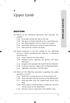 1 Upper Limb QUESTIONS 1.1 Which of the following statements best describes the scapula? a. It usually overlies the 2nd to 9th ribs. b. The spine continues laterally as the coracoid process. c. The suprascapular
NOW PLAYING THE WRIST. David Costa, OTR/L October 20, 2007
 NOW PLAYING THE WRIST David Costa, OTR/L October 20, 2007 Starring Radius Ulna Scaphoid Lunate Triquetrum Trapezium Trapezoid Capitate Hamate Pisiform TFCC Transverse Carpal Ligament Scapholunate Ligament
The Hand Exam: Tips and Tricks
 The Hand Exam: Tips and Tricks Nikki Strauss Schroeder, MD Assistant Clinical Professor, UCSF Department of Orthopaedic Surgery November 4, 2013 Outline Surface Anatomy Hand Anatomy Exam Management of
DIFFERENTIAL DIAGNOSIS OF LOW BACK PAIN. Arnold J. Weil, M.D., M.B.A. Non-Surgical Orthopaedics, P.C. Atlanta, GA
 DIFFERENTIAL DIAGNOSIS OF LOW BACK PAIN Arnold J. Weil, M.D., M.B.A. Non-Surgical Orthopaedics, P.C. Atlanta, GA MEDICAL ALGORITHM OF REALITY LOWER BACK PAIN Yes Patient will never get better until case
Return to same game if sx s resolve within 15 minutes. Return to next game if sx s resolve within one week Return to Competition
 Assessment Skills of the Spine on the Field and in the Clinic Ron Burke, MD Cervical Spine Injuries Sprains and strains Stingers Transient quadriparesis Cervical Spine Injuries Result in critical loss
Techniques for Nerve Compression
 C H A P T E R Techniques for Nerve Compression 19 INTRODUCTION abnormal nerve function. Neuropathies are frequently associated with a number of systemic disorders, such as diabetes, hypothyroidism, alcoholism,
INJURIES OF THE HAND AND WRIST By Derya Dincer, M.D.
 05/05/2007 INJURIES OF THE HAND AND WRIST By Derya Dincer, M.D. Hand injuries, especially the fractures of metacarpals and phalanges, are the most common fractures in the skeletal system. Hand injuries
Nonoperative Management of Herniated Cervical Intervertebral Disc With Radiculopathy. Spine Volume 21(16) August 15, 1996, pp 1877-1883
 Nonoperative Management of Herniated Cervical Intervertebral Disc With Radiculopathy 1 Spine Volume 21(16) August 15, 1996, pp 1877-1883 Saal, Joel S. MD; Saal, Jeffrey A. MD; Yurth, Elizabeth F. MD FROM
Anatomical Consideration and Brachial Plexus Anesthesia. Anatomy
 Brachial Plexus Anesthesia There are four approaches to the brachial plexus. These include the interscalene, supraclavicular, infraclavicular, and axillary approach. For the purposes of this lecture we
Examination of the Elbow. Elbow Examination. Structures to Examine. Active Range of Motion. Active Range of Motion 8/22/2012
 Examination of the Elbow The elbow is a complex modified hinge joint The humero-ulnar joint is a hinge joint allowing flexion and extension The radio-ulnar joint allows for pronation and supination of
SPINE. Postural Malalignments 4/9/2015. Cervical Spine Evaluation. Thoracic Spine Evaluation. Observations. Assess position of head and neck
 SPINE Observations Body type Postural alignments and asymmetries should be observed from all views Assess height differences between anatomical landmarks Figure 25-9 Figure 25-10 Figure 25-11 & 12 Postural
.org. Tennis Elbow (Lateral Epicondylitis) Anatomy. Cause
 Tennis Elbow (Lateral Epicondylitis) Page ( 1 ) Tennis elbow, or lateral epicondylitis, is a painful condition of the elbow caused by overuse. Not surprisingly, playing tennis or other racquet sports can
1 Upper Extremity Compression Neuropathies Bernard F. Hearon, M.D. Clinical Assistant Professor, Department of Surgery University of Kansas School of
 1 Upper Extremity Compression Neuropathies Bernard F. Hearon, M.D. Clinical Assistant Professor, Department of Surgery University of Kansas School of Medicine - Wichita January 8, 2010 2 www.drhearon.com
Lean-Ergonomic methods to reduce workers compensation costs (Part 2 of 2) Cumulative trauma disorders can be classified as: What is CTD?
 #425 Lean-ergonomic methods to reduce workers compensation costs, Part 2 of 2 Lean-Ergonomic methods to reduce workers compensation costs (Part 2 of 2) Govid Bharwani, Ph.D, Biomedical Engineering Thursday,
Eric M. Kutz, D.O. Arlington Orthopedics Harrisburg, PA
 Eric M. Kutz, D.O. Arlington Orthopedics Harrisburg, PA 2 offices 805 Sir Thomas Court Harrisburg 3 Walnut Street Lemoyne Mechanism of injury Repetitive overhead activities Falls to the ground Falls with
Standard of Care: Carpal Tunnel Release
 Department of Rehabilitation Services Physical Therapy Case Type / Diagnosis Carpal tunnel syndrome (CTS) is certainly the most common and frequently diagnosed nerve entrapment, and as such, carpal tunnel
CARPAL TUNNEL SYNDROME
 CARPAL TUNNEL SYNDROME Background 1. Definition: Entrapment neuropathy of median nerve as it courses through carpal tunnel o Stage I: Predominantly nocturnal symptoms of numbness and /or tingling in fingers
3nd Biennial Contemporary Clinical Neurophysiological Symposium October 12, 2013 Fundamentals of NCS and NMJ Testing
 3nd Biennial Contemporary Clinical Neurophysiological Symposium October 12, 2013 Fundamentals of NCS and NMJ Testing Peter D. Donofrio, M.D. Professor of Neurology Vanderbilt University Medical Center
6/3/2011. High Prevalence and Incidence. Low back pain is 5 th most common reason for all physician office visits in the U.S.
 High Prevalence and Incidence Prevalence 85% of Americans will experience low back pain at some time in their life. Incidence 5% annual Timothy C. Shen, M.D. Physical Medicine and Rehabilitation Sub-specialty
Spine Injury and Back Pain in Sports
 Spine Injury and Back Pain in Sports DAVID W. GRAY, MD 1 Back Pain Increases with Age Girls>Boys in Teenage years Anywhere from 15 to 80% of children and adolescents have back pain depending on the studies
International Standards for the Classification of Spinal Cord Injury Motor Exam Guide
 C5 Elbow Flexors Biceps Brachii, Brachialis Patient Position: The shoulder is in neutral rotation, neutral flexion/extension, and adducted. The elbow is fully extended, with the forearm in full supination.
Evaluation of Disorders of the Hands and Wrists
 Evaluation of Disorders of the Hands and Wrists Case 27 yo female with 6 month history of right forearm and hand pain Works as secretary, symptoms are interfering with her job duties Complains that she
 Full version is >>> HERE
 Hand Injuries and Disorders
 Hand Injuries and Disorders Introduction Each of your hands has 27 bones, 15 joints and approximately 20 muscles. There are many common problems that can affect your hands. Hand problems can be caused
Anatomy of the Carpal Tunnel. Carpal Tunnel Syndrome. Ultrasound: Normal Nerve. Ultrasound: Median Nerve/Carpal Tunnel
 Courses In Diagnostic Ultrasound Wake Forest School of Medicine US for Carpal Tunnel Syndrome Lecture Outline Steven Shook, MD Staff, Neuromuscular Center Cleveland Clinic Neurological Institute April
Upper Extremity Special Tests. Cervical Tests. TMJ Dysfunction
 Upper Extremity Special Tests Cervical Tests Vertebral Artery Test: used to test for vertebral artery occlusion or insufficiency. The subject lies supine on the plinth with the examiner seated behind with
Hand & Plastics Physiotherapy Department Carpal Tunnel Syndrome Information for patients
 Oxford University Hospitals NHS Trust Hand & Plastics Physiotherapy Department Carpal Tunnel Syndrome Information for patients page 2 What is the Carpal Tunnel? The carpal tunnel is made up of the bones
Hemiplegic shoulder pain/shoulder subluxation
 UPPER LIMB NEUROMUSCULAR ELECTRICAL STIMULATION: Electrode positions Please note that the polarity (red and black leads) can be altered according to your clinical reasoning. The area in which you want
Multifocal Motor Neuropathy. Jonathan Katz, MD Richard Lewis, MD
 Multifocal Motor Neuropathy Jonathan Katz, MD Richard Lewis, MD What is Multifocal Motor Neuropathy? Multifocal Motor Neuropathy (MMN) is a rare condition in which multiple motor nerves are attacked by
by joseph e. muscolino, DO photography by yanik chauvin
 by joseph e. muscolino, DO photography by yanik chauvin body mechanics palpation of the anterior neck ESOUCES For more information go to www.medlineplus.gov and search under anterior neck. The anterior
Elbow, Forearm, Wrist, & Hand. Bony Anatomy. Objectives. Bones. Bones. Bones
 Objectives Elbow, Forearm, Wrist, & Hand Chapter 19 Identify and discuss the functional anatomy of the elbow and forearm Discuss the common injuries associated with these anatomical structures Bones Humerus
LSU Health Sciences Center Occupational Therapy Flexor Tendon Injury Treatment Protocol
 . LSU Health Sciences Center Occupational Therapy Flexor Tendon Injury Treatment Protocol DIP PIP MCP Zone 1 Zone 2 T 1 T 2 Zone 3 T 3 Zone 4 Zone 5 Zone 5 cs Carla M. Saulsbery LOTR, CHT Dr. A. Hollister,
Welcome to the July 2012 edition of Case Studies from the files of the Institute for Nerve Medicine in Santa Monica, California.
 Welcome to the July 2012 edition of Case Studies from the files of the Institute for Nerve Medicine in Santa Monica, California. In this issue, we focus on a 23-year-old female patient referred by her
.org. Cervical Radiculopathy (Pinched Nerve) Anatomy. Cause
 Cervical Radiculopathy (Pinched Nerve) Page ( 1 ) Cervical radiculopathy, commonly called a pinched nerve occurs when a nerve in the neck is compressed or irritated where it branches away from the spinal
ELECTRODIAGNOSTIC MEDICINE
 ELECTRODIAGNOSTIC MEDICINE OBJECTIVES BEGINNER Patient Care Perform a comprehensive electrodiagnostic evaluation of each patient and to provide a concise diagnosis and plan for further treatment Describe
Chapter 35. Volar forearm fasciotomy incisions Hand/dorsal forearm fasciotomy incisions Finger fasciotomy incisions
 Chapter 35 HAND CRUSH INJURY AND COMPARTMENT SYNDROME KEY FIGURES: Volar forearm fasciotomy incisions Hand/dorsal forearm fasciotomy incisions Finger fasciotomy incisions The previous chapters about the
Median Nerve Injuries in, Fractures in the Region of the Wrist
 252 Median Nerve Injuries in, Fractures in the Region of the Wrist N. MEADOFF, M.D., Bakersfield SUMMARY Injuries of the median nerve in fractures in the region of the wrist are not uncommon. Median nerve
DESPITE THE FACT that cubital tunnel syndrome is
 SURGICAL TECHNIQUE Endoscopic Cubital Tunnel Release Tyson K. Cobb, MD A minimally invasive endoscopic approach has been successfully applied to surgical treatment of cubital tunnel syndrome. This procedure
Low Back Injury in the Industrial Athlete: An Anatomic Approach
 Low Back Injury in the Industrial Athlete: An Anatomic Approach Earl J. Craig, M.D. Assistant Professor Indiana University School of Medicine Department of Physical Medicine and Rehabilitation Epidemiology