
Techniques for Nerve Compression
|
|
|
- Christina Powers
- 10 years ago
- Views:
Transcription
1 C H A P T E R Techniques for Nerve Compression 19 INTRODUCTION abnormal nerve function. Neuropathies are frequently associated with a number of systemic disorders, such as diabetes, hypothyroidism, alcoholism, vitamin B 12 - ciency, and lead intoxication. The neuropathy may be focal these focal neuropathies arise as a result of nerve compres- Nerve anatomy and physiology The connective tissue of nerves includes the outer epineu- rial elastin. The epineurium protects the nerve from compres- sion and stretching and therefore tends to be thicker in places that experience repetitive shear force, such as the cubital tunnel at the elbow. The perineurium separates groups of fascicles and constitutes a diffusion barrier, which protects the axons from infection and chemical insult. The perineurium is relatively unyielding, and this property can lead to a mini-compartment syndrome when the endoneu- rial pressure increases. The individual axons are surrounded by the endoneurium, which provides support and a frame- work for regeneration of nerve Nerve compression In early nerve compression the symptoms are caused by vascular impairment, and the initial changes occur at the blood nerve barrier. Fluid shifts that occur with limb position result in endoneurial edema. 1 There is no lymphatic drainage of the endoneurial space, and so endoneurial edema clears slowly. The edema cuts off the blood supply by compressing the arterioles that course through the perineurium obliquely. 3 This impairs the Na / K exchange pump that is ATP dependent. This ultimately results in areversible metabolic conduction block, leading to paresthesia. 4 The dramatic relief of symptoms that sometimes occurs after surgical decompression also suggests an ischemic etiology to compression neuropathies. The mechanical source of compression may obstruct venous return, resulting in segmental anoxia, capillary vasodilatation, and edema. The edema compounds the compressive effects and leads to abnormal axonal and cellular exchange. Surgical release of compressed nerves at this early stage generally yields good results. Prolonged compression, however, results in intraoccur. Nerves are viscoelastic and can change their length in order to accommodate the myriad combination of joint positions. Nerves have a longitudinal blood supply that is reinforced periodically by segmental perforators. They are surrounded by a vascularized gliding layer to facilitate the nerve gliding that accompanies joint movement. Chronic to disrupt this gliding layer, ultimately leading to nerve tethering. Any compressive neuropathy therefore frequently has a component of traction neuropathy as well. Traction alone can cause conduction block. Nerves can only elongate by 8% until there is a disruption of the blood supply. 5 Traction therefore leads to nerve ischemia with secondary impairment of the Na /K pump to cause a conduction block. This is clinically manifested as numbness or pares- thesia. Many of the provocative tests for nerve compression induces relative nerve ischemia in the already susceptible nerves through manual pressure, awkward joint positioning and/or traction to elicit numbness or paresthesia in the distribution course and topographic anatomy is thus essential. 1

2 2 Hand and Upper Extremity Reconstruction ELECTRODIAGNOSTIC STUDIES Ancillary testing cannot replace a detailed history and thorough examination of the upper limb, but they can provide a means for staging the degree of neuropathy and to rule out more generalized disorders that may masquerade as a focal neuropathy. sion. 6 and ischemia. The neurophysiology of electrical recording is such that the recording electrode will detect activity in the bers conduct at the fastest rates and have a lower depolarization threshold than the small unmyelinated nerves. Latency and conduction velocity depend on the time that and transmit impulses, the recorded latency and conduction velocity remain normal because the recording electrode 7 The electrical conduction in smaller, less myelinated or non-myelinated nerves is much slower, and hence not usually detected in a routine nerve conduction study (NCS). Large myelinated and small changes. The large myelinated nerves undergo segmental demyelination, whereas the small unmyelinated nerves undergo degeneration and regeneration. Normal fascicles are adjacent to abnormal fascicles. The nerve conduction study seeming paradox of the patient who has established carpal tunnel syndrome but yet normal electrodiagnostic studies. It is the worst fascicles that produce symptoms, but it is the best fascicles that account for the normal nerve conduction studies. 8 With early compression the symptoms are intermittent, and the edema is reversible. When there are constant symptoms, there is usually myelin damage and/or chronic endoneurial edema. This demyelination is responsible for the slowing of nerve conduction. If the compression continues, the size of the electrical charge will be smaller, leading to smaller amplitudes. When there is sensory or motor loss, sion, remyelination of the axon is often incomplete, which accounts for persistently abnormal nerve conduction even though the patient may be without symptoms. 9 Quantitative sensory testing (QST) Quantitative sensory testing is reportedly more sensitive than bers need to be conducting normally in order to yield a 2. The nerve threshold is the minimum amount of force necessary to cause the touch to distinguish two points from one point. Static and moving two-point discrimination typically tests the density of innervation. Threshold tests would include (SWT). Vibrometry is relatively insensitive to early changes and is not commonly used. Semmes Weinstein testing laments until the threshold is determined. Abnormal SWT is consistent with nerve demyelination. MEDIAN NEUROPATHIES DISTAL MEDIAN NEUROPATHY Carpal tunnel syndrome Anatomy The carpal tunnel is open-ended proximally and distally, but behaves like a closed compartment physiologically and marly. The hook of the hamate, triquetrum, and pisiform form the ulnar border; the radial border consists of the scaphoid, trapezium, and the fascial septum overlying the proximal zone that is continuous with the deep forearm fascia, a central zone that is composed of the transverse carpal ligament (TCL), and a third zone that consists of the aponeurosis between the thenar and hypothenar muscles. 13 The median nerve at the wrist has approximately 30 fascicles. The motor recurrent branch often consists of two fascicles that are situated in a volar position, with the various sensory groups in the radial, ulnar and dorsal positions of the main trunk. The motor branch can be separated from the main trunk without harm for up to 100 mm proximal to the thenar muscles. 14 common digital nerves to the thumb, index and middle, as well as the communicating branch to the third web space. Pathophysiology There are two potential sites of compression anatomically. in CTS. The second is adjacent to the hook of the hamate, where an hourglass deformity of the median nerve may be seen. Patients with compression in this area will have a positive median nerve compression (Durkan s) test but a negative Phalen s test. 15 Compression within the carpal tunnel may also result from any lesion that takes up space palmar carpal dislocation, distal radius fractures, tumors and ganglia. Although many cases have been attributed to a vascular sclerosis, which may be secondary to compression rather than the primary event.

3 Techniques for Nerve Compression Syndromes History The patient typically complains of numbness and paresthesia in the median nerve distribution. Initially the symptoms position, which increases the carpal canal pressure. In this early stage of nerve compression the symptoms are of a vascular nature, which culminate in endoneurial edema. With early compression the symptoms are intermittent and the edema is reversible. As the symptoms progress, they become more frequent during the day and are precipitated by gripping and pinching activities as well as those tasks requiring there is usually myelin damage and/or chronic endoneurial edema. 16 Physical examination CTS represents a constellation of signs and symptoms in tive Tinel s sign may be present over the median nerve at the wrist, and produces paresthesia in the thumb and radial 2 1 / 2 minute, which when positive produces subjective paresthesia in a median nerve pattern. This is best performed with the exion may reproduce ulnar nerve symptoms as well. Direct compression of the nerve or the Durkan s test is thought to be more sensitive. Szabo et al. 15 found that if a patient had an abnormal hand diagram, abnormal sensibility by SWT testing, a positive Durkan s test, and night pain, the probability of having CTS was If all four of these conditions were normal, the probability of having CTS was Electrodiagnostic studies The nerve conduction study can yield useful information, but nal outcome or return to work after carpal tunnel release. There are some caveats for nerve conduction studies in CTS. First, sensory abnormalities usually occur before motor abnor- malities. In other words, the distal sensory latencies are often slow before the distal motor latency. This is not surprising, because 94% of the axons in the median nerve at the wrist level are sensory. 17 The sensory nerve axons are larger than the motor axons and hence more susceptible to compression. If the distal motor latency (DML) is abnormal in the presence of normal sensory nerve action potentials (SNAPs), extra care must be taken to rule out anterior horn cell disease or a C8 radiculopathy, although isolated recurrent motor branch compression has been reported. 18 Second, the nerve conduction studies may not return to normal after incomplete remyelination, even in the presence of a full clinical recovery. Non-operative management Non-operative therapy includes splinting the wrist in a neutral position, steroid injections, and management of any underlying systemic diseases. Steroid injection offers transient relief to 80% of patients, but only 20 % will be symptom free 12 months later. Those most likely to for less than 1 year, only intermittent numbness, normal two-point discrimination, 1 2 ms prolongation of distal this group will remain symptom free for longer than 12 months. 21 Surgical indications Mild CTS: Failed trial of conservative treatment with month. No sensory or motor loss, nocturnal symp- toms and/or transient paresthesia only with prolonged gripping or pinching. No thenar wasting, no change in 2PD. May have a prolonged 2PS. NCS may be normal, increased CS l or slowing of distal median SNAPS but with a normal DML. Normal EMG. Moderate CTS: Failed trial of splinting and/or cortis - one injections. Frequent daytime symptoms even without gripping. May have abnormal 2PS and 1PS, 2PD 15 mm. No wasting of ABP but may have weak abduction. NCS may show slowing of distal SNAPs. DML slowing of 1 2 ms, but no drop in amplitude. Normal EMG. Severe CTS: No indication for conservative treatment. Frequent to constant symptoms. Abnormal 2PS, 1PS, 2PD 15 mm. Slowed to absent SNAPs, prolonged DML with amplitude loss. EMG shows membrane instability, tive sharp waves. Acute CTS secondary to distal radius fracture, bleeding disorder, burn, or other cause of massive swelling. Contraindications Untreated hypothyroidism, diabetes or other metabolic neuropathy. Surgical technique The procedure is performed under tourniquet control. A 3 5 cm incision is made in the palm parallel to the thenar protect the palmar cutaneous branch of the median and ulnar nerves. Tenotomy scissors are used to spread down to the palmar aponeurosis; this is divided to expose the transverse carpal ligament (TCL). The TCL is divided from distal to proximal. A hemostat may be used to protect the median is divided under direct vision for an additional 2cm. The oor of the canal is inspected for any masses. The recurrent motor branch is inspected and decompressed separately if necessary.the same considerations apply when using a mini-incision technique (Fig. 19.1A E). The tourniquet is released and hemostasis obtained. The wound is closed with 4/0 nylon mattress sutures after injection of local anesthetic.

4 4 Hand and Upper Extremity Reconstruction B A D C FIGURE 19.1 Carpal tunnel release. A The standard carpal tunnel incision is parallel to the thenar crease along the ring nger axis to avoid injury to the palmar cutaneous branches of the median and ulnar nerves. B The palmar aponeurosis is identi ed by the longitudinally oriented bers. C The bers of the transverse carpal ligament (TCL) are transversely oriented. Arrows are pointing to a partial incision in the ligament.

5 Techniques for Nerve Compression Syndromes or tied off as indicated. Median nerve anomalies or altered anatomy may lead to inadvertent nerve laceration. Any recognized fascicular lacerations should be repaired under recognized postoperatively to maximize the chances for recovery. Acute infection is treated aggressively with antibiotic treatment and/or drainage as necessary. Wound coverage problems with exposed tendons or nerve may be treated with stellate blocks and aggressive therapy, includ- E Outcomes Open median nerve decompression leads to symptomatic relief in the majority of patients. 26,27 When there is clinical evidence of demyelination, patients should be informed of the possibility of residual symptoms and delayed improvement. After open carpal tunnel release, patients typically regain their preoperative baseline grip strength within 3 months, and pinch strength within 6 weeks. Mini-incision open techniques have similar outcomes but may carry a higher risk of incomplete TCL release. FIGURE 19.1, cont d E Mini-incision Postoperative care Finger movement begins immediately, which also aids in median nerve excursion. A below- elbow splint is applied for and progressive strengthening. Ancillary procedures In advanced cases of nerve compression, internal neuroly - differences were found between the outcomes of these two ancillary procedures, hence they are no longer recommended. 22 Guyon s canal compression often improves after carpal tunnel release alone, and MRI studies have demonstrated an increase in the volume of Guyon s canal after a CTR. 23 Routine tenosynovectomy does not provide better results than carpal tunnel release alone, and is mostly recom- mended with associated proliferative tenosynovitis from some other cause, such as rheumatoid arthritis or granulo- matous infection. 24 Complications Pillar pain is an oft-cited complication after carpal tunnel surgery. The cause of this condition is unclear and the treatment debatable. Procedures such as z-plasty lengthening of the TCL to mini-incision and endoscopic techniques have been proposed. Injury to the palmar cutaneous branch of the median nerve is a cause of persistent scar tenderness and led to the plea for a more ulnarly based incision. Blind release of the TCL, which was commonplace in the 1960s, occasionally resulted in laceration to the deep motor branch. Endoscopic carpal tunnel release 28 Indications for surgery The indications for endoscopic carpal tunnel release (ECTR) are the same as for an open release. The patient should have the appropriate symptoms and signs of carpal tunnel syndrome and have failed a trial of conservative treatment Contraindications Absolute contraindications include any distortion of the carpal canal due to tumor, previous surgery, carpal fracture/ dislocation or malunion of the radius. A loss of wrist extension of 20 30º, either from bony fusion or from wrist contracture, would hamper this procedure by impeding the correct placement of the endoscope. Unfamiliarity with the regional anatomy is another contraindication. Relative contraindications abound and are not universally agreed upon. Flexor tendon thickening due to synovial - pairs will complicate the procedure. Recurrent or persistent carpal tunnel syndrome following a previous release often includes a component of traction neuropathy due to scar that may thwart attempts at ECTR. If there is suspicion of separate entrapment of the recurrent motor branch an open procedure is required. Surgical technique (Agee method) The use of the Agee endoscope is integral to this procedure. light source and camera setup are interfaced with the Agee system. The patient is positioned supine with the arm abducted on an arm board. The procedure is performed under tourniquet control after limb exsanguination. The author s preference is to use a general anesthetic because of

6 6 Hand and Upper Extremity Reconstruction including fogging of the camera lens, which can be mini- mized by warming the scope in saline. Regional and local anesthesia are acceptable alternatives. outlined with a marking pen to guide placement of the scope. palpated and drawn on the skin. It is vital to keep the scope radial to the hamate hook at all times in order to prevent inadvertent penetration of Guyon s canal. A straight line is with a transverse line across the proximal wrist crease. The palmaris longus (PL) tendon (if present) is traced. The dissection should stay ulnar to the PL, which protects the median nerve. A 2-cm transverse incision is placed in the proximal wrist crease between the PL and the pisiform. As the surgeon s comfort level increases, this incision can be placed in the distal wrist crease, although there is more subcutaneous fat to contend with. The plane between the branch to the third web space. Ballottement of the fat pad can help identify the demarcation zone. The hook blade should not be engaged until the distal edge is well seen. It is prudent to pass. The hook blade is then main- tained upright while the scope is slowly withdrawn proxi- mally, keeping the blade in sight at all times. The scope is then reinserted to visualize the cut. The TCL is under tension and will usually split apart, palmar aponeurosis. A second pass may be made at this point removed (Fig. 19.2A F). are used to divide the retinaculum for an additional 2cm. The scope is then reinserted into the carpal canal and the parallel incisions approximately 1cm apart and 1 2 cm long through the deep fascia between the FCU and the PL/ median nerve. The incisions are then connected by a proximal transverse cut. Care is taken to avoid penetrating the tendon synovium and the undersurface of the TCL. Establishing this plane is crucial in avoiding improper scope placement. At this point, the wrist is hyperextended over two folded placement the dilator will abut against the hook of the hamate by sweeping it in an ulnar direction. If there is no obstruction to the ulnar passage of the dilator, the dilator has entered ulnar to the hook of the hamate and should be removed and reinserted, otherwise there is the dire risk of injury to the ulnar nerve and artery. Two incrementally sized dilators are then gently inserted to enlarge the gliding path for the scope. The distal tip of the dilators can be easily palpated in the midpalm by levering the tip palmar- wards. Multiple passes of the dilators increase the risk of a median neuropraxia, especially in small wrists. The soft tissue elevator is then inserted and used to gently scrape any synovium from the undersurface of the TCL. While the assistant maintains the wrist in hyperextension, the tip of the Agee endoscope is then gently inserted into the canal. The surface line marking the synovial remnants will block the view. In this event, the scope should be removed and defogged and the synovial elevator used once more. Because the scope is often colder than the carpal canal, keeping it in warm water until just before use may minimize fogging. The distal edge of the TCL must be through an open incision. Digital nerve injury cannot be recognized by any means, but a high level of suspicion and due diligence will dictate the need for exploration. It is pos- sible for the mesoneurial tissue surrounding the median nerve to become interposed between the scope and the undersurface of the TCL. It will not have the appearance of nerve tissue and lead to a false sense of safety, but it can be drawn in by the hook blade, which may lead to a partial or complete median nerve laceration. If there is any doubt, the scope should be view cannot be improved, then conversion to an open marcaine and closed with an absorbable subcuticular suture and Steristrips. Postoperative care The patient is placed in a large bulky hand dressing with a volar wrist splint for comfort. Finger motion begins immediately, which also results in nerve excursion. The splint is removed at 1 week and the patient is started on a home program of range of motion exercises. The sutures are removed at 2 weeks and light gripping exercises begun. Complications ported, often related to poor scope placement or inadequate visualization of the TCL. This includes partial and complete median nerve lacerations, common digital nerve lac- 29 The author has noted a 6-month neurapraxia of the third common digital nerve branch in small female patients with small carpal canals. Flexor tendon lacerations have also been reported. If there is anything less than complete visualization, the procedure should be converted to an open CTR. Placing the scope in Guyon s canal as a result of - resulted in ulnar nerve and artery lacerations. 30 Incomplete

7 D A E B F C FIGURE 19.2 Endoscopic carpal tunnel release. A Landmarks for locating the hamate hook (*). P pisiform, M4 fourth metacarpal line, I-P Index pisiform line. B Skin incision at distal wrist crease (in red). C Outlining a distally based fascial ap. D Insertion of the Agee endoscope, which is aligned with the ring nger axis. E View through the endoscope of the white undersurface of the transverse carpal ligament (TCL). The appearance of the midpalmar fat pad demarcates the distal edge of the TCL(*). F After complete release of the TCL. Note the increased separation of the ligament edges (arrows) with exposure of the palmar brevis, which denotes a complete ligament release. (From Slutsky DJ. Endoscopic carpal tunnel release: the Agee method. In: Slutsky DJ, Nagle DJ, eds. Techniques in wrist and hand arthroscopy. Philadelphia: Elsevier, 2007, with permission.)

8 8 Hand and Upper Extremity Reconstruction release of the TCL is commonly reported and is a major criticism of this technique. 31 Outcomes Agee et al. 32 carried out a 10-center randomized prospective study of endoscopic release using his technique. For patients in the device group with one affected hand, the median time for return to work was 21 1 / 2 days less than that for the control group. 32 Another large multicenter prospective study of 192 cases demonstrated that, at least in the short term, the patients treated with the endoscopic strength, and hand dexterity. The open technique resulted in surgery as well as a longer time until the patients could return to work. 33 Not everyone agrees with the advantage of the endoscopic tech- nique. In a small study of 25 patients with bilateral carpal tunnel syndrome who underwent an endoscopic release by the Agee technique on one hand and open release on the other, the investigators found no manual dexterity or sensation. 34 PROXIMAL MEDIAN NEUROPATHY Pronator syndrome Median nerve compression neuropathies in the distal arm and forearm are extremely uncommon compared to CTS. The more proximal of the median nerve compression neuropathies is the pronator syndrome. The syndrome is classically associated with any of four potential areas of compression, including the ligament of Struthers, the lac- ertus sublimus(fds) arch.confounding conditions such as carpal tunnel syndrome and anterior interosseous nerve entrapment should be excluded. Anatomy The median nerve arises from the medial and lateral cords C6 to T1. It lies lateral to the axillary artery but then crosses medial to it at the level of the coracobrachialis. At the elbow, it travels behind the bicipital aponeurosis but in front of the brachialis. At the distal part of the cubital fossa the motor branches of the median nerve consistently divide into three fascicular groups. 36 There is an anterior group (to the PT and FCR), a middle group (motor to the FDS and ngers), and a posterior group (to the AIN branch). These branch groups can be traced proximally without harm, within the main trunk of the median nerve for cm. The nerve and artery pass through the antecubital fossa digitorum profundus (FDP). The nerve then dives between brous arch of the FDS and emerges beneath the radial side of Pathophysiology The nerve may be compressed by the ligament of Struthers, which may or may not be associated with a supracondylar process (1% of cases). 37 This ligament spans the supracondylar process and medial epicondyle and creates an arcade that contains the median nerve and brachial artery The ligament of Struthers has also been described in the absence of an associated supracondylar process. In the forearm, the median nerve can be compressed by the PT, the FDS arch or the bicipital aponeurosis. Rare causes of compression include a persistent median artery, Gantzer s muscle (accessory head of the FPL) and the palmaris profundus. 38 History Clinical symptoms of pronator syndrome include forearm pain as well as paresthesia and hypoesthesia in the median nerve distribution. Symptoms are typically precipitated by forearm pronation/supination. Nocturnal paresthesias are not common, unlike with CTS. Numbness and tingling may also involve the thenar area supplied by the palmar cutaneous branch, which takes off proximal to the carpal transverse ligament and is not compressed in CTS. Physical examination Phalen s and Durkan s tests are negative unless there is coexistent CTS. There may be a positive Tinel s sign over the tenderness along the median nerve in the proximal forearm. Manual compression of the median nerve over the PT for 30 seconds (i.e. pronator compression test) may elicit paresthesia in the median nerve distribution. 39 Pain or paresthesia produced by resisted forearm supination combined sion at the bicipital aponeurosis. Paresthesia resulting from resisted forearm pronation while the elbow is slowly between the two heads of the PT. Resisted proximal interparesthesia in the radial three digits and/or pain over the FDS sensitive. 40 Electrodiagnostic studies NCS are rarely diagnostic for pronator syndrome. There may be prolongation of the distal median sensory latencies as well as a reduced amplitude of the compound motor action potential to the abductor pollicis brevis. There may be slowing of forearm conduction, but this can be mislead-

9 Techniques for Nerve Compression Syndromes ing because a reduced forearm NCV is seen up to 20 30% of the time when there is a markedly delayed distal median motor latency due to severe CTS. This slowing was initially thought to be due to retrograde nerve demyelination but is currently attributed to test artifact. Sequential needle stimulation of the median nerve in 1-cm increments while recording from the APB may identify an area of focal conduction block near the PT muscle. Nerve conduction studies tance do not increase the yield The EMG, however, may be of some value because membrane instability may be seen carpi radialis an dfds. Quantitative sensory testing As with CTS, testing of the index pulp may initially show an abnormal 2PS pressure threshold. With progression one sees a widening of the 2PS distance, followed by an abnor- mal 1PS threshold. In this syndrome, PSSD testing of the thenar eminence is especially useful and may help to dif- ferentiate pronator syndrome from CTS. Because the palmar cutaneous branch of the median nerve (PCBMN) takes off proximal to the TCL, one would expect an abnormal 2PS and possibly 1PS in pronator syndrome, whereas this should be normal in isolated CTS. In the author s experience, however, a coexisting C6 radiculopathy can complicate the picture, and can lead to abnormal 2PS and 1PS over both the thenar eminence and the correlation is prudent. Non-operative management may relieve pressure and traction on the median nerve. The majority of patients will respond to non-opera- tive therapy. Surgical indications The diagnosis of this condition is based mainly on the exclusion of other causes. Many patients will have already undergone a carpal tunnel release. The main indication is failure to improve to conservative treatment combined with sis. Other straightforward indications are a positive EMG demonstrating denervation of the proximal forearm muscles or MRI evidence of nerve compression due to an underlying tumor. Contraindications A coexisting polyneuropathy, C6 7 radiculopathy or a brachial plexitis (Parsonage Turner syndrome) may mimic decompression. Surgical technique The procedure is performed under tourniquet control. An anteromedial incision is made crossing the antecubital fossa, antebrachial cutaneous nerve is isolated as it runs with the elbow, next to the brachial artery, and it is traced distally, resecting the ligament of Struthers if present. The nerve is followed through the two heads of the PT where branches from the anterior bundle (FCR, PT fascicles) are given off. divided and tagged for later repair if better exposure is needed. The posterior (AIN branch) and the middle (intrinsic, is also incised. Epineurotomy or internal neu- rolysis are of is also not recommended. Postoperative management Postoperatively, the arm is placed in an above elbow splint for unless it is necessary to protect the reattachment of the PT and/or FDS insertions. Resistive activities are avoided until 6 8 weeks after surgery. Complications One main complication is failure to improve due to a mislous hemostasis is necessary. Injury to the proximal muscular branches ranging from neuropraxia to laceration can be minimized by careful nerve handling. Outcomes Surgical decompression generally yields good results. Olehnik et al. 39 reported improvement in 77% of their patients, with 33 of 36 returning to work. A clinical series by Johnson et al. and Hartz et al. reported improvement in 92% of patients. 42,43 Patients with normal NCS seem to fare better than patients with abnormal studies, which may be related to the severity of the compression. Anterior interosseous nerve syndrome Isolated anterior interosseous nerve (AIN) palsy is a rare occurrence, accounting for 1% of all upper extremity peripheral neuropathies. 37 It is still uncertain whether this syndrome is due to a neuritis and/or a compressive neuropathy. Anatomy The AIN is the largest muscular branch to emerge from the median nerve. It innervates the FDP to the index and The terminal portion also provides sensory innervation to the carpal joints. The AIN arises from the median nerve on the dorsoradial surface about 5 8 cm distal to the medial

10 10 Hand and Upper Extremity Reconstruction epicondyle. The AIN travels between the FDS and FDP, and then passes dorsally in the interval between the FPL and FDP, giving off two to six branches to each of these muscles. The nerve reaches the anterior surface of the interosseous membrane and travels with the anterior interosseous artery, where it passes deep to the PQ, which it also innervates. It ends by sending sensory afferent branches to the intercarpal, radiocarpal, and distal radioulnar joints. Pathophysiology brous arcade of the FDS, enlarged bursae or tumors, aberrant or thrombosed vessels, an accessory bicipital aponeurosis and fractures of the forearm and distal humerus. History AIN syndrome (AINS) must be differentiated from a brachial plexus neuritis, i.e. Parsonage Turner syndrome. 44 In a brachial neuritis there is usually no history of trauma. ings, and can appear spontaneously or following a viral illness or vaccination. By contrast, the patient with AINS will usually have a history of trauma or repetitive injury. They typically complain of vague, aching pain in the proximal forearm, which occurs at rest and is exacerbated by pinching activities, and may have sensory abnormalities in the median nerve distribution. Physical examination AINS is characterized by loss of function of the FPL and FDP PQ. Sensibility is unaffected. The patient cannot make an O nger extends at the distal interphalangeal joint with langeal joint. The thumb hyperextends at the interphalanjoint. The PQ can be tested by resisted pronation with the AINS can be incomplete, with either weakness or normal PQ function. All of the profundus tendons may be ngers. The hand intrinsic muscles may be affected if there is a coexisting Martin Gruber connection. This is where C8 T1 travel in the median nerve. They then cross over to the ulnar nerve, usually through connections in the AIN (91%). If the FDS is also innervated by the AIN (30%), patients may present with weakness in this muscle as well. 45 One must differentiate between AINS and rupture of the FDP or FPL, which may occur from rheumatoid arthritis, Keinböck s disease, and scaphoid non-union. The integrity of these tendons can be assessed by observing the tenodesis effect of the intact FPL and the index FDP, which causes extension. Electrodiagnostic studies Shoulder girdle and upper limb EMG should be performed to rule out a brachial plexitis. In this case there will be membrane instability in the proximal limb muscles. The most appropriate technique involves recording the compound motor action potential (CMAP) from the pronator quadratus. The active surface electrode is placed in the midline dorsally, 3 cm proximal to the ulnar styloid. The median nerve is stimulated at the cubital fossa. The mean onset latency for the PQ is ms, with a side-to-side difference of 0.4 ms. Normal amplitudes range from 2.0 to 5.5 mv. 46 Side-to-side comparative latencies are helpful in establishing the diagnosis. EMG testing of the PQ and FPL muscles should demonstrate signs of membrane instability (Fig. 19.1B). Quantitative sensory testing This should be entirely normal because the condition only affects a motor branch. Any abnormalities are due to unrelated causes and conditions. Surgical indications If there is no improvement either clinically or by EMG studies 4 6 months after onset, surgical exploration is indi- cated. Even though return of function has been reported up to 18 months after onset of symptoms, expectant treatment is less predictable than surgical intervention. Surgical technique The surgical approach for AIN palsy is essentially the same as for pronator syndrome. The median nerve is followed through the two heads of the PT where branches from the anterior head of the PT and the FDS can be divided and tagged for later repair if better exposure is needed. The posterior (AIN branch) and the middle (intrinsic, sensory) bundles pass deep microscopic interfascicular neurolysis of the AIN up to the elbow should be considered in cases in which there is no obvious compression site, because hour- glass-like fascicular constrictions that are not discernible through the intact epineurium have been reported. 47 Postoperative management The arm is placed in a bulky, above-elbow plaster splint that Complications The anatomy and hence the complications are virtually identical to those of pronator syndrome. Outcomes Clinical improvement may be seen for up to 1 year following surgery, but recovery is often incomplete (seefig. 19.1C). Non-surgical management is recommended for brachial plexus neuritis-induced AIN palsy.

11 Techniques for Nerve Compression Syndromes A B C D FIGURE 19.3 Anterior interosseous nerve compression. A Inability to perform the "O" sign. B Needle placement during EMG of the pronator quadratus. C Anteromedial approach to the median nerve. Note the brous border of the sublimus muscle. PT pronator teres, AIN anterior interosseous nerve. D Following release of the sublimus arch (FDS). E Clinical photo at 8 months showing active exion of the distal phalanx of the index but no active thumb interphalangeal joint exion. (From Slutsky DJ. Electrodiagnostic studies of the upper extremity. In: Slutsky DJ, Hentz VR, eds. Peripheral nerve surgery: practical applications in the upper extremity. Philadelphia: Elsevier, E

12 12 Hand and Upper Extremity Reconstruction ULNAR NEUROPATHIES Proximal ulnar neuropathy Ulnar nerve compression at the elbow is the second most common neuropathy in the upper limb after carpal tunnel syndrome. Anatomy The ulnar nerve arises from the medial cord of the brachial provides the motor supply to the hypothenar muscles, the ulnar two lumbricals, the interosseous muscles, the adductor pollicis, the FCU and the profundus muscles to the ring nger, as well as the dorsoulnar hand. It lies medial to the axillary artery and continues distally to the mid-arm. It then arcade of Struthers) from the anterior to the posterior compartments of the arm. The canal is approximately 6 cm long, with the proximal extent located approximately 10 cm from the medial epicondyle. The proximal opening of the canal is a V-shaped window made up of the medial intermuscular septum, which divides the anterior and the posterior compartments of the arm and the internal brachial ligament. 48 The internal brachial ligament supports the origin from the inferior border of the teres major to its fusion back to the septum. This layer appears as an oblique muscular curtain covering the medial aspect of the ulnar nerve. In one anatomical study, the internal brachial ligament was present in 22/30 specimens. 49 The septum makes up the anterior part of the canal; the rest is made up of deep investing fascia and epimysium of the triceps muscle. The nerve is often accompanied by the superior ulnar collateral artery. At the elbow, it lies between the medial epicondyle and the olecranon, where it is covered by Osborne s ligament. It enters the forearm between the two heads of the FCU and is form a secondary compression site after anterior transposition of the ulnar nerve. 52 The second site is at the medial epicondyle, where a cubitus valgus deformity is present. The osseous tunnel bounded anteriorly by the medial epicon- dyle, laterally by the olecranon and ulnohumeral ligament, and can be caused by lesions within the groove, such as tumors (Fig. 19.4), conditions outside the groove such as external compression by anomalous muscles, and condi- tions that predispose the nerve to displace from the groove. The fourth site is where the nerve passes between the two heads of the through FCU is the medial collateral ligament of the elbow arcuate ligament), which is a continuation of the 53 At the elbow the ulnar nerve contains about 20 fascicles, including the motor branches to the forearm muscles. The fascicles within a nerve are not uniformly affected by compression. Those on the periphery of a nerve sustain greater injury than centrally placed fascicles. The motor fascicles to the FCU and the intrinsic muscles are cen- trally The usual sites of compression in cubital tunnel syndrome are arcade of Struthers). 54 The internal topography of the ulnar nerve at the lay deep within the nerve. 55 The intrin- sic muscles are often uninvolved until the late stages of compression for similar more susceptible to early compression. deep to the FCU as far as the distal forearm. Pathophysiology The ulnar nerve may be compressed anywhere from 10 cm proximal to approximately 5 cm distal to the medial epicondyle. Five potential sites for compression have been described. The most proximal site is the point at which the ulnar nerve takes a direction change as it passes through the V-shaped canal from the anterior to the posterior compartments of the arm. Hourglass indentations of the nerve were found at this point in 11 of 11 cadaver arms. 48 Although this has been labeled the arcade of Struthers, recent inves- tigators have shown this to be historically incorrect. 50,51 They note that Struthers did not describe an arcade over the ulnar nerve, but did describe the internal brachial liga- ment. Other investigators, however, have noted a musculo- tendinous arcade in eight of 60 cadaver arms that could FIGURE 19.4 Anconeus epitrochlearis. Note how this anomalous muscle attaches to the fibrooaponeurotic bands (forceps) which arc over the ulnar nerve (*) as it traverses the olecranon groove.

13 Techniques for Nerve Compression Syndromes History The patient presents with complaints of numbness and/or pain on the medial aspect of the elbow, with dysesthesias radiating distally into the hand. In chronic cases patients may exion activities. Physical examination The ulnar nerve is palpated for enlargement or subluxation the epicondylar groove or over the proximal FCU. An elbow with a hyperextended wrist, while manual pressure is applied to the nerve for 1 minute. 56 The test is considered positive when paresthesia and/or numbness occur in the ulnar nerve distribution of the hand. False positive results occur in approximately 10% of patients. ulnar nerve distribution, including the dorsoulnar wrist. When intrinsic muscle weakness is severe, there is often thumb with side pinch, a positive Jeanne s sign (hyperextension of the metacarpophalangeal joint of the thumb) and third palmar interosseous (positive Wartenberg sign). Extrincarpi ulnaris rarely occurs. Non-operative treatment Most acute or subacute cases are treated with activity modiexion and to reduce external pressure from leaning on their medial elbow or forearm. Alterations can sometimes be made in the workplace, such as positioning a computer keyboard so symptoms are severe and have persisted for weeks, temporarily immobilizing the elbow in approxi- mately 35º of are instructed to wear the splint day and night for 3 4 weeks. corticosteroid injections around the nerve are ineffective. Indications for surgery Sensory loss in the ulnar nerve distribution with nerve studies and clinical evidence of intrinsic muscle denerva- tion are major indications. In these cases, conservative treatment is 45m/s with a 20% drop in amplitude is another strong indication. Relative drops of 10 m/s are a softer indication that should be approached cautiously because technical error can produce this quite easily. Focal slowing on seg- mental stimulation is another appropriate indication. Contraindications Ulnar nerve symptoms due to brachial plexus compression from a Pancoast tumor or a C8 T1 radiculopathy are infrequent contraindications. Some authors maintain that normal electrodiagnostic studies are another contraindication to surgery. Patients with normal electrodiagnostic studies but appropriate signs and symptoms (McGowan Stage I: paressurgery and are appropriate candidates if conservative measures over a 3 6 month period have failed. 60 Surgical technique Surgery can be divided into two groups of procedure: decompression without transposition of the ulnar nerve, and decompression with transposition of the nerve. The procedures are performed under axillary block or general anesthesia using a tourniquet. Subcutaneous anterior transposition A 5 cm posteromedial incision is made centered on the medial epicondyle Branches of the medial antebrachial fascia overlying the proximal ulnar nerve is divided, as well as any associated ligament of Struthers. The fascia over the nally the fascia where the nerve passes between the two heads of the FCU. A 1 cm segment of the medial intermuscular septum is resected where it attaches to the epicondyle to prevent a secondary site of compression, taking care to prevent injury to fragile veins medial to the septum. Articu- lar branches to the elbow are divided, but motor branches to the FCU should be preserved. A vessel loop is placed around the nerve, which is then gently transposed anterior to the medial epicondyle along with the superior ulnar col- lateral vessels. skin edge to prevent posterior sub- luxation of the nerve. The patient uses a sling for comfort postoperatively and is started on progressive elbow exten- sion as tolerated. These same principles can be applied to a mini-incision technique (Fig. 19.5). Submuscular transposition A slightly larger incision is made and the nerve is decompressed in a similar fashion. A z-plasty lengthening of the posed deep to the muscle. Care must be taken to divide the prevent secondary impingement while avoiding injury to the medial collateral ligament of the elbow. The ulnar nerve is exor pronator mass is then repaired with 2/0 nonabsorbable sutures (Fig. 19.6A C). Postoperatively the exion but no extension. The elbow is then gradually extended over the ensuing 2 4 weeks.

14 14 Hand and Upper Extremity Reconstruction A FIGURE 19.5 Mini-incision subcutaneous ulnar nerve transposition. Complications The most dire complication is ulnar nerve laceration. More commonly, injury to the medial antebrachial cutaneous nerve results in a tender scar and hypoesthesia along the medial forearm. Injury to the superior ulnar collateral artery or its branches is a cause of postoperative hematoma. The median nerve lies on the brachialis just behind the medial intermuscular septum, and is at risk during resection of the distal septum or with aggressive retraction. Large intramuscular veins medial to the septum can also be injured during B ment due to creation of a fascial sling can occur with subcutaneous transpositions. Postoperative ulnar nerve subluxation due to a failure of this sling can result in painful may also occur following a submuscular transposition due to on the medial epicondyle. The ulnar collateral liga- ment can also be injured during this step, resulting in postoperative elbow instability. Outcomes conservative measures should be a major determinant in the surgical decision making. In one study, 92% of patients recovered grade 3 motor strength or better. 61 The results are largely determined by the preoperative degree of compres- sion. When there are constant symptoms and demyelin- ation, recovery may take 6 8 months. Residual sensory complaints are common. Even though intrinsic wasting rarely recovers in an adult, prevention of further denerva- tion is crucial. Distal ulnar neuropathy Anatomy The ulnar tunnel or Guyon s canal is approximately 4 cm long; it begins at the proximal edge of the carpal transverse C FIGURE 19.6 Submuscular ulnar nerve transposition. A The ulnar nerve has been released and is being retracted by a vessel loop. The z-plasty lengthening of the common flexor origin has been outlined. B Scissors are behind the brous origin of the sublimus, which must be released to prevent secondary ulnar nerve impingement following transposition. C Course of the ulnar nerve (*) following the submuscular transposition and repair of the common flexor origin.

15 Techniques for Nerve Compression Syndromes arch. It is bounded medially by the pisiform, and radially by ligament and the roof consists of the continuation of the deep forearm fascia, the volar carpal ligament. The ulnar nerve has fascicles at the wrist, and can be clearly divided into a volar sensory component and a dorsal motor component. At the wrist, the ulnar nerve passes over the TCL, medial to the ulnar artery, through Guyon s canal. The deep motor branch brous arch to lie on the palmar surface of the interossei. It brevis. Pathophysiology The standard teaching divides the sites of compression in Guyon s canal into three zones. In zone 1, nerve compression leads to mixed motor and sensory symptoms. In zone II symptoms are purely sensory, and in zone III symptoms are purely motor and restricted to muscles innervated by the deep ulnar motor branch. 62 Two sites of entrapment distal to the abductor digiti minimi (ADM) have also been described. 63 In these cases the ADM will be preserved, but there is weakness and wasting of the intrinsic muscles. History The patient may also present with complaints of numbness aspect of the hand is not affected. The patient may give a history of repetitive pounding using the hypothenar eminence that may occur with autobody technicians, martial artists and Kodo drummers. Cyclists who ride for extended periods in the crouching position may entrap the deep motor branch against the hamate hook while grasping the handle bars. A history of Raynaud s symptoms should alert one to the possibility of ulnar artery thrombosis. Physical examination ment per se. A Tinel s sign may be present at the wrist, but not the elbow unless there is an associated cubital tunnel entrapment. Intrinsic muscle atrophy may also occur in chronic compression, but the FCU and the FDP are not affected. There should be a negative Tinel s sign at the elbow ated ulnar artery aneurysm there may be a palpable thrill and an audible bruit. With ulnar artery thrombosis, the Allen s test will be positive for ulnar artery occlusion. With an associated fracture of the hook of the hamate, there will be localized tenderness in the palm, 1 cm radial and 1cm distal to the pisiform. Ancillary testing such as ultrasound, CT, angiography and MRI, may be used to aid in the diag- nosis of these associated entities. Electrodiagnostic studies The usual nerve conduction studies are inadequate in assessing ulnar nerve entrapment in the palm. Short segment incremental studies (SSIS) are a sensitive and speconduction abnormalities also tend to be normalized over the distance between the ADM and the FDI. 64 The ulnar nerve is stimulated in 1 cm increments from 3 4 cm proxi- mal and distal to the wrist crease. Abnormal values include a 0.5ms jump or a 120% drop in amplitude. When this is combined with FDI conduction and interosseous-latency differences, the diagnostic yield increases. Quantitative sensory testing abnormal 1PS. The dorsoulnar wrist should remain normal unless there is an associated C8 T1 radiculopathy. Non-operative treatment should avoid riding in the crouching position with their hands low on the handlebars because this is a recognized precipitant of symptoms; they should change their hand position frequently. Autobody repair technicians, martial artists and Kodo drummers should avoid repetitive percus- sion on the ulnar border of their palm. Wrist splinting and cortisone injections have no role in this condition. Indications for surgery Intrinsic muscle wasting and/or sensory loss are a sine qua non for decompression. The presence of a mass occupying lesion also mandates surgical treatment. Ulnar artery thrombosis or aneurysm may be treated with ulnar artery repair or ligation. Contraindications Ulnar motor and/or sensory disturbances due to more proximal causes preclude a distal release. Ulnar sensory disturbances in CTS were a common indication for release in the 1980s, but have since become an infrequent indication for the release of Guyon s canal because the majority of patients experience improvement following CTR. 23 Surgical technique curving incision that crosses the wrist obliquely and bisects the interval between the pisiform and the hook of the hamate. The ulnar nerve is followed distally as the volar carpal ligament is released. The ulnar artery is inspected for entrapment in the palm, the deep motor branch is followed distally as it traverses the palm lying on the inter- osseous arch. The dissection is completed as the motor branch ends in the muscle belly of the adductor pollicis (Fig. 19.7A D). Complications These are mostly related to injury to the branches of the ulnar nerve or artery. Injury to the palmar cutaneous branches of the ulnar nerve or the nerve of Henle (if present)

16 16 Hand and Upper Extremity Reconstruction A B FIGURE 19.7 Distal ulnar neuropathy. A Dorsal preoperative photograph of attempted index finger abduction. Note the marked wasting of the frst, second and third dorsal interossei. B Volar preoperative photograph of attempted index finger abduction. Note the marked wasting of the first, second and third dorsal interossei, but the normal bulk of the abductor digiti minimi (arrows). may result in scar tenderness and hypoesthesia. Uncommonly injury to the pisiform ligament complex can result in instability of the pisotriquetral joint. 65 Outcomes Clinical recovery is seen in the majority of patients when the ulnar nerve entrapment is due to a space-occupying lesion. 66 Motor recovery is less predictable than sensory brotic hypothenar arch or is long-standing. 67 RADIAL NEUROPATHIES Upper arm Anatomy The radial nerve arises from the posterior cord of the brachial plexus and receives contributions from C5 C8 spinal roots. The nerve contains approximately myelin- 12 At the level of the coracobrachialis it courses posteriorly to lie in the spiral groove of the humerus. In the lower arm it pierces the lateral intermuscular septum to run between the brachialis and the brachioradialis. Oppo- site the joint s capsule, and immediately distal to this the nerve is regularly crossed by several prominent veins, the leash of Henry. It divides 2 cm distal to the elbow into a branch, the posterior interosseous nerve (PIN). Before giving off the PIN branch it gives off branches to the extensor carpi radialis longus and brevis, brachioradialis and anconeus. The the supinator muscle, to exit on the dorsal forearm. After it emerges from the distal border of the supinator, the PIN sends branches, in descending order, to the extensor digitorum communis, extensor carpi ulnaris, extensor digiti quinti, extensor pollicis longus and brevis and the extensor indicis proprius, although there may be considerable variation. History In the arm region the radial nerve is often injured in association with some form of unconsciousness. In a Saturday night palsy an obtunded patient sits with the arm over a chair back or rests his/her head on the lateral surface of the arm. Alternatively, the radial nerve can be com- pressed in the groove between the brachialis and forearm muscles when one person rests their head on the middle third of the arm of another, for example in Honeymooner s palsy.

17 Techniques for Nerve Compression Syndromes C D FIGURE 19.7, cont d C Intraoperative view following an ulnar nerve decompression in Guyon s canal as it splits into a super cial sensory branch (white asterisk) and deep motor branch (*) which passes under the hypothenar arch. D Six months after operation. Note the normal bulk of the dorsal interossei and the active index finger abduction. (From Slutsky DJ. Electrodiagnostic studies of the upper extremity. In: Slutsky DJ, Hentz VR, eds. Peripheral nerve surgery: practical applications in the upper extremity. Philadelphia: Elsevier, 2006, with permission.) Physical examination The patient will typically present with a wrist drop and an the brachioradialis will be affected along with variable involvement of the triceps. There will also be diminished vated muscles. Indications for surgery For the majority of patients, non-operative treatment is the mainstay. Failure to improve within 6 months, combined with a non-advancing Tinel s sign, is an indication for exploration. Contraindications The time for reinnervation must take the distance from the injury to the motor endplate into account. As a general rule, motor endplates degrade at about 1% per week, and the nerve regenerates about 1 inch per month. By 12 months, the nerve will have grown approximately 12 inches and there will be a 50% loss of endplates, hence the maximum length that a nerve can grow to restore motor function is approximately inches. For practical purposes, nerve decompression will be of no value with injuries that are more than 18 months old ( 75% loss of endplates) and alternative methods should be explored. Surgical technique A 6 8 cm incision is made over the posterolateral aspect of groove and followed distally through the intermuscular septum. Any obvious areas of nerve constriction or loss of the normal striations (bands of Fontana) should undergo epineurolysis. The use of intraoperative nerve stimulation will help differentiate a neuroma-in-continuity from nonviable nerve tissue. In the former case an internal neuroly- sis

18 18 Hand and Upper Extremity Reconstruction Postoperative management Immediate elbow mobilization is instituted following nerve decompression or neurolysis. Nerve grafting may require temporary elbow splinting for 4 weeks, but it is preferable to Complications The radial nerve is accompanied by the radial collateral artery in the spiral groove, which is at risk during decompression. Injury to the muscular branches may result in permanent denervation of one or more heads of the triceps. Injury to the posterior cutaneous nerve of the forearm may result in a tender scar and hypoesthesia. Radial tunnel syndrome History The presenting complaint in radial tunnel syndrome is proximal forearm pain, often coexisting with lateral epicondylitis, without sensory or motor loss. The patient often gives a history of performing repetitive pronation/supination activities, such as using a screwdriver. The symptoms of radial tunnel syndrome often coexist and overlap those of lateral epicondylitis. Physical examination A number of provocative tests have been described, includ- ECRB and entraps the nerve, tenderness over the supinator muscle, and pain with resisted supination. None is pathognomonic for this condition. 69 A diagnostic local anesthetic block of the PIN, which produces a temporary wrist drop, is pletely relieved. Classically the NCS is normal in radial tunnel syndrome. Non-operative management activity. In the early stages above-elbow splinting with the response around the PIN to subside. PIN gliding exer- cises will help maintain nerve excursion: these consist of exion and ulnar deviation. In many instances the treat- ment that is instituted for a coexisting lateral epicondylitis will also resolve the symptoms of radial tunnel compression. Indications for surgery Persistent proximal forearm pain that does not indication for decompression, especially if a lateral epicondylectomy has already been performed. Complete pain relief following a diagnostic PIN block is a good predictor of at least partial improvement following surgery. Contraindications The existence of this disorder is still questioned by some authors. All efforts should be made to rule out other causes of pain, such as radiocapitellar joint disorders, lateral elbow instability, and untreated lateral epicondylitis. Surgical technique The volar approach to the radial nerve is through an 8-cm anterolateral incision under tourniquet control. The muscular fascia is divided and the intermuscular interval between the brachialis and brachioradialis is developed with blunt dissection. Recurrent branches from the radial artery must be ligated to gain access to both nerve branches. The distally. At the level of the radial head, the radial nerve gives off branches to the ECRB and brachioradialis. It then divides tally under the brachioradialis. The PIN continues distally and is crossed by the radial recurrent vessels, which are ligated. The proximal border of the supinator muscle (the the supinator (Fig. 19.8A,B). At this point the PIN disap- pears from view as it penetrates the dorsal extensor com- partment. If there is a suspicion of distal entrapment, a separate dorsal approach to the PIN is necessary. This can be accomplished by extending the incision distally and dor- sally, or by making a separate incision. The PIN nerve is then approached through a dorsolateral approach, develop- ing the plane between the extensor carpi radialis brevis and the extensor digitorum communis (Fig. 19.9A D). At this level, the PIN supinator is delineated and divided Outcomes Early reports of radial tunnel decompression were generally optimistic. Beasley et al. 71 reported 80% good or excellent results in his series of 109 decompressions. A recent review by Sotereanos et al., 72 however, found good results in only 11 of 28 patients, with many experiencing residual symptoms. The results were worse in patients receiving worker s compensation. Complications The potential complications are similar for radial tunnel syndrome and PIN decompression. The main indication to ligate the radial leash of vessels is to prevent postoperative bleeding, because they are a rare cause of compression by through laceration or retraction. Persistent radial tunnel syndrome due to unrelieved PIN compression at the distal border of the supinator may require repeat surgery. Posterior interosseous nerve entrapment History In posterior interosseous nerve syndrome the presenting symptoms are weakness and/or paralysis of the extensor

19 Techniques for Nerve Compression Syndromes A B FIGURE 19.8 Anterolateral approach to P.I.N. decompression. A Anterior approach with a view of the proximal volar forearm demonstrating the arcade of Struthers(*). SRN super cial radial nerve. PIN posterior interosseous nerve. B After release of the arcade. Note the normal appearance of the PIN. RN radial nerve. (From Slutsky DJ. Electrodiagnostic studies of the upper extremity. In: Slutsky DJ, Hentz VR, eds. Peripheral nerve surgery: practical applications in the upper extremity. Philadelphia: Elsevier, 2006, with permission.) be a history of a fall onto an extended and pronated arm, although many cases are spontaneous, especially if due to an underlying lipoma, ganglion or rheumatoid nodule arising from the radiocapitellar joint. Physical examination The patient will prevent with variable weakness or paralysis of the EPL, EIP, EDC and ECU. Motor function of the ECRB/L should be preserved because they are innervated before the PIN dives between the two heads of the supinator muscle. The patient will therefore extend their wrist in radial deviation. radial SNAP, which should be normal. The compound motor action potential of PIN-innervated muscles may show a drop assess with surface electrodes. Needle EMG is the best technique for localization, especially with partial lesions. 19 The management of this syndrome is identical to that for radial tunnel syndrome. Superfi cial radial nerve entrapment Anatomy The radial sensory nerve exits from under the brachioradialis approximately 5 cm proximal to the radial styloid, and bifurcates into a major volar and a major dorsal branch at a mean distance of 4.2 cm proximal to the radial styloid. It then moves distally, where it supplies sensation to the dorsum Pathophysiology forearm or at the wrist by tight bracelets or watch bands, handcuffs, radius fractures, lacerations, venous cutdown and blunt trauma. The SRN may also be entrapped as it exits the fascia between the tendons of the BR and ECRB. History Pertinent history may include compressive or crushing forearm injuries, work activities requiring frequent pronation and wrist hyperextension, and associated illnesses, such as diabetes. Symptoms included altered sensibility over the dorsoradial aspect of the hand, and dorsoradial grip- ping and pinching. Physical examination Physical examination includes altered touch perception, moving 2PD 15 mm, static 2PD that is 5 mm greater than

20 20 Hand and Upper Extremity Reconstruction A B D C FIGURE 19.9 Combined anterior and posterolateral approach to P.I.N. decompression. A Skin incision for combined approach. B Exposure of the PIN (*) between the extensor carpi radialis brevis and the extensor digitorum communis. C Dissection of the super cial radial nerve (SRN) showing its relation to the PIN. Note the radial leash of vessels (*). D After skin closure. over the SRN, and aggravation of the patient s symptoms with 74 Quantitative sensory testing The patients will have an abnormal 2PS and possibly 1PS Electrodiagnostic studies The distal radial sensory latency may be normal even in the presence of abnormal forearm conduction. This commonly occurs with nerve entrapment due to segmental conduction velocity slowing. In more advanced cases slowing or a complete block of the distal SRN occurs. If the Indications for surgery Failure to improve following conservative treatment, with avoidance of repetitive wrist deviation and tight bands or jewelry, is an appropriate reason. Contraindications De Quervain s tenosynovitis often includes a component before considering SRN decompression. Surgical technique A 2 cm incision is made approximately proximal to the radial from underneath the tendon of the brachioradialis. The overlying fascia is split, care being taken not to disturb the nerve. Outcomes Dellon and MacKinnon 74 reported on a group of 51 patients with complaints related to entrapment of the (37%) of 19 patients treated with non-operative modalities were improved after a mean of 28 months from the onset of symptoms or their injury. Of the 32 patients treated with surgery, there was excellent subjective improvement

21 Techniques for Nerve Compression Syndromes 37%, good subjective improvement in 49%, and fair subjective improvement in 6%; 8% were not improved. 74 Complications The complications for each procedure are similar. They include wound problems related to infection, skin healing, tender scars due to injured cutaneous nerves, hematoma and iatrogenic injury due to rough nerve handling and/or retraction. These can be minimized by meticulous hemostasis, gentle nerve handling, and precise surgical technique. Stiffness can occur and is minimized by early joint mobilization. The incidence of residual symptoms is predicated by the preoperative degree of nerve injury. CONCLUSIONS It is apparent that compressive neuropathies share similar features. Although each focal neuropathy has been discussed in isolation, multiple compressive neuropathies often coexist. The element common to all focal neuropa- thies is nerve ischemia, which leads to the sensory and/or motor affected. Provocative tests exploit this feature by seeking to dynamically increase the ischemia through exter- nal pressure and/or traction in order to magnify the symp- toms. Although ancillary testing can yield useful information, most hand surgeons intuitively understand that the indica- tion for combined with the appropriate clinical symptoms rather than on a test abnormality. REFERENCES 1. Waxman SG. Determinants of conduction velocity in myelinated 2. Rydevik B, Lundborg G. Permeability of intraneural microvessels and perineurium following acute, graded experimental nerve compression. Scand J Plast Reconstruct Surg 1977; 11: Lundborg G. Ischemic nerve injury. Experimental studies on intraneural microvascular pathophysiology and nerve function in a limb subjected to temporary circulatory arrest. Scand J Plast Reconstruct Surg 1970; 6: Lundborg G, Dahlin LB. The pathophysiology of nerve compression. Hand Clin 1992; 8: Clark WL, Trumble TE, Swiontkowski MF, Tencer AF. Nerve repairs. J Hand Surg [Am] 1992; 17: Dahlin LB, Shyu BC, Danielsen N, Andersson SA. Effects of nerve compression or ischaemia on conduction properties of myelinated rabbit common peroneal nerve. Acta Physiol Scand 1989; 136: Brumback RA, Bobele GB, Rayan GM. Electrodiagnosis of compressive nerve lesions. Hand Clin 1992; 8: Dellon A. Pitfalls in interpretation of electrophysiological testing. In: Gelberman RHR, ed. Operative nerve repair and reconstruction. Philadelphia: JB Lippincott, 1991; Eversmann WW Jr, Ritsick JA. Intraoperative changes in motor nerve conduction latency in carpal tunnel syndrome. J Hand Surg [Am] 1978; 3: Tassler PL, Dellon AL. Correlation of measurements of pressure electrodiagnostic testing. J Occup Environ Med 1995; 37: Rosenberg D, Conolley J, Dellon AL. Thenar eminence quantitative sensory testing in the diagnosis of proximal median nerve compression. J Hand Ther 2001; 14: Trojaborg W, Sindrup EH. Motor and sensory conduction in different segments of the radial nerve in normal subjects. J Neurol Neurosurg Psychiatry 1969; 32: Cobb TK, Dalley BK, Posteraro RH, Lewis RC. Anatomy of the 14. Williams HB, Jabaley ME. The importance of internal anatomy of the peripheral nerves to nerve repair in the forearm and hand. Hand Clin 1986; 2: Szabo RM, Slater RR Jr, Farver TB, et al. The value of diagnostic testing in carpal tunnel syndrome. J Hand Surg [Am] 1999; 24: Mackinnon SE, Dellon AL. Experimental study of chronic nerve compression. Clinical implications. Hand Clin 1986; 2: Lundborg G, Gelberman RH, Minteer-Convery M, et al. Median nerve compression in the carpal tunnel functional response to experimentally induced controlled pressure. J Hand Surg [Am] 1982; 7: Bennett JB, Crouch CC. Compression syndrome of the recurrent motor branch of the median nerve. J Hand Surg [Am] 1982; 7: Dumitru D. Electrodiagnostic medicine. In: Philadelphia: Hanley and Belfus, Inc., 1995; Robinson LR, Micklesen PJ, Wang L. Optimizing the number of tests for carpal tunnel syndrome. Muscle Nerve 2000; 23: Gelberman RH, Aronson D, Weisman MH. Carpal-tunnel syndrome. Results of a prospective trial of steroid injection and splinting. J Bone Joint Surg [Am] 1980; 62: Gelberman RH, Pfeffer GB, Galbraith RT, et al. Results of treatment of severe carpal-tunnel syndrome without internal neurolysis of the median nerve. J Bone Joint Surg [Am] 1987; 69: Silver MA, Gelberman RH, Gellman H, Rhoades CE. Carpal tunnel syndrome: associated abnormalities in ulnar nerve function and the effect of carpal tunnel release on these abnormalities. J Hand Surg [Am] 1985; 10: Shum C, Parisien M, Strauch RJ, Rosenwasser MP. The role of syndrome. J Bone Joint Surg [Am] 2002; 84A: tenosynovectomy in the treatment of carpal tunnel syndrome. Plast Reconstruct Surg 2004; 113: Weber RA, Rude MJ. Clinical outcomes of carpal tunnel release in patients 65 and older. J Hand Surg [Am] 2005; 30: Boyd KU, Gan BS, Ross DC, et al. Outcomes in carpal tunnel syndrome: symptom severity, conservative management and progression to surgery. Clin Invest Med 2005; 28: Slutsky D. Agee endoscopic carpal tunnel release. In: Slutsky DJ, Nagel D, ed. Techniques in hand and wrist arthroscopy. Philadelphia: Elsevier, 2007; Murphy RX Jr, Jennings JF, Wukich DK. Major neurovascular complications of endoscopic carpal tunnel release. J Hand Surg [Am] 1994; 19: Luallin SR, Toby EB. Incidental Guyon s canal release during attempted endoscopic carpal tunnel release: an anatomical study and report of two cases. Arthroscopy 1993; 9: ; discussion Varitimidis SE, Herndon JH, Sotereanos DG. Failed endoscopic revision surgery. J Hand Surg [Br] 1999; 24: Agee JM, McCarroll HR Jr, Tortosa RD, et al. Endoscopic release of the carpal tunnel: a randomized prospective multicenter study. J Hand Surg [Am] 1992; 17: Trumble TE, Diao E, Abrams RA, Gilbert-Anderson MM. Singleportal endoscopic carpal tunnel release compared with open release: a prospective, randomized trial. J Bone Joint Surg [Am] 2002; 84A: Schonauer F, Varma S, Belcher HJ. Endoscopic carpal tunnel release: practice in evolution. Scand J Plast Reconstruct Surg Hand Surg 2003; 37:
22 22 Hand and Upper Extremity Reconstruction 35. Erhard L, Ozalp T, Citron N, Foucher G. Carpal tunnel release by the Agee endoscopic technique. Results at 4 year follow-up. J Hand Surg [Br] 1999; 24: Zhao X, Lao J, Hung LK, et al. Selective neurotization of the median nerve in the arm to treat brachial plexus palsy. An anatomic study and case report. J Bone Joint Surg [Am] 2004; 86A: Nigst H, Dick W. Syndromes of compression of the median nerve in the proximal forearm (pronator teres syndrome; anterior interosseous nerve syndrome). Arch Orthop Trauma Surg 1979; 93: Wertsch JJ, Melvin J. Median nerve anatomy and entrapment syndromes: a review. Arch Phys Med Rehab 1982; 63: Olehnik WK, Manske PR, Szerzinski J. Median nerve compression in the proximal forearm. J Hand Surg [Am] 1994; 19: Szabo RM Koo JT. Compression neuropathies of the median nerve. In: Slutsky DJ, ed. Peripheral nerve surgery: practical applications in the upper extremity. Philadelphia: Elsevier 2006; Werner CO, Rosen I, Thorngren KG. Clinical and neurophysiologic characteristics of the pronator syndrome. Clin Orthop 1985; Hartz CR, Linscheid RL, Gramse RR, Daube JR. The pronator teres syndrome: compressive neuropathy of the median nerve. J Bone Joint Surg [Am] 1981; 63: Johnson RK, Spinner M, Shrewsbury MM. Median nerve entrapment syndrome in the proximal forearm. J Hand Surg [Am] 1979; 4: Wong L, Dellon AL. Brachial neuritis presenting as anterior interosseous nerve compression implications for diagnosis and treatment: a case report. J Hand Surg [Am] 1997; 22: Srinivasan R, Rhodes J. The median-ulnar anastomosis (Martin- Gruber) in normal and congenitally abnormal fetuses. Arch Neurol 1981; 38: Mysiew WJ, Coalchis SC. Electrophysiologic study of the anterior interosseous nerve. Am J Phys Med Rehab 1988: Nagano A, Shibata K, Tokimura H, et al. Spontaneous anterior interosseous nerve palsy with hourglass-like fascicular constriction within the main trunk of the median nerve. J Hand Surg [Am] 1996; 21: J Hand Surg [Am] 2003; 28: Wehrli L, Oberlin C. The internal brachial ligament versus the arcade of Struthers: an anatomical study. Plast Reconstruct Surg 2005; 115: De Jesus R, Dellon AL. Historic origin of the Arcade of Struthers. J Hand Surg [Am] 2003; 28: Bartels RH, Grotenhuis JA, Kauer JM. The arcade of Struthers: an anatomical study. Acta Neurochir (Wien) 2003; 145: ; discussion Siqueira MG, Martins RS. The controversial arcade of Struthers. Surg Neurol 2005; 64: 17 20; discussion: Posner MA. Compressive ulnar neuropathies at the elbow: I. Etiology and diagnosis. J Am Acad Orthop Surg 1998; 6: Spinner M, Spencer PS. Nerve compression lesions of the upper extremity. A clinical and experimental review. Clin Orthop 1974; 0: carpi ulnaris in ulnar neuropathy at the elbow. Muscle Nerve 1989; 12: Novak CB, Lee GW, Mackinnon SE, Lay L. Provocative testing for cubital tunnel syndrome. J Hand Surg [Am] 1994; 19: Campbell WW, Pridgeon RM, Sahni KS. Short segment incremental studies in the evaluation of ulnar neuropathy at the elbow. Muscle Nerve 1992; 15: Felsenthal G, Freed MJ, Kalafut R, Hilton EB. Across-elbow ulnar nerve sensory conduction technique. Arch Phys Med Rehab 1989; 70: Venkatesh S, Kothari MJ, Preston DC. The limitations of the dorsal ulnar cutaneous sensory response in patients with ulnar neuropathy at the elbow. Muscle Nerve 1995; 18: Tomaino MM, Brach PJ, Vansickle DP. The rationale for and cubital tunnel syndrome. J Hand Surg [Am] 2001; 26: Kim DH, Han K, Tiel RL, et al. Surgical outcomes of 654 ulnar nerve lesions. J Neurosurg 2003; 98: Shea JD, McClain EJ. Ulnar-nerve compression syndromes at and below the wrist. J Bone Joint Surg [Am] 1969; 51: Wu JS, Morris JD, Hogan GR. Ulnar neuropathy at the wrist: case report and review of literature. Arch Phys Med Rehab 1985; 66: McIntosh KA, Preston DC, Logigian EL. Short-segment incremental studies to localize ulnar nerve entrapment at the wrist. Neurology 1998; 50: Rayan GM, Jameson BH, Chung KW. The pisotriquetral joint: anatomic, biomechanical, and radiographic analysis. J Hand Surg [Am] 2005; 30: Foucher G, Berard V, Snider G, et al. Distal ulnar nerve entrapment due to tumors of Guyon s canal. A series of ten cases. Handchir Mikrochir Plast Chir 1993; 25: Zoch G, Meissl G, Millesi H. [Results of decompression of the ulnar nerve in Guyon s canal]. Handchir Mikrochir Plast Chir 1990; 22: Trojaborg W, Sindrup E. Radial nerve palsies; clinical and electrophysiological aspects. Electroencephalogr Clin Neurophysiol 1969; 26: Eaton CJ, Lister GD. Radial nerve compression. Hand Clin 1992; 8: Kupfer DM, Bronson J, Lee GW, et al. Differential latency testing: a more sensitive test for radial tunnel syndrome. J Hand Surg [Am] 1998; 23: Rinker B, Effron CR, Beasley RW. Proximal radial compression neuropathy. Ann Plast Surg 2004; 52: ; discussion Sotereanos DG, Varitimidis SE, Giannakopoulos PN, Westkaemper JG. Results of surgical treatment for radial tunnel syndrome. J Hand Surg [Am] 1999; 24: Kim DH, Murovic JA, Kim YY, Kline DG. Surgical treatment and outcomes in 45 cases of posterior interosseous nerve entrapments and injuries. J Neurosurg 2006; 104: Dellon AL, Mackinnon SE. Radial sensory nerve entrapment in the forearm. J Hand Surg [Am] 1986; 11:
Basic Concepts. Focal and Entrapment Neuropathies and EMG. Pathophysiology. Median Nerve. A Clinical Approach
 Basic Concepts Focal and Entrapment Neuropathies and EMG A Clinical Approach Nerves predisposed by a narrow anatomic pathway or superficial course are most susceptible May occur acutely, intermittantly,
Ulnar Neuropathy Differential Diagnosis and Prognosis. Disclosures: None
 Ulnar Neuropathy Differential Diagnosis and Prognosis Disclosures: None Goals of Lecture Describe anatomy: sites of entrapment Ulnar nerve Discuss differential diagnosis of ulnar nerve pathology Identify
Differentiating Cervical Radiculopathy and Peripheral Neuropathy. Adam P. Smith, MD
 Differentiating Cervical Radiculopathy and Peripheral Neuropathy Adam P. Smith, MD I have no financial, personal, or professional conflicts of interest to report Radiculopathy versus Neuropathy Radiculopathy
Chapter 7 The Wrist and Hand Joints
 Chapter 7 The Wrist and Hand Manual of Structural Kinesiology R.T. Floyd, EdD, ATC, CSCS Many Archery, Relate wrist require sports require precise functioning of flexion, & hand & hand functional combined
Most active and intricate part of the upper extremity Especially vulnerable to injury Do not respond well to serious trauma. Magee, 2008. pg.
 PTA 216 Most active and intricate part of the upper extremity Especially vulnerable to injury Do not respond well to serious trauma Magee, 2008. pg. 396 28 bones Numerous articulations 19 intrinsic muscles
A Patient s Guide to Carpal Tunnel Syndrome
 A Patient s Guide to Carpal Tunnel Syndrome 651 Old Country Road Plainview, NY 11803 Phone: 5166818822 Fax: 5166813332 [email protected] DISCLAIMER: The information in this booklet is compiled from a
Informed Patient Tutorial Copyright 2012 by the American Academy of Orthopaedic Surgeons
 Informed Patient Tutorial Copyright 2012 by the American Academy of Orthopaedic Surgeons Informed Patient - Carpal Tunnel Release Surgery Introduction Welcome to the American Academy of Orthopaedic Surgeons'
A Patient s Guide to Guyon s Canal Syndrome
 A Patient s Guide to DISCLAIMER: The information in this booklet is compiled from a variety of sources. It may not be complete or timely. It does not cover all diseases, physical conditions, ailments or
Proximal border = palmar wrist crease Distal border = Kaplan + ring finger axis
 FPL FCR Proximal border = palmar wrist crease Distal border = Kaplan + ring finger axis Thenar motor branch Kaplan s cardinal line: distal TCL thenar branch Superficial palmar arch superficial arch Originates
The wrist and hand are constructed of a series of complex, delicately balanced joints whose function is essential to almost every act of daily living.
 TOPIC OUTLINE 9- THE WRIST AND HAND. Introduction. The wrist and hand are constructed of a series of complex, delicately balanced joints whose function is essential to almost every act of daily living.
Carpal Tunnel Syndrome, an overview
 Carpal Tunnel Syndrome, an overview Jim Lewis, R.NCS.T. Learning Objectives: Median nerve compression at the wrist is the most common entrapment seen in the electrodiagnostic laboratory. Although it is
Medical Report Checklist: Upper Extremities Peripheral Nerve Disorders Impairments (PND)
 http://www.pdratings.com/ Craig Andrew Lange [email protected] California Workers Compensation Certified AMA Guides Impairment & Disability Rating Specialists Voice: (415) 861-4040 / Fax: (415) 276-3741
DESPITE THE FACT that cubital tunnel syndrome is
 SURGICAL TECHNIQUE Endoscopic Cubital Tunnel Release Tyson K. Cobb, MD A minimally invasive endoscopic approach has been successfully applied to surgical treatment of cubital tunnel syndrome. This procedure
7 Cubital Tunnel Release and Ulnar Nerve Transposition
 C H A P T E R 7 Cubital Tunnel Release and Ulnar Nerve Transposition Julia A. Kenniston and David R. Steinberg 70 Carpal tunnel syndrome is seen in 40% of patients with cubital tunnel syndrome. As it courses
Background Š Compression neuropathy: Nerve compression resulting in nerve dysfunction. Upper Extremity Nerve Entrapments
 Upper Extremity Nerve Entrapments Compression Neuropathies: Pathophysiology Scott P. Olvey, MD 1 2 Goals Understand peripheral nerve histology Understand the pathophysiology of peripheral nerve compression
Adult Forearm Fractures
 Adult Forearm Fractures Your forearm is made up of two bones, the radius and ulna. In most cases of adult forearm fractures, both bones are broken. Fractures of the forearm can occur near the wrist at
THORACIC OUTLET SYNDROME
 THORACIC OUTLET SYNDROME The Problem The term thoracic outlet syndrome is used to describe a condition of compression of the nerves and/or blood vessels in the region around the neck and collarbone, called
NERVE COMPRESSION DISORDERS
 Common Disorders of the Hand and Wrist Ryan Klinefelter, MD Associate Professor of Orthopaedics Department of Orthopaedics The Ohio State University Medical Center NERVE COMPRESSION DISORDERS 1 Carpal
How To Know If You Can Get A Carpal Tunnel Injury Compensation
 U. S. DEPARTMENT OF LABOR Employees Compensation Appeals Board In the Matter of BARBARA SNYDER and DEPARTMENT OF THE TREASURY, INTERNAL REVENUE SERVICE, Germansville, PA Docket No. 03-1467; Submitted on
Muscles of the Forearm and Hand
 8 Muscles of the Forearm and Hand 132 PRONATOR TERES Strengthening exercises Pronation with strength bar Self stretches Weight of stick increases supination via gravity PRONATOR TERES 133 Latin, pronate,
Repetitive Strain Injury (RSI)
 Carpal Tunnel Syndrome and Other Musculoskeletal Problems in the Workplace: What s the Solution? by Richard N. Hinrichs, Ph.D. Dept. of Kinesiology Arizona State University Repetitive Strain Injury (RSI)
Elbow, Forearm, Wrist, & Hand. Bony Anatomy. Objectives. Bones. Bones. Bones
 Objectives Elbow, Forearm, Wrist, & Hand Chapter 19 Identify and discuss the functional anatomy of the elbow and forearm Discuss the common injuries associated with these anatomical structures Bones Humerus
The Hand Exam: Tips and Tricks
 The Hand Exam: Tips and Tricks Nikki Strauss Schroeder, MD Assistant Clinical Professor, UCSF Department of Orthopaedic Surgery November 4, 2013 Outline Surface Anatomy Hand Anatomy Exam Management of
INJURIES OF THE HAND AND WRIST By Derya Dincer, M.D.
 05/05/2007 INJURIES OF THE HAND AND WRIST By Derya Dincer, M.D. Hand injuries, especially the fractures of metacarpals and phalanges, are the most common fractures in the skeletal system. Hand injuries
Elbow Examination. Haroon Majeed
 Elbow Examination Haroon Majeed Key Points Inspection Palpation Movements Neurological Examination Special tests Joints above and below Before Starting Introduce yourself Explain to the patient what the
Chapter 33. Nerve Physiology
 Chapter 33 NERVE AND VASCULAR INJURIES OF THE HAND KEY FIGURES: Digital nerve location on finger Epineurial repair Nerves and blood vessels of the hand and fingers usually are quite delicate, and some
9/11/12. EMG for OPAs. Amy Eswein, MSPT. Evaluation of Peripheral Nerve Injuries. Exam has two parts:! Nerve Conduction Study! Needle EMG!
 EMG for OPAs Amy Eswein, MSPT Evaluation of Peripheral Nerve Injuries Exam has two parts:! Nerve Conduction Study! Needle EMG! 1 Nerve Conduction Study Latency/NCV! State of the MYELIN Amplitude! State
by joe muscolino body mechanics
 by joe muscolino body mechanics carpal tunnel syndrome The word carpal means wrist. Therefore, the carpal tunnel is a tunnel that is formed by the structural configuration of the wrist (carpal) bones.
Anatomy for Workers Compensation Attorneys
 Anatomy for Workers Compensation Attorneys Donato J. Borrillo MD JD Plant Medical Advisor Chrysler/Jeep Assembly Toledo Zoll, Kranz, and Borgess May 16, 2015 Imaging studies neck 1 Bulge and herniation
Examination of the Elbow. Elbow Examination. Structures to Examine. Active Range of Motion. Active Range of Motion 8/22/2012
 Examination of the Elbow The elbow is a complex modified hinge joint The humero-ulnar joint is a hinge joint allowing flexion and extension The radio-ulnar joint allows for pronation and supination of
The Numb Hand. James T. Mazzara, M.D. Shoulder and Elbow Surgery Sports Medicine Occupational Orthopedics
 The Numb Hand James T. Mazzara, M.D. Shoulder and Elbow Surgery Sports Medicine Occupational Orthopedics Patient Education Disclaimer This presentation describes information to educate consumers on various
Eric M. Kutz, D.O. Arlington Orthopedics Harrisburg, PA
 Eric M. Kutz, D.O. Arlington Orthopedics Harrisburg, PA 2 offices 805 Sir Thomas Court Harrisburg 3 Walnut Street Lemoyne Mechanism of injury Repetitive overhead activities Falls to the ground Falls with
Work-related upper extremity disorders associated
 Nerve entrapments of the wrist Early treatment preserves function Nerve entrapment syndromes may affect as many as one in four office workers. Prompt diagnosis is critical to the selection of an appropriate
Hand and Upper Extremity Injuries in Outdoor Activities. John A. Schneider, M.D.
 Hand and Upper Extremity Injuries in Outdoor Activities John A. Schneider, M.D. Biographical Sketch Dr. Schneider is an orthopedic surgeon that specializes in the treatment of hand and upper extremity
10/15/2012. The Hand. Clarification of Terms. Osteology of the Hand (Bones) http://www.youtube.com/watch?v=idxuwerttj A&feature=related
 The Hand http://www.youtube.com/watch?v=idxuwerttj A&feature=related Clarification of Terms The hand is made up of the thumb, metacarpals, and phalanges The digits are numbered (with the thumb being #1
1 Upper Extremity Compression Neuropathies Bernard F. Hearon, M.D. Clinical Assistant Professor, Department of Surgery University of Kansas School of
 1 Upper Extremity Compression Neuropathies Bernard F. Hearon, M.D. Clinical Assistant Professor, Department of Surgery University of Kansas School of Medicine - Wichita January 8, 2010 2 www.drhearon.com
WRIST EXAMINATION. Look. Feel. Move. Special Tests
 WRIST EXAMINATION Look o Dorsum, side, palmar- palmar flex wrist to exacerbate dorsal swellings o Deformity e.g. radial deviation after colles, prominent ulna o Swellings e.g. ganglion o Scars, muscle
 Full version is >>> HERE
 THE WRIST. At a glance. 1. Introduction
 THE WRIST At a glance The wrist is possibly the most important of all joints in everyday and professional life. It is under strain not only in many blue collar trades, but also in sports and is therefore
.org. Tennis Elbow (Lateral Epicondylitis) Anatomy. Cause
 Tennis Elbow (Lateral Epicondylitis) Page ( 1 ) Tennis elbow, or lateral epicondylitis, is a painful condition of the elbow caused by overuse. Not surprisingly, playing tennis or other racquet sports can
Coding for Difficult Tendon Repairs and Transfers. Current Procedural Terminology 2013 American Medical Association. All Rights Reserved.
 Coding for Difficult Tendon Repairs and Transfers Rotator Cuff Repair 23420 February 2002 page 11 Code 23420 describes a repair of a complete shoulder (rotator) cuff avulsion, referring to the repair of
Aetna Nerve Conduction Study Policy
 Aetna Nerve Conduction Study Policy Policy Aetna considers nerve conduction velocity (NCV) studies medically necessary when both of the following criteria are met: 1. Member has any of the following indications:
The Elbow, Forearm, Wrist, and Hand
 Elbow - Bones The Elbow, Forearm, Wrist, and Hand Chapters 23 & 24 Humerus Distal end forms the medial & lateral condyles Lateral: capitulum Medial: trochlea Radius Ulna Sports Medicine II Elbow - Bones
Carpal Tunnel Release. Relieving Pressure in Your Wrist
 Carpal Tunnel Release Relieving Pressure in Your Wrist Understanding Carpal Tunnel Syndrome Carpal tunnel syndrome (CTS) is a problem that affects the wrist and hand. If you have CTS, tingling and numbness
Hand and Wrist Injuries and Conditions
 Hand and Wrist Injuries and Conditions Julia Wild Hand Therapist www.southernhandtherapy.com.au 02 9553 8597 POSI Position of Safe Immobilisation So everything is balanced Wrist 30⁰ ext MCP 70⁰ flex for
The Carpal Tunnel CTS. Stålberg 1. Dysfunction of median nerve in the carpal tunnel resulting in
 The Carpal Tunnel CTS Dysfunction of median nerve in the carpal tunnel resulting in 1 Symptoms in CTS pain and numbness in the abd worse on finger activity aggravated by forceful gripping g symptoms more
KnifeLight. Carpal Tunnel Ligament Release. Operative Technique
 KnifeLight Carpal Tunnel Ligament Release Operative Technique Contents Page 1. Features & Benefits 3 Intended Use and Indications 3 Contraindications 3 Features & Benefits 3 2. Operative Technique 4 Antegrade
Entrapment and Compressive Neuropathies
 Entrapment and Compressive Neuropathies Barbara E. Shapiro, MD, PhD*, David C. Preston, MD KEYWORDS Entrapment neuropathy Compressive neuropathy Entrapment and compressive neuropathies of the upper and
NOW PLAYING THE WRIST. David Costa, OTR/L October 20, 2007
 NOW PLAYING THE WRIST David Costa, OTR/L October 20, 2007 Starring Radius Ulna Scaphoid Lunate Triquetrum Trapezium Trapezoid Capitate Hamate Pisiform TFCC Transverse Carpal Ligament Scapholunate Ligament
International Standards for the Classification of Spinal Cord Injury Motor Exam Guide
 C5 Elbow Flexors Biceps Brachii, Brachialis Patient Position: The shoulder is in neutral rotation, neutral flexion/extension, and adducted. The elbow is fully extended, with the forearm in full supination.
CTS the Best EDX. Ernest W Johnson MD Emeritus Professor Physical Medicine & Rehabilitation The Ohio State University
 CTS the Best EDX Ernest W Johnson MD Emeritus Professor Physical Medicine & Rehabilitation The Ohio State University 1 Definition of CTS A syndrome 2d to dysfunction of median nerve in carpal tunnel resulting
Compression Neuropathies. Andrew Martin DO, MBA, CAQSM OMED 2013
 Compression Neuropathies Andrew Martin DO, MBA, CAQSM OMED 2013 Compression Neuropathies Carpal Tunnel Syndrome Cubital Tunnel Syndrome Spinal Accessory Nerve Upper/Lower Trunk Plexopathy Long Thoracic
LSU Health Sciences Center Occupational Therapy Flexor Tendon Injury Treatment Protocol
 . LSU Health Sciences Center Occupational Therapy Flexor Tendon Injury Treatment Protocol DIP PIP MCP Zone 1 Zone 2 T 1 T 2 Zone 3 T 3 Zone 4 Zone 5 Zone 5 cs Carla M. Saulsbery LOTR, CHT Dr. A. Hollister,
3nd Biennial Contemporary Clinical Neurophysiological Symposium October 12, 2013 Fundamentals of NCS and NMJ Testing
 3nd Biennial Contemporary Clinical Neurophysiological Symposium October 12, 2013 Fundamentals of NCS and NMJ Testing Peter D. Donofrio, M.D. Professor of Neurology Vanderbilt University Medical Center
The 10 Most Common Hand Pathologies In Adults. 1. Carpal Tunnel and Cubital Tunnel
 The 10 Most Common Hand Pathologies In Adults Bobbi Jacobsen PA C 1. Carpal Tunnel and Cubital Tunnel CARPAL TUNNEL (median nerve) ( ) Pain and numbness Distal, proximal radiating Sensory disturbance Distribution
Systemic condition affecting synovial tissue Hypertrohied synovium destroys. Synovectomy. Tenosynovectomy Tendon Surgery Arthroplasty Arthrodesis
 Surgical Options for Rheumatoid Arthritis of the Wrist Raj Bhatia Consultant Hand & Orthopaedic Surgeon Bristol Royal Infirmary & Avon Orthopaedic Centre Rheumatoid Arthritis Systemic condition affecting
Hand Injuries and Disorders
 Hand Injuries and Disorders Introduction Each of your hands has 27 bones, 15 joints and approximately 20 muscles. There are many common problems that can affect your hands. Hand problems can be caused
Mini Medical School: Focus on Orthopaedics
 from The Cleveland Clinic Mini Medical School: Focus on Orthopaedics Common Disorders of the Hand and Wrist Jeffrey Lawton, MD Associate Staff, Department of Orthopaedic The Cleveland Clinic Appointments:
Wrist and Hand. Patient Information Guide to Bone Fracture, Bone Reconstruction and Bone Fusion: Fractures of the Wrist and Hand: Carpal bones
 Patient Information Guide to Bone Fracture, Bone Reconstruction and Bone Fusion: Wrist and Hand Fractures of the Wrist and Hand: Fractures of the wrist The wrist joint is made up of the two bones in your
Elbow Tendinopathies
 Elbow Tendinopathies Tennis Elbow Biceps Ruptures Triceps Ruptures James T. Mazzara, M.D. Shoulder and Elbow Surgery Sports Medicine Occupational Orthopedics Patient Education Disclaimer This presentation
Medical Treatment Guidelines Washington State Department of Labor and Industries
 Medical Treatment Guidelines Washington State Department of Labor and Industries Work-Related Ulnar Neuropathy at the Elbow (UNE) Diagnosis and Treatment* I. Introduction Table of Contents II. III. Establishing
Median Nerve Injuries in, Fractures in the Region of the Wrist
 252 Median Nerve Injuries in, Fractures in the Region of the Wrist N. MEADOFF, M.D., Bakersfield SUMMARY Injuries of the median nerve in fractures in the region of the wrist are not uncommon. Median nerve
Upper Limb QUESTIONS UPPER LIMB: QUESTIONS
 1 Upper Limb QUESTIONS 1.1 Which of the following statements best describes the scapula? a. It usually overlies the 2nd to 9th ribs. b. The spine continues laterally as the coracoid process. c. The suprascapular
Below is a diagram showing the main bones together with written text on their order of compilation.
 Below is a diagram showing the main bones together with written text on their order of compilation. The hand and wrist contain twenty-seven bones and tendons, eight carpals, five metacarpals and fourteen
RADIOGRAPHIC EVALUATION
 Jeff Husband MD Objectives Evaluate, diagnose and manage common wrist injuries due to high energy trauma in athletes Appropriately use radiographs, CT scans and MRI Know when to refer patients for additional
Ulnar sided Wrist Pain
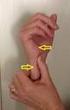 Ulnar sided Wrist Pain 1 Susan Cross, 1 Anshul Rastogi, 2 Brian Cohen, 1 Rosy Jalan 1 Dept of Radiology, Barts Health NHS Trust, London, UK 2 London Orthopaedic Centre Contact: [email protected]
Abdominal Pedicle Flaps To The Hand And Forearm John C. Kelleher M.D., F.A.C.S.
 Abdominal Pedicle Flaps To The Hand And Forearm John C. Kelleher M.D., F.A.C.S. Global-HELP Publications Chapter Eight: TECHNICAL REQUIREMENTS FOR FORMATION OF A TUBED PEDICLE FLAP Creating a tube pedicle
www.ghadialisurgery.com
 P R E S E N T S Dr. Mufa T. Ghadiali is skilled in all aspects of General Surgery. His General Surgery Services include: General Surgery Advanced Laparoscopic Surgery Surgical Oncology Gastrointestinal
Anatomical Consideration and Brachial Plexus Anesthesia. Anatomy
 Brachial Plexus Anesthesia There are four approaches to the brachial plexus. These include the interscalene, supraclavicular, infraclavicular, and axillary approach. For the purposes of this lecture we
Radiculopathy vs. Peripheral Neuropathy. What to do with arm pain? Defining Arm Pain. Arm Pain
 Radiculopathy vs. Peripheral Neuropathy What to do with arm pain? Miriana G. Popadich RN, MSN Clinical Care Coordinator Brachial Plexus Program Department of Neurosurgery University of Michigan Timing
Radial Head Fracture Repair and Rehabilitation
 1 Radial Head Fracture Repair and Rehabilitation Surgical Indications and Considerations Anatomical Considerations: The elbow is a complex joint due to its intricate functional anatomy. The ulna, radius
EMG and the Electrodiagnostic Consultation for the Family Physician
 EMG and the Electrodiagnostic Consultation for the Family Physician Stephanie Kopey, D.O., P.T. 9/27/15 The American Association of Neuromuscular & Electrodiagnostic Medicine (AANEM) Marketing Committee
Extremity Trauma. William Schecter, MD
 Extremity Trauma William Schecter, MD Approach to the Evaluation of the Patient with an Extremity Injury Blood Supply Skeleton Neurologic Function Risk for Compartment Syndrome? Coverage (Skin and Soft
Total Elbow Arthroplasty and Rehabilitation
 Total Elbow Arthroplasty and Rehabilitation Surgical Indications and Considerations Anatomical Considerations: There are three bones and four joint articulations that have a high degree of congruence in
International Encyclopedia of Rehabilitation
 International Encyclopedia of Rehabilitation Copyright 2010 by the Center for International Rehabilitation Research Information and Exchange (CIRRIE). All rights reserved. No part of this publication may
Shoulder Arthroscopy
 Copyright 2011 American Academy of Orthopaedic Surgeons Shoulder Arthroscopy Arthroscopy is a procedure that orthopaedic surgeons use to inspect, diagnose, and repair problems inside a joint. The word
Elbow Injuries and Disorders
 Elbow Injuries and Disorders Introduction Your elbow joint is made up of bone, cartilage, ligaments and fluid. Muscles and tendons help the elbow joint move. There are many injuries and disorders that
Chapter 35. Volar forearm fasciotomy incisions Hand/dorsal forearm fasciotomy incisions Finger fasciotomy incisions
 Chapter 35 HAND CRUSH INJURY AND COMPARTMENT SYNDROME KEY FIGURES: Volar forearm fasciotomy incisions Hand/dorsal forearm fasciotomy incisions Finger fasciotomy incisions The previous chapters about the
EXTENSOR POLLICIS TENDONITIS SYNDROME
 EXTENSOR POLLICIS TENDONITIS SYNDROME The extensor pollicis longus muscle has its origin on the lateral part of the middle third of the ulnar shaft on the dorsal border below the abductor pollicis longus
Musculoskeletal Ultrasound Technical Guidelines. II. Elbow
 European Society of MusculoSkeletal Radiology Musculoskeletal Ultrasound Technical Guidelines II. Ian Beggs, UK Stefano Bianchi, Switzerland Angel Bueno, Spain Michel Cohen, France Michel Court-Payen,
Ergonomics Monitor Training Manual
 Table of contents I. Introduction Ergonomics Monitor Training Manual II. Definition of Common Injuries Common Hand & Wrist Injuries Common Neck & Back Injuries Common Shoulder & Elbow Injuries III. Ergonomics
Diagnosis and Treatment of Cervical Root and Peripheral Nerve Lesions of the Upper Extremity: Carpal and Cubital Tunnel Syndromes
 A Quarterly Publication for Continuing Medical Education Diagnosis and Treatment of Cervical Root and Peripheral Nerve Lesions of the Upper Extremity: Carpal and Cubital Tunnel Syndromes Ann R. Stroink,
.org. Arthritis of the Hand. Description
 Arthritis of the Hand Page ( 1 ) The hand and wrist have multiple small joints that work together to produce motion, including the fine motion needed to thread a needle or tie a shoelace. When the joints
Whether a physician is
 ILLUSTRATIONS BY SCOT BODELL Hand and Wrist Injuries: Part I. Nonemergent Evaluation JAMES M. DANIELS II, M.D., M.P.H., Southern Illinois University School of Medicine, Quincy, Illinois ELVIN G. ZOOK,
Treatment Guide Understanding Hand and Wrist Pain. Using this Guide. Choosing Your Care
 Treatment Guide Understanding Hand and Wrist Pain With how much we rely on our hands, there s no wonder hand and wrist pain can be so disabling and frustrating. When this pain interferes with typing on
Heel Pain Syndromes DELLON INSTITUTES FOR PERIPHERAL NERVE SURGERY
 Heel Pain s 5 3333 N CALVERT ST, SUITE 370, BALTIMORE, MD 21218 T410 467 5400 F410 366 9826 delloninstitutes.com your complaints are Pain, numbness or burning in your heel. The timing of this pain and
Upper Extremity MMI and Impairment Rating
 Upper Extremity MMI and Impairment Rating 1 How to Determine Maximum Medical Improvement 1. Understand the definition of MMI 2. Review the DWC Form-032, Request for Designated Doctor Examination 3. Review
Treatment Guide Understanding Elbow Pain. Using this Guide. Choosing Your Care. Table of Contents:
 Treatment Guide Understanding Elbow Pain Elbow pain is extremely common whether due to aging, overuse, trauma or a sports injury. When elbow pain interferes with carrying the groceries, participating in
LATE RESPONSES IN MEDIAN NERVE ENTRAPMENT NEUROPATHY IN THE CARPAL TUNNEL
 Bulletin of the Transilvania University of Braşov Series VI: Medical Sciences Vol. 7 (56) No.2-2014 LATE RESPONSES IN MEDIAN NERVE ENTRAPMENT NEUROPATHY IN THE CARPAL TUNNEL A. M. GALAMB 1 I. D. MINEA
QUESTION I HAVE BEEN ASKED TO REHAB GRADE II AND III MCL INJURIES DIFFERENTLY BY DIFFERENT SURGEONS IN THE FIRST 6WEEKS FOLLOWING INJURY.
 QUESTION I HAVE BEEN ASKED TO REHAB GRADE II AND III MCL INJURIES DIFFERENTLY BY DIFFERENT SURGEONS IN THE FIRST 6WEEKS FOLLOWING INJURY. SOME ARE HINGE BRACED 0-90 DEGREES AND ASKED TO REHAB INCLUDING
SPLINTING THE HAND WITH A PERIPHERAL-NERVE INJURY
 Chapter 34 SPLINTING THE HAND WITH A PERIPHERAL-NERVE INJURY Judy C. Colditz Splinting the hand with a peripheral-nerve injury is both easy and difficult. The ease of splinting results from the readily
EXTENSOR CARPI ULNARIS TENDINOPATHY. Amanda Cooper
 EXTENSOR CARPI ULNARIS TENDINOPATHY Amanda Cooper OVERVIEW Anatomy Biomechanics Injury Pathology Assessment Treatment Anatomy Origin: Middle third of the posterior border of ulna Lateral epicondyle of
Anatomy of the Carpal Tunnel. Carpal Tunnel Syndrome. Ultrasound: Normal Nerve. Ultrasound: Median Nerve/Carpal Tunnel
 Courses In Diagnostic Ultrasound Wake Forest School of Medicine US for Carpal Tunnel Syndrome Lecture Outline Steven Shook, MD Staff, Neuromuscular Center Cleveland Clinic Neurological Institute April
SCIENTIFIC ARTICLE. Endoscopically Assisted Decompression for Pronator Syndrome
 SCIENTIFIC ARTICLE Endoscopically Assisted Decompression for Pronator Syndrome Andrew K. Lee, MD, Mark Khorsandi, DO, Nurulhusein Nurbhai, DO, Joseph Dang, MD, Michael Fitzmaurice, MD, Kyle A. Herron,
Pediatric Sports Injuries of the Wrist and Hand. Sunni Alford, OTR/L,CHT Preferred Physical Therapy
 Pediatric Sports Injuries of the Wrist and Hand Sunni Alford, OTR/L,CHT Preferred Physical Therapy Wrist injuries TFCC ECU/ FCU tendonitis Instability Growth Plate Fractures Ulnar abutment syndrome Triangular
Temple Physical Therapy
 Temple Physical Therapy A General Overview of Common Neck Injuries For current information on Temple Physical Therapy related news and for a healthy and safe return to work, sport and recreation Like Us