
What to do during... Medical Emergencies
|
|
|
- Myron Garry Ellis
- 10 years ago
- Views:
Transcription
1 What to do during... Calling 911 Reacting in an Emergency Performing CPR Providing Rescue Breathing Delivering Abdominal Thrusts Formulating an Emergency Action Plan Assembling Your First Aid Kit Preparing for a Disaster SELF-CARE ESSENTIALS A Simple Guide to Managing Your Health Care and Living Well

2 [2] What to do during medical emergencies... When Should You Call 911? When to Call 911 There are times when a medical condition is so severe that it requires immediate, professional, medical assistance. But how can you tell the difference between a minor problem and a medical emergency especially when minor problems may mimic the early warning signs of other serious and life-threatening conditions? The following 15 symptoms are signs of serious medical emergencies. In an emergency situation, the American Red Cross recommends that you first check the scene, then call 911, then deliver care to the victim. In emergency situations, seconds can save lives. The following 15 symptoms are signs of medical emergencies call 911 immediately. 15 Conditions 1Shortness of Breath Your body needs a sufficient air supply to provide your vital organs and cells with oxygen for life. Shortness of breath can be a symptom of a number of serious medical conditions including heart attack. Anyone who is short of breath while at rest, or cannot determine the cause of shortness of breath needs immediate medical attention call No Breath or Pulse If a victim is not breathing or has no pulse, call 911 immediately. To check for breathing, place your ear above the victim s mouth to listen and feel for breath, while watching for a rise and fall of the chest. To check for pulse, feel at the front of the neck for the Adam s apple. Slide your fingers into the groove next to the Adam s apple on the side of the neck. If the person has a pulse, you will feel the beat of the blood. If you are unsure that you are feeling a pulse, you can also look for signs of circulation. Signs of circulation include color in the skin, bodily movement, and moisture (i.e., perspiration). It is also recommended that you request the help of those around you. Those on the scene may be able to assist you in performing CPR (cardiopulmonary resuscitation) or may be willing to call 911 for you, while you assist the victim. 18

3 [3] 3Chest or Upper-Abdominal Pain or Pressure Chest or upper-abdominal pain or pressure can be a sign of a serious, life-threatening issue especially if the pain spreads to the neck, arms, and jaw. In fact, these are classic signs of a heart attack. A heart attack occurs when blood flow to a portion of the heart is restricted. Seeking emergency medical attention immediately is vital if an individual is suffering from these symptoms. In fact, studies show that 75 percent of people survive heart attacks with little or no heart damage if they seek emergency care within 60 to 70 minutes of the onset of symptoms. 4Unconsciousness Emergency situations that involve a loss of consciousness are always serious. And because the causes of unconsciousness include heart attack, head injury, stroke, diabetes, or shock just to name a few an unconscious person always needs immediate, emergency medical attention call 911. should always be taken seriously as it offers a physician the opportunity to thoroughly examine the person and discover the source of the pain. 8Bleeding That Can t Be Controlled Most bleeding should stop within a few minutes if direct pressure is applied to the wound. If a wound bleeds profusely for more than four to five minutes, call 911. After calling 911, attempt to stop the bleeding by elevating the wound and applying direct pressure to it with a clean cloth until medical help arrives. Conditions 9 through 15 continued on the following page... 5Possible Spinal or Neck Injury Neck or spinal injuries can result in paralysis. If you suspect a possible neck or spinal injury, DO NOT attempt to move the victim unless he or she is in grave danger. Injuries to the neck and spine can be made worse if the victim is moved without the help of trained emergency medical personnel call Disorientation Disorientation can be the sign of many serious medical conditions. An individual who becomes disoriented after previously being alert should seek emergency medical care immediately. You may assess someone who s disoriented by asking three simple questions: What day is it? Where are you? And, what s your name? A person who cannot remember their name is usually in the most serious danger. Regardless of how the questions are answered, anyone who suddenly becomes disoriented needs immediate, emergency care call Sudden Severe Pain Although sudden, severe pain may not necessarily indicate a serious medical condition, it should be treated as an emergency, if for no other reason than to relieve the pain. Level of pain, too, is subjective, but if an individual complains of sudden, severe pain the worst pain they have ever experienced it There are over 100 million visits to hospital emergency rooms each year in the United States. 19

4 [4] What to do during medical emergencies... When Should You Call 911? Continued... 9Severe or Persistent Vomiting Vomiting is your body s way of getting rid of toxic and potentially harmful substances. Severe or persistent vomiting could be a sign of poisoning, overdose, or Reye s syndrome in children. Additionally, severe or persistent vomiting can quickly result in dehydration. If an individual is vomiting continuously, or if the vomiting is excessively violent, call 911. or Vomiting Blood or vomiting blood can be a 10Coughing sign of a serious medical condition including lung cancer, heart disorders, pneumonia, or tumors in the stomach or esophagus, just to mention a few. Sometimes it can be difficult to tell the difference between coughing or vomiting up blood, but it matters little call 911 if you are coughing or vomiting blood. Injury or Trauma Common sense will normally tell us when an injury 11Major is traumatic enough to seek emergency medical care. Obvious examples of major injuries include broken bones, gun shot wounds, deep cuts, head injuries, etc. If you have doubts as to whether an injury is serious enough to warrant emergency medical care, it is far better to be safe than sorry. If you are unsure, or have any doubts about your condition, seek medical care immediately call 911. of Impending 12Feeling Doom It is not unusual for individuals experiencing serious medical conditions to feel a sense of impending doom. This is especially true during traumatic experiences like heart attacks. In fact, a sense of impending doom is a key symptom of a heart attack and other serious medical conditions. Trust your instincts if you feel a sense of impending doom, get emergency medical care right away call

5 [5] Vision Changes or Loss A sudden change in vision or vision loss can indicate a 13Sudden number of serious conditions including retinal detachment, sudden glaucoma, stroke, or any number of systemic eye diseases. In some cases, a sudden change or loss of vision may be irreversible if emergency medical attention is not sought immediately call 911. or Homicidal Feelings Anytime an individual experiences suicidal or homicidal 14Suicidal feelings, immediate, emergency medical care and intervention should be sought. Doing so can help prevent unnecessary loss of life for the individual or those around them. Such feelings may indicate the presence of depression or other mental disorders, many of which are very treatable nevertheless, call 911. You Are Unsure About What to Do in An Emergency Situation It s often 15If difficult to differentiate between minor and major medical conditions. Both serious and minor conditions may share similar symptoms that easily blur the line between them. If you re ever in doubt whether a condition is serious or not, or if you are unsure about how to treat a condition, it s important to seek the assistance of emergency medical personnel call 911.!Key Point: Resist the urge to transport any person experiencing a medical emergency in your own vehicle. Instead, call 911 and follow any instructions given. EMERGENCY NUMBERS Emergency Services 911 National Poison Control Family Physician Pediatrician Close Relatives/Friends Nurse Lines/Other Address of Local Hospital Approximately 268,000 calls are made to emergency services (911) each day in the United States. 21

6 [6] What to do during medical emergencies... What To Do In An Emergency Emergency Situations During an emergency situation, how you react, and how you care for the injured individual, can mean the difference between life and death. Do you know how to respond in an emergency? The 3Cs For Reacting To An Emergency The three basic steps to responding to a medical emergency include checking the scene and the victim, calling 911 or other emergency services, and caring for the victim. Let s take a closer look at each step. 1Check The Scene And The Victim When coming upon an emergency, it s important to check the surrounding area for safety, as well as to check a victim s condition. Four main questions will help you do this most effectively. These questions are: 3 Is the scene safe? 3 What happened? 3 How many victims are there? 3 Can bystanders help? Assessing the scene for safety means quickly scanning the area to search for objects or dangerous situations that still remain. If you determine that the scene is unsafe, DO NOT INTERVENE call 911 immediately. If the scene is safe, check the victim. Try to determine what happened by speaking with the victim. If the victim is unconscious, try to gather as much information about the emergency and the victim s condition as possible assess the scene and ask bystanders for input. This information is critical to emergency services personnel. Also, don t forget to look for additional victims, and never be afraid to ask bystanders for help. 2 Call 911 Calling 911 may be the most important thing you can do when you encounter an emergency medical situation. It is preferable, if possible, to have a bystander call 911, so you can remain with and care for the victim. (Refer to the section entitled, When Should You Call 911? for more information). 22

7 [7] If possible, have a bystander call 911 during an emergency, so you can stay with the victim. When calling 911, be prepared to give the dispatcher the following information: 3 State the location of the emergency 3 If possible, give the dispatcher the phone number you re calling from 3 State your name 3 Tell the dispatcher what happened 3 Tell the dispatcher how many people are involved 3 Explain the condition of the victim(s) 3 Tell the dispatcher what, if any, first aid is being given! Key Point: Do not hang up the phone until the dispatcher hangs up or until you are instructed to hang up. 3Care For The Victim If the victim is conscious, the American Red Cross suggests that you tell the victim who you are, share with them how you will attempt to help them, inform them as to how much training you have, and ask for permission to care for them. If the victim refuses care, respect their wishes, and wait for emergency care to arrive. If the victim desires care, begin first-aid procedures as appropriate (see the ABCs in this section). If the victim is an unconscious adult, permission to care for the victim is implied. If the victim is a child and no guardian can be found, permission to care for him or her is implied. Otherwise, permission must be sought from the child s supervising adult. Airway If there is no trauma, check the person s airway by tilting the head and lifting the chin. If there is trauma, with index finger and thumb, lift forward on the person s jaw. Breathing Is the person breathing? To check for breathing, place your ear above the victim s mouth to listen and feel for breath, while watching for a rise and fall of the chest. If there is no breathing, give two breaths. If the chest still does not rise, reposition the head and give one more breath. If the chest still does not rise, give abdominal thrusts. (see Abdominal Thrusts section) Circulation Does the victim have a pulse? To check for pulse, feel at the front of the neck for the Adam s apple. Slide your fingers into the groove next to the Adam s apple on the side of the neck. If the person has a pulse, you will feel the beat of the blood. If you are unsure that you are feeling a pulse, you can also look for signs of circulation. Signs of circulation include color in the skin, bodily movement, and moisture (i.e., perspiration). The status of the victim s airway, breathing, and circulation, will determine the type of care you provide CPR, rescue breathing, or abdominal thrusts may be necessary. See the following pages for information on these procedures. If you come across an unconscious individual, care begins with a critical assessment. This assessment evaluates the victim s ABCs Airway, Breathing, and Circulation. In an emergency, remember the Three Cs: Check the scene and the victim, Call 911, and Care for the victim. 23

8 [8] What to do during medical emergencies... Giving CPR About Giving CPR CPR can be an important process for helping to ensure the survival of a victim whose heart has stopped beating. When the heart stops beating (known as cardiac arrest) breathing also stops, and without CPR and immediate medical attention, it s likely that the victim will die. CPR involves the combination of rescue breathing and chest compressions to circulate oxygenated blood to the brain and other vital organs. Although CPR isn t as effective as normal respiratory and cardiovascular functioning, it s an important lifeline during an emergency. Before You Begin Before performing CPR on a victim who appears to be unconscious, gently shake the individual, asking if they re OK. If the victim is unresponsive, shout for help or call 911. While waiting for emergency services to arrive and prior to performing CPR it s important to perform a critical assessment. This assessment evaluates the victim s ABCs Airway, Breathing, and Circulation. Airway If there is no trauma, check the person s airway by tilting the head and lifting the chin. If there is trauma, with index finger and thumb, lift forward on the person s jaw. Breathing Is the person breathing? To check for breathing, place your ear above the victim s mouth to listen and feel for breath, while watching for a rise and fall of the chest. If there is no breathing, give two breaths. If the chest still does not rise, reposition the head and give one more breath. If the chest still does not rise, give abdominal thrusts. (see Abdominal Thrusts section) Circulation Does the victim have a pulse? To check for pulse, feel at the front of the neck for the Adam s apple. Slide your fingers into the groove next to the Adam s apple on the side of the neck. If the person has a pulse, you will feel the beat of the blood. If you are unsure that you are feeling a pulse, you can also look for signs of circulation. Signs of circulation include color in the skin, bodily movement, and moisture (i.e., perspiration). If the victim has a pulse, DO NOT perform CPR. Performing CPR on a victim whose heart is beating can cause serious damage. If the victim is not breathing, but has a pulse, perform rescue breathing (refer to the next section). If the victim has no pulse, and is not breathing, it s time to begin CPR. If the victim is breathing and has a pulse, but is unresponsive, and has not experienced serious trauma, place the victim on their side. This is known as the recovery position. ABCs In a medical emergency, remember your ABCs Airway, Breathing, and Circulation. 24

9 [9] Performing CPR Step 1: Place the victim on their back, tilting their head backwards to open breathing passages. Step 2: Give rescue breaths. It is recommended that you use a face shield or pocket mask to give rescue breaths. Pinch the victim s nostrils closed if necessary. If you do not have a face shield or pocket mask, you may choose to perform chest compressions only (see step 3 below). Provide two full breaths to the victim. If the chest does not rise when you deliver these breaths, you may have missed an item blocking the victim s airway. Reposition the head and deliver one more breath. If the chest still does not rise, perform abdominal thrusts. (See Abdominal Thrusts section). Step 1 Step 2 Step 3: Begin giving chest compressions by positioning your hands over the lower part of the victim s breast bone, where the ribs and breast bone meet. Position your bodyweight over your arms (do not bend your elbows) and use your upper bodyweight to compress the chest approximately two inches. After compressing the chest 15 times, deliver two more rescue breaths. Step 4: You must administer four complete cycles of 15 chest compressions and two breaths before rechecking for breathing and pulse. Deliver compressions at a rate of 100 per minute. If there is no pulse or breathing after one minute (four complete cycles of 15 compressions and two breaths), continue delivering four more complete cycles of 15 chest compressions and two breaths checking for pulse and breathing at one minute intervals until medical personnel arrive. When To Stop Giving CPR There are only a few situations when it s appropriate to stop giving CPR. They are as follows. 1. If the victim s heartbeat and breathing resume. 2. If another trained person takes over CPR for you. 3. If emergency medical services (EMS) personnel arrive and take over care of the victim. 4. If you are exhausted and are physically unable to continue. 5. If the scene becomes unsafe. Step 3 Step 4 repeat the cycle Seventy-five percent of all out-of-hospital cardiac arrests occur in the home. Learning CPR can save a life. 25

10 [10] What to do during medical emergencies... Rescue Breathing About Rescue Breathing Rescue breathing is given to someone who is unconscious and not breathing, but DOES have a pulse. In an emergency such as this, you must provide air to the victim, so that he or she can stay alive. Giving Rescue Breathing To give rescue breathing, follow the four steps listed here. Step 1: If you suspect a person is not breathing, place the victim flat on their back, tilt their head back, and lift their chin so that the tongue moves away from the back of the throat. If there is trauma, with index finger and thumb, lift forward on the person s jaw. Place your ear above the victim s mouth to listen and feel for breath, while watching for a rise and fall of the chest, indicating breathing. If, after five seconds, the victim isn t breathing, you ll need to perform rescue breathing. Step 2: Pinch the victim s nose closed and form a tight seal around their mouth with your barrier device. Provide two breaths each lasting 2 seconds. (If the victim s chest does not rise, the airway is likely blocked. Reposition the head, deliver one more breath. If the chest still does not rise, perform abdominal thrusts see the next section). Preventing Disease Transmission During an emergency, when blood or other bodily fluids are present, there is an increased risk of disease transmission. The best way to prevent exposure to disease is to be prepared. Stock your first aid kit with items that can reduce the chance of exposure to bodily fluids. These items include: 3 Disposable gloves 3 Eye protection 3 A face shield or pocket mask (for rescue breathing) Step 3: After providing two breaths, check for a pulse. If the victim has a pulse, but isn t breathing, continue providing one breath every five seconds. After 10 to 12 breaths, recheck the victim s pulse. (If, during rescue breathing, you discover the victim has no pulse or no signs of circulation, provide CPR see previous section). Step 4: Continue rescue breathing, rechecking for a pulse every 10 to 12 breaths. When to Stop Rescue Breathing 3 If emergency medical personnel arrive 3 If the person begins breathing on their own 3 If someone takes over rescue breathing for you 3 If you are physically unable to continue 3 If the scene becomes unsafe The best preparation for an emergency situation is to get certified in first aid and CPR. Contact the American Red Cross to find out how you can get certified. Source: American Red Cross Pinch the victim s nose closed and form a tight seal around their mouth with your barrier device. Provide two breaths each lasting 2 seconds. 26

11 [11] Abdominal Thrusts Giving Abdominal Thrusts Abdominal thrusts are commonly performed when an individual is choking. Look at the procedures below to learn how you can help a choking person. Giving Abdominal Thrusts to a CONSCIOUS Victim Step 1: Do not begin rescue procedures if a victim can speak, cough, or breathe. Instead, encourage the victim to continue coughing. If a person continues choking, dial 911 immediately. If the airway becomes completely blocked (victim cannot speak, cough, or breathe) begin abdominal thrusts. Step 2: Stand behind the victim, wrapping your arms around their waist. Make a fist with one hand, placing the thumb-side against the victim s abdomen above the navel and below the rib cage. Step 3: Grab your fist with your other hand, giving quick, inward, and upward thrusts. Repeat until the object is cleared. Giving Abdominal Thrusts to an UNCONSCIOUS Victim Step 1: If a person is unconscious and not breathing, dial 911 before providing care. Step 2: Place the victim on their back. Straddle the victim s legs, placing the heel of one of your hands on the middle of the abdomen just above the navel. Step 3: Place your other hand on top of your first hand with fingers pointed towards the victim s head. Give five quick thrusts towards the head and into the abdomen. Step 4: After five thrusts, check the victim s mouth for the obstruction and remove it if possible. Repeat thrusts until object is dislodged or emergency personnel arrive. After the item is dislodged, provide further care such as rescue breathing or CPR if needed (see previous sections). Giving Abdominal Thrusts To Yourself Step 1: Position a fist just above the navel. Step 2: Grab your fist with your other hand and thrust upward into your abdomen until the object is expelled. Leaning over a chair will produce the same effect.! Key Point: After any choking incident, the victim should visit the ER for follow up care.! Key Point: Chest thrusts should be used in place of abdominal thrusts on pregnant females. Source: American Red Cross 27 Approximately 3,000 people die each year from choking many of these deaths can be avoided by performing abdominal thrusts.

12 [12] What to do during medical emergencies... Your Emergency Action Plan Seconds Save Lives By their very nature, medical emergencies happen quickly and without warning. Having an action plan, the right tools and resources, and arming yourself with key pieces of knowledge can mean the difference between life and death when seconds count. Your emergency action plan should include four key elements prevention, preparation, recognition, and decision-making. Preventing You and your loved ones can reduce the likelihood of medical emergencies by, first and foremost, staying up-to-date on medical exams and checkups. You should also: u Always wear a seatbelt u Eat a balanced diet u Follow safety instructions when cooking, working outside, etc. u Wear protective gear (helmets, pads, etc.) u Never drink and drive u Avoid all tobacco products u Exercise regularly The importance of planning... Studies show that in an emergency, lives are either saved or lost within the first six minutes. Preparing for Even with efforts to prevent emergencies, occasionally they still occur. Prepare yourself for emergencies in the following ways:! Keep a well-stocked first aid kit at home, at work, and in your car (see the following section for contents)! Understand what constitutes an emergency (Refer to the section entitled, When Should You Call 911? for more information).! Keep written records of important medical information! Take a first aid and CPR class! Post emergency numbers near your telephone Recognizing Some situations require emergency medical care in the following instances, call 911: 1. Shortness of Breath 2. No Pulse or Breath 3. Chest or Upper-Abdominal Pain or Pressure 4. Unconsciousness 5. Possible Spinal or Neck Injury 6. Disorientation 7. Sudden Severe Pain 8. Bleeding that Can t be Controlled 9. Severe or Persistent Vomiting 10. Coughing or Vomiting Blood 11. Major Injury or Trauma 12. Feeling of Impending Doom 13. Sudden Vision Changes or Loss 14. Suicidal or Homicidal Feelings 15. If You Are Unsure About What to Do 28

13 [13] EMERGENCY NUMBERS Emergency Services 911 National Poison Control Family Physician Pediatrician Close Relatives/Friends Nurse Lines/Other Address of Local Hospital Keeping Emergency Information At Hand When an emergency strikes, there s little time to react. Having important information such as key phone numbers or emergency instructions at hand during an emergency can save valuable time when seconds count. A chart for keeping track of important phone numbers has been included on this page. In addition to important emergency contacts, other important information and medical forms should be kept on hand and ready for emergency personnel. Forms to keep on hand include: Treatment Consent Forms A medical treatment consent form designates a specific person to make important medical decisions for a minor when parents/guardians are unavailable. Emergency Information for Children with Special Needs This information typically outlines any chronic conditions a child may have, as well as specific allergies, and prior medical history. Personal History Form By providing emergency services personnel with a medical history, valuable time may be saved, and mistakes may be avoided. Contact Form In the case that you or a loved one is injured, having a medical contact form saves emergency services personnel valuable time in notifying family members. Deciding to Act In an emergency, time is critical. When seconds count, one of the most important things you can do is to make the decision to help out. Whether it s calling 911, comforting a victim, or providing lifesaving care, making the decision to act may be just as important as knowing what to do. If you don t help, who will? When seconds count, one of the most important things you can do is to make the decision to help out. 29

14 [14] What to do during medical emergencies... Assembling A First Aid Kit What to Include in Your First Aid Kit Having a well-stocked first aid kit will enable you and your family to respond appropriately when faced with an emergency. The American College of Emergency Physicians recommends that you keep the following items in your first aid kit: : A first aid manual : Emergency phone numbers and information (see previous section) : A list of allergies (a separate list for each household member) : A list of prescribed medications (a separate list for each household member) : Pain relievers (acetaminophen, ibuprofen, and aspirin keep at least two tablets of aspirin at all times in case of heart attack) : Cough suppressant : Antihistamines : Oral medical syringe (to administer medication to children) : Fluids to use for oral hydration when treating infant diarrhea (Pedialyte or Infalyte) : Bandages of assorted sizes : Triangular bandages (to wrap injuries or create an arm sling) : Elastic wraps (to wrap wrist, ankle, knee, and elbow injuries) : Gauze in rolls and gauze pads in 2 and 4 inch sizes : Disposable, instant-activating cold packs : Sharp scissors with rounded tips : Safety pins : Antiseptic wipes : Antibiotic ointment : Adhesive tape : Hydrogen peroxide : Tweezers : Rubber gloves : Thermometer : Petroleum jelly : Calamine lotion : Hydrocortisone cream : Decongestants!Key Point: Remember to keep a first aid kit in the three most common places you ll need one at work, at home, and in the car. Source: The American College of Emergency Physicians 30

15 [15] Preparing For A Disaster Your emergency supply kit should last at least three days. Don t forget the most important item: water. Disaster Preparedness and disasters are an unfortunate part of life. You can increase your comfort and chances of survival during an emergency or disaster by taking three key steps now, before a disaster strikes. Three Steps to Disaster Preparedness 1Assemble an Emergency Kit. An emergency kit should enable you to survive comfortably for at least three days, until after a biological, radiological, or chemical attack/emergency has passed. You ll need: Water Flashlight Canned/dried food A change of clothes Warm blankets Plastic garbage bags Battery powered radio Extra batteries First aid kit Duct tape Map of the area Whistle Cell phone/extra battery Cash and credit card Photo ID Spare car keys Utility knife/pliers Waterproof matches 2Make a Family Communication Plan. If an emergency or disaster strikes, be sure everyone in your family is prepared and knows what to do. Consider the following items as part of your communication plan: Make sure family members can stay in touch during an emergency or disaster regardless of location. Include out-of-state friends or relatives in your communication plan. Keep emergency numbers near the phone and with each family member. Select a safe room where the family will meet during a disaster or emergency. An interior room, above ground, with few doors and windows is the best choice. If the house is unsafe (in the case of a fire for example), choose a safe location outside the house in which to meet. 3Continually Prepare. Continually preparing and practicing for disasters and emergencies will better ensure your survival and health during an emergency or disaster. Keep the following in mind as you continually prepare for emergencies and disasters: Practice and revise your disaster communication plan Seek out news stations that will be helpful in case of an emergency Become certified in first aid and CPR Replace supplies after they are used or expire Be familiar with your insurance policies Source: US Department of Homeland Security Select a safe room where the family will meet during a disaster or emergency. An interior room, above ground, with few doors and windows is the best choice. 31

16 Do you know what to do during... SELF-CARE ESSENTIALS A Simple Guide to Managing Your Health Care and Living Well Important information on Take The Self-Care Quiz The quiz below is designed to test your knowledge on the information presented in this section. Use this quiz as a tool to better understand how to care for yourself and others. True q q q q q False q 1. It s appropriate to put yourself at risk when providing emergency care. q 2. CPR should only be given when a victim DOES NOT have a pulse and is not breathing. q 3. There s no reason a rescued choking victim should need to go to the emergency room. q 4. Rescue breathing is given to someone who is unconscious, not breathing, and DOES have a pulse. q 5. Your emergency supply kit should last two days. Managing Your Own Health and Seeking Care The information contained in this guide is based on the best health information available and has been reviewed for accuracy. This information is not intended to replace the advice of your healthcare provider. If you have any questions about managing your own health and/or seeking medical care, please contact a medical professional. Wellness Councils of America 9802 Nicholas Street, Suite 315 Omaha, NE Phone: (402) Fax: (402) Wellness Councils of America Answers can be found inside this section. 32

Adult First Aid/CPR/AEd. Ready Reference
 Adult First Aid/CPR/AEd Ready Reference Contents Checking an Injured or Ill Adult 3 CPR 4 AED Adult or Child 5 Conscious Choking 7 Controlling External Bleeding 8 Burns 9 Poisoning 10 Head, Neck or Spinal
Module 5 ADULT RECOvERY POSITION STEP 1 POSITION ThE victim
 Module 5 ADULT RECOVERY POSITION The recovery position is used in the management of victims who are unresponsive but have breathing and pulse. When an unresponsive victim is lying supine, the airway may
2 CHECKING AN INJURED OR ILL ATHLETE
 American Red Cross 2 CHECKING AN INJURED OR ILL ATHLETE ~~~'1'H ~.. 2 CHECKING AN INJURED OR III ATHLETE Checking the scene for safety and checking an injured or ill athlete is the first action to take,
Northwestern Health Sciences University. Basic Life Support for Healthcare Providers
 Northwestern Health Sciences University Basic Life Support for Healthcare Providers Pretest May 2005 This examination to be used only as a PRECOURSE TEST for BLS for Healthcare Providers Courses Based
CPR/AED for Professional Rescuers and Health Care Providers HANDBOOK
 CPR/AED for Professional Rescuers and Health Care Providers HANDBOOK TABLE OF CONTENTS SECTION 1: THE PROFESSIONAL RESCUER The Duty to Respond 2 Preventing the Spread of Bloodborne Pathogens 3 Taking Action
Adult Choking and CPR Manual
 Adult Choking and CPR Manual 2009 Breath of Life Home Medical Equipment and Respiratory Services CHOKING Description: Choking is the coughing spasm and sputtering that happen when liquids or solids get
Adult, Child, and Infant Written Exam CPR Pro for the Professional Rescuer
 Adult, Child, and Infant Written Exam CPR Pro for the Professional Rescuer Instructions: Read each of the following questions carefully and then place an X over the correct answer on the separate answer
Emergency procedures instructions to farm staff
 Emergency procedures instructions to farm staff The first priority in the event of an emergency is for the safety of all people present. Emergency phone numbers Dial 111 for Fire/Police/Ambulance 1. Tell
Heart information. CPR cardiopulmonary resuscitation
 Heart information CPR cardiopulmonary resuscitation Contents 3 What is CPR? 3 What is cardiac arrest? 4 Heart attack and cardiac arrest 4 Cardiopulmonary resuscitation (CPR) 5 Danger 6 Response 7 Send
American Heart Association
 American Heart Association Basic Life Support for Healthcare Providers Pretest April 2006 This examination to be used only as a PRECOURSE TEST For BLS for Healthcare Providers Courses 2006 American Heart
American Heart Association. Basic Life Support for Healthcare Providers
 American Heart Association Basic Life Support for Healthcare Providers Pretest February 2001 This examination to be used only as a PRECOURSE TEST for BLS for Healthcare Providers Courses 2001 American
First Responder (FR) and Emergency Medical Responder (EMR) Progress Log
 First Responder (FR) and Emergency Medical Responder (EMR) Progress Log Note: Those competencies that are for EMR only are denoted by boldface type. For further details on the National Occupational Competencies
CHAPTER 1 DISASTER FIRST AID INTRODUCTION
 CHAPTER 1 DISASTER FIRST AID INTRODUCTION This chapter will cover the following topics: Introduction: The basic concepts of providing disaster first aid and the equipment required to safely respond to
Success Manual and Cheat Sheet Notes to Pass Your Basic Life Support (BLS) Course
 Success Manual and Cheat Sheet Notes to Pass Your Basic Life Support (BLS) Course Written by: Jay Snaric, MS And Kimberly Hickman, RN CPR St. Louis 44 Meramec Valley Plaza St. Louis MO 63088 www.stlcpr.com
OPTIONAL LESSON Anaphylaxis and Epinephrine Auto-Injector
 OPTIONAL LESSON Anaphylaxis and Epinephrine Auto-Injector Lesson Length: 54 minutes GUIDANCE FOR THE INSTRUCTOR To complete this lesson and meet the lesson objectives, you must: Discuss all points in the
IN CASE OF EMERGENCY. Emergency Telephone Number 112
 IN CASE OF EMERGENCY Emergency Telephone Number 112 Police, Fire, Ambulance Dial 112 in case of fire, medical emergency, serious or life threatening traffic or other accident. Tell the operator: What has
Cardio-Pulmonary Resuscitation (CPR): A Decision Aid For. KGH Patients And Their Families
 Cardio-Pulmonary Resuscitation (CPR): A Decision Aid For KGH Patients And Their Families The goal of this pamphlet is to provide information about cardiopulmonary resuscitation (CPR) so you can be adequately
First Aid Multiple Choice Test
 First Aid Multiple Choice Test Answer all 25 questions by circling the correct answer. This is an open-book test. Answers are contained in The Boy Scout Handbook. Patrol Troop 1. When making a 911 call,
A PUBLIC HEALTH GUIDE TO EMERGENCY PLANNING
 A PUBLIC HEALTH GUIDE TO EMERGENCY PLANNING A United Front New Jersey s Department of Health (DOH) has made it a priority to strengthen our state s health care infrastructure to prepare for any public
Types of electrical injuries
 Types of electrical injuries Electrical injury is a term for all injuries caused by contact with electrical energy. Electrical contact can cause a wide variety of injuries involving most organ systems.
American Red Cross CPR Adult EXAMPLE ANSWER SHEET
 American Red Cross CPR Adult IMPORTANT: Read all instructions before beginning the exam. INSTRUCTIONS: Do not write on this exam. Mark all answers in pencil on the separate answer sheet as directed by
First aid guidance note
 Document control information First aid guidance note Published document name: First-aid-gn.pdf Date issued: July 2012 Version: 2.0 Previous review dates: Next review date: Related documents: Governing
19.109 AUTOMATED EXTERNAL DEFIBRILLATOR
 19.109 AUTOMATED EXTERNAL DEFIBRILLATOR References: American Heart Association Healthcare Provider (CPR/AED) Ohio Revised Code Chapter 2305.235 Immunity of Person Involved with Providing Automated External
3/24/2014. Waubonsee Community College Safety Day 2014. Why do we need a First Aid Program?
 Waubonsee Community College Safety Day 2014 Why do we need a First Aid Program? 4,383 workers were killed on the job in 2012 Total recordable non fatal cases: 2,976,400 in 2012 Cases involving days away
American Heart Association. BLS Instructor Course. Written Examination. July 2003
 American Heart Association BLS Instructor Course Written Examination July 2003 Basic Life Support Instructor Exam Part I Please do not mark on this examination. Record the best answer on the separate answer
X-Plain Preparing For Surgery Reference Summary
 X-Plain Preparing For Surgery Reference Summary Introduction More than 25 million surgical procedures are performed each year in the US. This reference summary will help you prepare for surgery. By understanding
CASAID THE AIMS OF FIRST AID, INCIDENT ACTION PLAN, INITIAL ASSESSMENT AND THE RECOVERY POSITION. Airway must be open so oxygen can enter the body.
 CASAID THE AIMS OF FIRST AID, INCIDENT ACTION PLAN, INITIAL ASSESSMENT AND THE RECOVERY POSITION The Aims of First Aid The aims of first aid (the three Ps) are to: Preserve the casualty s life. Prevent
Infant CPR. What You Need to Know. How to Do Infant CPR
 Infant CPR Infant CPR also called Cardiopulmonary resuscitation is emergency care given to a baby who has stopped breathing. This sheet has the steps for CPR for newborns or babies less than 1 year old.
BROCKTON AREA MULTI-SERVICES, INC. MEDICAL PROCEDURE GUIDE. Date(s) Reviewed/Revised:
 Page 1 of 5 PROCEDURE FOR: MAP-certified staff and RN/LPN MAP-certified staff are to be trained in the use of epinephrine administration via pre-filled autoinjector devices(s) annually. Certified staff
404 Section 5 Shock and Resuscitation. Scene Size-up. Primary Assessment. History Taking
 404 Section 5 and Resuscitation Scene Size-up Scene Safety Mechanism of Injury (MOI)/ Nature of Illness (NOI) Ensure scene safety and address hazards. Standard precautions should include a minimum of gloves
Obstetric Emergencies
 Obstetric Emergencies Dr. Si Lay Khaing Senior Lecturer/ O&G Specialist Faculty of Medicine University of Malaya 15 th March 2014 Abstract Life Saving, The obstetric patient is unique in medicine as two
Sports Safety Checklist to help prevent common athletic injuries
 Sports Safety Checklist Educating parents and coaches on how to help children avoid common sportsrelated injuries is a top priority for certified athletic trainers who specialize in the prevention, diagnosis,
Get Trained. A Program for School Nurses to Train School Staff in Epinephrine Administration
 A Program for School Nurses to Train School Staff in Epinephrine Administration The Get Trained School Nursing Program was created through an unrestricted grant from Mylan Specialty. The Program is intended
A Trip to the. Emergency Room. Help Us Help You
 A Trip to the Emergency Room Help Us Help You No one plans to have a medical emergency however there are things that you can do ahead of time to help make the process easier and faster once you arrive
Better Breathing with COPD
 Better Breathing with COPD People with Chronic Obstructive Pulmonary Disease (COPD) often benefit from learning different breathing techniques. Pursed Lip Breathing Pursed Lip Breathing (PLB) can be very
Accident Prevention. and Crisis Management. Learning Objectives
 13 1 1 Accident Prevention 2 and Crisis Management Learning Objectives How can you prevent accidents? What should you do when a food recall or food crisis occurs? What should you do if the establishment
Emergency Room (ER) Visits: A Family Caregiver s Guide
 Family Caregiver Guide Emergency Room (ER) Visits: A Family Caregiver s Guide Your family member may someday have a medical emergency and need to go to a hospital Emergency Room (ER), which is also called
U.S. ARMY MEDICAL DEPARTMENT CENTER AND SCHOOL FORT SAM HOUSTON, TEXAS 78234-6100 CARDIAC IMPAIRMENT SUBCOURSE MD0571 EDITION 100
 U.S. ARMY MEDICAL DEPARTMENT CENTER AND SCHOOL FORT SAM HOUSTON, TEXAS 78234-6100 CARDIAC IMPAIRMENT SUBCOURSE MD0571 EDITION 100 DEVELOPMENT This subcourse is approved for resident and correspondence
Facial Sports Injuries
 Facial Sports Injuries Playing catch, shooting hoops, bicycling on a scenic path or just kicking around a soccer ball have more in common than you may think. On the up side, these activities are good exercise
Basic First Aid for the Community and Workplace
 A M E R I C A N S A F E T Y & H E A LT H I N S T I T U T E Basic First Aid for the Community and Workplace Student Handbook This handbook serves as a reference guide for basic first aid. For the purpose
AN ADVANCE CARE DIRECTIVE A GIFT OF PREPAREDNESS
 Rhode Island Durable Power Of Attorney For Health Care AN ADVANCE CARE DIRECTIVE A GIFT OF PREPAREDNESS INTRODUCTION YOUR RIGHTS Adults have the fundamental right to control the decisions relating to their
School Safety Staff Training
 School Safety Staff Training Care for Life Threatening Emergencies Self- Programed Learning Opportunity Barbara Conti, RN BSN Instructions This presentation is a self- programed learning opportunity for
EMERGENCY PROCEDURES
 EMERGENCY PROCEDURES In an Emergency Call 911 Using County Telephone System Call 9-911 Fresno County Sheriff 600-3111 Fresno County Security 600-6785 TABLE OF CONTENTS Introduction 3 Accidents 4 Serious
Adult Basic Life Support
 2 Adult Basic Life Support Introduction This chapter contains the guidelines for out-of-hospital, single rescuer, adult basic life support (BLS). Like the other guidelines in this publication, it is based
CPR for the Professional Rescuer
 American Red Cross Video CPR for the Professional Rescuer As a professional rescuer, you are a key part of the emergency medical service (EMS) system. Whether you are paid or volunteer, in your position
WET, COUGHING AND COLD NEAR RIVER BANK STUNG BY BEE CAUSING ANAPHYLACTIC SHOCK TO WRIST
 GRIT IN EYE BROKEN LEG BONE WET, COUGHING AND COLD NEAR RIVER BANK STUNG BY BEE CAUSING ANAPHYLACTIC SHOCK HEART ATTACK SUFFERING FROM SHOCK CHOKING SEVERE BLEEDING TO WRIST HYPOTHERMIA ANGINA Localised
LEGAL PROTECTION. Good Samaritan Law RCW 4.24.300
 GOALS This course is designed to instruct coach very basic first aid techniques to protect the players under your guidance. This presentation only provides a brief overview of the issues that you may face
[This page is intentionally left blank]
![[This page is intentionally left blank]](/thumbs/27/11307501.jpg "[This page is intentionally left blank]") Drill #3 [This page is intentionally left blank] CERT DRILLS AND EXERCISES: DRILL #3 Table of Contents CERT Drills and Exercises... 1 What is a Drill?... 1 Exercise Overview... 2 For Exercise Staff...
Drill #3 [This page is intentionally left blank] CERT DRILLS AND EXERCISES: DRILL #3 Table of Contents CERT Drills and Exercises... 1 What is a Drill?... 1 Exercise Overview... 2 For Exercise Staff...
Living Arts Institute @ School of Communication Arts Emergency Preparedness Plan. - Table of Contents -
 Living Arts Institute @ School of Communication Arts Emergency Preparedness Plan - Table of Contents - Purpose 1 Evacuation Procedures 2 Medical Emergency 3 Accident Report Form 4 Blood and Body Fluid
Emergency Action Plans
 Emergency Action Plans Clearly the most effective way to deal with an injury- emergency is to plan ahead and to practice the appropriate procedures. An emergency action plan is a written plan of action
RP0807 - PERFORM SPLINTING TECHNIQUES
 RP0807 - PERFORM SPLINTING TECHNIQUES TERMINAL LEARNING OBJECTIVE. 1. Without the aid of references, given a casualty and standard combat lifesaver medical equipment set, perform splinting techniques,
EMERGENCY PROCEDURES
 EMERGENCY PROCEDURES Introduction Being prepared is the first step towards preventing and/or handling emergency situations. Because your safety is of utmost importance, SOLEX College has created this document
NEW YORK STATE DEPARTMENT OF HEALTH BUREAU OF EMERGENCY MEDICAL SERVICES
 NEW YORK STATE DEPARTMENT OF HEALTH BUREAU OF EMERGENCY MEDICAL SERVICES TRAINING PROGRAM OUTLINE FOR UNLICENSED OR UNCERTIFIED PERSONNEL TO ADMINISTER EPINEPHRINE BY AUTO-INJECTOR IN LIFE-THREATENING
Heat Illnesses. Common Heat Rash Sites
 Heat Illnesses Introduction Heat illnesses happen when the body becomes too hot and cannot cool itself. There are several different types of heat-related illnesses. This includes heat cramps, heat exhaustion,
12/5/2012. Introduction. Head, Neck, and Spine Injuries. Recognizing and Caring for Serious Head, Neck and Back Injuries
 Head, Neck, and Spine Injuries Identify the most common causes of head, neck and spinal injuries. List 10 situations that might indicate serious head, neck and spinal injuries. List the signals of head,
Advance Health Care Planning: Making Your Wishes Known
 Page 1 of 26 Advance Health Care Planning: Making Your Wishes Known Page 2 of 26 What s Inside Why Health Care Planning Is Important... 2 What You Can Do... 4 Work through the advance health care planning
SELF-STUDY SERIES. UNDERSTANDING THE REGULATIONS: What Alaskan Foster Parents Need to Know. Updated January 2013. 1.0 Hour Training Credit
 SELF-STUDY SERIES UNDERSTANDING THE REGULATIONS: What Alaskan Foster Parents Need to Know UNIT #10: Fire Safety, First Aid and Emergency Preparedness in the Foster Home Updated January 2013 1.0 Hour Training
5420-R STUDENT HEALTH SERVICES REGULATION NORTH COLONIE CENTRAL SCHOOLS NEWTONVILLE, NEW YORK Emergency Procedures and Approved First Aid Methods
 STUDENT HEALTH SERVICES REGULATION NORTH COLONIE CENTRAL SCHOOLS NEWTONVILLE, NEW YORK Emergency Procedures and Approved First Aid Methods EMERGENCY PROCEDURES Contact parents and cooperate with them in
EMERGENCY PREPAREDNESS
 EMERGENCY PREPAREDNESS REQUIREMENTS: Wind makes kites fly, fire can keep us warm, and rain helps the flowers and plants to grow. But sometimes the wind can blow too hard, fires can get too big or it can
HEMOPHILIA WHAT SCHOOL PERSONNEL SHOULD KNOW
 HEMOPHILIA WHAT SCHOOL PERSONNEL SHOULD KNOW TABLE OF CONTENTS Introduction p. 3 What Is Hemophilia p. 4 Common Bleeds p. 5 Superficial Bruising p. 8 Lacerations p. 8 Life-Threatening Bleeds p. 9 Sports
Pesticide Harmful Effects And Emergency Response
 Pesticide Harmful Effects And Emergency Response Most pesticides are designed to harm or kill pests. Because some pests have systems similar to the human system, some pesticides also can harm or kill humans.
EMERGENCY TREATMENT OF ANAPHYLAXIS EPINEPHRINE AUTO-INJECTOR
 I. GENERAL GUIDELINES EMERGENCY TREATMENT OF ANAPHYLAXIS EPINEPHRINE AUTO-INJECTOR A. PURPOSE To counteract a severe allergic reaction (anaphylaxis) to a foreign substance as prescribed by the licensed
end-of-life decisions Honoring the wishes of a person with Alzheimer's disease
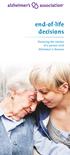 end-of-life decisions Honoring the wishes of a person with Alzheimer's disease Preparing for the end of life When a person with late-stage Alzheimer s a degenerative brain disease nears the end of life
Chapter Review Questions
 1 Chapter Review Questions Chapter 1 1. True or false: As an Emergency Medical Responder, your first priority when responding to any emergency scene is patient care. 2. True or false: The first step in
Gallbladder Surgery with an Incision (Cholecystectomy)
 Gallbladder Surgery with an Incision (Cholecystectomy) It is normal to have questions about your surgery. This handout gives you information about what will happen to you before, during and after your
Heartsaver Pediatric First Aid CPR AED Online Part 1 (90-1434) Frequently Asked Questions (FAQs) As of March 25, 2014
 Heartsaver Pediatric First Aid CPR AED Online Part 1 (90-1434) Frequently Asked Questions (FAQs) As of March 25, 2014 General Information: Q: What is Heartsaver Pediatric First Aid CPR AED Online Part
Degree of Intervention
 Inglewood Care Centre Degree of Intervention Handbook for Residents and Families Index Introduction..................................................... 2 Beliefs, Values, and Wishes.........................................
First Aid as a Life Skill. Training Requirements for Quality Provision of Unit Standard-based First Aid Training
 First Aid as a Life Skill Training Requirements for Quality Provision of Unit Standard-based First Aid Training New Zealand Qualifications Authority 2010 2 Index Introduction 3 Section One: Framework outline
Occupational Health and Safety. Bulletin. Quality Management Plan Requirements for First Aid Training in Alberta Workplaces
 Occupational Health and Safety Bulletin Quality Management Plan Requirements for First Aid Training in Alberta Workplaces FA010 First Aid 1 Table of Contents Introduction... 3 Quality Management Plan (QMP)...
My Voice. Advance Care Plan
 My Voice Advance Care Plan A message from the Prince Edward Family Health Team... Since its beginning in 2006 the Prince Edward Family Health Team (PEFHT) has been striving to provide comprehensive, accessible
81 First Responder Respiratory
 81 First Responder Medical Scenarios Asthma Scenario: You are called to a local house for a woman with trouble breathing. You arrive to find a 67-year-old woman sitting upright in a chair. She states she
1. Dosing Schedule: your customized schedule of your weekly injections as provided by the center.
 Home Immunotherapy Raza Pasha, MD Congratulations. You are now on the path to better control of your allergies. The following is your instruction guide to allow you to become more familiar with proper
Keeping your lungs healthy
 Keeping your lungs healthy A guide for you after spinal cord injury and other neurological conditions Regional Rehabilitation Program This booklet has been written by the health care providers who provide
MRC Medical Jeopardy Feud List of Treatments for Possible Injuries/Conditions
 List of Treatments for Possible Injuries/Conditions A. Apply cold compresses to affected area; elevate the area to reduce swelling and possible bleeding B. Apply direct pressure to wound area with sterile
THE CONDENSED GUIDE TO OUTDOOR FIRST AID
 THE CONDENSED GUIDE TO OUTDOOR FIRST AID Part 1: The Boring Basics planning & preparation Slides used in presentation to Christchurch Tramping Club by Cathy Harlow, 19 August 2010. THE 7 P S OF PLANNING:
MARYLAND STATE SCHOOL HEALTH SERVICES GUIDELINES
 Department of Health and Mental Hygiene Maryland State Department of Education Maryland State School Health Council MARYLAND STATE SCHOOL HEALTH SERVICES GUIDELINES Emergency Management Guidelines for
Incident, Injury, Trauma, Illness Policy
 Incident, Injury, Trauma, Illness Policy 1. Authorisation This policy was approved by the Poets Grove Family and Children s Centre Committee of Management on 26 November 2014 2. Review Date This policy
State of Ohio Living Will Declaration Notice to Declarant
 State of Ohio Living Will Declaration Notice to Declarant The purpose of this Living Will Declaration is to document your wish that life-sustaining treatment, including artificially or technologically
Community Emergency Response Teams (CERT) & Individual and Family Preparedness
 Community Emergency Response Teams (CERT) & Individual and Family Preparedness Good Morning Vicki Garfola Michael Loper Points of Discussion Community Emergency Response Teams (CERT) Family Preparedness/Creating
The degree of liver inflammation or damage (grade) Presence and extent of fatty liver or other metabolic liver diseases
 ilearning about your health Liver Biopsy www.cpmc.org/learning What is a Liver Biopsy? A liver biopsy is a procedure where a specially trained doctor (typically a hepatologist, radiologist, or gastroenterologist)
TN Emergency Medical Services
 TN Emergency edical ODULES AND UNITS ES System ES Providers: ER and ET Safety and Wellness Body echanics System Communication Documentation Therapeutic Communication Legal and Ethical Issues Intro to Respiratory
The American Heart Association released new resuscitation science and treatment guidelines on October 19, 2010.
 ACLS Study Guide The American Heart Association released new resuscitation science and treatment guidelines on October 19, 2010. Please read the below information carefully This letter is to confirm your
National Registry of Emergency Medical Technicians Emergency Medical Technician Psychomotor Examination BLEEDING CONTROL/SHOCK MANAGEMENT
 BLEEDING CONTROL/SHOCK MANAGEMENT Candidate: Examiner: Date: Signature: Possible Applies direct pressure to the wound 1 NOTE: The examiner must now inform the candidate that the wound continues to bleed.
FIRST AID FOR BASEBALL COACHES
 FIRST AID FOR BASEBALL COACHES Liability Issues. Do the right thing State provides qualified immunity Chapter 258 C, Section 13. Good Samaritan Law: No person who, in good faith, provides or obtains, or
Fainting - Syncope. This reference summary explains fainting. It discusses the causes and treatment options for the condition.
 Fainting - Syncope Introduction Fainting, also known as syncope, is a temporary loss of consciousness. It is caused by a drop in blood flow to the brain. You may feel dizzy, lightheaded or nauseous before
EMERGENCY MEDICAL RESPONDER (EMR) PRACTICAL SKILLS EXAMINATION REPORT State Form 54407 (R / 5-13)
 EMERGENCY MEDICAL RESPONDER (EMR) PRACTICAL SKILLS EXAMINATION REPT State Form 54407 (R / 5-3) INDIANA DEPARTMENT OF HOMELAND SECURITY EMERGENCY MEDICAL SERVICES CERTIFICATION 302 West Washington Street,
OPIOID OVERDOSE RESPONSE AND NALOXONE ADMINISTRATION
 1.0 Purpose OPIOID OVERDOSE RESPONSE AND NALOXONE ADMINISTRATION This is a DESC internal operational policy and procedure document [effective date: 06/26/2015] Greg Jensen, Director of Administrative Services
Ancillary Staff Training
 Ancillary Staff Training Goals of Infection Prevention Protect the patients Protect the staff Prevent spread of diseases How Does The Virus Spread Between People? Direct contact through broken skin, mouth,
Functional Firefighter Fitness
 Functional Firefighter Fitness The information provided is for informational purposes only and is not intended as a substitute for the advice of, or treatment that may be prescribed by your physician.
How To Care For A Sick Person
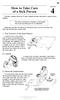 39 How to Take Care of a Sick Person Sickness weakens the body. To gain strength and get well quickly, special care is needed. Medicines are often not necessary. But good care is always important. The
DID YOU KNOW? A SORE THROAT CAN KILL YOUR STUDENT
 DID YOU KNOW? A SORE THROAT CAN KILL YOUR STUDENT Each year, more than 60 Fijians die of Rheumatic Heart Disease and it all starts with an untreated sore throat. TEACHING PROGRAM FOR SCHOOLS ACROSS FIJI
American Red Cross First Aid EXAMPLE ANSWER SHEET
 American Red Cross First Aid Exam A IMPORTANT: Read all instructions before beginning the exam. INSTRUCTIONS: Do not write on this exam. Mark all answers in pencil on the separate answer sheet as directed
COALINGA STATE HOSPITAL. Effective Date: August 31, 2006
 COALINGA STATE HOSPITAL NURSING POLICY AND PROCEDURE MANUAL SECTION Emergency Procedures POLICY NUMBER: 715 Effective Date: August 31, 2006 SUBJECT: EMERGENCY CARE OF HEMORRHAGE 1. PURPOSE: The management
A Trip To The Emergency Room Help Us Help You As the only full-service health care system and trauma center in the region, United Regional understands
 A Trip to the Emergency Room Help Us Help You unitedregional A Trip To The Emergency Room Help Us Help You As the only full-service health care system and trauma center in the region, United Regional understands
CARDIAC REHABILITATION HOME EXERCISE ADVICE
 CARDIAC REHABILITATION HOME EXERCISE ADVICE Introduction Exercise is a very important as part of your rehabilitation and your future health. You will need to exercise at least three times per week, minimum,
Scenario 2 Is it ever safe enough?
 IRECA BLS Competition 2011 Scenario 2 Is it ever safe enough? Team Name Captain Name Judge 1 Judge 2 The Event: You are dispatched to a shooting for two injured at a local bar. Witnesses have told police
PATIENT HANDBOOK AND JOURNAL DAY OF SURGERY
 PATIENT HANDBOOK AND JOURNAL DAY OF SURGERY PREPARING YOUR SKIN BEFORE SURGERY PRE-OP HIBICLENS BATHING INSTRUCTIONS: General Information: Because the skin is not sterile, it is important to make sure
CHAPTER 21 QUIZ. Handout 21-1. Write the letter of the best answer in the space provided.
 Handout 21-1 QUIZ Write the letter of the best answer in the space provided. 1. A severe form of allergic reaction is called A. an allergen. C. epinephrine. B. anaphylaxis. D. an immune reaction. 2. Harmless