
NP 601 Advanced Physical Health Assessment Summer Immersion Course Summer Session Syllabus (Two week course)
|
|
|
- Camron Walters
- 10 years ago
- Views:
Transcription
1 NP 601 Advanced Physical Health Assessment Summer Immersion Course Summer Session Syllabus (Two week course) SUMMER SESSION NUMBER AND DATE: NP 601: Advanced Physical Health Assessment Summer Immersion Course COURSE DESCRIPTION NP 601 provides the student advanced practice nurse with the tools to perform a comprehensive health assessment on patients throughout the lifespan. The course builds on knowledge of anatomy, physiology, pathophysiology, and health assessment skills previously attained in undergraduate nursing education. The major focus of this course is to ensure that the student has the ability to perform a high quality health history, review of systems, and head-to-toe comprehensive physical exam, and is able to communicate that information in both written and oral form to members of the multi-disciplinary health care team. COURSE PREREQUISITE AND/OR MINIMAL TECHNICAL SKILLS NP 602, NP 603, and basic physical assessment and interview skills acquired in an undergraduate BSN program. COURSE OBJECTIVES Upon completion of this course, you should be able to do the following: 1. Describe the role of the Advanced Practice Nurse (APN) in advanced physical health assessment process across the lifespan by eliciting a comprehensive health history while incorporating the bio-psychosocial, environmental, cultural, and spiritual factors that enhance or impede an individual s health. 2. Develop competency in physical exam techniques for all body systems. 3. Demonstrate competency in documenting and describing verbally the findings of the comprehensive health history and physical examination in a format appropriate to accurate communication in the multi-disciplinary health care setting. Page 1 of 25

2 4. Perform integrated physical examination for the adult client without the use of reference material during the exam. 5. Use effective verbal and non-verbal communication skills in the comprehensive health assessment process. To successfully meet the course outcome objectives, the student will log 45 patient contact hours in the Comprehensive Health Assessment Practice Experience (CHAPE) during the second week of this summer immersion course. The focus of the CHAPE will be performing comprehensive health assessment in a real-time clinical setting. COURSE FORMAT This is an accelerated two-week course. During the two weeks, you will complete five classes and the CHAPE as outlined below. Each lesson will have clearly defined learning outcomes, which you will meet with related readings, activities, and/or discussion questions. Essential to the successful completion of the course will be completing the inclass complete physical exam with a passing grade. REQUIRED TEXT Bickley, L. (2013) Bates' guide to physical examination and history taking (11th ed.). Philadelphia: Wolters Kluwer Health/Lippincott Williams & Wilkins. ISBN: There will be required readings and media assignments throughout the course, but the above is the only required text. If you have any questions regarding your course materials, please contact your academic advisor and/or our book vendor EDMAP. You can reach EDMAP by phone at 1-(800) or website at COURSE SCHEDULE Class Period 1: -Overview of the Advanced Health Assessment Process -The Patient History Page 2 of 25

3 In this class you will do the following: 1. Demonstrate understanding of the role of the NP in the Advanced Health Assessment Process. Explore the difference between comprehensive assessment as an RN and an APN. 2. Describe the role of the NP in collaborative practice as a part of the multidisciplinary provider team. 3. Define the term cultural humility in the context of a comprehensive health assessment. 4. Describe the ethical framework that guides interviewer/client interactions. 5. Demonstrate success at differentiating Subjective and Objective Data 6. Practice eliciting and documenting a Patient History, including a Chief Complaint, History of Present Illness, Past Medical and Surgical History, Family History and Personal Social History. REQUIRED READINGS Bickley Text: Chapter 1, pp. 3-12, and 25 Chapters 2 and 3 National Organization of Nurse Practitioner Faculties (NONPF). (2006). Domains and Core Competencies of Nurse Practitioner Practice. Spain, M.P., et al. (2004). Educating advanced practice nurses for collaborative practice in the multidisciplinary provider team. Journal of the American Academy of Nurse Practitioners, 6 (11) HYPERLINK 9ba4a1d303ab%40sessionmgr111&bdata=JnNpdGU9ZWhvc3QtbGl2ZQ%3d%3d#db=aph&AN = ASSESSMENTS: 1. Describe three key points from the Spain article, emphasizing the differences in the RN and NP role. (Group Discussion) 2. Describe a professional experience in which you were aware of cultural differences, which shaped the interview process. Describe three approaches you might use to create a positive and Page 3 of 25

4 non-biased approach to the interview using the guidelines for ensuring cultural humility outlined in the Bickley text. (Group Discussion) 3. Using the Checklist For A Clear and Accurate Record (p. 40, Bickley) as a guideline, give an example from your own practice experience where inaccurate recording of data had a negative result on patient outcome. (Group Discussion) 4. Complete the Subjective/Objective Interactive Exercise (Group Discussion) CLASSROOM ACTIVITIES: Watch and Learn: Approach to Patient Video: Introduction (2 K). Watch and Learn: Approach to Patient Video: The Successful Clinician (2 K). Watch and Learn: Approach to Patient Video: Preparing for the History Taking Interview and Examination (2 K). Watch and Learn: Approach to Patient Video: The Health History Taking Interview (2 K). WRITTEN ASSIGNMENT: With a class partner, conduct and document a Patient History, including a Chief Complaint, History of Present Illness, Past Medical and Surgical History, Family History and Personal Social History. (Using the outline in the Bickley textbook, pages 6-12). Review the Grading Rubric below, which will guide you as you prepare to demonstrate proficiency in your documentation of the Health History. SUBMITTING ASSIGNMENTS As you complete each assignment in a Class Period, add each assignment on a new page to your word processing document. Complete and submit all the assignments for a Class Period in a single word processing document if requested. For instructions on how to submit your assignments, you can find an icon in your course called Submit an Assignment or by clicking on the following link and fill out the Assignment Submission Form: Documentation of History (For the purpose of this assignment, no need to include HPI, ROS, or physical exam) Page 4 of 25

5 Content Excellent (10 pts.) Satisfactory (8.5 pts.) Unsatisfactory (0 pts.) Documentation well done with all areas completely discussed from subjective perspective. Documentation missing some areas Documentation poor, missing key areas. Identifying Data Source of History Chief Complaint Present Illness Medications Allergies Past Med Hx Past Surg Hx Family Hx Social Hx Total Points / 140 Class Period 2: -Practicing, Sequencing and Coordinating the Comprehensive Health Assessment -Beginning the Comprehensive Physical Exam of the Adult Patient In this lesson you will do the following: 1. Elicit a complete Review of Systems (ROS) from a classmate. 2. Demonstrate understanding the meaning of Pertinent Positives and Negatives. 3. Accurately document Subjective Abnormal Data. 4. Demonstrate the components of symptom analysis using The Seven Attributes of a Symptom. Page 5 of 25

6 5. Begin the practice of sequencing and coordinating the Comprehensive Physical Exam of the Adult Patient 6. Identify the anatomical landmarks of the human body of these systems. 7. Correlate examination techniques of the following body systems using the correct sequence and anatomical landmarks in an adult patient: a. General Survey, Vital Signs, Pain b. Behavior and Mental Status c. Skin, Hair, and Nails d. Lymphatic System e. Head and Neck 8. Use correct terminology to record objective components of the physical examination findings READINGS Bickley Text: Chapter 1, pp. 6-13, Chapters 2 and 3, Seven Attributes of a Symptom found on page Bickley Text: Please focus your reading for this unit on the sections of each chapter that detail system anatomical landmarks and general examination techniques as follows. For the most part, this reading assignment, while extensive, is a review of material previously mastered at the undergraduate level. There is a tremendous amount of useful and important information in these chapters, which will become more useful as you gain skills and increasing expertise in performing the physical exam. The goal of this course is to gain proficiency in the exam itself, and to be able to document your findings. As you read, keep this in mind. The only way to become comfortable and proficient in physical exam skills is to practice them. We strongly suggest that you practice your assessment skills for each system at least 10 times on different classmates. You will get even more experience in the upcoming CHAPE next week. This text will be very helpful in your future clinical courses as well, when you begin to focus on the problem-oriented visit. Chapter 4: Beginning the Physical Examination: General Survey, Vital Signs, Pain Chapter 5: Behavior and Mental Status Chapter 6: The Skin, Hair and Nails Chapter 7: The Head and Neck Page 6 of 25

7 ASSESSMENTS 1. Using the guidelines presented in the Components of the Health History pages 7-12 in the current Bickley text, obtain and document a complete ROS on you class partner. Document Pertinent Positives and Negatives while taking this ROS, using the Components of the Health History in the Bickley text, found under Present Illness. Include a thorough description of each positive finding on the elicited ROS. The Bickley text pages 31-33, the Case of Mrs. N gives an excellent example of this type of write-up for you to use as a guideline. We will complete this exercise in class, with the assignment submitted to APD before the next class. 2. Complete a separate one page document and choose one of the Subjective Abnormal Findings mentioned by your patient in the CC, History of Present Illness, or Review of Systems. Document your understanding of how to use the Seven Attributes for symptom analysis found in the Bickley text. This assignment should be completed in class, with the assignment submitted to APD before the next class. Review the Grading Rubric below which will guide you as you prepare to demonstrate proficiency in your documentation of the Review of Systems and the Seven Attributes of symptom analysis. Grading Rubric for the Comprehensive Review of Systems Content Excellent (100 pts.) Satisfactory (85 pts.) Unsatisfactory (0 pts.) History Questions Appropriate ROS questions in each system area, including documentation of pertinent positives and negatives. Missing some pertinent ROS or questions. Lack of understanding of what history questions are appropriate and pertinent for this system or abnormal finding. Rationale Appropriate rationale for each history question related to an abnormal finding. Missing some depth and rationale for history questions related to an abnormal finding. Lacks understanding and rationale, without explanation of why the questions are pertinent. Page 7 of 25

8 Grading Rubric for Symptom Analysis Using the Seven Attributes Content Excellent (100 pts.) Satisfactory (75 pts.) Unsatisfactory (0 pts.) Seven Attributes All attributes of the symptoms are evaluated and documented Missing one or two attributes. Lack of understanding of what attributes are and fail to ask appropriate questions. Rationale Appropriate rationale for each question related to an abnormal finding. Missing some depth and rationale for questions related to an abnormal finding. Lacks understanding and rationale, without explanation of why the questions are pertinent. During your CHAPE, you will be practicing physical exam skills in a supervised setting. In this lesson, focus on the areas listed below. View Watch and Learn videos accessible through the website associated with your text, Approach to the Patient - The Examination Head-to-Toe Assessment - Introduction - Importance of Patient Comfort - General Survey - Vital Signs - The Skin - HEENT - Thyroid Watch and Learn videos on the following two systems can be reached at the sites listed: -Lymphatic System ure=plpp_video -Thyroid To guide the thoroughness of your practice exams in this lesson and the lessons in the next two Units, I would strongly suggest that you use the grading rubric found in Unit 5. Page 8 of 25

9 Graded Written Assignment: Submit a write-up of the physical exam on your classmate, focusing on the systems we are studying in this class. Pay attention to the proper sequencing of the exam in your write-up, and please limit to words. As you write, be aware of using proper terminology and technical writing skills appropriate to sharing this information in a multi-disciplinary forum. You will find the Recording Your Findings section at the end of each Bickley Chapter very helpful in your documentation for the above assignment. I would suggest using it as your guideline. This assignment will be done in class. Class Period 3: Conducting the Comprehensive Physical Exam of the Adult Patient, Continued In this lesson you will do the following: 1. Practice the sequencing and coordination of the Comprehensive Physical Exam of the Adult Patient 2. Identify the anatomical landmarks of the human body of these systems. 3. Correlate examination techniques of the following body systems using the correct sequence and anatomical landmarks in an adult patient: a. Thorax and Lungs b. Cardiovascular c. Breasts and Axilla d. Abdomen e. Peripheral Vascular f. Male Genitalia and Hernia* g. Female Genitalia* h. Anus Rectum and Prostate* *Note: Genital exam sequencing and techniques to be discussed only, no genital exams will be conducted in classroom setting. 4. Use correct terminology to record objective components of the physical examination findings. Page 9 of 25

10 REQUIRED READINGS Bickley Text: Please focus your reading for this unit on the sections of each chapter that detail system anatomical landmarks and general examination techniques as follows. For the most part, this reading assignment, while extensive, is a review of material previously mastered at the undergraduate level. Chapter 8: The Thorax and Lungs Chapter 9: The Cardiovascular System Chapter 10: The Breasts and Axillae Chapter 11: The Abdomen Chapter 12: The Peripheral Vascular System Chapter 13: Male Genitalia and Hernia Chapter 14: Female Genitalia Chapter 15: The Anus, Rectum, and Prostate ASSESSMENTS Graded Written Assignment: Submit a write-up of the physical exam on your classmate, focusing on the systems we are studying in this class. Pay attention to the proper sequencing of the exam in your write-up, and please limit to words. As you write, be aware of using proper terminology and technical writing skills appropriate to sharing this information in a multi-disciplinary forum. You will find the Recording Your Findings section at the end of each Bickley Chapter very helpful in your documentation for the above assignment. I would suggest using it as your guideline. This assignment will be done in class. Class Period 4: -Conducting the Comprehensive Physical Exam of the Adult Patient, Continued - Assessment of the Pediatric, Geriatric, and Pregnant Patient In this lesson you will do the following: 1. Practice the sequencing and coordination of the Comprehensive Physical Exam of the Adult Patient, focusing only on the systems listed below in this lesson. 2. Identify the anatomical landmarks of the human body of these systems. 3. Correlate examination techniques of the following body systems using the correct sequence and anatomical landmarks in an adult patient: Page 10 of 25

11 a. Musculoskeletal System b. Nervous 4. Use correct terminology to record objective components of the physical examination findings. You will be focusing on the care of children, adolescents, pregnant women and older adults in your NP clinical courses, and will learn the physical assessment skills in detail at that time. However, it will be useful for you to understand how the approach and sequence of the exam is different from that of the adult patient. The purpose in this lesson is to give you an opportunity to review how the techniques of examination differ in these populations. In this lesson you will do the following: 1. Review techniques of examination for the newborn. 2. Review techniques of examination for the infant. 3. Review techniques of examination for the young and school-aged child. 4. Review techniques of examination for adolescents. 5. Review the techniques of examination for the older adult. 6. Review the techniques of examination for the pregnant woman. REQUIRED READINGS Bickley Text: Please focus your reading for this unit on the sections of each chapter that detail system anatomical landmarks and general examination techniques as follows. For the most part, this reading assignment, while extensive, is a review of material previously mastered at the undergraduate level. Chapter 16: The Musculoskeletal System Chapter 17: The Nervous System Chapter 18: pp. 775, , pp , and pp , Chapter 20, pages , Chapter 19, pages, , We will return to these chapters later to explore further details and clinical reasoning processes. ACTIVITIES / ASSESSMENTS In class activity: View Watch and Learn videos online at : Page 11 of 25

12 The Musculoskeletal System The Neurological Exam Additional watch and learn videos: Cranial Nerves: Reflexes: Musculoskeletal: 1. Graded Written Assignment: Complete a write-up of the physical exam on a classmate, focusing on the systems we are studying in this lesson. Pay attention to the proper sequencing of the exam in your writeup, and please limit to 300 words. As you write, be aware of using proper terminology and technical writing skills appropriate to sharing this information in a multi-disciplinary forum. Again, you will find the Recording Your Findings section at the end of each Bickley Chapter very helpful in your documentation for the above assignment. I would suggest using these sections as your guideline for this assignment. This assignment will be done in class. 2. For each pediatric age group above, discuss an approach to the physical exam, which differs, from that of the adult patient. (Classroom Discussion) 3. Discuss what is meant by assessment of the functional status of the older patient. Limit this response to 100 words or less. This assignment will count for 50% of your grade for this lesson. (Classroom Discussion) 4. Discuss one approach to the physical exam of the pregnant woman, which differs, from that of the adult patient. Class Period 5: Performing the Complete Physical Exam on a Classmate In this lesson you will do the following: 1. Perform a comprehensive head-to-toe physical exam on your classmate without the use of notes or a written guideline. READINGS None. Page 12 of 25

13 Relevant chapters in the Bickley text may be of use when writing up the health history and physical exam findings in the post-residency section of the course. ASSESSMENTS In this graded assignment, you will complete a complete physical examination performed on a classmate. You must receive a grade of 90% or above to successfully complete the assignment. You do not need to include the Health History and Review of Systems done in the previous lesson in this this exam must be performed without the use of a written guideline or notes. For the purpose of this exam the genital, breast, and rectal exams are deferred. This will be an interactive activity done with a faculty member present during the exam. During the exam the faculty member will provide feedback and guidance. This exam should be completed within a one hour time period The grading rubric for this exam is below. You are already aware that there are different routines for doing certain systems. For example, if you prefer to do check all the cranial nerves in one group, or all the deep tendon reflexes grouped together, that is your choice. Page 13 of 25

14 Physical Examination Grading Rubric Grades for the items checked off for the systems you have chosen are awarded as follows: 0 = Did not do or did not do correctly 1 = Demonstrated 2 = Demonstrated thoroughly with correct technique Use this checklist as you do your video go step-by-step, narrating throughout. Skin assessment is done throughout exam and includes examination for color, temperature, moisture, texture, edema, turgor, bruising, scars, lesions, nevi (c, t, m, t, e, t, b, s, l, n) HEAD AND FACE Inspects skin c, t, m, t, e, t, b, s, l, n Inspect head for size, symmetry, midline position Inspect and palpate head and scalp for: Hair distribution, hair color, hair texture, lesions, masses, tenderness, depressions, or infestations Palpate temporal arteries for tenderness Palpates lymph nodes of the head and neck Preauricular Postauricular Occipital Tonsillar Submandibular Submental Anterior cervical Posterior cervical Supraclavicular CN 5 Motor palpate over the masseter muscle as patient clenches jaw Sensory light touch sensation to forehead, cheeks, chin, nose CN 7 Inspect for facial symmetry with smile, frown, raise eyebrows, puff cheeks, pucker lips EAR Inspect outer ear for shape and position Inspect auditory canal (and TM if otoscope available) Palpate pinnae and tragus for masses and tenderness CN 8 Assess hearing with whisper test, Weber (for lateralization), Rinne (AC> BC) EYE Inspects lashes, brows, and palpebral fissures Inspects sclera and conjunctiva for color, lesions, discharge Assesses gross visual acuity and peripheral/central vision (CN 2) Tests for direct/consensual pupillary response to light (CN 3) Tests for accommodation/convergence (CN 3) Page 14 of 25

15 Tests for conjugate gaze with EOM (CN 3, 4, 6) Assesses for red reflex and other internal eye structures (if opthalmoscope available) NOSE Inspect nose midline and straight Assesses for nasal patency Palpates frontal and maxillary sinuses THROAT AND MOUTH Inspect lips, teeth, gums, buccal mucosa, palate, tongue, the floor of the mouth (under The tongue), salivary ducts, posterior pharynx, and tonsils (grade, if present) Palpate TMJ for any subluxation, tenderness, or crepitus CN 9 and 10 Soft palate and uvula rise symmetrically with phonation CN 12 Tongue midline without fasiculations NECK Inspects skin c, t, m, t, e, t, b, s, l, n Palpates trachea midline Palpates thyroid gland Palpates carotid artery pulsation Auscultate over the carotid for bruits Test ROM flexion, extension, hyperextension, lateral flexion, rotation CN 11 Shrug shoulders against resistance POSTERIOR CHEST Inspect skin c, t, m, t, e, t, b, s, l, n Inspect for s/s respiratory distress use of accessory muscles, tripod position, nasal flaring, retractions, tachypnea, cyanosis Inspect for obvious deformities and symmetry Palpate symmetrical chest expansion Palpate for symmetrical tactile fremitus Percuss over posterior lung fields (in intercostal spaces) Auscultate posterior lung fields Start above scapula Alternating side-to-side in intercostal spaces Go down into bases of lungs Assess lateral lung fields (get right middle lobe) Auscultate posterior lung fields Egophony Bronchophony Whisper pectoriloquy ANTERIOR CHEST Inspect skin c, t, m, t, e, t, b, l, s, n Inspect for obvious deformities and symmetry Palpate chest expansion and tactile fremitus anteriorly Auscultate lung sounds in anterior lung fields Page 15 of 25

16 HEART Auscultate in all 5 areas with the bell and diaphragm with the patient sitting Aortic Pulmonic Erb s point Tricuspid Mitral Identify and palpate the PMI Auscultate the apical pulse for a full minute and report findings rate and rhythm Have patient lie down now Inspect for any heaves or lifts Palpate for any thrills over each auscultation point Repeat the cardiac auscultation with patient supine Assess for JVD and for jugular pulsation with HOB up degrees ABDOMEN Inspect skin c, m, t, t, t, e, b, s, l,n Inspect abdominal contours and symmetry Auscultate for bruits aorta, renal arteries, iliac arteries, femoral arteries Auscultate for bowel sounds in all 4 quadrants Percuss in all 4 quadrants for tympany, dullness, flatness Palpate for tenderness, masses Palpate liver and spleen Have patient sit up again Percuss for CVA tenderness UPPER EXTREMITIES Inspect and palpate the joints of the hands redness, swelling, deformity, tenderness, nodules, crepitus, symmetry Palpate for capillary refill Assess radial pulses Assess overall warmth, color, skin integrity of upper extremities. Assess for edema. Assess ROM of the fingers (flexion, extension, hyperextension, abduction, adduction, thumb opposition) Assess hand grips 5/5 strength Inspect and palpate the wrists redness, swelling, deformity, tenderness, nodules, crepitus, symmetry Assess ROM of the wrist (flexion, extension, hyperextension, ulnar deviation, radial deviation, rotation) Inspect and palpate the elbows redness, swelling, deformity, tenderness, nodules, crepitus, symmetry Assess ROM of the elbow (flexion, extension, hyperextension) Assess strength of biceps, triceps flex/extend elbow against resistance 5/5 strength Inspect and palpate the shoulders redness, swelling, deformity, tenderness, nodules, crepitus, symmetry Assess ROM of the shoulder (flexion, extension, hyperextension, Page 16 of 25

17 internal rotation, external rotation, abduction, adduction, circumduction) Assess strength of shoulder girdle abduct/adduct shoulder against resistance 5/5 Assess light touch sensation to upper extremities Assess stereognosis and graphesthesia Assess vibratory sensation at the wrist over proximal ulnar prominence Assess cerebellar coordination with rapid alternating movement Serial finger opposition Hand flip-flop Finger-to-finger Assess DTRs Brachioradialis Biceps Triceps Patellar Achilles Babinski LOWER EXTREMITIES Inspect and palpate the toes redness, swelling, deformity, tenderness, nodules, crepitus, symmetry Assess ROM in toes (flexion, extension, hyperextension, abduction, adduction) Assess capillary refill in toes Assess dorsalis pedis and posterior tibial pulses Assess overall warmth, color, skin integrity of lower extremities. Assess for edema. Inspect and palpate the ankles redness, swelling, deformity, tenderness, nodules, crepitus, symmetry Assess ROM of the ankles (dorsiflexion, plantar flexion, inversion, eversion, rotation) Assess strength at ankles dorsi/plantar flex against resistance 5/5 strength Inspect and palpate the knees redness, swelling, deformity, tenderness, nodules, crepitus, symmetry Assess strength at the knees flex/extend against resistance 5/5 strength Assess strength at the hips abduct/adduct against resistance 5/5 strength Assess for light touch sensation in the lower extremities Assess vibratory sensation over medial malleolus Have patient stand up at this point Inspect and palpate the hip joints redness, swelling, deformity, tenderness, nodules, crepitus, symmetry Assess ROM of hip (flexion, extension, hyperextension, circumduction, abduction, adduction, internal rotation, external rotation) Assess ROM of the knees (flexion, extension, hyperextension) Page 17 of 25

18 Inspect and palpate the spine expected curvatures, alignment, tenderness Assess ROM of the spine (flexion, extension, hyperextension, lateral flexion, and rotation) Assess for scoliosis while patient in spinal flexion Assess Romberg Assess gait regular and tandem Hop in place hop on one foot (unless concerned about patient safety) SUBTOTAL /200 Yes No Proceeds in systemic, professional manner 10 0 Demonstrates appropriate technique for inspection 10 0 Demonstrates appropriate technique for palpation 10 0 Demonstrates appropriate technique for percussion 10 0 Demonstrates appropriate technique for auscultation 10 0 SUBTOTAL /50 GRADE FOR THIS LESSON /250 = POST-RESIDENCY ASSIGNMENT Accurately document the complete physical exam of your classmate using language and format appropriate to sharing the write-up with a multi-disciplinary team. READINGS Bickley text, Recording Your Findings sections of each chapter for specific systems will be of help in doing this assessment. ACTIVITIES / ASSESSMENTS The student will write up a two-three-page summary of the findings of the complete history and physical exam done in lesson 10. The Case of Mrs. N in our Bickley text (p ) gives and excellent example to use as a reference for this assignment. Please submit this assignment using the assignment submission form. is due by August 9 th. This assignment Page 18 of 25

19 PLEASE NOTE: All graded assignments for this post-residency assignment should be grouped together and submitted using the Assignment Submission form accessed from your course homepage or ONSITE CHAPE DESCRIPTION: The summer onsite CHAPE will provide the student with hands-on experience conducting a comprehensive health assessment with adult volunteer patients in a simulated clinic setting. The experience will be conducted by nurse practitioner faculty members and will prepare the student for the clinical year of the MSN FNP program. Successful completion of the summer CHAPE completes the 45 hour requirement for the NP601 summer immersion course. Attendance is required at all summer CHAPE sessions to meet course requirements. Each day of the summer CHAPE will include the following elements: I. Pre-conference session to include skills labs and NP role development II. Two comprehensive history and examinations on volunteer patients III. Practice performing verbal case presentations with peer and faculty feedback IV. Real time practice of patient history and physical exam documentation V. Post-conference session to include population specific skill development Sample daily schedule: 8:00-9:00 Pre-conference 9:00-9:30 Students set up for exams 9:30-11:00 History taking/interview volunteer patient #1 11:00-11:15 Verbal case synopsis presentation to faculty 11:15-12:30 Physical exam* patient #1 12:30-1:30 Lunch and post-conference patient #1 1:30-3:00 History taking/interview volunteer patient #2 3:00-3:15 Verbal case synopsis presentation to faculty 3:00-4:30 Physical exam* patient #2 4:30-5:00 Post-conference patient #2 *Day One physical exams will be conducted as time allows Assignment submission: Written assignments will be submitted concurrently during the CHAPE experience to the on-site faculty members. NP601 grading rubrics will be applied per course syllabus. Day ONE: Focus of day one will be on history taking. Physical exams will be conducted as time allows. Page 19 of 25

20 AM session objectives: 1. Elicit, verbally present and document the patient history, including: a. Chief Complaint b. History of Present Illness (HPI) c. Past Medical and Surgical History d. Family History e. Personal Social History PM session objectives: 1. Obtain, verbally present, and document a complete ROS on a patient a. Document Pertinent Positives and Negatives while taking this ROS b. Using the Components of the Health History in the Bickley text as a guidelines, include a thorough description of each positive finding on the elicited ROS. Pre and post-conference discussion foci: 1. Orientation to CHAPE experience and procedures 2. Skills lab: effective patient case verbal presentation skills. 3. Population specific questions and history elements for pediatric population, pregnant females, and elders DAY TWO objectives: 1. Elicit a comprehensive health history and ROS (no chief complaint or HPI included) on each volunteer patient: 2. Practice the sequencing and coordination of the Comprehensive Physical Exam of the Adult Patient a. Identify the anatomical landmarks of the human body of the focus systems. b. Correlate examination techniques of the following body systems using the correct sequence and anatomical landmarks in an adult patient: i. General Survey, Vital Signs, Pain ii. Behavior and Mental Status iii. Skin, Hair, and Nails iv. Lymphatic System v. Head and Neck Page 20 of 25

21 3. Use correct terminology to verbally present and document subjective history elements and objective components of the physical examination findings. Pre and post-conference discussion foci: 1. Skills lab: use of the otoscope and opthalmascope; documentation of mental status. 2. Population specific examination techniques and unique findings with pediatric patients, pregnant females, elders for systems examined in this session. DAY THREE objectives: 1. Elicit a comprehensive health history, ROS, CC, HPI (if applicable) on each volunteer patient. 2. Practice the sequencing and coordination of the Comprehensive Physical Exam of the Adult Patient a. Identify the anatomical landmarks of the human body of the focus systems. b. Correlate examination techniques of the following body systems using the correct sequence and anatomical landmarks in an adult patient with a focus on the following systems (in addition to Day 2 systems): i. Thorax and Lungs ii. Cardiovascular iii. Breasts and Axilla 3. Use correct terminology to verbally present and document subjective history elements and objective components of the physical examination findings. Pre and post-conference discussion foci: 1. Skills lab: Discrimination of normal and abnormal heart and lung sounds 2. Population specific examination techniques and unique findings with pediatric patients, pregnant females, elders for systems examined in this session. DAY FOUR objectives: 1. Elicit a comprehensive health history, ROS, CC, HPI (if applicable) on each volunteer patient. 2. Practice the sequencing and coordination of the Comprehensive Physical Exam of the Adult Patient a. Identify the anatomical landmarks of the human body of the focus systems. Page 21 of 25
22 b. Correlate examination techniques of the following body systems using the correct sequence and anatomical landmarks in an adult patient with a focus on these systems in addition to systems from Day 2 and Day 3: i. Abdomen ii. Peripheral Vascular iii. Male Genitalia and Hernia iv. External Female Genitalia Note: the following systems to be discussed in seminar only, no pelvic exams to be performed in volunteer patient experience: a. Female pelvic exam b. Anus Rectum and Prostate 3. Use correct terminology to verbally present and document subjective history elements and objective components of the physical examination findings. Pre and post-conference discussion foci: 1. Skills lab: female and male pelvic exam techniques 2. Population specific examination techniques and unique findings with pediatric patients, pregnant females, elders for systems examined in this session. DAY FIVE objectives: 1. Elicit a comprehensive health history, ROS, CC, HPI (if applicable) on each volunteer patient. 2. Practice the sequencing and coordination of the Comprehensive Physical Exam of the Adult Patient a. Identify the anatomical landmarks of the human body of the focus systems. b. Correlate examination techniques of the following body systems using the correct sequence and anatomical landmarks in an adult patient with a focus on these systems in addition to systems from Days 2,3 and 4: i. Musculoskeletal System ii. Nervous System Page 22 of 25
23 3. Use correct terminology to record subjective history elements and objective components of the physical examination findings. Pre and post-conference discussion foci: 1. Skills lab: Focusing and abbreviating the physical exam based upon key history elements; e.g. the Trauma Survey 2. Specific examination techniques and unique findings with pediatric patients, pregnant females, elders for systems examined in this session. GRADING BREAKDOWN In Class Written Assignments 25 Class Participation 25 CHAPE and Post-Residency Assignment 25 Class 5: Class Complete Physical Exam 25 RUBRICS Score A B C D Discussion Grading Criteria Responses are on topic, original, and contribute to the quality of the discussion. Responses make frequent, informed references to unit material. Responses are clearly written. Substantial original answers to the questions that furthers the work of the class. Typically in the 100 words range or responses meet length requirements as posted in the classroom. Two or more thoughtful responses per discussion question to classmates that advance the discussion. Responses are on topic, largely original, and contribute to the quality of the discussion. Responses make some informed references to unit material. Responses are generally clearly written. Substantial original answers to the questions that further the work of the class. Typically in the words range or responses meet only 80% of the length requirements as posted in the classroom. One response per discussion question to a classmate that is thoughtful and advances the discussion. Responses are on topic, but they lack originality and lack a significant contribution to the quality of the discussion. Responses make vague or summary references to unit material. Responses have several mechanical or stylistic errors. Short posting. Normally in the words range or responses meet only 70% of the length requirements as posted in the classroom. Response(s) to others does not advance the discussion. Responses are only partially on topic, lack originality, and lack a significant contribution to the quality of the discussion. Responses make little or no references to unit material. Responses have several mechanical or stylistic errors. Minimal posting. Normally in the words range or responses meet only 60% of the length requirements as posted in the classroom. No responses to classmates. If there are two questions, student did not respond to one. Page 23 of 25
24 Grade A B C D Written Assignment Content, Focus, Use of Analysis and Critical Writing Style, Grammar, APA Format Text/Research Thinking 50% 30% 20% Response successfully Response exhibits strong Sentences are clear, concise, and direct; answers the assignment higher-order critical thinking tone is appropriate. Grammatical skills question(s); thoroughly uses and analysis (e.g., are strong with almost no errors per the text and other literature. evaluation). page. Correct use of APA format when Response answers the assignment question(s) with only minor digressions; sufficiently uses the text and other literature. Response answers the assignment question(s) with some digression; sufficiently uses the text and other literature. Response answers the assignment question(s) but digresses significantly; insufficiently uses the text and other literature. Response generally exhibits higher-order critical thinking and analysis (e.g., true analysis). Response exhibits limited higher-order critical thinking and analysis (e.g., application of information). Response exhibits simplistic or reductive thinking and analysis but does demonstrate comprehension. assigned. Sentences are generally clear, concise, and direct; tone is appropriate. Grammatical skills are competent with very few errors per page. Correct use of APA format when assigned. Sentences are occasionally wordy or ambiguous; tone is too informal. Grammatical skills are adequate with few errors per page. Adequate use of APA format when assigned. Sentences are generally wordy and/or ambiguous; tone is too informal. Grammatical skills are inadequate, clarity and meaning are impaired, numerous errors per page. Inadequate use of APA format when assigned. COURSE POLICIES AND PROCEDURES Current information regarding College policies affecting your course can be found on the Resources/Policy section of the course homepage. On this page, you will find vital information, including the following: Current Student Handbook, outlining course-specific policies Access to support resources, including advising and online tutorial services Student Success Guides SUBMITTING ASSIGNMENTS As you complete each assignment in a Class Period, add each assignment on a new page to your word processing document. Complete and submit all the assignments for a Class Period in a single word processing document. For instructions on how to submit your assignments, you can find an icon in your course called Submit an Assignment or by clicking on the following link and fill out the Assignment Submission Form: Page 24 of 25
25 How Do I Access Disabilities Services? Anyone who would like information or needs access to accommodations or services related to disabilities should contact the college s Accommodations Office. Please contact your Academic Advisor or refer to the Student Handbook for more information. Saint Joseph s College developed this course for the exclusive use of students enrolled in the College s Division of Graduate and Professional Studies. Copyright 2013 by Saint Joseph s College Online - All Rights Reserved Page 25 of 25
MOLLOY COLLEGE DIVISION OF NURSING NURSE PRACTITIONER PROGRAMS. Study Guide for the Basic Physical Assessment Exam
 DIVISION OF NURSING S Study Guide for the Basic Physical Assessment Exam Questions will be based on following chapters in, Bickley, L.S. (2009). (10 th ed). Bates guide to physical examination and history
NP 601 - Advanced Physical Health Assessment Syllabus
 NP 601 - Advanced Physical Health Assessment Syllabus DATE: On Campus Week of July 16-20 COURSE DESCRIPTION For more information on this course, including the official course description and any prerequisites,
OVERALL PERFORMANCE. Pediatrics In-Training History and Physical Examination (HPE) Assessment
 OVERALL PERFORMANCE Pediatrics In-Training History and Physical Examination (HPE) Assessment Name: University: This resident completed the standardized assessment of history -taking, physical examination
DATA BASE SAMPLE: PHYSICAL EXAMINATION WITH ALL NORMAL FINDINGS
 DATA BASE SAMPLE: PHYSICAL EXAMINATION WITH ALL NORMAL FINDINGS GENERAL APPEARANCE: (include general mental status) 45 y/o female who is awake and alert and who appears healthy and looks her stated age
38 Assisting with a General Physical Examination
 Learning Outcomes 38-2 38.1 Identify the purpose of a general physical. CHAPTER 38 Assisting with a General Physical Examination 38.2 Describe the role of the medical assistant in a general physical. 38.3
SOUTHERN ILLINOIS UNIVERSITY SCHOOL OF MEDICINE DOCTORING SCREENING HEAD TO TOE PHYSICAL EXAMINATION 2011 2012
 SOUTHERN ILLINOIS UNIVERSITY SCHOOL OF MEDICINE DOCTORING SCREENING HEAD TO TOE PHYSICAL EXAMINATION 2011 2012 The following checklist will be used for evaluating your physical examination skills at Southern
MOUNT SAINT MARY COLLEGE Division of Nursing Newburgh, New York COURSE SYLLABUS
 MOUNT SAINT MARY COLLEGE Division of Nursing Newburgh, New York NUR 2043 Physical Assessment Fall 2006 Accelerated Session D1 COURSE SYLLABUS Course Description This course focuses on the collection, organization,
Coding and Documentation in Practice
 Coding and Documentation in Practice Great Exam Documentation By: Kathy Mills Chang Kathy Mills Chang is a Certified Medical Compliance Expert, Reimbursement Consultant, Medicare Specialist, and a Documentation
General Appearance Development Nourishment Body habitus Deformities Attention to grooming Comprehension and language skills (also noted in history)
 PHYSICAL EXAMINATION General Appearance Development Nourishment Body habitus Deformities Attention to grooming Comprehension and language skills (also noted in history) Vital signs Temperature, height
EAR, NOSE AND THROAT (ENT) ASSESSMENT
 This assessment is effective as of October 2014. For more information or to provide feedback on this or any other decision support tool, e-mail [email protected] EAR, NOSE AND THROAT (ENT) ASSESSMENT
SYLLABUS N311 HEALTH ASSESSMENT. Spring 2010. COURSE PROFESSOR: Amy Metteer-Storer, R.N., M.S.N. [email protected]. 610 606 4666 Extension 4785
 SYLLABUS N311 HEALTH ASSESSMENT Spring 2010 General Information COURSE PROFESSOR: Amy Metteer-Storer, R.N., M.S.N. HBB24 [email protected] 610 606 4666 Extension 4785 Office Hours: Thursdays, 12:00
Screening Examination of the Lower Extremities BUY THIS BOOK! Lower Extremity Screening Exam
 Screening Examination of the Lower Extremities Melvyn Harrington, MD Department of Orthopaedic Surgery & Rehabilitation Loyola University Medical Center BUY THIS BOOK! Essentials of Musculoskeletal Care
1997 Documentation Guidelines for Evaluation and Management Services
 1997 Documentation Guidelines for Evaluation and Management Services TABLE OF CONTENTS Introduction... 2 What Is Documentation and Why Is it Important?... 2 What Do Payers Want and Why?... 2 General Principles
Body cavities. Body Planes
 Body cavities Body Planes Directional terms http://homepage.smc.edu/wissmann_paul/anatomy1textbook/1anatomytextch1.html abdomen abdominal front of elbow antecubital arm brachial groin inguinal armpit axillary
Texas A&M University-Central Texas NURK 307 Health Assessment INSTRUCTOR AND CONTACT INFORMATION
 Texas A&M University-Central Texas NURK 307 Health Assessment INSTRUCTOR AND CONTACT INFORMATION Instructor: Carolyn A. Prosise, MSN, RN, CNOR Office: Warrior Hall Room 420 A Phone: 254-519-5487 Email:
This format is to be used for all courses submitted to the Council on Academic Affairs and/or the Council on Graduate Studies.
 Agenda Item #06-97 Effective Fall 2007 Eastern Illinois University New Course Proposal NUR 3303, Advanced Nursing Health Assessment This format is to be used for all courses submitted to the Council on
Dear Potential Transfer Student,
 Dear Potential Transfer Student, Thank you for your interest in Faulkner State Community College s Nursing Program. The forms and checklist to be completed in order to be considered for transfer are enclosed.
Elbow Examination. Haroon Majeed
 Elbow Examination Haroon Majeed Key Points Inspection Palpation Movements Neurological Examination Special tests Joints above and below Before Starting Introduce yourself Explain to the patient what the
COURSE # LOCATION TIME DAYS DATES *State Exam INSTRUCTOR TWR TWR TWR TWR
 Joliet Junior College Certified Nurse Assistant (7.5 credit hours) 2015 SUMMER SCHEDULE SELECT ONE OF THE SECTIONS BELOW. TO REGISTER BY PHONE, CALL 815-744-2200. STUDENTS MUST COMPLETE A MANDATORY ORIENTATION
PARAMEDIC TRAINING CLINICAL OBJECTIVES
 Page 1 of 21 GENERAL PATIENT UNIT When assigned to the General Patient unit paramedic student should gain knowledge and experience in the following: 1. Appropriate communication with patients and members
Application for a Medical Impairment Rating (MIR)
 STATE OF TENNESSEE DEPARTMENT OF LABOR AND WORKFORCE DEVELOPMENT Workers Compensation Division Medical Impairment Rating Program 220 French Landing Drive Nashville, TN 37243-1002 Phone (615) 253-1613 Fax
SPINE. Postural Malalignments 4/9/2015. Cervical Spine Evaluation. Thoracic Spine Evaluation. Observations. Assess position of head and neck
 SPINE Observations Body type Postural alignments and asymmetries should be observed from all views Assess height differences between anatomical landmarks Figure 25-9 Figure 25-10 Figure 25-11 & 12 Postural
International Standards for the Classification of Spinal Cord Injury Motor Exam Guide
 C5 Elbow Flexors Biceps Brachii, Brachialis Patient Position: The shoulder is in neutral rotation, neutral flexion/extension, and adducted. The elbow is fully extended, with the forearm in full supination.
Integrated Low Back Examination
 Integrated Low Back Examination William Thomas, DO, VCOM PPC/OMM Internal Medicine, Pediatrics and Sports Medicine October 2015 Special thanks and appreciation to Mark Rogers, DO Objectives Utilize history
PHYSICAL EXAMINATION OF THE FOOT AND ANKLE
 PHYSICAL EXAMINATION OF THE FOOT AND ANKLE Presenter Dr. Richard Coughlin AOFAS Lecture Series OBJECTIVES 1. ASSESS 2. DIAGNOSE 3. TREAT HISTORY TAKING Take a HISTORY What is the patient s chief complaint?
VANGUARD UNIVERSITY SCHOOL FOR PROFESSIONAL STUDIES BACHELOR OF SCIENCE IN NURSING DEGREE PROGRAM MULTIDIMENSIONAL ASSESSMENT WITH LAB NURS 325
 VANGUARD UNIVERSITY SCHOOL FOR PROFESSIONAL STUDIES BACHELOR OF SCIENCE IN NURSING DEGREE PROGRAM MULTIDIMENSIONAL ASSESSMENT WITH LAB NURS 325 (4 UNITS-7 WEEKS) Created: 05/07 Revised: 2/12, 8/12, 10/12,
Compliance of Student Nurses in Performing Physical Health Assessment
 International Journal of Nursing Science 2015, 5(1): 28-34 DOI: 10.5923/j.nursing.20150501.04 Compliance of Student Nurses in Performing Physical Health Assessment Graile Joy P. Ngina *, Lawrence C. Caranto,
Range of Injury Scale Values
 Range of Injury Scale Values Civil Liability Regulations 2014 SCHEDULE 4 Range of Injury Scale Values (summary) Item Injury ISV Range Part 1-Central Nervous System and Head Injuries 1 Quadriplegia 75 100
APGO Clinical Skills Curriculum. The Breast Exam
 APGO Clinical Skills Curriculum The Breast Exam Association of Professors of Gynecology and Obstetrics (APGO) Undergraduate Medical Education Committee 2008 The Breast Exam Table of Contents Intended Learning
Contact your Doctor or Nurse for more information.
 A spinal cord injury is damage to your spinal cord that affects your movement, feeling, or the way your organs work. The injury can happen by cutting, stretching, or swelling of the spinal cord. Injury
COURSE # LOCATION TIME DAYS DATES State Board MTR MTR TWR TWR TWR. 10/12/15-11/02/15 Clinical 12/2015 NC31
 Joliet Junior College Certified Nurse Assistant (7.5 credit hours) 2015 FALL Schedule SELECT ONE OF THE SECTIONS BELOW. TO REGISTER BY PHONE, CALL 815-744-2200. STUDENTS MUST ATTEND THE FIRST DAY OF CLASS
UNIT 1 BODY PLAN AND ORGANIZATION LECTURE
 UNIT 1 BODY PLAN AND ORGANIZATION LECTURE 1.03 CONTRAST THE SCIENCES OF ANATOMY AND PHYSIOLOGY A. Anatomy Anatomy is the scientific study of structures and the relationship of.. structures to each other.
NURS 302 Health Assessment Across the Life Span RN to BSN Program Texas A&M University-Texarkana. Syllabus. Fall 2011
 Page 1 NURS 302 Health Assessment Across the Life Span RN to BSN Program Texas A&M University-Texarkana Syllabus Fall 2011 College of Science, Technology, Engineering, & Mathematics Web-based Format Page
Head and Neck Exam. Charlie Goldberg, M.D. [email protected]
 Head and Neck Exam Charlie Goldberg, M.D. [email protected] Hammer & Nails icon indicates A Slide Describing Skills You Should Perform In Lab Observation and Palpation Note right sided neck/jaw area
Closed Automobile Insurance Third Party Liability Bodily Injury Claim Study in Ontario
 Page 1 Closed Automobile Insurance Third Party Liability Bodily Injury Claim Study in Ontario Injury Descriptions Developed from Newfoundland claim study injury definitions No injury Death Psychological
CHAPTER 9 BODY ORGANIZATION
 CHAPTER 9 BODY ORGANIZATION Objectives Identify the meaning of 10 or more terms relating to the organization of the body Describe the properties of life Describe the function for the structures of the
Required texts: Additional learning tools (included with text Optional suggested reading and learning tools:
 VERNON COLLEGE SYLLABUS DIVISION: Allied Health and Human Services DATE: 2014-2015 CREDIT HOURS: 2 HRS/WK LEC: 0 HRS/WK LAB: 3 LEC/LAB COMB: 3 I. VERNON COLLEGE GENERAL EDUCATION PHILOSOPHY STATEMENT General
General Medical Examination
 General Medical Examination Name: Date of Exam: Place of Exam: SSN: C-number: Narrative: This is a comprehensive base-line or screening examination for all body systems, not just specific conditions claimed
Licensed Vocational Nurse Scope of Practice Standards Health Care Services
 1BCHAPTER 5 2BLicensed Vocational Nurse Scope of Practice Standards I. POLICY: Licensed Vocational Nurses (LVNs) are NOT independent practitioners. It is not within the scope of LVN practice to function
Lung & Thorax Exams. Charlie Goldberg, M.D. Professor of Medicine, UCSD SOM [email protected]
 Lung & Thorax Exams Charlie Goldberg, M.D. Professor of Medicine, UCSD SOM [email protected] Lung Exam Includes Vital Signs & Cardiac Exam 4 Elements (cardiac & abdominal too) Observation Palpation Percussion
Basic Cranial Nerve Examination
 Basic Cranial Nerve Examination WIPE Wash hands Introduce yourself Permission Position (Patient sitting facing you, maintain comparable eye level) Exposure (Face exposed only, i.e. remove hats etc) Identify
Anatomy and Physiology 121: Muscles of the Human Body
 Epicranius Anatomy and Physiology 121: Muscles of the Human Body Covers upper cranium Raises eyebrows, surprise, headaches Parts Frontalis Occipitalis Epicranial aponeurosis Orbicularis oculi Ring (sphincter)
ANATOMY AND PHYSIOLOGY
 ANATOMY AND PHYSIOLOGY Placement: First Year Theory - Anatomy: 60 Physiology: 60 Course Description -The course is designed to assist students to acquire the knowledge of the normal Structure of human
Jin Shin Jyutsu Hands On Help for You, Your Family, & Your Patients
 Jin Shin Jyutsu Hands On Help for You, Your Family, & Your Patients [email protected] What is Jin Shin Jyutsu? A way of using your hands to help yourself and others heal. 1 What is a Safety Energy
LOEWENBERG SCHOOL OF NURSING LOEWENBERG SCHOOL OF NURSING HEALTH EXAMINATION FORM (FORM 003)
 SECTION I: To be completed by STUDENT: Name: DOB: Address: Phone (H): Phone (C): Health History: Please complete the following information: Recent weight loss or gain Fatigue, fever, sweats Difficulty
Laboratory 1 Anatomical Planes and Regions
 Laboratory 1 Anatomical Planes and Regions Goals: Define the anatomical position, including the application of the terms right and left. List and correctly use the major directional terms used in anatomy.
A Syndrome (Pattern) Approach to Low Back Pain. History
 A Syndrome (Pattern) Approach to Low Back Pain Hamilton Hall MD FRCSC Professor, Department of Surgery, University of Toronto Medical Director, CBI Health Group Executive Director, Canadian Spine Society
Dermatomes and Myotomes
 Dermatomes and Myotomes C1 C2 C3 C4 C5 C6 C7 C8 T1 Upper Cervical Flexion Upper Cervical Extension Cervical Lateral Flexion Shoulder Girdle Elevation Shoulder Abduction Elbow Flexion Elbow Extension Thumb
COURSE # LOCATION TIME DAYS DATES State Board MWR TWR TWR TWR. 10/10/16-10/31/16 Clinical 12/2016 NC31
 Joliet Junior College Certified Nurse Assistant (6.0 credit hours) 2016 FALL Schedule SELECT ONE OF THE SECTIONS BELOW. TO REGISTER BY PHONE, CALL 815-744-2200. STUDENTS MUST ATTEND THE FIRST DAY OF CLASS
Dr. Enas Elsayed. Brunnstrom Approach
 Brunnstrom Approach Learning Objectives: By the end of this lab, the student will be able to: 1. Demonstrate different reflexes including stimulus and muscle tone response. 2. Demonstrate how to evoke
Guidelines for the table of injuries. For injuries on or after 2 November 2005
 For injuries on or after 2 November 2005 Background Changes to the Table of injuries (TOI) were made in 2005 and are now adopted by the Medical Assessment Tribunal at Q-COMP. The major differences between
Sheet 1A. Treating short/tight muscles using MET. Pectorals. Upper trapezius. Levator scapula
 Sheet 1A Treating short/tight muscles using MET Pectorals Once daily lie at edge of bed holding a half-kilo can, arm out sideways. Raise arm and hold for 10 seconds, then allow arm to hang down, stretching
National Registry of Emergency Medical Technicians Emergency Medical Technician Psychomotor Examination BLEEDING CONTROL/SHOCK MANAGEMENT
 BLEEDING CONTROL/SHOCK MANAGEMENT Candidate: Examiner: Date: Signature: Possible Applies direct pressure to the wound 1 NOTE: The examiner must now inform the candidate that the wound continues to bleed.
National Registry of Emergency Medical Technicians Emergency Medical Responder Psychomotor Examination BVM VENTILATION OF AN APNEIC ADULT PATIENT
 BVM VENTILATION OF AN APNEIC ADULT PATIENT Candidate: Examiner: Date: Signature: Possible Points Checks responsiveness NOTE: After checking responsiveness and breathing for at least 5 but no 1 Checks breathing
Wendy Sue Killham RN, BSN, MSN, FNP s
 We were never tired of visiting and examining and ausculting, and of examining and ausculting again and again, Peter Mere Latham (1789 8175) Wendy Sue Killham RN, BSN, MSN, FNP s Recognize system based
DOCUMENTATION OF MEDICAL NOTES (Based on 1995 Guidelines)
 DOCUMENTATION OF MEDICAL NOTES (Based on 1995 Guidelines) General Principles Medical records are legal documents. All notes must be legible and complete. The auditor will decide if they are legible. All
First Year. PT7040- Clinical Skills and Examination II
 First Year Summer PT7010 Anatomical Dissection for Physical Therapists This is a dissection-based, radiographic anatomical study of the spine, lower extremity, and upper extremity as related to physical
Muscular System. Student Learning Objectives: Identify the major muscles of the body Identify the action of major muscles of the body
 Muscular System Student Learning Objectives: Identify the major muscles of the body Identify the action of major muscles of the body Structures to be identified: Muscle actions: Extension Flexion Abduction
Gilbert Varela, M.D., Inc 5232 E. Beverly Boulevard Los Angeles, California 90022 Phone: (323) 724-6911 Fax: (323) 724-6915
 Gilbert Varela, M.D., Inc 5232 E. Beverly Boulevard Los Angeles, California 90022 Phone: (323) 724-6911 Fax: (323) 724-6915 September 10, 2007 Law offices of xxxxxxxxx Santa Monica, CA 90405 REGARDING:
UNIVERSITY OF RIO GRANDE-HOLZER SCHOOL OF NURSING Rio Grande, Ohio RN-BSN Program
 UNIVERSITY OF RIO GRANDE-HOLZER SCHOOL OF NURSING Spring Semester, 2008 Syllabus Course Title: Nursing 30808: Clinical Decision Making: Health Assessment Didactic: 5 hours/week, 9 hours lab, 8 credit hours
National Registry of Emergency Medical Technicians Emergency Medical Responder Psychomotor Examination PATIENT ASSESSMENT/MANAGEMENT TRAUMA
 PATIENT ASSESSMENT/MANAGEMENT TRAUMA Scenario # Note: Areas denoted by ** may be integrated within sequence of Primary Survey/Resuscitation SCENE SIZE-UP Determines the mechanism of injury/nature of illness
EMERGENCY MEDICAL RESPONDER (EMR) PRACTICAL SKILLS EXAMINATION REPORT State Form 54407 (R / 5-13)
 EMERGENCY MEDICAL RESPONDER (EMR) PRACTICAL SKILLS EXAMINATION REPT State Form 54407 (R / 5-3) INDIANA DEPARTMENT OF HOMELAND SECURITY EMERGENCY MEDICAL SERVICES CERTIFICATION 302 West Washington Street,
HISTORY OF PRESENT ILLNESS:
 Always document chief complaint. HPI: CHP1=4+elements or status of 3 chronic conditions; CHP2&3=4+ elements DATE: / / CHIEF COMPLAINT: HISTORY OF PRESENT ILLNESS: PCP Location Contacted Page 1 of 6 PMH,
Anatomy & Physiology 120. Lab #7 Muscle Tissue and Skeletal Muscles
 Anatomy & Physiology 120 Lab #7 Muscle Tissue and Skeletal Muscles What you Need to Know Look briefly at the Structure of: 1) Skeletal, 2) Smooth & 3) Cardiac Muscle Naming, Identification, Functions You
The Reflex Arc and Reflexes Laboratory Exercise 28
 The Reflex Arc and Reflexes Laboratory Exercise 28 Background A reflex arc represents the simplest type of nerve pathway found in the nervous system. This pathway begins with a receptor at the dendrite
Doctor of Physical Therapy Degree Curriculum:
 Doctor of Physical Therapy Degree Curriculum: SUMMER SEMESTER 1 st YEAR (BOTH SESSIONS) DPT 744 Gross Human Anatomy I 2 credits DPT 744L Gross Human Anatomy I Lab 1 credit DPT 745 Gross Human Anatomy II
NEUROLOGIC EXAM DETAILS FROM NEURO EXAM VIDEO
 WASH HANDS NEUROLOGIC EXAM DETAILS FROM NEURO EXAM VIDEO (Patient is seated.) Cranial Nerves: 1. Visual fields (screening test for CN2 & Visual system: peripheral vision) A. Examiner is positioned: a.
2. Whenever possible, and reasonable, impairment ratings will be established strictly in accordance with the Rating Schedule attached as Appendix A.
 Section Policy 40 44.90.10 Section Title: Benefits Administration - Adjudication & Compensation Subject: Permanent Impairment Rating Effective Date: For decisions on or after January 1, 2015 GENERAL INFORMATION
No Equipment Agility/Core/Strength Program for Full Body No Equip Trainer: Rick Coe
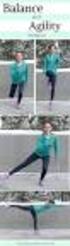 No Equipment Agility/Core/Strength Program for Full Body No Equip Trainer: Rick Coe Introduction Program designed to be performed in a circuit. Perform exercises in sequence without rest 2-3 times. Increase
NU 509: Nursing Ethics Syllabus
 NU 509: Nursing Ethics Syllabus C5:2012 COURSE START DATE: July 9, 2012 ONLINE DATES: July 9 July 15; July 21 August 17, 2012 ON CAMPUS DATES: July 16 July 20 COURSE END DATE: August 17, 2012 COURSE DESCRIPTION
GREENFIELD COMMUNITY COLLEGE H e a l t h Records Room N408 One College Drive, Greenfield, Massachusetts 01301 TEL: (413) 775-1431 FAX: 775-1434
 GREENFIELD COMMUNITY COLLEGE H e a l t h Records Room N408 One College Drive, Greenfield, Massachusetts 01301 TEL: (413) 775-1431 FAX: 775-1434 HEALTH REQUIREMENTS M e d i c a l Assistant Certificate (
Cervical Fusion Protocol
 REHABILITATION DEPARTMENT Cervical Fusion Protocol The following protocol for physical therapy rehabilitation was designed based on the typical patient seen at the Texas Back Institute for the procedure
Certified Athletic trainers should follow a 10-step process of evaluation for orthopedic injuries, which includes but is not limited to:
 Acute Care Policy Acute Care Policy and Procedures Athletic training students within Winona State University s Athletic Training Education Program have the opportunity to evaluate acute athletic injuries
Rotator Cuff Pathophysiology. treatment program that will effectively treat it. The tricky part about the shoulder is that it is a ball and
 Rotator Cuff Pathophysiology Shoulder injuries occur to most people at least once in their life. This highly mobile and versatile joint is one of the most common reasons people visit their health care
Temporo-Mandibular Joint Complex Exercise Suggestions
 Temporo-Mandibular Joint Complex Exercise Suggestions I. Exercise Generalizations: A. Patients with post-traumatic TMJ problems or with recent-onset dysfunction that is largely posture-related will generally
Neurological Assessment of the School Age Child
 O U T R E A C H E D U C A T I O N Neurological Assessment of the School Age Child April 3, 2008 Program Handouts This information is provided as a courtesy by Children's Health Care System and its related
LINCOLN UNIVERSITY DI 281 B Practicum / Externship II in Sonography Summer 2015 Course Syllabus
 LINCOLN UNIVERSITY DI 281 B Practicum / Externship II in Sonography Summer 2015 Course Syllabus Course Number: DI 281 B Course Title: Practicum / Externship II in Sonography Course Credit: 3 units = 135
Roswell Ear, Nose, Throat, & Allergy 342 W. Sherrill Lane Suite A, Roswell, New Mexico 88201 (575)-622-2911 Fax: (575)-622-2598
 Roswell Ear, Nose, Throat, & Allergy 342 W. Sherrill Lane Suite A, Roswell, New Mexico 88201 (575)-622-2911 Fax: (575)-622-2598 Patient Registration Form: (Please Print all Pertinent Information) Last
Functional Treatment SAMPLE. Ideas & Strategies. In Adult Hemiplegia. s e c o n d e d i t i o n. By Jan Davis, MS, OTR/L. Video Registration No.
 Functional Treatment Ideas & Strategies In Adult Hemiplegia s e c o n d e d i t i o n By Jan Davis, MS, OTR/L Video Registration No. Table of Contents Introduction.........................................
Southwestern College Nursing & Health Occupations Programs
 MEDICAL EXAMINATION FORM TO THE PHYSICIAN: Southwestern College requires a physical examination for students enrolling in the Nursing and Health Occupations Programs. A statement of your knowledge of this
Students are required to undertake placement activities in mixed gender environments which reflect the Australian health care context.
 Introduction to inherent requirements for undergraduate Nursing course These inherent requirements apply to the following course: Bachelor of Nursing The School of Nursing at Avondale College of Higher
School of Diagnostic Medical Sonography
 Semester 1 Orientation - 101 This class is an introduction to sonography which includes a basic anatomy review, introduction to sonographic scanning techniques and physical principles. This curriculum
PTS505 Physical Therapy Private Practice Management 1 credit Course focuses on establishing a private physical therapy practice, including initial
 PTS505 Physical Therapy Private Practice Management Course focuses on establishing a private physical therapy practice, including initial development through marketing and management. Prerequisite: For
Range of Motion. A guide for you after spinal cord injury. Spinal Cord Injury Rehabilitation Program
 Range of Motion A guide for you after spinal cord injury Spinal Cord Injury Rehabilitation Program This booklet has been written by the health care providers who provide care to people who have a spinal
Level 2 Certificate in Fitness Instructing Unit 1: Anatomy and Physiology
 Level 2 Certificate in Fitness Instructing Unit 1: Anatomy and Physiology These questions have been compiled based on the information available for the above qualification and unit. This mock should be
Self-Range of Motion Exercises for Shoulders, Arms, Wrists, Fingers
 Self-Range of Motion Exercises for Shoulders, Arms, Wrists, Fingers These exercises will help keep your muscles strong and mobile, and your joints flexible. Other benefits of these exercises include: C
COURSE: PHS 211 Human Anatomy and Physiology for the Performing Arts (1 credit - compulsory). LECTURER: SALMAN, Toyin Mohammed. B.sc (Ilorin), M.
 COURSE: PHS 211 Human Anatomy and Physiology for the Performing Arts (1 credit - compulsory). LECTURER: SALMAN, Toyin Mohammed. B.sc (Ilorin), M.sc (Ibadan) Department of Physiology, Faculty Basic Medical
The Essential Lower Back Exam
 STFM National Convention 2011 New Orleans The Essential Lower Back Exam Judith A. Furlong, M.D., Cathee McGonigle, D.O. & Rob Rutherford, MD Objectives Brief review of the anatomy of the back, (hip and
Vital and Diagnostic Signs
 GENERAL The four vital signs and the five diagnostic signs evaluated during patient assessment provide valuable information to the care provider, and when recorded properly, to the receiving facility/personnel.
Stuart B Black MD, FAAN Chief of Neurology Co-Medical Director: Neuroscience Center Baylor University Medical Center at Dallas
 Billing and Coding in Neurology and Headache Stuart B Black MD, FAAN Chief of Neurology Co-Medical Director: Neuroscience Center Baylor University Medical Center at Dallas CPT Codes vs. ICD Codes Category
SAM, Student Auscultation Manikin
 SAM, Student Auscultation Manikin Product: SAM, Student Auscultation Manikin Cat. No.: 718-9007 Price: (Call for latest pricing) 281-488-5901 or 1-800-364-5901 in US and Canada; Email: [email protected]
by joseph e. muscolino, DO photography by yanik chauvin
 by joseph e. muscolino, DO photography by yanik chauvin body mechanics palpation of the anterior neck ESOUCES For more information go to www.medlineplus.gov and search under anterior neck. The anterior
Life Insurance Application Form
 Life Insurance Application Form INSTRUCTION To be completed by all applicants PERSONAL DETAILS Surname First name Middle name Sex Female Male Marital status (please tick) Single Married Other Current residential