
Georgia s Story of Cherokee Removal
|
|
|
- Erin Kennedy
- 10 years ago
- Views:
Transcription
1 The Trail of Tears began for many Cherokee families in Georgia. From the Cherokee capital at New Echota, they raised their voices in anger and fear against the loss of their homeland. More than 9,000 Cherokees left Georgia. They traveled the Trail of Tears to their new homelands in Arkansas and Oklahoma. More than 4,000 Cherokees died along the way. Tah-Chee, A Cherokee Chief Cherokee Lands In Georgia In1836, the Cherokee Nation in Georgia s Story of Cherokee Removal Georgia covered more than 6,000 square miles. Cherokee lands included four physiographic regions. These are the Appalachian Plateau, the Ridge and Valley, the Blue Ridge, and the Piedmont. The Appalachian Plateau lies in the far northwest corner of the state. Mountains rise to 2,000 feet here and are separated by a narrow valley called Lookout Valley. This valley offered the best soils for 1

2 Cherokee farming. It also contains forests filled with game for hunting. well-drained, red clay soil was often covered with lush growth. River and stream valleys in the Piedmont The Ridge and Valley area has many small valleys surrounded by provided the Cherokee with farm land and forests for hunting. narrow low hills. Ridge and Valley forests provided the Cherokee with many resources. In its forests, they found food and materials to make tools, transportation, and housing. Within the Ridge and Valley is the Great Valley. Its soils proved favorable for Cherokee agriculture and the raising of livestock. Cherokees used the resources of their surroundings for food, water, medicines, tools, clothing, housing materials, and trade goods. Their knowledge of plants, animals, insects, birds, and reptiles created everything from wasp soup and bloodroot dye to sassafras tea and turtle-shell rattles. To the east of the Ridge and Valley lie both the Piedmont and the Blue Ridge regions. The Blue Ridge is made up of rugged, heavily forested mountains, streams, and valleys. A few gaps in the mountains can be easily climbed. The Cherokee constructed trails and roads across both Rabun and Unicoi Gaps. The Cherokee knew their homeland and how to use its resources. For example, chestnut, white oak, and hickory trees each served the Cherokee in different ways. The chestnut was a favorite food for these Indians, who spent winter evenings shelling them around a common fire. Women The Piedmont consists of rolling terrain with deep river valleys. Its made enormous flat loaves of chestnut bread. They wrapped each 2

3 serving in corn shucks. Cherokees built their buildings, homes, and furniture of white oak. They used hickory to make tools such as corn pounders. When mixed with cold water, hickory nuts made hickory milk, a rich and nourishing drink. Hollowed out poplar trunks became dugout canoes. Bloodroot, a native plant, provided a red dye for their baskets. Bloodroot and other plants such as lady s slipper served as medicines. The Cherokee called The Cherokee grew plants such as lady s slipper Moccasin Flower corn, squash, and beans for food. moccasin flower. Their forests produced mushrooms, moss, lichens, and other edible plants. Moss and lichens served as a source for salt. They hunted deer, bear, and turkey along with smaller game such as raccoon, fox, beaver, opossum, and woodchucks. The birds of the forest and grasslands such as owls, hawks, ravens, and crows filled their legends. They hunted quail, doves, ducks, wild geese, and ruffled grouse. Cherokees used feathers from Bloodroot certain birds for decoration. They 3

4 gathered eggs for food, and roasted whole birds to eat. sheep all required feeding and fencing. By the 1830s, Cherokees in Georgia owned nearly 80,000 head A Changing Way of Life The arrival and settlement of Georgia by people from Europe created great changes in the Cherokee s way of life. By the 1830s, Cherokee farmers had learned to use of livestock. Blacksmith shops appeared as the demand for new farm tools and equipment grew. They made tools such as horseshoes, nails, saddles, bridles, and wagon fittings. plows and other iron tools. This new practice often caused the priceless topsoil to erode, or wear away. Animals such as the wolf, fox, panther, mountain lion, buffalo and elk disappeared when guns became common in the eighteenth century. The introduction of new vegetable crops lengthened the growing season. The growing of cotton developed a new source for money. In 1826, Cherokee leader John Ridge wrote that cotton is generally raised for domestic As roads were built, population grew. Pigs, horses, cattle, goats, and consumption [use] and a few have grown it for market [to sell] and Early American Plow 4

5 have realized very good profits. Indian women made use of the cotton they grew to make cloth and clothing. The government gave the Cherokee spinning wheels, cotton cards, and looms. The raising of sheep for wool also became important. European ways of life, many white settlers did not want to live with the Cherokee as their neighbors. These new settlers wanted to settle on the rich farmland of north Georgia. Yet, this land belonged to the Cherokee people. The settlers remembered the violence of the recent past when Indians and the arriving white European settlers brought fruit trees into Georgia. Cherokees quickly began growing peaches. settlers fought for land. Some violence continued between white settlers and the Cherokee. Because there were soon so many of these trees, many new arrivals to Georgia thought peaches were a native plant. The Cherokee also planted apple, cherry, pear, quince, and plum trees. Wheat, rye, and oats grew very well, and some Cherokee families planted them on their farms. The Cherokee and the White Settlers The 1835 Cherokee census listed 8,936 Cherokee Indians in Georgia. Although most Cherokees adopted Not all settlers to Georgia despised the Cherokee. Some recognized them as honorable people. Many men married Cherokee women. Others helped them to learn how to grow new crops. The Cherokee taught the new settlers how to use the resources of the land. Still, Georgia s government favored the removal of all Indians. They wanted them to move west of the Mississippi River. In 1802, 5

6 Georgia gave its lands west of the Chattahoochee River to the federal government. In return, the federal government pledged to remove all Indians from the state. In 1826, Wilson Lumpkin was elected to the U.S. House of Representatives. He was appointed to the Committee on Indian Affairs. He introduced a resolution to find a Wilson Lumpkin way to remove the Indians. He also worked to find a suitable home for them west of the Mississippi River. Cherokee lands and distributed them by lottery to white settlers. In 1829, the country elected President Andrew Jackson as its seventh president. Jackson supported Indian removal. The U.S. House of Representatives approved the Indian Removal Bill on 28 May In 1834, the Georgia General Assembly ordered the state militia to protect Georgia citizens. The militia also protected those Indians that agreed with removal plans. Wilson Lumpkin, who was now governor, directed Colonel William From , the Choctaws, Chickasaws, Seminoles, and Creeks signed removal treaties. The state then extended its laws over the Bishop to construct barracks for his men. He also had to find a suitable place to store their supplies. Colonel Bishop built his Cherokee Nation. They surveyed all 6

7 headquarters at Spring Place, Georgia. By 1838, Ft. Wool became the center of Cherokee removal work in Georgia. Ft. Wool was located at In December 1835, a group of Cherokee led by John Ridge, Elias Boudinot, and Major Ridge met treaty commissioners at New Echota. These three men signed a treaty giving up all southeastern Cherokee land, and the time of removal was set for two years later. The Georgia legislature decreed that all Indians would leave Georgia by 25 May New Echota, the Cherokee Nation s capital. At Ft. Wool, Cherokee families signed up for removal. The federal government paid them small amounts of money for their land. They also gave them some payment for houses, barns, and other outbuildings they had built. The government passed out rations to poor Cherokees who did not have enough food. John Ridge Major Ridge 7

8 The Army built 14 more military posts in Georgia. These posts stood about 10 to 20 miles apart. Each had access to major roads. Each post provided shelter for troops and supplies during the Cherokee removal. Removal Federal troops organized the Cherokees into 13 groups of about 1,000 each. A conductor and his I saw the helpless Cherokees arrested and dragged from their homes, and driven at the bayonet point into the stockades. And in the chill of a drizzling rain on an October morning I saw them loaded like cattle or sheep into six hundred and forty-five wagons and started toward the west...on the morning of November the 17th we encountered a terrific sleet and snow storm with freezing temperatures and from that day until we reached the end of the fateful journey on March the 26th 1839, the sufferings of the Cherokees were awful. The trail of the exiles was a trail of death. They had to sleep in the wagons and on the ground without fire. And I have known as many as twenty-two of them to die in one night of pneumonia due to ill treatment, cold and exposure... Private John G. Burnett Captain Abraham McClellan s Company, 2nd Regiment, 2nd Brigade, Mounted Infantry Cherokee Indian Removal assistant led each group west to Oklahoma and Arkansas. On 1 October 1838, the first groups departed along the trail. Forced to walk, ride in wagons, or on flatboats, each group traveled for about four months to reach their new home. Today, Georgia s Trail of Tears forts are only found on early maps. Archaeologists are working to relocate these sites. These sites, like the actual Trail of Tears, can still tell stories of hardship, hatred, prejudice, and loss. Some sites tell stories of the Cherokee people being forced from their homes and rounded up like livestock. They lived in open stockades before being forced to leave for Oklahoma and Arkansas. Others tell stories of soldiers who guarded and carried out the removal of the Cherokee. Some of these men acted harshly. Others 8

9 had sympathy for these people and treated them with kindness. It is a sad story in our history. It is a story of men, women, and children herded together and forced to march more than a thousand miles to a new, but different, homeland. Some made the trip by boat. Others walked, rode in wagons John R oss or on horses the entire way, guarded by soldiers. Loss of life was high, especially among the young and the very old. Only after John Ross, a Cherokee leader, appealed to General Winfield Scott were the Cherokee allowed to lead their own people west in small groups. These small groups could forage along the way for food. Most arrived in Arkansas and Oklahoma during the brutally cold winter of More than 4,500 Cherokee died along the Trail Where They Cried or Nunna daul Tsuny in the Cherokee s own language. Suggested Reading: Check your local library for the following: 1. Life on the Trail of Tears Fischer, Laura, The Trail of Tears Burgan, Michael The Journal of Jesse Smoke : a Cherokee Boy Bruchac, Joseph Soft Rain : a Story of the Cherokee Trail of Tears Cornelissen, Cornelia On the long trail home Stewart, Elisabeth Jane The Trail of Tears Stein, R. Conrad Remember my name Banks, Sara H Only the names remain; the Cherokees and the Trail of Tears Bealer, Alex W

10 Additional Books Available From Bookstores: 1. Trail of Tears Joseph Bruchac, Diana Magnuson (Illustrator) Pub. Date: September Trail of Tears 1838 L. Salas, Jack D. Baker Pub. Date: January Trail of Tears Sabrina Crewe, D. L. Birchfield Pub. Date: December Trail of Tears Manufactured by Scholastic Books Pub. Date: April Westward Expansion (FlashCharts Series) FlashKids Editors Pub. Date: January Trails of Tears: American Indians Driven from Their Lands Jeanne Williams, Michael Taylor (Illustrator) Pub. Date: January The Trail of Tears Deborah Kent Library Edition Pub. Date: March On the Long Trail Home Elizabeth J. Steward Pub. Date: August Only the Names Remain: The Cherokees and the Trail of Tears Alex W. Bealer, Kristina Rodanas (Illustrator) Pub. Date: April Cherokee Legends and the Trail of Tears Thomas Bryan Underwood, Tom B. Underwood, Amanda Crowe (Illustrator) Pub. Date: August Singing Violet: The Decade between Georgia's Gold Rush and the Trail of Tears A. Fran Booth Pub. Date: May Lucy of the Trail of Tears James D. Yoder Pub. Date: December Cherokee Stuart A. Kallen, Cathryn J. Long Pub. Date: September The Story of the Cherokee People Thomas B. Underwood, Tom B. Underwood, Jacob Anchutin (Illustrator) Pub. Date: March Trail of Tears Richard Conrad Stein, R. Conrad Stein Pub. Date: March Night of the Cruel Moon: Cherokee Removal and the Trail of Tears Stanley Hoig Pub. Date: August The Trail of Tears: The Cherokee Journey from Home Marlene Targ Targ Brill Pub. Date: May Trail on Which They Wept: The Story of a Cherokee Girl Dorothy Hoobler, S. S. Burrus, Thomas Hoobler, Carey-Greenberg Associates Pub. Date: June

11 19. Cherokee Windsong Evelin Sanders Pub. Date: June Long Trail: A Play about the Cherokee Trail of Tears Donna Getzinger Pub. Date: January 2002 WEBSITES: Trail of Tears History Timeline Classroom poster Cherokee General s address to the Cherokee May 10, General s order to the Cherokee May 17,

#20 in notebook WHAT EVENTS LED TO THE CHEROKEE REMOVAL?
 #20 in notebook WHAT EVENTS LED TO THE CHEROKEE REMOVAL? I. BACKGROUND 1733 Georgia was founded. Colonists were welcomed by Tomochichi, a Yamacraw Indian. Most of Georgia was inhabited by Indians. 1838
NATURAL REGIONS OF KENTUCKY
 NATURAL WONDERS As you travel around Kentucky taking pictures, you are excited by what you see. Kentucky offers diverse and amazing sights. The Six Regions In the West, you see the Mississippi River, the
Native People in Early Virginia
 Name: Date: Native People in Early Virginia When the Jamestown settlers arrived in Virginia in 1607, there were already thousands of Native Americans, or First Americans, living on the land they called
Trail of Tears. Grade 4 Social Studies Online
 Trail of Tears Grade 4 Social Studies Online Blueprint Skill: Era 4 - Expansion and Reform (1801-1861) Read and interpret a passage about the Trail of Tears. Cherokee culture Before contact, Cherokee culture
Indian Removal Lesson Plan. Central Historical Question: Why did people in the 1830s support Indian Removal?
 Lesson Plan Central Historical Question: Why did people in the 1830s support? Materials: PPT United Streaming Video Segment: Forced Westward (from The West: Empire Upon the Trails 1806-1848): http://player.discoveryeducation.com/index.cfm?guidassetid=cb1a416
Indian Removal: The Cherokees, Jackson, and the Trail of Tears
 Indian Removal: The Cherokees, Jackson, and the Trail of Tears President Andrew Jackson pursued a policy of removing the Cherokees and other Southeastern tribes from their homelands to the unsettled West.
Fry Phrases Set 1. TeacherHelpForParents.com help for all areas of your child s education
 Set 1 The people Write it down By the water Who will make it? You and I What will they do? He called me. We had their dog. What did they say? When would you go? No way A number of people One or two How
Appalachian American Indians A Timeline of the Historic Period
 Appalachian American Indians A Timeline of the Historic Period Prior to 1700 Shawnee and Mingo colonies claimed the eastern panhandle of what is now WV and the south eastern area- including the areas that
Cherokee Women and Education
 Cherokee Women and Education Before 1877 By Laura Page European Treatment of Cherokee Women In the early 16th Century Native American women were treated with high respect and held positions of authority
Region of Georgia : Mountains
 Region of Georgia : Mountains Northern most region of GA Cold weather in the winter Brasstown Bald is the highest point in Georgia Lots of creeks and streams High above sea level Poor soil for farming
Chapter 10: How Americans Settled the Frontier. The white settlers moving west into land that Native Americans lived : westward expansion.
 Chapter 10: How Americans Settled the Frontier Multiple Perspectives and the Idea of a Frontier Frontier : The land west of where most white settlers lived. Native Americans lived on the frontier. The
The first people to live in
 The first people to live in Michigan arrived about 12,000 years ago. They followed Caribou big animals that traveled An animal that in herds, looks similar to an elk like caribou. They hunted the animals
Written By: Zolandra Yarbrough
 Written By: Zolandra Yarbrough Zolandra yarbrough Buzzworthy Publications Memphis, Tennessee TABLE OF contents Introduction of the eastern-band Cherokee..1 Location.3 Social System 5 Seven Clans.6 Government...8
Brief Historical Overview
 Brief Historical Overview U. S. Indian Removal Act passed in 1830 Gold found on Cherokee land in Georgia same year Georgia passed law that no Cherokee business could be conducted in the state. Cherokee
Guided Reading Level Ī - -
 A Friend to the Pilgrims Guided Reading Level Ī - - No part of this publication may be reproduced in whole or in part, or stored in a retrieval system, or transmitted in any form or by any means, electronic,
THERE IS ONE DAY THAT IS OURS. THERE IS ONE
 p T w o T h a n k s g i v i n g D a y G e n t l e m e n THERE IS ONE DAY THAT IS OURS. THERE IS ONE day when all Americans go back to the old home and eat a big dinner. Bless the day. The President gives
Chapter 9: The Policies of Alexander Hamilton and Thomas Jefferson
 Chapter 9: The Policies of Alexander Hamilton and Thomas Jefferson Department of State, Department of Treasury, Department of War, Attorney General, Postmaster General : 5 government departments established
DBQ: Indian Removal Act and the Trail of Tears Bill Woolwine Winter Haven Senior High
 DBQ: Indian Removal Act and the Trail of Tears Bill Woolwine Winter Haven Senior High Directions: The following question is based on the accompanying documents (1-9). Some of these documents have been
PUSD High Frequency Word List
 PUSD High Frequency Word List For Reading and Spelling Grades K-5 High Frequency or instant words are important because: 1. You can t read a sentence or a paragraph without knowing at least the most common.
FLORIDA BECOMES A U.S. TERITORY By Laura Harder and Toni Migliore
 FLORIDA BECOMES A U.S. TERITORY By Laura Harder and Toni Migliore Summary: After the British returned Florida to Spain, Florida came under Spanish rule for a second time. During this second period, which
Science of Life Explorations
 Science of Life Explorations Celebrate the Growing Year: The Farmer s Year A Farmer s Year While you are in school or on a vacation, farmers are working hard to provide us with the foods we eat and the
Survivor of the Trail of Tears in 1838
 Rebecca Neugin Lesson Plan for the Trail of Tears by Dr. Carole Bucy Era 4: Expansion & Reform (1801-1861) Time Period: Trail of Tears 1838 Survivor of the Trail of Tears in 1838 Born: 1834 in Cherokee
Chapter 8, Section 2 The Louisiana Purchase. Pages 272-277
 Chapter 8, Section 2 The Louisiana Purchase Pages 272-277 American Settlers Move West By the early 1800s, thousands of Americans settle in the area between the Appalachians and the Mississippi River. Kentucky,
agricultural economy agriculture CALIFORNIA EDUCATION AND THE ENVIRONMENT INITIATIVE I Unit 4.2.6. I Cultivating California I Word Wall Cards 426WWC
 agricultural economy agriculture An economy based on farming or ranching. The practice of growing crops and raising animals for food, fiber, or other uses by humans. archaeological site archaeology A place
Climate, Vegetation, and Landforms
 Climate, Vegetation, and Landforms Definitions Climate is the average weather of a place over many years Geographers discuss five broad types of climates Moderate, dry, tropical, continental, polar Vegetation:
The Southern Colonies
 The Southern Colonies About 100 men and boys sailed to Virginia in 1607. They set up a settlement. They named their new home Jamestown. They did not plant crops. They looked for gold. Just a few of the
Native Plants, Native People
 American Indian Tribes of North Carolina and Their Relationship to the Land General Notes About this Program This is an outdoor program. Participants should dress for the weather, and be aware that, at
IN A SMALL PART OF THE CITY WEST OF
 p T h e L a s t L e a f IN A SMALL PART OF THE CITY WEST OF Washington Square, the streets have gone wild. They turn in different directions. They are broken into small pieces called places. One street
Cherokee Genealogy Today we will learn Start at the beginning! must
 Cherokee Genealogy A Primer for Genealogists Today we will learn Some basic steps for doing Indian genealogy Who are the Cherokee? The removal Trail of Tears Records existing as a result of the removal
FAQ. Chickasaw and Choctaw Timber, Mineral Rights and Tribal Lands. Q. What is the case currently before the Federal Court?
 FAQ Chickasaw and Choctaw Timber, Mineral Rights and Tribal Lands Q. What is the case currently before the Federal Court? In 2005, the Chickasaw and Choctaw Nations brought suit against the U.S. Government
2d Session 109 239 TRAIL OF TEARS NATIONAL HISTORIC TRAIL. Filed, under authority of the Senate of April 7, 2006
 109TH CONGRESS Calendar No. 401 REPORT " SENATE! 2d Session 109 239 TRAIL OF TEARS NATIONAL HISTORIC TRAIL APRIL 20, 2006. Ordered to be printed Filed, under authority of the Senate of April 7, 2006 Mr.
The Campbell Family. Chapter 1 9 th and 8 th generations featuring Adam and son Alexander. Late 1700s and early 1800s
 The Campbell Family Chapter 1 9 th and 8 th generations featuring Adam and son Alexander Late 1700s and early 1800s 4/4/2012 2:08 PM Many relatives have provided information and photos for the Campbell
Westward Expansion Test
 Westward Expansion Test 1. Name four famous pioneers of the Westward Expansion. (4) 2. Daniel Boone was an early pioneer of what state? (1) 3. What were the names of the road Daniel Boone forged and his
Sam Houston, 1793-1863: An Early Leader of Texas
 12 November 2011 voaspecialenglish.com Sam Houston, 1793-1863: An Early Leader of Texas Cavalry soldiers line up at Fort Sam Houston, Texas loc.gov (You can download an MP3 of this story at voaspecialenglish.com)
1866 Cattle Drives. The great cattle drives occurred between 1866 and BACKGROUND
 1866 Cattle Drives BACKGROUND The great cattle drives occurred between 1866 and 1890. By the end of the Civil War, the cattle supply east of the Mississippi River had been exhausted. In Texas, because
Fry s Sight Word Phrases
 The people Write it down By the water Who will make it? You and I What will they do? He called me. We had their dog. What did they say? When would you go? No way A number of people One or two How long
Wichitas. Tonkawas. Kickapoos. Kiowas. Caddoes. Comanches. Cherokees. Mescalero Tiguas Apaches Lipan Apaches Jumanos. Alabama Coushattas Atakapans
 Kiowas Comanches Mescalero Tiguas Apaches Lipan Apaches Jumanos Kickapoos Wichitas Tonkawas Caddoes Cherokees Karankawas Alabama Coushattas Atakapans Coahultecans Native Texans of Gulf Coast Karankawas
4. Which choice below lists the biomes in order from lowest precipitation amounts to highest precipitation amounts?
 Ecosystems and Biomes 1. All of the living organisms in a forest plus their environment is an example of A. a biome. B. a community. C. a population. D. an ecosystem. 2. Which of the following best describes
Eastern Band of Cherokee Indians Title IV- B, Subparts 1&2 2010-2014 Final Report
 Eastern Band of Cherokee Indians Title IV- B, Subparts 1&2 2010-2014 Final Report Submitted By: Barbara Jones 1 Eastern Band of Cherokee Public Health and Human Services 2 Background Information The Eastern
Learning expeditions
 Learning expeditions Exploration and settlement What is the New Frontier? Introduction: On this Expedition, your students will explore the question, What is the New Frontier? by observing many different
CATS HAVE KITTENS. Are You My Mother?, P.D. Eastman. (New York: Beginner Books, Inc. 1960).
 Alabama Department of Public Health Mother s Milk Education Package for Grades K-12 Level K Adapted from New York Department of Health Level K CATS HAVE KITTENS LEARNING OBJECTIVE FOR LEVEL K: Students
China The Giant Panda
 China The Giant Panda China The Giant Panda Deep in a forest, a black-and-white bear sits peacefully. It chews the green leaves of a plant. The bear is alone, but there are others not too far away. Later,
Mammon and the Archer
 O. H e n r y p Mammon and the Archer OLD ANTHONY ROCKWALL, WHO HAD MADE millions of dollars by making and selling Rockwall s soap, stood at a window of his large Fifth Avenue house. He was looking out
ONE DOLLAR AND EIGHTY-SEVEN CENTS.
 T h e G i f t o f t h e M a g i p T h e G i f t o f t h e M a g i ONE DOLLAR AND EIGHTY-SEVEN CENTS. That was all. She had put it aside, one cent and then another and then another, in her careful buying
Water from the Air: Cloud Forests
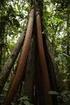 Water from the Air: Cloud Forests Alden Wicker Water from the Air: Cloud Forests In the Americas, Asia, and Africa, there s a special kind of forest. It s rare, beautiful, and incredibly important to the
6. Which of the following is not a basic need off all animals a. food b. *friends c. water d. protection from predators. NAME SOL 4.
 NAME SOL 4.5 REVIEW - Revised Habitats, Niches and Adaptations POPULATION A group of the same species living in the same place at the same time. COMMUNITY-- All of the populations that live in the same
S OAPY MOVED RESTLESSLY ON HIS SEAT
 T h e C o p a n d t h e A n t h e m p The Cop and the Anthem S OAPY MOVED RESTLESSLY ON HIS SEAT in Madison Square. There are certain signs to show that winter is coming. Birds begin to fly south. Women
The Pilgrims and Puritans come to America to avoid religious persecution.
 The Pilgrims and Puritans come to America to avoid religious persecution. BUILDING BACKGROUND England s first successful colonial settlements were in Virginia. They were started mainly as business ventures.
Little Present Open Education Project OKFN, India Little Present 1
 1 Open Knowledge Foundation Network, India : Open Education Project Help spreading the light of education. Use and share our books. It is FREE. Educate a child. Educate the economically challenged. Share
Overview. Summary. Writing Skills
 Overview Summary Background Information Two Cultures Meet Native American and European By Ann Rossi By the 1400s, Native Americans had been living in the Americas for more than 10,000 years. Europeans
Phonics. High Frequency Words P.008. Objective The student will read high frequency words.
 P.008 Jumping Words Objective The student will read high frequency words. Materials High frequency words (P.HFW.005 - P.HFW.064) Choose target words. Checkerboard and checkers (Activity Master P.008.AM1a
Animal Life Cycles. Background. Procedure
 Purpose: This lesson introduces students to the six major livestock species raised in Minnesota. Students will learn terms for mothers, fathers, and young and explore the life cycle of a typical farm animal.
Teacher s Guide For. Ancient History: Ancient Pueblo People: The Anasazi
 Teacher s Guide For Ancient History: Ancient Pueblo People: The Anasazi For grade 7 - College Programs produced by Centre Communications, Inc. for Ambrose Video Publishing, Inc. Executive Producer William
J0811022 Teddy's Bear W:8"XH:10" 175L CTP. by Juddi Morris. Cover. CD No.01
 C B M Y Teddy s Bear J0811022 Teddy's Bear W:8"XH:10" 175L CTP Teddy s Bear by Juddi Morris J0811022 Cover 3rd.indd 1 5/18/09 8:52:06 PM 3 3mm CD No.01 Cover President Theodore Roosevelt was sick of being
My name is Jonathan Harker. I am a lawyer and I live in
 1 The Road to Castle Dracula My name is Jonathan Harker. I am a lawyer and I live in London. About seven years ago, some strange and terrible things happened to me. Many of my dear friends were in danger
Trail Tree Newsletter October 2014
 Trail Tree Newsletter October 2014 This is the Volume 26 of the Quarterly Trail Tree Project Newsletter. We hope the number of topics in this newsletter will be of interest to you. If you want us to report
Pumpkins Now and Then
 Ag in 10 Minutes a Day! Pumpkins Now and Then Pumpkins and American History Native American Indians used pumpkin as an important part of their diets many years before the Pilgrims landed. Native Americans
You re One in Seven Billion!
 You re One in Seven Billion! We ve all heard the expression, You re one in a million!. With the ever-growing number of people on the planet, it might be more accurate to say, You re one in seven billion!
Exploring South Carolina
 Exploring South Carolina Rose Capell Lander University [email protected] Overview This lesson is based on South Carolina: An Atlas. Students will use the atlas to compare the regions in which the
Farming. In the Standard Grade Geography exam there are three types of farming you need to know about arable, livestock and mixed.
 Types of Farming In the Standard Grade Geography exam there are three types of farming you need to know about arable, livestock and mixed. Arable farms are ones where the main way of making money is by
Jamestown Questions and Answers
 Jamestown Questions and Answers Why is Jamestown important? Jamestown was the first permanent English settlement in North America. It is America s birthplace. Who were the first Europeans to explore Virginia?
No. 04 Nebraska s First Farmers Nebraska s First Farmers
 No. 04 Nebraska s First Farmers Nebraska s First Farmers At least 1,000 years ago Indian women tended small fields of corn. By the 1700s corn continued to be an important food for the Oto, Pawnee and Omaha
Desert Communities Third Grade Core: Standard 2 Objective 2 Describe the interactions between living and nonliving things in a small environment.
 Desert Communities Third Grade Core: Standard 2 Objective 2 Describe the interactions between living and nonliving things in a small environment. (Discovering Deserts NatureScope: page 40, 43, 44) Objective:
The Kingdom of Mali. Read through the worksheet and allow for explanations and clarifications Discuss new terminology Learners complete the worksheet
 Grade 7, Term 1 Social Science: History Lesson Topic: The Kingdom of Mali Lesson 2 of 6 CAPS reference: page 33 Total time: 1 hour Aims Engage higher order thinking through questions Expand knowledge base
Colonial America Vocabulary
 Colonial America Vocabulary jerkin jacket of cloth or leather, open at the neck, but without sleeves. petticoat independence minutemen women s skirts, often worn several at a time, sometimes the top one
FOUNDATION STAGE - INTRODUCTION
 Teacher Pack Foundation Stage FOUNDATION STAGE - INTRODUCTION The following activities have been designed to help children to learn about owls as part of their Early Years Foundation Stage development.
Structured Academic Controversy Lesson on the Removal of Cherokee Indians: Should the United States forcefully remove Cherokee Indians from Georgia?
 Sara Leonard December 14, 2008 Dr. Stoddard SAC Lesson Plan Structured Academic Controversy Lesson on the Removal of Cherokee Indians: Should the United States forcefully remove Cherokee Indians from Georgia?
Fishing, Hunting & Gathering The Rights and Responsibilities of First Nations People in Manitoba
 Fishing, Hunting & Gathering The Rights and Responsibilities of First Nations People in Manitoba First Nations people have always had a special relationship with the natural life forms that the land provides
Tha h nk n sg s iving g Praye y r
 Thanksgiving Prayer The People Today we have gathered and we see that the cycles of life continue. We have been given the duty to live in balance and harmony with each other and all living things. So now,
Lesson Title: Beef Cattle-Animal Care is Everywhere Grade Level: K-4 Time: 1 hour Content Area: Science, Language Arts Objectives:
 Lesson Title: Beef Cattle-Animal Care is Everywhere Grade Level: K-4 Time: 1 hour Content Area: Science, Language Arts Objectives: Identify the needs of beef animals Compare the needs of beef animals to
So far the effort, outlined in the state s Nutrient Reduction Strategy to reduce hypoxia in the Gulf, has been voluntary.
 Push is on for Iowa to clean up its water State leaders are counting on farmers to adopt conservation practices to protect waterways, soil By Donnelle Eller, Des Moines Register; Nov. 9, 2013 EAGLE GROVE,
Content: The student describes the experiences of early-day explorers in Kansas.
 Fourth Grade Explorers in Kansas No. I-4 Overview This lesson is designed to teach students about four early and influential expeditions in Kansas. Students will read cards about the explorers (Coronado,
TEST BOOK AND ANSWER KEY
 The Story of the World TEST BOOK AND ANSWER KEY Volume 1: Ancient Times Peace Hill Press Charles City, Virginia www.peacehillpress.com How to Use These Tests and Answer Key These Tests and their accompanying
Life Science Study Guide. Environment Everything that surrounds and influences (has an effect on) an organism.
 Life Science Study Guide Environment Everything that surrounds and influences (has an effect on) an organism. Organism Any living thing, including plants and animals. Environmental Factor An environmental
Documents. Document A: The Cherokee Constitution of 1827. Document B: Success of the Civilizing Project Among the Cherokee
 Documents Document A: The Cherokee Constitution of 1827 Document B: Success of the Civilizing Project Among the Cherokee Document C: Letter from Missionary about Cherokee Religion Document D: Andrew Jackson
Tom Torlino, Ziewie, and the Student Experience
 Tom Torlino, Ziewie, and the Student Experience 1. Photographic Evidence: These two pictures are of Tom Torlino and Ziewie, Navajo teenagers brought to a boarding school. The picture at left shows Tom
Chapter 16: The Economy of the West after the Civil War
 Chapter 16: The Economy of the West after the Civil War Labor Most people thought the West would be poor farmland, with extreme temperatures and little rain. They imagined the land had few trees. The West
Overview. Mission Gate, ca. late 1700s Courtesy Texas Archeological Research Labs. Photo by Hunt Wellborn
 H C H A P T E R t h r e e H immigration Overview Chapter 3: Immigration covers many groups involved in the early colonization of Texas: farmers, ranchers, soldiers, missionaries, and slaves. Exhibits in
No. 7 Early Settlers
 No. 7 Early Settlers Many different groups of people have settled in Nebraska. The very first were Indians who came here more than 10,000 years ago. They were nomadic hunters who were looking for an area
Burk Burnett and the Four Sixes Ranch
 Burk Burnett and the Four Sixes Ranch Samuel Burk Burnett became one of the most well-known and prosperous ranchers in Texas. In the early 1870s, he established the Four Sixes (6666) brand. Although the
The Dawes Act and the Great American Indian Lands Grab
 The Dawes Act and the Great American Indian Lands Grab Joseph Bruchac & John Smelcer On February 8, 1887, President Grover Cleveland signed into law the Dawes Act, also known as the General Allotment Act,
Elizabeth Baird. Life in Territorial Wisconsin. For additional resources, visit WisconsinBiographies.org. Level 2
 Elizabeth Baird Life in Territorial Wisconsin For additional resources, visit WisconsinBiographies.org Level 2 Glossary frontier (n):............. unsettled land with few people and businesses fur trader
Using Primary Historical Resources to Discover the Location of an Archaeological Site: The Search for the French Fort sur la Rivière aux Boeufs
 Using Primary Historical Resources to Discover the Location of an Archaeological Site: The Search for the French Fort sur la Rivière aux Boeufs Modified From 2003 PA Archaeology Month Lesson Plan by: Renata
Teacher s Pet Publications
 Teacher s Pet Publications a unique educational resource company since 1989 To: Professional Language Arts Teachers From: Dr. James Scott, Teacher s Pet Publications Subject: Teacher s Pet Puzzle Packs
Mean Clouds by Jerry Stanley
 North arolina Testing Program Life had always been hard on the farmers who lived in Oklahoma, and in the 1930s it was especially hard on those who lived in the Panhandle, a barren stretch of rock and red
Grade 4: Module 2A: Unit 1: Lesson 5 Mid-Unit 1 Assessment: Inferring with Pictures and Text
 Grade 4: Module 2A: Unit 1: Lesson 5 Mid-Unit 1 Assessment: Inferring with Pictures and Text This work is licensed under a Creative Commons Attribution-NonCommercial-ShareAlike 3.0 Unported License. Exempt
Depression Game. Created by Rebecca Benedix
 Depression Game Story Role: Depression Game Created by Rebecca Benedix You are the person whose role you played in the game. Audience: You are writing this for future generations. Format: You will be writing
1866 Cattle Drives. The great cattle drives occurred between 1866 and BACKGROUND
 1866 Cattle Drives BACKGROUND The great cattle drives occurred between 1866 and 1890. By the end of the Civil War, the cattle supply east of the Mississippi River had been exhausted. In Texas, because
food webs reflect look out! what do you think?
 reflect Imagine for a moment that you stay after school one day to clean up the classroom. While cleaning, you move some plants away from the sunny windows. A week later, you remember to move the plants
A Fair Policy for Native Americans Express Your Opinion
 At the end of the American Civil War, the United States was poised for more growth and development. As U.S. citizens and European and Asian immigrants built cities and settled farms and ranches in the
Fast Phrases. - Timed - PHRASES WITH FRY INSTANT WORDS
 Fast Phrases - Timed - PHRASES WITH FRY INSTANT WORDS Fry Instant Words are high-frequency words that occur in reading. By practicing reading these phrases containing these words, students can improve
C-14: God Created the World and People Spoiled It
 Title: GOD CREATED THE WORLD AND PEOPLE SPOILED IT Theme / Bible Basis: Review of Genesis 1-11 Bible Reading: Psalm 148, NLT Introduction: In our recent messages, we have read together from several stories
Ch. 3 Section 2: The New England Colonies
 Ch. 3 Section 2: The New England Colonies Pilgrims and Puritans Religious tensions in England remained high after the Protestant Reformation. A Protestant group called the Puritans wanted to purify, or
Agricultural Production and Research in Heilongjiang Province, China. Jiang Enchen. Professor, Department of Agricultural Engineering, Northeast
 1 Agricultural Production and Research in Heilongjiang Province, China Jiang Enchen Professor, Department of Agricultural Engineering, Northeast Agricultural University, Harbin, China. Post code: 150030