
CANNABIS IN AFRICA. An Overview
|
|
|
- Hilary Cory Boone
- 9 years ago
- Views:
Transcription
1 CANNABIS IN AFRICA An Overview November 2007
2 The overview of the cannabis situation in Africa presented in this document was prepared by Denis Destrebecq in the context of "Data For Africa", the segment of UNODC's Trends Monitoring and Analysis Programme dedicated to Africa and funded by France and Sweden. UNODC reiterates its appreciation to the African Member States who responded to the UN Annual Report Questionnaire on drugs. This questionnaire, together with the data base on individual drug seizures, constitutes the core source of information on drugs for UNODC. The boundaries, names and designations used in all maps in this book do not imply official endorsement or acceptance by the United Nations. This publication has not been formally edited 1
3 EXECUTIVE SUMMARY: Cannabis in Africa This paper summarizes the latest information available on cannabis in Africa. Information comes from the 2006 and the 2007 editions of the United Nation s Office on Drugs and Crime s (UNODC) World Drug Report. The World Drug Report 2006 contains an extended section on the global cannabis situation. The 2006 Report is still available at or by request at [email protected]. The 2007 World Drug Report, which contains the most recent trends on cannabis in Africa, is available at the same address. The highest levels of cannabis production in the world take place on the African continent. Ten thousand five hundred metric tons or roughly 25 per cent of global production of cannabis herb is estimated to have taken place in Africa in Seizures of cannabis herb by authorities in Africa are second only to those made by North American authorities. South African law enforcement alone accounted for 42 per cent of all African seizures. After Mexico and the United States this represents the third highest levels of seizures of cannabis herb in the world. Much of African cannabis production is consumed on the continent. An estimated 38,200,000 African adults (or 7.7 per cent of the adult population) consume the drug each year far higher than the 3.8 per cent of cannabis users among the world population aged 15 to 64. Cannabis resin is also produced in large amounts on the continent. Over the period , a total of 19 out of 53 African countries reported the cultivation of cannabis on their territory. UNODC estimates global cannabis herb production was 42,000 metric tons in Africa alone accounted for 10,500 metric tons or 25 per cent of the total. Together, the American continent accounted for 46 per cent of global cannabis production - North America represented 23 per cent and South America another 23 per cent. Although the 2005 level of cannabis production in Africa represented a slight decrease over 2004, the long-term trend shows strong increases of production in Africa. Geographically, the production of cannabis resin is far more concentrated than production of cannabis herb. The world s largest cannabis resin producer continues to be Morocco, which supplies the illicit markets of North Africa and Western Europe. Western Europe is the world s largest market for cannabis resin, accounting for some 70 per cent of global resin seizures in 2005; North Africa accounts for another 8 per cent. Worldwide, cannabis herb seizures amounted to 4,600 mt in Cannabis herb remains the most widely trafficked substance in terms of volume and geographic spread. Close to two thirds of global cannabis herb seizures were made in North America in 2005, notably in Mexico (1,781 mt) and the United States (1,112 mt). The next largest cannabis herb seizures were made in Africa (18 per cent of global seizures). The largest seizures were reported in South Africa (292 mt), Tanzania (150 mt) and Nigeria (126 mt). Global cannabis resin seizures declined by 11 per cent in Total cannabis resin seizures in Africa add up to 10 per cent of the world total. Cannabis is the most commonly used drug in the world. Almost 160 mn people used cannabis in 2005, equivalent to 3.8 per cent of the global population. In Africa, UNODC estimates that there were about 38.2 mn cannabis users in 2005, equivalent to 7.7 per cent of the African population aged 15 to 64. The highest rates within Africa are found in West and Central Africa (13 per cent) and in Southern Africa (8.5 per cent). Although, at the global level, the number of cannabis users remained stable between 2004 and 2005, seventeen African countries reported rising levels of cannabis use in 2005 and only 4 countries saw a decline. 2
4 CANNABIS IN AFRICA: An Overview This paper summarizes the latest information available on cannabis in Africa. Information comes from the 2006 and the 2007 editions of the United Nation s Office on Drugs and Crime s (UNODC) World Drug Report. The World Drug Report 2006 contains an extended section on the global cannabis situation. The 2006 Report is still available at or by request at [email protected]. The 2007 World Drug Report, which contains the most recent trends on cannabis in Africa, is available at the same address. Before embarking on this review, it is important to distinguish between the two main cannabis products: herbal cannabis refers to the leaves and flowering tops of the plant. It is known by many names including marijuana, ganja, weed, and many others. cannabis resin refers to the pressed secretions of the plant. This is known as hashish in the Western hemisphere and charas in India. Both herb and resin are known by a myriad of local names. Herbal cannabis is the main cannabis product used in North America and most of the rest of the world, while cannabis resin is the main product used in much of Europe and a few traditional resinproducing regions. A third product cannabis oil (hashish oil) is an oily mixture resulting from extraction or distillation of THC rich parts of the cannabis plant. It is less widely used, and accounts for only 0.01 per cent of all cannabis seizures in Cannabis oil is not included in this overview. Introduction The highest levels of cannabis production in the world take place on the African continent. Ten thousand five hundred metric tons or roughly 25 per cent of global production of cannabis herb is estimated to have taken place in Africa in Seizures of cannabis herb by authorities in Africa are second only to those made by North American authorities. South African law enforcement alone accounted for 42 per cent of all African seizures. After Mexico and the United States this represents the third highest levels of seizures of cannabis herb in the world. Much of African cannabis production is consumed on the continent. An estimated 38,200,000 African adults (or 7.7 per cent of the adult population) consume the drug each year far higher than the 3.8 per cent of cannabis users among the world population aged 15 to 64. Cannabis resin is also produced in large amounts on the continent. This production is mainly concentrated in Morocco. Breakdown of global cannabis herb production in 2005 (N= 42,000 metric tons) South Asia South-East 5% Asia 5% Central Asia 5% Middle East / South-West Asia 7% Africa 25% Europe 5% Oceania 1% North America 23% South America 22% Caribbean & Central America 2% Sources: UNODC, Annual Reports Questionnaire Data and Govt. Reports. 3
5 Cannabis herb production Cannabis production is pervasive in Africa. It takes place in all sub-regions, with major seizures being made in North Africa (Morocco and Egypt), West Africa (Nigeria and Ghana), East Africa (Tanzania and Kenya), and Southern Africa (South Africa, Swaziland, Lesotho, Malawi, and Zambia). Over the period , a total of 19 out of 53 African countries reported the cultivation of cannabis on their territory. In addition, Member States identified 28 African countries as source countries for the production of cannabis and 35 African countries reported seizing cannabis plants - an indirect indicator for the existence of cannabis production in a country. Further analysis combining these data suggests that cannabis production is taking place in at least 43 African countries. UNODC estimates global cannabis herb production was 42,000 metric tons in Africa alone accounted for 10,500 metric tons or 25 per cent of the total. Together, the American continent accounted for 46 per cent of global cannabis production - North America represented 23 per cent and South America another 23 per cent.. Although the 2005 level of cannabis production in Africa represented a slight decrease over 2004, the long-term trend shows strong increases of production in Africa. The year-on-year decline of cannabis cultivation in Africa has been mainly due to reductions reported from Morocco (though most of this cannabis is used for cannabis resin production). Overall cannabis production in Africa is expected to resume its expansionary trend. The area under cannabis cultivation in Morocco, as identified in joint UNODC and Government of Morocco surveys, declined 37 per cent over This followed a decline of 10 per cent in Regional breakdown of global cannabis herb production in 2004 and

6 Cannabis cultivation in Africa: inventory of data collected between Cannabis in Africa Morocco, the world s largest producer of cannabis resin, possesses the largest documented cannabis cultivation area. (Please see section below on cannabis resin production.) With the exception of Morocco, robust estimates of land area under cannabis cultivation are difficult to find in Africa. Estimates for cultivation in South Africa generally range between 1,000 and 2,000 ha. Most plots are small, averaging about 300 square metres, 1 and located along the east coast of the country. South Africa is a significant source of cannabis exports to Europe. In 2004, the Republic of Ireland reported that 99 per cent of the cannabis consumed in their country comes from South Africa. Seventy per cent of the cannabis entering South Africa was grown in Lesotho, where it is estimated to be the third largest source of income. Fields are rarely larger than one hectare, and the plant is grown alongside corn. As in South Africa, small farmers sell their produce to wholesalers who consolidate the many small inputs for trafficking. Swaziland is known for producing high-quality cannabis and the seed stock has been marketed internationally. In 2001, the Swazi police noted cannabis exportation to the United Kingdom, the United States, the Netherlands, and Japan, 2 and this situation does not appear to have changed 5
7 much more recently. The Swazi authorities eradicated between 400 and 500 ha annually between 2001 and Malawi is similarly renowned for the quality of its cannabis. About three to nine tons are seized annually in this small country of about 13 million people, suggesting a substantial export market. Cannabis is also grown for export in West Africa, notably in Nigeria, Ghana, and Senegal. It is presently cultivated in all 36 states of Nigeria, 3 though the plant was only introduced to the area following World War Two. 4 Operation Burn the Weeds was launched in 1994, and has become the title of Nigeria s ongoing eradication program. After a peak in the late 1990s and contrary to some international reports, relatively little was eradicated in the first years of the 21 st century. Figures from 2005 suggest that renewed attention is being given to eradication. Cannabis of Nigerian origin is known to be trafficked to other West African countries. Significant outlets for the distribution of cannabis from Senegal are concentrated in Dakar, other urban centres in Senegal, as well as in Gambia. 5 Cannabis trafficking has been a source of funding for the insurgents of the Movement of the Democratic Forces of Casamance (MFDC), though its relative importance has been debated among experts. 6 It has been claimed that the Liberian National Patriotic Front for Liberia traded guns for MFDC cannabis. 7 In East Africa, fairly large-scale cannabis cultivation occurs in Kenya, primarily in the Lake Victoria basin, in the central highlands around Mt. Kenya and along the coast. As much as 1,500 ha of cannabis are estimated to be cultivated in this area, some in the lower farmlands concealed among traditional crops and some in higher altitude areas regarded as national wildlife reserve. 8 Despite two successful, highly publicized targeted raids of 14 farms along Mt. Kenya that collectively destroyed 461 tons of cannabis in 2001 and 2002, police observed an increase in this crop during Cannabis is cultivated in 10 of the 20 regions of mainland Tanzania, especially in those near the international borders. Police believe that as many as half of the families in these ten regions of the country are involved in the cultivation of cannabis. 9 Seizures have been impressive, though erratic, with haul of 733,222 kg in From January through June 2004 the Tanzanian government destroyed over 230,000 kg of cannabis, nearly as much as the annual total for 2001, the previous record year. 10 According to official reports, 80 per cent of the cannabis in Tanzania is grown domestically, with 20 per cent being imported from Malawi. Ninety per cent of locally produced cannabis is consumed locally. 11 Estimates on the prevalence of cannabis use in Tanzania, based on 1999 survey data, are remarkably low (0.2 per cent). It is likely that the user population has grown in the last seven years, since over 5,000 people were arrested for cannabis-related matters in 2003 and over 2,000 people were arrested for dealing cannabis in the first half of 2004 alone. 12 The extent of transhipment is also probably being underestimated, although the destination of this traffic is unknown. Cannabis resin production Geographically, the production of cannabis resin is far more concentrated than production of cannabis herb. The world s largest cannabis resin producer continues to be Morocco, which supplies the illicit markets of North Africa and Western Europe. Western Europe is the world s largest market for cannabis resin, accounting for some 70 per cent of global resin seizures in 2005; North Africa accounts for another 8 per cent. 6
8 Cannabis fields in the region of Chefchaouen in 2004, UNODC The importance of Morocco as a source country for cannabis resin is, however, declining. In 2003, the year of the first UNODC/Government of Morocco survey total resin production amounted to 3,060 mt, cultivated on 134,000 ha of land in the Rif region of northern Morocco by some 96,600 families. The 2004 survey showed a 10 per cent decline in land under cannabis cultivation (120,500 ha), with an estimated production of 2,760 mt. In 2005, cultivation declined further to 72,500 ha, and production fell to 1,066 mt, reflecting the intensified efforts of the Moroccan authorities to eliminate cannabis production from their territory. Cannabis resin production in Morocco is concentrated in the provinces of Chefchaouen (56 per cent of total in 2005), Taunate (17 per cent) and Al Hoceima (16 per cent). The decline of the importance of Morocco is also reflected in the number of countries citing Morocco as the source country of the cannabis resin found on their markets. Over the period 31 per cent of countries reporting cited Morocco as the origin of the hashish found on their markets. By 2005, the proportion of Morocco (including the transit countries, Spain and Portugal) fell to 20 per cent, reflecting the massive decline of Moroccan cannabis resin production in recent years. Gross farmers income from cannabis cultivation in Morocco is estimated to have amounted to about US$325 million (mn) in Based on an estimate of some 804,000 persons benefiting from cannabis cultivation in the Rif region, this represents a gross per capita income of US$400, well below the country s overall 2003 GDP per capita of US$1,478. 7

9 Morocco Cannabis cultivation and cannabis resin production, , , , hectares 100,000 80,000 60,000 40,000 72,500 tonnes , cultivation production Trafficking in cannabis herb Worldwide, cannabis herb seizures amounted to 4,600 mt in Cannabis herb remains the most widely trafficked substance in terms of volume and geographic spread. Close to two thirds of global cannabis herb seizures were made in North America in 2005, notably in Mexico (1,781 mt) and the United States (1,112 mt). The next largest cannabis herb seizures were made in Africa (18 per cent of global seizures). The largest seizures were reported in South Africa (292 mt), Tanzania (150 mt) and Nigeria (126 mt). Distribution of global cannabis herb seizures in 2005 (N = 4,644 metric tons) Regional breakdown of cannabis herb seizures,

10 Cannabis herb intercepted Africa Seizures of cannabis herb in Africa in kilograms, 2005 South Africa Nigeria Morocco Egypt Zambia Ghana Kenya Lesotho Senegal Mozambique Swaziland Burkina Faso Cape Verde Zimbabwe Angola Burundi Benin Mali Togo Botswana Niger Côte d'ivoire Congo, Rep. Gambia Namibia Cameroon Gabon Mauritius Ethiopia Eritrea Guinea Source: UNODC kg 9
11 Trafficking in cannabis herb, 2005 (countries reporting seizures of more than 100 kg) 10

12 Trafficking in cannabis resin 1 In terms of quantities seized (1,300 mt in 2005), cannabis resin is the second most widely trafficked drug worldwide, after cannabis herb. Global cannabis resin seizures declined by 11 per cent in Total cannabis resin seizures in Africa add up to 10 per cent of the world total, the seizures being concentrated in Northern Africa which alone account for 8 per cent of the world total. The seizures reported in 2005 from Uganda (12 mt) and Malawi (10 mt) were important, but were the first report of important cannabis resin in a long time, and it is not yet clear whether these seizures corresponded to the first signs of new developments in trafficking of cannabis resin or occasional catches. Distribution of global cannabis resin seizures in 2005 (N = 1,302 metric tons) Regional breakdown of cannabis resin seizures, The concentration of cannabis resin seizures in Northern Africa is not random. Northern African countries link Morocco to the consumer markets of Northern Africa and the Middle East. Seizures data between 2004 and 2005 show cannabis resin seizures increasing only slightly (0.5 per cent). The 2005 level of cannabis resin seizures in Northern Africa (109 mt) was still 7 per cent lower than in 2003 and 27 per cent than in Data presented in this section is based on recently updated data for Libya ( ) and Niger for They differ slightly from the results available at the time of writing the World Drug Report
13 Regional breakdown of African cannabis resin seizures in kilograms, kg Northern Africa Western and Central Africa Eastern Africa Southern Africa Source: UNODC Data for 2006 obtained from three Northern Africa countries (Egypt, Libya and Niger) showed that trafficking of cannabis is increasingly trafficked across the Sahara desert. Seizures of cannabis resin more than doubled in Egypt: from 1.9 mt in 2004 to more than 5 mt in In Libya, a record 14 mt of cannabis resin was seized in 2006, representing an increase of 31 per cent on the previous year, and a more than three fold increase compared to Annual seizures of cannabis resin in kilograms, Niger Libya Egypt Source: UNODC In Niger, a string of five seizures between April 2006 and April 2007 in the Northern part of the country brought record seizures in 2005 (2 mt) and 2006 (3,6 mt). According to the Niger Army which made these seizures, the traffickers used armed convoys of 3 to 5 new four-wheel drive vehicles bought in Algeria. The traffickers, armed with RPG and Kalashnikovs, take advantage of the vast and unpatrolled Sahara desert to smuggle the cannabis resin from the West to East, across thousands of kilometers of desert. Crossing the Sahara requires sophisticated logistics, including local guides and refueling points. Seizing the drug requires the army to mobilize about 8 vehicles and 40 soldiers. Gun fire is often exchanged during the operation and in March 2007, five drug traffickers were killed, including a famous Niger drug dealer The Army in Niger guarding their seizure of cannabis resin. 12
14 operating from Djannet in Algeria. The satellite phones seized with the drugs indicated connections with Morocco, Algeria, Mauritania, Mali, Libya and Egypt. 13 The increase in the trafficking of cannabis resin in the Sahara is worrying, especially for a poor country like Niger. UNODC estimated that the value of the 5,705 kg of cannabis resin seized between April 2006 and April 2007 had a wholesale value of US$7.4 mn in Egypt, a likely but unverified destination. This value represents 2 per cent of the annual budget of the Republic of Niger and would only be the tip of the iceberg as many more convoys manage to successfully make their journey. Despite the extreme conditions of the Sahara desert, the thousands of kilometers of unchecked borders have made it attractive to traffickers and trafficking cannabis resin through the desert has become a profitable business amounting to several millions of dollars. The production of cannabis resin has been observed in Senegal, although the extent to which this product is trafficked internationally remains unclear. In 2003, the German police seized 2.7 tons of cannabis resin (said to have originated in Senegal) in a motor home in Hamburg. Its ultimate destination was said to be the Netherlands. 14 The country has also been the source of a number of significant seizures of resin of unknown origin destined for Belgium. The resin is typically concealed in vehicles such as campers and trucks. Resin however, has been seized coming into Senegal from both Morocco and Afghanistan, so it is unclear how much of this is produced in the country and how much is simply in transit. Seizures of cannabis resin in Africa in kilograms, 2005 Morocco Malawi Uganda Libya Algeria Sudan Egypt Tunisia Ethiopia Mozambique Tanzania, U.R. Niger Eritrea Senegal Source: UNODC
15 Trafficking in cannabis resin, 2005 (countries reporting more than 10 kilograms) 14
16 Cannabis use Cannabis is the most commonly used drug in the world. Almost 160 mn people used cannabis in 2005, equivalent to 3.8 per cent of the global population. In Africa, UNODC estimates that there were about 38.2 mn cannabis users in 2005, equivalent to 7.7 per cent of the African population aged 15 to 64. The highest rates within Africa are found in West and Central Africa (13 per cent) and in Southern Africa (8.5 per cent). Although, at the global level, the number of cannabis users remained stable between 2004 and 2005, seventeen African countries reported rising levels of cannabis use in 2005 and only 4 countries saw a decline. Four countries reported stable levels of cannabis consumption. The remaining 17 countries (or one third of the countries) did not provide any information. The lack of reliable prevalence data on cannabis use in Africa inhibits the levels of precision in market estimates. Citing expert perception data (trends as perceived by experts), African authorities reported increasing cannabis use. Although it is difficult to evaluate the accuracy of these perceptions, African experts perceived a strong rise in cannabis use between 2004 and Cannabis consumption in 2005, regional breakdown (N = millions) Cannabis use trends as perceived by experts, regional changes, CONCLUSIONS As illustrated in this overview, cannabis comprises the most important drug problem in Africa. Designing appropriate and cost effective responses will require expert knowledge on the various dimensions of this complex problem. With very few exceptions, most countries of the continent do not have adequate information on the production trafficking and abuse of cannabis. UNODC therefore recommends that greater emphasis should be put on data collection and analysis with a view to improving our understanding of the issue, and identifying the most appropriate interventions from the range of existing methods (such as preventive education, trafficking interdiction, alternative development, eradication etc ). 15
17 Changes in the use of cannabis, 2005 (or last year available) 16
18 Annex 1 Cannabis herb seizures in African countries, Country Algeria 2 7 Angola 4, ,678 Benin ,183 Botswana 1,000 1,547 Burkina Faso 2,405 1,420 4,582 3,004 Burundi 2,471 Cameroon 443 3, Cape Verde 2,288 2, , ,996 Central African Rep. 7 Chad 378 Congo, DRC Congo, Rep , Côte d'ivoire 1,237 1,877 4,398 1,347 Djibouti Egypt 30,398 50,037 80,249 78,084 Equatorial Guinea Eritrea Ethiopia , Gabon Gambia Ghana 5,418 9, ,285 Guinea 640 2, Guinea-Bissau 367 1, Kenya 5, ,253 77,738 8,371 8,486 9,851 Lesotho 6,513 16,744 6,285 Madagascar Malawi 312,472 8,664 7,132 8,165 23,859 Mali 1,749 Mauritania 42 Mauritius Morocco 83,720 68,169 88,529 69, , ,000 Mozambique 1,701 6,722 5,798 5,089 4,119 Namibia 303 5, Niger 903 1,367 Nigeria 272, , , , , ,989 Rwanda 6,215 Sao Tome & Principe 15 Senegal 4,888 5,283 Seychelles Sierra Leone 210 Somalia 1,000 South Africa 717, , ,978 32, , ,187 St. Helena 0-1 Sudan 1,888 Swaziland 14,947 15,064 10,196 8,463 4,324 3,400 Tanzania, U.R. 24, ,639 90, ,222 Togo ,382 1,550 Tunisia Uganda 6,100 50, ,001 10,630 Zambia 7, ,605 94,440 13,824 17,000 Zimbabwe 3,046 1,530 3,723 1,353 1,133 2,682 Total 1,493,188 1,290, ,190 1,550,706 1,992, ,368 Source: UNODC, World Drug Report 2007 and Annual Reports Questionnaires. 17
19 Annex II Cannabis resin seizures in African countries in kilograms, Country Algeria 1,694 1,728 2,148 8,068 12,373 1,680 Benin Burkina Faso 13 Cape Verde Djibouti 250 Egypt ,080 1,199 1,868 1,529 Eritrea 0 1 Ethiopia Gambia Kenya 6, Libya 3,419 7,033 4,024 3,134 4,353 11,321 Madagascar 6 Malawi 16,853 Mauritius Morocco 143,946 61,356 66,394 96,306 86,800 92,423 Mozambique 15, Niger Senegal 1 Seychelles South Africa 11, St. Helena 0 Sudan 8,724 1,663 Swaziland 5 Tanzania, U.R , Tunisia 537 1, , Uganda 12,000 Zambia ,037 0 Zimbabwe 0 11 Total 183,931 72,496 78, , , ,469 Source: UNODC, World Drug Report 2007 and Annual Reports Questionnaires. 18
20 Annex III Annual prevalence of abuse as percentage of the population aged Country Year Note Prevalence (in per cent of pop 15-64) Angola Chad Comoros 2002 Based on local studies, special population group studies 2.9 Egypt 1997 Tentative estimate 5.2 Ethiopia 1999 Based on local studies, special population group studies 2.6 Ghana Kenya 1994 Based on local studies, special population group studies Libya Madagascar 2004 Based on local studies, special population group studies 9.1 Mali 1995 Based on local studies, special population group studies 7.8 Mauritius Morocco Namibia Nigeria Senegal Sierra Leone Somalia South Africa 2002 Based on local studies, special population group studies 8.4 Tanzania 1999 Tentative estimate 0.2 Uganda Tentative estimate 1.4 Zambia 2003 Based on local studies, special population group studies 17.7 Zimbabwe Source: UNODC, World Drug Report 2007 and Annual Reports Questionnaires. 19
21 Notes and References 1 Aziz, T., Rapid Assessment Survey of Cannabis Cultivation and Related Eradication Options in South Africa. Consultants Report prepared for UNODCCP by Temur Aziz Ahmed, November Royal Swazi Police, 2001 Commissioner s Annual Report. Available at: ARQ; French Presidency of the Africa Subgroup of the Dublin Group, Report on Africa, document presented to the meeting of the Dublin Group on 18 February 2005; United States Drug Enforcement Agency, Country brief: Nigeria. Department of Justice, Asuni, T. The drug abuse scene in Nigeria. In Petersen, R. The International Challenges of Drug Abuse, NIDA Research Monograph 19, Evans, M. Ni paix ni guerre : The political economy of low level conflict in the Casamance. Background research for Humanitarian Policy Group Report 13, Overseas Development Institute, February 2003; Evans, M., Senegal: Mouvement des Forces Democratiques de la Casamance (MFDC). Chatham House Africa Programme Armed Non-State Actors Project Briefing Paper 2, December Ibid. 7 Ellis, S. The Mask of Anarchy, London: Hurst, 2001, p UNODC, Kenya: Country Profile. Vienna: UNODC, Bagenda, P. Tanzania, in Gastrow, P. (ed), Penetrating State and Business: Organised Crime in Southern Africa, Vol 1, Monograph No 86, Pretoria: Institute for Security Studies. 10 Parry, C. and A. Plüddemann, SENDU Update Vol 8, ARQ 12 Parry, C. and A. Plüddemann, SENDU Update Vol 8, Communication to UNODC mission, (Spring 2007) 14 Bundeskriminalampt, Annual Drug Report 2003, February 2004, p
DEFINITION OF THE CHILD: THE INTERNATIONAL/REGIONAL LEGAL FRAMEWORK. The African Charter on the Rights and Welfare of the Child, 1990
 DEFINITION OF THE CHILD: THE INTERNATIONAL/REGIONAL LEGAL FRAMEWORK Article 2: Definition of a Child The African Charter on the Rights and Welfare of the Child, 1990 For tile purposes of this Charter.
Financing Education for All in Sub Saharan Africa: Progress and Prospects
 Financing Education for All in Sub Saharan Africa: Progress and Prospects Albert Motivans Education for All Working Group Paris, 3 February 211 1 Improving the coverage and quality of education finance
country profiles WHO regions
 country profiles WHO regions AFR AMR EMR EUR SEAR WPR Algeria Total population: 37 63 aged years and older (+): 73% in urban areas: 66% Income group (World Bank): Upper middle income 196 196 197 197 198
Manufacturing & Reproducing Magnetic & Optical Media Africa Report
 Brochure More information from http://www.researchandmarkets.com/reports/3520587/ Manufacturing & Reproducing Magnetic & Optical Media Africa Report Description: MANUFACTURING & REPRODUCING MAGNETIC &
Global Fuel Economy Initiative Africa Auto Club Event Discussion and Background Paper Venue TBA. Draft not for circulation
 Global Fuel Economy Initiative Africa Auto Club Event Discussion and Background Paper Venue TBA Draft not for circulation Launched on March 4, 2009 by the United Nations Environment Programme (UNEP), the
A Snapshot of Drinking Water and Sanitation in Africa 2012 Update
 A Snapshot of Drinking Water and Sanitation in 1 Update A regional perspective based on new data from the WHO/UNICEF Joint Monitoring Programme for Water Supply and Sanitation UNICEF/NYHQ8-46/Harneis,
THE STATE OF MOBILE ADVERTISING
 AFRICA THE STATE OF MOBILE ADVERTISING Africa is a land of contrasts. It is the world s second-largest continent (after Asia), and home to the second-largest population yet it only outpaces Antarctica
Proforma Cost for international UN Volunteers for UN Partner Agencies for 2016. International UN Volunteers (12 months)
 Proforma Cost for international UN Volunteers for UN Partner Agencies for 2016 Country Of Assignment International UN Volunteers (12 months) International UN Youth Volunteers (12 months) University Volunteers
Corporate Overview Creating Business Advantage
 Corporate Overview Creating Business Advantage 14 April 2013 Agenda The power of the group Our achievements Quick facts African regulatory environment Portfolio of offerings Creating value in Africa African
The Africa Infrastructure
 AIDI May 2016 www.afdb.org Chief Economist Complex Table of Contents 1. Introduction and Background 1. Introduction and Background 2. The AIDI 2016 Highlights 3. Main Results 4. Conclusions References
AIO Life Seminar Abidjan - Côte d Ivoire
 AIO Life Seminar Abidjan - Côte d Ivoire Life Insurance Market Survey of Selected African Countries Bertus Thomas Africa Committee of the Actuarial Society of South Africa Agenda SECTION 1 SURVEY OBJECTIVE
Quote Reference. Underwriting Terms. Premium Currency USD. Payment Frequency. Quotation Validity BUPA AFRICA PROPOSAL.
 Quote Reference Family Quote 2013 Underwriting Terms BUPA AFRICA PROPOSAL Full Medical Underwriting and/or Continuous PreviousMedical Exclusions Premium Currency USD Payment Frequency One annual payment
UNHCR, United Nations High Commissioner for Refugees
 Belgium 22 Jul 1953 r 08 Apr 1969 a Belize 27 Jun 1990 a 27 Jun 1990 a Benin 04 Apr 1962 s 06 Jul 1970 a Bolivia 09 Feb 1982 a 09 Feb 1982 a Bosnia and Herzegovina 01 Sep 1993 s 01 Sep 1993 s Botswana
Countries Ranked by Per Capita Income A. IBRD Only 1 Category iv (over $7,185)
 Page 1 of 5 Note: This OP 3.10, Annex C replaces the version dated September 2013. The revised terms are effective for all loans that are approved on or after July 1, 2014. Countries Ranked by Per Capita
Libreville Declaration on Health and Environment in Africa
 Libreville Declaration on Health and Environment in Africa Libreville, 29 August 2008 REPUBLIQUE GABONAISE World Health Organization Regional Office for Africa Libreville Declaration on Health and Environment
States Parties to the 1951 Convention relating to the Status of Refugees and the 1967 Protocol
 States Parties to the 1951 Convention relating to the Status of Refugees and the 1967 Protocol Date of entry into force: 22 April 1954 (Convention) 4 October 1967 (Protocol) As of 1 October 2008 Total
In 2003, African heads of state made a commitment to
 Issue Note November 213 No. 22 Trends in Public Agricultural Expenditures in Africa Samuel Benin and Bingxin Yu 1 In 23, African heads of state made a commitment to invest percent of their total national
Africa-China trading relationship
 -China trading relationship tralac has been monitoring the trading relationship between and China for several years. This brief provides a synopsis of the latest -China trade data and an evaluation of
www.pwc.ie Africa Business Forum December 2014
 www.pwc.ie Africa Business Forum December 2014 Welcome Colm O Callaghan Director, Ireland Africa Business Forum December 2014 2 Agenda Speaker Topic Colm O Callaghan, Ireland Welcome address Tim Morgan,
BADEA EXPORT FINANCING SCHEME (BEFS) GUIDELINES
 BADEA EXPORT FINANCING SCHEME (BEFS) GUIDELINES 1 P.O. Box 5925 Jeddah 21432 Kingdom of Saudi Arabia Telephone: 636 1400 Telex: 601137-601407 ISDB SJ Facsimile: 636 6871 Jeddah (IDB) Facsimile: 637 1064
UNFCCC initiatives: CDM and DNA Help Desks, the CDM Loan Scheme, Regional Collaboration Centres
 UNFCCC initiatives: CDM and DNA Help Desks, the CDM Loan Scheme, Regional Collaboration Centres Africa Carbon Forum 03 July 2013 - Abidjan, Côte d Ivoire Ms. Flordeliza Andres Programme Officer, UNFCCC
EXPLORER HEALTH PLAN. Product Summary From 1 September 2013. bupa-intl.com. Insured by Working with Brokered by
 EXPLORER HEALTH PLAN Product Summary From 1 September 2013 bupa-intl.com Insured by Working with Brokered by ABOUT BUPA AND JUBILEE ABOUT ABOUT BUPA BUPA, AND JUBILEE AND JUBILEE JUBILEE AND JWS GLOBAL
Bangladesh Visa fees for foreign nationals
 Bangladesh Visa fees for foreign nationals No. All fees in US $ 1. Afghanistan 5.00 5.00 10.00 2. Albania 2.00 2.00 3.00 3. Algeria 1.00 1.00 2.00 4. Angola 11.00 11.00 22.00 5. Argentina 21.00 21.00 42.00
A TEACHER FOR EVERY CHILD: Projecting Global Teacher Needs from 2015 to 2030
 A TEACHER FOR EVERY CHILD: Projecting Global Teacher Needs from 2015 to 2030 UIS FACT SHEET OCTOBER 2013, No.27 According to new global projections from the UNESCO Institute for Statistics, chronic shortages
UNAIDS 2013 AIDS by the numbers
 UNAIDS 2013 AIDS by the numbers 33 % decrease in new HIV infections since 2001 29 % decrease in AIDS-related deaths (adults and children) since 2005 52 % decrease in new HIV infections in children since
WHO Global Health Expenditure Atlas
 WHO Global Health Expenditure Atlas September 214 WHO Library Cataloguing-in-Publication Data WHO global health expenditure atlas. 1.Health expenditures statistics and numerical data. 2.Health systems
Assessing Progress in Africa toward the Millennium Development Goals, 2011
 North Africa, on the other hand, has made the greatest progress by improving the lives of 8.7 million, or 34.9 percent, slum dwellers (UN-Habitat, 2010). At the country level, the trend shows that of the
Table 5: HIV/AIDS statistics for Africa (excluding North Africa), 2001 and 2009
 Table 5: HIV/AIDS statistics for Africa (excluding North Africa), 2001 and 2009 Year People living with HIV (million) People newly infected with HIV (million) Children living with HIV (million) AIDS-related
Eligibility List 2015
 The Global Fund adopted an allocation-based approach for funding programs against HIV/AIDS, TB and malaria in 2013. The Global Fund policy states that countries can receive allocation only if their components
A HISTORY OF THE HIV/AIDS EPIDEMIC WITH EMPHASIS ON AFRICA *
 UN/POP/MORT/2003/2 5 September 2003 ENGLISH ONLY WORKSHOP ON HIV/AIDS AND ADULT MORTALITY IN DEVELOPING COUNTRIES Population Division Department of Economic and Social Affairs United Nations Secretariat
People and Demography
 PART 1The setting PART 1 People and Demography The population of all Africa was estimated at 802.5 million people in 2000 and it rose to 1 010.3 million inhabitants in 2010, which means an average annual
The Effective Vaccine Management Initiative Past, Present and Future
 EVM setting a standard for the vaccine supply chain The Effective Vaccine Management Initiative Past, Present and Future Paul Colrain TechNet meeting Dakar, Senegal, February 2013 February 2013 TechNet
TEACHERS NOTES FILM SYNOPSIS RESOURCE OVERVIEW PEDAGOGY
 TEACHERS NOTES Film Education s online resource for learners aged 11-14 features digital teaching materials exploring the film Africa United. This resource is designed for students of English and Media,
Goal 6: Combat HIV/AIDS, malaria and other diseases
 Goal 6: Combat HIV/AIDS, malaria and other diseases Africa s progress in the fight against HIV/AIDS, TB and malaria is being sustained even stepped up. This is noteworthy as there are worrying signs of
HOSPITALITY AND LEISURE IN the MIDDLE EAST AND AFRICA
 HOSPITALITY AND LEISURE IN the MIDDLE EAST AND AFRICA Doing business in the region offers unique opportunities and challenges, and with this comes a need to understand the cultural, economic and political
FAO E-learning Center
 FAO E-learning Center FAO, Partnerships Advocacy and Capacity Development Division Cristina Petracchi Elearning Team Leader Rome, 23 March, 2016 The FAO E-learning Center Education for all Anytime Anywhere
United Nations Development Programme United Nations Institute for Training and Research
 UNDP RBA and UNITAR supporting the strategic development priorities of Africa As we approach the New Year, it is important to reflect on what has been achieved. Throughout 011, UNITAR has worked in close
VALIDATION OF RESPONSES TO TABLES 1-4 THE UNITED NATIONS 8 th SURVEY OF CRIME TRENDS AND OPERATIONS OF CRIMINAL JUSTICE SYSTEMS 2001-2002
 VALIDATION OF RESPONSES TO TABLES 1-4 THE UNITED NATIONS 8 th SURVEY OF CRIME TRENDS AND OPERATIONS OF CRIMINAL JUSTICE SYSTEMS 2001-2002 Prepared for The United Nations Office of Drugs and Crime Prepared
Expression of Interest in Research Grant Applications
 INTERNATIONAL CENTRE FOR GENETIC ENGINEERING AND BIOTECHNOLOGY THE ACADEMY OF SCIENCES FOR THE DEVELOPING WORLD UNITED NATIONS EDUCATIONAL, SCIENTIFIC AND CULTURAL ORGANIZATION ICGEB-TWAS-UNESCO/IBSP Joint
African Elephant (Loxondonta africana)
 African Elephant (Loxondonta africana) Further Details on Data Used for the Global Assessment For the 2004 assessment, current generation data were obtained from the African Elephant Status Report 2002
Goal 6: Combat HIV, AIDS, malaria, and other major diseases
 The adolescent birth rate is highest in Niger, Chad, Mali, and Mozambique, which are among the poorest countries on the continent. In these countries early marriage is common and the proportion of girls
OFFICIAL NAMES OF THE UNITED NATIONS MEMBERSHIP
 OFFICIAL NAMES OF THE UNITED NATIONS MEMBERSHIP Islamic Republic of Afghanistan Republic of Albania People s Democratic Republic of Algeria Principality of Andorra Republic of Angola Antigua and Barbuda
CONTENTS THE UNITED NATIONS' HIGH COMMISSIONER FOR REFUGEES (UNHCR)
 CONTENTS HIGH COMMISSIONER FOR REFUGEES (UNHCR) 1. INTRODUCTION...2 2. UNHCR HANDBOOK...2 3. CONTACT WITH UNHCR...2 4. UNHCR DATABASE...3 5. UNHCR HEADQUARTERS...3 ANNEX A. LIST OF STATES PARTY TO THE
FDI performance and potential rankings. Astrit Sulstarova Division on Investment and Enterprise UNCTAD
 FDI performance and potential rankings Astrit Sulstarova Division on Investment and Enterprise UNCTAD FDI perfomance index The Inward FDI Performance Index ranks countries by the FDI they receive relative
Appendix A. Crisis Indicators and Infrastructure Lending
 Appendix A. Crisis Indicators and Infrastructure Lending APPENDIX A Table A.1. Crisis Indicators (Case Study Countries) Country % as Share of GDP Share of in Bank Crisis Severity Score (principal factor
PLEASE READ CAREFULLY!!!
 Center for Puppetry Arts AFRICA AFRICAN ROD PUPPET- each student will need the following materials for the puppet: 1 paper towel tube 1 sheet of colored tissue paper (craft tissue or gift tissue, approx.
A Snapshot of Drinking Water and Sanitation in Africa A regional perspective based on new data from the WHO/UNICEF Joint Monitoring Programme for
 A Snapshot of Drinking Water and Sanitation in A regional perspective based on new data from the WHO/UNICEF Joint Monitoring Programme for Water Supply and Sanitation Prepared for AMCOM as a contribution
PROCEEDINGS KIGALI 3-4 NOVEMBRE,
 PROCEEDINGS KIGALI 3-4 NOVEMBRE, 2005 The 7 th Conference of Ministers Responsible for Animal Resources was held in the conference room of Intercontinental hotel - Kigali (Rwanda) from 3 rd to 4 th November
THE ROLE OF BIG DATA/ MOBILE PHONE DATA IN DESIGNING PRODUCTS TO PROMOTE FINANCIAL INCLUSION
 THE ROLE OF BIG DATA/ MOBILE PHONE DATA IN DESIGNING PRODUCTS TO PROMOTE FINANCIAL INCLUSION Joseph Nketsiah GM, Risk Management Division, HFC BANK www.hfcbank.com.gh 1 Using customer data for marketing
How To Calculate The Cost Of A Road Accident In Africa
 ND CA EVELOPMEN T S ND PP FO AF RIC F EM ENT AF RI A LO D UN BANQ UE INE DE DEVE EN T EM PP A IC FR LO AIN DE DEVE Market Brief Statistics Department, June 2013, AfDB Chief Economist Complex www.afdb.org
Summary of GAVI Alliance Investments in Immunization Coverage Data Quality
 Summary of GAVI Alliance Investments in Immunization Coverage Data Quality The GAVI Alliance strategy and business plan for 2013-2014 includes a range of activities related to the assessment and improvement
HOTEL CHAIN DEVELOPMENT PIPELINES IN AFRICA, 2014
 W HOSPITALITY GROUP Plot 10, Babatunde Crescent Off Oniru Market Road Lekki Phase 1 Lagos, Nigeria Tel: +234 (0) 1 791 4165 www.w-hospitalitygroup.com HOTEL CHAIN DEVELOPMENT PIPELINES IN AFRICA, 2014
Agricultural Production and Soil Nutrient Mining in Africa
 EMBARGOED UNTIL 12 p.m. EST (1700 Hours GMT), Thursday, March 30, 2006 Agricultural Production and Soil Nutrient Mining in Africa Implications for Resource Conservation and Policy Development Summary Prepared
Terms and Conditions for FY16 H2 MEA Windows Server Reseller Cash Back Promotion (Managed & Unmanaged Resellers)
 The terms and conditions listed below are to be included in the online form where the reseller submits a redemption request. The reseller must agree to the terms and conditions to be considered for redemption.
Action required The Committee is requested to take note of the position of 2010 11 income and expenditure as of 30 September 2010.
 INTERNATIONAL LABOUR OFFICE Governing Body 309th Session, Geneva, November 2010 Programme, Financial and Administrative Committee GB.309/PFA/1 PFA FOR INFORMATION FIRST ITEM ON THE AGENDA Programme and
Guidelines for DBA Coverage for Direct and Host Country Contracts
 Guidelines for DBA Coverage for Direct and Host Country Contracts An Additional Help document for ADS Chapter 302 New Reference: 06/14/2007 Responsible Office: OAA/P File Name: 302sap_061407_cd48 BACKGROUND:
MINIMUM AGE OF MARRIAGE IN AFRICA
 MINIMUM AGE OF MARRIAGE IN AFRICA Algeria Angola 19 years Family Code, 2005 Article 7: A marriage is deemed valid if both the male and female are 19 years of age. However, the judge may grant an exemption
Re/insurance in sub- Saharan Africa. Gearing up for strong growth Dr. Kurt Karl, Head of Economic Research & Consulting, Swiss Re
 Re/insurance in sub- Saharan Africa Gearing up for strong growth Dr. Kurt Karl, Head of Economic Research & Consulting, Swiss Re Agenda Macroeconomic environment and outlook Insurance market development
מדינת ישראל. Tourist Visa Table
 Updated 22/06/2016 מדינת ישראל Tourist Visa Table Tourist visa exemption is applied to national and official passports only, and not to other travel documents. Exe = exempted Req = required Press the first
G4S Africa. Andy Baker Regional President. G4S Africa
 Andy Baker Regional President G4S Africa 1 Macro-economic environment Over the last decade, six of the world s 10 fastest growing economies were in Africa. This is forecast to continue.. Diversity across
Africa and the infrastructure sector: SACE new business solutions. AFDB Tunisi, 8-9 march 2010
 Africa and the infrastructure sector: SACE new business solutions AFDB Tunisi, 8-9 march 2010 Titolo presentazione Index Business Areas Africa Programme SACE 2 Business Areas Are you an exporter wanting
The applicants can submit the eligibility form from 07/01/2016 to 07/02/2016. For additional information, please contact: contact@seed-foundation.
 SEED Foundation s 2016 call for proposals for pilot projects in favor of an innovative agricultural development aims at answering this question: how to encourage small structures with limited capacities
International Fuel Prices 2012/2013
 International Fuel Prices 212/213 8 th Edition Published by International Fuel Prices 212/213 8 th Edition Disclaimer Findings, interpretation and conclusions expressed in this document are based on the
Pensions Core Course Mark Dorfman The World Bank. March 7, 2014
 PENSION PATTERNS & REFORM CHALLENGES IN SUB-SAHARAN AFRICA Pensions Core Course Mark Dorfman The World Bank Slide 1 Organization 1. Design summary 2. Challenges 3. Design reform principles 4. A process
Presentation to 38th General Assembly of FANAF Ouagadougou, 17-21 February 2014. Thierry Tanoh- Group CEO
 Presentation to 38th General Assembly of FANAF Ouagadougou, 17-21 February 2014 Thierry Tanoh- Group CEO Contents Global Demographics Africa Market Size & Growth Drivers Key players & Competitive Landscape
INSTRUCTIONS FOR COMPLETING THE USAID/TDA DEFENSE BASE ACT (DBA) APPLICATION
 INSTRUCTIONS FOR COMPLETING THE USAID/TDA DEFENSE BASE ACT (DBA) APPLICATION Full Name of Insured or Company and Complete Mailing Address: This is whoever has the contract with USAID. Generally, it is
LIST OF PAYMENT FOR VISA AND SECURITY BOND PAYMENT FOR VISA ( RM )
 LIST OF AND COUNTRY FOR Afghanistan 20 2000 Albania 20 2000 Algeria 20 2000 Angola 20 1500 Antigua and Bermuda - 2000 Argentina 20 2700 Armenia 20 2000 Australia - 1500 Austria ( Vienna ) 20 1500 Azerbaijan*
STRENGTHENING MARITIME SECURITY IN WEST AND CENTRAL AFRICA
 STRENGTHENING MARITIME SECURITY IN WEST AND CENTRAL AFRICA Strengthening Maritime Security in West and Central Africa: Integrated Coast Guard Function Network With assistance from the Maritime Organization
COMMISSION ON GENETIC RESOURCES
 October 2014 CGRFA-15/15/Inf.18 E COMMISSION ON GENETIC RESOURCES FOR FOOD AND AGRICULTURE Item 3.3 of Provisional Agenda Fifteenth Regular Session Rome, 19 23 January 2015 STATUS AND TRENDS OF ANIMAL
Doing Business 2015 Fact Sheet: Sub-Saharan Africa
 Doing Business 2015 Fact Sheet: Sub-Saharan Africa Thirty-five of 47 economies in Sub-Saharan Africa implemented at least one regulatory reform making it easier to do business in the year from June 1,
DEMOGRAPHIC AND SOCIOECONOMIC DETERMINANTS OF SCHOOL ATTENDANCE: AN ANALYSIS OF HOUSEHOLD SURVEY DATA
 BACKGROUND PAPER FOR FIXING THE BROKEN PROMISE OF EDUCATION FOR ALL DEMOGRAPHIC AND SOCIOECONOMIC DETERMINANTS OF SCHOOL ATTENDANCE: AN ANALYSIS OF HOUSEHOLD SURVEY DATA By Hiroyuki Hattori, UNICEF This
Watermarks: Indicators of Irrigation Sector Performance in Africa
 BACKGROUND PAPER 4 (PHASE II) Watermarks: Indicators of Irrigation Sector Performance in Africa SUMMARY Mark Svendsen, Mandy Ewing, and Siwa Msangi International Food Policy Research Institute DECEMBER
Entrance Visas in Brazil (Updated on November, 24, 2015)
 Ministry of External Relations Immigration Division Padip Holders of diplomatic passports Pasof Holders of official or service passports Entrance Visas in Brazil (Updated on November, 24, 2015) Caption
Pendulum Business Loan Brokers L.L.C.
 BUSINESS BROKERS DEVELOPING COMPONENT PART MANUFACTURING PARTNERSHIPS METAL PLASTIC ELECTRICAL Business Brokers Three (3) Component Part Manufacturing Partnerships Categories Hiram R. Davis Corporate Secretary
MDRI HIPC. heavily indebted poor countries initiative. To provide additional support to HIPCs to reach the MDGs.
 Goal To ensure deep, broad and fast debt relief and thereby contribute toward growth, poverty reduction, and debt sustainability in the poorest, most heavily indebted countries. HIPC heavily indebted poor
Sage HR Africa World-class HR & Payroll software and services
 World-class HR & Payroll software and services Introduction Sage HR Africa About us Who are we? Sage HR Africa is a developer, implementer and support provider of HR and payroll management software and
KIGALI DECLARATION ON THE DEVELOPMENT OF AN EQUITABLE INFORMATION SOCIETY IN AFRICA
 KIGALI DECLARATION ON THE DEVELOPMENT OF AN EQUITABLE INFORMATION SOCIETY IN AFRICA We, the Representatives of the African Parliaments to the Kigali International Conference Recalling the commitment of
Citizens of the following nationalities are exempted from holding a visa when crossing the external borders of the SCHENGEN area:
 WEB SUMMIT BULLETIN VISA The VISA requirement to cross the external borders of the SCHENGEN area it is one of the most important procedural steps for all those participants in the next Web Summit that
Poorest Countries of the World: Projections upto 2018
 Poorest Countries of the World: Projections upto 2018 By Dunya News http://www.dunyanews.tv Author: Anis uddin Shiekh ([email protected]) December 2013 Copyright Dunya News 1 Introduction Poverty
HIV/AIDS IN SUB-SAHARAN AFRICA: THE GROWING EPIDEMIC?
 HIV/AIDS IN SUB-SAHARAN AFRICA: THE GROWING EPIDEMIC? Paul Bennell 1 It is widely believed that the AIDS epidemic continues to spread rapidly throughout the African continent with rising levels of HIV
COMMISSION IMPLEMENTING DECISION. of 24.5.2016
 EUROPEAN COMMISSION Brussels, 24.5.2016 C(2016) 3040 final COMMISSION IMPLEMENTING DECISION of 24.5.2016 amending Commission Implementing Decision C(2015) 8936 of 15.12.2015 on the financing of humanitarian
Adobe Creative Cloud Availability
 Adobe Availability Countries/Regions for teams for teams United States Afghanistan Albania Algeria Andorra Angola Anguilla Antigua & Barbuda Argentina Armenia Aruba Australia Austria Azerbaijan Bahamas
Total Purchases in 2012
 Fighting Hunger Worldwide Food Procurement Annual Report 2012 Maize, Niger WFP/Rein Skullerud Procurement Mission Statement To ensure that appropriate commodities are available to WFP beneficiaries in
Distance to frontier
 Doing Business 2013 Fact Sheet: Sub-Saharan Africa Of the 50 economies making the most improvement in business regulation for domestic firms since 2005, 17 are in Sub-Saharan Africa. From June 2011 to
JSPS RONPAKU (DISSERTATION PhD) PROGRAM APPLICATION GUIDELINES FOR FY 2015
 JSPS RONPAKU (DISSERTATION PhD) PROGRAM APPLICATION GUIDELINES FOR FY 2015 April, 2014 Japan Society for the Promotion of Science 1. Outline of JSPS RONPAKU Program The Japan Society for the Promotion
VISA REQUIREMENTS FOR ALL COUNTRIES
 COUNTRY VISA REQUIRED REMARKS Afghanistan Islamic State of Afghanistan Albania Republic of Albania Business/Vacation Yes Visa not required for visits of up to thirty (30) days. Algeria Democratic and Popular
Entrance Visas in Brazil (Updated on July 08, 2014)
 Ministry of External Relations Immigration Division Padip Holders of diplomatic passports Pasof Holders of official or service passports Entrance Visas in Brazil (Updated on July 08, 2014) Caption Vitem
Fiscal Rules and Fiscal Responsibility Frameworks for Growth in Emerging and Low-Income Countries
 Fiscal Affairs Department Effects of Good Government, by Ambrogio Lorenzetti, Siena, Italy, 1338-39 Fiscal Rules and Fiscal Responsibility Frameworks for Growth in Emerging and Low-Income Countries Martine
World Health Organization (WHO) estimates of tuberculosis incidence by country, 2014
 World Health Organization (WHO) estimates of tuberculosis incidence by country, 2014 Definition of high incidence With reference to the National Institute for Health and Clinical Excellence (NICE) recommendations
Migration and Remittances: Top Countries
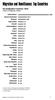 Migration and Remittances: Top Countries Top Immigration Countries a, 010 number of immigrants, millions United States b Russian Federation b Germany b Saudi Arabia b Canada b United Kingdom b Spain b
Japan s Initiative on Infrastructure Development in Africa and TICAD Process Fifth Ministerial Meeting NEPAD-OECD Africa Investment Initiative
 Japan s Initiative on Infrastructure Development in Africa and TICAD Process Fifth Ministerial Meeting NEPAD-OECD Africa Investment Initiative Kei YOSHIZAWA Deputy Director,Office for TICAD Process Japan
Canada and Africa s Natural Resources: Key Features 2013
 Canada and Africa s Natural Resources: Key Features 2013 by Aniket Bhushan Senior Researcher, The North-South Institute This report provides an overview and analysis of key data available through the Canadian