
COMMISSION ON GENETIC RESOURCES
|
|
|
- Jeffery Franklin
- 9 years ago
- Views:
Transcription

1 October 2014 CGRFA-15/15/Inf.18 E COMMISSION ON GENETIC RESOURCES FOR FOOD AND AGRICULTURE Item 3.3 of Provisional Agenda Fifteenth Regular Session Rome, January 2015 STATUS AND TRENDS OF ANIMAL GENETIC RESOURCES TABLE OF CONTENTS Pages I. Introduction... 1 II. State of reporting... 1 III. Breed diversity... 3 IV. Risk status of animal genetic resources V. Trends in breed status and diversity VI. Conclusions Annex Annex Tables 1. Status of information recorded in Global Databank for Animal Genetic Resources a. Mammalian species number of reported local breeds b. Mammalian species number of reported local breeds categorized as locally adapted a. Avian species number of reported local breeds b. Avian species number of reported local breeds categorized as locally adapted a. Mammalian species number of reported regional transboundary breeds Based on data reported by National Coordinators for Management of Animal Genetic Resources to DAD-IS by June This document can be accessed using Quick Response Code on this page; a FAO initiative to minimize its environmental impact and promote greener communications. Or documents can be consulted at

2 ii CGRFA-15/15/Inf.18 4b. Mammalian species number of reported regional transboundary breeds categorized as locally adapted c. Mammalian species number of reported regional transboundary breeds categorized as mixed d. Mammalian species number of reported regional transboundary breeds categorized as exotic a. Avian species number of reported regional transboundary breeds b. Avian species number of reported regional transboundary breeds categorized as locally adapted c. Avian species number of reported regional transboundary breeds categorized as mixed Mammalian species number of reported international transboundary breeds by adaptedness classification Avian species number of reported international transboundary breeds by breed classification Number of extinct mammalian breeds number of locally adapted breeds in brackets Number of extinct avian breeds (all locally adapted) Years of extinction Figures 1. Proportion of national breed populations for which population figures have been reported Countries with updated population data since 1st March Number of local/ransboundary and locally adapted / exotic breeds at global level Number of local /transboundary and locally adapted/ exotic breeds at regional level Number of world s breeds in different breed classes and -status category a. Risk status of world s mammalian breeds in June 2014: absolute (table) and percentage (chart) figures by species b. Risk status of world s mammalian breeds in June 2014: absolute (table) and percentage (chart) figures by species locally adapted category c. Risk status of world s mammalian breeds in June 2014: absolute (table) and percentage (chart) figures by species mixed category a. Risk status of world s avian breeds in June 2014: absolute (table) and percentage (chart) figures by species b. Risk status of world s avian breeds in June 2014: absolute (table) and percentage (chart) figures by species locally adapted category c. Risk status of world s avian breeds in June 2014: absolute (table) and percentage (chart) figures by species mixed category a. Risk status of world s mammalian breeds in June 2014: absolute (table) and percentage (chart) figures by region b. Risk status of world s mammalian breeds in June 2014: absolute (table) and percentage (chart) figures by region locally adapted category c. Risk status of world s mammalian breeds in June 2014: absolute (table) and percentage (chart) figures by region mixed category a. Risk status of world s avian breeds June 2014: absolute (table) and percentage (chart) figures by region b. Risk status of world s avian breeds June 2014: absolute (table) and percentage (chart) figures by region locally adapted category c. Risk status of world s avian breeds June 2014: absolute (table) and percentage (chart) figures by region mixed category... 17

3 CGRFA-15/15/Inf.18 iii 10. Number of individuals belonging to locally adapted, mixed or exotic breed category 2005 to Changes in status of breeds from 2006 to a. Trends in status of local breeds and number of local breeds with unknown status from 2005 to b. Trends in status of transboundary breeds and number of transboundary breeds with unknown status from 2005 to

4 iv CGRFA-15/15/Inf.18 The designations employed and presentation of material in this information product are not warranted to be error free and do not imply expression of any opinion whatsoever on part of FAO concerning legal status of any country, territory, city or area or of its authorities, or concerning delimitation of its frontiers or boundaries. The general FAO Terms and Conditions can be found at following URL: The source for names of administrative units is Food and Agriculture Organization Names of Countries and Territories (NOCS). The primary source of boundaries and administrative units is Food and Agriculture Organization Global Administrative Unit Layers (GAUL). Disputed boundaries and undetermined regions have been added based on United Nations Cartographic Section, Department of Field Support maps. More information can be found using following resources: Names of Countries and Territories (NOCS) Food and Agriculture Organization of United Nations (UNFAO) Global Administrative Unit Layers (GAUL) Food and Agriculture Organization of United Nations (UNFAO) United Nations Cartographic Section, Department of Field Support.

5 CGRFA-15/15/Inf.18 1 I. Introduction In line with request of Twelfth Regular Session of Commission on Genetic Resources for Food and Agriculture, this report follows structure set out in document Format and content of future status and trends reports on animal genetic resources, 2 taking into account amendments requested by Commission at its Fourteenth Regular Session. The analysis is based on FAO s Global Databank for Animal Genetic Resources, backbone of Domestic Animal Diversity Information System (DAD-IS). It updates data published in report Status and trends of animal genetic resources Prior to analysis, all National Coordinators for Management of Animal Genetic Resources were asked to update ir national data as fully as possible by a set deadline and were reminded of need to enter data related to new locally adapted versus exotic breed classification set out in document Report of a consultation on definition of breed categories 4 and that y also have option of indicating that a given locally adapted breed is native to respective country. The present report begins by describing state of reporting on animal genetic resources, and progress made in this respect during reporting period. A description of current regional distribution of livestock species and breeds is n presented, followed by an overview of status of world s livestock breeds and trends in status over reporting period. In line with Commission s request, a cut-off point of ten years has been introduced into calculation of trends in status and diversity: Any breed for which no population data have been reported for ten years is now considered to be of unknown status. Trends were calculated on basis of most up-to-date current and historical data available in DAD-IS as of 18 June The report presents set of resource indicators set out in document Targets and indicators for animal genetic resources 5 and agreed upon by Commission at its Fourteenth Regular Session. The annexes to report provide a detailed breakdown of state of reporting, by country and by region. II. State of reporting The Global Databank for Animal Genetic Resources currently contains data from 182 countries and 38 species. The total number of national breed populations recorded in Global Databank has increased during reporting period (Table 1). The total number of mammalian national breed populations recorded in June 2014 was , as compared in June The total number of avian national breed populations recorded in 2014 was 3 807, as compared to in Since 2012, percentage of avian national breed populations for which any population data (including also those were no updates have been provided during last ten years) are available has increased from 48 percent to 56 percent, while in case of mammals re has been an improvement from 57 percent to 60 percent not applying ten year cut-off point as described above (Table 1). Twenty-seven countries updated ir national data in 2013 and 53 in However, for 78 percent of national breed populations, no data on population size have been reported for any of last four years (2011, 2012, 2013 and 2014). Figure 1 provides a regional breakdown of reporting figures. The number of breed populations recorded by countries in European and Caucasus region has increased by 265 for avian breeds and 315 for mammalian breeds compared to Despite this large increase in number of breed populations reported, percentage of breed populations for which population figures have been reported stayed same as in 2012 (84 percent) for mammalian breed populations and increased for avian breed populations from 65 percent in 2012 to 77 percent in However, updating activities differ significantly between countries and regions. Figure 2 provides insight into global updating activities of population size data since March 2007, revealing big gaps in many regions of world. In line with Commission s request, DAD-IS has been furr developed so as to allow entry of data indicating wher breed populations are locally adapted or exotic to respective country. National Coordinators were invited to enter se data for all ir national breed populations. By June 2014, national breeed populations remained unclassified by National Coordinators. Because 2 CGRFA/WG-AnGR-5/09/3.2 ( 3 CGRFA-13/11/Inf.17 ( 4 CGRFA/WG-AnGR-7/12/Inf.7 5 CGRFA/WG-AnGR-7/12/7


6 2 CGRFA-15/15/Inf.18 such a large number of unclassified breed populations would have precluded any interpretation of indicators that involve use of new breed classification, empty breed classification fields were provisionally filled for purpose of calculating and testing se indicators. Based on assumption that local and regional transboundary breeds are more likely to be locally adapted than international transbondary breeds, unclassified breeds belonging to first two distribtional categories were assigned to locally adapted category and international transboundary breeds assigned to exotic category. Due to lack of data regarding adaptedness class of breeds provided by National coordinators, figures and tables based on this classification system can only be considered as examples for presenting such type of data in future reports. Table 1. Status of information recorded in Global Databank for Animal Genetic Resources Year of analysis Mammalian species Number of national breed populations % with population data Number of national breed populations Avian species % with population data Countries covered No data recorded for Andorra, Brunei Darussalam, Liechtenstein, Marshall Islands, Micronesia (Federated States of), Monaco, Nauru, Qatar, San Marino, Singapore, South Sudan, Timor-Leste, United Arab Emirates, Western Sahara. Figure 1. Proportion of national breed populations for which population figures have been reported


7 CGRFA-15/15/Inf.18 3 Figure 2. Countries with updated population data since 1st March 2007 Countries with updated population data Countries without single update of population data III. Breed diversity A global total of breeds (compared to in 2012 and in 2010) have been reported; are local breeds (compared to7 020 in 2012 and in 2010) and are transboundary breeds (compared to and in 2014 and in 2010). Among transboundary breeds, 510 (compared to 509 in 2012 and 504 in 2010) are regional transboundary breeds (occur in only one region) and 546 (compared to 551 in 2012 and 549 in 2010) are international transboundary breeds (occur in more than one region). A total of 647 breeds (compared to of 628 in 2012 and 631 in 2010) are classified as extinct, of which 4 (compared to 7 in 2012 and 2010) are transboundary breeds (3 regional and 1 international). In following analysis of breed diversity, extinct breeds are excluded. Figure 3 shows, in inner ring, share of local, regional transboundary and international transboundary breeds among mammalian and avian breeds of world. More than two-thirds of reported breeds are mammalian. Among mammals, number of regional transboundary breeds is slightly higher than number of international transboundary breeds. Conversely, in avian species, re are twice as many international transboundary breeds as re are regional transboundary breeds. The outer ring of Figure 3 shows number of breeds that are classified as locally adapted and number classified as exotic. The mixed category refers to transboundary breeds whose national populations are not all assigned to same adaptedness category. As many breed classifications remain provisional (see above), results must be interpreted with caution. However, majority of breeds reported to DAD-IS seem to be locally adapted. In all regions of world, mammalian breeds outnumber avian breeds (Figure 4, inner ring). There is, however, considerable variation between regions in terms of shares of locally adapted and exotic breeds in total number of breeds. In Europe and Caucasus, Asia, and Near and Middle East, locally adapted breeds make up between 80 and 87 percent of all breeds. In Africa, and Latin America and Caribbean, share of locally adapted breeds is smaller, but still exceeds 60 percent of all breeds. Conversely, breeds of exotic or mixed category make up more than 50 percent of total in Southwest Pacific and North America (Figure 4, outer ring). Regional transboundary mammalian breeds are relatively numerous in Europe and Caucasus. It is only in Europe and Caucasus that re are a significant number of regional transboundary avian breeds.


8 4 CGRFA-15/15/Inf.18 Figure 3. Number of local/ransboundary and locally adapted / exotic breeds at global level International transboundary mammalian breeds Regional transboundary mammalian breeds Local mammalian breeds Exotic Locally adapted Mixed International transboundary avian breeds Regional transboundary avian breeds Local avian breeds Figure 4. Number of local /transboundary and locally adapted/ exotic breeds at regional level


9 CGRFA-15/15/Inf.18 5 Note that international transboundary breeds are counted in each region where y occur. Therefore, for this category of breeds, global total is not sum of regional totals. Tables 2a and 3a, respectively, show number of reported local breeds of mammalian and avian species for each region of world. For most livestock species, Europe and Caucasus or Asia has highest number of local breeds. The dromedary, with most local breeds located in Africa and Near and Middle East, and guinea pig, with most local breeds located in Latin America and Caribbean, are exceptions to this pattern. The totals in some categories have fallen, because countries have corrected ir inventories. Tables 2b and 3b, respectively, show, for each region of world, number of reported local breeds of mammalian and avian species that are classified as locally adapted. The figures in tables 2a and 3a differ only slightly from those in 2b and 3b, respectively. As described above, local breeds that, at time analysis was undertaken, had not been categorized by National Coordinators were all provisionally assigned to locally adapted category. Table 2a. Mammalian species number of reported local breeds Species Africa Asia Europe & Caucasus Latin America & Caribbean Near & Middle East North America Southwest Pacific World Ass Bactrian camel Buffalo Cattle Dromedary Goat Guinea pig Horse Pig Rabbit Sheep Yak Ors Total Note :Figures exclude extinct breeds. Figures for Alpaca, American bison, deer, dog, dromedary Bactrian camel, guanaco, llama and vicuña are combined in ors category

10 6 CGRFA-15/15/Inf.18 Table 2b. Mammalian species number of reported local breeds categorized as locally adapted Species Africa Asia Europe & Caucasus Latin America & Caribbean Near & Middle East North America Southwest Pacific World Ass Bactrian camel Buffalo Cattle Dromedary Goat Guinea pig Horse Pig Rabbit Sheep Yak Ors Total Note: Figures exclude extinct breeds. Figures for Alpaca, American bison, deer, dog, dromedary Bactrian camel, guanaco, llama and vicuña are combined in ors category Table 3a. Avian species number of reported local breeds Species Africa Asia Europe & Caucasus Latin America & Caribbean Near & Middle East North America Southwest Pacific World Chicken Duck Goose Muscovy duck Ostrich Partridge Pheasant Pigeon Turkey Ors Total Note: Figures exclude extinct breeds. Figures for cassowary, Chilean tinamou, duck Muscovy duck, emu, guinea fowl, ñandu, peacock, quail and swallow are combined in ors category. Table 3b. Avian species number of reported local breeds categorized as locally adapted Species Africa Asia Europe & Caucasus Latin America & Caribbean Near & Middle East North America Southwest Pacific World Chicken Duck Goose Muscovy duck Ostrich Partridge Pheasant Pigeon Turkey Ors Total Note: Figures exclude extinct breeds. Figures for cassowary, Chilean tinamou, duck Muscovy duck, emu, guinea fowl, ñandu, peacock, quail and swallow are combined in ors category.

11 CGRFA-15/15/Inf.18 7 Tables 4a and 5a, respectively, show number of reported regional transboundary breeds of mammalian and avian species in each region of world. For several mammalian species, including sheep, horses and pigs, Europe and Caucasus, has highest number of regional transboundary breeds. Africa has a relatively large share of regional transboundary breeds in most of se species. Africa has more regional transboundary breeds of cattle and goats than any or region. Europe and Caucasus, however, has by far highest number of regional transboundary breeds among avian species. The existence of significant numbers of regional transboundary breeds has implications for management and conservation of animal genetic resources, and highlights need for cooperation at regional or subregional levels. Tables 4b to 4d and 5b to 5d, respectively, show number of reported regional transboundary breeds of mammalian and avian species in each region of world that are classified as locally adapted, mixed and exotic. At this stage, because most national breed populations have not been categorized by ir respective National Coordinators, figures mainly reflect assumption that regional transboundary breeds can be considered to be locally adapted. Table 4a. Mammalian species number of reported regional transboundary breeds Species Africa Asia Europe & Caucasus Latin America & Caribbean Near & Middle East North America Southwest Pacific Ass Buffalo Cattle Deer Dromedary Goat Guinea pig Horse Pig Rabbit Sheep South American camelids Total Note: Figures exclude extinct breeds. Table 4b. Mammalian species number of reported regional transboundary breeds categorized as locally adapted Species Africa Asia Europe & Caucasus Latin America & Caribbean Near & Middle East North America Southwest Pacific Ass Buffalo Cattle Deer Dromedary Goat Guinea pig Horse Pig Rabbit Sheep South American camelids Total Note: Figures exclude extinct breeds. World World

12 8 CGRFA-15/15/Inf.18 Table 4c. Mammalian species number of reported regional transboundary breeds categorized as mixed Species Africa Asia Europe & Caucasus Latin America & Caribbean Near & Middle East North America Southwest Pacific Ass Cattle Goat Horse Rabbit Sheep Total Note: Figures exclude extinct breeds. Table 4d. Mammalian species number of reported regional transboundary breeds categorized as exotic Species Africa Asia Europe & Caucasus Latin America & Caribbean Near & Middle East North America Southwest Pacific Cattle Horse Pig Rabbit Sheep Total Note: Figures exclude extinct breeds. Table 5a. Avian species number of reported regional transboundary breeds Species Africa Asia Europe & Caucasus Latin America & Caribbean Near & Middle East North America Southwest Pacific Chicken Duck Goose Quail Turkey Total Note: Figures exclude extinct breeds. Table 5b. Avian species number of reported regional transboundary breeds categorized as locally adapted Species Africa Asia Europe & Caucasus Latin America & Caribbean Near & Middle East North America Southwest Pacific Chicken Duck Goose Quail Turkey Total Note: Figures exclude extinct breeds. World World World World

13 CGRFA-15/15/Inf.18 9 Table 5c. Avian species number of reported regional transboundary breeds categorized as mixed Species Africa Asia Europe & Caucasus Latin America & Caribbean Near & Middle East North America Southwest Pacific Turkey Total World Tables 6 and 7, respectively, show numbers of reported international transboundary mammalian and avian breeds falling within each of adaptedness categories. Cattle, sheep, horses and chickens are species that have highest numbers of international transboundary breeds. Around two-thirds of international transboundary horse and cattle breeds fall within mixed category. Different national breed populations within se breeds have been allocated to different categories by respective National Coordinators. In case of sheep, percentage of breeds falling within mixed category is also quite high, at 58 percent. Table 6. Mammalian species number of reported international transboundary breeds by adaptedness classification Species Locally adapted Mixed Exotic Total Alpaca Ass Bactrian camel Buffalo Cattle Deer Dromedary Goat Horse Pig Rabbit Sheep Total Note: Figures exclude extinct breeds. Table 7. Avian species number of reported international transboundary breeds by breed classification Species Locally adapted Mixed Exotic Total Cassowary Chicken Duck (domestic) Emu Goose (domestic) Guinea fowl Muscovy duck Ostrich Pigeon Turkey Total Note: Figures exclude extinct breeds.

14 10 CGRFA-15/15/Inf.18 IV. Risk status of animal genetic resources As noted above, since last status and trends report was prepared, method for assigning breeds to -status categories has been amended by introduction of a cut-off point of ten years, beyond which status of a breed is considered to be unknown if no updated population data have been reported. The results presented in this section are refore not directly comparable to those presented in Status and trends of animal genetic resources Trends based on figures that are comparable over time are presented in Section V of this report. A total of breeds (17 percent of all breeds including those that are extinct) are classified as being. The percentage of breeds classified as being of unknown status has increased from 34 percent in 2012 to 58 percent in 2014, mainly because of above-mentioned new calculation method. The figures present a more realistic picture of state of data availability than equivalent figures did in past reports. The inner ring of left hand side of Figure 5 shows that, for mammalian species, proportion of breeds classified as is lower overall (16 percent) than for avian species (17 percent). However, in absolute terms, number of breeds is higher for mammalian species (955 breeds) than for avian species (503 breeds). Comparing right and left-hand side of Figure 5 shows that vast majority of breeds and almost all extinct breeds are classified as locally adapted breeds. Figure 6a presents -status data for mammalian species. It can be seen that horse, sheep and cattle are mammalian species with highest number of breeds. However, rabbits (45 percent) followed by horses (22 percent) and asses (17 percent) are species that have highest proportions of breeds. Figure 6a also shows large number of breeds for which no -status data are available. The problem is particularly significant in some species 93 percent for deer breeds, 66 percent for ass breeds and 98 percent for dromedary breeds. This lack of data is a serious constraint to effective prioritization and planning of breed conservation measures. Cattle are species with highest number of breeds (184) reported as extinct. Large numbers of extinct breeds of sheep (160), pig (107) and horse (87) are also reported. It should be noted that some breeds may have become extinct before y were documented. Any such breeds will, clearly, be missing from this analysis. Figures 6b and 6c present -status data for mammalian species, broken down by adaptedness category (locally adapted and mixed) to provide an example on how such complex data can be illustrated in future. Among avian species, chickens have by far highest number of breeds on a world scale (Figure 7a). As in case of mammalian species, re are a large number of breeds for which population figures are unavailable. Extinct breeds have mainly been reported among chickens. There are also a few cases among ducks, guinea fowl and turkeys. Figures 6b and 6c present -status data for mammalian species, broken down by adaptedness category (locally adapted and mixed). Figures 7b and 7c present equivalent figures for avian species. Figures 8a and 9a show distribution of breeds by region for mammalian and avian species. Figures 8b, 8c, 9b and 9c, split regional presentations into locally adapted and mixed categories. The regions with highest proportion of ir breeds classified as are Europe and Caucasus (31 percent of mammalian breeds and 35 percent of avian breeds) and North America (16 percent of mammalian breeds). These are regions that have most highly specialized livestock industries, in which production is dominated by a small number of breeds. In absolute terms, Europe and Caucasus region has by far highest number of at- breeds. Despite apparent dominance of se two regions, problems in or regions may be obscured by large number of breeds with unknown status. The new method for calculating status (based on ten-year cut off point) draws attention to fact that during ten years up to June 2014 countries from Latin America and Caribbean, Near and Middle East, North America or Southwest Pacific reported almost no population data for any avian breeds. Almost all (except one breed in Latin America and Caribbean) of avian breeds from se regions are refore classified as being of unknown status. Likewise, for more than 90 percent of Africa s breeds and more than 80 percent of Asia s breeds, lack of recent population data means that no status could be assigned.figure 5. Number of world s breeds in different breed classes and -status category 6 CGRFA-13/11/Inf.17 (


15 CGRFA-15/15/Inf Unknown Exotic Critical Locally adapted Mixed Endangered Criticalmaintained Endangeredmaintained Not Extinct

16 12 CGRFA-15/15/Inf.18 Figure 6a. Risk status of world s mammalian breeds in June 2014: absolute (table) and percentage (chart) figures by species 100% 80% 60% 40% 20% 0% Alpaca Ass Bactrian camel Buffalo Cattle Deer Goat Horse Llama Pig Rabbit Sheep Yak Or Total Unknown Extinct Total * Or: Bactrian camel dromedary crosses, guanacos, vicuñas, guinea pigs and dogs. Figure 6b. Risk status of world s mammalian breeds in June 2014: absolute (table) and percentage (chart) figures by species locally adapted category 100% 80% 60% 40% 20% 0% Alpaca Ass Bactrian camel Buffalo Cattle Deer Goat Horse Llama Pig Rabbit Sheep Yak Or Total Unknown Dromedary Critical Criticalmaintained Endangered Endangeredmaintained Not Dromedary Critical Criticalmaintained Endangered Endangeredmaintained Not Extinct Total * Or: Bactrian camel dromedary crosses, guanacos, vicuñas, guinea pigs and dogs.

17 CGRFA-15/15/Inf Figure 6c. Risk status of world s mammalian breeds in June 2014: absolute (table) and percentage (chart) figures by species mixed category 100% 80% 60% 40% 20% 0% Alpaca Ass Bactrian camel Buffalo Cattle Deer Goat Horse Llama Pig Rabbit Sheep Yak Or Total Unknown Extinct Total * Or: Bactrian camel dromedary crosses, guanacos, vicuñas, guinea pigs and dogs. Figure 7a. Risk status of world s avian breeds in June 2014: absolute (table) and percentage (chart) figures by species 100% 80% 60% 40% 20% Chicken Duck Goose Guinea fowl Muscovy duck Ostrich Partridge Pheasant Pigeon Quail Turkey Or Total Unknown Critical Endangered Dromedary Critical Criticalmaintained Endangered Endangeredmaintained Not Criticalmaintained Endangeredmaintained 0% Not Extinct Total * Or: duck Muscovy duck crossings, Chilean tinamou, cassowaries, emus, ñandus, peacocks and swallows.

18 14 CGRFA-15/15/Inf.18 Figure 7b. Risk status of world s avian breeds in June 2014: absolute (table) and percentage (chart) figures by species locally adapted category 100% 80% 60% 40% 20% Chicken Duck Goose Guinea fowl Muscovy duck Ostrich Partridge Pheasant Pigeon Quail Turkey Or Total Unknown Critical Endangered % Not Extinct Total * Or: duck Muscovy duck crossings, Chilean tinamou, cassowaries, emus, ñandus, peacocks and swallows. Figure 7c. Risk status of world s avian breeds in June 2014: absolute (table) and percentage (chart) figures by species mixed category 100% 80% 60% 40% 20% Chicken Duck Goose Guinea fowl Muscovy duck Ostrich Partridge Pheasant Pigeon Quail Turkey Or Total Unknown Critical Endangered Criticalmaintained Endangeredmaintained Criticalmaintained Endangeredmaintained 0% Not Extinct Total * Or: duck Muscovy duck crossings, Chilean tinamou, cassowaries, emus, ñandus, peacocks and swallows.

19 CGRFA-15/15/Inf Figure 8a. Risk status of world s mammalian breeds in June 2014: absolute (table) and percentage (chart) figures by region 100% 80% 60% 40% 20% 0% Africa Asia Europe & Caucasus Latin America & Caribbean Near & Middle East North America Southwest Pacific International transboundary breeds Unknown Extinct * 565 Total *African Aurochs, which once lived in parts of both Africa and Near and Middle East regions. World Figure 8b. Risk status of world s mammalian breeds in June 2014: absolute (table) and percentage (chart) figures by region locally adapted category 100% 80% 60% 40% 20% 0% Africa Asia Europe & Caucasus Latin America & Caribbean Near & Middle East North America Southwest Pacific International transboundary breeds Unknown Critical Criticalmaintained Endangered Endangeredmaintained Not Critical Criticalmaintained Endangered Endangeredmaintained Not Extinct Total World

20 16 CGRFA-15/15/Inf.18 Figure 8c. Risk status of world s mammalian breeds in June 2014: absolute (table) and percentage (chart) figures by region mixed category 100% 80% 60% 40% 20% 0% Africa Asia Europe & Caucasus Latin America & Caribbean Near & Middle East North America Southwest Pacific International transboundary breeds Unknown Extinct Total World Figure 9a. Risk status of world s avian breeds June 2014: absolute (table) and percentage (chart) figures by region 100% 80% 60% 40% 20% Africa Asia Europe & Caucasus Latin America & Caribbean Near & Middle East North America Southwest Pacific International transboundary breeds Unknown Critical Endangered Critical Criticalmaintained Endangered Endangeredmaintained Not Criticalmaintained Endangeredmaintained 0% Not Extinct Total World

21 CGRFA-15/15/Inf Figure 9b. Risk status of world s avian breeds June 2014: absolute (table) and percentage (chart) figures by region locally adapted category 100% 80% 60% 40% 20% Africa Asia Europe & Caucasus Latin America & Caribbean Near & Middle East North America Southwest Pacific International transboundary breeds Unknown Critical Endangered % Not Extinct Total World Figure 9c. Risk status of world s avian breeds June 2014: absolute (table) and percentage (chart) figures by region mixed category 100% 80% 60% 40% 20% Africa Asia Europe & Caucasus Latin America & Caribbean Near & Middle East North America Southwest Pacific International transboundary breeds Unknown Critical Endangered Criticalmaintained Endangeredmaintained Criticalmaintained Endangeredmaintained 0% Not Extinct Total World
22 18 CGRFA-15/15/Inf.18 Tables 8 and 9 present number of extinct mammalian and avian breeds by species and region. Europe and Caucasus has reported far more extinct mammalian and avian breeds than any or region 7 percent of all reported breeds are extinct. The dominance of Europe and Caucasus in terms of number of breeds reported extinct may relate, at least in part, to relatively advanced state of breed inventory and monitoring in this region. The year of extinction has been reported for only 33 percent of extinct breeds (214). Thirty breeds became extinct after 2005 (Table 10). Among 565 extinct mammalian breeds, 99 percent are classified as locally adapted breeds. All extinct avian breeds are classified as locally adapted. Table 8. Number of extinct mammalian breeds number of locally adapted breeds in brackets Species Africa Asia Europe & Caucasus Latin America & Caribbean Near & Middle East North America Southwest transboundary International Pacific breeds World Ass 1 (1) 0 (0) 2 (2) 0 (0) 1 (1) 0 (0) 0 (0) 0 (0) 4 (4) Buffalo 0 (0) 0 (0) 1 (1) 0 (0) 0 (0) 0 (0) 0 (0) 0 (0) 1 (1) Cattle 20 (19) 19 (19) 120 (120) 20 (20) 1 (1) 1 (1) 2 (2) 1 (0) 184 (182) Goat 1 (1) 2 (2) 16 (16) 0 (0) 0 (0) 0 (0) 0 (0) 0 (0) 19 (19) Horse 6 (6) 1 (1) 71 (71) 0 (0) 0 (0) 8 (8) 1 (1) 0 (0) 87 (87) Pig 0 (0) 15 (15) 90 (89) 1 (1) 0 (0) 0 (0) 1 (1) 0 (0) 107 (106) Rabbit 0 (0) 0 (0) 1 (1) 0 (0) 2 (2) 0 (0) 0 (0) 0 (0) 3 (3) Sheep 5 (5) 6 (6) 145 (144) 0 (0) 1 (1) 1 (1) 2 (2) 0 (0) 160 (159) Total 33 (32) 43 (43) 446 (444) 21 (21) 5 (5) 10 (10) 6 (6) 1 (0) 565 (561) Table 9. Number of extinct avian breeds (all locally adapted) Species Africa Asia Europe & Caucasus Latin America & Caribbean Near & Middle East North America Southwest Pacific Chicken Duck Goose Guinea fowl Turkey Total World Table 10. Years of extinction Year Number of breeds % Unspecified Before After Total
23 CGRFA-15/15/Inf V. Trends in breed status and diversity Figure 10 presents data basis for newly introduced indicator supposed to show proportion of total population accounted for by locally adapted breeds and its trends. For calculation of this indicator sum of population sizes over all locally adapted national breed populations belonging to a certain species has to be divided by sum of population seizes built over all national breed populations (locally adapted and exotic) for respective species. Generally lack of population data for exotic breed populations is even more pronounced than for locally adapted breed populations and does not allow a meaningful interpretation of this indicator at this stage. The dramatic decrease in number of animal between years 2011 and 2012 in Figure 10 is caused by intensive uploading activities prior to first report on State of World s Animal Genetic Resources for Food and Agriculture 7 until year 2001 followed by a lack of updating of population data especially for exotic breeds afterwards. The lack of updating since 2001 in combination with ten year cut-off point becomes visible in year 2012 were all non updated population sizes were set to unknown (zero). Figure 10. Number of individuals belonging to locally adapted, mixed or exotic breed category 2005 to 2014 Previous attempts to summarize global trends in breed status have been affected by confounding effects of ongoing corrections to breed inventories. The proposals for reducing effects of such changes set out in document Targets and indicators for animal genetic resources 8 were applied in calculation of figure presented below. Figure 11shows trends in genetic erosion of breeds since publication of first report on State of World s Animal Genetic Resources for Food and Agriculture. Since year 2006 proportion of breeds classified as increased from 15 to 17 percent, breeds classified as not decreased from 21 to 18 percent and percentage of breeds reported to be extinct remained stable with 7 percent. The number of breeds where no status can be calculated due to eir complete lack of information on population sizes or lack of updating of population data for a period of more than ten years is with almost 60 percent very high. 7 State of World s Animal Genetic Resources for Food and Agriculture ( 8 CGRFA/WG-AnGR-7/12/7 (
24 20 CGRFA-15/15/Inf.18 Figure 11. Changes in status of breeds from 2006 to 2014 The figures 12a and 12b show relationship between trends in genetic diversity expressed as quadratic regression lines and number of breeds with unknown class due to missing information on population data for a period of at least 10 years. In case of local breeds re is a clear trend regarding genetic diversity of local breeds: number of breeds being is increasing over time while number of breeds not is decreasing (Fig. 12a). The trends for transboundary breeds are not that pronounced: however, number of breeds being not is decreasing while number of breeds with unknown status increases steadily. The grey charts indicate that number of local breeds with reported population data was rar high during preparation phase for first report on State of World s Animal Genetic Resources for Food and Agriculture and decreases since n while number of transboundary breeds without reported population data in DAD-IS is increasing over last years. Figure 12a. Trends in status of local breeds and number of local breeds with unknown status from 2005 to 2014
25 CGRFA-15/15/Inf Figure 12b. Trends in status of transboundary breeds and number of transboundary breeds with unknown status from 2005 to 2014 VI. Conclusions During period between June 2012 and June 2014 coverage of Global Databank for Animal Genetic Resources improved. However, breed-related information remains far from complete. For almost 60 percent of all reported breeds, status is not known because of missing population data or lack of recent updates. The completeness of data is shown, by country, in Annexes 1 and 2. Previous attempts to summarize global trends in breed status have been affected by confounding effects of ongoing corrections to breed inventories. The proposals for reducing effects of such changes set out in document Targets and indicators for animal genetic resources 9 were applied in calculation of figures presented in present report. This allows for first time a meaningful interpretation of trends in status of breeds showing an increase of breeds being of extinction over last ten years. However, lack of population data hides real degree of erosion. National Coordinators also need to enter any historical population data that are available to m, as this will provide a more complete set of data with which to calculate trends in breed population size, breed structure and diversity. The current state of data availability and updating means that it is not possible to draw reliable conclusions regarding global trends in diversity as represented by proportion of total population accounted for by locally adapted breeds. If future status and trends reports are to provide meaningful inputs to decision-making in animal genetic resources management, re is an urgent need for National Coordinators for Management of Animal Genetic Resources to improve (i) completeness and frequency of reporting on sizes of ir national breed populations, including for exotic breeds, and (ii) to classify all ir national breed populations into adaptedness categories (locally adapted or exotic). Furrmore, as cross-bred animals probably represent majority of domestic animals in many countries a way to define cross breed populations and to capture size of national crossbred populations in DAD-IS needs to be investigated to present a realistic proportion of total population accounted for by locally adapted breeds. Due to lack of data regarding adaptedness class of breeds, figures and tables based on this classification system can only be considered as examples for presenting such type of data in future reports. 9 CGRFA/WG-AnGR-7/12/7 (
26 22 CGRFA-15/15/Inf.18 Annex 1 Status of population data reported by each country and region 1.1. Africa 1.2. Asia 1.3. Europe and Caucasus 1.4. Latin America and Caribbean 1.5. Near and Middle East 1.6. North America 1.7. Southwest Pacific This annex allows countries to view state of completeness of ir breed population data in DAD- IS. They can also see how ir progress in entering population data compares to that of or countries in ir respective regions. Two graphics are presented for each region. The first shows number of breeds for which population data have been recorded and number of breeds that have been entered into DAD-IS for which no population data have yet been recorded. The second graphic presents two furr measures of data completeness: average number of years for which population has been reported per breed and population data index. The latter relates only to breeds for which some population data have been entered it represents fraction of selected population data fields (population size, number of breeding females, number of breeding males and percentage of females bred to males of same breed) that contain data, averaged across breeds and years. The figures also show most recent year for which population data are available from a given country. Dependent territories are listed below respective country.
27 last year of population data CGRFA-15/15/Inf Africa Algeria Angola Benin Botswana Burkina Faso Burundi Cameroon Cape Verde Central African Republic Chad Comoros Congo Côte d'ivoire Democratic Republic of Congo Djibouti Equatorial Guinea Eritrea Ethiopia Gabon Gambia Ghana Guinea Guinea-Bissau Kenya Lesotho Liberia Madagascar Malawi Mali Mauritania Mauritius Morocco Mozambique Namibia Niger Nigeria Rwanda Sao Tome and Principe Senegal Seychelles Sierra Leone Somalia South Africa South Sudan Swaziland Togo Tunisia Uganda United Republic of Tanzania Western Sahara Zambia Zimbabwe number of national breed populations recorded Algeria Angola Benin Botswana Burkina Faso Burundi Cameroon Cape Verde Central African Republic Chad Comoros Congo Côte d'ivoire Democratic Republic of Congo Djibouti Equatorial Guinea Eritrea Ethiopia Gabon Gambia Ghana Guinea Guinea-Bissau Kenya Lesotho Liberia Madagascar Malawi Mali Mauritania Mauritius Morocco Mozambique Namibia Niger Nigeria Rwanda Sao Tome and Principe Senegal Seychelles Sierra Leone Somalia South Africa South Sudan Swaziland Togo Tunisia Uganda United Republic of Tanzania Western Sahara Zambia Zimbabwe population data index average number of years of population data per breed with population data without population data average number of years of population data per breed population data index
28 last year of population data 24 CGRFA-15/15/Inf Asia number of national breed populations recorded population data index Afghanistan Afghanistan Bangladesh Bangladesh Bhutan Bhutan Brunei Darussalam Brunei Darussalam Cambodia Cambodia China China Democratic People's Republic of Korea Democratic People's Republic of Korea India India Indonesia Indonesia Iran (Islamic Republic of) Iran (Islamic Republic of) 2003 Japan Japan Kazakhstan Kazakhstan Kyrgyzstan Kyrgyzstan Lao People's Democratic Republic Lao People's Democratic Republic Malaysia Malaysia Maldives Maldives 1994 Mongolia Mongolia Myanmar Myanmar Nepal Nepal Pakistan Pakistan Papua New Guinea Papua New Guinea Philippines Philippines Republic of Korea Republic of Korea Singapore Singapore Sri Lanka Sri Lanka Tajikistan Tajikistan Thailand Thailand Timor-Leste Timor-Leste Turkmenistan Turkmenistan Uzbekistan Uzbekistan Viet Nam Viet Nam average number of years of population data per breed with population data without population data average number of years of population data per breed population data index

29 last year of population data CGRFA-15/15/Inf Europe and Caucasus *A dispute exists between Governments of Argentina and United Kingdom of Great Britain and Norrn Ireland concerning sovereignty over Falkland Islands (Malvinas). (Editorial directive ST/CS/SER.A/42, United Nations Secretariat, 3 August 1999)
30 last year of population data 26 CGRFA-15/15/Inf Latin America and Caribbean number of national breed populations recorded population data index Antigua and Barbuda Argentina Bahamas Barbados Belize Bolivia (Plurinational State of) Brazil Chile Colombia Costa Rica Cuba Dominica Dominican Republic Ecuador El Salvador Grenada Guatemala Guyana Haiti Honduras Jamaica Mexico Nicaragua Panama Paraguay Peru Saint Kitts and Nevis Saint Lucia Saint Vincent and Grenadines Suriname Trinidad and Tobago Uruguay Venezuela (Bolivarian Republic of) Antigua and Barbuda Argentina Bahamas Barbados Belize Bolivia (Plurinational State of) Brazil Chile Colombia Costa Rica Cuba Dominica Dominican Republic Ecuador El Salvador Grenada Guatemala Guyana Haiti Honduras Jamaica Mexico Nicaragua Panama Paraguay Peru Saint Kitts and Nevis Saint Lucia Saint Vincent and Grenadines Suriname Trinidad and Tobago Uruguay Venezuela (Bolivarian Republic of) average number of years of population data per breed with population data without population data average number of years of population data per breed population data index
31 last year of population data CGRFA-15/15/Inf Near and Middle East number of national breed populations recorded population data index Bahrain Bahrain Egypt Egypt Iraq Iraq Jordan Jordan Kuwait Kuwait Lebanon Lebanon Libya Libya Oman Oman Qatar Qatar Saudi Arabia Saudi Arabia Sudan Sudan Syrian Arab Republic Syrian Arab Republic United Arab Emirates United Arab Emirates Yemen Yemen average number of years of population data per breed with population data without population data average number of years of population data per breed population data index
32 last year of population data 28 CGRFA-15/15/Inf North America number of national breed populations recorded population data index Canada Canada United States of America United States of America American Samoa American Samoa Guam Guam Johnston Island Johnston Island Midway Island Midway Island Norrn Mariana Islands Norrn Mariana Islands Puerto Rico Puerto Rico United States Virgin Islands United States Virgin Islands 1990 Wake Island Wake Island average number of years of population data per breed with population data without population data average number of years of population data per breed population data index
33 last year of population data CGRFA-15/15/Inf Southwest Pacific number of national breed populations recorded population data index Australia Australia Norfolk Island Norfolk Island Cook Islands Cook Islands Fiji Fiji 2004 Kiribati Kiribati Marshall Islands Marshall Islands Micronesia (Federated States of) Micronesia (Federated States of) Nauru Nauru New Zealand New Zealand Tokelau Tokelau Niue Niue 2000 Palau Palau Samoa Samoa 2004 Solomon Islands Solomon Islands 1995 Tonga Tonga 2001 Tuvalu Tuvalu 2002 Vanuatu Vanuatu average number of years of population data per breed with population data without population data average number of years of population data per breed population data index
34 30 CGRFA-15/15/Inf.18 Annex 2 Number of local and transboundary breeds by status category reported by each country and region 2.0. Regional overview 2.1. Africa 2.2. Asia 2.3. Europe and Caucasus 2.4. Latin America and Caribbean 2.5. Near and Middle East 2.6. North America 2.7. Southwest Pacific The tables in this annex show number of local, regional transboundary and international transboundary breeds and ir respective statuses by region and by country. Dependent territories are listed below respective country. The tables will help countries to identify need for action in surveying and monitoring and in conservation. Number of local, exotic breeds for country is given in brackets. Asia Europe and Caucasus Latin America and Caribbean Near and Middle East North America Southwest Pacific World Africa Local Regional International Country not at not at not at 2.0 Regional Overview Local Regional International not at unknown known known not at un- not at un- Total Region Africa unknown unknown unknown Algeria Angola Benin Botswana Burkina Faso Burundi (3) Cameroon Cape Verde Central African Republic Chad Comoros Congo Côte d'ivoire Democratic Republic of Congo Djibouti Equatorial Guinea Total
35 CGRFA-15/15/Inf Africa Local Regional International Country not at not at not at unknown unknown unknown Eritrea Ethiopia Gabon (1) Gambia Ghana Guinea Guinea-Bissau Kenya Lesotho (4) Liberia Madagascar Malawi Mali Mauritania Mauritius (1) Morocco Mozambique Namibia Niger Nigeria Rwanda Sao Tome and Principe Senegal 0 9 (1) Seychelles Sierra Leone Somalia South Africa South Sudan Swaziland Togo Tunisia Uganda United Republic of Tanzania Western Sahara Zambia Zimbabwe Total
36 32 CGRFA-15/15/Inf Asia Local Regional International not at unknown known not at un- not at unknown Country Afghanistan Bangladesh Bhutan Brunei Darussalam Cambodia China Democratic People's Republic of Korea India Indonesia (20) Iran (Islamic Republic of) Japan Kazakhstan Kyrgyzstan Lao People's Democratic Republic Malaysia Maldives Mongolia Myanmar Nepal Pakistan Papua New Guinea Philippines Republic of Korea Singapore Sri Lanka Tajikistan Thailand Timor-Leste Turkmenistan Uzbekistan Viet Nam Total
37 CGRFA-15/15/Inf Europe and Caucasus Local Regional International Country not at at not at not at unknown unknown unknown Albania Andorra Armenia Austria Azerbaijan Belarus Belgium Bosnia and Herzegovina Bulgaria 38 (11) 27 (3) 6 (1) Croatia Cyprus Czech Republic 23 (2) 9 (2) Denmark Faroe Islands Greenland Estonia Finland France French Guiana French Polynesia French Sourn and Antarctic Territories Guadeloupe Martinique Mayotte New Caledonia Réunion Saint Pierre and Miquelon Wallis and Futuna Islands Georgia Germany Greece Hungary (2) 48 (1) Iceland Ireland 14 (4) Israel Italy Latvia 13 (11) 5 (3) 4 (1) Liechtenstein Lithuania Luxembourg Malta Monaco Montenegro Nerlands 77 (10) 23 8 (3) Aruba Total
38 34 CGRFA-15/15/Inf Europe and Caucasus Local Regional International not at unknown known known at not at un- not at un- Total Country Nerlands Antilles Norway Svalbard and Jan Mayen Islands Poland Portugal Azores Islands Madeira Islands Republic of Moldova Romania Russian Federation San Marino Serbia Slovakia Slovenia (1) Spain Sweden Switzerland 6 (2) The Former Yugoslav Republic of Macedonia Turkey Ukraine United Kingdom 46 (11) 28 (4) 207 (72) Anguilla Bermuda British Indian Ocean Territory British Virgin Islands Cayman Islands Falkland Islands (Malvinas) Gibraltar Montserrat Pitcairn Islands Saint Helena, Ascension and Tristan da Cunha Turks and Caicos Islands A dispute exists between Governments of Argentina and United Kingdom of Great Britain and Norrn Ireland concerning sovereignty over Falkland Islands (Malvinas). (Editorial directive ST/CS/SER.A/42, United Nations Secretariat, 3 August 1999)
39 CGRFA-15/15/Inf Latin America and Caribbean Country Local Regional International not at unknown at not at not at Antigua and Barbuda Argentina Bahamas Barbados Belize Bolivia (Plurinational State of) Brazil Chile Colombia Costa Rica Cuba Dominica Dominican Republic Ecuador El Salvador Grenada Guatemala Guyana Haiti Honduras Jamaica Mexico Nicaragua Panama Paraguay Peru 4 (1) 1 29 (16) Saint Kitts and Nevis Saint Lucia Saint Vincent and Grenadines Suriname (3) Trinidad and Tobago Uruguay 1 (1) 2 (1) 54 (40) Venezuela (Bolivarian Republic of) unknown unknown 2.5 Near and Middle East Local Regional International not at unknown known known not at un- not at un- Total Country Bahrain Egypt Iraq (1) Jordan Kuwait Lebanon Libya Oman Qatar Total
40 36 CGRFA-15/15/Inf.18 Sudan (1) Syrian Arab Republic United Arab Emirates Yemen North America Local Regional International Country not at not at not at Canada United States of America American Samoa Guam Johnston Island Midway Island Norrn Mariana Islands Puerto Rico United States Virgin Islands Wake Island Near and Middle East Local Regional International not at unknown known known not at un- not at un- Total Country Saudi Arabia unknown unknown unknown 2.7 Southwest Pacific Local Regional International not at unknown known known not at un- not at un- Total Country Australia Norfolk Island Cook Islands Fiji Kiribati Marshall Islands Micronesia (Federated States of) Nauru New Zealand Tokelau Niue Palau Samoa Solomon Islands Tonga Tuvalu Vanuatu Total
Proforma Cost for international UN Volunteers for UN Partner Agencies for 2016. International UN Volunteers (12 months)
 Proforma Cost for international UN Volunteers for UN Partner Agencies for 2016 Country Of Assignment International UN Volunteers (12 months) International UN Youth Volunteers (12 months) University Volunteers
Eligibility List 2015
 The Global Fund adopted an allocation-based approach for funding programs against HIV/AIDS, TB and malaria in 2013. The Global Fund policy states that countries can receive allocation only if their components
Countries Ranked by Per Capita Income A. IBRD Only 1 Category iv (over $7,185)
 Page 1 of 5 Note: This OP 3.10, Annex C replaces the version dated September 2013. The revised terms are effective for all loans that are approved on or after July 1, 2014. Countries Ranked by Per Capita
OFFICIAL NAMES OF THE UNITED NATIONS MEMBERSHIP
 OFFICIAL NAMES OF THE UNITED NATIONS MEMBERSHIP Islamic Republic of Afghanistan Republic of Albania People s Democratic Republic of Algeria Principality of Andorra Republic of Angola Antigua and Barbuda
The Effective Vaccine Management Initiative Past, Present and Future
 EVM setting a standard for the vaccine supply chain The Effective Vaccine Management Initiative Past, Present and Future Paul Colrain TechNet meeting Dakar, Senegal, February 2013 February 2013 TechNet
Action required The Committee is requested to take note of the position of 2010 11 income and expenditure as of 30 September 2010.
 INTERNATIONAL LABOUR OFFICE Governing Body 309th Session, Geneva, November 2010 Programme, Financial and Administrative Committee GB.309/PFA/1 PFA FOR INFORMATION FIRST ITEM ON THE AGENDA Programme and
AFR EUR MENA NAC SACA SEA WP
 250000 200000 Millions (USD) 150000 100000 50000 0 AFR EUR MENA NAC SACA SEA WP India China USA Russian Federation Brazil Germany Pakistan Japan Indonesia Mexico Bangladesh Egypt France Italy Turkey Thailand
Expression of Interest in Research Grant Applications
 INTERNATIONAL CENTRE FOR GENETIC ENGINEERING AND BIOTECHNOLOGY THE ACADEMY OF SCIENCES FOR THE DEVELOPING WORLD UNITED NATIONS EDUCATIONAL, SCIENTIFIC AND CULTURAL ORGANIZATION ICGEB-TWAS-UNESCO/IBSP Joint
Bangladesh Visa fees for foreign nationals
 Bangladesh Visa fees for foreign nationals No. All fees in US $ 1. Afghanistan 5.00 5.00 10.00 2. Albania 2.00 2.00 3.00 3. Algeria 1.00 1.00 2.00 4. Angola 11.00 11.00 22.00 5. Argentina 21.00 21.00 42.00
Citizens of the following nationalities are exempted from holding a visa when crossing the external borders of the SCHENGEN area:
 WEB SUMMIT BULLETIN VISA The VISA requirement to cross the external borders of the SCHENGEN area it is one of the most important procedural steps for all those participants in the next Web Summit that
International Fuel Prices 2012/2013
 International Fuel Prices 212/213 8 th Edition Published by International Fuel Prices 212/213 8 th Edition Disclaimer Findings, interpretation and conclusions expressed in this document are based on the
מדינת ישראל. Tourist Visa Table
 Updated 22/06/2016 מדינת ישראל Tourist Visa Table Tourist visa exemption is applied to national and official passports only, and not to other travel documents. Exe = exempted Req = required Press the first
Entrance Visas in Brazil (Updated on July 08, 2014)
 Ministry of External Relations Immigration Division Padip Holders of diplomatic passports Pasof Holders of official or service passports Entrance Visas in Brazil (Updated on July 08, 2014) Caption Vitem
New Technologies and services - Cable Television
 New Technologies and services - Cable Television WORLD: AFRICA provide service Angola Benin Botswana Burkina Faso Burundi applications. Cameroon The relevant licence must be obtained. Cape Verde Central
INDEX FOR RISK MANAGEMENT
 INDEX FOR RISK MANAGEMENT RESULTS 2016 WELCOME Welcome to the INFORM (Index for Risk Management) 2016 global results report. INFORM is a way to understand and measure the risk of humanitarian crises and
INDEX FOR RISK MANAGEMENT RESULTS 2015
 INDEX FOR RISK MANAGEMENT RESULTS 2015 INFORM 2015 INFORM MEASURES THE RISK OF HUMANITARIAN CRISES AND DISASTERS IN 191 COUNTRIES COUNTRY RISK 3 YR TREND Afghanistan 7.88 æ Albania 2.61 à Algeria 4.64
Entrance Visas in Brazil (Updated on November, 24, 2015)
 Ministry of External Relations Immigration Division Padip Holders of diplomatic passports Pasof Holders of official or service passports Entrance Visas in Brazil (Updated on November, 24, 2015) Caption
LIST OF PAYMENT FOR VISA AND SECURITY BOND PAYMENT FOR VISA ( RM )
 LIST OF AND COUNTRY FOR Afghanistan 20 2000 Albania 20 2000 Algeria 20 2000 Angola 20 1500 Antigua and Bermuda - 2000 Argentina 20 2700 Armenia 20 2000 Australia - 1500 Austria ( Vienna ) 20 1500 Azerbaijan*
Abortion Policies and Reproductive Health around the World United Nations
 Abortion Policies and Reproductive Health around the World United Nations Department of Economic and Social Affairs Population Division DESA The Department of Economic and Social Affairs of the United
Appendix A. Crisis Indicators and Infrastructure Lending
 Appendix A. Crisis Indicators and Infrastructure Lending APPENDIX A Table A.1. Crisis Indicators (Case Study Countries) Country % as Share of GDP Share of in Bank Crisis Severity Score (principal factor
CONVENTION ON INTERNATIONAL CIVIL AVIATION SIGNED AT CHICAGO ON 7 DECEMBER 1944
 State CONVENTION ON INTERNATIONAL CIVIL AVIATION SIGNED AT CHICAGO ON 7 DECEMBER 1944 Entry into force: The Convention entered into force on 4 April 1947. Status: 191 parties. This list is based on information
LIST OF RESOLUTIONS ADOPTED BY THE GENERAL ASSEMBLY AT ITS SIXTY-EIGHTH SESSION ON THE RECOMMENDATION OF THE THIRD COMMITTEE
 LIST OF AT THE LEVEL OF THE THIRD COMMITTEE ITEM 27: SOCIAL DEVELOPMENT ITEM 27 (a) Implementation of the outcome of the World Summit for Social Development and of the twenty-fourth special session of
JSPS RONPAKU (DISSERTATION PhD) PROGRAM APPLICATION GUIDELINES FOR FY 2015
 JSPS RONPAKU (DISSERTATION PhD) PROGRAM APPLICATION GUIDELINES FOR FY 2015 April, 2014 Japan Society for the Promotion of Science 1. Outline of JSPS RONPAKU Program The Japan Society for the Promotion
Per Minute Rate Unlimited North America
 AT&T U-verse Calling Calling Rates Rates do not include taxes, fees, surcharges. Call destinations and rates are subject to change. An additional per minute rate for international calls terminating on
What Can I Do With the Data?
 Profile of GMAT Testing: Report Five-Year Summary, TY2011 TY2015 November 2015 Globally, nearly 1.3 million Graduate Management Admission Test (GMAT ) exams have been taken over the past five years by
Summary of GAVI Alliance Investments in Immunization Coverage Data Quality
 Summary of GAVI Alliance Investments in Immunization Coverage Data Quality The GAVI Alliance strategy and business plan for 2013-2014 includes a range of activities related to the assessment and improvement
World Health Organization (WHO) estimates of tuberculosis incidence by country, 2014
 World Health Organization (WHO) estimates of tuberculosis incidence by country, 2014 Definition of high incidence With reference to the National Institute for Health and Clinical Excellence (NICE) recommendations
Guidelines for DBA Coverage for Direct and Host Country Contracts
 Guidelines for DBA Coverage for Direct and Host Country Contracts An Additional Help document for ADS Chapter 302 New Reference: 06/14/2007 Responsible Office: OAA/P File Name: 302sap_061407_cd48 BACKGROUND:
EMERGENCIES 911 ABROAD
 EMERGENCIES 911 ABROAD If you re in an emergency situation abroad, you ll need to know how to contact the police, an ambulance, or even the fire department. Not every county uses 911 as its emergency contact
Lebara Unlimited Plan
 AFGHANISTAN $0.05 $0.19 ALBANIA $0.35 $0.43 ALGERIA $0.28 $0.38 AMERICAN SAMOA $0.15 $0.15 ANDORRA $0.07 $0.44 ANGOLA $0.25 $0.35 ANGUILLA $0.33 $0.33 ANTARCTICA $1.39 $0.00 ANTIGUA AND BARBUDA $0.25 $0.25
SCALES OF ASSESSMENTS AND CURRENCY OF MEMBER STATES CONTRIBUTIONS FOR 2016-2017 OUTLINE
 38th Session, Paris, 2015 38 C 38 C/37 26 August 2015 Original: English Item 9.3 of the provisional agenda SCALES OF ASSESSMENTS AND CURRENCY OF MEMBER STATES CONTRIBUTIONS FOR 2016-2017 OUTLINE Source:
Time Warner Cable Date: 03/03/2014. Phone Product Management. BCP Standard International Rates
 Afghanistan $1.070 $1.100 Afghanistan Albania $1.040 $1.230 Albania Algeria $0.490 $0.560 Algeria Andorra $0.460 $0.750 Andorra Angola $1.440 $1.520 Angola Anguilla $0.570 $0.690 Anguilla Antarctica $3.010
Global Online Business Intelligence Masterfile
 Size of Universe Cost Source Min Order Quantity 5,000 Update Frequency 6,074,363 Names USD 150.00 /M Addresses (Business Addresses Only) USD 175.00 /M Addresses (Named Executives) USD 150.00 /M Addresses
UIS INFORMATION PAPER JUNE 2013. ADULT AND YOUTH LITERACY National, regional and global trends, 1985-2015
 UIS INFORMATION PAPER JUNE 213 ADULT AND YOUTH LITERACY National, regional and global trends, 1985-215 UNESCO The constitution of the United Nations Educational, Scientific and Cultural Organization (UNESCO)
KYOTO PROTOCOL STATUS OF RATIFICATION
 KYOTO PROTOCOL STATUS OF RATIFICATION Notes: R = Ratification At = Acceptance Ap = Approval Ac = Accession 1. ALBANIA ----- 01/04/05 (Ac) 30/06/05 2. ALGERIA ---- 16/02/05 (Ac) 17/05/05 3. ANTIGUA AND
Ensure that the HRTWS is included in the Declaration of the Post-2015 Development Agenda
 Ensure that the HRTWS is included in the Declaration of the Post-2015 Development Agenda SOCIAL MEDIA STRATEGY SHEET Join us for a weeklong Twitter campaign (Monday 27 April- Friday 1 May) Campaign background:
World Health organization/ International Society of Hypertension (WH0/ISH) risk prediction charts
 World Health organization/ International Society of Hypertension (WH0/ISH) risk prediction charts (charts in colour) 2 1. Introduction 2. Instructions on how to use WHO/ISH (World Health Organization/International
JAMAICAN IMMIGRATION DEPARTMENT VISA REQUIREMENTS FOR JAMAICANS TRAVELLING OVERSEAS AND FOREIGNERS COMING TO JAMAICA
 JAMAICAN IMMIGRATION DEPARTMENT VISA REQUIREMENTS FOR JAMAICANS TRAVELLING OVERSEAS AND FOREIGNERS COMING TO JAMAICA COUNTRY ENTRY VISA Foreigners coming to Jamaica AFGHANISTAN Prior to arrival (pta) ALBANIA
UNHCR, United Nations High Commissioner for Refugees
 Belgium 22 Jul 1953 r 08 Apr 1969 a Belize 27 Jun 1990 a 27 Jun 1990 a Benin 04 Apr 1962 s 06 Jul 1970 a Bolivia 09 Feb 1982 a 09 Feb 1982 a Bosnia and Herzegovina 01 Sep 1993 s 01 Sep 1993 s Botswana
TWC Phone Service International Rate Table Comparison
 Afghanistan $0.35 $0.35 Included* Included* $1.07 $1.10 Albania $0.15 $0.24 $1.04 $1.23 $1.04 $1.23 Algeria $0.17 $0.36 $0.49 $0.56 $0.49 $0.56 Andorra $0.05 $0.22 $0.46 $0.75 $0.46 $0.75 Angola $0.18
Adobe Creative Cloud Availability
 Adobe Availability Countries/Regions for teams for teams United States Afghanistan Albania Algeria Andorra Angola Anguilla Antigua & Barbuda Argentina Armenia Aruba Australia Austria Azerbaijan Bahamas
VISA REQUIREMENTS FOR ALL COUNTRIES
 COUNTRY VISA REQUIRED REMARKS Afghanistan Islamic State of Afghanistan Albania Republic of Albania Business/Vacation Yes Visa not required for visits of up to thirty (30) days. Algeria Democratic and Popular
LOCAL: INTRALATA RATES: COLLECT: PER CALL SERVICE CHARGE: $.75; PER MINUTE CHARGE: $.07 DEBIT: PER CALL SERVICE CHARGE: $.60; PER MINUTE CHARGE: $.
 RATE INFORMATION SHEET LOCAL: (COLLECT: PER CALL SERVICE CHARGE: $.75; CALL RATE $.25 unlimited (~otal $1.00) DEBIT: $.80 INTRALATA RATES: COLLECT: PER CALL SERVICE CHARGE: $.75; PER MINUTE CHARGE: $.07
States Parties to the 1951 Convention relating to the Status of Refugees and the 1967 Protocol
 States Parties to the 1951 Convention relating to the Status of Refugees and the 1967 Protocol Date of entry into force: 22 April 1954 (Convention) 4 October 1967 (Protocol) As of 1 October 2008 Total
DEMOGRAPHIC AND SOCIOECONOMIC DETERMINANTS OF SCHOOL ATTENDANCE: AN ANALYSIS OF HOUSEHOLD SURVEY DATA
 BACKGROUND PAPER FOR FIXING THE BROKEN PROMISE OF EDUCATION FOR ALL DEMOGRAPHIC AND SOCIOECONOMIC DETERMINANTS OF SCHOOL ATTENDANCE: AN ANALYSIS OF HOUSEHOLD SURVEY DATA By Hiroyuki Hattori, UNICEF This
Poorest Countries of the World: Projections upto 2018
 Poorest Countries of the World: Projections upto 2018 By Dunya News http://www.dunyanews.tv Author: Anis uddin Shiekh ([email protected]) December 2013 Copyright Dunya News 1 Introduction Poverty
country profiles WHO regions
 country profiles WHO regions AFR AMR EMR EUR SEAR WPR Algeria Total population: 37 63 aged years and older (+): 73% in urban areas: 66% Income group (World Bank): Upper middle income 196 196 197 197 198
DEFINITION OF THE CHILD: THE INTERNATIONAL/REGIONAL LEGAL FRAMEWORK. The African Charter on the Rights and Welfare of the Child, 1990
 DEFINITION OF THE CHILD: THE INTERNATIONAL/REGIONAL LEGAL FRAMEWORK Article 2: Definition of a Child The African Charter on the Rights and Welfare of the Child, 1990 For tile purposes of this Charter.
Manufacturing & Reproducing Magnetic & Optical Media Africa Report
 Brochure More information from http://www.researchandmarkets.com/reports/3520587/ Manufacturing & Reproducing Magnetic & Optical Media Africa Report Description: MANUFACTURING & REPRODUCING MAGNETIC &
New Zealand =============================== Standard Courier NZD$5.00 Rural Delivery Courier NZD $5.00 + $4.50 = $9.50. Australia (Zona A)
 New Zealand =============================== Standard Courier NZD$5.00 Rural Delivery Courier NZD $5.00 + $4.50 = $9.50 Australia (Zona A) Option 1: Airmail economy - 2-6 working days, no tracking NZD $11.50
Corporate Overview Creating Business Advantage
 Corporate Overview Creating Business Advantage 14 April 2013 Agenda The power of the group Our achievements Quick facts African regulatory environment Portfolio of offerings Creating value in Africa African
WHO global estimates on prevalence of hearing loss. Mortality and Burden of Diseases and Prevention of Blindness and Deafness WHO, 2012
 WHO global estimates on prevalence of hearing loss Mortality and Burden of Diseases and Prevention of Blindness and Deafness WHO, 2012 In 2012, WHO released new estimates on the magnitude of disabling
Migration and Remittances: Top Countries
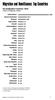 Migration and Remittances: Top Countries Top Immigration Countries a, 010 number of immigrants, millions United States b Russian Federation b Germany b Saudi Arabia b Canada b United Kingdom b Spain b
Gäller från 2015-06-01
 Alla priser är i kronor per minut inklusive moms. Vissa specialnummer/nät i en del destinationer har annat pris än standardpriserna nedan. Var i världen man ringer från har ingen betydelse på priset, bara
Quote Reference. Underwriting Terms. Premium Currency USD. Payment Frequency. Quotation Validity BUPA AFRICA PROPOSAL.
 Quote Reference Family Quote 2013 Underwriting Terms BUPA AFRICA PROPOSAL Full Medical Underwriting and/or Continuous PreviousMedical Exclusions Premium Currency USD Payment Frequency One annual payment
SPRINT CALL HOME PREPAID CALLING CARD
 Domestic Dial-1 Calling Dollar Increments Price Per Unit $10 and $20 $0.59 The same per minute rates apply when the card is refreshed. International Calling The cost per call is based on a $0.59 cost per
Total merchandise trade
 Total merchandise trade October 214 213 213-13 212 213 Total exports f.o.b. 18 3 64 1 1 8 2 Total imports c.i.f. 18 49 1 1 7 1 an Union (28) 6 76 41 4 33 - extra-eu (28) exports 2 31 16 13 13 7 7 China
CONVENTION FOR THE SUPPRESSION OF UNLAWFUL SEIZURE OF AIRCRAFT SIGNED AT THE HAGUE ON 16 DECEMBER 1970
 CONVENTION FOR THE SUPPRESSION OF UNLAWFUL SEIZURE OF AIRCRAFT SIGNED AT THE HAGUE ON 16 DECEMBER 1970 Entry into force: The Convention entered into force on 14 October 1971. Status: 185 Parties. This
(b) the details of those who have been given asylum of other country, country-wise during the last three years
 Annexure Table indicating country-wise data on asylum seekers (LS Starred Q No. 232 for answer on 5.8.2015 on Political Asylum ) S.No. Name of Country (a) the total number of Indians who have sought political
Population below the poverty line Rural % Population below $1 a day % Urban % Urban % Survey year. National %
 2.7 International the the Afghanistan.................... Albania 2002 29.6 19.8 25.4...... 2002 a
WHO Global Health Expenditure Atlas
 WHO Global Health Expenditure Atlas September 214 WHO Library Cataloguing-in-Publication Data WHO global health expenditure atlas. 1.Health expenditures statistics and numerical data. 2.Health systems
JAMAICA IMMIGRATION UNIT
 AFGHANISTAN pta ALBANIA poe ALGERIA - pta ANDORRA poe ANGOLA pta ANTIGUA & BARBUDA ARGENTINA 30 days 30 days ARMENIA - poe pta AUSTRALIA AUSTRIA 90 days pta (Schengen AZERBAIJAN - poe pta BAHAMAS BAHRAIN
FDI performance and potential rankings. Astrit Sulstarova Division on Investment and Enterprise UNCTAD
 FDI performance and potential rankings Astrit Sulstarova Division on Investment and Enterprise UNCTAD FDI perfomance index The Inward FDI Performance Index ranks countries by the FDI they receive relative
MCI Business Complete Unlimited
 MCI Business Complete Unlimited Only available in areas where MCI offers Local Service and customers must be enrolled in corresponding MCI Business Complete Local Product to receive benefits of this plan.
Capital Account Regulations and the Trading System
 Capital Account Regulations and the Trading System Kevin P. Gallagher Global Economic Governance Initiative Boston University [email protected] www.bu.edu/gegi Pardee Center TASK FORCE REpORT MARCh 2013 Capital
International Talk & Text
 International Talk & Text Use your voice plan minutes to call landlines in over 50 countries, including Mexico, Canada and the Dominican Republic Unlimited text messaging to any cell phone in over 200
These are our call rates from your home phone line to:
 Call rates These are our call rates from your home phone line to: International calls Information Services Operator Services Satellite calls You can find local, national and directory services call rates
UNITED NATIONS FRAMEWORK CONVENTION ON CLIMATE CHANGE STATUS OF RATIFICATION
 Last modified on: 22 August 2007 UNITED NATIONS FRAMEWORK CONVENTION ON CLIMATE CHANGE STATUS OF RATIFICATION 1. AFGHANISTAN 12/06/92 19/09/02 (R) 18/12/02 2. ALBANIA ---- 03/10/94 (Ac) 01/01/95 3. ALGERIA
Subject: Director (D-1) UNESCO Liaison Office in Addis Ababa (Ethiopia) and UNESCO Representative to Ethiopia 6ETAFR0001RP
 05/10/2015 Ref.: CL/4132 Subject: Director (D-1) UNESCO Liaison Office in Addis Ababa (Ethiopia) and UNESCO Representative to Ethiopia 6ETAFR0001RP Sir/Madam, I wish to inform you that I have decided to
Outsource International Ltd
 Providing global technology solutions for: Carriers Systems Integrators Resellers Outsource Manufacturers International Ltd Government agencies Financial sector Global Technology Solutions Providing global
1.1 LIST OF DAILY MAXIMUM AMOUNT PER COUNTRY WHICH IS DEEMED TO BEEN EXPENDED
 1 SUBSISTENCE ALLOWANCE FOREIGN TRAVEL 1.1 LIST OF DAILY MAXIMUM AMOUNT PER COUNTRY WHICH IS DEEMED TO BEEN EXPENDED Albania Euro 97 Algeria Euro 112 Angola US $ 322 Antigua and Barbuda US $ 220 Argentina
Quality of Government and Human Well Being: Some Surprises from Big Data
 Quality of Government and Human Well Being: Some Surprises from Big Data Bo Rothstein Head of Program Stefan Dahlberg Dataset Manager The Quality of Government Institute Department of Political Science
LESOTHO VISAS CAN BE ACQUIRED AT THE FOLLOWING PLACES IN SOUTH AFRICA IF REQUIRED:
 LIST OF COUNTRIES WHOSE CITIZENS REQUIRE/DO T REQUIRE VISAS TO ENTER THE KINGDOM OF LESOTHO 1. The ENTRY against a country s name means its citizens always require a Visa to enter Lesotho 2. The ENTRY
BADEA EXPORT FINANCING SCHEME (BEFS) GUIDELINES
 BADEA EXPORT FINANCING SCHEME (BEFS) GUIDELINES 1 P.O. Box 5925 Jeddah 21432 Kingdom of Saudi Arabia Telephone: 636 1400 Telex: 601137-601407 ISDB SJ Facsimile: 636 6871 Jeddah (IDB) Facsimile: 637 1064
International calls Standard rates without a calling plan
 If you don t select or already have a call plan, the standard call charges from UK landlines to international landlines across the world are shown below. To save money on international calls as well as
Country Briefing: Jordan Multidimensional Poverty Index (MPI) At a Glance
 Oxford and Human Development Initiative (OPHI) www.ophi.org.uk Oxford Dept of International Development, Queen Elizabeth House, University of Oxford Country Briefing: Jordan Multidimensional Index (MPI)
VoIP Phone Calling Rates
 Afghanistan Default $0.52 Albania Default $0.24 Albania Mobile $0.71 Algeria Default $0.17 Algeria Mobile $0.86 Andorra Default $0.09 Andorra Mobile $0.48 Angola Default $0.21 Angola Mobile $0.24 Anguilla
How To Get A Grant From The European Funders Of Emir
 List 1b: Information This list indicates s understanding of the status of countries at the date of issue. A tick in one of the first four columns indicates that legal entities from the country are eligible
On-Net to On-Net Per. * Billed in 60 second increments. 1 Formerly found in Section 30.7.4
 1 The international usage rates below apply to Dial-1 calls from the U.S. Mainland, Hawaii, Puerto Rico, and the U.S. Virgin Islands. FONCARD international service is available from the U.S. Mainland,
A TEACHER FOR EVERY CHILD: Projecting Global Teacher Needs from 2015 to 2030
 A TEACHER FOR EVERY CHILD: Projecting Global Teacher Needs from 2015 to 2030 UIS FACT SHEET OCTOBER 2013, No.27 According to new global projections from the UNESCO Institute for Statistics, chronic shortages
Only available to Business Complete customers who disconnect their Local service with MCI.
 Long Distance Complete for Business International Calling Plan Only available to Business Complete customers who disconnect their Local service with MCI. Discounted rates 24 hours a day, 7 days a week
Part II. Global health indicators
 2015 Part II Global health indicators 40 2015 General notes The following summary tables represent the best estimates of WHO for a broad range of key public health indicators based on evidence available
STATUS OF INTERNATIONAL STUDENTS IN INDIA FOR HIGHER EDUCATION
 204 STATUS OF INTERNATIONAL STUDENTS IN INDIA FOR HIGHER EDUCATION Contents Acknowledgements 3 International Student Mobility in INDIA 4 Indian Students Studying Abroad 5 Foreign Students in INDIA 6 Students
The International Call Rates for the following retired plans can be found in this document:
 Retired International Call Charges The International Call s for the following retired plans can be found in this document: 1. Small Business Classic Standard International Call s 2. Small Business Classic
TUBERCULOSIS SCREENING GUIDELINES FOR CONNECTICUT SCHOOLS Connecticut Department of Public Health, Infectious Diseases Section June 2011
 TUBERCULOSIS SCREENING GUIDELINES FOR CONNECTICUT SCHOOLS Connecticut Department of Public Health, Infectious Diseases Section June 2011 These recommendations from the Connecticut Department of Public
Criteria rules. FTSE4Good Inclusion Criteria for the Marketing of Breast Milk Substitutes
 Criteria rules FTSE4Good Inclusion Criteria for the Marketing of Breast Milk Substitutes ftserussell.com Original January 2015; rebranded December 2015 Contents 1.0 Criteria... 3 2.0 Risk Categories...
Country classification
 Statistical annex 143 Country classification Data sources, country classifications and aggregation methodology The statistical annex contains a set of data that the World Economic Situation and Prospects
FAO E-learning Center
 FAO E-learning Center FAO, Partnerships Advocacy and Capacity Development Division Cristina Petracchi Elearning Team Leader Rome, 23 March, 2016 The FAO E-learning Center Education for all Anytime Anywhere
Global Hotel Review (Media Version)
 United Kingdom United States Blue Fin Building 735 East Main Street 110 Southwark Street Hendersonville London SE1 0TA TN 37075 Phone: +44 (0)20 7922 1930 Phone: +1 (615) 824 8664 Fax: +44 (0)20 7922 1931
Global Hotel Review (Media Version)
 United Kingdom United States Blue Fin Building 735 East Main Street 110 Southwark Street Hendersonville London SE1 0TA TN 37075 Phone: +44 (0)20 7922 1930 Phone: +1 (615) 824 8664 Fax: +44 (0)20 7922 1931
GLOBAL. 2014 Country Well-Being Rankings. D Social (% thriving) E Financial (% thriving) F Community (% thriving) G Physical (% thriving)
 0 0 GLOBAL 0 Country Rankings 0 0 0 0 0 0 0 0 0 0 0 0 0 0 0 0 0 : >0.0% 0.% 0.0% 0.% 0.0% 0.% 0.0% 0.0% A Country s global rank B in three or more elements of well-being C (% thriving) D (% thriving) E
MC/INF/310. Original: English 27 September 2013 103RD SESSION REPORT ON HUMAN RESOURCES MANAGEMENT
 Original: English 27 September 2013 INFORMATION INFORMACIÓN 103RD SESSION REPORT ON HUMAN RESOURCES MANAGEMENT. Page 1 REPORT ON HUMAN RESOURCES MANAGEMENT Introduction 1. This report provides an overview
Commerce Country Chart X X X X X X X X X X X X X X X X X X X X X X X X X X X X X X X X X X X X X X X X X X X X X X X X X X X X X X X X X X X X
 Commerce Ctrol List Overview and the Country Chart Supplement No. to Part 78 page Reas for Ctrol Weaps Nproliferati Natial Regial Cventi Ctrol Afghanistan X Albania, X X X X X X X X Algeria Andorra Angola
CORRELATES OF CORRUPTION
 CORRELATES OF CORRUPTION BO ROTHSTEIN SÖREN HOLMBERG WORKING PAPER SERIES 2011:12 QOG THE QUALITY OF GOVERNMENT INSTITUTE Department of Political Science University of Gothenburg Box 711, SE 405 30 GÖTEBORG
Financing Education for All in Sub Saharan Africa: Progress and Prospects
 Financing Education for All in Sub Saharan Africa: Progress and Prospects Albert Motivans Education for All Working Group Paris, 3 February 211 1 Improving the coverage and quality of education finance