
!Comprehensive Stool Analysis
|
|
|
- Solomon Hart
- 9 years ago
- Views:
Transcription
1 LAB #: F PATIENT: Sample Patient ID: P SEX: Male DOB: AGE: 78 CLIENT #: DOCTOR: Doctor's Data, Inc Illinois Ave. St. Charles, IL U.S.A.!Comprehensive Stool Analysis BACTERIOLOGY CULTURE Expected/Beneficial flora Commensal (Imbalanced) flora Dysbiotic flora 3+ Bacteroides fragilis group 1+ Beta strep, group B 3+ Bifidobacterium spp. 4+ Escherichia coli 4+ Lactobacillus spp. 2+ Enterococcus spp. 2+ Clostridium spp. NG = No Growth BACTERIA INFORMATION Expected /Beneficial bacteria make up a significant portion of the total microflora in a healthy & balanced GI tract. These beneficial bacteria have many health-protecting effects in the GI tract including manufacturing vitamins, fermenting fibers, digesting proteins and carbohydrates, and propagating antitumor and anti-inflammatory factors. Clostridia are prevalent flora in a healthy intestine. Clostridium spp. should be considered in the context of balance with other expected/beneficial flora. Absence of clostridia or over abundance relative to other expected/beneficial flora indicates bacterial imbalance. If C. difficile associated disease is suspected, a Comprehensive Clostridium culture or toxigenic C. difficile DNA test is recommended. Commensal (Imbalanced) bacteria are usually neither pathogenic nor beneficial to the host GI tract. Imbalances can occur when there are insufficient levels of beneficial bacteria and increased levels of commensal bacteria. Certain commensal bacteria are reported as dysbiotic at higher levels. Dysbiotic bacteria consist of known pathogenic bacteria and those that have the potential to cause disease in the GI tract. They can be present due to a number of factors including: consumption of contaminated water or food, exposure to chemicals that are toxic to beneficial bacteria; the use of antibiotics, oral contraceptives or other medications; poor fiber intake and high stress levels. YEAST CULTURE Normal flora Dysbiotic flora 2+ Candida glabrata Result: Rare MICROSCOPIC YEAST Expected: None - Rare The microscopic finding of yeast in the stool is helpful in identifying whether there is proliferation of yeast. Rare yeast may be normal; however, yeast observed in higher amounts (few, moderate, or many) is abnormal. YEAST INFORMATION Yeast normally can be found in small quantities in the skin, mouth, intestine and mucocutaneous junctions. Overgrowth of yeast can infect virtually every organ system, leading to an extensive array of clinical manifestations. Fungal diarrhea is associated with broad-spectrum antibiotics or alterations of the patient s immune status. Symptoms may include abdominal pain, cramping and irritation. When investigating the presence of yeast, disparity may exist between culturing and microscopic examination. Yeast are not uniformly dispersed throughout the stool, this may lead to undetectable or low levels of yeast identified by microscopy, despite a cultured amount of yeast. Conversely, microscopic examination may reveal a significant amount of yeast present, but no yeast cultured. Yeast does not always survive transit through the intestines rendering it unvialble. Comments: Date Collected: 01/28/2015 Date Received: 01/30/2015 Date Completed: 02/06/ * Aeromonas, Campylobacter, Plesiomonas, Salmonella, Shigella, Vibrio, Yersinia, & Edwardsiella tarda have been specifically tested for and found absent unless reported. DOCTOR S DATA, INC.! ADDRESS: 3755 Illinois Avenue, St. Charles, IL ! CLIA ID NO: 14D ! MEDICARE PROVIDER NO:

2 LAB #: F PATIENT: Sample Patient ID: P SEX: Male DOB: AGE: 78 CLIENT #: DOCTOR: Doctor's Data, Inc Illinois Ave. St. Charles, IL U.S.A.!Comprehensive Stool Analysis DIGESTION /ABSORPTION Within Outside Reference Range Elastase 496 > 200 µg/ml Fat Stain Many None - Mod Muscle fibers None None - Rare Vegetable fibers Rare None - Few Carbohydrates Neg Neg Elastase findings can be used for the diagnosis or the exclusion of exocrine pancreatic insufficiency. Correlations between low levels and chronic pancreatitis and cancer have been reported. Fat Stain: Microscopic determination of fecal fat using Sudan IV staining is a qualitative procedure utilized to assess fat absorption and to detect steatorrhea. Muscle fibers in the stool are an indicator of incomplete digestion. Bloating, flatulence, feelings of fullness may be associated with increase in muscle fibers. Vegetable fibers in the stool may be indicative of inadequate chewing, or eating on the run. Carbohydrates: The presence of reducing substances in stool specimens can indicate carbohydrate malabsorption. INFLAMMATION Within Outside Reference Range Lactoferrin 23.6 < 7.3 µg/ml Calprotectin* µg/g Lysozyme* 1400 <= 600 ng/ml White Blood Cells None None - Rare Mucus Neg Neg Lactoferrin and Calprotectin are reliable markers for differentiating organic inflammation (IBD) from function symptoms (IBS) and for management of IBD. Monitoring levels of fecal lactoferrin and calprotectin can play an essential role in determining the effectiveness of therapy, are good predictors of IBD remission, and can indicate a low risk of relapse. Lysozyme* is an enzyme secreted at the site of inflammation in the GI tract and elevated levels have been identified in IBD patients. White Blood Cells (WBC) and Mucus in the stool can occur with bacterial and parasitic infections, with mucosal irritation, and inflammatory bowel diseases such as Crohn s disease or ulcerative colitis. IMMUNOLOGY Within Outside Reference Range Secretory IgA* mg/dl Secretory IgA* (siga) is secreted by mucosal tissue and represents the first line of defense of the GI mucosa and is central to the normal function of the GI tract as an immune barrier. Elevated levels of siga have been associated with an upregulated immune response. Comments: Date Collected: 01/28/2015 *For Research Use Only. Not for use in diagnostic procedures. Date Received: 01/30/2015 Methodology: Elisa, Microscopy, Colormetric, Date Completed: 02/06/2015 Gas Chromotography, ph Electrode DOCTOR S DATA, INC.! ADDRESS: 3755 Illinois Avenue, St. Charles, IL ! CLIA ID NO: 14D ! MEDICARE PROVIDER NO:

3 LAB #: F PATIENT: Sample Patient ID: P SEX: Male DOB: AGE: 78 CLIENT #: DOCTOR: Doctor's Data, Inc Illinois Ave. St. Charles, IL U.S.A. Comprehensive Stool Analysis SHORT CHAIN FATTY ACIDS Within Outside Reference Range % Acetate % % Propionate % % Butyrate % % Valerate % Butyrate mg/ml Total SCFA s mg/ml Short chain fatty acids (SCFAs): SCFAs are the end product of the bacterial fermentation process of dietary fiber by beneficial flora in the gut and play an important role in the health of the GI as well as protecting against intestinal dysbiosis. Lactobacilli and bifidobacteria produce large amounts of short chain fatty acids, which decrease the ph of the intestines and therefore make the environment unsuitable for pathogens, including bacteria and yeast. Studies have shown that SCFAs have numerous implications in maintaining gut physiology. SCFAs decrease inflammation, stimulate healing, and contribute to normal cell metabolism and differentiation. Levels of Butyrate and Total SCFA in mg/ml are important for assessing overall SCFA production, and are reflective of beneficial flora levels and/or adequate fiber intake. INTESTINAL HEALTH MARKERS Within Outside Reference Range Red Blood Cells None None - Rare ph Occult Blood Neg Neg Red Blood Cells (RBC) in the stool may be associated with a parasitic or bacterial infection, or an inflammatory bowel condition such as ulcerative colitis. Colorectal cancer, anal fistulas, and hemorrhoids should also be ruled out. ph: Fecal ph is largely dependent on the fermentation of fiber by the beneficial flora of the gut. Occult blood: A positive occult blood indicates the presence of free hemoglobin found in the stool, which is released when red blood cells are lysed. MACROSCOPIC APPEARANCE Color: Stool is normally brown because of Appearance Expected pigments formed by bacteria acting on bile introduced into the digestive system from the Color Brown Brown liver. While certain conditions can cause changes in stool color, many changes are harmless and are caused by pigments in foods Consistency Loose/Watery Formed/Soft or dietary supplements. Consistency: Stool normally contains about 75% water and ideally should be formed and soft. Stool consistency can vary based upon transit time and water absorption DOCTOR S DATA, INC.! ADDRESS: 3755 Illinois Avenue, St. Charles, IL ! CLIA ID NO: 14D ! MEDICARE PROVIDER NO:

4 LAB #: F PATIENT: Sample Patient ID: P SEX: Male AGE: 78 CLIENT #: DOCTOR: Doctor's Data, Inc Illinois Ave. St. Charles, IL U.S.A.!"#$%&!'(%)#*&+,+-+&+#%. Candida glabrata NATURAL ANTIFUNGALS Berberine Caprylic Acid Uva Ursi Plant Tannins Oregano Undecylenic Acid Grapefruit Seed Extract Low Sensitivity High Sensitivity Natural antifungal agents may be useful for treatment of patients when organisms display in-vitro sensitivity to these agents. The test is performed by using standardized techniques and filter paper disks impregnated with the listed agent. Relative sensitivity is reported for each natural agent based upon the diameter of the zone of inhibition surrounding the disk. Data based on over 5000 individual observations were used to relate the zone size to the activity level of the agent. A scale of relative sensitivity is defined for the natural agents tested. NON-ABSORBED ANTIFUNGALS Nystatin Low Sensitivity High Sensitivity Non-absorbed antifungals may be useful for treatment of patients when organisms display in-vitro sensitivity to these agents. The test is performed using standardized commercially prepared disks impregnated with Nystatin. Relative sensitivity is reported based upon the diameter of the zone of inhibition surrounding the disk. AZOLE ANTIFUNGALS Fluconazole Itraconazole Ketoconazole Resistant S-DD Susceptible S-DD S S Susceptible results imply that an infection due to the fungus may be appropriately treated when the recommended dosage of the tested antifungal agent is used. Susceptible - Dose Dependent (S-DD) results imply that an infection due to the fungus may be treated when the highest recommended dosage of the tested antifungal agent is used. Resistant results imply that the fungus will not be inhibited by normal dosage levels of the tested antifungal agent. Standardized test interpretive categories established for Candida spp. are used for all yeast isolates. Comments: Date Collected: 01/28/2015 Yeast antifungal susceptibility testing is intended for research use only. Date Received: 01/30/2015 Not for use in diagnostic procedures. Date Completed: 02/06/ v10.11 DOCTOR S DATA, INC.! ADDRESS: 3755 Illinois Avenue, St. Charles, IL ! CLIA ID NO: 14D ! MEDICARE PROVIDER NO:

5 Lab number: F CSA Page: 1 INTRODUCTION This analysis of the stool specimen provides fundamental information about the overall gastrointestinal health of the patient. When abnormal microflora or significant aberrations in intestinal health markers are detected, specific interpretive paragraphs are presented. If no significant abnormalities are found, interpretive paragraphs are not presented. Clostridium spp Clostridia are expected inhabitants of the human intestine. Although most clostridia in the intestine are not virulent, certain species have been associated with disease. Clostridium perfringens is a major cause of food poisoning and is also one cause of antibioticassociated diarrhea. Clostridium difficile is a causative agent in antibiotic-associated diarrhea and pseudomembranous colitis. Other species reported to be prevalent in high amounts in patients with Autistic Spectrum Disorder include Clostridium histolyticum group, Clostridium cluster I, Clostridium bolteae, and Clostridium tetani. If these disease associations are a concern further testing may be necessary. Washington W, Allen S, Janda W, Koneman E, Procop G, Schreckenberger P, Woods, G. Koneman s Color Atlas and Textbook of Diagnostic Microbiology, 6th edition. Lippincott Williams and Wilkins; pg Song Y, Liu C, Finegold SM. Real-Time PCR Quantitation of Clostridia in Feces of Autistic Children. Applied and Environmental Microbiology. Nov. 2004, Parracho H, Bingham MO, Gibson GR, McCartney AL. Differences Between the Gut Microflora of Children with Autistic Spectrum Disorders and That of Healthy Children. Journal of Medical Microbiology. 2005;54, Imbalanced flora Imbalanced flora are those bacteria that reside in the host gastrointestinal tract and neither injure nor benefit the host. Certain dysbiotic bacteria may appear under the imbalances category if found at low levels because they are not likely pathogenic at the levels detected. When imbalanced flora appear, it is not uncommon to find inadequate levels of one or more of the beneficial bacteria and/or a fecal ph which is more towards the alkaline end of the reference range (6-7.8). It is also not uncommon to find hemolytic or mucoid E. coli with a concomitant deficiency of beneficial E. coli and alkaline ph, secondary to a mutation of beneficial E. coli in alkaline conditions (DDI observations). Treatment with antimicrobial agents is unnecessary unless bacteria appear under the dysbiotic category.

6 Lab number: F CSA Page: 2 Mackowiak PA. The normal microbial flora. N Engl J Med. 1982;307(2): Dysbiotic Yeast Yeast was cultured from this stool specimen and the amount is considered to be dysbiotic. A positive yeast culture and sensitivity to prescriptive and natural agents is helpful in determining which anti-fungal agents to use as part of a therapeutic plan for chronic yeast syndrome. When investigating the presence of yeast, disparity may exist between culturing and microscopic examination. Yeast grows in colonies and is typically not uniformly dispersed throughout the stool. This may lead to undetectable or low levels of yeast identified by microscopy, despite a significant amount of yeast cultured. Microscopic yeast Microscopic examination has revealed yeast in this stool sample. The microscopic finding of yeast in the stool is helpful in identifying whether the proliferation of fungi, such as Candida albicans, is present. Yeast is normally found in very small amounts in a healthy intestinal tract. While small quantities of yeast (reported as none or rare) may be normal, yeast observed in higher amounts (few, moderate to many) is considered abnormal. An overgrowth of intestinal yeast is prohibited by beneficial flora, intestinal immune defense (secretory IgA), and intestinal ph. Beneficial bacteria, such as Lactobacillus colonize in the intestines and create an environment unsuitable for yeast by producing acids, such as lactic acid, which lowers intestinal ph. Also, lactobacillus is capable of releasing antagonistic substances such as hydrogen peroxide, lactocidin, lactobacillin, and acidolin. Many factors can lead to an overgrowth of yeast including frequent use of antibiotics (leading to insufficient beneficial bacteria), synthetic corticosteroids, oral contraceptives, and diets high in sugar. Although there is a wide range of symptoms which can result from intestinal yeast overgrowth, some of the most common include brain fog, fatigue, reccurring vaginal or bladder infections, sensitivity to smells (perfumes, chemicals, environment), mood swings/depression, sugar and carbohydrate cravings, gas/bloating, and constipation or loose stools. A positive yeast culture (mycology) and sensitivity to prescriptive and natural agents is helpful in determining which anti-fungal agents to use as part of a therapeutic treatment plan for chronic colonic yeast. However, yeast are colonizers and do not appear to be dispersed uniformly throughout the stool. Yeast may therefore be observed microscopically, but not grow out on culture even when collected from the same bowel movement. Lysozyme The level of lysozyme, a biomarker of inflammation, is elevated in this specimen. Lysozyme is an enzyme that catalyzes the hydrolysis of specific glycosidic bonds in mucopolysaccharides that constitute the cell wall of gram-positive bacteria. Lysozyme is an antibacterial defense present in the

7 Lab number: F CSA Page: 3 G.I. tract and is secreted by granulocytes, macrophages, Paneth cells, and Brunner s Glands as well as normal colonic crypt cells [1]. The main source for fecal lysozyme is the intestinal granulocytes. Moderate elevations in fecal lysozyme are commonly associated with significant overgrowth of enteropathogens such as yeast or dysbiotic bacteria. Markedly elevated levels of fecal lysozyme have been identified in colonic inflammatory bowel disease (IBD), such as Crohn s disease and ulcerative colitis as well as other non-ibd G.I. diseases with diarrhea, compared to healthy controls [2,3]. In Crohn s disease, excess lysozyme may be a result of active secretions of macrophages in the lamina propria, and monocytic cells in the granulomas (sites of G.I. inflammation) [4]. In ulcerative colitis, it has been postulated that elevations in fecal lysozyme may be secondary to intestinal loss of granulocytes and their secretory granules [5]. Additionally, Paneth cell metaplasia, a phenomenon that occurs with various inflammatory conditions of the large intestine, may be a minor contributor to fecal lysozyme elevations [5]. Paneth cells are part of the intestinal epithelial lining found in the deepest part of intestinal cryptwhich are the crypts of Lieberkühn. Paneth cells contain lysozyme in their secretory granules, and combined with their phagocytic capability, help to regulate intestinal microbial flora [5]. Lysozyme is helpful in the determination of colonic inflammatory activity rather than small bowel disease [2]. Slightly elevated levels of lysozyme may be treated with anti-inflammatory agents or by removing the antagonist, such as enteroinvasive microorganisms or allergens. Moderate to high levels of lysozyme (>2,000) may indicate an active inflammatory bowel condition which often requires further testing such as colonoscopy. To rule out IBD, check fecal lactoferrin levels (elevated with IBD). 1. Saito H, Ksajima T, Masuda A, et al. Lysozyme localization in human gastric and duodenal epitheleum. Cell Tissue Res 1988; 251: Van der Sluys Veer A, Brouwer J, Biemond I, et al. Fecal lysozyme in assessment of disease activity in inflammatory bowel disease. Dig Dis & Sci. 1998;43(3): Klass HJ, Neale G. Serum and faecal lysozyme in inflammatory bowel disease. Gut 1978;19: Geboes K, Van den Oord JJ, Rutgeerts P, et al. Immunohistochemical identification of lysozyme in pseudopyloric gland metaplasia in Crohn s disease. Hepatogastroenterology 1986;90: Stamp GWH, Poulsom R, Chung LP, et al. Lysozyme gene expression I inflammatory bowel disease. Gastroenterol 1992;103: Fecal Lactoferrin The level of fecal lactoferrin, a biomarker of serious gastrointestinal inflammation, is abnormally high in this fecal sample. Fecal lactoferrin is elevated in association with Inflammatory Bowel Disease (IBD) such as Ulcerative Colitis (UC) or Crohn s Disease (CD)[1,2], but NOT Irritable Bowel Syndrome (IBS)[1,3]. Therefore, assessment of fecal lactoferrin levels enables distinction between IBD and non-inflammatory IBS. Such distinction

8 Lab number: F CSA Page: 4 is critical because, although both IBD and IBS may share some common symptoms such as diarrhea, abdominal cramping and weight loss, the diseases are treated quite differently. IBD may become life threatening, requires life long treatment and possibly surgery. In contrast, IBS is often effectively treated with dietary restrictions, stress reduction and medication. Gastrointestinal inflammation associated with IBD is associated with increased infiltration of activated neutrophils into the mucosa and increased release of lactoferrin into the gut[1,4,5]. Patients with inflammation of the GI tract, such as IBD (but not IBS), exhibit elevated lactoferrin concentrations in the feces[1]. Clinical studies have shown that fecal lactoferrin levels of healthy persons are similar to IBS patients, but markedly increased in patients with active IBD[1,3]. Patients with IBD oscillate between active and inactive disease states, and fecal lactoferrin levels increase 2-3 weeks prior to onset of clinical symptoms[6]. During remission and effective treatment, fecal lactoferrin decreases significantly. Therefore disease activity, and efficacy of treatment can be monitored by following fecal lactoferrin levels. The test can be ordered separately to track disease activity in patients with IBD. Moderately elevated levels of fecal lactoferrin can occur, with fecal red blood cells and leukcytes, in association with invasive enterpathogens [7,8]. Such levels would be expected to be much lower than those associated with the active phase of IBD. Therefore, with moderately elevated levels of fecal lactoferrin, one should check for the presence of enteropathogens (eg. Shigella, Campylobacter, Clostridium difficile). Guidelines for interpreting the results of this test are provided by the results of a large multi-center clinical study which evaluated fecal lactoferrin levels in 180 patients suffering with IBS and IBD (UC and CD) compared to 56 healthy controls. FECAL LACTOFERRIN GROUP # of SPECIMENS mean mcg/ml +/- SE Inactive UC /- 24 Active UC /- 789 Inactive CD /- 83 Active CD /- 242 IBS /- 0.3 Healthy Controls / Kane, S.V., Sandborn, W.J., Rufo, P.A., et al. Am. J. Gastroenterol. (2003)98(6): Sugi, K., Saitoh, O., Hirata, I., et al. Am. J. Gastroenterol.

9 Lab number: F CSA Page: 5 (1996)91(5): Buderus, S., Lohmann, N., Boone, J. et al. Suppl. Gastroenterol. (2002)122:A-219:St Baveye, S., Elass, e., Mamurer, J. et al. Clin. Lab. Med. (1999) 37: Fine, K.D., Ogunji, G., Niehaus, M. et al. Am J. Gastroenterol. (1993): Walker, T., Sandborn, W., Boone, J., et al. Am J. Gastroenterol. (2003)98:S246: Huicho, L., Garaycochea, V., Uchima, N. et al. Ped. Infect. Dis. J. (1997)16(7): Guerrant, R.L., Araujo, V., Soares, E. et al. J. Clin. Microbiol. (1992)30(5): Secretory IgA (siga) The concentration of siga is abnormally high in this fecal specimen. Immunological activity in the gastrointestinal tract can be assessed using secretory immunoglobulin A (siga). Secretory IgA is the predominant antibody or immune protein the body manufactures and releases in external secretions such as saliva, tears, and milk [1]. It is also transported through the epithelial cells that line the intestines out into the lumen. Secretory IgA represents the first line of defense of the GI mucosa and is central to the normal function of the GI tract as an immune barrier [1]. As the principal immunoglobulin isotype present in mucosal secretions, siga plays an important role in controlling intestinal milieu which is constantly presented with potentially harmful antigens such as pathogenic bacteria, parasites, yeast, viruses, abnormal cell antigens, and allergenic proteins [1]. Secretory IgA antibodies exert their function by binding to antigenic epitopes on the invading microorganism limiting their mobility and adhesion to the epithelium of the mucus membrane [2]. This prevents the antigens from reaching systemic circulation allowing them to be excreted directly in the feces. Elevated fecal siga is an appropriate response to an antigenic presence. Microbial and microscopic studies of the stool are useful in identifying if bacteria, yeast, or parasites are present. Eradication of the pathogenic microorganisms will bring siga back down into the normal range. Elevated siga levels have been observed in the absence of bacteria, yeast or parasites, in individuals with atopic conditions such as food allergies, urticaria, and dermatitis. References: 1. Crago SS, Tomasi TB. Mucosal Antibodies, Food Allergy and Intolerance. Bailliere Tindall/W.B. Saunders 1987; Roberts JA. Factors predisposing to urinary tract infections in children. Ped Neph 1996;10:

10 Lab number: F CSA Page: 6 3. Carins J, Booth C. Salivary immunoglobulin-a as a marker of stress during strenuous physical training. Aviat Space Environ Med 2002;73(12) Teodosio MR, Oliveira ECM. Urinary secretory IgA after nutritional rehabilitation. Braz J Med Biolog Res 1999; Alverdy J. Effects of glutamine-supplemented diets on immunology of the gut. J Parent Enteral Nutr 1990;14(4): Burke DJ, et al. Glutamine-supplemented total parenternal nutrition improves gut function. Arch Surg 1989;24: Alverdy JA. The effect of total parenternal nutrition on gut lamina propria cells. J Parent. Enteral Nutr 1990;14(suppl). 8. Qamar A, Aboudola S, Warny M, et al. Saccharomyces boulardii stimulates intestinal immunoglobulin A immune response to clostridium difficile toxin A in mice. Infect Immun 2001;69(4): Buts JP, Bernasconi P, Vaerman JP, et al. Stimulation of secretory IgA and secretory component of immunoglobulins in small intestine of rats treated with Saccharomyces boulardii. Dig Dis Sci 1990;35(2): Fecal Fat Stain The amount of total fat is higher than normal in this specimen. Individuals who have pancreatic insufficiency secondary to pancreatic or biliary tract disease will be unable to digest and absorb fat normally. The gold standard used to assess this type of malabsorption has been total fecal fat [1]. However, this type of test is too cumbersome (requires a 72 hr fecal collection while consuming 70 grams of fat per day) to be used as a frequent monitor of fat malabsorption [2]. Research has demonstrated that the microscopic fecal fat test is a reliable marker for fat malabsorption [1,3,4] as well as evaluating enzyme therapy in patients with pancreatic exocrine insufficiency [1,5]. In assessing mechanisms for steatorrhea, the following should be considered: gastric surgery, pancreatic disease, biliary obstruction, liver disease, mucosal integrity, and problems with chylomicron formation [6]. Supplementation with pancreatic enzymes, HCL, and/or bile salts may be indicated. Steatorrhea is associated with a particularly foul odor of the stool. 1. Colombo C, Maiavacca R, Ronchi M, et al. The steatocrit : a simple method for monitoring fat malabsorption in patients with cystic fibrosis. J Pediatr Gastroenterol Nutr 1987;6(6): Durie P, Gaskin KJ, Corey M, et al. Pancreatic function testing in cystic fibrosis. J Pediatr Gastroenterol Nutr 1984;3(suppl1):S Sugai E, Srur G, Vazquez H, et al. Steatocrit : a reliable semiquantitative method for the detection of steatorrhea. J Clin Gastroenterol 1994;19(3): Amann ST, Josephen SA, Toskes PP. Acid steatocrit: a simple, rapid gravimetric method to determine steatorrhea. Am J Gastroenterol 1997;92(12): Carrocio A, Guarino A, Zuin G, et al. Efficacy of oral pancreatic enzyme

11 Lab number: F CSA Page: 7 therapy for the treatment of fat malabsorption in HIV-infected patients. Aliment Pharmacol Ther 2001;15(10): McColl, Saden GE. Intestinal Asoption In Man. London:Academic Press. p Fecal Calprotectin The level of fecal Calprotectin is higher than expected. Elevated fecal Calprotectin and Lactoferrin levels indicate the presence of neutrophils and inflammation in the gastrointestinal (GI) mucosa. Calprotectin and Lactoferrin facilitate differentiation between irritable bowel syndrome (IBS) and inflammatory bowel disease (IBD). IBD includes autoimmune conditions such as Crohns disease and ulcerative colitis (UC); these conditions may become life-threatening and require lifelong treatment. For patients 4 years old to adults (Manz 2012; Fagerberg 2005): High levels of Calprotectin (> 200 µg/gm) are associated with active IBD and gastrointestinal inflammation; elevation may also occur due to bacterial infection, colitis or sometimes, cancer. Fecal Calprotectin should be reassessed after about 4 weeks for confirmation. Moderate calprotectin ( µg/gm) is an indicator of chronic inflammation. Inflammation at this level may be due to IBD in remission or inflammation caused by non-steroidal antiinflammatories (NSAIDs). Levels should be reassessed after about 4 weeks. Low levels of Calprotectin (< 50 µg/gm) are usually associated with viral GI infections or non-inflammatory bowel conditions such as IBS. Multiple studies have shown fecal Calprotectin and Lactoferrin to be equivalent with respect to clinical sensitivity and specificity. Studies suggest that Calprotectin may correlate more closely with histological (cell microscopy) findings. Lactoferrin may correlate better to macroscopic (endoscopy) findings, and may be the better indicator of impending relapse, elevating 2-3 weeks prior to clinical symptoms. Chronic inflammation of the gastrointestinal mucosa contributes to symptoms of IBD. Chronic stress is known to contribute to symptom flare-ups and increased inflammation. Liver disease or the use of aspirin or nonsteroidal anti-inflammatory (NSAID) medications may elevate Calprotectin levels. Fecal Calprotectin levels may also be increased in newborns. References: Carroccio, Antonio; Iacono, Giuseppe; Cottone, Mario; Di Prima, Lidia; Cartabellotta, Fabio et al. (2003) Diagnostic Accuracy of Fecal Calprotectin Assay in Distinguishing Organic Causes of Chronic Diarrhea from Irritable Bowel Syndrome: A Prospective Study in Adults and Children Clin. Chem. vol. 49 (6) p Fagerberg, Ulrika Lorentzon; Lööf, Lars; Myrdal, Urban; Hansson, Lars-Olof; Finkel, Yigael Colorectal Inflammation is Well Predicted by Fecal Calprotectin in Children with Gastrointestinal Symptoms Journal of Pediatric Gastroenterology & Nutrition: April Volume 40 - Issue 4 - pp Lamb, C.A.; Mansfield, J.C. (2011)

12 Lab number: F CSA Page: 8 Measurement of faecal calprotectin and lactoferrin in inflammatory bowel disease. Frontline gastroenterology vol. 2 (1) p Manz, Michael; Burri, Emanuel; Rothen, Claude; Tchanguizi, Nuschin; Niederberger, Christian et al. (2012) Value of fecal calprotectin in the evaluation of patients with abdominal discomfort: an observational study. BMC gastroenterology vol. 12 p. 5 Said, Hesham Ezz El Din, et al. (2013) The diagnostic value of faecal calprotectin in differentiating inflammatory bowel diseases (IBD) from irritable bowel syndrome (IBS) Report and Opinion, 2011;3(1) Vieira, Andrea; Fang, Chia; Rolim, Ernani; Klug, Wilmar; Steinwurz, Flavio et al. (2009) Inflammatory bowel disease activity assessed by fecal calprotectin and lactoferrin: correlation with laboratory parameters, clinical, endoscopic and histological indexes BMC Research Notes vol. 2 (1) p. 221

!Comprehensive Stool Analysis / Parasitology x3
 LAB #: F000000-0000-0 PATIENT: Sample Patient ID: P0000000000 SEX: Male DOB: AGE: 4 CLIENT #: 12345 DOCTOR: Doctor's Data, Inc. 3755 Illinois Ave. St. Charles, IL 60174 U.S.A.!Comprehensive Stool Analysis
Probiotics for the Treatment of Adult Gastrointestinal Disorders
 Probiotics for the Treatment of Adult Gastrointestinal Disorders Darren M. Brenner, M.D. Division of Gastroenterology Northwestern University, Feinberg School of Medicine Chicago, Illinois What are Probiotics?
Comprehensive Stool Analysis / Parasitology x3
 LAB #: F000000-0000-0 PATIENT: Sample Patient ID: PATIENT-S-00018 SEX: Female AGE: 28 CLIENT #: 12345 DOCTOR: Doctors Data, Inc. 3755 Illinois Ave. St. Charles, IL 60174 USA Comprehensive Stool Analysis
Antibiotic-Associated Diarrhea, Clostridium difficile- Associated Diarrhea and Colitis
 Antibiotic-Associated Diarrhea, Clostridium difficile- Associated Diarrhea and Colitis ANTIBIOTIC-ASSOCIATED DIARRHEA Disturbance of the normal colonic microflora Leading to alterations in bacterial degradation
Symptomspesifikke probiotikum. Linda Mulder, MSc. Vårseminaret 2014
 Linda Mulder, MSc. Vårseminaret 2014 Content Background on probiotics Intestinal microbiota & health on 3 levels Indication-specific probiotics Strain-specific characteristics Monostrain vs. multispecies
7 Reasons You Can t Eat the Foods You Love!
 Dr. Susan Plank s Report: 7 Reasons You Can t Eat the Foods You Love! Betsy Coltrain sat feeling miserable on the couch. She had just finished eating dinner and began to feel the uncomfortable fullness,
Bile Duct Diseases and Problems
 Bile Duct Diseases and Problems Introduction A bile duct is a tube that carries bile between the liver and gallbladder and the intestine. Bile is a substance made by the liver that helps with digestion.
Problems of the Digestive System
 The American College of Obstetricians and Gynecologists f AQ FREQUENTLY ASKED QUESTIONS FAQ120 WOMEN S HEALTH Problems of the Digestive System What are some common digestive problems? What is constipation?
C. difficile Infections
 C. difficile Infections Introduction C. difficile is a type of bacteria that can cause diarrhea and infection of the colon. This bacterium is more likely to infect patients at hospitals and other healthcare
IBS. TomSult Sult, MD Patrick Hanaway, MD. Post Webinar Sept 21, 2011
 Case Studies Differentiating IBD from IBS TomSult Sult, MD Patrick Hanaway, MD ApplyingFunctional Medicine inclinical Practice Post Webinar Sept 21, 2011 Tom Sult, MD Patrick Hanaway, MD Inside the Presentation
PROBIOTICS. what they are and what they can do for you. A patient s guide from your doctor and
 PROBIOTICS what they are and what they can do for you A patient s guide from your doctor and Probiotics Products containing probiotics have flooded the market in recent years. As more people seek natural
Support Guide. Introduction
 Support Guide Introduction This Support Guide is intended to help clinicians understand and use the GI Effects Comprehensive Profile, a select set of fecal biomarkers aimed at identifying key processes
What Is Clostridium Difficile (C. Diff)? CLOSTRIDIUM DIFFICILE (C. DIFF)
 What Is Clostridium Difficile (C. Diff)? Clostridium difficile, or C. diff for short, is an infection from a bacterium, or bug, that can grow in your intestines and cause bad GI symptoms. The main risk
Microscopic Colitis: Collagenous Colitis and Lymphocytic Colitis
 Microscopic Colitis: Collagenous Colitis and Lymphocytic Colitis National Digestive Diseases Information Clearinghouse U.S. Department of Health and Human Services NATIONAL INSTITUTES OF HEALTH What is
Frequently Asked Questions: Ai-Detox
 What is Ai-Detox? Frequently Asked Questions: Ai-Detox Ai-Detox is a Chinese herbal medicinal formula, produced using state of the art biotechnology, which ensures the utmost standards in quality and safety.
How antifungal drugs kill fungi and cure disease
 How antifungal drugs kill fungi and cure disease Snake-oil Salesmen New Product Devours Candida-Yeast Without Major Dietary Change Do you suffer from depression, anxiety, irritability, heartburn, indigestion
Amylase and Lipase Tests
 Amylase and Lipase Tests Also known as: Amy Formal name: Amylase Related tests: Lipase The Test The blood amylase test is ordered, often along with a lipase test, to help diagnose and monitor acute or
Learning Objectives. Introduction to Medical Careers. Vocabulary: Chapter 16 FACTS. Functions. Organs. Digestive System Chapter 16
 Learning Objectives Introduction to Medical Careers Digestive System Chapter 16 Define at least 10 terms relating to the digestive Describe the four functions of the digestive Identify different structures
QS114. NICE quality standard for irritable bowel syndrome in adults (QS114)
 NICE quality standard for irritable bowel syndrome in adults (QS114) QS114 NICE approved the reproduction of its content for this booklet. The production of this booklet is sponsored by Thermo Fisher Scientific,
10. T and B cells are types of a. endocrine cells. c. lymphocytes. b. platelets. d. complement cells.
 Virus and Immune System Review Directions: Write your answers on a separate piece of paper. 1. Why does a cut in the skin threaten the body s nonspecific defenses against disease? a. If a cut bleeds, disease-fighting
Digestive System Notes
 Digestive System Notes Structure Function Relation Mouth cavity Mechanical digestion by teeth; chemical digestion of starch by saliva. Salivary glands Three pairs of glands which secrete saliva containing
Chronic Diarrhea in Children
 Chronic Diarrhea in Children National Digestive Diseases Information Clearinghouse What is chronic diarrhea? Diarrhea is loose, watery stools. Chronic, or long lasting, diarrhea typically lasts for more
Identifying Celiac Disease and Gluten Sensitivity with Minimally Invasive Testing
 Identifying Celiac Disease and Gluten Sensitivity with Minimally Invasive Testing Enjoy this white paper by Jack A. Maggiore, PhD, MT(ASCP), Assistant Director, Chemistry Laboratory and R&D at Doctor s
Diet and Pancreatic Enzyme Replacement Therapy. Anna Burton Specialist Pancreatic Dietitian Leeds Teaching Hospital NHS Trust
 Diet and Pancreatic Enzyme Replacement Therapy Anna Burton Specialist Pancreatic Dietitian Leeds Teaching Hospital NHS Trust Pancreatic cancer Symptoms which affect nutritional status Patient and carers
PHYSIOLOGY AND MAINTENANCE Vol. II Intestinal Microflora - Erkki Eerola, Wen Hua Ling
 INTESTINAL MICROFLORA Erkki Eerola Turku University. Department of Medical Microbiology, Turku, Finland. Wen Hua Ling Zhongshan University. Department of Clinical Nutrition, Guangzhou, PRChina Keywords:
Crohn's disease and ulcerative colitis
 Crohn's disease and ulcerative colitis Summary Crohn s disease and ulcerative colitis are collectively known as inflammatory bowel disease (IBD). Crohn s disease can appear in any part of a person s digestive
Millions of Americans suffer from abdominal pain, bloating, constipation and diarrhea. Now new treatments can relieve your pain and discomfort.
 3888-IBS Consumer Bro 5/8/03 10:38 AM Page 1 TAKE THE IBS TEST Do you have recurrent abdominal pain or discomfort? YES NO UNDERSTANDING IRRITABLE BOWEL SYNDROME A Consumer Education Brochure Do you often
COMPLETE DIGESTIVE STOOL ANALYSIS - Level 4+
 COMPLETE DIGESTIVE STOOL ANALYSIS - Level 4+ MACROSCOPIC DESCRIPTION Result Stool Colour TAN Brown Colour - Brown is the colour of normal stool. Other colours may indicate abnormal GIT conditions. Stool
Migrene og mikroflora. Linda Mulder, MSc. Vårseminaret 2014
 Migrene og mikroflora Linda Mulder, MSc. Vårseminaret 2014 Contents Introduction to migraine Introduction to intestinal barrier The role of the intestine & microbiota in migraine Finding the best probiotic
Medical Laboratory Technology Program. Student Learning Outcomes & Course Descriptions with Learning Objectives
 Medical Laboratory Technology Program Student Learning Outcomes & Course Descriptions with Learning Objectives Medical Laboratory Technology Student Learning Outcomes All Colorado Mesa University associate
ANIMALS FORM & FUNCTION BODY DEFENSES NONSPECIFIC DEFENSES PHYSICAL BARRIERS PHAGOCYTES. Animals Form & Function Activity #4 page 1
 AP BIOLOGY ANIMALS FORM & FUNCTION ACTIVITY #4 NAME DATE HOUR BODY DEFENSES NONSPECIFIC DEFENSES PHYSICAL BARRIERS PHAGOCYTES Animals Form & Function Activity #4 page 1 INFLAMMATORY RESPONSE ANTIMICROBIAL
Upper Gastrointestinal Tract KNH 406
 Upper Gastrointestinal Tract KNH 406 Upper GI A&P GI tract long tube ~ 15 ft. Upper GI mouth, pharynx, esophagus, stomach Accessory organs pancreas, biliary system, liver Four basic functions: motility,
Proposal to Establish the Crohn s and Colitis Center at the University of Miami Miller School of Medicine
 Proposal to Establish the Crohn s and Colitis Center at the University of Miami Miller School of Medicine Contents Mission... 1 Background... 2 Services and Programs... 2 Clinical Care... 2 IBD Specialists...
Topic 4: Digestion and Nutrition
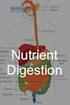 Topic 4: Digestion and Nutrition THE CONTENTS OF FOOD Food contains nutrients: Nutrients include: 1. 2. 3. 4. 5. Nutrients must be small enough to enter our cells. If they are too large they must be digested
Gastrointestinal Bleeding
 Gastrointestinal Bleeding Introduction Gastrointestinal bleeding is a symptom of many diseases rather than a disease itself. A number of different conditions can cause gastrointestinal bleeding. Some causes
1) Siderophores are bacterial proteins that compete with animal A) Antibodies. B) Red blood cells. C) Transferrin. D) White blood cells. E) Receptors.
 Prof. Lester s BIOL 210 Practice Exam 4 (There is no answer key. Please do not email or ask me for answers.) Chapters 15, 16, 17, 19, HIV/AIDS, TB, Quorum Sensing 1) Siderophores are bacterial proteins
Medical Nutrition Therapy for Upper Gastrointestinal Tract Disorders. By: Jalal Hejazi PhD, MSc.
 Medical Nutrition Therapy for Upper Gastrointestinal Tract Disorders By: Jalal Hejazi PhD, MSc. Digestive Disorders Common problem; more than 50 million outpatient visits per year Dietary habits and nutrition
Dietary emulsifiers impact the mouse gut microbiota promoting colitis and metabolic syndrome
 Dietary emulsifiers impact the mouse gut microbiota promoting colitis and metabolic syndrome Andrew T. Gewirtz et al N A T U R E VOL 519 5 M A R C H 2 0 1 5 Background Incidence of IBD Fact 1: increasing
Candida and Autism. Healthy Intestinal Flora
 of Candida Elimination An effective Candida treatment program ensures that the Candida is not just eliminated, but also corrects underlying imbalances, deficiencies and toxicities that could allow the
THE DIGESTIVE SYSTEM Secretion Graphics are used with permission of: Pearson Education Inc., publishing as Benjamin Cummings (http://www.aw-bc.
 THE DIGESTIVE SYSTEM Secretion Graphics are used with permission of: Pearson Education Inc., publishing as Benjamin Cummings (http://www.aw-bc.com) Page 1: Title Page Digestive system secretion involves
Pathophysiology of Diarrhea
 1. Pathophysiology of Diarrhea 2. Case Presentation Page - 1 3. Diarrhea is the too rapid evacuation of too fluid sto... 4. The Amazing Intestines helsenet.info Page - 2 5. : Slide 5 6. Diarrhea helsenet.info
Managing Clostridial Diseases in Cattle
 Managing Clostridial Diseases in Cattle Sheila M. McGuirk, DVM, PhD Introduction The many diseases of cattle that are attributed to Clostridial bacteria are shown in the following table. Clostridial type
THE DIGESTIVE SYSTEM
 THE DIGESTIVE SYSTEM What is digestion? Digestion is the process of breaking down food so that it's small enough to be absorbed and used by the body for energy or in other bodily functions. Digestion involves
Interpretation At-a-Glance INFECTION INFLAMMATION INSUFFICIENCY IMBALANCE. GI Effects Comprehensive Profile - Stool TEST
 3425 Corporate Way Duluth, GA 30096 Patient: MALE TET GI Effects Comprehensive Profile - tool Interpretation At-a-Glance INFECTION INFLAMMATION INUFFICIENCY Calprotectin Pancreatic Elastase 1 Fecal Fats
Bowel Control Problems
 Bowel Control Problems WOMENCARE A Healthy Woman is a Powerful Woman (407) 898-1500 Bowel control problems affect at least 1 million people in the United States. Loss of normal control of the bowels is
Approaches to Infection Control
 Approaches to Infection Control Considerations for PTAs in the Clinic Objectives Describe the basic characteristics of bacteria, viruses, fungi, and parasites. Discuss the locations, advantages, and disadvantages
Nursing college, Second stage Microbiology Dr.Nada Khazal K. Hendi L14: Hospital acquired infection, nosocomial infection
 L14: Hospital acquired infection, nosocomial infection Definition A hospital acquired infection, also called a nosocomial infection, is an infection that first appears between 48 hours and four days after
Care and Problems of the Digestive System. Chapter 18 Lesson 2
 Care and Problems of the Digestive System Chapter 18 Lesson 2 Care of the Digestive System Good eating habits are the best way to avoid or minimize digestive system problems. Eat a variety of foods Avoid
FUNCTIONAL BOWEL DISORDERS
 FUNCTIONAL BOWEL DISORDERS Contributed by the International Foundation for Functional Gastrointestinal Disorders (IFFGD) and edited by the Patient Care Committee of the ACG. INTRODUCTION Doctors use the
Hepatitis C. Laboratory Tests and Hepatitis C
 Hepatitis C Laboratory Tests and Hepatitis C If you have hepatitis C, your doctor will use laboratory tests to check your health. This handout will help you understand what the major tests are and what
Laparoscopic Surgery of the Colon and Rectum (Large Intestine) A Simple Guide to Help Answer Your Questions
 Laparoscopic Surgery of the Colon and Rectum (Large Intestine) A Simple Guide to Help Answer Your Questions What are the Colon and Rectum? The colon and rectum together make up the large intestine. After
TREATING INFLAMMATORY BOWEL DISEASE (IBD) BACKGROUNDER
 Press information for journalists only TREATING INFLAMMATORY BOWEL DISEASE (IBD) BACKGROUNDER Why treat IBD? IBD describes a range of chronic diseases of the gastrointestinal system, encompassing Ulcerative
Restore and Maintain treatment protocol
 Restore and Maintain treatment protocol Combating inflammation through the modulation of eicosanoids Inflammation Inflammation is the normal response of a tissue to injury and can be triggered by a number
Overview. Nutritional Aspects of Primary Biliary Cirrhosis. How does the liver affect nutritional status?
 Overview Nutritional Aspects of Primary Biliary Cirrhosis Tracy Burch, RD, CNSD Kovler Organ Transplant Center Northwestern Memorial Hospital Importance of nutrition therapy in PBC Incidence and pertinence
Blood Testing Protocols. Disclaimer
 Blood Testing Protocols / Page 2 Blood Testing Protocols Here are the specific test protocols recommend by Dr. J.E. Williams. You may request these from your doctor or visit www.readyourbloodtest.com to
D. Vitamin D. 1. Two main forms; vitamin D2 and D3
 D. Vitamin D. Two main forms; vitamin D2 and D3 H H D3 - Cholecalciferol D2 - Ergocalciferol Technically, vitamin D is not a vitamin. It is the name given to a group of fat-soluble prohormones (substances
Corporate Medical Policy
 Corporate Medical Policy File Name: Origination: Last CAP Review: Next CAP Review: Last Review: testing_serum_vitamin_d_levels 9/2015 2/2016 2/2017 2/2016 Description of Procedure or Service Vitamin D,
Develop an understanding of the differential diagnosis of pseudomembranous colitis
 Update on Clostridium difficile Colitis Clostridium difficile infection has recently emerged in populations without any known risk factors. This presentation will focus on the historical background, diagnosis,
The Digestive System
 School of Social Work The Digestive System Undergraduate researcher: Nancy D. Bergerson (2010). 1 The Digestive System breaks down and absorbs food. When food is eaten, it is not in a form the body can
Week 6: Digestive Health
 WEIGHT LOSS BEGINS WITH DIGESTIVE HEALTH Your digestive system is one of the most essential components of your entire body. According to a recent survey, people have a keen interest in digestive health
Inflammatory Bowel Disease
 Inflammatory Bowel Disease Laboratory Support of Diagnosis and Management CLINICAL BACKGROUND Inflammatory bowel disease (IBD), which includes Crohn disease (CD) and ulcerative colitis (UC), is characterized
Long Term Use of Antacid Medications Can Cause an Increased Risk for Osteoporosis and Much More
 Long Term Use of Antacid Medications Can Cause an Increased Risk for Osteoporosis and Much More By: Jeremie Pederson D.C., C.S.C.S. Many people are concerned about the FDA news release dated May 25, 2010
Celiac Disease. Donald Schoch, M.D. Ohio ACP Meeting October 17, 2014
 Celiac Disease Donald Schoch, M.D. Ohio ACP Meeting October 17, 2014 None to disclose Conflicts of Interest Format Present a case Do a pretest about the evaluation Review case Discuss the questions & answers
Breath Hydrogen Tests
 Breath Hydrogen Tests Breath hydrogen tests are very useful to help plan a low FODMAP diet. The tests have been around for many years - decades, in fact. However they were not regularly used in routine
The Immune System: A Tutorial
 The Immune System: A Tutorial Modeling and Simulation of Biological Systems 21-366B Shlomo Ta asan Images taken from http://rex.nci.nih.gov/behindthenews/uis/uisframe.htm http://copewithcytokines.de/ The
Diarrhea National Digestive Diseases Information Clearinghouse
 Diarrhea National Digestive Diseases Information Clearinghouse National Institute of Diabetes and Digestive and Kidney Diseases NATIONAL INSTITUTES OF HEALTH Diarrhea Diarrhea loose, watery stools occurring
The Immune System. 2 Types of Defense Mechanisms. Lines of Defense. Line of Defense. Lines of Defense
 The Immune System 2 Types of Defense Mechanisms Immune System the system that fights infection by producing cells to inactivate foreign substances to avoid infection and disease. Immunity the body s ability
1. Essay: The Digestive and Absorption Processes of Macronutrients
 Jenny Kim Professor Rosario Nutrition: Macronutrients Project June 26, 2014 1. Essay: The Digestive and Absorption Processes of Macronutrients Whenever we eat, the foods we ingest in our bodies undergo
Digestive System Why is digestion important? How is food digested? Physical Digestion and Movement
 Digestive System The digestive system is made up of the digestive tract a series of hollow organs joined in a long, twisting tube from the mouth to the anus and other organs that help the body break down
Probiotics for Gut Health
 Probiotics for Gut Health Peter Cartwright MSc MA Human Microbiota Specialist, Probiotics International Ltd. It is widely accepted that probiotics (beneficial microbes) improve the health of the intestine,
Controlling intestinal microflora with BioHealth, MicroHealth and LactoHealth. Below illustration shows clearly the effects of unbalanced microflora
 Controlling intestinal microflora with BioHealth, MicroHealth and LactoHealth Probiotics are products aimed at delivering living bacterial cells to the guts ecosystem of humans and other animals, whereas
Basics of Immunology
 Basics of Immunology 2 Basics of Immunology What is the immune system? Biological mechanism for identifying and destroying pathogens within a larger organism. Pathogens: agents that cause disease Bacteria,
Digestive System. About the Digestive System. How Digestion Works
 Digestive System The first step in the digestive process happens before we even taste food. Just by smelling that homemade apple pie or thinking about how delicious that ripe tomato is going to be, you
Importance of water for weight loss
 Importance of water for weight loss Most people do not drink enough water; one reason for this is because they have gotten out of the habit. If you are trying to lose weight, drinking plenty of water is
COMPOSITION: Each capsule contains clindamycin hydrochloride equivalent to 150 mg clindamycin base.
 APPROVED PACKAGE INSERT DALACIN C 150 mg CAPSULES SCHEDULING STATUS: S4 PROPRIETARY NAME (and dosage form): DALACIN C TM 150 mg (Capsules) COMPOSITION: Each capsule contains clindamycin hydrochloride equivalent
Adams Memorial Hospital Decatur, Indiana EXPLANATION OF LABORATORY TESTS
 Adams Memorial Hospital Decatur, Indiana EXPLANATION OF LABORATORY TESTS Your health is important to us! The test descriptions listed below are for educational purposes only. Laboratory test interpretation
Chapter. Guaiac Screening CHAPTER 4: GUAIAC TESTING SCREENING FOR OCCULT BLOOD. Page 1 of 5 Guaiac 3-5-02.doc 6/24/2005
 Chapter 4 Guaiac Screening CHAPTER 4: GUAIAC TESTING SCREENING FOR OCCULT BLOOD Page 1 of 5 Guaiac 3-5-02.doc 6/24/2005 Procedure: Guaiac Testing Screening for Fecal Occult Blood POLICY: The stool occult
H. Pylori and Other GI Pathogens
 Thank you for joining us for H. Pylori and Other GI Pathogens We will start promptly at 12 noon EST. Please note that until that time, the line will be silent. Thank you! Proudly Hosted by 1. All attendees
National Digestive Diseases Information Clearinghouse
 Diarrhea National Digestive Diseases Information Clearinghouse National Institute of Diabetes and Digestive and Kidney Diseases NATIONAL INSTITUTES OF HEALTH U.S. Department of Health and Human Services
Digestive System AKA. GI System. Overview. GI Process Process Includes. G-I Tract Alimentary Canal
 Digestive System AKA G-I Tract Alimentary Canal Overview GI System Consists of Mouth, pharynx, esophagus, stomach, small intestine, large intestine, anus About 30 in length Accessory Organs Teeth, tongue,
Digestion. What we ll cover. Main stages of digestion. Digestion: A Closer Look. A Tour of the Human Digestive System. Mechanical digestion
 Digestion What we ll cover What are the digestive system structures and their functions? Where does carbohydrate, protein and fat digestion and absorption occur? What are the 3 accessory organs of digestion?
Introduction. Pathogenesis of type 2 diabetes
 Introduction Type 2 diabetes mellitus (t2dm) is the most prevalent form of diabetes worldwide. It is characterised by high fasting and high postprandial blood glucose concentrations (hyperglycemia). Chronic
Irritable Bowel Syndrome
 Irritable Bowel Syndrome National Digestive Diseases Information Clearinghouse U.S. Department of Health and Human Services NATIONAL INSTITUTES OF HEALTH What is irritable bowel syndrome (IBS)? Irritable
Name (print) Name (signature) Period. (Total 30 points)
 AP Biology Worksheet Chapter 43 The Immune System Lambdin April 4, 2011 Due Date: Thurs. April 7, 2011 You may use the following: Text Notes Power point Internet One other person in class "On my honor,
SMALL AND LARGE INTESTINE SECRETIONS
 SMALL AND LARGE INTESTINE SECRETIONS Objectives At the end of lecture student should be able to know, Digestive system Digestive system secretions Small intestine Component of small intestine Intestinal
Endocrine System: Practice Questions #1
 Endocrine System: Practice Questions #1 1. Removing part of gland D would most likely result in A. a decrease in the secretions of other glands B. a decrease in the blood calcium level C. an increase in
In vitro co-culture model of the inflamed intestinal mucosa
 In vitro co-culture model of the inflamed intestinal mucosa Berlin, December 13, 2011 Eva-Maria Collnot, [email protected] Helmholtz Institute for Pharmaceutical Research Saarland Departement
Mini-Medical School on Infectious Diseases. Session #1 - Basic Science
 Mini-Medical School on Infectious Diseases Session #1 - Basic Science The Microbial World Michael V. Norgard, Ph.D., Chairman Department of Microbiology U.T. Southwestern Medical Center The Microbial World
NICE guideline Published: 2 September 2015 nice.org.uk/guidance/ng20
 Coeliac disease: recognition, assessment and management NICE guideline Published: 2 September 2015 nice.org.uk/guidance/ng20 NICE 2015. All rights reserved. Contents Key priorities for implementation...
Digestive System Functions
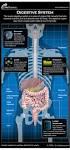 Digestive System Functions A. Gastrointestinal Processes 1. Ingestion: placing food in mouth (voluntary) 2. Propulsion: moving food through GI tract a. Peristalsis: alternating waves of contraction and
Nutrients: Carbohydrates, Proteins, and Fats. Chapter 5 Lesson 2
 Nutrients: Carbohydrates, Proteins, and Fats Chapter 5 Lesson 2 Carbohydrates Definition- the starches and sugars found in foods. Carbohydrates are the body s preferred source of energy providing four
Digestion, Absorption. How & where?
 Digestion, Absorption How & where? What happens to food? Three processes Digestion Absorption Elimination Where do they occur? GI tract Overview of Digestion GI tract Gastrointestinal (GI) tract: series
Veterinary Testing. Classes of Test
 Veterinary Testing Classes of Test July 2014 Copyright National Association of Testing Authorities, Australia 2014 This publication is protected by copyright under the Commonwealth of Australia Copyright
Digestion, Absorption. How & where?
 Digestion, Absorption How & where? What happens to food? Three processes Digestion Absorption Elimination Where do they occur? GI tract Overview of Digestion GI tract Gastrointestinal (GI) tract: series
Liver, Gallbladder, Exocrine Pancreas KNH 406
 Liver, Gallbladder, Exocrine Pancreas KNH 406 2007 Thomson - Wadsworth LIVER Anatomy - functions With disease blood flow becomes obstructed Bile All bile drains into common hepatic duct Liver Bile complex
Arthritis and Rheumatology Clinics of Kansas Patient Education. Reactive Arthritis (ReA) / Inflammatory Bowel Disease (IBD) Arthritis
 Arthritis and Rheumatology Clinics of Kansas Patient Education Reactive Arthritis (ReA) / Inflammatory Bowel Disease (IBD) Arthritis Introduction: For as long as scientists have studied rheumatic disease,
Beneficial Microflora in Honey Bee Colonies
 Beneficial Microflora in Honey Bee Colonies Diana Sammataro, Ph.D. USDA-ARS Carl Hayden Bee Research Center Tucson, AZ Our Website: http://gears.tucson.ars.ag.gov Lactobacillus spp. Bifidobacterium spp.