
Support Guide. Introduction
|
|
|
- Cody Adams
- 10 years ago
- Views:
Transcription
1 Support Guide Introduction This Support Guide is intended to help clinicians understand and use the GI Effects Comprehensive Profile, a select set of fecal biomarkers aimed at identifying key processes that influence both gastrointestinal and overall health.

2 Table of Contents Interpretation-At-A-Glance Synthesis... 3 Four Functional Pillars Diversity and Abundance Biomarker Review... 4 Organization of the Biomarker Review Graphical Representation and Color Coding for Biomarkers Digestion and Absorption... 7 Pancreatic Elastase-1 (PE1) Products of Protein Breakdown Total Fecal Fats and Immunology Calprotectin Eosinophil Protein X (EPX) Fecal Secretory IgA (siga) Lactoferrin (Add-on) Gastrointestinal Microbiome Products: Short-Chain Fatty Acids Beta-glucuronidase Commensal Bacteria Individual Commensal Bacteria Firmicutes/Bacteroidetes Ratio Bacteriology (Culture) Additional Bacteria (Culture) Mycology (Culture) Parasitology Common Parasitic Protozoans Bacteria Sensitivity Mycology Sensitivity Additional Tests Color Consistency Occult Blood Pathogenic Bacteria (Add-on) Pathogenic Bacteria by EIA References Gut Microbiota Clinical Summary

3 Leading the Evolution in Gut Health Assessment Interpretation-At-A-Glance Synthesis The test report is organized so that the clinician may move through the results in a logical order that enhances clinical utility, beginning with the Interpretation-At-A-Glance Synthesis Page. Using evidence-based rules and weighted algorithms, this page synthesizes patient test results into key functional areas of clinical significance and provides a directional indication of potential next steps in patient management. The Interpretation-At-A-Glance page is divided into two major sections: 1) Four Funtional Pillars, and 2) Diversity and Abundance. Four Functional Pillars Pertinent biomarkers have been grouped into four clinically actionable areas: LOW MEDIUM HIGH Infection Insufficiency (Digestive) Imbalance () INFECTION INFLAMMATION INSUFFICIENCY IMBALANCE The four functional pillars utilize a proprietary algorithm to evaluate key clinical markers in the four functional areas. The algorithm takes into account the level of each individual biomarker and its degree of clinical impact. As a result, an overall score of high, medium, or low is provided for each functional pillar. The score is represented by color-coded icons and informational graphics. The specific biomarkers of concern that are utilized to establish the results for each functional pillar are listed in the Four Functional Pillars Biomarker Map. Four Functional Pillars Biomarker Map Infection Insufficiency Imbalance any parasite present any pathogen present Diversity and Abundance Calprotectin PE1 n-butyrate EPX Total Fecal Fats Total SCFA Fecal IgA Total Protein Products Betaglucuronidase Lactobacillus Bifidobacterium E. coli It is now known that the human GI tract is home to more than 1000 species of microbial organisms, almost all of them bacteria. These organisms collectively known as the microbiome far outnumber the human cells in any individual and fulfill many metabolic functions. 1-3 It is becoming evident that many factors go into developing and maintaining what might be called a healthy microbiome, but this emerging area of biology is vastly complex. Indeed, prior to very modern analytic developments, there was no way to understand either the number or the functions of the tremendous population of organisms making up the human GI microbiota. Recent developments rely on DNA or RNA patterns, and by comparing detected sequences with libraries of known organisms, laboratories can now detect a tremendous number and variety of organisms. One of the first fruits of this new technology is the discovery that, while the entire pool of possible members of the microbiota is large (> 1000 species), a much smaller number, 150 to 170 species, is found to predominate in any given individual. Utilizing a molecular assay platform optimized for stool analysis, GI Effects assesses a set of clinically relevant 24 genera/species that map to 7 major phyla. GI Effects utilizes 16S rrna gene polymerase chain reaction (PCR) amplification techniques. The improved method offers an enhanced DNA extraction method, updated primer sequences, and optimized thermal cycling for an enhanced reportable range. After detection of these organisms, a computer algorithm is used to map them into a graphic representations of diversity association and relative abundance. Diversity is a proxy measure of gut biodiversity, which is defined as the number and abundance of distinct types of organisms present in the gut. 4 The clinical utility of biodiversity of the gut microbiome is not yet fully defined, but in general a high diversity of GI organisms has been associated 3

4 with states of relatively good health, while low diversity has been associated with states of disease or chronic dysfunction in the scientific literature. Relative Abundance represents the levels of selected phyla in an individual s microbiome and is represented relative to similar measures derived from a healthy cohort of individuals. DIVERSITY ASSOCIATION HIGHER RELATIVE ABUNDANCE For these reasons, the results from the GI Effects Comprehensive Profile are reported using the DIG framework, which provides information on the three main categories of GI function: Digestion and Absorption reports on the effectiveness of GI breakdown and absorption of nutrients from ingested food. This category contains: Pancreatic Elastase-1 (PE1), a marker of exocrine pancreatic function Products of Protein Breakdown identifies bacterial fermentation of proteinaceous material Fecal Fat, a marker of fat maldigestion and malabsorption LOWER An algorithm is also used to graphically represent the microbial diversity and relative abundance of the commensal bacteria. The Diversity is a proxy measure of the diversity level of organisms in the gut. The impact of each commensal genera/ species is weighted based on its association with high and low bacterial diversity. The Relative Abundance represents the size of each of the phyla as calculated by the assessed commensal organisms and is shown in comparison to the levels seen in a defined healthy cohort. Measuring diversity association and relative abundance serve as global measures of an individual s gut health. Monitoring these markers over time provides insight into the impact of medications, supplements, diet, and lifestyle interventions on current and future health. Specific treatments, as directed by the results of the four functional pillars, would be expected to produce positive responses in the diversity and abundance of gut bacteria. Biomarker Review PATIENT RESULTS HEALTHY COHORT Bacteroidetes Phylum Firmicutes Phylum Actinobacteria Phylum Proteobacteria Phylum Euryarchaeota Phylum Fusobacteria Phylum Verrucomicrobia Phylum Modern technology allows the use of a growing number of biomarkers found in stool to supplement, and often supplant, more invasive and generally more expensive tests of GI function. While the most obvious role of the human gastrointestinal (GI) tract is the incorporation of nutrients and energy from the diet, and the elimination of waste products and toxins, it is now clear that functions of the GI tract influence, not only GI health, but that of the entire human organism. and Immunology reports on the functioning of the inflammatory response and the secretory immune system in the GI tract. This category contains: Calprotectin, a marker of neutrophil activity and inflammation Eosinophil Protein X, a marker of eosinophil activity and inflammatory, allergic, and parasitic influences Fecal secretory IgA (fsiga), a marker of secretory immune function, GI mucosal defense, and the maintenance of gut barrier function Gastrointestinal Microbiome reports on the status and function of the hundreds of microbial species (chiefly bacteria and fungi) that constitute the non-host living contents of the human GI tract. This category contains the following subcategories and their constituents:, a series of biomarkers that indicate the microbial production of beneficial molecules including metabolites of incompletely-digested nutrients, as well as enzymes involved in the trafficking of biliary conjugate molecules. This subcategory contains: Short-chain fatty acids (SCFAs), markers of colonic fermentation of carbohydrates into SCFAs required for colonocyte health and signaling Beta-glucuronidase, an enzyme involved in carbohydrate digestion and lysis of bonds linking bioactive molecules to their glucuronide conjugates Commensal Bacteria (Polymerase Chain Reaction PCR), a listing of the levels of 24 major bacterial genera/species in 7 major phyla of commensal organisms, i.e., organisms known to exist symbiotically with humans, sharing and exchanging metabolic functions. Increasing evidence suggests that the makeup and metabolic functions of the commensal bacteria in the human microbiome are essential to maintenance of general homeostasis and health of the host organism. 4

5 PCR can evaluate anaerobic targets and provides quantification of each target, giving a semiquantitative result. A 25 th biomarker is also provided in this section, the Firmicutes/Bacteroidetes Ratio (F/B Ratio). The F/B ratio provides an estimate of the predominance of two major phyla of commensal organisms, which has been associated with a number of metabolic disorders. Bacteriology (Culture), a listing of both commensal and additional bacteria grown in traditional culture media. This familiar suite of tests complements targeted commensal bacterial detection by PCR methods by identifying the presence of hundreds of additional bacterial species, including opportunistic/potentially pathogenic bacteria, which may be indicators of imbalance in the gut microbiome. Mycology (Culture) detects fungal organisms using traditional culture techniques. Cultured organisms, both bacteria and mycology, are definitively identified using MALDI-TOF (Matrix Assisted Laser Desorption Ionization Time-of-Flight) technology. The MALDI-TOF mass spectrometry platform utilized for the rapid identification of bacteria and yeast from pure cultures on the GI Effects Comprehensive Profile report relies on the most extensive FDA-cleared library of microbial targets available on the market. Culture identifies all viable cultivable organisms, and is the accepted standard for assessment of aerobic organisms. Parasitology detects intestinal parasites by means of two complementary techniques: Ova and Parasites (O&P); microscopic examination using light microscopy Parasitology Enzyme ImmunoAssay (EIA) tests, which can detect specific pathogenic organisms of interest; this test panel detects Cryptosporidium species, Giardia lamblia, and Entamoeba histolytica. Bacteria Sensitivity lists cultured bacterial pathogens and their relative susceptibility to both prescription and natural antimicrobial agents. Mycology Sensitivity lists cultured fungal pathogens and their relative susceptibility to both prescription and natural antimicrobial agents. The GI Effects Comprehensive Profile report concludes with a section on Additional Results. These include time-honored characteristics of fecal specimens such as occult blood, color, and consistency, as well as the option to add on specific EIA testing for certain known pathogens, including Helicobacter pylori stool antigen, Campylobacter species, Clostridium difficile, and Shiga toxin-producing strains of E. coli. Organization of the Biomarker Review In the following sections, Each biomarker is first identified and described The candidate patient population for the biomarker is described The comparator or existing gold standard for the biomarker is presented (if established), along with performance characteristics of the fecal biomarker when appropriate The interpretation of the fecal biomarker is discussed, including the significance of out-of-range results Desirable outcomes and therapeutic recommendations are discussed, indicating how the specific test might benefit patients in a variety of clinical settings Graphical Representation and Color Coding for Biomarkers In addition to a numeric result and a stated reference range for each result, all biomarker results on the GI Effects report are graphically represented and color coded in the context of a specific reference population by means of quintile reporting or medical decision point reporting. Quintile reporting permits the clinician to recognize at a glance where each individual patient result falls compared to the distribution of results for the reference population, which is often (but not always) a representative sample of the entire population that the laboratory has tested for each biomarker. After rank ordering each individual test result from lowest to highest, the 5

6 ID: Page 3 Gastrointestinal Microbiome Pancreatic Elastase 1 Pancreatic Elastase >200 mcg/g >200 m Products of Protein Breakdown Products (Total) of Protein Breakdown 2.8 (Total) 2.8 (Valerate+Isobutyrate+Isovalerate) (Valerate+Isobutyrate+Isovalerate) micromol/g Fecal Fat (Total*) Fecal Fat (Total*) mg/g Triglycerides Triglycerides mg/g Long Chain Fatty Acids Long Chain Fatty Acids mg/g Result reference population is divided into 5 equal groups, or quintiles, Reference An example Range MDP reporting bar for a normal calprotectin result CFU/g stool CFU/g stool where each group represents 20% of the total count of individual is shown here: results in the reference population. 4.3E7 7.3E6-2.3E9 and Immunology and Immunology Cholesterol Cholesterol mg/g Phospholipids Phospholipids mg/g Calprotectin Calprotectin <= 50 mcg/g <= 50 The following example shows a patient s result (black diamond) E8 that lies in the middle of the 4 th Eosinophil Protein <4.6E9 X (EPX) 1.4 <= 7.0 mcg/g quintile. The diamond placement below ID: Fecal siga indicates that approximately 70% of all patients in the Page <1019 mcg/g <DL <3.3E8 reference population for this biomarker had results that are lower This fecal calprotectin Gastrointestinal result Microbiome of Gastrointestinal <= 50 mcg/g stool Microbiome in a patient 5.6E7 than this patient s result GI GI Effects Comprehensive <2.0E8 meeting Profile Rome Stoolcriteria for Irritable Bowel Syndrome () SCFA (Total*) virtually SCFA (Total*) Methodology: GC/MS, Automated Chemistry, EIA EIA Results excludes the likelihood of Inflammatory Bowel Reference Range Gastrointestinal Microbiome (Acetate, n-butyrate, Propionate) (Acetate, n-butyrate, Propionate) 8.6E5 2.4E5 - Disease; 3.0E7 however, a fecal calprotectin result above 120 would 2200 GI Effects Comprehensive Profile Digestion Stool and Absorption be a strong indication for additional evaluation (perhaps Result Methodology: GC/MS, Automated n-butyrate Chemistry, % EIAReference Range 6.4E6 <6.1E7 Results 15.4 Reference Range % Pancreatic Elastase 1 1 including colonoscopy) to determine the specific etiology >200 of the mcg/g CFU/g stool Lower Higher CFU/g stool Acetate% inflammatory Digestion process and Absorption % Products GI GI of of Effects Protein Breakdown Comprehensive (Total) Profile Profile Stool Stool 4.3E7 1.5E5 (Valerate+Isobutyrate+Isovalerate) 7.3E6 7.8E3-2.3E9 8.6E Propionate% % Pancreatic Methodology: GC/MS, Elastase GC/MS, 1 Automated Chemistry, EIA EIA Results 606 Results Reference >200 mcg/g Range Since 88% of patients with GI symptoms have a fecal calprotectin Fecal Fat (Total*) Beta-Glucuronidase mg/g U/g 1.2E8 2.7E9 <4.6E9 3.1E8 - result 3.2E10 Digestion and and Absorption Products of Protein Breakdown (Total) 2.8 < 50, a quintile graphical representation would restrict all (Valerate+Isobutyrate+Isovalerate) Triglycerides mg/g mg/g The quintile reporting bar is denominated in percentile units and clinically significant values (those above 50) to the right hand side 2.7E7 Pancreatic Elastase Elastase 1 1 <DL the color thresholds on the bar approximate standard deviation <3.3E8 <2.0E >200 >200 mcg/g mcg/g Fecal Long Fat (Total*) Chain Fatty Acids of the reporting bar on the far side of the 5th quintile mg/g Products Products (SD) thresholds, assuming a normal distribution. of Protein of Protein Breakdown (Total) (Total) In general, for 8.2E8 Triglycerides Cholesterol 1.6 (Valerate+Isobutyrate+Isovalerate) mg/g mg/g mg/g 5.6E7 a 2-tailed test as illustrated above, the green region includes plus <2.0E8 1.2E5-7.1E7 Phospholipids For the sake of illustration, consider how results reporting for mg/g mg/g Fecal Long Fat (Total*) Chain Fatty Acids mg/g mg/g or minus 1 SD from the population mean, or 68.2% of all results. a patient with an initial calprotectin value of 150 mcg/g and 8.6E5 6.9E8 Cholesterol The yellow areas include plus or minus 2 SD from the population 2.4E5 1.5E7 - subsequent 3.0E7 7.6E9 1.6 Triglycerides 2.0 value of and 60 Immunology mg/g mcg/g would appear in quintile 0.3 and mg/g Phospholipids mg/g mean, and encompass 95.4% of the distribution, and the red area MDP representations. 6.4E6 2.9E7 Calprotectin Long Chain Fatty Acids <6.1E7 1.2E5-2.1E <= <= mcg/g mg/g represents the remainder of the population that falls *Total outside Value equals of the sum of *Total all measurable Value equals parts. the sum of all 2 measurable 2 parts. 7 7 Eosinophil Cholesterol Protein X mg/g These X (EPX) results are not represented These by results quintile and Immunology are values. not represented by quintile values. <= <= mcg/g 2 SD in either direction. 1.5E5 2.8E9 Phospholipids Tests were developed 7.8E3 1.7E8 and their - 8.6E5 4.1E9 performance 6.9 characteristics determined 50 by Genova 120 Diagnostics.Unless otherwise noted 0.2 with mg/g Calprotectin Fecal siga siga have not been cleared or approved have Quintile not by the been 622 U.S. cleared Food or and approved Drug Administration. by the U.S. Food and Drug Administration. <= < mcg/g mcg/g Eosinophil Protein X (EPX) 1.4 <= 7.0 Fecal siga 622 <1019 Patient: JANE DOE DOE ID: ID: Page 2 2 Patient: JANE DOE ID: Page 2 Reference > = 23.3 micromol/g Range n-butyrate Concentration n-butyrate Concentration > = 3.6 micromol/g > = 3.6 Patient: Patient: JANE JANE DOE DOE n-butyrate % ID: ID: 15.4 Page Page Acetate% Propionate% micromol/g Reference Range Fecal Fat (Total*) Beta-Glucuronidase mg/g micromol/g Long Chain Fatty Acids mg/g micromol/g Fecal Fat (Total*) mg/g Triglycerides mg/g Long Chain Fatty Acids mg/g Cholesterol mg/g Phospholipids Tests were developed 6.9 and their performance characteristics determined by Genova Diagnostics.Unless 0.2 -, 6.9 the mg/g assays otherwise noted with Genova Diagnostics Robert M. David, PhD, Lab Director CLIA Lic. #11D Medicare Lic. # Georgia Lab Lic. Code # E9 8.9E8 By examining the quintile reporting Eosinophil bar for each Protein biomarker X Genova (EPX) Diagnostics Robert 3.1E8 1.2E8 M. David, - 3.2E10 6.9E11 PhD, Lab Gastrointestinal Director 1.4 CLIA Lic. #11D and and Microbiome Medicare Immunology Lic. # Georgia Lab Lic. Code # <= 7.0 mcg/g New York Clinical Lab PFI #4578 Florida New Clinical York Clinical Lab Lic. Lab # PFI #4578 Florida Clinical Lab Lic. # in the context of the numerical result and reference range, the Fecal Calprotectin siga <= < mcg/g mcg/g 2.7E7 1.4E6 MDP clinician can quickly identify results calling for closer clinical <2.0E8 2.6E5-1.0E SCFA (Total*) consideration. In conjunction with the Eosinophil patient s Protein history X (EPX) Gastrointestinal and Microbiome <= 7.0 mcg/g (Acetate, n-butyrate, Propionate) 8.2E8 <DL physical findings, biomarker results trending towards or outside <1.5E10 Fecal siga 1.2E5-7.1E7622 <1019 mcg/g of 2 SD may require additional evaluation. SCFA (Total*) Thus, the MDP colorimetric reporting bar facilitates visualization <DL <1.3E (Acetate, Gastrointestinal Microbiome 6.9E8 n-butyrate n-butyrate, % Propionate) 1.5E7 - of 7.6E9 a clinically 15.4 significant improvement in fecal calprotectin levels 33.3 % Quintile reporting may also be useful when Acetate% serial testing is used, (e.g results from 150 mcg/g to 60 mcg/g) better than a 48.1 quintile % 1.4E8 1.5E7-3.7E9 2.9E7 to assess movement in either direction, SCFA SCFA and (Total*) (Total*) as a monitoring tool 1.2E5 reporting 2.1E bar (e.g. from 95th percentile to 90th percentile). 5 (Acetate, Propionate% n-butyrate (Acetate, % n-butyrate, Propionate) % 33.3 % <DL for effectiveness of interventions. <2.8E7 2.8E9 Acetate% 1.7E8-4.1E % Calprotectin 19.7 <= 50 mcg/g Eosinophil Protein X (EPX) 1.4 > = > 23.3 = <= micromol/g mcg/g Fecal siga 622 <1019 mcg/g n-butyrate Concentration > = > 3.6 = 3.6 micromol/g > = 23.3 micromol/g n-butyrate % % n-butyrate Acetate% Concentration > = micromol/g 69.2 % > = > 23.3 = 23.3 micromol/g Propionate% % Beta-Glucuronidase n-butyrate Concentration > 368 = 368 > = U/g micromol/g U/g 6.0E7 Some biomarkers have established threshold Propionate% n-butyrate values % % associated 5.5E4-7.9E % % % 8.9E8 1.2E8 6.9E11 with specific clinical conditions, histopathological Beta-Glucuronidasefindings, or Acetate% % U/g % 3.9E6 recommended clinical interventions. These biomarkers are not <2.8E7 1.4E6 2.6E5-1.0E8 reported using the quintile system but instead Propionate% are reported on a % % <DL <DL colorimetric graphical bar denominated Beta-Glucuronidase in the same laboratory <1.9E U/g U/g <1.5E10 measurement units as the biomarker result. The color-coded 1.9E4 <DL thresholds are defined by specific Medical Decision Points, or <1.3E9 <4.8E5 MDPs. For example, fecal calprotectin, PE1, and eosinophil 1.4E8 1.8E7 protein X all have reference ranges based on a clinically 1.5E7 >1.7E6-3.7E9 characterized healthy reference population *Total Value (i.e. equals not the a the sum symptomatic sum of of all all measurable parts. <DL tested population) and cutoff points indicating These results are a are normal not not represented result, by <2.8E7 by a quintile values. Tests were were developed and and their their performance characteristics determined by by Genova Diagnostics.Unless otherwise noted with with, the, the assays borderline or weakly positive result, have and have not an not been abnormal been cleared or or approved strongly by by the the U.S. U.S. Food and and Drug Drug Administration. epresents 6.0E7 positive the proportion result. of the reference population *Total Value with equals results the sum below of all measurable detection 5.5E4 - parts. 7.9E8 limit. These results are not represented by quintile values. Genova Diagnostics Robert M. M. David, David, PhD, PhD, Lab Lab Director CLIA CLIA Lic. Lic. #11D Medicare Lic. Lic. # Georgia Lab Lab Lic. Lic. Code Code # splayed in a computer version of scientific notation, New Tests New York York were Clinical where developed Lab Lab PFI the PFI #4578 #4578 capital and their Florida letter performance Clinical Lab E Lab Lic. Lic. indicates characteristics # the determined expo- by Genova Diagnostics.Unless otherwise noted with, the assays 3.9E6 <2.8E7 0). have not been cleared or approved by the U.S. Food and Drug Administration. *Total *Total Value Value equals equals the the sum sum of all of all measurable parts. parts. ated <DL by utilizing the lowest and highest values Genova These of These the Diagnostics results reference results are Robert are not M. not range David, represented PhD, for Lab by individual <1.9E8 Director quintile by quintile CLIA values. organisms values. Lic. #11D Medicare Lic. # Georgia Lab Lic. Code # New Tests York Tests were Clinical were Lab developed PFI #4578 and Florida and their their Clinical performance Lab Lic. # characteristics determined by Genova by Genova Diagnostics.Unless otherwise noted noted with with, the, the assays assays have have not not been been cleared cleared or or approved by the by the U.S. U.S. Food Food and and Drug Drug Administration. 1.9E4 <4.8E5 LIA Lic. #11D Medicare Lic. # Georgia Genova Genova Lab Diagnostics Lic. Diagnostics Code Robert # Robert M. David, M. David, PhD, PhD, Lab Director Lab Director CLIA CLIA Lic. Lic. #11D Medicare Medicare Lic. # Lic. # Georgia Georgia Lab Lic. Lab Code Lic. Code # # New New York York Clinical Clinical Lab PFI Lab #4578 PFI #4578 Florida Florida Clinical Clinical Lab Lic. Lab Lic. # E76 >1.7E6 > = 23

7 Digestion and Absorption For proper nutrition and gastrointestinal (GI) function, ingested nutrients must first be broken down (digested, in a biochemical sense), and the products of digestion must then be absorbed through a variety of physical and biochemical processes. Biomarkers of digestion and absorption provide information about nutrient breakdown and entry into the circulation. They ultimately indicate how well the GI tract is performing its basic digestive functions. The biomarkers are: Pancreatic Elastase-1, a marker of exocrine pancreatic function Products of Protein Breakdown, markers of undigested protein reaching the colon Fecal Fat, a marker of fat breakdown and absorption In good health, digestion is accomplished in several steps. First by chewing and other physical processes, and then by the actions of stomach acid and a host of enzymes produced in the pancreas and small intestine, breaking down the three major components of food: complex carbohydrates (starches), proteins, and fats. Absorption of the resulting products of digestion then occurs by several distinct processes. Damage to, or impairment of, any of the processes involved in digestion or absorption results in two main problems: inadequate net absorption of nutrients, producing absolute or relative nutrient deficiencies, and/or delivery of intact nutrients to the colon, where gut microbes may inappropriately digest or ferment nutrients. Such fermentation results in byproducts leading to excessive osmotic loads and gasses, leading to abdominal discomfort, diarrhea, flatulence, and other common symptoms. 6 Maldigestion is defined as impaired breakdown of nutrients, and is often the result of inadequate or impaired digestive enzymes (or gastric acid production), while malabsorption refers to impairments in absorption of the normal end products of digestion. 7 When faced with a patient experiencing sub-acute or chronic GI symptoms, it is the task of the clinician to discern which, if any, of these processes is occurring, and then, if possible, to identify one or more underlying, primary causes. Finally, in many cases, once a primary cause has been identified, a rational and usually simple course of therapy may be prescribed, with the goal of repairing the underlying pathological processes. In many cases, fecal biomarker testing is useful in discerning whether maldigestion, malabsorption, or both, are present. Such testing is also helpful in identifying the underlying causes, for which treatment may be available. Pancreatic Elastase-1 (PE1) The Biomarker The exocrine portion of the pancreas (the cells and structures not related to endocrine functions, such as insulin production) secretes numerous digestive enzymes, among them PE1 PE1 is a robust proteolytic enzyme that reaches the colon without itself being digested, is not greatly affected by increases or decreases in intestinal transit times, and is not affected by pancreatic enzyme replacement therapy The PE1 reference range was adopted from an FDA-approved kit Biomarker Key Points Noninvasive biomarker of pancreatic exocrine (i.e., digestive) function Is not affected by supplemental pancreatic enzymes Reflects true pancreatic exocrine function 8 Fecal PE1 testing can be used for initial determination of pancreatic exocrine insufficiency in suspected patients, as well as the monitoring of pancreatic exocrine function in patients under treatment. Patient Populations of Interest Patients in whom PE1 testing may be useful include those with: Unexplained diarrhea Weight loss Other symptoms of maldigestion Abdominal pain Including symptoms meeting clinical criteria for irritable bowel syndrome () Low bone density In addition, pancreatic exocrine insufficiency may occur secondary to: Chronic pancreatitis Diabetes Celiac disease Cystic fibrosis Inflammatory bowel disease (IBD) Excessive alcohol consumption Gallstones Fecal PE1 testing can be used for initial determination of pancreatic exocrine insufficiency in suspected patients 7

8 There is also evidence that aging populations may exhibit a progressive loss of PE1, since pancreatic exocrine function may decrease with age Comparator/Gold Standard Tests PE1 has a strong correlation with the gold-standard test for pancreatic insufficiency, the secretin-caerulein test. 8,15 (Caerulein is a synthetic analog for pancreozymin and stimulates pancreatic activity in a similar manner.) Interpretation Fecal PE1 Value (µ/g) Interpretation 16,17 > 200 Normal exocrine pancreatic function 100 to 200 Mild-to-moderate exocrine pancreatic insufficiency < 100 Severe pancreatic insufficiency Results are based on MDPs and are not represented by quintile values. Notes on Interpretation Fecal PE1 testing may have reduced sensitivity for detecting mild pancreatic exocrine insufficiency in children. 18 Consumption of vegetarian or vegan diets, or other diets involving decreased meat intake, have been associated with reductions in fecal PE1. 19,20 Pancreatic exocrine insufficiency occurs in about 50% of type 1 diabetics, and in about 33% of type 2 diabetics. 21 Chronic pancreatitis patients may have compromised antioxidant systems. 6 Outcomes and General Therapeutic Considerations Patients with PE1 results suggestive of exocrine pancreatic insufficiency should undergo further investigation to determine the underlying causes of their dysfunction, as shown in the following table: Additional Testing Evaluation of fecal fats 22 Full nutritional assessment Rationale Supporting the Patient with Evidence of Pancreatic Exocrine Insufficiency Excess fecal fat may be due to: Lack of bile acids (due to liver damage, hypolipidemic drugs, or impaired gallbladder function) Celiac disease Small bowel bacterial overgrowth Other conditions and medications (e.g., Orlistat) Defective exocrine pancreatic function may be associated with: Abnormal blood lipids Low levels of minerals (magnesium, zinc, selenium, and calcium) Low levels of fat soluble vitamins (A, D, E, and K) 23 Certain lifestyle, medication, and supplement interventions may be appropriate for patients with abnormal fecal PE1 results suggestive of pancreatic exocrine insufficiency. Lifestyle Support 23 Small, frequent meals (better absorbed) Reduce alcohol consumption Smoking cessation Medication/Supplement Support 22,24-26 Support patients with pancreatic exocrine insufficiency by pancreatic enzyme replacement therapy (PERT) at doses appropriate for degree of insufficiency and based on symptom improvement; in some conditions PE1 levels normalize as underlying disorders improve 27 (improved PE1 levels reflect functional improvements, not supplementary enzymes) 8

9 Products of Protein Breakdown The Biomarker When proteins or their digestion products (oligopeptides and amino acids) reach the distal colon, they are fermented by colonic organisms (proteolytic fermentation) into a group of compounds including the characteristic short-chain fatty acids (SCFAs), isovalerate, isobutyrate, and valerate. Biomarker Key Points Normal protein digestion and absorption is relatively complete in stomach and small intestine Healthy colonic contents therefore include only small amounts of protein-derived SCFAs Protein fermentation can yield a diversity of end products, including SCFAs, amines, phenols, indoles, thiols, sulfur compounds and branched-chain fatty acids 28 Though many have shown toxic properties in vitro and in animal models, the relationship between gut health and protein fermentation in humans has not been thoroughly investigated Primary colonic SCFAs from protein breakdown are valerate, isovalerate, and isobutyrate 16,17 The result on the GI Effects report reflects a combined total of valerate, isovalerate, and isobutyrate measurements Patient Populations of Interest Pancreatic exocrine insufficiency or pancreatitis; insufficient pancreatic proteases leave improperly-digested protein fragments that reach the colon 37,38 Excessive protein intake 39 Gastrointestinal bleeding or irritation, mucosal desquamation, and bacterial overgrowth; these conditions result in excessive self-derived proteins in the intestinal lumen 40 Comparator/Gold Standard Tests Currently there is no gold standard assessment for fecal products of protein breakdown. Products of Protein Breakdown are utilized as a contributory diagnostic tool. Testing for fecal nitrogen may indicate the presence of protein malabsorption, but fecal nitrogen is difficult to measure and is not in widespread clinical use. 41 Interpretation The result for products of protein breakdown reflects the sum of fecal valerate, isovalerate, and isobutyrate. On the GI Effects test report, the value is shown against a background representing population quintiles, as described in the introduction. Outcomes and General Therapeutic Considerations Patients with elevated products of protein breakdown should be evaluated for common causes of insufficient protein digestion and/or excessive protein presenting to the colon. Patients with protein maldigestion, or those with abnormally large amounts of protein presented to the distal colon, may demonstrate increased products of colonic protein breakdown in the stool. Increased fecal presence of products of protein breakdown may be present in patients with: Source of Elevated Colonic Products of Protein Breakdown Insufficient Protein Digestion 33,34 Possible Causes Hypochlorhydria Pancreatic exocrine insufficiency Therapeutic Response Reduce acidblocking medications Add betaine HCl Evaluate fecal PE1 Hypochlorhydria (diminished hydrochloric acid secretion in the stomach), which is associated with: 32 Advanced age: in roughly 30% of elderly patients, gastric acid secretion is diminished Use of acid-blocking medications or dietary supplements that produce too high a gastric ph to allow for complete protein digestion in the stomach 33 Excessive delivery of protein to colon 42 High-proein diet GI irritation/ inflammation, bleeding, bacterial overgrowth Review protein/ carbohydrate intake Additional testing, e.g., fecal calprotectin, fecal eosinophil protein X (EPX), fecal occult blood, stool culture for beneficial bacteria Food reactions; elevated gastric ph (less acidic) has been associated with increased risk for food reactions, possibly from hindering protein breakdown

10 Total Fecal Fats The Biomarker Under normal conditions, the bulk of dietary fat is digested and absorbed in the small intestine, leaving only small amounts for delivery to the colon and fecal stream. Fecal fat measurements determine the amount of fat in stool, and may therefore identify fat maldigestion, malabsorption, or steatorrhea. Biomarker Key Points The test is a fecal fat extraction method that results in a quantitative value. Fecal fat extraction methods have been found to correlate with degree of fat malabsorption. 43 Total fecal fat is made up of long-chain fatty acids (LCFAs), cholesterol, triglycerides, and phospholipids. Patient Populations of Interest Fecal fats should be measured in any patient for whom steatorrhea (passage of pale, bulky, and malodorous stools) may be a symptom of underlying digestive or non-digestive disorders. Symptoms suggesting evaluation of fecal fat as a means of detecting root causes include: Fatigue Unexplained anemia Nutrient deficiencies Unintended weight loss Comparator/Gold Standard Tests The 3-day stool collection with total fecal fat determination is the gold standard test for fecal fat. This test is unwieldy and unpleasant for patients and lab personnel. The total fecal fat extraction on a single specimen provides a quantitative value to identify patients that may benefit from the more in-depth 3-day test. Limited research has found extraction methods to correlate with the gold-standard. 43 Interpretation Total fecal fat is the sum of fecal triglycerides, long-chain fatty acids, cholesterol, and phospholipids. Fecal fats are reported using the quintile system. Outcomes and General Therapeutic Considerations Fecal fat may be elevated in situations of fat maldigestion, such as: Pancreatic exocrine insufficiency (inadequate lipase production or delivery) Causes include chronic pancreatitis and cystic fibrosis Bile salt insufficiency (inadequate solubilization of fats for digestion) Causes include liver damage, hypolipidemic drugs, impaired gallbladder function Hypochlorhydria (inadequate stomach acid) Causes include aging and gastric acid-lowering drugs Small intestinal bacterial overgrowth and resulting acidic small-intestinal ph (impairment of small intestinal digestive enzymes) 15,30 Use of medications designed to impair intestinal lipase activity (Orlistat, Xenical, Alli), or use of synthetic fat-like products indigestible by normal lipase (Olestra) Elevated fecal fat may be associated with deficiencies in fat-soluble nutrients, so consider nutritional assessment of essential fatty acids, fat-soluble vitamins, and minerals. 48,49 Fecal fat may also be elevated in situations of fat malabsorption, such as: Intestinal dysbiosis Intestinal parasites Gastric bypass, ileal resection, or other surgeries that limit absorptive surface area Finally, fecal fat may be elevated in patients with: Irritable bowel syndrome (often as a symptom of pancreatic exocrine insufficiency) Inflammatory bowel disease Food intolerances 50 Celiac disease Excessive alcohol intake Chronic use of non-steroidal anti-inflammatory drugs (NSAID) 51 10

11 Supporting the Patient with Elevated Fecal Fat Levels Depending on root causes, patients with elevated fecal fat levels can be supported as follows: 6,45-47,52-54 Suspected Cause of Elevated Fecal Fat Pancreatic exocrine insufficiency of bile formation/ transport (cholestasis) Lipase inhibitors (orlistat, Xenical, Alli) or synthetic fat consumption (Olestra) Support Measures Supplementary plant or pancreatic digestive enzymes Bile salts or cholagogues, taurine or glycine Diet changes Discontinue these products Rationale Lipases increase fat digestion Enhance intestinal fat solubilization Permit normal fat digestion Biomarker Key Points Calprotectin is described in the literature as a useful noninvasive screening tool for identifying which patients may benefit from endoscopy for suspected IBD Calprotectin is used in diagnosing IBD (Crohn s disease and ulcerative colitis) and for quantifying degree of inflammation Thus calprotectin may be useful for monitoring treatment and assessing for relapse in patients with known IBD Calprotectin is FDA-cleared to differentiate from IBD 57 Patient Populations of Interest and Immunology Interactions between the immune system and the GI tract are being recognized as of growing importance, not only in GI physiology and pathophysiology, but also in their influences on systemic health and disease. Biomarkers of GI inflammation and immunology provide information about the GI tract s interactions with, and responses to, the outside world. They indicate how well the GI tract is maintaining its role as a barrier, as well as whether the GI tract is undergoing pathological responses to external or internal challenges. The biomarkers are: Calprotectin, a marker of neutrophil-driven inflammation Eosinophil Protein X, a marker of eosinophil-driven inflammation and allergic response Fecal Secretory IgA, a marker of gut secretory immunity and barrier function Patients with symptoms consistent with should have fecal calprotectin testing done as a means of ruling out significant inflammation; those with positive Rome criteria and normal calprotectin (<= 50 mcg/g) have virtually no chance of having IBD. 58,59 Rome III Diagnostic Criteria for 23,60* Recurrent abdominal pain or discomfort ** at least 3 days/month in the last 3 months associated with two or more of the following: 1. Improvement with defecation Studies suggest that a person with positive Rome criteria and a normal calprotectin (<= 50 μg/g) has virtually no chance of having IBD 2. Onset associated with a change in frequency of stool 3. Onset associated with a change in form (appearance) of stool * Criteria fulfilled for the last 3 months with symptom onset at least 6 months prior to diagnosis ** Discomfort means an uncomfortable sensation not described as pain Calprotectin The Biomarker Calprotectin is a protein produced in abundance by neutrophils, the ubiquitous immune system first responders. When neutrophils accumulate at sites of inflammation, they release increased amounts of calprotectin in a way that closely correlates with findings on endoscopy and histology, and are thus useful in quantifying the degree of intestinal inflammation. 55,56 Comparator/Gold Standard Tests The gold-standard comparator test for determining presence and degree of intestinal inflammation is endoscopy with biopsy and histology; fecal calprotectin correlates closely with this approach. This property makes calprotectin useful for differentiating inflammatory from non-inflammatory disease processes, e.g., distinguishing irritable bowel syndrome () from inflammatory bowel disease (IBD)

12 Interpretation The expected values for fecal calprotectin are shown here: Calprotectin Concentration (micrograms/g stool) Interpretation <= 50 Normal (no active GI ) None > 50 to 120 > 120 Abnormal > 250 Borderline, suggestive of low-grade inflammation Associated with high risk of clinical relapse in IBD 61 On the GI Effects report, calprotectin levels are represented as normal, borderline, or high, and are not represented by quintile values. False negatives for calprotectin may be seen in patients with severe immune compromise, who are not able to mobilize neutrophils sufficient to raise levels of calprotectin in the intestine Calprotectin elevations are seen in conditions other than IBD, e.g., malignancy, infection; therefore, a primary diagnosis of IBD cannot be established solely on the basis of a positive fecal calprotectin result Elevated calprotectin may also result from chronic NSAID use; evaluate such use in all patients with elevated calprotectin Outcomes and General Therapeutic Considerations Follow-up Re-evaluate in 4 6 weeks Determine source of inflammation and repeat as clinically indicated Adjust therapy accordingly Calprotectin is a simple, reliable, and non-invasive test that is useful in: Selecting patients with abdominal symptoms who may require further diagnostic procedures 62 Aiding in distinguishing between IBD and 63 Selecting/screening patients for endoscopy, especially children in whom general anesthesia might be required for invasive study 55 Determining disease activity and risk of relapse in IBD 64 Therapy can then be initiated before inflammation reaches critical intensity Monitoring IBD treatment response and determining when a full clinical remission has been achieved 65 Evaluating efficacy in trials of new treatments for IBD Supporting the Patient with Elevated Fecal Calprotectin Levels Because inflammatory, infectious, or neoplastic processes may result in an elevated calprotectin level, the cause of a value > 120 mcg/g warrants further investigation including endoscopy or radiography based on clinical correlation Assessments to uncover causes of bowel inflammation are found at the end of this section on and Immunology Eosinophil Protein X (EPX) The Biomarker Many inflammatory and neoplastic processes in the gut involve increased activity of eosinophils, white blood cells that normally reside in the lamina propria (connective tissue layer) of the intestinal wall. When the lamina propria is damaged, eosinophils migrate into the gut lumen, where they degranulate to release a variety of proteins with cytotoxic properties, which contribute to ongoing inflammation and tissue destruction. 66 One such protein is eosinophil protein X (EPX), which can be measured in fecal matter. 67 Biomarker Key Points Fecal EPX offers the practitioner a noninvasive alternative to the invasive gold standard, allowing for better differential diagnosis EPX is considered the superior cationic protein for assessment of eosinophil function, because it most accurately reflects the degree of mucosal damage 68 Baseline EPX levels offer a way to determine and monitor GI inflammation associated with food allergy Significant reduction in EPX after 3 months on an elimination diet has been demonstrated 69 Return of EPX to normal levels (< 2.0 mcg/g) can be used to indicate clinical efficacy of elimination diets 69 or clinical remission of IBD 68 Systemic corticosteroids can reduce circulating levels of EPX 70 12

13 Patient Populations of Interest Clinically, elevations in EPX indicate the presence of an IgEmediated inflammatory process. Patients at risk for having such processes, and in whom fecal EPX may be helpful in making diagnosis and treatment plans, include those with: Complaints of GI symptoms related to food intake (possible food allergy) Also for monitoring results of elimination diets or other interventions in patients with known food allergy Concerns about possible parasitic/worm infections (recent travelers with GI symptoms) IBD in need of non-invasive monitoring for disease activity and treatment monitoring (consider calprotectin as well) Because food allergy may present with symptoms similar to those seen in, also consider fecal EPX testing in patients with symptoms consistent with. Comparator/Gold Standard Tests The gold standard test for quantifying eosinophils in the gut is whole gut lavage. This is an invasive procedure requiring endoscopy, and has limited utility in the office setting. Clinical research indicates significant correlation between whole gut lavage fluids and eosinophil mediators in stool, such as fecal EPX. 71 Interpretation The normal reference range for EPX is < 7.0 mcg/g of stool. Levels above 7.0 suggest increased eosinophil activity in the gut lumen, suggestive of allergic or inflammatory reactions. Baseline EPX levels may be used to determine inflammation associated with food allergy Subsequent testing can be used to monitor results of dietary changes Elevations of EPX correlate with disease activity in ulcerative colitis and Crohn s disease 68 Serial testing of EPX offers a non-invasive means of evaluating disease activity and for predicting relapses in patients with IBD 72 Outcomes and General Therapeutic Considerations EPX levels above 2.0 mcg/g of stool are suggestive of elevated eosinophil activity, which may be associated with the following: 68,71,73 IgE-mediated food allergy Intestinal parasitic infection IBD Less commonly, fecal EPX may be elevated in: 66,71,72,74,75 Atopic dermatitis Gastroesophageal reflux disease (GERD) Collagenous colitis Allergic colitis Excessive alcohol intake Chronic diarrhea Protein-sensitive enteropathy Gastrointestinal cancer Eosinophilic gastroenteritis (rare) Conversely, in patients with known food allergy or IBD, acquisition of a normal EPX (< 2.0 mcg/g stool) can indicate the efficacy of treatment, such as elimination diet or remission of IBD. Supporting the Patient with Elevated Fecal EPX When evaluating a differential diagnosis that includes bowel cancer, calprotectin may be useful as an adjunctive marker along with radiologic and/or endoscopic evaluation To further delineate the root cause(s) of an elevated fecal EPX result, consider additional testing to uncover causes of bowel inflammation, which are found at the end of this section on and Immunology. 13

14 Fecal Secretory IgA (siga) The Biomarker Secretory IgA, or siga, is a class of antibodies produced by and secreted from mucosal surfaces, especially the GI and respiratory tracts. In the gastrointestinal epithelium, siga is the first line of defense against the entry of enteric toxins and pathogenic organisms from the colon. Colonic siga is closely involved in maintenance of the gut epithelial barrier, and in the development of immune tolerance of normal, beneficial commensal gut organisms, as well as of common molecular epitopes found in foods. 76,77 Measurement of siga in fecal material, or fecal siga, therefore, may provide longitudinal information about the status of the intestinal epithelial barrier and its function in both immune exclusion (prevention of pathological material and organisms from gaining entry into the general circulation) and in immune inclusion (delivery of commensal bacteria and their products to the gut and systemic immune system for recognition and the development of tolerance, which spares these beneficial organisms from destruction by the immune system). 78,79 To date, there is little support from scientific data for the use of siga as a stand-alone diagnostic study; rather, measurement of siga has been most valuable in determining the outcomes of selected interventions that modulate GI barrier functions, including both disturbances of immune exclusion (in which excessive foreign matter is allowed to enter the organism, resulting in colonization by pathogens) and immune inclusion (in which immune tolerance fails or is weakened, resulting in allergic manifestations). 79 Biomarker Key Points Fecal siga in the gut: Regulates the balance of commensal (beneficial) bacteria 80,81 Prevents colonization by pathogens 82 Promotes tolerance of commensal organisms 76,77 Maintains GI barrier function 78 Promotes formation of normal biofilm containing beneficial organisms in the gut 83 food allergies/intolerances. Measurement of siga is a common means of monitoring response to therapy in studies of such interventions, and clinicians may find it useful to determine siga levels prior to and during the course of treatment The siga study is not recommended for use as a primary diagnostic test in patients suspected of having congenital immunoglobulin deficiencies such as selective IgA deficiency; such immune deficiencies should be evaluated by serological tests based on symptoms and family history. 95 Comparator/Gold Standard Tests There are no standard comparator tests for secretory IgA production in the gut. Interpretation Fecal siga results are reported on the GI Effects Comprehensive Profile using the quintile reporting system. There are no validated correlations between siga levels and specific disease states Fecal siga is most commonly used as an outcomes measure in clinical trials Determination of a pre-intervention siga level, followed by serial post-intervention levels, may clarify responses to food elimination diets, pre- and probiotic supplementation regimens, and similar therapeutic maneuvers Increased siga levels may indicate a normal, transient, immunological response to intestinal viral or bacterial pathogens 96 Monitoring the level may aid in identifying resolution of issue Outcomes and General Therapeutic Considerations Observation of the siga levels following therapeutic interventions may help to determine whether and how much a patient is responding to such therapies. Fecal siga levels should not be used in isolation to make diagnostic or therapeutic decisions, but rather should form part of the picture of gut barrier function in the context of additional clinical data. Patient Populations of Interest Patients with known or suspected disruptions of the GI epithelial barrier may suffer from manifestations of leaky gut such as excessive bacterial translocation (failure of immune exclusion) or food allergies (failures of immune inclusion and tolerance development) Management of such patients may involve treatment with probiotics for restoration of a healthier colonic flora, or with exclusion diets in attempts to identify and eliminate sources of 14

15 Lactoferrin (Add-on) The Biomarker Lactoferrin is an iron-binding glycoprotein secreted by most mucosal membranes; it is a major granular component of neutrophils (white blood cells). Liberated from the neutrophils in response to inflammation, lactoferrin binds to iron, impeding microbial growth and facilitating generation of hydroxyl radicals. 97 Biomarker Key Points 98 Expressed by surface epithelial cells and found in most exocrine secretions, including breast milk, tears, nasal secretions, saliva, intestinal mucus, and genital secretions Lactoferrin is a multifunctional protein with antibacterial and immune modulatory activities and is a component of the first line of host defense Its expression is upregulated in response to inflammatory stimuli In the gastrointestinal tract, lactoferrin serves as a non-specific marker of inflammation Patient Populations of Interest Potential indications for testing are patients exhibiting gastrointestinal symptoms with suspected inflammation. Although clinical cut-offs have as yet to be determined definitively, lactoferrin may be useful in assisting the clinician in (1) identifying which patients may need further evaluation for inflammatory bowel disease and (2) differentiating between IBD and non-inflammatory irritable bowel syndrome (). 102 Comparator/Gold Standard Tests The gold-standard comparator test for determining presence and degree of intestinal inflammation is endoscopy with biopsy and histology. Fecal lactoferrin has been correlated to histological findings. 103 Interpretation A positive lactoferrin test generally indicates inflammation of the intestinal mucosa. Supporting the Patient with Abnormal Lactoferrin Results To further delineate the root cause(s) of an abnormal lactoferrin result, consider additional testing to uncover causes of bowel inflammation, which are found immediately below. Supporting the Patient with Gastrointestinal and Reactions Regardless of the specific findings, the support for patients with evidence of GI inflammation and/or immune reactions involves the following steps: Eradicate known pathogens or other infectious agents 104 Consider supporting commensal bacteria with probiotic supplements and dietary changes 92, Consider intestinal mucosal and anti-inflammatory support: appropriate nutrients, dietary changes, and botanicals Rule out food sensitivities or allergies; consider elimination diet and/or IgG and IgE food sensitivity testing Support immune status with supplemental whey protein or increased fiber Consider further evaluation of underlying causes as shown in the following table: Tests for Discerning Underlying Causes of Bowel Intestinal Permeability (IP) Assessment Food Antibody Assessment Celiac Panel ImmunoGenomic Profile IP is a noninvasive assessment of impaired permeability or leaky gut, which can affect barrier and immune function. Chronic irritation in the gut lining can lead to maldigestion and malabsorption. Assessment of immune-mediated responses to specific foods, both IgE and IgG classes. Celiac disease is an autoimmune response to the gluten protein, gliadin, and to proteins with similar structure; damage occurs to the villa in the small intestine. The panel includes highly sensitive markers for identifying celiac disease. Evaluates genetic variations that modulate immune and inflammatory activity; these polymorphisms can result in stimulation of mechanisms that lead to chronic, overactive inflammatory responses. Outcomes and General Therapeutic Considerations Lactoferrin is a non-invasive screening test and can assist the physician in stratifying symptomatic patients who require further evaluation; subsequent calprotectin testing can provide additional useful diagnostic information and assist in triage for endoscopic referral. 15

16 Gastrointestinal Microbiome The gastrointestinal microbiome is emerging as an exciting and powerful area for managing not only GI health, but that of the entire organism. It is estimated that the GI microbiome contains at least 10 times as many individual cells as are found in the somatic cells of human beings, with at least 1000 times the amount of genetic information. Metabolomic methods involve measuring and interpreting the metabolic products of bacterial activity in the colon; these include determinations of fecal short-chain fatty acids and of enzymes elaborated by gut organisms, such as beta-glucuronidase. Taxonomic methods are rapidly maturing, and include traditional bacterial and fungal culture and microscopy, as well as newer methods based on the microbial genomes of individual bacterial groups, such as polymerase chain reaction (PCR). Biomarkers of the GI Microbiome provide information about the health, function, and diversity of the trillions of microbial cells in the GI tract. They indicate how well the microbiome is performing its shared metabolic functions with the human host. The biomarkers are: indicators, which demonstrate specific and vital metabolic functions performed by the microbiota Commensal Bacteria, which demonstrate the composition, diversity, and relative abundance of gut organisms, all of which are being linked to general health Bacterial and mycological culture, which demonstrate presence of specific beneficial and pathological organisms Parasitology, which demonstrates presence of parasites Clinically significant imbalances in the GI microbiome (dysbiosis) have been associated with: Irritable bowel syndrome () Inflammatory bowel disease (IBD) Body weight & fat distribution Insulin sensitivity/type 2 diabetes Other acute and chronic disorders 23,61, There are multiple ways of assessing the GI microbiome and its impact on human health. Humans have a conserved set of gut microbiota that is generally shared by most individuals, though each person has their own distinct and highly variable microbiota. The commensal gut microbiota interacts extensively with the host, influencing multiple metabolic and physiological functions. Products: Short-Chain Fatty Acids The Biomarker Commensal gut bacteria anaerobically ferment resistant starch and dietary fiber (including prebiotics) to produce the beneficial short-chain fatty acids (SCFAs) acetate, propionate, and butyrate. 127 In particular, n-butyrate is the obligate fuel source for colonocytes, and inadequate levels are associated with disordered colonic health. 128,129 In the gut, short-chain fatty acids: Studies show distinct differences between healthy populations and those with GI disorders in terms of gut microbiota composition and SCFA production and distribution. Maintain intestinal barrier function Provide fuel for colonocytes (n-butyrate) Regulate colonic absorption of water and electrolytes Salvage unabsorbed carbohydrates Support commensal bacteria SCFA levels are influenced by many factors, including: Diet composition Fecal ammonia content (indicative of excessive undigested protein) Obesity Environment Biomarker Key Points Fecal SCFA concentrations are a metabolomic indicator of the health of the GI microbiome Low concentrations suggest either dysbiosis (abnormal levels or function of gut bacteria) or inadequate substrate for commensal organisms to ferment While optimal levels have not yet been identified, higher fecal concentrations of SCFAs have been associated with decreased GI disease in epidemiologic studies 16

17 Patient Populations of Interest Studies have demonstrated distinct differences between healthy populations and those with gastrointestinal disorders when comparing the composition of gut microbiota and SCFA distribution. Lower levels of SCFAs are associated with colorectal diseases in population studies. Altered SCFA production has been seen in IBD and. Fecal SCFA testing is a non-invasive contributory diagnostic tool in evaluating such patients. Comparator/Gold Standard Tests There is currently no gold-standard test for assessing SCFA production. SCFAs can also be measured in the blood. All three major SCFAs [acetate, butyrate, and propionate] are present in portal blood at concentrations several times greater than peripheral venous blood indicating the gut as a major source of these fatty acids. 130 Because SCFAs are rapidly utilized in the body, it is problematic to correlate blood levels with fecal SCFAs. Interpretation Optimal levels have not yet been determined for fecal SCFAs, however, in general, higher levels are considered beneficial. The relative concentrations of n-butyrate, acetate, and propionate are also reported as percentages of total SCFAs. All results are reported and graphically displayed using the quintile reporting system. Low SCFA production is associated with: Decreased carbohydrate or fiber intake 127 Low levels of fecal anaerobic or commensal bacteria (dysbiosis) 62,131,132 Dysbiosis has been associated in research with inflammatory processes (e.g., IBD), 133 and functional bowel disorders (e.g., ) Outcomes and General Therapeutic Considerations Low fecal SCFA levels typically indicate disordered metabolic processes in the colonic commensal community, e.g., inadequate amounts of beneficial bacteria or inadequate substrate for those bacteria to produce their beneficial metabolic products, SCFAs. Diets high in fiber and resistant starch, and relatively low in protein content, may increase SCFA production with resulting reduced risk of colorectal diseases and lowering of cholesterol and blood sugar Supporting the Patient with Low Fecal SCFA Concentrations Support of patients with low fecal SFCAs is centered on increasing metabolic substrates for beneficial SCFAproducing organisms: Prebiotic supplementation Increased dietary carbohydrate and fiber intake Increased consumption of resistant starch, which is known to increase levels of fecal butyrate 146 Evaluate and treat abnormalities of commensal gut bacteria Beta-glucuronidase The Biomarker Beta-glucuronidase is an enzyme that breaks down complex carbohydrates. Additionally, it acts to deconjugate glucuronide molecules from a variety of toxins, carcinogens, hormones, and drugs, which are naturally glucuronidated in the liver to facilitate biliary excretion. Deconjugation of these molecules in the gut permits their reabsorption via enterohepatic recirculation, producing higher than desired blood levels of potentially harmful compounds. Beta-glucuronidase activity must be sufficient to permit deconjugation and absorption of desirable molecules, while remaining low enough to prevent widespread deconjugation and subsequent reabsorption of toxins and other undesirable molecules. Additionally, many beneficial nutrients are ingested as the glucuronide conjugate of the active molecule, which must be deconjugated in order for the beneficial molecule (the aglycone ) to be absorbed. Such nutrients include lignans, flavonoids, ceramides, and glycyrrhetinic acid. Thus, a proper balance of glucuronidase in the gut lumen is essential. Beta-glucuronidase is inducible in colonocytes, but it is also produced by anaerobic gut bacteria (particularly E. coli, but also Peptostreptococcus, Bacteroides, and Clostridium). Biomarker Key Points Limited research suggests an association between elevated fecal beta-glucuronidase and colon cancer risk 64,147,148 Low fecal beta-glucuronidase may also represent a problem, because the enzyme is needed to release the active aglycone forms of many dietary phytonutrients 17


18 Patient Populations of Interest Evaluating beta-glucuronidase may be of interest to clinicians interested in evaluating substances that require deconjugation of glucuronide molecules, such as hormones, vitamin D, toxins, and phytonutrients. Comparator/Gold Standard Tests There is currently no gold-standard test. Interpretation Results are reported using the quintile reporting system. Abnormally high levels of this biomarker warrant further investigation; abnormally low levels may diminish the bioavailability of many phytonutrients. Outcomes and General Therapeutic Considerations Further evaluation of patients with elevated fecal betaglucuronidase includes consideration of exposure to and intake of toxins, hormones, and drugs. For patients with persistently low fecal beta-glucuronidase, consider genomic testing and detoxification profiles to assess genetic markers and functioning of the glucuronidation pathway. Supporting the Patient with Elevated fecal beta-glucuronidase: For patients with elevated fecal beta-glucuronidase: The following supplements may be helpful: Calcium-D-glucarate Milk thistle Probiotics (Lactobacilli and Bifidobacteria) The following dietary management may be helpful: Increased consumption of vegetables and insoluble fiber Commensal Bacteria The Biomarkers Commensal bacteria populate the human GI tract, especially the colon. More than 95% of commensal gut organisms are anaerobic. Because these organisms are therefore difficult to recover by traditional (aerobic) culture techniques, there has been a major shift in research towards molecular DNA techniques, which are now considered the standard for anaerobic bacteria assessment in research. These techniques permit identification and quantification of multiple organisms with a single specimen. PCR TECHNOLOGY The GI Effects tests utilize DNA by Polymerase Chain Reaction (PCR) technology to identify commensal bacteria. PCR utilizes probes that target specific, highly conserved segments of DNA, which allows identification of unique chosen sequences. These probes may be created at any level of the rank of organisms: Phylum, Class, Genus, or Species. The Polymerase Chain Reaction (PCR) methodology is capable of identifying and quantifying organisms. PCR probes can identify bacterial populations at any level of taxonomy, as broadly as phylum and as narrowly as species. This ability permits analysis of the gut microbiome at any desired degree of complexity. Such analyses are of growing importance in human health and disease. The commensal gut microbiome has a diverse set of direct interactions with the human host. These interactions influence multiple metabolic and physiological functions, including: Producing short-chain fatty acids that nourish colonocytes and modulate gut physiology Modulating the systemic and intestinal immune systems Modulating GI hormone production Maintaining gut barrier function and motility Modulating oxidative responses 18

19 Producing vitamins (e.g., biotin, vitamin K) Metabolizing xenobiotics and phytochemicals Preventing colonization by potential pathogens In addition, the normal gut microbiome as a whole is important in preventing colonization by pathogens, a concept known as colonization resistance. 149,150 Body weight & fat distribution Insulin sensitivity/type 2 diabetes Other acute and chronic disorders 23,61, Conditions associated with leaky gut or impaired intestinal barrier function Clinically significant disruption or impairment of the healthy microbiome is referred to as dysbiosis, although there is as yet no standard definition of this term, nor is there an identified ideal or normal microbial community Some researchers suggest that dysbiosis may occur in three primary types: transient, disrupting, or persistent. 133 Biomarker Key Points Assessment of an individual s commensal bacterial population may provide clinical utility by permitting: Evaluation of 24 key bacterial groups/species that are associated with GI and systemic health Detection and characterization of states of imbalance between these groups Monitoring of changes following clinical interventions (e.g., antibiotic, probiotic, or dietary therapies) Tailoring of treatments to individual needs Identification of possible origins of metabolic disturbances that lie in alterations of the gut microbiome Detection of dysbiosis Commensal bacteria should be diverse and balanced in terms of population levels Result Result A low or imbalanced population of commensal bacteria Commensal Commensal Bacteria (PCR) (PCR) Bacteria (PCR) CFU/g stool CFU/g stool may be an indicator of dysbiosis 133 Patient Populations of Interest Because of the large numbers of conditions that are associated with imbalances in the composition of the gut microbiome, many patient populations may benefit from evaluation of GI commensal organisms. These include patients suffering from: Irritable bowel syndrome () Inflammatory bowel disease (IBD) Comparator/Gold Standard Tests No gold standard exists for evaluation of the commensal bacterial community. DNA-based techniques such as PCR are now considered the standard for anaerobic bacteria assessment in research and such techniques are now being applied in the clinical realm. These techniques allow for vastly increased detection and quantitation of large numbers of organisms across the entire phylogenetic spectrum. Interpretation The commensal bacteria PCR testing panel produces results for 24 important bacterial groups/species known to be associated with both GI and systemic health. Organisms are reported according to phylum, and subcategorized by specific genus and, in most cases, by species The abbreviation spp. is used to indicate multiple species within a genus Commensal bacteria PCR results are reported as the number of colony-forming units (CFU) per gram of stool, expressed in a computer version of scientific notation, where the capital letter E indicates the exponent value Thus, in the example below, the result for Bacteroides ID: Prevotella group is 4.3E7 (or 4.3 x 10 7 ) CFU/g stool, representing 43 million individual organisms per Gastrointestinal Gastrointestinal Microbiome Microbiome gram of stool Patient: Patient: JANE JANE DOE DOE Patient: JANE DOE ID: ID: Page Page 3 3 Methodology: DNA DNA by Methodology: PCR by PCR DNA by PCR Result CFU/g stool Recall that there is a great deal of variability in terms of specific species present in any one individual gut microbiome, so we should not necessarily expect that a reference population of 100 healthy individuals would have the exactly the same composition of bacteria present. As noted in published research, not all commensal bacteria are present in every individual or if present, may be present in such small amounts relative to other gut microbial species that the level of sensitivity of the molecular assay cannot detect their presence. For some of the commensal targets in GI Effects, a portion of the quintile bar is shaded in grey to represent the proportion of the healthy reference population for whom levels of the specific commensal target were below detection limits. For instance, Oxalobacter formigenes, one of the 24 targets on GI Effects, has a unique ability to metabolize Reference Range Range Refere CFU/g stool CFU/g stool Bacteroidetes Phylum Phylum Bacteroidetes Phylum Bacteroides-Prevotella Bacteroides-Prevotella group group group 4.3E7 4.3E7 4.3E7 7.3E6 7.3E6-2.3E9-2.3E9 7.3E6-2.3 Bacteroides vulgatus vulgatus Bacteroides vulgatus 1.2E8 1.2E8 1.2E8 <4.6E9 <4.6E9 <4.6E9 Barnesiella spp. spp. Barnesiella spp. <DL <DL <DL <3.3E8 <3.3E8 <3.3E8 Odoribacter spp. spp. Odoribacter spp. 5.6E7 5.6E7 5.6E7 <2.0E8 <2.0E8 <2.0E8 Prevotella Prevotella spp. spp. Prevotella spp. 8.6E5 8.6E5 8.6E5 2.4E5 2.4E5-3.0E7-3.0E7 2.4E5-3.0 Firmicutes Firmicutes Phylum Phylum Firmicutes Phylum Anaerotruncus Anaerotruncus colihominis colihominis 6.4E6 6.4E6 6.4E6 <6.1E7 <6.1E7 <6.1E7 Butyrivibrio crossotus crossotus Butyrivibrio crossotus 1.5E5 1.5E5 1.5E5 7.8E3 7.8E3-8.6E5-8.6E5 7.8E3-8.6 Clostridium spp. spp. Clostridium spp. 2.7E9 2.7E9 2.7E9 3.1E8 3.1E8-3.2E10-3.2E10 3.1E8-3.2 Coprococcus eutactus eutactus Coprococcus eutactus 2.7E7 2.7E7 2.7E7 <2.0E8 <2.0E8 <2.0E8 Faecalibacterium prausnitzii Faecalibacterium prausnitzii prausnitzii 8.2E8 8.2E8 8.2E8 1.2E5 1.2E5-7.1E7-7.1E7 1.2E5-7.1 Lactobacillus spp. spp. Lactobacillus spp. 6.9E8 6.9E8 6.9E8 1.5E7 1.5E7-7.6E9-7.6E9 1.5E7-7.6 Pseudoflavonifractor Pseudoflavonifractor spp. spp. spp. 2.9E7 2.9E7 2.9E7 1.2E5 1.2E5-2.1E8-2.1E8 1.2E5-2.1 Roseburia Roseburia spp. spp. Roseburia spp. 2.8E9 2.8E9 2.8E9 1.7E8 1.7E8-4.1E9-4.1E9 1.7E8-4.1 Ruminococcus spp. Ruminococcus spp. spp. 8.9E8 8.9E8 8.9E8 1.2E8 1.2E8-6.9E11-6.9E11 1.2E8-6.9 Veillonella Veillonella spp. spp. Veillonella spp. 1.4E6 1.4E6 1.4E6 2.6E5 2.6E5-1.0E8-1.0E8 2.6E5-1.0 Actinobacteria Phylum Phylum Actinobacteria Phylum Bifidobacterium spp. Bifidobacterium spp. spp. <DL <DL <DL <1.5E10 <1.5E10 <1.5E10 19 Bifidobacterium longum Bifidobacterium longum longum <DL <DL <DL <1.3E9 <1.3E9 <1.3E9 Collinsella Collinsella aerofaciens Collinsella aerofaciens 1.4E8 1.4E8 1.4E8 1.5E7 1.5E7-3.7E9-3.7E9 1.5E7-3.7 Proteobacteria Phylum Phylum Proteobacteria Phylum CF

20 oxalates in the gut and therefore colonization with this organism may reduce the risk of calcium oxalate kidney stones with healthy levels associated with a 70% reduced risk of being a recurrent calcium oxalate stone-former. Gastrointestinal Gastrointestinal However, Microbiome we Microbiome know from the literature that Oxalobacter is not normally present in 23% to Result Result Result CFU/g stool CFU/g stool CFU/g stool 54% of healthy adults, which is consistent with our finding that 20% of our healthy cohort had a <detection limit (<DL) result for this bug. : ient: JANE JANE DOE DOE Patient: JANE DOE ID: ID: ID: Page Page 3 3 Page 3 odology: DNA DNA by Methodology: PCR by PCR DNA by PCR mensal ommensal Commensal Bacteria (PCR) (PCR) Bacteria (PCR) Reference Range Range Reference Range CFU/g stool CFU/g stool acteroidetes Phylum Phylum Bacteroidetes Phylum Bacteroides-Prevotella Bacteroides-Prevotella group group group 4.3E7 4.3E7 4.3E7 7.3E6 7.3E6-2.3E9-2.3E9 7.3E6-2.3E9 Bacteroides vulgatus vulgatus Bacteroides vulgatus 1.2E8 1.2E8 1.2E8 <4.6E9 <4.6E9 <4.6E9 Barnesiella spp. spp. Barnesiella spp. <DL <DL <DL <3.3E8 <3.3E8 <3.3E8 Odoribacter spp. spp. Odoribacter spp. 5.6E7 5.6E7 5.6E7 <2.0E8 <2.0E8 <2.0E8 Prevotella spp. spp. Prevotella spp. 8.6E5 8.6E5 8.6E5 2.4E5 2.4E5-3.0E7-3.0E7 2.4E5-3.0E7 irmicutes Phylum Phylum Firmicutes Phylum Anaerotruncus Anaerotruncus colihominis colihominis 6.4E6 6.4E6 6.4E6 <6.1E7 <6.1E7 <6.1E7 The number of tails (1 tail or 2 tail) for the quintile reporting bar for a specific organism is determined empirically by the underlying distribution of the reference population data (i.e., does the data look like it has 1 tail or 2 tails) and by the clinical associations published in literature (i.e., is there published evidence suggesting that High and/or Low levels of this organism are associated with health or with disease). For example, Bacteroides vulgatus could not be detected in 5% of our healthy reference population and therefore the reference range value for this bug is <4.6E9, the 97.5% percentile value. We also know from published literature that high levels of B. vulgatus are found to be present in stools of severely autistic children when compared to controls. However, we also know that, compared Butyrivibrio crossotus crossotus Butyrivibrio crossotus 1.5E5 1.5E5 1.5E5 7.8E3 7.8E3-8.6E5-8.6E5 7.8E3-8.6E5 Clostridium spp. spp. Clostridium spp. 2.7E9 2.7E9 2.7E9 3.1E8 3.1E8-3.2E10-3.2E10 3.1E8-3.2E10 Coprococcus eutactus eutactus Coprococcus eutactus 2.7E7 2.7E7 2.7E7 <2.0E8 <2.0E8 <2.0E8 Faecalibacterium prausnitzii Faecalibacterium prausnitzii prausnitzii 8.2E8 8.2E8 8.2E8 1.2E5 1.2E5-7.1E7-7.1E7 1.2E5-7.1E7 Lactobacillus spp. spp. Lactobacillus spp. 6.9E8 6.9E8 6.9E8 1.5E7 1.5E7-7.6E9-7.6E9 1.5E7-7.6E9 Pseudoflavonifractor Pseudoflavonifractor spp. spp. spp. 2.9E7 2.9E7 2.9E7 1.2E5 1.2E5-2.1E8-2.1E8 1.2E5-2.1E8 Roseburia spp. spp. Roseburia spp. 2.8E9 2.8E9 2.8E9 1.7E8 1.7E8-4.1E9-4.1E9 1.7E8-4.1E9 Ruminococcus spp. Ruminococcus spp. spp. 8.9E8 8.9E8 8.9E8 1.2E8 1.2E8-6.9E11-6.9E11 1.2E8-6.9E11 Veillonella spp. spp. Veillonella spp. 1.4E6 1.4E6 1.4E6 2.6E5 2.6E5-1.0E8-1.0E8 2.6E5-1.0E8 ctinobacteria Phylum Phylum Actinobacteria Phylum Bifidobacterium spp. Bifidobacterium spp. spp. <DL <DL <DL <1.5E10 <1.5E10 <1.5E10 Bifidobacterium longum Bifidobacterium longum longum <DL <DL <DL <1.3E9 <1.3E9 <1.3E9 linsella Collinsella aerofaciens Collinsella aerofaciens 1.4E8 1.4E8 1.4E8 1.5E7 1.5E7-3.7E9-3.7E9 1.5E7-3.7E9 : ient: JANE JANE DOE DOE Patient: JANE DOE ID: ID: ID: Page Page 3 3 Page 3 roteobacteria Phylum Phylum Proteobacteria Phylum to healthy controls, low levels of B. vulgatus are associated with Desulfovibrio piger piger Desulfovibrio piger <DL <DL <DL <2.8E7 <2.8E7 <2.8E7 obesity, T2D, and. Therefore, the quintile reporting bar for Gastrointestinal Gastrointestinal Microbiome Microbiome B. vulgatus is 2-tailed even though we are only able to statistically odology: DNA DNA by Methodology: PCR by PCR DNA by PCR Escherichia coli coli Escherichia coli 6.0E7 6.0E7 6.0E7 5.5E4 5.5E4-7.9E8-7.9E8 5.5E4-7.9E8 Oxalobacter formigenes Oxalobacter formigenes 3.9E6 3.9E6 3.9E6 <2.8E7 <2.8E7 <2.8E7 uryarchaeota Phylum Phylum Euryarchaeota determine Phylumthe 97.5% Result Result percentile Result value on the right-hand tail. Reference Range Range Reference Range mensal ommensal Commensal Bacteria (PCR) (PCR) Bacteria (PCR) CFU/g stool CFU/g stool CFU/g stool CFU/g stool CFU/g stool CFU/g stool Methanobrevibacter Methanobrevibacter smithii smithii smithii <DL <DL <DL <1.9E8 <1.9E8 <1.9E8 acteroidetes Phylum Phylum Bacteroidetes Phylum usobacteria Phylum Phylum Fusobacteria Phylum Bacteroides-Prevotella Bacteroides-Prevotella group group group 4.3E7 4.3E7 4.3E7 7.3E6 7.3E6-2.3E9-2.3E9 7.3E6-2.3E9 Fusobacterium spp. Fusobacterium spp. spp. 1.9E4 1.9E4 1.9E4 <4.8E5 <4.8E5 <4.8E5 errucomicrobia Phylum Phylum Verrucomicrobia Phylum Bacteroides vulgatus vulgatus Bacteroides vulgatus 1.2E8 1.2E8 1.2E8 <4.6E9 <4.6E9 <4.6E9 Akkermansia muciniphila Akkermansia muciniphila 1.8E7 1.8E7 1.8E7 >1.7E6 >1.7E6 >1.7E6 irmicutes/bateriodetes Barnesiella spp. spp. Firmicutes/Bateriodetes Ratio Barnesiella Ratio spp. Ratio <DL <DL <DL <3.3E8 <3.3E8 <3.3E8 irmicutes/bacteroidetes Firmicutes/Bacteroidetes (F/B (F/B Ratio) Ratio) (F/B Ratio) Odoribacter spp. spp. Odoribacter spp. 5.6E7 5.6E7 5.6E7 <2.0E8 <2.0E8 <2.0E8 e gray-shaded portion The portion gray-shaded of a quintile of a quintile reporting portion reporting of bar a quintile represents bar represents reporting the proportion the bar proportion represents of the of the reference the proportion reference population of population the reference with with results population results below below detection with detection results limit. below limit. detection limit. mmensal Prevotella results spp. results spp. and Commensal Prevotella reference and reference results range spp. range values reference values are displayed are range 8.6E5 displayed 8.6E5 in values a computer in are a computer displayed version 8.6E5 version in of a computer scientific of scientific notation, version notation, of where scientific where the capital notation, the capital letter where 2.4E5 letter E 2.4E5 indicates the E - 3.0E7 indicates capital - 3.0E7 the letter expoalue irmicutes nt value Phylum (e.g., Phylum (e.g., 7.3E6 nent 7.3E6 Firmicutes equates value equates to Phylum the 2.4E5 E expo- indicates - 3.0E7 the expo- Outcomes (e.g., 7.3 to x 7.3E6 10and 6 x or equates 107,300,000). 6 or General 7,300,000). to 7.3 x 10Therapeutic 6 or 7,300,000). Considerations Anaerotruncus Anaerotruncus colihominis colihominis 6.4E6 6.4E6 6.4E6 <6.1E7 <6.1E7 <6.1E7 e Firmicutes/Bacteroidetes The Firmicutes/Bacteroidetes ratio ratio (F/B Ratio) (F/B Ratio) is estimated is ratio estimated (F/B by Ratio) utilizing by utilizing is estimated the lowest the lowest by and utilizing highest and highest the values lowest values of and the of highest reference the reference values range of range for the individual reference for individual organisms range organisms for individual organisms hen atient patient results results when are reported are patient reported as results <DL as <DL or are >UL. reported >UL. as <DL or >UL. Butyrivibrio crossotus crossotus Butyrivibrio crossotus 1.5E5 1.5E5 1.5E5 7.8E3 7.8E3-8.6E5-8.6E5 7.8E3-8.6E5 Once the profile of the commensal bacteria community for an individual patient is known, interventions can be applied in some cases to modulate it favorably. Genova Diagnostics Diagnostics Robert Genova Robert M. David, Diagnostics M. David, PhD, PhD, Lab Robert Director Lab M. Director David, CLIA PhD, CLIA Lic. Lab Lic. Director #11D CLIA Medicare Lic. Medicare #11D Lic. # Lic. # Medicare Georgia Georgia Lab Lic. Lic. # Lab Code Lic. Code # Georgia # Lab Lic. Code # Clostridium spp. spp. Clostridium spp. 2.7E9 2.7E9 2.7E9 3.1E8 3.1E8-3.2E10-3.2E10 3.1E8-3.2E10 rk w Clinical York Clinical Lab PFI Lab New #4578 PFI York #4578 Florida Clinical Florida Clinical Lab PFI Clinical Lab #4578 Lic. Lab # Florida Lic. # Clinical Lab Lic. # Coprococcus eutactus eutactus Coprococcus eutactus 2.7E7 2.7E7 2.7E7 <2.0E8 <2.0E8 <2.0E8 Supporting the Patient with Disrupted Commensal Bacteria (Dysbiosis) Dietary changes: Increased intake of fiber and whole, complex carbohydrate and resistant starch 41 Bifidobacterium longum Bifidobacterium longum longum <DL <DL <DL <1.3E9 <1.3E9 <1.3E9 Introduce high-fiber foods gradually to avoid Supplements: To promote and sustain beneficial commensals, consider addition of probiotics (live bacteria) and/or prebiotic supplements (products to support indigenous microbiota) to alter commensal bacteria; for example: 91 CFU/g stool Probiotics Lactobacillus Bifidobacteria Prebiotics Psyllium Oat bran Oligofructose Xylooligosaccharide Inulin Beta-glucan Arabinogalactan Botanical products may also be used to decrease or Note that: Faecalibacterium prausnitzii Faecalibacterium prausnitzii prausnitzii 8.2E8 8.2E8 8.2E8 1.2E5 1.2E5-7.1E7-7.1E7 1.2E5-7.1E7 Lactobacillus spp. spp. Lactobacillus spp. 6.9E8 6.9E8 6.9E8 1.5E7 1.5E7-7.6E9-7.6E9 1.5E7-7.6E9 Pseudoflavonifractor Pseudoflavonifractor spp. spp. spp. 2.9E7 2.9E7 2.9E7 1.2E5 1.2E5-2.1E8-2.1E8 1.2E5-2.1E8 Roseburia spp. spp. Roseburia spp. 2.8E9 2.8E9 2.8E9 1.7E8 1.7E8-4.1E9-4.1E9 1.7E8-4.1E9 Ruminococcus spp. Ruminococcus spp. spp. 8.9E8 8.9E8 8.9E8 1.2E8 1.2E8-6.9E11-6.9E11 1.2E8-6.9E11 Veillonella spp. spp. Veillonella spp. 1.4E6 1.4E6 1.4E6 2.6E5 2.6E5-1.0E8-1.0E8 2.6E5-1.0E8 ctinobacteria Phylum Phylum Actinobacteria Phylum Bifidobacterium spp. Bifidobacterium spp. spp. <DL <DL <DL <1.5E10 <1.5E10 <1.5E10 linsella Collinsella aerofaciens Collinsella aerofaciens 1.4E8 1.4E8 1.4E8 exacerbation of GI symptoms E7 1.5E7-3.7E9-3.7E9 1.5E7-3.7E9 roteobacteria Phylum Phylum Proteobacteria Phylum Desulfovibrio piger piger Desulfovibrio piger <DL <DL <DL <2.8E7 <2.8E7 <2.8E7 Escherichia coli coli Escherichia coli 6.0E7 6.0E7 6.0E7 5.5E4 5.5E4-7.9E8-7.9E8 5.5E4-7.9E8 Oxalobacter formigenes Oxalobacter formigenes 3.9E6 3.9E6 3.9E6 <2.8E7 <2.8E7 <2.8E7 uryarchaeota Phylum Phylum Euryarchaeota Phylum Methanobrevibacter Methanobrevibacter smithii smithii smithii <DL <DL <DL <1.9E8 <1.9E8 <1.9E8 usobacteria Phylum Phylum Fusobacteria Phylum Fusobacterium spp. Fusobacterium spp. spp. 1.9E4 1.9E4 1.9E4 <4.8E5 <4.8E5 <4.8E5 errucomicrobia Phylum Phylum Verrucomicrobia Phylum Akkermansia muciniphila Akkermansia muciniphila 1.8E7 1.8E7 1.8E7 >1.7E6 >1.7E6 >1.7E6 irmicutes/bateriodetes Firmicutes/Bateriodetes Ratio Ratio Ratio irmicutes/bacteroidetes Firmicutes/Bacteroidetes (F/B (F/B Ratio) Ratio) (F/B Ratio) e gray-shaded portion The portion gray-shaded of a quintile of a quintile reporting portion reporting of bar a quintile represents bar represents reporting the proportion the bar proportion represents of the of the reference the proportion reference population of population the reference with with results population results below below detection with detection results limit. below limit. detection limit. mmensal results results 20 and Commensal reference and reference results range range values and reference values are displayed are range displayed in values a computer in are computer displayed version version in of a computer scientific of scientific notation, version notation, of where scientific where the capital notation, the capital letter where letter E indicates the E indicates capital the letter expoalunt value (e.g., (e.g., 7.3E6 nent 7.3E6 equates value equates to (e.g., 7.3 to x 7.3E x or equates 107,300,000). 6 or 7,300,000). to 7.3 x 10 6 or 7,300,000). e Firmicutes/Bacteroidetes The Firmicutes/Bacteroidetes ratio ratio (F/B Ratio) (F/B Ratio) is estimated is ratio estimated (F/B by Ratio) utilizing by utilizing is estimated the lowest the lowest by and utilizing highest and highest the values lowest values of and the of highest reference the reference values range of range for the individual reference for individual organisms range organisms for individual the E expo- indicates the expo- organisms modulate gut bacteria Alterations in the macronutrient composition of the diet, such as in vegan, high-protein, or gluten free diets, have shown changes in the composition of the gut microbiome. 164,165, Short-term dietary changes have been shown to rapidly change the microbiome 171 Animal-based diets were shown to increase the abundance of bile-tolerant organisms, such as Bacteroides (plus other Bacteroidetes genera), with a concomitant relative decrease in saccharolytic bacteria A primarily plant-based diet exhibited higher populations of saccharolytic bacteria, such as Roseburia and F. prausnitzii, which metabolize dietary plant polysaccharides Unbalanced or low commensal bacteria levels have been associated with antibiotic or botanical intake and inappropriate probiotic or prebiotic supplementation

21 Individual Commensal Bacteria Bacteroides-Prevotella Group Bacteroidetes phylum L L/H L L/H LD Abundance associated with lower bacterial gene richness in the gut 172 Reduced patterns of Bacteroides reported in and ulcerative colitis; 173 conversely, other researchers found increased levels in IBD When compared with fibromyalgia patients, early RA patients showed less Bacteroides-Prevotella-Porphyromonas 178 Higher levels associated with excessive weight gain in pregnancy 179 and in obesity 180,181 Other researchers reported lower Bacteroides (as part of Bacteroides-Prevotella group) in obese subjects compared to lean 182 Ratio of Bacteroides-Prevotella group to other gut bacteria correlated positively and significantly with plasma glucose; 183 In contrast, some have reported half the Bacteroides abundance in T2DM compared to those with normal glucose tolerance or those with pre-diabetes 184 B. vulgatus Bacteroidetes phylum L L/H L H LD Bacteroides spp. associated with lower bacterial gene richness in the gut 172 Lower levels of B. vulgatus have been seen in patients in comparison to healthy controls 185 Low relative proportions of B. vulgatus, along with high concentrations of Lactobacillus spp. observed in the microbiota of obese children when compared to lean; 186 B. vulgatus also found under-represented in microbiota of type-2 diabetics 187 B. vulgatus found to be present in significantly higher numbers in stools of severely autistic children when compared to controls 188 While increased B. vulgatus prevalence was associated with the genotype of infants at high risk of celiac disease development, 189 another study found that B. vulgatus was more frequently detected in controls than in patients with treated celiac disease (p<0.01) 190 Barnesiella spp. Bacteroidetes phylum L Currently identified as a common but low-abundance genus 191 Higher fecal Barnesiella (two logs difference) associated with protective effect against Vancomycin-Resistant Enterococcus in stem cell transplant patients 192 Odoribacter spp. Bacteroidetes phylum L Lower concentrations in humans have been reported in ileal Crohn s and pancolonic ulcerative colitis 193 Prevotella spp. Bacteroidetes phylum H H H L LD Abundance associated with lower bacterial gene richness in the gut 172 Has been found higher in IBD, 177,194 in smokers with (and without) IBD (in association with higher Bacteroides and lower F. prausnitzii), 174 and in type-2 diabetes 184 Prevotella found over-represented in new-onset rheumatoid arthritis (RA), when compared to other groups (healthy controls, treated RA patients, and psoriatic arthritis patients, who had higher Bacteroides) 195 Lower levels found in autism 196 and in debilitated aging 197 Family Prevotellaceae exhibited a >6-fold increase in obese subjects when compared to the healthy group, with most of the Prevotellaceae sequences belonging to a single-genus, Prevotella. 198 * LD = Robust levels of this organism associated with Low Diversity of gut bacteria HD = Robust levels of this organism associated with High Diversity of gut bacteria 21
22 Individual Commensal Bacteria Anaerotruncus colihominis Firmicutes phylum L HD Abundance associated with higher bacterial gene richness in the gut 172 Inversely associated with BMI and triglycerides 172,199 Butyrivibrio crossotus Firmicutes phylum L HD Abundance associated with higher bacterial richness in the gut 200 Abundance may help protect against weight gain 200 Clostridium spp. Firmicutes phylum L/H H LD Many of its species are associated with lower bacterial gene richness 172 Higher Clostridium counts and increased number of Clostridium species reported in autism; vancomycin (which targets Clostridium) improves symptoms in children with late-onset regressive autism Both higher 193 and lower 205 abundance of Clostridium has been observed in IBD Coprococcus eutactus Firmicutes phylum L L HD Abundance associated with greater bacterial gene richness in the gut 172 Coprococcus may be less prevalent in autistic children compared to neurotypical children; 196 may be result of intestinal disaccharidase deficiencies common in autism 206 In, reduced abundance reported (in association with elevated Ruminococcus spp.) 207 Faecalibacterium prausnitzii Firmicutes phylum Lactobacillus spp. Firmicutes phylum L/H L HD In a healthy gut, represents more than 5% of the total bacterial population 208 and is comprised of only one species Abundance associated with higher bacterial gene richness in the gut 172 Controls inflammation through inflammatory-cytokine inhibition; 209 lower counts reported in IBD: 174,193,210 Crohn s disease and ulcerative colitis (UC), 216 although increases have been noted 215 Appears to protect against glucose intolerance and type 2 diabetes; 184 possibly due to anti-inflammatory effects 182 and/or positive effects on insulin resistance status 182,184 L/H H HD Abundance associated with higher bacterial gene richness in the gut 172 Studies have reported altered levels in, with some finding higher concentrations and others finding lower concentrations Lower levels reported to correlate with symptom severity in 207 Increased levels seen in obese patients compared to lean controls 223 Pseudoflavonifractor spp. Firmicutes phylum HD Abundance associated with higher bacterial gene richness in the gut
23 Individual Commensal Bacteria Roseburia spp. Firmicutes phylum L L L L HD Abundance associated with higher bacterial gene richness in the gut 199 Less abundant in individuals with, particularly constipation-predominant 224 Counts lower in type 2 diabetics; 183 trending inversely with plasma glucose 183 Lower in IBD 193,216 and early-onset rheumatoid arthritis 178 (as part of decreased E. rectale-c. coccoides group) Ruminococcus spp. Firmicutes phylum L/H H H LD Abundance associated with low bacterial gene richness in the gut 172 Human studies have reported that Ruminococcus spp. tend to be more abundant in IBD; 225 active UC, 176 active CD, 226 and ileal CD 227 Levels are variable in, depending on subtype, with some researchers reporting increased concentrations 228 and some finding decreased amounts 222 May be more prevalent in autism 202 Veillonella spp. Firmicutes phylum L/H L HD Abundance associated with higher bacterial gene richness in the gut 172 Imbalances noted in, although findings are mixed: some studies reported higher concentrations in, 218 in -C, 221 -D; 219 others have reported lower counts 217 or lower counts weakly correlating with greater symptom severity 207 Found less abundant in autistic children compared to neurotypical children 196 Bifidobacterium spp. Actinobacteria phylum B. longum Actinobacteria phylum L L L L/H L HD Abundance associated with higher bacterial gene richness in the gut 172 Modulates local and systemic immune responses 229 Abundance lower in IBD 212,213 Abundance lower in ; 219,230,231 low levels also correlate with symptom severity in 207 Lower levels seen in type 2 diabetes, 187,232,233 pediatric allergy, 234 and autism 235 Increased levels in obese subjects compared to lean/overweight; 236 infants with lower Bifidobacterium may have increased risk for weight gain in childhood 237 Abundance decreases after weight loss 238 and gastric-bypass surgery 182 H HD Abundance associated with higher bacterial gene richness in the gut 172 Abundance decreases with weight loss 238 Found Increased in obese subjects compared to lean/overweight 236 Collinsella aerofaciens Actinobacteria phylum L H H Lower counts reported in ; 222,239 lower levels may correlate with greater severity of symptoms 207 Higher concentrations reported in IBD; thought to be result of abnormal host responses to the bacteria 177 Collinsella spp. reported higher in type 2 diabetes; 184 * LD = Robust levels of this organism associated with Low Diversity of gut bacteria HD = Robust levels of this organism associated with High Diversity of gut bacteria 23
24 Individual Commensal Bacteria Desulfovibrio piger Proteobacteria phylum H H L H Escherichia coli Proteobacteria phylum Oxalobacter formigenes Proteobacteria phylum Reported higher in IBD 205,240,241 Sulfate-reducing bacteria higher in constipation-predominant 224 compared with healthy subjects Desulfovibrio spp. also found higher in autism 242 May be lower in obesity: preschoolers 243 and adults 244 H H L/H Increased counts reported in inflammatory bowel disease; 177,205,213, Increased levels found in diarrhea-predominant 248 Higher in overweight pregnant women compared to normal weight pregnant women and in women with excessive weight gain during pregnancy 249 Reported to increase with weight loss after gastric bypass, correlating negatively with leptin levels 182 L Methanobrevibacter smithii Euryachaeota phylum Normally present in 46 77% of healthy adults 250 Unique ability to metabolize oxalates in the gut Dietary oxalate consumption generally increases O. formigenes abundance in controls, but not stone formers 250 Colonization with this bacteria may reduce risk of oxalate stone formation, 250,252 with healthy levels associated with 70% reduced risk of being recurrent calcium-oxalate stone-former 250 L/H L/H L/H HD Abundance associated with higher bacterial gene richness in the gut 172 Lower counts of Methanobrevibacter species reported in human obesity; 180,253 higher amounts reported in anorexia; 223 in contrast, one study confirmed a positive association with increased BMI and body fat in methanogen-colonized populations 254** Higher levels linked to -C; reduced levels linked with -D 255** Methanogens found higher in people with colon cancer, colonic polyposis, ulcerative colitis, 256** and diverticular disease (sigmoidoscopy enema samples) 257 Some studies have reported lower counts in IBD;[ 255,258** ] 259 conversely, other have reported Increased abundance; 256** ** Breath-testing study, an accepted indirect measure of gut methanogens; although M. smithii is currently considered the dominant methanogenic archaeon in the gut, 260,261 other methanogenic bacteria may also be contributors to breath methane. 259 Fusobacterium spp. Fusobacteria phylum H H H Although part of normal human gut flora, species of Fusobacterium strongly associated with numerous diseases, including colorectal cancer (CRC) appendicitis, 266 dental plaque/ periodontal disease, 267 hepatic cirrhosis, 268 and inflammatory bowel disease 176,269,270 Fusobacterium correlates positively with TNF-alpha, suggesting involvement of mucosal inflammation 264 Obese, older subjects with metabolic syndrome demonstrated increased Fusobacterium as compared to younger subjects 199 * LD = Robust levels of this organism associated with Low Diversity of gut bacteria HD = Robust levels of this organism associated with High Diversity of gut bacteria 24
25 Individual Commensal Bacteria Akkermansia muciniphila Verrucomicrobia phylum L L L HD Dominant mucus-layer species; 271 may represent 3-5% of microbial community in healthy adults 272 Abundance associated with higher bacterial gene richness in the gut 172 Plays role glucose homeostasis 184 Abundance inversely correlated with IBD (both Crohn s and UC) 194,225,273 and appendicitis 266 Abundance inversely correlates with body weight in pregnant women 249 and children 243 Some have reported decreased A. muciniphila in pre-diabetes and decreased Verrocomicrobiae abundance in T2D and pre-diabetes 184 Lower in autism 196,235 Firmicutes/Bacteroidetes Ratio The Biomarker The two largest phyla making up the gut microbiome in humans are Firmicutes and Bacteroidetes. The relationship of these two large groups, expressed as the Firmicutes/Bacteroidetes ratio, has been associated with a number of pathological conditions: 274 Obesity has been specifically associated with a greater abundance of Firmicutes and/or a drop in Bacteroidetes (i.e., an increase in the ratio); some research, however, has shown no change or even an increase in Bacteroidetes in obesity 253,274,275 Disruptions of metabolic homeostasis 276 e.g., type 2 diabetes and non-alcoholic fatty liver disease 277,278 Elevated markers of inflammation such as IL Comparator/Gold Standard Tests Because of the relative newness of the Firmicutes/Bacteroidetes Ratio as determined by PCR, there are no existing comparator tests. Interpretation The quintile reporting system is used for all commensal bacteria results, including the F/B ratio, based on a clinically characterized healthy reference population. The differences observed in the gut microbiota composition of obese and lean subjects in some clinical trials has led to multiple preliminary studies on the use of (beneficial) probiotic bacteria to alter the obese phenotype. These studies have largely shown that probiotic intervention has a beneficial effect, and may lead to novel interventions for overweight or obese human patients. 280 Biomarker Key Points The Firmicutes/Bacteroidetes Ratio captures the following members of each class: Total Firmicutes Total Bacteroidetes Anaerotruncus colihominis Bacteroides-Prevotella Group Butyrivibrio crossotus B. vulgatus Clostridium spp. Prevotella spp. Coprococcus eutactus Barnesiella spp. Faecalibacterium prausnitzii Odoribacter spp. Lactobacillus spp. Pseudoflavonifractor spp. Roseburia spp. Ruminococcus spp. Veillonella spp. Outcomes and General Therapeutic Considerations Although no specific therapeutic interventions are yet known for a markedly elevated or depressed Firmicutes/Bacteroidetes Ratio, general intervention strategies directed against some of the commensals may impact this ratio and ultimately gut health. Supporting the Patient with Disrupted F/B Ratio For imbalances in the F/B Ratio it is best to start by correlating with microbial diversity and abundance, and base treatments on those analytes as noted out-of-range in the four functional pillars. 25
26 Bacteriology (Culture) Traditional bacterial culture complements DNA-based tests such as PCR to provide a more complete survey of a patient s gut microbiota beyond the specific organisms targeted by PCR. Culture methods have established clinical utility and defined parameters that have been long recognized as gold standard in traditional clinical diagnostics. Beneficial Bacteria (Culture) Cultivable gut bacteria include beneficial bacteria such as Bifidobacteria, Lactobacilli, and E. coli, all of which are thought Escherichia coli to exert positive local and systemic effects through their antiinflammatory and immune-modulating properties. Conversely, Escherichia coli impaired commensal bacterial populations have been associated Additional Bacteria with intestinal and chronic diseases. Bifidobacteria, Lactobacilli, and E. coli are also targeted by PCR to provide more Additional specific Bacteria quantitation of their levels. Biomarker Key Points Mycology (Culture) Lactobacillus species and E. coli are facultative Mycology (Culture) anaerobes, capable of surviving in an environment with limited oxygen. Bifidobacteria are obligate anaerobes, and must be grown in anaerobic chambers. Culture is required for determining therapeutic interventions such as sensitivities to pharmaceutical or botanical antibiotics. Patient Populations of Interest Bacterial culture remains of great utility in evaluating patients with symptoms of possible gastrointestinal infection or dysbiosis. Comparator/Gold Standard Tests Bacterial culture is the gold standard for identification of populations of cultivable organisms. Interpretation Results of bacteriology culture are reported as No Growth, or growth in one of three categories of bacteria, using a colorcoding system: 26 No growth (white) Non-pathogen (green) Potential pathogens (yellow) Known pathogens (red) Human microflora is influenced by environmental factors and the competitive ecosystem of the organisms in the GI tract. Pathogenic significance should be based upon clinical symptoms. NG NP PP P No Growth The quintile reporting system is not used for this test; instead, growth is reported as present at one of four semi-quantitative Patient: JANE DOE ID: New York Clinical Lab PFI #4578 Florida Clinical Lab Lic. # levels of abundance. Gastrointestinal Microbiome Methodology: culture/maldi-tof MS, Automated and Manual Biochemical Methods, Vitek 2 System Microbial identification and Antibiotic susceptibility Genova Diagnostics Robert M. David, PhD, Lab Director CLIA Lic. #11D Medicare Lic. # Georgia Lab Lic. Code #067-0 Patient: JANE DOE ID: Page 4 Additional Bacteria (Culture) Bacterial culture of fecal material may also yield additional organisms of interest in the assessment of the gut microbiome. Many such organisms constitute part of the normal aerobic or commensal flora, and are not recognized as major pathogens. They are typically readily cultured for identification when they occur at clinically significant levels. Additional bacteria Additional bacteria also include organisms that may be potential Non-pathogen: Organisms that fall under this category are pathogens (PP on the report form), or opportunistic pathogens. Additional recognized as bacteria etiological agents of Additional disease. bacteria Not Human usually microflora pathogenic, is influenced by environmental these organisms factors and the may overgrow during competitive ecosystem of the organisms in the Non-pathogen: Potential GI tract. Pathogenic Pathogen: Organisms Organisms that fall that under fall under this category this category are periods significance of should perturbation be based upon clinical in symptoms. gut environment and their presence recognized in heavy growth. as etiological agents of disease. on culture may be Microbiology an indicator Legend Potential of imbalance Pathogen: Organisms or dysbiosis. that fall under The Pathogen: The organisms that fall under this category this category are significance NGPotential of these NP organisms PP must be interpreted P in the context Pathogen in recognized heavy growth. mechanism of pathogenicity in heavy and growth. are considered Pathogen of a specific patient s clinical presentation Pathogen: significant regardless The organisms (e.g. of the that quantity symptoms, fall under that this appears category in culture. are immunosuppression, Potential Non- etc.). Potential Biomarker Key Points Microbiology Legend Non- Pathogen Potential Pathogen Pathogen Additional or opportunistic pathogens are typically restrained and controlled New York Clinical Lab by PFI #4578 balanced Florida Clinical levels Lab Lic. of # commensal organisms, but their overgrowth may occur when commensal bacterial populations are impaired by: Infection with overt pathogens or parasites Poor diet Antibiotic use Lowered gut immunity Additional bacteria Non-pathogen: Organisms that fal those that constitute normal, comm recognized as etiological agents of Potential Pathogen: Organisms th are considered potential or opportu in heavy growth. Pathogen: The organisms that fall u well-recognized pathogens in clinic recognized mechanism of pathogen significant regardless of the quantit Patient: JANE DOE ID: Page 4 Methodology: culture/maldi-tof MS, Methodology: Automated and culture/maldi-tof Manual Biochemical MS, Automated Methods, Vitek and Manual 2 System Biochemical Microbial Methods, identification Vitek and 2 Antibiotic System Microbial susceptibility identification and Antibiotic s Bacteriology (Culture) Gastrointestinal Microbiome Gastrointestinal Microbiome Lactobacillus spp. +3 NP Bacteriology (Culture) Bacteriology (Culture) NG Lactobacillus Bifidobacterium spp. spp. Lactobacillus spp NP +3 NP Escherichia coli NG NG Bifidobacterium spp. Bifidobacterium spp. +4 NP +4 NP Alphahaemolytic streptococcus +3 NP Gammahaemolytic streptococcus Additional Bacteria +3 NP Alphahaemolytic Citrobacter freundii streptococcus Alphahaemolytic streptococcus NP PP +3 NP Outcomes and General Therapeutic Considerations Gammahaemolytic Streptococcus agalactiae streptococcus gp B Gammahaemolytic streptococcus NP +3 NP Citrobacter freundii Patients Citrobacter freundii with low growth +4 of PP beneficial bacteria +4 PPmay benefit from Streptococcus agalactiae gp B dietary Streptococcus manipulations agalactiae gp B and +2 NPsupplements similar +2 NPto those discussed Candida albicans/dubliniensis +2 PP in the section on commensal bacteria, including pre- and Yeast, not Candida albicans Mycology (Culture) +1 NP probiotics and elimination of antibiotics when feasible. Candida albicans/dubliniensis Candida albicans/dubliniensis +2 PP +2 PP Yeast, not Candida albicans Yeast, not Candida albicans +1 NP +1 NP Human microflora is influenced by environmental factors and the competitive ecosystem of the organisms in the GI tract. Pathogenic significance should be based upon clinical symptoms. Human microflora is influenced Microbiology by environmental Legendfactors and the competitive ecosystem of the organisms in the GI tract. Pathogenic significance NG should be based NP upon clinical symptoms. PP P NG Non- NP PP P No Growth Pathogen No Growth Microbiology Legend Non- Pathogen No Growth Pathogen Pathogen Pathogen those that constitute normal, commensal flora, or have not been Genova Diagnostics Robert M. David, PhD, Lab Director CLIA Lic. #11D Medicare Lic. # Georgia Lab Lic. Code # New York Clinical Lab PFI #4578 Florida Clinical Lab Lic. # Non-pathogen: Organisms that fall under this cate those are considered that constitute potential normal, opportunistic commensal those that flora, pathogens constitute or have when not normal, been present commensal flora, or h recognized as etiological agents of disease. Potential Pathogen: Organisms that fall under thi are well-recognized considered potential pathogens or opportunistic in clinical are literature considered pathogens that potential have when a clearly present or opportunistic pathoge Pathogen: The organisms that fall under this categ well-recognized pathogens in clinical well-recognized literature that pathogens have a clearly in clinical literature tha recognized mechanism Pathogen of pathogenicity recognized and are mechanism considered of pathogenicity and are co Pathogen significant regardless of the quantity significant that appears regardless in culture. of the quantity that appears Genova Diagnostics Robert M. David, PhD, Genova Lab Director Diagnostics CLIA Robert Lic. #11D M. David, PhD, Medicare Lab Director Lic. # CLIA Lic. #11D Georgia Lab Lic. Medicare Code # Lic. # Georgia Lab Lic. Code # New York Clinical Lab PFI #4578 Florida Clinical Lab Lic. #
27 Patient: JANE DOE ID: Page 4 Patient Populations of Interest Methodology: culture/maldi-tof MS, Automated and Manual Biochemical Methods, Vitek 2 System Microbial identification and Antibiotic susceptibility Patients whose management might benefit from testing for Additional Bacteria include those with symptoms of unexplained or persistent Bacteriology diarrhea, (Culture) especially those with known or suspected imbalance Lactobacillus of the spp. normal gut flora (dysbiosis), and those +3 NP who are immunosuppressed. Comparator/Gold Standard Tests Additional Bacteria This test Alphahaemolytic uses bacterial streptococcus culture. Identification of cultured +3 NP bacteria Gammahaemolytic is via Vitek-MS streptococcus using Matrix Assisted Laser +3Desorption NP Ionization Citrobacter Time-Of-Flight freundii (MALDI-TOF). The MALDI-TOF +4 PP mass spectrometry Streptococcus agalactiae platform gp B utilized for the rapid identification +2 NP of bacteria and yeast from pure cultures on the GI Effects Comprehensive Mycology (Culture) Profile report relies on the most extensive FDA-cleared Candida albicans/dubliniensis library of microbial targets available on +2 the PP market, which Yeast, can not accurately Candida albicans identify approximately 200 different +1 NP additional bacterial species. Interpretation Additional bacteria are reported using the same conventions as for Bacteriology Culture, above. No growth (white) Non-pathogen (green) Potential pathogens (yellow) Known pathogens (red) NG NP PP P Gastrointestinal Microbiome Escherichia coli NG Bifidobacterium spp. +4 NP Human microflora is influenced by environmental factors and the competitive ecosystem of the organisms in the GI tract. Pathogenic significance should be based upon clinical symptoms. Microbiology Legend The Bacteriology quintile (Culture) reporting system is not used for this test; instead, NP growth of any additional bacteria is reported as present at one Lactobacillus New York spp. Clinical Lab PFI #4578 Florida NG Clinical Lab Lic. # NP of four semi-quantitative levels of abundance, as shown in the Escherichia coli NP NG following example: illus spp. +3 Genova Diagnostics Robert M. David, PhD, Lab Director CLIA Lic. #11D Medicare Lic. # Georgia Lab Lic. Code # hia coli terium spp. +4 Bifidobacterium spp. +4 NP al Bacteria emolytic streptococcus Additional Bacteria +3 NP aemolytic streptococcus Alphahaemolytic streptococcus +3 NP +3 NP ter freundii Gammahaemolytic streptococcus +4 PP +3 NP occus agalactiae gp B Citrobacter freundii +2 NP +4 PP Streptococcus agalactiae gp B +2 NP The presence of Potentially Pathogenic organisms (PP) at higher levels, or of Pathogenic bacteria (P) at any level, should trigger increased concern. Such levels may be of clinical relevance in patients with bacterial gastroenteritis including: Travelers diarrhea Food poisoning 286 IBD Presence of opportunistic or potentially pathogenic organisms may also indicate intestinal microflora imbalance, or dysbiosis, poor diet, antibiotic use, or lowered gut immunity. Outcomes and General Therapeutic Considerations NE DOE ID: Pathogen: The Page organisms 4 that fall under this category are well-recognized pathogens in clinical literature that have a clearly Patient: JANE DOE Non- Potential ID: No Growth Pathogen recognized mechanism of pathogenicity and Page are considered 4 gy: culture/maldi-tof MS, Automated and Manual Biochemical Pathogen Methods, Vitek 2 Pathogen System Microbial identification and Antibiotic susceptibility significant regardless of the quantity that appears in culture. Methodology: culture/maldi-tof MS, Automated and Manual Biochemical Methods, Vitek 2 System Microbial identification and Antibiotic susceptibility iology (Culture) Gastrointestinal Microbiome Gastrointestinal Microbiome gy (Culture) albicans/dubliniensis Mycology (Culture) +2 PP t Candida albicans Candida albicans/dubliniensis +1 NP +2 Yeast, not Candida albicans PP NP Once identified, pathogenic and potentially pathogenic/ opportunistic bacteria may be decreased through pharmacological and botanical treatments, and by restoring a healthy intestinal microflora balance. Pharmacological treatments are best utilized subsequent to standard methods of diagnosis, including sensitivity profiles. When opportunistic bacteria are found, they are automatically cultured and the sensitivity of pharmaceuticals and active botanical ingredients are assessed. Agents marked Sensitive or S have been shown to be effective treatments in culture/sensitivity studies and may be used as indicated. Additional bacteria Non-pathogen: Organisms that fall under this category are those that constitute normal, commensal flora, or have not been recognized as etiological agents of disease. Potential Pathogen: Organisms that fall under this category are considered potential or opportunistic pathogens when present in heavy growth. 27
28 Mycology (Culture) The Biomarker The fungal kingdom includes yeasts and molds. Yeasts are singlecelled organisms in the fungal kingdom; 1500 species have been described to date. All humans house fungal colonies in their colons, typically without detriment. Yeasts are likely to be normal members of the human microflora and certain strains (e.g., Saccharomyces boulardii) have been shown to: Reduce symptoms of diarrhea in children Prevent reinfection with C. difficile Reduce bowel movements in patients with diarrhea-predominant Reduce the incidence of antibiotic-, travelers - or HIV-associated diarrhea Biomarker Key Points Fungi are detected in fecal samples by standard culture techniques Pathogenic and potentially pathogenic (opportunistic) fungi are associated with gastrointestinal symptoms, especially in immune-compromised people Fungal infections can produce imbalances of GI microorganisms (dysbiosis) Patient Populations of Interest Patients at increased risk of significant fungal infections (mycosis) include people with: Compromised immunity Those on corticosteroids Those with diabetes The very young or very old Yeast overgrowth syndrome (clinical presentation does not have the severity described in conventionally recognized fungal infections) Comparator/Gold Standard Tests Bacteriology (Culture) This test uses fungal culture, which is the gold standard. Identification of cultured yeast/fungi is via Vitek-MS (MALDI- TOF). The MALDI-TOF mass spectrometry platform utilized for the rapid identification of bacteria and yeast from pure cultures on the GI Effects Comprehensive Profile report relies on the most extensive FDA-cleared library of microbial targets available on the market. Interpretation Fungal culture is reported as Mycology (Culture) on the test report, using the same conventions as for Bacteriology Culture, above. Patient: JANE DOE Patient: JANE DOE ID: ID: Page 4 No growth (white) Non-pathogen (green) Potential pathogens (yellow) NP Known pathogens (red) NG Methodology: culture/maldi-tof MS, Methodology: Automated culture/maldi-tof and Manual Biochemical MS, Automated Methods, Vitek and Manual 2 System Biochemical Microbial Methods, identification Vitek and 2 Antibiotic System Microbial susceptibility identification and Antibiotic s Bacteriology (Culture) Gastrointestinal Microbiome Gastrointestinal Microbiome Lactobacillus spp. Lactobacillus spp NP Escherichia coli Escherichia coli NG Bifidobacterium spp. Bifidobacterium spp. +4 NP +4 NP The Additional quintile Bacteria reporting system is not used for this test; instead, growth Alphahaemolytic is reported streptococcus as present NP at one of four +3 semi-quantitative NP levels Gammahaemolytic of abundance. streptococcus The example NP shows growth +3 NP of a potential pathogen Citrobacter freundii (PP) in the second PP quadrant of growth. +4 PP Additional Bacteria Alphahaemolytic streptococcus +3 Gammahaemolytic streptococcus +3 Citrobacter freundii +4 Streptococcus agalactiae gp B Streptococcus agalactiae gp B +2 NP +2 NP Mycology (Culture) Mycology (Culture) Candida albicans/dubliniensis Candida albicans/dubliniensis +2 PP +2 Yeast, not Candida albicans Yeast, not Candida albicans +1 NP +1 When fungi are found, they are automatically cultured and the sensitivities of pharmaceuticals and active botanical ingredients are assessed. Agents marked Sensitive or S have been shown to be effective treatments in culture/sensitivity studies and may be used as indicated. Outcomes and General Therapeutic Considerations Once identified, treatment for pathological yeast species and Additional bacteria Additional bacteria yeast Human overgrowth microflora is influenced should by environmental be directed factors and at the eliminating the offending competitive ecosystem of the organisms in the Non-pathogen: GI tract. Pathogenic Organisms that fall under this category are species significance and should restoring be based upon microbial clinical symptoms. balance. Treatments may be recognized as etiological agents of disease. pharmaceutical or Microbiology botanical. Legend Pharmaceutical treatments should be Potential Pathogen: Organisms that fall under this category used following standard methods of diagnosis. Human microflora is influenced by environmental factors and the competitive ecosystem of the organisms in the GI tract. Pathogenic Non-pathogen: Organisms that fall under this cate significance should be based upon clinical symptoms. those that constitute normal, commensal those that flora, constitute or have not normal, beencommensal flora, or h recognized as etiological agents of disease. Microbiology Legend Potential Pathogen: Organisms that fall under thi NG NP NG PP NP P PP are considered potential P or opportunistic are considered pathogens potential when or present opportunistic pathoge in heavy growth. in heavy growth. Pathogen: The organisms that fall Pathogen: under this category The organisms are that fall under this categ well-recognized pathogens in clinical well-recognized literature that pathogens have a clearly in clinical literature tha Non- Potential Non- Potential No Growth No Growth PathogenSupporting the Patient with Abnormal Fungal Culture Pathogen recognized mechanism Pathogen of pathogenicity recognized and are mechanism considered of pathogenicity and are co Pathogen Pathogen significant regardless of the quantity significant that appears regardless in culture. of the quantity that appears In supporting patients with yeast problems, consider the degree of infection, the patient s overall immune status, diet (carbohydrate/ sugar intake), and offer support for a potentially impaired immune New York Clinical system. Lab PFI #4578 Florida Clinical Lab Lic. # Genova Diagnostics Robert M. David, PhD, Genova Lab Diagnostics Director CLIA Robert Lic. #11D M. David, PhD, Medicare Lab Director Lic. # CLIA Lic. #11D Georgia Lab Lic. Medicare Code # Lic. # Georgia Lab Lic. Code # New York Clinical Lab PFI #4578 Florida Clinical Lab Lic. # PP NP 28
29 Parasitology The Biomarker Though prevalence data for intestinal parasitic infection in the US is limited, one survey found one-third of 5792 fecal specimens to be positive for parasites, with positivity peaking seasonally between July and October. 289 According to the American for Clinical Chemistry (AACC), the most common parasites in the United States include: Cryptosporidium, Entamoeba histolytica, and Giardia. A single fecal specimen tested for parasites by O&P may detect approximately 90% of GI parasite infections. 89 The parasitology test uses two complementary methodologies: 1. Microscopic examination of fecal specimens for ova and parasites (O&P), the gold standard of diagnosis for many parasites 2. Enzyme immunoassay (EIA) for the identification of Cryptosporidium, Entamoeba histolytica, and Giardia lamblia Biomarker Key Points EIA is a biochemistry-based test that detects immunogenic macromolecules such as toxins or organism-specific antigens EIA is widely recognized for its diagnostic utility for detection of pathogenic antigens Patient Populations of Interest Screening for parasites is appropriate in patients presenting with: Excessive or persistent diarrhea Stools containing blood or mucous Severe abdominal pain (chronic or subacute) Nausea and vomiting Comparator/Gold Standard Tests Microscopic examination of fecal samples for ova and parasites is the gold standard test for such examinations, and continues to have the highest proven diagnostic and clinical utility for parasite detection. Although the examination of at least three samples on at least 3 separate days remains the recommendation of the Centers for Disease Control, some literature suggests that approximately 90% of enteric parasite infections may be detected in a single stool sample collected for O&P examination, with small increases in sensitivity and negative predictive values for additional samples. 89 For patients where parasitic infection is suspected or needs to be excluded, at least three samples on three separate days should be submitted for evaluation. Interpretation The normal result for O&P on microscopic exam is negative or no organisms seen. Parasitology EIA tests are reported as Negative (in range) or Positive (out of range) on the report, with each EIA-evaluated organism listed separately (Cryptosporidium, E. histolytica, and G. lamblia). Outcomes and General Therapeutic Considerations Because parasitic infections typically require pharmaceutical treatment with anti-parasite medications, an accurate and timely diagnosis is essential. In a patient with a high degree of clinical suspicion for parasites, a positive test warrants appropriate interventions. The Table below lists common fecal parasitic pathogens along with symptoms and therapeutic considerations. Because of the diversity of presentations in patients with GI parasites, it may be useful to test for parasites in patients with such symptoms who: Have unexplained persistent headache and fatigue Have been exposed to a parasitic outbreak at daycare or school Have traveled outside of the U.S. Have consumed untreated water 29
30 Common Parasitic Protozoans Parasitic Protozoans Symptoms Therapeutic Considerations Blastocystis hominis Transmission: Unknown; consider contaminated food or water, or exposure to infected animals suspected. Cryptosporidium spp. Transmission: Fecal contamination of food or water, including swimming pools and municipal water supplies. Dientamoeba fragilis Transmission: Unknown; often associated with pinworm infection or fecal contamination. Entamoeba coli, Entamoeba histolytica and Entamoeba dispar Transmission: Contaminated food or water, pets, sexual contact. More common in people who live in tropical areas with poor sanitary conditions. It can be a pathogenic amoeba. Giardia lamblia Transmission: Contaminated water, food, or fecal-oral transmission. G. lamblia is the leading cause of intestinal parasitic infection in the US. See Giardiasis.htm Watery or loose stools, diarrhea, abdominal pain, anal itching, weight loss, constipation, fatigue, and excess flatulence have been reported in persons with Blastocystis infection. Many people are asymptomatic. Patients will be symptomatic or present with diarrhea varying from mild to severe, abdominal cramping, weight loss, anorexia, nausea, vomiting, flatulence, malaise, and mild fever. Patients will be asymptomatic or present with diarrhea, nausea, and vomiting; abdominal tenderness is possible. Several protozoan species in the genus Entamoeba colonize humans, but not all of them are associated with disease. Entamoeba histolytica is well recognized as a pathogenic amoeba, associated with intestinal and extra-intestinal infections. Only about 10% to 20% of people who are infected with E. histolytica become sick. A severe form of E. histolytica is associated with stomach pain, bloody stools, and fever (may resemble ulcerative colitis). E. dispar is non-pathogenic. Patients can be asymptomatic. If symptomatic, will present with acute to chronic diarrhea with bloating, intestinal malabsorption, and steatorrhea. Giardiasis has been associated with agammaglobulinemia, chronic pancreatitis, achlorhydria, and cystic fibrosis. The clinical significance of Blastocystis spp. is controversial, although there is increasing evidence that it may be a pathogen in some individuals with symptoms meeting criteria for Irritable Bowel Syndrome.90 For additional information, see cdc.gov/dpdx/html/blastocystis.htm Most people who have healthy immune systems will recover without treatment. Diarrhea can be managed by drinking plenty of fluids to prevent dehydration. Immunosuppression increases infection severity. See Cryptosporidiosis.htm There is no consensus as to best clinical practice; goal is eradication of parasite. See Dientamoeba.htm Only one antibiotic is used in non-symptomatic E. histolytica infection; two antibiotics if patients are symptomatic. See www. dpd.cdc.gov/dpdx/html/intestinalamebae.htm and Several prescription drugs are available to treat giardiasis. See emedicine.medscape.com/article/ clinical 30
31 Bacteria Sensitivity When bacterial culture yields pathogenic or potentially pathogenic organisms, the Bacteria Sensitivity section reports the results of in vitro testing for susceptibility. Prescriptive Agents lists detected organisms along with their relative sensitivity to prescription antibiotics or antimicrobials. Conventional definitions of sensitive, intermediate, and resistant organisms are used. Natural Agents lists detected organisms along with their relative degree of growth inhibition by herbal and other natural substances. High inhibition indicates a greater ability of the substance to limit microbial growth, while Low inhibition suggests less ability to limit growth. Mycology Sensitivity When fungal culture of stool yields fungal organisms, the Mycology Sensitivity section reports the results of in vitro testing for susceptibility. Prescriptive and Natural Agents are listed and categorized similarly to those reported for Bacteria Sensitivity. Prescriptive Agents lists detected organisms along with their relative sensitivity to prescription antibiotics or antimicrobials. Conventional definitions of sensitive, intermediate, and resistant organisms are used. Natural Agents lists detected organisms along with their relative degree of growth inhibition by herbal and other natural substances. High inhibition indicates a greater ability of the substance to limit microbial growth, while Low inhibition suggests less ability to limit growth. Additional Tests Several additional tests have long been used in the analysis of stool as a diagnostic analyte. These include the color, the consistency, and the presence or absence of occult blood. Color Stool color is primarily associated with diet and medication use, though it may also be an indicator of various GI health conditions. Consistency Stool consistency may vary from significantly hard to watery. The technical ability to recover diagnostic biomarkers from stool may be influenced by extremes of consistency. Consistency is selfreported by the patient. Occult Blood The term occult in this context simply means blood not evident to the naked eye, that is, blood present in microscopic quantities only. Normally, stools should be entirely free of blood. The Hemosure diagnostic kit uses fecal immunochemical testing (FIT); it has higher specificity than the common guaiac test because of its use of mono- and polyclonal antibodies specific to human hemoglobin. FIT-based diagnostics have been recommended by the American College of Gastroenterology as the preferred test for colorectal cancer screening/detection. Further investigation is warranted in the presence of a positive test. There are no drug or dietary restrictions prior to collecting the sample in relationship to FIT; vitamins or foods do not affect the FIT. 31
32 Pathogenic Bacteria (Add-on) The Biomarker Pathogenic bacteria are those organisms known to cause distinct human disease processes, and in that way they differ from normal or opportunistic organisms in the human GI microbiome. Pathogenic bacteria are detected on this test by enzyme immunoassay (EIA), which is the standard approach to diagnosis of pathogens. Biomarker Key Points Organisms for which EIA testing is done are: Helicobacter pylori (H. pylori) Campylobacter species Shiga Toxin-producing E. coli Clostridium difficile (C. difficile) Patient Populations of Interest Pathogenic Bacteria EIA testing will achieve its optimum utility when used in the context of an appropriate differential diagnosis that considers patient symptoms and produces a high index of suspicion for at least one clinically known syndrome or symptom complex. Testing of non-symptomatic patients is not recommended. For each organism, symptomatology is as follows: H. pylori Although prevalence of the organism is 35 to 40% among US adults, most patients remain asymptomatic 290 ( colonized and not infected ) and therefore do not require testing to document the organism s presence Indications for testing include upper GI symptoms or pathology such as: Gastritis Duodenal and peptic ulcer disease Gastric lymphoma Gastric cancer (in the patient or a relative) Campylobacter species Asymptomatic carriage is common; testing of asymptomatic patients may be indicated during outbreaks Indications for testing include: Diarrhea (often bloody) Abdominal cramps Fever Clinically apparent illness typically lasts about one week, but may be serious in immunecompromised hosts An earlier culture-independent detection method using a DNA probe was less specific, detecting any Campylobacter species, not necessarily pathogenic ones Shiga toxin-producing E. coli Asymptomatic carriage can occur When present, symptoms are variable and may include: Abdominal cramping Water or bloody diarrhea Vomiting EIA confirms the presence of the pathogenic shiga toxin Instead of routine screening, recommendations for testing now concentrate on clinically relevant populations; specifically, patients with significant diarrhea C. difficile Asymptomatic colonization can occur; true infection is defined as presence of the organism and/or its toxin in the context of a symptomatic patient When present, symptoms include: Cramping Lower abdominal pain/tenderness Fever Watery diarrhea Nausea Loss of appetite C. difficile is a well-known cause of antibioticassociated diarrhea Comparator/Gold Standard Tests There is substantial peer reviewed literature indicating the diagnostic utility of the detection of a pathogenic antigen by EIA. EIA provides actionable clinical information 32
33 Interpretation The positive finding for any pathogen on the report is considered significant. Outcomes and General Therapeutic Considerations Therapeutic intervention is warranted in any patient in whom the practitioner has a high clinical index of suspicion and in whom a diagnosis of any of these four pathogens is made. The table below summarizes the organisms, their typical symptoms, and appropriate therapeutic considerations. Pathogenic Bacteria by EIA Pathogen Symptoms Therapeutic Considerations Campylobacter spp. Transmission: Consumption of contaminated food (particularly poultry), water, or contact with infected animals (particularly cats and puppies). Clostridium difficile Transmission: Shed in feces. Shiga toxin E. coli Transmission: Consumption of contaminated food, unpasteurized (raw) milk, water that has not been disinfected, contact with cattle or the feces of infected people. STEC stands for shiga toxin-producing Escherchia coli (STEC). Helicobacter pylori Transmission: Is incompletely characterized. Person-toperson transmission is most commonly implicated with fecal/oral, oral/oral, or gastric/oral pathways. Symptoms include: diarrhea (often bloody), abdominal cramps, and fever. Illness typically lasts one week and may be serious in immunocompromised patients. Campylobacter jejuni infection has been associated with the onset of Guillain-Barré syndrome (GBS). Symptoms include: cramping, lower abdominal pain/ tenderness, fever, watery diarrhea, loss of appetite, and nausea. It is a common cause of antibiotic-associated diarrhea (AAD). The symptoms vary but may include abdominal cramping, watery or bloody diarrhea, and vomiting. Symptoms include: acute gastritis with abdominal pain, nausea, and vomiting. Non-ulcer dyspepsia is common. Development of severe H. pylori disease is partially determined by the virulence of the infecting strain. Patients generally recover without any specific treatment. They should drink extra fluids throughout the duration of diarrheal episodes. CDC review is at nczved/divisions/dfbmd/diseases/campylobacter/ In about 20% of patients, C. diff infection will resolve within 2 to 3 days of discontinuing the antibiotic to which the patient was previously exposed. CDC review is at gov/hai/organisms/cdiff/cdiff_faqs_hcp.html#a9 The infection can be self-limiting. Rehydrate, and consider pre-and probiotics to support infection resolution. Treatment is based on the site and severity of infection, and STEC status.cdc review at html. Also see Conventional recommendation is polypharmacy: antibiotics and proton-pump inhibitors (PPIs). See Botanical anti-h. pylori formulas may prove helpful. See 33
34 References 1. Flint HJ, Scott KP, Louis P, Duncan SH. The role of the gut microbiota in nutrition and health. Nat Rev Gastroenterol Hepatol. Oct 2012;9(10): Nicholson JK, Holmes E, Wilson ID. Gut microorganisms, mammalian metabolism and personalized health care. Nature reviews. Microbiology. May 2005;3(5): Plotnikoff GA, Riley D. The human microbiome. Global advances in health and medicine : improving healthcare outcomes worldwide. May 2014;3(3): Structure, function and diversity of the healthy human microbiome. Nature. Jun ;486(7402): Goepp J FE, McBride T, Landis D. Frequency of Abnormal Fecal Biomarkers in Irritable Bowel Syndrome. Global Advances in Health and Medicine. 2014;3(3): Grigsby B, Rodriguez-Rilo H, Khan K. Antioxidants and chronic pancreatitis: theory of oxidative stress and trials of antioxidant therapy. Dig Dis Sci. Apr 2012;57(4): Farrell JJ. Overview and diagnosis of malabsorption syndrome. Seminars in gastrointestinal disease. Oct 2002;13(4): Loser C, Mollgaard A, Folsch UR. Faecal elastase 1: a novel, highly sensitive, and specific tubeless pancreatic function test. Gut. 10/ ;39(4): Cohen JR, Schall JI, Ittenbach RF, Zemel BS, Stallings VA. Fecal elastase: pancreatic status verification and influence on nutritional status in children with cystic fibrosis. Journal of pediatric gastroenterology and nutrition. Apr 2005;40(4): Apte MV, Pirola RC, Wilson JS. Mechanisms of alcoholic pancreatitis. J Gastroenterol Hepatol. Dec 2010;25(12): Burkovskaia VA, Beloborodova EI, Glinskaia ON, et al. [Exocrine function of the pancreas in patients with ulcerative colitis]. Klinicheskaia meditsina. 2010;88(1): Evans KE, Leeds JS, Morley S, Sanders DS. Pancreatic insufficiency in adult celiac disease: do patients require long-term enzyme supplementation? Digestive diseases and sciences. Oct 2010;55(10): Hardt PD, Bretz L, Krauss A, et al. Pathological pancreatic exocrine function and duct morphology in patients with cholelithiasis. Digestive diseases and sciences. Mar 2001;46(3): Herzig KH, Purhonen AK, Rasanen KM, et al. Fecal pancreatic elastase-1 levels in older individuals without known gastrointestinal diseases or diabetes mellitus. BMC geriatrics. 2011;11: Chowdhury RS, Forsmark CE. Review article: Pancreatic function testing. Aliment.Pharmacol.Ther. 3/15/ ;17(6): Ayling RM. New faecal tests in gastroenterology. Annals of clinical biochemistry. Jan 2012;49(Pt 1): Muñoz JED. Diagnosis of chronic pancreatitis: Functional testing. Best Practice & Research Clinical Gastroenterology. Vol : Wali PD, Loveridge-Lenza B, He Z, Horvath K. Comparison of fecal elastase-1 and pancreatic function testing in children. Journal of pediatric gastroenterology and nutrition. Feb 2012;54(2): Walkowiak J, Madry E, Lisowska A, et al. Adaptive changes of pancreatic protease secretion to a short-term vegan diet: influence of reduced intake and modification of protein. The British journal of nutrition. Jan 2012;107(2): Walkowiak J, Wadolowska L, Szaflarska-Poplawska A, Lisowska A, Bugajewska A, Przyslawski J. The elimination of meat from the diet selectively decreases pancreatic elastase secretion. The British journal of nutrition. Jul 2007;98(1): Weitgasser R, Abrahamian H, Clodi M, Fortunat W, Hammer H. [Position paper: exocrine pancreatic insufficiency and diabetes mellitus.]. Wien Klin Wochenschr. Dec Dominguez-Munoz JE. Pancreatic enzyme replacement therapy for pancreatic exocrine insufficiency: when is it indicated, what is the goal and how to do it? Adv Med Sci. 2011;56(1): Drossman DA, Dumitrascu DL. Rome III: New standard for functional gastrointestinal disorders. J Gastrointestin Liver Dis. Sep 2006;15(3): Hammer HF. Pancreatic exocrine insufficiency: diagnostic evaluation and replacement therapy with pancreatic enzymes. Digestive diseases (Basel, Switzerland). 2010;28(2): Dominguez-Munoz JE. Pancreatic enzyme therapy for pancreatic exocrine insufficiency. Gastroenterol Hepatol (N Y). Jun 2011;7(6): Fieker A, Philpott J, Armand M. Enzyme replacement therapy for pancreatic insufficiency: present and future. Clinical and experimental gastroenterology. 2011;4: Evans KE, Leeds JS, Morley S, Sanders DS. Pancreatic insufficiency in adult celiac disease: do patients require long-term enzyme supplementation? Dig.Dis.Sci. 10/ ;55(10): Nyangale EP, Mottram DS, Gibson GR. Gut microbial activity, implications for health and disease: the potential role of metabolite analysis. Journal of proteome research. Dec ;11(12): Windey K, De Preter V, Verbeke K. Relevance of protein fermentation to gut health. Molecular nutrition & food research. Jan 2012;56(1): Macfarlane GT, Macfarlane S. Bacteria, colonic fermentation, and gastrointestinal health. J AOAC Int. Jan-Feb 2012;95(1): Hughes R, Magee EA, Bingham S. Protein degradation in the large intestine: relevance to colorectal cancer. Current issues in intestinal microbiology. Sep 2000;1(2): Frenhani PB, Burini RC. [Mechanism of action and control in the digestion of proteins and peptides in humans]. Arq Gastroenterol. Jul-Sep 1999;36(3): Champagne ET. Low gastric hydrochloric acid secretion and mineral bioavailability. Advances in experimental medicine and biology. 1989;249: Pali-Scholl I, Herzog R, Wallmann J, et al. Antacids and dietary supplements with an influence on the gastric ph increase the risk for food sensitization. Clin Exp Allergy. Jul 2010;40(7): Untersmayr E, Jensen-Jarolim E. The role of protein digestibility and antacids on food allergy outcomes. The Journal of allergy and clinical immunology. Jun 2008;121(6): ; quiz Pali-Schöll I, Jensen-Jarolim E.. Anti-acid medication as a risk factor for food allergy. Allergy. 2011;66(4): Nakamura T, Tabeke K, Terada A, et al. Short-chain carboxylic acid in the feces in patients with pancreatic insufficiency. Acta Gastroenterol Belg. Sep-Dec 1993;56(5-6): Zarling EJ, Ruchim MA. Protein origin of the volatile fatty acids isobutyrate and isovalerate in human stool. J Lab Clin Med. May 1987;109(5): Russell WR, Gratz SW, Duncan SH, et al. High-protein, reducedcarbohydrate weight-loss diets promote metabolite profiles likely to be detrimental to colonic health. The American journal of clinical nutrition. May 2011;93(5): Rasmussen HS, Holtug K, Mortensen PB. Degradation of amino acids to short-chain fatty acids in humans. An in vitro study. Scandinavian journal of gastroenterology. Mar 1988;23(2):
35 41. Ruiz A. Overview of Malabsorption. Merck Manual Online 2014; disorders/malabsorption_syndromes/overview_of_malabsorption. html?qt=fecal%20nitrogen&alt=sh. Accessed June 17, Swanson KS, Grieshop CM, Flickinger EA, et al. Fructooligosaccharides and Lactobacillus acidophilus modify bowel function and protein catabolites excreted by healthy humans. The Journal of nutrition. Oct 2002;132(10): Lee MJ, Crook T, Noel C, Levinson UM. Detergent extraction and enzymatic analysis for fecal long-chain fatty acids, triglycerides, and cholesterol. Clin Chem. Dec 1994;40(12): De Smet E, Mensink RP, Plat J. Effects of plant sterols and stanols on intestinal cholesterol metabolism: suggested mechanisms from past to present. Molecular nutrition & food research. Jul 2012;56(7): Ahnen DJ, Guerciolini R, Hauptman J, Blotner S, Woods CJ, Wargovich MJ. Effect of orlistat on fecal fat, fecal biliary acids, and colonic cell proliferation in obese subjects. Clinical gastroenterology and hepatology : the official clinical practice journal of the American Gastroenterological. Nov 2007;5(11): Miettinen TA, Vuoristo M, Nissinen M, Jarvinen HJ, Gylling H. Serum, biliary, and fecal cholesterol and plant sterols in colectomized patients before and during consumption of stanol ester margarine. Am J Clin Nutr. May 2000;71(5): Zhi J, Melia AT, Guerciolini R, et al. Retrospective population-based analysis of the dose-response (fecal fat excretion) relationship of orlistat in normal and obese volunteers. Clinical pharmacology and therapeutics. Jul 1994;56(1): Krums LM, Parfenov AI, Ekisenina NI. [ of lipid metabolism in patients with chronic diseases of the small intestine]. Klinicheskaia meditsina. Nov 1990;68(11): Cerda JJ, Artnak EJ. Nutritional aspects of malabsorption syndromes. Comprehensive therapy. Nov 1983;9(11): Tormo R. Increased fecal fat and protein intolerance. Journal of pediatric gastroenterology and nutrition. Apr 2014;58(4):e Brody T. Nutritional Biochemistry. 2nd. ed. San Diego: Academic Press. 1999: Belli DC, Levy E, Darling P, et al. Taurine improves the absorption of a fat meal in patients with cystic fibrosis. Pediatrics. Oct 1987;80(4): Carrasco S, Codoceo R, Prieto G, Lama R, Polanco I. Effect of taurine supplements on growth, fat absorption and bile acid on cystic fibrosis. Acta Universitatis Carolinae. Medica. 1990;36(1-4): Gaskin KJ. Nutritional care in children with cystic fibrosis: are our patients becoming better? European journal of clinical nutrition. May 2013;67(5): Bunn SK, Bisset WM, Main MJ, Golden BE. Fecal calprotectin as a measure of disease activity in childhood inflammatory bowel disease. J Pediatr Gastroenterol Nutr ;32(2): Roseth AG, Aadland E, Jahnsen J, Raknerud N. Assessment of disease activity in ulcerative colitis by faecal calprotectin, a novel granulocyte marker protein. Digestion ;58(2): United States Food and Drug Administration. PhiCal Fecal Calprotectin Immunoassay - K Medical Devices Approvals and Clearances 2013; ProductsandMedicalProcedures/DeviceApprovalsandClearances/ Recently-ApprovedDevices/ucm htm. Accessed June 17, Tibble JA, Bjarnason I. Non-invasive investigation of inflammatory bowel disease. World J Gastroenterol. Aug 2001;7(4): Tibble JA, Sigthorsson G, Foster R, Forgacs I, Bjarnason I. Use of surrogate markers of inflammation and Rome criteria to distinguish organic from nonorganic intestinal disease. Gastroenterology. Aug 2002;123(2): Guidelines--Rome III Diagnostic Criteria for Functional Gastrointestinal. J Gastrointestin Liver Dis. Sep 2006;15(3): Maiden L, Takeuchi K, Baur R, et al. Selective white cell apheresis reduces relapse rates in patients with IBD at significant risk of clinical relapse. Inflammatory bowel diseases. Oct 2008;14(10): Fagerhol MK. Calprotectin, a faecal marker of organic gastrointestinal abnormality. Lancet. Nov ;356(9244): Tibble JA, Teahon K, Thjodleifsson B, et al. A simple method for assessing intestinal inflammation in Crohn s disease. Gut ;47(4): Tibble JA, Sigthorsson G, Bridger S, Fagerhol MK, Bjarnason I. Surrogate markers of intestinal inflammation are predictive of relapse in patients with inflammatory bowel disease. Gastroenterology. Jul 2000;119(1): Bjarnason I, Sherwood R. Fecal calprotectin: a significant step in the noninvasive assessment of intestinal inflammation. Journal of pediatric gastroenterology and nutrition ;33(1): Rothenberg ME, Mishra A, Brandt EB, Hogan SP. Gastrointestinal eosinophils. Immunol Rev ;179: Carlson M, Raab Y, Peterson C, Hallgren R, Venge P. Increased intraluminal release of eosinophil granule proteins EPO, ECP, EPX, and cytokines in ulcerative colitis and proctitis in segmental perfusion. Am.J.Gastroenterol. 7/ ;94(7): Peterson CG, Eklund E, Taha Y, Raab Y, Carlson M. A new method for the quantification of neutrophil and eosinophil cationic proteins in feces: establishment of normal levels and clinical application in patients with inflammatory bowel disease. Am J Gastroenterol ;97(7): Majamaa H, Laine S, Miettinen A. Eosinophil protein X and eosinophil cationic protein as indicators of intestinal inflammation in infants with atopic eczema and food allergy. Clin.Exp.Allergy. 11/ ;29(11): Levy AM, Gleich GJ, Sandborn WJ, Tremaine WJ, Steiner BL, Phillips SF. Increased eosinophil granule proteins in gut lavage fluid from patients with inflammatory bowel disease. Mayo Clin Proc. Feb 1997;72(2): Bischoff SC, Grabowsky J, Manns MP. Quantification of inflammatory mediators in stool samples of patients with inflammatory bowel disorders and controls. Dig Dis Sci. Feb 1997;42(2): Saitoh O, Kojima K, Sugi K, et al. Fecal eosinophil granule-derived proteins reflect disease activity in inflammatory bowel disease. Am J Gastroenterol. Dec 1999;94(12): Liu LX, Chi J, Upton MP, Ash LR. Eosinophilic colitis associated with larvae of the pinworm Enterobius vermicularis. Lancet. Aug ;346(8972): Bischoff SC, Mayer J, Nguyen QT, Stolte M, Manns MP. Immunnohistological assessment of intestinal eosinophil activation in patients with eosinophilic gastroenteritis and inflammatory bowel disease. Am.J.Gastroenterol. 12/ ;94(12): Clouse RE, Alpers DH, Hockenbery DM, DeSchryver-Kecskemeti K. Pericrypt eosinophilic enterocolitis and chronic diarrhea. Gastroenterology. Jul 1992;103(1): Bemark M, Boysen P, Lycke NY. Induction of gut IgA production through T cell-dependent and T cell-independent pathways. Annals of the New York Academy of Sciences. Jan 2012;1247:
36 77. Faria AM, Gomes-Santos AC, Goncalves JL, et al. Food components and the immune system: from tonic agents to allergens. Frontiers in immunology. 2013;4: Corthesy B. Secretory immunoglobulin A: well beyond immune exclusion at mucosal surfaces. Immunopharmacology and immunotoxicology. Jun 2009;31(2): Everett ML, Palestrant D, Miller SE, Bollinger RR, Parker W. exclusion and immune inclusion: A new model of host-bacterial interactions in the gut. Clinical and Applied Immunology Reviews March 15, 2004;4: Bollinger RR EM, Palestrant D,. Human secretory immunoglobulin A may contribute to biofilm formation in the gut. Immunology. 2003;109(4): Shroff Ke MKCJ. Commensal enteric bacteria engender a self-limiting humoral mucosal immune response while permanently colonizing the gut. Infect Immun ;63: Neutra MR, Kraehenbuhl JP. Mucosal immunization via M cells for production of protective secretory IgA antibodies. The American journal of tropical medicine and hygiene. 1994;50(5 Suppl): Bollinger RR, Everett ML, Palestrant D, Love SD, Lin SS, Parker W. Human secretory immunoglobulin A may contribute to biofilm formation in the gut. Immunology. Aug 2003;109(4): Martins FS, Rodrigues AC, Tiago FC, et al. Saccharomyces cerevisiae strain 905 reduces the translocation of Salmonella enterica serotype Typhimurium and stimulates the immune system in gnotobiotic and conventional mice. Journal of medical microbiology. Mar 2007;56(Pt 3): Frossard CP, Hauser C, Eigenmann PA. Antigen-specific secretory IgA antibodies in the gut are decreased in a mouse model of food allergy. The Journal of allergy and clinical immunology. Aug 2004;114(2): Maruyama K, Hida M, Kohgo T, Fukunaga Y. Changes in salivary and fecal secretory IgA in infants under different feeding regimens. Pediatr Int. Jun 2009;51(3): Hauk PJ. The role of food allergy in atopic dermatitis. Curr Allergy Asthma Rep. May 2008;8(3): Jarvinen KM, Konstantinou GN, Pilapil M, et al. Intestinal permeability in children with food allergy on specific elimination diets. Pediatr Allergy Immunol. Sep 2013;24(6): Perrier C, Corthesy B. Gut permeability and food allergies. Clinical and experimental allergy : journal of the British Society for Allergy and Clinical Immunology. Jan 2011;41(1): Yu LC. The epithelial gatekeeper against food allergy. Pediatrics and neonatology. Dec 2009;50(6): Scalabrin DM, Mitmesser SH, Welling GW, et al. New prebiotic blend of polydextrose and galacto-oligosaccharides has a bifidogenic effect in young infants. Journal of pediatric gastroenterology and nutrition. Mar 2012;54(3): Mohan R, Koebnick C, Schildt J, Mueller M, Radke M, Blaut M. Effects of Bifidobacterium lactis Bb12 supplementation on body weight, fecal ph, acetate, lactate, calprotectin, and IgA in preterm infants. Pediatric research. Oct 2008;64(4): Bakker-Zierikzee AM, Tol EA, Kroes H, Alles MS, Kok FJ, Bindels JG. Faecal SIgA secretion in infants fed on pre- or probiotic infant formula. Pediatr Allergy Immunol. Mar 2006;17(2): Saarinen KM, Sarnesto A, Savilahti E. Markers of inflammation in the feces of infants with cow s milk allergy. Pediatric allergy and immunology : official publication of the European Society of Pediatric Allergy and Immunology. Jun 2002;13(3): Glocker E, Ehl S, Grimbacher B. Common variable immunodeficiency in children. Current opinion in pediatrics. Dec 2007;19(6): Fagarasan S, Honjo T. Intestinal IgA synthesis: regulation of front-line body defences. Nat Rev Immunol. Jan 2003;3(1): Martins CA, Fonteles MG, Barrett LJ, Guerrant RL. Correlation of lactoferrin with neutrophilic inflammation in body fluids. Clin Diagn Lab Immunol. 11/ ;2(6): Conneely OM. Antiinflammatory activities of lactoferrin. Journal of the American College of Nutrition. 10/ ;20(5 Suppl):389S-395S. 99. Fine KD, Ogunji F, George J, Niehaus MD, Guerrant RL. Utility of a rapid fecal latex agglutination test detecting the neutrophil protein, lactoferrin, for diagnosing inflammatory causes of chronic diarrhea. The American journal of gastroenterology. Aug 1998;93(8): Sidhu R, Sanders DS, Wilson P, Foye L, Morley S, McAlindon ME. Faecal lactoferrin, capsule endoscopy and Crohn s disease. Is there a three way relationship? A pilot study. J Gastrointestin Liver Dis. Sep 2010;19(3): van Langenberg DR, Gearry RB, Wong HL, Ward M, Gibson PR. The potential value of faecal lactoferrin as a screening test in hospitalized patients with diarrhoea. Internal medicine journal. Dec 2010;40(12): Sidhu R, Wilson P, Wright A, et al. Faecal lactoferrin--a novel test to differentiate between the irritable and inflamed bowel? Alimentary pharmacology & therapeutics. Jun 2010;31(12): Vieira A, Fang CB, Rolim EG, et al. Inflammatory bowel disease activity assessed by fecal calprotectin and lactoferrin: correlation with laboratory parameters, clinical, endoscopic and histological indexes. BMC.Res.Notes ;2: Kim HS, Lim JH, Park H, Lee SI. Increased immunoendocrine cells in intestinal mucosa of postinfectious irritable bowel syndrome patients 3 years after acute Shigella infection--an observation in a small case control study. Yonsei Med J. Jan 2010;51(1): Rupa P, Mine Y. Recent Advances in the Role of Probiotics in Human and Gut Health. Journal of agricultural and food chemistry. Aug Quigley EM. Therapies aimed at the gut microbiota and inflammation: antibiotics, prebiotics, probiotics, synbiotics, anti-inflammatory therapies. Gastroenterol Clin North Am. Mar 2011;40(1): Fukushima Y, Kawata Y, Hara H, Terada A, Mitsuoka T. Effect of a probiotic formula on intestinal immunoglobulin A production in healthy children. International journal of food microbiology. Jun ;42(1-2): Khosraviani K, Weir HP, Hamilton P, Moorehead J, Williamson K. Effect of folate supplementation on mucosal cell proliferation in high risk patients for colon cancer. Gut. Aug 2002;51(2): Vermeulen MA, de Jong J, Vaessen MJ, van Leeuwen PA, Houdijk AP. Glutamate reduces experimental intestinal hyperpermeability and facilitates glutamine support of gut integrity. World J Gastroenterol. Mar ;17(12): Coeffier M, Claeyssens S, Hecketsweiler B, Lavoinne A, Ducrotte P, Dechelotte P. Enteral glutamine stimulates protein synthesis and decreases ubiquitin mrna level in human gut mucosa. American journal of physiology. Gastrointestinal and liver physiology. Aug 2003;285(2):G Lewis K LF, Phan V, Söderholm JD, Sherman PM, McKay DM. Enhanced translocation of bacteria across metabolically stressed epithelia is reduced by butyrate. Inflamm Bowel Dis ;16(7): Abrahao V. Nourishing the dysfunctional gut and whey protein. Current opinion in clinical nutrition and metabolic care. Sep 2012;15(5): Hawrelak JA MS. Effects of two natural medicine formulations on irritable bowel syndrome symptoms: a pilot study. J Altern Complement Med. 2010;Oct;16(10):
37 114. Braga M. Perioperative immunonutrition and gut function. Current opinion in clinical nutrition and metabolic care. Sep 2012;15(5): Taylor RA, Leonard MC. Curcumin for inflammatory bowel disease: a review of human studies. Alternative medicine review : a journal of clinical therapeutic. Jun 2011;16(2): Carroccio A, Mansueto P, Iacono G, et al. Non-celiac wheat sensitivity diagnosed by double-blind placebo-controlled challenge: exploring a new clinical entity. Am J Gastroenterol. Dec 2012;107(12): ; quiz Guo H, Jiang T, Wang J, Chang Y, Guo H, Zhang W. The value of eliminating foods according to food-specific immunoglobulin G antibodies in irritable bowel syndrome with diarrhoea. The Journal of international medical research. 2012;40(1): Zar S, Mincher L, Benson MJ, Kumar D. Food-specific IgG4 antibodyguided exclusion diet improves symptoms and rectal compliance in irritable bowel syndrome. Scand J Gastroenterol. Jul 2005;40(7): Lasson A, Simren M, Stotzer PO, Isaksson S, Ohman L, Strid H. Fecal calprotectin levels predict the clinical course in patients with new onset of ulcerative colitis. Inflammatory bowel diseases. Mar 2013;19(3): Thomas LV, Ockhuizen T. New insights into the impact of the intestinal microbiota on health and disease: a symposium report. The British journal of nutrition. Jan 2012;107 Suppl 1:S Young VB. The intestinal microbiota in health and disease. Current opinion in gastroenterology. Jan 2012;28(1): Clarke G, Stilling RM, Kennedy PJ, Stanton C, Cryan JF, Dinan TG. Gut Microbiota: The Neglected Endocrine Organ. Molecular endocrinology (Baltimore, Md.). Jun :me Dulal S, Keku TO. Gut microbiome and colorectal adenomas. Cancer journal (Sudbury, Mass.). May-Jun 2014;20(3): Ebel B, Lemetais G, Beney L, et al. Impact of probiotics on risk factors for cardiovascular diseases. A review. Crit Rev Food Sci Nutr. 2014;54(2): Ridaura VK, Faith JJ, Rey FE, et al. Gut microbiota from twins discordant for obesity modulate metabolism in mice. Science (New York, N.Y. Sep ;341(6150): Xiao S, Zhao L. Gut microbiota-based translational biomarkers to prevent metabolic syndrome via nutritional modulation. FEMS Microbiol Ecol. Feb 2014;87(2): Wong JM, de Souza R, Kendall CW, Emam A, Jenkins DJ. Colonic health: fermentation and short chain fatty acids. Journal of clinical gastroenterology. Mar 2006;40(3): Mortensen PB, Clausen MR. Short-chain fatty acids in the human colon: relation to gastrointestinal health and disease. Scandinavian journal of gastroenterology. Supplement. 1996;216: Velazquez OC, Lederer HM, Rombeau JL. Butyrate and the colonocyte. Production, absorption, metabolism, and therapeutic implications. Advances in experimental medicine and biology. 1997;427: Cummings JH, Pomare EW, Branch WJ, Naylor CP, Macfarlane GT. Short chain fatty acids in human large intestine, portal, hepatic and venous blood. Gut. Oct 1987;28(10): Tibble J, Teahon K, Thjodleifsson B, et al. A simple method for assessing intestinal inflammation in Crohn s disease. Gut. Oct 2000;47(4): Bunn SK, Bisset WM, Main MJ, Golden BE. Fecal calprotectin as a measure of disease activity in childhood inflammatory bowel disease. J Pediatr Gastroenterol Nutr. Feb 2001;32(2): Walker AW, Lawley TD. Therapeutic modulation of intestinal dysbiosis. Pharmacological research : the official journal of the Italian Pharmacological Society. Sep Daulatzai MA. Chronic functional bowel syndrome enhances gutbrain axis dysfunction, neuroinflammation, cognitive impairment, and vulnerability to dementia. Neurochemical research. Apr 2014;39(4): Goepp J, Fowler E, McBride T, Landis D. Frequency of abnormal fecal biomarkers in irritable bowel syndrome. Global advances in health and medicine : improving healthcare outcomes worldwide. May 2014;3(3): Lopez-Siles M, Martinez-Medina M, Busquets D, et al. Mucosaassociated Faecalibacterium prausnitzii and Escherichia coli coabundance can distinguish Irritable Bowel Syndrome and Inflammatory Bowel Disease phenotypes. International journal of medical microbiology : IJMM. May 2014;304(3-4): Klurfeld DM. Fiber and cancer protection--mechanisms. Adv Exp Med Biol. 1997;427: MacLennan R, Jensen OM, Mosbech J, Vuori H. Diet, transit time, stool weight, and colon cancer in two Scandinavian populations. Am J Clin Nutr. Oct 1978;31(10 Suppl):S239-S Maclennan R, Jensen OM. Dietary fibre, transit-time, faecal bacteria, steroids, and colon cancer in two Scandinavian populations. Report from the International Agency for Research on Cancer Intestinal Microecology Group. Lancet. Jul ;2(8031): Walker AR. Colon cancer and diet, with special reference to intakes of fat and fiber. Am J Clin Nutr. Dec 1976;29(12): Modan B, Barell V, Lubin F, Modan M. Dietary factors and cancer in Israel. Cancer research. Nov 1975;35(11 Pt. 2): Howe GR, Benito E, Castelleto R, et al. Dietary intake of fiber and decreased risk of cancers of the colon and rectum: evidence from the combined analysis of 13 case-control studies. J Natl Cancer Inst. Dec ;84(24): Reddy BS, Ekelund G, Bohe M, Engle A, Domellof L. epidemiology of colon cancer: dietary pattern and fecal sterol concentrations of three populations. Nutrition and cancer. 1983;5(1): Tollefson L. The use of epidemiology, scientific data, and regulatory authority to determine risk factors in cancer of some organs of the digestive system. 4. Colon cancer. Regul Toxicol Pharmacol. Mar 1986;6(1): Doheny K. High-Fiber Diet Linked to Lower Colon Cancer Risk: Research Shows Fiber From Whole Grains and Cereals Associated With Reduced Colon Cancer Risk. Nov. 10, colorectal-cancer/news/ /high-fiber-diet-linked-to-lower-coloncancer-risk McOrist AL, Miller RB, Bird AR, et al. Fecal butyrate levels vary widely among individuals but are usually increased by a diet high in resistant starch. The Journal of nutrition. May 2011;141(5): Bjarnason I, Sherwood R. Fecal calprotectin: a significant step in the noninvasive assessment of intestinal inflammation. J Pediatr Gastroenterol Nutr. Jul 2001;33(1): Reddy BS, Hedges AR, Laakso K, Wynder EL. epidemiology of large bowel cancer: fecal bulk and constituents of high-risk North American and low-risk Finnish population. Cancer. Dec 1978;42(6): Britton RA, Young VB. Role of the Intestinal Microbiota in Resistance to Colonization by Clostridium difficle. Gastroenterology. Feb Buffie CG, Pamer EG. Microbiota-mediated colonization resistance against intestinal pathogens. Nature reviews. Nov 2013;13(11): Brown K, DeCoffe D, Molcan E, Gibson DL. Diet-induced dysbiosis of the intestinal microbiota and the effects on immunity and disease. Nutrients. Aug 2012;4(8):
38 152. Chassard C, Dapoigny M, Scott KP, et al. Functional dysbiosis within the gut microbiota of patients with constipated-irritable bowel syndrome. Alimentary pharmacology & therapeutics. Apr 2012;35(7): Comito D, Romano C. Dysbiosis in the pathogenesis of pediatric inflammatory bowel diseases. Int J Inflam. 2012;2012: Craven M, Egan CE, Dowd SE, et al. drives dysbiosis and bacterial invasion in murine models of ileal Crohn s disease. PLoS One. 2012;7(7):e Duboc H, Rajca S, Rainteau D, et al. Connecting dysbiosis, bile-acid dysmetabolism and gut inflammation in inflammatory bowel diseases. Gut. Sep Fujiyama Y, Andoh A. [Dysbiosis in inflammatory bowel disease]. Nihon Rinsho. Feb 2012;70 Suppl 1: Joossens M, et. al.. Dysbiosis of the faecal microbiota in patients with Crohn s disease and thier unaffected relatives. Gut. 2012;60: Kang S, Denman SE, Morrison M, et al. Dysbiosis of fecal microbiota in Crohn s disease patients as revealed by a custom phylogenetic microarray. Inflamm Bowel Dis. Dec 2010;16(12): Kaur N, Chen CC, Luther J, Kao JY. Intestinal dysbiosis in inflammatory bowel disease. Gut Microbes. Jul-Aug 2011;2(4): Ogilvie LA, Jones BV. Dysbiosis modulates capacity for bile acid modification in the gut microbiomes of patients with inflammatory bowel disease: a mechanism and marker of disease? Gut. Nov 2012;61(11): Packey CD, Sartor RB. Commensal bacteria, traditional and opportunistic pathogens, dysbiosis and bacterial killing in inflammatory bowel diseases. Curr Opin Infect Dis. Jun 2009;22(3): Sun L, Nava GM, Stappenbeck TS. Host genetic susceptibility, dysbiosis, and viral triggers in inflammatory bowel disease. Current opinion in gastroenterology. Jul 2011;27(4): Walker AW, Lawley TD. Therapeutic modulation of intestinal dysbiosis. Pharmacol Res. Sep Duncan SH, Belenguer A, Holtrop G, Johnstone AM, Flint HJ, Lobley GE. Reduced dietary intake of carbohydrates by obese subjects results in decreased concentrations of butyrate and butyrate-producing bacteria in feces. Applied and environmental microbiology. Feb 2007;73(4): Zimmer J, Lange B, Frick JS, et al. A vegan or vegetarian diet substantially alters the human colonic faecal microbiota. European journal of clinical nutrition. Jan 2012;66(1): Sanz Y. Effects of a gluten-free diet on gut microbiota and immune function in healthy adult humans. Gut Microbes. May-Jun 2010;1(3): De Palma G, Nadal I, Collado MC, Sanz Y. Effects of a gluten-free diet on gut microbiota and immune function in healthy adult human subjects. The British journal of nutrition. Oct 2009;102(8): Nadal I, Donat E, Ribes-Koninckx C, Calabuig M, Sanz Y. Imbalance in the composition of the duodenal microbiota of children with coeliac disease. Journal of medical microbiology. Dec 2007;56(Pt 12): Collado MC, Donat E, Ribes-Koninckx C, Calabuig M, Sanz Y. Specific duodenal and faecal bacterial groups associated with paediatric coeliac disease. Journal of clinical pathology. Mar 2009;62(3): Collado MC, Donat E, Ribes-Koninckx C, Calabuig M, Sanz Y. Imbalances in faecal and duodenal Bifidobacterium species composition in active and non-active coeliac disease. BMC Microbiol. 2008;8: David LA, Maurice CF, Carmody RN, et al. Diet rapidly and reproducibly alters the human gut microbiome. Nature. Jan ;505(7484): Le Chatelier E, Nielsen T, Qin J, et al. Richness of human gut microbiome correlates with metabolic markers. Nature. Aug ;500(7464): Noor SO, Ridgway K, Scovell L, et al. Ulcerative colitis and irritable bowel patients exhibit distinct abnormalities of the gut microbiota. BMC gastroenterology. 2010;10: Benjamin JL, Hedin CR, Koutsoumpas A, et al. Smokers with active Crohn s disease have a clinically relevant dysbiosis of the gastrointestinal microbiota. Inflammatory bowel diseases. Jun 2012;18(6): Scanlan PD, Shanahan F, O Mahony C, Marchesi JR. Cultureindependent analyses of temporal variation of the dominant fecal microbiota and targeted bacterial subgroups in Crohn s disease. Journal of clinical microbiology. Nov 2006;44(11): Andoh A, Sakata S, Koizumi Y, Mitsuyama K, Fujiyama Y, Benno Y. Terminal restriction fragment length polymorphism analysis of the diversity of fecal microbiota in patients with ulcerative colitis. Inflammatory bowel diseases. Aug 2007;13(8): Swidsinski A, Ladhoff A, Pernthaler A, et al. Mucosal flora in inflammatory bowel disease. Gastroenterology. Jan 2002;122(1): Vaahtovuo J, Munukka E, Korkeamaki M, Luukkainen R, Toivanen P. Fecal microbiota in early rheumatoid arthritis. The Journal of rheumatology. Aug 2008;35(8): Collado MC, Isolauri E, Laitinen K, Salminen S. Distinct composition of gut microbiota during pregnancy in overweight and normal-weight women. The American journal of clinical nutrition. Oct 2008;88(4): Schwiertz A, Taras D, Schafer K, et al. Microbiota and SCFA in lean and overweight healthy subjects. Obesity (Silver Spring). Jan 2010;18(1): Patil DP, Dhotre DP, Chavan SG, et al. Molecular analysis of gut microbiota in obesity among Indian individuals. J Biosci. Sep 2012;37(4): Furet JP, Kong LC, Tap J, et al. Differential adaptation of human gut microbiota to bariatric surgery-induced weight loss: links with metabolic and low-grade inflammation markers. Diabetes. Dec 2010;59(12): Larsen N, Vogensen FK, van den Berg FW, et al. Gut microbiota in human adults with type 2 diabetes differs from non-diabetic adults. PLoS One. 2010;5(2):e Zhang X, Shen D, Fang Z, et al. Human gut microbiota changes reveal the progression of glucose intolerance. PLoS One. 2013;8(8):e Samb-Ba B, Mazenot C, Gassama-Sow A, et al. MALDI-TOF Identification of the Human Gut Microbiome in People with and without Diarrhea in Senegal. PloS one. 2014;9(5):e Bervoets L, Van Hoorenbeeck K, Kortleven I, et al. Differences in gut microbiota composition between obese and lean children: a crosssectional study. Gut Pathog. 2013;5(1): Wu X, Ma C, Han L, et al. Molecular characterisation of the faecal microbiota in patients with type II diabetes. Current microbiology. Jul 2010;61(1): Finegold SM, Dowd SE, Gontcharova V, et al. Pyrosequencing study of fecal microflora of autistic and control children. Anaerobe. Aug 2010;16(4): Sanchez E, De Palma G, Capilla A, et al. Influence of environmental and genetic factors linked to celiac disease risk on infant gut colonization by Bacteroides species. Applied and environmental microbiology. Aug 2011;77(15): Sanchez E, Donat E, Ribes-Koninckx C, Calabuig M, Sanz Y. Intestinal Bacteroides species associated with coeliac disease. Journal of clinical pathology. Dec 2010;63(12):
39 191. Wylie KM, Truty RM, Sharpton TJ, et al. Novel bacterial taxa in the human microbiome. PLoS One. 2012;7(6):e Ubeda C, Bucci V, Caballero S, et al. Intestinal microbiota containing Barnesiella species cures vancomycin-resistant Enterococcus faecium colonization. Infect Immun. Mar 2013;81(3): Morgan XC, Tickle TL, Sokol H, et al. Dysfunction of the intestinal microbiome in inflammatory bowel disease and treatment. Genome biology. 2012;13(9):R Swidsinski A, Weber J, Loening-Baucke V, Hale LP, Lochs H. Spatial organization and composition of the mucosal flora in patients with inflammatory bowel disease. Journal of clinical microbiology. Jul 2005;43(7): Scher JU, Sczesnak A, Longman RS, et al. Expansion of intestinal Prevotella copri correlates with enhanced susceptibility to arthritis. elife. 2013;2:e Kang DW, Park JG, Ilhan ZE, et al. Reduced incidence of Prevotella and other fermenters in intestinal microflora of autistic children. PLoS One. 2013;8(7):e Claesson MJ, Jeffery IB, Conde S, et al. Gut microbiota composition correlates with diet and health in the elderly. Nature. Aug ;488(7410): Zhu L, Baker SS, Gill C, et al. Characterization of gut microbiomes in nonalcoholic steatohepatitis (NASH) patients: a connection between endogenous alcohol and NASH. Hepatology (Baltimore, Md.). Feb 2013;57(2): Zupancic ML, Cantarel BL, Liu Z, et al. Analysis of the gut microbiota in the old order Amish and its relation to the metabolic syndrome. PLoS One. 2012;7(8):e Rajilic-Stojanovic M, Biagi E, Heilig HG, et al. Global and deep molecular analysis of microbiota signatures in fecal samples from patients with irritable bowel syndrome. Gastroenterology. Nov 2011;141(5): Song Y, Liu C, Finegold SM. Real-time PCR quantitation of clostridia in feces of autistic children. Applied and environmental microbiology. Nov 2004;70(11): Finegold SM, Molitoris D, Song Y, et al. Gastrointestinal microflora studies in late-onset autism. Clinical infectious diseases : an official publication of the Infectious Diseases Society of America. Sep ;35(Suppl 1):S6-S Parracho HM, Bingham MO, Gibson GR, McCartney AL. Differences between the gut microflora of children with autistic spectrum disorders and that of healthy children. Journal of medical microbiology. Oct 2005;54(Pt 10): Sandler RH, Finegold SM, Bolte ER, et al. Short-term benefit from oral vancomycin treatment of regressive-onset autism. Journal of child neurology. Jul 2000;15(7): Fava F, Danese S. Intestinal microbiota in inflammatory bowel disease: friend of foe? World J Gastroenterol. Feb ;17(5): Williams BL, Hornig M, Buie T, et al. Impaired carbohydrate digestion and transport and mucosal dysbiosis in the intestines of children with autism and gastrointestinal disturbances. PLoS One. 2011;6(9):e Malinen E, Krogius-Kurikka L, Lyra A, et al. of symptoms with gastrointestinal microbiota in irritable bowel syndrome. World J Gastroenterol. Sep ;16(36): Miquel S, Martin R, Rossi O, et al. Faecalibacterium prausnitzii and human intestinal health. Current opinion in microbiology. Jun 2013;16(3): Sokol H, Seksik P, Furet JP, et al. Low counts of Faecalibacterium prausnitzii in colitis microbiota. Inflammatory bowel diseases. Aug 2009;15(8): Berry D, Reinisch W. Intestinal microbiota: a source of novel biomarkers in inflammatory bowel diseases? Best practice & research. Clinical gastroenterology. Feb 2013;27(1): Sokol H, Pigneur B, Watterlot L, et al. Faecalibacterium prausnitzii is an anti-inflammatory commensal bacterium identified by gut microbiota analysis of Crohn disease patients. Proceedings of the National Academy of Sciences of the United States of America. Oct ;105(43): Joossens M, Huys G, Cnockaert M, et al. Dysbiosis of the faecal microbiota in patients with Crohn s disease and their unaffected relatives. Gut. May 2011;60(5): Schwiertz A, Jacobi M, Frick JS, Richter M, Rusch K, Kohler H. Microbiota in pediatric inflammatory bowel disease. The Journal of pediatrics. Aug 2010;157(2): e Frank DN, Robertson CE, Hamm CM, et al. Disease phenotype and genotype are associated with shifts in intestinal-associated microbiota in inflammatory bowel diseases. Inflammatory bowel diseases. Jan 2011;17(1): Swidsinski A, Loening-Baucke V, Vaneechoutte M, Doerffel Y. Active Crohn s disease and ulcerative colitis can be specifically diagnosed and monitored based on the biostructure of the fecal flora. Inflammatory bowel diseases. Feb 2008;14(2): Machiels K, Joossens M, Sabino J, et al. A decrease of the butyrateproducing species Roseburia hominis and Faecalibacterium prausnitzii defines dysbiosis in patients with ulcerative colitis. Gut. Sep Maccaferri S, Candela M, Turroni S, et al. -associated phylogenetic unbalances of the intestinal microbiota are not reverted by probiotic supplementation. Gut microbes. Sep-Oct 2012;3(5): Tana C, Umesaki Y, Imaoka A, Handa T, Kanazawa M, Fukudo S. Altered profiles of intestinal microbiota and organic acids may be the origin of symptoms in irritable bowel syndrome. Neurogastroenterology and motility : the official journal of the European Gastrointestinal Motility Society. May 2010;22(5): , e Rigsbee L, Agans R, Shankar V, et al. Quantitative profiling of gut microbiota of children with diarrhea-predominant irritable bowel syndrome. The American journal of gastroenterology. Nov 2012;107(11): Balsari A, Ceccarelli A, Dubini F, Fesce E, Poli G. The fecal microbial population in the irritable bowel syndrome. Microbiologica. Jul 1982;5(3): Malinen E, Rinttila T, Kajander K, et al. Analysis of the fecal microbiota of irritable bowel syndrome patients and healthy controls with real-time PCR. The American journal of gastroenterology. Feb 2005;100(2): Krogius-Kurikka L, Lyra A, Malinen E, et al. Microbial community analysis reveals high level phylogenetic alterations in the overall gastrointestinal microbiota of diarrhoea-predominant irritable bowel syndrome sufferers. BMC gastroenterology. 2009;9: Armougom F, Henry M, Vialettes B, Raccah D, Raoult D. Monitoring bacterial community of human gut microbiota reveals an increase in Lactobacillus in obese patients and Methanogens in anorexic patients. PLoS One. 2009;4(9):e Chassard C, Dapoigny M, Scott KP, et al. Functional dysbiosis within the gut microbiota of patients with constipated-irritable bowel syndrome. Alimentary pharmacology & therapeutics. Apr 2012;35(7): Png CW, Linden SK, Gilshenan KS, et al. Mucolytic bacteria with increased prevalence in IBD mucosa augment in vitro utilization of mucin by other bacteria. The American journal of gastroenterology. Nov 2010;105(11): Joossens M, Huys G, Cnockaert M, et al. Dysbiosis of the faecal microbiota in patients with Crohn s disease and their unaffected relatives. Gut. 2011;60(5):
40 227. Willing BP, Dicksved J, Halfvarson J, et al. A pyrosequencing study in twins shows that gastrointestinal microbial profiles vary with inflammatory bowel disease phenotypes. Gastroenterology. Dec 2010;139(6): e Lyra A, Rinttila T, Nikkila J, et al. Diarrhoea-predominant irritable bowel syndrome distinguishable by 16S rrna gene phylotype quantification. World J Gastroenterol. Dec ;15(47): Rossi M, Amaretti A, Raimondi S. Folate production by probiotic bacteria. Nutrients. Jan 2011;3(1): Kerckhoffs AP, Samsom M, van der Rest ME, et al. Lower Bifidobacteria counts in both duodenal mucosa-associated and fecal microbiota in irritable bowel syndrome patients. World J Gastroenterol. Jun ;15(23): Si JM, Yu YC, Fan YJ, Chen SJ. Intestinal microecology and quality of life in irritable bowel syndrome patients. World J Gastroenterol. Jun ;10(12): Xu X, Hui H, Cai D. [Differences in fecal Bifidobacterium species between patients with type 2 diabetes and healthy individuals]. Nan fang yi ke da xue xue bao = Journal of Southern Medical University. Apr 2012;32(4): , Le KA, Li Y, Xu X, et al. Alterations in fecal Lactobacillus and Bifidobacterium species in type 2 diabetic patients in Southern China population. Frontiers in physiology. 2012;3: Sekirov I, Russell SL, Antunes LC, Finlay BB. Gut microbiota in health and disease. Physiological reviews. Jul 2010;90(3): Wang L, Christophersen CT, Sorich MJ, Gerber JP, Angley MT, Conlon MA. Low relative abundances of the mucolytic bacterium Akkermansia muciniphila and Bifidobacterium spp. in feces of children with autism. Applied and environmental microbiology. Sep 2011;77(18): Turnbaugh PJ, Hamady M, Yatsunenko T, et al. A core gut microbiome in obese and lean twins. Nature. Jan ;457(7228): Kalliomaki M, Collado MC, Salminen S, Isolauri E. Early differences in fecal microbiota composition in children may predict overweight. The American journal of clinical nutrition. Mar 2008;87(3): Santacruz A, Marcos A, Warnberg J, et al. Interplay between weight loss and gut microbiota composition in overweight adolescents. Obesity (Silver Spring). Oct 2009;17(10): Kassinen A, Krogius-Kurikka L, Makivuokko H, et al. The fecal microbiota of irritable bowel syndrome patients differs significantly from that of healthy subjects. Gastroenterology. Jul 2007;133(1): Loubinoux J, Bronowicki JP, Pereira IA, Mougenel JL, Faou AE. Sulfatereducing bacteria in human feces and their association with inflammatory bowel diseases. FEMS microbiology ecology. May ;40(2): Roediger WE, Moore J, Babidge W. Colonic sulfide in pathogenesis and treatment of ulcerative colitis. Digestive diseases and sciences. Aug 1997;42(8): Finegold SM, Downes J, Summanen PH. Microbiology of regressive autism. Anaerobe. Apr 2012;18(2): Karlsson CL, Onnerfalt J, Xu J, Molin G, Ahrne S, Thorngren-Jerneck K. The microbiota of the gut in preschool children with normal and excessive body weight. Obesity (Silver Spring). Nov 2012;20(11): Tiihonen K, Ouwehand AC, Rautonen N. Effect of overweight on gastrointestinal microbiology and immunology: correlation with blood biomarkers. Br J Nutr. Apr 2010;103(7): Duboc H, Rajca S, Rainteau D, et al. Connecting dysbiosis, bile-acid dysmetabolism and gut inflammation in inflammatory bowel diseases. Gut. Apr 2013;62(4): Iebba V, Aloi M, Civitelli F, Cucchiara S. Gut microbiota and pediatric disease. Digestive diseases (Basel, Switzerland). 2011;29(6): Comito D, Romano C. Dysbiosis in the pathogenesis of pediatric inflammatory bowel diseases. International journal of inflammation. 2012;2012: Duboc H, Rainteau D, Rajca S, et al. Increase in fecal primary bile acids and dysbiosis in patients with diarrhea-predominant irritable bowel syndrome. Neurogastroenterology and motility : the official journal of the European Gastrointestinal Motility Society. Jun 2012;24(6): , e Santacruz A, Collado MC, Garcia-Valdes L, et al. Gut microbiota composition is associated with body weight, weight gain and biochemical parameters in pregnant women. Br J Nutr. Jul 2010;104(1): Kaufman DW, Kelly JP, Curhan GC, et al. Oxalobacter formigenes may reduce the risk of calcium oxalate kidney stones. Journal of the American Society of Nephrology : JASN. Jun 2008;19(6): Knight J, Deora R, Assimos DG, Holmes RP. The genetic composition of Oxalobacter formigenes and its relationship to colonization and calcium oxalate stone disease. Urolithiasis. Jun 2013;41(3): Siener R, Bangen U, Sidhu H, Honow R, von Unruh G, Hesse A. The role of Oxalobacter formigenes colonization in calcium oxalate stone disease. Kidney international. Jun 2013;83(6): Million M, Maraninchi M, Henry M, et al. Obesity-associated gut microbiota is enriched in Lactobacillus reuteri and depleted in Bifidobacterium animalis and Methanobrevibacter smithii. International journal of obesity. Jun 2012;36(6): Mathur R, Amichai M, Chua KS, Mirocha J, Barlow GM, Pimentel M. Methane and hydrogen positivity on breath test is associated with greater body mass index and body fat. The Journal of clinical endocrinology and metabolism. Apr 2013;98(4):E Pimentel M, Mayer AG, Park S, Chow EJ, Hasan A, Kong Y. Methane production during lactulose breath test is associated with gastrointestinal disease presentation. Digestive diseases and sciences. Jan 2003;48(1): Pique JM, Pallares M, Cuso E, Vilar-Bonet J, Gassull MA. Methane production and colon cancer. Gastroenterology. Sep 1984;87(3): Weaver GA, Krause JA, Miller TL, Wolin MJ. Incidence of methanogenic bacteria in a sigmoidoscopy population: an association of methanogenic bacteria and diverticulosis. Gut. Jun 1986;27(6): Peled Y, Weinberg D, Hallak A, Gilat T. Factors affecting methane production in humans. Gastrointestinal diseases and alterations of colonic flora. Digestive diseases and sciences. Mar 1987;32(3): Scanlan PD, Shanahan F, Marchesi JR. Human methanogen diversity and incidence in healthy and diseased colonic groups using mcra gene analysis. BMC Microbiol. 2008;8: Angelakis E, Armougom F, Million M, Raoult D. The relationship between gut microbiota and weight gain in humans. Future microbiology. Jan 2012;7(1): Eckburg PB, Bik EM, Bernstein CN, et al. Diversity of the human intestinal microbial flora. Science (New York, N.Y. Jun ;308(5728): Moore WE, Moore LH. Intestinal floras of populations that have a high risk of colon cancer. Applied and environmental microbiology. Sep 1995;61(9): Warren RL, Freeman DJ, Pleasance S, al e. Co-occurrence of anaerobic bacteria in colorectal carcinomas. Microbiome 2013;1: McCoy AN, Araujo-Perez F, Azcarate-Peril A, Yeh JJ, Sandler RS, Keku TO. Fusobacterium is associated with colorectal adenomas. PLoS One. 2013;8(1):e
41 265. Ahn J, Sinha R, Pei Z, et al. Human gut microbiome and risk for colorectal cancer. J Natl Cancer Inst. Dec ;105(24): Swidsinski A, Dorffel Y, Loening-Baucke V, et al. Acute appendicitis is characterised by local invasion with Fusobacterium nucleatum/ necrophorum. Gut. Jan 2011;60(1): Andersen RN, Ganeshkumar N, Kolenbrander PE. Helicobacter pylori adheres selectively to Fusobacterium spp. Oral microbiology and immunology. Feb 1998;13(1): Chen Y, Yang F, Lu H, et al. Characterization of fecal microbial communities in patients with liver cirrhosis. Hepatology (Baltimore, Md.). Aug 2011;54(2): Strauss J, Kaplan GG, Beck PL, et al. Invasive potential of gut mucosaderived Fusobacterium nucleatum positively correlates with IBD status of the host. Inflammatory bowel diseases. Sep 2011;17(9): Allen-Vercoe E, Strauss J, Chadee K. Fusobacterium nucleatum: an emerging gut pathogen? Gut microbes. Sep ;2(5): Derrien M, Vaughan EE, Plugge CM, de Vos WM. Akkermansia muciniphila gen. nov., sp. nov., a human intestinal mucin-degrading bacterium. International journal of systematic and evolutionary microbiology. Sep 2004;54(Pt 5): Everard A, Belzer C, Geurts L, et al. Cross-talk between Akkermansia muciniphila and intestinal epithelium controls diet-induced obesity. Proceedings of the National Academy of Sciences of the United States of America. May ;110(22): Papa E, Docktor M, Smillie C, et al. Non-invasive mapping of the gastrointestinal microbiota identifies children with inflammatory bowel disease. PLoS One. 2012;7(6):e Krznaric Z, Vranesic Bender D, Kunovic A, Kekez D, Stimac D. Gut microbiota and obesity. Digestive diseases (Basel, Switzerland). 2012;30(2): Murphy EF, Cotter PD, Hogan A, et al. Divergent metabolic outcomes arising from targeted manipulation of the gut microbiota in diet-induced obesity. Gut. Feb 2013;62(2): De Bandt JP, Waligora-Dupriet AJ, Butel MJ. Intestinal microbiota in inflammation and insulin resistance: relevance to humans. Current opinion in clinical nutrition and metabolic care. Jul 2011;14(4): De Minicis S, Rychlicki C, Agostinelli L, et al. Dysbiosis contributes to fibrogenesis in the course of chronic liver injury in mice. Hepatology. May 2014;59(5): Remely M, Aumueller E, Jahn D, Hippe B, Brath H, Haslberger AG. Microbiota and epigenetic regulation of inflammatory mediators in type 2 diabetes and obesity. Benef Microbes. Mar 2014;5(1): Martinez I, Lattimer JM, Hubach KL, et al. Gut microbiome composition is linked to whole grain-induced immunological improvements. Isme J. Feb 2013;7(2): Wolf KJ, Lorenz RG. Gut Microbiota and Obesity. Current obesity reports. Mar ;1(1): Abubakar I, Irvine L, Aldus CF, et al. A systematic review of the clinical, public health and cost-effectiveness of rapid diagnostic tests for the detection and identification of bacterial intestinal pathogens in faeces and food. Health Technol Assess. Sep 2007;11(36): Liu J, Gratz J, Maro A, et al. Simultaneous detection of six diarrheacausing bacterial pathogens with an in-house PCR-luminex assay. Journal of clinical microbiology. Jan 2012;50(1): Wiemer D, Loderstaedt U, von Wulffen H, et al. Real-time multiplex PCR for simultaneous detection of Campylobacter jejuni, Salmonella, Shigella and Yersinia species in fecal samples. Int J Med Microbiol. Nov 2011;301(7): Cunningham SA, Sloan LM, Nyre LM, Vetter EA, Mandrekar J, Patel R. Three-hour molecular detection of Campylobacter, Salmonella, Yersinia, and Shigella species in feces with accuracy as high as that of culture. Journal of clinical microbiology. Aug 2010;48(8): Takeda T, Bhattacharya SK, Nair GB. Cooperative studies on diarrheal diseases. Acta Paediatr Jpn. Dec 1993;35(6): Kim DH, Lee BK, Kim YD, Rhee SK, Kim YC. Detection of representative enteropathogenic bacteria, Vibrio spp., pathogenic Escherichia coli, Salmonella spp., Shigella spp., and Yersinia enterocolitica, using a virulence factor gene-based oligonucleotide microarray. Journal of microbiology (Seoul, Korea). Oct 2010;48(5): Kallinowski F, Wassmer A, Hofmann MA, et al. Prevalence of enteropathogenic bacteria in surgically treated chronic inflammatory bowel disease. Hepatogastroenterology. Sep-Oct 1998;45(23): Kerckhoffs AP, Ben-Amor K, Samsom M, et al. Molecular analysis of faecal and duodenal samples reveals significantly higher prevalence and numbers of Pseudomonas aeruginosa in irritable bowel syndrome. Journal of medical microbiology. Feb 2011;60(Pt 2): Amin OM. Seasonal prevalence of intestinal parasites in the United States during The American journal of tropical medicine and hygiene. Jun 2002;66(6): Lacy BE, Rosemore J. Helicobacter pylori: ulcers and more: the beginning of an era. The Journal of nutrition. Oct 2001;131(10):2789S-2793S. 41
42 Patient: JANE DOE Duluth, GA Patient: Jane Doe ID: Digestion and Absorption Order Number: E DOB: September 16, 1960 Completed: October 05, 2013 Sex: F Received: September 21, 2013 MRN: Collected: September 20, Blastocystis hominis IMBALANCE Long Chain Fatty Acids PP Bacteria PP Yeast/Fungi n-butyrate Total SCFA mg/g mg/g mg/g mg/g Phospholipids mg/g and Immunology Fecal siga SCFA (Total*) (Acetate, n-butyrate, Propionate) RELATIVE ABUNDANCE 4.0 n-butyrate % HIGHER Acetate% 25.6 Propionate% Beta-Glucuronidase E7 <2.0E8 Additional Bacteria Prevotella spp. 8.6E5 2.4E5-3.0E7 Alphahaemolytic streptococcus +3 NP Gammahaemolytic streptococcus +3 NP Citrobacter freundii +4 PP Streptococcus agalactiae gp B +2 NP Candida albicans/dubliniensis +2 PP Yeast, not Candida albicans +1 NP Escherichia coli Anaerotruncus colihominis 6.4E6 <6.1E7 Butyrivibrio crossotus 1.5E5 7.8E3-8.6E5 2.7E9 3.1E8-3.2E10 2.7E7 <2.0E8 8.2E8 1.2E5-7.1E7 6.9E8 1.5E7-7.6E9 Pseudoflavonifractor spp. 2.9E7 1.2E5-2.1E8 Roseburia spp. 2.8E9 1.7E8-4.1E9 Ruminococcus spp. 8.9E8 1.2E8-6.9E11 Veillonella spp. 1.4E6 2.6E5-1.0E8 Actinobacteria Phylum Bifidobacterium spp. Bifidobacterium longum <DL <1.5E10 <DL <1.3E9 1.4E8 Collinsella aerofaciens U/g <2.8E7 Escherichia coli 6.0E7 5.5E4-7.9E8 Oxalobacter formigenes 3.9E6 <2.8E7 Fusobacterium spp. <DL <1.9E8 1.9E4 <4.8E5 1.8E7 >1.7E6 Human microflora is influenced by environmental factors and the competitive ecosystem of the organisms in the GI tract. Pathogenic significance should be based upon clinical symptoms. Microbiology Legend Verrucomicrobia Phylum Akkermansia muciniphila Verrucomicrobia Phylum Firmicutes/Bacteroidetes (F/B Ratio) Euryarchaeota Phylum Proteobacteria Phylum LOWER PATIENT RESULTS HEALTHY COHORT Patient: JANE DOE ID: GIREP RMS 2505 Rev 1 Methodology: Direct Microscopic Examination, EIA, the assays Patient: JANE DOE ID: Microscopic Exam Results: Parasitology Parasite Recovery: Literature suggests that >90% of enteric parasitic infections may be detected in a sample from a single stool collection. Increased sensitivity results from the collection of additional specimens on separate days. Prescriptive Agents Citrobacter freundii S I R Ampicillin R Amox./Clavulanic Acid R Cephalothin R Ciprofloxacin S Tetracycline S Trimethoprim/Sulfa S Citrobacter freundii Berberine Oregano Plant tannins Uva Ursi In Range Negative Negative Entamoeba histolytica Negative Patient: JANE DOE ID: Out of Range No Growth NonPathogen Potential Pathogen Pathogen LOW INHIBITION HIGH INHIBITION Additional bacteria Non-pathogen: Organisms that fall under this category are those that constitute normal, commensal flora, or have not been recognized as etiological agents of disease. Potential Pathogen: Organisms that fall under this category are considered potential or opportunistic pathogens when present in heavy growth. Pathogen: The organisms that fall under this category are well-recognized pathogens in clinical literature that have a clearly recognized mechanism of pathogenicity and are considered significant regardless of the quantity that appears in culture. Genova Diagnostics Robert M. David, PhD, Lab Director CLIA Lic. #11D Medicare Lic. # Georgia Lab Lic. Code # New York Clinical Lab PFI #4578 Florida Clinical Lab Lic. # Page 7 Methodology: Vitek 2 System Microbial Antibiotic susceptibility, Manual Minimum Inhibition Concentration Prescriptive Agents: Microbial testing has been performed in vitro to determine antibiotic sensitivity and resistance at standard dosages. Prudent use of antimicrobials requires knowledge of appropriate blood or tissue levels of those agents. Antibiotics that appear in the S (susceptible) column are more effective at inhibiting the growth of this organism. Antibiotics that appear in the I (intermediate) column are partially effective at inhibiting the growth of this organism. Antibiotics that appear in the R (resistant) column allow continued growth of the organism in vitro and are usually less effective clinically. Inappropriate use of antibacterials often results in the emergence of resistance. Natural Agents: In this assay, inhibition is defined as the reduction level on organism growth as a direct result of inhibition by a natural substance. The level of inhibition is an indicator of how effective the natural substance was at limiting the growth of an organism in an in vitro environment. High Inhibition indicates a greater ability by the natural substance to limit growth, while Low Inhibition a lesser ability to limit growth. In accordance with laboratory guidelines for reporting sensitivities, results for Nystatin are now being reported with natural antifungals in this category. Fluconazole S Voriconazole I R =0.25 Caspofungin =0.25 =0.25 Non-absorbed Antifungals Candida albicans/dubliniensis LOW INHIBITION HIGH INHIBITION Nystatin Natural Agents Candida albicans/dubliniensis Berberine Caprylic Acid Garlic Undecylenic Acid Plant tannins Uva Ursi LOW INHIBITION ID: Page 8 Additional Results Azole Antifungals Candida albicans/dubliniensis Patient: JANE DOE Methodology: EIA, Fecal Immunochemical Testing (FIT) Mycology Sensitivity Natural Agents Giardia lamblia P The Firmicutes/Bacteroidetes ratio (F/B Ratio) is estimated by utilizing the lowest and highest values of the reference range for individual organisms when patient results are reported as <DL or >UL. Bacteria Sensitivity Parasitology EIA Tests: PP Genova Diagnostics Robert M. David, PhD, Lab Director CLIA Lic. #11D Medicare Lic. # Georgia Lab Lic. Code # New York Clinical Lab PFI #4578 Florida Clinical Lab Lic. # Page 6 Methodology: Vitek 2 System Microbial Antibiotic susceptibility, Manual Minimum Inhibition Concentration Lab Comments SENSI S: All yeast, add l bacteria NP Commensal results and reference range values are displayed in a computer version of scientific notation, where the capital letter E indicates the exponent value (e.g., 7.3E6 equates to 7.3 x 10⁶ or 7,300,000). Genova Diagnostics Robert M. David, PhD, Lab Director CLIA Lic. #11D Medicare Lic. # Georgia Lab Lic. Code # New York Clinical Lab PFI #4578 Florida Clinical Lab Lic. # Parasitology Cryptosporidium 53 The gray-shaded portion of a quintile reporting bar represents the proportion of the reference population with results below detection limit. *Total Value equals the sum of all measurable parts. These results are not represented by quintile values. Tests were developed and their performance characteristics determined by Genova Diagnostics.Unless otherwise noted with have not been cleared or approved by the U.S. Food and Drug Administration. Page 5 Blastocystis hominis: Many NG Firmicutes/Bateriodetes Ratio Fusobacteria Phylum Bacteroidetes Phylum NP 1.5E7-3.7E9 <DL Desulfovibrio piger Methanobrevibacter smithii Genova Diagnostics Robert M. David, PhD, Lab Director CLIA Lic. #11D Medicare Lic. # Georgia Lab Lic. Code # New York Clinical Lab PFI #4578 Florida Clinical Lab Lic. # GDX Proteobacteria Phylum Fusobacteria Phylum Firmicutes Phylum HIGH INHIBITION Prescriptive Agents: Microbial testing has been performed in vitro to determine antibiotic sensitivity and resistance at standard dosages. Prudent use of antimicrobials requires knowledge of appropriate blood or tissue levels of those agents. Antibiotics that appear in the S (susceptible) column are more effective at inhibiting the growth of this organism. Antibiotics that appear in the I (intermediate) column are partially effective at inhibiting the growth of this organism. Antibiotics that appear in the R (resistant) column allow continued growth of the organism in vitro and are usually less effective clinically. Inappropriate use of antibacterials often results in the emergence of resistance. Natural Agents: In this assay, inhibition is defined as the reduction level on organism growth as a direct result of inhibition by a natural substance. The level of inhibition is an indicator of how effective the natural substance was at limiting the growth of an organism in an in vitro environment. High Inhibition indicates a greater ability by the natural substance to limit growth, while Low Inhibition a lesser ability to limit growth. In accordance with laboratory guidelines for reporting sensitivities, results for Nystatin are now being reported with natural antifungals in this category. Result Fecal Occult Blood Color Consistency Negative Expected Value Negative Brown Formed/Normal HpSA - H.pylori Negative Negative Campylobacter spp Negative Negative Clostridium difficile Negative Negative Shiga toxin E. coli Negative Negative Fecal Lactoferrin Negative Negative Results provided from patient input. HpSA (Helicobacter pylori stool antigen) Helicobacter pylori is a bacterium which causes peptic ulcer disease and plays a role in the development of gastric cancer. Direct stool testing of the antigen (HpSA) is highly accurate and is appropriate for diagnosis and follow-up of infection. Campylobacter Campylobacter jejuni is the most frequent cause of bacterialinduced diarrhea. While transmission can occur via the fecal-oral route, infection is primarily associated with the ingestion of contaminated and poorly cooked foods of animal origin, notably, red meat and milk. Clostridium difficile is an anaerobic, spore-forming gram-positive bacterium. After a disturbance of the gut flora (usually with antibiotics), colonization with Clostridium difficile can take place. Clostridium difficile infection is much more common than once thought. Shiga toxin E. coli is a group of bacterial strains that have been identified as worldwide causes of serious human gastrointestinal disease. Enterohemorrhagic E. coli includes over 100 different serotypes; 0157:H7 is the most significant, occurring in over 80% of all cases. Contaminated food continues to be the principal vehicle for transmission; foods associated with outbreaks include alfalfa sprouts, fresh produce, beef, and unpasteurized juices. Tests were developed and their performance characteristics determined by Genova Diagnostics.Unless otherwise noted with not been cleared or approved by the U.S. Food and Drug Administration. Genova Diagnostics Robert M. David, PhD, Lab Director CLIA Lic. #11D Medicare Lic. # Georgia Lab Lic. Code # New York Clinical Lab PFI #4578 Florida Clinical Lab Lic. # Genova Diagnostics Robert M. David, PhD, Lab Director CLIA Lic. #11D Medicare Lic. # Georgia Lab Lic. Code # New York Clinical Lab PFI #4578 Florida Clinical Lab Lic. # Mycology (Culture) Euryarchaeota Phylum Actinobacteria Phylum +3 NG Bifidobacterium spp. Firmicutes Phylum +2 NP Odoribacter spp. Lactobacillus spp % <3.3E8 Faecalibacterium prausnitzii % Lactobacillus spp. <4.6E9 Clostridium spp % Bacteriology (Culture) 7.3E6-2.3E9 <DL Coprococcus eutactus > = 3.6 micromol/g 15.4 CFU/g stool CFU/g stool 4.3E7 1.2E8 Bacteroides vulgatus <= 7.0 mcg/g > = 23.3 micromol/g 25.6 n-butyrate Concentration DIVERSITY ASSOCIATION Page 4 +1 Barnesiella spp. <1019 mcg/g ID: Gastrointestinal Microbiome Reference Range <= 50 mcg/g Gastrointestinal Microbiome Patient: JANE DOE Methodology: culture/maldi-tof MS, Automated and Manual Biochemical Methods, Vitek 2 System Microbial identification and Antibiotic susceptibility Bacteroides-Prevotella group micromol/g 21.7 Eosinophil Protein X (EPX) Page 3 Result Bacteroidetes Phylum >200 mcg/g Cholesterol Calprotectin ID: Gastrointestinal Microbiome Commensal Bacteria (PCR) Triglycerides INSUFFICIENCY Total Fecal Fats Fecal Fat (Total*) Interpretation At-a-Glance INFLAMMATION Pancreatic Elastase 1 Products of Protein Breakdown (Total) (Valerate+Isobutyrate+Isovalerate) Patient: JANE DOE Methodology: DNA by PCR Reference Range Results Methodology: GC/MS, Automated Chemistry, EIA 2200 GI Effects Comprehensive Profile Stool INFECTION Page GI Effects Comprehensive Profile Stool 3425 Corporate Way Genova Diagnostics Robert M. David, PhD, Lab Director CLIA Lic. #11D Medicare Lic. # Georgia Lab Lic. Code # New York Clinical Lab PFI #4578 Florida Clinical Lab Lic. # Genova Diagnostics Robert M. David, PhD, Lab Director CLIA Lic. #11D Medicare Lic. # Georgia Lab Lic. Code # New York Clinical Lab PFI #4578 Florida Clinical Lab Lic. # , the assays have
43 Gut Microbiota Clinical Summary * Diversity Bacteroidetes Phylum Bacteroides-Prevotella Group L L/H L L/H LD B. vulgatus L L/H L H LD Barnesiella spp. L Odoribacter spp. L Prevotella spp. H H H L LD Firmicutes phylum Anaerotruncus colihominis L HD Butyrivibrio crossotus L HD Clostridium spp. L/H H LD Coprococcus eutactus L L HD Faecalibacterium prausnitzii L/H L HD Lactobacillus spp. L/H H HD Pseudoflavonifractor spp. HD Roseburia spp. L L L L HD Ruminococcus spp. L/H H H LD Veillonella spp. L/H L HD Actinobacteria phylum Bifidobacterium spp. L L L L/H L HD B. longum H HD Collinsella aerofaciens L H H Proteobacteria phylum Desulfovibrio piger H H L H Escherichia coli H H L/H Oxalobacter formigenes L Euryarchaeota phylum Methanobrevibacter smithii L/H L/H L/H HD Fusobacteria phylum Fusobacterium spp. H H H Verrucomicrobia phylum Akkermansia muciniphila L L L HD Key L = Low H = High LD = Robust levels of this organism associated with Low Diversity of gut bacteria HD = Robust levels of this organism associated with High Diversity of gut bacteria * The literature-based clinical associations in this chart are not intended to indicate diagnostic patterns. ASHEVILLE ATLANTA LONDON 63 Zillicoa Street Asheville NC Genova Diagnostics All rights reserved rev
44 Asheville 63 Zillicoa Street Asheville, NC Atlanta 3425 Corporate Way Duluth, GA London Parkgate House 356 West Barnes Lane New Malden Surrey, KT3 6NB GI Effects Stool Profiles See link below* for the following: # 2200 GI Effects # 2205 GI Effects Microbial Ecology Profile * rev
Interpretation At-a-Glance INFECTION INFLAMMATION INSUFFICIENCY IMBALANCE. GI Effects Comprehensive Profile - Stool TEST
 3425 Corporate Way Duluth, GA 30096 Patient: MALE TET GI Effects Comprehensive Profile - tool Interpretation At-a-Glance INFECTION INFLAMMATION INUFFICIENCY Calprotectin Pancreatic Elastase 1 Fecal Fats
Probiotics for the Treatment of Adult Gastrointestinal Disorders
 Probiotics for the Treatment of Adult Gastrointestinal Disorders Darren M. Brenner, M.D. Division of Gastroenterology Northwestern University, Feinberg School of Medicine Chicago, Illinois What are Probiotics?
Bile Duct Diseases and Problems
 Bile Duct Diseases and Problems Introduction A bile duct is a tube that carries bile between the liver and gallbladder and the intestine. Bile is a substance made by the liver that helps with digestion.
7 Reasons You Can t Eat the Foods You Love!
 Dr. Susan Plank s Report: 7 Reasons You Can t Eat the Foods You Love! Betsy Coltrain sat feeling miserable on the couch. She had just finished eating dinner and began to feel the uncomfortable fullness,
IBS. TomSult Sult, MD Patrick Hanaway, MD. Post Webinar Sept 21, 2011
 Case Studies Differentiating IBD from IBS TomSult Sult, MD Patrick Hanaway, MD ApplyingFunctional Medicine inclinical Practice Post Webinar Sept 21, 2011 Tom Sult, MD Patrick Hanaway, MD Inside the Presentation
Learning Objectives. Introduction to Medical Careers. Vocabulary: Chapter 16 FACTS. Functions. Organs. Digestive System Chapter 16
 Learning Objectives Introduction to Medical Careers Digestive System Chapter 16 Define at least 10 terms relating to the digestive Describe the four functions of the digestive Identify different structures
Introduction. Pathogenesis of type 2 diabetes
 Introduction Type 2 diabetes mellitus (t2dm) is the most prevalent form of diabetes worldwide. It is characterised by high fasting and high postprandial blood glucose concentrations (hyperglycemia). Chronic
Frequently Asked Questions: Ai-Detox
 What is Ai-Detox? Frequently Asked Questions: Ai-Detox Ai-Detox is a Chinese herbal medicinal formula, produced using state of the art biotechnology, which ensures the utmost standards in quality and safety.
Liver, Gallbladder, Exocrine Pancreas KNH 406
 Liver, Gallbladder, Exocrine Pancreas KNH 406 2007 Thomson - Wadsworth LIVER Anatomy - functions With disease blood flow becomes obstructed Bile All bile drains into common hepatic duct Liver Bile complex
Rheumatoid Arthritis. Treating Inflammation. Sequoia Education Systems, Inc http://www.functionalmedicineuniversity.com 1. How is RA Diagnosed?
 Rheumatoid Arthritis Causes, Assessment and Treatment How is RA Diagnosed? The following labs make up the basics of ruling in or out RA. Citrullinated Peptide (anti-ccp) Antibodies Rheumatoid factor Erythrocyte
Pathophysiology of Diarrhea
 1. Pathophysiology of Diarrhea 2. Case Presentation Page - 1 3. Diarrhea is the too rapid evacuation of too fluid sto... 4. The Amazing Intestines helsenet.info Page - 2 5. : Slide 5 6. Diarrhea helsenet.info
1. Essay: The Digestive and Absorption Processes of Macronutrients
 Jenny Kim Professor Rosario Nutrition: Macronutrients Project June 26, 2014 1. Essay: The Digestive and Absorption Processes of Macronutrients Whenever we eat, the foods we ingest in our bodies undergo
Digestive System Why is digestion important? How is food digested? Physical Digestion and Movement
 Digestive System The digestive system is made up of the digestive tract a series of hollow organs joined in a long, twisting tube from the mouth to the anus and other organs that help the body break down
Diet and Pancreatic Enzyme Replacement Therapy. Anna Burton Specialist Pancreatic Dietitian Leeds Teaching Hospital NHS Trust
 Diet and Pancreatic Enzyme Replacement Therapy Anna Burton Specialist Pancreatic Dietitian Leeds Teaching Hospital NHS Trust Pancreatic cancer Symptoms which affect nutritional status Patient and carers
Long Term Use of Antacid Medications Can Cause an Increased Risk for Osteoporosis and Much More
 Long Term Use of Antacid Medications Can Cause an Increased Risk for Osteoporosis and Much More By: Jeremie Pederson D.C., C.S.C.S. Many people are concerned about the FDA news release dated May 25, 2010
Migrene og mikroflora. Linda Mulder, MSc. Vårseminaret 2014
 Migrene og mikroflora Linda Mulder, MSc. Vårseminaret 2014 Contents Introduction to migraine Introduction to intestinal barrier The role of the intestine & microbiota in migraine Finding the best probiotic
Medical Laboratory Technology Program. Student Learning Outcomes & Course Descriptions with Learning Objectives
 Medical Laboratory Technology Program Student Learning Outcomes & Course Descriptions with Learning Objectives Medical Laboratory Technology Student Learning Outcomes All Colorado Mesa University associate
COMPLETE DIGESTIVE STOOL ANALYSIS - Level 4+
 COMPLETE DIGESTIVE STOOL ANALYSIS - Level 4+ MACROSCOPIC DESCRIPTION Result Stool Colour TAN Brown Colour - Brown is the colour of normal stool. Other colours may indicate abnormal GIT conditions. Stool
Restore and Maintain treatment protocol
 Restore and Maintain treatment protocol Combating inflammation through the modulation of eicosanoids Inflammation Inflammation is the normal response of a tissue to injury and can be triggered by a number
Course Curriculum for Master Degree in Medical Laboratory Sciences/Clinical Microbiology, Immunology and Serology
 Course Curriculum for Master Degree in Medical Laboratory Sciences/Clinical Microbiology, Immunology and Serology The Master Degree in Medical Laboratory Sciences / Clinical Microbiology, Immunology or
Topic 4: Digestion and Nutrition
 Topic 4: Digestion and Nutrition THE CONTENTS OF FOOD Food contains nutrients: Nutrients include: 1. 2. 3. 4. 5. Nutrients must be small enough to enter our cells. If they are too large they must be digested
Medical Nutrition Therapy for Upper Gastrointestinal Tract Disorders. By: Jalal Hejazi PhD, MSc.
 Medical Nutrition Therapy for Upper Gastrointestinal Tract Disorders By: Jalal Hejazi PhD, MSc. Digestive Disorders Common problem; more than 50 million outpatient visits per year Dietary habits and nutrition
Blood Testing Protocols. Disclaimer
 Blood Testing Protocols / Page 2 Blood Testing Protocols Here are the specific test protocols recommend by Dr. J.E. Williams. You may request these from your doctor or visit www.readyourbloodtest.com to
The Polyphenol Study. Effect of Dietary Polyphenols on Intestinal Microbiota, Intestinal Inflammation and Metabolic Syndrome
 The Polyphenol Study Effect of Dietary Polyphenols on Intestinal Microbiota, Intestinal Inflammation and Metabolic Syndrome Principal Investigator: Michael Lefevre, PhD What are Polyphenols? * Polyphenols
NICE guideline Published: 2 September 2015 nice.org.uk/guidance/ng20
 Coeliac disease: recognition, assessment and management NICE guideline Published: 2 September 2015 nice.org.uk/guidance/ng20 NICE 2015. All rights reserved. Contents Key priorities for implementation...
QS114. NICE quality standard for irritable bowel syndrome in adults (QS114)
 NICE quality standard for irritable bowel syndrome in adults (QS114) QS114 NICE approved the reproduction of its content for this booklet. The production of this booklet is sponsored by Thermo Fisher Scientific,
Digestive System Notes
 Digestive System Notes Structure Function Relation Mouth cavity Mechanical digestion by teeth; chemical digestion of starch by saliva. Salivary glands Three pairs of glands which secrete saliva containing
Proposal to Establish the Crohn s and Colitis Center at the University of Miami Miller School of Medicine
 Proposal to Establish the Crohn s and Colitis Center at the University of Miami Miller School of Medicine Contents Mission... 1 Background... 2 Services and Programs... 2 Clinical Care... 2 IBD Specialists...
Eating, pooping, and peeing THE DIGESTIVE SYSTEM
 THE DIGESTIVE SYSTEM Ingested food is not technically in the body until it is absorbed so it needs to be: Mechanically and chemically reduced Transported by the blood to the cells Large portions are not
Digestive System Module 7: Chemical Digestion and Absorption: A Closer Look
 OpenStax-CNX module: m49457 1 Digestive System Module 7: Chemical Digestion and Absorption: A Closer Look Donna Browne Based on Chemical Digestion and Absorption: A Closer Look by OpenStax This work is
Gastrointestinal Bleeding
 Gastrointestinal Bleeding Introduction Gastrointestinal bleeding is a symptom of many diseases rather than a disease itself. A number of different conditions can cause gastrointestinal bleeding. Some causes
A: Nursing Knowledge. Alberta Licensed Practical Nurses Competency Profile 1
 A: Nursing Knowledge Alberta Licensed Practical Nurses Competency Profile 1 Competency: A-1 Anatomy and Physiology A-1-1 A-1-2 A-1-3 A-1-4 A-1-5 A-1-6 A-1-7 A-1-8 Identify the normal structures and functions
Microscopic Colitis: Collagenous Colitis and Lymphocytic Colitis
 Microscopic Colitis: Collagenous Colitis and Lymphocytic Colitis National Digestive Diseases Information Clearinghouse U.S. Department of Health and Human Services NATIONAL INSTITUTES OF HEALTH What is
MEDICAL NUTRITION THERAPY (MNT) CLINICAL NUTRITION THERAPY Service Time CPT Code
 MEDICAL NUTRITION THERAPY (MNT) CLINICAL NUTRITION THERAPY Service Time CPT Code Initial Assessment And Intervention This Code Can Be Used Only Once A Year For First Appointment Medical Nutrition Therapy
Course Curriculum for Master Degree in Medical Laboratory Sciences/Clinical Biochemistry
 Course Curriculum for Master Degree in Medical Laboratory Sciences/Clinical Biochemistry The Master Degree in Medical Laboratory Sciences /Clinical Biochemistry, is awarded by the Faculty of Graduate Studies
Lab 18 The Digestive System
 Lab 18 The Digestive System Laboratory Objectives Identify on a diagram, model or cadaver the parts of the digestive system and accessory organs. Describe the general histology of the digestive system.
Overview. Nutritional Aspects of Primary Biliary Cirrhosis. How does the liver affect nutritional status?
 Overview Nutritional Aspects of Primary Biliary Cirrhosis Tracy Burch, RD, CNSD Kovler Organ Transplant Center Northwestern Memorial Hospital Importance of nutrition therapy in PBC Incidence and pertinence
It s A Gut Feeling: Abdominal Pain in Children. David Deutsch, MD Pediatric Gastroenterology Rockford Health Physicians
 It s A Gut Feeling: Abdominal Pain in Children David Deutsch, MD Pediatric Gastroenterology Rockford Health Physicians Introduction Common Symptom Affects 10-15% of school-aged children Definition (Dr.
What Is Clostridium Difficile (C. Diff)? CLOSTRIDIUM DIFFICILE (C. DIFF)
 What Is Clostridium Difficile (C. Diff)? Clostridium difficile, or C. diff for short, is an infection from a bacterium, or bug, that can grow in your intestines and cause bad GI symptoms. The main risk
Chronic Diarrhea in Children
 Chronic Diarrhea in Children National Digestive Diseases Information Clearinghouse What is chronic diarrhea? Diarrhea is loose, watery stools. Chronic, or long lasting, diarrhea typically lasts for more
Symptomspesifikke probiotikum. Linda Mulder, MSc. Vårseminaret 2014
 Linda Mulder, MSc. Vårseminaret 2014 Content Background on probiotics Intestinal microbiota & health on 3 levels Indication-specific probiotics Strain-specific characteristics Monostrain vs. multispecies
C. difficile Infections
 C. difficile Infections Introduction C. difficile is a type of bacteria that can cause diarrhea and infection of the colon. This bacterium is more likely to infect patients at hospitals and other healthcare
Surgical Weight Loss. Mission Bariatrics
 Surgical Weight Loss Mission Bariatrics Obesity is a major health problem in the United States, with more than one in every three people suffering from this chronic condition. Obese adults are at an increased
1. Which substances in the small intestine of humans serve to increase the surface area for absorption?
 Digestion Review 1. Which substances in the small intestine of humans serve to increase the surface area for absorption? (a.) intestinal glands (b.) villi (c.) pseudopodia (d.) cilia (e.) flagella 2. The
BSc in Medical Sciences with GASTROENTEROLOGY AND HEPATOLOGY
 BSc in Medical Sciences with GASTROENTEROLOGY AND HEPATOLOGY Introduction The BSc in Gastroenterology and Hepatology allows a science-based study of the physiology, cell biology, pathology and pharmacology
Graduate Certificate Pre-Med Program Course Descriptions For Year 2015-2016 FALL
 Graduate Certificate Pre-Med Program Course Descriptions For Year 2015-2016 FALL COURSE TITLE: BIOCHEMISTRY COURSE NUMBER: 5104 This course emphasizes biochemical compounds, processes and systems, designed
ICD-9-CM/ICD-10-CM Codes for MNT
 / Codes for MNT ICD (International Classification of Diseases) codes are used by physicians and medical coders to assign medical diagnoses to individual patients. It is not within the scope of practice
Problems of the Digestive System
 The American College of Obstetricians and Gynecologists f AQ FREQUENTLY ASKED QUESTIONS FAQ120 WOMEN S HEALTH Problems of the Digestive System What are some common digestive problems? What is constipation?
Digestive System. About the Digestive System. How Digestion Works
 Digestive System The first step in the digestive process happens before we even taste food. Just by smelling that homemade apple pie or thinking about how delicious that ripe tomato is going to be, you
10.2 The Human Digestive System pg. 411
 10.2 The Human Digestive System pg. 411 The human digestive system is made up of a group of organs working together. The digestive tract is made up of the mouth, esophagus, stomach, small intestine, and
Digestion. What we ll cover. Main stages of digestion. Digestion: A Closer Look. A Tour of the Human Digestive System. Mechanical digestion
 Digestion What we ll cover What are the digestive system structures and their functions? Where does carbohydrate, protein and fat digestion and absorption occur? What are the 3 accessory organs of digestion?
Celiac Disease. Donald Schoch, M.D. Ohio ACP Meeting October 17, 2014
 Celiac Disease Donald Schoch, M.D. Ohio ACP Meeting October 17, 2014 None to disclose Conflicts of Interest Format Present a case Do a pretest about the evaluation Review case Discuss the questions & answers
Hepatitis C. Laboratory Tests and Hepatitis C
 Hepatitis C Laboratory Tests and Hepatitis C If you have hepatitis C, your doctor will use laboratory tests to check your health. This handout will help you understand what the major tests are and what
THE DIGESTIVE SYSTEM
 THE DIGESTIVE SYSTEM What is digestion? Digestion is the process of breaking down food so that it's small enough to be absorbed and used by the body for energy or in other bodily functions. Digestion involves
ANIMALS FORM & FUNCTION BODY DEFENSES NONSPECIFIC DEFENSES PHYSICAL BARRIERS PHAGOCYTES. Animals Form & Function Activity #4 page 1
 AP BIOLOGY ANIMALS FORM & FUNCTION ACTIVITY #4 NAME DATE HOUR BODY DEFENSES NONSPECIFIC DEFENSES PHYSICAL BARRIERS PHAGOCYTES Animals Form & Function Activity #4 page 1 INFLAMMATORY RESPONSE ANTIMICROBIAL
ENZAR FORTE TABLETS. (derived from Pancreatin USP) Sodium tauroglycocholate BPC 65mg (with sugar coating containing essential carminative oils)
 ENZAR FORTE TABLETS COMPOSITION Each enteric-coated tablet contains: Amylase activity -15,000 USP units Lipase activity -4,000 USP units Protease activity -15,000 USP units of (derived from Pancreatin
Nutritional Challenges After Surgery
 Nutritional Challenges After Surgery L I N D A P A T A K I M S R D C S O L D C N S C M D A N D E R S O N C A N C E R C E N T E R H O U S T O N, T E X A S Objectives Identify the reasons that GIST and its
How To Understand The Human Body
 Introduction to Biology and Chemistry Outline I. Introduction to biology A. Definition of biology - Biology is the study of life. B. Characteristics of Life 1. Form and size are characteristic. e.g. A
Cancer Treatment Moringa Oleifera for Cancer Prevention or Treatment
 Cancer Treatment Moringa Oleifera for Cancer Prevention or Treatment As we learn more about cancer, we are empowered to use more of the tools which nature has created for us to help battle this terrible
How To Get Healthy
 Dietary Fiber and Alcohol Nana Gletsu Miller, PhD Fall 2-13 Dietary Fiber It is the complex carbohydrate in plants that can not be broken down by human digestive enzymes Sources Grains Fruits and Vegetables
Chapter 17 Digestive System. Alimentary Canal. Movements of the Tube
 Chapter 17 Digestive System Functions of Digestive System ingestion mechanical digestion chemical digestion propulsion absorption defecation Consists of the alimentary canal and accessory organs 1 Alimentary
The Digestive System
 School of Social Work The Digestive System Undergraduate researcher: Nancy D. Bergerson (2010). 1 The Digestive System breaks down and absorbs food. When food is eaten, it is not in a form the body can
SMALL AND LARGE INTESTINE SECRETIONS
 SMALL AND LARGE INTESTINE SECRETIONS Objectives At the end of lecture student should be able to know, Digestive system Digestive system secretions Small intestine Component of small intestine Intestinal
Nutrient Reference Values for Australia and New Zealand
 Nutrient Reference Values for Australia and New Zealand Questions and Answers 1. What are Nutrient Reference Values? The Nutrient Reference Values outline the levels of intake of essential nutrients considered,
Pediatric Gastroenterology Fellowship Pediatric Nutrition Rotation Goals and Objectives - 1 st Year
 Pediatric Nutrition Rotation Goals and Objectives - 1 st Year Goal 1: Gain experience and competency in managing common and rare gastrointestinal, liver and nutritional problems. (Competencies: patient
DIGESTION is the physical and
 Digestion DIGESTION is the physical and chemical breakdown of feeds as they pass through the gastrointestinal tract. The structures of the gastrointestinal tract include the mouth, the esophagus, the stomach,
By Anne C. Travis, M.D., M.Sc. and John R. Saltzman, M.D., FACG Brigham and Women's Hospital Harvard Medical School Boston, MA
 SMALL BOWEL BLEEDING: CAUSES, DIAGNOSIS AND TREATMENT By Anne C. Travis, M.D., M.Sc. and John R. Saltzman, M.D., FACG Brigham and Women's Hospital Harvard Medical School Boston, MA 1. What is the small
Digestive System Functions
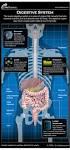 Digestive System Functions A. Gastrointestinal Processes 1. Ingestion: placing food in mouth (voluntary) 2. Propulsion: moving food through GI tract a. Peristalsis: alternating waves of contraction and
NP/PA Clinical Hepatology Fellowship Summary of Year-Long Curriculum
 OVERVIEW OF THE FELLOWSHIP The goal of the AASLD NP/PA Fellowship is to provide a 1-year postgraduate hepatology training program for nurse practitioners and physician assistants in a clinical outpatient
PRODUCT MONOGRAPH. Pr XENICAL. orlistat. Capsules 120 mg. Pharmaceutical Standard: Professed. Anti-Obesity Agent/Gastrointestinal Lipase Inhibitor
 PRODUCT MONOGRAPH Pr XENICAL orlistat Capsules 120 mg Pharmaceutical Standard: Professed Anti-Obesity Agent/Gastrointestinal Lipase Inhibitor Hoffmann-La Roche Limited Date of Revision: 7070 Mississauga
JIANGSU CARTMAY INDUSTRIAL CO.,LTD www.labfurniture.asia mail: [email protected]
 The basic layout, the main functions and instrumentation concept of micro Inspection Division laboratory, 1, Virology Laboratory 1. Functions: for the city to monitor the prevalence of HIV disease, dealing
Dietary emulsifiers impact the mouse gut microbiota promoting colitis and metabolic syndrome
 Dietary emulsifiers impact the mouse gut microbiota promoting colitis and metabolic syndrome Andrew T. Gewirtz et al N A T U R E VOL 519 5 M A R C H 2 0 1 5 Background Incidence of IBD Fact 1: increasing
How do Patients Take THE GIFT from Mother Earth, BEST FULVIC and Humic and Fulvic Based Supplements?
 How do Patients Take THE GIFT from Mother Earth, BEST FULVIC and Humic and Fulvic Based Supplements? Patients typically start taking THE GIFT from Mother Earth. THE GIFT from Mother Earth is a highly-concentrated
Nursing 113. Pharmacology Principles
 Nursing 113 Pharmacology Principles 1. The study of how drugs enter the body, reach the site of action, and are removed from the body is called a. pharmacotherapeutics b. pharmacology c. pharmacodynamics
Amylase and Lipase Tests
 Amylase and Lipase Tests Also known as: Amy Formal name: Amylase Related tests: Lipase The Test The blood amylase test is ordered, often along with a lipase test, to help diagnose and monitor acute or
The Digestive System. You are what you eat!
 The Digestive System You are what you eat! Try to label the diagram (PENCIL!!) What is Digestion? Digestion: the breakdown of large macromolecules (proteins, fats, carbohydrates) into smaller molecules
Upper Gastrointestinal Tract KNH 406
 Upper Gastrointestinal Tract KNH 406 Upper GI A&P GI tract long tube ~ 15 ft. Upper GI mouth, pharynx, esophagus, stomach Accessory organs pancreas, biliary system, liver Four basic functions: motility,
Adams Memorial Hospital Decatur, Indiana EXPLANATION OF LABORATORY TESTS
 Adams Memorial Hospital Decatur, Indiana EXPLANATION OF LABORATORY TESTS Your health is important to us! The test descriptions listed below are for educational purposes only. Laboratory test interpretation
Without intrinsic factor, which is a unique protein made in the stomach, vitamin B12 cannot gain access to the rest of the body where it is needed.
 What is vitamin B12? Vitamin B12 is one of the most controversial members of the vitamin family collectively referred to as the "B-complex" vitamins. Although the full chemical structure of B12 was not
What is the Sleeve Gastrectomy?
 What is the Sleeve Gastrectomy? The Sleeve Gastrectomy (also referred to as the Gastric Sleeve, Vertical Sleeve Gastrectomy, Partial Gastrectomy, or Tube Gastrectomy) is a relatively new procedure for
Chapter 25: Metabolism and Nutrition
 Chapter 25: Metabolism and Nutrition Chapter Objectives INTRODUCTION 1. Generalize the way in which nutrients are processed through the three major metabolic fates in order to perform various energetic
Veterinary Testing. Classes of Test
 Veterinary Testing Classes of Test July 2014 Copyright National Association of Testing Authorities, Australia 2014 This publication is protected by copyright under the Commonwealth of Australia Copyright
Absorption and Transport of Nutrients
 Page1 Digestion Food travels from mouth esophagus stomach small intestine colon rectum anus. Food mixes with digestive juices, moving it through the digestive tract Large molecules of food are broken into
Identifying Celiac Disease and Gluten Sensitivity with Minimally Invasive Testing
 Identifying Celiac Disease and Gluten Sensitivity with Minimally Invasive Testing Enjoy this white paper by Jack A. Maggiore, PhD, MT(ASCP), Assistant Director, Chemistry Laboratory and R&D at Doctor s
OVERVIEW OF LIPID METABOLISM
 VERVIEW F LIPID METABLISM Date: September 20, 2005 * Time: 8:00 am 8:50 am * Room: G202 Biomolecular Building Lecturer: Steve Chaney 515A Mary Ellen Jones Building [email protected] 9663286 *Please
Graduate and Postdoctoral Affairs School of Biomedical Sciences College of Medicine. Graduate Certificate. Metabolic & Nutritional Medicine
 Graduate and Postdoctoral Affairs School of Biomedical Sciences College of Medicine Graduate Certificate in Metabolic & Nutritional Medicine Graduate Certificate Metabolic & Nutritional Medicine Purpose
FELINE IBD: PATHOPHYSIOLOGY, TREATMENT GOALS, & CLIENT COMMUNICATION
 FELINE IBD: PATHOPHYSIOLOGY, TREATMENT GOALS, & CLIENT COMMUNICATION Kara M. Burns, MS, MEd, LVT President, Academy of Veterinary Nutrition Technicians Diarrhea and vomiting is a common complaint from
10.1 The function of Digestion pg. 402
 10.1 The function of Digestion pg. 402 Macromolecules and Living Systems The body is made up of more than 60 % water. The water is found in the cells cytoplasm, the interstitial fluid and the blood (5
H. Pylori and Other GI Pathogens
 Thank you for joining us for H. Pylori and Other GI Pathogens We will start promptly at 12 noon EST. Please note that until that time, the line will be silent. Thank you! Proudly Hosted by 1. All attendees
1. The diagram below represents a biological process
 1. The diagram below represents a biological process 5. The chart below indicates the elements contained in four different molecules and the number of atoms of each element in those molecules. Which set
Digestion, Absorption. How & where?
 Digestion, Absorption How & where? What happens to food? Three processes Digestion Absorption Elimination Where do they occur? GI tract Overview of Digestion GI tract Gastrointestinal (GI) tract: series
WHAT S WRONG WITH MY GALL BLADDER? GALL BLADDER POLYPS
 WHAT S WRONG WITH MY GALL BLADDER? GALL BLADDER POLYPS This is a patient information booklet providing specific practical information about gall bladder polyps in brief. Its aim is to provide the patient
NUTRITION OF THE BODY
 5 Training Objectives:! Knowledge of the most important function of nutrients! Description of both, mechanism and function of gluconeogenesis! Knowledge of the difference between essential and conditionally
1. What has a higher stored energy potential per gram, glycogen or triglycerides? Explain.
 Lipid Metabolism 1. What has a higher stored energy potential per gram, glycogen or triglycerides? Explain. 2. How can excess acetyl CoA trapped in the mitochondria, be utilized as a substrate for fatty
The Use of Enzymes in Dietary Supplements USP Enzyme Workshop July 8, 2009
 The Use of Enzymes in Dietary Supplements USP Enzyme Workshop July 8, 2009 Nena Dockery Introduction and History of Use Commercial production of enzymes for use as digestive aids has an extensive history
Stomach Acid - an Overlooked Digestive Aid
 Stomach Acid - an Overlooked Digestive Aid Almost everyone has experienced an upset stomach due to improper eating at one time or another. Yet, chronic indigestion affects millions of people every day.
Irritable Bowel Syndrome
 Irritable Bowel Syndrome National Digestive Diseases Information Clearinghouse U.S. Department of Health and Human Services NATIONAL INSTITUTES OF HEALTH What is irritable bowel syndrome (IBS)? Irritable